
Some vehicles achieve a level of durability and reliability that allows them to outlive the companies that created them.
These cars and trucks are often remembered long after their manufacturers have disappeared, thanks to solid engineering, dependable components, and timeless design.
They demonstrate that a well-built vehicle can remain on the road for decades, even when the company behind it no longer exists.
Durability is a common theme among these vehicles. Strong engines, reliable transmissions, and robust chassis allow them to withstand years of use with minimal repairs.
Many of these cars were designed with practicality and simplicity in mind, which helped them maintain reliability long after production ceased. Even in cases where the manufacturer faced financial struggles or closure, these vehicles continued to serve owners faithfully.
Maintenance-friendly designs are another factor contributing to their longevity. Vehicles with easily accessible parts, straightforward mechanical systems, and minimal electronic complexity tend to remain on the road longer.
Owners of these cars often find that keeping them running is far more affordable and practical than expected, despite the absence of official company support.
This article highlights twelve vehicles that have proven their ability to endure, often far outlasting the companies that produced them.
Each entry will examine why the vehicle remained reliable, including its engine performance, transmission durability, build quality, and ease of maintenance.
By studying these vehicles, we gain insight into what makes a car truly timeless and how good engineering can create a legacy that survives beyond the lifespan of its maker.
Also Read: 10 Best SUVs That Can Handle 20 Years of Abuse
1. Saab 900
The Saab 900 is a classic example of a vehicle that outlived the company behind it. Produced from 1978 to 1998, the 900 gained a reputation for durability, reliability, and distinctive engineering. Its longevity is a result of solid mechanical design, robust engines, and a chassis built to withstand years of daily use.
The turbocharged four-cylinder engines, especially in later models, were designed for reliability and longevity. Regular maintenance, including timely oil changes and cooling system care, helps these engines remain operational for decades.
The Saab 900 also featured a unique front-wheel-drive setup with a well-balanced suspension that contributed to handling stability and reduced stress on components.
The interior of the 900 was durable and practical, with high-quality materials that held up well over time. Many owners report that even high-mileage examples remain comfortable and functional, with electrical systems that are surprisingly reliable despite the car’s age.
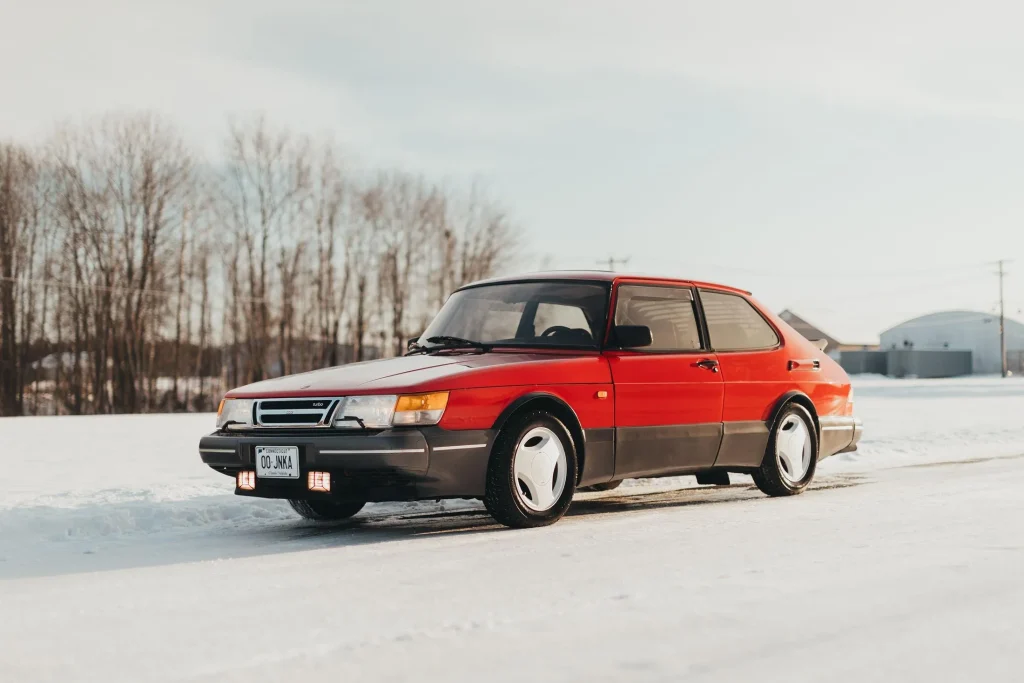
Additionally, the 900’s body and frame were built to last, resisting corrosion better than many contemporaries. Replacement parts are still available through specialized suppliers, allowing enthusiasts to maintain and restore these vehicles even years after Saab ceased operations.
The Saab 900 demonstrates that careful engineering, durable components, and thoughtful design can result in a vehicle that outlasts the company that produced it, maintaining a loyal following and road presence long after production ended.
2. Pontiac Firebird
The Pontiac Firebird is another vehicle that continued to enjoy popularity and longevity after its manufacturer faded away. Produced from 1967 to 2002, the Firebird is known for its strong engines, solid construction, and iconic design, all of which contributed to its lasting presence.
Engine options ranged from inline-sixes to powerful V8s, many of which were known for their durability and performance.
Owners who maintained their Firebirds with regular servicing, including oil changes, cooling system upkeep, and drivetrain inspections, found that these cars could remain operational for decades.
The manual and automatic transmissions were built to handle the engine output reliably, making the Firebird a dependable vehicle for high-mileage enthusiasts.
Chassis and suspension components were engineered for longevity, providing stable handling and comfortable rides even after years of use.
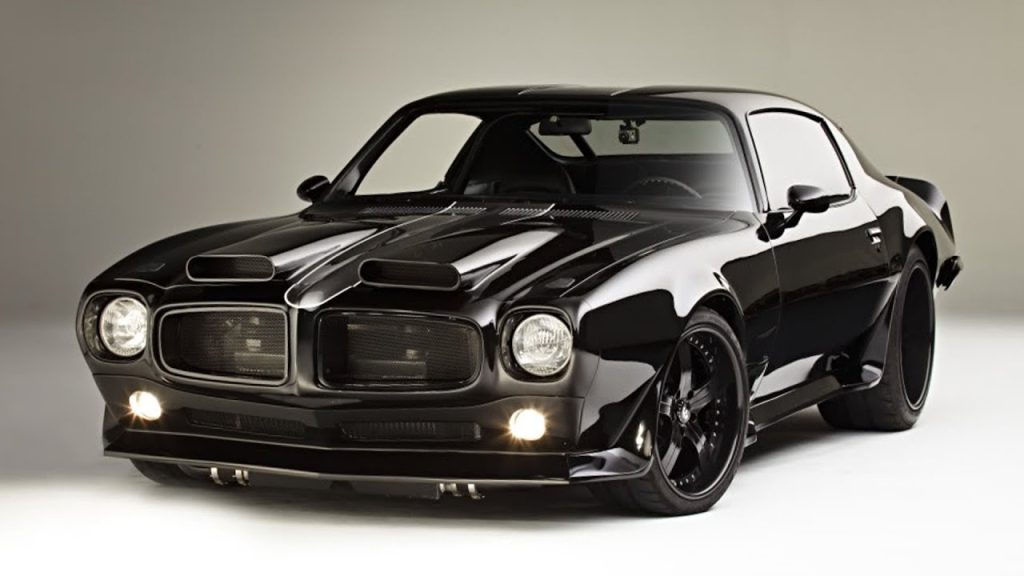
Many examples survive today thanks to the robust body construction and corrosion-resistant materials, which allowed the car to endure road and weather conditions effectively.
Even after Pontiac’s closure in 2010, the Firebird remains a celebrated classic. Replacement parts are still sourced through aftermarket suppliers, and a dedicated community ensures these vehicles remain on the road.
The Pontiac Firebird exemplifies how a well-built car can survive beyond the lifespan of its manufacturer, combining performance, reliability, and iconic appeal.
3. Saturn SL
The Saturn SL series, produced from 1985 to 2002, is a compact car that has outlasted the Saturn brand itself. Known for simple engineering and low-cost maintenance, the SL remains operational for many owners long after the company ceased production.
The SL’s four-cylinder engines are simple and reliable, requiring only standard maintenance such as oil changes, spark plug replacements, and cooling system checks.
This simplicity reduces the likelihood of expensive repairs, contributing to the car’s long lifespan. Manual and automatic transmissions are also durable, often running smoothly for hundreds of thousands of miles with proper care.
Suspension and chassis components were designed for durability and ease of repair. Parts such as struts, control arms, and bushings are simple to replace, allowing owners to maintain the vehicle without costly interventions. The lightweight construction of the SL further reduces wear and stress on mechanical systems, extending overall longevity.
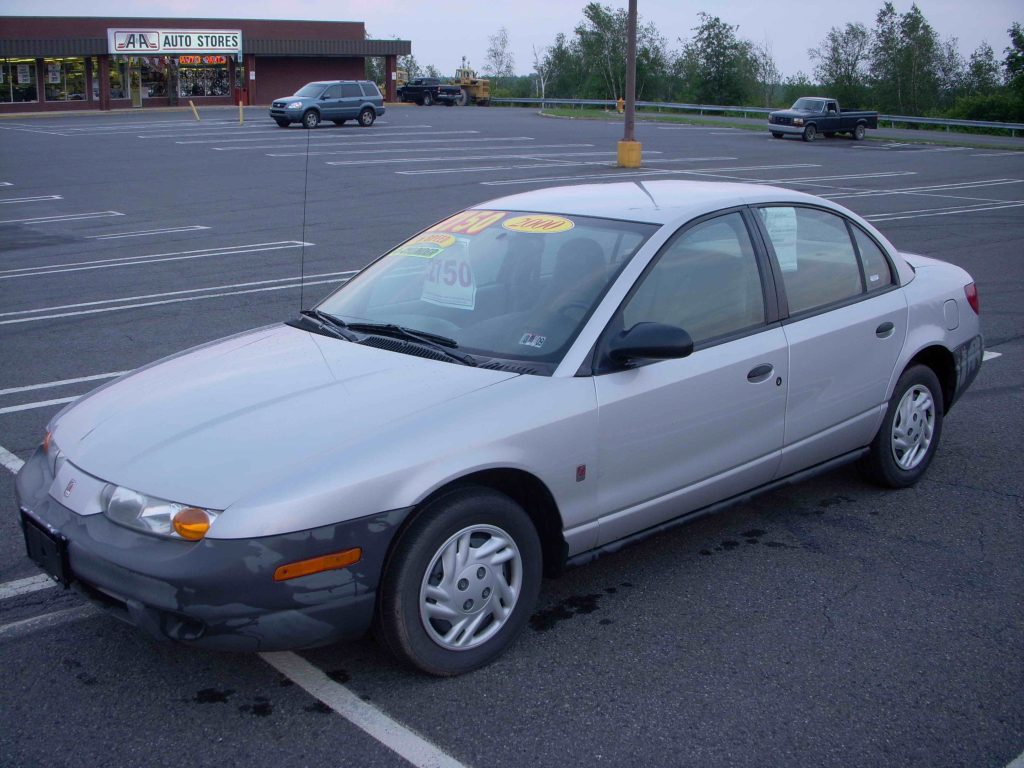
The interior was built to be practical and functional, with basic controls and durable materials that hold up well over time. Even though Saturn ceased operations in 2010, many SLs remain on the road due to their reliable design and cost-effective upkeep.
The Saturn SL demonstrates that vehicles with straightforward engineering, durable mechanicals, and easy maintenance can survive long after their makers are gone, offering decades of dependable service to their owners.
4. DeLorean DMC-12
The DeLorean DMC-12 is an iconic vehicle that outlived its manufacturer, DeLorean Motor Company, which ceased operations in 1982.
While production was short-lived, the DMC-12 gained a lasting reputation due to its stainless-steel body, gullwing doors, and unique engineering, ensuring that it remained on the road long after the company folded.
The car was powered by a 2.85-liter V6 engine paired with either a five-speed manual or three-speed automatic transmission.
While the engine was not particularly powerful, it was mechanically straightforward and durable. Routine maintenance, such as oil changes, cooling system checks, and timing belt replacements, keeps these engines reliable even decades later.
One of the DMC-12’s strengths is its corrosion-resistant stainless-steel body. Unlike most cars of its era, the exterior resists rust, allowing many examples to remain in excellent condition today. Suspension components are also durable, designed to withstand normal wear and tear without frequent repairs.
Although parts can be challenging to source, specialized suppliers and enthusiast communities have ensured that maintenance and restoration remain possible.
Interior components, while somewhat basic, have proven durable, and electrical systems are manageable with proper care.
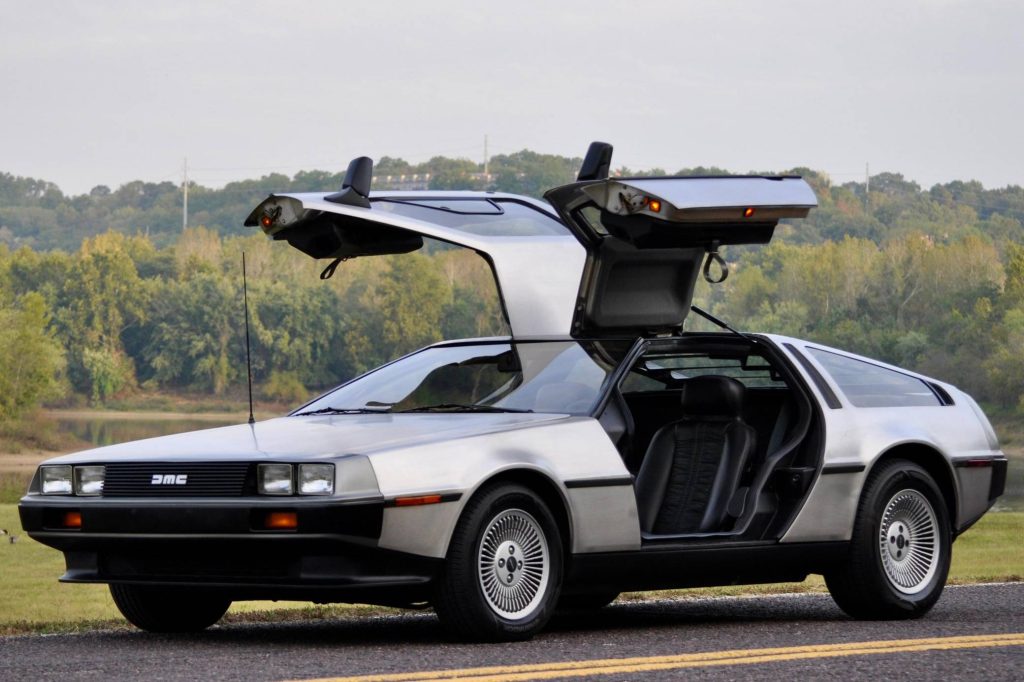
The DeLorean DMC-12 exemplifies how distinctive design, simple mechanicals, and durable materials can create a vehicle that survives well beyond the lifespan of its manufacturer.
Even today, it remains a collectible car with operational examples still driving on the road, proving that innovation and solid engineering can leave a lasting legacy.
5. AMC Eagle
The AMC Eagle, produced from 1980 to 1987, was an early crossover that combined passenger car comfort with four-wheel-drive capability. Despite American Motors Corporation eventually being absorbed by Chrysler, many Eagles continue to operate reliably decades later.
Powered by a range of inline-six and V8 engines, the Eagle offered a robust drivetrain capable of high mileage.
Routine maintenance, such as oil changes, cooling system care, and spark plug replacement, allows these engines to remain in excellent condition. The four-wheel-drive system is mechanically straightforward and durable, contributing to the vehicle’s longevity.
Suspension components, including leaf springs and shocks, were designed for durability and the mixed-use purpose of the Eagle.
The chassis could handle rough roads and off-road conditions, minimizing long-term wear. Brakes and steering components are also simple to maintain, making it easier for owners to keep the vehicle operational even after decades.
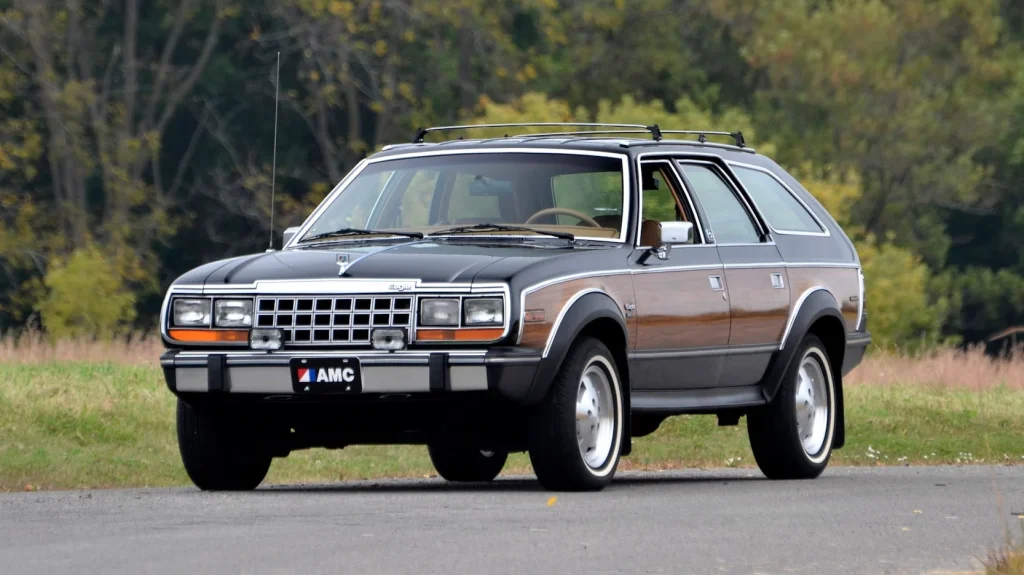
The interior was practical and durable, with seats and trim materials that have stood the test of time. With parts still available through aftermarket suppliers, enthusiasts have been able to preserve and maintain Eagles well after AMC’s closure.
The AMC Eagle demonstrates that a combination of reliable engines, robust drivetrains, and durable construction can allow a vehicle to survive well beyond the existence of its manufacturer, continuing to serve owners faithfully for decades.
6. Plymouth Voyager
The Plymouth Voyager, launched in 1984 and produced until 2000, became a reliable family minivan long after Plymouth as a brand disappeared in 2001.
Known for its solid construction and simple mechanical systems, the Voyager remains a practical vehicle for high-mileage owners.
Engine options, including four-cylinder and V6 configurations, are designed for durability. Regular maintenance such as oil changes, cooling system servicing, and spark plug replacements ensures these engines remain operational for many years.
Both manual and automatic transmissions in these minivans are known for reliability when maintained according to manufacturer guidelines.
Suspension and chassis components were engineered for family use, providing durability and comfort. Struts, control arms, and steering systems are simple to service, contributing to the long lifespan of these vehicles. Braking systems are also straightforward, reducing the likelihood of expensive repairs.
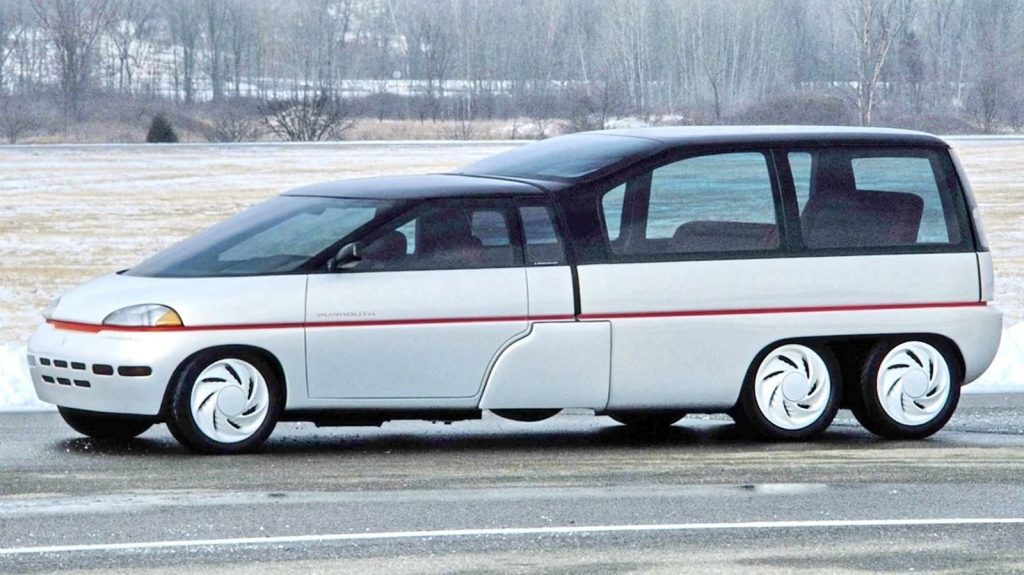
The interior is built to accommodate families and withstand daily wear. Seats, trim, and basic electronics are durable, and parts remain accessible through aftermarket suppliers, making long-term ownership feasible even after Plymouth’s closure.
The Plymouth Voyager proves that practical design, reliable engines, and straightforward mechanical systems can create a vehicle that outlasts the brand that produced it, maintaining functionality and utility decades after production ended.
7. Oldsmobile Cutlass Ciera
The Oldsmobile Cutlass Ciera, produced from 1982 to 1996, is a vehicle that outlived the Oldsmobile brand itself, which ceased production in 2004. Renowned for reliability and solid build quality, many Cutlass Cieras continue to operate today, decades after production ended.
The vehicle featured a range of inline-four, V6, and V8 engines known for durability. Routine maintenance, including oil changes, cooling system inspections, and spark plug replacements, ensures these engines remain functional well into high mileage.
Transmissions, both automatic and manual, are straightforward and reliable when serviced properly, contributing to the model’s long-term usability.
The Cutlass Ciera’s chassis and suspension components were built for durability rather than sporty performance. Struts, control arms, and shocks are easy to service and replace, helping owners maintain handling and comfort over the years. Braking systems were robust, requiring minimal repairs with regular maintenance.
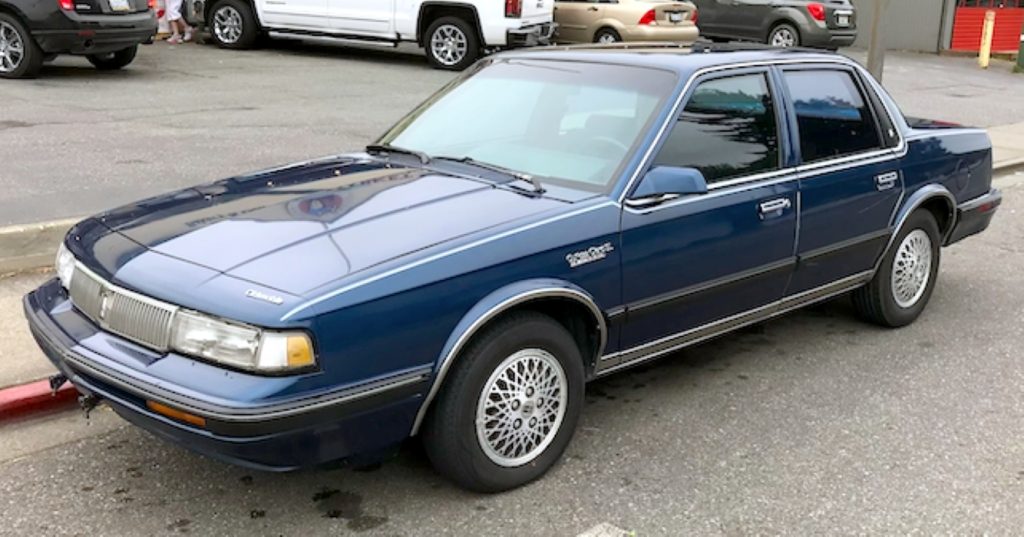
Interior materials were practical and durable, designed to withstand heavy use over time. Seats, controls, and trim components maintain their functionality, even in high-mileage examples. Electrical systems, though basic, are reliable and contribute to the car’s longevity.
Even after the Oldsmobile brand disappeared, Cutlass Cieras continue to find owners and enthusiasts who value their durability, practicality, and ease of maintenance.
This model demonstrates that solid engineering and thoughtful design can create vehicles that survive long after the company behind them is gone.
8. Pontiac Bonneville
The Pontiac Bonneville, produced from 1957 until 2005, outlasted the Pontiac brand itself, which ended in 2010. Known for its large V8 engines, solid construction, and reliability, the Bonneville remains a vehicle that enthusiasts and everyday drivers continue to maintain.
V8 engines offered in the Bonneville are robust, capable of high mileage when properly maintained. Routine services, such as oil changes, cooling system upkeep, and spark plug replacement, are essential to ensuring the engine’s longevity.
Automatic transmissions paired with these engines are reliable, particularly when fluid maintenance is observed.
The suspension and chassis were designed for comfort and durability. Components like struts, control arms, and bushings hold up well over time, allowing the car to maintain stable handling and ride quality even after decades of use. Braking systems are straightforward and durable, reducing the frequency of costly repairs.
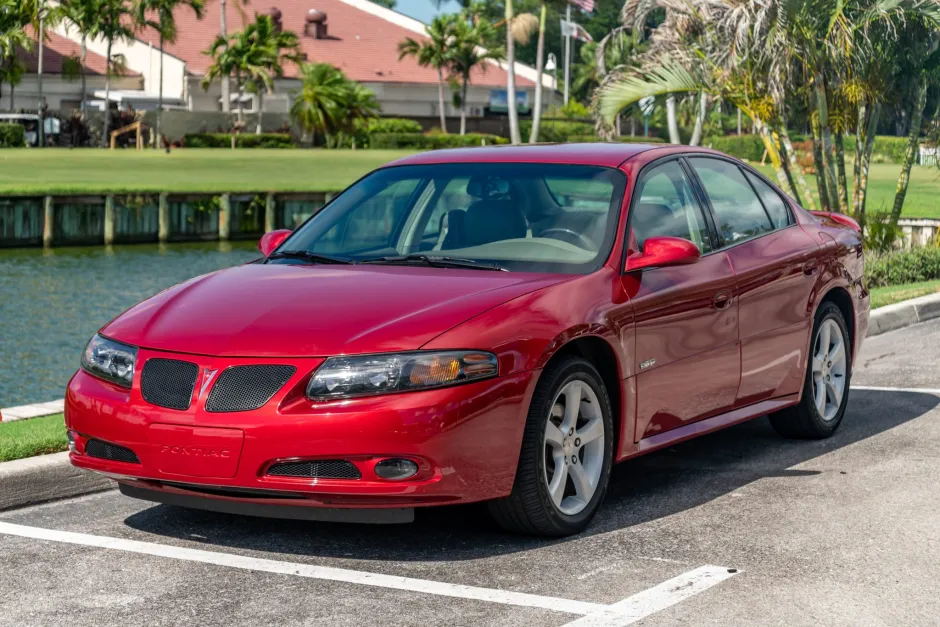
Inside, the Bonneville featured durable seats and trim, capable of withstanding years of use. Electrical systems and basic electronics are manageable for repairs, helping owners keep these cars operational long after Pontiac ceased production.
The Pontiac Bonneville exemplifies how strong engines, reliable drivetrains, and practical construction can create vehicles that survive well beyond the lifespan of their manufacturer. Even today, many remain on the road, cherished for their reliability and classic design.
9. Geo Metro
The Geo Metro, produced from 1989 to 2001, is a small economy car that has outlasted General Motors’ Geo brand. Lightweight, fuel-efficient, and mechanically simple, the Metro continues to be maintained by owners seeking inexpensive, reliable transportation.
The Metro featured small three-cylinder or four-cylinder engines known for durability and low maintenance costs.
Routine oil changes, cooling system checks, and spark plug replacements are sufficient to keep these engines running reliably for decades. Manual and automatic transmissions are simple and robust, contributing to the car’s longevity.
Suspension and chassis components are straightforward, designed for city and highway use. Struts, shocks, and bushings are easy to replace, allowing owners to maintain handling and comfort without high costs. Brakes are simple, durable, and inexpensive to service, making long-term ownership affordable.
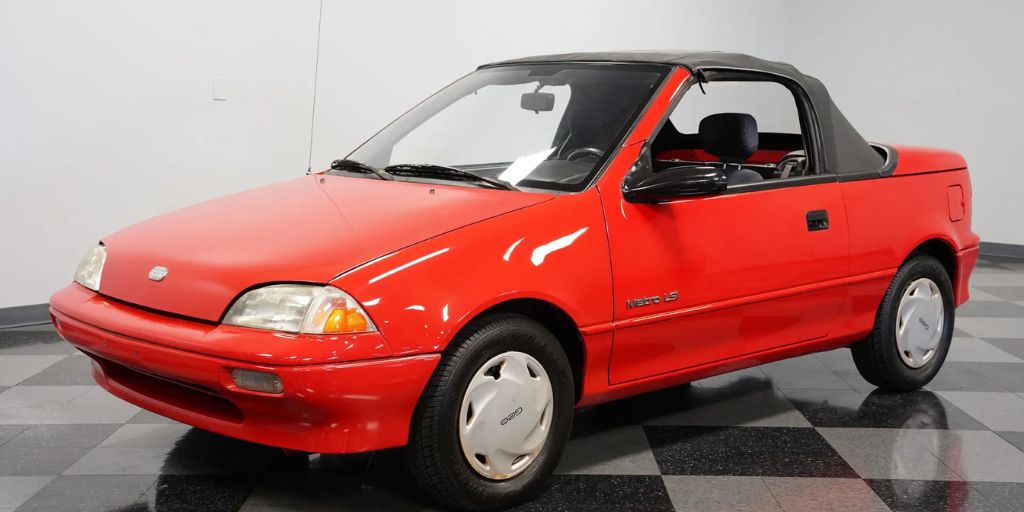
The interior is basic but practical, with seats and trim capable of enduring years of use. Electronics are minimal, reducing the likelihood of expensive repairs.
Replacement parts remain available through aftermarket suppliers, allowing these vehicles to continue operating long after the Geo brand disappeared.
The Geo Metro demonstrates that simple, practical engineering, combined with durability and low maintenance, can create a vehicle that survives long past the existence of its manufacturer.
10. Fisker Karma
The Fisker Karma, produced from 2011 to 2012, is a luxury plug-in hybrid that survived beyond Fisker Automotive’s operational challenges. Despite the company’s bankruptcy, many Karmas continue to operate thanks to durable components and strong engineering.
The Karma features a 2.0-liter turbocharged engine paired with electric motors and a lithium-ion battery system. While the hybrid system is complex, regular maintenance and battery care can ensure long-term reliability.
Cooling systems, electrical connections, and hybrid power electronics must be inspected periodically to maintain optimal performance.
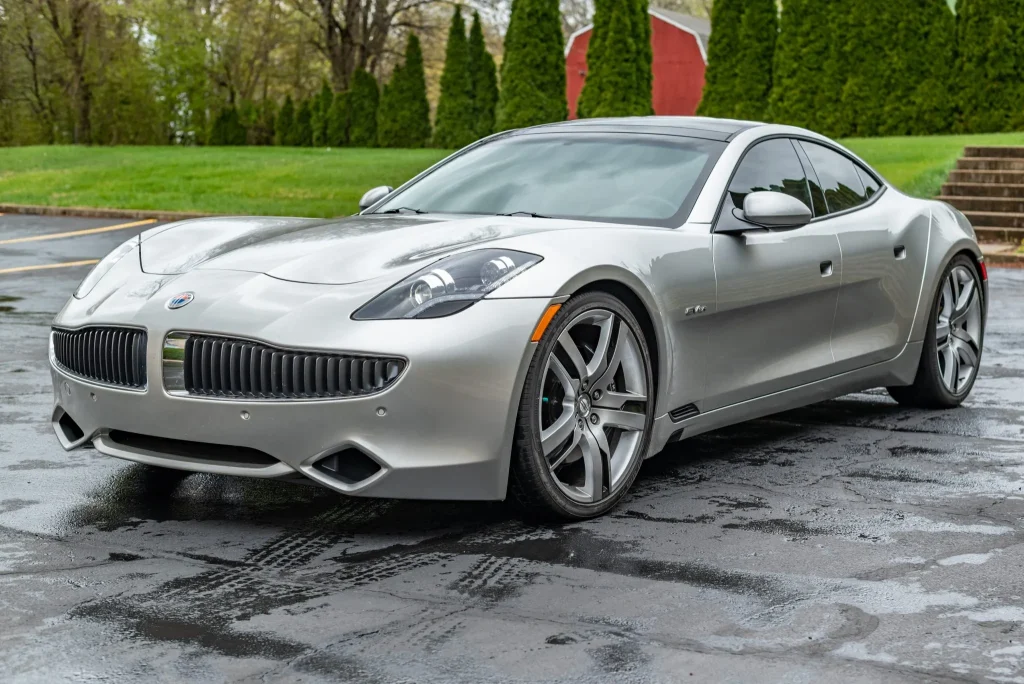
The chassis and suspension are built for a luxury sedan experience, providing a comfortable ride and stability over time.
Brake systems are integrated with regenerative braking, reducing wear and extending maintenance intervals. Interior components are high-quality, with durable materials designed to withstand years of use.
After Fisker Automotive ceased production, support continued through specialized suppliers and aftermarket networks, allowing Karma owners to maintain their vehicles.
The combination of advanced engineering and strong materials ensures that the Karma remains operational and sought after among hybrid enthusiasts.
The Fisker Karma demonstrates that a well-engineered vehicle can survive financial failures of its maker, offering luxury, efficiency, and functionality even after the brand has disappeared.
11. Panoz Esperante
The Panoz Esperante, produced from 1998 to 2017, outlasted the small boutique automaker in terms of visibility and collector interest. Known for its lightweight chassis, V8 engines, and driver-focused design, the Esperante remains operational long after the company scaled back production.
Powered by robust V8 engines, the Esperante is mechanically reliable when maintained properly. Regular oil changes, cooling system checks, and spark plug replacements ensure high-mileage operation. Manual transmissions are straightforward and durable, complementing the performance-oriented design.
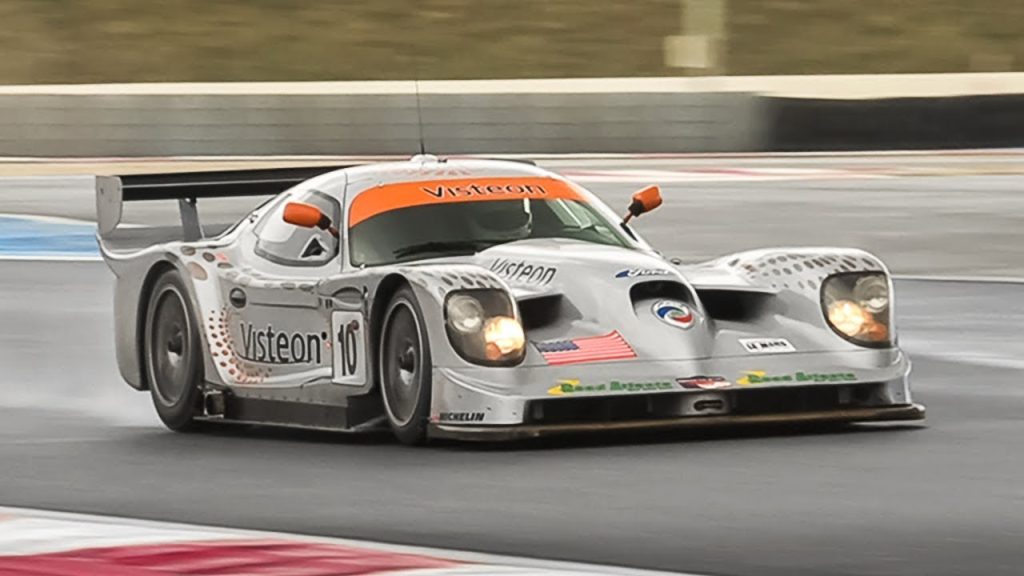
Suspension and chassis components are engineered for sporty handling and longevity. The lightweight frame reduces wear on driveline and suspension parts, extending the vehicle’s usable life. Interior materials, though minimalistic, are durable and functional, contributing to low maintenance costs.
Even after production slowed, aftermarket parts and enthusiast networks allowed owners to maintain and restore these vehicles. The Panoz Esperante illustrates how focused engineering and quality components can create a car that outlasts its manufacturer’s active presence.
12. Bricklin SV-1
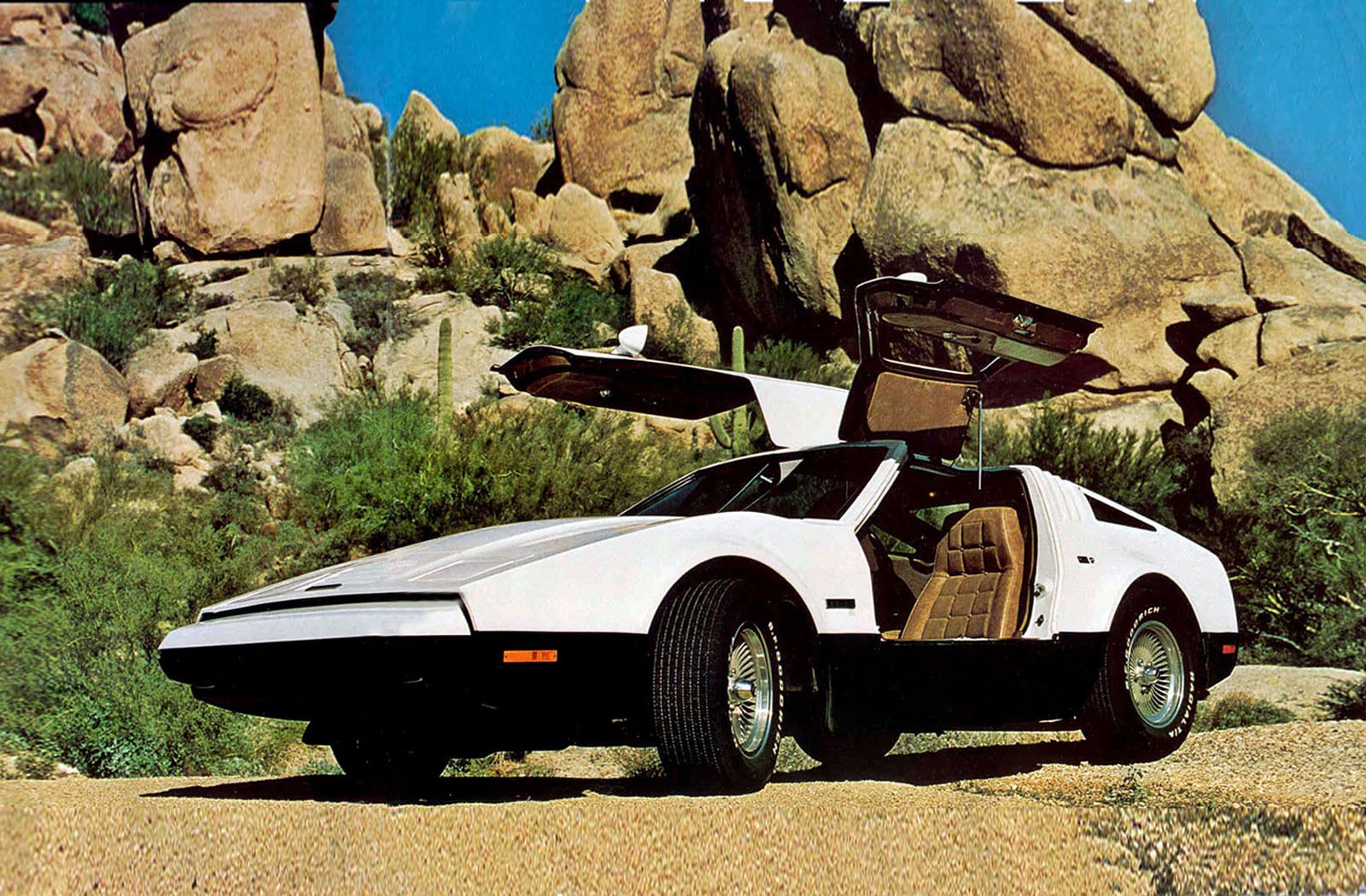
The Bricklin SV-1, produced from 1974 to 1976, is a safety-focused sports car that outlasted Bricklin’s short-lived company. Famous for its gullwing doors and innovative design, the SV-1 remains a collectible vehicle maintained by enthusiasts decades after production ceased.
The SV-1 used a 5.7-liter V8 engine, often sourced from American manufacturers, which proved durable with regular maintenance.
Oil changes, cooling system checks, and basic engine servicing help ensure reliable performance even in high-mileage examples. Transmissions were standard and reliable, contributing to long-term usability.
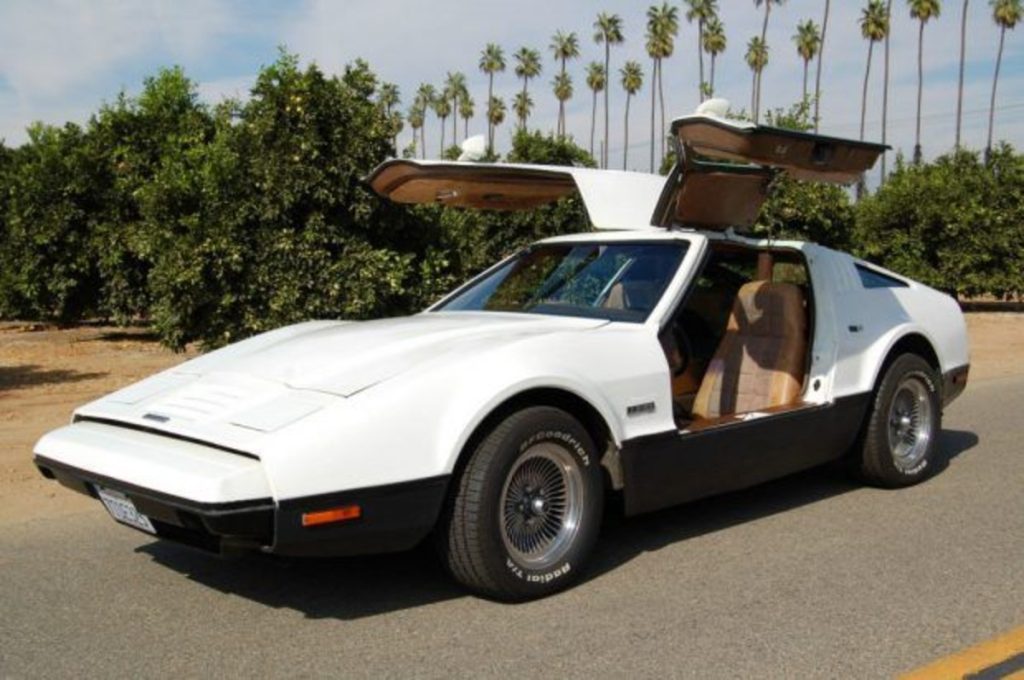
The car’s body utilized impact-absorbing materials, and the chassis was designed for structural integrity. While suspension and brake components require care, they remain serviceable through aftermarket parts, allowing the SV-1 to continue operating reliably.
The interior was basic but functional, with controls and materials that have endured over decades.
The Bricklin SV-1 demonstrates that innovative engineering, solid mechanicals, and durability can allow a vehicle to outlive the company that produced it, maintaining both functionality and collector appeal long after the brand disappeared.
Some vehicles have proven their ability to survive long after the companies that manufactured them ceased operations.
The twelve vehicles highlighted in this article showcase durability, reliability, and design quality that allowed them to continue serving owners decades after production ended.
Strong engineering, robust engines, and practical mechanical systems are common traits among these long-lasting vehicles.
Engines in these cars, ranging from the V6 in the Saab 900 to the small four-cylinder in the Geo Metro, were designed to withstand years of regular use with minimal issues.
Routine maintenance, including oil changes, cooling system inspections, and spark plug replacements, has enabled many of these vehicles to achieve high mileage and maintain dependable performance.
Transmissions, whether manual, automatic, or CVT, were engineered to match the engines reliably, further contributing to long-term usability.
Durable suspension and chassis components also play a significant role in longevity. Vehicles like the AMC Eagle and Plymouth Voyager were built to handle varied driving conditions while minimizing wear on critical parts.
Brake systems, steering components, and structural elements were engineered to last, reducing the frequency of costly repairs.
Interior materials and basic electronics have also demonstrated resilience. Seats, trim, and controls in models such as the Oldsmobile Cutlass Ciera and Pontiac Bonneville have maintained functionality over decades, contributing to the overall reliability and usability of the vehicles.
Even when the original companies ceased operations, aftermarket suppliers, enthusiast communities, and available replacement parts have allowed these cars to remain on the road.
These vehicles demonstrate that thoughtful engineering, practical design, and durable components can create a lasting legacy, ensuring a car’s relevance and reliability far beyond the lifespan of its manufacturer.
