
Electric vehicles (EVs) have become a significant part of the automotive landscape, offering the promise of lower maintenance costs, efficient performance, and reduced environmental impact.
While traditional gasoline cars often face issues with engine wear, transmission failures, and exhaust system corrosion, many modern EVs avoid these problems entirely due to their simpler powertrains and fewer moving parts.
As a result, some EVs are proving capable of outlasting gas-powered vehicles, maintaining performance and reliability over hundreds of thousands of miles.
Battery technology is a critical factor in determining an EV’s longevity. Many manufacturers now produce battery packs designed to maintain a high percentage of their original capacity even after extensive use.
With proper charging habits, climate management, and regular maintenance of software and cooling systems, these EVs can continue to deliver strong performance well beyond what most drivers expect from traditional cars.
Additionally, regenerative braking systems reduce wear on brakes, further enhancing long-term reliability.
Beyond batteries, EVs benefit from fewer mechanical components that typically fail in gasoline vehicles. Without internal combustion engines, exhaust systems, fuel pumps, and complex transmissions, EVs have fewer points of failure.
This translates to fewer costly repairs over time, making them potentially longer-lasting than many gas-powered counterparts. Their electronics, drive motors, and chassis components are designed for durability, supporting extended service life.
This article highlights nine electric vehicles that have demonstrated or are projected to maintain high performance and reliability for extended periods.
Each entry examines battery longevity, powertrain reliability, software updates, and real-world owner experiences to explain why these EVs might continue performing well long after their gas-powered counterparts begin to experience significant wear.
From compact hatchbacks to larger SUVs, these EVs show that durability, practicality, and efficiency can coexist, offering drivers the confidence that their vehicle will remain dependable for many years and miles.
Also Read: 10 Turbo Engines That Surprisingly Last Past 200K
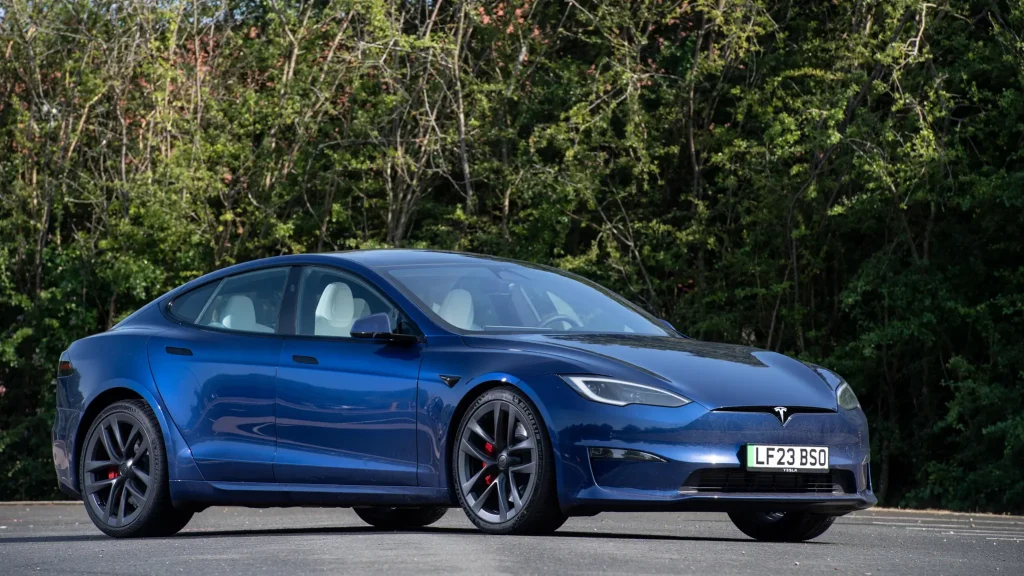
1. Tesla Model S
The Tesla Model S has earned a strong reputation for being one of the longest-lasting EVs on the road.
Since its introduction in 2012, the Model S has consistently pushed the boundaries of electric vehicle engineering with impressive range, advanced battery management, and high-performance electric motors.
Owners have reported these cars reaching well over 300,000 miles while retaining usable battery capacity and strong performance.
That kind of mileage is rare among gas-powered luxury sedans, which often require expensive engine or transmission repairs long before reaching that point.
One of the key reasons the Model S holds up so well is its robust battery management system. Tesla has refined its thermal regulation and charging controls, ensuring the battery does not degrade quickly under normal use.
With software updates regularly provided over-the-air, Tesla can even improve range and efficiency years after purchase, keeping older models competitive with newer ones.
Many owners who follow recommended charging practices find that their batteries retain around 80 to 90 percent of their capacity after hundreds of thousands of miles, a figure that would be impressive for any EV.
The durability extends beyond the battery. Electric motors in the Model S require little maintenance and often outlast internal combustion engines by a wide margin.
Regenerative braking also reduces stress on the braking system, meaning components like brake pads and rotors last much longer.
Fewer moving parts overall means fewer things to fail, which is why Tesla’s long-term ownership costs are often lower than gas-powered vehicles in the same class.
Additionally, the Model S has a strong build quality, with a rigid chassis designed to protect both occupants and the battery pack. Many of these cars remain structurally sound even after years of heavy use.
Combined with constant software improvements, the Model S continues to feel modern even after nearly a decade on the road. For drivers seeking a luxury vehicle capable of enduring the long haul, the Tesla Model S stands as a clear example of how EVs can easily outlast gas cars.
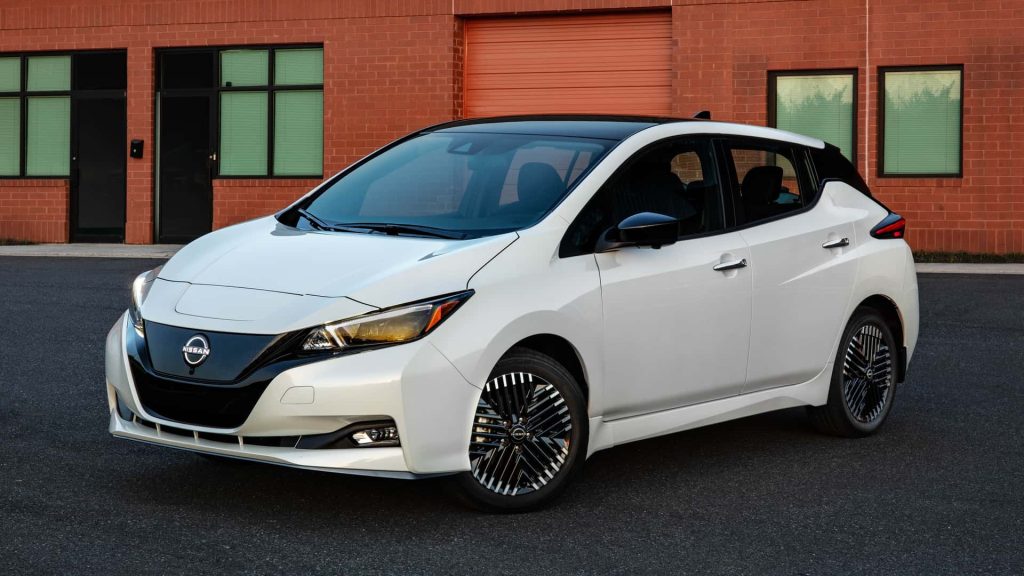
2. Nissan Leaf
The Nissan Leaf is one of the most affordable and accessible EVs, yet it has shown surprising durability over the years. Introduced in 2010, the Leaf has built a reputation for reliability and low operating costs, with many early models still running strong today.
While its range has always been more modest compared to Tesla models, the Leaf makes up for it with simple engineering, a dependable electric motor, and a proven track record of longevity in diverse driving conditions.
Owners often report that the Leaf can surpass 200,000 miles with only minor maintenance, a milestone that rivals or exceeds many compact gas-powered cars.
The Leaf’s electric motor is nearly maintenance-free, with no oil changes, timing belts, or spark plugs to worry about. Brake wear is minimal due to regenerative braking, which captures energy while reducing stress on brake components. The result is fewer trips to the mechanic and a lower overall cost of ownership.
One of the biggest factors in the Leaf’s long-term success is Nissan’s careful engineering of the motor and electronics.
While earlier models with smaller batteries were more prone to range loss in hot climates, Nissan improved battery thermal management in later versions, significantly increasing durability.
Owners of newer Leafs often see very little degradation even after years of use. For city driving and shorter commutes, the Leaf’s battery typically provides reliable service for well over a decade.
The Leaf’s simplicity also works in its favor. Unlike some luxury EVs packed with complex electronics and high-stress performance components, the Leaf focuses on practicality.
This means fewer potential failures, allowing the car to age gracefully. Its affordability also makes it accessible to a wide range of drivers, many of whom discover that the Leaf easily outlasts their expectations.
For budget-minded buyers seeking an EV that can outlive many comparable gas cars, the Nissan Leaf is one of the strongest contenders.
It combines long-lasting components, minimal upkeep, and proven reliability in a package that keeps costs low even years into ownership.
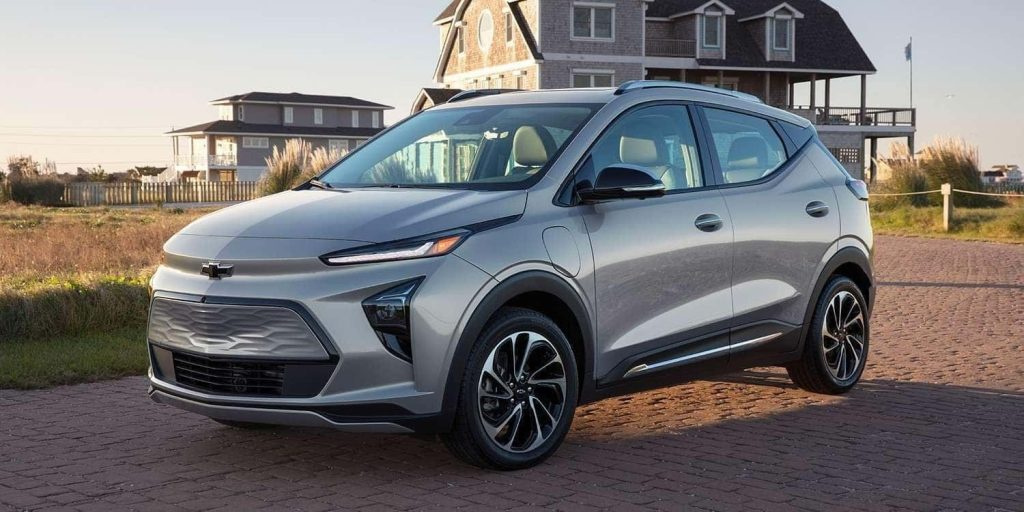
3. Chevrolet Bolt EV
The Chevrolet Bolt EV has proven itself to be one of the most durable and practical electric cars on the market. Since its release in 2017, the Bolt has been praised for its range, affordability, and low maintenance needs.
Many owners are now reporting their Bolts crossing 200,000 miles while still performing reliably, making it a standout choice among compact EVs.
General Motors designed the Bolt with long-term durability in mind. Its lithium-ion battery pack has proven to be robust when properly managed, with many owners noting minimal degradation even after years of daily use.
With a range that often exceeds 250 miles on a full charge, the Bolt remains competitive and useful for both city commuting and longer drives. The improved thermal management system helps protect the battery from premature wear, especially in climates with extreme temperatures.
Beyond the battery, the Bolt benefits from the inherent reliability of electric drivetrains. The motor is simple, efficient, and capable of lasting far longer than traditional engines. Regenerative braking reduces wear on brake components, meaning owners spend less on replacements over the years.
Many Bolt drivers report only needing basic maintenance items like tires and windshield wipers for tens of thousands of miles, a stark contrast to the frequent servicing of gas cars.
One of the strengths of the Bolt is its combination of practicality and resilience. It offers good range, a spacious interior, and affordable running costs, making it a great daily driver that can handle years of heavy use.
Despite some early challenges with battery recalls, GM addressed these issues, and current Bolt models have proven to be both safe and dependable over the long term.
The Bolt’s straightforward design also supports its longevity. It lacks the complex performance systems of high-end EVs, which means fewer expensive parts that could fail.
Owners often find their Bolts to be trouble-free, with many planning to keep them for a decade or more. For anyone looking for a small EV that can last just as long, if not longer, than many gas-powered compact cars, the Chevrolet Bolt EV is a strong candidate.
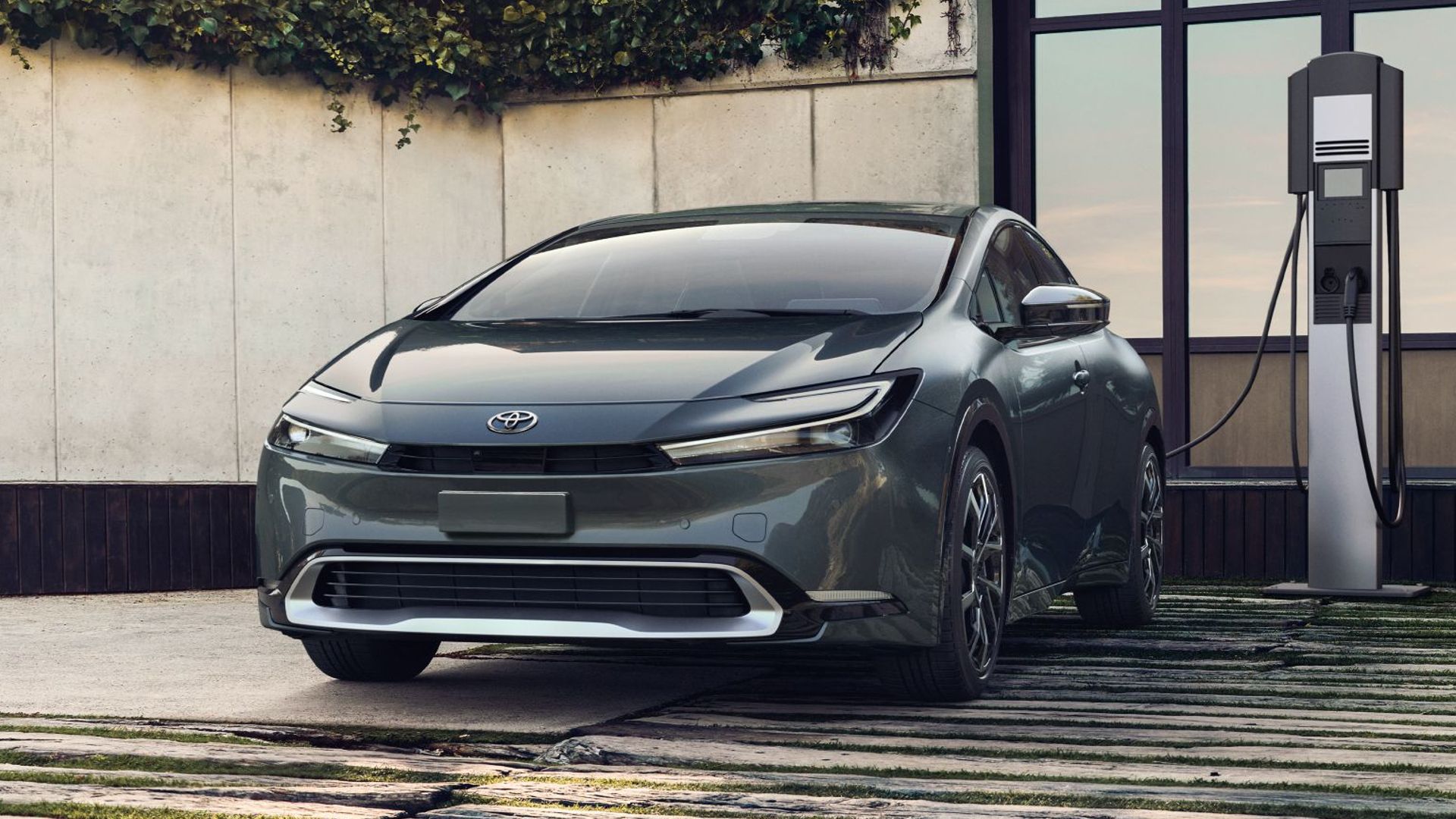
4. Toyota Prius Prime
The Toyota Prius Prime stands out as a plug-in hybrid that bridges the gap between electric efficiency and long-term durability.
Building on the Prius legacy of dependability, the Prime combines an electric drivetrain with Toyota’s proven hybrid technology, giving owners the peace of mind that comes from decades of reliability research.
With an all-electric range of around 25 miles and the ability to operate as a standard hybrid once the battery is depleted, the Prius Prime has earned a reputation for going hundreds of thousands of miles with very few issues.
One of the Prime’s greatest strengths is its dual system of propulsion. The gasoline engine is used less often, which reduces mechanical stress, while the electric motor shoulders much of the driving load.
This balance means both systems last longer compared to vehicles that rely solely on one type of powertrain. Owners frequently report well over 200,000 miles with little more than routine maintenance such as oil changes, tire rotations, and brake service.
The battery is designed with longevity in mind, and Toyota has refined its thermal management to keep degradation minimal even after years of use.
Another factor contributing to the Prius Prime’s long life is its conservative engineering. Unlike performance EVs that stress their batteries and motors with aggressive acceleration, the Prime emphasizes efficiency and practicality.
This approach not only helps extend component life but also ensures consistent fuel savings for owners who keep their vehicles long term. Many drivers find that the reduced wear on brakes, transmission, and engine parts translates to fewer costly repairs over time.
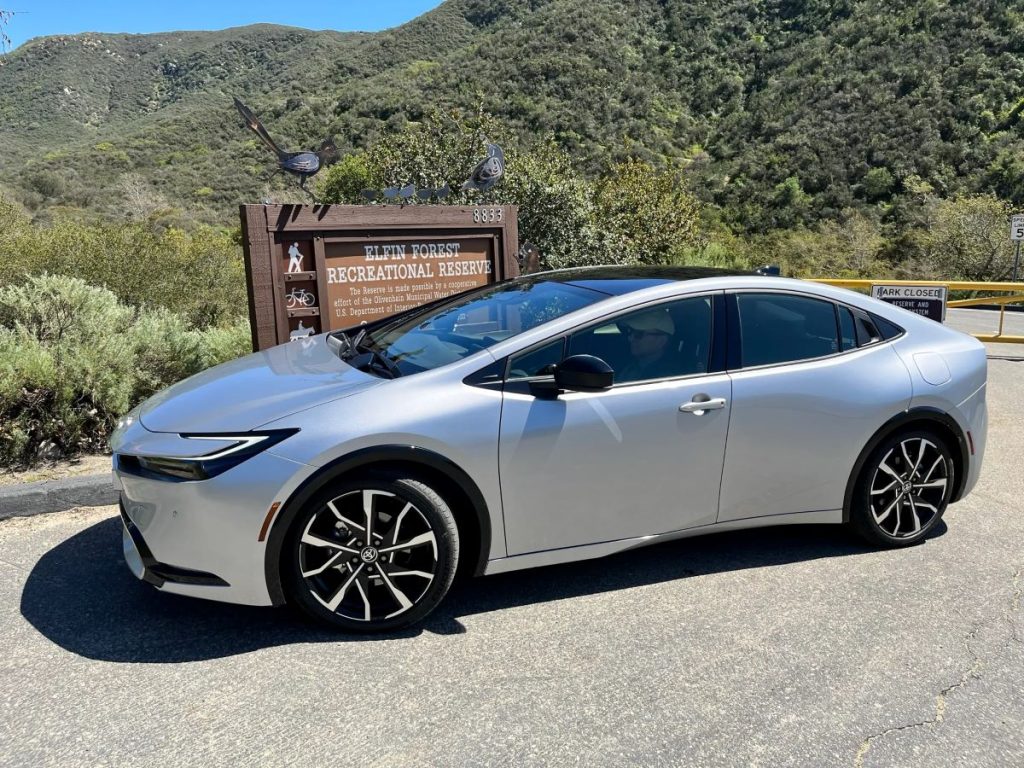
Beyond the drivetrain, the Prius Prime benefits from Toyota’s emphasis on build quality. Interior materials, suspension components, and electronics are built to withstand daily use, making the Prime a dependable option for families and commuters alike.
Owners who maintain their vehicles properly often discover that the Prius Prime continues running smoothly long after gas-powered competitors would have required expensive overhauls.
For those who want the benefits of electric driving without sacrificing the assurance of proven reliability, the Prius Prime is a standout option that can easily outlast many gas cars.
5. Hyundai Kona Electric
The Hyundai Kona Electric has become one of the most respected compact EVs thanks to its combination of strong range, affordability, and proven durability.
Since its release, the Kona Electric has consistently impressed drivers with its ability to handle daily commuting, long trips, and years of steady use while retaining its performance and reliability.
With real-world ranges often surpassing 250 miles, it provides enough flexibility for most owners, while its robust engineering helps ensure long-term dependability.
At the heart of the Kona Electric’s endurance is its advanced battery system. Hyundai equipped the Kona with a well-managed thermal control setup, which helps the battery withstand temperature extremes without degrading quickly.
Owners who charge responsibly and follow manufacturer guidelines often report minimal battery loss even after many years and thousands of miles. This design choice makes the Kona Electric particularly appealing for drivers who want a car they can keep well into the future without range anxiety.
The electric motor and transmission are equally reliable, requiring little more than routine inspections over the life of the car.
Regenerative braking helps reduce wear on the braking system, meaning many Kona Electric owners find themselves needing new brake pads far less frequently than in gas cars. The result is lower long-term maintenance costs and fewer unexpected repairs.
Hyundai has also improved its reputation for quality, and the Kona Electric benefits from strong build standards.
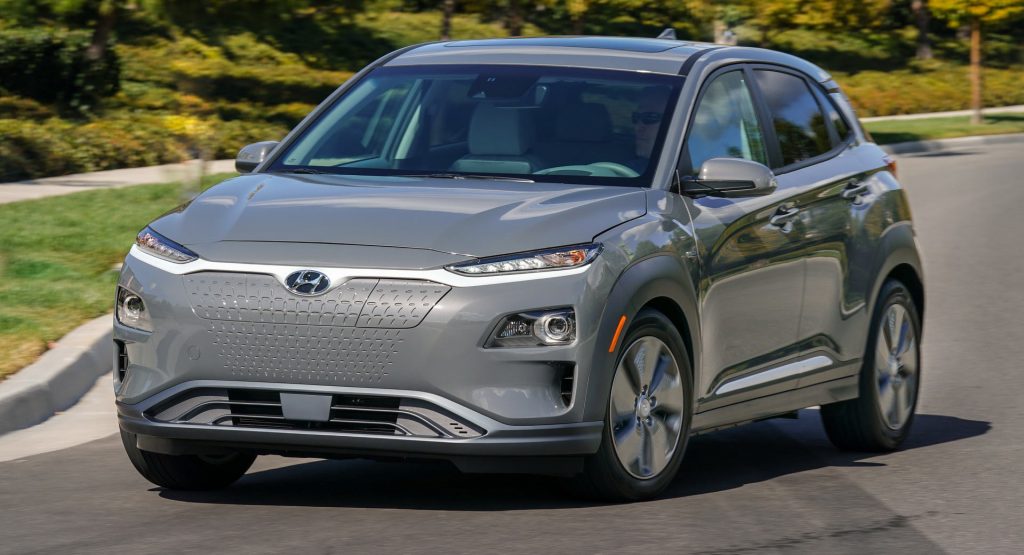
The chassis feels solid, interior components hold up well, and the car delivers a quiet, composed ride even after years of use. Unlike many compact SUVs that show their age quickly, the Kona Electric maintains a modern feel over time.
Another important factor is Hyundai’s confidence in the Kona Electric’s durability, demonstrated by the long warranty coverage on its battery and drivetrain.
This assurance not only reduces owner worry but also highlights the company’s belief that the vehicle is built to last. For drivers seeking a compact EV with excellent range, strong reliability, and the ability to serve faithfully for hundreds of thousands of miles, the Hyundai Kona Electric is a proven choice.
6. BMW i3
The BMW i3 may look unconventional, but it has earned respect as a long-lasting and reliable EV. Introduced in 2013, the i3 was one of BMW’s earliest electric ventures, and despite its small size and quirky styling, it has proven to be remarkably durable.
Many owners continue to report excellent performance even after a decade of use, showing that the i3 has what it takes to outlast many gas-powered competitors.
The i3’s battery system is a central reason for its longevity. BMW designed it with robust thermal management and software to protect against rapid degradation.
While its range is smaller compared to newer EVs, the i3 still performs well in urban and suburban settings. Owners frequently report battery packs that retain strong capacity even after high mileage, with many cars surpassing 150,000 to 200,000 miles without significant issues.
Beyond the battery, the i3 benefits from a lightweight carbon-fiber reinforced plastic body, which resists corrosion and helps preserve structural integrity.
This makes the i3 less susceptible to rust compared to many traditional gas cars, especially in areas with harsh winters. The electric motor is also highly dependable, requiring almost no maintenance and delivering smooth, efficient power throughout the vehicle’s life.
Another strength of the i3 is its simplicity. While it carries BMW’s premium branding, the i3 does not rely heavily on complex performance systems that can wear out over time.
Instead, it emphasizes efficiency and practicality, resulting in fewer mechanical issues as the vehicle ages. The regenerative braking system further reduces wear on physical components, adding to its longevity.
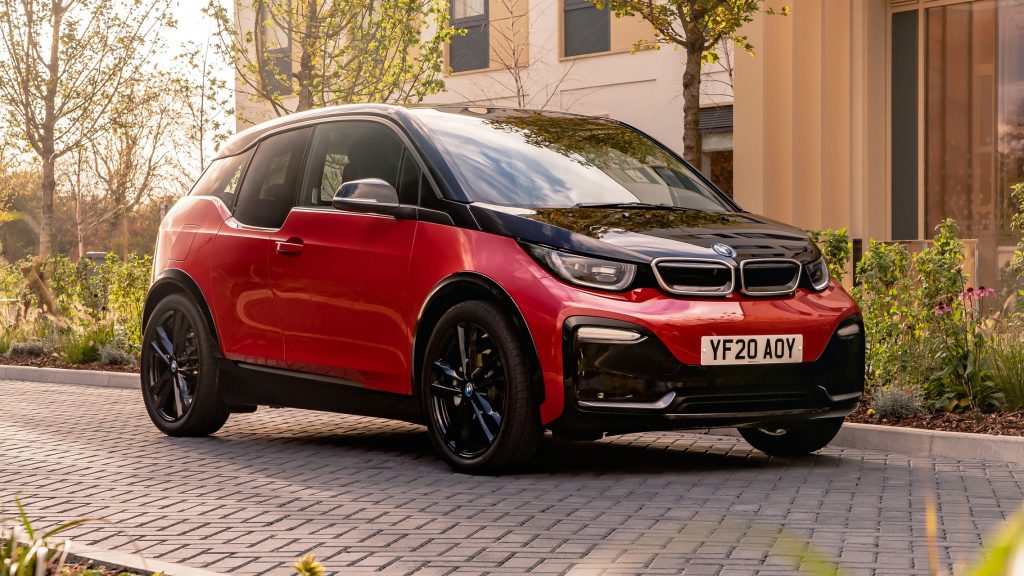
Owners appreciate the low maintenance costs compared to traditional BMWs, which are often known for expensive repairs. With fewer moving parts and less reliance on fuel-driven systems, the i3 provides an affordable path to long-term ownership.
Even though BMW discontinued the model in some markets, many i3s remain on the road today, still delivering dependable performance. For drivers looking for a compact, durable EV that has already proven it can endure the test of time, the BMW i3 is a standout example.
7. Rivian R1T
The Rivian R1T has quickly gained recognition as one of the most capable electric trucks available, and its engineering suggests it could outlast many traditional gas-powered pickups.
Designed for heavy use, challenging terrain, and long-distance travel, the R1T combines cutting-edge technology with durability that gives it strong potential for long-term ownership.
Rivian built the R1T with both performance and resilience in mind, and early owners have already demonstrated its ability to handle rugged conditions without losing reliability.
The R1T’s battery system is key to its long-term promise. Rivian designed large-capacity packs with advanced cooling systems that allow the truck to operate in a wide range of climates while maintaining battery health.
This is especially important for an EV expected to cover long distances and handle demanding tasks like towing. With careful use and Rivian’s over-the-air software updates, the R1T’s battery is expected to retain strong performance well into high mileage.
Durability extends beyond the powertrain. The R1T is engineered with a robust chassis, independent air suspension, and components meant to endure both on-road and off-road driving.
Unlike many EVs focused solely on city commuting, the R1T is designed to be tested in tough environments, from rocky trails to cold-weather expeditions. Owners who rely on it for outdoor adventures or daily heavy use often report that it feels built to last.
Another advantage is Rivian’s emphasis on modular design and serviceability. The company built the R1T with the understanding that long-term owners would expect upgrades and repairs to be manageable.
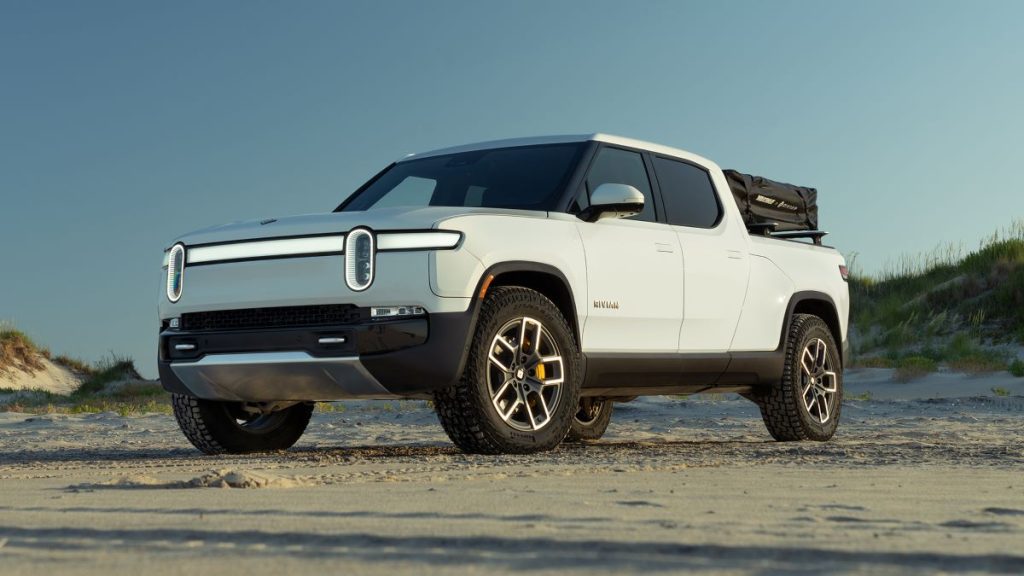
Combined with its high-quality interior materials and practical layout, the truck is positioned as a long-haul investment rather than a short-term experiment.
While Rivian is still a relatively new automaker, the R1T’s engineering, technology, and early results suggest it is a vehicle capable of providing reliable service for decades.
For drivers who want an electric truck that blends capability with endurance, the Rivian R1T is an excellent example of an EV that could easily outlast a gas-powered equivalent.
8. Porsche Taycan
The Porsche Taycan stands out as one of the most durable performance EVs available today, combining Porsche’s long-standing engineering expertise with electric innovation.
Unlike many luxury EVs that prioritize flashy technology over staying power, the Taycan is built with endurance in mind, both mechanically and electronically.
It has already shown that it can handle high mileage while maintaining consistent performance, making it a strong candidate to outlast gas-powered sports sedans.
Central to the Taycan’s longevity is its advanced battery and thermal management system. Porsche engineered the pack to withstand repeated fast-charging sessions without significant degradation, which is crucial for owners who rely on the car for both daily commuting and long road trips.
Reports from high-mileage owners confirm that battery health remains strong even after years of heavy use, a testament to Porsche’s design philosophy of durability through precision engineering.
The drivetrain also contributes to its long-term strength. With dual- and tri-motor configurations available, the Taycan delivers high performance while avoiding the mechanical complexity of traditional sports cars.
The absence of transmissions, turbochargers, and fuel systems means fewer parts prone to failure. Regenerative braking further reduces wear, extending the life of brake components and lowering overall maintenance costs compared to gas-powered Porsches.
Beyond the powertrain, the Taycan benefits from Porsche’s proven build quality. The chassis is designed to withstand spirited driving, and the cabin materials are selected for long-term resilience.
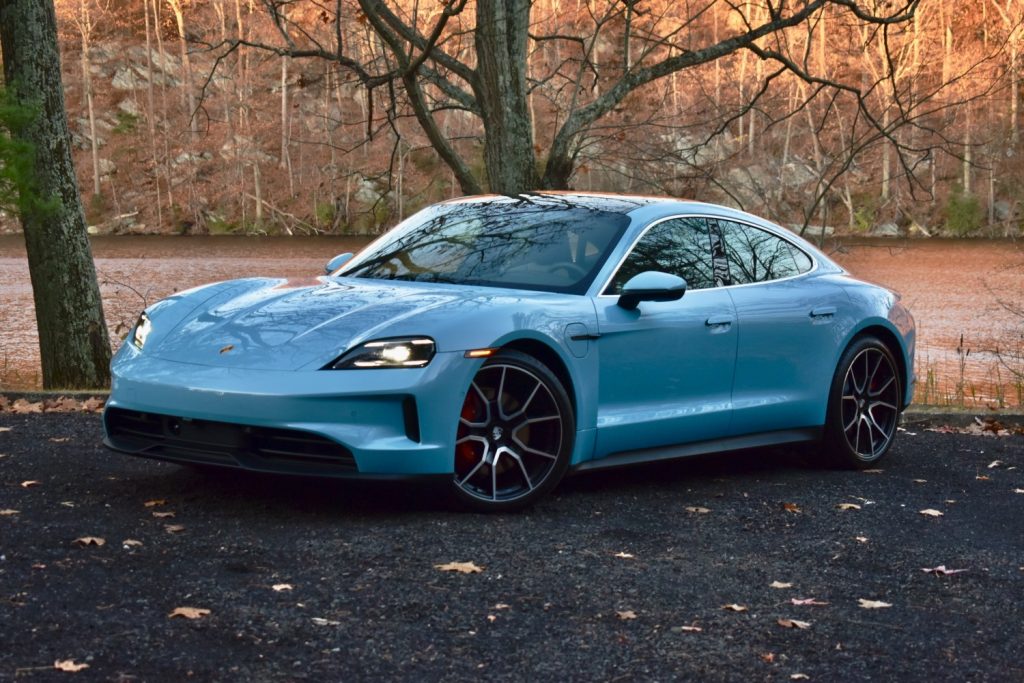
Unlike some EVs where interiors degrade quickly, the Taycan feels designed to maintain its premium feel for decades. Combined with Porsche’s commitment to continuous software support, the Taycan can evolve and improve even as it ages.
Owners who invest in a Taycan are buying more than performance they are purchasing a vehicle engineered to provide lasting reliability. With proper care, it has the potential to remain a standout EV long after many gas cars of the same era are retired.
9. Lucid Air
The Lucid Air is one of the newest luxury EVs on the market, but it has already shown strong potential to become one of the longest-lasting electric sedans available.
Built with cutting-edge technology and premium engineering, the Air combines luxury with endurance, offering ranges that exceed 400 miles in many configurations and a drivetrain designed to last well into the future.
At the heart of the Air’s potential longevity is Lucid’s innovative battery and motor technology. The company has focused heavily on efficiency and durability, creating a system that maximizes range without putting excessive strain on the battery.
Thermal management is advanced, helping the pack maintain health even under demanding conditions. This ensures that owners can expect consistent performance after years of charging and driving, which is key to the Air’s long-term appeal.
The Lucid Air also benefits from its emphasis on simplicity where it matters. Despite being a luxury car with plenty of high-tech features, the core drivetrain is designed for minimal wear.
The electric motors are compact yet robust, and regenerative braking reduces mechanical stress. Owners who plan to keep their cars for a decade or longer will likely find that the Air continues to perform with minimal degradation.
Another strength is the build quality. The Air’s premium materials, solid construction, and aerodynamic design all contribute to a vehicle that feels designed for endurance.
Unlike some luxury brands that prioritize flash over substance, Lucid has made durability a priority, ensuring that the Air can handle both high mileage and the daily demands of its owners.
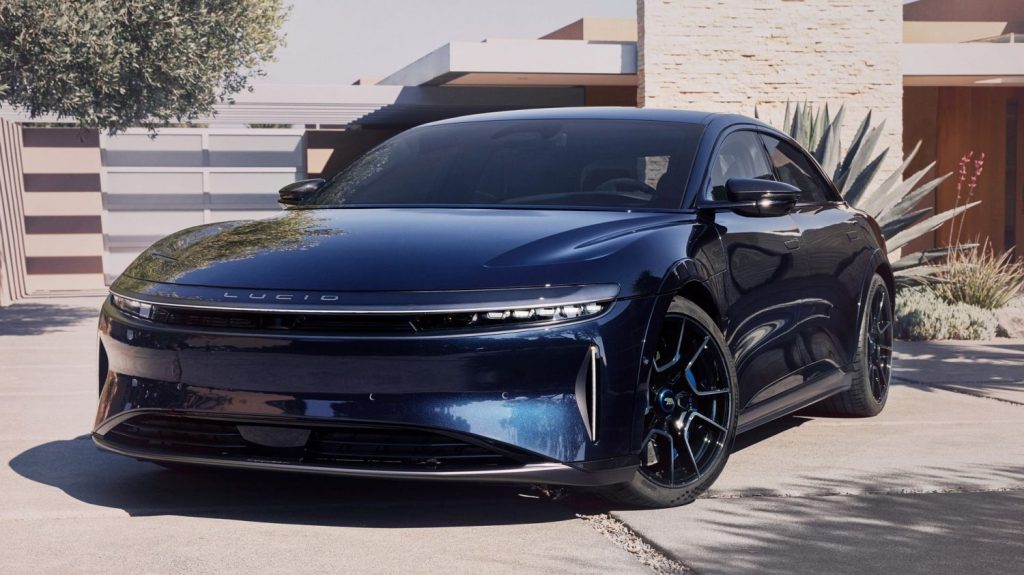
While the Lucid Air is still relatively new, its design philosophy and early results suggest that it could be one of the longest-lasting EVs yet.
For drivers willing to invest in a luxury sedan that combines range, performance, and the promise of long-term dependability, the Lucid Air represents a forward-looking choice that could easily outlast many gas-powered cars.
Also Read: 10 Best Engines Known for Surviving Poor Fuel Quality
