
Electric vehicles have quickly moved from niche experiments to mainstream transportation, but certain models already stand out as future classics.
While the industry continues to grow, some electric cars have captured attention through unique styling, groundbreaking technology, or cultural significance.
Just as early gasoline cars became collectibles over time, these EVs have qualities that could make them desirable decades from now.
Classic status is not just about rarity. It comes from a combination of innovation, design, cultural impact, and long-term influence on the automotive market. Many of the cars on this list introduced bold features that changed public perception of electric mobility.
Others gained loyal followings thanks to performance, practicality, or distinctive personality. Collectors often look back at vehicles that marked turning points in history, and these EVs fit that pattern.
While battery technology and charging infrastructure continue to evolve, the early wave of mass-market and performance-focused EVs already represents a fascinating chapter in automotive history.
Cars like the Tesla Roadster demonstrated that electric power could rival traditional sports cars, while vehicles like the Nissan Leaf showed that affordable, everyday EVs could reach large audiences.
Luxury automakers also entered the field with models that combined refinement and electric performance in ways never seen before.
The following twelve electric cars each have characteristics that could help them earn classic recognition in the years ahead.
Whether through pioneering technology, bold design, or cultural importance, they offer something special that sets them apart from the growing number of electric vehicles on the road.
Also Read: 12 Cars That Still Run Strong Despite Being Laughed At
1. Tesla Roadster
The original Tesla Roadster, launched in 2008, is one of the most significant electric cars ever produced. Built on a Lotus Elise chassis but powered by Tesla’s electric drivetrain, it proved that EVs could be fast, stylish, and desirable rather than just practical commuter cars.
Its launch marked Tesla’s entry into the automotive world and changed the way people viewed electric vehicles.
With a 0–60 mph time of under 4 seconds and a range of more than 200 miles, the Roadster shattered expectations at the time.
No other electric car on the market combined performance and usable range so effectively. This made it a symbol of what was possible when technology and ambition were pushed to new levels.
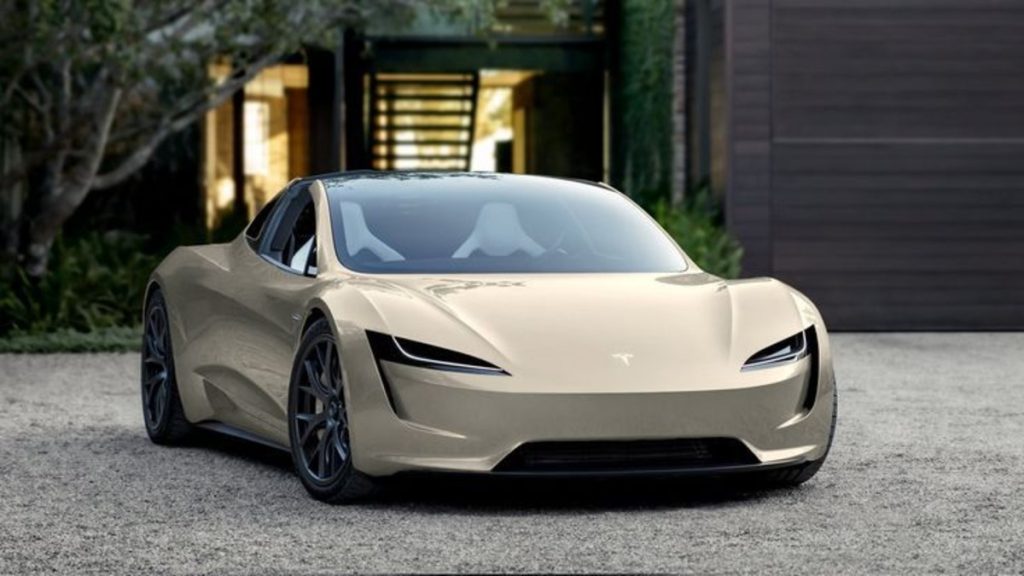
Production numbers were low, with fewer than 2,500 units built, adding to its future collectibility.
Enthusiasts value not only the performance but also the historical significance of owning Tesla’s first production car. Collectors often prize vehicles that represent the beginning of a major shift, and the Roadster is exactly that for electric cars.
Even today, more than a decade later, the Roadster feels quick and exciting to drive. Its place in history as the car that launched Tesla into global recognition ensures that it will remain a highly sought-after model in the collector market.
2. Nissan Leaf
Introduced in 2010, the Nissan Leaf became the first truly mass-market electric vehicle, bringing battery-powered transportation to everyday drivers at an affordable price.
While it was not the fastest or most stylish car, its impact cannot be overstated. The Leaf showed that EVs could be practical, family-friendly, and accessible to a wide audience.
With seating for five, decent cargo space, and a range of around 73 miles in its first generation, the Leaf met the needs of commuters while remaining budget-friendly.
Later versions improved range and features, further cementing its place as a dependable everyday EV. Its approachable design and affordability helped normalize electric cars for the public, making it an important milestone.
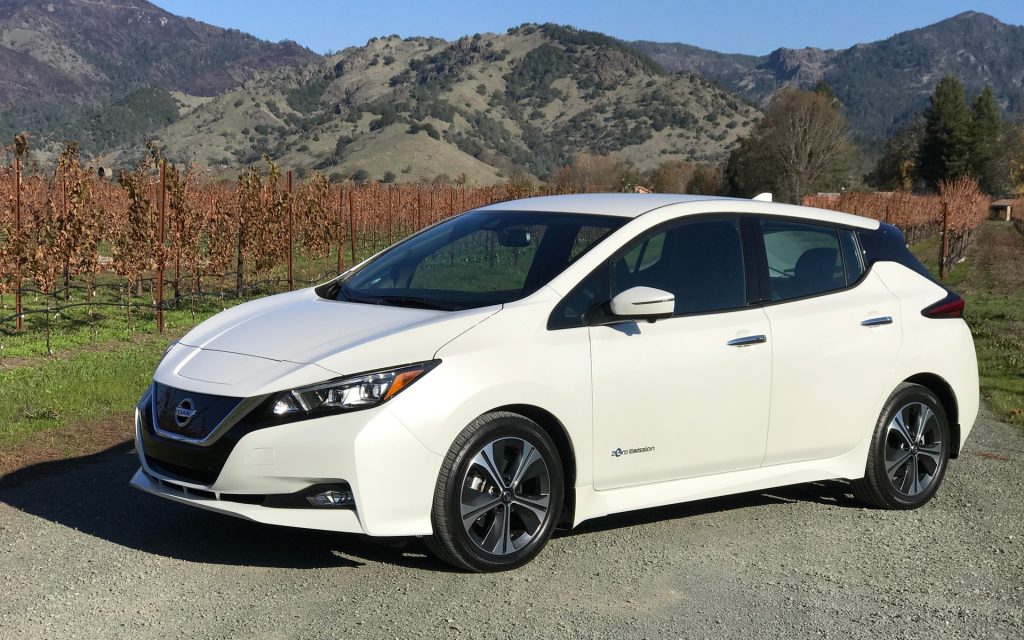
Although production numbers were high, the Leaf’s significance may still give it classic potential. Early examples represent a turning point in automotive history, much like early hybrids such as the Toyota Prius.
Collectors often value cars that broke barriers, and the Leaf deserves recognition for making electric mobility accessible to thousands of households worldwide.
Its simplicity may also work in its favor. Without overly complex technology or luxury pricing, the Leaf stood as proof that EVs could fit seamlessly into daily life.
As future generations look back at the early EV era, the Nissan Leaf will likely be remembered as one of the cars that made electrification a realistic option for the average driver.
3. BMW i3
The BMW i3 arrived in 2013 as one of the most distinctive electric cars ever produced. Its futuristic styling, lightweight carbon-fiber reinforced plastic body, and sustainable interior materials made it stand out immediately. BMW took risks with the i3, aiming to redefine what an urban electric car could look and feel like.
What makes the i3 a candidate for classic status is its combination of design innovation and engineering ambition. Unlike many competitors that adapted existing platforms, BMW created the i3 from the ground up as an EV.
Its rear-mounted motor, rear-wheel drive layout, and strong yet lightweight construction gave it a unique driving character. The available range extender engine further broadened its appeal, easing range anxiety for early adopters.
Inside, the i3 offered an eco-friendly aesthetic with recycled and renewable materials, giving it a modern yet minimalist personality. Its unconventional appearance was polarizing, but cars that challenge design norms often gain appreciation over time, much like quirky classics from past decades.
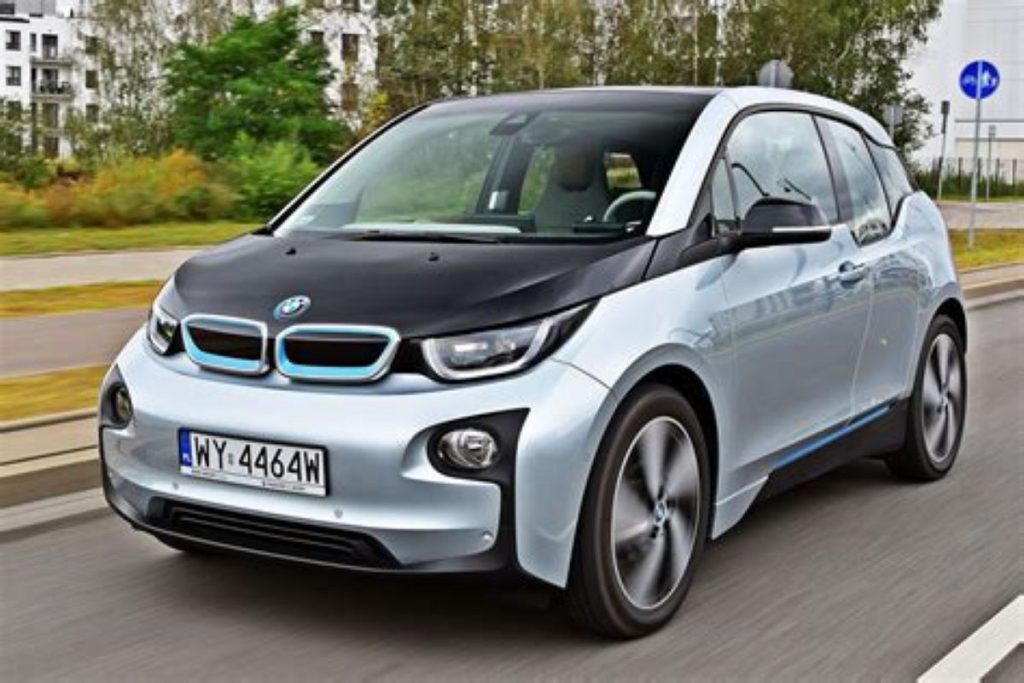
Although the i3 was not a high-volume seller, its influence was significant. It demonstrated that premium automakers could embrace sustainability and innovation without losing brand identity.
Collectors often seek vehicles that marked a bold design statement, and the i3 fits that description perfectly. Its rarity, unconventional engineering, and role as one of BMW’s earliest electric ventures will likely help it gain value and recognition as a future classic.
4. Chevrolet Volt
Though technically a plug-in hybrid, the Chevrolet Volt deserves recognition as one of the most important electrified cars of its time.
Launched in 2010, it blended electric driving with the practicality of a gasoline backup engine, making it a bridge between traditional cars and full EVs. This dual personality gave it a unique place in automotive history.
The Volt offered about 35 to 50 miles of all-electric range depending on the generation, enough for most daily commutes.
Once the battery was depleted, its gasoline engine acted as a generator, extending total range to over 300 miles. This setup reassured buyers who worried about charging infrastructure while still giving them the benefits of electric driving.
What makes the Volt a potential classic is its pioneering role. It represented one of the first serious attempts by a major American automaker to push electrification in a practical, everyday vehicle.
While it never sold in huge numbers, it proved that EV technology could be integrated into mainstream cars in a user-friendly way.
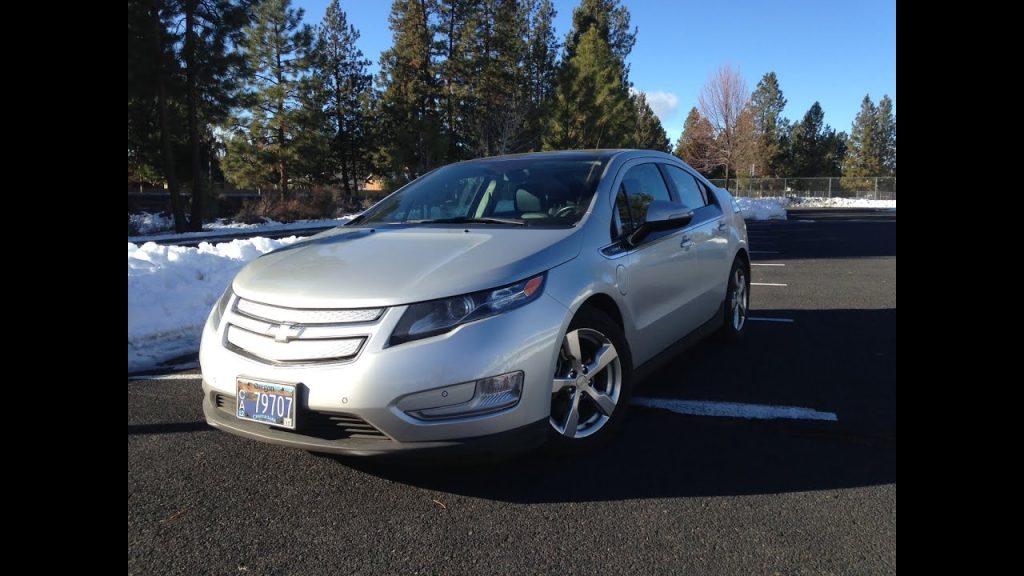
Collectors may eventually value the Volt for its place as a stepping stone in automotive history. It bridged the gap between conventional hybrids and fully electric models, influencing the direction of future EVs.
The first generation, with its distinctive styling and innovative drivetrain, is likely to be especially collectible in the years ahead.
5. Tesla Model S
The Tesla Model S, introduced in 2012, redefined expectations for electric cars. With long driving range, breathtaking acceleration, and sleek luxury design, it challenged the idea that EVs were limited to short-range commuter vehicles. Its combination of performance and practicality set new standards across the industry.
Early Model S versions offered ranges exceeding 250 miles, a figure that rivaled many gasoline cars at the time.
The dual-motor all-wheel drive versions and high-performance P100D model with “Ludicrous Mode” further cemented the car’s reputation as a performance powerhouse. No electric car before it blended range, speed, and refinement so effectively.
The Model S also brought advanced technology into the spotlight. Its large touchscreen interface, over-the-air software updates, and semi-autonomous driving features gave it futuristic appeal. These innovations positioned Tesla as a leader in both EV performance and smart car technology.
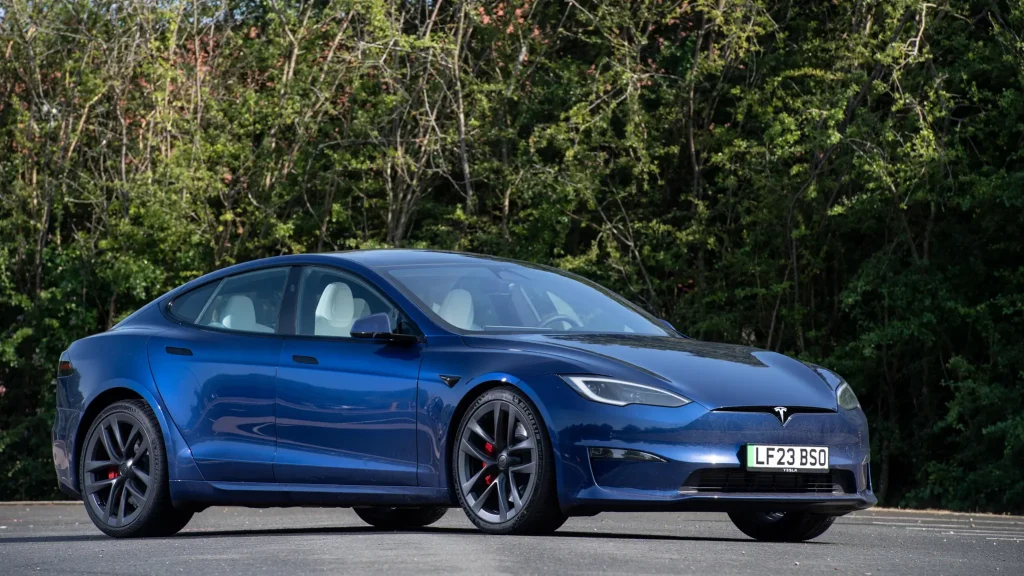
Future collectibility is supported by its role as Tesla’s breakthrough sedan. While production numbers are relatively high, early editions and performance variants are likely to be the most sought after. Cars that mark major technological leaps often gain long-term recognition, and the Model S fits that description.
More than a decade later, the Model S remains competitive, proving how far ahead it was at launch. Its influence on the automotive industry ensures that it will be remembered not just as a successful electric car, but as one of the most important vehicles of the 21st century.
6. Porsche Taycan
When Porsche introduced the Taycan in 2019, it set a new benchmark for performance-focused electric cars. This four-door sports sedan showed that electrification could meet the high standards of one of the world’s most respected performance brands.
With stunning acceleration, precise handling, and unmistakable Porsche design, the Taycan immediately gained recognition as a serious driver’s car.
The Taycan features an 800-volt electrical system, allowing faster charging and improved efficiency compared to most competitors. Its dual-motor setup provides all-wheel drive and exceptional power delivery, with some models producing over 750 horsepower.
Despite its weight as an EV, the Taycan’s engineering ensures sharp cornering and a driving experience worthy of the Porsche badge.
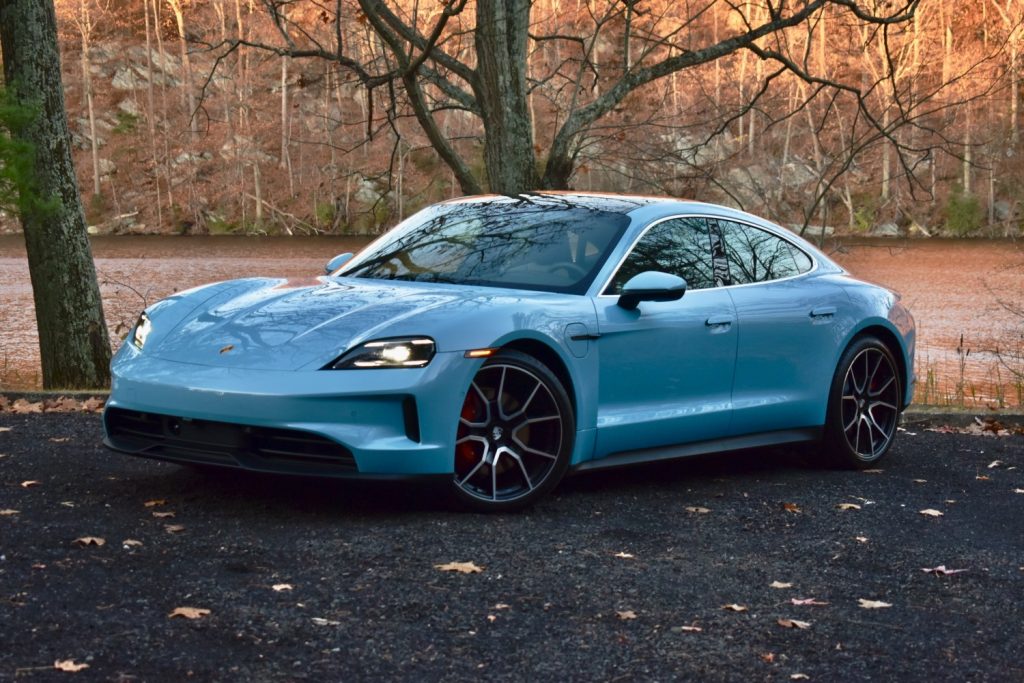
Future classic potential comes not just from performance but also from heritage. As Porsche’s first fully electric production model, it represents a historic moment for the brand.
Collectors often value the first models that mark major shifts, and the Taycan will be remembered as Porsche’s bold step into electrification.
Its design also sets it apart. With sleek proportions and interior refinement that balances technology with driver focus, the Taycan captures attention as more than just a fast EV. Early versions, especially the Turbo S and limited editions, are strong candidates for collector interest.
As time passes, the Taycan’s role as Porsche’s electric pioneer will make it increasingly significant. Just as early 911s became icons, the Taycan could emerge as the first electric Porsche that collectors hold in equally high regard.
7. Honda Clarity Electric
The Honda Clarity Electric may not have sold in large numbers, but its rarity and unique approach could help it achieve future classic status.
Launched in limited markets, the Clarity was part of Honda’s broader effort to experiment with alternative fuel technologies, including plug-in hybrid and hydrogen versions.
The electric model in particular demonstrated Honda’s willingness to push into EVs, even before infrastructure was widespread.
The Clarity featured a distinctive aerodynamic design with partial rear fender covers that gave it a futuristic appearance. Inside, it offered advanced technology, a spacious cabin, and the quality expected from Honda.
Its electric range was modest compared to newer EVs, but it suited urban commuting and early adopters who valued its smooth, quiet performance.
What could make the Clarity Electric collectible is its scarcity. With very limited production and availability only in select regions, finding one in the future will likely be difficult. Collectors often gravitate toward rare models, especially those tied to transitional moments in automotive history.
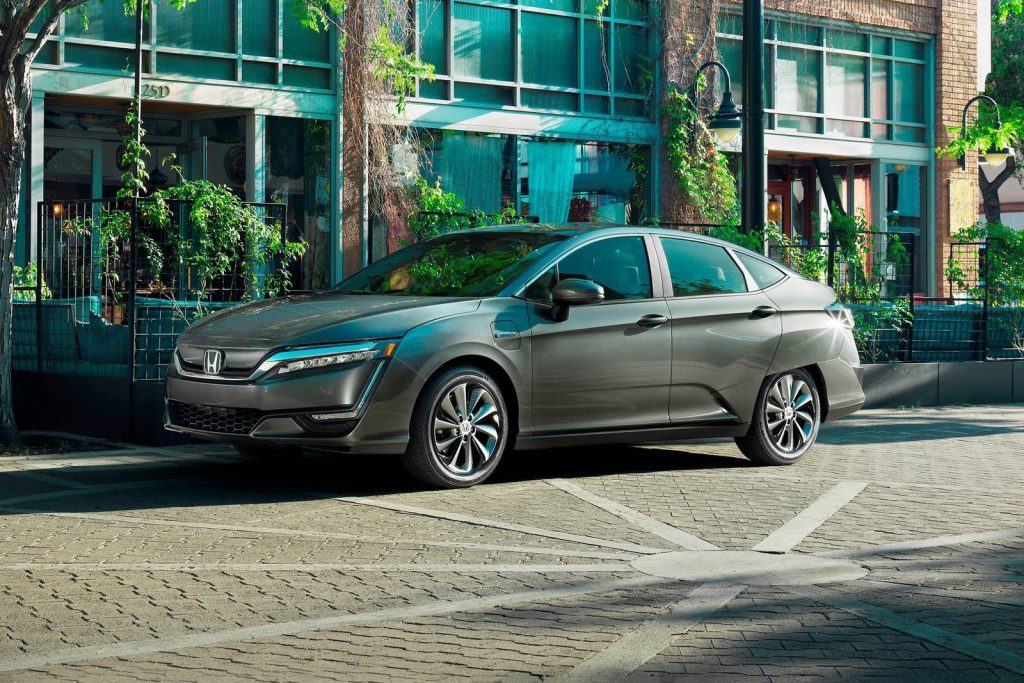
The Clarity line as a whole represented Honda’s multi-path approach to reducing emissions. While the electric version did not achieve mass-market success, it remains part of the story of how automakers experimented with electrification.
This historical significance, combined with low production numbers, makes the Clarity Electric an intriguing candidate for future classic recognition.
8. Jaguar I-Pace
The Jaguar I-Pace, introduced in 2018, was one of the first all-electric models from a traditional luxury automaker. With striking design, strong performance, and premium features, it gave Jaguar a modern image and positioned the brand as an early player in the luxury EV segment.
Built on a dedicated electric platform, the I-Pace offered dual motors and all-wheel drive, producing over 390 horsepower.
Its range of around 240 miles placed it among the more capable EVs of its time. Beyond numbers, the I-Pace impressed with its refined driving dynamics, blending smooth electric acceleration with handling worthy of the Jaguar badge.
Its bold styling was another defining factor. With a low, wide stance and coupe-like proportions, the I-Pace stood apart from both traditional SUVs and other early EVs. The futuristic interior, featuring advanced digital displays and luxury materials, reinforced its premium appeal.
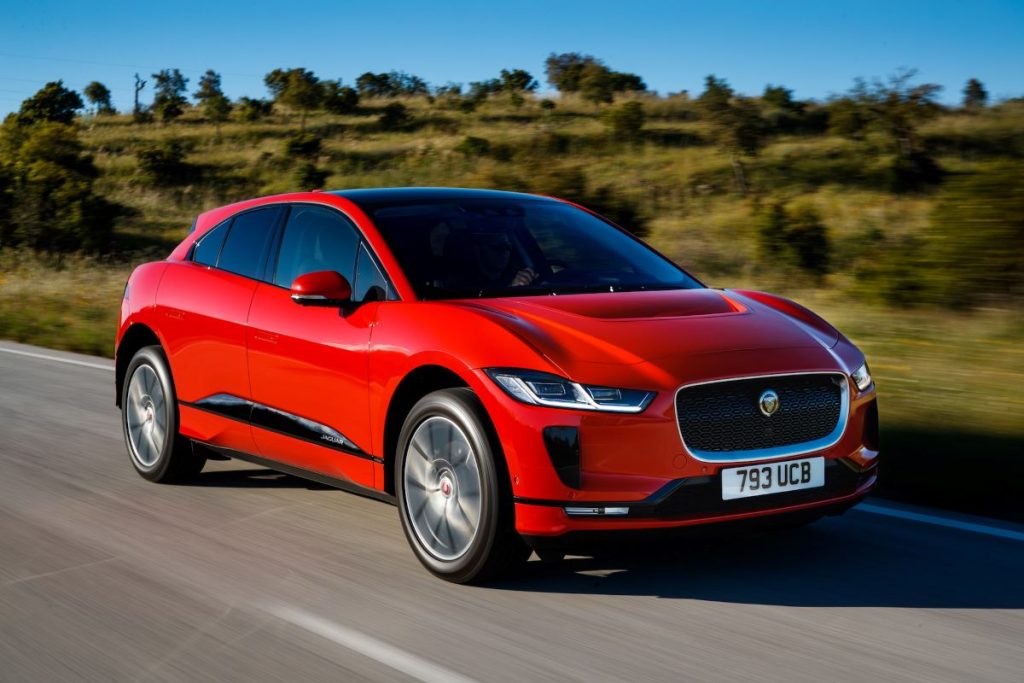
Classic potential lies in its role as Jaguar’s first electric production vehicle. Collectors often value cars that mark important transitions, and the I-Pace signaled Jaguar’s commitment to electrification. Early awards, including the 2019 World Car of the Year, further highlight its significance.
Although it has not achieved huge sales numbers, that scarcity may add to its collectibility over time. The I-Pace will likely be remembered as a stylish and ambitious effort that gave Jaguar a fresh identity in the electric era.
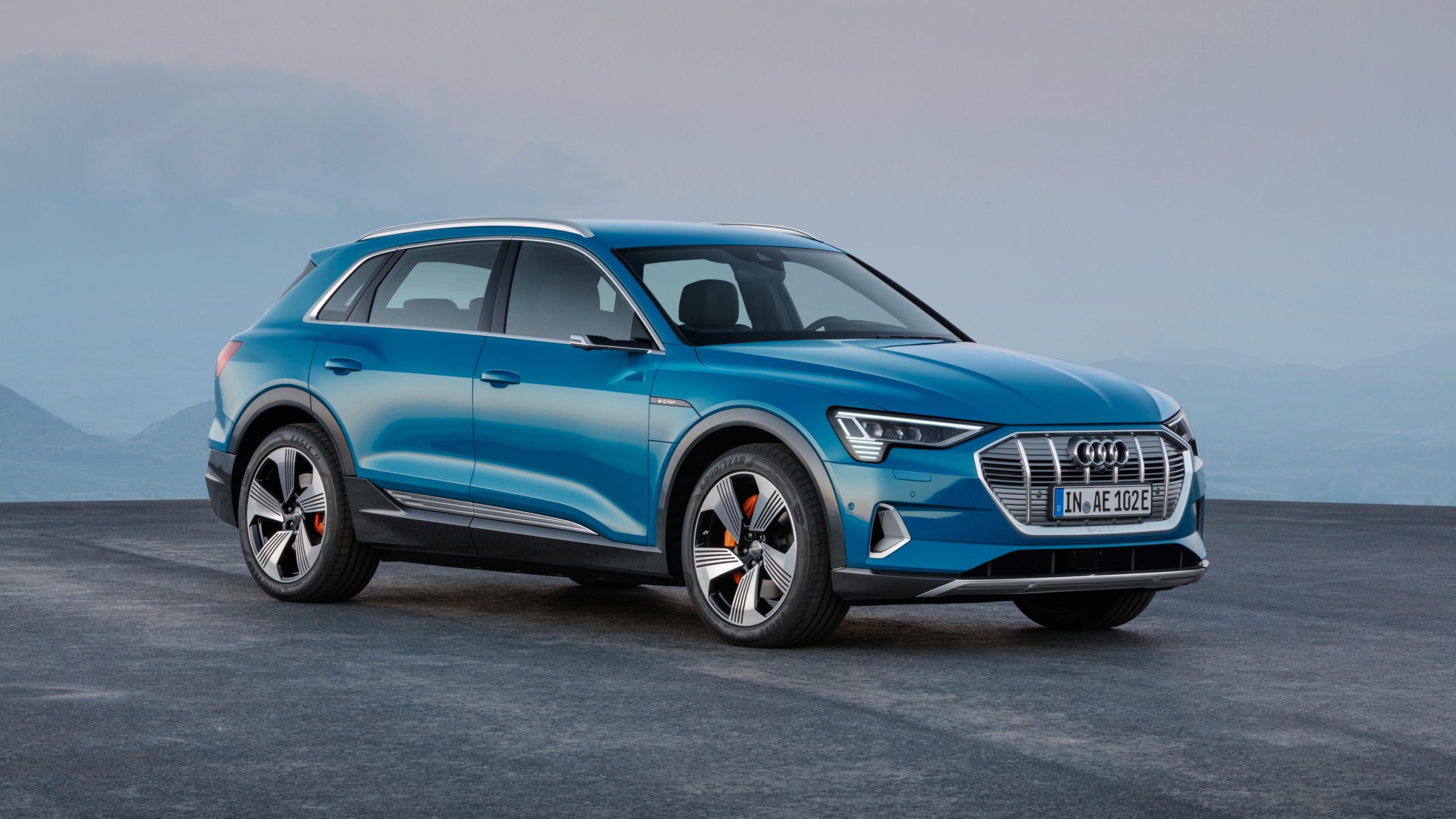
9. Audi e-tron Quattro
Audi’s e-tron Quattro, launched in 2019, marked the brand’s first fully electric SUV and an important step for a company known for its quattro all-wheel-drive heritage.
Positioned as a luxury EV, it demonstrated how a traditional automaker could transition into electrification without sacrificing refinement or comfort.
The e-tron featured dual motors, producing around 355 horsepower with an overboost mode that temporarily raised output to over 400 horsepower.
Its range of about 200 miles was modest compared to rivals, but the e-tron emphasized stability, comfort, and premium features rather than chasing maximum distance.
What makes the e-tron a potential future classic is its role in Audi’s shift toward electrification. As the brand’s first production EV, it carries historical weight, especially as Audi continues to expand its electric lineup. Collectors often value “firsts,” and the e-tron fits this profile.
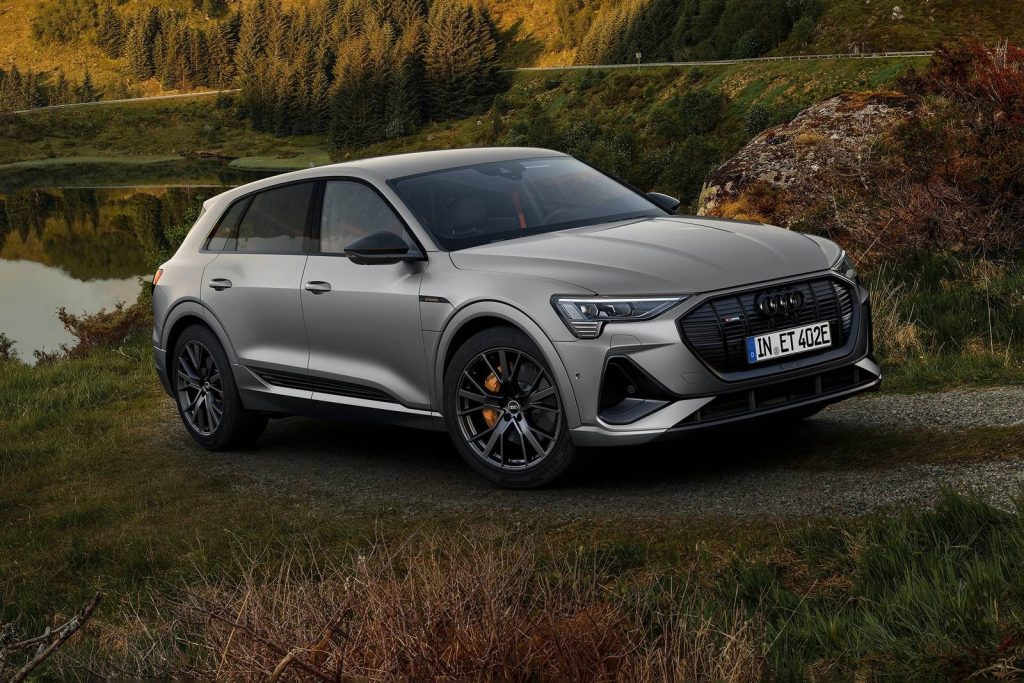
Design also plays a role in its appeal. The e-tron maintained Audi’s clean, understated style, which may age more gracefully than some futuristic designs. Inside, it offered advanced infotainment, multiple digital screens, and high-quality materials, cementing its status as a luxury product.
While it may not have sold in massive numbers, the e-tron Quattro stands as a turning point for Audi. In years to come, it will likely be remembered as the model that signaled the company’s entry into a fully electric future, giving it strong classic potential.
10. Rimac Concept One
The Rimac Concept One, introduced in 2011, was one of the earliest all-electric hypercars and a groundbreaking achievement for a small Croatian startup.
With only eight units produced, it remains one of the rarest EVs ever built, and its performance figures were staggering even by today’s standards.
The Concept One featured four electric motors, one for each wheel, producing a combined 1,088 horsepower.
This allowed it to accelerate from 0 to 60 mph in under 2.7 seconds, making it one of the fastest cars of its time. Its torque vectoring system provided precise handling, showcasing technology that would influence future performance EVs.
Classic potential is guaranteed due to its rarity and historical importance. As Rimac went on to develop the Nevera and partner with major automakers, the Concept One became the foundation of the company’s reputation. Owning one is like holding a piece of EV history at the highest performance level.
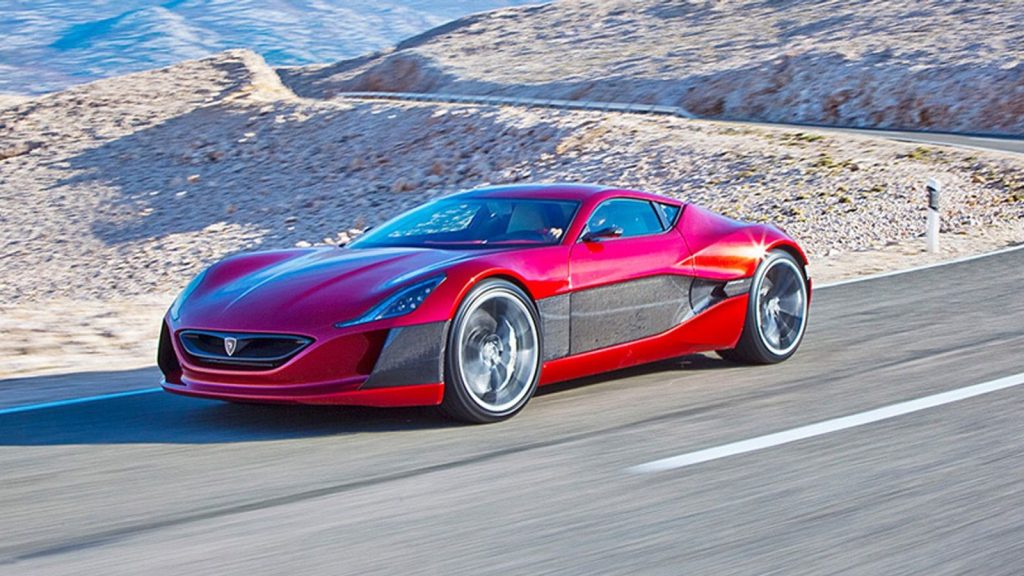
The Concept One also gained attention from high-profile owners and appearances in media, adding to its mystique. With so few produced, it is already a collectible, and its status will only grow as EV hypercars become more common.
For collectors, the Rimac Concept One represents both rarity and pioneering spirit, ensuring its place as one of the most desirable electric classics.
11. Lucid Air
The Lucid Air, introduced in 2021, represents one of the most ambitious new entries into the electric luxury sedan market. With record-breaking range, exceptional performance, and advanced technology, it has already made a strong impression.
One of the Air’s standout achievements is its range. Certain versions can travel over 500 miles on a single charge, setting a benchmark that competitors are still chasing. Combined with rapid charging capability and a sleek aerodynamic design, the Lucid Air blends practicality with cutting-edge performance.
Inside, the Air offers a refined and futuristic cabin with expansive digital displays, premium materials, and generous passenger space. The design reflects Lucid’s goal of combining luxury with sustainability, appealing to drivers who want both innovation and comfort.
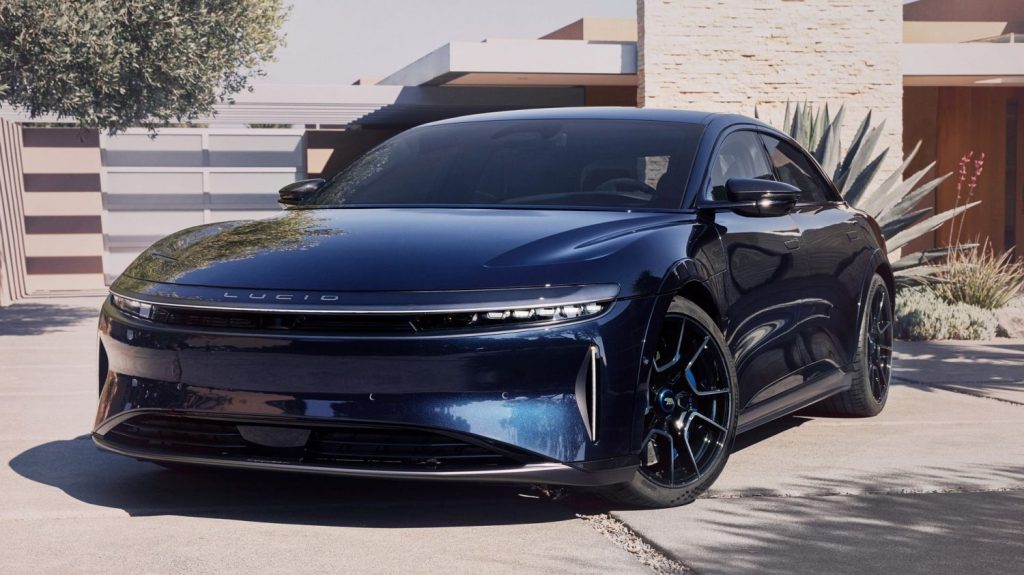
Future collectibility comes from its role as Lucid’s first production vehicle. Much like Tesla’s Roadster or Model S, the Air represents the beginning of a company aiming to challenge established automakers. Collectors often prize early models from brands that make a lasting mark, and the Lucid Air has that potential.
Its combination of groundbreaking range, innovative engineering, and luxury status makes it a strong candidate for future recognition. If Lucid continues to succeed, the Air will be remembered as the car that introduced the brand and set new standards for electric sedans.
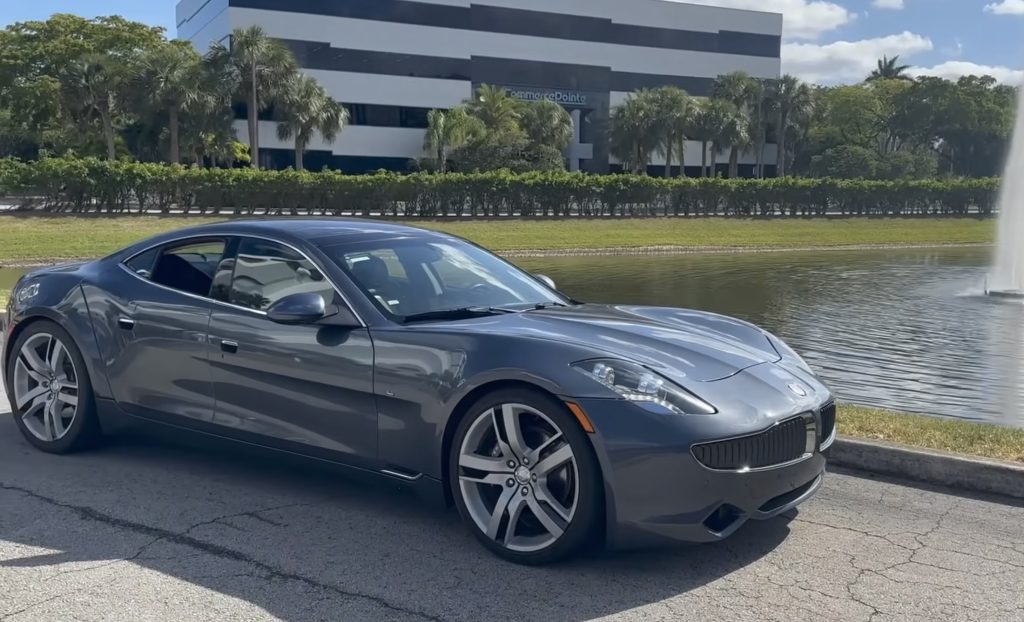
12. Fisker Karma
The Fisker Karma, launched in 2011, was one of the first luxury plug-in hybrid electric vehicles. While not a pure EV, it played an important role in bringing electrification to premium markets. Its bold design and rarity make it a strong candidate for classic status.
Styled by Henrik Fisker, the Karma featured a dramatic low-slung profile, wide stance, and sleek proportions that turned heads everywhere it went. Under the hood, it combined electric motors with a gasoline generator, allowing both electric driving and extended range.
While its electric range was limited compared to modern standards, the Karma stood out as one of the most stylish and ambitious electrified cars of its era.
Production challenges and company struggles kept numbers low, with only a few thousand units built. This scarcity adds to its long-term appeal for collectors. Despite its flaws, including reliability issues, the Karma’s design and forward-thinking concept continue to attract attention.
Classic potential is further enhanced by its role as an early luxury EV experiment. While Tesla gained the spotlight with the Model S, the Karma deserves recognition as one of the first cars to combine electrification with true luxury styling.
For collectors who value bold, ambitious efforts, the Fisker Karma is a likely candidate to gain appreciation over time.
The early wave of electric cars has already produced vehicles that stand out as likely classics. From affordable pioneers like the Nissan Leaf to hypercars such as the Rimac Concept One, these models represent important milestones in automotive history.
What unites them is not only their performance or technology, but also the cultural and historical significance they carry.
Cars like the Tesla Roadster and Model S redefined what EVs could achieve, while entries like the BMW i3 and Honda Clarity Electric showed creativity and experimentation.
Luxury brands such as Porsche, Jaguar, and Audi marked their first steps into electrification with models that will be remembered as milestones for their companies.
The Lucid Air and Fisker Karma represent bold newcomers, while the Rimac Concept One highlighted what was possible at the extreme end of performance.
Classic status often depends on factors like rarity, innovation, and influence, and these cars meet those conditions in different ways. Some, like the Nissan Leaf, will be remembered for making EVs accessible to the masses.
Others, such as the Taycan and I-Pace, will be seen as pioneering moves by traditional automakers. Rarity plays a role as well, with cars like the Rimac Concept One and Fisker Karma already standing out as collector items.
Looking back decades from now, these twelve electric vehicles will likely be viewed as defining models of the early EV era. They tell the story of how electric cars moved from experiments and niche products to mainstream choices, shaping the future of transportation.
Also Read: 10 Honda Civic Years Still Popular With Daily Drivers
