
Nissan’s reputation in the automotive world has become increasingly polarized over the past two decades, creating a fascinating dichotomy between models that demonstrate exceptional longevity and those that struggle with premature failures.
This Japanese automaker, once synonymous with reliability through iconic models like the original Z-cars and the legendary Skyline series, has experienced both triumphant successes and notable setbacks in modern vehicle engineering.
The complexity of Nissan’s current reliability world stems largely from the company’s aggressive adoption of continuously variable transmission (CVT) technology across much of its lineup, a decision that has created a clear divide between winners and losers in terms of long-term dependability.
While some Nissan models continue to embody the brand’s historical commitment to durability and engineering excellence, others have become cautionary tales of how cost-cutting measures and problematic technology implementations can undermine consumer confidence.
Understanding which Nissan models truly stand the test of time versus those that falter early requires examining multiple factors: powertrain reliability, build quality, component durability, and real-world owner experiences.
The models that outlive expectations typically share common characteristics: proven mechanical systems, conservative engineering approaches, and robust construction that prioritizes longevity over cutting-edge features.
These vehicles often feature naturally aspirated engines paired with traditional automatic transmissions or manual gearboxes, representing Nissan’s engineering philosophy at its most reliable.
This analysis examines ten specific Nissan models, providing detailed insights into why five consistently exceed reliability expectations while five others disappointingly fall short, helping consumers make informed decisions about their next vehicle purchase.
5 Nissan Models That Outlive Expectations
These exceptionally engineered Nissan vehicles feature robust drivetrains and time-tested component designs that deliver reliable transportation far beyond typical ownership cycles, consistently exceeding reliability predictions through decades of faithful service.
Their thoughtful engineering includes proven naturally aspirated engines and durable manual transmission options that resist the complexity related failures typically associated with advanced electronic systems and continuously variable transmissions.
From extreme climate conditions that challenge sealing materials to the constant stress of daily commuting, these remarkable vehicles continue operating smoothly without developing the premature wear patterns found in more complex modern designs.
Owners report hundreds of thousands of trouble-free miles with these dependable Nissans a testament to conservative engineering philosophy that proves its worth through consistent performance and maintained mechanical integrity throughout extended ownership periods, often surpassing 300,000 miles with basic maintenance.
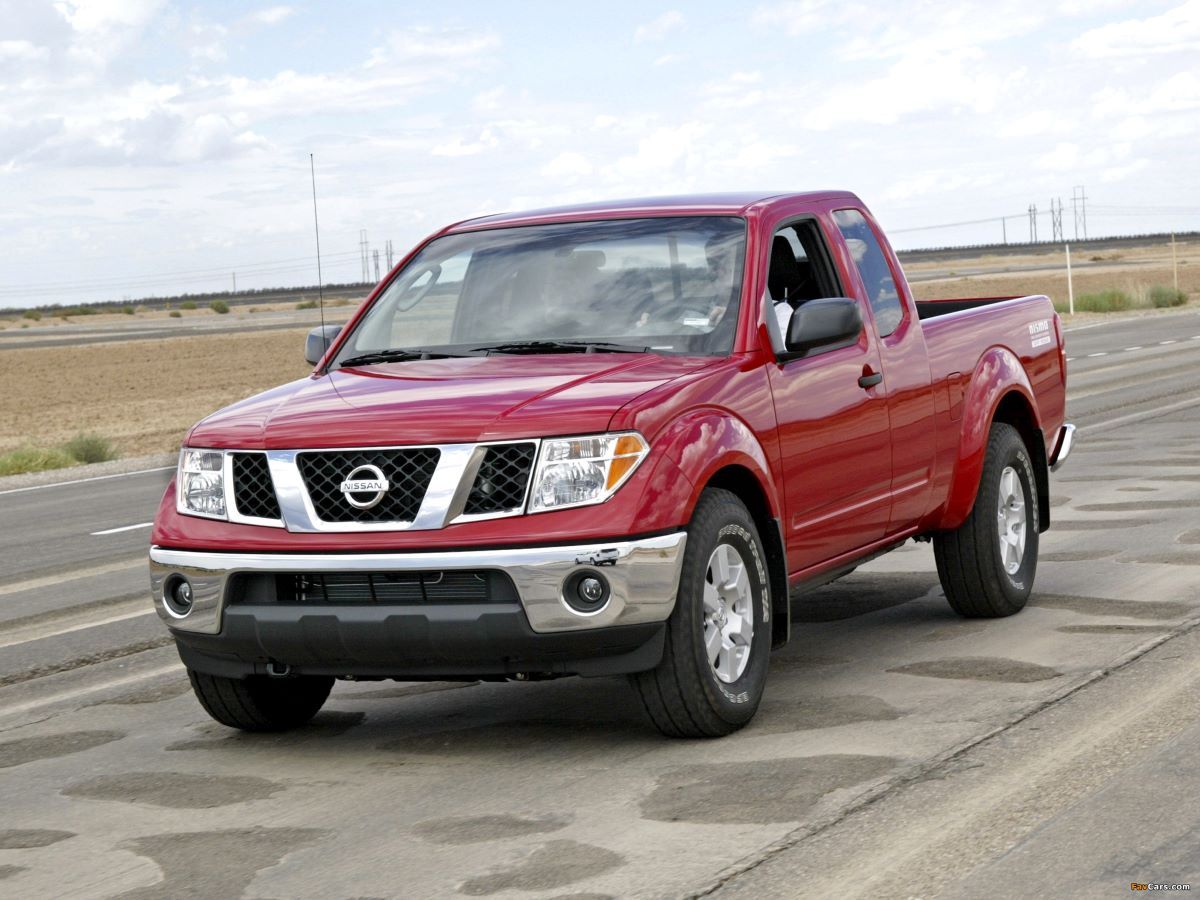
1. Nissan Frontier (2005-2021)
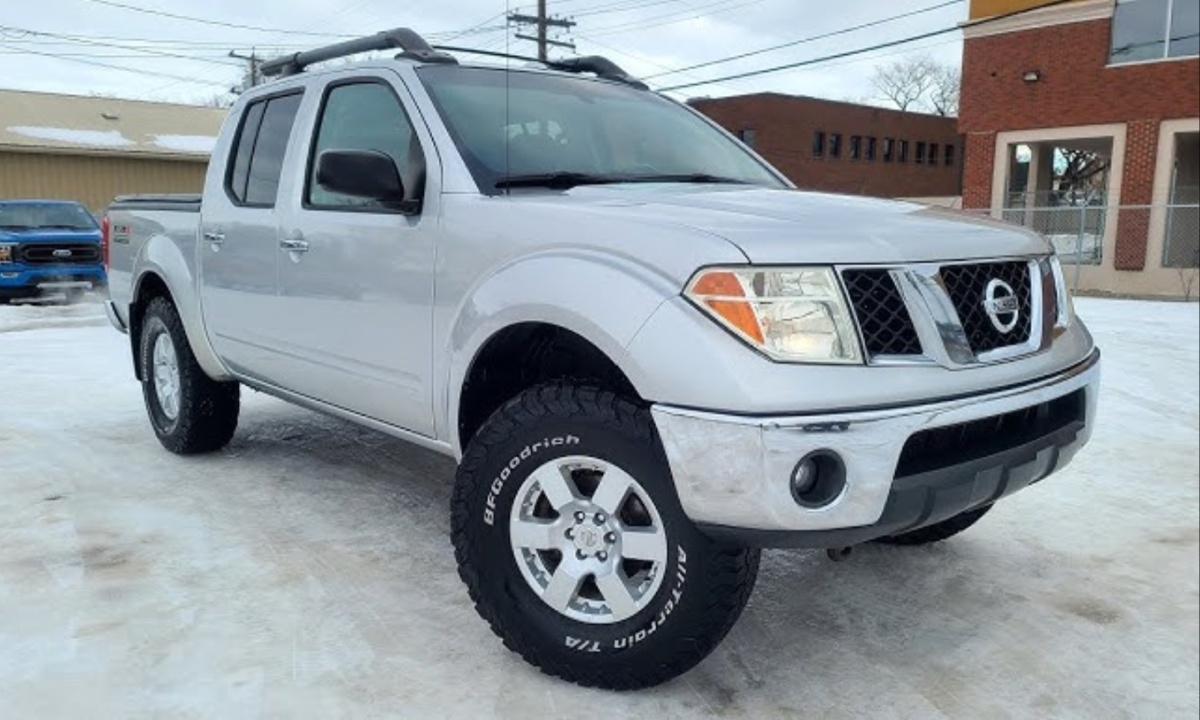
The Nissan Frontier stands as one of the most reliable pickups ever produced, demonstrating exceptional longevity that often surprises even seasoned automotive professionals.
This mid-size truck has earned its reputation through a conservative engineering approach that prioritized proven mechanical systems over flashy innovations.
The Frontier’s remarkable reliability stems from its robust 4.0-liter VQ40DE V6 engine, which has powered the truck virtually unchanged for over a decade, allowing Nissan to refine and perfect every aspect of this powertrain.
The VQ40DE engine represents automotive engineering at its most dependable, featuring a naturally aspirated design that eliminates the complexity and potential failure points associated with turbocharging or supercharging.
This engine routinely delivers 200,000+ miles with only routine maintenance, often requiring nothing more than regular oil changes, coolant flushes, and timing chain tensioner updates around 100,000 miles. The engine’s iron block construction provides exceptional durability, while the aluminum heads offer good heat dissipation without sacrificing strength.
Equally important to the Frontier’s longevity is its traditional five-speed automatic transmission, a robust unit that predates Nissan’s problematic CVT era. This transmission features simple, proven hydraulic controls and sturdy internal components designed to handle the demands of truck duty cycles.
Unlike modern transmissions with eight or nine speeds and complex electronic controls, the Frontier’s five-speed focuses on reliability over fuel economy optimization, resulting in a transmission that frequently exceeds 200,000 miles without major service.
The Frontier’s body and chassis construction reflects Nissan’s commitment to truck durability. The fully boxed frame provides exceptional strength and resistance to flexural stress, while the body panels utilize heavier gauge steel than many modern vehicles.
The suspension components, including the robust rear leaf springs and front torsion bar setup, are engineered for longevity rather than maximum comfort, resulting in suspension systems that maintain their geometry and damping characteristics well beyond 150,000 miles.
Interior quality in the Frontier prioritizes durability over luxury, with simple, robust controls and materials chosen for their ability to withstand heavy use.
The truck’s OBDII system is comprehensive enough for modern emissions compliance but avoids the complexity of newer vehicles with multiple control modules and interconnected systems. This simplicity extends to the climate control, lighting, and accessory systems, all of which utilize proven components with established reliability records.
2. Nissan 370Z (2009-2020)
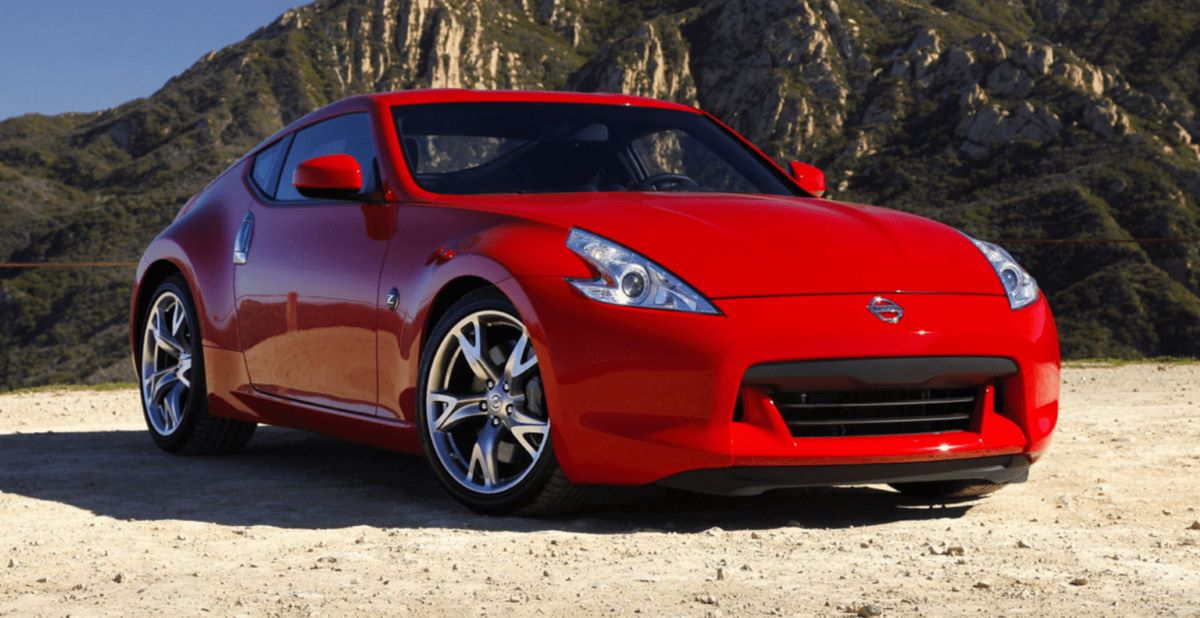
The Nissan 370Z represents the pinnacle of Nissan’s sports car engineering, combining the legendary VQ37VHR engine with a chassis and drivetrain designed for both performance and longevity.
This rear-wheel-drive sports car has established itself as one of the most reliable performance vehicles available, often outperforming European competitors in long-term durability while maintaining its sporting character well beyond 100,000 miles.
The heart of the 370Z’s reliability lies in its naturally aspirated 3.7-liter VQ37VHR V6 engine, an evolution of Nissan’s acclaimed VQ engine family that has powered everything from sedans to sports cars for decades.
This engine features Variable Valve Event and Lift (VVEL) technology that optimizes performance while maintaining the robustness of traditional naturally aspirated design.
The VQ37VHR routinely delivers 150,000+ miles without major internal work, requiring only regular maintenance and occasional updates to the VVEL actuator assembly.
The engine’s aluminum block and head construction provides excellent heat dissipation crucial for sustained high-performance driving, while the wet sleeve cylinder design allows for easy rebuilding when eventually necessary.
The oil circulation system, including the robust oil cooler, ensures consistent lubrication even under track conditions, contributing significantly to the engine’s longevity. Many 370Z owners report trouble-free operation well into six-figure mileage with nothing more than routine oil changes and spark plug replacements.
The 370Z’s six-speed manual transmission represents one of the last truly robust manual gearboxes available in modern sports cars. This transmission features a dual-mass flywheel and heavy-duty clutch system designed to handle the engine’s substantial torque output while providing precise, mechanical feel.
The synchronizers are properly sized for the transmission’s torque capacity, resulting in smooth shifting even after extended high-performance use. Clutch life typically exceeds 60,000 miles even with spirited driving, while the transmission itself often requires no major service throughout the vehicle’s useful life.
For automatic-equipped models, the seven-speed automatic transmission provides surprising durability for a performance application. Unlike CVT-equipped Nissans, this traditional automatic uses proven hydraulic controls and robust internal components designed to handle both daily driving and occasional track use.
Regular transmission fluid changes extend its life significantly, with many examples exceeding 100,000 miles without major transmission work. The 370Z’s chassis construction prioritizes structural rigidity and component durability.
The relatively straightforward wiring harness and control modules avoid the complexity found in many European sports cars, while the engine management system utilizes proven Nissan components with established reliability records. Even complex systems like the Vehicle Dynamic Control rarely experience failures, contributing to the car’s reputation for dependable performance.
3. Nissan Murano (2015-Present)
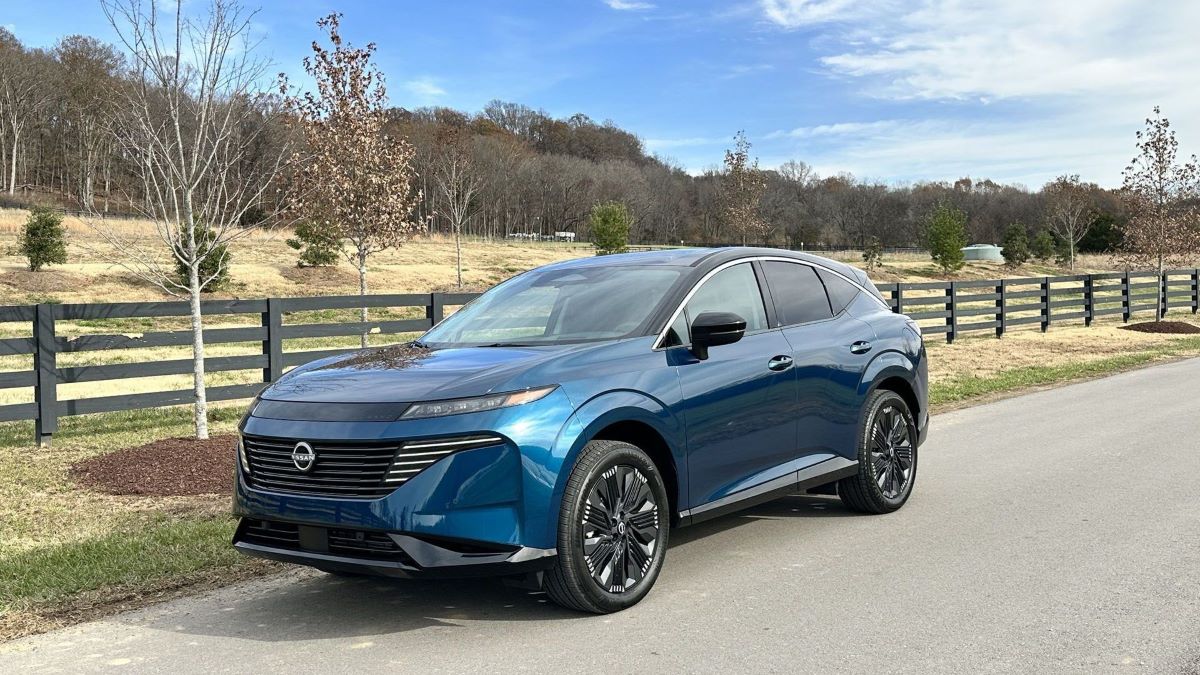
The Nissan Murano has emerged as one of the most reliable midsize SUVs in its class, particularly in its second and third generations, demonstrating that Nissan can successfully engineer complex vehicles when proper attention is paid to component selection and quality control.
The Nissan Murano stands above all other SUVs from the company when it comes to reliability. Its 2024 model year is among just one of two vehicles to break the 90-point barrier, reaching a score of 91/100 on JDPower.
The Murano’s reliability success stems from its proven 3.5-liter VQ35DE V6 engine, a naturally aspirated powerplant that represents the mature evolution of Nissan’s most dependable engine family. This engine produces 260 horsepower while maintaining the robust characteristics that have made VQ engines legendary for their longevity.
The aluminum block and head construction provides excellent heat dissipation, while the timing chain system eliminates the maintenance requirements associated with timing belts. Most Murano owners report trouble-free engine operation well beyond 150,000 miles with only routine maintenance.
The engine’s port fuel injection system avoids the carbon buildup issues associated with direct injection, while the variable valve timing system uses proven hydraulic actuators rather than complex electronic systems.
Oil consumption remains minimal throughout the engine’s life, and the robust cooling system prevents overheating even in demanding conditions. The intake manifold design incorporates long runners for torque optimization while maintaining simplicity and reliability.
While the Murano does utilize Nissan’s CVT transmission, it employs the more robust Xtronic CVT rather than the problematic units found in smaller vehicles.
This transmission features a stronger belt system, improved hydraulic controls, and better heat management compared to earlier CVT designs. Regular transmission fluid changes significantly extend CVT life, with many Murano examples exceeding 120,000 miles without major transmission issues when properly maintained.
The Murano’s all-wheel-drive system, when equipped, uses a robust multi-plate clutch design that provides reliable traction distribution without the complexity of some competitors’ systems.
The system operates transparently in normal driving while providing genuine all-weather capability when needed. The transfer case and rear differential use proven components that rarely require service beyond routine fluid changes.
The climate control system uses robust components, and the infotainment system, while complex, utilizes proven hardware with established reliability records.
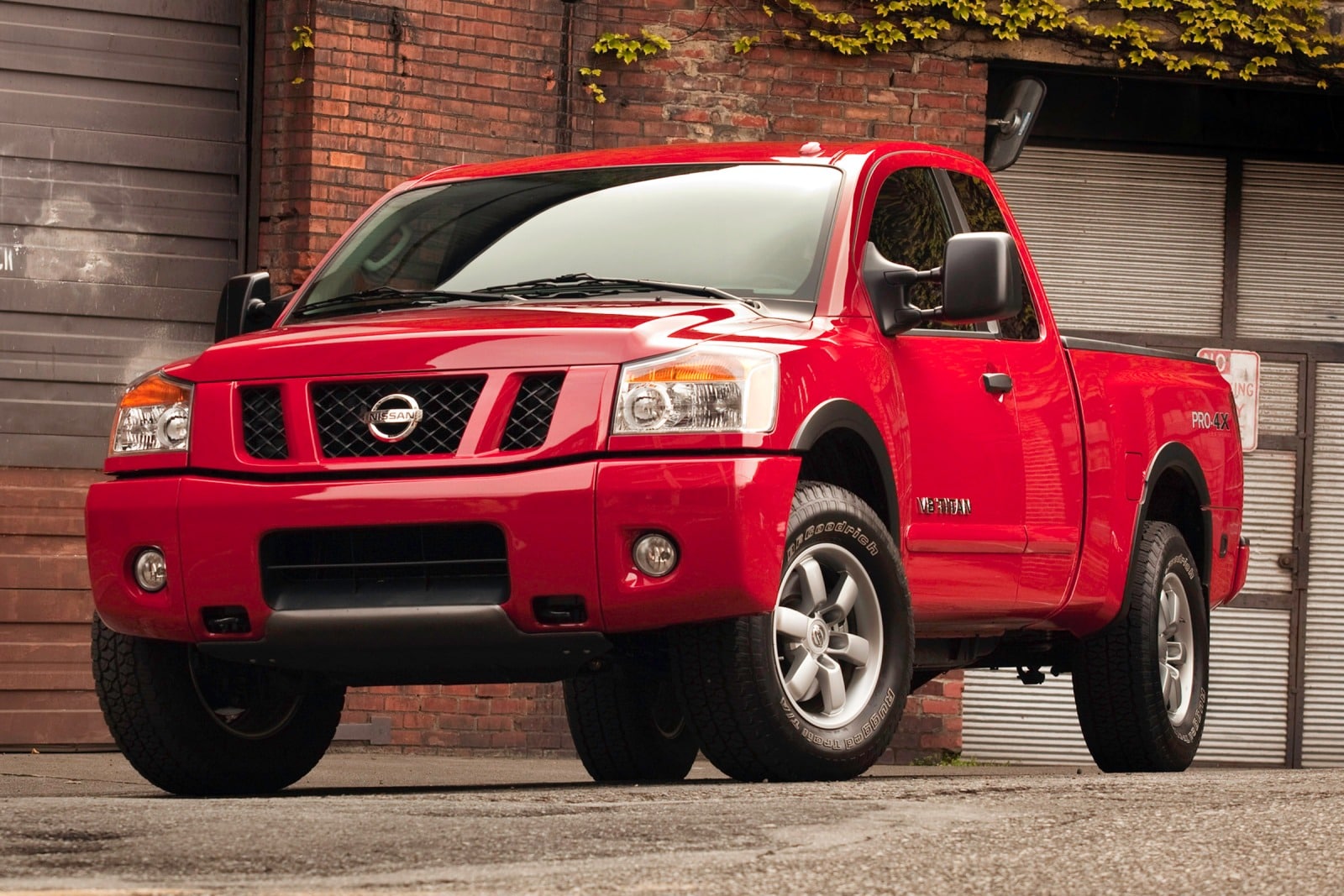
4. Nissan Titan (2004-2015, First Generation)
The first-generation Nissan Titan established itself as one of the most reliable full-size pickups ever produced, demonstrating that Nissan could successfully compete in the demanding American truck market through superior engineering and build quality rather than just competitive pricing.
This full-size pickup truck has consistently outperformed many domestic competitors in long-term reliability studies while maintaining the capability and durability expected in this segment.
The Titan’s exceptional reliability begins with its legendary 5.6-liter VK56DE V8 engine, a naturally aspirated powerplant that represents Nissan’s most successful large-displacement engine.
This engine produces 317 horsepower and 385 lb-ft of torque while maintaining the robust characteristics necessary for truck duty cycles. The all-aluminum construction provides excellent heat dissipation and weight savings, while the timing chain system eliminates maintenance requirements associated with timing belts found in some competitors.
The VK56DE engine features individual ignition coils for each cylinder, reducing the potential for cascade failures common in distributor-based systems.
The port fuel injection system provides reliable fuel delivery while avoiding the complexity and potential issues associated with direct injection. Oil capacity is generous at 5.4 quarts, promoting long oil change intervals and reduced wear.
Many Titan owners report trouble-free operation well beyond 200,000 miles with only routine maintenance including regular oil changes, coolant system service, and spark plug replacement. The Titan’s chassis construction reflects serious truck engineering with a fully boxed frame constructed from high-strength steel.
The frame rails are substantial throughout their length, providing the structural integrity necessary for maximum towing capacity while resisting flexural stress and fatigue cracking. The suspension components, including the robust rear leaf springs and front control arms, are sized for durability rather than ride comfort optimization.
Also Read: 5 Pickups That Outlive Their Beds vs 5 That Rust Out First
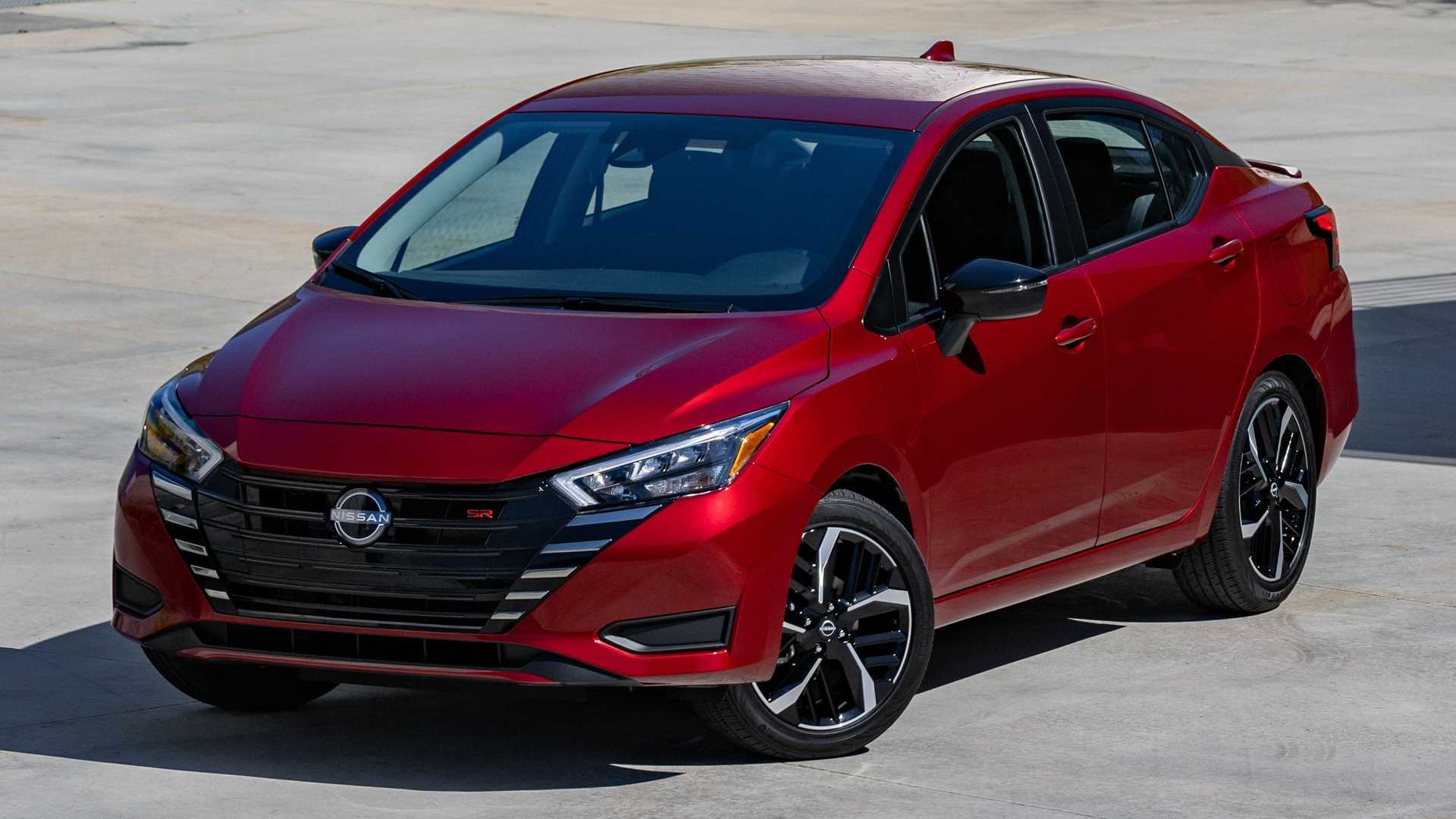
5. Nissan Versa (2020-Present, Third Generation)
The third-generation Nissan Versa represents a remarkable turnaround in reliability for Nissan’s entry-level sedan, correcting many of the issues that plagued earlier generations while maintaining the affordability and efficiency that define this segment.
In 2025, Nissan earned five Best Buy awards for the All-New Kicks, ARIYA, Rogue, Versa, and Frontier making it Consumer Guide Automotive’s most awarded brand of 2025. This latest Versa demonstrates that Nissan can produce reliable, long-lasting vehicles even at the entry level when proper engineering attention is applied.
The current Versa’s reliability improvement stems primarily from its proven 1.6-liter HR16DE four-cylinder engine, a naturally aspirated unit that represents the mature evolution of Nissan’s small-displacement engine technology.
This engine produces 122 horsepower while maintaining the robust characteristics necessary for extended service life. The all-aluminum construction provides excellent heat dissipation and weight savings, while the timing chain system eliminates the maintenance requirements and potential failure modes associated with timing belt designs.
The HR16DE engine features individual ignition coils for each cylinder, reducing potential failure points while improving combustion efficiency. The port fuel injection system provides reliable fuel delivery without the complexity and potential carbon buildup issues associated with direct injection systems.
Engine internals include a forged steel crankshaft and aluminum pistons designed for durability, while the cylinder head incorporates four valves per cylinder with variable valve timing for optimal performance across the rev range.
Oil consumption in the HR16DE remains minimal throughout its service life, and the robust cooling system prevents overheating even in demanding stop-and-go traffic conditions.
The intake manifold design incorporates variable-length runners for torque optimization while maintaining simplicity and reliability. Most owners report trouble-free engine operation well beyond 100,000 miles with only routine maintenance including regular oil changes and periodic air filter replacement.
Paint quality and corrosion resistance meet current industry standards, with most examples showing minimal degradation even after extended service.
5 Models That Fail Early
These problematic Nissan models suffer from flawed CVT transmissions and cost-reduced components that create widespread failure patterns well before reaching typical vehicle longevity expectations, despite proper maintenance and careful driving habits.
Their defective engineering includes inadequate cooling systems and poorly designed continuously variable transmissions that cannot withstand normal operating conditions, leading to catastrophic drivetrain failures and expensive repair bills.
Despite initial reliability promises and warranty coverage, these vehicles develop serious problems including transmission shuddering, premature engine wear, and electrical system failures that often exceed the vehicle’s remaining value.
Owners experience costly breakdowns as these unreliable models transform from practical transportation into financial burdens a disappointing reality that demonstrates how modern complexity can undermine the brand’s historically solid reputation for dependable engineering.
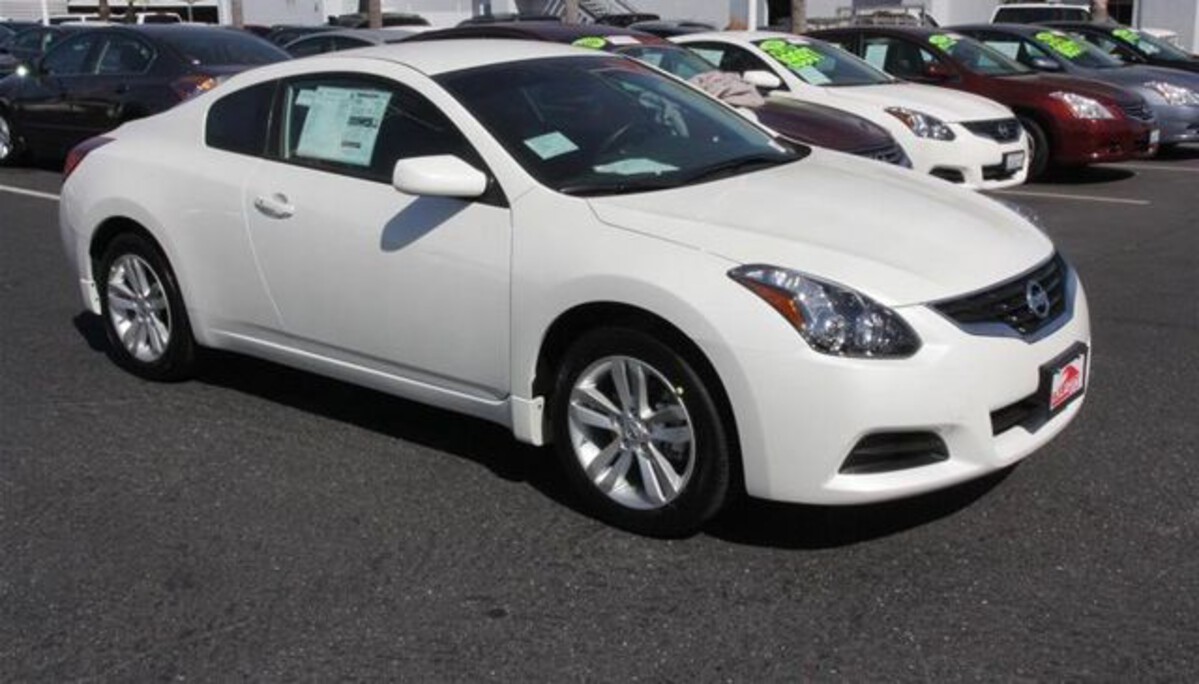
1. Nissan Altima (2013-2018)
The fifth-generation Nissan Altima represents one of the most disappointing reliability failures in modern automotive history, transforming what was once a dependable family sedan into a cautionary tale about the consequences of cost-cutting and problematic technology implementation.
Among the models known to experience CVT issues are the 2014-2018 Rogue, the 2015 Rogue Select, the 2015-2018 Nissan Pathfinder, the 2022–2024 Sentra, the 2019–2024 Altima, the 2017–2029 Maxima, and other Nissan models.
This generation of Altima has become synonymous with premature transmission failure, creating significant financial hardship for thousands of owners who expected reliable family transportation.
The Altima’s reliability problems center almost exclusively around its continuously variable transmission (CVT), specifically the first-generation Xtronic CVT that proved catastrophically unreliable in real-world conditions.
A bigger problem though is high transmission temperatures sending the vehicle into limp mode. The cooling system on the CVT cannot handle the amount of heat generated by the belts and pulleys.
As a solution, Nissan offered an external transmission cooler upgrade, but even that did not always help. This transmission system experiences multiple failure modes that often manifest within the first 60,000-80,000 miles of operation, well before most owners would expect major powertrain repairs.
The CVT’s primary failure mechanism involves the steel belt that connects the variable-diameter pulleys, which stretches and eventually breaks under normal operating conditions.
This belt operates under extreme tension and experiences constant flexing as the pulleys change diameter ratios, creating metal fatigue that leads to premature failure.
When the belt begins to slip, it generates excessive heat that further accelerates wear and creates a cascade failure scenario where multiple transmission components fail simultaneously.
The hydraulic control system in these CVTs also proves problematic, with valve body failures causing erratic shifting behavior, harsh engagement, and complete loss of drive.
The transmission fluid itself degrades rapidly under the high temperatures and pressures generated by the slipping belt, creating debris that clogs passages and damages internal components.
The infotainment system, while feature-rich, proves unreliable with frequent freezing, screen failures, and connectivity problems that require expensive repairs outside of warranty coverage.
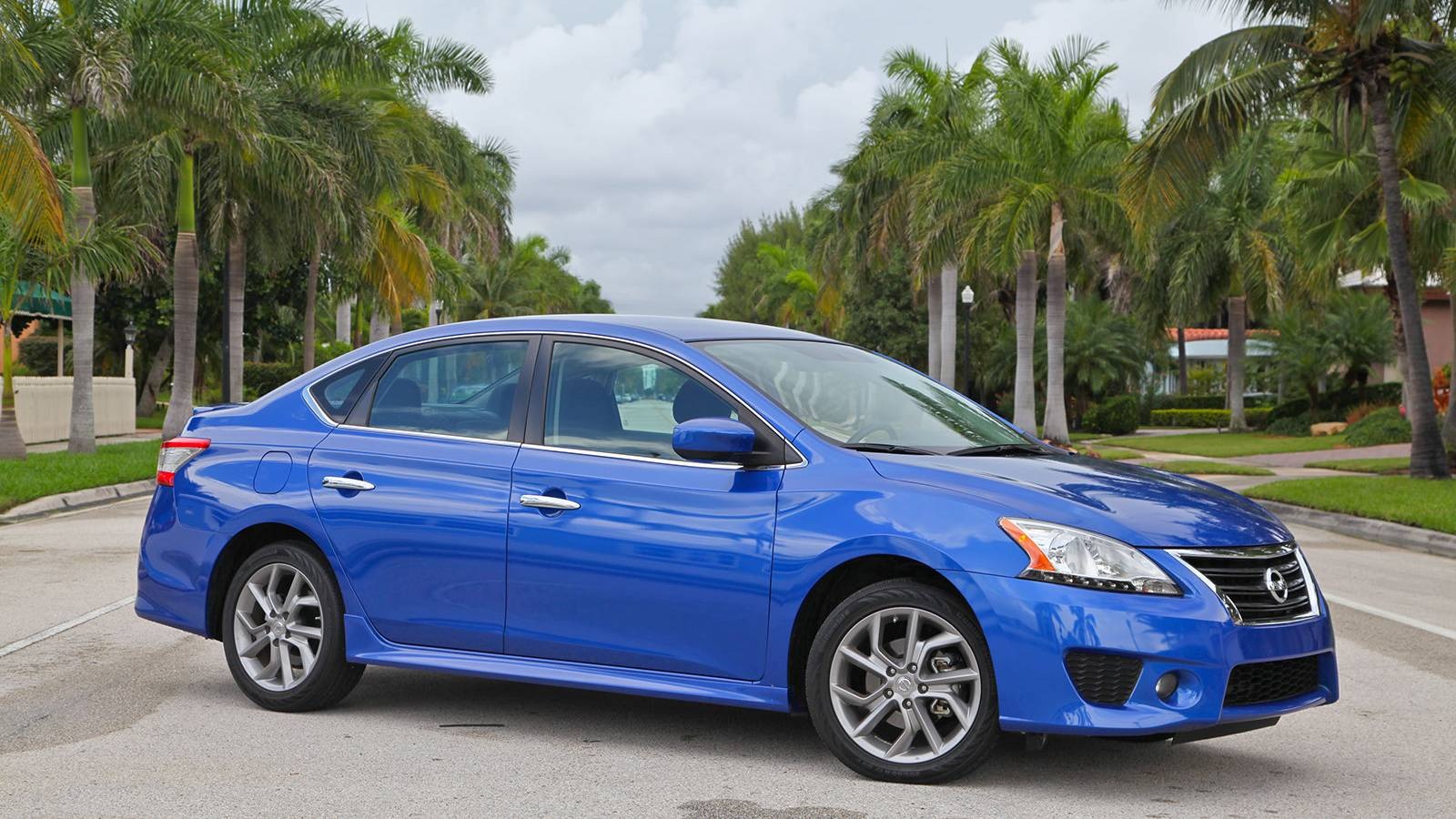
2. Nissan Sentra (2013-2019)
The seventh-generation Nissan Sentra stands as another prime example of how CVT transmission problems can destroy an otherwise adequate vehicle’s reliability reputation, creating ownership experiences characterized by repeated failures, expensive repairs, and premature vehicle disposal.
This compact sedan, which should have provided years of economical transportation, instead became a financial burden for many owners who purchased expecting typical Japanese reliability.
The Sentra’s CVT problems mirror those found in the Altima but are arguably worse due to the transmission being asked to handle proportionally more stress relative to its design capacity.
The models which may include defective Nissan CVT transmissions include Nissan model lines Sentra, Pathfinder, Quest, Versa, Versa Note, Altima, Rogue, Juke, Maxima, and Murano.
The smaller, less robust CVT unit used in the Sentra proves even more susceptible to belt slippage and overheating than the units used in larger vehicles, often failing within 50,000-70,000 miles under normal driving conditions.
The belt failure mechanism in the Sentra’s CVT is particularly problematic because the transmission is frequently operated at or near its maximum capacity during normal driving scenarios like highway merging or hill climbing.
This constant stress accelerates metal fatigue in the steel belt, leading to stretching, fraying, and eventual complete failure. When the belt begins to slip, it creates a grinding sensation and whining noise that many owners initially mistake for normal CVT operation until complete failure occurs.
Overheating problems in the Sentra prove even more severe than in larger vehicles due to the smaller transmission case and reduced cooling capacity.
The CVT frequently overheats during stop-and-go traffic or extended highway driving, causing the transmission to enter limp mode and limiting vehicle speed to 30-40 mph. This limitation creates dangerous situations on highways and makes the vehicle essentially unusable for many driving scenarios.
The engine’s variable valve timing system occasionally fails, causing rough idle, reduced power output, and increased fuel consumption. The ignition system, utilizing individual coil-on-plug ignition, experiences premature coil failures that cause misfires and potential catalytic converter damage if not addressed promptly.
Spark plug life is shorter than expected, often requiring replacement every 30,000-40,000 miles rather than the recommended 60,000-mile intervals. Cooling system problems in the Sentra include premature radiator failures, thermostat sticking, and water pump bearing failures.
These problems often manifest as overheating during highway driving or in hot weather conditions. The cooling system’s marginal capacity means that any component failure quickly leads to engine overheating and potential internal damage.
3. Nissan Rogue (2014-2020)
The second and third-generation Nissan Rogue represents a particularly tragic reliability failure because it occurs in one of the most important vehicle segments for family transportation, leaving parents and commuters stranded with failed transmissions and creating safety concerns during breakdowns.
Among the models known to experience CVT issues are the 2014-2018 Rogue, the 2015 Rogue Select, the 2015-2018 Nissan Pathfinder The Rogue’s popularity in the compact SUV segment meant that these reliability problems affected hundreds of thousands of families who expected dependable transportation.
The Rogue’s CVT problems prove particularly severe because the transmission must handle the additional weight and aerodynamic drag of SUV body style while providing all-wheel-drive capability in many examples.
This increased demand on the CVT system accelerates all the failure modes seen in sedan applications, with belt slippage, overheating, and hydraulic failures occurring even earlier in the vehicle’s lifecycle, often within 40,000-60,000 miles.
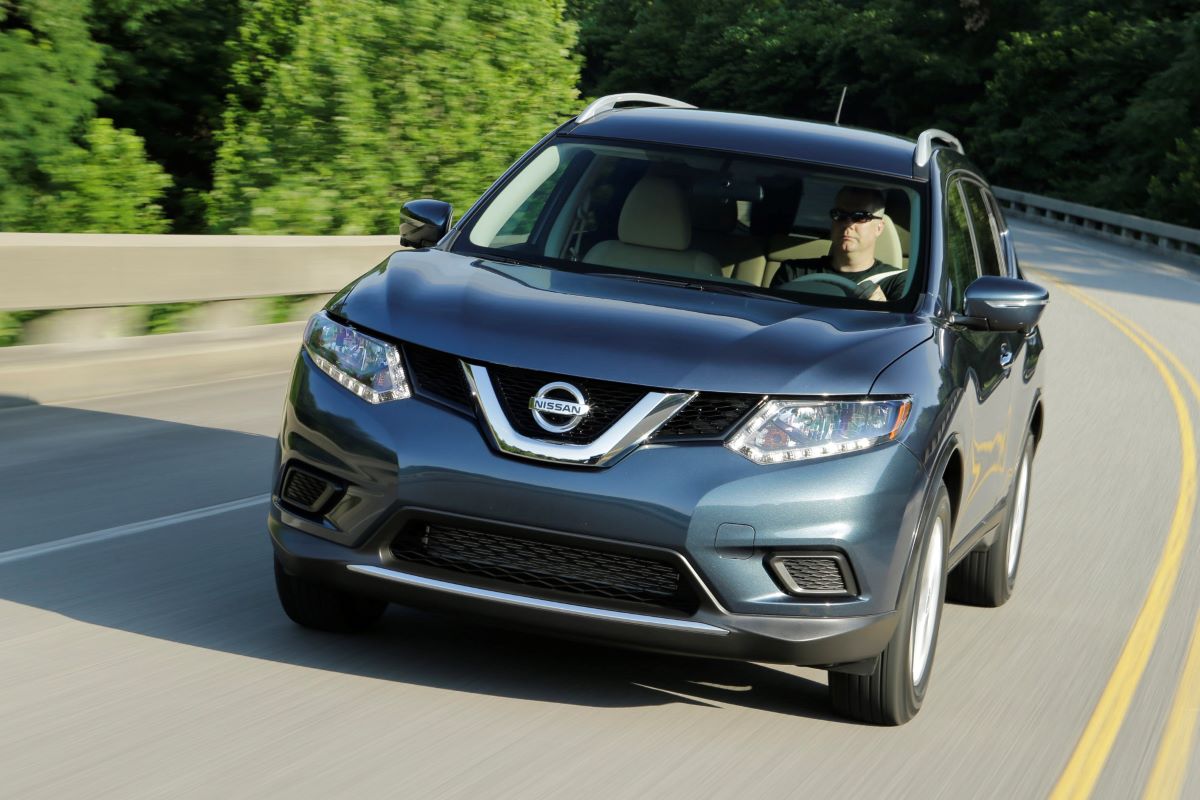
The all-wheel-drive system adds another layer of complexity and potential failure to the already problematic CVT. The AWD system uses an electromagnetic clutch to engage the rear wheels, but this system frequently fails due to electrical problems or mechanical wear.
When the AWD system fails, it often damages the CVT due to unexpected torque loads and operating conditions outside the transmission’s design parameters.
Overheating problems in the Rogue prove catastrophic because the higher seating position and family-oriented use pattern mean that CVT failures often occur in situations where safety is paramount, such as during highway driving with children aboard or in remote locations during family trips.
The transmission’s tendency to suddenly lose all forward motion creates dangerous scenarios that have resulted in accidents and near-misses. The Rogue’s electrical systems prove problematic, with frequent failures of the alternator, battery, and various sensors.
The climate control system experiences actuator failures that prevent proper temperature control, while the infotainment system freezes frequently and may require complete replacement. Door lock actuators fail regularly, leaving owners unable to properly secure their vehicles.
4. Nissan Pathfinder (2013-2020)
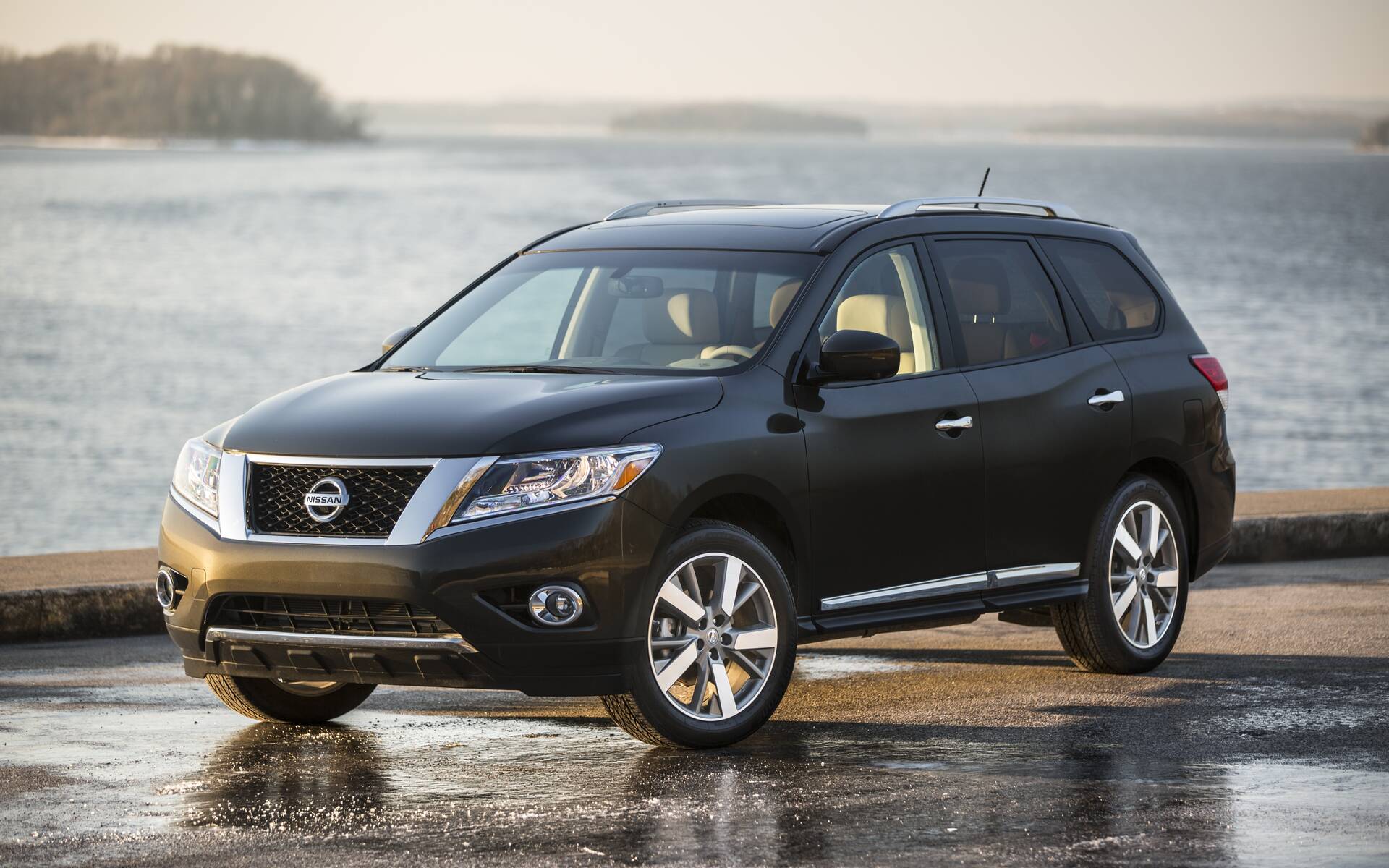
The fourth-generation Nissan Pathfinder represents perhaps the most disappointing reliability failure in Nissan’s modern lineup, transforming what was once a capable and dependable family SUV into a maintenance nightmare that has left countless families with expensive repair bills and unsafe driving conditions.
The Pathfinder’s failure is particularly egregious because it occurs in a three-row family SUV segment where reliability and safety are paramount concerns for parents transporting children.
The Pathfinder’s reliability problems center around the same CVT technology that has plagued other Nissan models, but the application proves even more problematic due to the additional demands placed on the transmission by the vehicle’s size, weight, and typical usage patterns.
The 2015-2018 Nissan Pathfinder experiences CVT failures that often occur within 60,000-80,000 miles, well before most families would expect major powertrain repairs in a premium family vehicle.
The CVT’s belt system proves completely inadequate for the Pathfinder’s operating demands, which include frequent towing, fully loaded family trips, and extended highway driving.
The steel belt stretches and frays under these conditions, leading to slippage that generates excessive heat and further accelerates wear. When families load the Pathfinder with luggage, passengers, and cargo for vacation trips, the CVT often fails catastrophically, leaving them stranded far from home with expensive towing and repair bills.
Overheating represents a constant problem in the Pathfinder’s CVT, with the transmission frequently entering limp mode during normal family driving scenarios.
Mountain driving, towing small trailers, or even extended highway driving in hot weather can cause the CVT to overheat and limit vehicle speed to dangerous levels.
This limitation has created numerous safety scenarios where families find themselves unable to maintain highway speeds while merging or climbing hills.
The hydraulic control system failures in the Pathfinder manifest as violent shuddering that can be felt throughout the large cabin, creating passenger discomfort and concerns about vehicle safety.
The advanced safety systems, including blind spot monitoring and collision avoidance, experience frequent false alarms and system failures that require expensive recalibration or component replacement. The infotainment system freezes regularly and may require complete replacement outside of warranty coverage.
5. Nissan Maxima (2016-2023)
The eighth-generation Nissan Maxima represents the most heartbreaking reliability failure in Nissan’s modern lineup because it occurs in what should have been the brand’s flagship sedan, a vehicle positioned as a premium alternative to luxury competitors but delivering reliability performance that falls far short of economy car expectations.
The 2017–2029 Maxima has become synonymous with expensive CVT failures that often cost more to repair than the vehicle’s remaining value. The Maxima’s CVT problems prove particularly severe because the transmission must handle the substantial torque output of the 3.5-liter VQ35DE V6 engine while maintaining the smooth, refined operation expected in a flagship sedan.
This combination of high torque loads and refinement requirements places extreme demands on the CVT system that lead to accelerated wear and premature failure, often occurring within 50,000-70,000 miles of normal driving.
The belt system in the Maxima’s CVT experiences rapid degradation under the high torque loads generated by the V6 engine, particularly during spirited acceleration that owners might reasonably expect from a performance-oriented sedan.
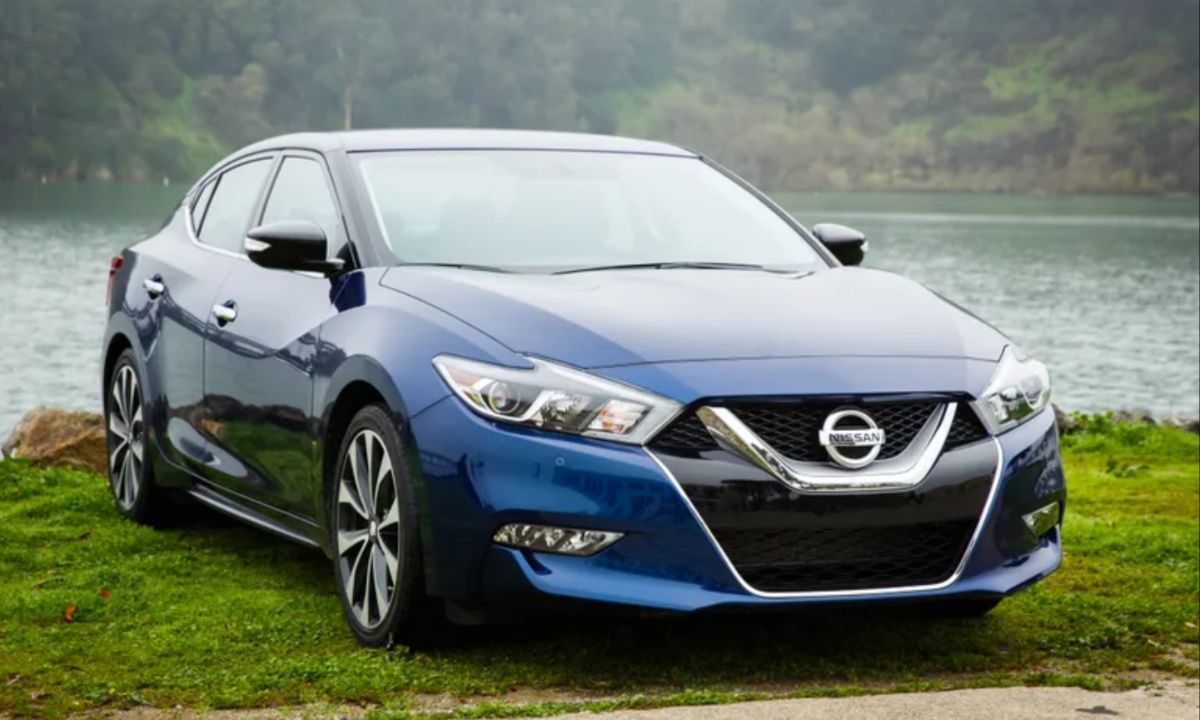
The steel belt stretches and begins slipping under these conditions, creating a cascade of problems including overheating, fluid contamination, and eventual complete transmission failure.
The overheating problems in the Maxima’s CVT prove especially problematic because the transmission must operate in the engine bay of a performance sedan where ambient temperatures are already raised due to the V6’s heat output.
The CVT’s inadequate cooling system cannot cope with both the internal heat generated by belt slippage and the external heat from the engine compartment, leading to frequent limp mode activation that transforms the supposedly sporty sedan into a sluggish liability.
The Maxima’s reliability problems extend to the suspension system, where the complex multi-link rear suspension experiences premature bushing failures and shock absorber problems.
The vehicle’s performance-oriented tuning places additional stress on suspension components, leading to expensive repairs that are necessary to maintain the handling characteristics that initially attracted buyers to the model.
Also Read: 5 BMW Models That Age Well vs 5 That Don’t
