
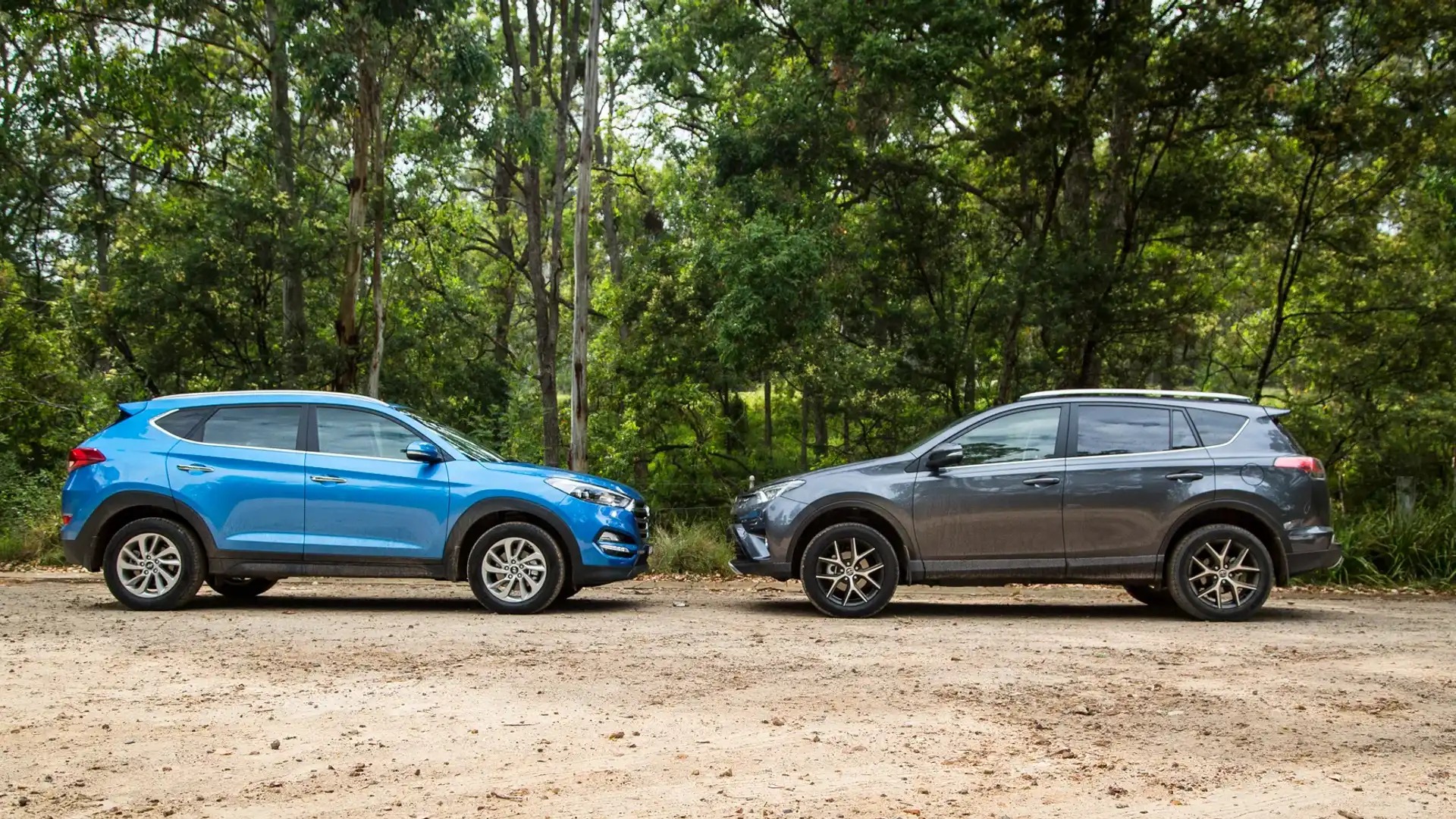
Driving on highways should feel like a calm journey where the vehicle moves with ease and gives the driver and passengers comfort. For many people who choose sport utility vehicles, the expectation is not just strength and space but also how the ride feels when travelling long distances.
Some SUVs have been built with solid suspension, balanced weight, and quiet cabins that allow travellers to enjoy every stretch of the road. These are the kinds of vehicles people want when they spend many hours behind the wheel or when they take family trips.
Yet, not every SUV gives that kind of confidence. Some of them may look attractive from the outside and even have good features, but once they are pushed onto the highway, the story changes. Instead of giving calmness, they bring vibration, shaking, and sometimes road noise that makes the journey uncomfortable.
For drivers and passengers who know how stressful long drives can be, this difference in ride quality becomes very important. It is not only about speed or power; comfort on highways comes from how well the suspension absorbs bumps, how steady the steering feels, and how quiet the cabin remains when the tyres meet different road surfaces.
Vehicles that succeed in these areas create a sense of ease that people look forward to each time they enter. But when an SUV fails in this regard, every hour spent on the road becomes tiring.
5 SUVs That Stay Smooth on Highways
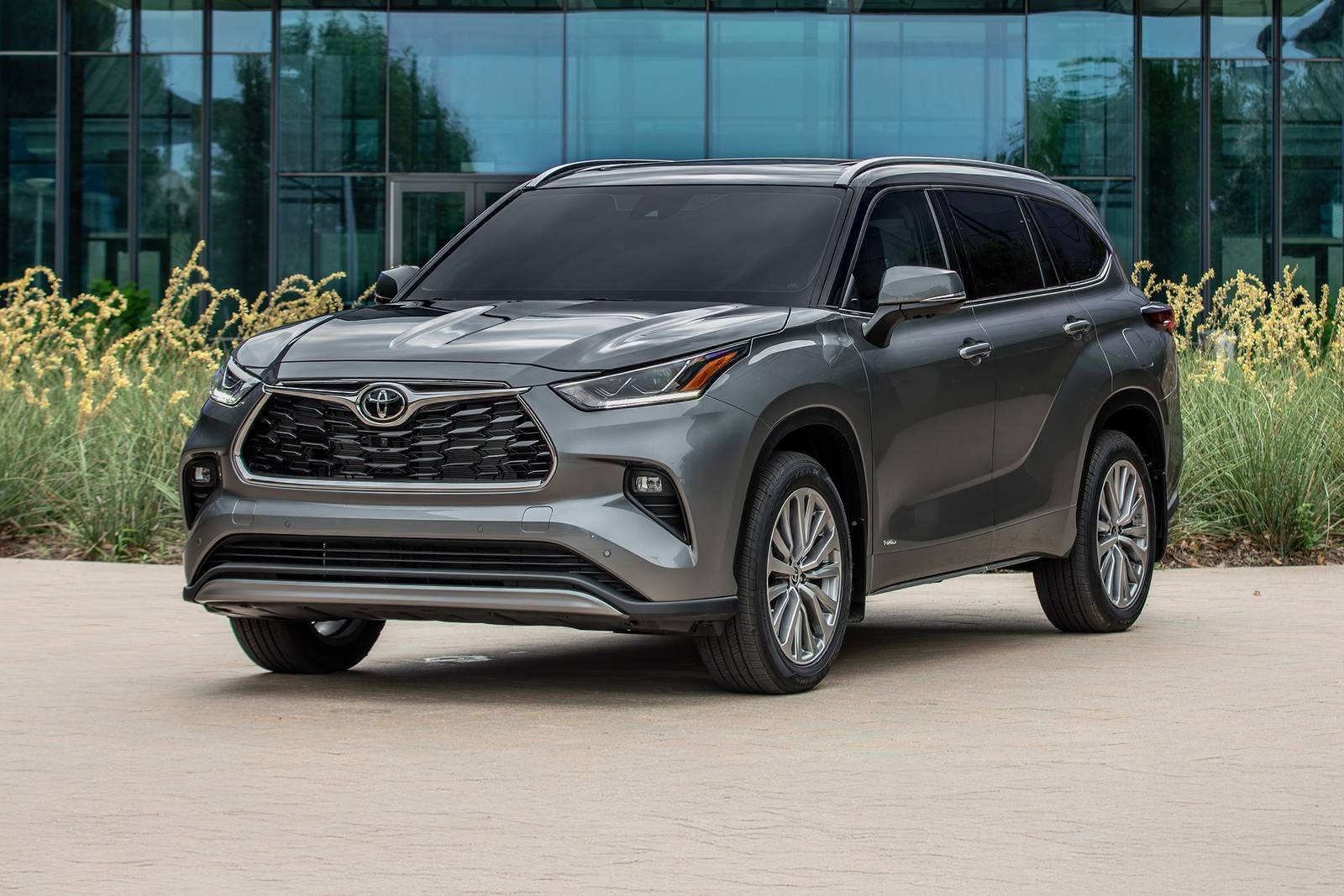
1. Toyota Highlander
The Toyota Highlander has been praised for years as a family-friendly SUV, and much of that comes from how it handles the open road. Drivers often describe it as calm, steady, and reliable. The suspension system is tuned in a way that allows it to absorb bumps without throwing passengers around.
This is one of the reasons many households in the United States continue to see it as a good option for both short drives and cross-country trips. Inside the cabin, the Highlander pays attention to comfort.
The seating is soft without being too loose, which helps when travelling for several hours. Noise insulation also works well, so even when driving on rough pavement, the sound from the tyres or outside traffic does not disturb you too much.
This ability to reduce outside noise adds to the peaceful feel. For families with children, this calmness can make a huge difference because it means less distraction and more enjoyment throughout the journey. The steering response is another strong point.
On highways, drivers want to feel like the vehicle is stable, especially when changing lanes or overtaking. The Highlander gives that feeling of control. It is not overly stiff, but it keeps the SUV in line without the driver needing to fight with the wheel. That balance between ease and firmness makes it a joy to handle.
Technology inside the vehicle also supports highway driving. Features such as adaptive cruise control, lane-keeping assistance, and blind-spot monitoring are included in many models. These tools allow drivers to feel secure while covering long distances, as they reduce stress and increase awareness.
Fuel efficiency for an SUV of its size is decent, and that means fewer stops for fuel during long trips. Altogether, the Toyota Highlander stands as one of the SUVs people trust when they want smoothness, stability, and calm on highways. Its strong build and family-centred design make it a leading choice for those who value comfort on every stretch of the road.
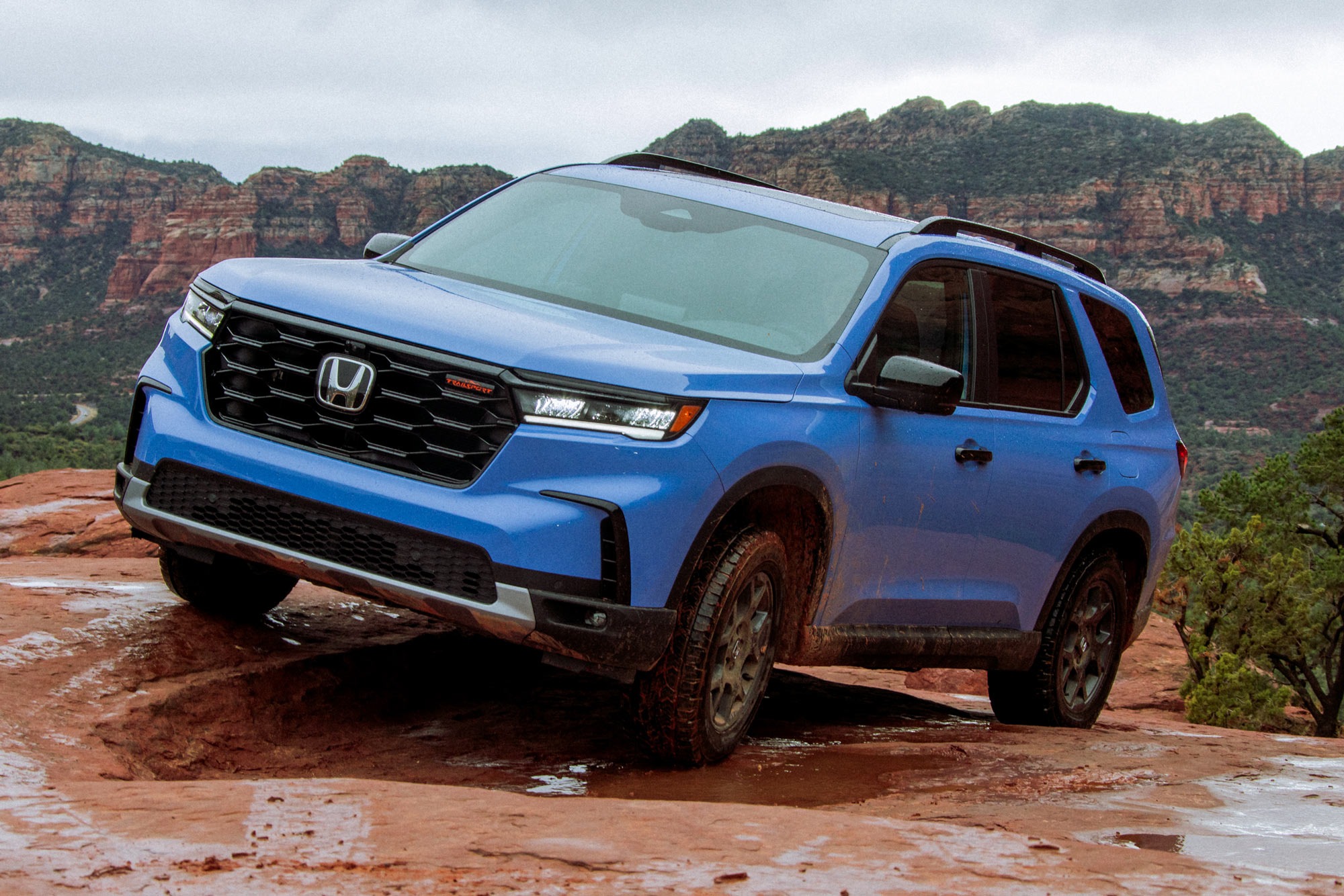
2. Honda Pilot
The Honda Pilot is another SUV that shines when it comes to highway performance. Many buyers pick it because of its space and practicality, but the way it behaves on long stretches of road is also a major attraction. The Pilot’s suspension is designed to soften the effect of rough patches, which means passengers enjoy a stable ride even when the surface is not perfect.
Inside the cabin, the Honda Pilot provides seating that supports the back and legs well. This support is vital for long-distance trips because passengers can sit for hours without feeling excessive discomfort. The Pilot’s third-row seats are also more usable than those of many other SUVs, so larger families do not have to argue over who gets stuck in a cramped space.
Road noise is controlled effectively, especially in the newer models. While some sound from the tyres may still come through, it is far less than what you would experience in SUVs that are not built with comfort in mind. The Pilot also feels stable at higher speeds, so drivers do not have to constantly adjust the steering to stay on course.
Technology inside the Honda Pilot adds to its strength. It comes with safety and driver-assist features that make highway driving easier. Adaptive cruise control allows the vehicle to maintain a safe distance from the car ahead without the driver needing to keep pressing the accelerator or brakes. Lane-keeping assistance helps prevent drifting when drivers get tired during long trips.
Another advantage of the Pilot is its fuel economy, which is reasonable for a three-row SUV. Families who spend a lot of time travelling appreciate the fact that they can cover long distances without worrying about constant fuel stops.
With all these strengths, the Honda Pilot has earned its place among SUVs that give smooth experiences on highways. It combines practicality, comfort, and steady performance in a way that makes it dependable for both daily use and long adventures.
Also Read: 5 SUVs With Long-Lasting Interiors vs 5 With Falling Trim
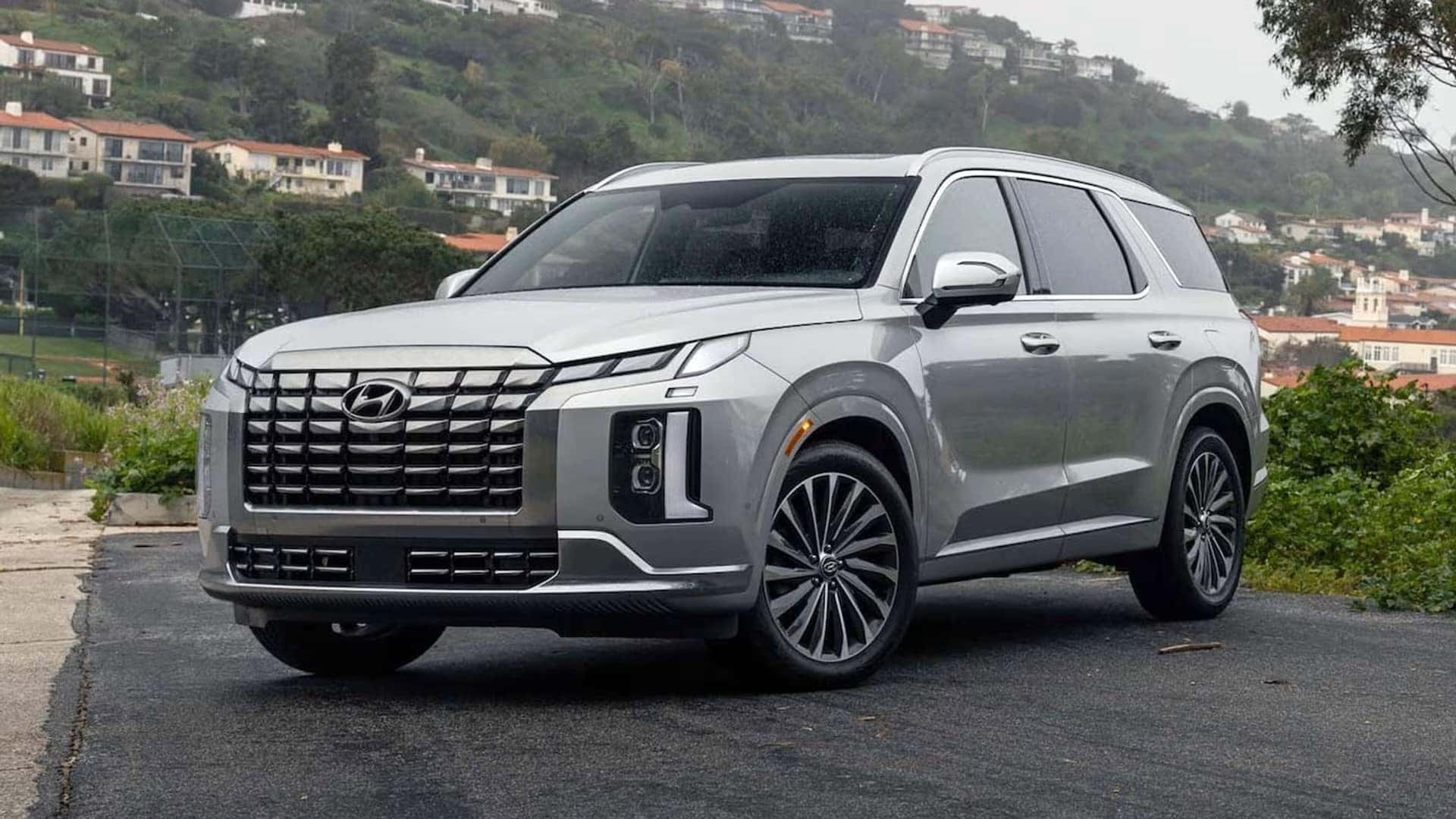
3. Hyundai Palisade
The Hyundai Palisade has quickly become a strong option in the SUV market, even though it is a relatively recent entry. On highways, it delivers a level of smoothness that competes with long-standing names. The suspension is well-tuned, giving the vehicle the ability to glide over uneven road surfaces without creating discomfort for passengers.
Inside the Palisade, Hyundai put serious effort into making the cabin feel like a calm space. The seats are large and well-padded, with enough adjustment options to suit different body types. Long trips feel less stressful when passengers can adjust their positions and remain comfortable throughout. The materials used inside also give a sense of luxury that many people do not expect at its price range.
Noise control is another area where the Palisade performs well. At highway speeds, the cabin remains calm, with limited sound from the road or wind. This makes it easier for conversations to flow or for passengers to enjoy music without needing to increase the volume too much.
Driving the Palisade feels stable and confident. The steering is not too heavy, yet it is strong enough to keep the vehicle firm when moving fast. This mix of stability and ease is exactly what drivers want when covering many miles.
Technology also supports highway trips in the Palisade. Features like adaptive cruise control, forward collision avoidance, and lane-keeping assistance are available, which reduce the strain on the driver. The digital display and clear controls make it simple to manage these features, even when on the move.
Fuel efficiency is reasonable for a vehicle of its size, and families who choose it often point out that it balances comfort with value. The Hyundai Palisade has shown that a newcomer can compete with established SUVs when it comes to highway smoothness. For those looking for something modern, stylish, and dependable on long drives, the Palisade deserves strong consideration.
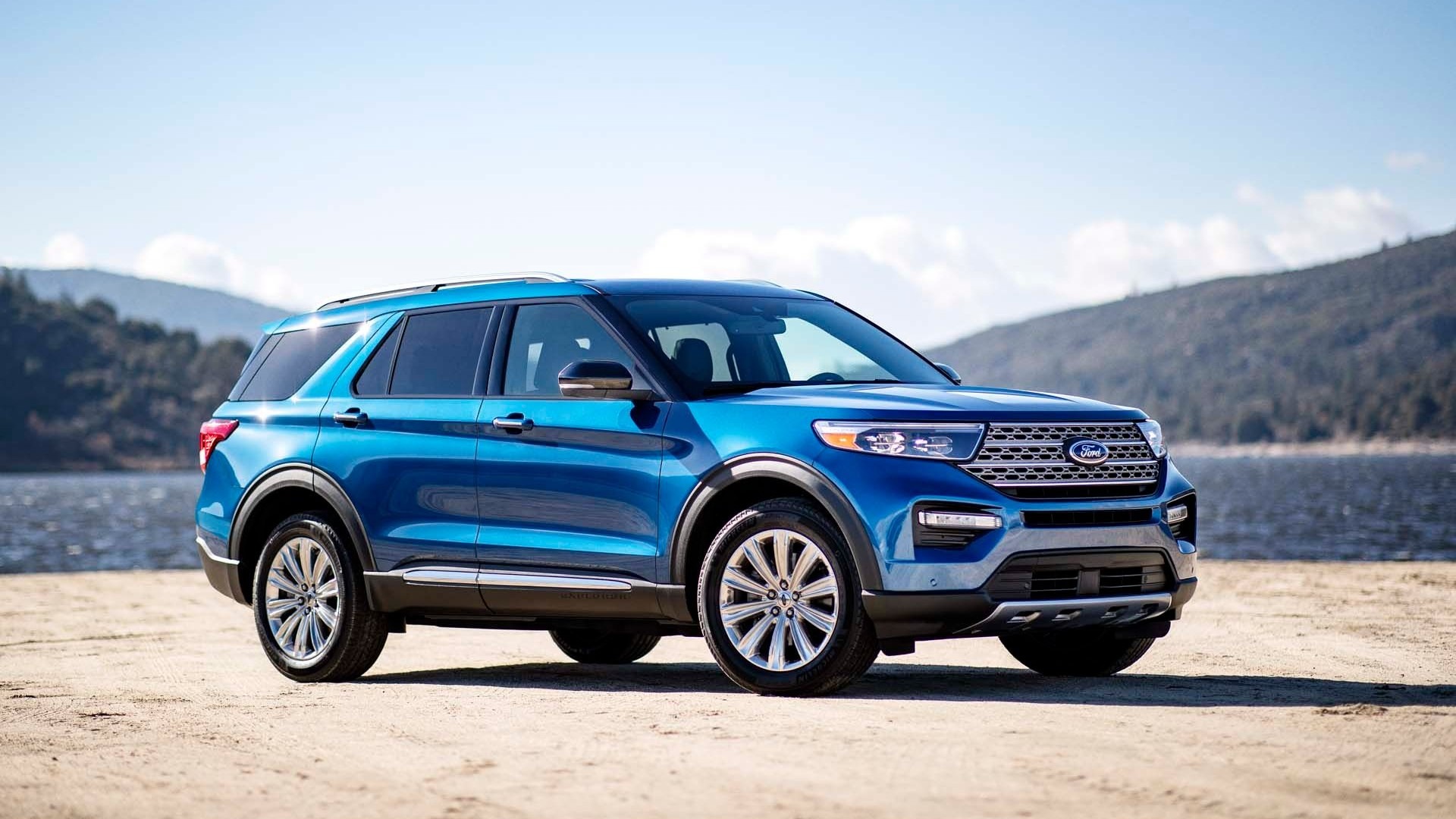
4. Ford Explorer
The Ford Explorer has a long history in the American market, and while it has gone through different changes over the years, it continues to be recognised for highway comfort. Drivers often find that the Explorer provides a stable feel when covering long distances. The suspension is balanced enough to absorb bumps without creating excessive movement inside the cabin.
Passengers in the Explorer also benefit from seating that remains comfortable on extended trips. The space inside is generous, especially in the first two rows, making it easy for families to spread out. Noise from the tyres or outside traffic is reduced, and newer models have better sound insulation than older ones, which adds to the quiet experience.
The Explorer also brings strong engine options, giving it enough power to merge onto highways or overtake slower vehicles without strain. Yet, this power does not come at the cost of comfort. The SUV maintains smooth handling at high speeds, and the steering feels confident without being heavy.
Technology inside the Ford Explorer helps drivers stay at ease during long drives. From adaptive cruise control to driver assistance features, the SUV includes tools that reduce the stress of highway travel. The infotainment system is user-friendly, which makes it easy for drivers to manage entertainment, navigation, and vehicle settings while keeping attention on the road.
Fuel economy is decent depending on the engine choice, and while it may not be the most efficient SUV, it balances power with acceptable fuel use. Families who want strength and comfort together find the Explorer a suitable option.
The Ford Explorer continues to stand as a dependable SUV for highway use. Its blend of comfort, technology, and stability makes it a trusted choice for those who cover long distances frequently.
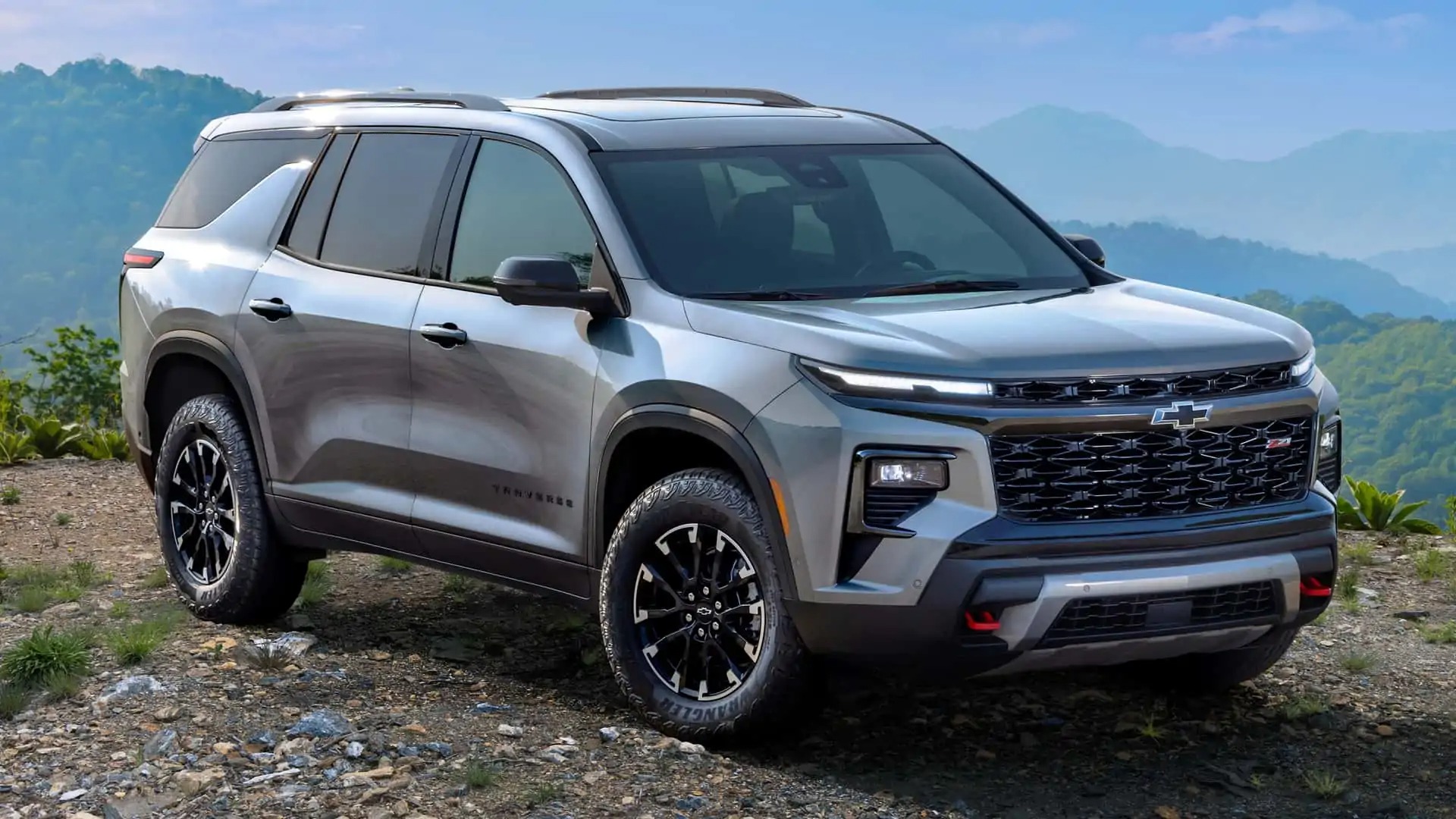
5. Chevrolet Traverse
The Chevrolet Traverse is often chosen by families who want space, but it also offers highway comfort that competes with the best in its class. The ride quality is calm, with a suspension that takes the sting out of rough roads. Even when travelling at high speeds, the Traverse remains steady, which gives drivers confidence during long trips.
The interior of the Traverse is designed with comfort in mind. Seats are broad and supportive, allowing passengers to settle in without feeling cramped. The third row is usable for both adults and children, unlike some SUVs, where only small kids can fit. This makes the Traverse a practical choice for bigger families or groups travelling together.
Noise inside the cabin is controlled reasonably well. At highway speeds, the sound of wind or tyres does not overwhelm passengers. This calm atmosphere is especially important during hours of travel, as it allows people to rest or enjoy entertainment without distraction.
The Traverse also provides strong technology support. With driver-assist features like lane-keeping help and adaptive cruise control, long journeys become less stressful for the driver. The infotainment system is straightforward, so even those who are not very tech-savvy can use it without confusion.
Fuel efficiency is fair for its size, and drivers often appreciate that it balances space with comfort. It is not the most powerful SUV in its segment, but its focus on smoothness and practicality makes it a strong option.
For those who want an SUV that feels steady on highways and also gives passengers enough room, the Chevrolet Traverse fits well. It shows that a vehicle can offer both spaciousness and highway smoothness without sacrificing comfort.
5 SUVs That Shake on Highways
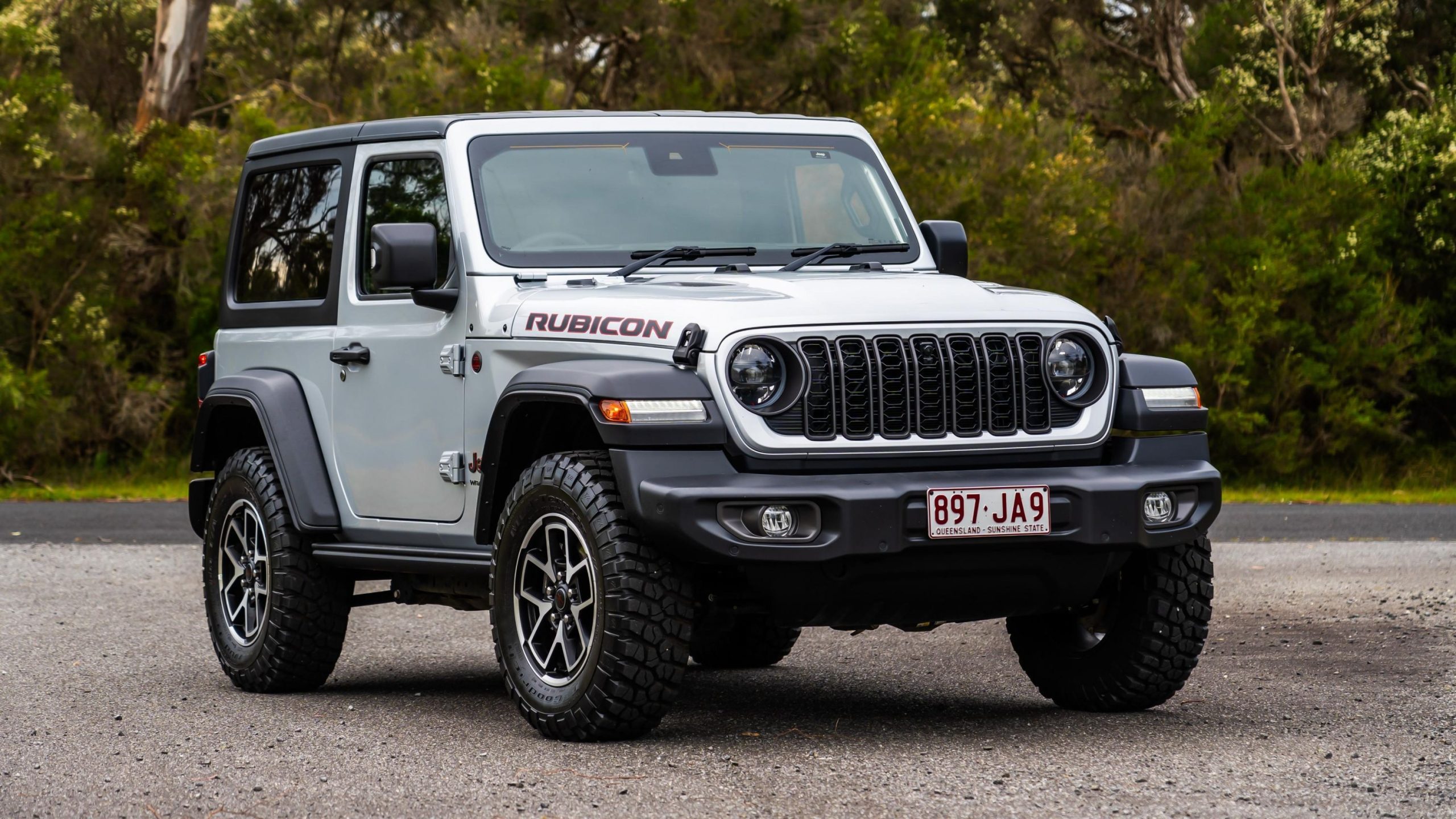
1. Jeep Wrangler
While the Jeep Wrangler is loved for its off-road ability, it is not an SUV that shines on highways. Its design is focused more on handling rough grounds than giving passengers calm journeys on paved roads. Because of this, the Wrangler tends to shake and rattle when driven at highway speeds.
The suspension system, which is excellent for climbing rocks and handling dirt roads, does not absorb bumps on highways in a smooth way. Passengers often feel the vibrations inside the cabin, especially when travelling long distances. This can make the ride tiring compared to SUVs built mainly for comfort.
Inside the cabin, the Wrangler is less quiet than many competitors. Road noise and wind noise easily enter, making conversations and music less enjoyable. For people who spend a lot of time on highways, this can become frustrating.
The steering is another area where the Wrangler does not impress on smooth roads. It feels less stable at high speeds, so drivers may find themselves making more corrections than they would in other SUVs. This lack of highway calmness is the price paid for its strong off-road ability.
Even though the Jeep Wrangler has a unique style and a strong fan base, its performance on highways is far from smooth. Those who buy it often accept the highway discomfort because they value its off-road strength. But for people who want calm and steady trips on highways, the Wrangler is not the best choice.
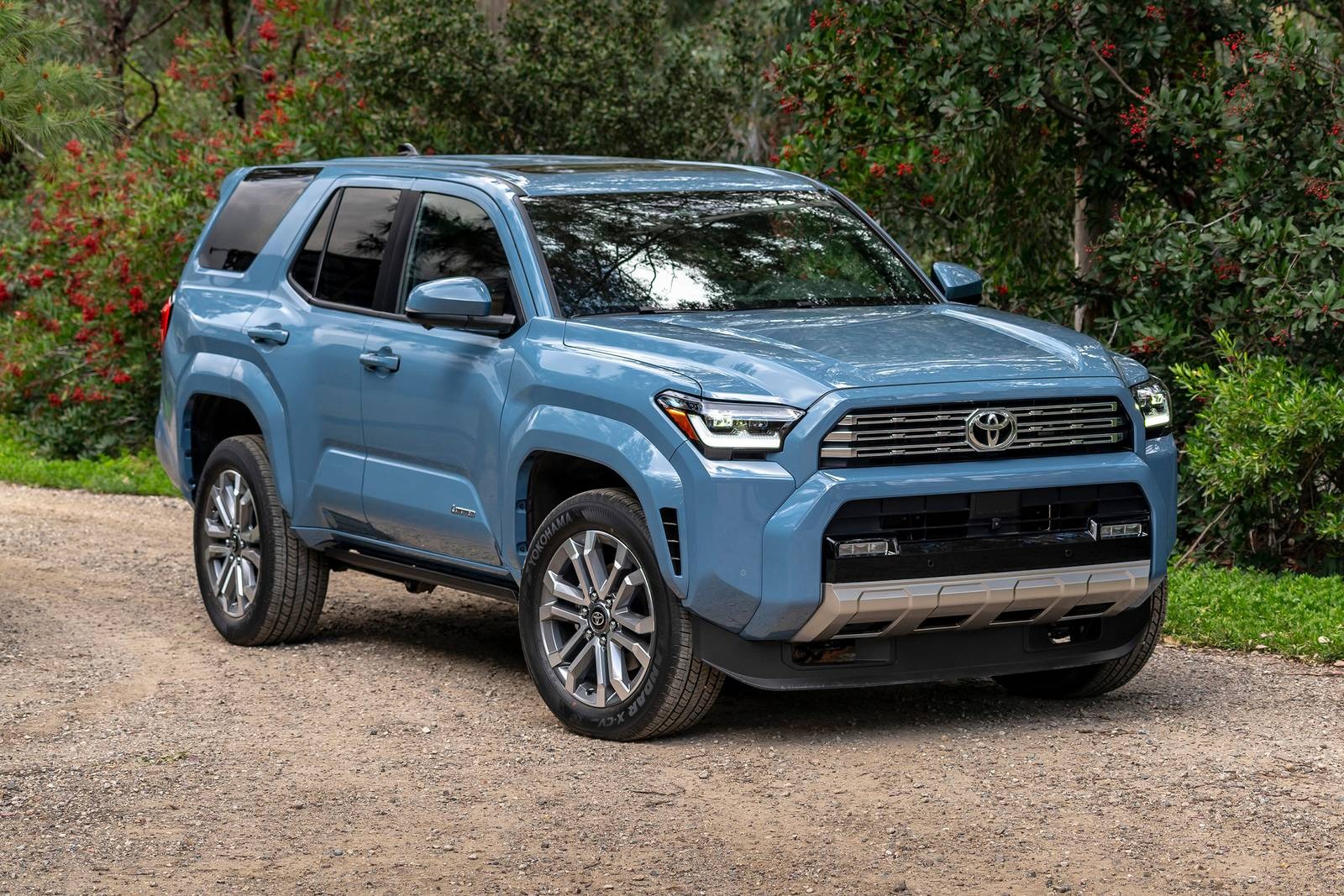
2. Toyota 4Runner
The Toyota 4Runner has built a strong reputation over the years as one of the toughest SUVs available. Drivers who enjoy off-road adventures often choose it because it can handle dirt tracks, rocky paths, and steep climbs with confidence. Its body-on-frame design and rugged suspension are exactly what make it shine in those conditions.
However, these same qualities that make the 4Runner powerful off-road become a drawback when it is driven mostly on highways. Comfort is not its strongest point, and many families who take it on long road trips quickly notice the difference compared to smoother SUVs.
The suspension is built with off-road strength in mind, which means it does not absorb bumps on paved roads as gently as comfort-oriented vehicles. Passengers often experience more shaking and movement inside the cabin whenever the vehicle crosses uneven patches or expansion joints on the highway.
While this is acceptable for short distances, it can quickly grow tiring during hours of travel. Families that expect a calm ride may find this constant vibration frustrating. Noise is another concern inside the 4Runner.
Wind and tyre sounds are more noticeable compared to other midsize SUVs designed for comfort. On long trips, this background noise reduces the calm feel many travellers want, especially when conversations or entertainment are disturbed by outside sound.
Steering control is fair but does not inspire the same confidence as SUVs tuned for highway performance. At higher speeds, the 4Runner can feel unsettled, and drivers may need to stay more attentive to keep the vehicle steady. This makes it less relaxing for long-distance journeys.
For people who need an SUV that can survive rough trails and outdoor adventures, the Toyota 4Runner remains one of the strongest options available. But for families or individuals whose main focus is highway travel, it does not provide the smoothness or quiet comfort expected from a daily cruiser.
3. Mitsubishi Outlander
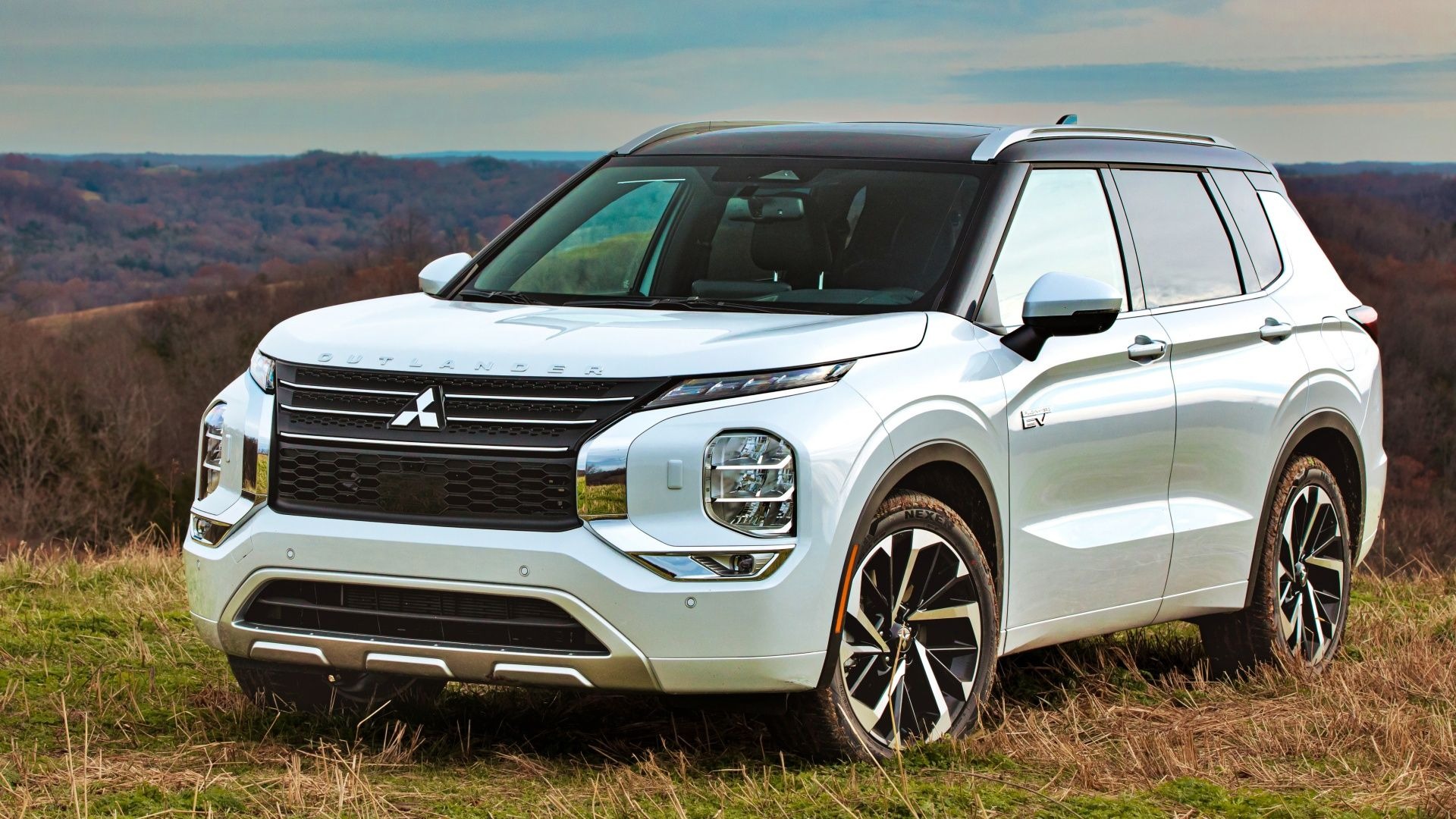
The Mitsubishi Outlander has built its name as a practical family SUV, often attracting buyers because of its affordability, fuel efficiency, and modern styling. On city roads, it performs reasonably well, handling everyday commutes and short trips with little difficulty.
However, once the Outlander is taken onto highways for longer journeys, its weaknesses become more visible. Comfort at higher speeds is not one of its strongest qualities, which can be disappointing for drivers who spend many hours on the road.
The suspension is one of the areas where the Outlander struggles. While it can manage light bumps in town, it does not absorb uneven surfaces on highways with the same effectiveness as its comfort-focused competitors.
Passengers often report feeling more vibrations than expected, especially when travelling at faster speeds. These constant shakes may not seem like a big issue during short drives, but on long-distance trips, they can lead to fatigue and discomfort.
Inside the cabin, Mitsubishi has worked to create a design that looks appealing, and the layout is fairly modern. However, when it comes to quietness, the Outlander falls short.
Road noise and the sound of tyres tend to filter into the interior more than families would like. Over several hours of driving, this background noise can reduce the joy of travel, as conversations or music may need to compete with unwanted sounds from outside.
Steering is another weak point on highways. At low speeds, it feels manageable, but at higher speeds, it does not deliver the firm and steady control that drivers expect from an SUV. This can make lane changes or sudden moves feel less secure, which reduces driver confidence.
Although the Outlander offers good fuel economy and some helpful technology features, these strengths cannot fully cover its lack of highway stability. For families that spend most of their travel time on open roads, other SUVs in the same category provide a smoother and calmer experience.
4. Nissan Pathfinder
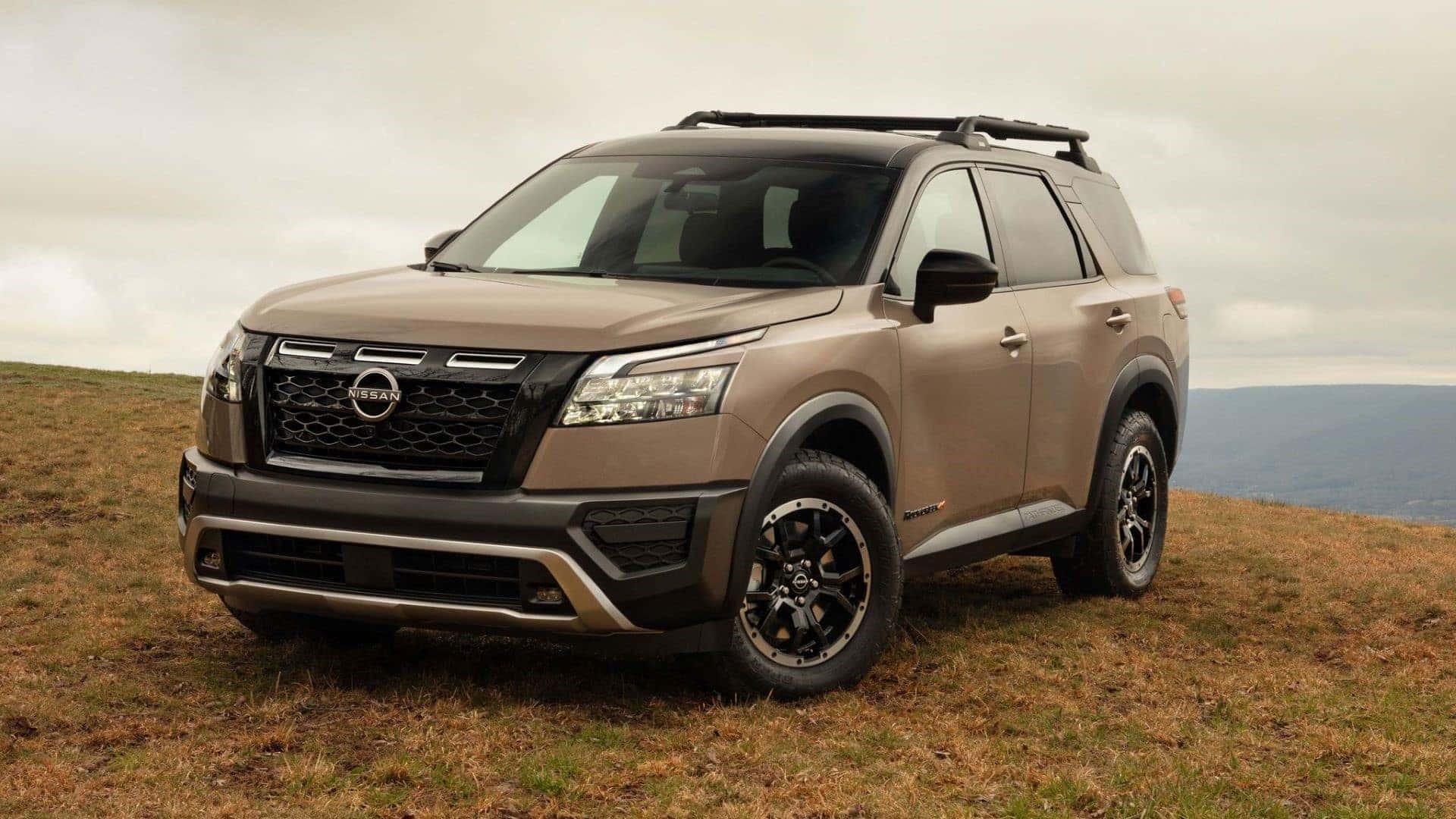
The Nissan Pathfinder has been part of the SUV market for many years, and with each redesign, the company has tried to make it more appealing to families. While the newer versions have certainly improved in looks, technology, and interior space, the Pathfinder still struggles when it comes to highway comfort.
The suspension has been updated to handle road bumps better than before, yet many drivers continue to notice vibration and noise once the SUV reaches higher speeds.
Inside the Pathfinder, there is no shortage of space. Families often appreciate the roomy seating arrangement, especially with the third row that can accommodate both children and adults.
This practicality is one of the main reasons people still consider it. However, space alone cannot cover the shortcomings of its highway performance.
Noise from tyres and strong wind tends to filter into the cabin more than drivers would prefer. This creates a less relaxed environment, which can be tiring during long trips where silence and calmness are expected.
Another concern comes from the steering. While it works fine at lower speeds, on highways it sometimes feels less firm than rival SUVs.
Drivers may find themselves making frequent small adjustments to keep the vehicle steady, which reduces confidence during lane changes or overtaking. For those who often cover hundreds of miles, this lack of consistent stability can become a burden.
The Pathfinder is still useful for families who value practicality and do not mind occasional road noise. It also has updated safety features and technology that make it competitive in today’s market.
Yet, when compared with comfort-driven SUVs like the Toyota Highlander or Honda Pilot, it does not quite deliver the same level of highway smoothness. For buyers who place calm driving experiences above all else, the Pathfinder may fall short.
Also Read: 5 SUVs That Keep Their Paint vs 5 That Peel Early
5. Kia Sorento
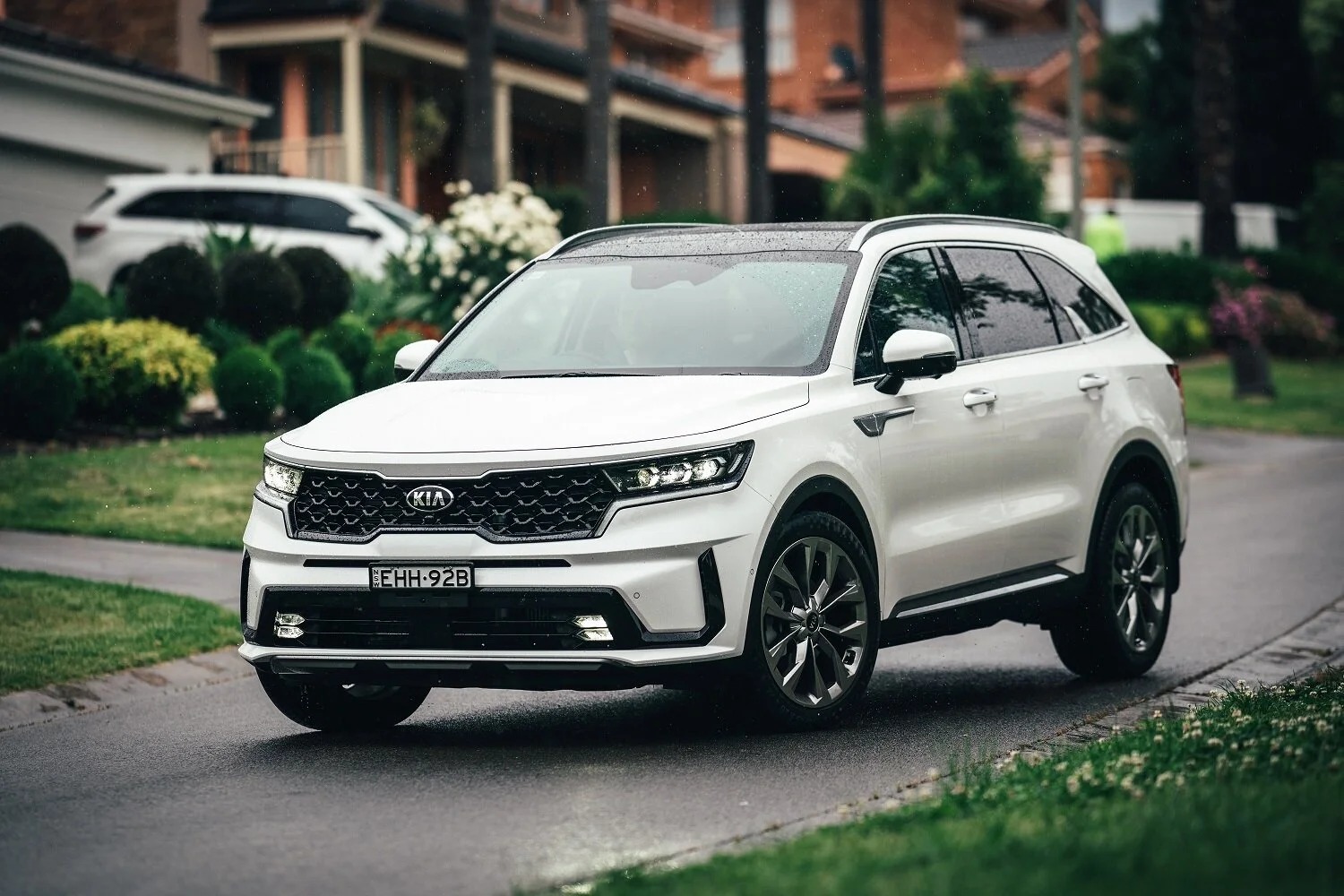
The Kia Sorento has gained attention for being affordable and stylish, offering buyers an SUV that looks modern while also coming with a range of useful features.
It is often chosen by families who want three-row seating without paying the higher cost of some of its competitors. While these strengths make it appealing, the Sorento does not always meet expectations when it comes to highway comfort.
Passengers have often described feeling more vibration when the Sorento is pushed to higher speeds, particularly when the road surface is not perfectly smooth.
These small shakes may not be too disturbing during short drives around town, but they become noticeable on longer highway journeys where stability and calmness are most valued.
Noise is another area where the Sorento shows weakness. Road and wind sounds are more pronounced than what you would find in SUVs that are built primarily for comfort. This can affect long-distance trips, as conversations may be interrupted or music and entertainment systems may need to be turned up just to cover the background noise.
For families or groups who spend many hours on the highway, this lack of quietness can make travel less pleasant. When it comes to handling, the Sorento performs adequately in city traffic where speeds are lower.
However, on highways, the steering does not always feel firm enough, and this can reduce driver confidence during lane changes or sudden maneuvers. Long-distance drivers usually prefer an SUV that feels steady and requires less constant correction, something the Sorento has not fully mastered.
Even with these concerns, the Sorento still offers value through its technology, fuel economy, and attractive pricing. Yet, when measured against other SUVs that give smoother and calmer rides on highways, it does not rise to the top.
