
Many people who love driving SUVs often focus on things like comfort, engine strength, or even fuel use, but one part of a vehicle that can quietly cause stress is the transmission. This system is what allows power to move from the engine to the wheels smoothly, and when it is not working well, drivers usually feel it quickly.
One of the most common problems drivers complain about is transmission slip. This happens when the engine revs but the vehicle does not move forward as it should, or it takes longer before the gear locks in. For anyone who drives daily, this can create safety concerns, especially when joining a busy road or trying to climb a hill.
SUVs are popular because they combine strength, space, and a feeling of safety, but not all of them deliver the same long-term performance when it comes to transmission. Some brands are well-built with transmissions that can last for many years with little trouble, while others develop issues more often and require repeated visits to the mechanic.
For drivers who plan to keep a vehicle for many years, knowing which SUVs rarely experience transmission slip can save both money and stress. We are going to compare two groups of SUVs. The first set will be five SUVs that usually maintain stable and reliable transmissions, giving drivers confidence on the road.
The second set will be five SUVs that are known for having transmission slip problems regularly. Each section will look at the design, common driver experiences, and maintenance issues to help buyers or current owners make informed decisions.
5 SUVs That Rarely Have Transmission Slips

1. Toyota Land Cruiser
The Toyota Land Cruiser has built a reputation as one of the most durable SUVs ever made, and part of that reputation comes from the reliability of its transmission. Many drivers who have owned this vehicle for many years often speak about how it can handle heavy use without developing major transmission issues.
Toyota designed the Land Cruiser with both on-road and off-road use in mind, which means the automatic gearbox is built to handle extra stress from rough grounds as well as smooth highways. One reason the Land Cruiser rarely shows transmission slip is the high quality of its internal components. The gears, torque converter, and clutch packs are made with durable materials that can resist heat and wear.
When drivers use proper maintenance schedules, including fluid checks and replacement, the transmission usually works seamlessly even after years of use. Another important point is that Toyota does not complicate the transmission design with too many unnecessary features. It focuses more on delivering strength and consistency rather than chasing trends.
Drivers who live in hot regions where vehicles tend to overheat also benefit because the Land Cruiser transmission comes with cooling systems that protect it from damage caused by high temperatures.
This is one area where cheaper SUVs often fail, as heat damage is a common cause of transmission slip. Owners who use the vehicle for towing heavy loads or long-distance travel have often reported that the transmission remains steady without slipping, provided the vehicle is serviced regularly.
When it comes to resale value, the Toyota Land Cruiser benefits from this strong reputation. Buyers trust that even a used model is less likely to give them transmission headaches. While it may be expensive compared to some other SUVs, the investment pays off because the driver avoids the repeated cost of repairs that plague less reliable vehicles.
2. Lexus GX
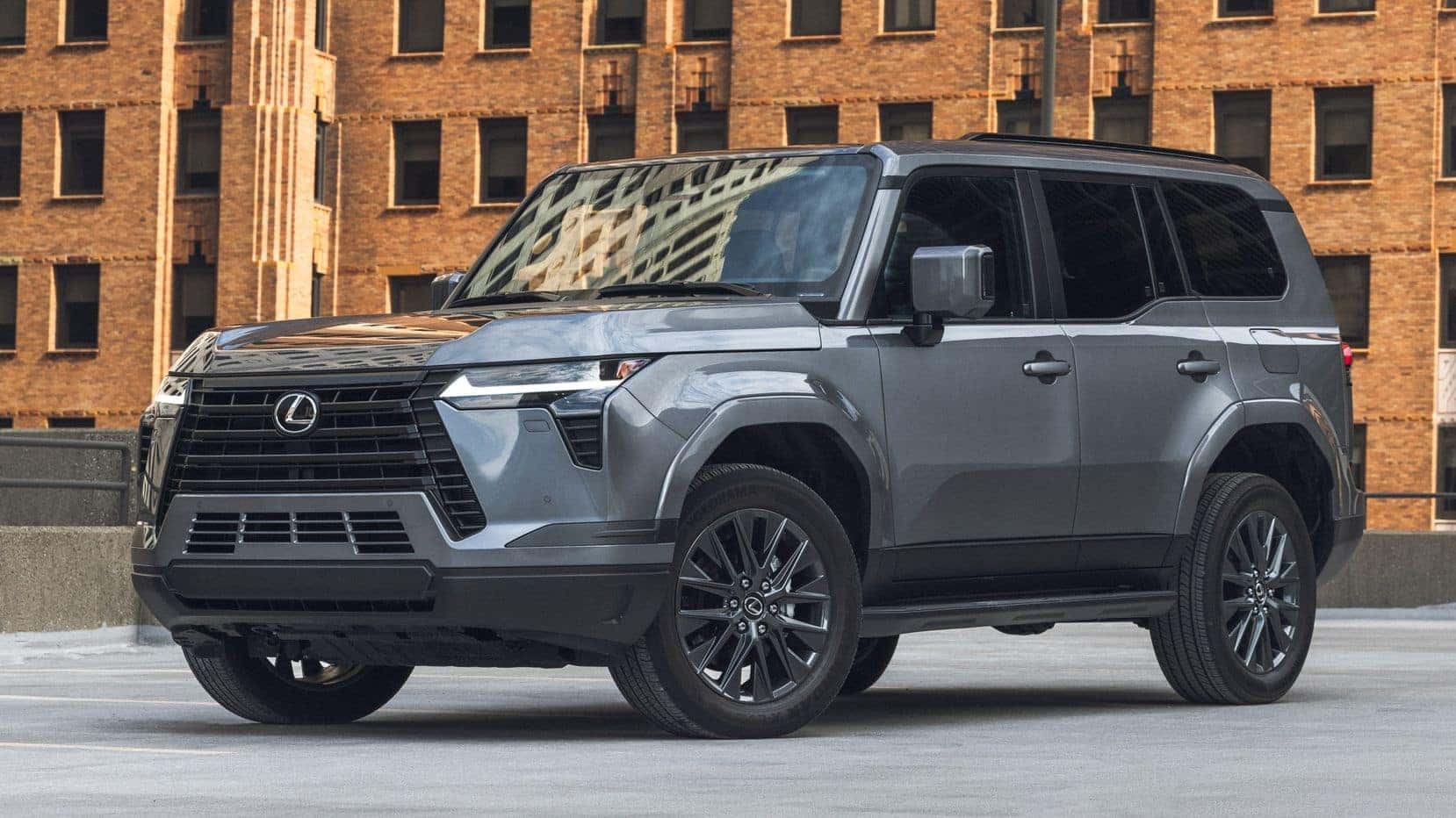
The Lexus GX is another SUV that earns high marks for having a transmission system that rarely gives trouble. Built under Toyota’s engineering standards, the GX combines luxury comfort with the same rugged performance associated with Toyota SUVs.
For many drivers, this model strikes a balance between a family-friendly interior and a machine that can face tough driving conditions without breaking down. Transmission slip is not a frequent complaint among Lexus GX owners. The gearbox is designed to deliver smooth acceleration, and even after long-term use, the transmission tends to keep its strength.
This is because Lexus invests in precision engineering, making sure every part fits and functions as expected. Unlike some SUVs that try to push performance to extremes, the GX maintains a stable middle ground, which helps reduce wear and tear.
Another factor that makes the Lexus GX stand out is how well it handles maintenance. Transmission fluid replacement is straightforward, and the system responds well to timely servicing.
Drivers who follow regular maintenance rarely face problems like delayed gear engagement or sudden loss of power. Even when drivers use the SUV for towing, the transmission usually holds up, provided the load is within the recommended capacity.
Comfort also plays a role in how drivers experience the Lexus GX transmission. Because the SUV is built for smooth driving, gear changes are hardly noticeable, and this helps prevent the jerking or slipping sensation that frustrates many SUV owners. For those who plan to keep their SUV for more than a decade, the GX remains a strong option, as it combines durability with luxury.
The cost of buying a Lexus GX may be high at first, but it saves owners from unexpected bills that come with frequent transmission repairs. This has made it a trusted choice among people who want both elegance and peace of mind on the road.
Also Read: 5 SUVs With Long-Lasting Interiors vs 5 With Falling Trim
3. Honda Pilot
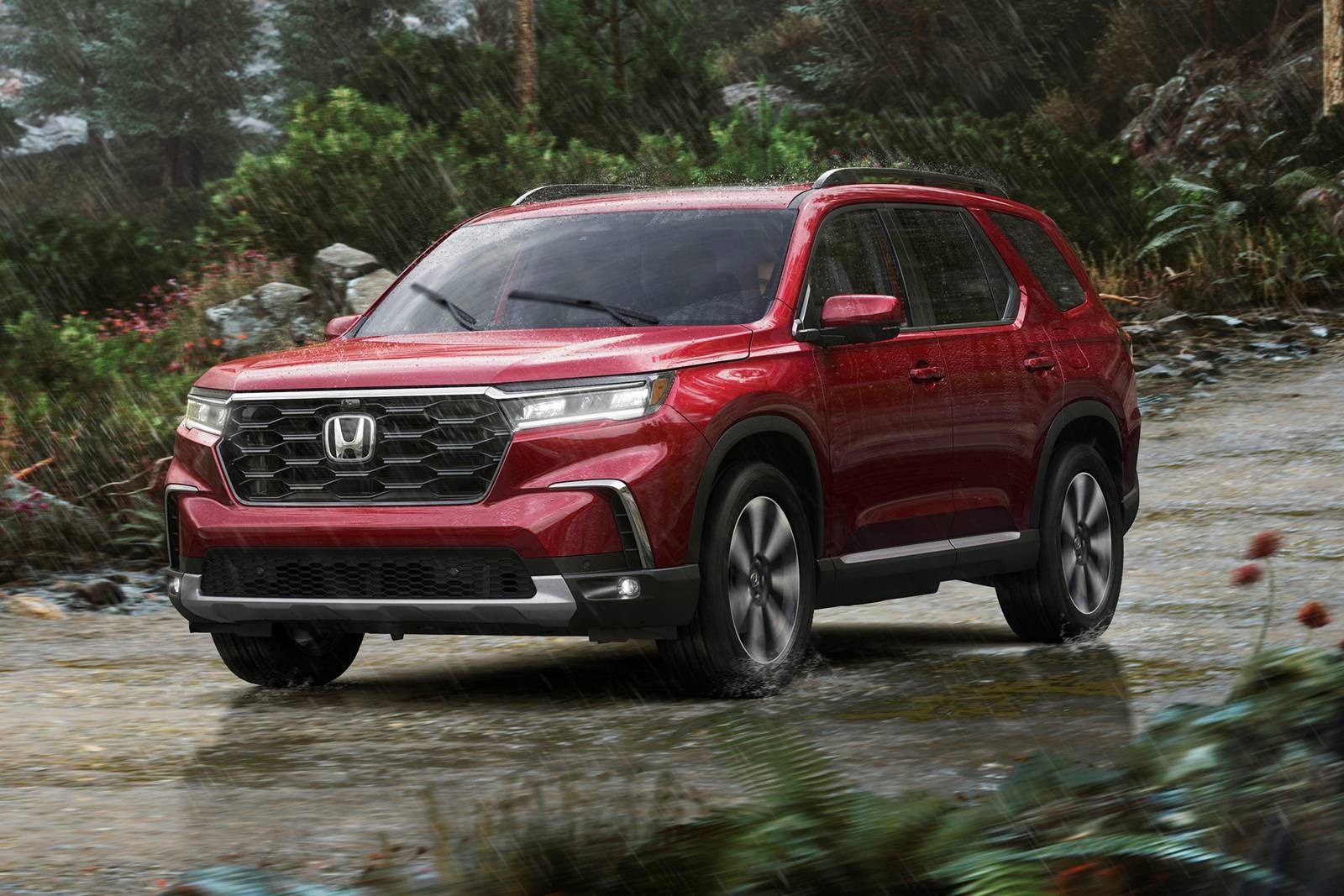
The Honda Pilot has earned respect among family SUV buyers because of its space, comfort, and reliability. Transmission strength is one of the areas where the Pilot has done well compared to some other mid-size SUVs. While no vehicle is perfect, reports from long-term owners suggest that transmission slip is not a regular issue with the Honda Pilot, especially in more recent models.
Honda designed the Pilot to handle daily use, from school runs to long-distance travel, and the automatic transmission is tuned for smoothness rather than raw performance. This reduces stress on the system, helping it maintain stability for years.
The vehicle also benefits from a design that balances engine power with gearbox performance, so the transmission is not pushed beyond its capacity. Maintenance is another area where the Honda Pilot proves reliable. Drivers who stick to recommended service schedules often find that the transmission continues to deliver smooth performance.
Even after crossing high mileage marks, the gearbox still responds without sudden slips or lagging. Honda also uses transmission cooling systems that keep heat levels under control, reducing the chances of damage caused by overheating.
For families who need a dependable SUV, the Pilot is a strong choice because it does not leave drivers stranded with transmission problems. Its reputation for low repair needs has helped it gain trust in many markets. Although some earlier models had concerns, Honda worked on improving transmission design in later years, making the newer versions more stable.
The Honda Pilot may not be the flashiest SUV on the road, but it provides long-term comfort and peace of mind for those who want a reliable family vehicle. Its transmission reliability adds to its value as a trusted SUV.
4. Toyota Highlander
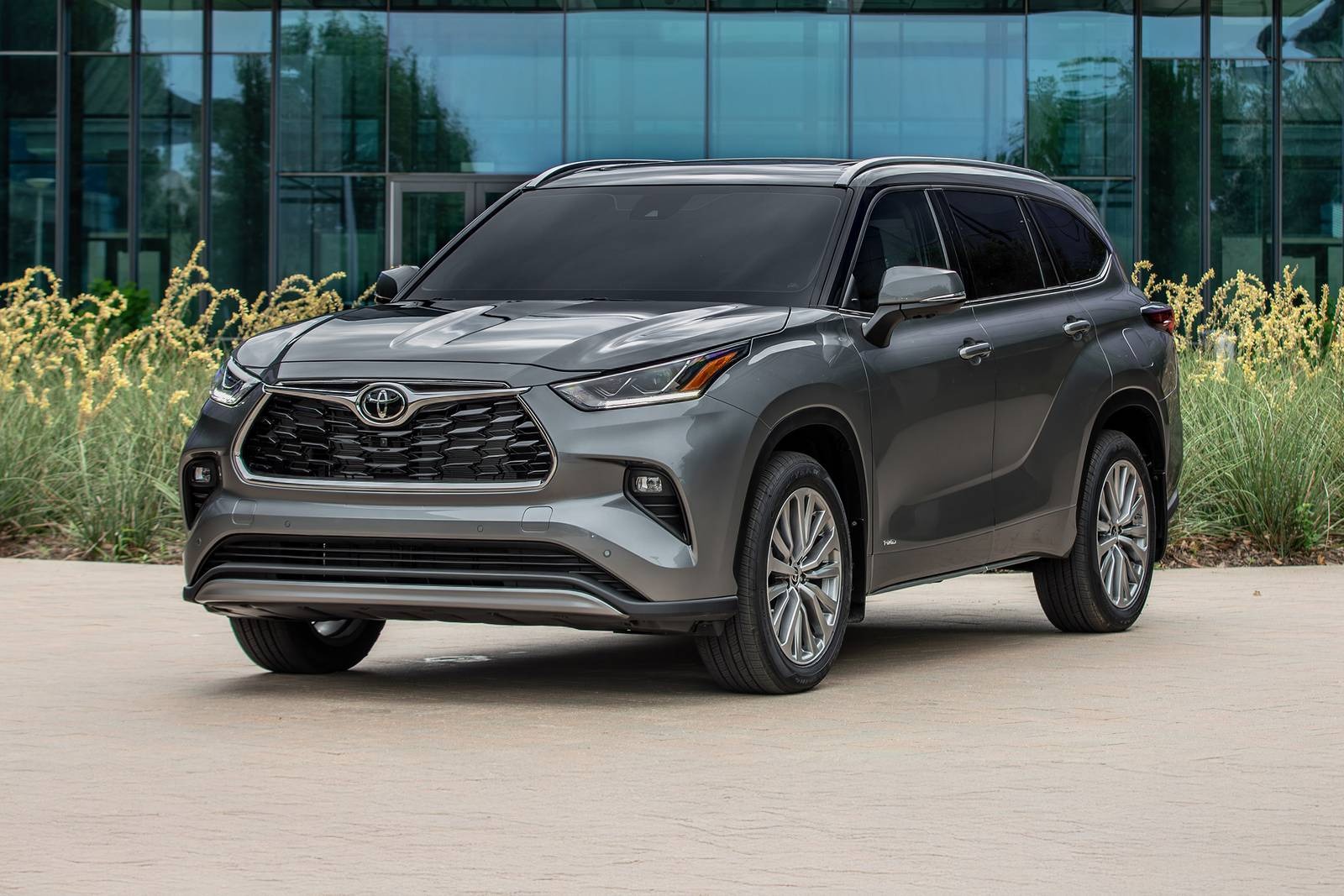
The Toyota Highlander has consistently been one of the best-selling SUVs in the United States, and one of the reasons is its dependable transmission. Families and individuals who own this SUV rarely complain about transmission slip, especially when the vehicle is properly maintained.
The Highlander is designed to handle both city driving and highway cruising with ease, and its automatic transmission is tuned for smooth gear changes. Drivers often appreciate how the vehicle does not jerk or hesitate when shifting, even after many years of use. Toyota’s focus on balance between performance and efficiency has kept the Highlander’s transmission from being overstressed, which reduces the chances of slipping.
Another benefit is the durability of the Highlander’s internal components. Toyota invests in strong gear systems and uses reliable transmission fluid standards that support long-term performance. Even for drivers who live in areas with tough driving conditions, the Highlander still manages to stay reliable.
Owners who take care of regular fluid changes usually avoid the kind of problems that lead to transmission slip. Unlike some other SUVs, the Highlander does not have a reputation for sudden or early transmission failure. This gives it an advantage when families are choosing a vehicle that can last for many years.
The resale value of the Highlander also reflects its reliable transmission. Buyers who shop for used vehicles often trust this model because it is known for staying dependable. While it may not be built for extreme off-road use like the Land Cruiser, it serves well as a steady family SUV with a transmission system that rarely disappoints.
5. Nissan Patrol
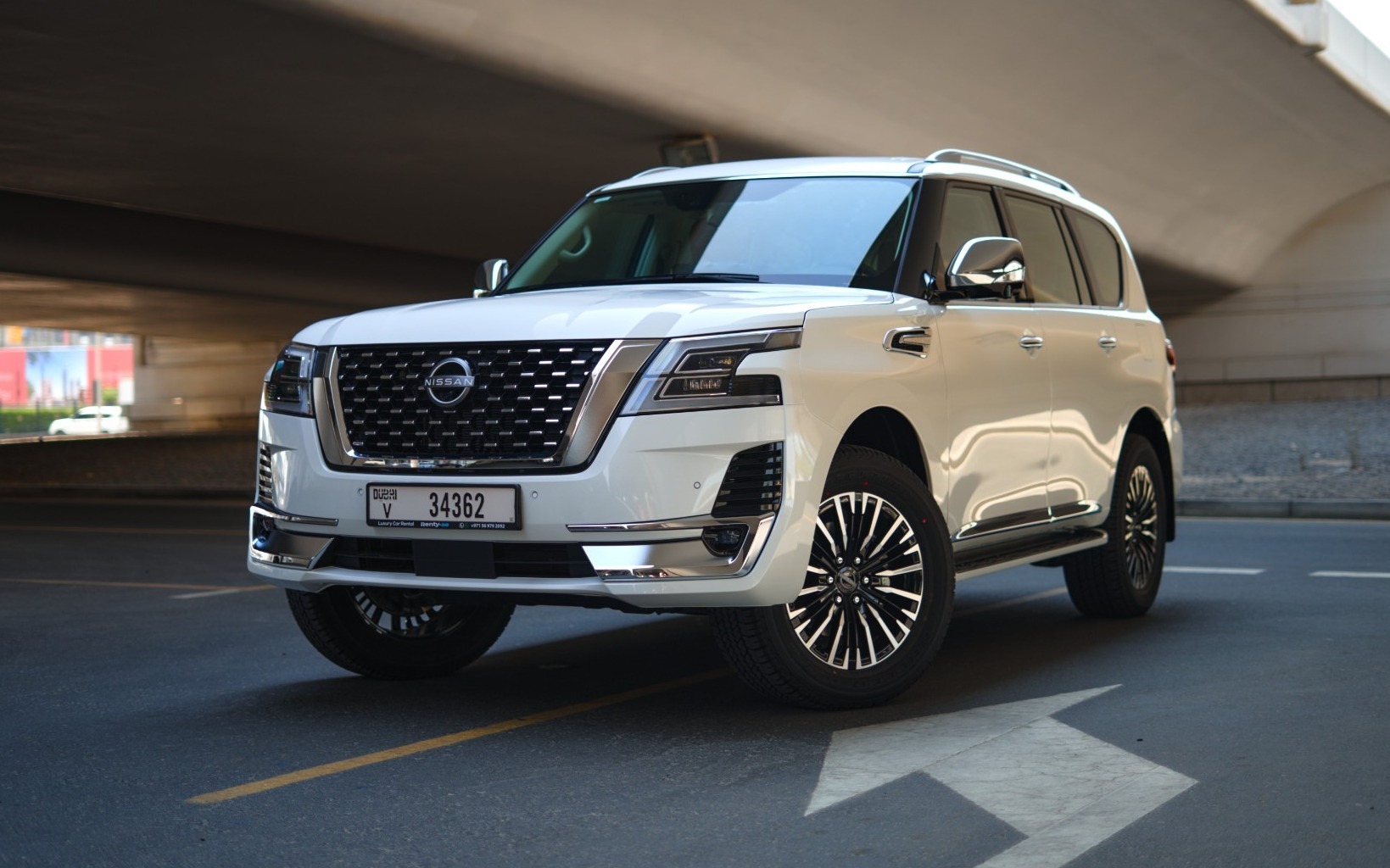
The Nissan Patrol is known for strength and long-term durability, especially in markets where drivers depend on vehicles that can handle tough roads. Its transmission system is one of the strongest parts of the design, and reports of slip are not common among owners.
Built to manage both heavy use and off-road challenges, the Patrol’s automatic gearbox is designed with toughness in mind. This makes it less likely to develop problems that come from heat or wear. Many drivers use the Patrol for towing or carrying heavy loads, and the transmission still manages to deliver steady performance when maintained properly.
The Patrol also benefits from Nissan’s focus on engineering for endurance. The internal components are reinforced, and the system includes features that protect against overheating. For drivers in hot regions, this reduces the chances of damage, which is often a major cause of slipping transmissions in other vehicles.
Another reason the Patrol does well is that it keeps a balance between engine power and transmission strength. The SUV is powerful, but the transmission is built to match that power, so it does not get overworked. Owners who keep up with servicing usually enjoy many years of driving without major complaints about gear issues.
Because of its dependability, the Patrol holds its value well and remains a trusted choice for those who want a large SUV with a reliable transmission. While it may not be as common in the United States as in other parts of the world, those who own it often speak highly of its stability.
5 SUVs That Constantly Have Transmission Slips
1. Jeep Grand Cherokee
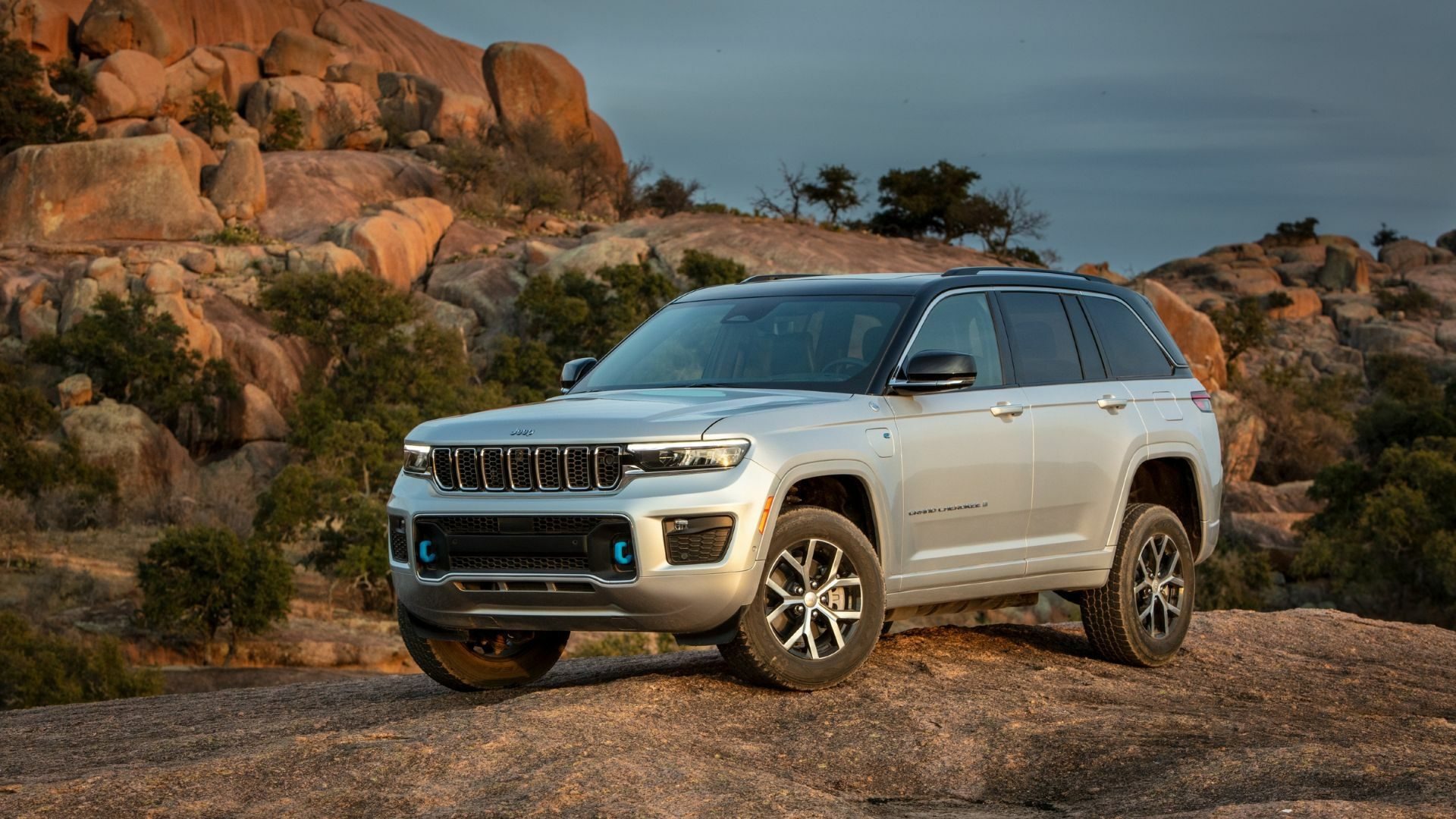
The Jeep Grand Cherokee is a popular SUV with a stylish design and strong engine options, but it has long been associated with frequent transmission problems. Many drivers have reported transmission slip, delayed gear changes, and even complete failure in some cases. While the vehicle delivers power and comfort, its gearbox has often been a weak point.
One of the main issues is that Jeep has experimented with different transmission designs, including some eight-speed automatics, which have not always been reliable. Drivers often notice that gears hesitate to engage or that the vehicle revs without moving forward properly. This creates safety concerns, especially when trying to accelerate quickly.
Transmission fluid leaks are another common problem, and when fluid levels drop, slipping becomes even more likely. Some owners have reported that even with proper maintenance, the Grand Cherokee still develops issues, making it expensive to keep running. Repairs for the transmission are not cheap, and many drivers end up facing repeated visits to the mechanic.
The resale value of the Grand Cherokee suffers because of this history. Buyers are often cautious, knowing that transmission repair is a possibility. While Jeep has improved some of its newer models, the long-standing reputation for transmission problems continues to affect how the SUV is viewed.
For anyone considering this SUV, it is important to be aware that while it offers strength and design appeal, transmission slip is a problem that many owners face regularly.
2. Ford Explorer
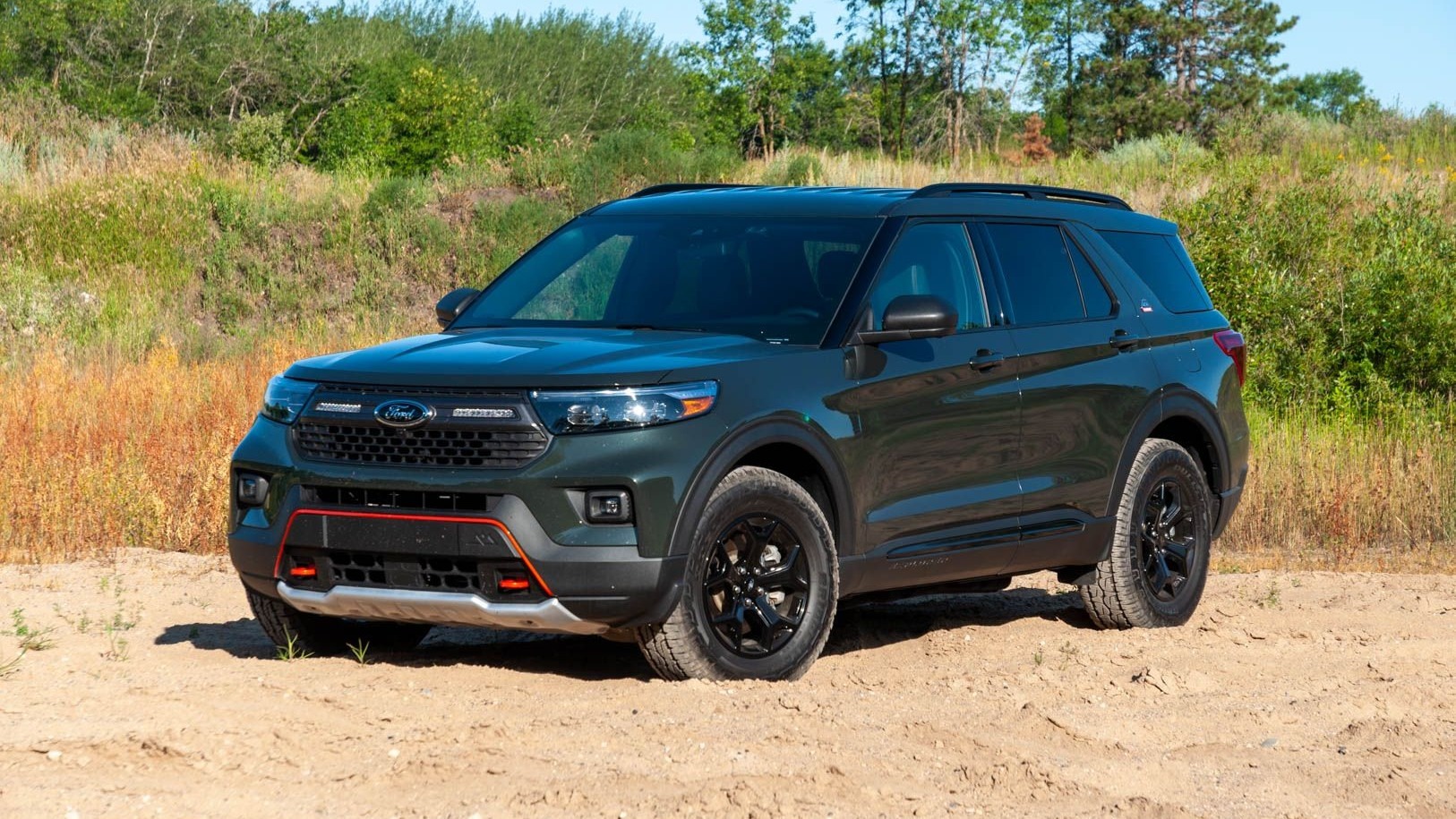
The Ford Explorer is one of the most recognized SUVs in the United States, but its transmission has been a source of concern for many years. Drivers often report slipping, rough gear moves, and sudden loss of power while driving. These problems have appeared across different model years, making it a common complaint among owners.
The Explorer’s transmission issues often come from weak components that wear out faster than expected. Even when drivers take good care of the vehicle, the gearbox sometimes begins to fail earlier than it should. This has led to recalls and repairs that many drivers found frustrating.
Another reason the Explorer struggles is that it tries to combine strong engine power with a transmission that is not always built to handle the pressure. When used for towing or carrying heavy loads, the transmission problems tend to show up even quicker.
Maintenance does not always save the Explorer from slipping issues. Some owners report that even after regular servicing, the gearbox still behaves poorly. Repair costs for transmission replacement are high, which reduces the vehicle’s appeal to long-term buyers.
Because of these ongoing problems, the Ford Explorer has faced criticism from many drivers who expected better durability. While it remains popular for its size and design, its history of transmission slip continues to weaken its reliability rating.
3. GMC Acadia
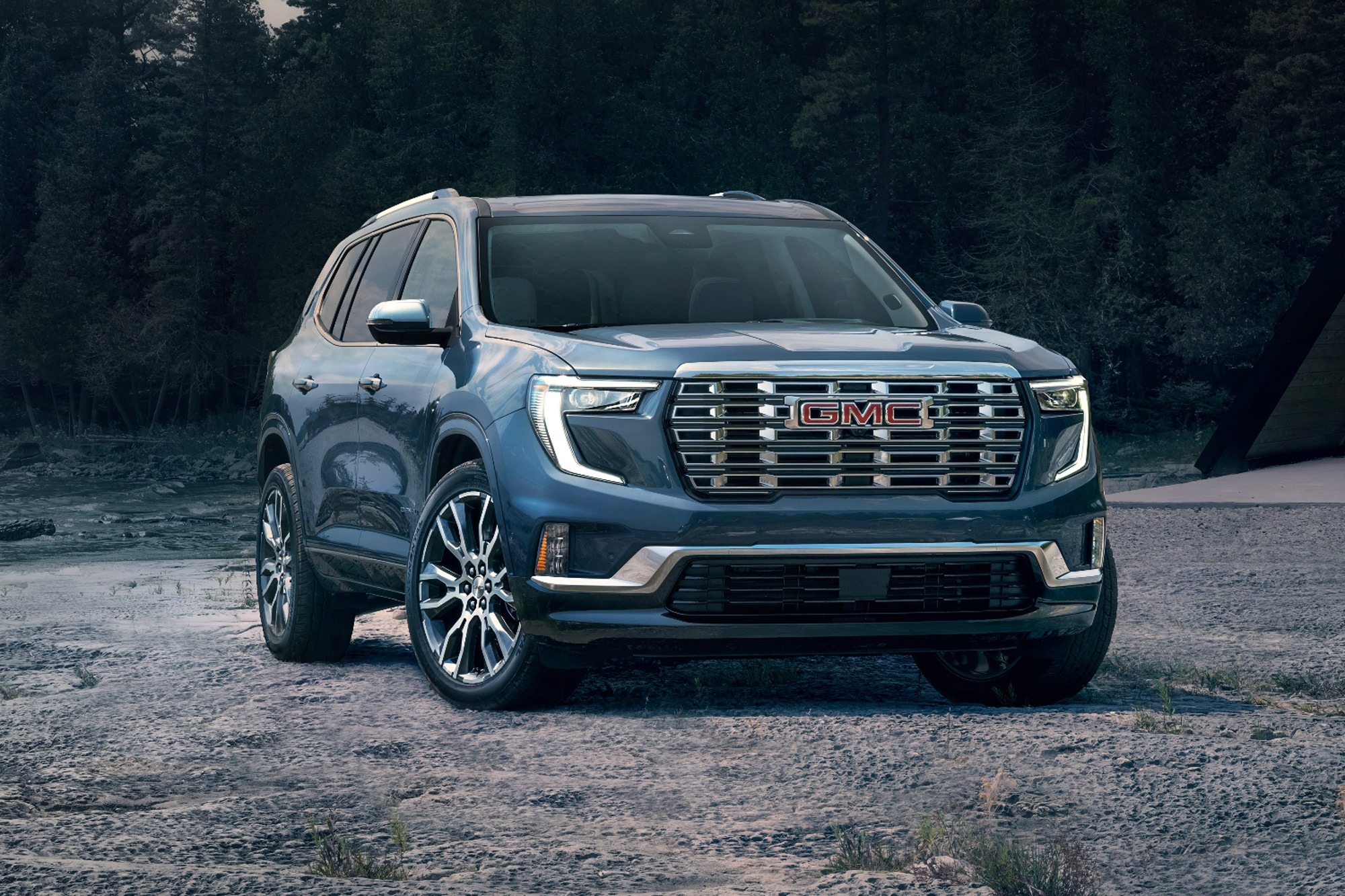
The GMC Acadia is a mid-size SUV that promises comfort and style, but transmission slip has been a common complaint among drivers. Many owners have shared experiences of delayed gear engagement, rough shifting, and complete breakdown of the gearbox.
One issue with the Acadia is that it uses transmissions that sometimes fail earlier than expected. Even when drivers follow proper service routines, transmission problems tend to appear, leaving owners frustrated. Some reports mention slipping gears while accelerating, which can be both dangerous and stressful during daily driving.
Another factor is that Acadia’s design puts strain on the transmission when carrying heavy passengers or cargo. Since it is often used as a family SUV, the extra load can speed up wear and tear. Transmission fluid leaks have also been recorded, adding to the problem and leading to more slipping.
For many drivers, the cost of repairing or replacing the Acadia’s transmission is high, and this reduces the SUV’s resale value. Buyers are often cautious about older models because of this reputation. While the Acadia offers comfort and space, its transmission problems make it less appealing for long-term ownership. Drivers who want a dependable SUV without repeated gearbox repairs often look elsewhere.
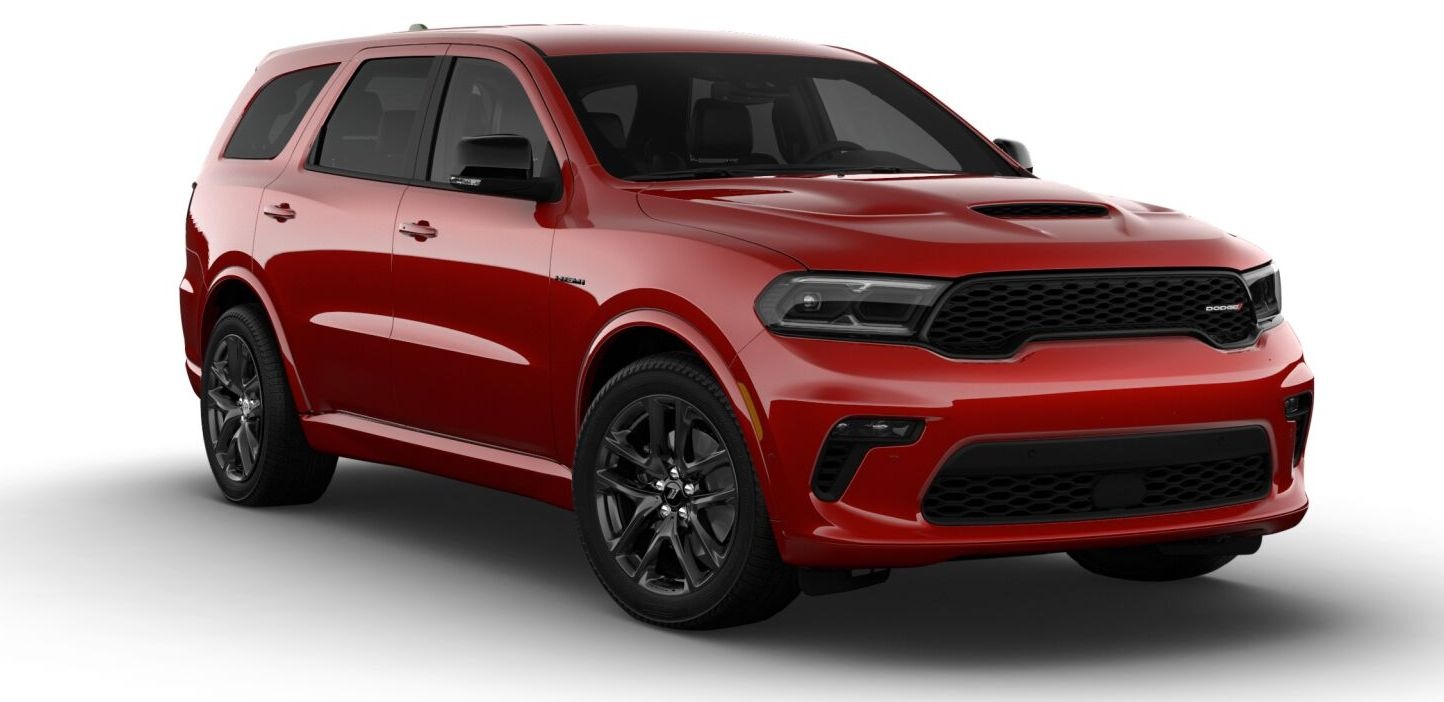
4. Dodge Durango
The Dodge Durango has gained attention for its bold design, spacious interior, and engine power, but when drivers speak about its long-term dependability, the transmission often comes up as one of its weakest points.
Many owners report frequent problems such as slipping gears, delayed engagement, and rough shifting, especially in vehicles that have crossed higher mileage levels. For a family SUV that is also marketed as a performance option, this weakness reduces trust in the vehicle’s durability.
One major reason the Durango experiences transmission slip is the strong engine lineup. Models that come with V6 and V8 engines deliver impressive power, but this puts added stress on the transmission.
The gearbox struggles to handle the heavy load, and as time goes on, this stress leads to wear that makes slipping more likely. Owners who use the SUV for towing trailers or carrying heavy loads often notice these problems earlier because the transmission is pushed harder than it can comfortably handle.
The Durango also carries a record of recalls and technical service bulletins tied to transmission faults. Even when repairs are carried out, some drivers still complain that the slipping problem returns. This creates frustration for owners who feel like they are investing in repeated repairs without a lasting solution.
Many of these issues suggest that the transmission design itself may not be as durable as what competitors like Toyota or Honda offer in their SUVs. Maintenance helps delay the problems, but it does not completely remove the risk. Some owners share that even after following the factory schedule for fluid changes and servicing, the transmission still develops gear response issues.
When slipping becomes worse, the next step is often a full replacement, which is one of the costliest repairs for any vehicle. This makes long-term ownership of the Durango more expensive than many buyers expect.
The history of these problems also affects resale value. Buyers in the used market are cautious about purchasing a Durango, especially older models, because they are aware of the risk of transmission repairs.
While the vehicle remains attractive for its powerful engine choices, large cabin, and bold appearance, the frequent transmission slip makes it less reliable for drivers who want steady performance without unexpected breakdowns.
For families or individuals who want peace of mind on long trips, the Durango often falls behind other SUVs that deliver smoother and more dependable gear performance.
Also Read: 5 SUVs That Keep Their Paint vs 5 That Peel Early
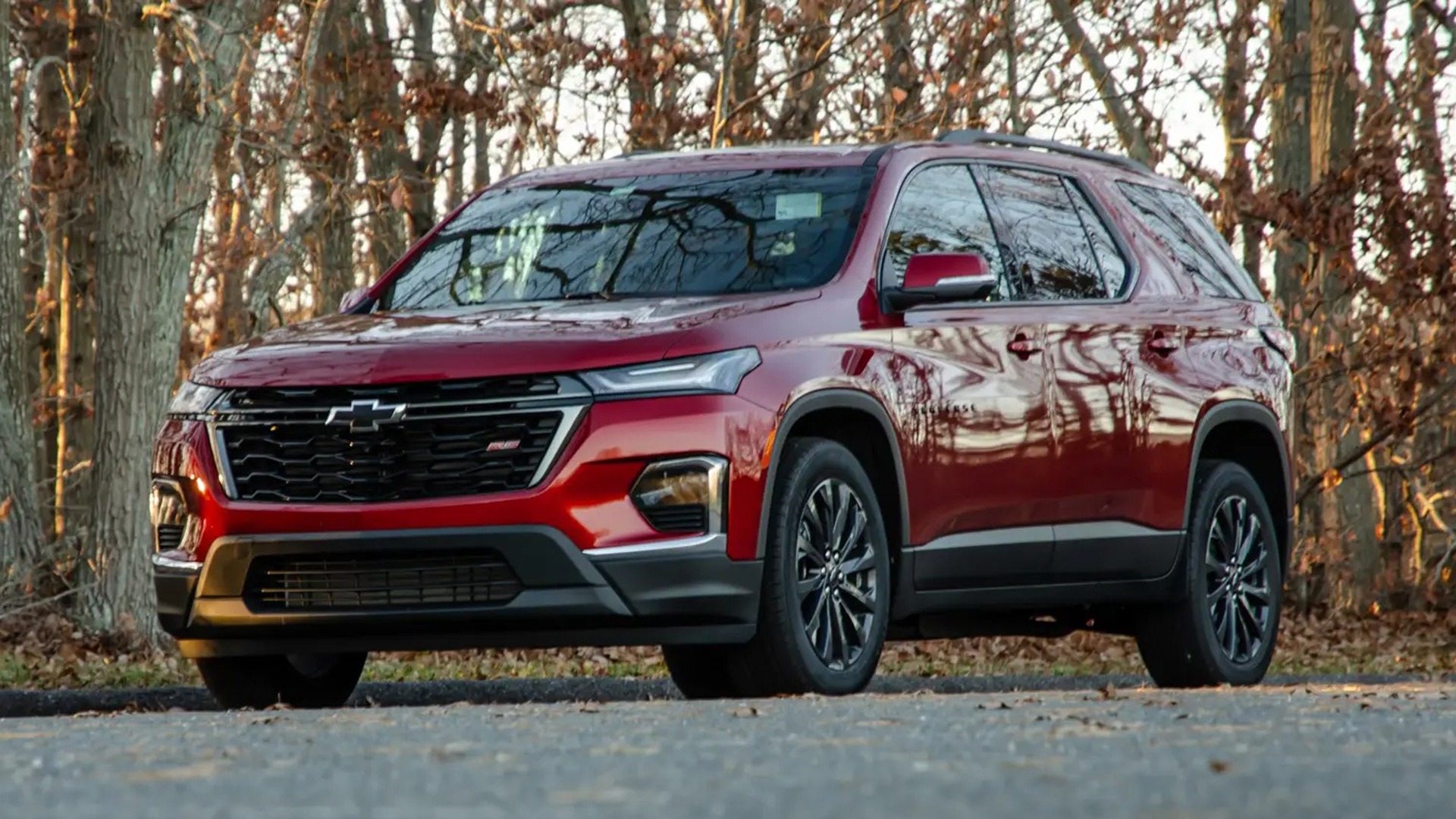
5. Chevrolet Traverse
The Chevrolet Traverse was introduced as a family SUV that combines space, comfort, and modern design. On paper, it promises to deliver convenience for large families with plenty of seating and cargo capacity.
However, despite its appeal, the Traverse has long carried a reputation for transmission problems that affect both daily driving and long-term ownership. Many owners have shared reports of slipping gears, rough shifting, and delayed responses when trying to accelerate, which can make the driving experience stressful and sometimes unsafe.
A major concern with the Traverse is that these issues often appear earlier than many drivers expect. Even vehicles with moderate mileage have shown symptoms of slipping transmissions, raising doubts about the durability of the gearbox. This is troubling for families who choose the SUV expecting it to last many years without heavy repair bills.
Another issue is how the Traverse struggles under heavy use. When carrying a full load of passengers or towing, the transmission often becomes strained, leading to faster wear. Drivers have also reported fluid leaks that reduce lubrication, making the slipping problem worse. In some severe cases, owners face complete transmission failure, which is costly to fix and sometimes requires a total replacement.
Although Chevrolet has worked on updates in newer models, the damage to the vehicle’s reputation is already clear. Used car buyers are often cautious about older Traverse models, knowing that they may inherit expensive repair problems. This affects resale value, as many people prefer to choose SUVs with stronger records of reliability.
For families searching for an SUV that delivers peace of mind, the Traverse falls short because of its unpredictable transmission behavior. While it does provide comfort, space, and a pleasant driving feel when new, the high likelihood of transmission slip makes it a risky choice for long-term ownership. Many buyers weigh its features against the potential repair bills and choose alternatives that promise better dependability.
