
Not all engines are created equal. Some are delicate thoroughbreds, designed to run on premium fuel and pampered with careful maintenance. Others? They’re workhorses, stubbornly chugging along no matter what you pour into their tanks. For drivers who venture into remote corners of the U.S. or go on cross-country adventures, fuel quality isn’t always guaranteed.
Rural gas stations, off-brand suppliers, or even international travel can leave you filling up with gasoline or diesel that isn’t as clean as it should be. That’s when the true legends emerge, the engines that laugh in the face of impurities, low octane, and rough conditions.
Here are 10 of the toughest engines ever built, machines that don’t just survive poor fuel, but thrive in it.
1. Jeep 4.0L Inline-Six
Jeep enthusiasts talk about the 4.0-liter inline-six the way some folks talk about folk heroes. Introduced in the ’80s and still praised decades later, this engine was nearly indestructible. It didn’t care if you filled it up at a questionable roadside pump or ran it hard on muddy trails.
With its long stroke, heavy internals, and bulletproof design, the 4.0L just kept going. Plenty of Wrangler and Cherokee owners boast about crossing 300,000 miles, even when the gas wasn’t the best.
Increasing engine displacement can also be achieved through a larger bore, but the 4.0L only allows a maximum overbore of 0.060 inch, which yields a modest gain of just 8 cubic inches.
By fitting the long-stroke 258 crankshaft into the wider-bore 4.0L block, the displacement increases by 32 cubic inches, creating an almost square configuration where the bore and stroke measurements are nearly identical at 3.875 x 3.895 inches.
With the more common 0.030-inch overbore, the engine becomes slightly oversquare at 3.905 x 3.895 inches and gains 34 cubic inches. Pushing it to a 0.060-inch overbore results in a 41-cubic-inch increase overall.
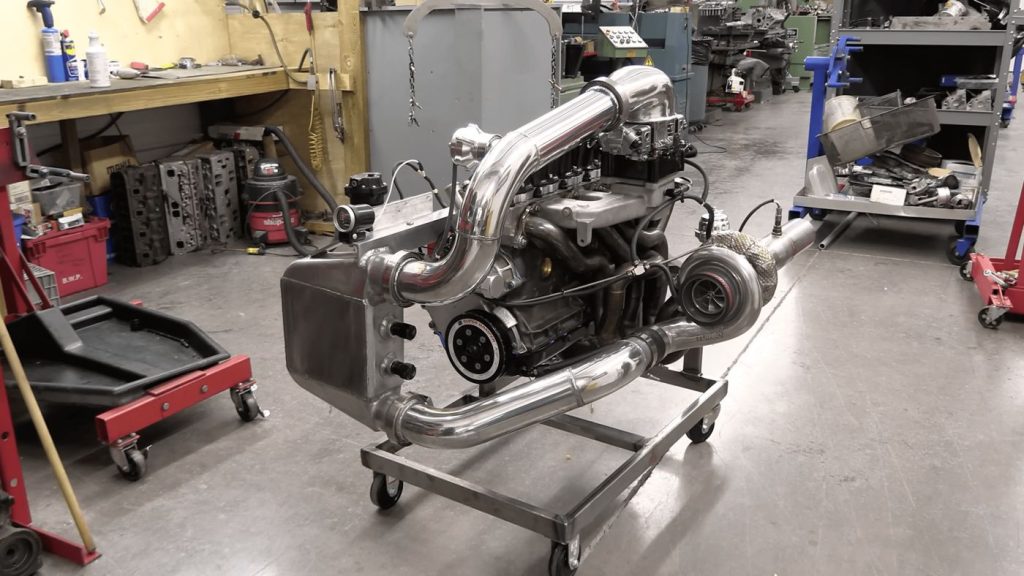
When building a 4.0L stroker, there are essentially two approaches. The budget-friendly method employs a 258 crank, 258 connecting rods measuring 5.875 inches, and pistons that retain the standard 4.0L piston pin height of around 1.60 inches.
This configuration is commonly known as the “short-rod” engine. The pricier alternative, called the “long-rod” build, uses the same 258 crank but combines it with the longer 6.125-inch 4.0L rods and pistons with a reduced pin height, generally around 1.38 inches though this figure can vary slightly.
In high-revving, high-horsepower V-8 engines, the gap in performance between short-rod and long-rod configurations can be dramatic. In contrast, the difference between short- and long-rod Jeep strokers is far less pronounced. This is partly due to the inherent design constraints of a long-stroke inline-six and partly because of the typical use cases these engines face.
Long-rod strokers deliver a somewhat broader rpm range, while in theory, the short-rod version may be more susceptible to wear. In practice, however, the difference in longevity is likely negligible for most owners.
The rod ratio of the short-rod build matches that of the original 258, which already had a reputation for durability. Since the goal here was to create an “every man’s” budget stroker that primarily enhances torque in the ranges where most off-roaders spend their time, we chose the short-rod setup and relied on readily available, off-the-shelf components.
2. Toyota 1HZ Diesel Inline-Six
For serious off-roaders and world travelers, the Toyota 1HZ is a legend. This 4.2-liter naturally aspirated diesel is about as simple as engines come, free of delicate electronics or overcomplicated systems.
Found in rugged Land Cruisers, it happily burns low-quality diesel without missing a beat. From aid convoys in Africa to explorers crossing the Australian Outback, this engine has proven itself as one of the most reliable ever built.
In an era where most modern diesel engines are burdened with electronics, emissions equipment, and an array of sensors, the Toyota 1HZ continues to stand out as a timeless workhorse.
First introduced in the early 1990s, this 4.2-liter inline-six diesel engine quickly earned a reputation for its durability and simplicity, making it a favorite not only among Land Cruiser enthusiasts but also with fleet operators, workshops, and overlanders who need an engine that values reliability over high-tech complexity.
Its ability to clock hundreds of thousands of kilometers with minimal issues has cemented its global reputation in some of the harshest and most remote environments.
For anyone who has managed a fleet, operated a workshop, or supplied vehicles in rugged regions, chances are the 1HZ is a familiar sight. Its design prioritizes mechanical reliability and easy serviceability, with parts readily available around the world.
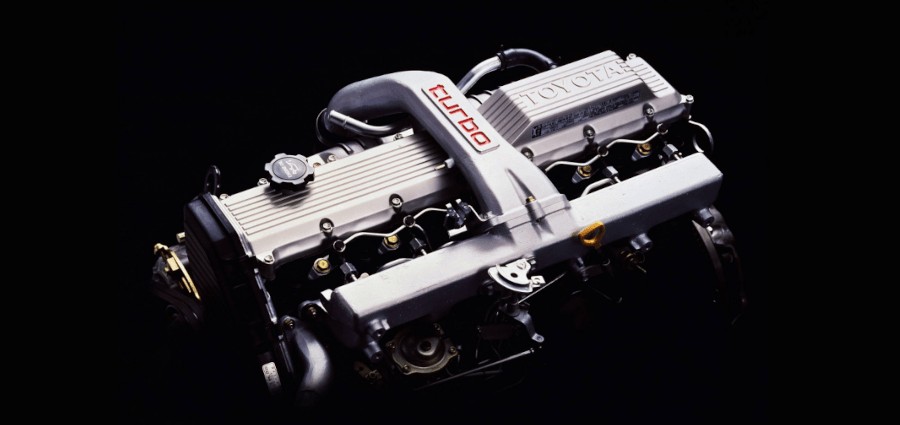
What makes this engine particularly appealing is its mechanical nature: there is no ECU to fail, no turbocharger to overheat, and very few sensors that could leave a vehicle stranded in the field. Instead, it delivers exactly what is needed in difficult conditions, a straightforward engine that just works.
The Toyota 1HZ is a naturally aspirated 4.2-liter inline-six diesel with a single overhead camshaft and 12 valves. It displaces 4,164 cubic centimeters and uses a bore and stroke of 94 by 100 millimeters, giving it a long-stroke character. Its compression ratio is around 22.4:1, producing about 129 horsepower and between 271 and 285 Newton-meters of torque.
Fuel delivery comes via a mechanical direct-injection system, while cooling is water-based and the timing is managed by a belt-driven setup. With an oil capacity of roughly 9.6 liters and a dry weight in the range of 300 to 330 kilograms, the 1HZ was designed with heavy-duty use in mind rather than outright performance.
Over the years, the 1HZ has been fitted to several of Toyota’s toughest vehicles. The Land Cruiser 70 Series, available in pickup, troop carrier, and station wagon versions, remains one of the most iconic homes for this engine, with some export markets still offering it today.
The Land Cruiser 80 Series also featured the 1HZ from 1990 to 1998 in select markets, becoming a go-to option for rural users and long-distance expeditions. Beyond the Land Cruiser family, the engine has powered the Toyota Coaster bus in many regions, taking on roles as a school bus, public transport vehicle, or shuttle carrier.
3. Chevrolet Small-Block 350 V8
Few engines define American motoring like the Chevy 350. Powering everything from muscle cars to farm trucks, it earned its reputation not just for performance but for forgiveness.
Rural drivers who didn’t always have access to top-tier fuel relied on the 350 because it didn’t mind a rough mix. Even when the gas was subpar, it would still crank, run, and get the job done. In many ways, it’s the perfect blend of accessibility and endurance.
Between 1955 and late 2011, Chevrolet built more than 100 million small-block V8 engines, both carbureted and fuel-injected, making it one of the most widely produced engines in automotive history. Out of all the variants, however, one stands out as the true legend of durability and longevity: the Chevy small-block V8 in its 350 cubic-inch form.
This particular engine powered a vast range of vehicles, from classic muscle cars to workhorse pickup trucks and even everyday family sedans. It earned recognition as one of the best engines of the 20th century, with Wards Auto World placing it among their ten best of the century.
Perhaps the most convincing evidence of its reputation is the staggering number of vehicles that have recorded high-mileage figures while running the Chevy 350.
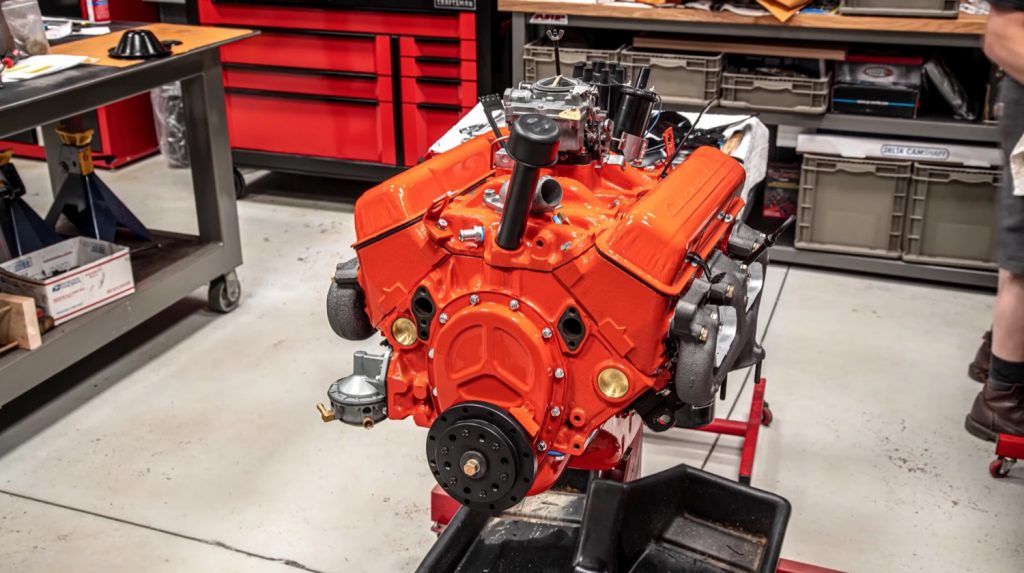
The story of the 350 begins with the Camaro, which proved to be the perfect platform for its introduction. While Chevrolet had already been producing small-block V8s since 1955, the earliest versions were 256-cubic-inch (4.3-liter) units. It wasn’t until 1967 that General Motors unveiled the high-performance 350, debuting in the Chevrolet Camaro.
This model quickly became a favorite among enthusiasts, combining muscle-car power with the durability that Chevy fans expected. With an output of 295 horsepower, the 350-equipped Camaro could take on rivals with ease while maintaining a level of reliability that helped cement its reputation.
From there, the 350 went on to appear in an extensive range of vehicles, from the Corvette and Caprice to sedans, wagons, and pickup trucks. It remained a central part of GM’s lineup until 2004, when newer, more fuel-efficient engines began to take its place.
Part of what allowed the Chevy 350 to thrive was its adaptability to new technology. The 1985 Chevrolet Corvette was the first vehicle to receive a version of the 350 with fuel injection, replacing the carburetors that had been standard for nearly two decades.
However, many passenger cars continued with carbureted versions until the late 1980s. As emissions regulations tightened, computer-controlled systems were added in the early 1980s, and by 1988, throttle-body fuel injection had become the standard. This gradual evolution helped keep the 350 competitive and relevant across changing eras of automotive technology.
4. Cummins 6BT 5.9L Diesel
The Cummins 12-valve diesel is more than just an engine, it’s a movement. Found in Dodge Rams in the late ’80s and ’90s, this 5.9-liter workhorse is famous for its durability and indifference to fuel impurities.
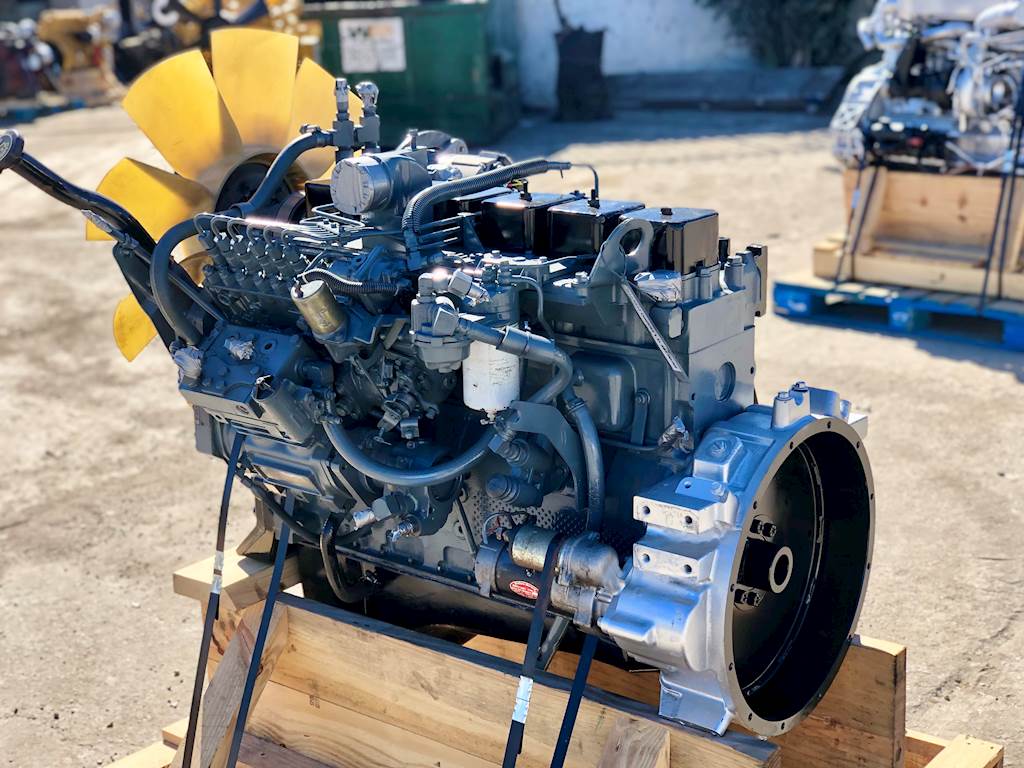
Its mechanical injection system gives it a rugged simplicity that modern engines often lack. Truckers, farmers, and ranchers will tell you their 6BTs often outlasted the trucks they came in. If reliability were a personality, this engine would be the no-nonsense cowboy of the mechanical world.
5. Honda K24 Inline-Four
Honda is known for precision, but the K24 proves it can also build engines that take a beating. This 2.4-liter inline-four, used in Accords, CR-Vs, and Elements, balances smooth performance with durability.
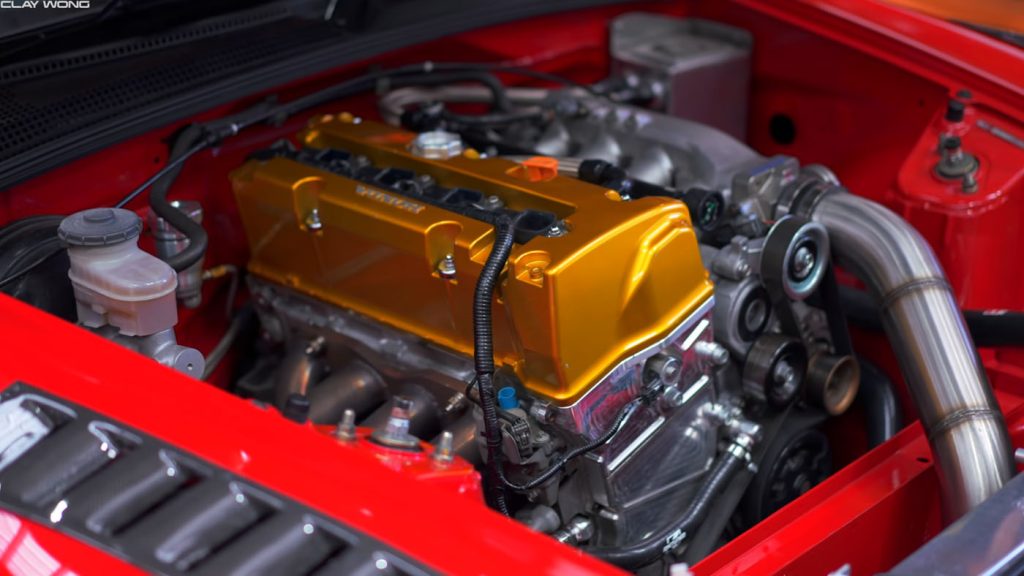
While most modern engines demand clean fuel to perform at their best, the K24 tolerates imperfections surprisingly well. Owners regularly report these engines lasting well past 200,000 miles, showing that modern engineering and old-school toughness can coexist.
6. Ford 300 Inline-Six (4.9L)
Ask any farmer or rancher about the Ford 300, and you’ll likely hear a story about how it simply refused to die. Produced for nearly three decades, this 4.9-liter inline-six became the backbone of work trucks, industrial equipment, and even vans.
It didn’t care about premium fuel, or even great fuel. It just kept running, starting up in bitter winters and pulling heavy loads all day. Its honesty and dependability make it one of the most beloved engines in American history.
The Ford 300 Six, often referred to as the Ford Inline Six or the 4.9-liter Inline Six, has earned legendary status among enthusiasts, mechanics, and truck owners for its toughness and dependability.
Produced from 1965 through 1996, this engine became a mainstay of Ford’s trucks and vans thanks to its exceptional durability, impressive torque, and straightforward design. For those restoring a classic Ford, seeking a work-ready powerplant, or simply admiring the brand’s engineering heritage, the 300 Six stands out as one of the most iconic engines Ford has ever built.
Introduced as part of Ford’s new inline-six family in the mid-1960s, the 300 was designed to meet the demands of heavy-duty applications. Alongside its sibling, the 240-cubic-inch engine, the 300 quickly set itself apart by offering greater displacement and torque, making it ideal for trucks and vans.
Its cast-iron block and head, forged crankshaft, and heavy-duty bearings ensured it could withstand years of punishment. More than just strong, it delivered torque low in the rev range, anywhere between 223 and 260 lb-ft at just 1,600 RPM depending on the year, making it particularly suited for towing, hauling, and steady work in demanding environments.
In terms of specifications, the Ford 300 Six displaced 300 cubic inches, or 4.9 liters, with bore and stroke dimensions of 4.00 inches by 3.98 inches. The compression ratio was typically around 8.8:1, though this varied slightly depending on model year and application.
Power output was modest by modern standards, generally around 117 to 120 horsepower at 3,000 RPM, but the abundant torque more than compensated, giving the engine its reputation as a reliable workhorse.
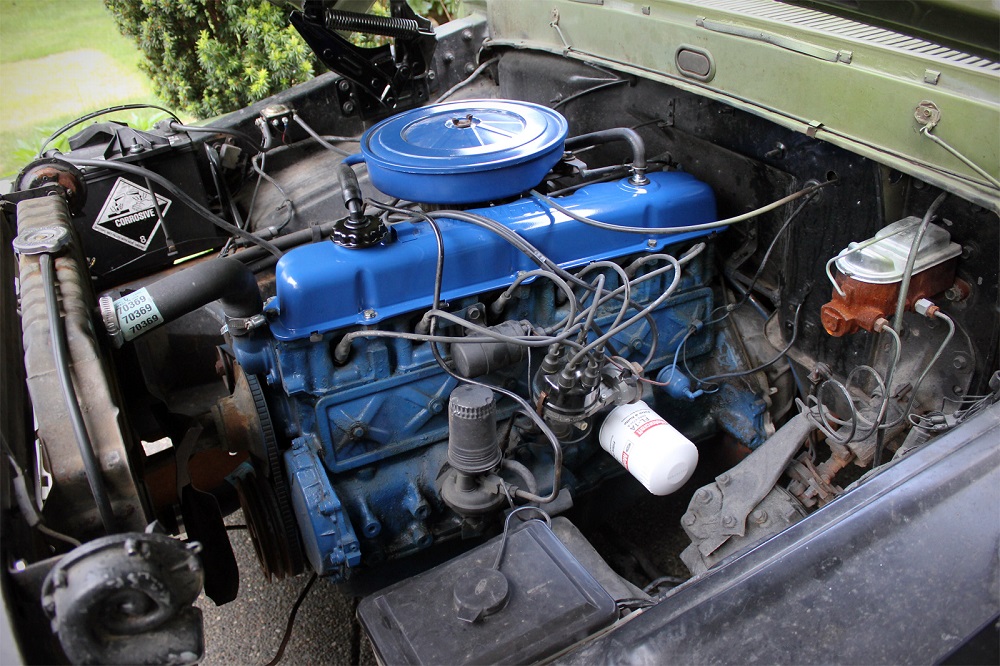
The ignition system used a traditional distributor setup, with a spark plug gap near 0.044 inches. Cooling was handled by a water-based system with a mechanical fan, though some later models adopted electric fans. Lubrication required around six quarts of oil with each filter change, with SAE 10W-30 being the recommended oil type depending on climate conditions.
With an overhead valve (OHV) layout, two valves per cylinder, a timing chain-driven camshaft, and a forged steel crankshaft, the engine was mechanically simple yet exceptionally strong.
The 300 Six was not just known for its technical design but also for its widespread use across Ford’s lineup. It powered the F-150, the Bronco, and Econoline vans, particularly through the 1980 to 1986 “Bullnose” era.
Its reputation for reliability and torque made it a favorite in both personal trucks and commercial fleets, where heavy-duty performance was critical. Many farmers, tradespeople, and small businesses depended on the 300 Six because it was not only powerful but also easy to maintain, with parts widely available and servicing straightforward.
Ultimately, the Ford 300 Six became more than just an engine, it became a symbol of Ford’s commitment to building machines that could endure harsh conditions and long service lives.
Its long production run and continued popularity among restorers and enthusiasts are a testament to the engine’s enduring legacy. Even today, the 300 Six remains a benchmark for what a durable, torque-rich workhorse should be, cementing its place as one of the most respected engines in American automotive history.
7. Mercedes-Benz OM617 Diesel
Durability with a passport, that’s the OM617. This 3.0-liter five-cylinder diesel, found in 1970s and ’80s Mercedes sedans and G-Wagens, was famously unfussy about what you poured in the tank. Diesel, kerosene, even vegetable oil, owners found ways to keep it moving.
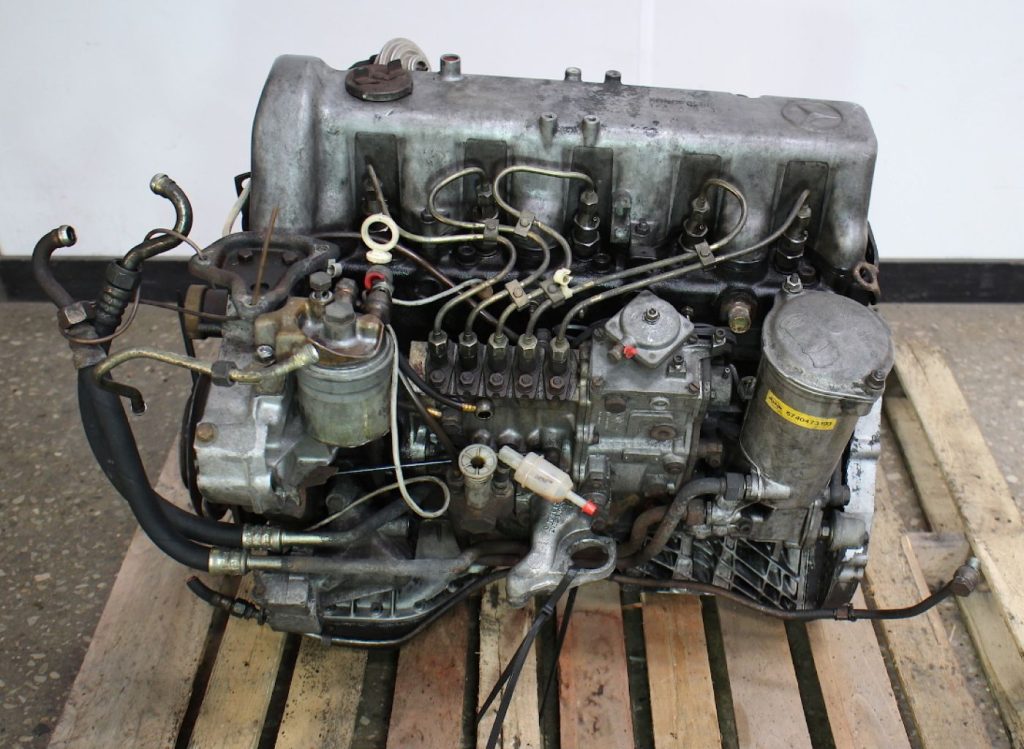
That made it the engine of choice for humanitarian workers, overland explorers, and drivers in regions where “clean” fuel wasn’t always an option. Slow, yes. But many OM617s have crossed half a million miles, proving that patience can go the distance.
8. Isuzu 4JJ1 Diesel
While not as well-known in the U.S., the Isuzu 4JJ1 is legendary abroad. This 3.0-liter four-cylinder powers D-Max pickups and commercial vehicles that often face rough roads and questionable fuel supplies.
Isuzu engineered it with strong filtration systems and rugged components, ensuring it survives where others might fail. Fleet operators and contractors in developing regions swear by it, trusting it to keep businesses and communities running despite unpredictable fuel quality.
The Isuzu 4JJ1 diesel engine has earned legendary status among drivers and fleet operators thanks to its unmatched reliability, efficiency, and long service life. Found in commercial workhorses like the Isuzu NPR as well as popular SUVs such as the MU-X and D-MAX, this 3.0-liter, four-cylinder, common-rail direct injection turbo diesel has proven itself as one of the toughest engines in its class.
Built to handle heavy-duty workloads and years of demanding use, the 4JJ1 consistently delivers the kind of durability that makes it a favorite for both business and personal applications.
One of the reasons the 4JJ1 is so celebrated is its ability to balance modern engineering with practical longevity. Introduced in the early 2000s as part of Isuzu’s new generation of high-performance diesel engines, it quickly stood out for its dependable design and versatility.
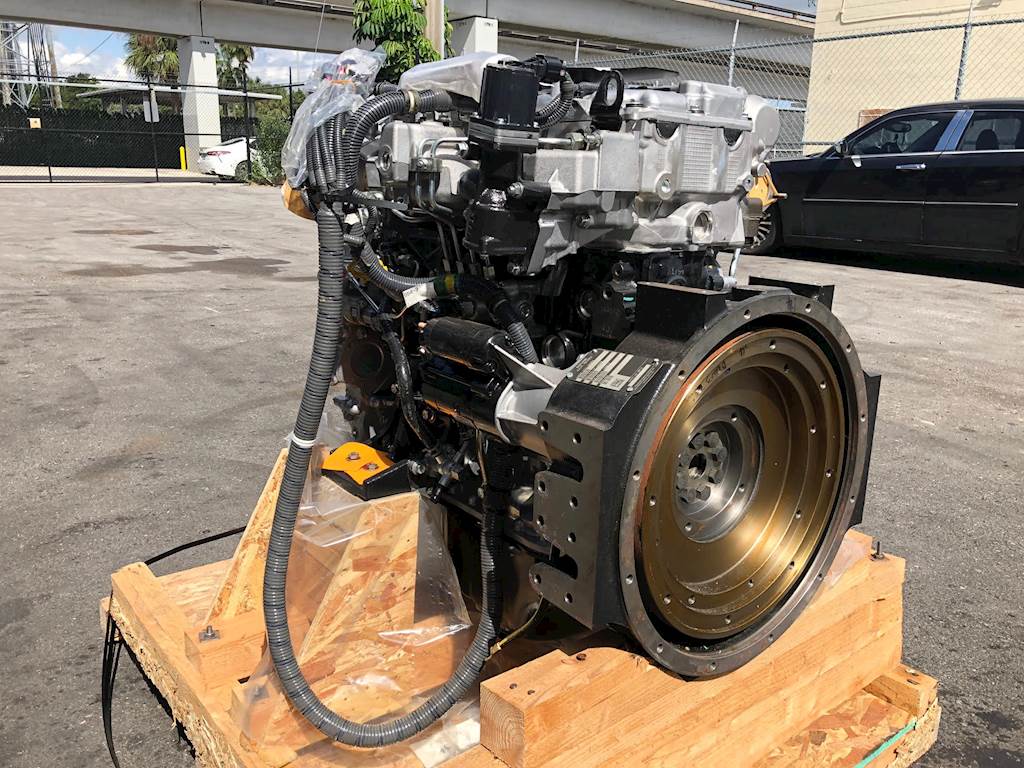
Over the years, Isuzu has refined the engine with upgrades such as VGS (Variable Geometry System) turbochargers and diesel particulate filter (DPF) systems, ensuring it stays compliant with evolving emissions standards without sacrificing the core reliability that drivers have come to expect.
From a technical standpoint, the 4JJ1 is a 2,999cc inline four-cylinder engine, offered in variants such as the 4JJ1-TC and 4JJ1-TCX, depending on the market and emissions requirements. It runs on a common rail direct injection fuel system and features a bore and stroke of 95.4 mm by 104.9 mm, giving it a strong balance between efficiency and pulling power.
With a compression ratio ranging between 17.5:1 and 18.0:1, it produces robust low-end torque, particularly when paired with turbocharging. Later versions equipped with VGS turbochargers enhance responsiveness, while emission standards compliance has stretched from Euro 4 through Euro 6 depending on the region.
What makes this engine stand out isn’t just its design but also its adaptability. The 4JJ1 performs just as well in light-duty trucks tasked with stop-and-go urban deliveries as it does in SUVs built for long-distance travel or off-road adventures. For many drivers and operators, this versatility is part of its enduring appeal, an engine that can tow, haul, and cruise with equal confidence.
9. Chrysler Slant-Six (225)
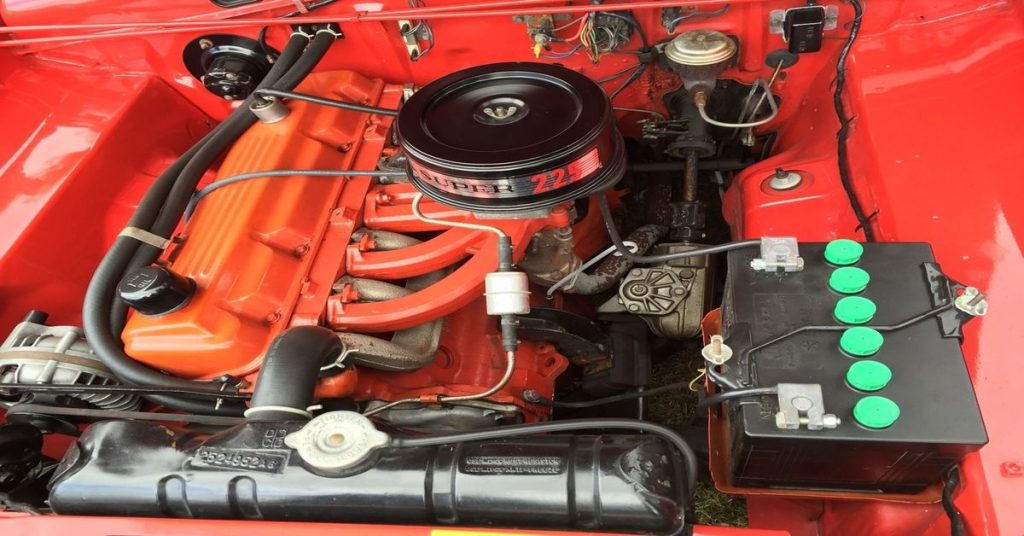
The Chrysler Slant-Six may look odd with its tilted design, but its reputation for toughness is anything but. Built for decades, this 225-cubic-inch engine became a favorite for taxis, delivery vehicles, and everyday drivers.
Its charm was simple: it didn’t care about neglect, abuse, or poor fuel. These engines would keep ticking long after their odometers rolled over. For many, the Slant-Six wasn’t just reliable, it was practically immortal.
The evolution of automotive engines is a fascinating journey that stretches from the humble single-cylinder gas engine in Karl Benz’s 19th-century Patent Motorwagen to the cutting-edge, 500-plus horsepower electric motor powering the 2022 Porsche Taycan GTS.
Between these two extremes, automakers primarily focused on refining gasoline and diesel powerplants, striving to achieve the perfect blend of efficiency, durability, and performance, with results that varied across decades and manufacturers.
Chrysler’s role in this history began in 1913 with the Maxwell Motor Company. When Walter P. Chrysler assumed control in 1925, he rebranded the enterprise under his own name and quickly expanded its reach.
The acquisition of Dodge and the creation of the Plymouth brand followed soon after, laying the foundation for Chrysler’s rise as a major American automaker. By the 1960s, Chrysler had firmly established itself in the muscle car era, unleashing legends like the Plymouth Roadrunner, Plymouth Barracuda, Chrysler 300, and Dodge Challenger—cars that left tire marks on both pavement and automotive history.
Amid this era of big-block dominance, Chrysler introduced something quite different: the slant six engine. First appearing in the 1960 Plymouth Valiant with a displacement of 170 cubic inches, and later in larger 225 cubic inch versions, the engine took its name from its unusual 30-degree slanted design.
10. Toyota 2UZ-FE V8
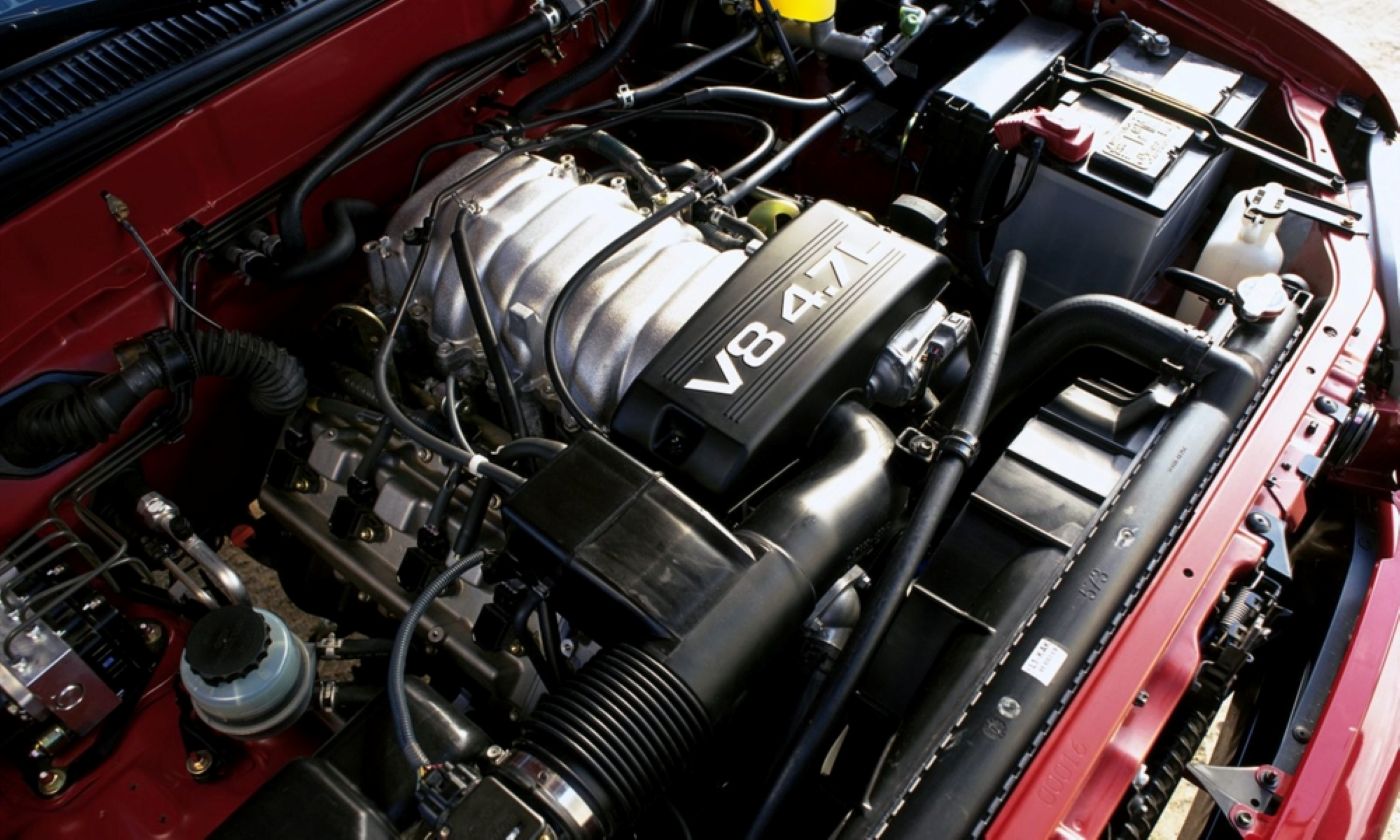
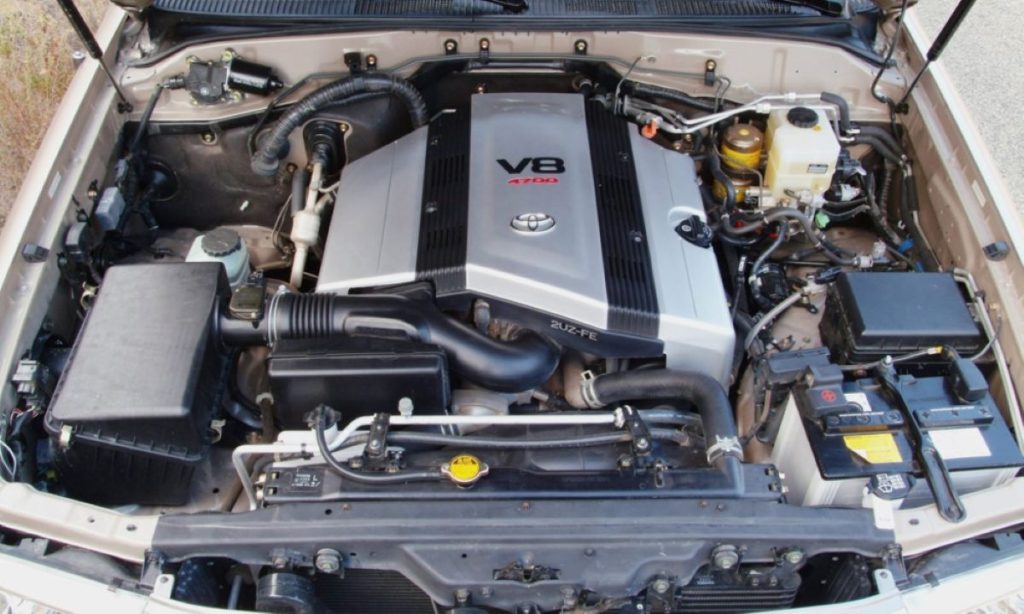
Closing out the list is the Toyota 2UZ-FE, a 4.7-liter V8 that cemented Toyota’s reputation for building engines that simply don’t quit. Used in Land Cruisers, Sequoias, and Tundras, it was never about flash, it was about survival.
With a cast-iron block and conservative design, it could handle less-than-perfect gasoline without fuss. It’s the kind of engine explorers and adventurers trusted when their journeys took them far beyond the reach of clean, consistent fuel.
Engines that can endure poor fuel quality aren’t glamorous, but they’re legendary for the people who depend on them. From Jeep’s stubborn 4.0L to Toyota’s world-tested diesels, these machines prove that toughness isn’t about refinement, it’s about resilience.
Whether you’re a farmer relying on a Ford 300, an overlander crossing continents with a 1HZ, or a daily driver enjoying the longevity of a Honda K24, these engines remind us that reliability is timeless.
