
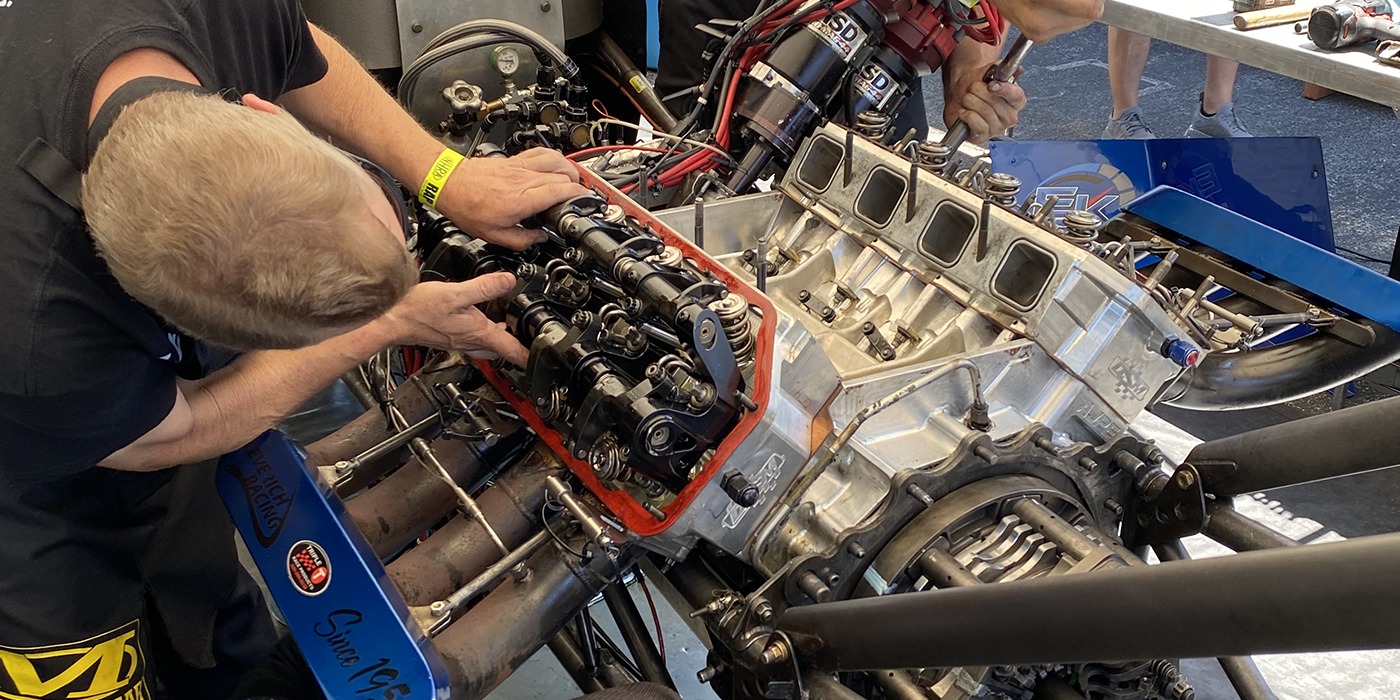
Anyone who drives in the city knows how tiring traffic can be. The constant stopping and starting, followed by minutes of waiting, is draining for drivers, but it is even tougher on the car itself.
Engines suffer most because they are forced to keep starting, idling, and heating up without covering much ground.
On the highway, cars run smoothly at one speed, but in city jams, the story is different; engines work harder yet achieve less.
That is why the engine’s strength matters so much. Manufacturers do not build all engines the same way. Some are created with durability in mind, using stronger cooling systems, steady oil flow, and solid internal parts that can handle the heat of long hours in traffic.
These survive city driving with fewer issues. But there are also engines that show weakness when faced with this kind of stress. They may overheat easily, blow gaskets, or suffer early wear on major parts like the timing chain. Stop-and-go traffic exposes these weak points faster than normal driving ever would.
For people who live in busy cities in the United States or other crowded places across the world, choosing an engine that can survive traffic is very important. It saves you from spending on repairs every few months and also spares you the embarrassment of breaking down in the middle of the road.
We will examine five engines that handle traffic conditions effectively and five others that often give up earlier than expected. Each one will be explained in detail, showing why it lasts or why it fails, so drivers can have a better picture of what to expect from their cars in everyday traffic.
5 Engines That Handle Stop-and-Go Traffic
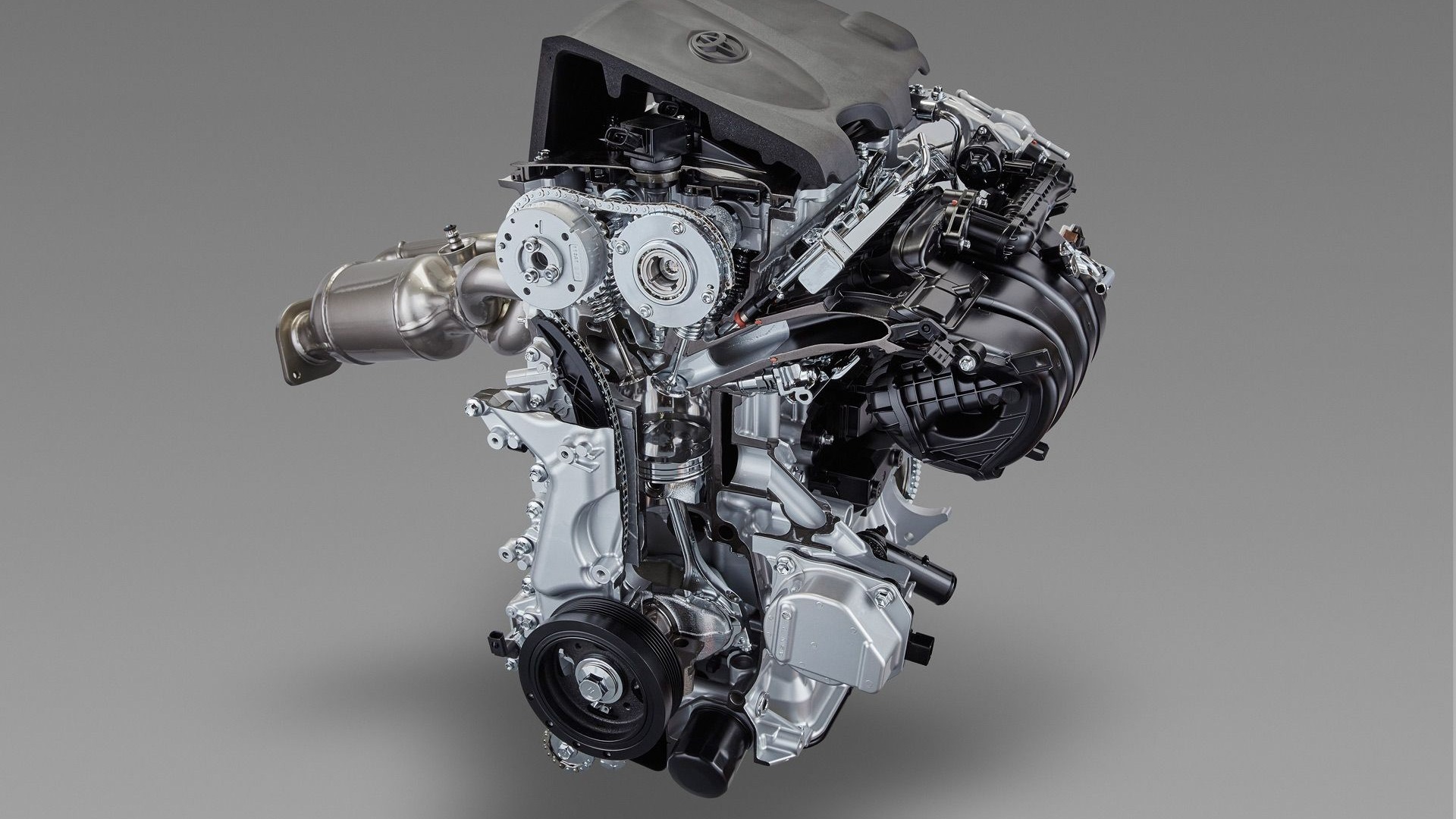
1. Toyota 2.5L Inline-4 (A25A-FKS)
Toyota has built its reputation on engines that last, and the 2.5L inline-4 A25A-FKS is one of its strongest modern examples. Found in popular models like the Toyota Camry, RAV4, and Highlander, this engine proves itself in daily stop-and-go driving.
What makes it stand out is its smart combination of fuel efficiency, power, and durability. Toyota designed it to deliver steady performance without overworking itself, which is important when cars keep stopping in traffic.
One of the reasons this engine thrives in traffic is its advanced cooling system. In traffic, engines heat up faster because air circulation is limited. The A25A-FKS has a cooling setup that keeps temperatures under control, preventing overheating even during long jams.
Its oil circulation system is also reliable, keeping moving parts lubricated no matter how long the car idles. This reduces the chances of friction damage that commonly affects weaker designs. Another benefit of this engine is Toyota’s variable valve timing technology.
This feature adjusts the way the engine breathes depending on speed and demand, allowing it to save fuel when crawling in traffic yet deliver smooth power when acceleration is needed. Drivers appreciate how it balances performance with economy, making it practical for city living.
Maintenance is also straightforward, and owners who keep up with oil changes and basic servicing often enjoy hundreds of thousands of miles without major problems.
Many Toyota users confirm that this engine can cross 200,000 miles while still running reliably, even when much of that mileage comes from city driving. For anyone dealing with traffic daily, the A25A-FKS remains one of the safest and most durable options on the market.
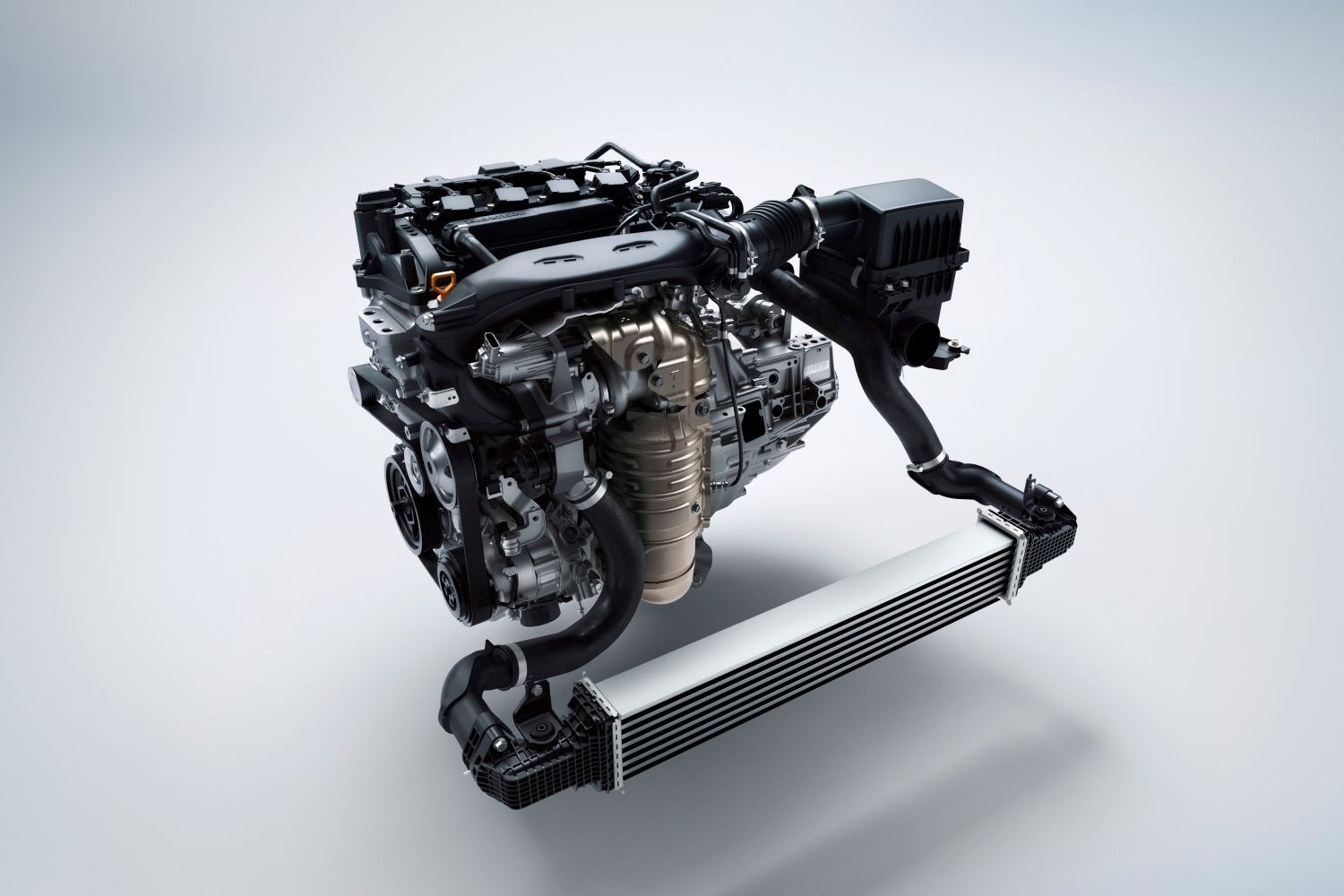
2. Honda 1.5L Turbocharged Inline-4 (L15B7)
Honda’s 1.5L turbocharged inline-4 engine is another design that performs strongly in stop-and-go traffic.
Used in popular models like the Civic, Accord, and CR-V, it shows how a well-engineered turbo can survive conditions that usually damage smaller boosted engines. While some drivers worry about turbos in city driving, Honda carefully designed this one with features that make it reliable for traffic.
The L15B7 engine uses direct fuel injection, which makes fuel delivery very precise. This helps the engine maintain efficiency while idling or moving slowly.
Its variable valve timing technology also ensures that the engine breathes smoothly under different speeds, so it doesn’t waste fuel during long commutes. Turbo engines often run hotter in traffic, but Honda gave this design a strong cooling system to keep heat levels stable.
Another important point is its compact structure. A smaller displacement means the engine is lighter, reducing strain on moving parts. With turbo support, it still provides enough power for quick acceleration when traffic finally clears. Drivers get the best of both worlds: strong performance and low fuel use.
Owners who give this engine regular oil changes and use high-quality fuel often see long service life. While no engine is free of problems, the L15B7 is more resistant to traffic-related failures compared to many rivals.
It also idles smoothly, which gives comfort during long stops. For people who spend most of their driving hours in urban traffic, this engine offers both dependability and practicality. It has become one of Honda’s most trusted designs for modern city driving.
Also Read: 5 Hyundai Engines That Survive Abuse vs 5 That Don’t
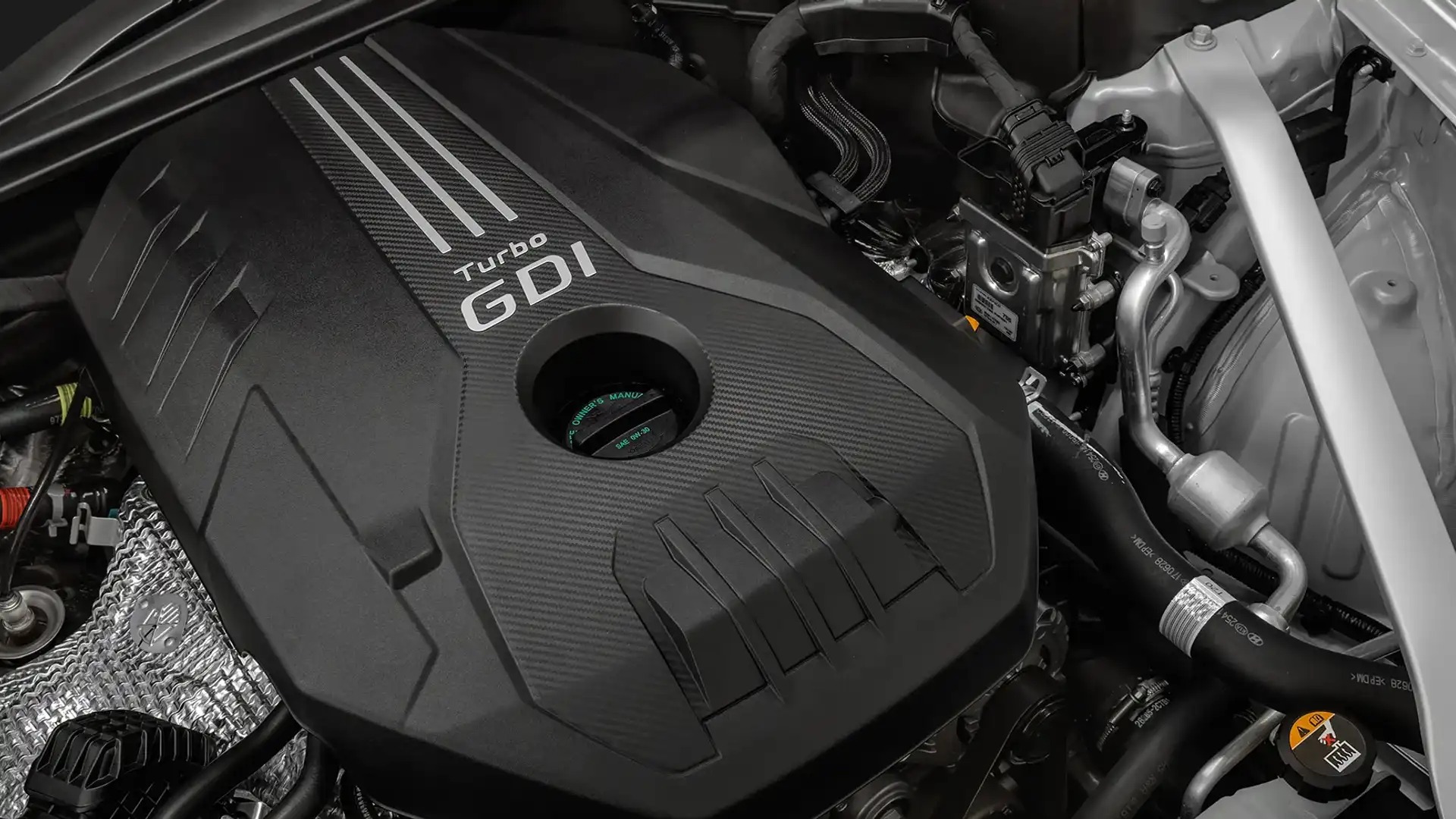
3. Hyundai 2.4L Inline-4 (Theta II GDI)
The Hyundai 2.4L Theta II engine is widely used in models such as the Sonata, Tucson, and Santa Fe. After some time, it has shown good ability to manage daily traffic situations. While some Hyundai engines have faced criticism, the 2.4L Theta II stands out for its balance between power and reliability in city driving.
One major strength of this engine is its smooth idle. In traffic jams where cars stop for several minutes, many engines vibrate or run roughly.
The Theta II keeps its operation stable, which improves comfort for drivers and passengers. Hyundai designed its fuel injection system to deliver steady efficiency even when the car is moving slowly, reducing unnecessary fuel burn during commutes.
Its cooling system is also a big advantage. Many traffic-related failures come from overheating, but this engine handles high temperatures well when properly maintained. Oil circulation is dependable, ensuring that moving parts stay lubricated under pressure. This reduces wear and extends the lifespan of internal components.
That said, owners must keep up with maintenance. Neglecting oil changes or ignoring cooling system checks can cause problems.
However, when maintained properly, this engine can last for hundreds of thousands of miles without major breakdowns. Drivers who want a reliable car for both city and highway use often find the Theta II to be a strong choice.
While it may not deliver the most exciting performance, its ability to handle daily stop-and-go driving without major stress makes it a dependable option. For commuters who deal with traffic every day, the 2.4L Theta II provides peace of mind with long-lasting service.
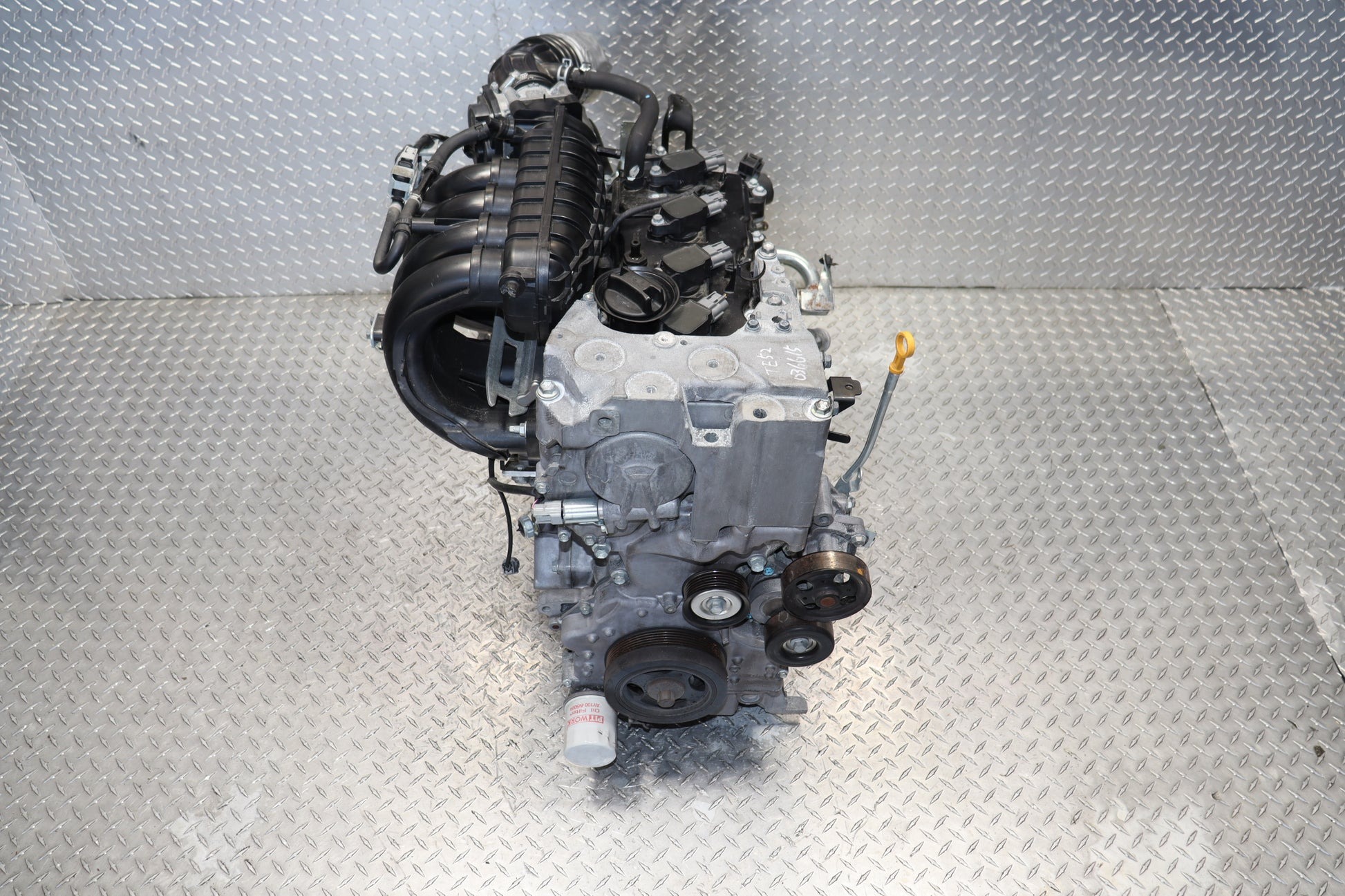
4. Nissan 2.5L Inline-4 (QR25DE)
Nissan’s 2.5L inline-4 QR25DE engine has been around for many years, powering cars like the Altima, Sentra SE-R, and Rogue. This engine is respected for being both practical and dependable in traffic-heavy conditions.
It was designed with a strong iron block and aluminum head, which helps balance durability with performance. For drivers who spend long hours in stop-and-go traffic, the QR25DE offers resilience that many other engines lack.
One reason this engine handles traffic well is its improved cooling system. Earlier Nissan engines sometimes had overheating problems, but the QR25DE received design updates that helped it stay cooler even when idling for long periods.
Its oil delivery system is also consistent, reducing wear on vital moving parts. That means drivers stuck in jams do not have to worry about the engine breaking down early from constant stress.
The QR25DE also produces good torque at low speeds, which makes acceleration in traffic smoother. Instead of struggling to move forward when traffic clears for a moment, it delivers steady pulling power.
This makes city driving less tiring. Another strength is its quiet operation during idle, which adds comfort for passengers during long waits. aintenance is an important part of keeping this engine healthy. Oil changes, coolant checks, and spark plug replacement at the right time ensure it lasts for many years.
Owners who maintain it properly often see their cars reaching well over 200,000 miles with reliable performance. For people in urban areas where traffic jams are a normal part of daily life, the QR25DE remains a dependable workhorse that keeps moving without complaint.
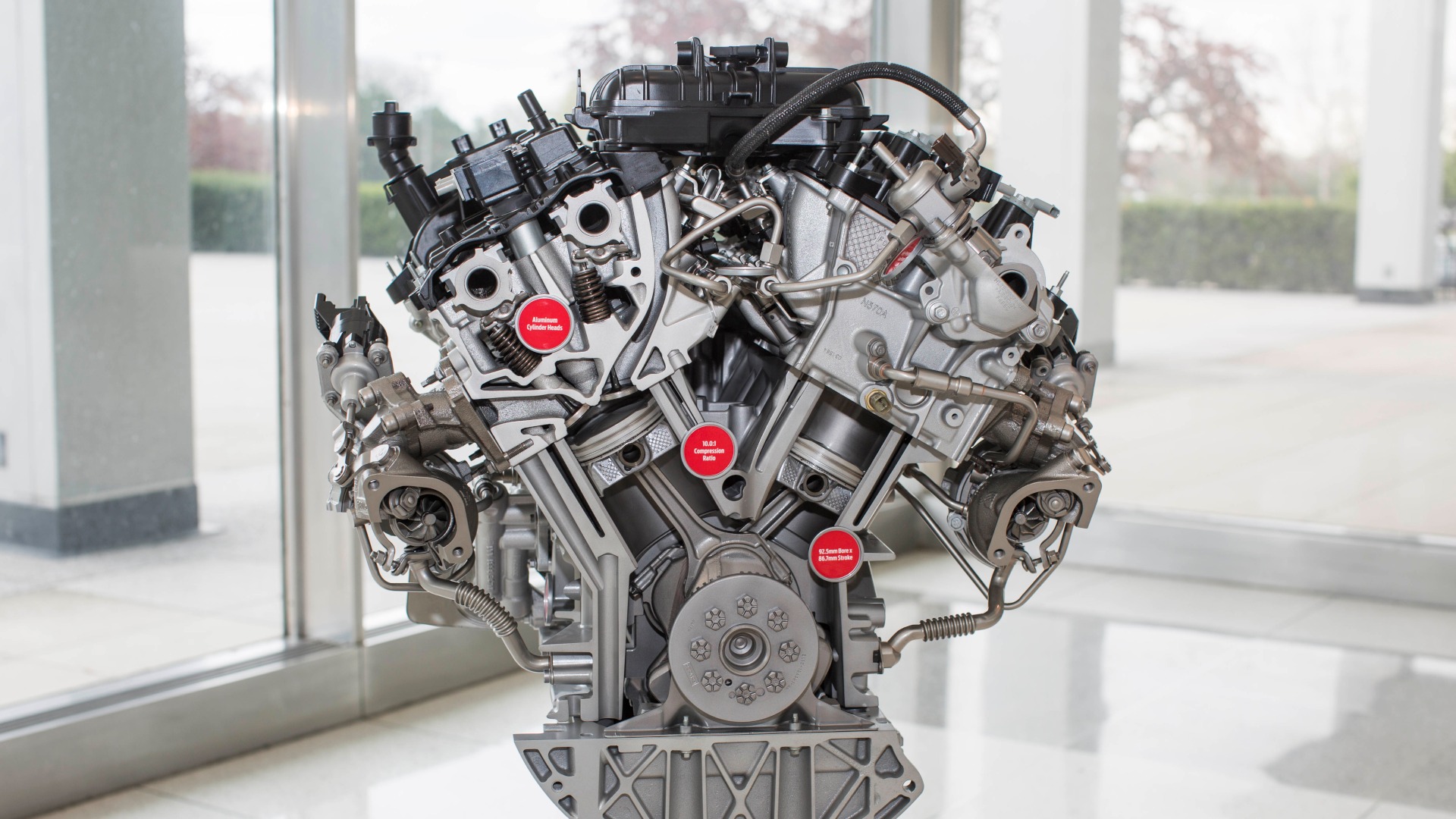
5. Ford 3.5L V6 (Duratec)
The Ford 3.5L V6 Duratec engine is larger compared to many inline-4 options, and it proves its worth in heavy traffic conditions. Found in models like the Ford Edge, Taurus, and Explorer, this engine is praised for its strength and smooth performance. Even though bigger engines often consume more fuel, the 3.5L Duratec makes up for it with durability and comfort.
This engine performs well in traffic because it does not need to work as hard to move the car. While smaller engines may struggle with constant stop-and-go situations, the Duratec uses its larger capacity to handle acceleration with ease.
This reduces strain on components, which extends the engine’s lifespan. Ford also designed a reliable cooling and oil circulation system for this engine, helping it resist overheating during long periods of idling.
Another advantage is its quiet idle. Drivers sitting in traffic often notice how smoothly it runs even when the car is not moving. This provides a more pleasant experience for passengers as well. Its balance between power and reliability makes it one of Ford’s strongest naturally aspirated V6 engines.
The downside is that fuel economy is not as impressive as smaller engines, but for those who prioritize long-term dependability in city driving, the extra fuel cost is often worth it. Drivers who maintain this engine with proper oil changes, coolant care, and timing inspections often report many years of reliable service.
For large families or individuals who use bigger vehicles in traffic-heavy cities, the Ford 3.5L V6 Duratec remains one of the most trusted engines for consistent performance under stress.
5 Engines That Break Early
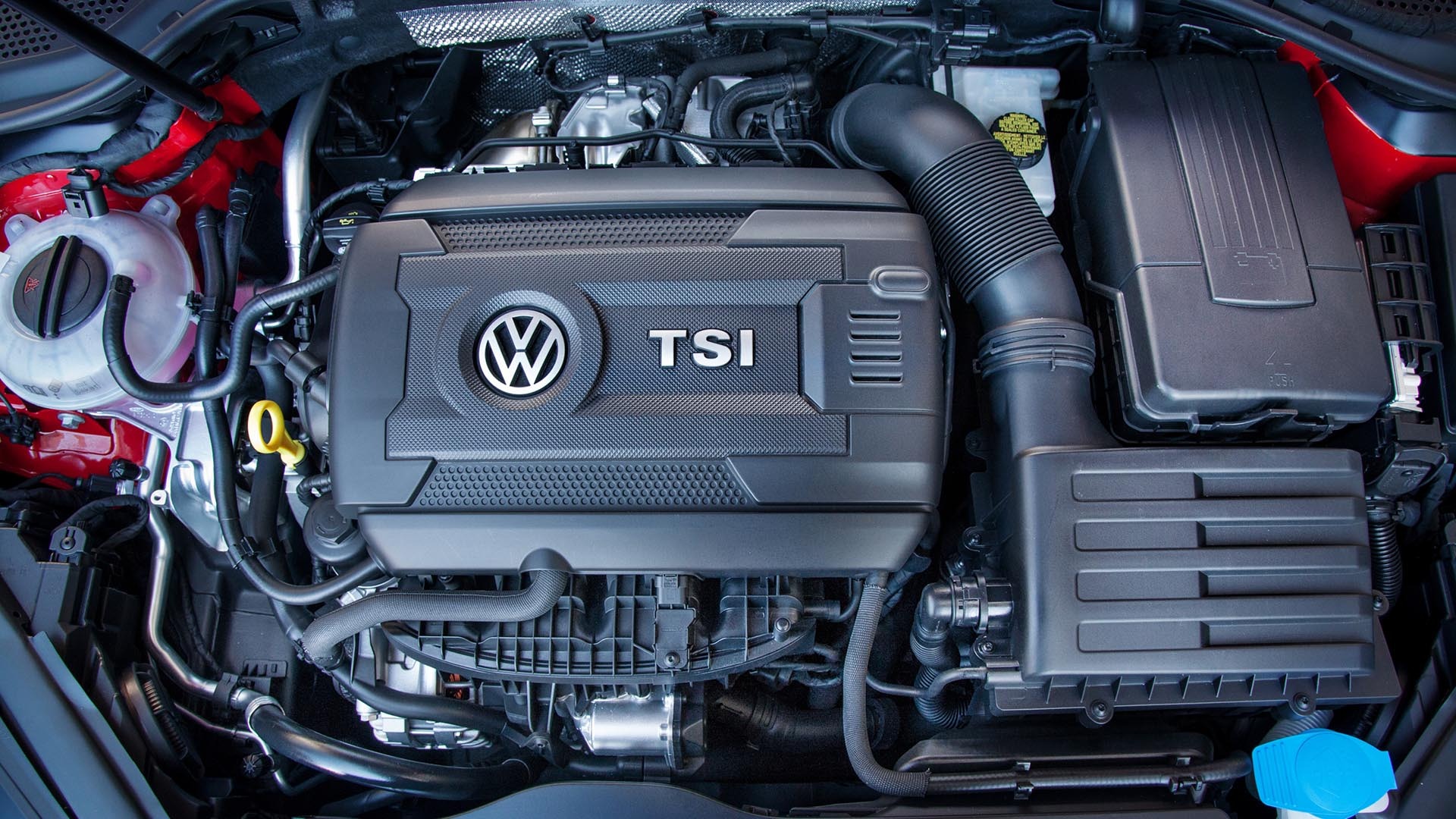
1. Volkswagen 2.0L TSI (EA888)
Volkswagen’s 2.0L TSI EA888 engine is a modern turbocharged design that promises power and smoothness, but it does not hold up well in stop-and-go traffic. Found in cars like the VW Passat, Jetta, and Tiguan, this engine suffers from weaknesses that show up faster in city driving than on highways. Drivers who spend long hours in traffic often face expensive repairs earlier than expected.
One of the most common problems with this engine is carbon build-up on the intake valves. Since it uses direct fuel injection, fuel does not wash over the valves, and deposits collect more quickly. In traffic, where cars spend time idling or moving slowly, this issue grows worse. The build-up reduces performance and can cause rough idling or loss of power.
The EA888 also struggles with timing chain tensioner problems. If oil service is not carefully maintained, the chain can wear prematurely. In traffic, where the engine runs hot for long periods, weak oil quality increases the risk. Once the chain stretches or fails, repairs are very expensive.
Another issue is higher-than-normal oil consumption. Many owners report topping up oil frequently, especially when their driving includes long hours in city traffic. While some improvements were made in later versions, the earlier models gained a reputation for breaking down earlier than they should.
On open highways, this engine delivers smooth power and efficiency, but traffic exposes its weak spots. For people who drive mostly in urban settings, the Volkswagen 2.0L TSI EA888 often becomes a costly headache that fails earlier than other engines in its class.
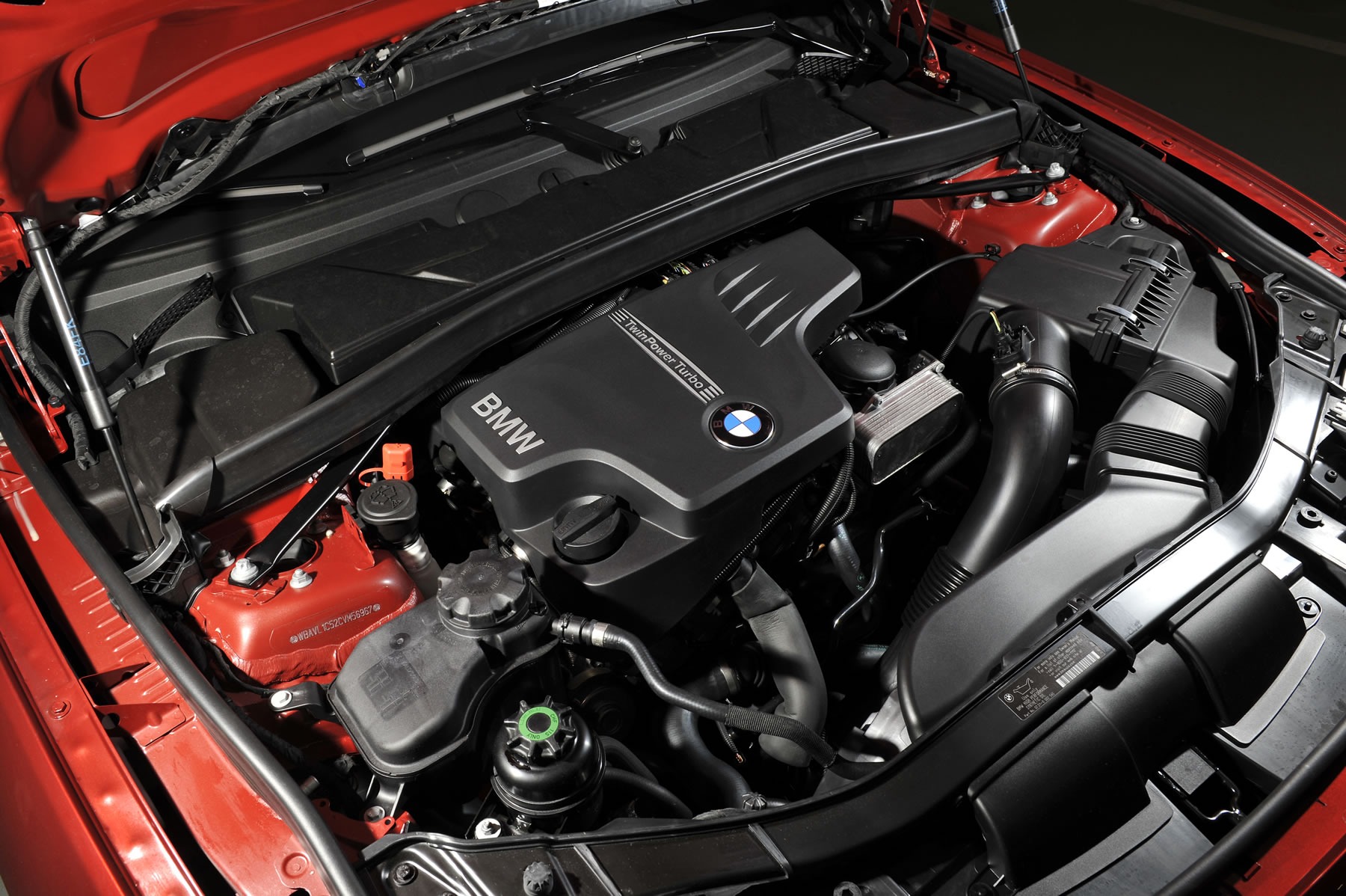
2. BMW 2.0L Turbo Inline-4 (N20)
BMW’s 2.0L turbocharged inline-4 N20 engine was introduced with much excitement because it promised strong performance in a small package. Found in cars like the BMW 3 Series, 5 Series, and X1, it quickly became popular. However, its record in traffic-heavy conditions has been disappointing for many owners. This engine often develops early problems that make it costly to maintain in cities.
One major weakness is its timing chain system. The N20 engine uses parts that wear faster when exposed to heat and stress. In traffic, where cars spend long periods idling and running at low speeds, the chain and related components wear out quickly. When timing chain problems appear, they usually require very expensive repairs.
Oil leaks are another issue. The engine’s seals and gaskets often begin to fail early, especially when exposed to constant heat in traffic jams. These leaks can reduce oil pressure, leading to accelerated wear on internal parts. The turbo system also adds stress, since it increases heat in conditions where cooling is already reduced.
Drivers who take long highway trips report fewer problems, but city driving exposes the engine’s weaknesses. Overheating, rough idling, and oil consumption become common complaints for owners who use their cars in urban settings.
While the N20 engine provides the performance BMW drivers expect, it often breaks down earlier than rivals when used mainly in traffic. Repairs are expensive, and many owners are forced to replace major components sooner than they planned. For heavy traffic environments, the BMW N20 is not a reliable long-term option.
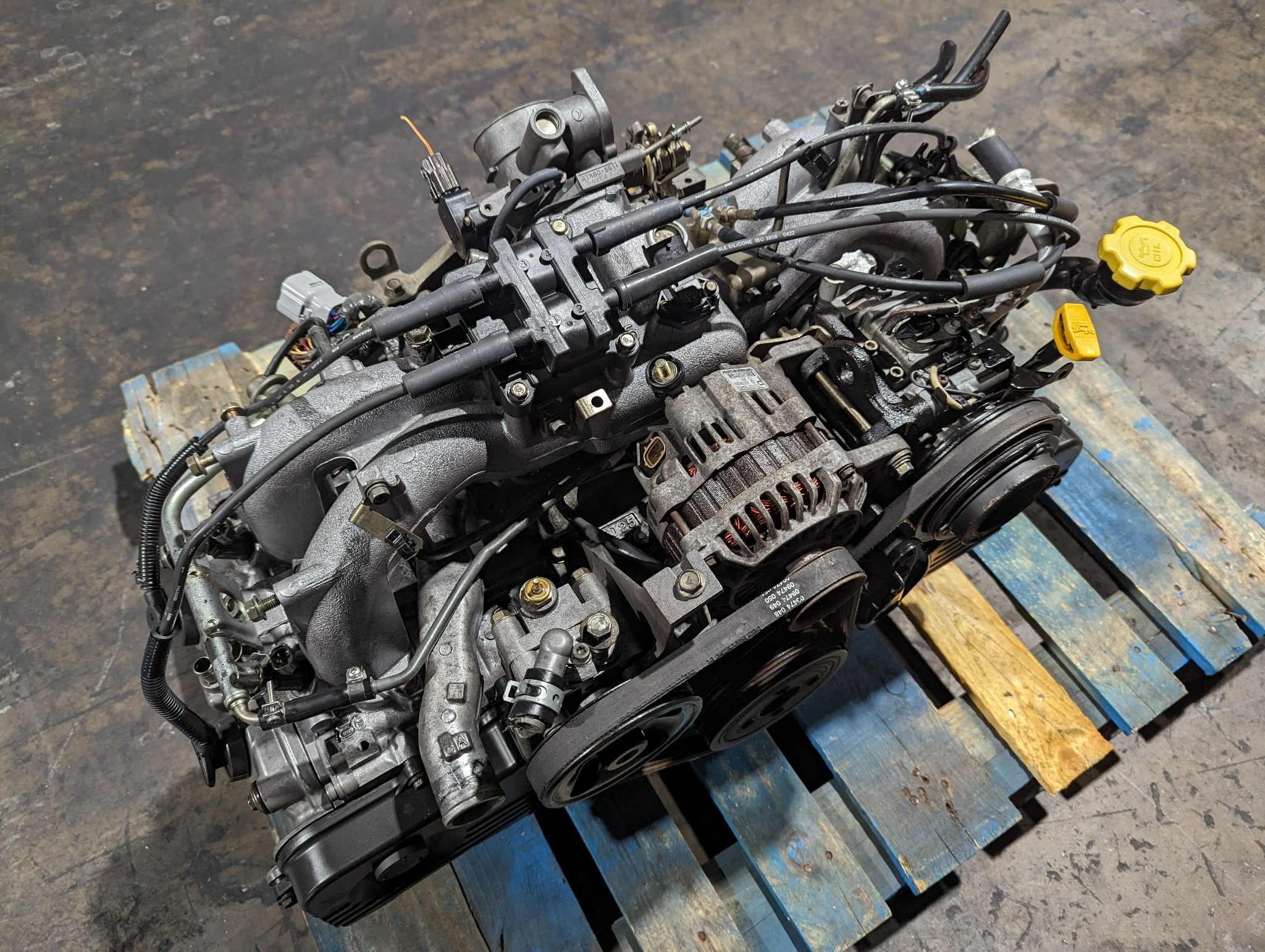
3. Subaru 2.5L Turbocharged Boxer (EJ25)
Subaru’s 2.5L turbocharged EJ25 engine is famous among enthusiasts for its performance and distinctive boxer design. Found in models like the Subaru WRX and Forester XT, it delivers strong acceleration and a unique driving experience. However, its durability in traffic-heavy conditions is poor compared to engines from other brands.
One of its biggest weaknesses is the tendency for head gasket failures. The boxer layout places more strain on the gaskets, and when the engine spends long hours idling in traffic, heat builds up and makes the problem worse. Drivers often face expensive gasket replacements earlier than expected.
Oil leaks are also common with this engine. The design puts extra stress on seals and makes oil consumption higher, especially in city driving, where the engine does not get enough steady airflow. Once oil levels drop, the risk of damage to internal parts rises sharply.
Another issue is turbocharger strain. While the turbo helps the EJ25 produce strong power, it also increases heat and stress. In stop-and-go traffic, where the engine cannot cool properly, the turbo wears faster. Many owners report early turbo failures and costly repairs.
Although the EJ25 is enjoyable on open roads and performs well in rally-style driving, it is not suitable for urban conditions. Traffic quickly exposes its weaknesses, and owners who use these cars in cities often face repair bills that outweigh the joy of driving them. For daily commuting in traffic-heavy areas, the EJ25 is among the least reliable options.
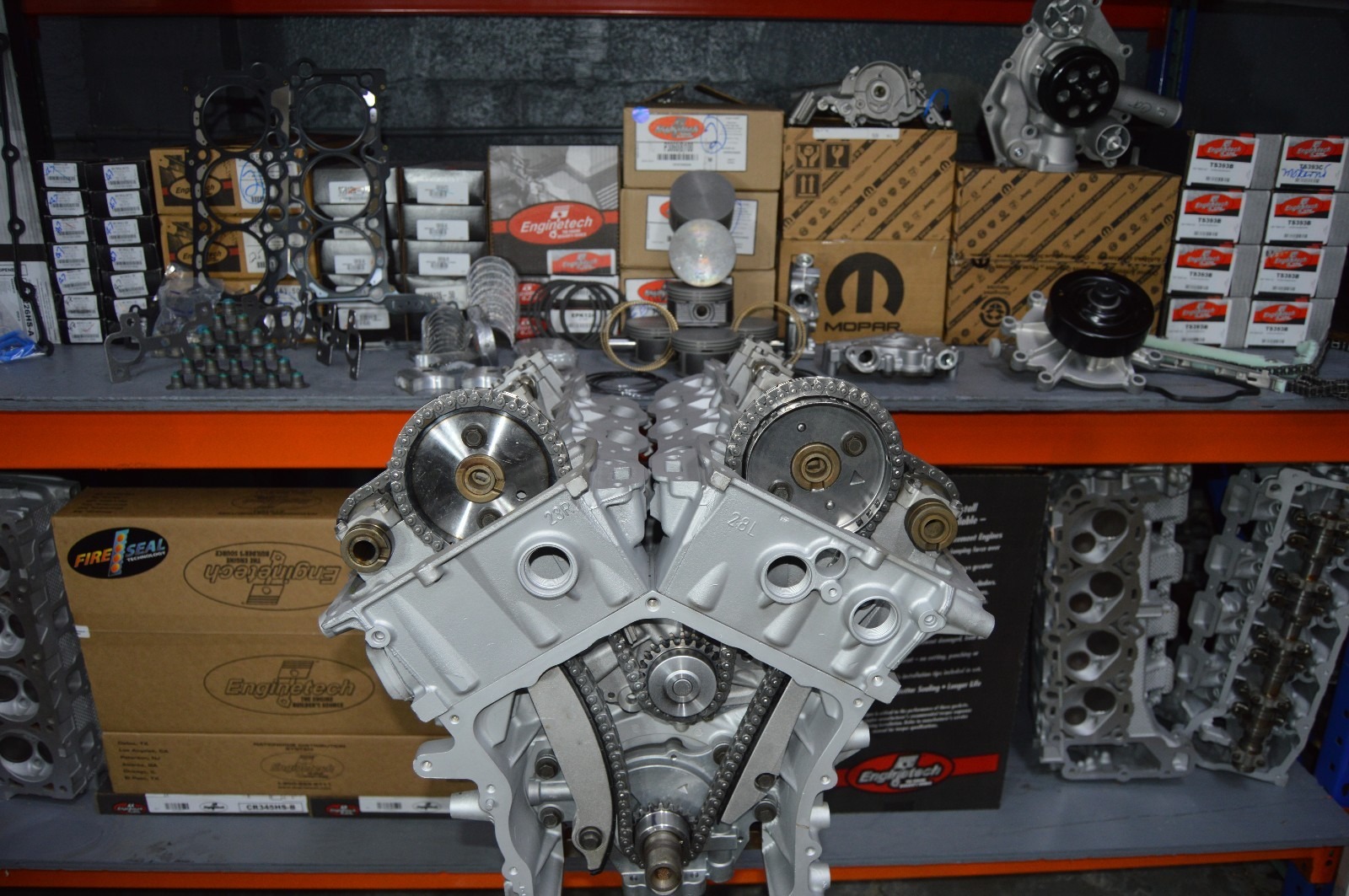
4. Chrysler 2.7L V6
The Chrysler 2.7L V6 engine has gained a poor reputation for reliability, especially for drivers who face daily traffic conditions. Found in vehicles like the Chrysler Sebring, Dodge Intrepid, and some Jeep models, it was expected to provide smooth performance and efficiency.
Unfortunately, it became well known for failing earlier than expected, and much of the trouble shows up more quickly when the car spends long hours in stop-and-go driving. One of the most common problems with this engine is oil sludge build-up.
The internal design has narrow oil passages that make it difficult for oil to flow freely, especially if maintenance is delayed. In traffic, where the engine idles hot for extended periods, sludge forms more easily. Once sludge builds up, lubrication drops, and critical parts like the timing chain and bearings start wearing out quickly.
Cooling is another weak point. The 2.7L V6 has a history of overheating problems, particularly in traffic where airflow is reduced. Overheating causes gasket failures, cracked heads, and eventually complete engine breakdown. Many owners reported major failures before reaching 100,000 miles, which is far below the lifespan drivers expect from a modern engine.
Repair costs are usually very high because fixing sludge damage or overheating issues often requires a full rebuild or engine replacement. This is why many owners lost trust in Chrysler during the years this engine was used. While it may perform adequately on highways with consistent airflow, it breaks down faster in city driving.
Drivers who face heavy traffic every day find this engine especially frustrating because it cannot handle the stress of urban conditions. For those who want long-term dependability, the Chrysler 2.7L V6 remains one of the weakest choices available.
Also Read: 5 Engines That Rarely Need Timing Belt Changes vs 5 That Constantly Do
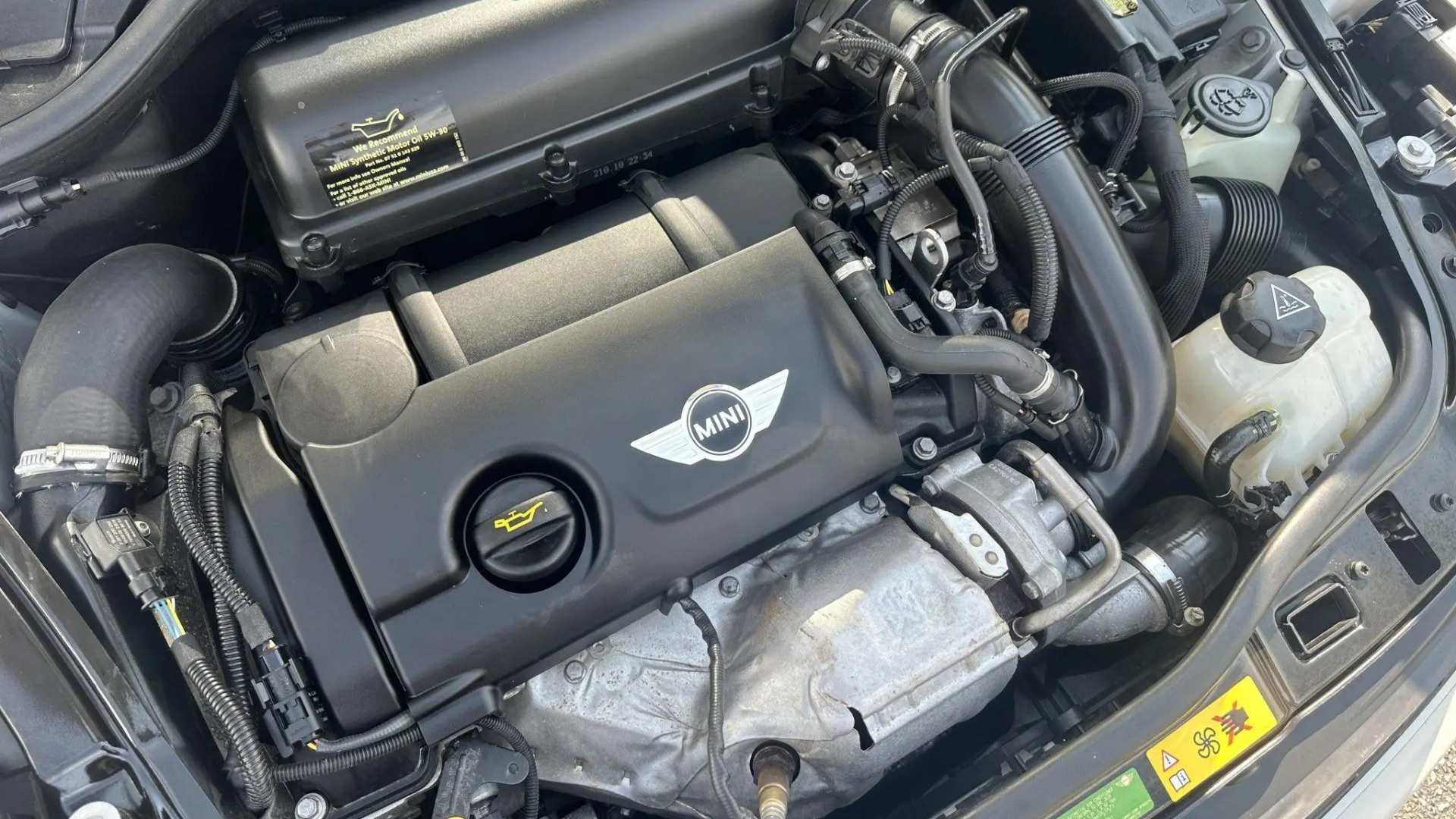
5. Mini Cooper 1.6L Turbo (Prince Engine)
The Mini Cooper 1.6L turbocharged engine, often called the Prince engine, was designed in partnership between BMW and PSA Peugeot Citroën. It was meant to bring strong performance and fun driving to the small Mini platform. While it does deliver exciting acceleration and a sporty feel, it struggles badly in city traffic and has become known for breaking down earlier than expected.
A frequent issue with this engine is timing chain wear. The chain and tensioner are not as durable as they should be, and long hours of idling in traffic make the weakness show up sooner. Many owners notice a rattling noise before the chain eventually fails, and replacing it is very costly.
The turbocharger itself also suffers in traffic-heavy conditions. Because stop-and-go driving reduces airflow, heat builds up around the turbo, increasing wear.
Drivers who use their Minis mainly in urban areas often face turbo failure long before reaching higher mileage. Cooling system weaknesses add to the problem, with many cars suffering overheating issues that damage both the turbo and the engine.
Another complaint is high oil consumption. The design tends to burn oil, and in traffic where the engine runs hot for long periods, this becomes worse. Once oil levels drop, wear on internal parts increases. Owners often find themselves topping up oil frequently, which becomes inconvenient and expensive.
While this engine provides great fun on highways and open roads, city driving exposes its flaws quickly. Repairs for the Mini Cooper 1.6L turbo are also expensive, making it a poor choice for drivers who depend on their car in traffic-heavy environments. For anyone who spends daily driving hours in urban conditions, this engine is one of the most unreliable options available.
City traffic is something every driver dreads, but while we feel the stress, our cars also carry a heavy load. Engines that are not built to cope with heat and constant stopping quickly show their weaknesses.
The wise choice is to go for engines designed with strength, cooling, and durability in mind, especially if you live where jams are part of daily life.
Picking the right one will save money, reduce headaches, and keep you moving without fear of sudden breakdowns. The engine you choose decides how smooth or frustrating your driving experience will be.
