
When you think of a car aging gracefully, the first image that might come to mind is a luxury sedan gliding down the road without squeaks, rattles, or vibrations.
But in reality, only a handful of sedans are truly engineered to keep their composure after years of use and thousands of miles of American highways, backroads, and city commutes.
Many vehicles feel tight and smooth when new, yet begin to creak, rattle, or buzz as the suspension wears, interior plastics loosen, and the body ages.
For US drivers, especially those who keep cars long past their warranty coverage, this difference matters. A sedan that holds together mechanically but shakes and rattles every time you hit a pothole can feel just as worn-out as one that constantly needs repairs.
The best sedans don’t just prove durable on paper they age with grace, maintaining structural rigidity, interior quality, and cabin quietness even after years of use.
Here are eight sedans that are widely known to resist rattling with age, combining solid build quality with long-term refinement.
1. Toyota Camry
The Toyota Camry has long been the benchmark for reliability in the sedan world, but what makes it stand out against age-related rattles is Toyota’s attention to interior assembly.
Camrys use tightly fitted panels and soft-touch materials that don’t warp easily under heat. Even in older generations from the early 2000s, Camrys often feel surprisingly solid, with fewer squeaks than rivals.
The 2025 Toyota Camry Hybrid carries on the model’s reputation for being one of the most practical, dependable, and efficient sedans on the market, while also entering its ninth generation with notable changes. This year, Toyota has given the Camry a refreshed exterior design, a fully updated cabin with styling and infotainment technology inspired by the larger Crown sedan, and, most significantly, a shift to an all-hybrid lineup.
The days of multiple powertrain choices, including the beloved V-6, are gone. Instead, buyers now have two hybrid options to choose from: a front-wheel-drive setup that pairs a 2.5-liter four-cylinder engine with two electric motors to produce 225 horsepower, or an all-wheel-drive version that adds a third motor at the rear axle, raising output to 232 horsepower.
Both systems use a continuously variable automatic transmission. While these hybrids are quick enough around town thanks to strong electric assistance, they do not match the outright speed of the discontinued V-6. The SE and XSE trims offer sportier suspension tuning for sharper handling, though the steering remains less engaging than enthusiasts might prefer.
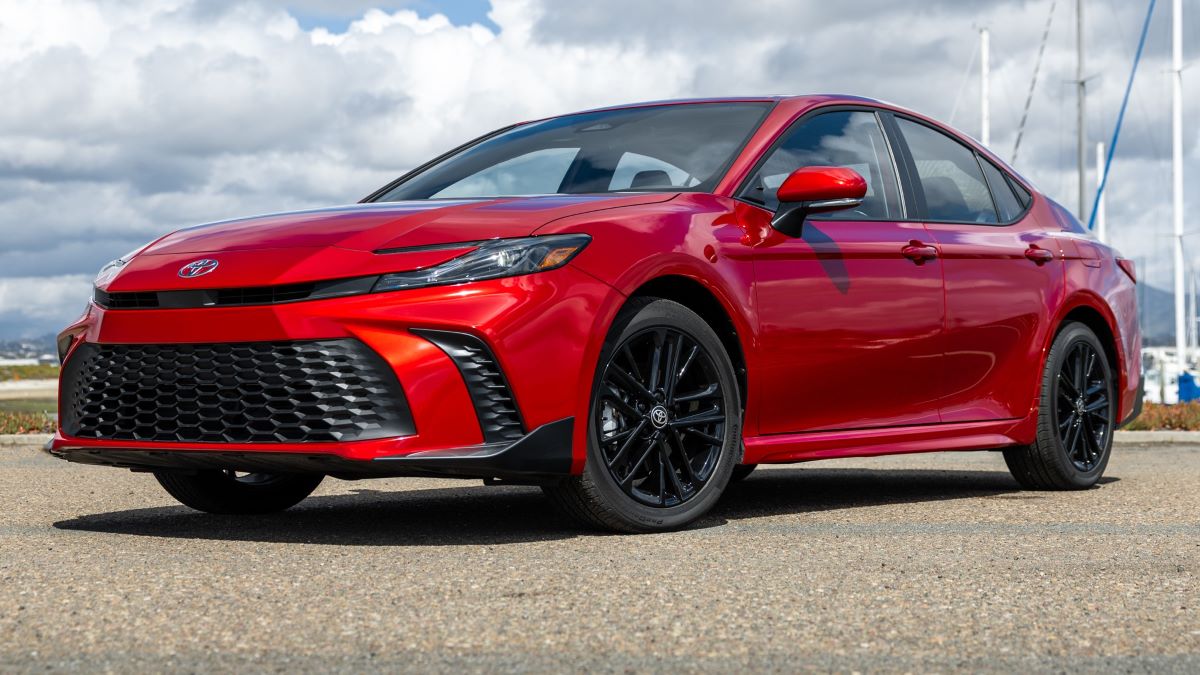
In terms of pricing, the Camry Hybrid starts at $29,895 for the base LE trim and goes up to $36,095 for the top-tier XSE. The LE offers the highest fuel economy estimates due to its smaller wheels, making it the most efficient choice, but many shoppers may find the SE trim at $32,195 to be the sweet spot.
The SE balances value, sporty suspension tuning, and desirable features, with options like the larger infotainment screen and all-wheel-drive system available as add-ons. For buyers seeking more luxury, the XLE provides an upscale experience at $34,895, while the XSE adds a firmer ride and bolder styling at $36,095.
Although the hybrid-only approach raises the base price slightly compared to last year’s lineup, the 2025 Camry still represents solid value in terms of long-term efficiency, practicality, and reliability.
American buyers also benefit from the fact that Toyota engineered the Camry for high-mileage fleet and family use, so durability wasn’t optional it was mandatory.
Many Camry owners report driving their cars well past 200,000 miles without the dreaded dashboard buzzes or door rattles that plague other models.
2. Honda Accord
The Honda Accord matches Toyota’s reputation but with a slightly sportier edge. Hondas are known for excellent chassis rigidity, which plays a big role in keeping squeaks and rattles at bay.
An Accord feels composed on highways even when the odometer has long passed six digits. Honda engineers have historically used higher-quality clips, seals, and reinforcements inside the cabin, which prevents common wear points like gloveboxes and door cards from shaking loose.
The result is a car that doesn’t just run forever but also feels tight and enjoyable, even when it’s pushing 15 or 20 years old.
The Honda Accord continues to deliver the blend of refinement, efficiency, and driving enjoyment that has made it a long-standing favorite in the mid-size sedan segment. The LX and SE trims are powered by a turbocharged 1.5-liter four-cylinder engine producing 192 horsepower, paired with a continuously variable automatic transmission (CVT) that drives the front wheels.
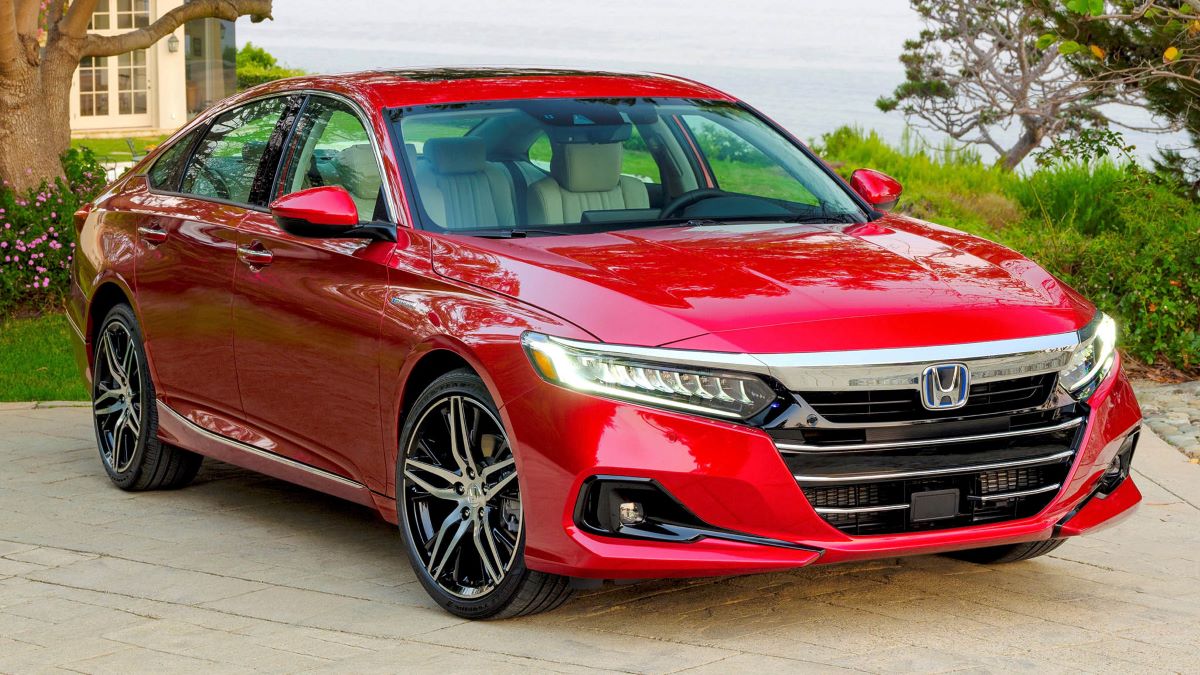
Unlike some of its rivals, the Accord does not offer all-wheel drive, sticking with a traditional front-drive setup. The hybrid powertrain now takes a more central role in the lineup, reserved for the Sport, EX-L, Sport-L, and Touring trims. This setup combines a 2.0-liter four-cylinder with two electric motors, delivering a total output of 204 horsepower.
On the road, the Accord impresses with its smoothness, quiet cabin, and overall composure. The hybrid system, in particular, strikes a balance between performance and efficiency, making it an attractive option for commuters and families alike.
True to its heritage, the Accord is also enjoyable to drive, with handling that feels confidence-inspiring thanks to precise steering, well-controlled body motions, and a suspension that provides a compliant, comfortable ride. It’s this combination of refinement, practicality, and engaging driving dynamics that continues to earn the Accord high marks from both drivers and critics.
Also Read: 10 Most Reliable Sports Cars That Rarely Break Down
3. Lexus ES
Luxury cars can be hit or miss as they age, but the Lexus ES is an exception. Built on a platform closely related to the Toyota Camry, the ES takes Toyota’s structural reliability and layers in Lexus-level refinement.
From thicker soundproofing to premium-grade adhesives and interior components, the ES has one of the quietest and most rattle-resistant cabins in the luxury sedan category.
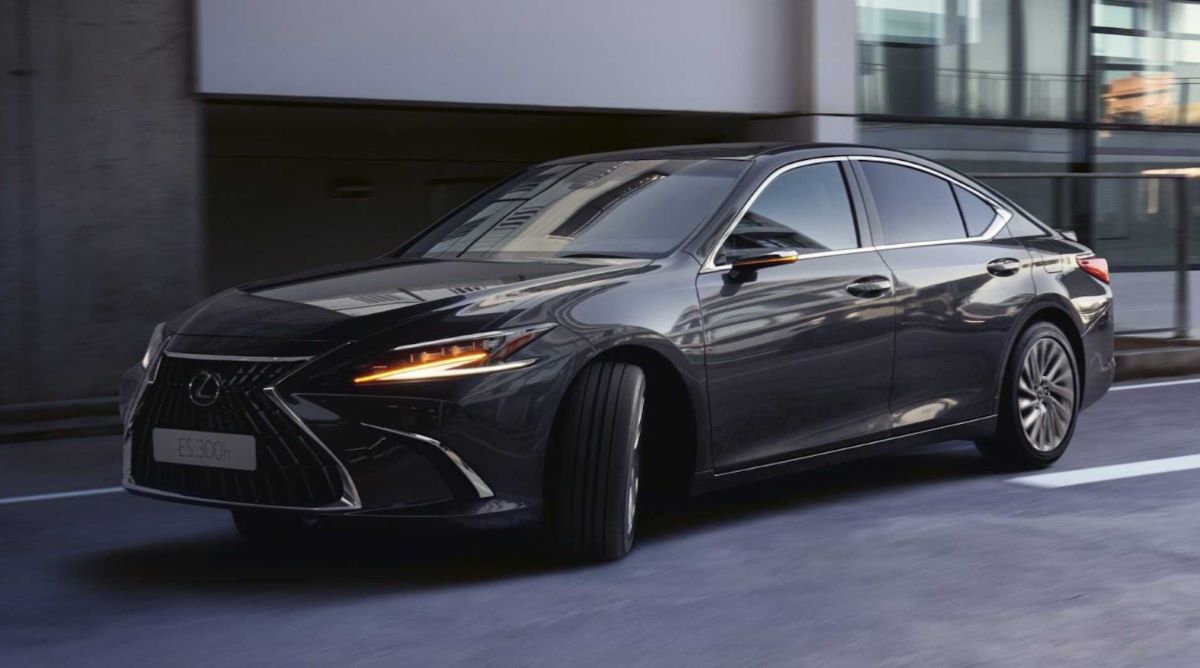
While German luxury sedans often develop creaks in their dashboards and door panels after a decade, a well-maintained Lexus ES can still feel nearly new at 150,000 miles. For American drivers seeking a quiet daily commuter with long-lasting elegance, the ES is one of the best choices.
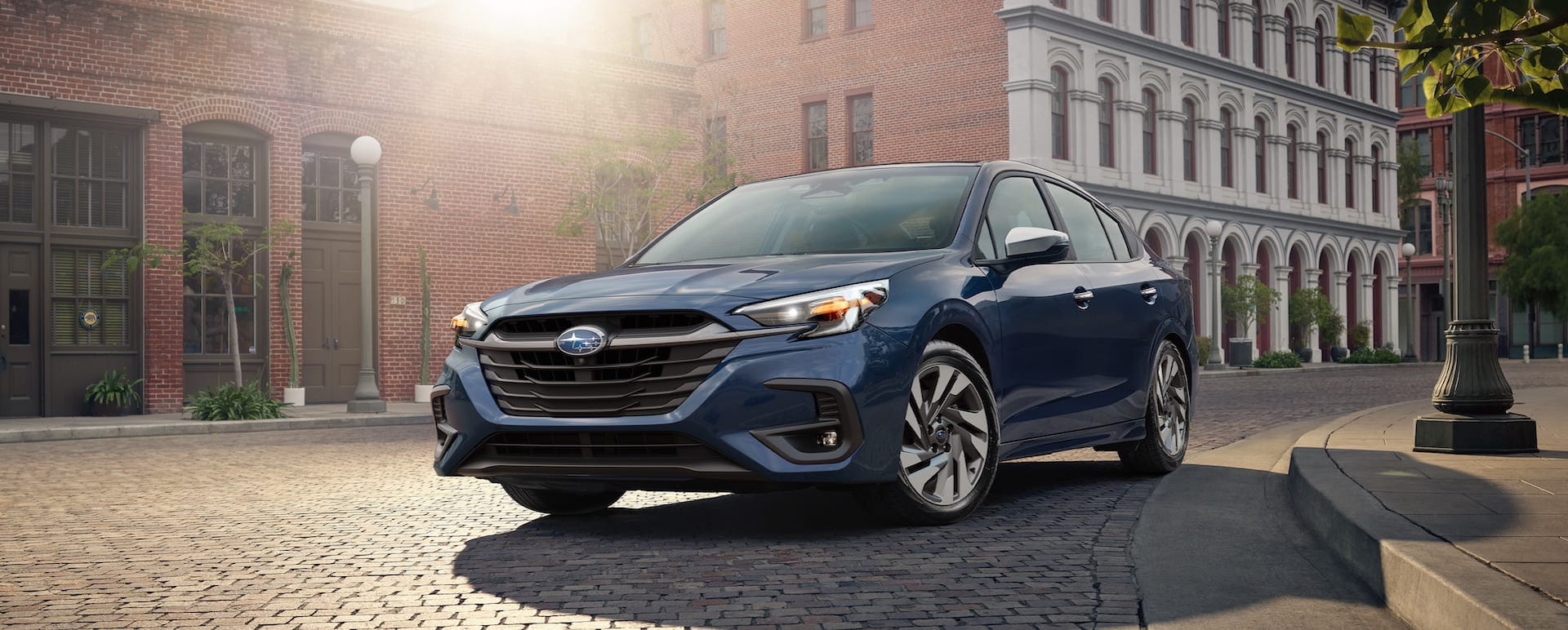
4. Subaru Legacy
The Subaru Legacy might not be as common as a Camry or Accord, but it’s a favorite in regions with harsh winters. Subaru builds its sedans to endure snowy, icy, and rough-road environments, which means durability is baked into the design.
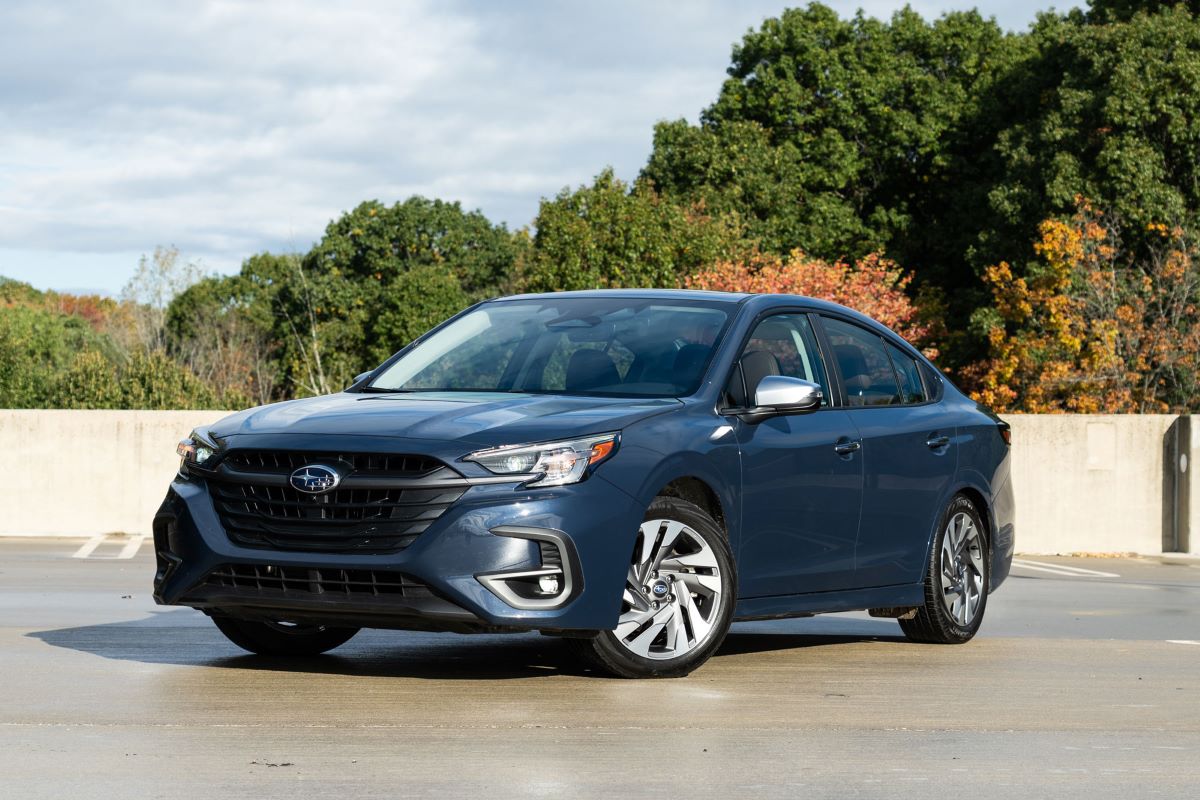
Unlike some competitors, the Legacy doesn’t fall apart structurally when exposed to constant freeze-thaw cycles and salted highways. Its all-wheel-drive system is designed for punishment, but the real surprise is how well the interior holds up.
Door seals stay intact longer than many rivals, and owners frequently report that rattles don’t creep into the cabin until very high mileage, even in older models.
5. Toyota Avalon
The Toyota Avalon is essentially a larger, more premium version of the Camry, and it carries over that same reputation for solidity.
Built with thicker body panels and additional insulation, the Avalon has an even quieter ride, which helps mask road imperfections that can cause rattles in lesser sedans.
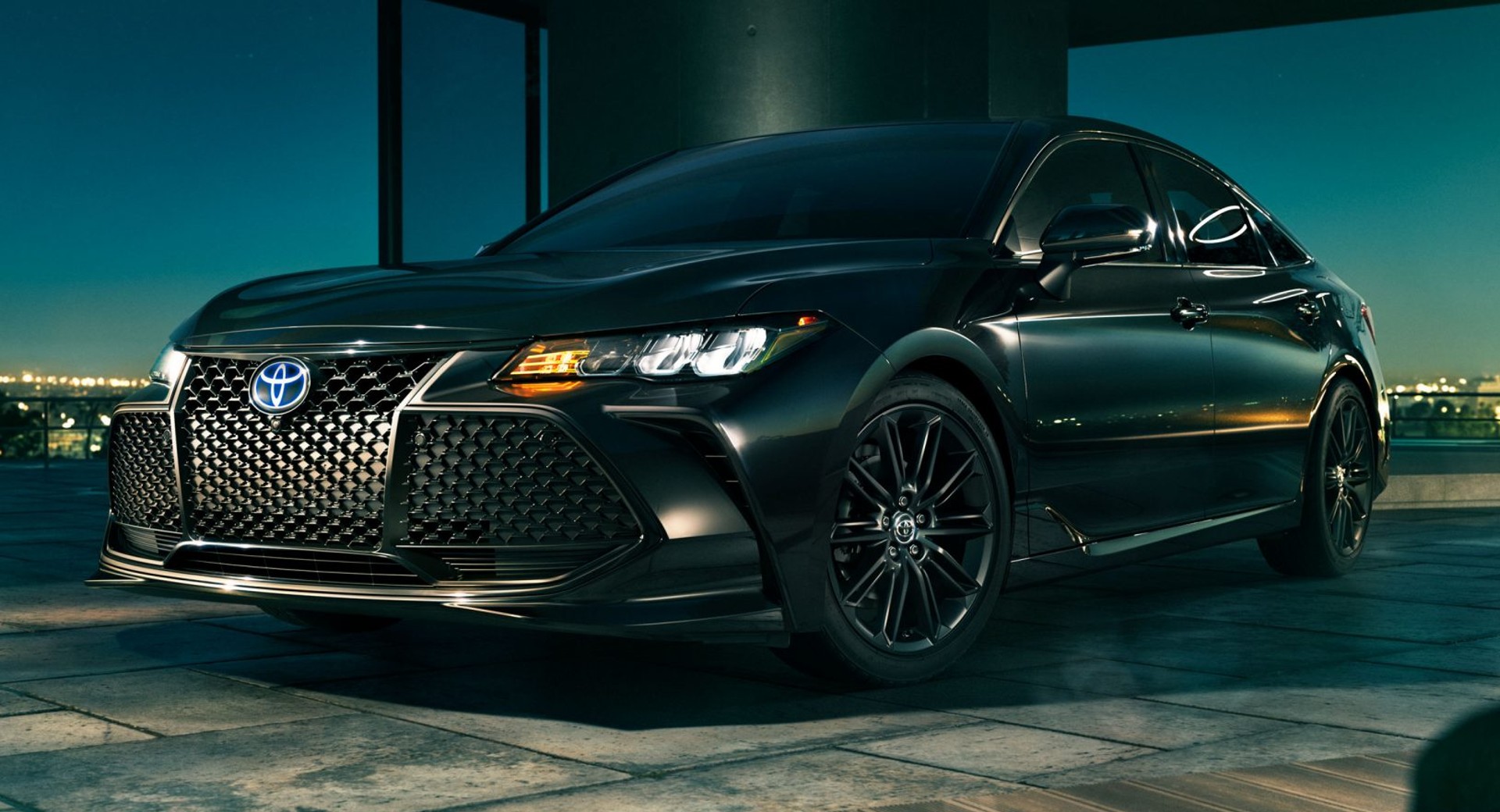
Owners often describe their Avalons as “rock solid,” even after 10 to 15 years of daily use. Unlike some full-size American sedans that age with squeaks in the suspension or interior plastics, the Avalon continues to glide down the road as if it were a new vehicle.
The Toyota Avalon caters to buyers by offering two distinct powertrain options: a traditional gasoline V-6 and a more fuel-efficient hybrid setup. The standard engine is a 3.5-liter V-6 that produces 301 horsepower and 267 lb-ft of torque, paired with an eight-speed automatic transmission that sends power exclusively to the front wheels.
In performance testing, this powertrain pushed the Avalon from zero to 60 mph in just 6.0 seconds, giving the large sedan a surprisingly strong sense of urgency. For those prioritizing efficiency, the hybrid models use a 2.5-liter four-cylinder engine paired with two electric motors to generate a combined 215 horsepower.
This system is mated to a continuously variable automatic transmission (CVT), also powering the front wheels, and trades outright speed for impressive fuel savings.
Comfort remains the Avalon’s strongest suit, which is exactly what most large sedan buyers are after. Toyota has tuned the Avalon’s suspension to absorb imperfections in the road with ease, allowing it to glide smoothly over bumps and rough patches.
During evaluations, the Avalon consistently impressed with its well-mannered handling and cabin isolation, creating a calm, quiet driving environment. The combination of strong performance, efficiency-minded hybrid options, and plush ride quality ensures the Avalon continues to stand out as a refined choice for those seeking a large, comfortable sedan.
6. Acura TL (3rd and 4th Generations)
The Acura TL, especially the 2004–2014 models, represents one of the best blends of Honda durability and luxury refinement. Acura gave the TL stiffer body construction and high-quality materials that resist wear better than mainstream sedans.
Even today, a well-maintained TL often feels like a premium car that’s far newer than its actual age. The doors shut with a satisfying thunk, the dashboard holds up without warping, and the suspension absorbs bumps without introducing unwanted cabin noise.
Many enthusiasts still seek these TLs because they not only drive well but also avoid the aging issues common in rivals like the Infiniti G35 or BMW 3 Series.
The Acura TL, built in Ohio, may not win style awards for its exterior design, but it compensates by offering a compelling mix of luxury, technology, and driving enjoyment. Compared with many of its mid-size luxury sedan rivals, the TL feels a bit heavier on the road, yet that heft translates into a sense of solidity and stability.
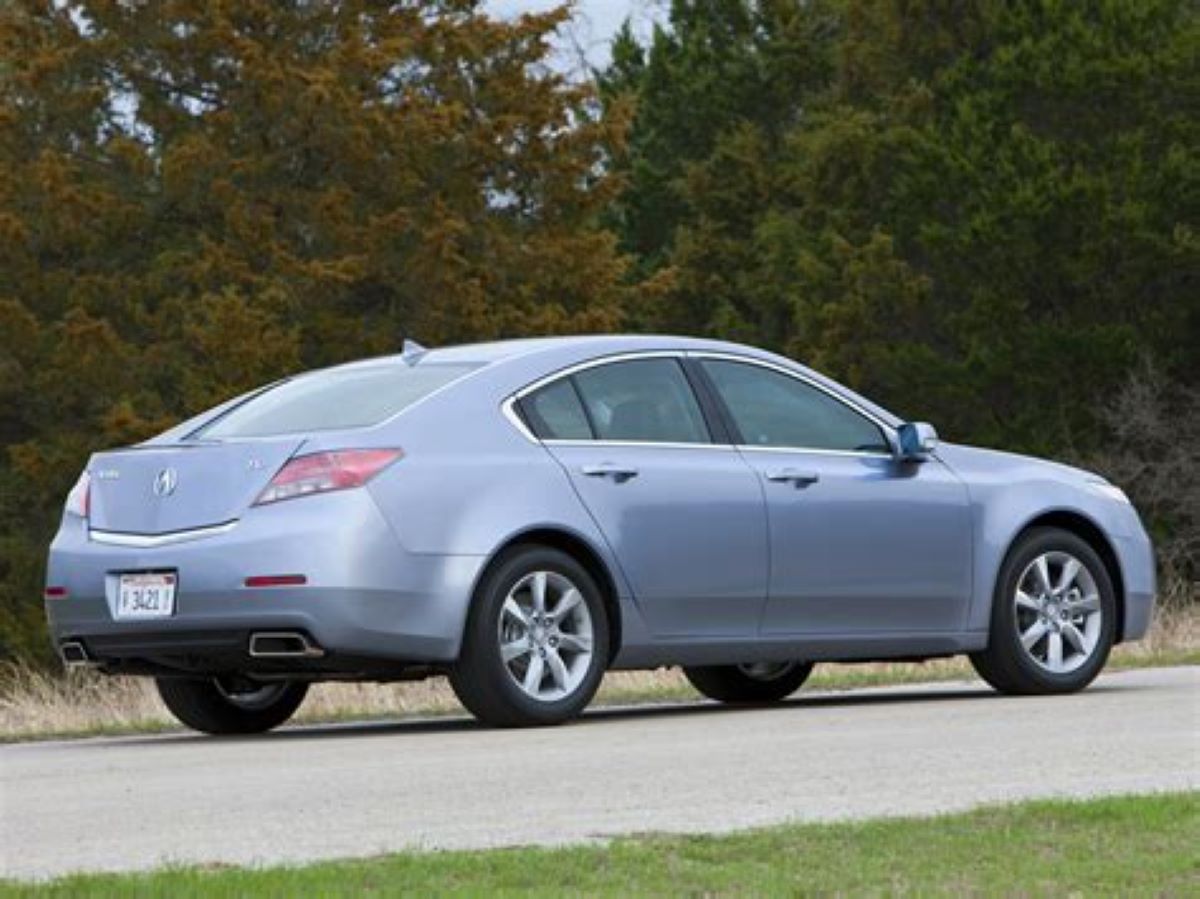
The real standout in the lineup is the SH-AWD version, which combines Acura’s advanced torque-vectoring all-wheel-drive system with a performance-tuned suspension and steering setup. This model, particularly when paired with the close-ratio six-speed manual transmission, delivers a surprisingly engaging and rewarding driving experience that enthusiasts will appreciate.
Inside, the TL emphasizes premium materials and upscale features, resulting in a cabin that feels solid and high quality. However, its “high-zoot” interior design leans heavily on buttons, giving the dashboard a cluttered appearance compared to the cleaner, more minimal layouts seen in some of its competitors.
Still, the TL’s combination of comfort, performance capability, and luxury features makes it a strong value in the mid-size luxury sedan segment, especially for drivers who prioritize all-weather traction and sporty handling.
7. Chevrolet Impala (2014–2020)
Not all American sedans are known for aging well, but the final-generation Chevrolet Impala proved to be an exception. Built with fleet buyers and long-term durability in mind, the Impala offered a surprisingly refined interior that held up against years of heavy use.
The large sedan’s stiff frame helped minimize rattles, and its interior materials resisted the squeaks and buzzes that plagued older GM products.
Many Impalas served as rental and taxi cars across the US, enduring brutal daily use, yet still managed to stay relatively rattle-free a testament to how well GM improved quality in its later years of sedan production.
For 2016, the Chevrolet Impala receives several updates that keep it competitive in the large sedan segment. Six new exterior colors join the lineup, Citron Green Metallic, Heather Gray Metallic, Siren Red Tintcoat, Mosaic Black Metallic, and Green Envy Metallic—while the LT trim gains leather upholstery as standard equipment, replacing cloth.
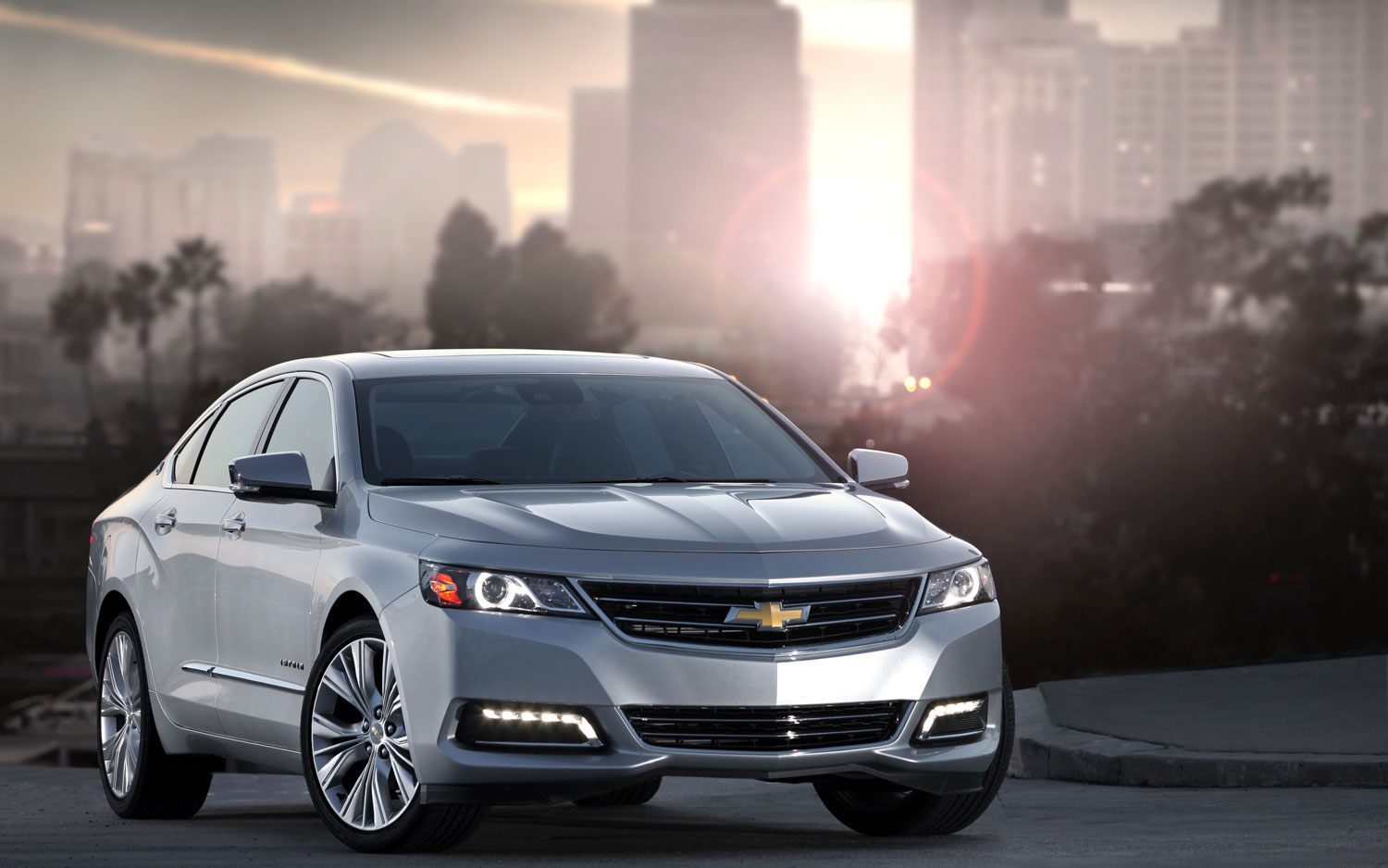
Chevrolet also adds modern tech features such as Apple CarPlay compatibility and available wireless charging. Buyers seeking a sportier appearance can opt for the Midnight Edition package, offered on LT and LTZ trims with the V-6 engine. This package includes a Jet Black exterior, 19-inch machined alloy wheels with black accents, black Chevrolet bowtie badges, a black grille and rear spoiler, and sport pedals for a bolder look.
Inside, the Impala offers excellent passenger space, comfortably seating five adults. Its trunk is also generous at 18.8 cubic feet, though choosing the CNG-capable version reduces cargo capacity to just 10 cubic feet. All models come standard with 60/40 split-folding rear seats, allowing for more versatility when carrying larger items.
On the safety front, the 2016 Impala includes dual front, front-side, side curtain, rear side, and driver and passenger knee airbags as standard equipment. Advanced driver-assistance features such as forward collision warning, rear cross-traffic alert, lane departure warning, and blind-spot monitoring with lane change alert come standard on the LTZ and are available in the LT via the Driver Confidence package.
Trim levels provide a range of comfort and technology options. The base LS comes with a 4.2-inch infotainment screen, Bluetooth, a six-speaker audio system, USB port, 18-inch alloy wheels, keyless entry, and the split-folding rear seats. The LT trim upgrades to dual-zone climate control, an eight-inch MyLink infotainment touchscreen, three USB ports, and heated power-adjustable side mirrors.
Optional features include navigation, an 11-speaker Bose audio system, and wireless charging. The LTZ serves as the most well-equipped variant, adding 19-inch alloy wheels, remote start, rear parking sensors, a rearview camera, and keyless entry and ignition.
Also Read: 5 Best Pickups That Last Over 300K Miles vs 5 That Break Early
8. Hyundai Sonata (2015 and Newer)
Hyundai’s reputation has changed drastically over the last 20 years, and the Sonata has played a big role in that transformation.
While earlier models weren’t known for long-term refinement, the 2015-and-newer generations brought major improvements in build quality.
Hyundai focused on reducing cabin noise and using higher-grade interior components, which resulted in a sedan that stayed quiet and rattle-free much longer than before.
Today, many Sonatas with over 100,000 miles still feel tight and composed, proving that Hyundai has become competitive with Honda and Toyota in terms of aging gracefully.
The 2019 Hyundai Sonata combines striking, contemporary styling with a wide array of features that appeal to modern consumers. Its lineup includes three gasoline engines as well as eco-conscious hybrid and plug-in hybrid options, offering buyers the chance to balance performance with fuel efficiency. However, none of the Sonata’s powertrains deliver thrilling acceleration, and the driving experience, while comfortable, lacks the engagement found in competitors like the Mazda 6.
Despite this, the Sonata remains a practical and stylish choice, with nearly all trims, except the base model, offering advanced driver-assistance systems such as automated emergency braking and lane-keeping assist. Every model includes a user-friendly infotainment system equipped with Apple CarPlay and Android Auto, though the most feature-rich technology is reserved for the top trims, which can limit the overall value proposition for mid-level buyers.
For 2019, the Sonata receives minimal changes, with the main update being revised trim nomenclature, the “+” suffix from certain trims has been dropped while their features remain intact. The Hybrid Limited model sees additional standard equipment, including automated emergency braking, adaptive cruise control with stop-start functionality, an electronic parking brake with auto-hold, and lane-keeping assist.
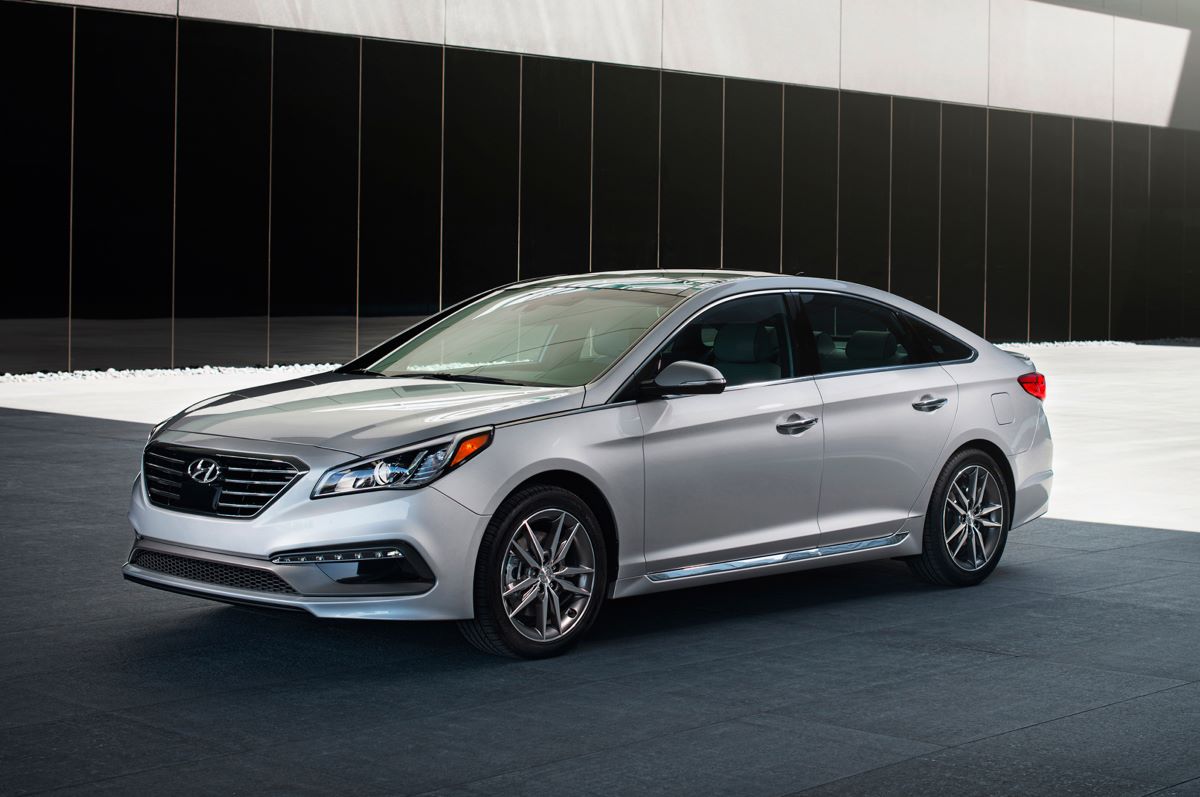
Pricing for the 2019 Sonata ranges from $23,580 for the base SE up to $39,955 for the top-tier Limited, plug-in hybrid, and Limited trims. Most Sonata models are priced similarly to competitors such as the Honda Accord and Toyota Camry, though the Hyundai falls slightly behind in standard driver-assist features and driving enjoyment.
Among the gasoline options, the Eco trim stands out as the sweet spot, offering a turbocharged 1.6-liter four-cylinder engine paired with a seven-speed automatic transmission that balances fuel economy with slightly stronger acceleration compared to the base four-cylinder.
The Sonata offers five different powertrains overall, including two hybrids, one of which is a plug-in variant. Base models are equipped with a 2.4-liter four-cylinder engine mated to a smooth six-speed automatic, producing 185 horsepower and providing quiet, unobtrusive daily driving.
The Eco trim, while slightly clunkier off the line, delivers better acceleration and excellent fuel economy, making it a preferred choice. The optional turbocharged 2.0-liter four-cylinder is the most powerful gasoline engine, but it struggles to match the straight-line performance of rivals like the Accord or Camry.
The hybrid and plug-in hybrid models impress with refined, efficient powertrains, though all Sonata variants wear low-rolling-resistance tires that slightly reduce braking performance. Overall, the Sonata delivers a quiet, comfortable ride that will satisfy most buyers, even if it doesn’t offer the same engaging driving experience as some competitors.
Inside, the Sonata provides a spacious, comfortable cabin with wide front seats and a well-cushioned three-across rear bench. The center stack is thoughtfully laid out, with easy-to-use audio and climate controls. Top trims include dual-zone automatic climate control, leather seating surfaces, and power-adjustable front seats.
The infotainment system is intuitive, with a standard 7.0-inch touchscreen, logical menus, and compatibility with Apple CarPlay and Android Auto, while an 8.0-inch touchscreen with navigation is optional. Hyundai’s Blue Link services further enhance convenience, allowing smartphone control of vehicle functions and maintenance monitoring, including integration with Amazon Alexa.
Cargo capacity is generous, with a 16-cubic-foot trunk in standard models providing ample space for luggage for all five passengers. Trunk space in hybrid models is slightly reduced due to the battery pack, while the plug-in hybrid’s trunk holds roughly 60 percent of the standard sedan’s capacity.
Storage throughout the cabin is functional, with a sizable center console and a covered bin ahead of the gearshift ideal for securing electronics, though door panel storage is somewhat limited.
Overall, the 2019 Sonata balances style, comfort, and technology with practicality, offering a diverse range of options for buyers seeking a versatile mid-size sedan, even if its performance and driving engagement lag slightly behind top competitors.
Several key factors explain why these sedans stay solid over time:
- Chassis Rigidity: Stronger frames resist flexing, which prevents squeaks and vibrations.
- Interior Materials: High-quality plastics, adhesives, and seals don’t degrade as quickly.
- Engineering for Longevity: Cars designed for high-mileage use, like fleet vehicles or family sedans, prioritize durability from the start.
- Brand Philosophy: Automakers like Toyota, Honda, and Lexus build their reputations around reliability, which extends to cabin quality.
For US buyers who plan to keep their sedans for 10–20 years, choosing a car that doesn’t rattle is just as important as one that doesn’t break down mechanically.
A quiet, composed ride makes every commute or road trip more enjoyable, and these eight sedans prove that with the right engineering, a car can feel fresh long after its new-car smell is gone.
