
Japanese Domestic Market (JDM) cars from the late 1980s and early 1990s hold a special place among enthusiasts and everyday drivers alike.
Built during an era when reliability and mechanical simplicity were at the forefront, many of these vehicles continue to perform reliably even after three decades of use.
While most cars struggle to stay roadworthy after such long service, certain JDM models have proven that careful engineering and solid design can withstand the test of time.
These cars were often built with engines that prioritised durability over unnecessary complexity, transmissions that could withstand hundreds of thousands of miles, and chassis designs that resisted wear even under the most demanding conditions.
Their appeal goes beyond nostalgia, since many of them are still serving as daily drivers in Japan and abroad. Owners consistently report that with basic maintenance, these machines can outlast newer cars that rely on more fragile electronics and lightweight parts.
Another reason for their longevity is the culture of care surrounding them. In Japan, strict inspection laws encouraged meticulous upkeep, meaning many of these vehicles were maintained to a higher standard than their global counterparts.
Exported units also benefited from this culture of discipline, giving international enthusiasts cars that were already in excellent condition. Over time, these JDM models have earned reputations not just as collector’s items but as dependable companions that can handle everyday roads with ease.
The following list examines nine JDM cars that remain strong and reliable more than 30 years after their debut. Each example demonstrates why it has managed to endure: strong engines, straightforward mechanical systems, and a legacy of reliability.
Whether compact hatchbacks, sports coupes, or family sedans, these cars continue to prove that the golden era of JDM engineering created machines that refuse to be forgotten.
Also Read: 9 Vehicles That Stay Valuable in Collector Markets
1. Toyota Corolla AE92
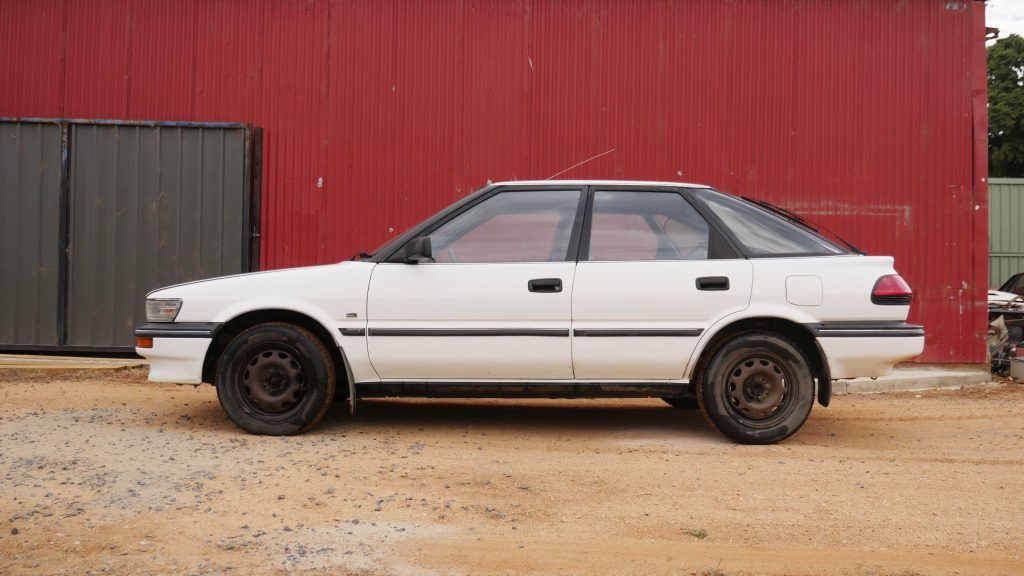
The Toyota Corolla AE92, introduced in the late 1980s, is a compact sedan and hatchback that embodies the durability Toyota is known for. More than 30 years later, many of these cars are still running reliably, especially in regions where they were cherished for their simplicity and ease of upkeep.
The AE92 featured Toyota’s proven inline-four engines, including the 4A-FE and the more performance-focused 4A-GE. Both engines were designed for longevity, with robust construction and straightforward mechanical layouts.
These motors can handle high mileage without serious issues, provided oil changes and timing belt replacements are kept up to date. Unlike more modern engines that rely heavily on electronics, these units are easier to service and less prone to unexpected failures.
One of the main reasons the AE92 remains roadworthy today is its lightweight but sturdy chassis. While compact, it was built to resist excessive rust when properly cared for.
Suspension components are simple and affordable, meaning owners can replace worn parts without draining their budgets. Its manual transmission versions, in particular, are known for lasting well beyond 200,000 miles with minimal problems.
Parts availability is another advantage. Because Toyota produced millions of Corollas worldwide, sourcing replacement components is rarely a challenge.
Mechanics across the globe are familiar with its systems, ensuring routine repairs are straightforward. This has allowed AE92s to remain viable daily drivers even decades after their debut.
The AE92 also benefits from versatility. Whether in sedan form for family duty or the hatchback variant for younger buyers, it managed to balance practicality with a touch of sportiness.
That combination made it popular when new and has helped it maintain relevance today. Owners often report that inspections, emissions tests, and long drives pose little trouble for these cars, solidifying the Corolla AE92 as a JDM model that refuses to quit.
2. Honda Civic EF
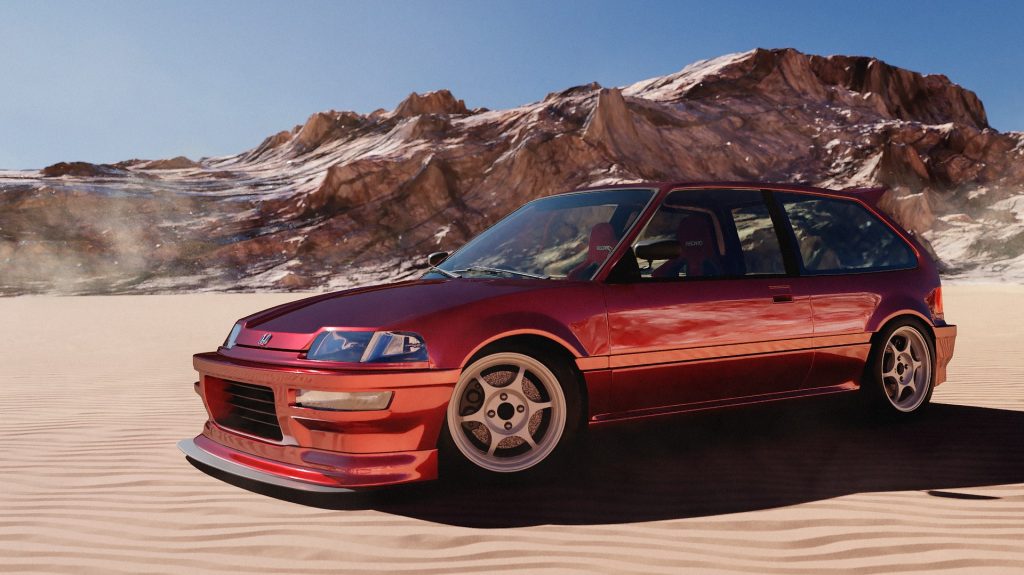
The fourth-generation Honda Civic, known by enthusiasts as the EF, arrived in 1987 and quickly set new standards for compact cars.
Today, more than three decades later, it remains one of the most enduring JDM vehicles still found on the road. Its success is owed to a combination of efficiency, reliability, and a design that invited careful maintenance.
The Civic EF was offered with several engine options, most notably the D-series and the performance-oriented B16A in the SiR model. These engines were small yet incredibly robust, designed to handle high-revving use without giving up longevity.
With proper oil care and routine servicing, it is not uncommon to see Civics from this era still running with original drivetrains.
Another factor is the lightweight construction. The EF Civic was engineered to be nimble and efficient, but it did not sacrifice durability in the process.
Suspension setups were simple and long-lasting, and the manual gearboxes became known for their bulletproof nature. Even the automatic versions were dependable when serviced correctly.
The Civic EF also benefitted from Honda’s global popularity. Because so many were produced and exported, parts remain readily available.
The aftermarket community has also supported the EF for decades, meaning owners can easily restore or maintain their cars. Mechanics are familiar with its systems, ensuring quick and affordable repairs.
Rust prevention was not perfect, but in climates where corrosion is managed, the EF has proven remarkably resilient.
Many enthusiasts have kept these cars alive not just as collectibles but also as reliable daily drivers. Their straightforward design makes them less intimidating for owners who prefer to handle some maintenance themselves.
What truly sets the Civic EF apart is its reputation as a fun car that also lasts. Its handling, efficiency, and dependable powertrains made it beloved from day one. Decades later, that same formula keeps it on the road, earning its place as one of the most reliable JDM survivors from its generation.
3. Nissan Skyline R32
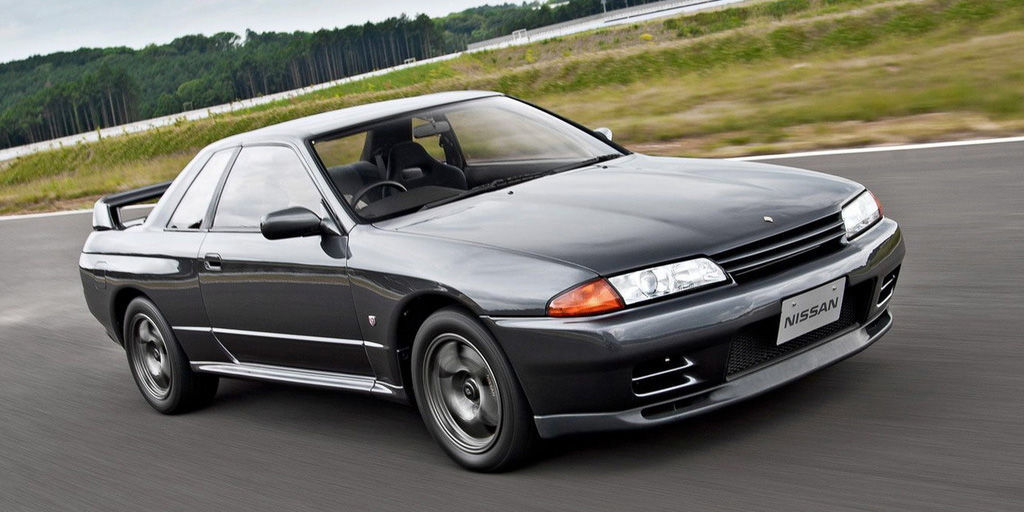
The Nissan Skyline R32, introduced in 1989, is best remembered for its high-performance GT-R variant, but even standard models have proven capable of lasting more than 30 years.
Built during a time when Nissan emphasized both engineering strength and motorsport credibility, the R32 stands today as a JDM icon that still performs on the road.
At the heart of the GT-R version was the RB26DETT, a twin-turbocharged inline-six that became legendary for its durability. Even naturally aspirated RB engines in lower trims were built to last, with iron blocks and strong internals that resisted wear.
With consistent oil changes, cooling system care, and timing maintenance, these engines regularly reach high mileage without major issues.
The R32’s chassis was another highlight. It featured Nissan’s advanced Multi-Link suspension, which provided both handling prowess and long-term stability. While more complex than simpler setups, the design proved remarkably reliable when maintained.
Owners who serviced bushings, shocks, and alignment found that their cars remained solid even after decades of driving.
Rust has been a challenge for some R32s, especially those kept in damp climates, but vehicles that were stored carefully or treated against corrosion have held up impressively.
Many examples exported from Japan benefit from strict inspection laws, meaning they were maintained thoroughly before leaving the country.
The transmission options, particularly the robust manual gearboxes, were designed to handle performance demands. Even after years of spirited driving, many remain in working order, a testament to Nissan’s engineering of the period.
Part of the R32’s endurance also comes from the community of enthusiasts who refuse to let these cars fade.
With strong aftermarket support and global admiration, parts and expertise remain widely available. Owners are motivated to keep them alive, whether for motorsport use or as prized daily drivers.
Today, the Skyline R32 continues to represent JDM strength and resilience. More than just a performance icon, it is a vehicle that has aged gracefully, proving that Nissan’s commitment to durability in the late 1980s created a car capable of lasting far longer than most expected.
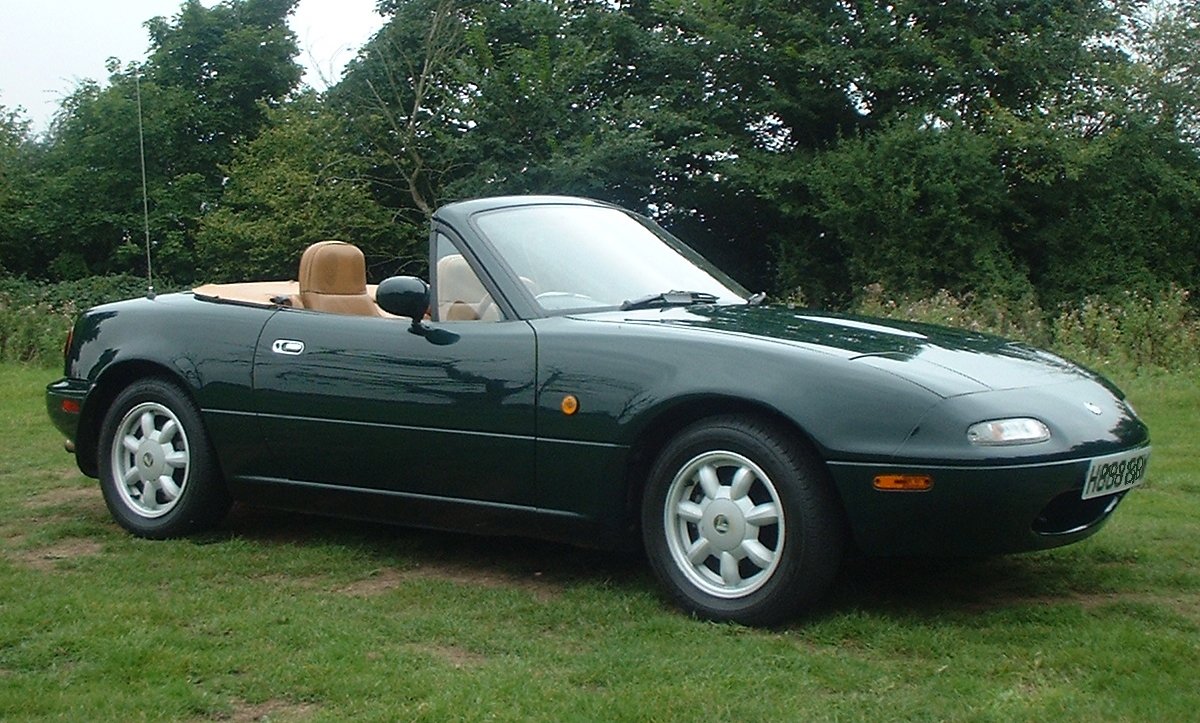
4. Mazda MX-5 Miata NA
The first-generation Mazda MX-5 Miata, known internally as the NA, debuted in 1989 and quickly became an international success.
Beyond its fun-to-drive nature, the Miata has proven itself remarkably reliable, with many examples still on the road after 30 years of service. Its combination of simplicity, light weight, and robust engineering has made it a JDM car that ages with grace.
The NA Miata was powered by Mazda’s B6 and later BP inline-four engines. These motors were compact and straightforward, designed with durability as a priority.
Even after years of spirited driving, they often remain strong, provided owners stick to oil changes and basic maintenance. The engines are free from excessive complexity, making them easy for both professional mechanics and enthusiasts to service.
Its lightweight design is another reason for longevity. Weighing just around a ton, the Miata places less strain on brakes, suspension, and drivetrain components.
The manual transmission, a hallmark of the car, is widely praised for its durability and smooth operation even after decades of use. Suspension components are basic and affordable, making replacement and upkeep straightforward.
Rust can pose challenges in certain climates, but well-maintained cars or those stored in favorable conditions have proven remarkably resilient.
The simplicity of the car also makes restoration easier, with plenty of aftermarket and OEM parts still available thanks to the Miata’s enduring popularity.
Beyond the mechanical strength, the MX-5 Miata has benefitted from a loyal global community. Enthusiasts around the world remain committed to preserving these cars, which ensures steady parts supply and widespread repair knowledge.
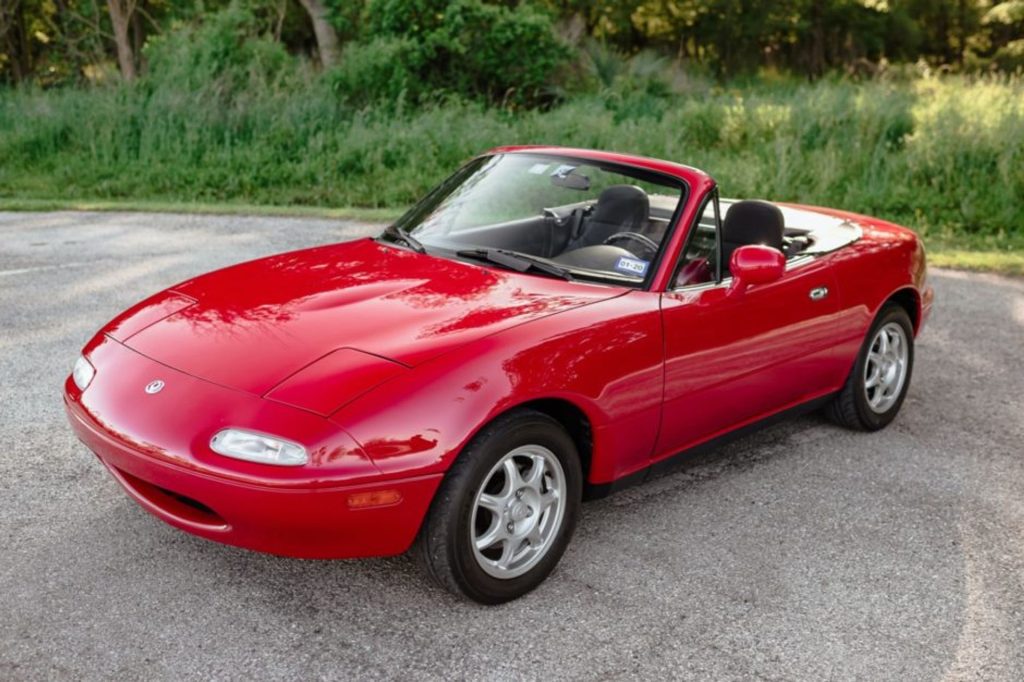
This culture of care has allowed the NA Miata to remain not only a fun sports car but also a dependable long-term companion.
The Miata’s charm lies in how it combines affordability with durability. Owners often report that even after three decades, their cars pass inspections with minimal trouble, needing only routine service.
For anyone seeking a lightweight, reliable JDM roadster that continues to deliver joy and consistency, the NA Miata stands as one of the best examples.
5. Mitsubishi Pajero
The Mitsubishi Pajero, introduced in the early 1980s and refined throughout the decade, became one of Japan’s most respected SUVs.
Known for its ruggedness and off-road credentials, it also proved that heavy-duty vehicles could last decades with the right engineering. Many Pajeros from the late 1980s and early 1990s are still in daily use, both in Japan and abroad.
A key factor in the Pajero’s long life is its strong engine lineup. Mitsubishi offered durable diesel and petrol powerplants that were designed for torque and resilience.
The 4D56 diesel engine, in particular, became legendary for its ability to handle high mileage with routine servicing. These engines are simple by modern standards, which makes them less prone to electronic issues and easier to maintain in remote areas.
The Pajero’s ladder-frame chassis and robust suspension gave it excellent durability. Built to handle rough terrain, the suspension components are oversized compared to typical SUVs, meaning they last longer under stress. Even when parts do wear out, they are easy to replace, and availability is strong thanks to the Pajero’s global presence.
Another strength is the reliability of its four-wheel-drive system. The Pajero was engineered for serious off-road use, and its drivetrain components were designed to take abuse without failing prematurely. Owners who serviced differentials and transfer cases on schedule often found their Pajeros running strong decades later.
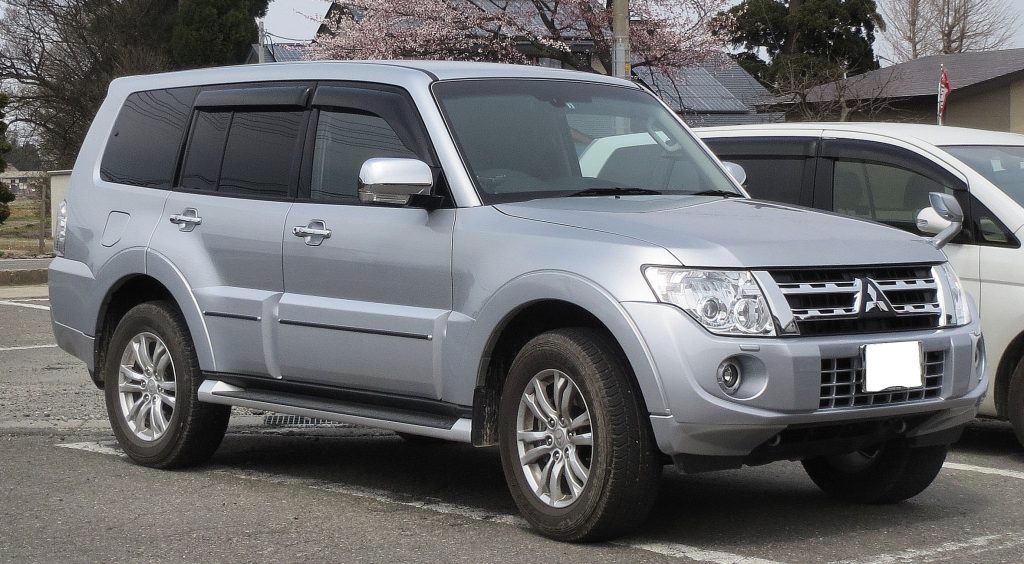
Rust protection was better than many competitors, which has allowed more Pajeros to survive in good condition. Combined with a loyal community of enthusiasts and continued parts support, this SUV remains practical even after 30 years.
The Pajero represents the rugged side of JDM reliability. It was designed to be a workhorse, capable of handling deserts, mountains, and city streets alike.
Today, that same toughness allows it to keep running smoothly, passing inspections and remaining a trusted vehicle for families and adventurers worldwide.
6. Honda Accord CB
The Honda Accord CB generation, produced from 1989 to 1993, is another JDM sedan that has stood the test of time. Known for its balance of comfort, reliability, and understated design, the CB Accord remains a favorite among those who value long-term dependability.
At the heart of the CB Accord were Honda’s F-series engines. These four-cylinder powerplants were engineered for efficiency and longevity, with cast-iron blocks and aluminum heads that could handle high mileage.
With proper oil changes and timing belt service, these engines regularly exceed 250,000 miles without major issues. The Accord’s manual transmissions are also famously long-lasting, while the automatics remain reliable with proper fluid care.
The CB Accord’s suspension was designed for both ride comfort and durability. Components such as control arms and bushings are straightforward to replace, and the car’s moderate weight means they do not wear out as quickly as in heavier vehicles. Brakes are also easy to maintain and inexpensive, reducing long-term ownership costs.
One reason the CB Accord continues to survive is the global popularity of the Accord nameplate.
Parts remain widely available, and mechanics everywhere are familiar with its systems. This accessibility ensures that owners can keep these cars on the road without excessive cost or specialized expertise.
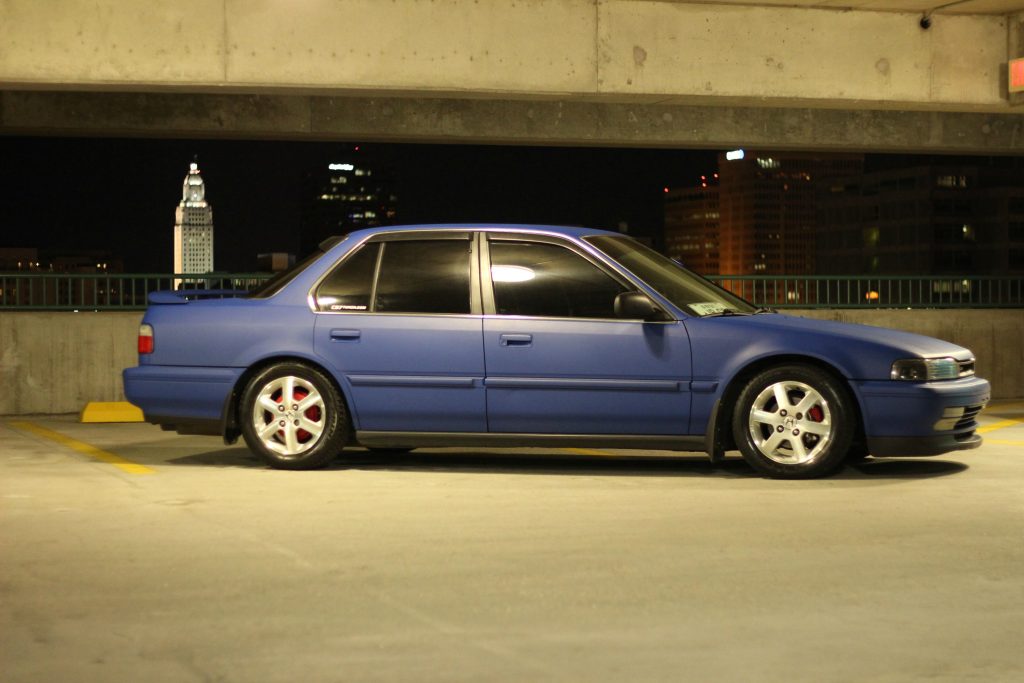
Rust can be a weakness in certain climates, but cars that were well maintained or treated against corrosion have endured remarkably well. Many CB Accords are still daily driven, proving that Honda’s engineering from this era was built for longevity.
The CB Accord may not be as flashy as a Skyline or as sporty as a Civic SiR, but its enduring reliability makes it just as significant among JDM survivors.
For drivers who value a smooth ride, affordable maintenance, and consistent inspection success, the CB Accord continues to deliver more than 30 years after its introduction.
7. Nissan Silvia S13
The Nissan Silvia S13, produced from 1988 to 1994, has earned a lasting reputation among enthusiasts for its balance of style, performance, and reliability.
While many were modified heavily for drifting or motorsports, unmodified or carefully maintained examples have shown remarkable staying power. More than 30 years on, it remains one of the most enduring JDM coupes still on the road.
The S13 was offered with several engine choices, the most famous being the CA18DET and SR20DET turbocharged four-cylinders.
Both are strong motors when serviced properly, with stout internals and straightforward designs that make them capable of handling decades of use. Even naturally aspirated versions of the SR20 have proven incredibly durable, often surpassing 250,000 kilometers with only routine maintenance.
One of the strengths of the Silvia is its simple yet effective engineering. The rear-wheel-drive layout, lightweight construction, and well-balanced suspension made it a joy to drive.
These same qualities also make it less stressful on mechanical components, meaning less wear and tear over decades. The manual transmissions are robust, and the limited-slip differentials on performance models are known for long service lives.
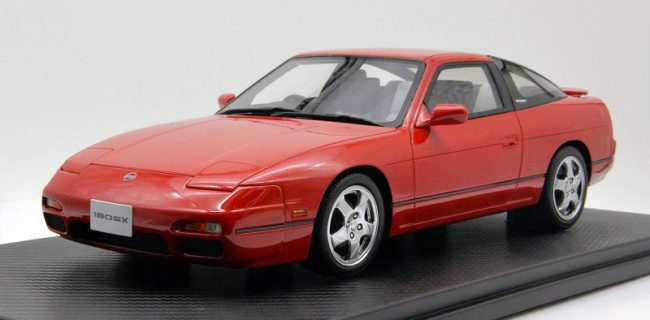
Rust can be a problem, especially in regions with harsh winters, but cars that were well cared for or imported from mild climates often remain in excellent condition.
Another factor in the Silvia’s continued survival is its global popularity. Parts availability remains strong thanks to its cult status, with aftermarket and reproduction parts supporting long-term ownership.
Despite its reputation as a tuner’s favorite, many Silvia S13s have survived stock or lightly modified, proving that Nissan’s original engineering was solid.
Today, it represents not just a fun sports coupe but also an example of JDM resilience, still passing safety checks and delighting owners long after its debut.
8. Suzuki Jimny JA11
The Suzuki Jimny JA11, produced in the early 1990s, is a compact SUV that has earned legendary status in Japan and abroad. Known for its small size, rugged capability, and surprisingly long life, the JA11 has become a classic that continues to serve owners faithfully more than 30 years later.
Powered by a turbocharged three-cylinder engine, the JA11 was designed for lightness and efficiency rather than brute power. While modest in performance, the engine is simple, durable, and easy to maintain.
Regular oil changes and cooling system upkeep keep these motors running strong for decades. The lightweight nature of the Jimny means less strain on components, which contributes significantly to its longevity.
The Jimny’s ladder-frame chassis and part-time four-wheel-drive system are major factors in its survival. Built for rugged terrain, these systems were engineered to last. Suspension parts are basic and inexpensive, making maintenance straightforward.
Owners who service the driveline and replace worn bushings find that their Jimnys continue to handle trails and city roads reliably even after decades.
Another advantage is the Jimny’s size. Its small footprint means it is often used gently compared to larger SUVs, which helps reduce wear.
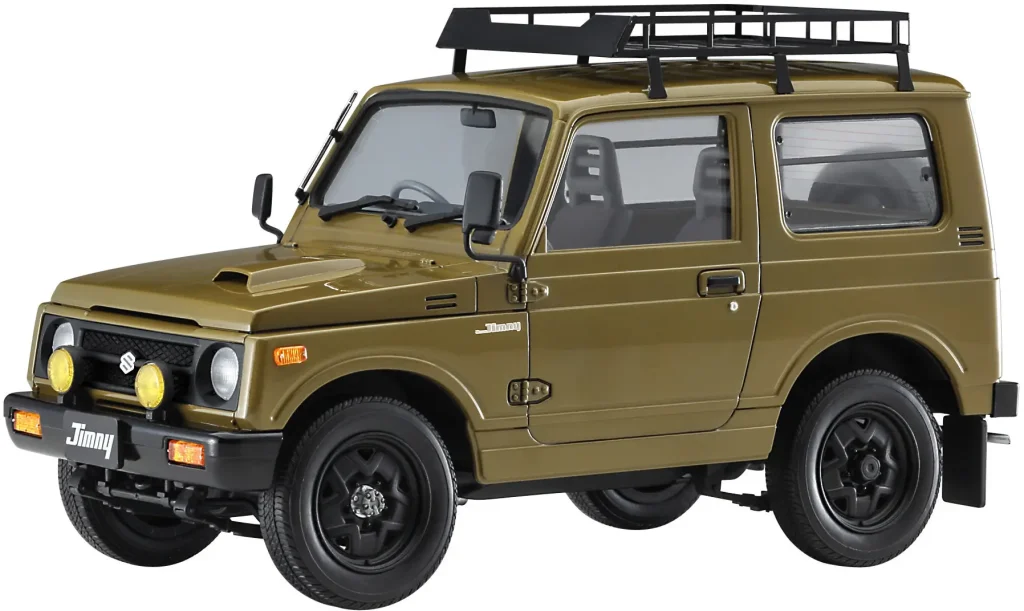
Even when used off-road, the Jimny tends to be driven at lower speeds, which further extends mechanical life. Rust protection was modest, but with proper care many JA11s remain in excellent shape today.
The Jimny has also benefitted from global enthusiasm. Its simple mechanics and availability of parts, both OEM and aftermarket, ensure that owners can keep these vehicles running.
For many, the JA11 represents one of the purest forms of JDM engineering: small, tough, and built to last. Thirty years later, it is still a dependable companion for drivers who value simplicity and durability.
9. Toyota Soarer Z20
The Toyota Soarer Z20, produced between 1986 and 1991, represents a blend of comfort and performance that has aged impressively well.
Positioned as a luxury coupe, the Soarer was built with Toyota’s trademark focus on quality, and this has allowed many to remain in service after more than three decades.
Engine choices included the 1G-GTE twin-turbo inline-six and the 7M-GTE, both of which were durable when properly maintained.
These engines were designed for smooth power delivery but also built with Toyota’s reliable engineering standards. Even today, many continue to operate with little more than regular oil changes, cooling system attention, and timing service.
The Soarer’s automatic and manual transmissions were both known for durability. The driveline components were engineered to handle the power comfortably, which meant less stress over the years.
Suspension setups provided a balance between comfort and handling, and replacement parts remain available, making upkeep manageable even today.
One of the strongest points of the Z20 Soarer is build quality. Toyota constructed the car with attention to detail, from paint quality to interior materials, which has helped many examples survive in excellent condition. Owners who garage their cars often report minimal wear even after decades.
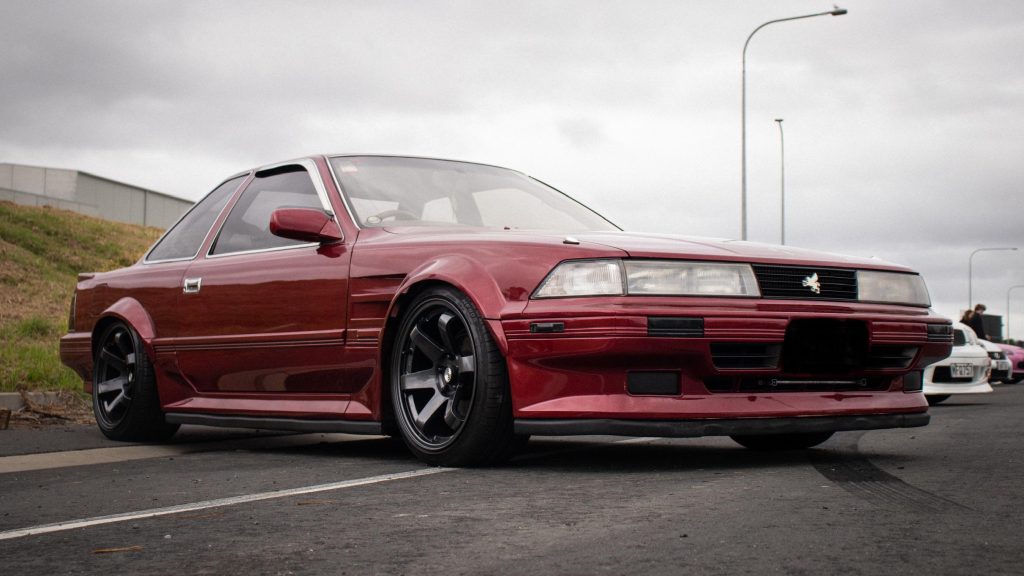
Rust is less common compared to some rivals, particularly in Japanese-market cars that avoided salted winter roads. This has allowed more Soarers to remain roadworthy compared to other coupes of the same era.
The Soarer has also enjoyed strong support from enthusiasts, ensuring parts availability and restoration interest.
It represents an era when Toyota balanced performance with long-term dependability. More than 30 years later, the Z20 Soarer continues to pass inspections and deliver a smooth, enjoyable driving experience.
Also Read: 10 Ford Fusion Years Still Reliable on the Used Market
