
Taxis have always been more than just vehicles that ferry people from one point to another. They are workhorses of cities, towns, and even remote regions, often running for years and covering distances far beyond what most private cars experience.
Because of the constant demand placed on them, not every car is cut out for taxi duty. Only those with a combination of strong engines, reliable components, and affordable maintenance truly stand the test of time.
It is no surprise that certain models have built a reputation of being nearly indestructible, remaining in active service decades after their introduction.
These long-serving taxis are not just machines; they are cultural icons. From buzzing city centers to rural communities, they represent trust and endurance.
Many have become symbols of their regions, so much so that spotting one instantly brings memories of countless journeys taken by commuters, workers, and travelers alike.
Their popularity lies in qualities such as durability, fuel efficiency, comfort for passengers, and ease of repair for owners. This makes them the backbone of public transportation across multiple countries.
Even with modern cars entering the market, some older taxi models refuse to disappear. They remain common sights on streets because they are proven to handle daily abuse without constant breakdowns.
Mechanics know them inside out, spare parts are easily available, and drivers are confident that these cars can survive traffic jams, rough roads, and heavy usage.
This article highlights nine cars that continue to serve as taxis after decades of use. Each of these vehicles has earned its place through sheer endurance and reliability.
Whether it is the streets of New York, the avenues of Mexico City, or the bustling roads of Mumbai, these cars show how well-built engineering can keep a vehicle relevant long after its initial launch.
Also Read: 9 Affordable Classics That Won’t Leave You Stranded
1. Toyota Corolla
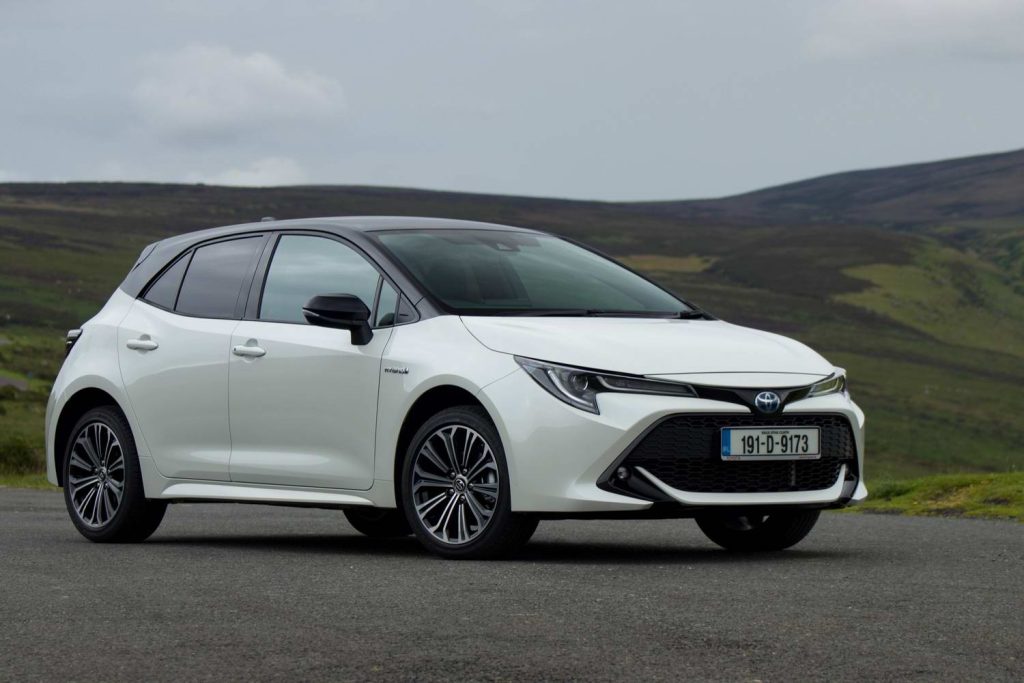
The Toyota Corolla is one of the most widely recognized cars in taxi service across the globe. Its legacy as a dependable workhorse stretches back decades, and it remains a staple in many countries where long-lasting taxis are essential.
The Corolla’s reputation for reliability is so strong that even older models from the 1990s and early 2000s are still operating as taxis in parts of Africa, Asia, and South America.
One of the reasons the Corolla is such a long-serving taxi is its engine reliability. Toyota’s small-displacement four-cylinder engines are known for running hundreds of thousands of miles with only routine maintenance.
These engines are fuel-efficient yet powerful enough to carry full loads of passengers and luggage without strain. Taxi drivers appreciate the low fuel consumption, especially when their cars are constantly on the move throughout the day.
Maintenance is another factor that makes the Corolla so suitable for taxi duty. Spare parts are inexpensive and widely available, even in remote locations.
Mechanics are also familiar with the Corolla, making repairs quick and straightforward. This reduces downtime for taxi operators, which is crucial when a car’s primary purpose is to generate daily income.
The Corolla’s interior is simple, spacious, and durable. While not flashy, it offers enough comfort for passengers who may spend long hours traveling.
The seating and cabin layout are built to handle the wear and tear of continuous use, from city rides to long-distance trips. Its suspension is designed to handle both paved streets and rougher rural roads, giving it added versatility.
The Corolla’s long life as a taxi comes down to its reputation for being dependable, affordable, and easy to keep on the road.
Even as newer models have entered taxi fleets, older Corollas remain common sights, proving how well this compact car was built for endurance.
2. Mercedes-Benz W123
The Mercedes-Benz W123 is often described as one of the most legendary taxi cars in history. Produced from 1976 to 1985, it became especially popular in Europe, Africa, and parts of Asia.
Even decades after production stopped, many W123s are still working as taxis, showcasing just how durable these vehicles truly are.
One of the W123’s strongest qualities is its engine lineup, particularly the diesel variants. The 240D and 300D models are famous for their ability to clock a million kilometers without needing major repairs.
These engines were deliberately under-stressed, meaning they produced moderate power but could withstand extreme use. Taxi operators valued this balance because it meant years of reliable service with minimal breakdowns.
The build quality of the W123 is another reason for its longevity. Mercedes-Benz designed it with a level of sturdiness that is rarely seen in modern cars.
The body panels are thick, the suspension is heavy-duty, and the interiors are built to last. Even after decades of use, many W123 taxis remain structurally solid, with doors that still close firmly and cabins that, while aged, remain serviceable.

Maintenance is relatively straightforward for such a premium car. Mechanics around the world are familiar with the W123 because of how widespread it became in taxi fleets.
Parts, both original and aftermarket, are still available thanks to its lasting popularity. Taxi drivers continue to rely on this car because it is repairable rather than disposable.
Passengers have long appreciated the comfort of the W123. The spacious cabin, supportive seating, and smooth ride made it a favorite among travelers. Its combination of comfort and toughness allowed it to dominate taxi services in cities from Berlin to Cairo.
The W123 stands as proof that excellent engineering and durability can extend a car’s working life far beyond expectations. Its presence in taxi fleets after four decades is a remarkable achievement that very few cars can match.
3. Hindustan Ambassador
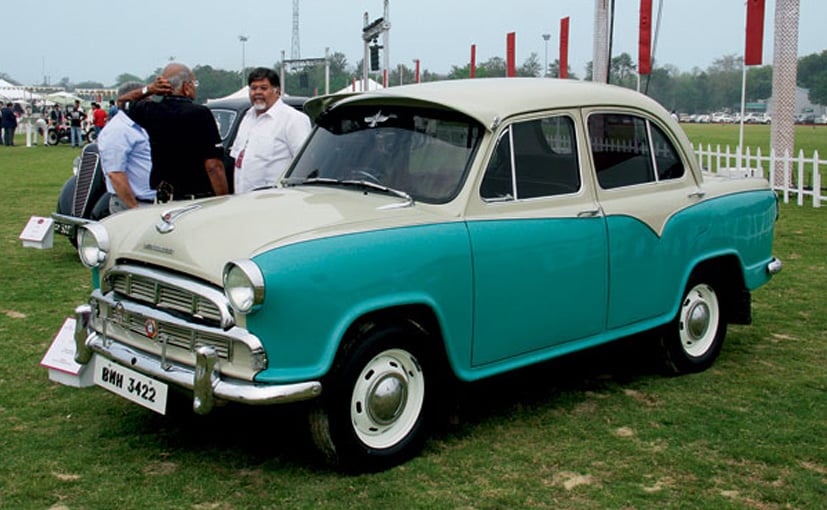
The Hindustan Ambassador is a car deeply tied to taxi services in India. Produced from 1957 until 2014, it served as the primary taxi vehicle in cities such as Kolkata, Delhi, and Mumbai for generations.
While production has ceased, many Ambassadors are still running as taxis today, showcasing their endurance and cultural significance.
Built on the design of the Morris Oxford Series III from the United Kingdom, the Ambassador was tailored for Indian roads.
Its simple mechanical layout and rugged suspension allowed it to handle rough terrain, potholes, and crowded city streets with ease. Taxi drivers valued it for its ability to endure punishing conditions without constant repairs.
The engines, particularly the later diesel versions, were not powerful but extremely reliable. They could run for years on end with only basic servicing.
The simplicity of the mechanical systems meant that even local mechanics with limited tools could repair an Ambassador, making it ideal for taxi fleets. Parts were affordable and widely available throughout India, which further supported its dominance as a taxi.
One of the Ambassador’s defining traits was its roomy interior. With wide seats and generous legroom, it could comfortably carry multiple passengers, making it perfect for city taxis and family travel alike.
Its iconic rounded shape also became a symbol of Indian transportation, instantly recognizable to anyone who has lived or traveled in the country.
Despite being phased out, the Ambassador remains a nostalgic favorite among drivers and passengers. Its reliability, cultural value, and adaptability ensured that it stayed in taxi service for decades. For many Indians, the Ambassador is not just a car but a symbol of endurance on the nation’s roads.
4. Toyota Crown Comfort
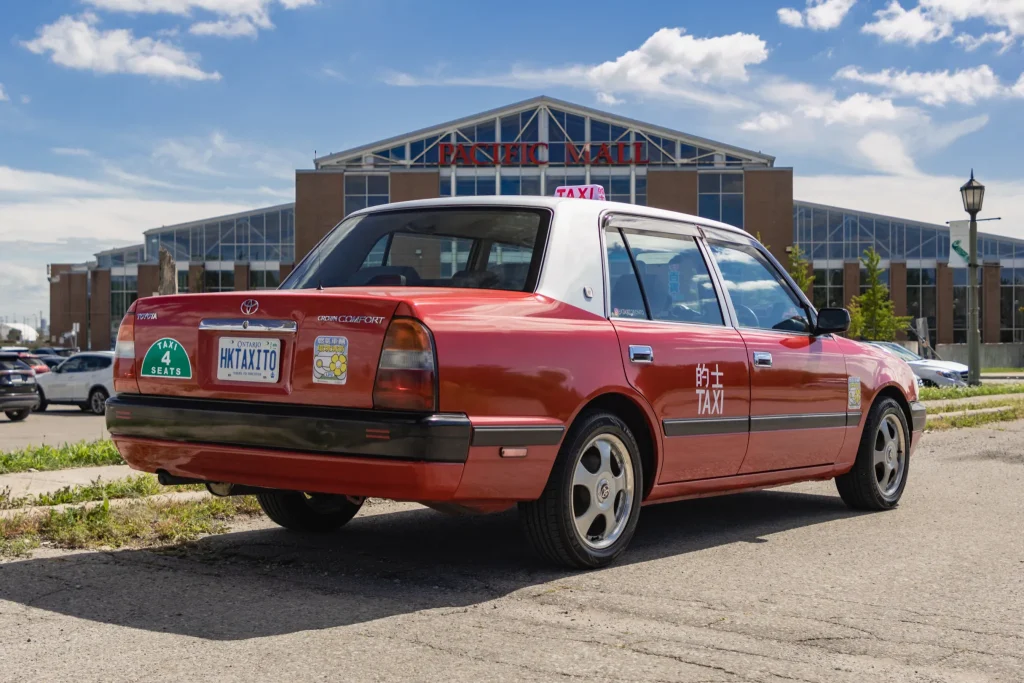
The Toyota Crown Comfort became an icon in taxi fleets across Asia, especially in Japan and Hong Kong.
Designed specifically with taxi operators in mind, this sedan has proven its resilience over decades of continuous service. Even though production officially ended in 2018, countless Crown Comforts remain active, a testament to their durability.
One of the car’s strongest qualities is its mechanical simplicity. Equipped with reliable four-cylinder engines, often paired with automatic transmissions, the Crown Comfort was engineered for steady and predictable performance rather than speed.
These engines can handle hundreds of thousands of kilometers with ease, provided routine oil changes and servicing are done. Taxi operators valued their ability to perform reliably every day without costly breakdowns.
The car’s boxy design may not win style awards, but it serves a practical purpose. The wide rear doors, spacious back seat, and tall roofline make it easy for passengers to enter and exit. In busy taxi markets such as Tokyo, this feature alone helped solidify its role as the go-to cab.
Passengers consistently appreciated the comfort of its upright seating position and roomy cabin, especially during long city commutes.
Maintenance was designed to be operator-friendly. Parts for the Crown Comfort were inexpensive and widely available, and many taxis could be repaired quickly to minimize downtime.
The car’s sturdy suspension was well-suited for city roads, capable of handling potholes, speed bumps, and heavy loads without constant replacement.
Another reason for its success as a taxi is its fuel efficiency and affordability to operate. While not the fastest or most powerful vehicle, it was dependable, predictable, and cost-effective.
Taxi fleets knew they could trust it for years, which is why so many remained in service long after newer models entered the market.
The Toyota Crown Comfort has left an enduring legacy as one of the most dependable purpose-built taxis ever made. Its ongoing presence on the streets of Asia proves how practicality and reliability can outlast design trends and changing technologies.
5. Peugeot 504
The Peugeot 504 is a legendary taxi across Africa, Latin America, and parts of Europe. Introduced in 1968, it remained in production in some countries until the early 2000s, making it one of the longest-lasting Peugeot models.
Its ruggedness, comfort, and ability to thrive in extreme conditions cemented its reputation as a taxi that refuses to retire.
The 504 was available with a range of engines, but it was the diesel versions that made it a favorite among taxi drivers. These engines were known for their resilience and fuel economy.
In countries where fuel costs are high and driving distances long, the 504’s diesel engines proved invaluable. Many examples are still running today, clocking hundreds of thousands of kilometers without significant issues.
Its suspension was another reason for its enduring popularity. The 504’s design featured long-travel suspension that absorbed rough roads, potholes, and unpaved routes with ease.
This allowed it to handle African and South American road conditions that would destroy less robust cars. For taxi passengers, the result was a comfortable ride even over difficult terrain.
The 504’s interior was simple but functional, offering space for both passengers and luggage. Taxi operators valued its ability to carry multiple occupants while still providing comfort. The body design was also robust, withstanding the test of time and often outlasting newer cars.
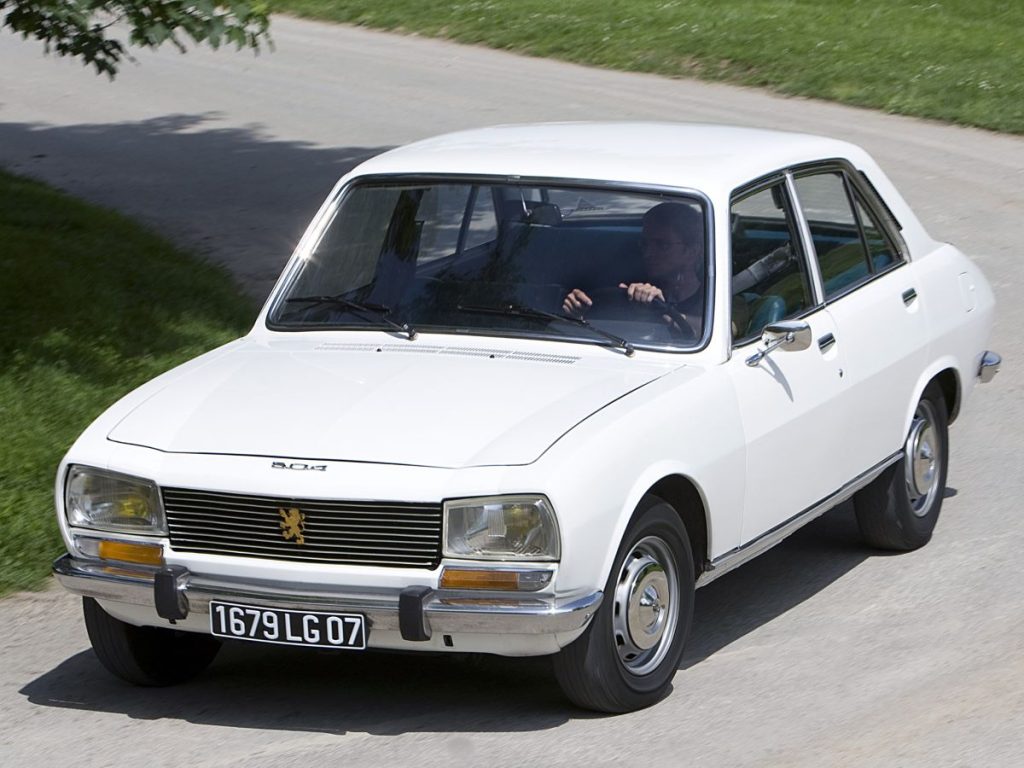
Parts availability has remained strong due to the car’s long production run and widespread popularity.
Mechanics across continents know how to repair the 504, often using resourceful methods to keep them running even in remote areas. This has given the car an almost legendary reputation for being unbreakable in taxi service.
Even though the model is decades old, the Peugeot 504 continues to work daily in many regions. Its combination of strength, simplicity, and adaptability explains why it has become one of the most iconic taxis in automotive history.
6. Checker Marathon
The Checker Marathon is one of the most recognizable taxi models in history, particularly in the United States.
Produced from 1961 to 1982, it became a cultural symbol of New York City and other major urban centers. Despite ending production over forty years ago, many Marathons are still in operation today, either as functioning taxis or as nostalgic fleet vehicles.
The car was designed with taxi service as its primary purpose. Unlike many other vehicles adapted into taxi use, the Marathon was built from the ground up for heavy-duty commercial driving.
This focus gave it unmatched toughness, with a frame and body designed to handle the constant stress of urban traffic and endless passenger loads.
Its engines were mostly sourced from Chevrolet, with simple inline-six and V8 options that prioritized reliability and ease of maintenance.
These engines were known for their ability to run for hundreds of thousands of miles with minimal attention, making them ideal for taxis. Mechanics across the United States were familiar with the Marathon, ensuring quick repairs and minimal downtime.
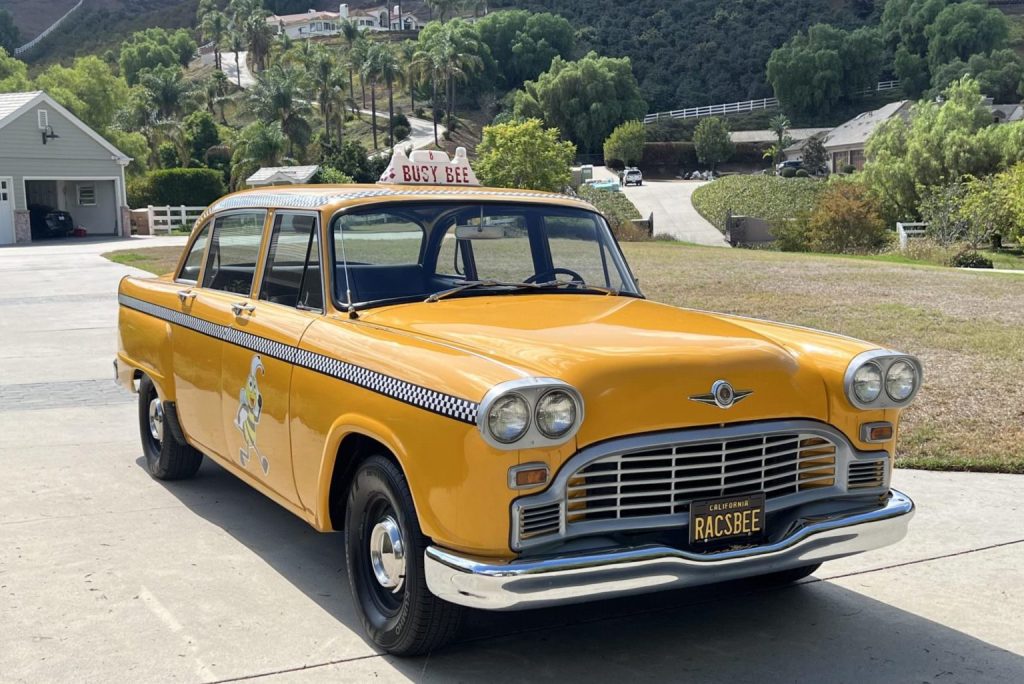
The Marathon’s design also made it a favorite among passengers. It featured wide doors, a roomy back seat, and excellent visibility.
The spacious interior made it comfortable for long rides, and its durability meant that the interior fittings could withstand years of use without falling apart.
Taxi fleets valued the Checker Marathon for its longevity. Many examples stayed in service for decades, often outlasting multiple owners. Some cities even had Marathons working as official taxis into the 1990s, long after production had stopped.
Today, the Checker Marathon is considered a piece of taxi history. While newer vehicles dominate modern fleets, surviving Marathons remind people of an era when cars were designed for maximum durability.
Their presence on streets and in collections proves their enduring value as one of the toughest taxis ever built.
7. Fiat Uno
The Fiat Uno became one of the most important small cars in Latin America, especially in countries like Brazil, Argentina, and Peru, where it was widely used as a taxi.
Introduced in the 1980s, the Uno was designed as a simple, economical compact car, but it quickly proved itself to be far more durable than expected. Its long life in taxi service is a result of both mechanical reliability and practical design.
The Uno’s engines, particularly the small-displacement four-cylinder versions, are renowned for their toughness and efficiency. While modest in power, they are inexpensive to maintain and capable of running for years under constant use.
Taxi operators valued the Uno for its ability to deliver excellent fuel economy, which translated into higher earnings when used for daily service. The engines could handle high mileage, often surpassing 200,000 kilometers before requiring major repairs.
Another advantage of the Uno is its simplicity. The mechanical layout is straightforward, making repairs easy and affordable.
Mechanics across Latin America are extremely familiar with the model, and spare parts are inexpensive and widely available. This ensured that any breakdowns were quickly addressed, minimizing downtime for taxi operators.
The Uno’s boxy shape also provided surprising practicality. Despite being a small car, it offered a roomy cabin with enough space for passengers and luggage.
Its lightweight design and compact size made it easy to maneuver through crowded city streets, a feature highly valued by taxi drivers in urban areas.
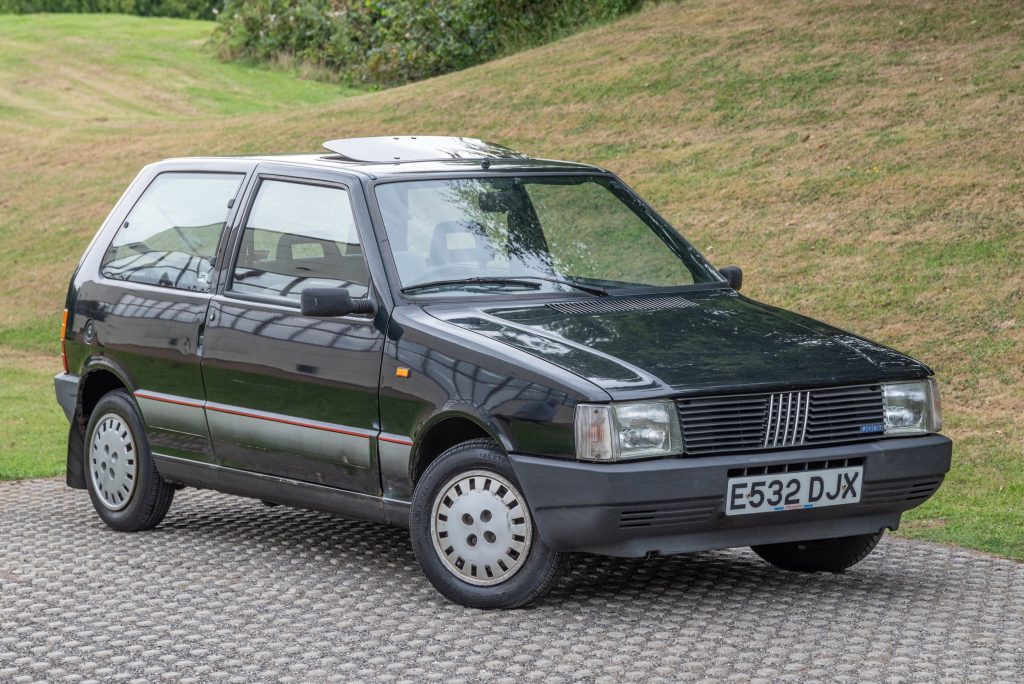
Even today, decades after its launch, many Fiat Unos remain in service as taxis. Their resilience, low running costs, and ease of repair make them a smart choice for operators who need a reliable vehicle on a budget. The Uno has proven that a small, affordable car can become a giant in the taxi business.
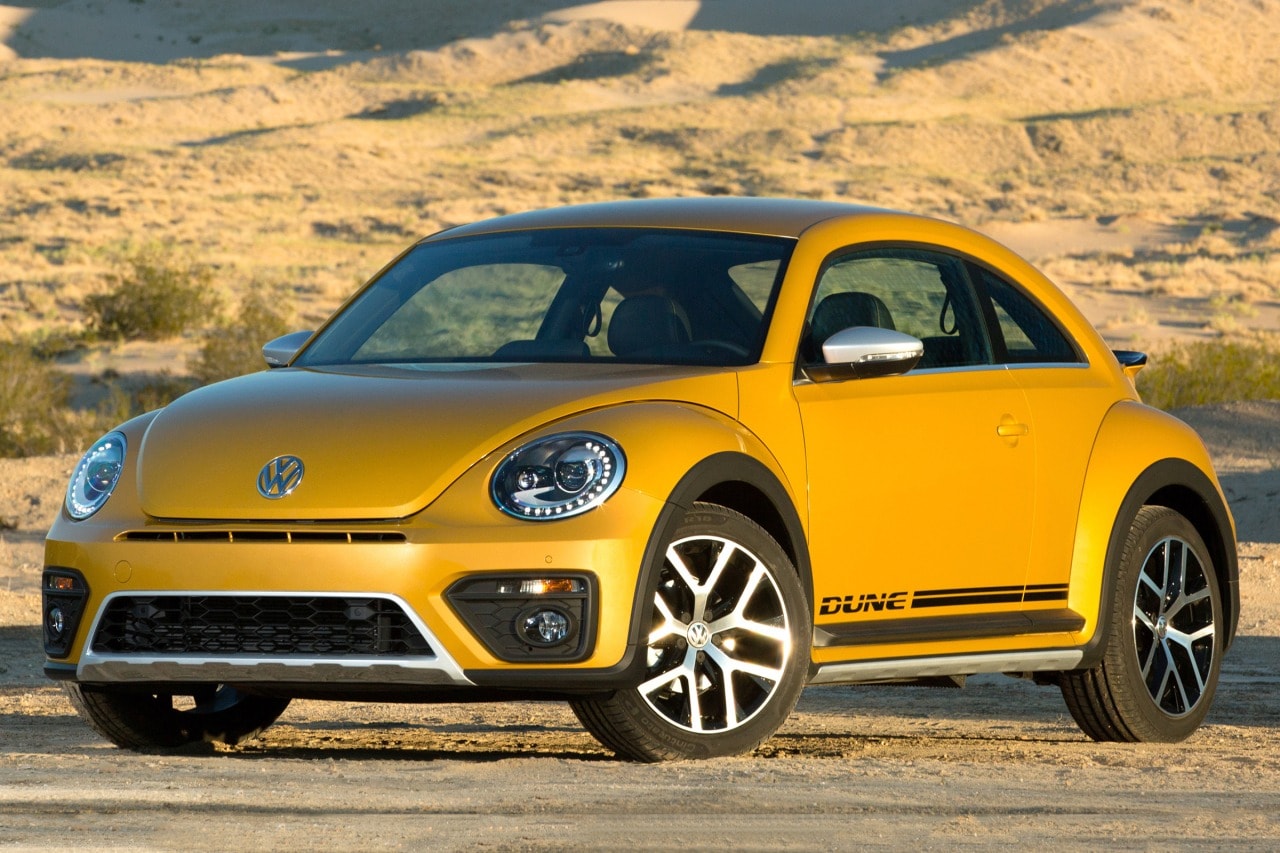
8. Volkswagen Beetle
Few cars have the cultural impact of the Volkswagen Beetle, and its role as a taxi in Mexico is one of the most enduring examples of its legacy.
For decades, bright green-and-white Beetles filled the streets of Mexico City, becoming an unmistakable symbol of the country’s taxi service. While modern vehicles have largely replaced them, many Beetles are still running today, proving their resilience.
The Beetle’s air-cooled engine is one of its strongest features. Simple in design, it requires minimal maintenance and is capable of running for decades with basic care.
Unlike water-cooled engines, the Beetle’s setup reduced the risk of overheating in hot climates, making it ideal for Mexico’s conditions. The engine’s durability allowed many taxis to cover hundreds of thousands of kilometers without needing replacement.
Another reason for its success as a taxi is ease of repair. The Beetle was designed to be worked on with simple tools, which meant even small neighborhood mechanics could keep them running.
Spare parts are cheap and abundant, and the mechanical systems are so straightforward that breakdowns rarely kept the cars off the road for long.
The Beetle’s compact size and excellent maneuverability made it perfect for the congested streets of Mexico City. Drivers could weave through traffic and find parking in tight spaces, making it highly efficient for urban taxi service.
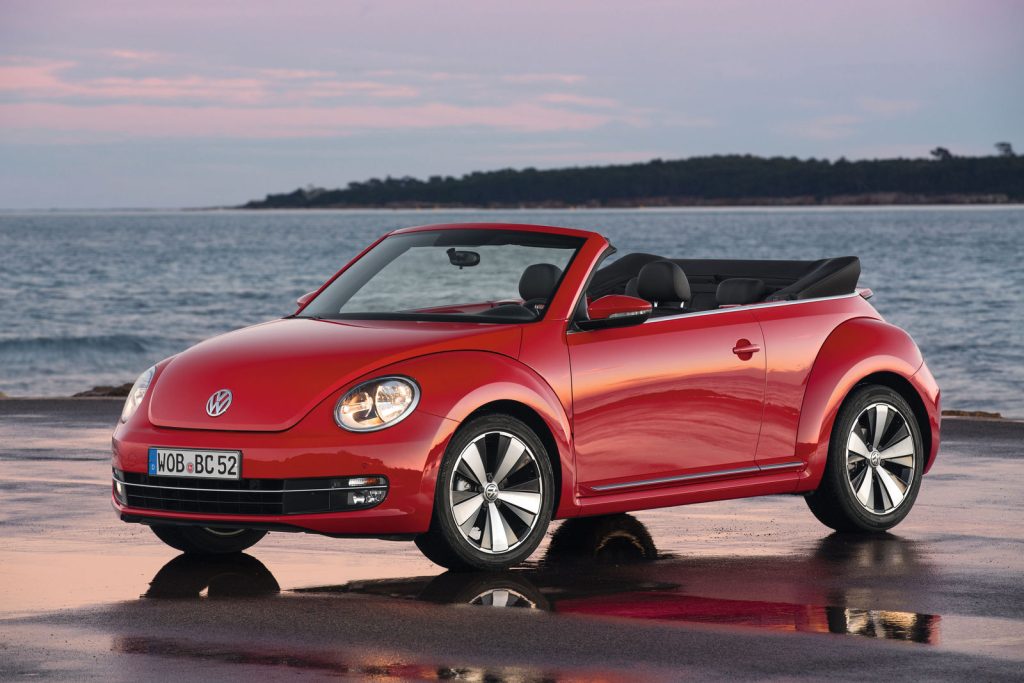
Despite being small, its rounded shape provided enough space for passengers in the back seat, and its charm made it a favorite among both locals and tourists.
While stricter regulations have reduced the number of Beetle taxis, many continue to operate in smaller towns and as nostalgic fleet cars. Their presence on the roads today reflects the model’s unmatched endurance and cultural importance in taxi history.
9. Lada Riva (VAZ-2107)
The Lada Riva, also known as the VAZ-2107, is one of the most enduring taxi models in Eastern Europe, Russia, and parts of the Middle East.
Produced for decades with minimal changes, the Riva gained fame for its toughness, affordability, and ability to withstand harsh conditions. Even after production ended in 2012, many examples remain in taxi service, particularly in rural areas.
The Riva’s mechanical simplicity is one of its defining traits. Powered by basic four-cylinder engines, it avoided unnecessary complexity, making it easy to repair.
Taxi drivers valued the fact that the engines could run for hundreds of thousands of kilometers with routine maintenance. Fuel efficiency was modest, but the reliability of the powertrain made up for it.
Its robust construction also contributed to its long life. The Riva was built to handle rough roads, cold winters, and heavy use.
Its suspension was durable enough to deal with potholes and unpaved routes, while its steel body could withstand years of wear and tear. For taxi drivers operating in areas with poor infrastructure, this ruggedness was invaluable.
Maintenance is another key factor. Spare parts for the Riva remain cheap and widely available, thanks to its long production run and the huge number of units produced.
Mechanics in many countries are familiar with the car, and repairs can be carried out quickly and cheaply. This has helped the Riva remain on the road even decades after newer models became available.
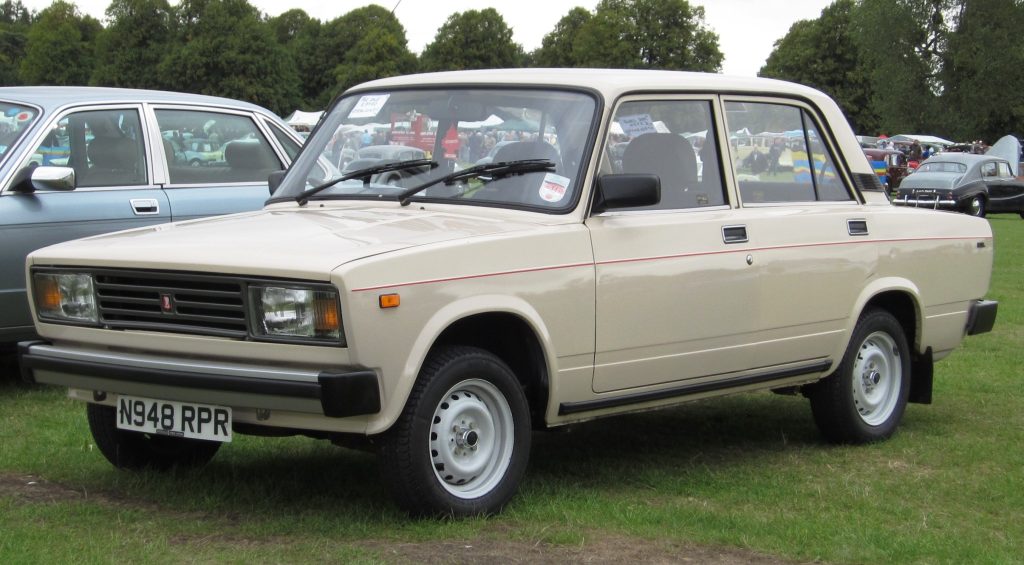
The Riva’s interior may be basic, but it is functional, providing enough space for passengers and their luggage.
For many people in Eastern Europe and beyond, the sight of a Lada Riva taxi is a reminder of everyday travel spanning generations. Its long service life is proof of how practical design and mechanical toughness can keep a car in use far beyond expectations.
Also Read: 9 Ford Expedition Years That Run Forever
