
Electric vehicles have moved beyond being experimental technology. With more drivers logging hundreds of thousands of miles, reliability has become a major focus.
Early skepticism about battery longevity, motor durability, and electronics has gradually been replaced with real-world evidence showing that some EVs can surpass 100,000 miles with minimal issues. This milestone is no longer a benchmark of rare achievement it is now a practical reality for many owners.
The shift to EVs brings a different set of challenges compared to internal combustion vehicles. Without traditional engines, the focus turns to battery management, electric motors, regenerative braking systems, and software controls.
These systems must endure daily use, from highway commutes to city driving, often under varying climates and charging habits. Real-world longevity data from owners provides critical insight into how well EVs hold up over time and highlights which models are truly dependable.
Some EVs have already proven themselves capable of long-term service. Drivers report minimal degradation in battery capacity, reliable electronics, and motors that continue to deliver smooth, consistent performance beyond the 100,000-mile mark.
These vehicles demonstrate that modern electric technology, when engineered correctly, can offer not just sustainability and efficiency but also durability that rivals traditional vehicles.
This article highlights nine EVs that have already demonstrated exceptional reliability. Each model is backed by real-world evidence of long-term ownership, offering confidence to prospective buyers and reinforcing the idea that electric vehicles can be practical, durable, and dependable transportation for years to come.
Also Read: 9 Pickups That Rarely Lose Value No Matter the Mileage
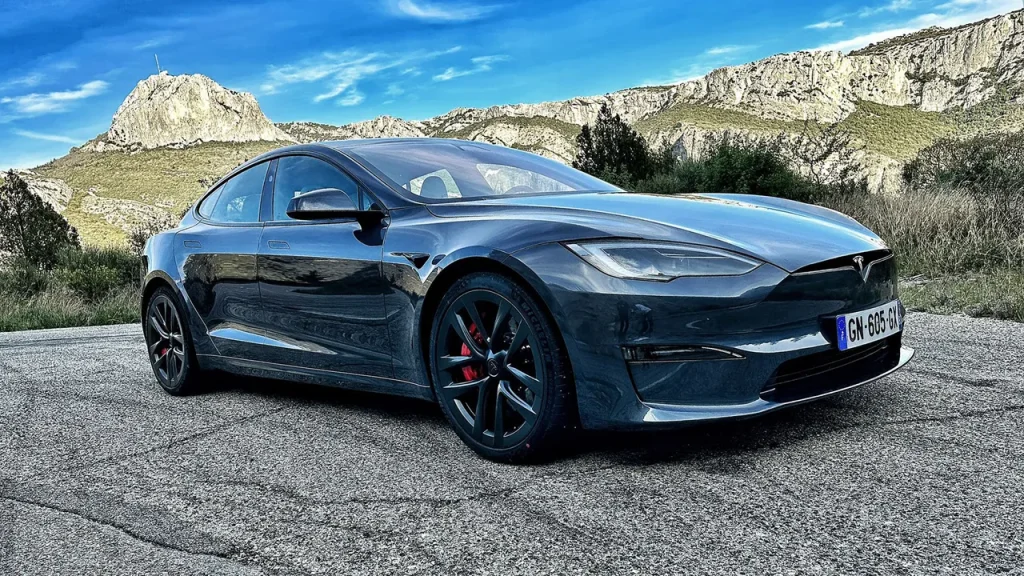
1. Tesla Model S
The Tesla Model S has become synonymous with long-range electric performance, but its reputation for reliability is equally impressive. Introduced in 2012, the Model S demonstrated that electric drivetrains could endure extensive use while maintaining performance.
Many owners have surpassed 100,000 miles, with some exceeding 300,000 miles, showcasing the durability of Tesla’s battery packs and electric motors.
At the heart of the Model S is its large lithium-ion battery pack. Tesla’s engineering focuses on thermal management, ensuring the cells remain within optimal temperature ranges during both charging and driving.
This system reduces degradation over time, allowing the battery to retain a significant portion of its original capacity even after extended use. Multiple owners report only minor loss in range after crossing the 100,000-mile mark.
The electric motor itself is nearly maintenance-free compared to traditional engines. With fewer moving parts, there is less wear, and regenerative braking further reduces strain on the mechanical components.
Tesla also frequently updates its vehicles via over-the-air software, improving efficiency, performance, and reliability without requiring a physical service visit.
Despite concerns about electronics and touchscreen systems, many Model S owners indicate that issues are rare and mostly covered under warranty or addressed quickly through service. Regular maintenance, such as tire rotations and brake checks, remains essential, but overall, the drivetrain proves remarkably robust.
The Model S has set a standard in the EV industry, proving that long-term reliability is achievable in fully electric vehicles. It demonstrates that with proper design and management, an electric car can serve as a dependable daily driver for many years, rivaling the longevity of traditional vehicles.
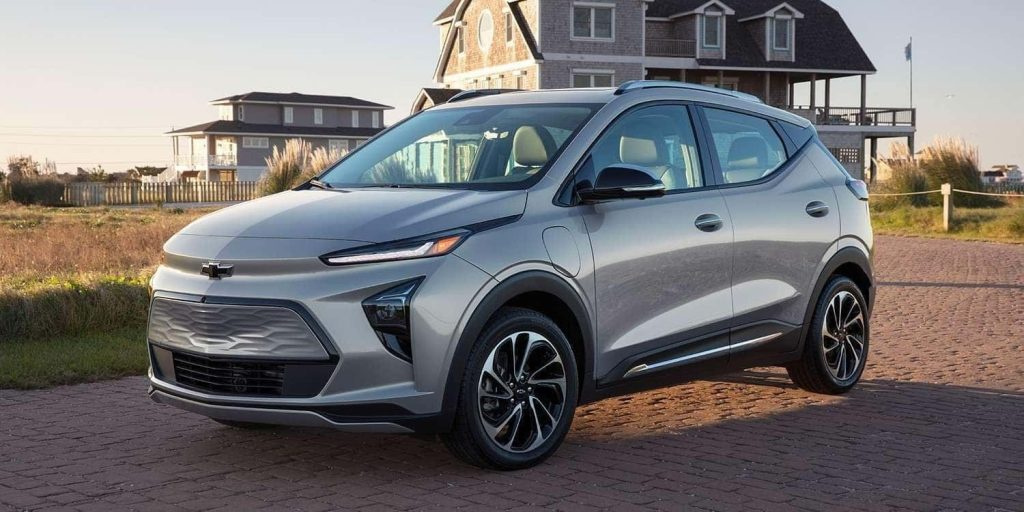
2. Chevrolet Bolt EV
The Chevrolet Bolt EV has quickly gained a reputation as one of the most dependable compact electric vehicles.
Introduced in 2017, it offers an impressive combination of range, practicality, and proven reliability, with many owners exceeding 100,000 miles without significant issues.
The Bolt’s key to long-term durability lies in its battery pack and motor design. Chevrolet employs advanced thermal management to protect the lithium-ion cells from excessive heat, which is one of the main contributors to capacity loss in EV batteries.
This ensures that even after years of regular use, the vehicle maintains a substantial portion of its original driving range.
The drivetrain is notably simple compared to internal combustion vehicles. With a single-speed transmission and an electric motor that has few moving components, the likelihood of mechanical failure is low.
Owners report minimal wear on the motor and inverter, with the main concerns generally related to regular service items like tires and brakes.
Chevrolet also addressed early battery recall issues, which improved long-term confidence in the vehicle. Post-recall Bolt EVs continue to demonstrate exceptional reliability, with consistent reports of owners driving well over 120,000 miles without encountering drivetrain problems.
Additionally, regenerative braking systems reduce mechanical strain on the brakes, extending their lifespan and contributing to lower overall maintenance costs.
The Bolt EV exemplifies how thoughtful engineering and well-managed battery systems can produce a compact, reliable, and long-lasting electric car for everyday use.
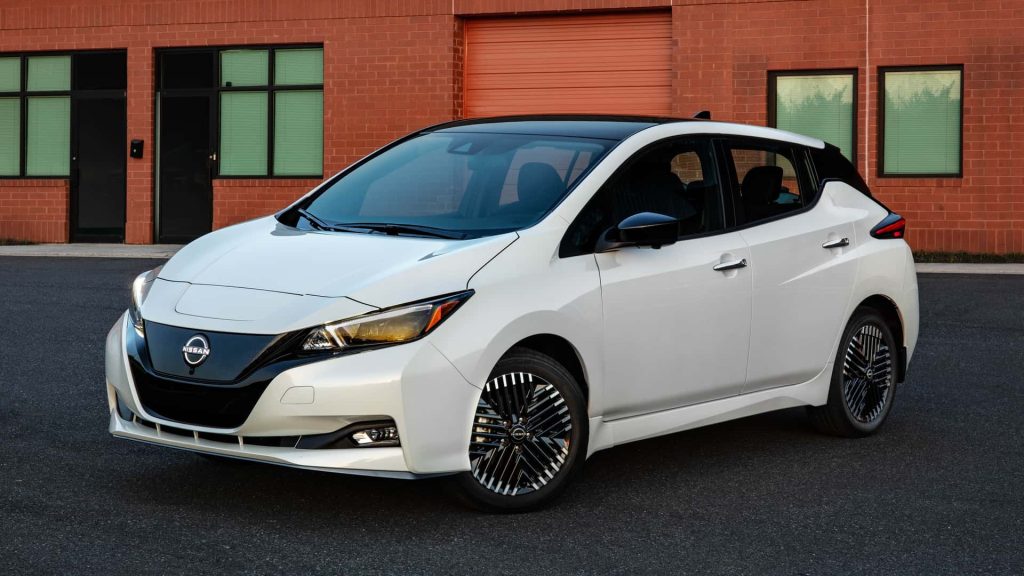
3. Nissan Leaf
The Nissan Leaf is one of the world’s most widely sold electric vehicles, and it has proved its reliability over the years. Since its launch in 2010, the Leaf has been a practical choice for city and suburban driving, with many early owners surpassing 100,000 miles on their original battery packs.
Battery management is a central feature of the Leaf’s long-term performance. Early models faced challenges with range degradation in hot climates, but Nissan improved battery chemistry and thermal protection in later models, ensuring consistent performance over extended periods.
Many Leafs still retain more than 80 percent of their original range after crossing six-figure mileage.
The electric drivetrain itself is extremely simple and robust. The single-speed transmission and low-maintenance motor have fewer parts than traditional engines, which reduces potential failure points. Owners frequently report smooth, reliable operation even after years of continuous use.
The Leaf’s regenerative braking system helps preserve mechanical components while providing efficient energy recovery.
Maintenance requirements are minimal, generally limited to brake inspections, tire rotations, and fluid checks. This low-maintenance profile makes it a strong contender for long-term reliability among electric cars.
The Nissan Leaf demonstrates that affordability and durability can coexist in an EV. Its proven performance beyond 100,000 miles makes it a dependable choice for drivers seeking a long-lasting, efficient, and practical electric vehicle.
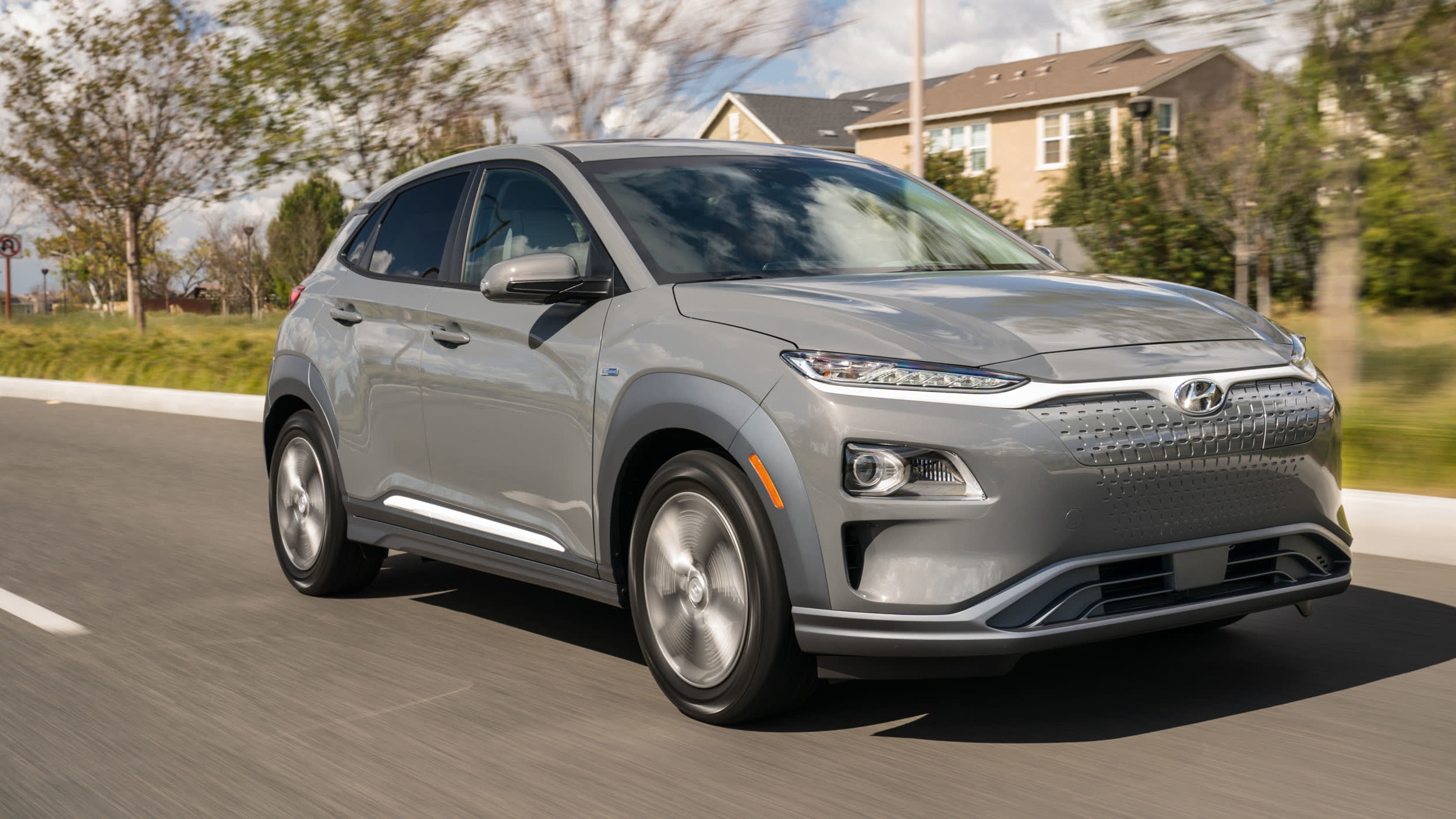
4. Hyundai Kona Electric
The Hyundai Kona Electric has gained attention for its impressive range, modern features, and, importantly, long-term reliability.
Introduced in 2018, it quickly became a practical EV choice for daily commuting, highway driving, and long-term ownership, with many owners already surpassing 100,000 miles.
At the core of the Kona Electric’s dependability is its 64 kWh lithium-ion battery pack. Hyundai’s advanced thermal management system helps protect the battery from extreme temperatures, which is critical for maintaining range over time.
This system ensures consistent performance and slows the rate of capacity loss even in climates with intense heat or cold. Many drivers report retaining a high percentage of original range after years of regular use.
The electric motor and single-speed transmission are engineered for durability. With minimal moving parts compared to combustion engines, there is less risk of mechanical failure.
The Kona Electric’s regenerative braking system further reduces wear on traditional brake components, contributing to lower maintenance costs and long-term dependability.
Hyundai also offers robust software updates and warranty coverage, which adds confidence for long-term owners. Issues related to electronics or infotainment are rare, and most service requirements are limited to routine checks and tire maintenance.
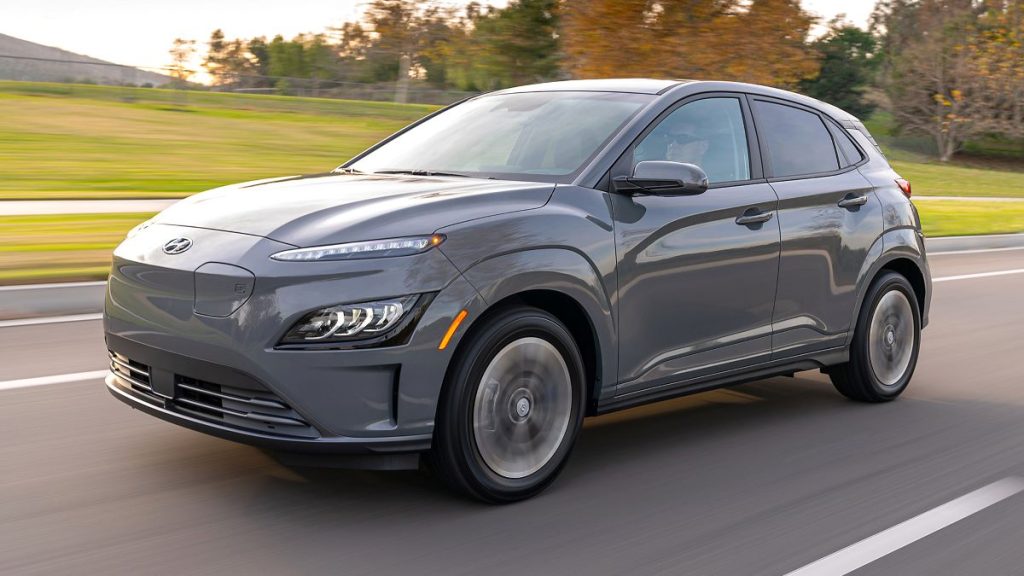
The combination of an efficient drivetrain, well-managed battery, and reliable electronics makes the Kona Electric a standout among compact electric SUVs.
Real-world owner experiences confirm its reliability. Many Kona Electric vehicles have surpassed 100,000 miles without major repairs, demonstrating that a well-engineered electric vehicle can be both practical and long-lasting.
Its combination of comfort, efficiency, and durability ensures that it remains a trusted choice for drivers seeking dependable EV performance for years.
5. Kia Niro EV
The Kia Niro EV has established itself as a reliable and efficient compact electric crossover. Launched in 2019, it benefits from Kia’s commitment to battery longevity, thermal management, and overall drivetrain durability, with multiple owners reporting consistent performance beyond 100,000 miles.
The Niro EV’s 64 kWh battery pack is paired with a sophisticated thermal management system that maintains optimal cell temperatures, even during rapid charging sessions or in extreme weather.
This protects the battery from premature degradation, ensuring that the vehicle retains a high percentage of its original range over extended ownership. Many drivers report minimal capacity loss even after years of use.
The electric motor is a simple yet robust unit, paired with a single-speed transmission that has no complex moving parts.
This reduces the risk of drivetrain failures and contributes to overall longevity. Regenerative braking reduces mechanical stress on traditional brakes, further lowering maintenance needs.
Owners also note that the Niro EV’s electronics and software are stable and reliable, with occasional updates improving efficiency without introducing new problems. Routine service is straightforward, generally limited to inspections, tire rotations, and cabin filter replacement.
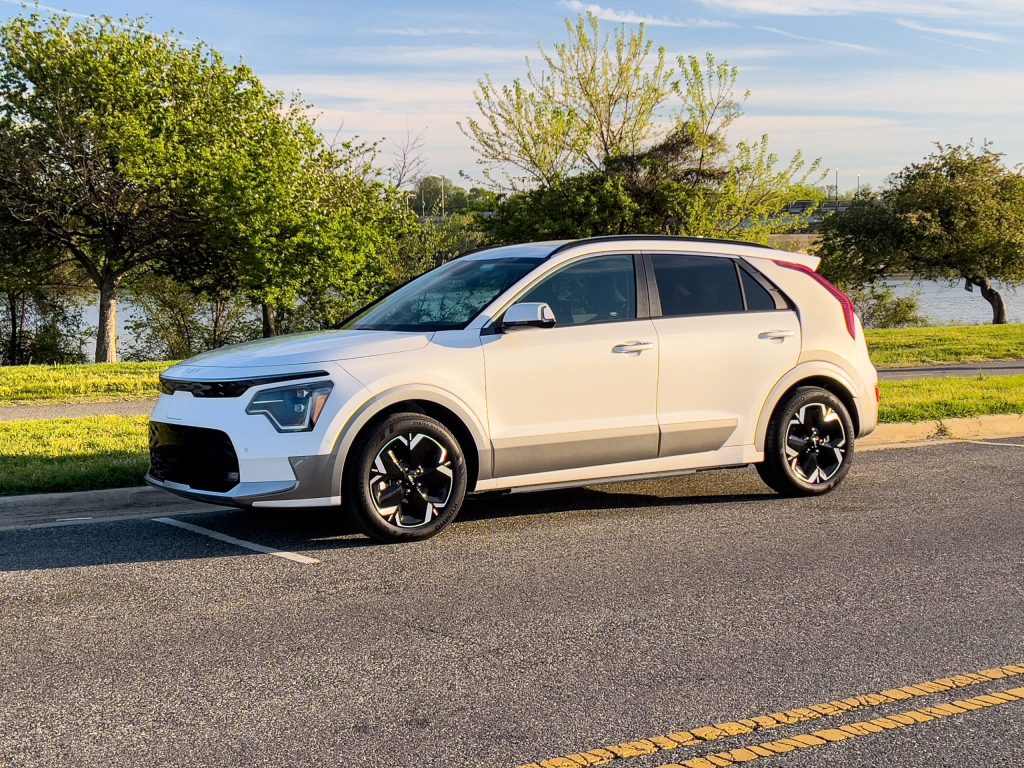
The Kia Niro EV combines efficient performance, low operating costs, and proven long-term durability.
Its track record beyond 100,000 miles confirms that it is a dependable EV for daily commuting, family use, and even long-distance driving. For buyers seeking reliability alongside modern features and practicality, the Niro EV stands out as a top choice.
6. BMW i3
The BMW i3 is a unique electric vehicle that has demonstrated long-term reliability despite its unconventional design. Since its introduction in 2013, the i3 has provided an urban-focused electric driving experience while proving that EV technology can endure high mileage without significant issues.
The i3’s lithium-ion battery packs are engineered with advanced cooling systems that protect against overcharging and overheating. BMW offered both 60 Ah and later 94 Ah/120 Ah options, all showing strong longevity in real-world use.
Many i3s have surpassed 100,000 miles while retaining most of their original driving range, demonstrating the strength of BMW’s battery engineering.
The drivetrain consists of a single electric motor paired with a fixed-ratio transmission, which is virtually maintenance-free.
With fewer moving parts than traditional engines, the likelihood of mechanical failure is minimal. Regenerative braking also reduces wear on brakes, further supporting long-term reliability.
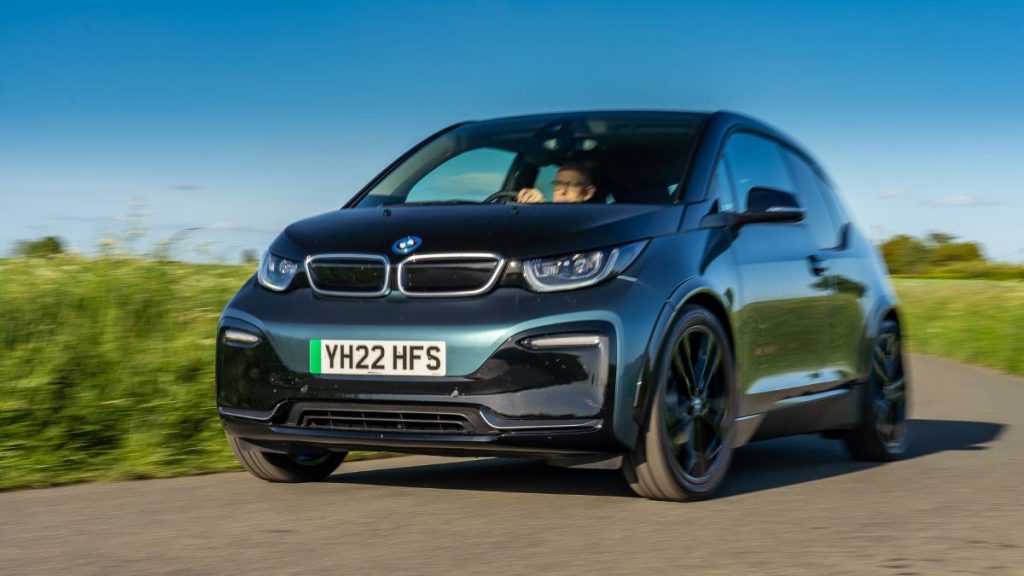
BMW’s software and electronics are well-integrated, and updates maintain efficiency and performance without causing major issues. Owners generally report that the i3 is dependable, requiring only routine checks and minor maintenance over years of use.
The BMW i3 proves that electric vehicles can combine innovation, efficiency, and longevity. Its ability to maintain reliable operation beyond 100,000 miles makes it a practical option for drivers seeking a compact, long-lasting EV designed for everyday use.
7. Audi e-tron
The Audi e-tron is Audi’s first fully electric SUV and has demonstrated impressive reliability since its introduction in 2018. Built with premium engineering and rigorous testing, it has proven capable of handling long-term use, with several vehicles already surpassing the 100,000-mile mark without major issues.
At the core of the e-tron’s durability is its high-capacity lithium-ion battery pack. Audi uses a sophisticated liquid-cooling system to maintain optimal battery temperatures, which minimizes degradation over time.
This careful thermal management allows the e-tron to retain a significant portion of its original range even after years of regular driving.
Owners consistently report that battery performance remains strong after extensive use, making it one of the more dependable electric SUVs on the market.
The dual electric motors provide all-wheel-drive capability while maintaining a simple and durable drivetrain.
With far fewer moving parts than internal combustion engines, the risk of mechanical failure is reduced. Regenerative braking also decreases wear on traditional brake components, lowering maintenance costs and improving long-term reliability.
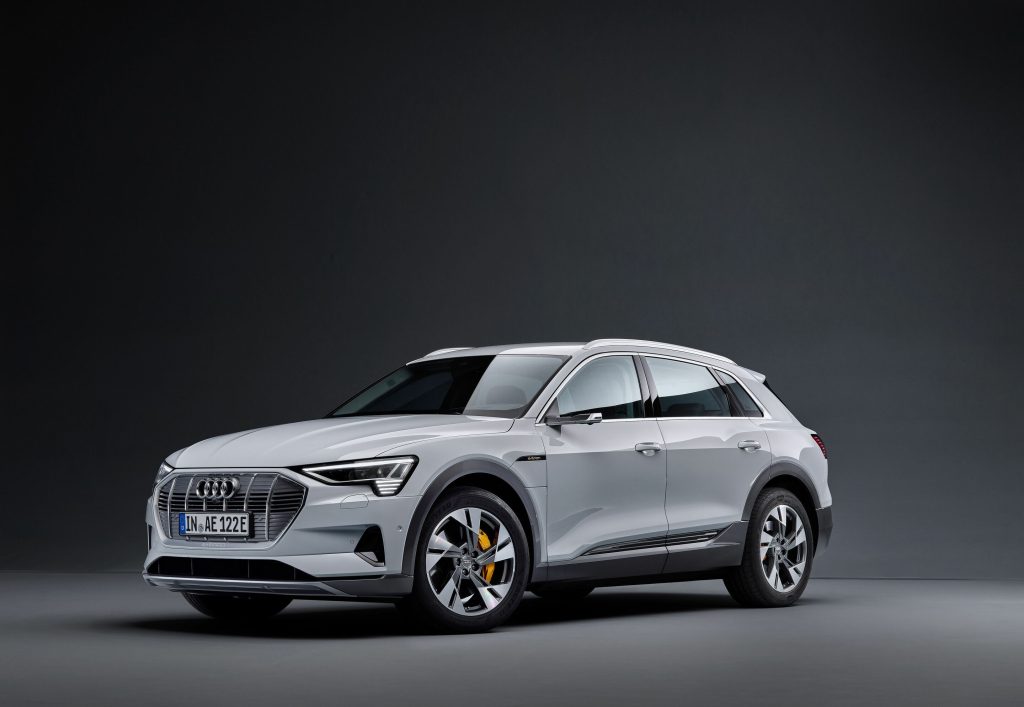
Audi’s attention to software stability and electronics integration ensures that the e-tron operates efficiently, and routine maintenance primarily focuses on tires, brakes, and cabin systems. Combined with premium build quality, these factors make it a long-lasting electric vehicle capable of high-mileage ownership.
The e-tron demonstrates that electric SUVs can combine luxury, performance, and long-term reliability.
Its proven durability beyond 100,000 miles provides confidence for drivers seeking a premium EV that will remain dependable for years of daily commuting, long-distance travel, and active use.
8. Jaguar I-PACE
Jaguar’s I-PACE has become a benchmark for electric performance and long-term reliability in the luxury segment. Since its launch in 2018, the I-PACE has accumulated real-world mileage that confirms the durability of its battery, electric motors, and electronics.
Several owners have reported surpassing 100,000 miles while retaining high efficiency and consistent performance.
The I-PACE uses a 90 kWh battery pack with liquid cooling to protect the cells from overheating and excessive wear. Jaguar’s battery management system optimizes charging cycles and energy use, helping prevent capacity loss over time.
Many long-term users report minimal degradation in range even after years of driving, which underscores the car’s well-engineered battery system.
Its electric drivetrain is compact, powerful, and nearly maintenance-free. With two permanent-magnet motors delivering all-wheel drive, the system is designed for reliability under diverse driving conditions. Regenerative braking reduces wear on traditional brake components, contributing to the vehicle’s low-maintenance profile.
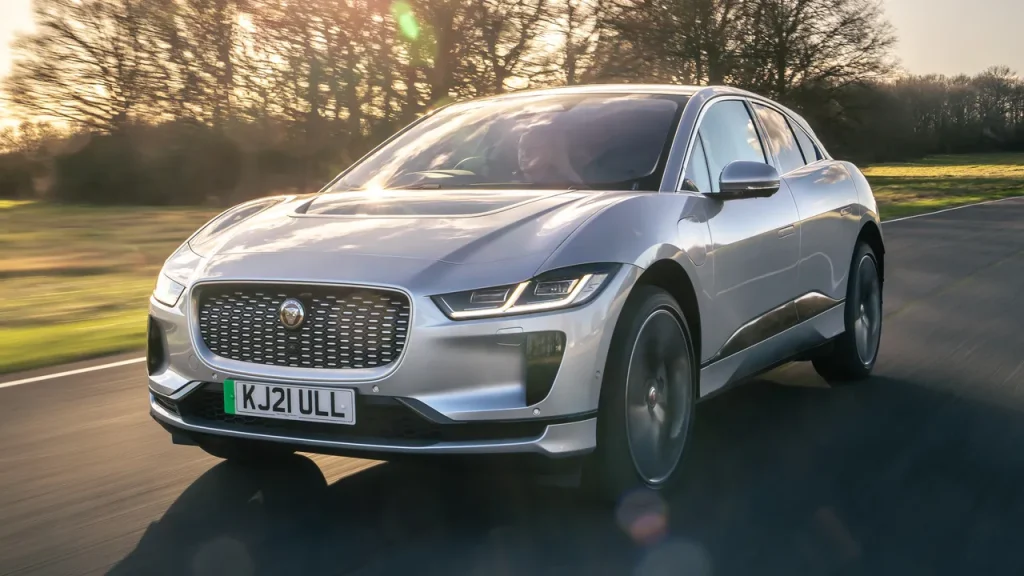
Jaguar has also focused on stable software and electronics, providing updates that improve performance and efficiency without compromising reliability. Routine servicing is limited, mostly involving inspections, tires, and minor maintenance.
The I-PACE proves that luxury and longevity can coexist in an electric vehicle. Its ability to exceed 100,000 miles with minimal issues shows that Jaguar has created an EV that is not only exciting to drive but also practical and dependable for long-term ownership.
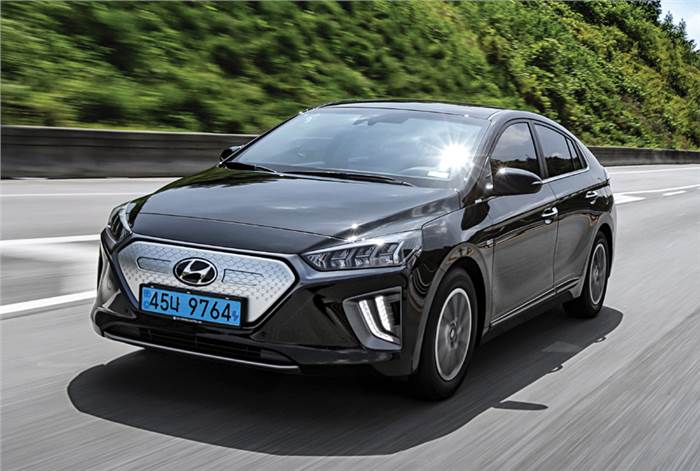
9. Hyundai Ioniq Electric
The Hyundai Ioniq Electric has emerged as a reliable and efficient EV since its introduction in 2016. Designed for urban commuting and long-term ownership, the Ioniq Electric offers proven performance, with multiple owners reporting more than 100,000 miles without significant drivetrain or battery issues.
Its 38.3 kWh battery pack features an advanced thermal management system that maintains cell temperatures during charging and driving.
This ensures minimal capacity loss over time, allowing the car to retain a majority of its original range even after extended use. Drivers consistently report strong battery performance beyond the 100,000-mile mark.
The electric motor paired with a single-speed transmission is simple and low-maintenance. Fewer moving parts mean reduced chances of mechanical failure, and regenerative braking reduces wear on traditional brakes.
The Ioniq Electric also benefits from Hyundai’s stable software ecosystem, which optimizes energy efficiency and system performance without introducing reliability concerns.
Routine maintenance is straightforward, limited to tire rotations, brake inspections, and fluid checks. This combination of durability, low maintenance, and efficient battery management makes the Ioniq Electric a practical long-term EV.
The Hyundai Ioniq Electric demonstrates that affordability and long-term reliability can coexist in an electric vehicle. Its proven performance past 100,000 miles reassures drivers that a compact, efficient EV can remain dependable and practical for years of daily driving.
Electric vehicles have rapidly evolved from niche alternatives to mainstream transportation, and one of the most important factors in their adoption is long-term reliability.
While early EVs faced skepticism about battery longevity and drivetrain durability, real-world evidence now shows that many models can surpass 100,000 miles without major issues.
This milestone reflects the engineering advancements in battery chemistry, thermal management, motor design, and software integration that have allowed EVs to compete with or even surpass traditional internal combustion vehicles in terms of reliability.
The Tesla Model S stands out as a benchmark for high-mileage EV ownership. Its large battery pack, combined with sophisticated thermal management and over-the-air software updates, allows many vehicles to exceed 200,000 miles while maintaining strong range and performance.
Tesla’s focus on a simplified electric drivetrain with fewer moving parts also reduces mechanical wear, highlighting one of the key advantages of electric propulsion.
Owners consistently report minimal battery degradation and robust motor performance, which has established the Model S as a long-term, dependable electric sedan.
Similarly, the Chevrolet Bolt EV has proven its reliability through a combination of efficient battery design, thermal management, and low-maintenance electric motor components.
Despite early battery recall issues, post-recall models have demonstrated impressive durability, with many vehicles surpassing 120,000 miles without drivetrain problems.
The Bolt’s regenerative braking system further reduces wear on mechanical components, contributing to its long-term dependability.
The Nissan Leaf, one of the first mass-market EVs, continues to demonstrate that electric vehicles can be practical, durable, and cost-effective.
While early models experienced range reduction in hot climates, later iterations improved battery chemistry and thermal protection. Many Leaf owners report retaining over 80 percent of original battery capacity after more than 100,000 miles, underscoring its reliability as a city and suburban commuter vehicle.
Hyundai and Kia have also made significant strides in long-term EV performance. The Hyundai Kona Electric and Kia Niro EV both feature advanced battery management systems that protect cells from overheating and minimize degradation over time.
Owners of these vehicles report high mileage without major issues, and their regenerative braking systems extend the life of brake components. Their combination of efficient drivetrains, low maintenance, and solid battery performance has made them practical options for families and commuters alike.
The BMW i3 is another example of a dependable EV, especially in urban environments. Its compact design, durable motor, and well-engineered battery system allow it to endure years of daily use, with many surpassing 100,000 miles while retaining most of their original range.
Similarly, premium EVs like the Audi e-tron and Jaguar I-PACE show that luxury vehicles can offer both high performance and long-term reliability.
Their advanced thermal management, robust electric motors, and attention to software stability ensure these vehicles remain dependable even under demanding driving conditions.
Finally, the Hyundai Ioniq Electric proves that affordability does not come at the expense of reliability.
Its compact, efficient drivetrain, combined with thermal management and regenerative braking, has allowed many owners to exceed 100,000 miles without significant problems.
Collectively, these nine EVs illustrate that modern electric vehicles can be reliable long-term investments.
Their success is not limited to high-end or specialized models; even practical, affordable EVs can deliver consistent performance, minimal maintenance requirements, and lasting battery capacity.
Real-world experiences from owners demonstrate that, with proper design and engineering, EVs can provide dependable transportation well beyond 100,000 miles.
As battery technology, software integration, and drivetrain engineering continue to improve, the future promises even greater durability for electric vehicles.
These examples offer confidence to prospective buyers who may still question long-term EV ownership.
They prove that electric vehicles are not only environmentally friendly and efficient but also capable of matching or surpassing the reliability of traditional gasoline-powered vehicles.
For anyone considering a shift to electric mobility, these nine models stand as clear evidence that longevity and dependability are attainable, making EVs a practical and sustainable choice for the years ahead.
Also Read: 9 Midsize SUVs That Rarely Leave the Shop
