
Every decade in automotive history leaves behind vehicles that tell stories about design, engineering, and culture. The 1980s were a period where the car industry experimented with new technology, bolder styles, and a balance between performance and fuel economy.
People remember this era not only for the fashion and music but also for cars that became household names. Some were compact and practical, others were sporty, while a few became symbols of dependability.
Even though decades have passed, many vehicles from that time are still present on highways today. They remind drivers of a time when cars were less computerized and more mechanical, yet still built to last.
Their durability and straightforward design made them reliable for long journeys, while their styling continues to carry nostalgic appeal. For some owners, keeping them on the road is about preserving history.
For others, it is about affordability, because older cars are easier to maintain compared to modern ones with too many electronics. In different towns and cities, these vehicles are spotted daily, either driven by long-time owners who have maintained them faithfully or by younger people who see them as classics worth saving.
The cars from the ’80s may not have the speed or advanced safety features of today’s models, but their charm is rooted in their simplicity and resilience. They prove that a machine built with quality can continue to serve for decades.
We will look at 12 cars from that decade that continue to be seen on highways. Each of them earned a place not by chance but by a mixture of strength, practicality, and timeless design.
Their survival on the road tells us that the spirit of the 1980s is still alive through wheels and engines that refuse to fade away.
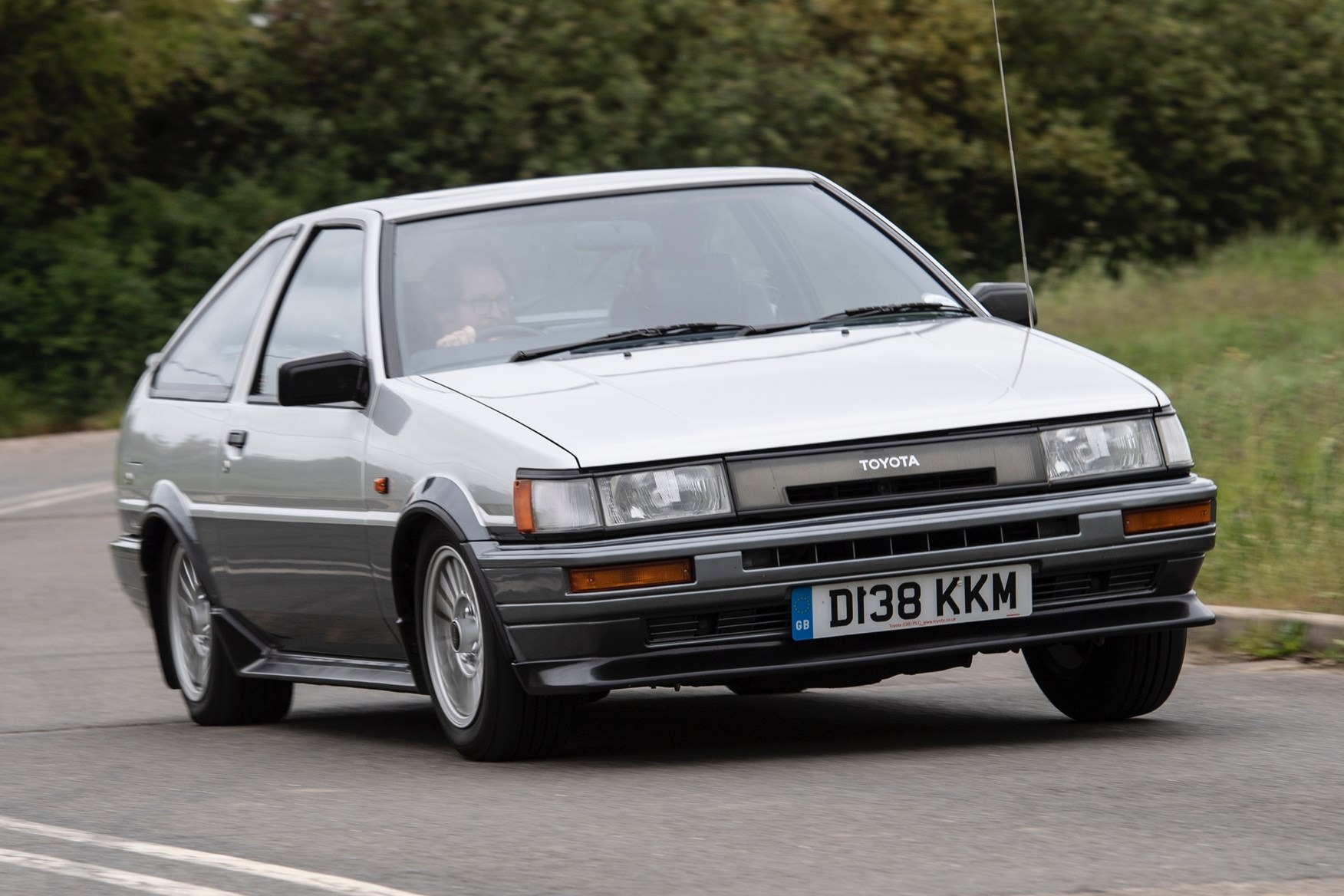
1. Toyota Corolla
The Toyota Corolla became one of the most trusted names in car ownership during the 1980s. It was not the flashiest or the fastest, but it delivered on what mattered most to ordinary drivers: reliability and affordability.
People valued it for its fuel economy, compact size, and durability. The car earned a reputation as one of the few models that could handle years of heavy use without constant trips to the mechanic.
During the ’80s, the Corolla came in different body styles, including sedan, hatchback, and wagon. Each variation had a simple layout that made it easy for families, young workers, and even taxi operators to adapt the car to their needs.
The engines were small but efficient, and Toyota focused on making sure the parts were long-lasting. Because of this, many owners held on to their vehicles for decades. What made the Corolla special was not luxury but dependability.
Owners often joked that the car would outlast them. Maintenance was straightforward, with spare parts easy to find and not too expensive.
Mechanics also found it easy to repair because the design did not overcomplicate things. This was especially important at a time when drivers wanted practical solutions instead of complicated systems that could break down.
Another reason the Corolla stayed on highways is its international presence. Toyota sold it across many countries, and its consistent performance created loyalty that passed from one generation of drivers to the next.
Even today, spotting a Corolla from the 1980s on the road is common, as many are still in good condition. It represents how simplicity, when done correctly, can survive changing trends in the car industry.
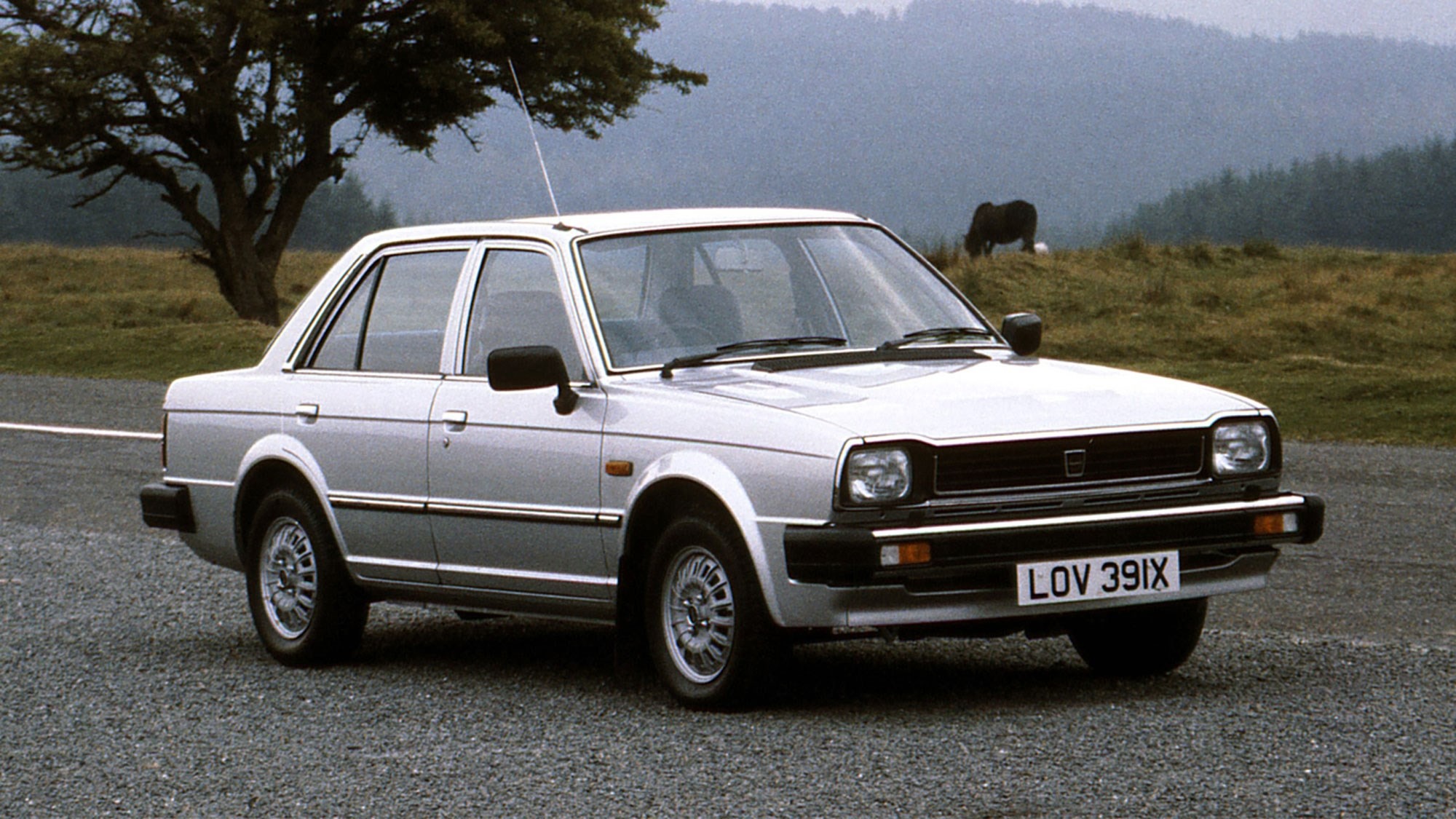
2. Honda Accord
The Honda Accord stood out in the 1980s as a car that balanced practicality with comfort. It was larger than the Civic and gave families more space while still being economical.
For many households, it became the reliable family sedan that could be trusted for long trips and daily commutes. Honda designed the Accord with a focus on user experience.
The interior was roomy compared to smaller cars of the time, and the seats offered comfort for long journeys. Features such as power windows and upgraded stereo systems began to appear, giving the car an edge over more basic competitors.
This attention to detail helped the Accord appeal to middle-class families who wanted a bit more sophistication without spending too much.
On the road, the Accord delivered smooth handling. Its engine was not aggressive, but it provided consistent performance that owners could depend on.
Fuel economy was another strong point, making it ideal for people conscious of fuel costs during that decade. Honda also built the car to last, with engines known for their durability when properly maintained.
The Accord also played a part in shaping Honda’s reputation across America and other markets. Many people who bought their first Accord in the 1980s remained loyal to the brand, moving on to newer versions as years went by.
Today, some drivers still keep their old models alive, showcasing how a family car from that decade continues to hold its place on highways. Its combination of practicality, comfort, and reliability has kept it relevant even decades later.
Also Read: 12 Cars That Prove Reliability Isn’t Always Expensive
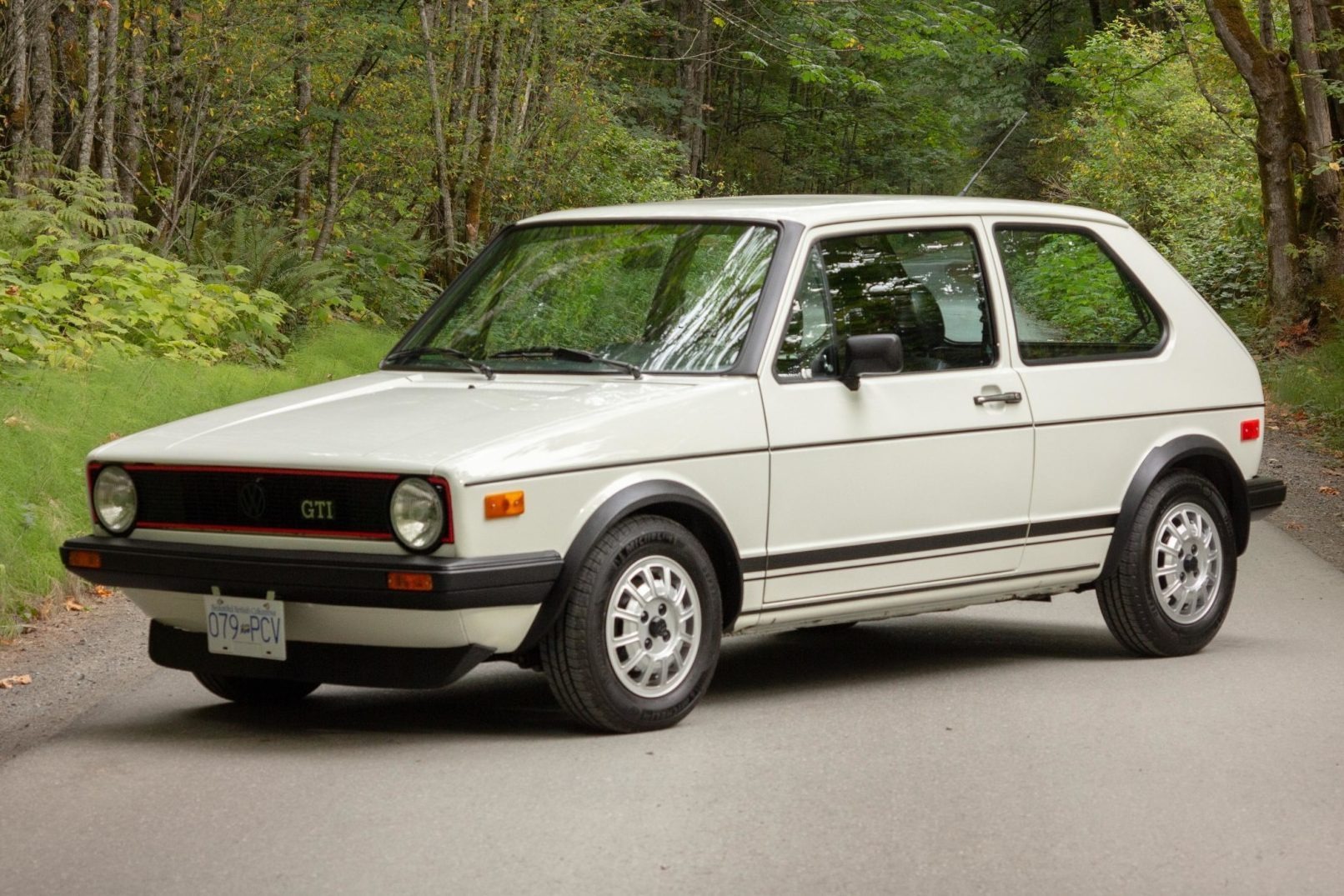
3. Volkswagen Golf
The Volkswagen Golf carried a strong presence in the 1980s, especially among drivers who wanted a small car that felt solid and dependable. It was practical but had a driving character that made it enjoyable.
Volkswagen built the Golf to serve both as a city runabout and as a car that could handle long journeys without stressing the driver. In the 1980s, the Golf was already becoming a household name.
It had sharp styling compared to other compact cars, giving it a modern appearance that appealed to young people and professionals. The hatchback design offered flexibility, with enough cargo space for luggage, groceries, or work tools. This made it a good choice for different lifestyles.
Mechanically, the Golf had a reputation for being sturdy. The engines were engineered to last, and drivers found that the car responded well on highways, with smooth steering and reliable brakes.
The suspension was tuned to balance comfort and road grip, so it felt secure even on uneven roads. Many drivers remember that owning a Golf gave them a sense of confidence behind the wheel.
Another highlight of the Golf was its global popularity. It was sold in many countries, which made it easy to find spare parts. This contributed to its survival rate, as owners could repair and maintain their cars without too much difficulty.
Some versions of the Golf even became sporty, like the GTI, which gave drivers a taste of performance without moving into expensive sports car territory.
Even today, Golf models from the 1980s still appear on highways. Their boxy design has aged in a way that enthusiasts call classic rather than outdated. The Golf represents how a compact car can combine practicality, durability, and style in a way that keeps it relevant long after it first left the factory.
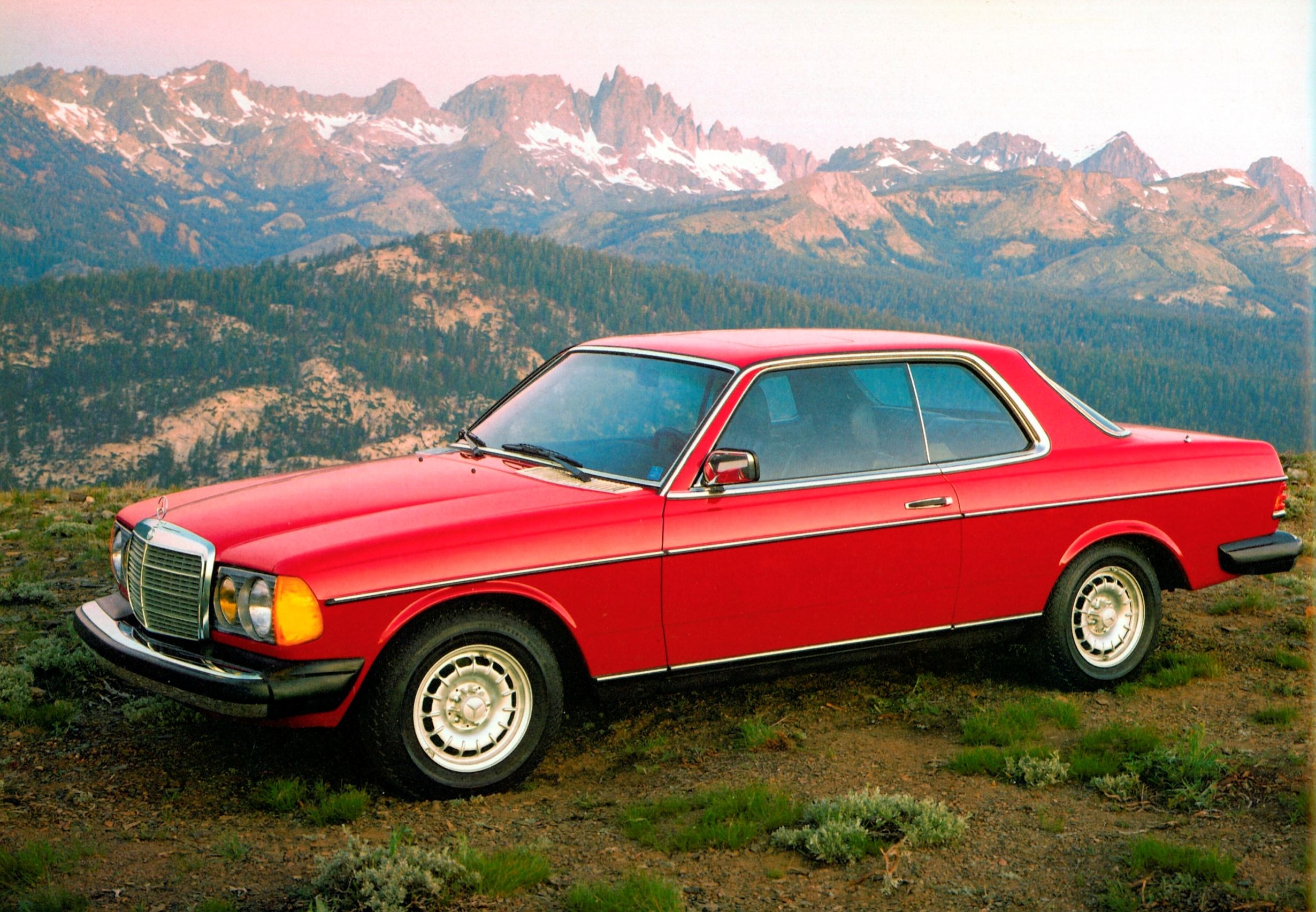
4. Mercedes-Benz W123
Few cars from the 1980s are as respected as the Mercedes-Benz W123. Known for its incredible build quality, this model is often described as a vehicle that could keep running for decades if properly cared for. Many drivers who bought a W123 in the late 1970s or early 1980s still have it today, which is why these cars remain a common sight on highways.
The W123 came in sedan, coupe, and wagon forms, giving buyers different choices. What set it apart was its solid engineering. Mercedes built the car with durability as the top priority, using materials that could withstand years of heavy use.
The engines, especially the diesel versions, became legendary for covering hundreds of thousands of miles without major problems. Inside, the W123 offered comfort and luxury compared to many other cars of its time.
The seats were supportive, and the cabin felt refined. For families, the wagon version became especially popular because it combined practicality with prestige. Businessmen and professionals often preferred the sedan, which projected success and reliability.
On the road, the W123 was not designed for speed but for endurance. Its driving experience emphasized stability and control, which made long trips easier and less stressful. Owners trusted the car to get them to their destinations, no matter the distance.
One of the reasons the W123 is still found on highways is the loyalty of its owners. Many people who bought the car developed a strong attachment to it because of how dependable it proved to be. Spare parts are still available, and mechanics familiar with older Mercedes models know how to keep them running.
This car has become a symbol of timeless engineering. It represents an era when Mercedes-Benz focused on durability first and style second. That is why decades later, a W123 driving by still turns heads and reminds people of what quality craftsmanship can achieve.
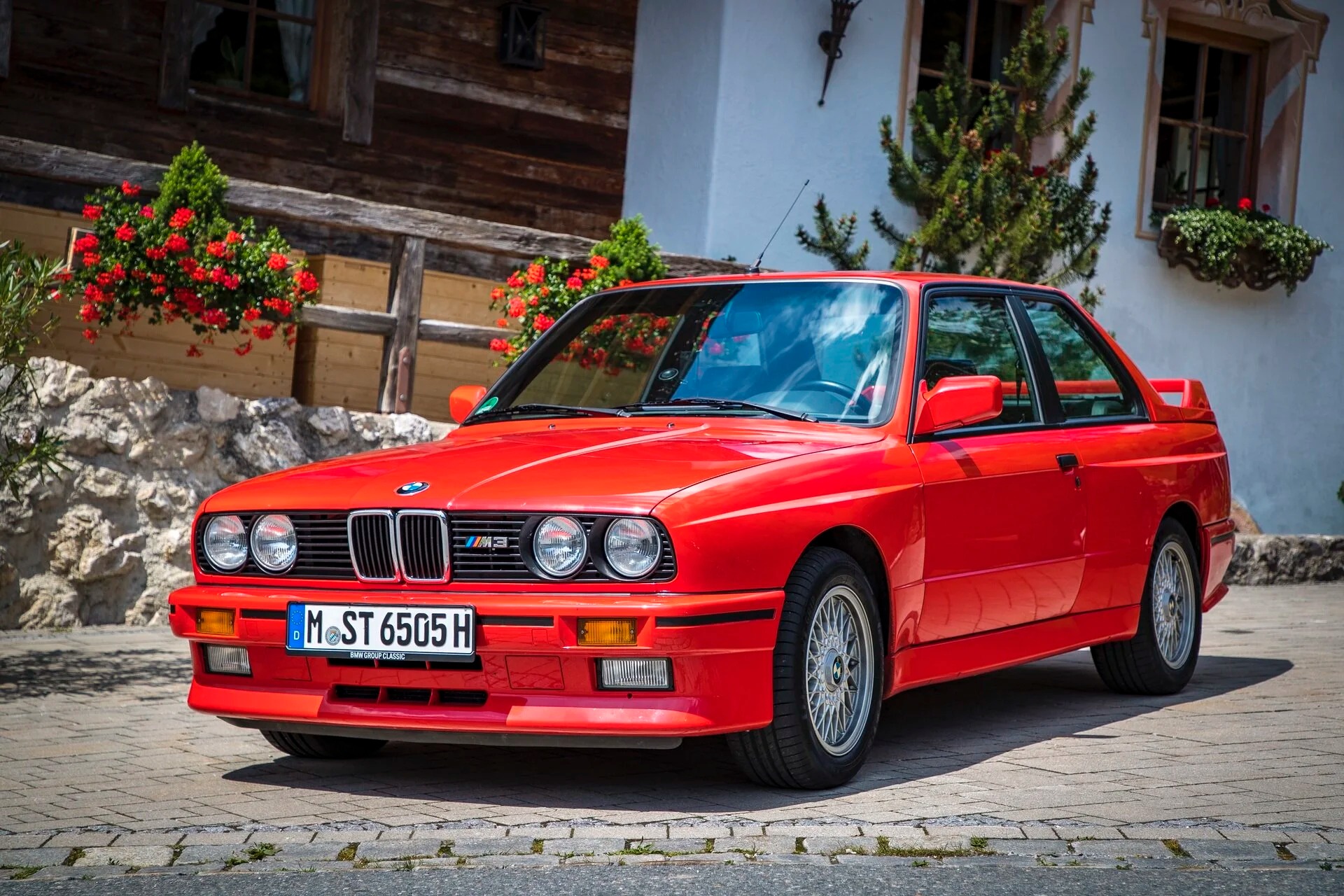
5. BMW 3 Series (E30)
The BMW 3 Series from the 1980s, particularly the E30 generation, became one of the most admired compact luxury cars of its time. It was small compared to American sedans, but it carried a sense of class and performance that made it special.
Drivers valued it for being sporty yet practical, a car that could serve as a daily commuter while also giving the joy of driving. The design of the E30 was clean and timeless. Its boxy body lines, twin headlights, and balanced proportions made it stand out on highways.
Even decades later, that design continues to look attractive rather than outdated. The car also came in different body styles, including sedan, coupe, convertible, and station wagon, giving people many options depending on their lifestyle.
Performance was one of its biggest strengths. BMW tuned the E30 to handle with precision, which made it different from most cars of its era. Owners enjoyed the way it hugged corners and responded quickly to steering inputs.
Some versions even came with six-cylinder engines that provided strong acceleration while remaining smooth and refined. Inside, the cabin was designed around the driver. The dashboard layout was simple but functional, with controls angled toward the person behind the wheel.
This focus on the driving experience helped BMW create loyal customers who valued cars that were more than just transportation. What has kept the E30 alive on highways is both its build quality and the passion of enthusiasts.
Many owners continue to restore and maintain their cars, treating them as collectibles. Spare parts are still available, and mechanics who understand the model keep them running well. For younger drivers, the E30 represents a piece of history where cars were mechanical yet engaging to drive.
The BMW 3 Series from the 1980s remains a symbol of how a car can balance elegance, sportiness, and everyday usability. That is why it still finds a place on roads today, decades after it first became a favorite among driving enthusiasts.
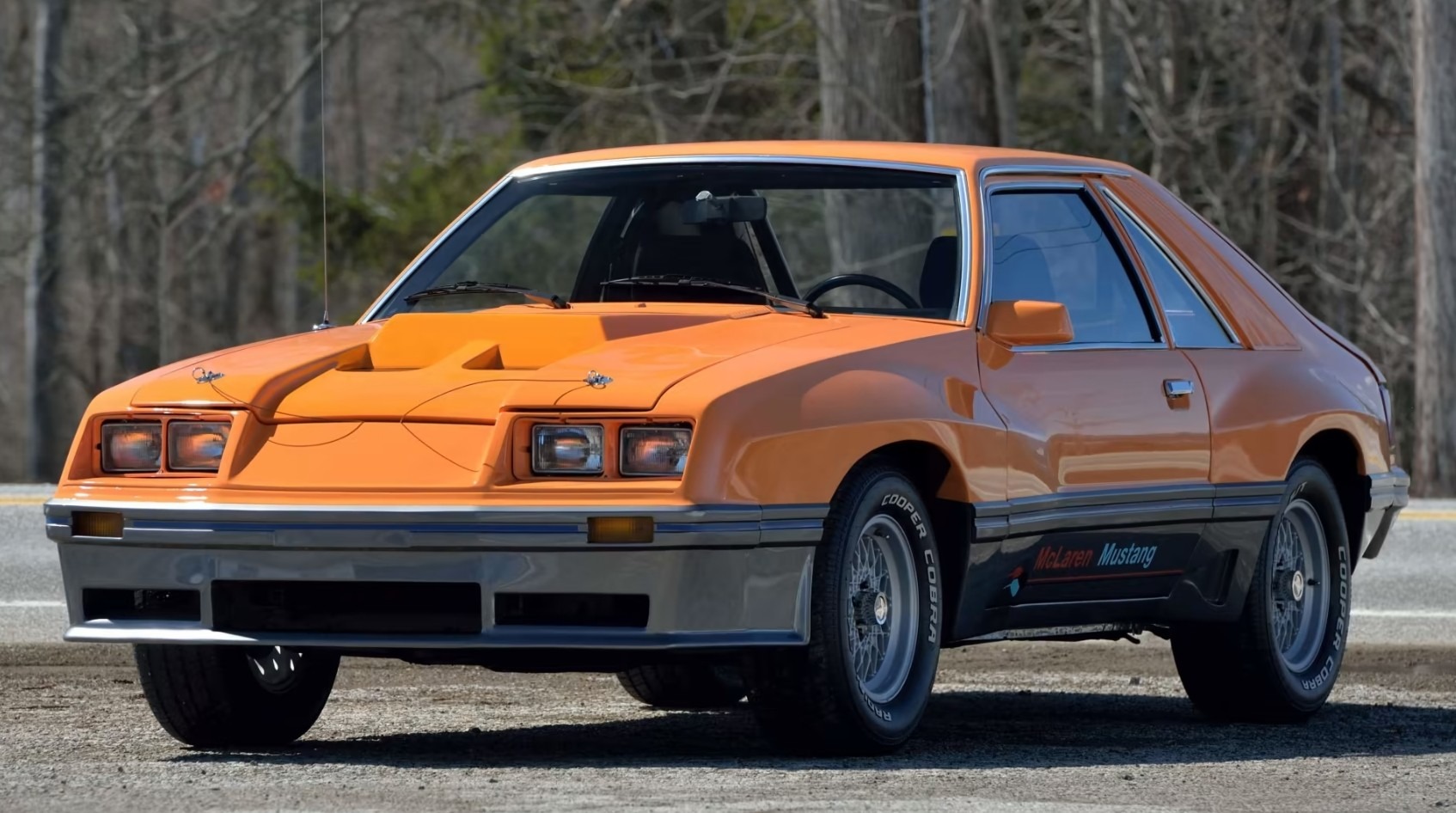
6. Ford Mustang (Fox Body)
The Ford Mustang of the 1980s, commonly known as the Fox Body Mustang, became one of the most recognizable American cars of that era. It carried the legacy of the Mustang name while adapting to the needs of drivers in the new decade. Its sharp lines and compact proportions gave it a modern look compared to the curvier models of the 1960s and 1970s.
One of the strongest attractions of the Fox Body Mustang was its variety of engine choices. Buyers could select from modest four-cylinder engines for efficiency, V6 options for balance, and powerful V8s for raw performance.
The V8 models, especially the 5.0-liter, became icons of muscle car culture, delivering speed and sound that thrilled drivers. Even today, car enthusiasts seek out these models for restoration and performance upgrades.
The Mustang also stood out for being affordable compared to European sports cars. It allowed young drivers to experience performance without paying luxury prices. Many people remember buying their first Mustang in the 1980s as a step into car enthusiasm. Its combination of style, sound, and power created strong emotional connections.
On highways, the Fox Body Mustang proved itself reliable for daily use. It was not just about speed; it also managed to be a practical car that could handle commutes and long trips. Its simple mechanical setup made it easy to maintain, and parts were widely available.
The design, with its straight edges and squared-off features, has aged into a classic look. People who see one today often feel nostalgia for a time when cars had personality and raw character. Enthusiasts continue to keep many of them on the road, whether as weekend cruisers or fully restored show cars.
The Fox Body Mustang represents American car culture at its best, where power and personality mattered as much as practicality. That explains why so many of these cars still rumble down highways, carrying the spirit of the 1980s with them.
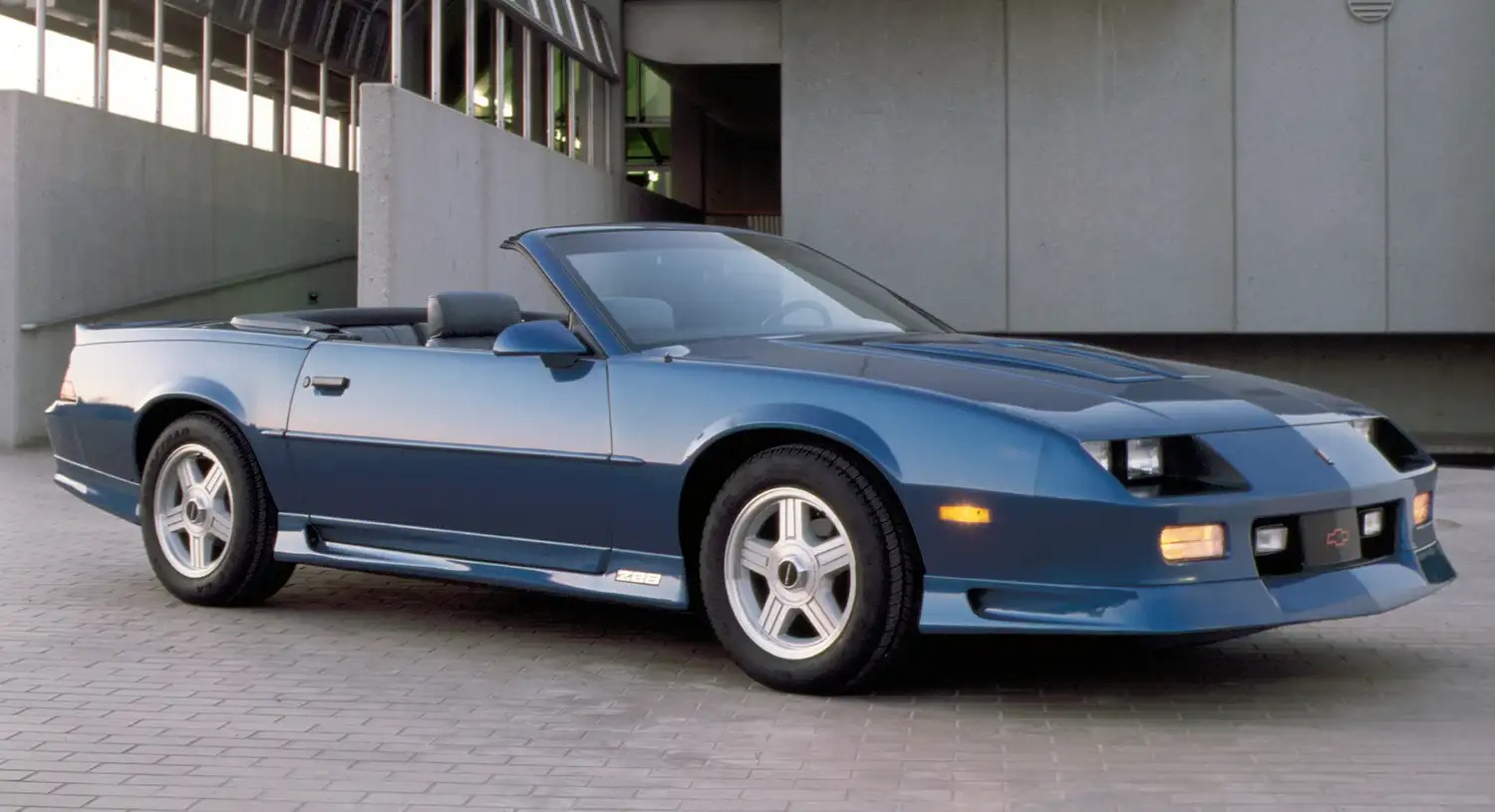
7. Chevrolet Camaro (Third Generation)
The Chevrolet Camaro of the 1980s, known as the third generation, carried a strong presence on American highways. It arrived with a sharp, aerodynamic shape that marked a new direction compared to the earlier models. The long hood, sloping rear glass, and pop-up headlights gave it a modern feel for its time.
This design made the Camaro look fast even when standing still. Performance was at the center of its identity. Chevrolet offered the Camaro with several engine choices, from modest four-cylinder and V6 options to powerful V8s.
The V8 versions, especially the Z28 and IROC-Z trims, became favorites among those who wanted speed and aggressive styling. These cars were often seen on highways with roaring exhaust notes that made them unforgettable.
Beyond raw power, the Camaro also focused on handling. Engineers improved the suspension to make it more stable at higher speeds, which allowed drivers to enjoy both straight-line acceleration and cornering ability. For young drivers of the 1980s, owning a Camaro was a statement of freedom and individuality.
The interior of the third-generation Camaro was built with a driver-focused layout. Seats were supportive, and the dashboard carried a futuristic look with digital displays appearing in some models. It was not the most luxurious car, but it had enough comfort to make long drives enjoyable.
What has kept these Camaros alive on highways today is both durability and the passion of their owners. Many enthusiasts restore them, appreciating the fact that they were affordable performance cars.
Spare parts remain widely available in the United States, and the car’s simple mechanical design makes it easier to maintain compared to modern vehicles loaded with electronics.
Even now, spotting a third-generation Camaro brings back memories of 1980s car culture. It represents an era where style, power, and youth energy combined into one package. That is why it remains a common sight on highways and continues to be loved decades after its debut.
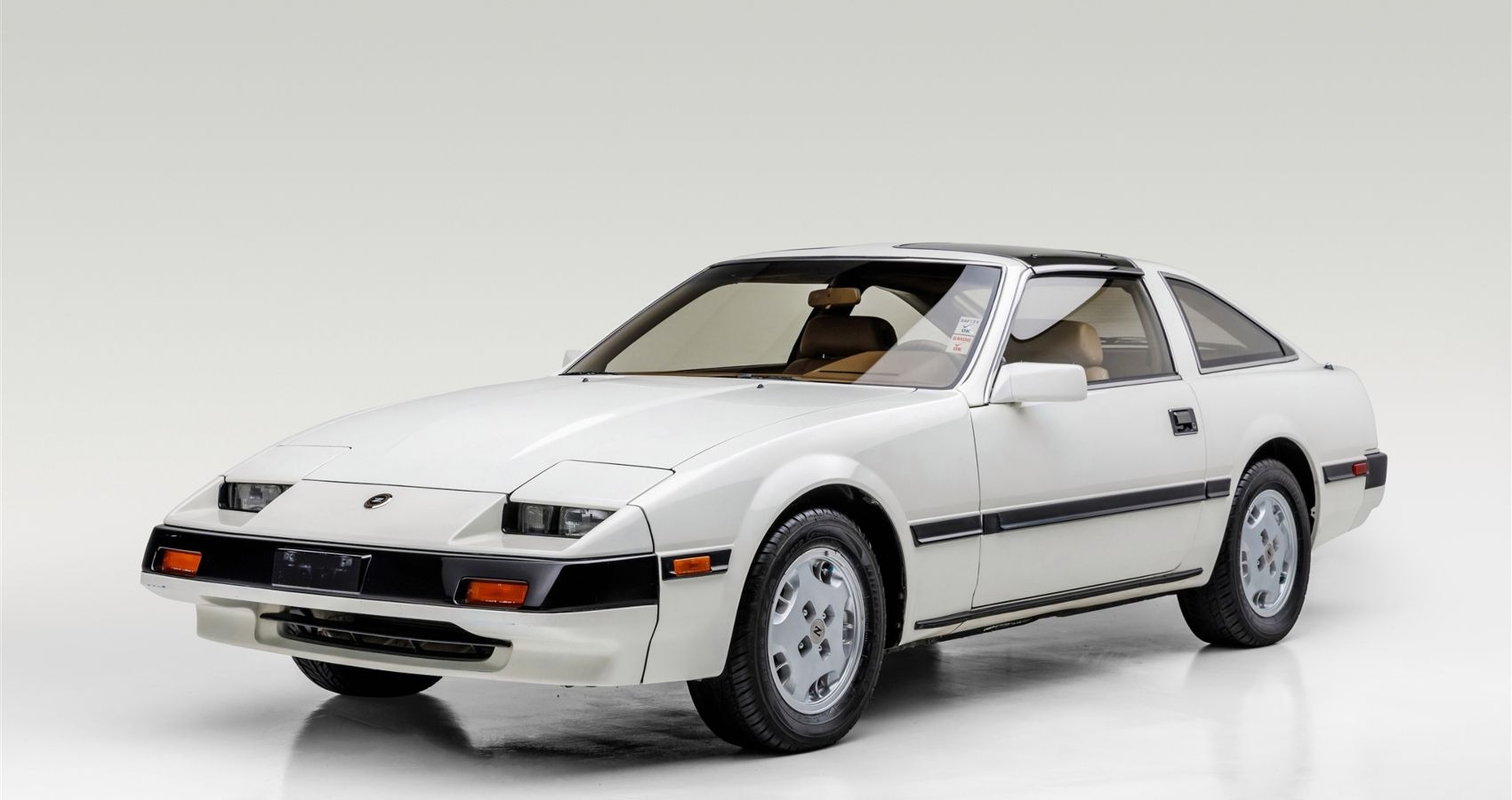
8. Nissan 300ZX (Z31)
The Nissan 300ZX from the 1980s, especially the Z31 generation, stood out as a sports car that balanced performance with reliability. Part of the legendary Z-car family, it carried forward the spirit of the earlier 240Z while adding modern styling and technology.
Its wedge-shaped body, hidden headlights, and sleek lines made it look futuristic at the time, which attracted many drivers. Performance was one of its strongest qualities. Nissan offered the 300ZX with both naturally aspirated and turbocharged engines.
The turbo models were especially exciting, delivering strong acceleration and higher top speeds that could compete with more expensive European sports cars. For drivers who wanted thrilling performance without spending beyond their budget, the 300ZX became an attractive option.
Handling was another area where the 300ZX impressed. The rear-wheel-drive layout, combined with a well-tuned suspension, made it fun to drive on highways and twisty roads. It gave drivers confidence in both daily use and spirited driving.
At the same time, it was more dependable than some sports cars of the era, which made it easier to own long-term. Inside, the cabin carried advanced features for its time.
Digital dashboards, supportive seats, and driver-focused controls created an experience that felt modern. It was also relatively comfortable for long drives, something that not all sports cars could offer.
What helped the 300ZX survive on highways decades later is both its engineering and its loyal fan base. Many owners kept their cars in good condition, and enthusiasts continue to restore and maintain them today. The engines are known for their durability, and spare parts are still obtainable.
The Nissan 300ZX became a symbol of Japanese engineering from the 1980s, showing that performance and dependability could exist in the same car. Even now, when one appears on the road, it reminds people of a time when sports cars were stylish, exciting, and accessible.
Also Read: 5 Cars That Rarely Lose Interior Quality vs 5 That Fall Apart Early
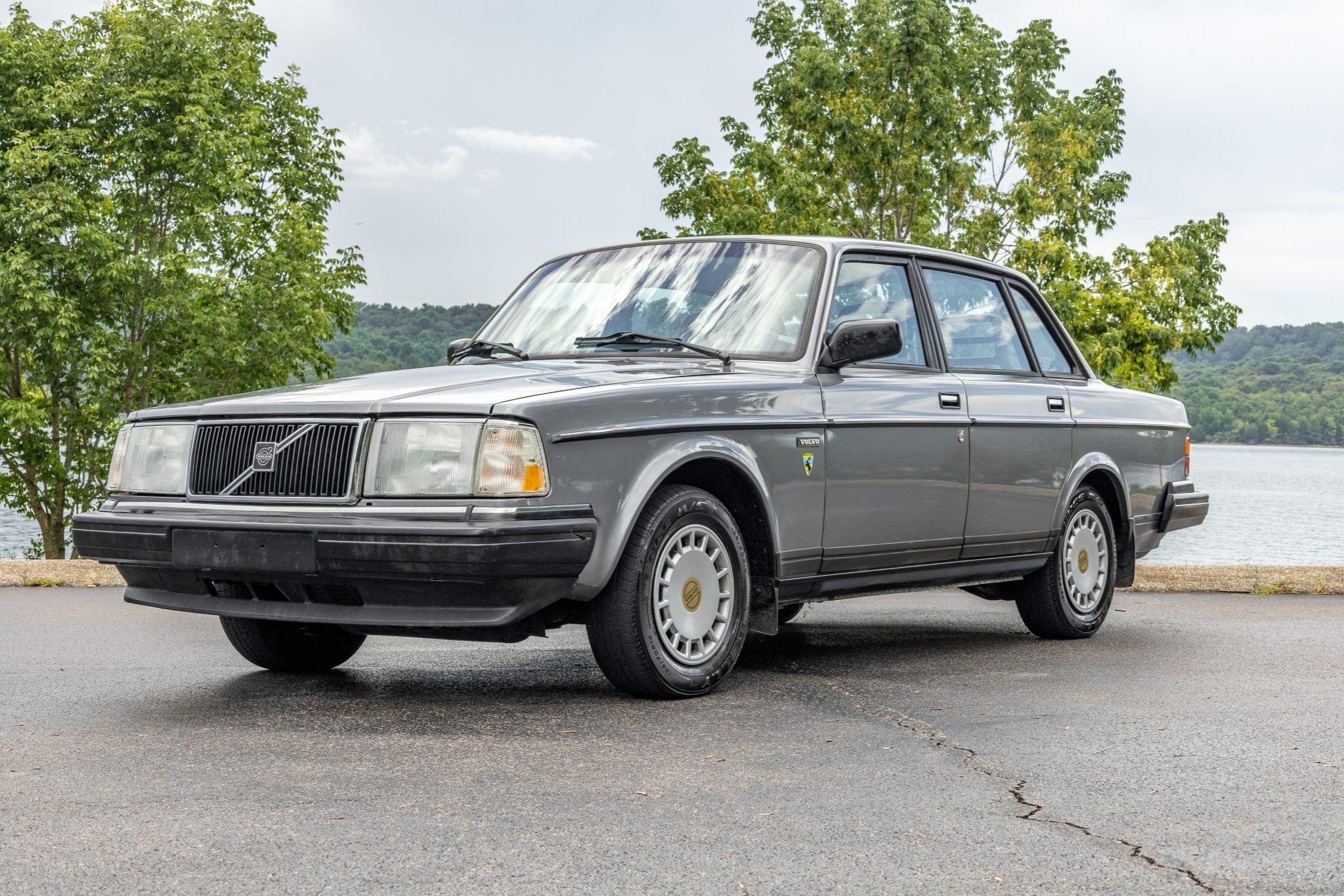
9. Volvo 240
The Volvo 240 was one of the most dependable cars of the 1980s, and it earned a reputation for being nearly indestructible. Its boxy design might not have been the most stylish at the time, but it became instantly recognizable and symbolized practicality.
Families, professionals, and even taxi services trusted it for daily use, and many of those vehicles are still seen on highways today.
What made the Volvo 240 special was its build quality. The body panels were thick and sturdy, and the engines were designed to last for hundreds of thousands of miles with proper care.
Owners often described the car as one that could handle rough roads and still keep moving. Safety was another big strength, as Volvo built the 240 with reinforced structures that offered better protection than many competitors of that era.
Inside, the car was simple but functional. The seats were supportive, and the cabin had a solid, no-nonsense design. There were not many luxury features compared to other cars of the 1980s, but the focus was always on reliability and comfort for long journeys.
For families, the station wagon version became especially popular, as it offered a huge cargo area that could carry luggage, tools, or even furniture. The Volvo 240 also gained a loyal following because it was easy to maintain.
Mechanics understood its design well, and spare parts were widely available. Many people who bought one in the 1980s passed it down to younger family members, which kept the cars on the road for generations.
Even now, when one appears on the highway, it serves as a reminder of an era when cars were built with simplicity and strength. The Volvo 240 is not remembered for speed or glamour but for its ability to keep going year after year. That is why so many are still driving decades later, proving that solid engineering never goes out of style.
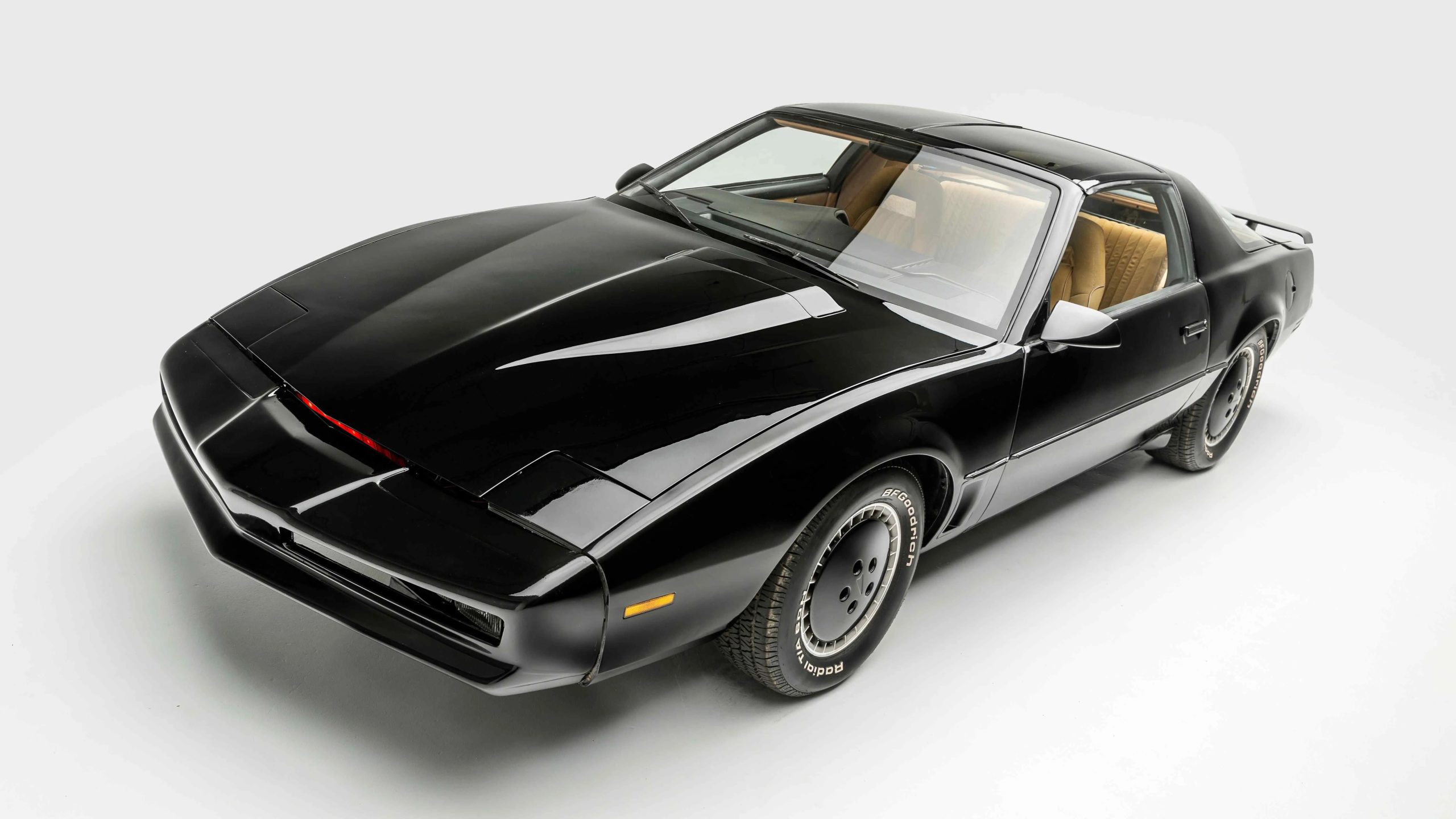
10. Pontiac Firebird (Third Generation)
The Pontiac Firebird of the 1980s, particularly the third generation, shared its platform with the Chevrolet Camaro but carried its own distinct identity. With its sleek styling, pop-up headlights, and aggressive stance, it was a car that drew attention wherever it went.
The Firebird became especially famous thanks to its appearance on television shows of the decade, where it symbolized adventure and excitement. Pontiac offered the Firebird with a range of engines, starting from smaller four-cylinder options up to powerful V8s.
The Trans Am models stood out as the performance versions, offering strong acceleration and sporty handling. Many drivers loved the way the Firebird looked fast, even when parked, and the roar of its V8 versions left lasting memories.
On the highway, the Firebird provided a balanced experience. It had enough comfort for daily driving while still giving drivers a taste of muscle car spirit. The suspension was improved compared to earlier versions, making it more stable and enjoyable on longer trips.
Inside, the car carried futuristic touches like digital dashboards in some models, which appealed to people looking for something modern and stylish. What helped the Firebird stay relevant was not only its performance but also the culture around it.
Young drivers of the 1980s often dreamed of owning one, and those who did created strong emotional connections. Many of those cars are still maintained today by enthusiasts who value them as classic muscle cars. Spare parts remain accessible since it share components with the Camaro, which makes it easier to keep them on the road.
The Firebird continues to appear on highways, not just as a car but as a symbol of American car culture from the 1980s.
Its design, power, and presence remind people of a period when style and attitude played as much a role in cars as function. That lasting image has kept it alive decades later.
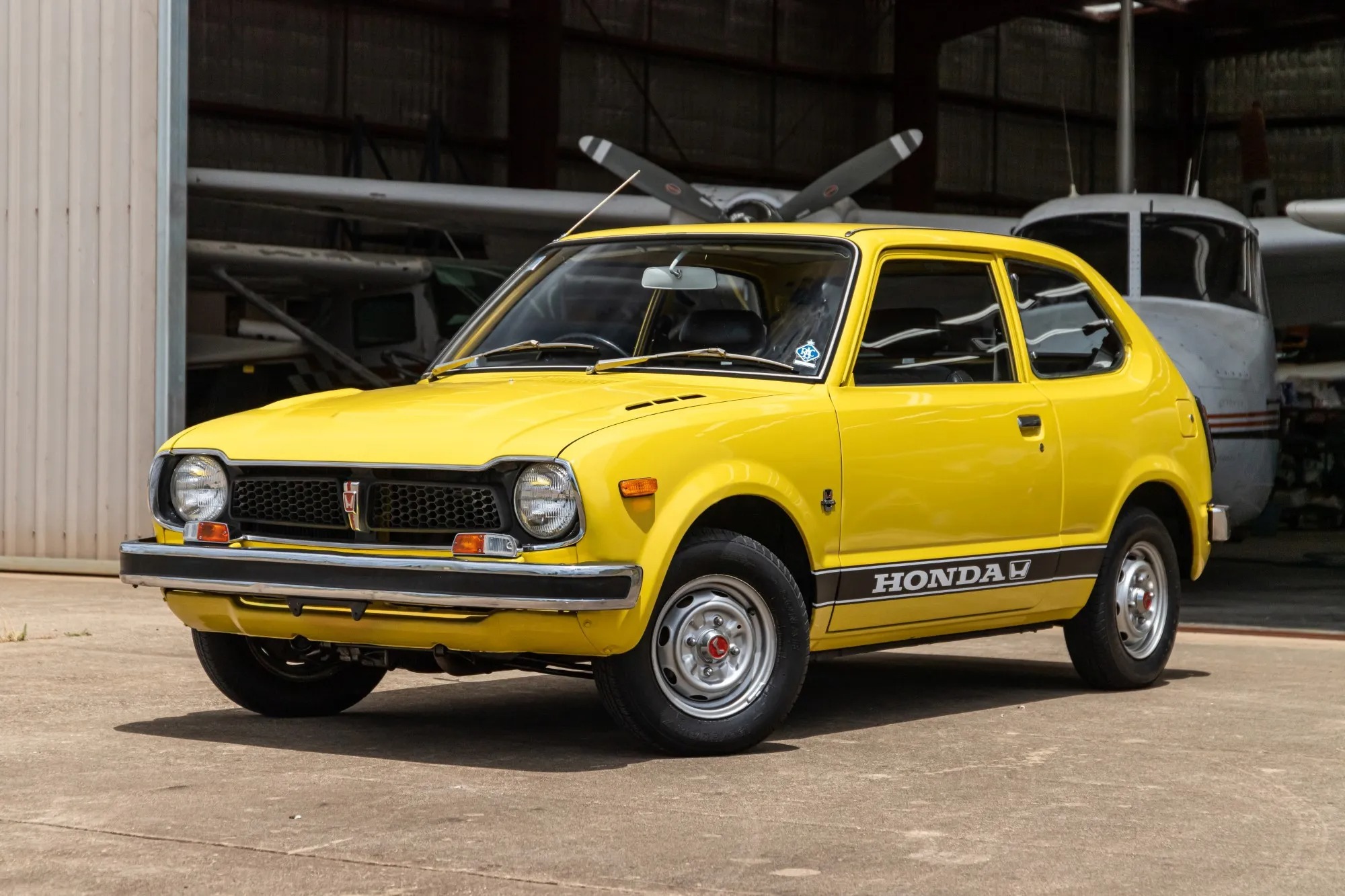
11. Honda Civic
Honda made a strong impression during the 1980s with its Civic line. The Civic became popular among young drivers and families because it offered efficiency without sacrificing reliability.
People often described it as a car that could withstand years of use without wearing out too quickly. Many of those vehicles still run on highways today, showing that the reputation was not misplaced.
The 1980s Civic stood out because of its fuel economy. Drivers loved the fact that they could travel long distances without spending too much on fuel.
This feature made it one of the preferred cars during periods of rising fuel prices. The compact size also made it a good choice for city areas where space for parking was limited.
Durability is another factor that helped the Civic remain relevant. Many owners from that era testify that their vehicles required only basic maintenance to stay in good shape.
Mechanics often praised Honda engines for their ability to keep running even after long years of use. That reputation encouraged more people to hold on to their Civics rather than replace them with newer models.
Another strength was its practicality. The Civic could serve as a student car, a family car, or a commuter vehicle. It offered comfort for daily driving while still being tough enough for highway trips. The simplicity of the interior and controls also made it easy for anyone to drive.
Even now, it is common to find a 1980s Civic on the road. Some owners keep them for sentimental reasons, while others continue to use them because they still perform well. Either way, the Civic remains one of the strongest examples of how a well-built car can last decades.
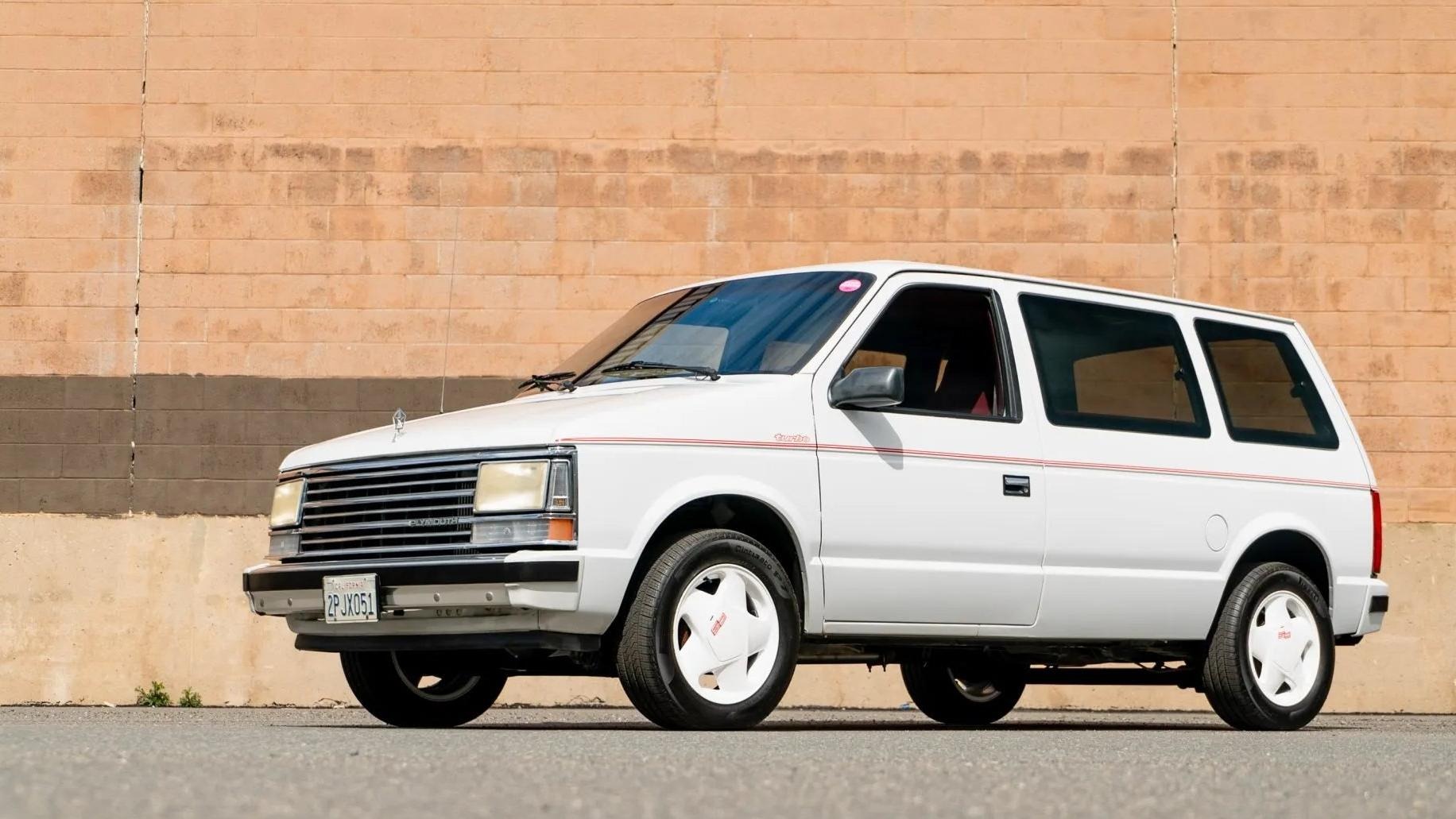
12. Dodge Caravan
The Dodge Caravan from the 1980s was one of the first minivans to gain widespread popularity. Families loved it because it combined space, practicality, and reliability, making it an ideal vehicle for daily use.
Many Caravan models from that era continue to operate today because of their simple mechanics and durable construction.
The Caravan’s engines were designed to handle both city driving and longer trips efficiently. Four-cylinder and V6 options provided adequate power while maintaining fuel efficiency. These engines were robust enough to last decades if serviced regularly.
Mechanics often noted that the simplicity of the engine design allowed for easier repairs and replacement of parts, contributing to the vehicle’s longevity.
Construction and design also played a role. The Caravan’s frame was built to support heavy loads, including passengers and cargo.
Suspension systems absorbed road shocks effectively, and the design minimized wear on mechanical components.
Families who performed routine maintenance found that their vehicles could last many years without major problems, which made them reliable for daily activities and long trips alike.
The interior was designed with practicality in mind. Spacious seating, ample cargo space, and user-friendly controls made it an attractive option for families.
The cabin layout allowed for flexibility, with seats that could be folded or removed to accommodate larger loads. This practical design contributed to the vehicle’s lasting relevance.
Parts availability and service support have also helped the Dodge Caravan remain on roads today. Replacement components are accessible, and mechanics are familiar with the model, allowing owners to maintain their vehicles over long periods.
Many families and enthusiasts have kept their 1980s Caravans running, proving that durability and practicality can extend the life of a well-designed minivan.
