
When it comes to automotive durability, not all vehicles are created equal. While most modern cars require regular maintenance and protection from the elements to maintain their performance and appearance, some remarkable vehicles have earned legendary status for their ability to endure harsh conditions and survive even when left neglected outdoors for extended periods.
These automotive survivors share several key characteristics that make them exceptionally resilient. First, they feature robust mechanical systems with simple, proven technologies that are less prone to failure than complex modern electronics.
Their engines are typically naturally aspirated with fewer computer-controlled components, making them more tolerant of irregular maintenance schedules.
Second, these vehicles often employ superior rust-resistant materials or protective coatings that help them withstand moisture, salt, and other corrosive elements that plague outdoor storage.
The cultural phenomenon of “barn finds” and abandoned vehicles that still run after decades speaks to the engineering excellence of certain manufacturers and models.
These cars often emerge from years of outdoor storage with surprisingly intact mechanical systems, requiring minimal work to return to roadworthy condition. This resilience isn’t just about superior materials; it’s also about thoughtful engineering that prioritizes functionality over complexity.
Weather resistance plays a crucial role in outdoor survival. Vehicles that handle temperature extremes well, resist moisture intrusion, and maintain structural integrity despite UV exposure and precipitation have distinct advantages.
Additionally, cars with naturally durable paint systems, weather-resistant seals, and corrosion-resistant components can maintain their appearance and function far longer than their more fragile counterparts.
From Japanese engineering marvels known for their reliability to American workhorses built for utility, and European designs that emphasize longevity, the following nine vehicles represent the pinnacle of automotive durability.
Each has demonstrated remarkable staying power in real-world conditions, making them excellent choices for those who need dependable transportation without perfect storage conditions or meticulous maintenance schedules.
1. Toyota Land Cruiser
The Toyota Land Cruiser stands as perhaps the most legendary example of automotive indestructibility, with a reputation for surviving extreme conditions that would disable lesser vehicles.
Originally developed for military use in the 1950s, the Land Cruiser was engineered to operate reliably in the harshest environments on Earth, from the scorching deserts of the Middle East to the tundra of Siberia.
What makes the Land Cruiser exceptionally resistant to outdoor neglect is its fundamentally robust construction philosophy.
Toyota designed every component with durability as the primary consideration, often choosing proven, over-engineered solutions rather than cutting-edge technology that might fail under stress.
The engines, particularly the legendary 2F and 1FZ-FE inline-six motors, are renowned for their ability to run for hundreds of thousands of miles with minimal maintenance.
The Land Cruiser’s rust resistance comes from extensive factory undercoating and the use of galvanized steel in critical areas. While not completely immune to corrosion, these vehicles resist rust formation far better than most SUVs of their era.
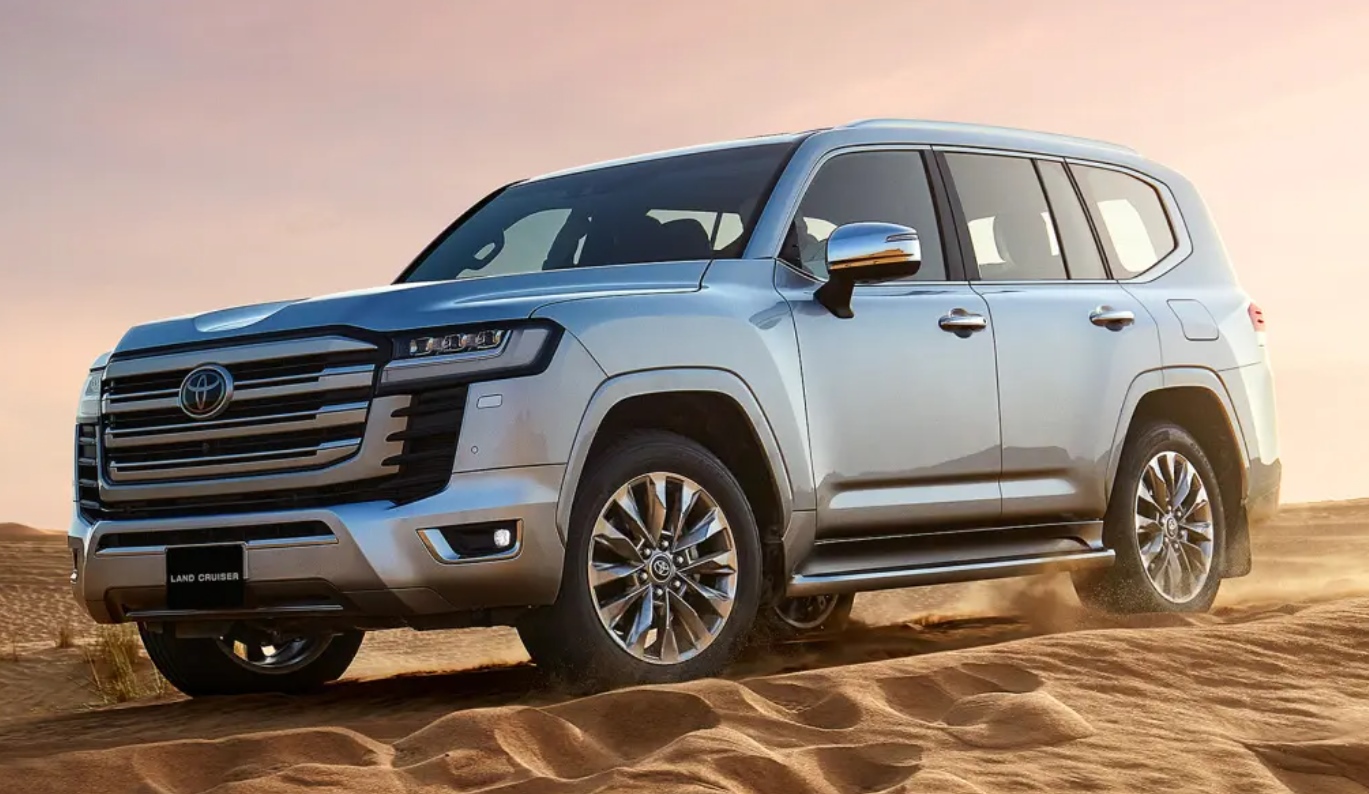
The body-on-frame construction also means that even if some surface rust appears, the structural integrity remains intact. Many Land Cruisers abandoned outdoors for years have been recovered and returned to service with surprisingly little work required.
Mechanically, the Land Cruiser’s simplicity works in its favor during periods of neglect. The cooling systems are robust and rarely fail catastrophically, the electrical systems are relatively basic and reliable, and the drivetrain components are massively over-engineered for typical passenger car duties.
Even after sitting dormant, most Land Cruisers can be coaxed back to life with fresh fluids and basic maintenance. The global reputation of the Land Cruiser for durability isn’t just marketing; it’s been proven in countless real-world scenarios.
From abandoned research stations in Antarctica to forgotten farm vehicles that start after years of disuse, the Land Cruiser has demonstrated time and again that it can survive conditions that would destroy other vehicles.
This reputation has made it the vehicle of choice for aid organizations, military forces, and adventurers worldwide who need absolute reliability.
2. Honda Civic (1990s-2000s)
The Honda Civic from the 1990s through early 2000s represents the peak of Japanese automotive engineering focused on reliability and longevity.
These generations of Civic were built during Honda’s golden era of quality control, when the company’s reputation for building virtually indestructible economy cars reached its zenith.
The combination of excellent build quality, corrosion-resistant materials, and bulletproof mechanical systems makes these Civics surprisingly capable of surviving outdoor neglect.
Honda’s commitment to quality during this period is evident in every aspect of the Civic’s construction. The engines, particularly the D-series motors, are legendary for their durability and tolerance of poor maintenance.
These single-overhead-cam engines are relatively simple, with fewer complex components to fail compared to modern powertrains.
They can survive extended periods without oil changes, coolant flushes, or other regular maintenance far better than most engines. Many examples exist of these Civics running well beyond 300,000 miles with only basic maintenance.
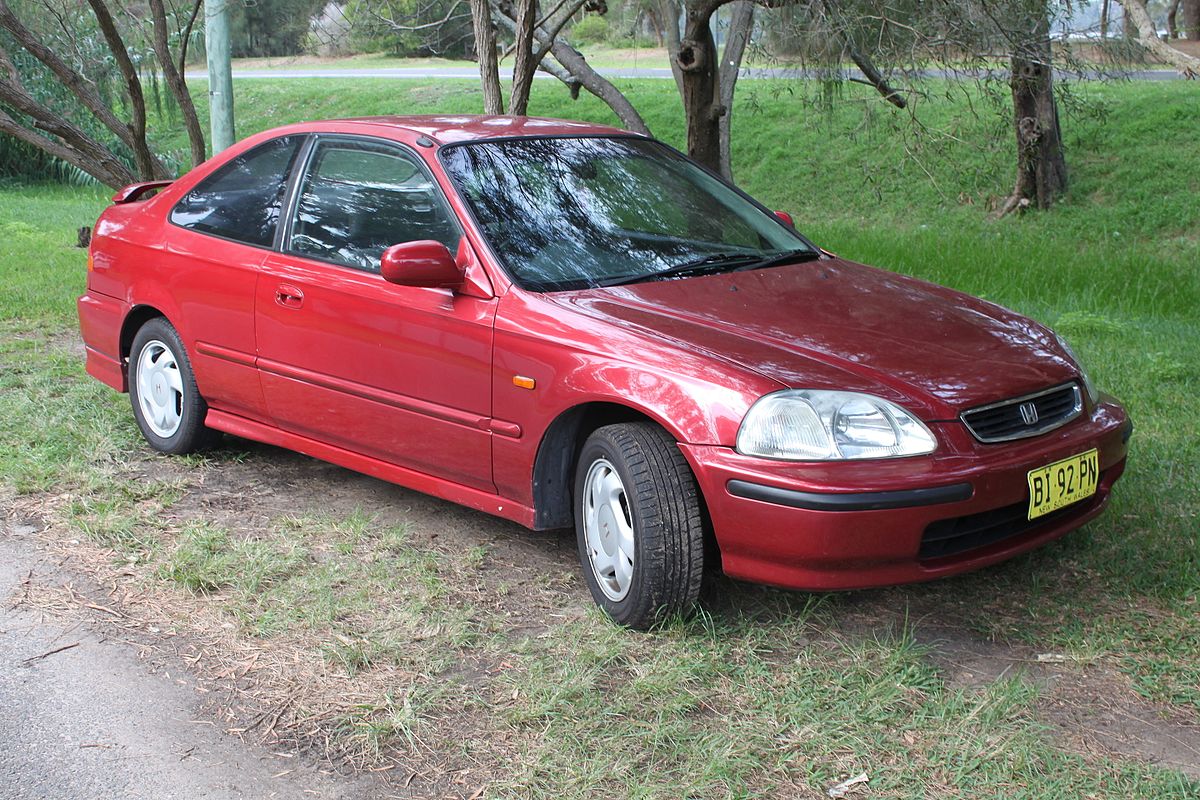
The corrosion resistance of the 1990s and 2000s Civics is exceptional for vehicles of this price point. Honda invested heavily in anti-corrosion technology during this period, using extensive galvanizing processes and improved paint systems.
While these cars aren’t immune to rust, they resist corrosion far better than most economy cars. Even when exposed to harsh weather conditions for extended periods, the structural integrity typically remains sound, and surface rust is often the extent of corrosion damage.
Electrically, these Civics are refreshingly simple and reliable. The basic electrical systems rarely fail catastrophically, and when problems do occur, they’re usually minor and easily diagnosed.
The ignition systems are particularly robust, with many examples starting reliably even after sitting for months or years. The alternators and starters are also known for their longevity and ability to function even under less-than-ideal conditions.
The cultural impact of these Civic generations cannot be overstated. They’ve become the automotive equivalent of a reliable appliance, not exciting, but utterly dependable.
Stories abound of Civics from this era being recovered from outdoor storage after years of neglect and returning to daily driver duty with minimal investment.
This reliability has made them popular choices for first cars, backup vehicles, and situations where absolute dependability is more important than luxury or performance.
3. Jeep Cherokee XJ (1984-2001)
The Jeep Cherokee XJ revolutionized the SUV market and established a template for durability that few vehicles have matched. Built for 18 years with minimal changes to its core design, the XJ Cherokee represents one of the most successful automotive platforms ever created.
Its ability to survive outdoor neglect comes from a combination of robust construction, simple mechanical systems, and a design philosophy that prioritized function over form.
At the heart of the XJ’s legendary durability is the 4.0-liter inline-six engine, widely regarded as one of the most reliable powerplants ever produced. This engine is remarkably tolerant of poor maintenance and harsh conditions.
The cast-iron block and aluminum head combination provides excellent durability, while the relatively simple fuel injection system is far more reliable than the carbureted systems it replaced. Even after sitting for extended periods, most 4.0-liter engines will start and run with minimal intervention.
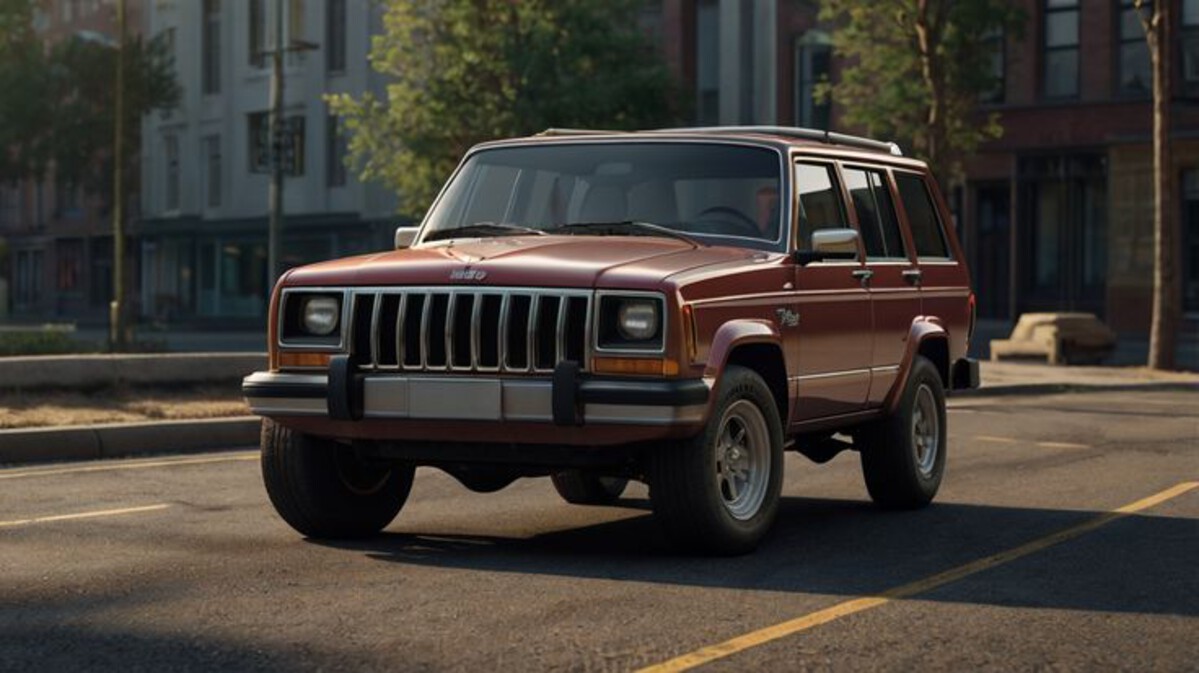
The XJ’s unibody construction was revolutionary for its time, providing better structural rigidity than body-on-frame designs while maintaining exceptional durability.
The extensive use of galvanized steel and improved corrosion protection helped these vehicles resist rust better than many contemporary SUVs. ]
While they’re not immune to corrosion, particularly around the rear wheel wells and lower door frames, the structural integrity typically remains intact even when surface rust is present.
The Cherokee’s electrical systems, while more complex than earlier Jeeps, are still relatively simple by modern standards. The wiring harnesses are generally robust, and most electrical failures are minor rather than catastrophic.
The charging system is particularly reliable, with alternators and starters that can function for decades with minimal maintenance. Even after periods of abandonment, most XJs can be brought back to life with basic electrical troubleshooting.
What truly sets the XJ apart is its mechanical simplicity combined with rugged construction. The transfer case, differentials, and transmission are all designed for durability rather than refinement. This means that even after years of neglect, these components often remain functional. The suspension system, while not sophisticated, is robust and easily repairable. Many XJs have been recovered from outdoor storage after years of abandonment and returned to service with surprisingly little work required.
4. Ford F-150 (1980s-1990s)
The Ford F-150 from the 1980s and 1990s represents American truck engineering at its most practical and durable. During this era, Ford focused on building trucks that could handle the demands of commercial use while remaining affordable and maintainable.
The result was a generation of F-150s that could survive harsh conditions and neglect better than most vehicles, making them legendary among truck enthusiasts and working professionals alike.
The engines available in these F-150s were designed for longevity rather than performance or efficiency. The 300 cubic inch inline-six, in particular, has achieved legendary status for its durability and simplicity.
This engine can run for hundreds of thousands of miles with basic maintenance and is remarkably tolerant of poor treatment. The 5.0-liter and 5.8-liter V8 engines are similarly robust, with simple designs that prioritize reliability over complexity.
These engines often continue running even after years of outdoor storage with minimal maintenance. Ford’s approach to corrosion protection during this period was practical and effective. While these trucks aren’t immune to rust, they resist corrosion better than many vehicles of their era.
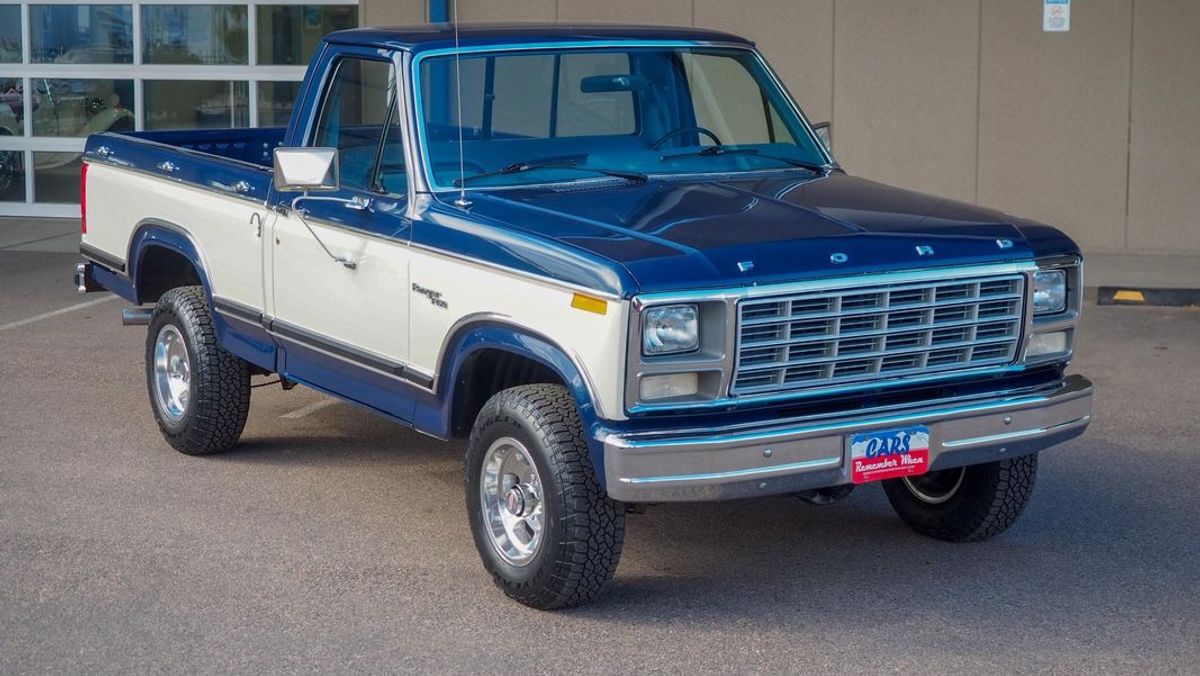
The body-on-frame construction means that even if surface rust appears, the structural integrity remains intact. The truck beds, in particular, are remarkably durable and can withstand years of weather exposure without significant degradation.
The mechanical systems of these F-150s are refreshingly simple and robust. The transmissions, particularly the manual versions, are nearly indestructible when properly maintained.
The rear axles are massively over-engineered for typical passenger use and can survive significant abuse. The suspension systems, while basic, are durable and easily repairable with common tools and inexpensive parts.
What makes these F-150s particularly good at surviving outdoor neglect is their commercial-grade construction. Every component was designed to handle the demands of work truck duty, which means they’re far more robust than necessary for typical passenger car use.
The electrical systems are simple and reliable, the cooling systems are robust, and the construction is designed to be maintained in field conditions with basic tools.
Many examples exist of these trucks being recovered from outdoor storage after years of abandonment and returned to service with minimal investment, a testament to their fundamental durability.
Also Read: 5 Cars That Rarely Need Cooling System Work vs 5 That Always Overheat
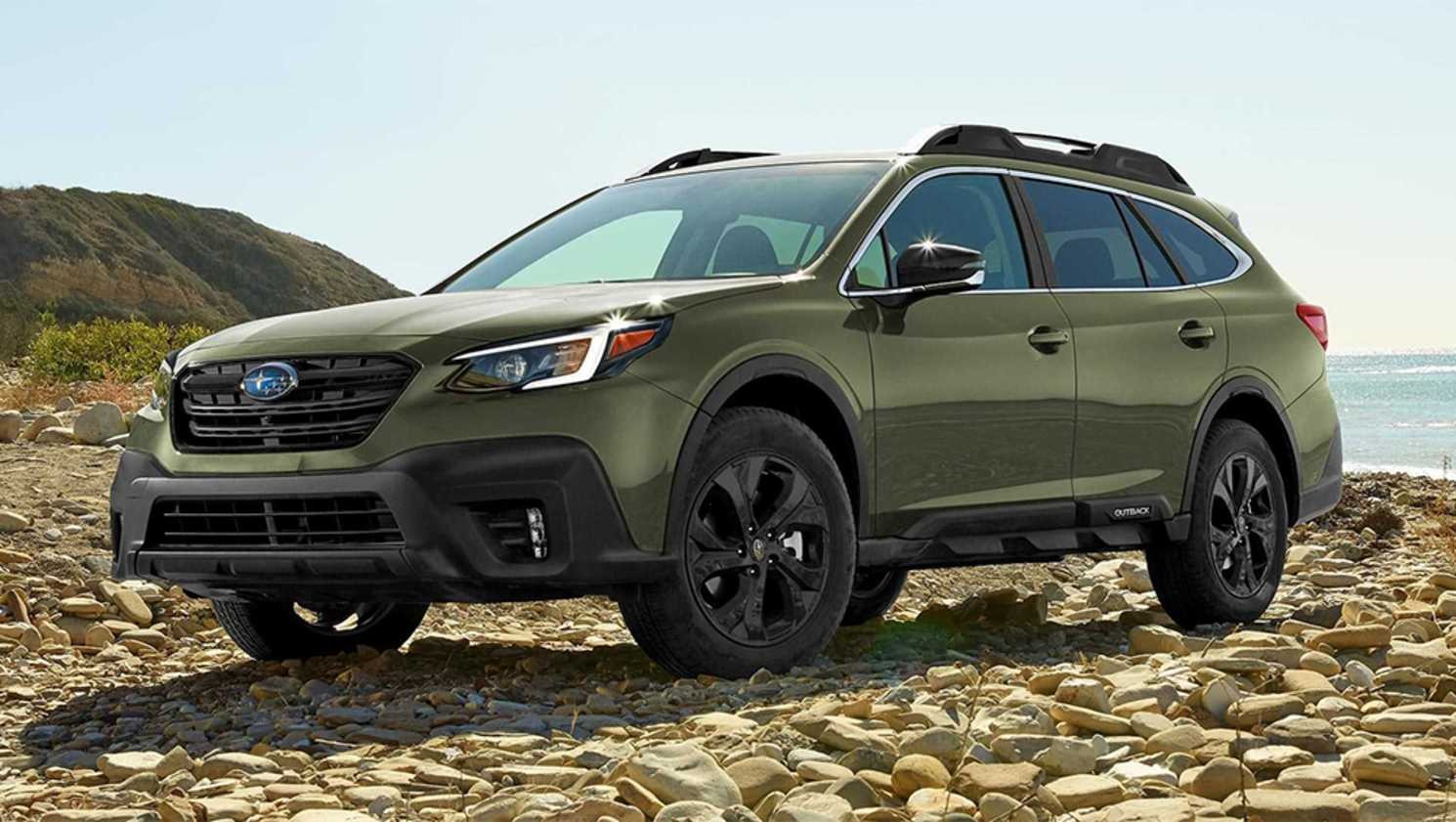
5. Subaru Outback/Legacy (1990s-2000s)
The Subaru Outback and Legacy from the 1990s through early 2000s represent a unique approach to automotive durability that combines Japanese reliability with all-weather capability.
These vehicles were engineered specifically for harsh weather conditions and outdoor use, making them exceptionally capable of surviving neglect in outdoor environments.
The combination of all-wheel drive, rust-resistant construction, and bulletproof mechanical systems creates a vehicle that can endure conditions that would disable most cars.
Subaru’s horizontally opposed “boxer” engines are the heart of these vehicles’ durability. The 2.2-liter and 2.5-liter four-cylinder engines are known for their longevity and tolerance of poor maintenance.
The low center of gravity provided by the boxer design also contributes to better handling and stability in adverse conditions. While these engines do have some known issues (particularly head gasket problems on certain 2.5-liter versions), they are generally very reliable and can survive extended periods without maintenance better than most engines.
The all-wheel drive system in these Subarus is a significant advantage when it comes to surviving outdoor neglect. The symmetrical AWD system provides excellent traction in all conditions, allowing these vehicles to move under their own power even when tires are low on pressure or when surfaces are slippery from weather exposure.
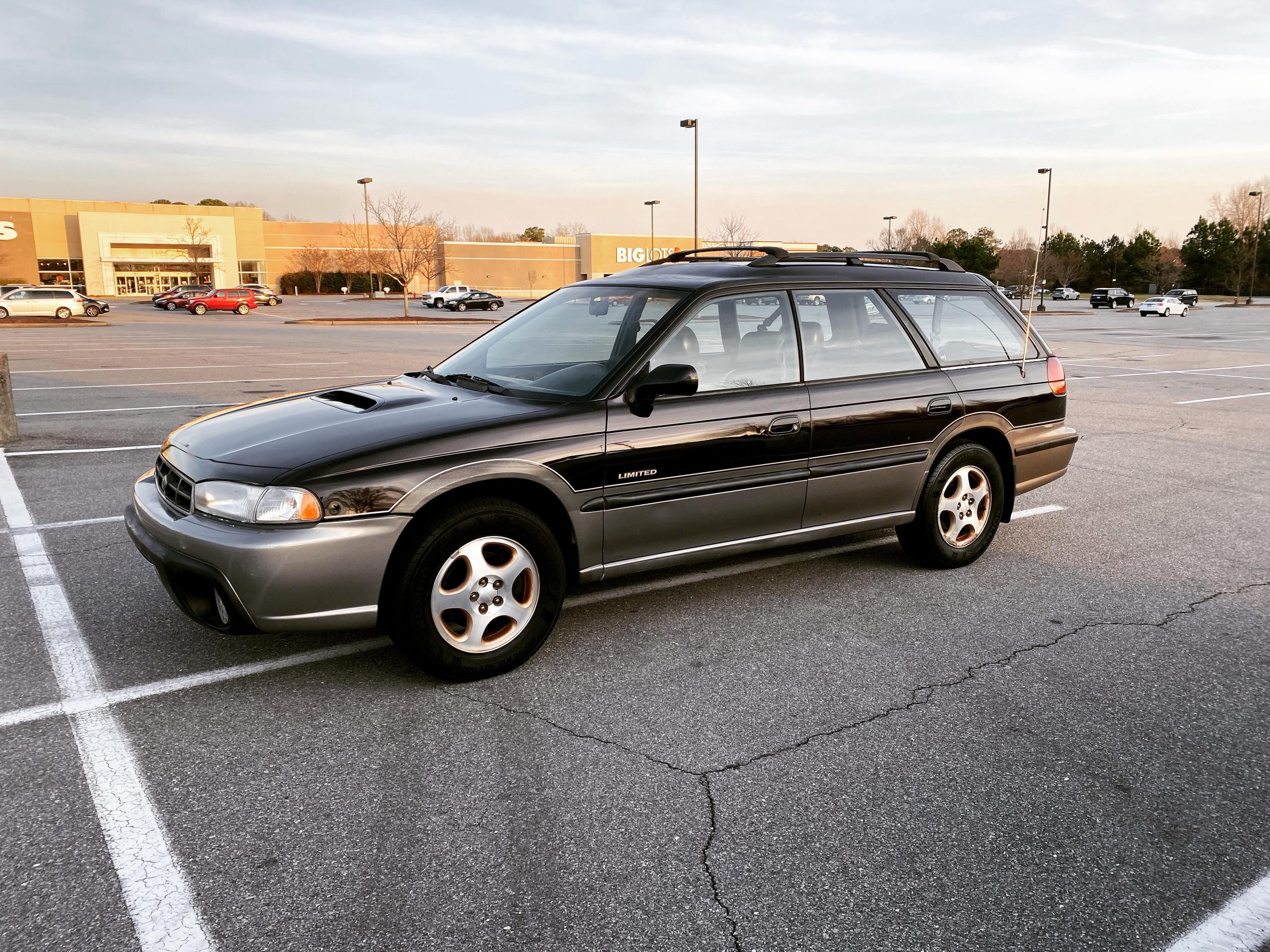
This capability means that neglected Subarus can often be driven out of difficult outdoor storage situations that would trap other vehicles. Subaru invested heavily in corrosion resistance during this period, using extensive galvanizing and improved paint processes.
While these vehicles can still develop rust, particularly in areas with heavy road salt use, they generally resist corrosion better than most all-wheel drive vehicles of their era. The aluminum components used in the engine and drivetrain also resist corrosion better than steel equivalents.
The practical design philosophy of these Subarus extends to every aspect of their construction. The electrical systems are relatively simple and reliable, the cooling systems are robust and rarely fail catastrophically, and the construction prioritizes function over form.
Many examples exist of Outbacks and Legacys being recovered from outdoor storage after years of abandonment and returned to daily driver duty with minimal work required.
This reliability, combined with their all-weather capability, has made them popular choices for outdoor enthusiasts and residents of harsh-weather climates.
6. Nissan Pickup/Frontier (1980s-1990s)
The Nissan Pickup (later called Frontier) from the 1980s and 1990s established Japanese compact trucks as serious alternatives to American full-size pickups.
These vehicles combined the reliability and fuel efficiency of Japanese engineering with the utility and durability expected from a pickup truck. The result was a generation of trucks that could survive outdoor neglect remarkably well while maintaining their functionality and reliability.
The engines in these Nissan trucks are legendary for their durability and simplicity. The KA24E four-cylinder and VG30E V6 engines are particularly noteworthy for their ability to run for hundreds of thousands of miles with basic maintenance.
These engines are relatively simple, with fewer complex components than modern powertrains, making them more tolerant of irregular maintenance schedules. The robust cast-iron construction and proven designs mean these engines often continue running even after years of outdoor storage.
Nissan’s approach to corrosion protection during this period was comprehensive and effective. These trucks feature extensive undercoating and galvanized components in critical areas. While not completely immune to rust, they resist corrosion far better than most trucks of their era.
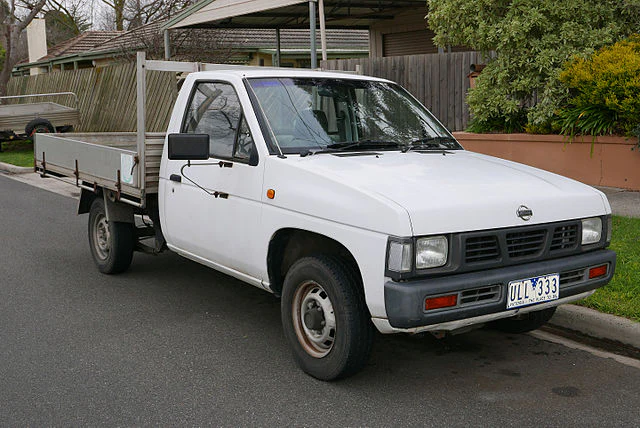
The body construction is particularly robust, with thick steel panels that can withstand weather exposure for extended periods without significant degradation. The mechanical simplicity of these Nissan trucks works strongly in their favor during periods of neglect.
The manual transmissions are nearly indestructible, the differentials are robust and long-lasting, and the suspension systems are designed for durability over comfort. Even the four-wheel drive systems (where equipped) are refreshingly simple and reliable, with fewer complex components to fail compared to modern systems.
What makes these trucks particularly good at surviving outdoor abandonment is their commercial-grade build quality despite their compact size. Every component was designed to handle the demands of work truck duty, meaning they’re over-engineered for typical passenger use.
The electrical systems are simple and reliable, the cooling systems rarely fail catastrophically, and the construction can withstand significant abuse.
Stories abound of these trucks being recovered from years of outdoor storage and returned to service with minimal investment, often requiring little more than fresh fluids and basic maintenance to resume reliable operation.
7. Mercedes-Benz W123 (1970s-1980s)
The Mercedes-Benz W123 series represents the pinnacle of German over-engineering and build quality from an era when Mercedes prioritized durability above all else.
These vehicles were built to last for decades, with attention to detail and material quality that far exceeded contemporary standards. The result is a car that can survive outdoor neglect remarkably well, with many examples still running strong after 40+ years and hundreds of thousands of miles.
The engines available in the W123 series are legendary for their durability and longevity. The diesel engines, particularly the OM616 and OM617 motors, are virtually indestructible when properly maintained and remarkably tolerant of poor treatment.
These engines can run for 400,000-500,000 miles or more with basic maintenance, and their simple mechanical fuel injection systems continue functioning even after extended periods of abandonment. The gasoline engines, while not quite as durable as the diesels, are still exceptionally reliable and long-lasting.
Mercedes’ approach to corrosion protection during this era was comprehensive and effective. The W123 features extensive galvanizing, high-quality paint systems, and superior rust protection compared to most vehicles of its time.
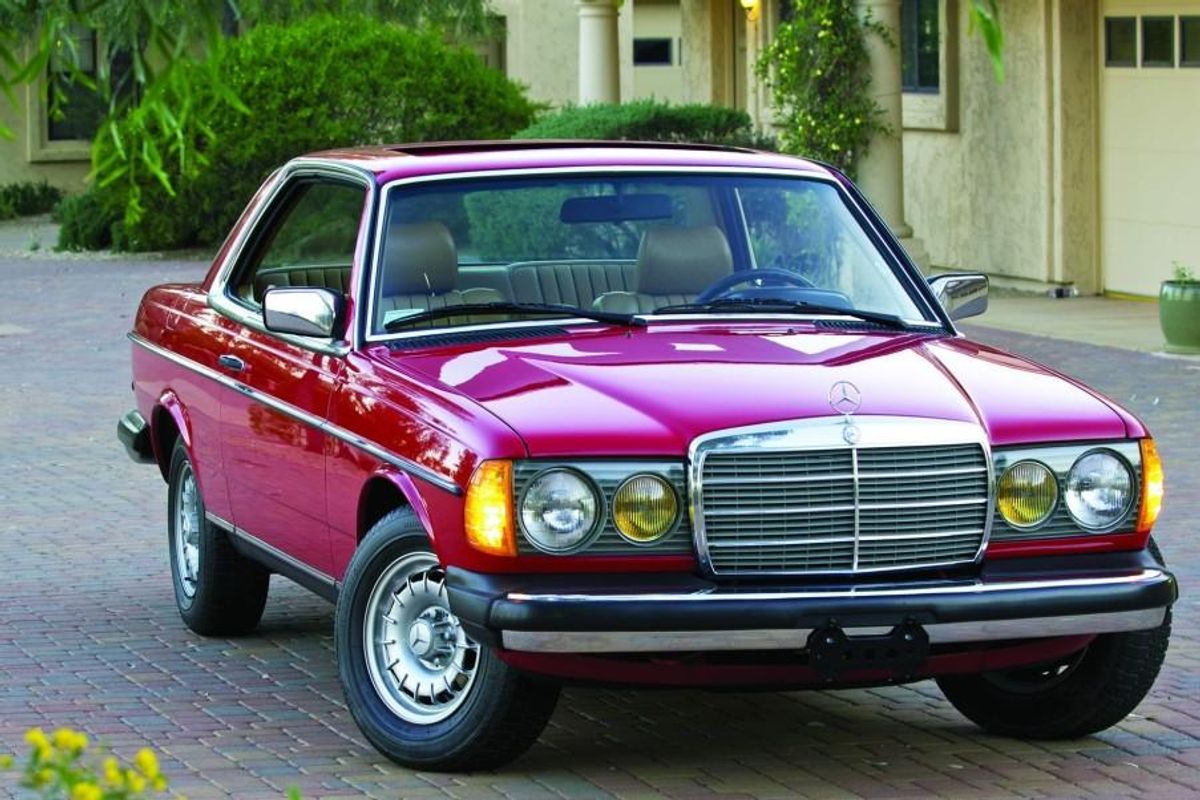
While these cars can still develop rust, particularly in areas with heavy road salt use, they generally resist corrosion far better than contemporary vehicles. The body construction is exceptionally robust, with thick steel panels and reinforcements that provide structural integrity even when surface rust is present.
The build quality of the W123 extends to every component and system. The electrical systems, while complex for their time, are built to much higher standards than contemporary vehicles.
The wiring harnesses use high-quality materials and superior construction techniques, resulting in electrical systems that often continue functioning decades after production. The mechanical systems are similarly over-engineered, with components designed for longevity rather than minimum cost.
What sets the W123 apart from other durable vehicles is the sheer quality of materials and construction. Every component, from the switches and knobs to the engine and transmission, was built to standards that far exceeded what was necessary for typical passenger car use.
This over-engineering means that even after years of outdoor storage and neglect, most systems continue functioning or can be easily restored to working condition.
The legendary reliability of these vehicles has created a strong enthusiast following and robust parts supply, making restoration and maintenance practical even decades after production ended.
8. Chevrolet Suburban/Tahoe (1990s-2000s)
The Chevrolet Suburban and Tahoe from the 1990s through early 2000s represent American truck engineering applied to the SUV market with remarkable success.
These vehicles were built on proven truck platforms with an emphasis on durability, utility, and reliability. The result is a generation of large SUVs that can survive outdoor neglect while maintaining their functionality, making them popular choices for both commercial and personal use in demanding conditions.
The heart of these vehicles’ durability lies in their proven powertrains. The 5.7-liter Vortec V8 engine is particularly noteworthy for its reliability and longevity.
This engine represents the culmination of decades of small-block Chevrolet development, with improved fuel injection, better metallurgy, and more reliable components than earlier versions.
These engines can run for hundreds of thousands of miles with basic maintenance and are remarkably tolerant of poor treatment. Even after extended periods of outdoor storage, most examples can be coaxed back to life with minimal intervention.
The body-on-frame construction of these vehicles provides exceptional durability and repairability. The separate chassis means that even if body corrosion occurs, the structural integrity remains intact.
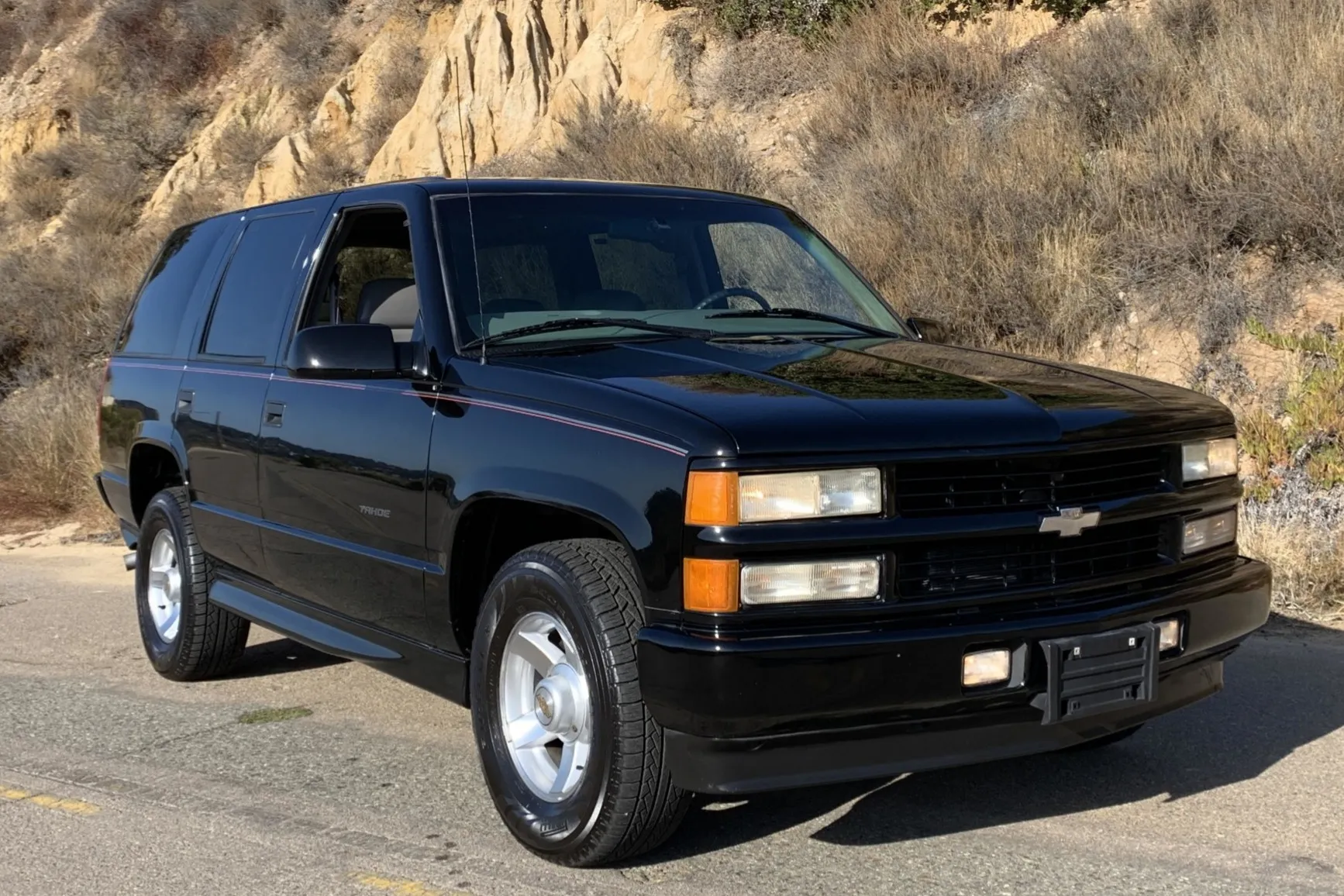
GM’s approach to corrosion protection during this period was comprehensive, with extensive galvanizing and improved paint systems. While these vehicles aren’t immune to rust, they resist corrosion better than many SUVs of their era, particularly in the critical structural areas.
The mechanical systems of these Suburbans and Tahoes are designed for heavy-duty use and are correspondingly robust. The transmissions, particularly the 4L60E automatic, are generally reliable when properly maintained.
The transfer cases and differentials are massively over-engineered for typical passenger use and can survive significant abuse. The suspension systems, while not sophisticated, are durable and easily repairable with common tools and readily available parts.
What makes these vehicles particularly capable of surviving outdoor neglect is their truck-based construction and commercial-grade components.
Every system was designed to handle the demands of towing, hauling, and commercial use, which means they’re far more robust than necessary for typical SUV duty.
The electrical systems are relatively simple and reliable, the cooling systems are robust and rarely fail catastrophically, and the construction can withstand significant environmental exposure.
Many examples exist of these vehicles being recovered from outdoor storage after years of abandonment and returned to service with minimal investment.
9. Volvo 240 Series (1970s-1990s)
The Volvo 240 series represents Swedish engineering philosophy at its finest, with an unwavering focus on safety, durability, and longevity that resulted in one of the most reliable cars ever produced.
Built for nearly two decades with minimal changes to the core design, the 240 series established Volvo’s reputation for building cars that could survive almost anything while protecting their occupants.
These vehicles are legendary for their ability to accumulate massive mileage while surviving neglect that would destroy lesser cars. The engine that defines the 240 series is the B230 four-cylinder, a masterpiece of simple, robust engineering.
This engine is renowned for its ability to run for 400,000+ miles with basic maintenance and its remarkable tolerance of poor treatment. The cast-iron block construction, simple fuel injection system, and proven design mean this engine often continues running even after years of minimal maintenance or outdoor storage.
The engine’s simplicity also means that when problems do occur, they’re typically minor and easily repairable. Volvo’s approach to corrosion protection was ahead of its time, with extensive galvanizing and superior paint systems that helped these cars resist rust better than most vehicles of their era.
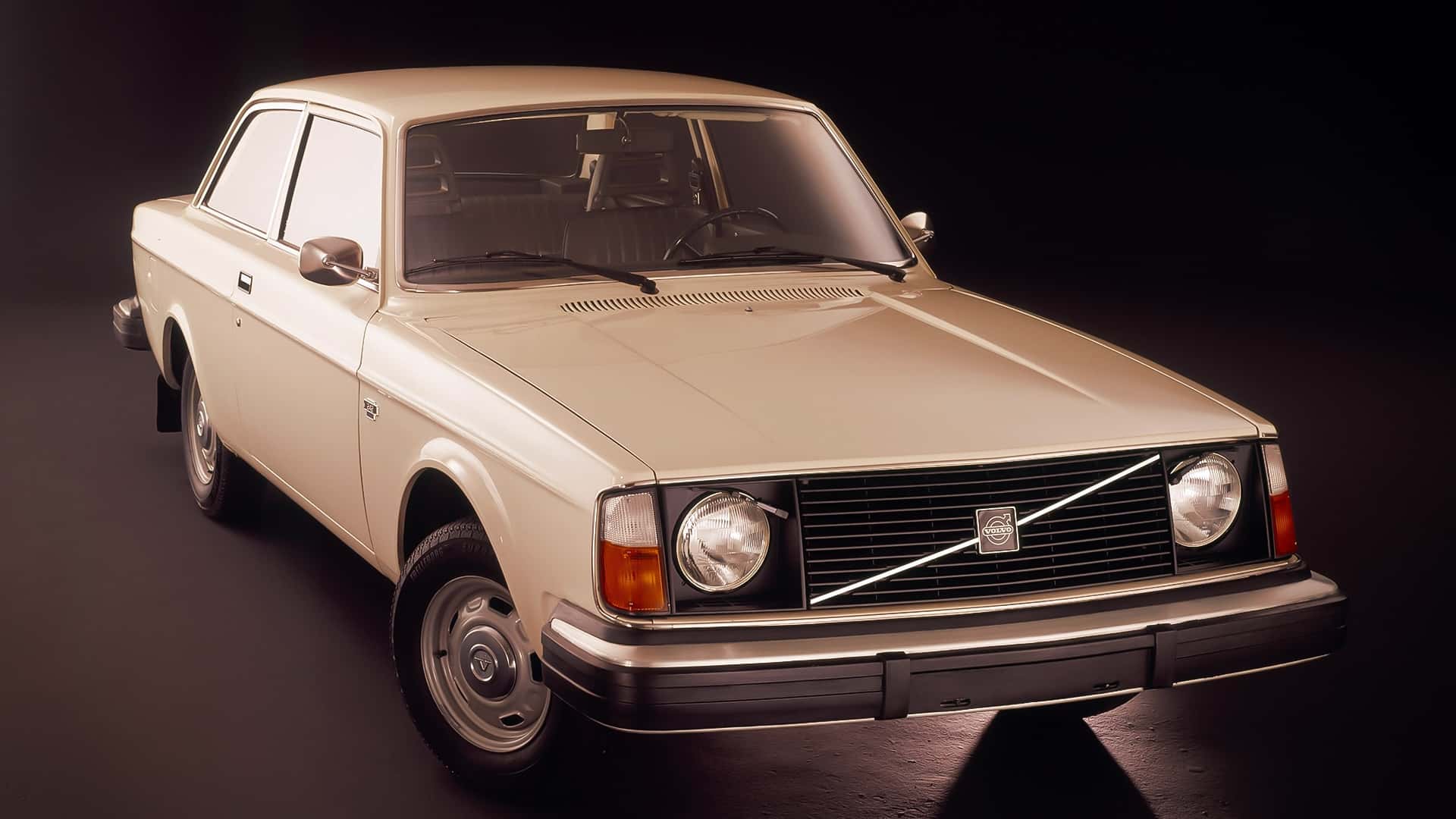
While 240s can develop rust, particularly around the rear wheel wells and door frames, the structural integrity typically remains intact. The robust construction and thick steel body panels can withstand years of weather exposure without significant degradation of the vehicle’s fundamental integrity.
The electrical systems in the 240 series are remarkably reliable for their complexity. Volvo used high-quality components and superior construction techniques, resulting in electrical systems that often continue functioning decades after production.
The fuel injection system, while more complex than carbureted engines, is generally very reliable and rarely fails catastrophically. Even the climate control and other luxury systems often continue working long after contemporary vehicles have failed.
What truly sets the 240 series apart is Volvo’s philosophy of building cars to last. Every component was designed with longevity in mind, often resulting in over-engineered systems that far exceeded what was necessary for typical passenger car use.
This approach means that even after years of outdoor storage and minimal maintenance, most 240s can be brought back to reliable daily driver status with relatively minor investment.
The legendary durability of these vehicles has created a devoted following and robust parts supply, making long-term ownership practical and affordable even decades after production ended.
Also Read: 5 Vehicles That Last a Lifetime With Regular Oil Changes vs 5 That Don’t
