
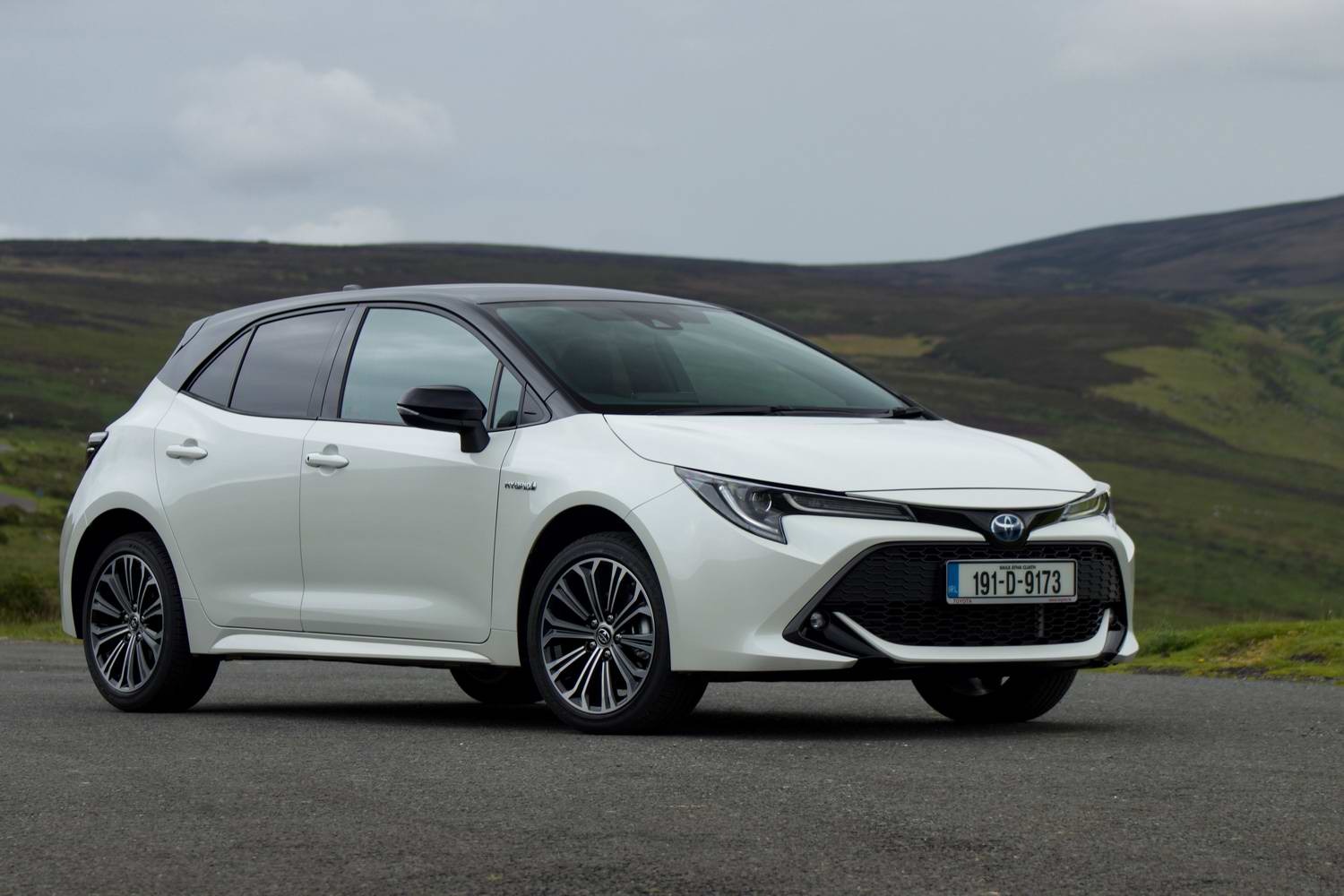
In today’s economy, finding a vehicle that doesn’t drain your wallet through constant repairs and expensive maintenance is crucial. While luxury cars may offer premium features, they often come with premium maintenance costs that can quickly become overwhelming.
The key to smart vehicle ownership lies in choosing cars that are engineered for longevity, built with readily available parts, and designed with simplicity that translates to lower repair costs.
The vehicles featured in this comprehensive guide have earned their reputation through decades of proven reliability, extensive owner testimonials, and consistently low maintenance costs.
These aren’t necessarily the flashiest or most feature-packed vehicles on the market, but they excel where it matters most for budget-conscious drivers: dependability and affordability of ownership.
From compact economy cars to versatile SUVs and reliable pickup trucks, this list spans various vehicle categories to meet different needs and preferences. Each vehicle has been selected based on factors including parts availability, repair frequency, maintenance intervals, and cost of ownership.
Whether you’re a first-time car buyer, a student on a tight budget, or simply someone who values practicality over prestige, these vehicles offer the perfect balance of reliability and affordability that will keep you on the road without breaking the bank.
1. Toyota Corolla
The Toyota Corolla stands as the gold standard for affordable, reliable transportation, and for good reason. Since its introduction in 1966, the Corolla has built an unmatched reputation for durability and low maintenance costs that spans multiple generations.
This compact sedan has consistently ranked among the most dependable vehicles in numerous reliability studies, making it an ideal choice for budget-conscious drivers who need transportation they can count on.
What makes the Corolla particularly appealing from a maintenance perspective is its straightforward engineering and widespread parts availability.
Toyota designed the Corolla with simplicity in mind, using proven technologies rather than cutting-edge systems that might fail or require expensive repairs.
The naturally aspirated four-cylinder engines found in most Corollas are known for their longevity, often running well past 200,000 miles with basic maintenance.
These engines use conventional oil rather than expensive synthetic blends in many cases, and their simple design means fewer components that can fail.
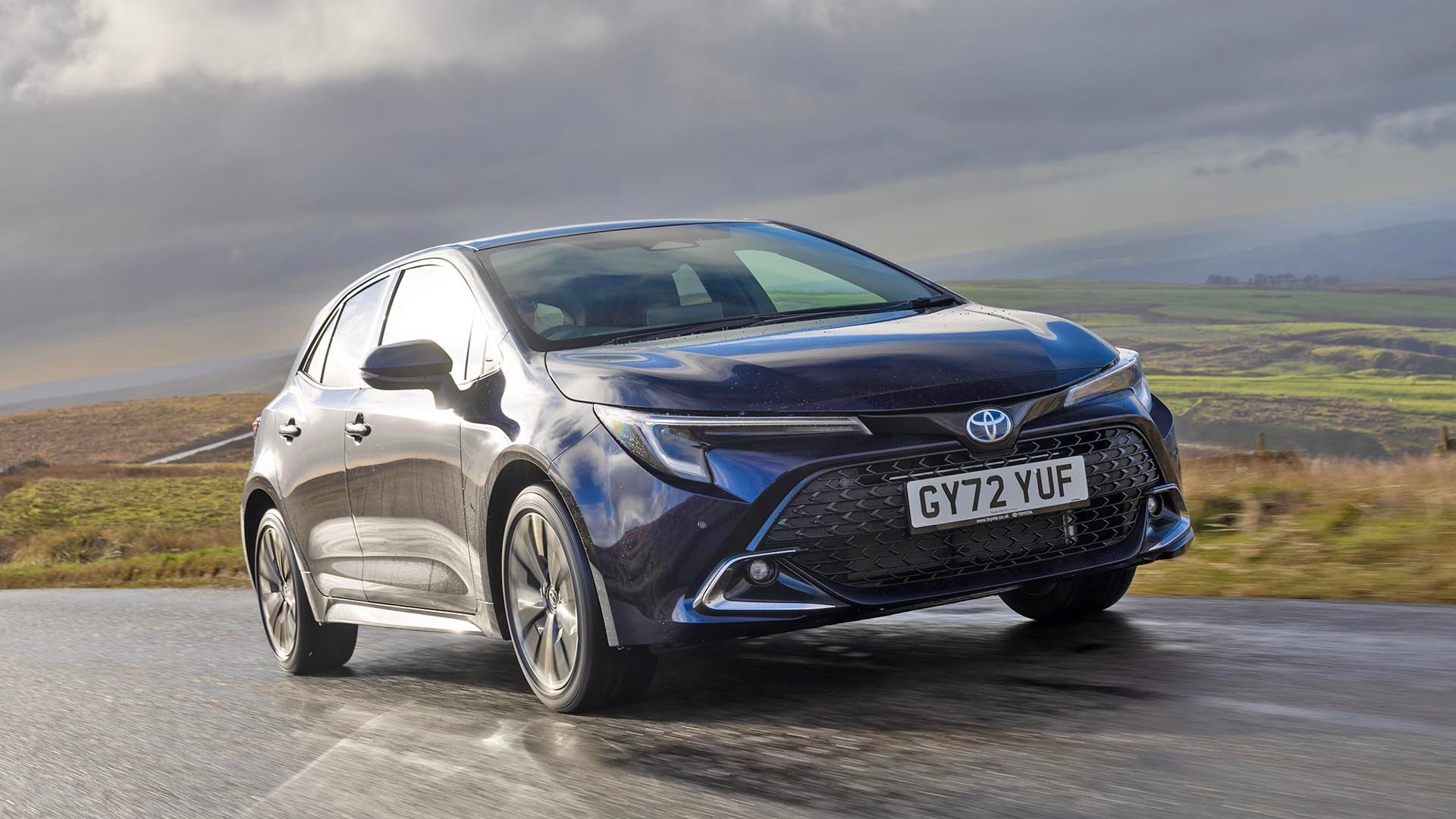
Parts availability is another significant advantage of Corolla ownership. Because Toyota has sold millions of these vehicles worldwide, replacement parts are abundant and competitively priced.
Whether you need brake pads, filters, or more significant components, aftermarket options are readily available, often at a fraction of the cost of original equipment parts.
Independent mechanics are also very familiar with Corollas, meaning you’re not tied to expensive dealership service departments for routine maintenance and repairs.
The Corolla’s maintenance schedule is reasonable and predictable. Oil changes are typically required every 10,000 miles under normal driving conditions, though many owners prefer the 5,000-mile interval for extra protection.
Major services like timing belt replacement (on older models with timing belts) or transmission service are infrequent and reasonably priced. The brake systems are robust and long-lasting, with many owners reporting brake pad life exceeding 60,000 miles under normal driving conditions.
From a fuel economy standpoint, the Corolla helps keep operating costs low with EPA ratings typically exceeding 30 mpg combined, and highway driving often yields 35-40 mpg.
This efficiency means fewer stops at gas stations and lower transportation costs. Insurance rates for Corollas are also generally reasonable due to their excellent safety ratings and low theft rates.
2. Honda Civic
The Honda Civic has earned its place as one of the most reliable and cost-effective vehicles to maintain, building on Honda’s reputation for engineering excellence and long-term durability.
Like the Toyota Corolla, the Civic represents practical transportation at its finest, combining reliability with engaging driving dynamics that make daily commuting more enjoyable while keeping maintenance costs remarkably low.
Honda’s approach to the Civic’s engineering emphasizes durability and serviceability. The company’s naturally aspirated four-cylinder engines, particularly the legendary D-series and more recent R-series units, are known for their ability to run smoothly for hundreds of thousands of miles with proper care.
These engines are designed with adequate oil capacity, robust internal components, and conservative tuning that prioritizes longevity over maximum power output. The result is an engine that rarely requires major repairs before reaching very high mileages.
The Civic’s maintenance requirements are straightforward and affordable. Honda recommends oil changes every 7,500 to 10,000 miles, depending on driving conditions, and the engines are not particularly sensitive to oil type, accepting conventional motor oil in most applications.
The timing chain design in newer models eliminates the need for expensive timing belt replacement, while older models with timing belts require this service only every 105,000 miles or so.
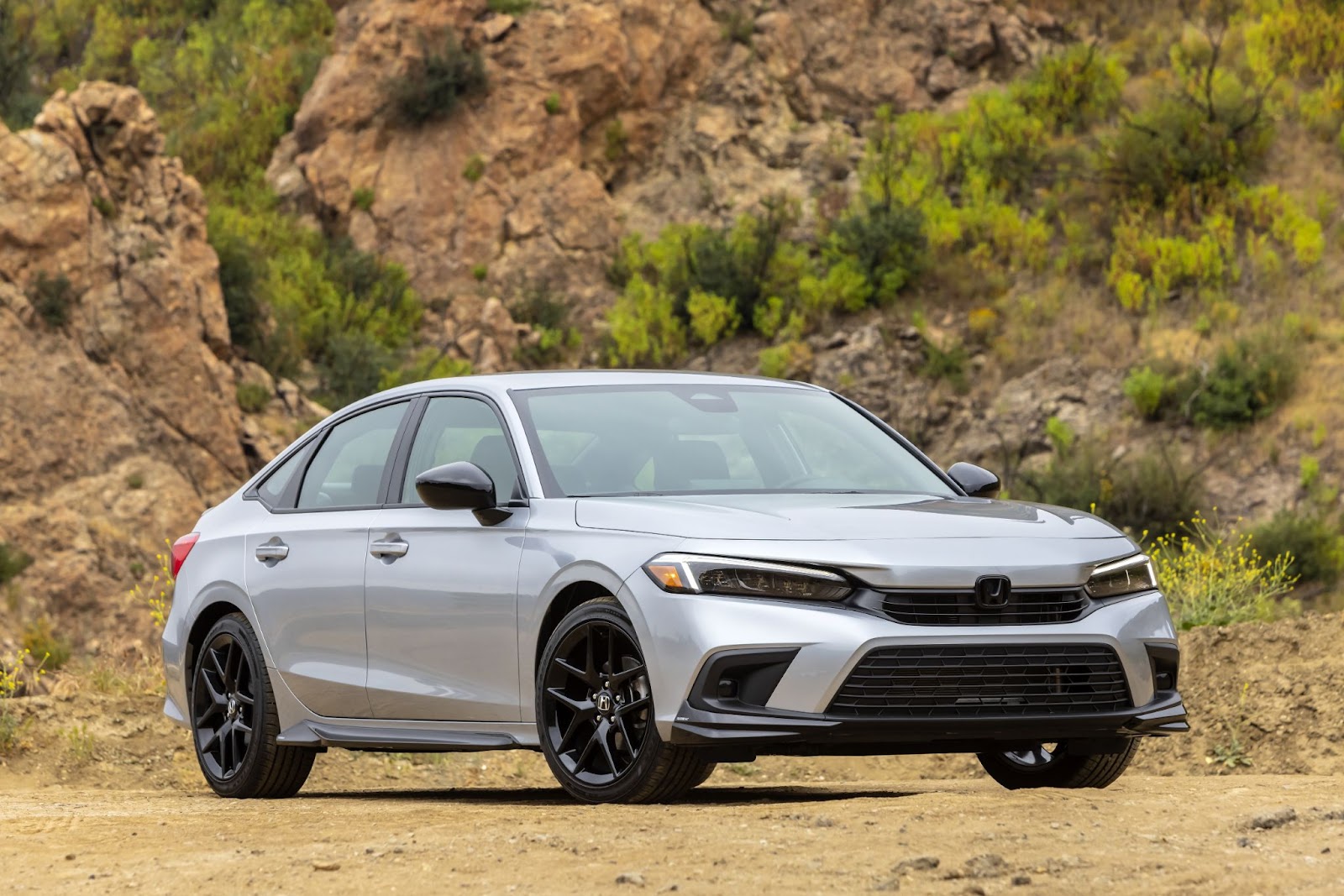
Parts availability for the Civic is exceptional, thanks to its popularity and Honda’s commitment to long-term parts support. The aftermarket parts industry has embraced the Civic platform, providing numerous options for everything from routine maintenance items to performance upgrades.
This competition keeps prices low while ensuring quality remains high. Independent mechanics appreciate working on Civics due to their logical design and accessible components, meaning you can often find skilled service at competitive rates outside of dealership networks.
The Civic’s reputation for reliability extends beyond the engine to other crucial systems. The manual transmissions are particularly robust, often lasting the life of the vehicle with minimal maintenance beyond periodic fluid changes.
Even the continuously variable transmissions (CVT) used in recent models have proven more reliable than those found in many competing vehicles.
Brake systems typically last 50,000-70,000 miles, and the suspension components are built to withstand daily driving without frequent replacement.
Fuel economy is another area where the Civic excels, with most models achieving EPA ratings of 32-40 mpg combined, depending on engine and transmission combinations.
This efficiency translates directly to lower operating costs and fewer fuel stops, making the Civic an excellent choice for commuters and anyone looking to minimize transportation expenses.
3. Toyota Camry
The Toyota Camry represents the pinnacle of midsize sedan reliability and affordable maintenance, offering more space and comfort than compact cars while maintaining the low ownership costs that Toyota is famous for.
As America’s best-selling midsize sedan for many years, the Camry has proven its worth through millions of satisfied owners who have experienced firsthand its exceptional durability and minimal maintenance requirements.
The Camry’s engineering philosophy mirrors that of the Corolla but scales up to accommodate the larger vehicle’s needs. Toyota’s four-cylinder and V6 engines used in the Camry are conservatively tuned and built with high-quality materials that ensure long service life.
The 2.4-liter and 2.5-liter four-cylinder engines, in particular, have earned reputations for exceptional longevity, with many examples exceeding 300,000 miles without major engine work. These engines use timing chains rather than belts in most model years, eliminating one of the most expensive maintenance items that plague other vehicles.
Routine maintenance on the Camry is both affordable and infrequent. Oil change intervals of 10,000 miles are standard under normal driving conditions, and the engines are not particularly demanding regarding oil specifications. The larger oil capacity compared to smaller cars means the engine operates under less stress between changes.
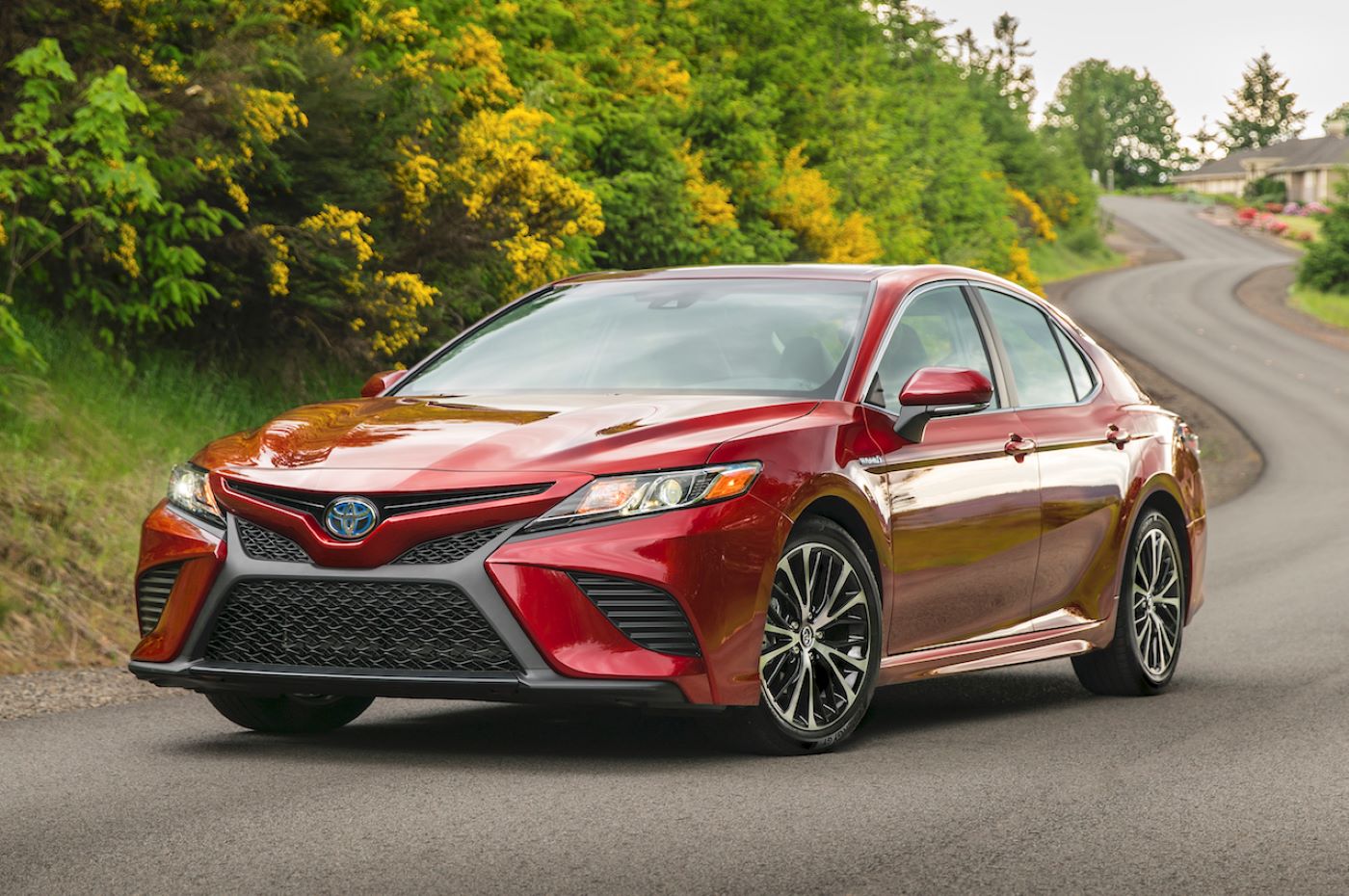
Air filters, cabin filters, and other routine replacement items are reasonably priced and easily accessible, making DIY maintenance straightforward for those inclined to perform their own service. The Camry’s reputation for reliability extends well beyond the powertrain.
The automatic transmissions, whether traditional planetary designs or newer eight-speed units, are engineered for durability and require only periodic fluid changes to maintain optimal performance.
The brake systems are robust and typically provide 60,000-80,000 miles of service before requiring pad replacement, while rotors often last through multiple pad changes.
The suspension systems use conventional designs with readily available components, ensuring that even when repairs are needed, they won’t break the budget.
Parts availability for the Camry is excellent due to its high sales volume and Toyota’s extensive dealer network. Additionally, the aftermarket has embraced the Camry platform, providing competitive alternatives for most maintenance and repair items.
This competition helps keep costs low while ensuring quality remains high. Independent mechanics are very familiar with Camry maintenance and repair procedures, meaning owners aren’t locked into expensive dealership service departments.
Insurance costs for the Camry are typically reasonable due to its excellent safety ratings and relatively low theft rates. The combination of reliability, safety, and practicality makes it an excellent choice for families who need dependable transportation without the premium costs associated with luxury vehicles.
4. Honda Accord
The Honda Accord stands alongside the Toyota Camry as one of the most reliable and cost-effective midsize sedans available, offering a compelling combination of performance, comfort, and remarkably low maintenance costs.
Honda’s commitment to engineering excellence shines through in the Accord, which has consistently ranked among the most dependable vehicles in its class while providing an engaging driving experience that makes daily transportation enjoyable rather than merely functional.
Honda’s approach to Accord engineering prioritizes long-term reliability through the use of proven technologies and robust construction. The four-cylinder engines found in most Accords, particularly the K-series units used in recent generations, are masterpieces of engineering that combine efficiency with durability.
These engines feature timing chains rather than belts, eliminating one major maintenance expense, and are designed with generous oil capacity and conservative tuning that promotes longevity. Many Accord owners report trouble-free operation well beyond 200,000 miles with nothing more than routine maintenance.
The maintenance schedule for the Accord is both reasonable and predictable. Honda recommends oil changes every 7,500 to 10,000 miles, depending on driving conditions, and the engines accept conventional motor oil in most applications, keeping costs low.
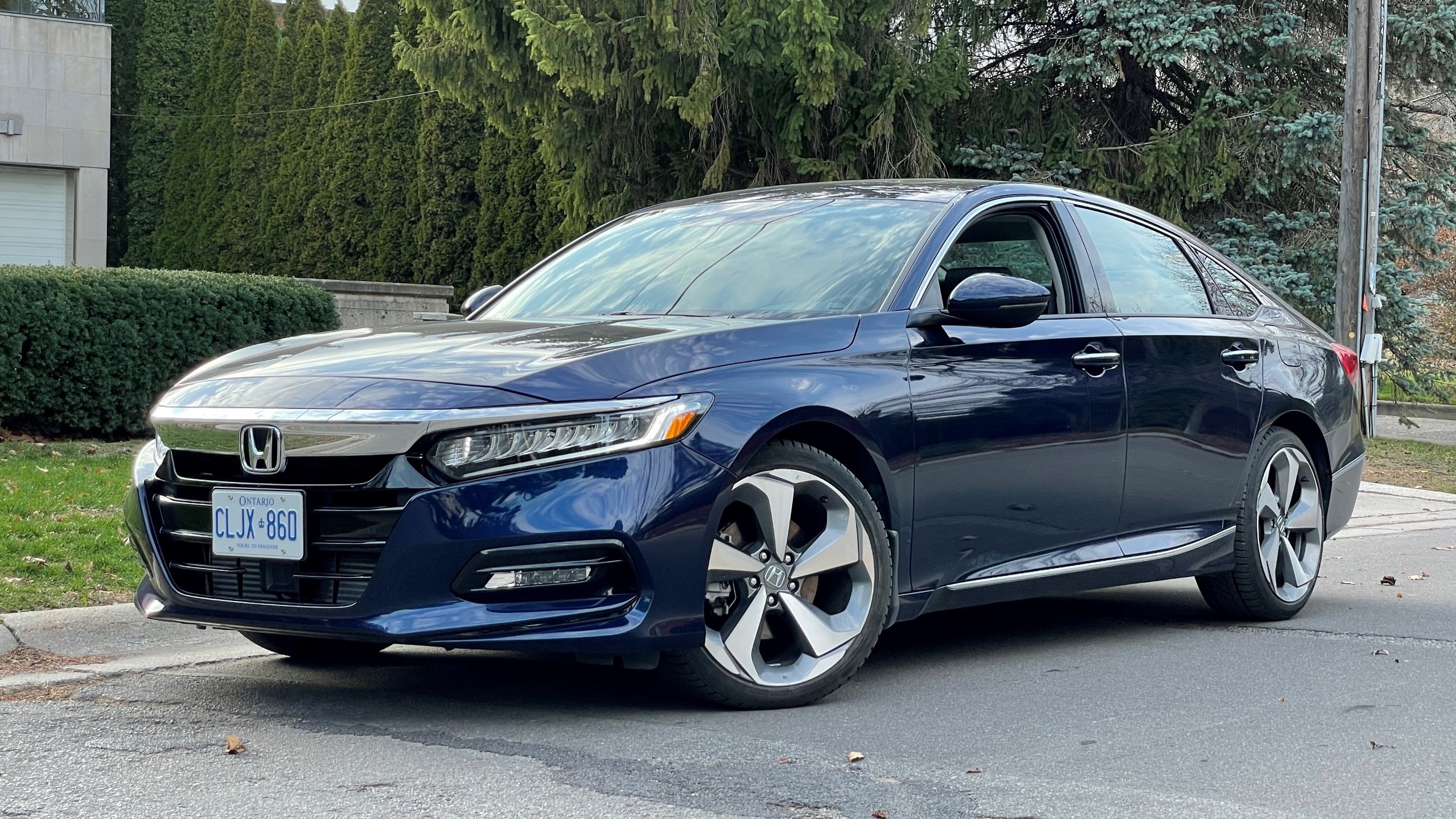
The larger displacement of Accord engines compared to compact cars means they operate under less stress during normal driving, contributing to their exceptional longevity.
Major services are infrequent and reasonably priced, with items like spark plugs typically lasting 100,000 miles and transmission service required only every 90,000 miles or so.
Parts availability for the Accord is outstanding due to its popularity and Honda’s extensive support network. The vehicle’s high sales volume has encouraged a robust aftermarket parts industry, providing numerous options for replacement components at competitive prices.
This competition benefits consumers by keeping costs low while maintaining quality standards. Independent mechanics appreciate the Accord’s logical design and accessible components, meaning owners can often find skilled service at competitive rates outside of Honda dealerships.
The Accord’s reliability extends beyond the engine to encompass all major systems. The manual transmissions are exceptionally durable, often lasting the vehicle’s lifetime with minimal maintenance, while the automatic transmissions, including newer CVT units, have proven more reliable than those in many competing vehicles.
The brake systems typically provide 60,000-80,000 miles of service, and the suspension components are engineered to withstand daily use without frequent replacement.
Fuel economy is another strong point for the Accord, with most models achieving EPA ratings in the low-to-mid 30s for combined driving, and highway efficiency often exceeding 35 mpg.
This efficiency translates to lower operating costs and fewer fuel stops, making the Accord an excellent choice for commuters and anyone seeking to minimize transportation expenses while enjoying the space and comfort of a midsize sedan.
Also Read: 5 Honda Accord Years That Run Forever vs 5 That Don’t
5. Mazda3
The Mazda3 represents an excellent balance of driving enjoyment and low maintenance costs, offering a more engaging driving experience than many economy cars while maintaining the reliability and affordability that budget-conscious buyers demand.
Mazda’s philosophy of “Jinba Ittai” (horse and rider as one) translates to vehicles that are not only dependable but also genuinely enjoyable to drive, making the daily commute something to look forward to rather than endure.
Mazda’s engineering approach for the Mazda3 emphasizes quality materials and careful attention to detail rather than cutting-edge technology that might prove troublesome over time.
The naturally aspirated four-cylinder engines used in most Mazda3 models, particularly the Skyactiv-G units, are designed for efficiency and longevity.
These engines use timing chains rather than belts, eliminating one major maintenance expense, and feature direct injection technology that improves fuel economy without significantly increasing maintenance complexity or costs.
The maintenance requirements for the Mazda3 are straightforward and affordable. Mazda recommends oil changes every 7,500 miles under normal driving conditions, and the engines are not particularly demanding regarding oil specifications, accepting conventional motor oil in most applications.
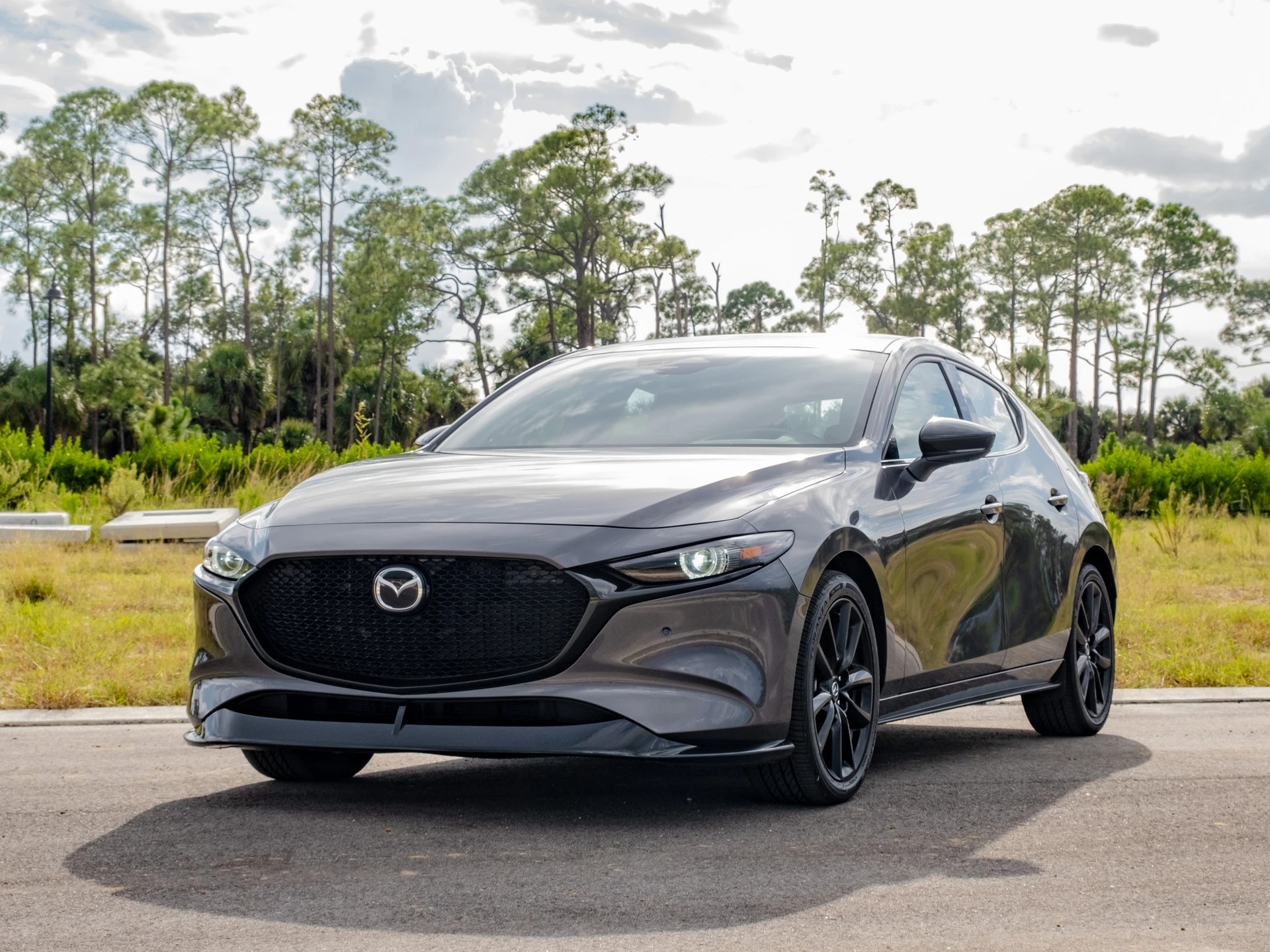
The Skyactiv engines are designed with larger oil capacity relative to their displacement, which reduces stress on the oil and extends service intervals. Air filters, cabin filters, and other routine maintenance items are reasonably priced and easily accessible for both professional service and DIY maintenance.
Parts availability for the Mazda3 is good, though not quite as extensive as for the more popular Toyota and Honda models. However, Mazda has maintained consistent parts supply, and the aftermarket has developed reasonable support for common maintenance and repair items.
The relative simplicity of Mazda3 systems means that when repairs are needed, they’re typically straightforward and affordable. Independent mechanics generally appreciate working on Mazdas due to their logical design and quality construction.
The Mazda3’s reputation for reliability extends to all major systems. The manual transmissions are particularly noteworthy for their precision and durability, often lasting the vehicle’s lifetime with minimal maintenance beyond periodic fluid changes.
The automatic transmissions, whether conventional six-speed units or newer designs, have proven reliable in long-term use. Brake systems typically provide excellent service life, often exceeding 60,000 miles before requiring pad replacement, while the suspension systems use quality components that resist wear.
Fuel economy is competitive with other vehicles in its class, with most Mazda3 models achieving EPA ratings in the high 20s to low 30s for combined driving. The efficient Skyactiv engines help keep operating costs low while providing adequate performance for daily driving needs.
Insurance rates are typically reasonable due to the Mazda3’s good safety ratings and relatively low theft rates, contributing to its affordability as a transportation solution.
6. Nissan Sentra
The Nissan Sentra has established itself as a reliable and economical compact sedan that offers excellent value for budget-conscious buyers seeking dependable transportation with minimal maintenance requirements.
While perhaps not as celebrated as the Toyota Corolla or Honda Civic, the Sentra provides a compelling alternative that combines practicality with affordability, making it an excellent choice for first-time buyers, students, and anyone prioritizing low ownership costs.
Nissan’s approach to the Sentra emphasizes simplicity and cost-effectiveness without sacrificing reliability. The four-cylinder engines used throughout the Sentra’s production run, particularly the QR25DE and more recent HR16DE units, are designed for durability and fuel efficiency.
These naturally aspirated engines use proven technologies and conservative tuning that prioritizes longevity over maximum performance. The timing chain design eliminates the need for expensive timing belt replacement, while the straightforward fuel injection systems are less complex than some competing designs, reducing potential failure points.
Maintenance requirements for the Sentra are reasonable and predictable. Nissan typically recommends oil changes every 5,000 to 7,500 miles depending on driving conditions, and the engines accept conventional motor oil, keeping service costs low.
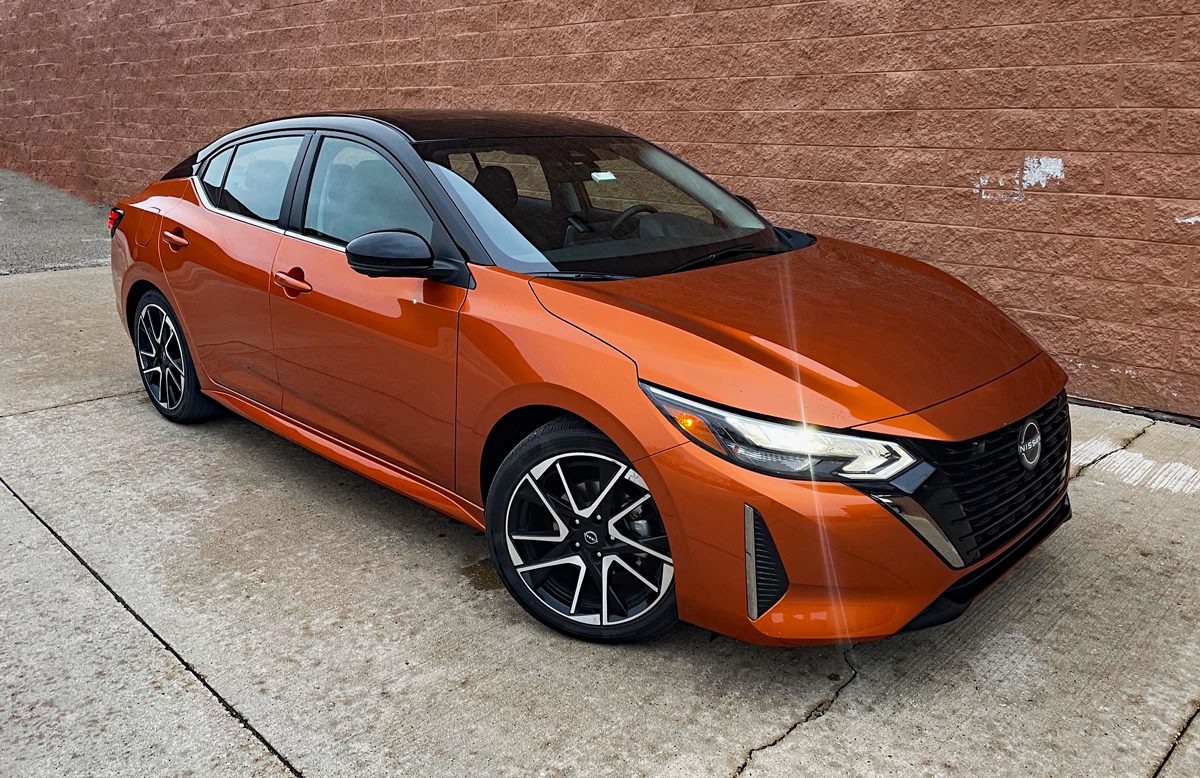
The air filtration systems use standard components that are readily available and reasonably priced. Spark plugs typically last 100,000 miles, and other routine maintenance items follow similarly extended intervals that help minimize ongoing costs.
Parts availability for the Sentra is good due to Nissan’s extensive dealer network and the vehicle’s respectable sales volume. While the aftermarket support isn’t as robust as for Toyota or Honda models, sufficient competition exists to keep replacement part costs reasonable.
Common maintenance items like brake pads, filters, and belts are readily available from multiple sources. Independent mechanics are generally familiar with Nissan products, meaning owners aren’t restricted to dealership service departments for routine maintenance and minor repairs.
The Sentra’s reliability extends beyond the engine to other crucial systems. The CVT (Continuously Variable Transmission) used in recent models has received mixed reviews, but when properly maintained with regular fluid changes, it provides adequate service life.
Earlier models with traditional automatic transmissions have proven quite durable. The brake systems are conventional and reliable, typically providing 50,000-70,000 miles of service before requiring pad replacement. The suspension systems use standard components that are reasonably priced when replacement becomes necessary.
Fuel economy is a strong point for the Sentra, with most models achieving EPA ratings exceeding 30 mpg combined, and highway driving often yielding 35-40 mpg. This efficiency helps offset the vehicle’s modest performance by keeping fuel costs low.
Insurance rates are typically reasonable due to the Sentra’s good safety ratings and low theft rates, contributing to its attractiveness as an economical transportation solution.
7. Subaru Outback
The Subaru Outback occupies a unique position in the automotive world, offering the versatility of an SUV with the fuel economy and handling characteristics of a wagon, all while maintaining relatively low maintenance costs despite its standard all-wheel-drive system.
This combination makes the Outback an excellent choice for buyers who need the capability to handle various weather conditions and terrain while keeping ownership costs reasonable.
Subaru’s engineering philosophy for the Outback centers around durability and capability rather than luxury or cutting-edge technology. The horizontally opposed (boxer) four-cylinder and six-cylinder engines used in the Outback are known for their smooth operation and longevity when properly maintained.
While these engines require slightly more attention than some competitors due to their unique configuration, they’re generally reliable and long-lasting.
The timing chain design in most models eliminates expensive belt replacement, and the engines are designed to handle the additional stress of powering all four wheels without compromising durability.
Maintenance requirements for the Outback are reasonable considering its all-wheel-drive system. Subaru typically recommends oil changes every 6,000 miles, which is more frequent than some competitors but helps ensure the boxer engine’s longevity.
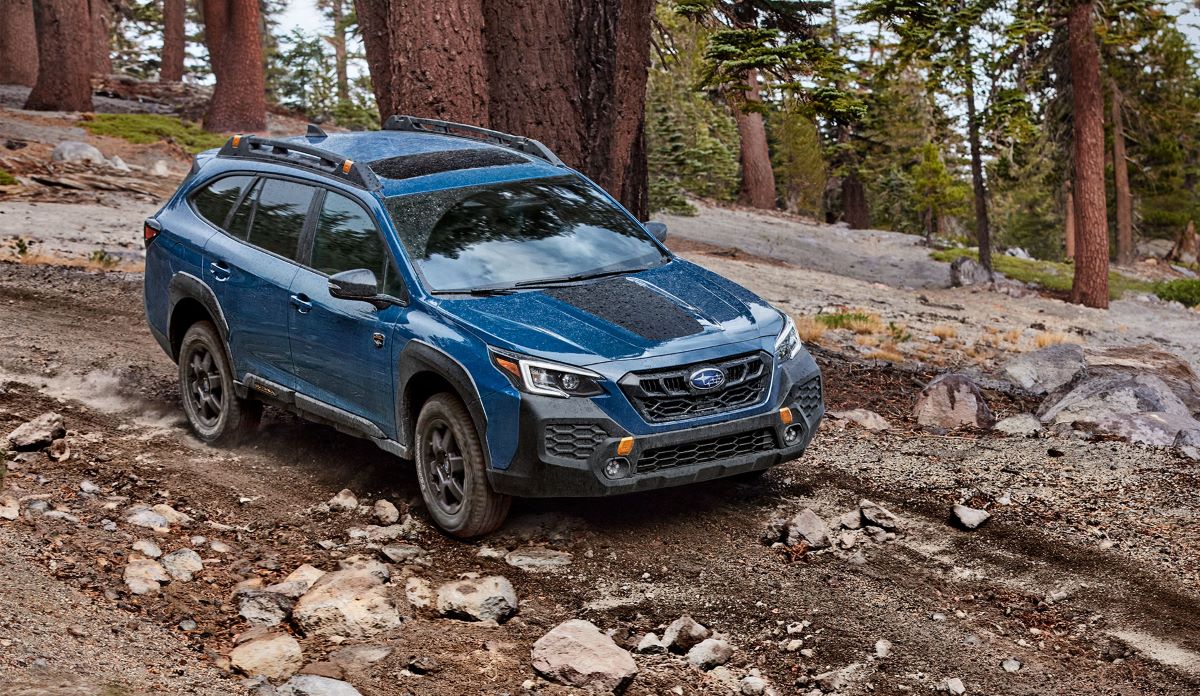
The all-wheel-drive system requires periodic differential service, but this is typically needed only every 60,000-90,000 miles and isn’t prohibitively expensive. Air filters, cabin filters, and other routine items are reasonably priced and accessible for both professional service and DIY maintenance.
Parts availability for the Outback is good due to Subaru’s growing popularity and the brand’s commitment to long-term parts support. While the aftermarket isn’t as extensive as for more popular brands, sufficient competition exists to keep costs reasonable for common maintenance items.
The unique boxer engine configuration means some parts are Subaru-specific, but the company has maintained consistent parts availability, and independent mechanics familiar with Subarus can typically provide service at competitive rates.
The Outback’s reliability extends to its sophisticated all-wheel-drive system, which is simpler and more robust than many competitors’ systems. The CVT transmission used in recent models has proven more reliable than those in some other applications, particularly when maintained according to Subaru’s recommendations.
While not as efficient as front-wheel-drive competitors, the Outback’s capability often justifies the slight fuel economy penalty. Insurance rates are typically reasonable due to the Outback’s excellent safety ratings and relatively low theft rates, making it an attractive option for families needing versatile, reliable transportation.
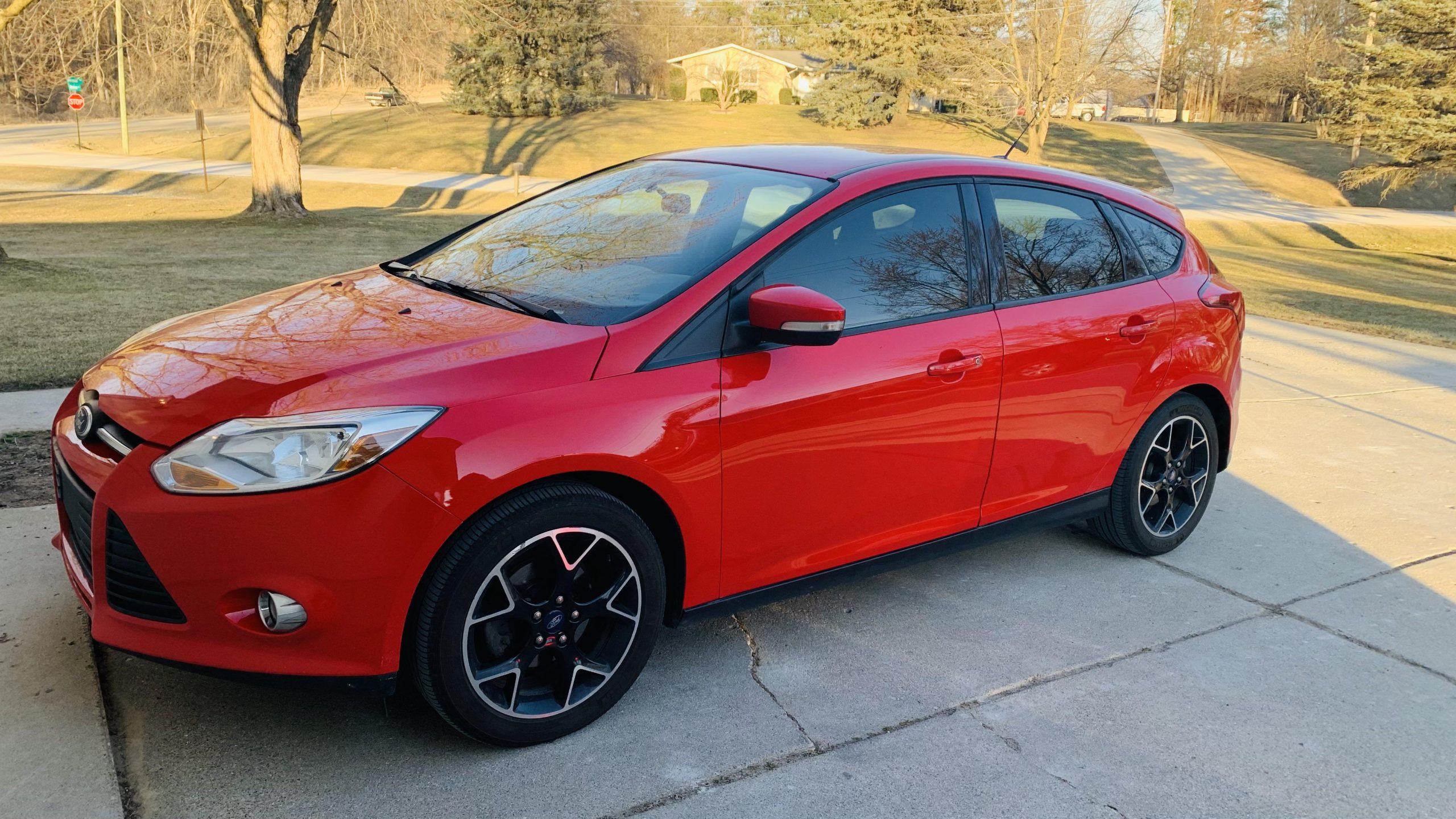
8. Ford Focus (2012-2018)
The Ford Focus, particularly models from 2012-2018, represents excellent value for buyers seeking European-inspired driving dynamics combined with American practicality and affordability.
While Ford has discontinued the Focus in North America, used examples provide compelling transportation solutions for budget-conscious buyers who appreciate responsive handling and solid build quality at reasonable ownership costs.
Ford’s engineering approach for the third-generation Focus emphasized global platform sharing and sophisticated chassis tuning that delivered driving dynamics superior to most economy cars.
The naturally aspirated four-cylinder engines, particularly the 2.0-liter Duratec unit, proved reliable and durable when properly maintained. These engines use timing chains rather than belts, eliminating one major maintenance expense, and feature straightforward fuel injection systems that don’t require exotic maintenance procedures or expensive diagnostic equipment.
Maintenance requirements for the Focus are reasonable and follow conventional patterns. Ford typically recommends oil changes every 7,500-10,000 miles, depending on driving conditions, and the engines accept conventional motor oil, keeping service costs manageable.
The air filtration systems use standard components that are readily available and competitively priced. Spark plugs typically last 100,000 miles, and other routine maintenance items follow similarly extended intervals that help control ongoing costs.
Parts availability for the Focus is excellent due to Ford’s extensive dealer network and the vehicle’s respectable production volume. The aftermarket has embraced the Focus platform, providing numerous options for replacement parts at competitive prices.
This competition benefits consumers by keeping costs low while maintaining quality standards. Independent mechanics are generally familiar with Ford products, meaning owners have flexibility in choosing service providers and aren’t restricted to expensive dealership maintenance.
The efficient engines help keep operating costs low while providing adequate performance for daily driving needs. Insurance rates are typically reasonable due to the Focus’s good safety ratings, contributing to its attractiveness as an economical transportation solution for buyers willing to consider discontinued but proven models.
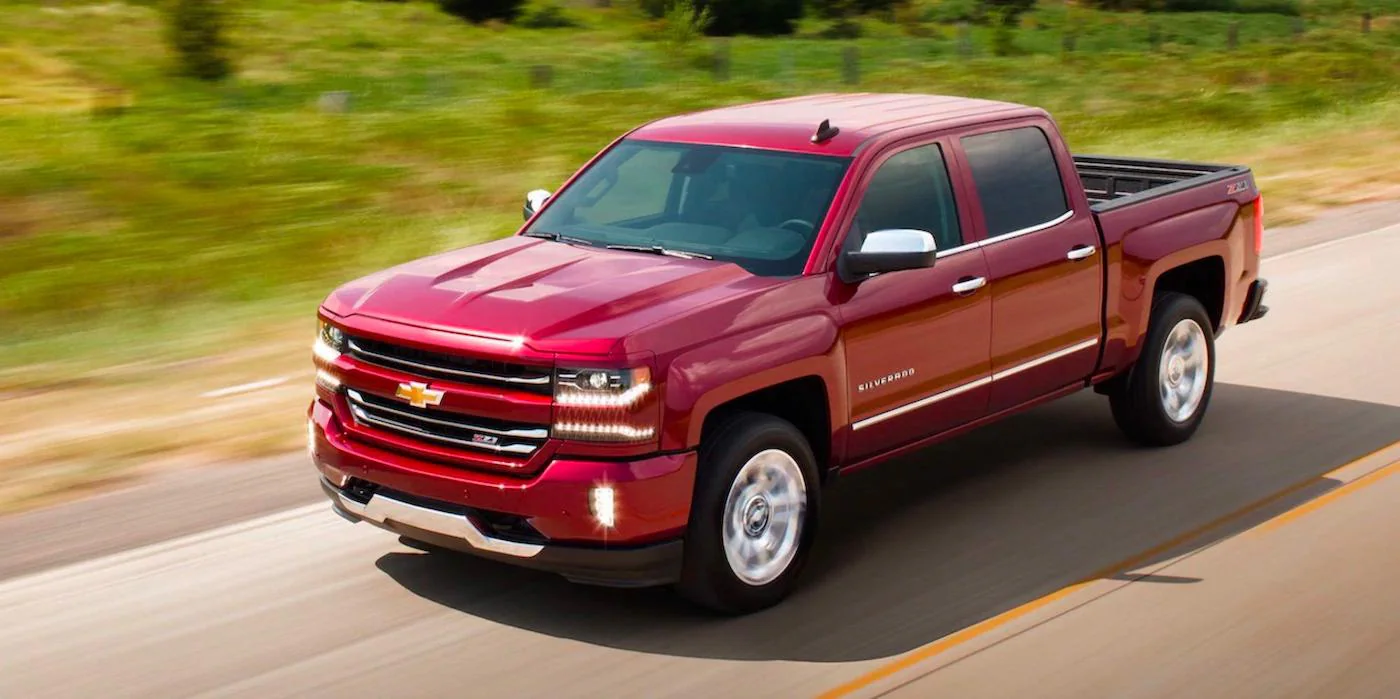
9. Chevrolet Silverado 1500 (V8 Models)
The Chevrolet Silverado 1500 with V8 engine represents one of the most reliable and cost-effective pickup truck options available, combining robust construction with time-tested powertrains that have proven their durability through decades of hard use.
For buyers needing the capability and versatility of a full-size pickup while maintaining reasonable ownership costs, the Silverado offers an excellent balance of capability and affordability.
General Motors’ approach to the Silverado’s engineering emphasizes proven technologies and robust construction over cutting-edge features that might prove troublesome.
The small-block V8 engines used in the Silverado, particularly the 5.3-liter and 6.2-liter LS-series and more recent LT-series units, are legendary for their durability and longevity.
These engines trace their lineage back decades and incorporate lessons learned from millions of miles of real-world use. The conservative tuning and robust internal components typically allow these engines to exceed 200,000 miles with proper maintenance.
Maintenance requirements for the Silverado are straightforward and reasonable considering its size and capability. General Motors typically recommends oil changes every 7,500-10,000 miles, depending on driving conditions, and the large oil capacity of V8 engines means less stress on the lubricant between changes.
The timing chain design eliminates expensive belt replacement, while the conventional fuel injection systems are reliable and don’t require specialized maintenance procedures. Air filters, cabin filters, and other routine items are reasonably priced and easily accessible.
Parts availability for the Silverado is outstanding due to Chevrolet’s extensive dealer network and the truck’s high sales volume. The aftermarket has embraced the Silverado platform extensively, providing numerous options for replacement parts at competitive prices.
This robust parts support means that even when repairs are needed, costs can be controlled through competitive pricing and parts availability. Independent mechanics are very familiar with Silverado maintenance and repair procedures, providing owners with numerous service options.
The Silverado’s reputation for reliability extends beyond the engine to other crucial systems. The automatic transmissions, whether six-speed or newer eight-speed units, are engineered for durability and the demands of truck use.
The truck’s capability often justifies the fuel consumption for buyers who need towing capacity, hauling capability, and durability. Insurance rates vary based on trim level and options, but are generally reasonable for the vehicle class, making the Silverado an attractive option for buyers needing truck capability without luxury truck costs.
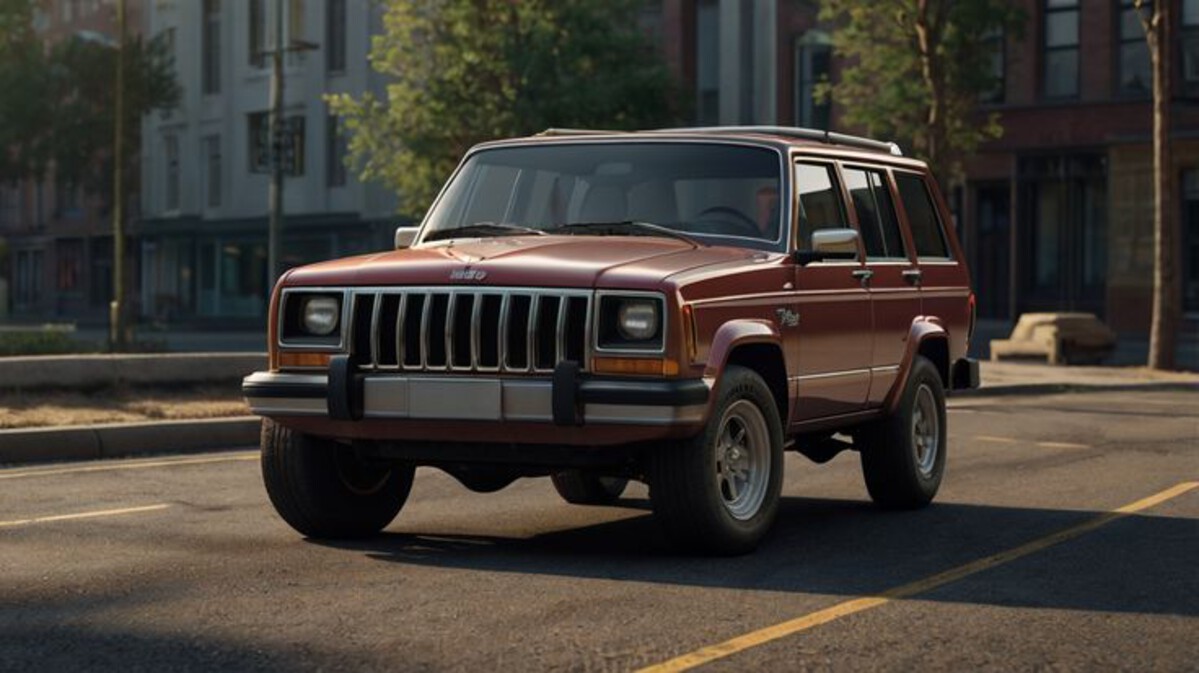
10. Jeep Cherokee (XJ Generation, 1984-2001)
The Jeep Cherokee XJ represents one of the most reliable and affordable SUVs ever produced, earning legendary status among enthusiasts and practical buyers alike for its exceptional durability, simple maintenance requirements, and remarkable capability both on and off-road.
While production ended over two decades ago, well-maintained examples continue to provide excellent service as daily drivers and recreational vehicles, making them outstanding choices for budget-conscious buyers seeking proven reliability.
The Cherokee XJ’s engineering philosophy emphasized simplicity and robustness over luxury or advanced technology. The straight-six 4.0-liter engine used in most Cherokees is widely regarded as one of the most reliable engines ever produced, combining adequate performance with exceptional longevity.
This engine features a cast-iron block and head, conservative tuning, and a timing chain design that eliminates expensive belt replacement. Many Cherokee owners report trouble-free operation well beyond 300,000 miles with nothing more than routine maintenance, making it an excellent long-term transportation investment.
Maintenance requirements for the Cherokee XJ are minimal and straightforward. The 4.0-liter engine requires oil changes every 5,000-7,500 miles and accepts conventional motor oil, keeping service costs low.
The simple fuel injection system rarely requires attention beyond periodic fuel filter replacement, and the robust cooling system typically provides years of trouble-free service. Air filters, cabin filters (when equipped), and other routine maintenance items are readily available and reasonably priced from multiple sources.
Parts availability for the Cherokee XJ is excellent despite its age, thanks to its popularity and the extensive aftermarket support it enjoys. The vehicle’s legendary status among off-road enthusiasts has created a robust parts supply chain that includes everything from routine maintenance items to performance upgrades and restoration components.
This extensive parts availability means that even when repairs are needed, costs can be controlled through competitive pricing and numerous sourcing options. Independent mechanics appreciate the Cherokee’s straightforward design and accessible components.
These ten vehicles represent the pinnacle of affordable, reliable transportation, each offering unique advantages while sharing the common traits of durability, low maintenance costs, and excellent long-term value that make them ideal choices for budget-conscious buyers seeking dependable mobility.
Also Read: 5 Honda Accord Years That Run Forever vs 5 That Don’t
