
Winter driving presents unique challenges that can test even the most experienced drivers and their vehicles. Snow-covered roads, icy conditions, freezing temperatures, and reduced visibility demand vehicles equipped with specific features and capabilities designed to handle harsh winter weather.
For drivers living in regions where winter conditions are severe and prolonged, choosing the right vehicle isn’t just about comfort and convenience it’s about safety, reliability, and peace of mind.
Compact SUVs have emerged as the ideal solution for winter driving, offering the perfect balance of capability, efficiency, and practicality. Unlike larger SUVs that can be cumbersome and fuel-inefficient, compact SUVs provide essential winter-ready features without sacrificing everyday usability.
They offer higher ground clearance than sedans and hatchbacks, allowing them to go through snow accumulation more effectively. Their raised seating position provides better visibility in challenging weather conditions, while their size remains manageable for urban driving and parking.
From established brands known for their winter prowess like Subaru and Audi, to reliable options from Toyota and Honda, this comprehensive guide examines ten compact SUVs that have earned reputations for conquering winter’s worst challenges.
Each vehicle brings unique strengths to winter driving, whether through advanced all-wheel drive systems, superior build quality, innovative safety technologies, or exceptional cold-weather performance features.
Whether you’re going through mountain passes, dealing with lake-effect snow, or simply need dependable transportation through a harsh winter season, these compact SUVs offer the capability and confidence to handle whatever winter throws your way.
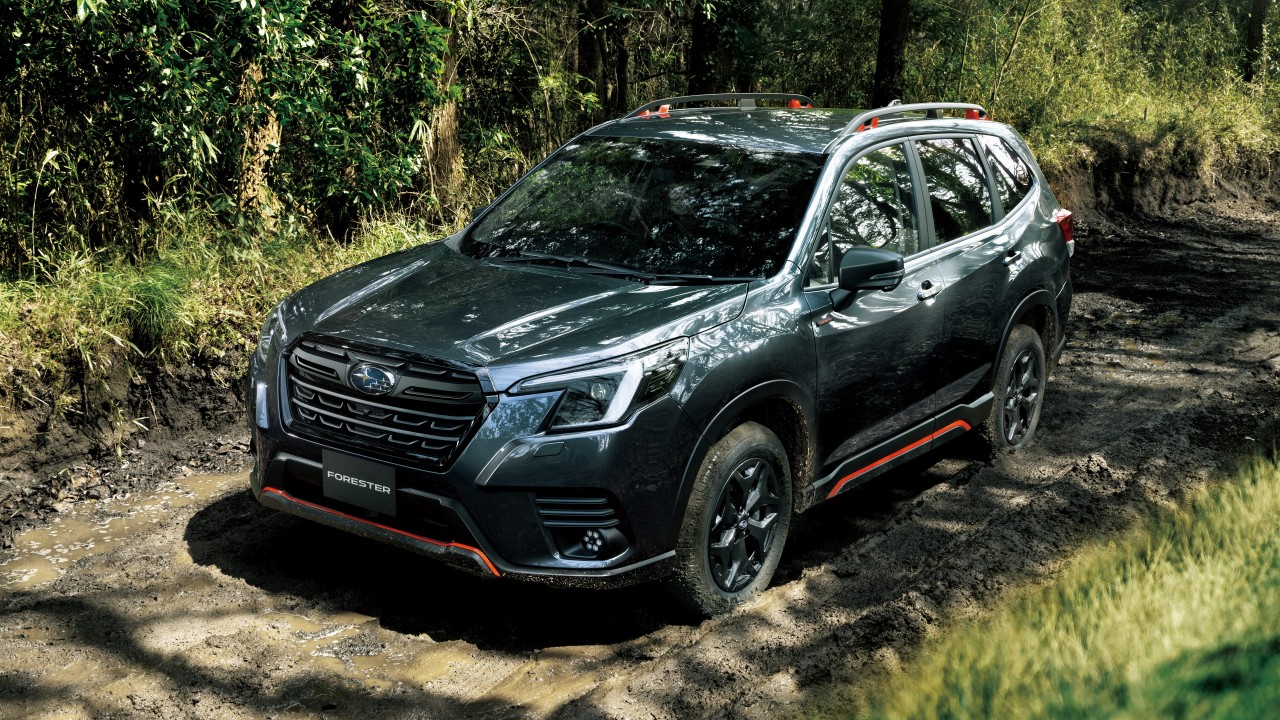
1. Subaru Forester
The Subaru Forester stands as one of the most capable winter warriors in the compact SUV segment, earning its reputation through decades of proven performance in harsh winter conditions.
What sets the Forester apart from its competitors is Subaru’s legendary Symmetrical All-Wheel Drive system, which comes standard on every model not as an optional upgrade.
This system continuously monitors road conditions and automatically adjusts power distribution between all four wheels, providing superior traction and stability on snow, ice, and slippery surfaces.
The Forester’s winter capability begins with its robust 8.7 inches of ground clearance, allowing it to go through deep snow and over obstacles that would stop lower vehicles.
The vehicle’s balanced weight distribution, achieved through its boxer engine design, keeps the center of gravity low while maintaining excellent stability in challenging conditions.
This engineering approach, combined with the standard all-wheel drive system, creates a platform that inspires confidence even in the most treacherous winter weather.
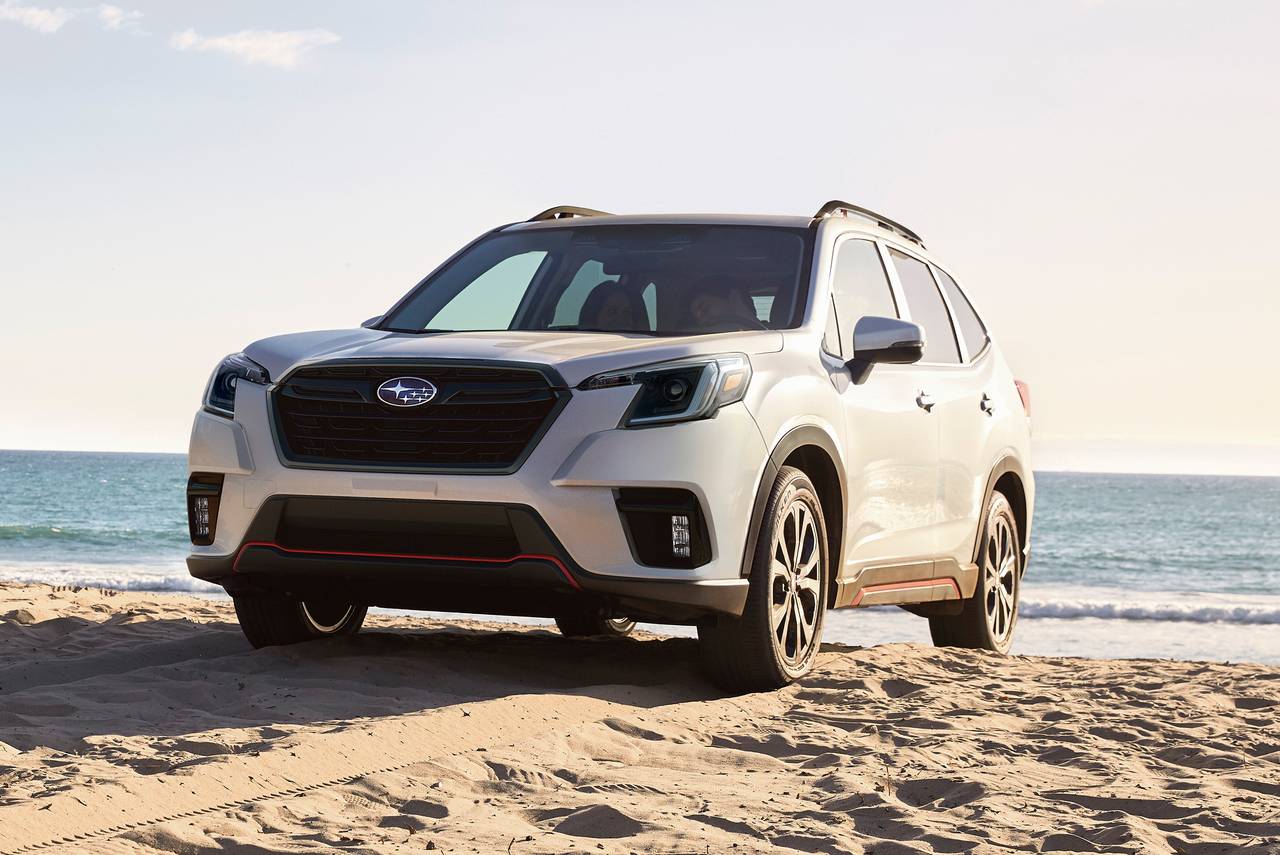
Subaru has integrated advanced safety and traction technologies into the Forester to enhance its winter performance. The Vehicle Dynamics Control system works seamlessly with the all-wheel drive to prevent skidding and loss of control.
Hill Descent Control assists when going through the steep, slippery descents by automatically controlling speed and maintaining traction. X-Mode, available on most trim levels, provides additional low-speed traction control specifically designed for snow, dirt, and other challenging surfaces.
The Forester’s fuel economy remains reasonable despite its all-wheel drive system, making it an economical choice for winter driving. The continuously variable transmission optimizes power delivery for both performance and efficiency, while the boxer engine provides smooth, consistent power in all conditions.
Maintenance requirements are straightforward, and Subaru’s extensive dealer network ensures that service and parts are readily available, even in remote winter climates.
For drivers seeking a compact SUV that can handle the worst winter conditions while providing reliability, comfort, and capability, the Subaru Forester represents one of the best choices in its class.
2. Audi Q3
The Audi Q3 brings German engineering precision to the compact SUV winter driving experience, combining luxury, performance, and advanced technology in a package designed to conquer harsh winter conditions.
At the heart of the Q3’s winter capability is Audi’s renowned quattro all-wheel drive system, a technology that has dominated winter rallying and established Audi as a leader in all-weather performance. Unlike many competitors that offer all-wheel drive as an option, quattro comes standard on the Q3, ensuring every model is equipped for serious winter driving.
The quattro system in the Q3 uses advanced sensors and electronic controls to continuously monitor wheel slip and road conditions, instantly transferring power to the wheels with the most traction.
This proactive approach to traction management means the system responds to loss of grip before the driver even notices, maintaining stability and forward momentum on ice, snow, and other slippery surfaces.
The system’s sophistication extends to its integration with the vehicle’s stability control and anti-lock braking systems, creating a comprehensive winter driving safety net.
Audi has equipped the Q3 with multiple driving modes that optimize performance for different conditions. The available drive select system includes specific settings for snow driving, which adjusts throttle response, transmission shift points, and traction control parameters for maximum winter performance.
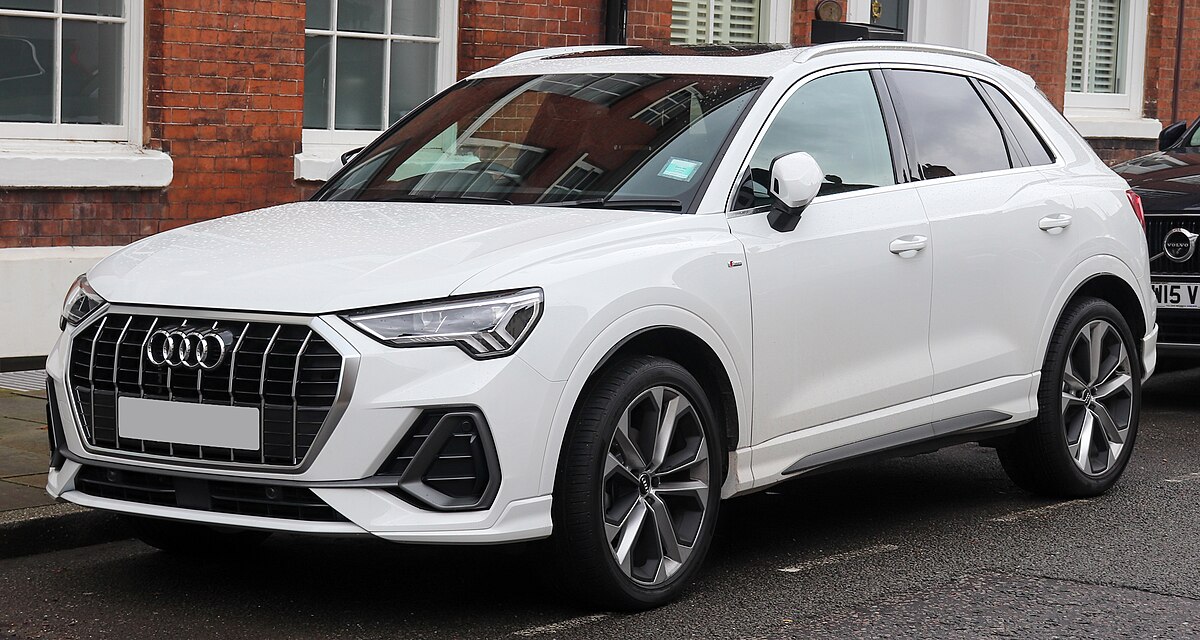
This technology allows drivers to tailor the vehicle’s behavior to specific conditions, whether going through fresh powder or dealing with ice-covered roads.
The Q3’s winter comfort features reflect Audi’s attention to luxury and convenience. Heated front seats are standard, with available heated rear seats and a heated steering wheel on higher trim levels.
The three-zone automatic climate control system ensures rapid cabin warming and effective defrosting, crucial for maintaining visibility and comfort in extreme cold.
The available panoramic sunroof includes a power sunshade, providing additional natural light during dark winter months while maintaining insulation when closed.
Service and maintenance for the Q3 are supported by Audi’s comprehensive dealer network, ensuring that specialized service and genuine parts are available even in remote locations.
The vehicle’s maintenance requirements are reasonable for a luxury SUV, and Audi’s warranty coverage provides peace of mind for winter driving adventures.
3. Honda CR-V
The Honda CR-V has earned its place as one of America’s best-selling compact SUVs through a combination of reliability, practicality, and increasingly sophisticated winter driving capabilities.
While Honda’s approach to winter readiness may be more subtle than some competitors, the CR-V’s engineering focuses on dependable performance and user-friendly features that make harsh weather driving accessible to a broad range of drivers.
The available Real Time AWD system represents Honda’s pragmatic approach to all-weather capability, engaging automatically when wheel slip is detected and disengaging when not needed to preserve fuel economy.
Honda’s Real Time AWD system in the CR-V uses intelligent sensors to monitor wheel speed, steering angle, and throttle position to determine when additional traction is needed.
Unlike full-time systems, this approach prioritizes fuel efficiency during normal driving conditions while providing capable all-wheel traction when winter weather demands it.
The system’s response is smooth and intuitive, engaging seamlessly without driver intervention and providing confidence-inspiring traction on snow and ice.
The CR-V’s winter capability extends beyond its drivetrain to include thoughtful design elements that enhance cold-weather usability.
Ground clearance of 8.2 inches provides adequate snow clearance for most winter driving scenarios, while the vehicle’s approach and departure angles allow it to go over snow berms and through unplowed parking areas.
The CR-V’s compact dimensions make it maneuverable in tight winter conditions, yet it provides spacious interior accommodations and cargo capacity for winter gear and emergency supplies.
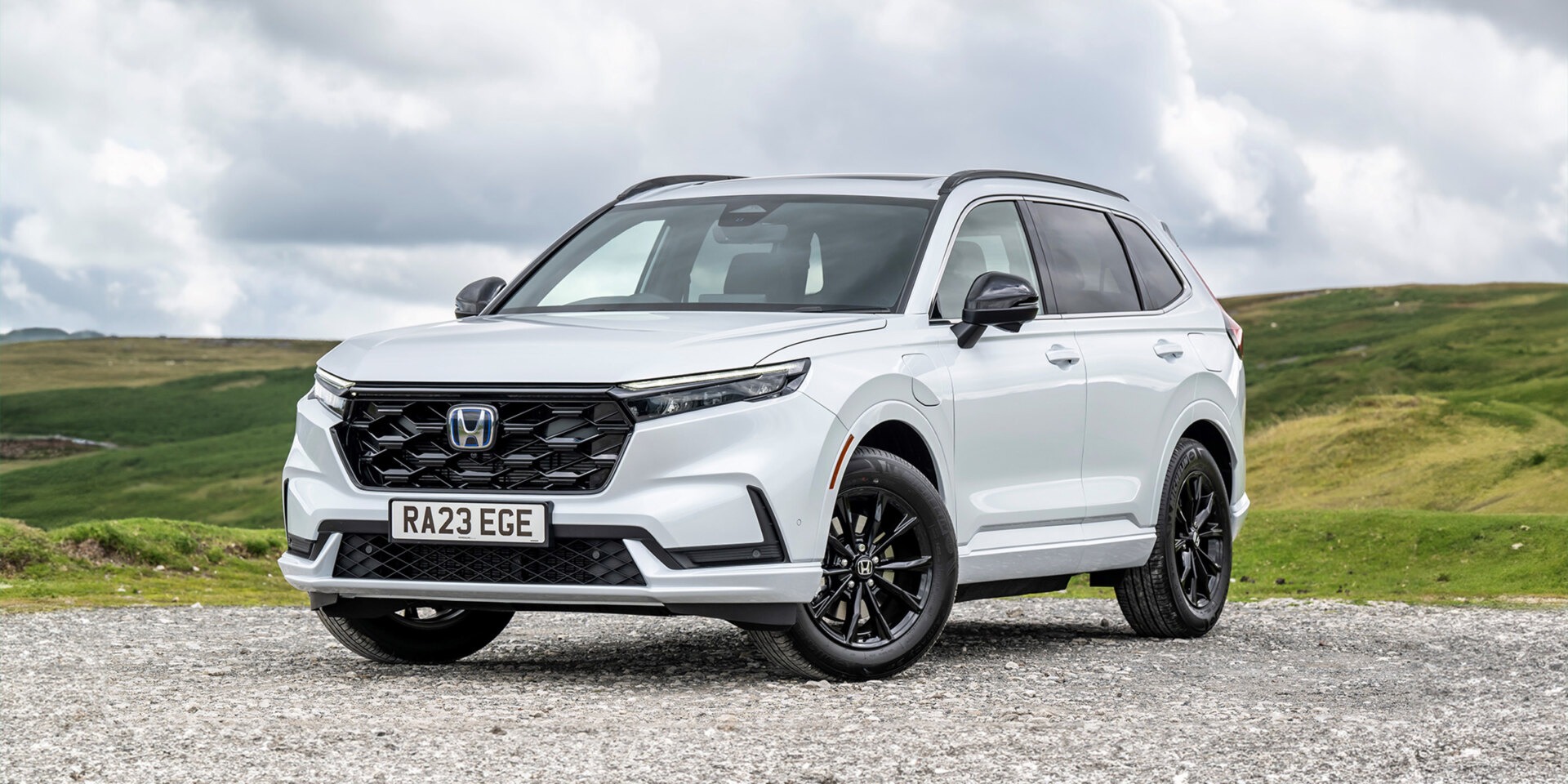
Interior comfort and convenience features in the CR-V are designed with practical winter use in mind. Heated front seats are available across most trim levels, providing quick warmth during cold starts.
The available remote engine start system allows drivers to warm the cabin and defrost windows before venturing outside, a particularly valuable feature during harsh winter mornings.
The dual-zone automatic climate control system ensures efficient cabin heating and defogging, while the available heated side mirrors help maintain visibility in snow and ice conditions.
Honda’s extensive dealer network ensures that service and parts are readily available, even in remote winter climates. The CR-V’s maintenance requirements are straightforward and affordable, with Honda’s reputation for long-term reliability meaning lower ownership costs.
The vehicle’s resale value remains strong, making it a smart investment for drivers who need dependable winter transportation. For families and individuals seeking a practical, reliable compact SUV that can handle winter conditions without breaking the budget, the Honda CR-V represents an excellent balance of capability, comfort, and value.
4. Mazda CX-5
The Mazda CX-5 brings a unique combination of driving dynamics, efficiency, and winter capability to the compact SUV segment, representing Mazda’s KODO design philosophy and SKYACTIV technology in a package that excels in harsh winter conditions.
What distinguishes the CX-5 from many competitors is its focus on delivering an engaging driving experience without compromising winter practicality.
The available i-ACTIV all-wheel drive system represents Mazda’s sophisticated approach to traction management, using predictive technology to anticipate when additional traction will be needed rather than simply reacting to wheel slip.
Mazda’s i-ACTIV AWD system monitors over 200 parameters every 10 milliseconds, including outside temperature, windshield wiper usage, throttle input, and steering angle to predict when all-wheel traction will be beneficial.
This predictive approach means the system can transfer power to all four wheels before wheel slip occurs, providing superior winter performance compared to reactive systems.
The technology is particularly effective in changing winter conditions, where road surfaces can transition quickly from dry pavement to ice or snow.
The CX-5’s winter capability is enhanced by its sophisticated G-Vectoring Control system, which subtly adjusts engine torque during cornering to improve stability and control.
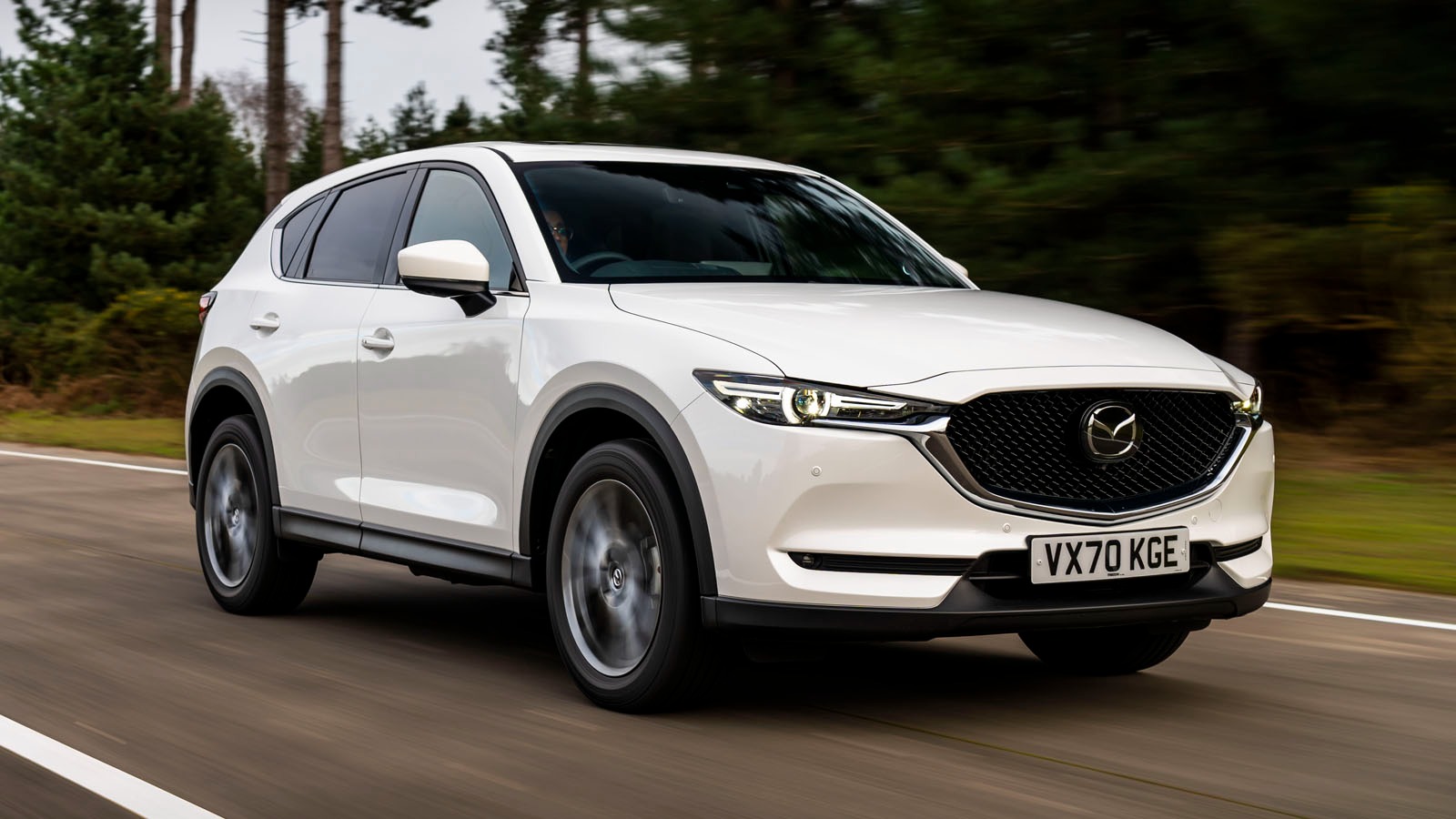
This technology is particularly valuable on slippery winter roads, where maintaining vehicle composure during turns is critical for safety.
The system works seamlessly with the all-wheel drive and stability control systems to provide a comprehensive winter driving safety net that operates transparently to the driver.
Ground clearance of 8.6 inches gives the CX-5 excellent snow clearance capability, while its carefully tuned suspension provides a balance of comfort and control that’s particularly valuable on rough winter roads.
The vehicle’s precise steering and well-balanced chassis make it confident and predictable in winter conditions, allowing drivers to go through challenging situations with greater assurance. This driving dynamics focus sets the CX-5 apart from competitors that prioritize comfort over engagement.
The CX-5’s fuel economy remains competitive in its class, even with all-wheel drive, making it an economical choice for winter driving.
The combination of efficient engines, lightweight construction, and aerodynamic design helps minimize the fuel economy penalty typically associated with all-wheel drive systems, important for drivers facing increased winter driving demands and higher heating costs.
Also Read: 9 Vehicles That Stay Valuable in Collector Markets
5. Toyota RAV4
The Toyota RAV4 has evolved from a compact crossover pioneer into one of the most capable and reliable winter-weather compact SUVs available today.
Toyota’s legendary reputation for reliability combines with increasingly sophisticated all-wheel drive technology and robust winter-ready features to create a vehicle that excels in harsh winter conditions while maintaining the dependability that Toyota owners have come to expect.
The RAV4’s approach to winter driving emphasizes practical capability, proven reliability, and user-friendly features that make winter driving accessible and confident.
Toyota’s available Dynamic Torque Vectoring All-Wheel Drive system represents a significant advancement in the RAV4’s winter capability.
This intelligent system can send up to 50% of engine torque to the rear wheels when additional traction is needed, while also distributing power between the left and right rear wheels to optimize grip and stability.
The system includes a disconnect feature that disengages the rear driveline when all-wheel traction isn’t needed, preserving fuel economy during normal driving conditions while ensuring winter capability is available when required.
The RAV4’s Multi-Terrain Select system allows drivers to optimize vehicle performance for specific conditions, including snow and sand modes that adjust throttle response, traction control, and transmission shift patterns for maximum winter effectiveness.
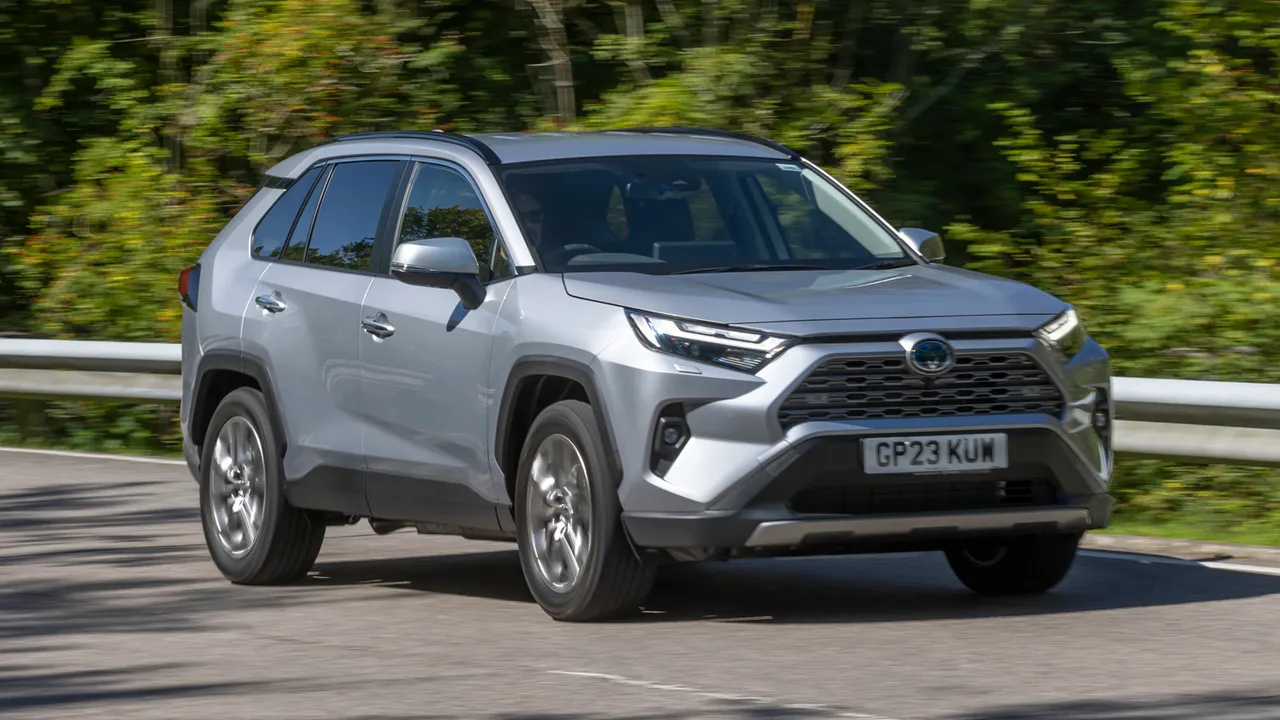
This technology puts control in the driver’s hands while providing electronic assistance to maintain traction and stability. The Hill Start Assist Control prevents rollback when starting on slippery inclines, while Downhill Assist Control helps maintain control during steep, slippery descents.
Ground clearance of 8.6 inches provides excellent snow clearance capability, while the RAV4’s robust underbody protection shields critical components from winter road hazards and debris.
The vehicle’s approach and departure angles allow it to go over snow berms and through deep snow that might stop vehicles with lower clearance.
The RAV4’s compact dimensions maintain maneuverability in tight winter conditions while providing spacious interior and cargo accommodations.
Toyota’s extensive dealer network ensures service and parts availability even in remote winter climates, while the company’s reputation for affordable maintenance makes the RAV4 economical to own long-term.
The vehicle’s strong resale value reflects its reputation for reliability and capability, making it a smart investment for winter driving needs.
Toyota Safety Sense 2.0 comes standard, providing advanced safety features that are particularly valuable during challenging winter driving conditions, including pre-collision systems and lane keeping assistance that function effectively in winter weather.
6. Jeep Cherokee
The Jeep Cherokee brings legendary off-road heritage and advanced four-wheel drive technology to the compact SUV segment, creating a vehicle uniquely qualified for harsh winter conditions.
Jeep’s Trail Rated badge isn’t just marketing it represents comprehensive testing in conditions that mirror the worst winter driving scenarios.
The Cherokee’s approach to winter driving emphasizes genuine capability, with multiple four-wheel drive systems available and terrain management technology that adapts to specific winter conditions with the expertise that comes from decades of four-wheel drive leadership.
The Cherokee offers three different four-wheel drive systems, allowing buyers to choose the level of capability that matches their winter driving needs.
The Active Drive I system provides automatic engagement and fuel-efficient operation for moderate winter conditions, while Active Drive II adds a two-speed transfer case with low range for more challenging terrain and deep snow situations.
The most capable Trailhawk trim features Active Drive Lock with locking rear differential, providing maximum traction for extreme winter conditions and serious off-road capability.
Jeep’s Selec-Terrain traction management system allows drivers to optimize vehicle performance for specific conditions through five different modes: Auto, Snow, Sport, Sand/Mud, and Rock.
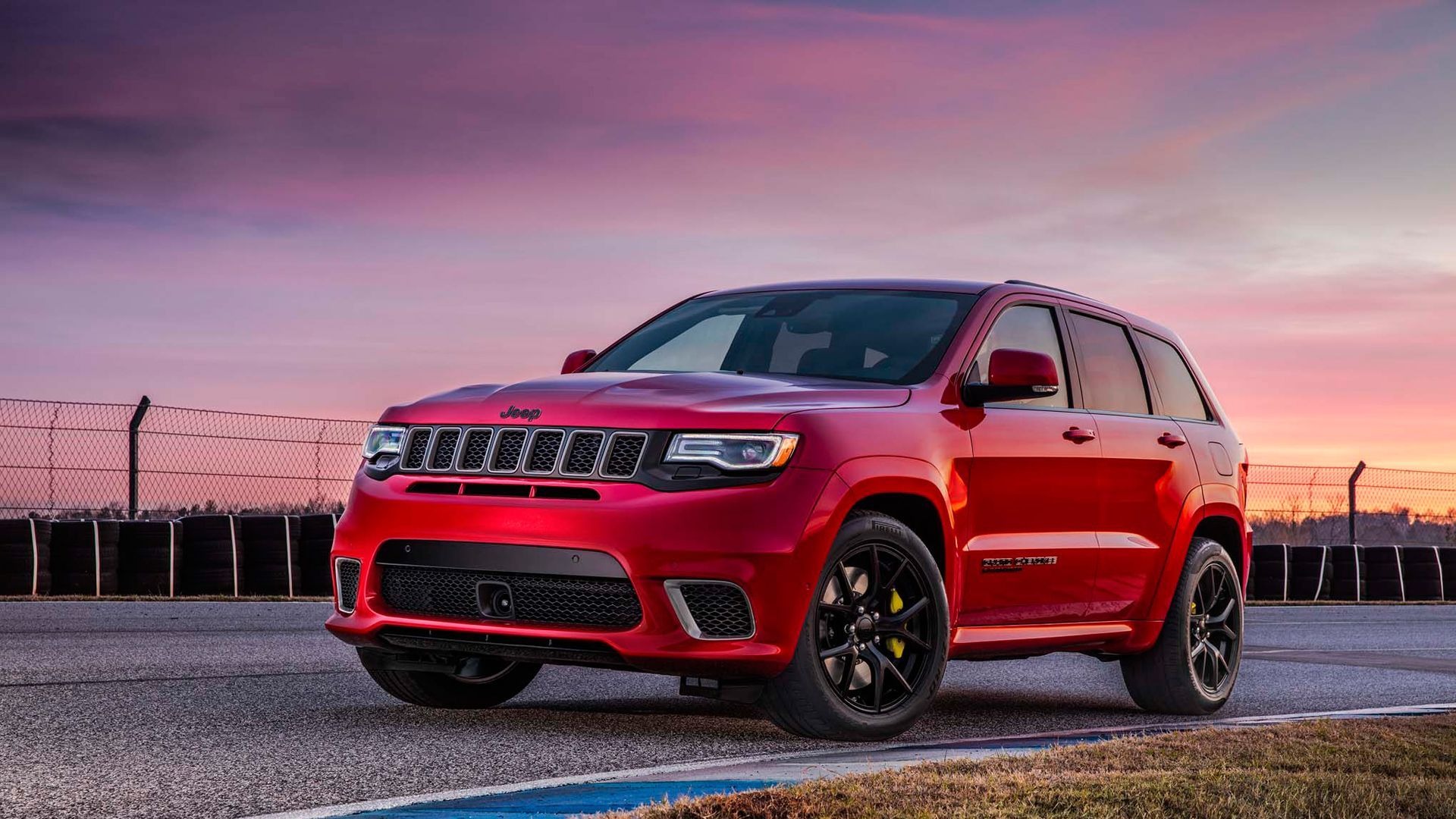
The Snow mode is specifically calibrated for winter driving, adjusting throttle response, shift points, and traction control parameters to maximize performance on snow and ice.
This system works seamlessly with the four-wheel drive system to provide comprehensive winter capability that adapts to changing conditions.
The Cherokee’s 8.7 inches of ground clearance, combined with excellent approach and departure angles, allows it to go through deep snow and over obstacles that would stop many competitors.
The Trailhawk model increases ground clearance to 9.6 inches and adds skid plates and tow hooks for maximum winter capability. The vehicle’s robust underbody protection shields critical components from winter road hazards and debris, while the raised seating position provides excellent visibility in challenging winter conditions.
Jeep’s dealer network and parts availability ensure service support even in remote winter climates, while the brand’s expertise in four-wheel drive systems means technicians understand the specialized requirements of winter-capable vehicles.
The Cherokee’s strong resale value reflects its reputation for capability and the enduring appeal of the Jeep brand among winter driving enthusiasts.
7. Volkswagen Tiguan
The Volkswagen Tiguan brings German engineering precision and sophisticated technology to winter driving, combining European driving dynamics with practical utility in a package designed for harsh weather conditions.
Volkswagen’s approach to winter capability emphasizes intelligent all-wheel drive technology, precision handling, and comprehensive safety systems that work together to provide confident winter driving performance.
The Tiguan’s 4MOTION all-wheel drive system represents decades of Volkswagen development in all-weather traction technology, refined through extensive testing in challenging European winter conditions.
The 4MOTION all-wheel drive system in the Tiguan uses an advanced multi-plate clutch system that can vary torque distribution between front and rear axles from fully front-wheel drive to a 50/50 split as conditions demand.
The system monitors wheel slip, steering input, throttle position, and other parameters to predict when additional traction will be needed, engaging proactively rather than reactively.
This sophisticated approach provides superior winter performance while maintaining fuel efficiency during normal driving conditions.
Volkswagen has integrated multiple driving modes into the Tiguan that optimize performance for specific conditions. The available Driving Mode Selection includes settings for Eco, Normal, Sport, Individual, and importantly for winter driving, Snow mode.
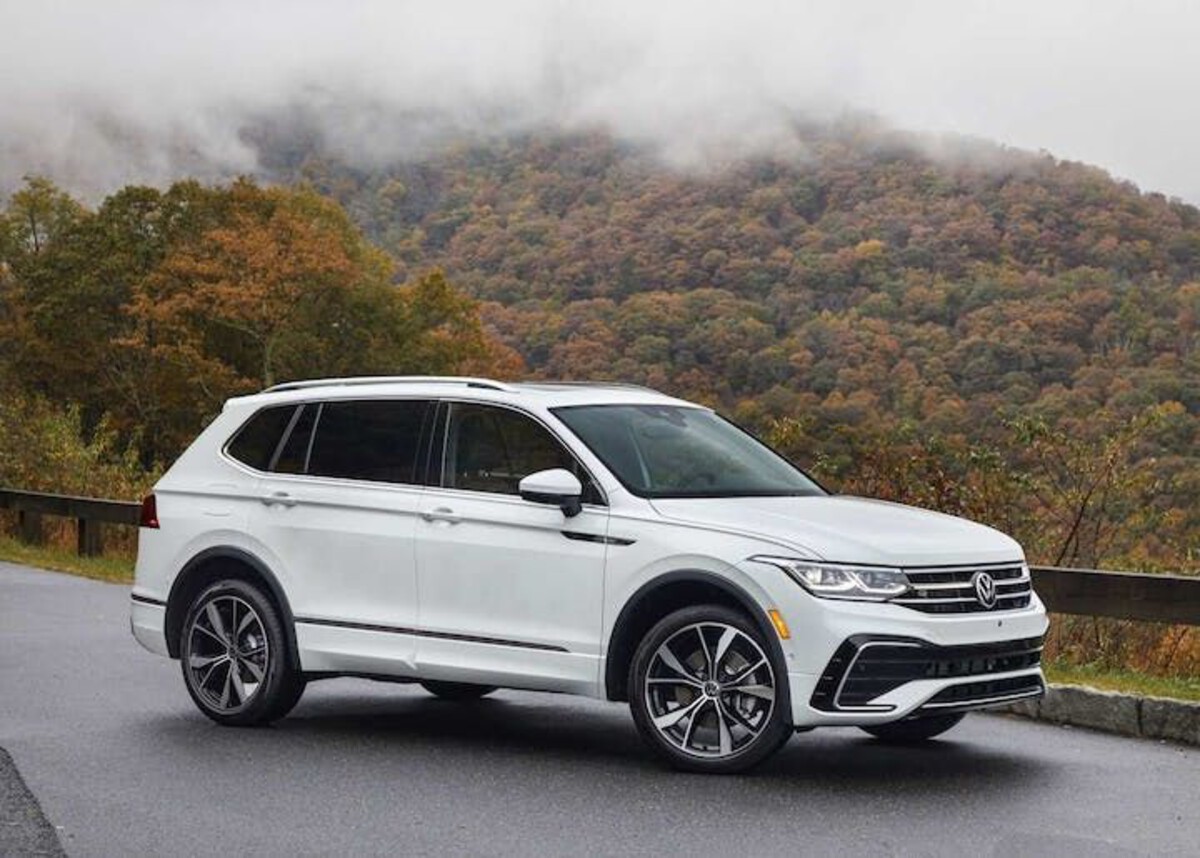
The Snow mode adjusts throttle response, transmission shift patterns, and traction control parameters specifically for winter conditions, while the Electronic Differential Lock (EDL) helps maintain traction when individual wheels lose grip on slippery surfaces.
The Tiguan’s interior reflects Volkswagen’s attention to quality and winter-specific comfort features. Heated front seats are available across most trim levels, with three-zone automatic climate control ensuring rapid cabin warming and effective defrosting.
The available heated steering wheel and heated washer nozzles demonstrate attention to winter-specific details that enhance both comfort and safety. The panoramic sunroof includes an integrated sunshade and provides additional natural light during dark winter months.
Volkswagen’s dealer network provides comprehensive service support, while the brand’s focus on precision engineering means that maintenance requirements are clearly defined and parts quality is consistently high.
The Tiguan’s build quality ensures long-term durability even when subjected to harsh winter conditions and road salt exposure, while the comprehensive warranty provides peace of mind for winter driving adventures.
The vehicle’s sophisticated systems are designed to function reliably in extreme temperatures, from electronic components to mechanical systems, ensuring consistent performance throughout harsh winter seasons.
8. Nissan Rogue
The Nissan Rogue has established itself as a compelling choice in the compact SUV segment through its focus on comfort, fuel efficiency, and increasingly sophisticated all-wheel drive technology designed for winter conditions.
Nissan’s approach to winter capability emphasizes user-friendly technology and practical features that make harsh weather driving accessible to a broad range of drivers.
The Intelligent All-Wheel Drive system represents Nissan’s modern approach to traction management, providing winter capability when needed while maintaining the fuel efficiency that makes the Rogue economical for year-round driving.
Nissan’s Intelligent All-Wheel Drive system continuously monitors road conditions and driving inputs to determine when additional traction is needed.
The system can transfer up to 50% of engine torque to the rear wheels when slip is detected, while automatically returning to front-wheel drive when conditions allow to preserve fuel economy.
The system’s operation is seamless and intuitive, engaging without driver intervention and providing confidence-inspiring traction on snow, ice, and other slippery surfaces.
The Rogue’s winter capability extends beyond its drivetrain to include thoughtful design features that enhance cold-weather usability.
Ground clearance of 8.4 inches provides adequate snow clearance for most winter driving scenarios, while the vehicle’s approach and departure angles allow navigation over snow berms and through moderately challenging terrain.
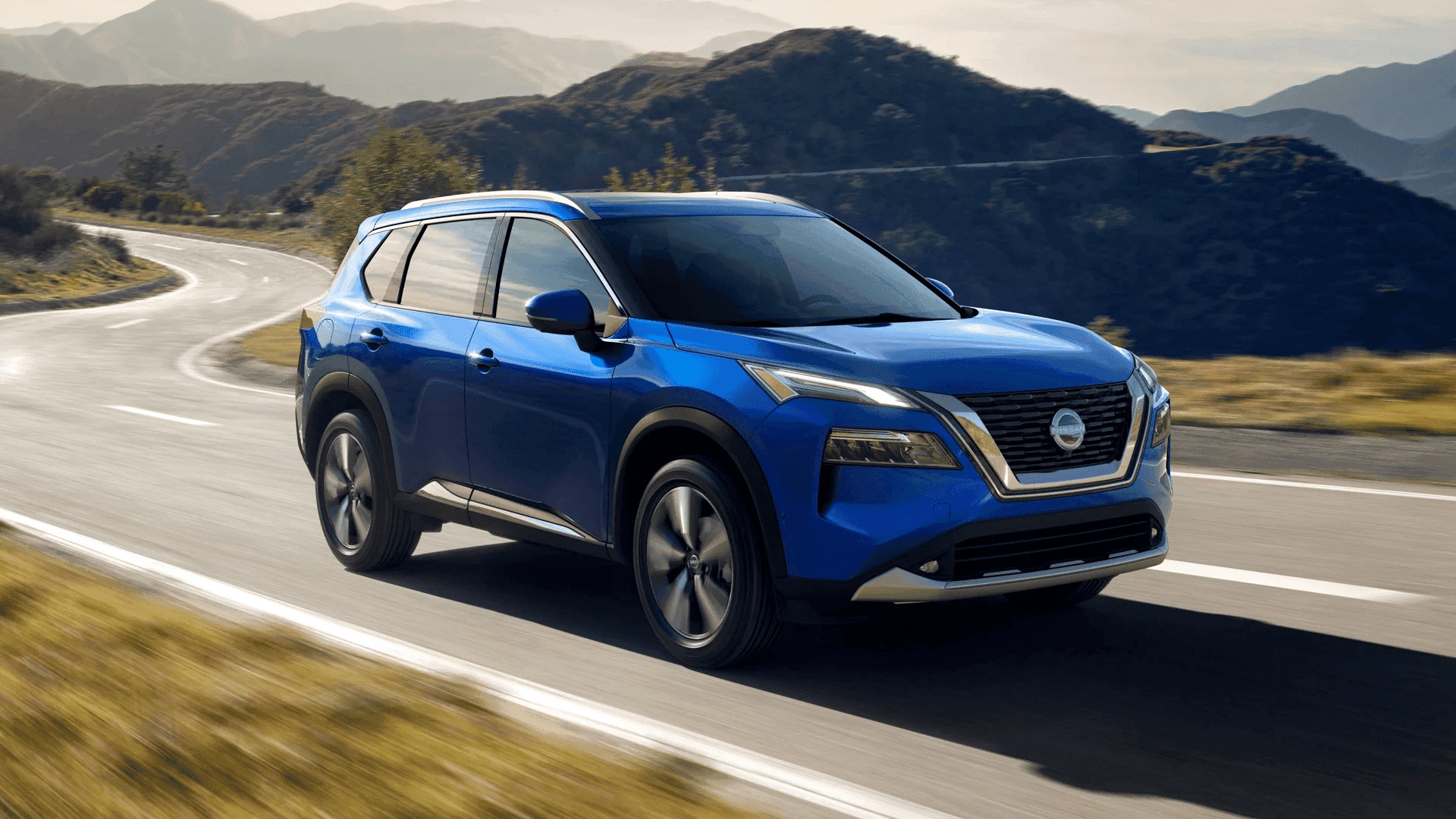
The Rogue’s compact exterior dimensions make it maneuverable in tight winter conditions, while the spacious interior provides comfortable accommodations for passengers wearing bulky winter clothing.
Interior comfort features in the Rogue prioritize winter convenience and warmth. Heated front seats are available across most trim levels, providing quick comfort during cold starts.
The available remote engine start system allows drivers to warm the cabin and defrost windows before venturing outside, a particularly valuable feature during harsh winter mornings.
The dual-zone automatic climate control system ensures efficient cabin heating and effective defogging, while the available heated exterior mirrors help maintain visibility in snow and ice conditions.
Nissan’s extensive dealer network ensures service and parts availability, while the brand’s focus on user-friendly design means that maintenance requirements are straightforward and affordable.
The Rogue’s strong value proposition combines winter capability with reasonable ownership costs, making it accessible for drivers who need dependable winter transportation without premium pricing.
The vehicle’s interior is designed for durability and easy maintenance, important considerations when dealing with wet, salty winter conditions that can accelerate wear on vehicle components.
9. Ford Escape
The Ford Escape represents Ford’s modern interpretation of the compact SUV, combining efficiency, technology, and winter capability in a package that reflects contemporary automotive engineering.
Ford’s approach to winter driving in the Escape emphasizes intelligent all-wheel drive technology, advanced driver assistance systems, and practical features designed for harsh weather conditions.
The available Intelligent All-Wheel Drive system showcases Ford’s commitment to providing winter capability that operates seamlessly while maintaining fuel efficiency during normal driving conditions.
Ford’s Intelligent All-Wheel Drive system in the Escape uses advanced sensors and algorithms to predict when additional traction will be needed, transferring power to the rear wheels before wheel slip occurs.
The system can distribute up to 100% of torque to either the front or rear axle as conditions demand, while also providing left to right torque distribution at the rear axle through torque vectoring technology.
This sophisticated approach ensures optimal traction in winter conditions while maximizing fuel economy when all-wheel drive isn’t needed. The Escape’s Terrain Management System allows drivers to select from multiple driving modes optimized for specific conditions.
The Snow mode adjusts throttle response, transmission shift patterns, and traction control parameters specifically for winter driving, while the Slippery mode provides additional assistance for ice and other low-traction surfaces.
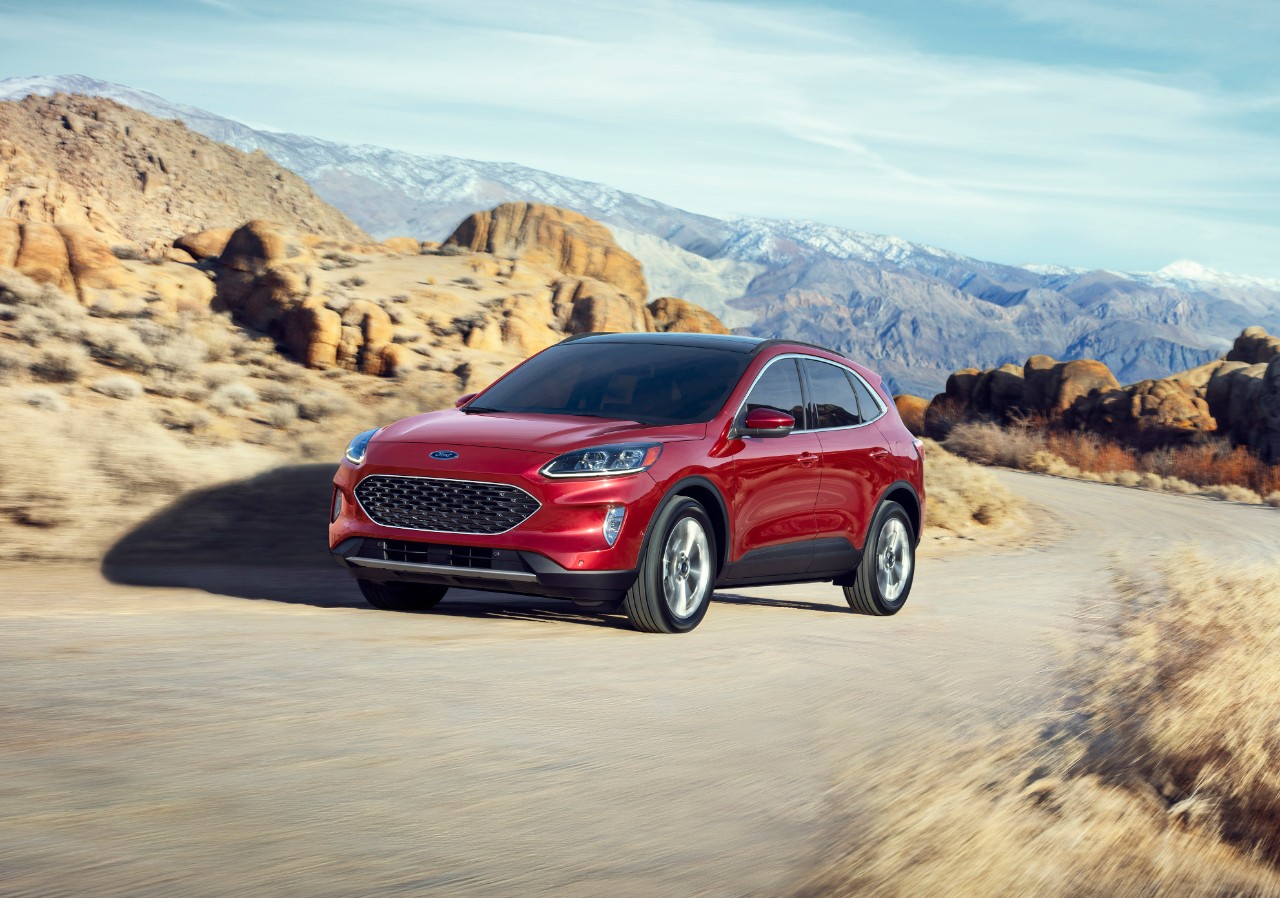
These systems work in conjunction with electronic stability control and advanced traction management to provide comprehensive winter driving assistance.
Ground clearance of 8.5 inches provides adequate capability for most winter driving scenarios, while the Escape’s aerodynamic design helps maintain stability in crosswinds that can be common during winter storms.
The vehicle’s compact dimensions ensure maneuverability in tight urban winter conditions, while the raised seating position provides good visibility over snow berms and other winter obstacles.
The approach and departure angles allow navigation over moderate snow accumulation and parking lot obstacles. Interior technology and comfort features in the Escape reflect Ford’s focus on connectivity and convenience.
The SYNC 3 infotainment system provides easy access to navigation, weather information, and smartphone integration, while the available 12.3-inch digital instrument cluster displays critical information directly in the driver’s line of sight.
Heated front seats are available across most trim levels, with available heated rear seats and heated steering wheel on higher trims. The available remote start system allows cabin preheating and window defrosting, essential for harsh winter mornings.
Ford’s extensive dealer network ensures service and parts availability even in remote winter climates, while the brand’s focus on technology means that software updates can enhance vehicle performance and add new features over time.
The Escape’s maintenance requirements are reasonable for its class, with Ford’s commitment to quality ensuring long-term reliability even when subjected to harsh winter conditions and road salt exposure.
10. BMW X1
The BMW X1 brings premium German engineering and sophisticated all-wheel drive technology to the compact SUV segment, creating a vehicle that combines luxury, performance, and winter capability in a distinctly BMW package.
The X1’s approach to winter driving emphasizes the brand’s commitment to driving dynamics while providing the practical features necessary for harsh weather conditions.
BMW’s xDrive all-wheel drive system represents decades of development in intelligent traction management, refined through extensive testing in challenging European winter conditions and proven in markets where winter driving is a year-round reality.
BMW’s xDrive system in the X1 uses an electronically controlled multi-plate clutch to vary torque distribution between front and rear axles, capable of sending up to 100% of torque to either axle as conditions demand.
The system integrates seamlessly with the Dynamic Stability Control system, monitoring wheel speed, steering angle, lateral acceleration, and other parameters to provide proactive traction management.
This sophisticated approach ensures optimal performance in winter conditions while maintaining the rear-biased driving characteristics that BMW enthusiasts expect.
The X1’s Driving Experience Control system allows drivers to select from multiple modes that optimize vehicle behavior for specific conditions.
The ECO PRO mode maximizes fuel efficiency during winter commuting, while COMFORT mode provides smooth, refined operation ideal for winter highway travel.
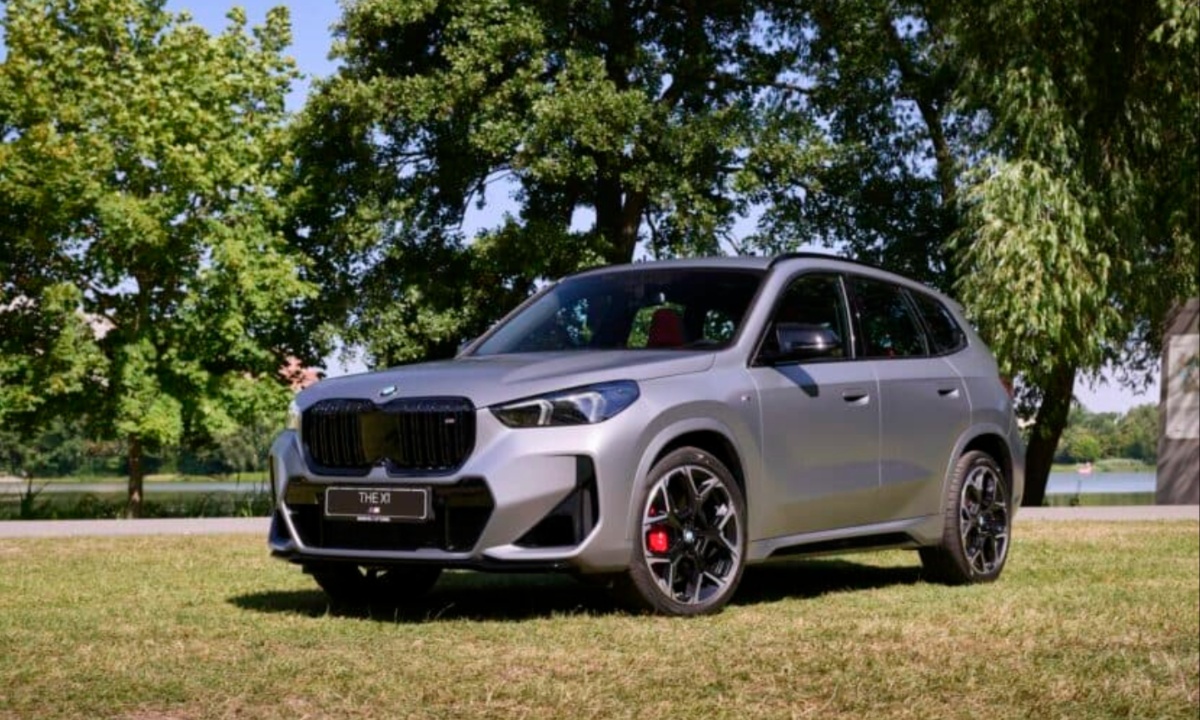
SPORT mode sharpens throttle response and handling for more engaging winter driving when conditions allow, while the available ALL-WEATHER mode specifically adjusts parameters for snow and ice conditions.
Interior luxury and technology in the X1 reflect BMW’s premium positioning and attention to winter-specific comfort features. Heated front seats with multiple adjustment positions are standard on most trim levels, while available heated rear seats and heated steering wheel provide comprehensive cabin comfort.
The three-zone automatic climate control system ensures rapid cabin warming and effective defrosting, while the available auxiliary heating system can pre-warm the cabin using the vehicle’s own fuel system, independent of engine operation.
BMW’s dealer network provides comprehensive service support with technicians trained on the brand’s sophisticated systems, while the BMW ConnectedDrive services can provide real-time traffic and weather information, roadside assistance, and remote vehicle monitoring.
The X1’s strong resale value reflects the enduring appeal of the BMW brand and the vehicle’s reputation for quality and performance, making it a sound investment for drivers seeking premium winter capability.
The integration of luxury, performance, and winter practicality makes the BMW X1 an compelling choice for discerning drivers who refuse to compromise on driving enjoyment even in harsh winter conditions.
Also Read: 10 Vehicles That Survived Global Conflicts
