
Africa’s vast and diverse world presents some of the most challenging driving conditions. From the dusty corrugated roads of rural Kenya to the pothole-riddled streets of Lagos, from the sandy tracks of the Sahara to the muddy paths during rainy season in Central Africa, vehicles operating on this continent face an unforgiving test of durability and reliability.
The infrastructure across much of Africa remains underdeveloped, with many roads lacking proper maintenance, adequate drainage, or even basic paving.
These conditions demand vehicles that can withstand extreme temperatures, corrosive salt air near coastal regions, high altitude in mountainous areas, and the constant punishment of rough terrain.
For African drivers, vehicle reliability isn’t just a matter of convenience it’s often a matter of survival. In remote areas where the nearest mechanic might be hundreds of kilometers away, a breakdown can mean being stranded for days or weeks.
This reality has shaped the African automotive market in unique ways, with certain models earning legendary status not for their luxury features or cutting-edge technology, but for their ability to keep running when everything else fails.
The harsh African environment takes its toll on vehicles in ways that manufacturers in developed markets rarely encounter.
Extreme heat can cause cooling systems to fail, while sudden temperature drops at night can create thermal stress on engine components. Fine sand and dust infiltrate every crevice, clogging air filters and accelerating wear on moving parts.
During rainy seasons, vehicles must go through flood-prone areas where water levels can reach dangerous heights. The combination of poor road surfaces, extreme weather, and limited maintenance infrastructure creates a perfect storm that separates truly reliable vehicles from merely adequate ones.
The selection of reliable vehicles for African roads is also influenced by practical considerations unique to the continent. Fuel efficiency matters immensely where gas stations can be scarce and fuel prices high relative to local incomes.
Ground clearance is crucial for going through rough terrain and seasonal flooding. Cargo capacity is essential for transporting goods and supplies over long distances.
Most importantly, these vehicles must be serviceable by local mechanics using readily available parts and tools, as exotic components and specialized diagnostic equipment are luxuries few African mechanics can afford.
This comprehensive analysis examines eight vehicles that have proven themselves exceptionally reliable on African roads, earning reputations that span decades and geographic regions across the continent.
1. Toyota Land Cruiser 70 Series
The Toyota Land Cruiser 70 Series stands as the undisputed king of African roads, a testament to engineering excellence that has remained largely unchanged for over four decades.
Since its introduction in 1984, this rugged workhorse has become the gold standard for reliability and durability in some of the world’s most challenging environments.
The 70 Series has earned its reputation not through flashy marketing campaigns or luxury appointments, but through decades of proven performance in conditions that would cripple lesser vehicles.
At the heart of the Land Cruiser 70 Series lies Toyota’s legendary build quality and attention to detail. The vehicle’s ladder frame construction provides exceptional strength and durability, capable of withstanding the constant punishment of rough terrain, heavy loads, and extreme operating conditions.
This solid foundation is complemented by a suspension system designed for both on-road comfort and off-road capability, featuring heavy-duty springs and shock absorbers that can handle everything from smooth highways to boulder-strewn mountain passes.
Studies by reputable organisations show that Land Cruiser owners report fewer problems compared to other vehicles in their class, a testament to the vehicle’s exceptional reliability record.
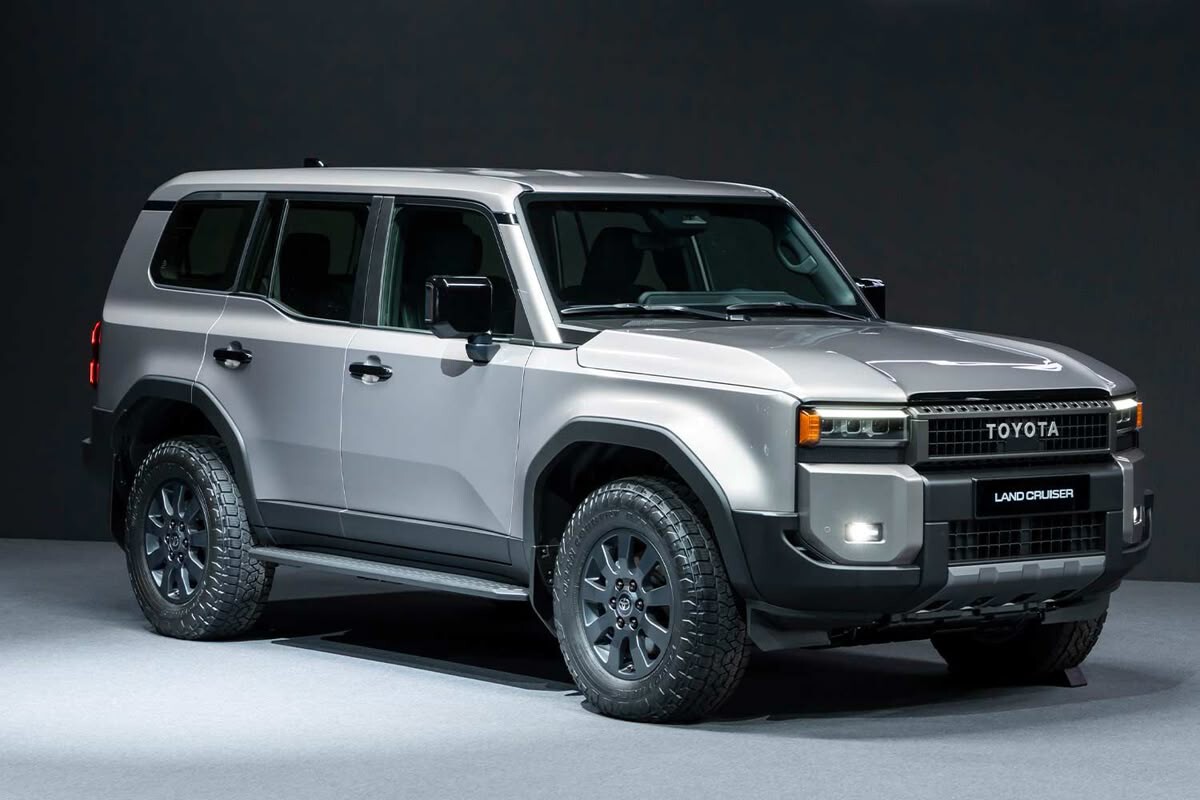
The 70 Series has consistently ranked highly in customer satisfaction surveys, with owners praising its ability to operate reliably even under the most demanding conditions.
This reliability stems from Toyota’s conservative engineering approach, using proven technologies and robust components rather than cutting-edge innovations that might fail in extreme conditions.
The engine options available in the Land Cruiser 70 Series have been carefully selected for their durability and serviceability. The most popular variant features a 4.2-liter naturally aspirated diesel engine that, while not the most powerful or fuel-efficient option available, has proven virtually indestructible in African conditions.
This engine’s simple design makes it easy to service and repair using basic tools, while its robust construction allows it to operate reliably even with poor-quality fuel and infrequent maintenance. The engine’s torquey characteristics make it ideal for low-speed, high-load applications common in African driving conditions.
Despite its age, the 70 Series continues to receive updates and improvements that enhance its durability and safety without compromising its fundamental simplicity.
Modern versions feature improved braking systems, updated safety equipment, and refined interiors while retaining the mechanical robustness that made the original famous.
This evolution ensures that the vehicle meets contemporary safety and emissions standards while preserving the characteristics that have made it indispensable in African operations.
2. Toyota Hilux
The Toyota Hilux pickup truck has achieved legendary status across Africa, earning a reputation for indestructibility that has made it the vehicle of choice for countless applications ranging from commercial transport to personal transportation.
Since its introduction to African markets in the 1960s, the Hilux has consistently proven its worth in conditions that challenge the limits of automotive engineering. Its combination of robust construction, excellent load-carrying capacity, and Toyota’s renowned reliability has made it an indispensable tool for economic development across the continent.
The current generation Hilux represents the culmination of decades of refinement and improvement, incorporating lessons learned from millions of kilometers of operation in harsh African conditions.
The vehicle’s design philosophy prioritizes durability and functionality over luxury and sophistication, resulting in a truck that can withstand years of hard use while maintaining its essential capabilities.
The robust ladder frame chassis provides exceptional strength and durability, capable of carrying heavy loads while maintaining structural integrity even on the roughest roads.
Both of these vehicles do well here as they’re known to be reliable and durable. You can expect them both to last for hundreds of thousands of miles without a major overhaul, as long as the maintenance is on point.
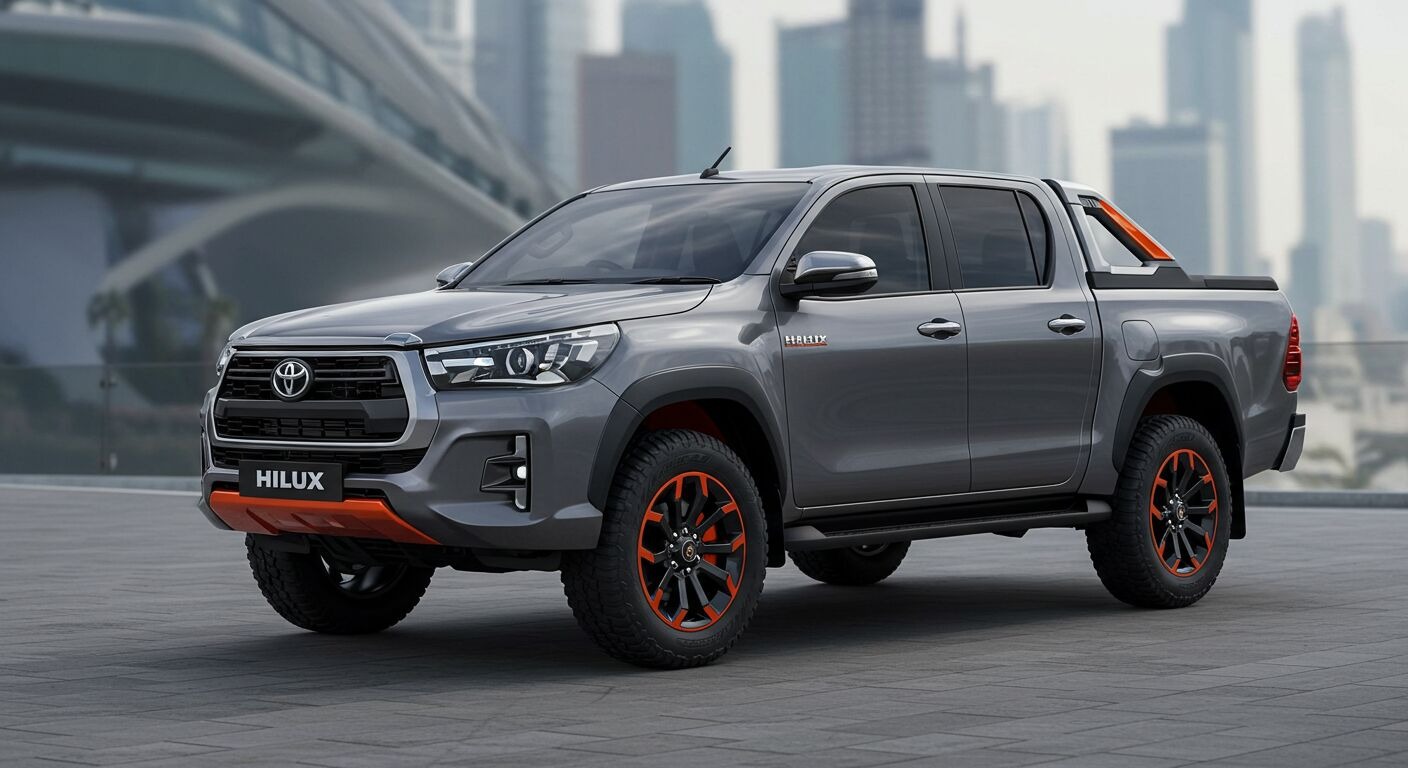
This exceptional longevity has made the Hilux a favorite among small business owners, farmers, and commercial operators who depend on their vehicles to generate income.
The truck’s ability to operate reliably for hundreds of thousands of kilometers with proper maintenance represents exceptional value for money in markets where vehicle reliability directly impacts economic survival.
The Hilux’s engine lineup has been carefully selected to provide optimal performance under African operating conditions. The most popular variant features a turbocharged diesel engine that provides excellent torque characteristics for heavy hauling and off-road operation while maintaining reasonable fuel economy.
This engine’s robust construction and simple design make it well-suited to operation with lower-quality fuels and extended service intervals, important considerations in markets where premium fuels and frequent service may not be readily available.
One of the Hilux’s greatest strengths lies in its exceptional parts availability and service network across Africa. Toyota’s extensive dealer network ensures that genuine parts and qualified service are available in most major population centers, while the truck’s popularity has created a thriving aftermarket parts industry.
This widespread availability means that Hilux owners can maintain their vehicles even in remote locations, with many generic components available from multiple suppliers. The vehicle’s load-carrying capacity and versatility make it ideal for the diverse transportation needs common in African markets.
The standard pickup bed can accommodate everything from agricultural produce to construction materials, while the available crew cab configuration provides seating for passengers along with cargo space.
This versatility makes the Hilux an excellent choice for small business owners who need a single vehicle capable of handling multiple roles, from family transportation to commercial hauling.
The Hilux’s four-wheel-drive system provides excellent traction and capability for off-road operations while remaining simple and reliable. The system uses a part-time transfer case that can be engaged manually when conditions require additional traction, providing optimal fuel economy during normal road driving while ensuring capability when needed.
The truck’s ground clearance and robust underbody protection allow it to go through rough terrain and obstacles that would damage conventional vehicles.
Modern Hilux models incorporate advanced safety features and comfort amenities while maintaining the fundamental robustness that has made the model famous.
Features such as electronic stability control, multiple airbags, and modern infotainment systems bring the truck up to contemporary standards while preserving the mechanical simplicity that enables field serviceability.
This balance between modern requirements and traditional reliability ensures that the Hilux remains relevant in today’s market while retaining its essential character.
The truck’s success in African markets extends beyond individual ownership to fleet applications. Both vehicles have had their niggling reliability problems, mainly to do with DPF and some EGR problems, but they’re both now old enough for the majority of the bugs to have been ironed out.
Mining companies, construction firms, and government agencies rely on Hilux fleets for their transportation needs, testament to the vehicle’s ability to provide reliable service under demanding commercial conditions.
This fleet usage provides valuable feedback to Toyota for continuous improvement while demonstrating the truck’s suitability for professional applications.
3. Nissan Patrol
The Nissan Patrol has carved out a distinctive niche in the African automotive world, establishing itself as a formidable alternative to the Toyota Land Cruiser while developing its own loyal following among users who demand exceptional off-road capability and durability.
For over six decades, the Patrol has evolved from a utilitarian military vehicle into a sophisticated yet robust SUV that maintains its essential character as an uncompromising off-road machine.
Its reputation for reliability and capability has made it a preferred choice for applications ranging from safari operations to mining exploration, where failure is not an option.
The Patrol’s engineering philosophy emphasizes mechanical robustness and simplicity, characteristics that have served it well in African operating conditions.
The vehicle’s solid construction features a strong ladder frame chassis designed to withstand extreme loads and impacts, while the independent front suspension and solid rear axle provide an optimal balance between on-road comfort and off-road capability.
This combination allows the Patrol to maintain composure on highways while providing the ground clearance and articulation necessary for serious off-road work.
Another stalwart of rugged vehicles, the Nissan Patrol and Mitsubishi Pajero also offer strong reputations for reliability, especially in mountainous or uneven world.
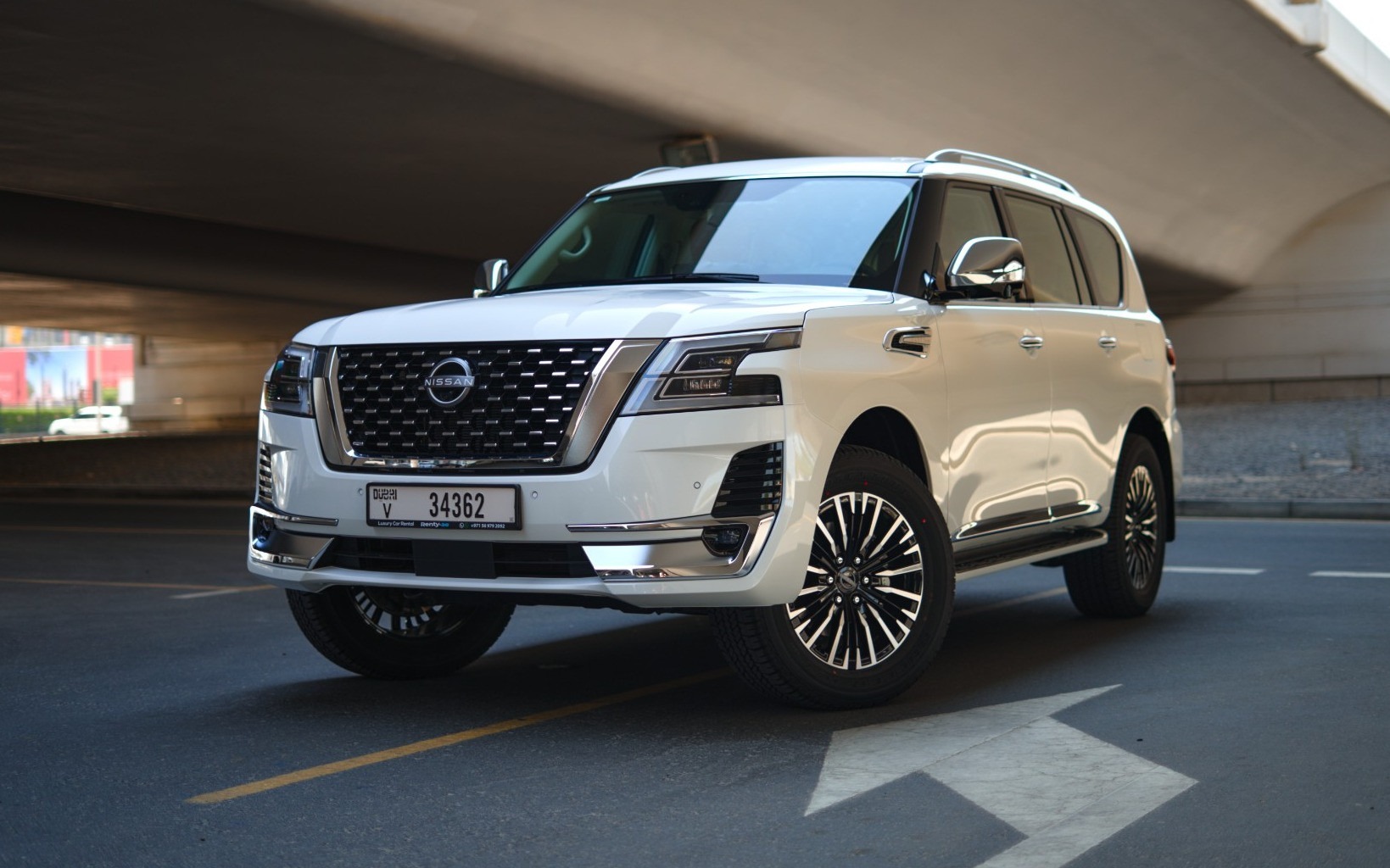
This reputation has been earned through decades of proven performance in some of the world’s most challenging environments, where the Patrol has demonstrated its ability to operate reliably despite extreme temperatures, poor road conditions, and limited maintenance infrastructure.
The Patrol’s engine options have been carefully selected to provide optimal performance under African conditions.
The most popular variants feature large-displacement naturally aspirated engines that provide exceptional torque and reliability while remaining relatively simple to service and maintain.
These engines are designed to operate effectively with lower-quality fuels and extended service intervals, important considerations in markets where premium fuels may not be readily available. The engines’ robust construction and conservative tuning ensure longevity even under demanding operating conditions.
One of the Patrol’s significant advantages is its exceptional towing capacity and payload capability, making it ideal for applications where heavy hauling is required.
The vehicle’s robust drivetrain and cooling systems are designed to handle sustained high loads without overheating or mechanical failure, capabilities that have made it popular among operators who need to transport heavy equipment or supplies to remote locations.
This capability extends to recreational users who require a vehicle capable of towing boats, trailers, or recreational vehicles.
Modern Patrol models incorporate contemporary safety and comfort features while maintaining the fundamental robustness that has defined the model throughout its history.
Advanced safety systems, modern infotainment technology, and improved ride quality bring the vehicle up to current standards while preserving the mechanical reliability and off-road capability that have made it successful in African markets.
4. Isuzu D-Max
The Isuzu D-Max represents a compelling combination of commercial-grade durability and modern refinement, establishing itself as a serious contender in the competitive African pickup truck market.
Built on Isuzu’s decades of experience in commercial vehicle manufacturing, the D-Max brings heavy-duty truck engineering to the pickup segment, resulting in a vehicle that excels in the demanding conditions common across Africa.
Its reputation for reliability and durability has made it increasingly popular among users who require a vehicle capable of handling both commercial duties and family transportation needs.
The D-Max’s engineering foundation reflects Isuzu’s commercial vehicle heritage, with construction methods and materials chosen for maximum durability rather than minimum cost.
The vehicle’s ladder frame chassis is built to commercial truck standards, providing exceptional strength and load-carrying capacity while maintaining the ride quality expected of a modern pickup truck.
This robust foundation allows the D-Max to handle heavy payloads and severe operating conditions that might damage vehicles with lighter construction.
The engine lineup available in African markets emphasizes durability and fuel efficiency, characteristics that are crucial for commercial operators who must balance operating costs with reliability requirements.
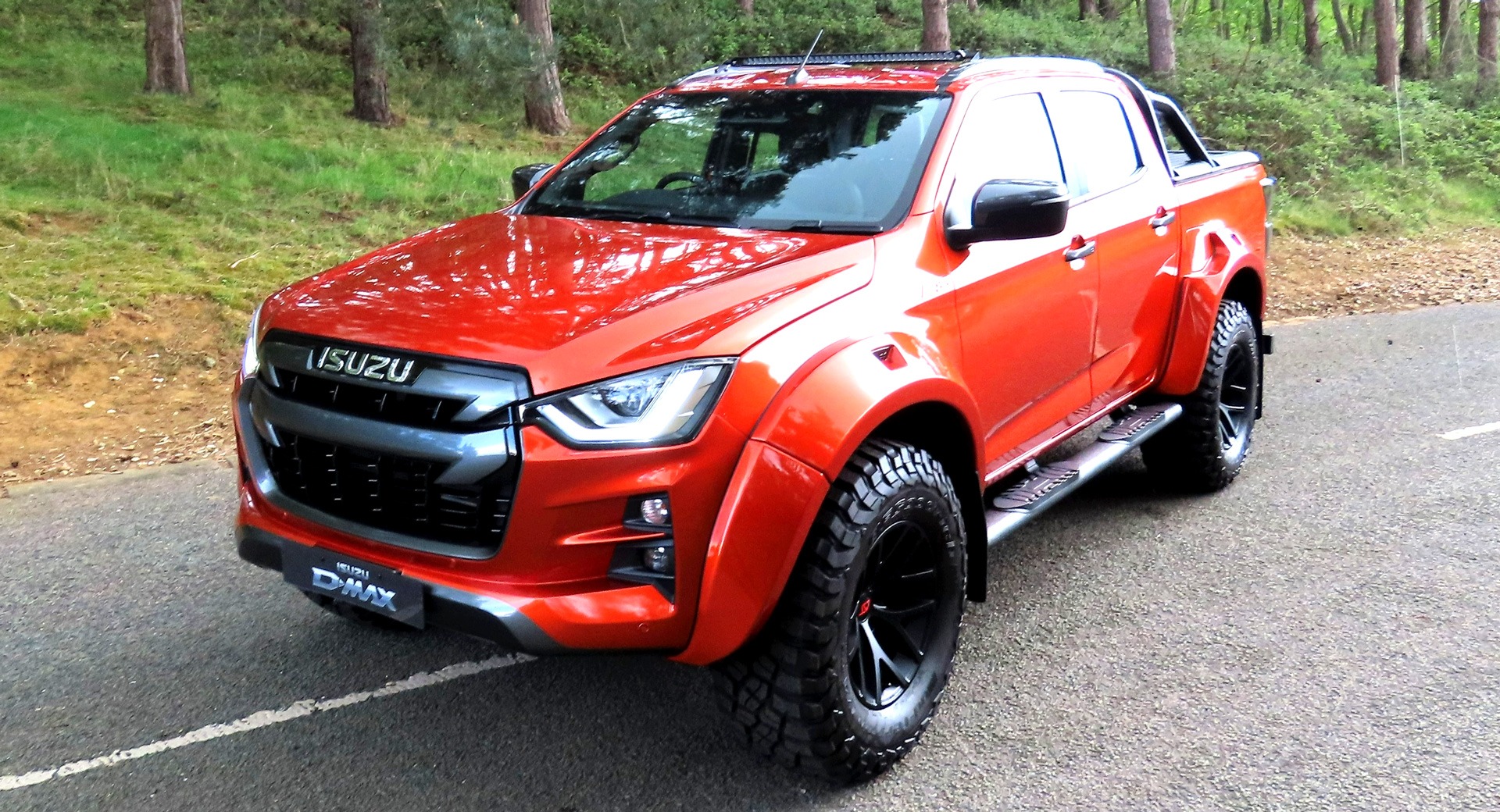
The most popular variant features a turbocharged diesel engine that provides strong torque delivery across a wide RPM range, making it ideal for applications ranging from highway cruising to low-speed hauling.
The engine’s robust construction and conservative tuning ensure longevity even under sustained high-load operation. One of the D-Max’s most significant advantages is its exceptional fuel economy relative to its payload and towing capacity.
This efficiency stems from Isuzu’s extensive experience with commercial diesel engines, where fuel consumption directly impacts operating profitability.
The combination of efficient combustion, optimal gear ratios, and aerodynamic refinement results in fuel consumption figures that are among the best in the segment, an important consideration for operators in markets where fuel costs represent a significant portion of operating expenses.
The vehicle’s load bed is designed for serious commercial use, with reinforced construction and practical features that facilitate loading and securing cargo.
The bed dimensions are optimized for standard cargo configurations common in African markets, while the available tonneau covers and bed liners protect cargo from weather and theft.
The rear suspension is tuned to provide optimal load-carrying capability while maintaining reasonable ride quality when unladen.
Quality control and manufacturing standards for the D-Max reflect Isuzu’s commitment to commercial vehicle reliability.
The assembly processes and testing procedures used in D-Max production are derived from Isuzu’s truck manufacturing operations, where reliability is measured in millions of kilometers rather than typical passenger car standards.
This approach results in a vehicle that provides exceptional longevity and dependability under the severe conditions common in African operations.
Also Read: 8 Collectible Cars That Rarely Fail Owners
5. Mitsubishi Pajero/Montero
The Mitsubishi Pajero, known as the Montero in some markets, has established itself as one of the most capable and reliable SUVs available for African operations, combining genuine off-road capability with the comfort and convenience expected of a modern passenger vehicle.
Since its introduction in the early 1980s, the Pajero has built a reputation for durability and performance that extends far beyond its impressive rally competition heritage.
Its success in some of the world’s most demanding off-road events, including multiple victories in the Dakar Rally, has translated into real-world reliability and capability that African users have come to depend upon.
The Pajero’s engineering philosophy emphasizes mechanical robustness and sophisticated four wheel drive technology, creating a vehicle that can handle extreme off-road conditions while providing acceptable on-road manners.
The vehicle’s construction features a strong monocoque body structure that provides excellent crash protection while maintaining the structural integrity necessary for off-road use.
This design approach allows the Pajero to combine the strength needed for serious off-road work with the refinement expected of a passenger vehicle.
The suspension system represents one of the Pajero’s most significant engineering achievements, combining sophisticated technology with proven durability.
The independent front suspension provides excellent ride quality and handling characteristics while maintaining the ground clearance and wheel articulation necessary for off-road capability.
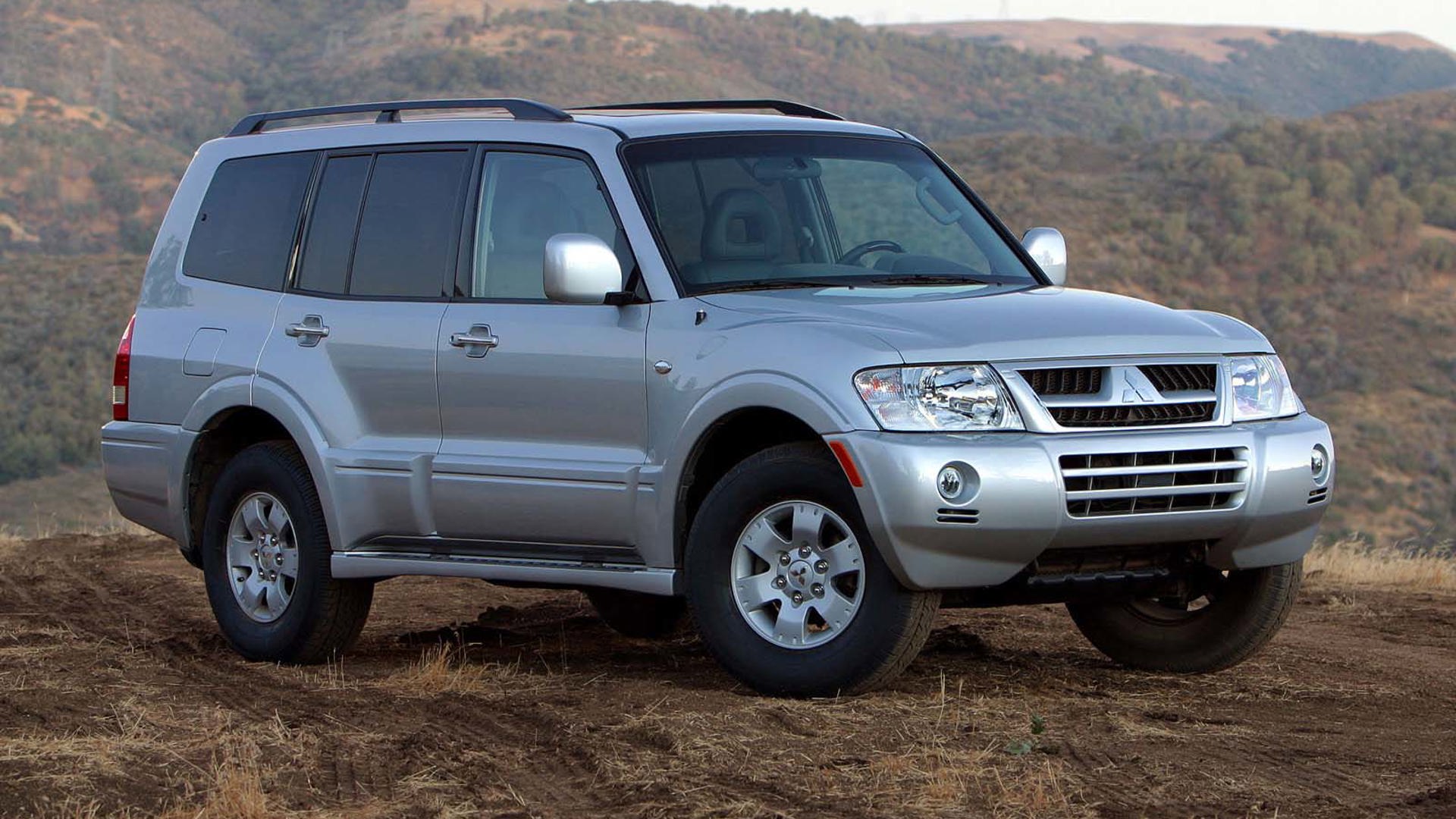
The rear suspension uses a sophisticated multi-link design that provides optimal balance between load-carrying capacity and ride comfort, making the vehicle suitable for both passenger and cargo transportation duties.
Engine options available in African markets have been carefully selected to provide optimal performance under local operating conditions. The most popular variants feature naturally aspirated or turbocharged gasoline engines that provide strong performance while remaining relatively simple to service and maintain.
These engines are designed to operate effectively with varying fuel qualities while providing the power and torque characteristics needed for both highway cruising and off-road operation.
The Pajero’s four-wheel-drive system is renowned for its sophistication and reliability, featuring advanced technologies such as center differential locks, multiple terrain modes, and electronic traction controls that optimize performance for specific conditions.
Unlike some systems that sacrifice reliability for sophistication, the Pajero’s drivetrain maintains mechanical robustness while providing advanced capability.
The system can be operated in various modes ranging from fuel-efficient two-wheel drive to full-time four-wheel drive with locked differentials for maximum traction.
The vehicle’s proven track record in competition and commercial use provides confidence for users who depend on their transportation for business or safety.
The same engineering and construction methods that enabled the Pajero to dominate rally competition translate into real-world reliability and capability that African users can depend upon in their daily operations.
6. Ford Ranger
The Ford Ranger has emerged as a formidable competitor in the African pickup truck market, combining American engineering traditions with global manufacturing expertise to create a vehicle that excels in the demanding conditions common across the continent.
The modern Ranger represents a significant evolution from its predecessors, incorporating advanced technologies and construction methods while maintaining the fundamental robustness that has made Ford trucks successful worldwide.
Its growing popularity in African markets reflects its ability to provide the reliability and capability that users demand while offering competitive features and performance.
The Ranger’s engineering foundation reflects Ford’s extensive experience in truck manufacturing, with design elements derived from the company’s successful commercial vehicle operations.
The vehicle’s ladder frame construction provides exceptional strength and durability, capable of handling heavy payloads and severe operating conditions while maintaining structural integrity.
The frame design incorporates advanced materials and construction techniques that optimize strength-to-weight ratios while providing mounting points for various body configurations and accessories.
Engine options available in African markets emphasize durability and efficiency, with Ford’s turbocharged diesel engines providing strong torque delivery and competitive fuel economy.
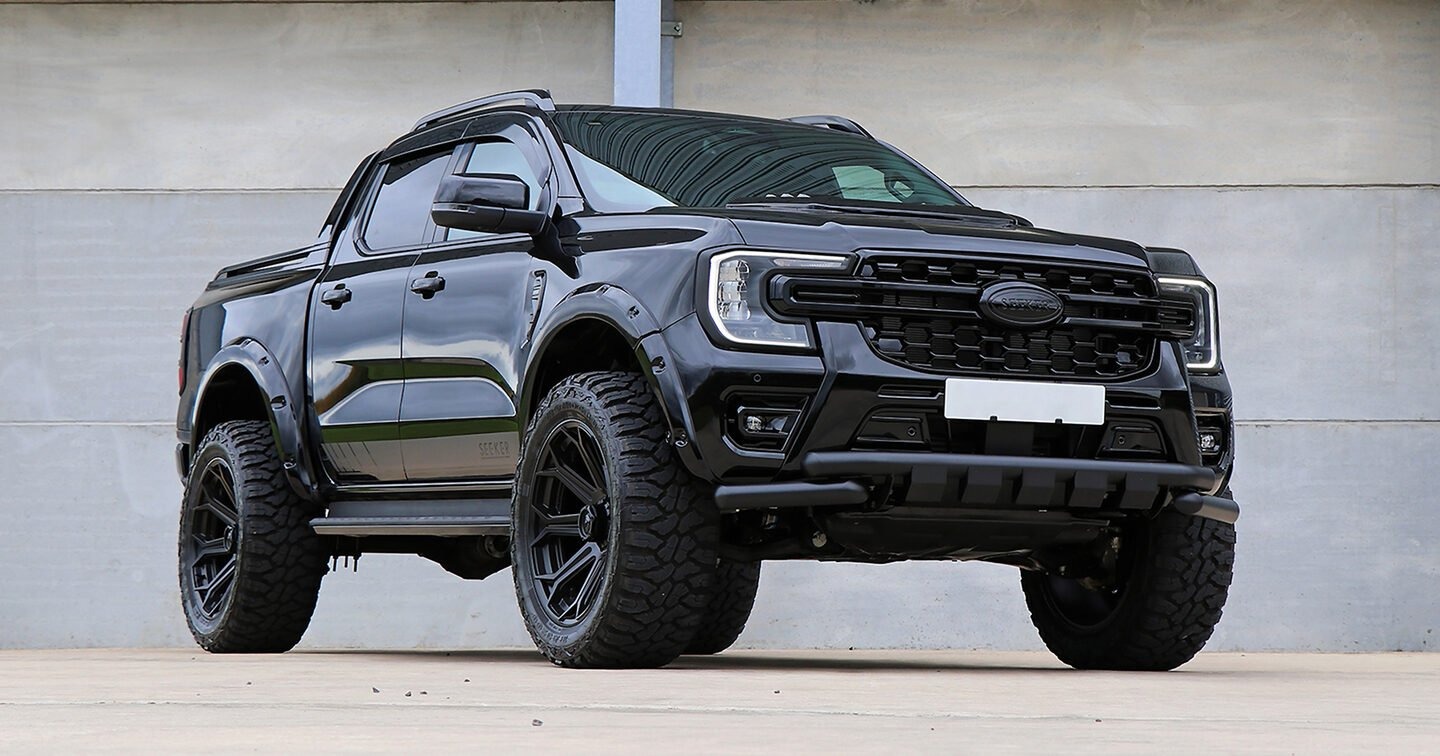
These engines incorporate advanced technologies such as electronic fuel injection and turbocharging while maintaining the fundamental robustness necessary for operation under demanding conditions.
The engines are designed to operate effectively with varying fuel qualities while providing the power characteristics needed for both commercial and recreational applications.
The Ranger’s four-wheel-drive system provides excellent capability for off-road operations while maintaining simplicity and reliability. The system uses proven mechanical components with electronic controls that optimize performance for different terrain conditions.
Features such as terrain management modes and electronic differential locks provide advanced capability while remaining understandable and reliable for users who may lack extensive technical knowledge. Ground clearance and approach angles are optimized for the rough terrain common in African operating environments.
Payload and towing capabilities represent significant strengths of the Ranger, with the vehicle designed to handle substantial loads without compromising safety or reliability.
The rear suspension system is tuned to provide optimal load-carrying capability while maintaining acceptable ride quality when unladen. The available bed configurations and accessories accommodate various cargo requirements, from commercial hauling to recreational equipment transport.
The Ranger’s growing success in African markets demonstrates its ability to compete effectively with established competitors while offering distinctive advantages in performance and features.
Its combination of modern technology, traditional truck capability, and competitive pricing has created opportunities in market segments previously dominated by other manufacturers, establishing Ford as a credible alternative for users seeking reliable and capable pickup trucks.
7. Suzuki Jimny
The Suzuki Jimny represents a unique approach to off-road vehicle design, combining compact dimensions with genuine four-wheel-drive capability to create a vehicle that excels in situations where larger SUVs might struggle.
Despite its diminutive size, the Jimny has earned a reputation for exceptional off-road capability and reliability that has made it popular among users who need maximum capability in a minimum package.
Its lightweight construction and simple mechanical systems make it ideal for applications where maneuverability and fuel efficiency are as important as off-road performance.
The Jimny’s engineering philosophy emphasizes simplicity and functionality over sophistication and luxury, resulting in a vehicle that can be easily maintained and repaired in remote locations with basic tools and equipment.
The ladder frame construction provides structural strength despite the vehicle’s small size, while the solid axle suspension systems front and rear maximize wheel articulation and ground contact in challenging terrain.
This combination of robust construction and sophisticated suspension geometry enables the Jimny to traverse obstacles that would challenge much larger vehicles.
Engine options for the Jimny prioritize fuel efficiency and reliability over maximum power output, with small-displacement engines providing adequate performance while achieving exceptional fuel economy.

The engines are designed for simplicity and ease of maintenance, with mechanical fuel injection systems and straightforward ignition systems that can be serviced by mechanics with basic skills.
This approach ensures that the Jimny can operate reliably in areas where sophisticated diagnostic equipment and specialized technicians may not be available.
The Jimny’s four-wheel-drive system exemplifies the vehicle’s philosophy of mechanical simplicity combined with genuine capability. The system uses a traditional transfer case with manually selectable high and low range operation, providing optimal traction control without relying on complex electronic systems that might fail in harsh conditions.
The solid axles front and rear are equipped with mechanical differential locks that can be engaged manually, ensuring maximum traction when conditions demand it.
Despite its compact exterior dimensions, the Jimny’s interior is designed to maximize space efficiency while providing the durability needed for hard use.
Materials and construction methods prioritize resistance to wear and environmental damage over luxury appearance, while control layouts are optimized for simplicity and accessibility. The vehicle’s high driving position provides excellent visibility for off-road operations despite the compact size.
The Jimny’s success in diverse global markets demonstrates its ability to provide genuine utility in situations where larger, more complex vehicles might be inappropriate or unaffordable.
Its combination of compact size, exceptional capability, and mechanical simplicity creates a unique niche that has sustained the model through multiple generations while maintaining its essential character and appeal to users who prioritize function over form.
8. Volkswagen Amarok
The Volkswagen Amarok represents a European approach to pickup truck design, bringing sophisticated engineering and construction methods to a segment traditionally dominated by more utilitarian vehicles.
Since its introduction, the Amarok has established itself as a premium alternative in the African pickup market, offering a combination of refinement, capability, and durability that appeals to users who demand both commercial functionality and passenger car comfort.
Its distinctive design and engineering approach have created a unique position in markets where most competitors prioritize pure utility over sophistication.
The Amarok’s engineering foundation reflects Volkswagen’s commitment to build quality and durability, with construction methods derived from the company’s extensive experience in both commercial and passenger vehicle manufacturing.
The vehicle’s ladder frame chassis incorporates advanced materials and design techniques that optimize strength while minimizing weight, providing exceptional load-carrying capability while maintaining acceptable fuel economy.
The frame design also accommodates various body configurations and accessories, enhancing the vehicle’s versatility.
Engine options available for the Amarok in African markets emphasize performance and efficiency, with Volkswagen’s turbocharged diesel engines providing strong power delivery across a wide operating range.
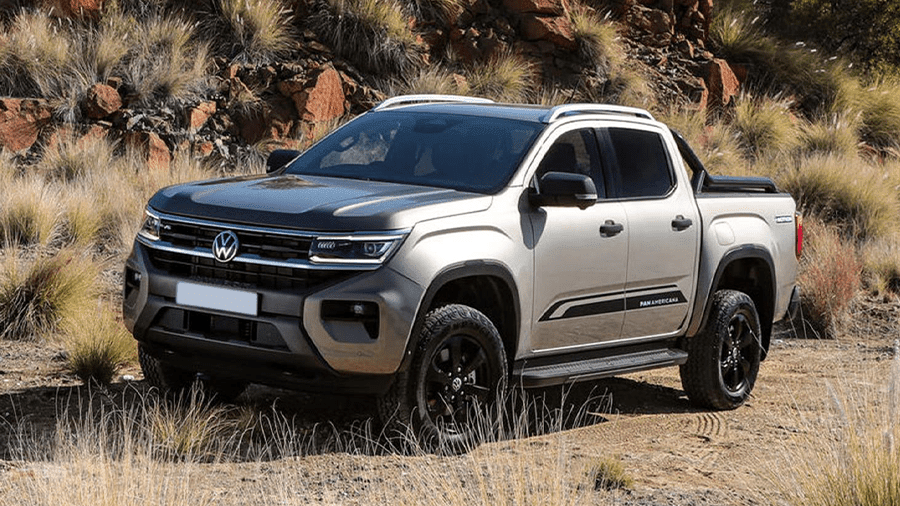
These engines incorporate advanced technologies such as common-rail fuel injection and variable geometry turbocharging while maintaining the durability necessary for commercial applications.
The engines are designed to operate effectively with varying fuel qualities while providing performance characteristics that excel in both loaded and unloaded conditions.
The Amarok’s suspension system represents one of its most distinctive features, using sophisticated multi-link designs both front and rear to provide exceptional ride quality and handling characteristics.
This approach contrasts with the solid axle systems used by most competitors, providing superior on-road manners while maintaining adequate off-road capability. The suspension tuning prioritizes comfort and stability while providing sufficient ground clearance and wheel articulation for moderate off-road use.
The Amarok’s success in African markets demonstrates the viability of premium positioning in segments traditionally focused on basic utility and low cost.
Its combination of sophisticated engineering, superior comfort, and competitive capability has created a distinctive market position that appeals to users seeking alternatives to more utilitarian competitors while maintaining the fundamental reliability needed for African operating conditions.
