
German automotive engineering has long been synonymous with precision, performance, and unwavering reliability. When it comes to sports cars, German manufacturers have consistently produced machines that don’t just deliver exhilarating performance on day one, but continue to do so for decades with proper maintenance.
These aren’t merely fast cars; they’re engineering marvels built with a philosophy that prioritizes longevity alongside speed. The German approach to sports car manufacturing differs fundamentally from that of many other nations.
While some manufacturers chase peak performance numbers or flashy styling, German engineers obsess over every component’s durability, the precision of every fit and finish detail, and the long-term reliability of every system.
This methodology stems from Germany’s rich automotive heritage, where brands like Porsche, BMW, Mercedes-Benz, and Audi have spent generations refining their craft.
What makes a German sports car “refuse to quit” goes beyond just mechanical reliability. These vehicles are designed with over-engineered components that can withstand not just normal driving conditions, but the extreme stresses of high-performance driving.
Their engines are built with tolerances that allow for consistent performance over hundreds of thousands of miles. Their transmissions are crafted to handle repeated high-RPM shifts without degradation. Even their electrical systems, often the Achilles’ heel of complex modern vehicles, are designed with redundancy and longevity in mind.
The cultural emphasis on “Deutsche Gründlichkeit” (German thoroughness) permeates every aspect of these vehicles. From the selection of materials to the testing protocols, German sports cars undergo rigorous development processes that often span years longer than their competitors.
This thoroughness translates into vehicles that maintain their performance characteristics, structural integrity, and driving dynamics long after other sports cars have succumbed to wear and age.
The following ten German sports cars represent the pinnacle of this engineering philosophy, each demonstrating remarkable longevity while delivering the performance that makes driving enthusiasts’ hearts race.
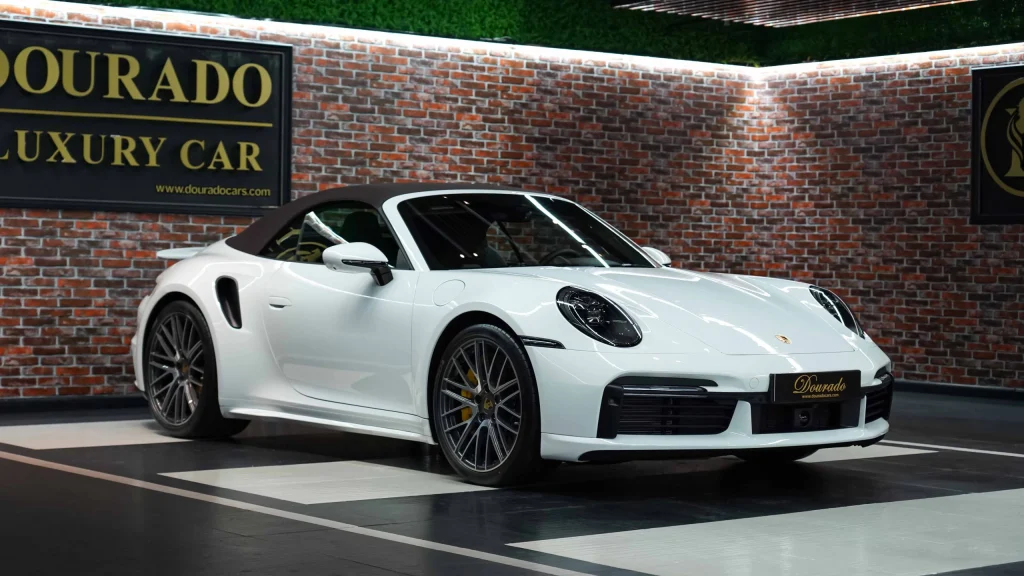
1. Porsche 911 Turbo (1975-Present)
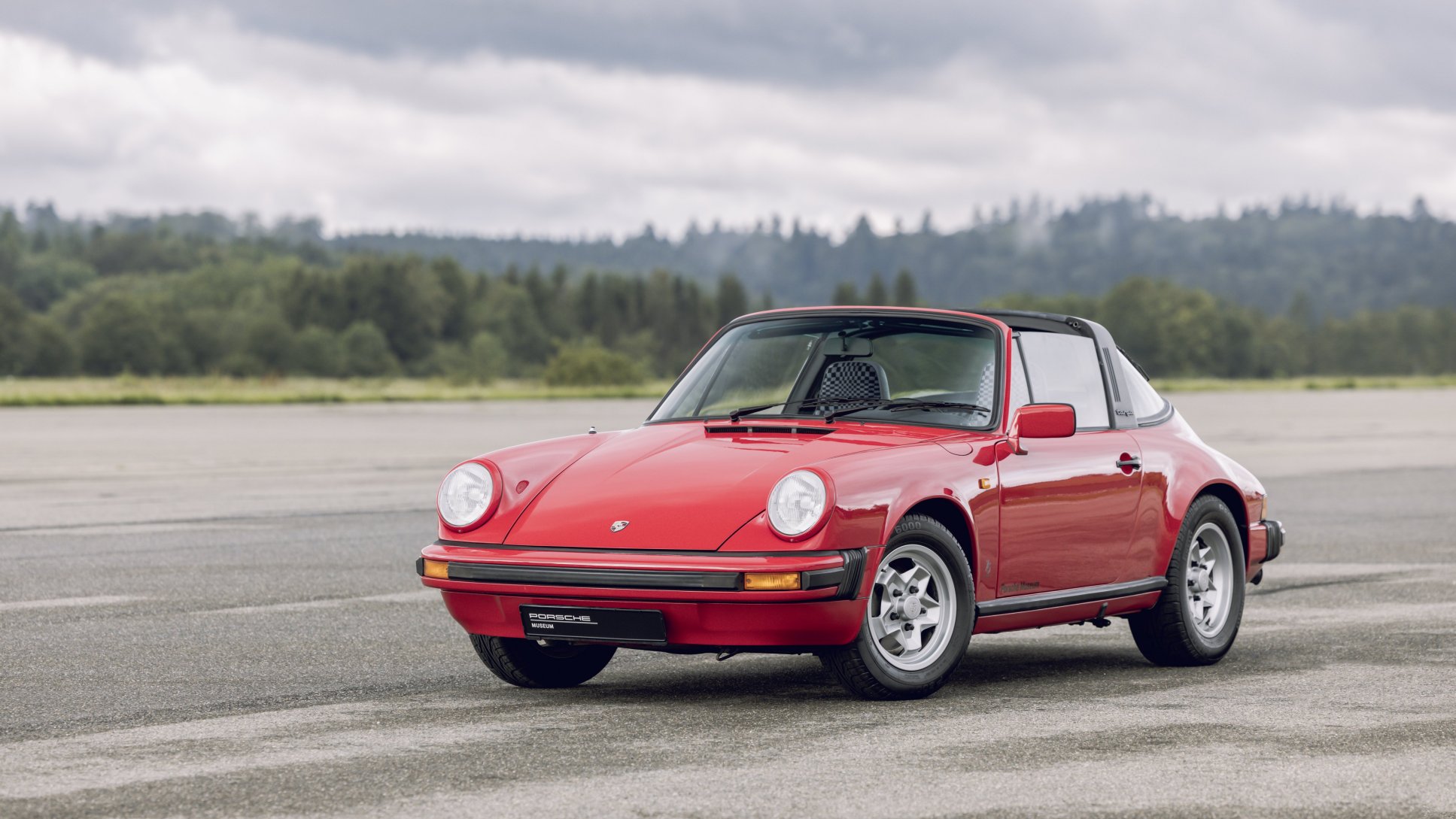
The Porsche 911 Turbo stands as perhaps the most iconic example of German engineering persistence in the sports car world. Since its debut in 1975, the 911 Turbo has continuously evolved while maintaining its fundamental character: a rear-engine, turbocharged powerhouse that delivers devastating performance with surprising daily usability.
What sets the 911 Turbo apart from many supercars is its remarkable ability to rack up hundreds of thousands of miles while maintaining its edge. The secret to the 911 Turbo’s longevity lies in Porsche’s methodical approach to evolution rather than revolution.
Each generation builds upon the previous one’s strengths while addressing its weaknesses. The air-cooled engines of early models were virtually indestructible when properly maintained, with many examples still running strong after 40-plus years.
The transition to water-cooling in 1996 brought even greater reliability and efficiency, while modern direct-injection engines offer both incredible performance and surprising fuel economy.
Porsche’s insistence on using high-quality materials throughout the 911 Turbo pays dividends in long-term ownership. The engines feature forged internals, precision-machined components, and advanced metallurgy that allows them to withstand the intense heat and pressure of turbocharged performance.
The transmissions, whether manual or PDK dual-clutch automatic, are engineered to handle the substantial torque while providing smooth, reliable operation for hundreds of thousands of shifts.
The 911 Turbo’s electrical systems, often a source of problems in aging sports cars, are remarkably robust. Porsche’s conservative approach to electronics means they implement proven technologies rather than bleeding-edge systems that might fail.
This philosophy extends to the car’s chassis, which uses time-tested aluminum and steel construction techniques that resist corrosion and maintain structural integrity over decades.
Perhaps most importantly, the 911 Turbo benefits from Porsche’s extensive parts support and technical documentation. Owners can still obtain parts for 1970s models, and the company continues to support older vehicles with technical expertise.
This commitment to long-term customer support ensures that well-maintained 911 Turbos can literally run forever, making them not just performance icons, but genuine investment-grade automobiles that refuse to quit delivering thrills.
2. BMW M3 E30 (1986-1991)
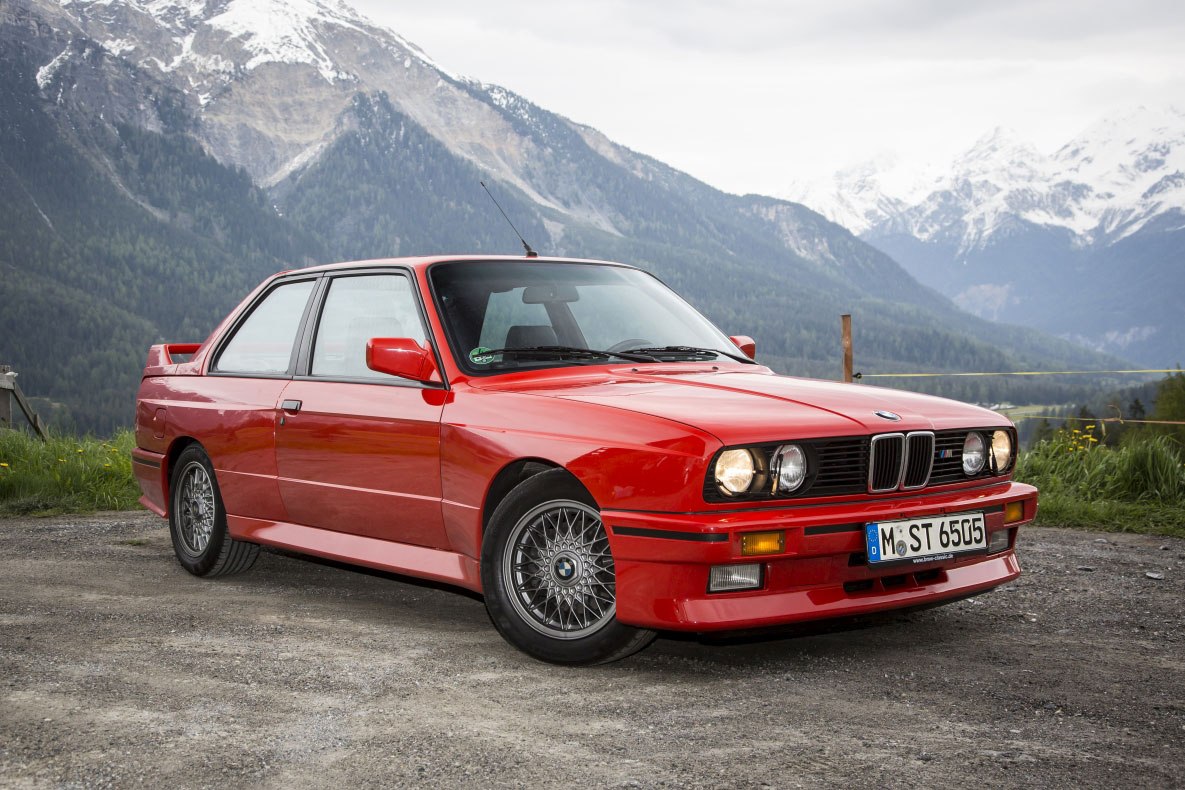
The original BMW M3, based on the E30 3 Series platform, represents a watershed moment in sports car engineering that established BMW’s M Division as a serious player in high-performance automotive manufacturing.
This compact sports sedan was born from BMW’s desire to compete in touring car racing, but its road-going version became legendary for its perfect balance of performance, practicality, and long-term reliability. Nearly four decades later, well-maintained E30 M3s continue to provide driving experiences that modern cars struggle to match.
The heart of the E30 M3’s enduring appeal lies in its naturally aspirated S14 four-cylinder engine, a motorsport-derived powerplant that produces 192 horsepower through high-revving precision rather than brute force.
This engine, based on the M88 six-cylinder unit used in the M1 supercar, features individual throttle bodies, a sophisticated engine management system for its era, and internals built to withstand racing conditions.
The S14’s design philosophy prioritized reliability over peak power, resulting in an engine that can easily exceed 200,000 miles with proper maintenance while maintaining its razor-sharp throttle response and distinctive sound.
BMW’s attention to chassis dynamics in the E30 M3 created a platform that ages gracefully. The suspension geometry, developed specifically for the M3, provides exceptional balance between comfort and performance.
The car’s lightweight construction, extensive use of aluminum components, and careful weight distribution contribute to driving dynamics that remain engaging decades after production ended.
Unlike many modern sports cars that rely heavily on electronic systems, the E30 M3’s mechanical purity means fewer components that can fail over time.
The build quality that characterizes German engineering is evident throughout the E30 M3. Interior components are built to last, with high-quality plastics, durable fabric, and controls that maintain their precision feel after hundreds of thousands of actuations.
The car’s electrical system, while complex for its era, uses robust German components that rarely fail when properly maintained. Body panels are made from high-quality steel that resists corrosion better than many contemporary vehicles.
What makes the E30 M3 truly special is its ability to provide genuine sports car thrills without the maintenance nightmares often associated with high-performance vehicles.
Regular oil changes, proper warming procedures, and attention to cooling system maintenance are typically all that’s required to keep these cars running strong.
This reliability, combined with their growing collector status, means that E30 M3s not only refuse to quit but actually appreciate while providing decades of driving enjoyment.
3. Mercedes-Benz SL (R129) (1989-2001)
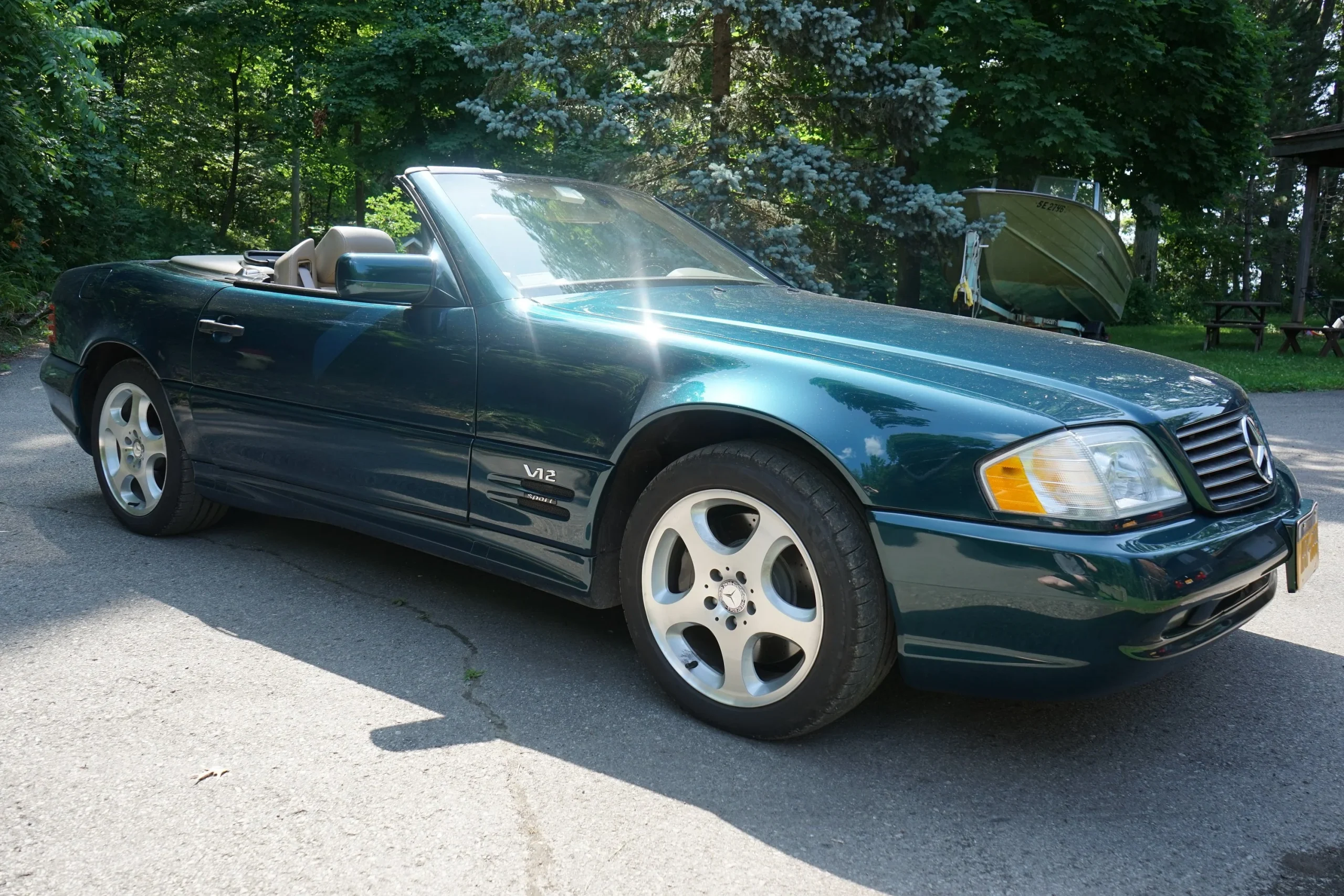
The Mercedes-Benz SL-Class R129 generation represents the pinnacle of German grand touring engineering, combining sophisticated technology with bulletproof reliability in a package that defined luxury sports car motoring for over a decade.
During its 12-year production run, the R129 established new standards for safety, comfort, and long-term durability that few competitors could match. These cars were designed not just to impress in showrooms, but to provide decades of reliable service while maintaining their sophisticated character.
Mercedes-Benz engineered the R129 SL with a level of over-engineering that borders on obsessive. The car’s structure incorporates extensive use of aluminum and high-strength steel, creating a platform that’s both lightweight and incredibly rigid.
The famous pop-up roll bars, a first in production convertibles, exemplify Mercedes’ approach: rather than simply meeting safety standards, they exceeded them with a system so robust that it rarely requires service even after 30-plus years.
This philosophy extends throughout the vehicle, from the hydraulic soft-top mechanism to the sophisticated suspension systems. The engine options available in the R129, ranging from the smooth inline-six in the 300SL to the magnificent V12 in the 600SL, all share Mercedes’ commitment to longevity.
These powerplants were designed with conservative tuning and robust internals that allow them to deliver consistent performance for hundreds of thousands of miles.
The V8 engines, particularly the 500SL’s M119 unit, have proven especially durable, with many examples exceeding 300,000 miles while maintaining their smooth power delivery and characteristic Mercedes refinement.
Electronic systems in the R129, while advanced for their era, were implemented with typical German thoroughness. The climate control, power seat systems, and infotainment components use high-quality German suppliers and are designed for long-term reliability.
While some electronic components may require attention after decades of service, they’re generally repairable rather than requiring complete replacement, and parts availability remains excellent.
The R129’s interior showcases Mercedes’ commitment to using premium materials that age gracefully. The leather, wood trim, and control surfaces are selected not just for their initial luxury feel, but for their ability to maintain their appearance and functionality over decades of use.
This attention to material quality means that well-maintained R129s can look and feel nearly new even after 25-plus years, making them exceptional long-term ownership propositions that continue to provide the sophisticated driving experience Mercedes intended.
4. Audi Quattro (1980-1991)
The Audi Quattro revolutionized not only sports car design but the entire automotive industry’s understanding of all-wheel-drive technology. This groundbreaking vehicle, born from Audi’s rallying ambitions, introduced sophisticated all-wheel-drive systems to road cars and established a template for high-performance vehicles that remains relevant today.
Beyond its historical significance, the original Quattro has proven remarkably durable, with well-maintained examples continuing to deliver their unique combination of performance and all-weather capability decades after production ended.
The Quattro’s legendary five-cylinder turbocharged engine represents one of the most characterful and reliable powerplants ever produced. The inline-five configuration provides a perfect balance between the smoothness of a six-cylinder and the efficiency of a four-cylinder, while the turbocharger delivers substantial power increases without the complexity of modern forced-induction systems.
These engines, with their distinctive warbling exhaust note and linear power delivery, were built with robust internals designed to handle both turbocharger boost and the demands of rally competition. Proper maintenance typically involves little more than regular oil changes and attention to the turbocharger’s cooling requirements.
Audi’s quattro all-wheel-drive system, the car’s defining feature, was engineered with mechanical simplicity that contributes to its long-term reliability.
Unlike modern electronic systems with multiple sensors and actuators, the original quattro system uses a mechanical center differential and viscous coupling that requires minimal maintenance while providing exceptional traction in all conditions.
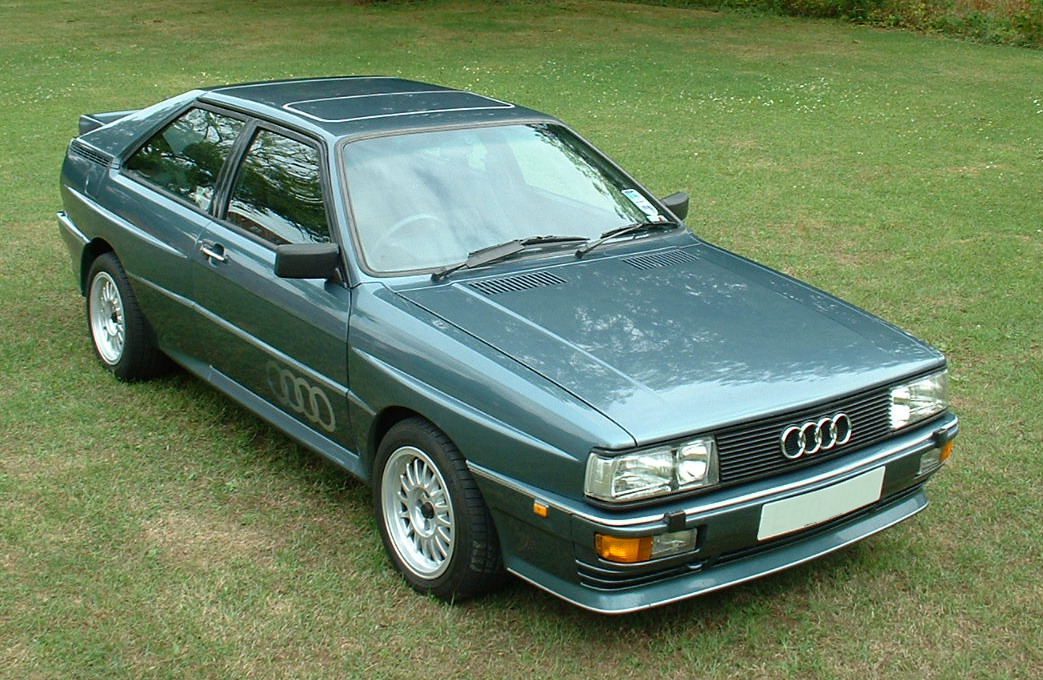
This system’s durability has been proven not just on roads but in some of the world’s most demanding rally stages, where Quattros dominated competition for years.
The Quattro’s construction quality reflects Audi’s Germanic attention to detail and long-term durability. The galvanized steel body resists corrosion exceptionally well for a 1980s vehicle, while the interior components are built to withstand decades of use without significant wear.
The car’s electrical systems, while advanced for their era, use proven German components that rarely fail when properly maintained. Even complex features like the digital instrument cluster have proven remarkably reliable over time.
This versatility means owners actually drive these cars regularly rather than storing them, proving their durability through real-world use. The strong enthusiast community and excellent parts availability ensure that Quattros can continue providing their unique driving experience for generations to come.
Also Read: 8 Collectible Cars That Rarely Fail Owners
5. Porsche 944 Turbo (1985-1991)
The Porsche 944 Turbo represents one of the most underappreciated success stories in German sports car engineering, combining front-engine balance with turbocharged performance in a package that has proven remarkably durable over nearly four decades.
Designed to bridge the gap between the entry-level 924 and the flagship 911, the 944 Turbo established itself as a legitimate sports car that could compete with the best from Italy and Britain while offering typically German reliability and build quality.
Porsche’s approach to the 944 Turbo’s engine development prioritized reliability alongside performance. The 2.5-liter inline-four turbocharged unit produces substantial power through sophisticated engineering rather than extreme boost pressures.
The engine features a robust cast-iron block, forged crankshaft, and high-quality internals designed to handle the stresses of forced induction. The turbocharger system itself uses conservative boost levels and effective intercooling to ensure long-term reliability.
These engines, when properly maintained with regular oil changes and attention to cooling system health, routinely exceed 200,000 miles while maintaining their strong performance characteristics.
The 944 Turbo’s chassis represents a masterclass in sports car engineering that prioritizes handling precision over raw power. The near-perfect 50/50 weight distribution, achieved through the front-engine, rear-transaxle layout, provides exceptional balance that makes the car predictable and enjoyable at any speed.
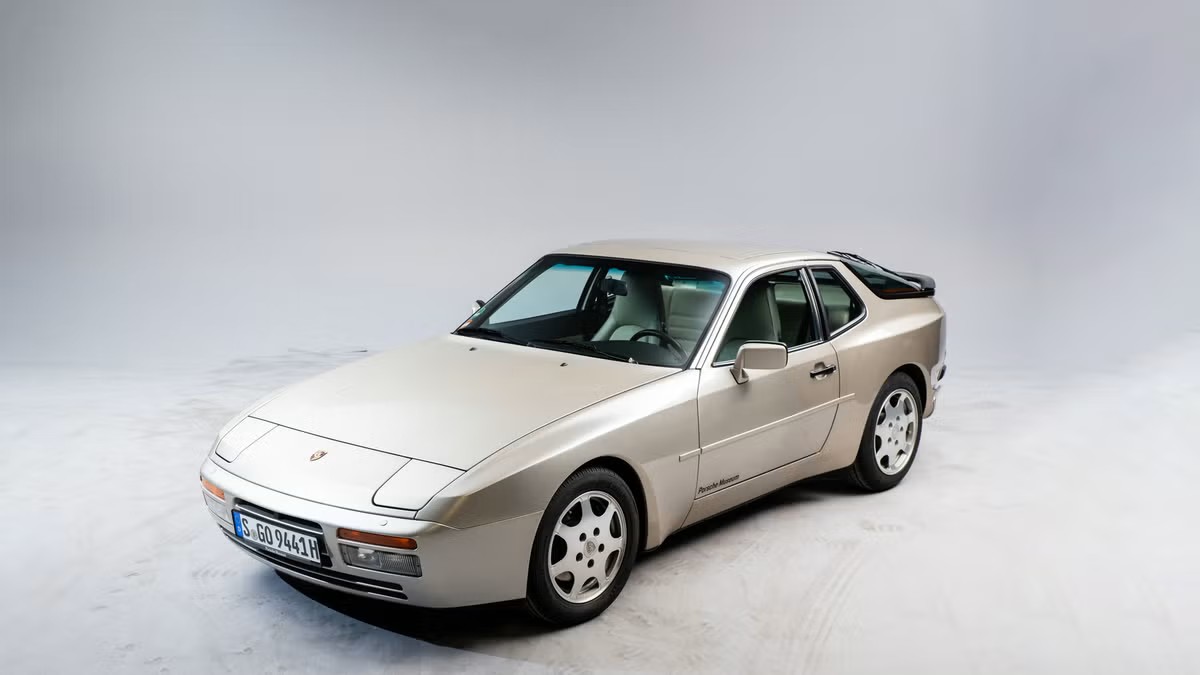
The suspension system, using MacPherson struts front and rear with carefully tuned springs and dampers, provides excellent ride quality without compromising handling precision. This mechanical sophistication means the 944 Turbo ages gracefully, with worn suspension components easily replaceable to restore original performance.
Build quality throughout the 944 Turbo reflects Porsche’s commitment to long-term durability. The galvanized steel body resists corrosion exceptionally well, while interior components are designed to withstand decades of use.
The electrical systems, while complex for a 1980s vehicle, use high-quality German components and logical wiring layouts that facilitate maintenance and repair. Even the air conditioning and heating systems, often trouble spots in aging sports cars, prove remarkably reliable when properly serviced.
Strong parts availability and a dedicated enthusiast community ensure that well-maintained 944 Turbos can continue providing their unique blend of performance and practicality for decades to come.
6. BMW M5 E34 (1988-1995)
The BMW M5 E34 represents the golden age of high-performance sedans, combining supercar-level performance with four-door practicality and legendary BMW reliability.
This second-generation M5 established the template for modern super sedans while demonstrating that German engineering could create vehicles that excel in multiple roles without significant compromises.
Nearly three decades after its introduction, the E34 M5 remains one of the most sought-after performance sedans ever produced, with well-maintained examples continuing to provide driving experiences that modern cars struggle to match.
The heart of the E34 M5’s enduring appeal is its naturally aspirated S38 inline-six engine, a motorsport-derived powerplant that produces 310 horsepower through sophisticated engineering rather than forced induction.
This engine, evolved from the unit used in the M1 supercar, features individual throttle bodies, variable valve timing, and internals built to racing specifications.
The S38’s design philosophy prioritized durability and responsiveness over peak power figures, resulting in an engine that delivers its performance consistently across a wide RPM range while maintaining reliability that far exceeds typical supercar standards.
BMW’s approach to chassis development in the E34 M5 created a platform that balances sports car agility with sedan comfort. The suspension system, specifically tuned for the M5, uses sophisticated geometry and high-quality components to provide exceptional handling without compromising ride quality.
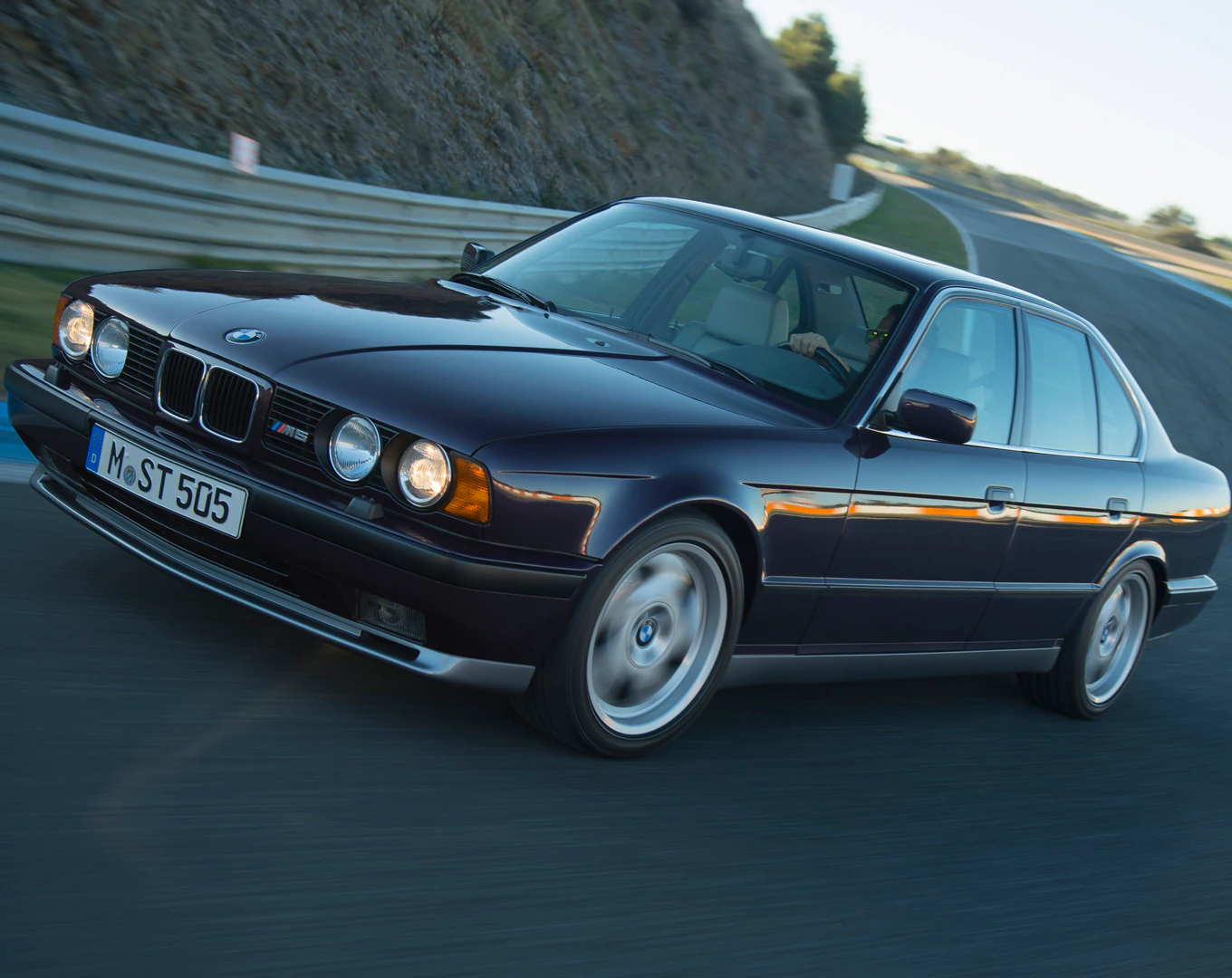
The car’s structure, reinforced beyond standard 5 Series requirements, maintains its rigidity and handling precision even after decades of use. Unlike many modern performance cars that rely heavily on electronic aids, the E34 M5’s mechanical purity means fewer systems that can fail over time.
The build quality that characterizes BMW’s best work is evident throughout the E34 M5. Interior components are constructed from high-quality materials designed to withstand intensive use, while the exterior finish and panel gaps remain tight even on high-mileage examples.
The car’s electrical systems, while sophisticated for their era, use robust German components and logical layouts that facilitate long-term reliability.
Features like the air conditioning, power accessories, and instrumentation typically continue functioning properly with only routine maintenance. What makes the E34 M5 particularly remarkable is its ability to serve as both a high-performance sports car and a practical family sedan.
The combination of supercar acceleration, exceptional handling, comfortable seating for five adults, and substantial cargo space creates a vehicle that owners actually drive regularly rather than preserve as collector pieces.
This real-world usability, combined with BMW’s excellent long-term parts support and strong enthusiast community, ensures that E34 M5s can continue providing their unique combination of performance and practicality for decades to come.
7. Mercedes-Benz 190E 2.3-16 (1984-1988)
The Mercedes-Benz 190E 2.3-16, developed in partnership with Cosworth, represents one of the most successful examples of racing technology transfer to road cars in automotive history.
Created to meet homologation requirements for touring car racing, this compact Mercedes sedan combined the brand’s legendary build quality with sophisticated high-performance engineering that has proven remarkably durable over four decades.
The 190E 2.3-16 demonstrated that German engineering could create vehicles that excel on race tracks while providing the reliability and refinement expected from Mercedes-Benz.
The Cosworth-developed engine that powers the 190E 2.3-16 represents a masterpiece of naturally aspirated performance engineering. The 2.3-liter four-cylinder unit features a sophisticated 16-valve head, individual throttle bodies, and internals built to racing specifications while maintaining street car reliability.
This engine produces its 185 horsepower through high-RPM efficiency rather than forced induction, resulting in a powerplant that delivers consistent performance while requiring only routine maintenance to remain reliable.
The engine’s design, with its robust bottom end and precision-built top end, allows many examples to exceed 200,000 miles while maintaining their characteristic high-revving performance.
Mercedes’ approach to chassis development in the 190E 2.3-16 created a platform that balances sporting performance with daily usability. The suspension system, specifically tuned for the high-performance model, provides exceptional handling precision while maintaining the ride quality expected from Mercedes.
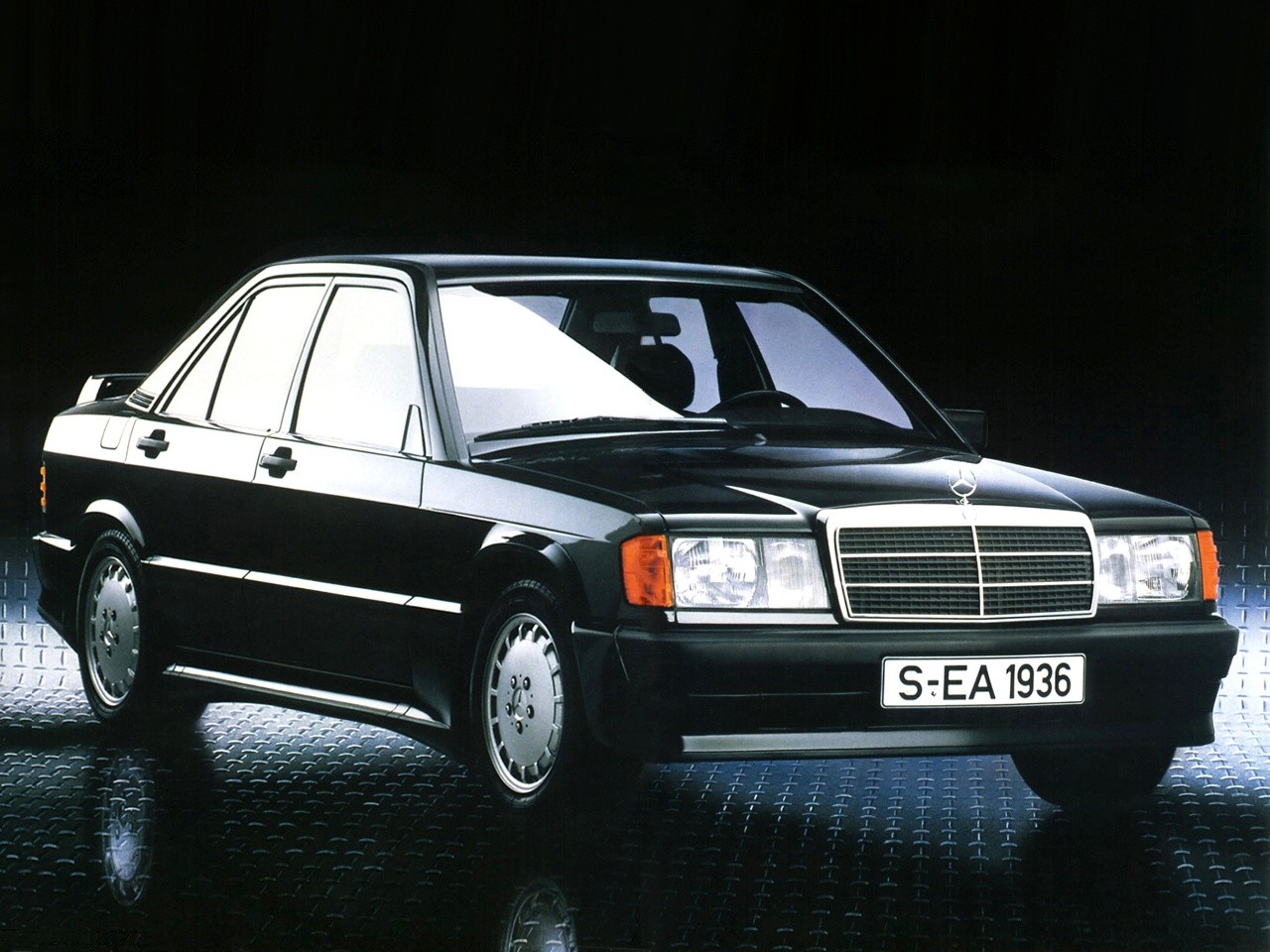
The car’s structure, built to Mercedes’ exacting standards, incorporates high-strength steel and sophisticated corrosion protection that keeps these vehicles solid even after decades of use.
The precision of the chassis setup means that even high-mileage examples can be restored to like-new handling with the replacement of wear items.
The build quality throughout the 190E 2.3-16 exemplifies Mercedes’ commitment to long-term durability. Interior components are constructed from materials selected for their ability to withstand decades of use while maintaining their luxury feel.
The electrical systems, while advanced for their era, use high-quality German components and are designed with redundancy that prevents single-point failures. Even complex systems like the climate control and power accessories typically continue functioning properly with only routine maintenance.
What sets the 190E 2.3-16 apart from many performance cars is its ability to serve multiple roles effectively. The combination of sports car performance, sedan practicality, and Mercedes luxury creates a vehicle that owners can enjoy daily without the compromises typically associated with high-performance cars.
This versatility, combined with the car’s growing collector status and Mercedes’ excellent parts support, ensures that well-maintained 190E 2.3-16s continue providing their unique blend of performance and refinement while appreciating as automotive icons that truly refuse to quit.
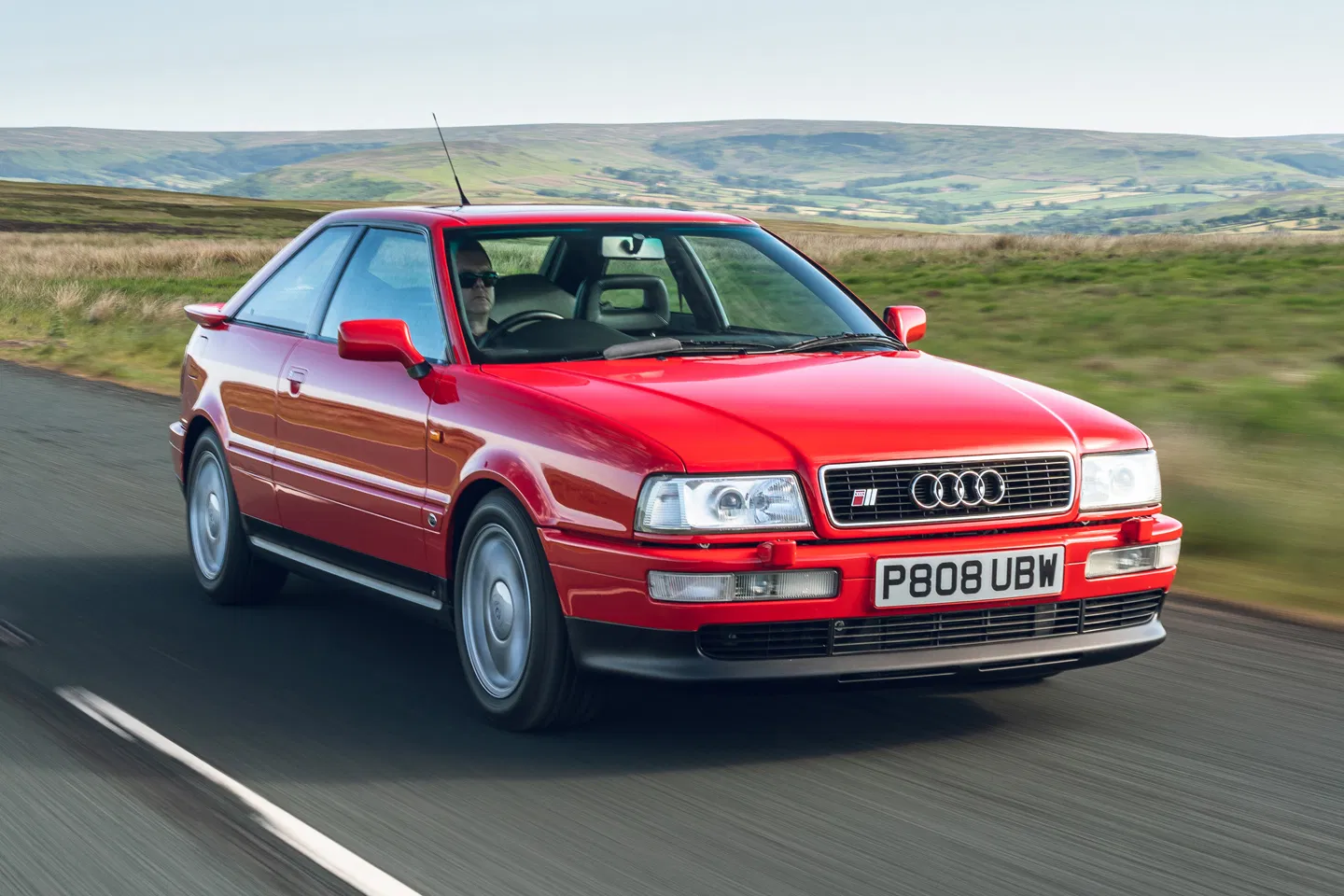
8. Audi S2 (1990-1995)
The Audi S2 represents the evolutionary pinnacle of the original quattro concept, combining decades of all wheel drive development with sophisticated turbocharging technology in a package that delivers supercar performance with everyday usability.
Available in both coupe and wagon configurations, the S2 demonstrated Audi’s ability to create vehicles that excel in multiple roles while maintaining the brand’s reputation for engineering excellence and long-term reliability.
This relatively rare model has proven exceptionally durable, with well-maintained examples continuing to provide thrilling performance decades after production ended.
The S2’s turbocharged five-cylinder engine represents one of the most characterful and reliable powerplants ever produced by Audi. The 2.2-liter unit produces 230 horsepower through sophisticated turbocharging technology that prioritizes reliability over peak power figures.
This engine features robust internals, conservative boost pressures, and effective charge cooling that ensure long-term durability while delivering the distinctive five-cylinder sound that makes these cars instantly recognizable.
The turbocharger system, designed for longevity rather than maximum output, typically provides hundreds of thousands of miles of reliable service with proper maintenance consisting primarily of regular oil changes and attention to cooling system health.
Audi’s quattro all-wheel-drive system reached maturity in the S2, providing exceptional traction and handling balance through mechanical systems that require minimal maintenance.
The center differential and viscous coupling systems distribute power seamlessly between front and rear axles while providing the reliability that comes from mechanical rather than electronic control.
This system’s proven durability has been demonstrated not only on roads but in rally competition, where similar systems powered Audi to numerous championships.
The S2’s construction quality reflects Audi’s commitment to creating vehicles that age gracefully while maintaining their performance characteristics.
The galvanized steel body provides exceptional corrosion resistance, while interior components are built to withstand decades of use without significant degradation.
The strong enthusiast community and improving parts availability ensure that S2s can continue providing their unique combination of performance, utility, and all-weather capability for generations to come.
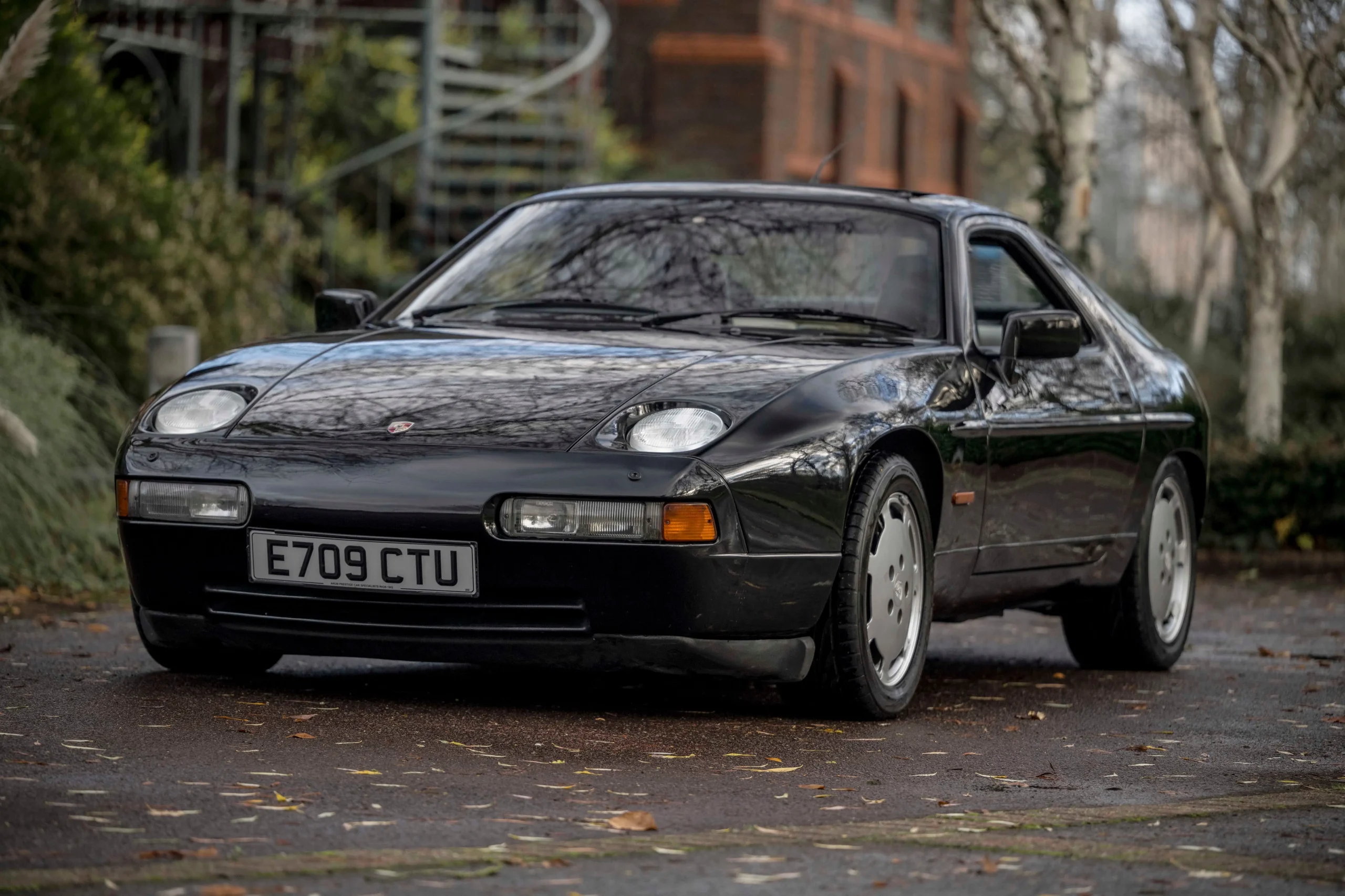
9. Porsche 928 S4 (1987-1995)
The Porsche 928 S4 represents the culmination of Porsche’s ambitious grand touring vision, combining sophisticated V8 power with advanced chassis technology in a package that was decades ahead of its time.
Originally conceived as a replacement for the 911, the 928 instead carved out its own niche as one of the most technologically advanced and reliable grand touring cars ever produced.
The S4 variant, with its refined powerplant and mature chassis, has proven exceptionally durable while providing a driving experience that remains compelling nearly three decades after production ended.
The 928 S4’s naturally aspirated V8 engine represents one of the finest examples of German powerplant engineering from the era. The 5.0-liter unit produces 316 horsepower through a sophisticated design that prioritizes smoothness and reliability over peak power figures.
This engine features advanced technologies like variable valve timing and sophisticated fuel injection that were cutting-edge for their time, all implemented with typical Porsche attention to durability.
The V8’s design, with its robust bottom end and precision-built top end, allows many examples to exceed 200,000 miles while maintaining their characteristic smooth power delivery and distinctive exhaust note.
Porsche’s approach to chassis development in the 928 S4 created a platform that balances high-performance capability with grand touring comfort. The sophisticated suspension system uses advanced geometry and high-quality components to provide exceptional handling without compromising ride quality.
The car’s rear-transaxle layout provides excellent weight distribution, while the aluminum body panels and doors reduce weight while improving corrosion resistance.
The precision of the chassis setup, combined with Porsche’s attention to component quality, means that even high-mileage examples can be restored to like-new performance with the replacement of wear items.
The build quality throughout the 928 S4 exemplifies Porsche’s commitment to creating vehicles that age gracefully. Interior components are constructed from high-quality materials designed to withstand decades of use while maintaining their luxury feel.
The electrical systems, while complex for their era, use robust German components and are designed with redundancy that prevents single-point failures. Even sophisticated features like the climate control, power seat systems, and instrumentation typically continue functioning properly with only routine maintenance.
What makes the 928 S4 particularly special is its ability to provide genuine supercar performance in a package that’s comfortable enough for continental touring.
This versatility, combined with the car’s improving collector status and Porsche’s excellent long-term parts support, ensures that well-maintained 928 S4s continue providing their unique blend of performance and refinement while steadily appreciating as examples of Porsche’s engineering excellence that truly refuse to quit delivering driving pleasure.
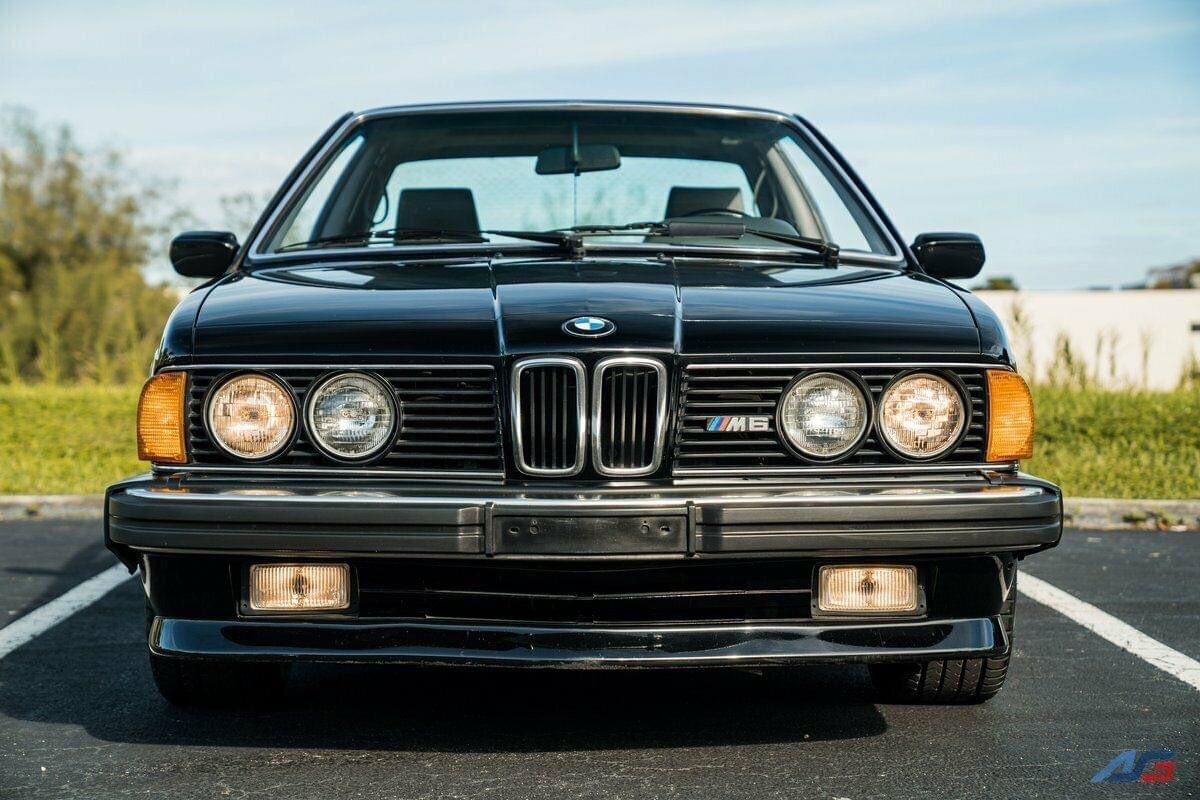
10. BMW M6 E24 (1983-1989)
The BMW M6 E24 represents the pinnacle of 1980s grand touring excellence, combining exotic supercar performance with the build quality and reliability that define German automotive engineering.
Based on the elegant 6 Series coupe platform, the M6 transformed BMW’s luxury GT into a genuine supercar competitor while maintaining the practicality and durability that separate German sports cars from their more temperamental Italian rivals.
Nearly four decades after its introduction, the E24 M6 remains one of the most desirable BMW models ever produced, with well-maintained examples continuing to provide driving experiences that rival modern supercars.
The M6’s naturally aspirated S38 inline-six engine, shared with the contemporary M5, represents the apex of BMW’s motorsport-derived powerplant development.
This 3.5-liter unit produces 256 horsepower through sophisticated engineering that prioritizes reliability and responsiveness over peak power figures.
The engine features individual throttle bodies, variable valve timing, and internals built to racing specifications while maintaining street car reliability.
The S38’s design philosophy, emphasizing durability and linear power delivery, results in an engine that provides consistent performance across its rev range while requiring only routine maintenance to remain reliable for hundreds of thousands of miles.
BMW’s approach to chassis development in the E24 M6 created a platform that balances supercar performance with grand touring comfort. The suspension system, specifically tuned for the high-performance model, provides exceptional handling precision while maintaining ride quality suitable for long-distance travel.
The car’s structure, built to BMW’s highest standards, incorporates high-strength steel and sophisticated engineering that maintains rigidity and handling precision even after decades of use.
The precision of the chassis setup means that even high-mileage examples can be restored to original performance levels with the replacement of wear items.
The build quality throughout the E24 M6 exemplifies BMW’s commitment to creating vehicles that age gracefully while maintaining their luxury character.
Interior components are constructed from materials selected for their ability to withstand decades of use while providing the tactile quality expected from a flagship BMW.
The electrical systems, while advanced for their era, use high-quality German components and logical layouts that facilitate long-term reliability. Even complex systems like the climate control, power accessories, and sophisticated instrumentation typically continue functioning properly with only routine maintenance.
This real-world usability, combined with the car’s growing collector status and BMW’s excellent long-term parts support, ensures that E24 M6s continue providing their unique combination of performance, luxury, and practicality while steadily appreciating as examples of BMW’s engineering excellence that truly refuse to quit delivering the ultimate driving experience.
