
The automotive collector market represents one of the most fascinating intersections of passion, investment, and mechanical artistry. Unlike traditional investments that exist purely on paper, classic cars offer tangible beauty, engineering heritage, and the visceral thrill of ownership.
While most vehicles depreciate rapidly from the moment they leave the dealership, certain exceptional automobiles defy this trend, appreciating in value over time and becoming coveted treasures in collector circles.
The vehicles that maintain and increase their value in collector markets share several key characteristics: limited production numbers, significant historical importance, exceptional engineering or design, racing pedigree, or cultural impact that transcends mere transportation.
These machines represent pivotal moments in automotive history, showcase groundbreaking technology, or embody the pinnacle of their manufacturer’s capabilities during specific eras.
Understanding which vehicles appreciate requires recognizing the factors that drive collector interest: rarity, condition, provenance, and emotional connection.
The most valuable collector cars often tell compelling stories, whether through their role in motorsport history, their innovative engineering solutions, or their representation of a particular golden age of automotive design.
From British sports cars that defined an era to American muscle cars that captured a generation’s imagination, these nine vehicles have proven their staying power in collector markets, consistently commanding strong prices and generating passionate enthusiasm among enthusiasts worldwide.
1. Porsche 911 (1963-1989 Classic Models)
The Porsche 911 stands as perhaps the most successful sports car design in automotive history, with early examples representing the foundation of one of the most valuable collector car segments today.
Introduced in 1963 as the successor to the beloved 356, the 911’s distinctive silhouette, rear-engine layout, and exceptional engineering have made it an enduring icon that continues to appreciate in collector markets decades after production.
The original 911’s value in collector circles stems from several critical factors that have only grown more significant over time. First, the car’s revolutionary design by Ferdinand “Butzi” Porsche created a timeless aesthetic that remains instantly recognizable and deeply desirable.
The long hood, sloping roofline, and characteristic “frog-eye” headlights established a visual DNA that Porsche has carefully evolved but never abandoned, making original examples the purest expression of this iconic design language.
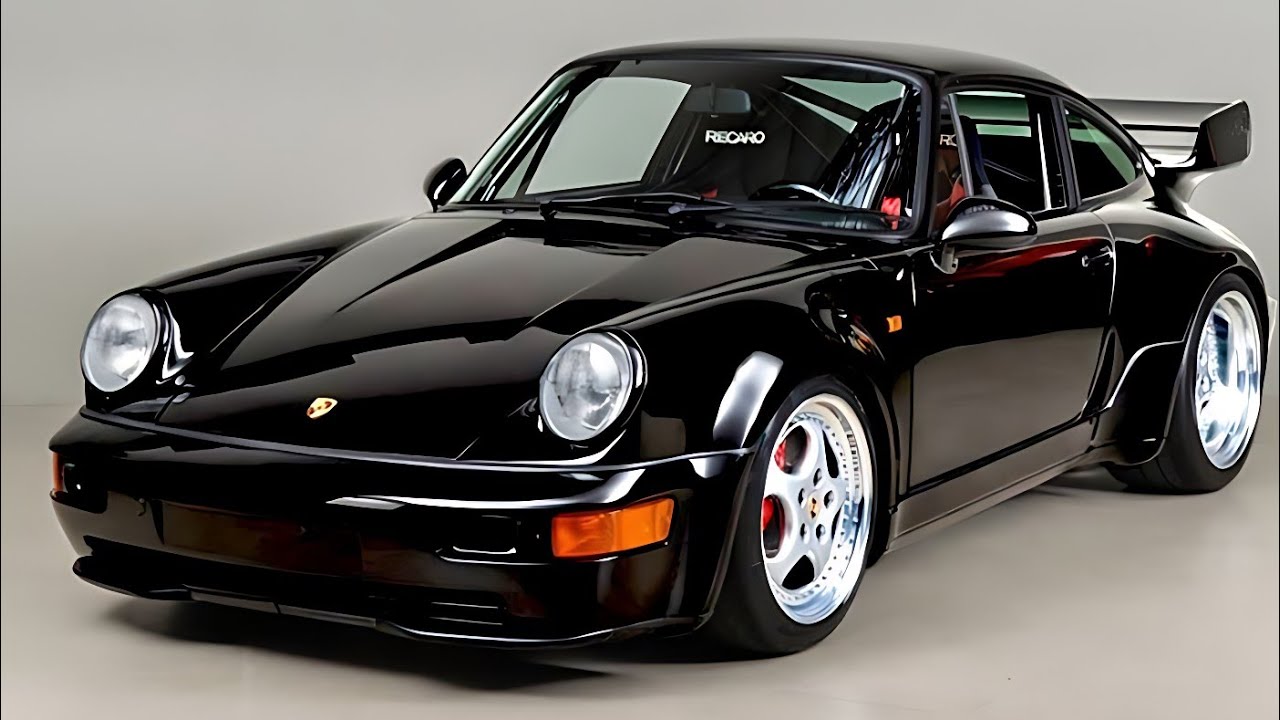
From an engineering perspective, early 911s represent a masterclass in automotive development. The rear-mounted, air-cooled flat-six engine provided a unique driving experience characterized by distinctive sound, exceptional balance, and thrilling performance dynamics that modern water-cooled engines cannot replicate.
This mechanical purity, combined with the car’s relatively light weight and precise handling, created a driving experience that many enthusiasts consider unmatched by contemporary sports cars.
The racing pedigree of early 911s significantly enhances their collector appeal. From the legendary 911 Carrera RS 2.7 to the mighty 930 Turbo, these cars dominated motorsport categories ranging from rallying to circuit racing.
The homologation specials, particularly the 1973 Carrera RS, have become some of the most valuable Porsches ever produced, with pristine examples commanding seven-figure sums at auction.
Market performance for classic 911s has been remarkably strong, with values appreciating consistently over the past two decades. The most desirable models include the original short-wheelbase cars (1965-1968), the legendary Carrera RS variants, and the early Turbos.
Even more common models like the SC and Carrera from the 1980s have seen significant appreciation as collectors recognize their historical importance and driving excellence.
The 911’s enduring popularity among collectors reflects its perfect balance of usability, performance, and emotional connection. Unlike many collector cars that remain garage queens, 911s reward regular driving with reliability and engaging performance, making them practical choices for enthusiasts who want to experience automotive history firsthand rather than simply own it.
2. Ferrari 250 Series (1952-1964)
The Ferrari 250 series represents the absolute pinnacle of collector car desirability, with these magnificent machines consistently setting auction records and commanding prices that reflect their status as rolling works of art.
Produced between 1952 and 1964, the 250 series encompasses some of the most beautiful, historically significant, and valuable automobiles ever created, from the elegant 250 GT Berlinetta to the legendary 250 GTO.
What makes the Ferrari 250 series so extraordinarily valuable in collector markets begins with Enzo Ferrari’s uncompromising vision of automotive perfection.
Each model in the series was designed and built with a singular focus on combining racing excellence with Italian styling elegance. The 3.0-liter Colombo V12 engine, with its glorious sound and smooth power delivery, became the heartbeat of these machines, creating an emotional connection that transcends mere mechanical appreciation.
The design heritage of the 250 series, primarily executed by Pininfarina with contributions from other legendary Italian coachbuilders, established aesthetic standards that continue to influence automotive design today.
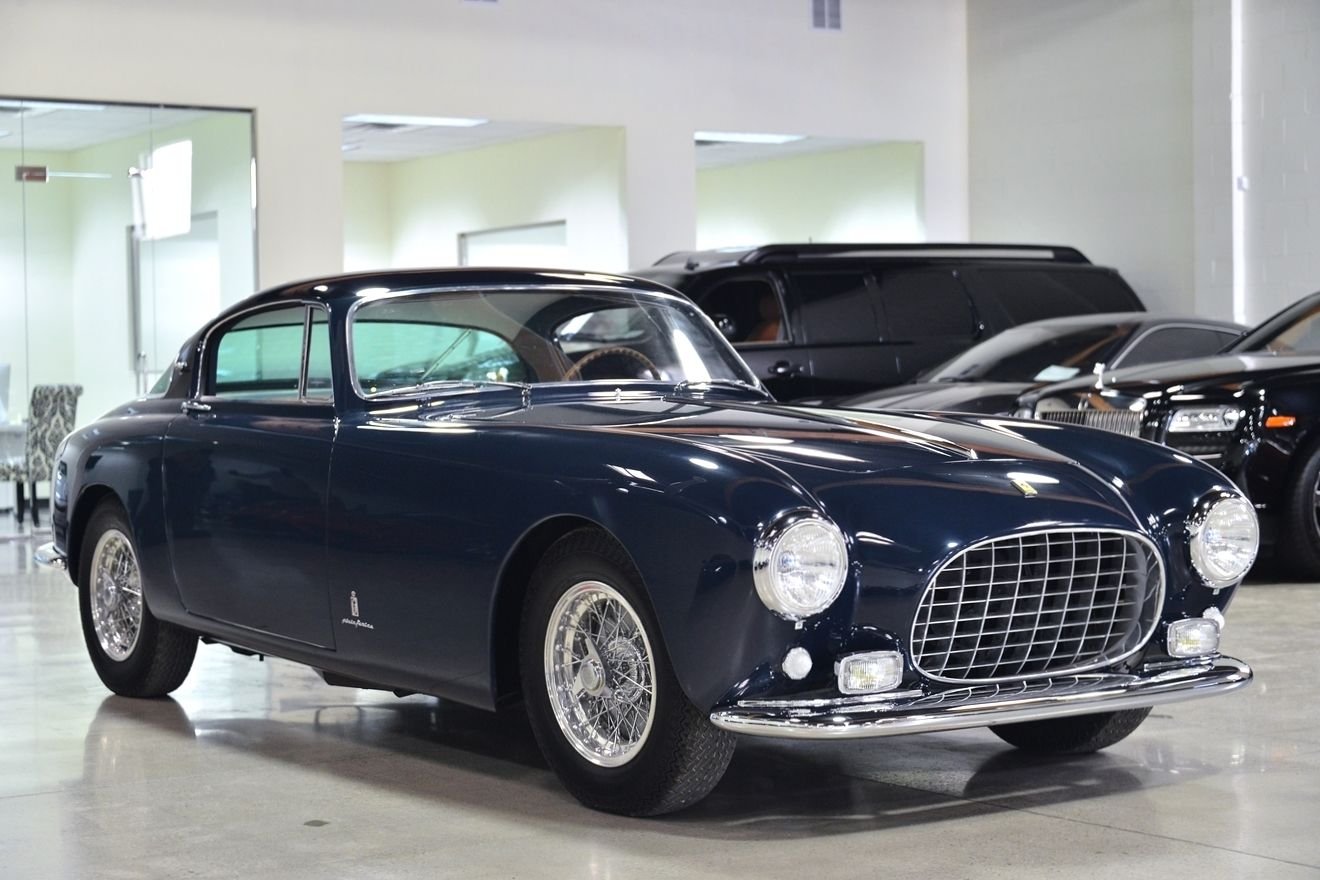
Models like the 250 GT Berlinetta “Tour de France” and the 250 GT California Spyder showcase the perfect marriage of Italian artistry and engineering excellence. These cars weren’t merely transportation; they were expressions of automotive art created during Italy’s golden age of coachbuilding.
Racing success forms the foundation of the 250 series’ legendary status. The 250 GT Berlinetta dominated GT racing in the late 1950s and early 1960s, while the 250 GTO achieved immortality by winning the World Championship for GT Manufacturers three consecutive times.
This competition pedigree, combined with extremely limited production numbers, has made certain 250 models among the most valuable cars ever sold at auction, with GTOs regularly exceeding $40 million at sale.
The exclusivity factor cannot be overstated when discussing 250 series values. With total production numbers often measured in dozens rather than hundreds, and many cars lost to racing accidents or neglect over the decades, surviving examples represent incredibly rare opportunities to own automotive history.
The 250 GTO, with only 36 examples ever produced, stands as perhaps the ultimate collector car, with each surviving example known by its chassis number and individual history. Market performance for Ferrari 250 series cars has shown remarkable resilience and growth over decades.
Even during economic downturns, these vehicles have maintained their values better than traditional investments, driven by their combination of historical significance, aesthetic beauty, and extreme rarity. The emotional premium attached to Ferrari’s golden age ensures that 250 series cars remain the ultimate trophies in any serious automotive collection.
3. Jaguar E-Type (1961-1975)
The Jaguar E-Type burst onto the automotive scene in 1961 and immediately redefined what a sports car could be, combining breathtaking beauty with exceptional performance at a price that embarrassed competitors.
Often cited as the most beautiful car ever made, including by Enzo Ferrari himself, the E-Type has maintained its position as one of the most desirable and valuable collector cars, with pristine early examples commanding increasingly impressive prices in today’s market.
The E-Type’s enduring value stems primarily from its revolutionary design, which managed to be both thoroughly modern and timelessly elegant. Malcolm Sayer’s aerodynamic masterpiece drew inspiration from Jaguar’s D-Type racing cars, translating competition-bred efficiency into a road car of unprecedented beauty. The long bonnet, distinctive oval grille, and flowing lines created a visual impact that remains stunning more than six decades after its introduction, ensuring the car’s aesthetic appeal never diminishes.
From a technical standpoint, the E-Type represented a quantum leap forward in sports car engineering. The independent rear suspension, disc brakes all around, and advanced monocoque construction provided handling and stopping power that rivaled much more expensive exotic cars.
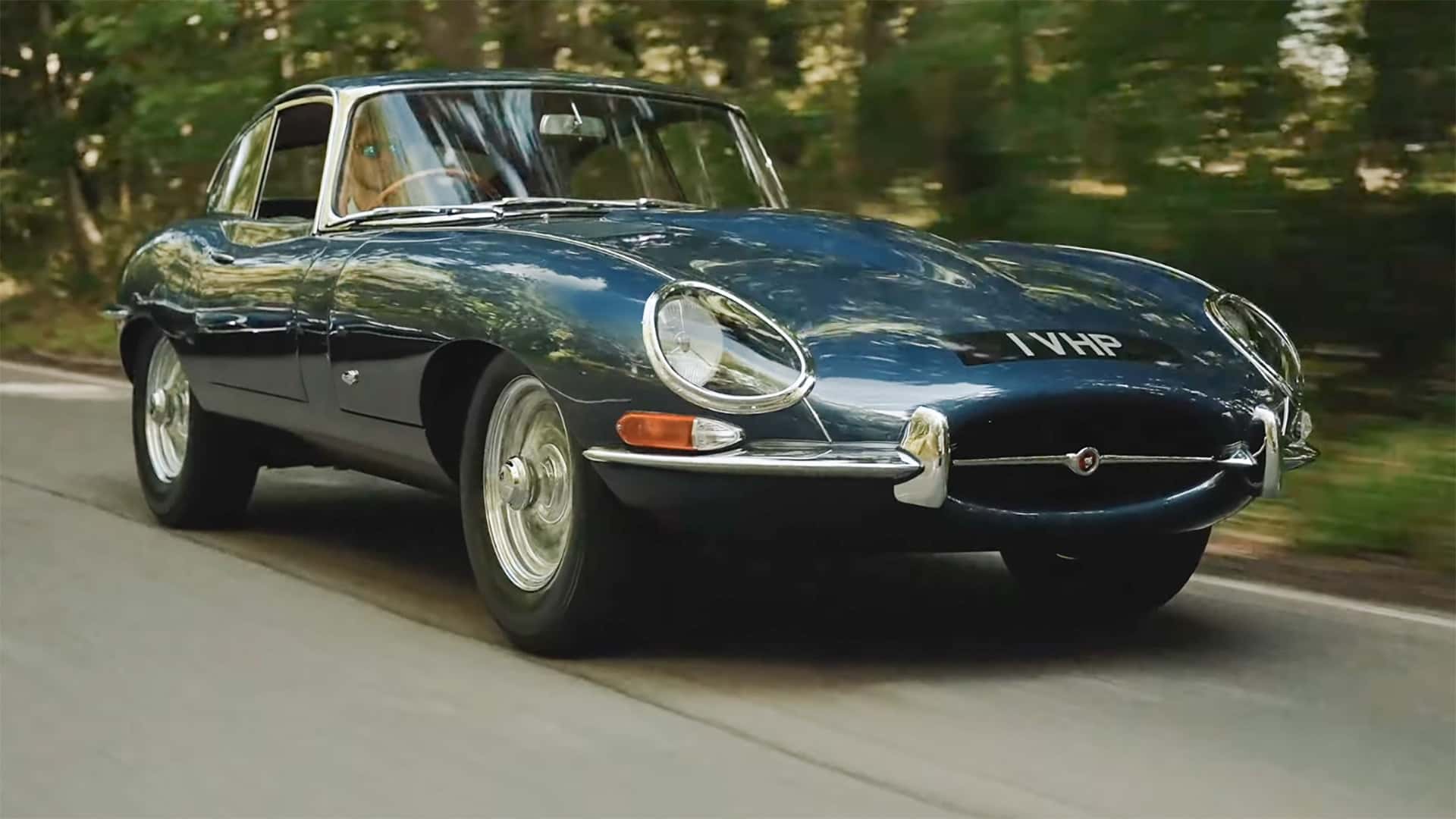
The 3.8-liter XK engine, later expanded to 4.2 liters, delivered genuine 150-mph performance while maintaining the mechanical refinement that distinguished British sports cars from their more crude American counterparts.
The cultural impact of the E-Type extends far beyond automotive circles, making it one of the most recognizable cars in popular culture. Featured in countless films, television shows, and advertisements, the E-Type became synonymous with 1960s style and sophistication.
This cultural cachet has created demand that extends beyond traditional car collectors to include anyone seeking to own a piece of design history.
In collector markets, the most valuable E-Types are the early Series 1 models, particularly the roadsters and fixed-head coupes produced between 1961 and 1968. The “flat floor” examples from the first year of production command premium prices, as do the rare lightweight racing versions.
Even the later Series 2 and Series 3 cars have seen significant appreciation as collectors recognize their historical importance and the increasingly rare opportunity to own any genuine E-Type.
Market trends for E-Types have shown remarkable consistency, with values appreciating steadily over the past two decades. The combination of Jaguar’s prestigious heritage, the car’s undeniable beauty, and its significance in automotive history ensures continued strong demand.
Well-maintained examples of early E-Types have proven to be excellent investments, often outperforming traditional financial markets while providing the intangible benefits of ownership and driving pleasure.
The E-Type’s position in collector markets is further strengthened by its relative accessibility compared to Ferrari or Porsche alternatives, making it an entry point for serious collectors while still offering the prestige and satisfaction of owning a genuine automotive icon.
4. Chevrolet Corvette (1963-1967 Sting Ray)
The Chevrolet Corvette Sting Ray generation represents the pinnacle of American sports car design and engineering, transforming America’s sports car from a pretty but somewhat crude machine into a world-class performance vehicle that could compete with the best Europe had to offer.
Produced for just five model years, the C2 Corvette has become one of the most valuable and sought-after American collector cars, with certain variants commanding six-figure prices and showing no signs of depreciation.
The revolutionary design of the Sting Ray, penned by Larry Shinoda under Bill Mitchell’s direction, created one of the most distinctive and beautiful American cars ever produced.
The split-window 1963 coupe, in particular, has achieved iconic status with its dramatic fastback profile and unique rear window treatment. While the split window was eliminated after one year due to visibility concerns, this brief production run has made 1963 split-window coupes among the most valuable Corvettes ever built, with pristine examples regularly selling for well over $100,000.
What sets the Sting Ray apart in collector markets is its combination of groundbreaking technology and genuine performance capability. The introduction of independent rear suspension marked a watershed moment for American sports cars, providing handling characteristics that could finally match European competitors.
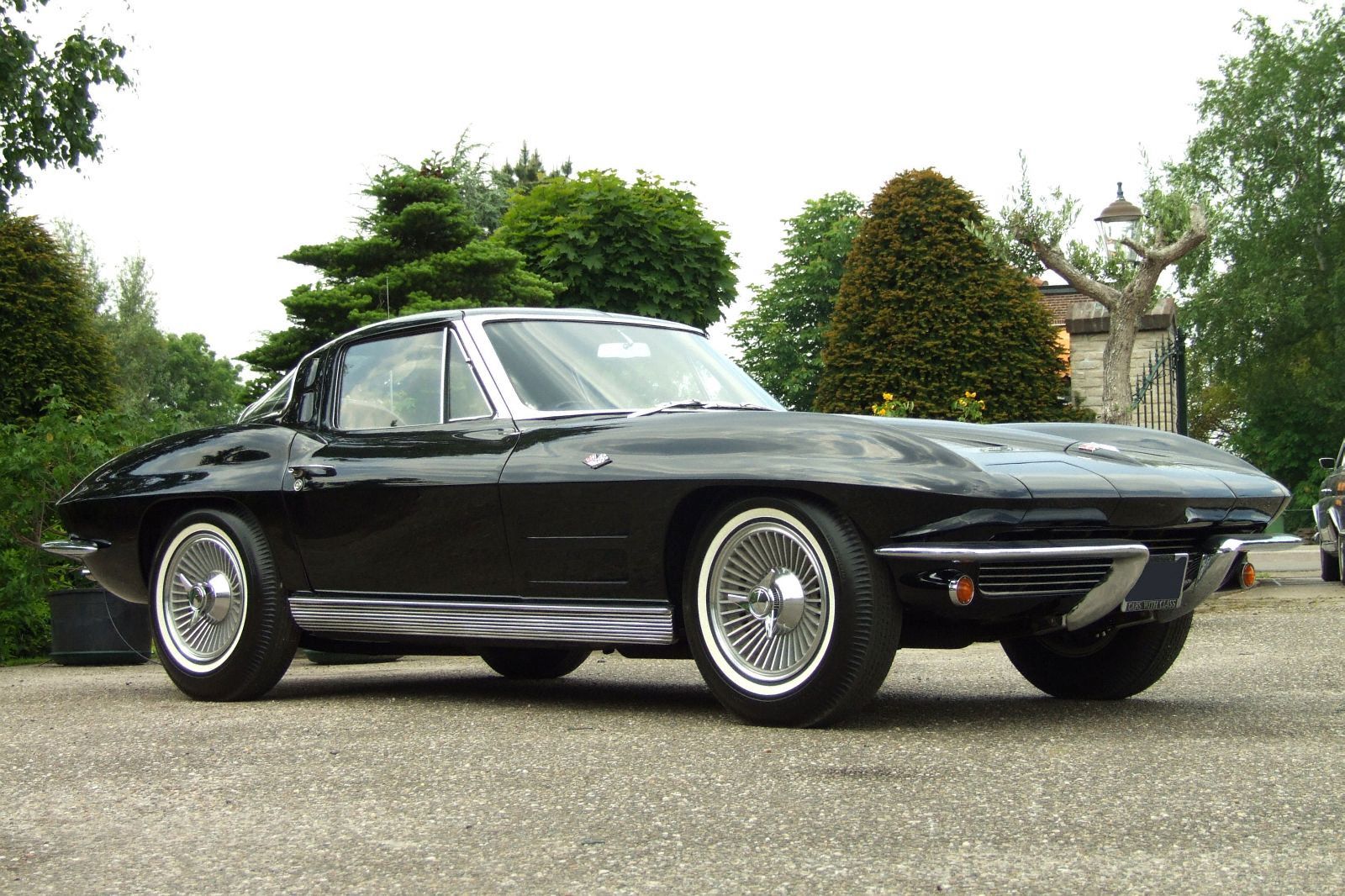
The variety of engine options, from the base 327 small block to the legendary L84 fuel-injected 327 and the brutal L88 427, created a hierarchy of performance that appeals to different types of collectors and ensures strong demand across the entire model range.
The racing heritage of the Sting Ray generation significantly enhances its collector appeal. The Grand Sport racing versions, though produced in tiny numbers, demonstrated the platform’s competition potential and created a halo effect that benefits all Sting Ray models.
The availability of factory racing options like the L88 engine and heavy-duty suspension packages allowed customers to purchase genuine competition-capable cars directly from Chevrolet, creating a direct link between showroom and racetrack.
Market performance for Sting Ray Corvettes has been exceptional, with values appreciating consistently over the past several decades. The most valuable examples are the rare, high-performance variants: 1963 split-window coupes with fuel injection, L88-equipped cars, and the ultra-rare Grand Sport models.
However, even base-model Sting Rays have shown strong appreciation as collectors recognize the inherent value of the design and the increasingly rare opportunity to own any genuine C2 Corvette in good condition.
The Sting Ray’s position in American automotive culture cannot be overstated. As the embodiment of 1960s American optimism and technological advancement, these cars represent a golden age when Detroit was pushing boundaries and creating vehicles that captured the imagination of enthusiasts worldwide.
This cultural significance, combined with the practical reality of limited production numbers and the inevitable attrition of surviving examples, ensures that Sting Ray Corvettes will continue to be among the most desirable American collector cars for generations to come.
Also Read: 5 Cars That Stay Reliable Beyond 300K vs 5 That Fall Apart Early
5. Ford GT40 (1964-1969)
The Ford GT40 stands as one of the most significant and valuable race cars ever produced, representing Henry Ford II’s successful mission to defeat Ferrari at Le Mans and establish American dominance in international endurance racing.
Born from corporate rivalry and engineering excellence, the GT40’s combination of racing pedigree, limited production numbers, and dramatic design has made it one of the most coveted collector cars history, with authentic examples commanding seven and eight-figure prices at auction.
The GT40’s extraordinary value in collector markets stems from its unique position in automotive history as both a purpose-built racing machine and a symbol of American technological prowess.
When Ferrari rebuffed Ford’s acquisition attempt in 1963, Henry Ford II committed unlimited resources to creating a car that would humiliate Ferrari on the world’s most prestigious racing stage.
The resulting GT40, developed in collaboration with British engineering firm Lola, achieved this goal spectacularly, winning Le Mans four consecutive times from 1966 to 1969.
The technical specifications of the GT40 represented cutting-edge racing technology of the era. The lightweight fiberglass body, advanced aerodynamics, and powerful Ford V8 engines created a package capable of exceeding 200 mph on the Mulsanne Straight.
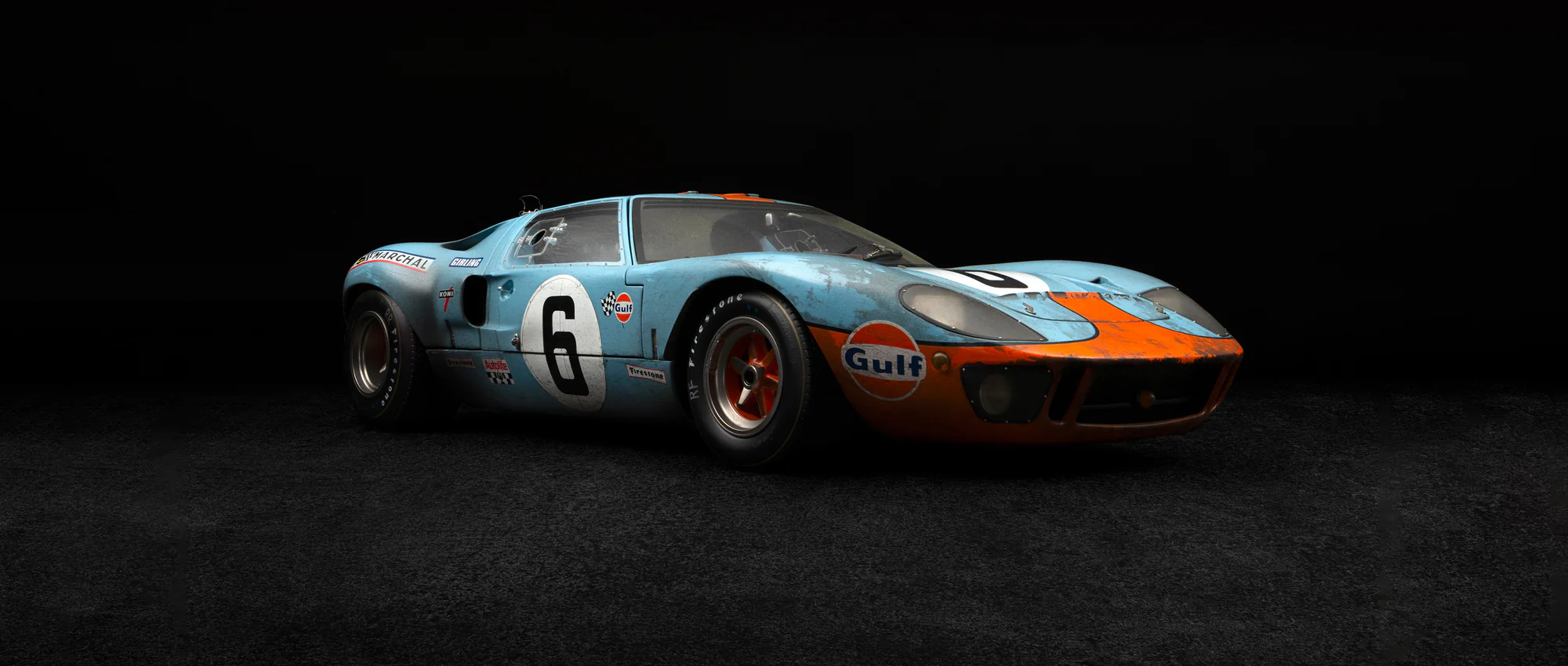
The car’s low height (40 inches, hence the name) and wide track provided exceptional stability at high speeds, while the sophisticated suspension and chassis engineering delivered the handling precision necessary for competition success.
What makes GT40s particularly valuable is their extremely limited production and well-documented history. Only 105 examples were built during the original production run, with each car’s racing history and provenance carefully recorded.
This combination of rarity and documentation creates a transparent market where each car’s value can be assessed based on its specific competition history, making championship-winning cars worth significantly more than their less successful siblings.
The cultural impact of the GT40 extends far beyond racing circles, symbolizing American determination and engineering capability during an era of intense international competition.
The car’s victories at Le Mans represented more than sporting success; they demonstrated that American manufacturers could compete with and defeat the most prestigious European marques on their home turf.
This cultural significance has only grown over time, particularly as the original Ford versus Ferrari rivalry has been romanticized in popular culture. Market performance for authentic GT40s has been extraordinary, with values appreciating dramatically over the past two decades.
Championship-winning cars and those with significant racing history command the highest prices, but even less successful examples represent multi-million-dollar investments.
The GT40’s legacy continues to influence Ford’s modern supercar development, with the company producing limited-edition GT models that pay homage to the original while incorporating contemporary technology.
However, these modern interpretations only serve to highlight the significance and value of the authentic 1960s racing machines that started the legend.
6. Mercedes-Benz 300SL (1954-1963)
The Mercedes-Benz 300SL represents the perfect synthesis of advanced engineering, dramatic styling, and racing heritage, creating what many consider the first true supercar.
Available as both the iconic gullwing coupe (1954-1957) and the elegant roadster (1957-1963), the 300SL introduced technologies and design concepts that were decades ahead of their time, making it one of the most valuable and desirable collector cars in today’s market.
The 300SL’s extraordinary value stems from its revolutionary engineering, beginning with its innovative space frame construction that necessitated the famous gullwing doors.
This lightweight chassis, derived from the successful 300SL racing cars of the early 1950s, provided exceptional rigidity while keeping weight to a minimum.
The result was a road car that offered genuine racing car performance with a level of sophistication and refinement that had never before been achieved in a production automobile.
The 3.0-liter inline-six engine featured the world’s first production fuel injection system, delivering 215 horsepower and enabling the 300SL to achieve a top speed of over 160 mph.
This performance capability, combined with the car’s advanced suspension and precise handling, made the 300SL faster than most contemporary racing cars and established new benchmarks for road car performance that wouldn’t be matched for years.
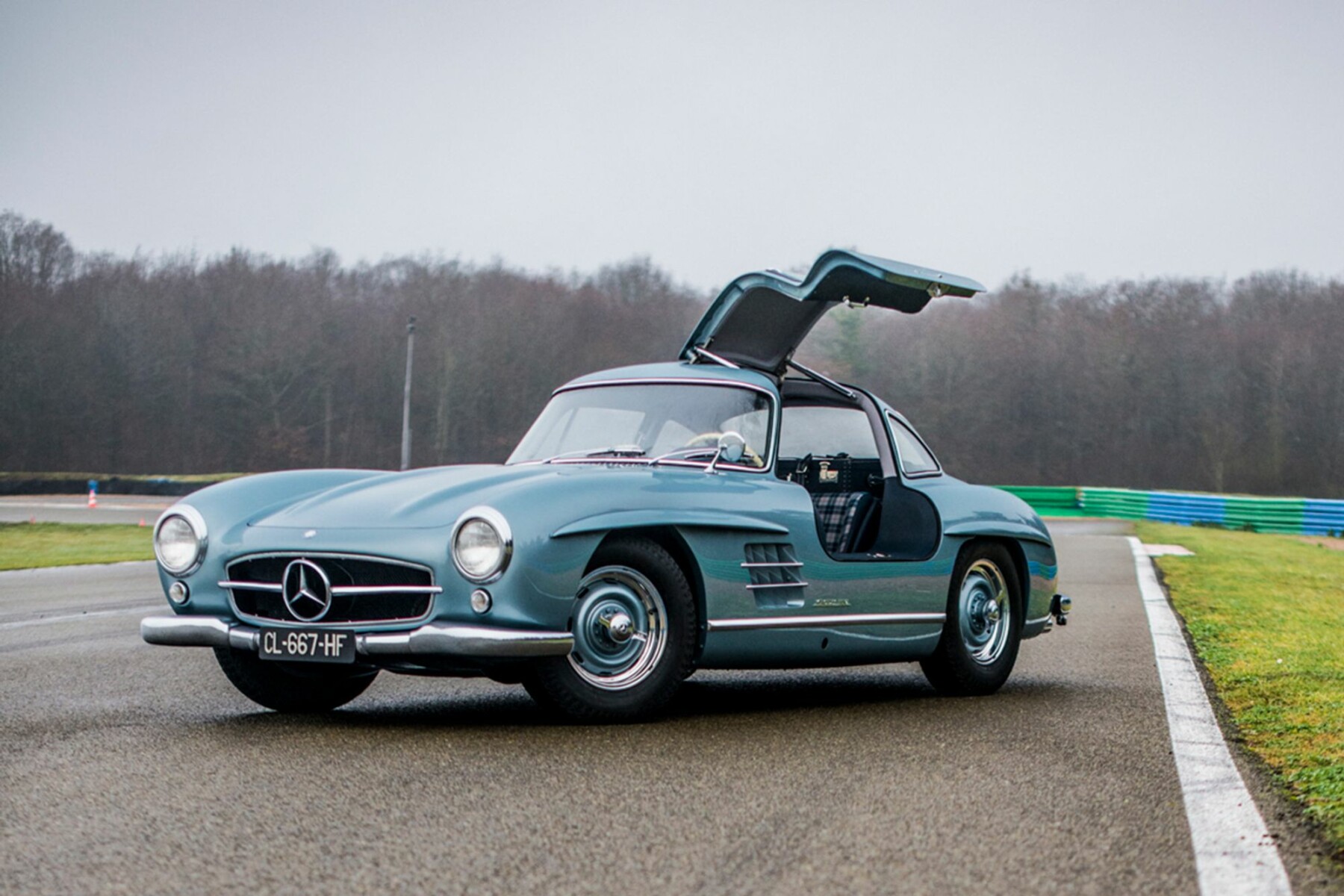
From a design perspective, the 300SL represented the pinnacle of 1950s automotive aesthetics. The long hood, distinctive side vents, and elegant proportions created a timeless beauty that remains stunning today.
The gullwing doors, while necessitated by engineering constraints, became one of the most iconic design features in automotive history, instantly making any 300SL recognizable and adding to its exotic appeal.
The racing heritage of the 300SL significantly enhances its collector value. The road cars were direct descendants of the 300SL racing cars that dominated sports car racing in 1952, winning events including the Carrera Panamericana and Le Mans.
This competition pedigree, combined with Mercedes-Benz’s prestigious brand heritage, created a provenance that few other cars could match. Market performance for 300SLs has been consistently strong, with both gullwing coupes and roadsters appreciating significantly over the past decades.
The gullwing models command higher prices due to their more dramatic styling and greater rarity, with concours-quality examples regularly selling for well over $1 million.
However, even the roadster versions have shown strong appreciation as collectors recognize their historical significance and the increasingly rare opportunity to own any genuine 300SL.
The 300SL’s influence on automotive design and engineering cannot be overstated. Many technologies and design concepts introduced on the 300SL became industry standards, while its combination of performance, luxury, and exclusivity established the template for every supercar that followed.
This pioneering status, combined with Mercedes-Benz’s commitment to supporting vintage models with parts and expertise, ensures that 300SLs remain highly desirable investments that continue to appreciate while providing unmatched driving experiences.
7. Lamborghini Miura (1966-1973)
The Lamborghini Miura revolutionized the supercar concept when it debuted in 1966, establishing the mid-engine layout as the definitive configuration for ultimate performance cars and creating one of the most beautiful and valuable collector cars ever produced.
Born from the passion of young Lamborghini engineers working secretly on their dream project, the Miura combined breathtaking Bertone styling with groundbreaking engineering to create a machine that redefined automotive possibilities and continues to command extraordinary prices in collector markets.
The Miura’s extraordinary collector value stems from its pivotal role in automotive history as the car that essentially created the modern supercar template. Before the Miura, high-performance cars typically featured front-mounted engines and traditional proportions.
The Miura’s mid-mounted V12 engine, positioned transversely behind the driver, provided optimal weight distribution and handling characteristics while enabling Marcello Gandini’s stunning design to achieve perfect proportions impossible with conventional layouts.
The technical innovation of the Miura was remarkable for its era. The 4.0-liter V12 engine, mounted sideways to minimize the car’s length, produced between 350 and 385 horsepower depending on the variant, enabling performance that was simply unprecedented for a road car.
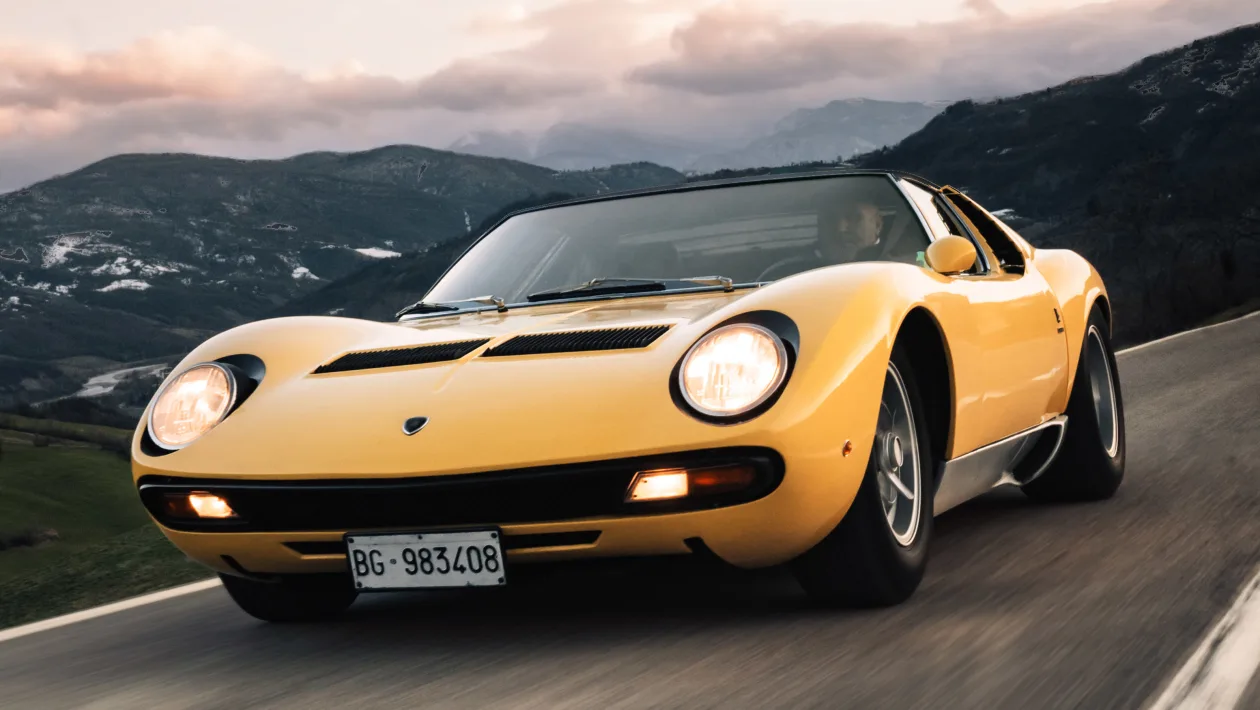
The advanced chassis design, featuring a steel space frame with integrated roll cage, provided exceptional rigidity while keeping weight reasonable. The result was a car capable of exceeding 170 mph while offering handling precision that rivaled purpose-built racing cars.
Aesthetically, the Miura represents one of the greatest achievements in automotive design history. Gandini’s masterpiece combined aggressive functionality with sensual Italian beauty, creating proportions and details that remain breathtaking more than five decades later.
The low, wide stance, distinctive “eyelash” headlights, and flowing body lines created a visual impact that established Lamborghini as a serious rival to Ferrari in the exotic car market and influenced supercar design for generations.
The cultural significance of the Miura extends far beyond automotive circles, with the car becoming a symbol of 1960s and 1970s excess and sophistication. Featured in films like “The Italian Job” and embraced by celebrities and tastemakers worldwide, the Miura achieved iconic status that transcends mere mechanical appreciation.
This cultural cache has created demand from collectors who may not be traditional car enthusiasts but recognize the Miura as a design icon and cultural artifact. Market performance for Miuras has been exceptional, with values appreciating dramatically over the past two decades.
This historical significance, combined with limited production numbers and the inevitable attrition of surviving examples, ensures that Miuras will continue to be among the most valuable and sought-after collector cars for the foreseeable future.
8. Shelby Cobra (1962-1967)
The Shelby Cobra represents one of the most successful marriages of American power and European finesse in automotive history, creating a legend that continues to command extraordinary prices in collector markets nearly six decades after production ended.
Born from Carroll Shelby’s vision of combining Ford’s powerful small-block V8 with AC Cars’ lightweight Ace chassis, the Cobra became the definitive American sports car and established performance benchmarks that seemed almost impossible for a road-legal vehicle.
The Cobra’s exceptional value in collector markets stems from its unique position as both a dominant racing car and an uncompromising road machine that prioritized performance above all other considerations.
Unlike many sports cars that attempted to balance comfort and practicality with performance, the Cobra was designed with singular focus on speed and handling, creating an driving experience that remains virtually unmatched in its intensity and directness.
The technical formula of the Cobra was deceptively simple but brilliantly executed. The lightweight AC Ace chassis, originally designed for a modest inline-six engine, was extensively modified to accommodate Ford’s 289 and later 427 cubic inch V8 engines.
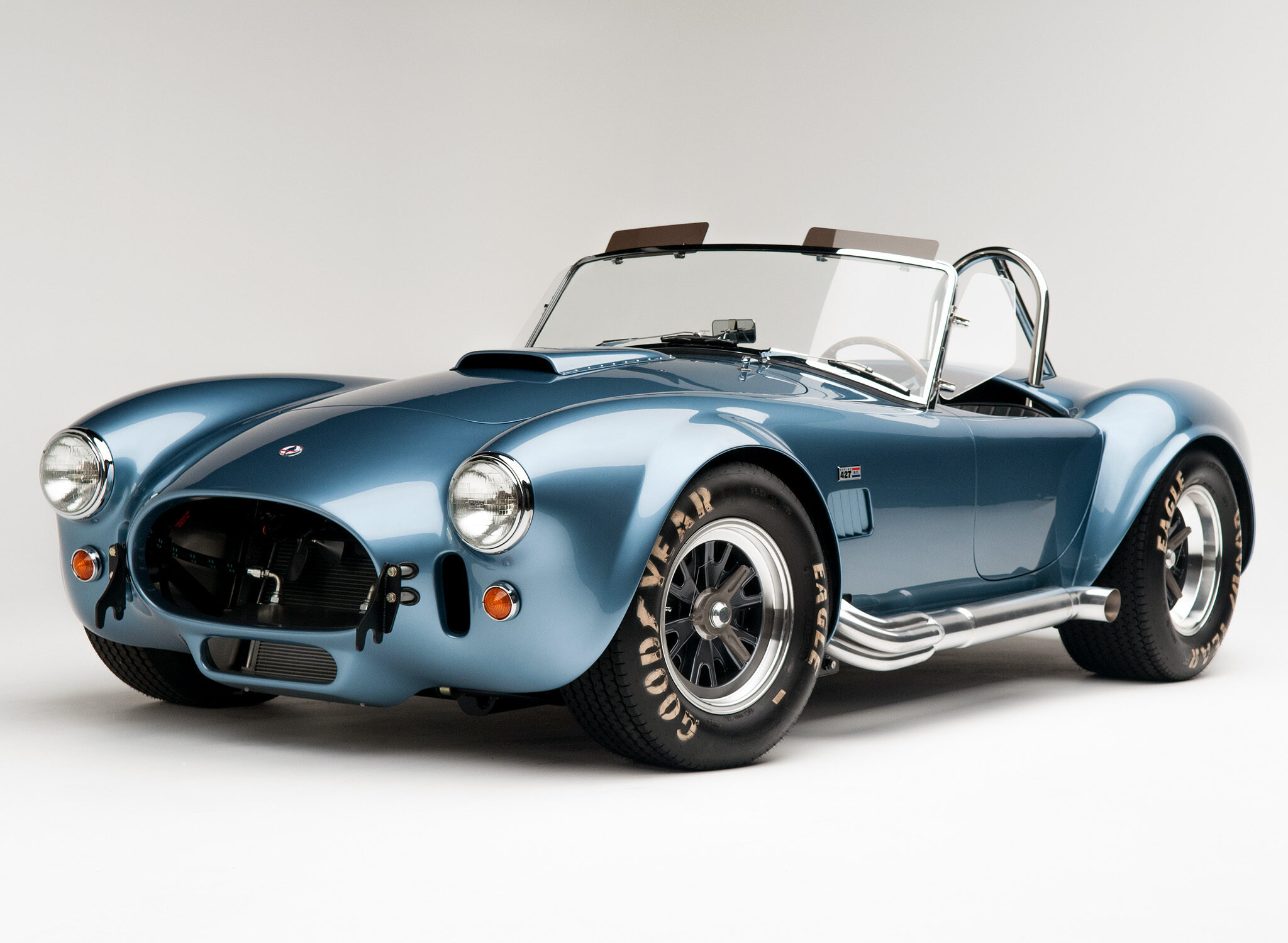
The result was a power to weight ratio that embarrassed much more expensive exotic cars and acceleration capabilities that seemed almost violent by the standards of the era. The 427 Cobra, in particular, could accelerate from zero to 60 mph in under four seconds and achieve top speeds exceeding 160 mph.
What makes Cobras particularly valuable is their extremely limited production numbers and well-documented racing success. Only 998 genuine AC Cobras were built during the original production run, with 427 models being especially rare with just 348 examples produced.
This scarcity is compounded by the cars’ racing heritage, with Cobras dominating SCCA racing and achieving international success in events like the 24 Hours of Le Mans and the World Championship for GT Manufacturers.
The racing pedigree of the Cobra significantly enhances its collector appeal and market value. Carroll Shelby’s team fielded Cobras in competitions worldwide, with the cars achieving remarkable success against much more expensive and sophisticated opponents.
The Cobra’s cultural impact cannot be separated from its collector value. As the ultimate expression of American hot rod philosophy applied to sports car design, the Cobra became a symbol of rebellious performance and mechanical honesty that resonated with enthusiasts worldwide.
This cultural significance, combined with the practical reality that many original Cobras were lost to racing accidents or mechanical failures, ensures that surviving authentic examples will continue to be among the most valuable American collector cars ever produced.
9. BMW 2002 Turbo (1973-1974)
The BMW 2002 Turbo holds the distinction of being Europe’s first turbocharged production car, representing a pivotal moment in automotive history when BMW transformed from a niche manufacturer into a serious performance car producer.
Produced for just two years in extremely limited numbers, the 2002 Turbo introduced forced induction to the European market while establishing BMW’s reputation for engineering excellence and driving dynamics that continues to define the brand today.
The 2002 Turbo’s exceptional value in collector markets stems from its historical significance as a technological pioneer and its role in establishing BMW’s modern identity. When BMW introduced turbocharging to their 2.0-liter four-cylinder engine in 1973, they achieved a level of specific output that was revolutionary for the era.
The turbocharged engine produced 170 horsepower, representing an 85% increase over the naturally aspirated version, while maintaining the compact dimensions and relatively light weight that made the 2002 such an engaging driving machine.
The engineering achievement of the 2002 Turbo extended beyond simply adding a turbocharger to an existing engine. BMW completely redesigned internal components to handle the increased stresses of forced induction, while developing sophisticated engine management systems to optimize performance and reliability.
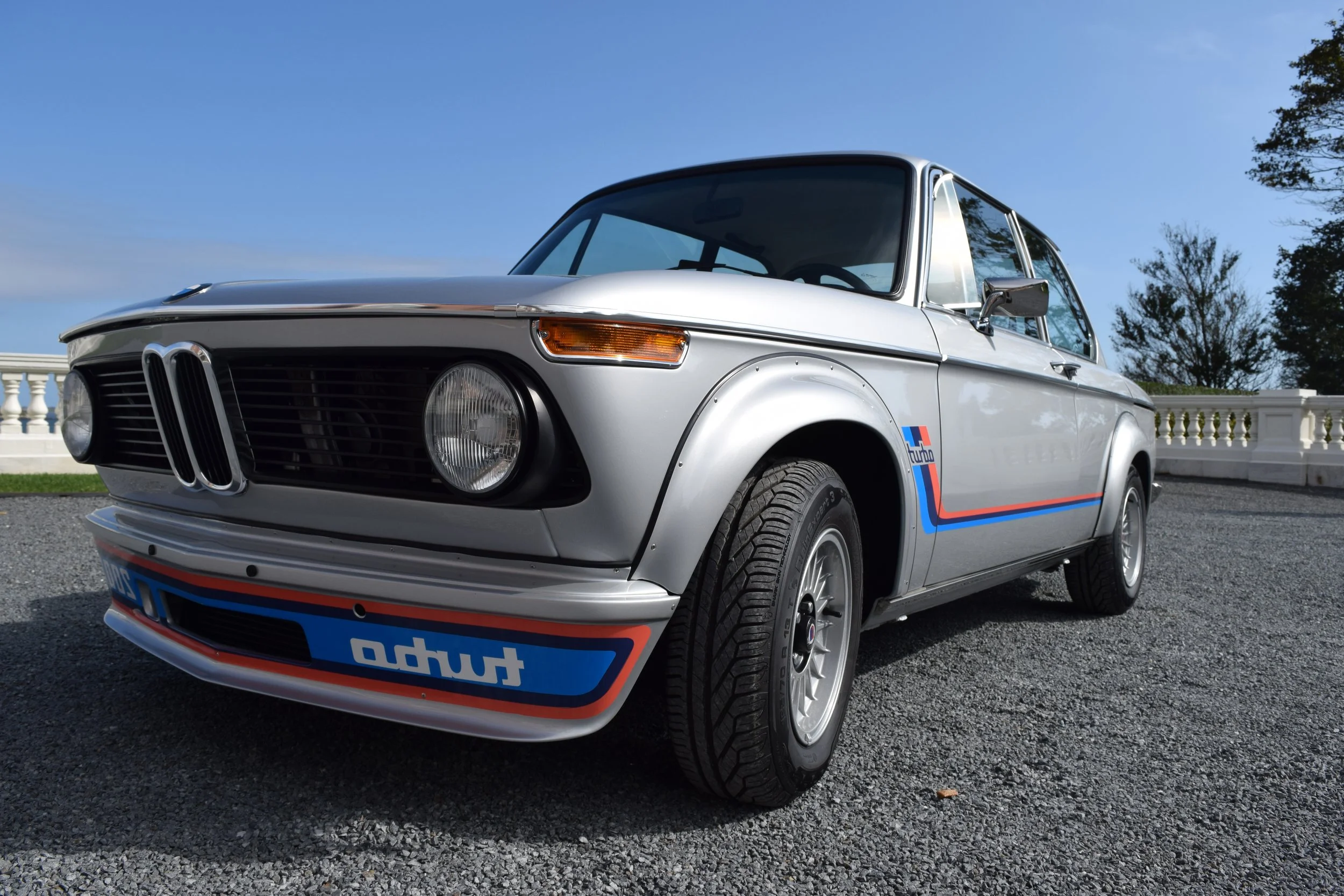
The result was a car that offered genuine 130 mph performance while maintaining the civilized daily driving characteristics that distinguished BMW from more crude performance alternatives.
From a design perspective, the 2002 Turbo featured distinctive styling cues that would influence BMW’s aesthetic direction for decades. The aggressive front air dam, flared wheel arches, and distinctive “TURBO” graphics created a visual identity that was both functional and dramatically attractive.
The famous reverse “TURBO” lettering on the front spoiler, designed to be read correctly in rearview mirrors, became one of the most iconic design details in automotive history.
What makes the 2002 Turbo particularly valuable is its extremely limited production run and the circumstances surrounding its brief availability. Only 1,672 examples were produced before BMW discontinued the model in response to the 1973 oil crisis, making it one of the rarest BMW models ever built.
This scarcity is compounded by the car’s unfortunate timing, arriving just as global attitudes toward high-performance cars were shifting due to environmental concerns and fuel shortages.
The 2002 Turbo’s influence on subsequent automotive development cannot be overstated. As the first successful implementation of turbocharging in a European production car, it established technologies and philosophies that would eventually become industry standard, making it not just a valuable collector car but a genuine piece of automotive history.
Also Read: 10 Honda CR-V Years That Are Still in Demand
