
The Ford Expedition has long been a cornerstone of the full-size SUV market in the United States. Built with rugged body-on-frame construction and offering ample space for families, towing, and long-distance travel, the Expedition quickly earned a reputation for durability.
While not every model year was without issues, certain generations of the Expedition have stood out for their longevity, often surpassing 200,000 miles with proper maintenance. For buyers who want a reliable, long-lasting SUV without jumping into the used pickup truck market, these standout years of the Ford Expedition are excellent choices.
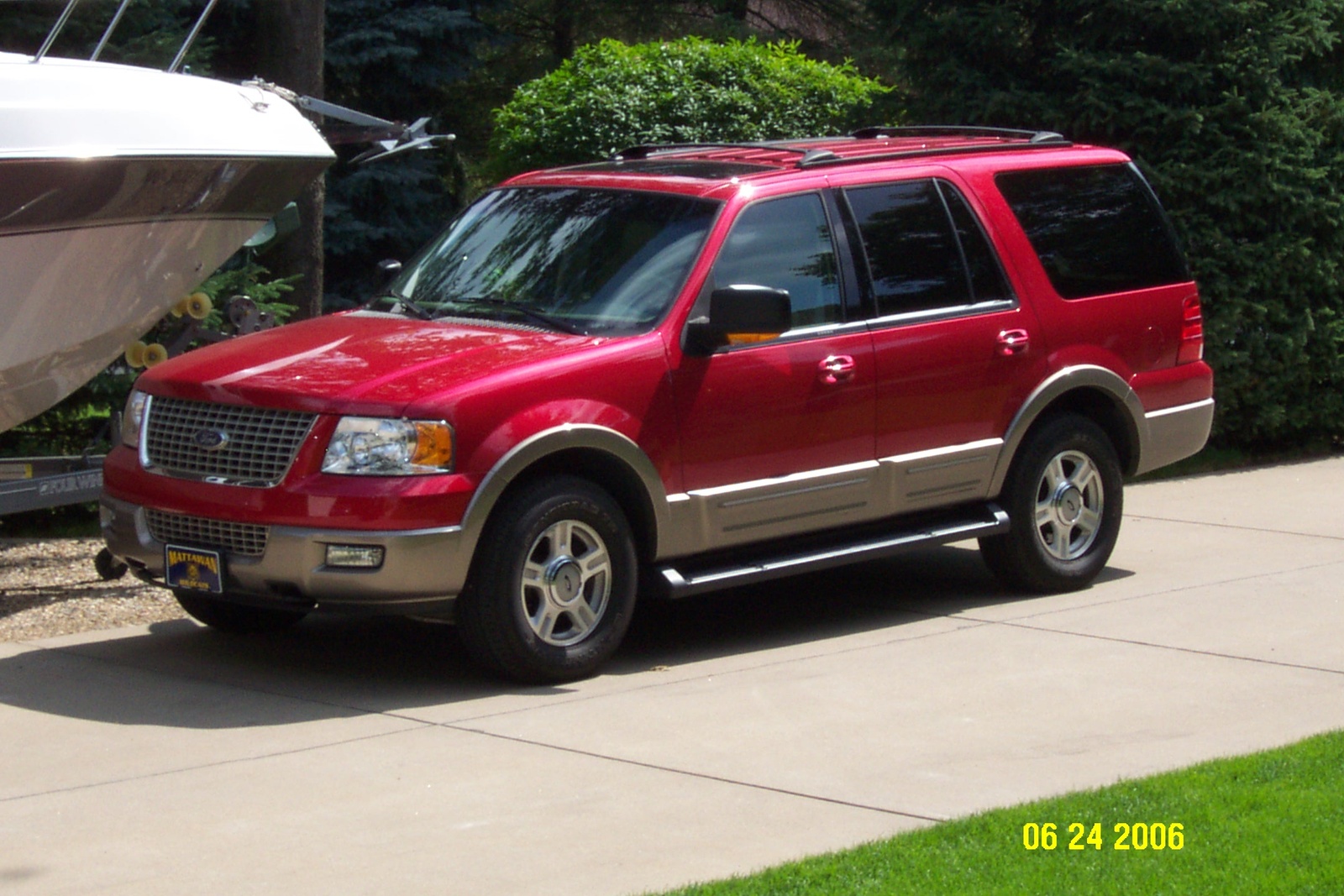
1. 2003 Ford Expedition
The 2003 model marked one of the early refinements of the first-generation Expedition, with improvements in handling and safety features compared to its predecessors. Its 5.4-liter Triton V8 proved capable of logging high mileage with consistent care.
Owners frequently report these vehicles hitting the 250,000-mile mark, especially when routine services like spark plug replacements and transmission fluid changes are kept up. This model year is also praised for its comfort and strong towing ability.
By the mid-1990s, Ford found itself in an unenviable position. General Motors dominated the booming full-size SUV market with the Chevrolet Tahoe, Suburban, and GMC Yukon, leaving Ford without a direct competitor.
With SUV demand surging, fueled by families seeking vehicles capable of carrying up to nine passengers and offering cavernous cargo space, Ford needed an answer. The solution came in 1997 with the launch of the Expedition, built on the then-new F-Series pickup platform.
It arrived as a modern alternative to GM’s aging SUV lineup, boasting a stiffer chassis, contemporary overhead-cam engines, and dimensions that slotted neatly between the Tahoe and Suburban. Buyers responded enthusiastically, making the Expedition one of Ford’s hottest sellers almost overnight.
But Ford’s momentum didn’t last long. By 1999, GM struck back with redesigned trucks and SUVs. The updated Tahoe, Yukon, and Suburban offered nine-passenger seating, easier-to-remove split rear seats, and more refined pushrod V8 engines that easily outgunned Ford’s weaker offerings.
Soon after, Toyota entered the mix with the Sequoia, an eight-passenger SUV based on the Tundra pickup. Powered by a smooth Lexus-derived 4.7-liter V8 and backed by Toyota’s reputation for reliability, the Sequoia became an instant hit despite its higher price tag.
Facing tougher competition, Ford propped up Expedition sales with rebates, lease deals, and special-edition trims. By the early 2000s, the once-fresh Expedition had become the oldest design in its class.
Recognizing this, Ford prepared a major overhaul, and for 2003, it delivered an almost entirely new Expedition. The redesign improved size, comfort, refinement, and drivability, while adding upscale creature comforts to better compete with GM and Toyota rivals.
The 2003 Expedition carried over familiar engines: a 4.6-liter V8 producing 232 horsepower and 291 lb-ft of torque, and a larger 5.4-liter V8 with 260 horsepower and 350 lb-ft. Both were smoothed and quieted for this generation, though they still lagged behind GM’s more powerful Vortec engines.
A four-speed automatic remained the only transmission option. On the plus side, Ford fitted a heavy-duty rear differential that gave the Expedition a class-leading maximum tow rating of 8,900 pounds.
Overall, the redesigned 2003 Expedition offered a more polished driving and ownership experience, making it a serious contender in the full-size SUV wars.
Its only true weakness was its carried-over powertrains, which left it trailing its GM and Toyota competitors in sheer performance. Even so, for buyers seeking comfort, capability, and practicality in a super-sized SUV, the Expedition was once again a model worth considering.
Also Read: 10 Best SUVs That Still Get Top Dollar at Auction
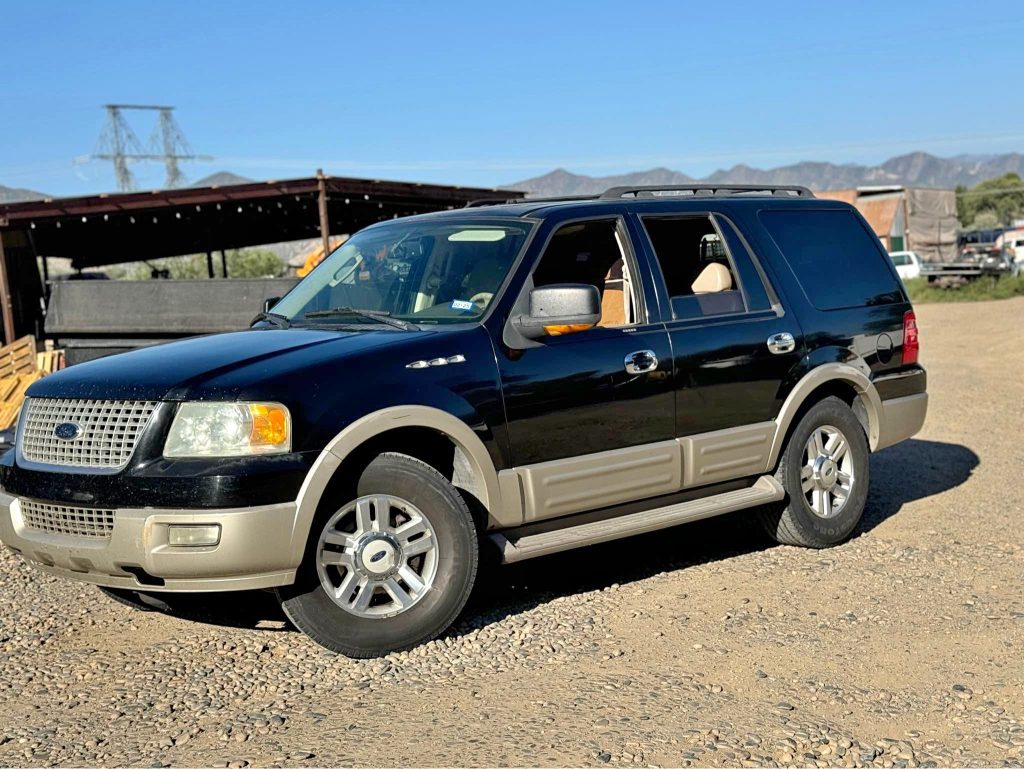
2. 2006 Ford Expedition
By 2006, Ford had ironed out many of the early issues from the first generation, delivering an SUV that proved exceptionally tough. Known for its reliability in both family and work-related use, the 2006 Expedition carried a reputation for holding together even under heavy loads.
Owners often cite the solid ride quality and improved suspension system as reasons why the vehicle not only lasts but also remains pleasant to drive after many years.
3. 2010 Ford Expedition
The 2010 model stood out for its excellent combination of a strong 5.4-liter V8 and a refined six-speed automatic transmission, making it more efficient and smoother than earlier versions.
With solid maintenance, these SUVs can comfortably pass 200,000 miles, with many still serving as family haulers today. The 2010 also came with updated safety features and a roomy interior, making it a practical long-term choice for large families.
With crossover SUVs making a hard charge in the marketplace thanks to their carlike driving manners and superior fuel economy, the traditional large SUV’s best days are probably behind it.
Many buyers have come to the realization that they simply don’t need a vehicle with such ground-trembling dimensions, despite how empowering it may feel. There are, however, plenty of consumers who still have a need for a large SUV, and for those buyers there’s the 2010 Ford Expedition.
The Expedition debuted a dozen years ago, with the last major redesign taking place in 2007. There are two variants: the regular Expedition and the long-wheelbase Expedition EL, which primarily provides additional luggage space. As expected for a full-size SUV, a V8 engine, a third-row seat and a big towing capacity are all part of the deal.
For 2010, Ford has made a few electronic improvements on this formula. There is added functionality to the Sync voice-activation system, a programmable key that acts as an automotive chaperone for teen drivers, and trailer sway control. These baby steps forward may seem paltry, but the Expedition was already quite good overall and therefore not in need of any major changes.
Among its more civilized strengths, the Expedition counts supple ride quality, relatively confident handling and comfortable seating in all three rows. The ride and handling are no doubt largely attributable to the independent rear suspension, a rarity in the large-SUV segment.
Also notable is how easy it is to stow and raise the third-row seats. In competitors like the Chevy Tahoe, this operation is downright back-breaking. With the seats folded flat, the Expedition reveals another of its strengths, a huge cargo hold.
The 2010 Ford Expedition is not without its faults. Some interior plastics have a cheap feel about them, the center stack is cluttered with buttons and some of the displays look dated and are hard to read. Against the competition, the Expedition doesn’t dominate many categories either.
The Chevrolet Tahoe has an even smoother ride, the Nissan Armada is more adept off-road, and both the Tahoe and the Toyota Sequoia have beefier V8 engine options, while the Armada is also notably quicker despite its V8’s similar output numbers.
4. 2012 Ford Expedition
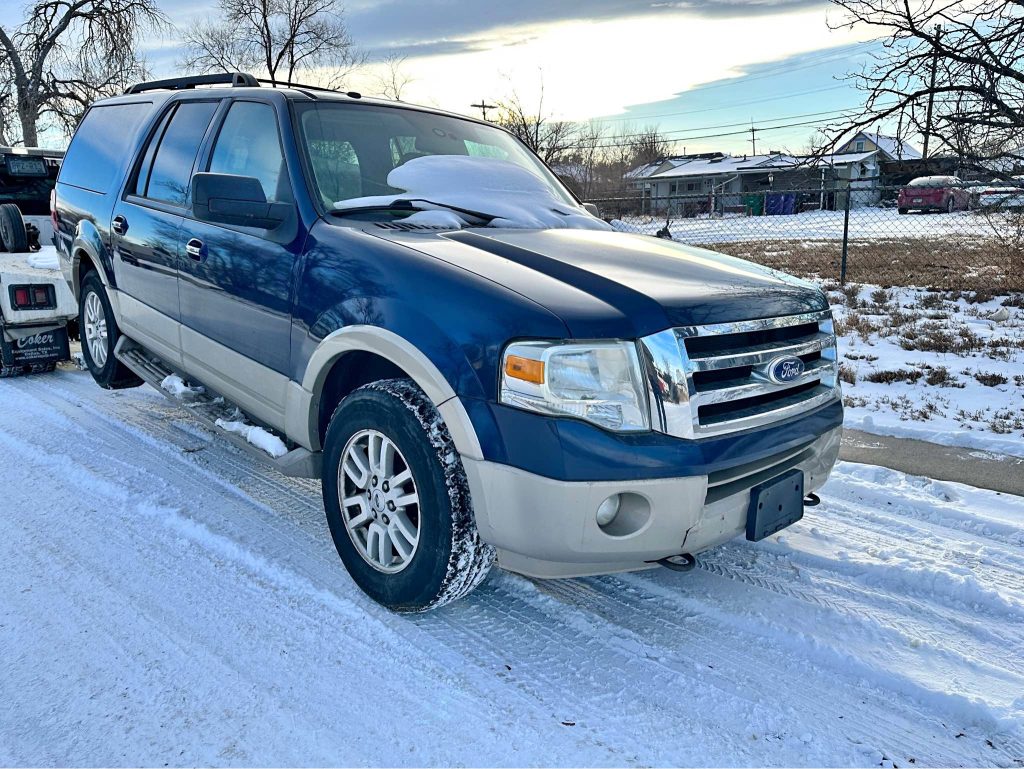
Among second-generation models, the 2012 Expedition is one of the best regarded. By this time, Ford had worked out reliability concerns with the engine and electronics.
This year’s Expedition offers a balance of power and durability, with a cabin that still feels modern enough for today’s standards. Many used 2012 models continue to run reliably, often with original drivetrains intact well past 200,000 miles.
Also Read: 13 Best Fords That Tend to Surprisingly Age Well
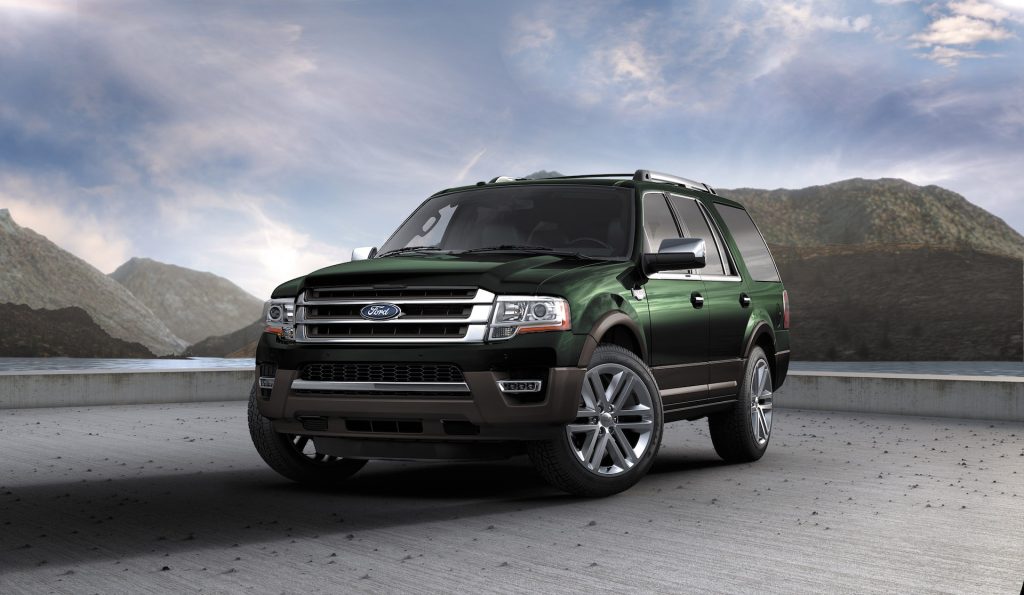
5. 2015 Ford Expedition
The 2015 model year marked a major turning point for the Expedition with the introduction of Ford’s 3.5-liter EcoBoost V6 engine, replacing the older V8.
While some were skeptical at the time, this twin-turbocharged V6 proved to be both durable and more fuel-efficient, offering better torque for towing. Many of these vehicles have demonstrated excellent longevity, rivaling earlier V8 models while providing modern driving dynamics.
The 2015 Ford Expedition introduces subtle exterior updates while making a major shift under the hood, replacing the previous 5.4-liter V-8 with a more efficient and powerful 3.5-liter twin-turbocharged EcoBoost V-6 producing 365 hp and 420 lb-ft of torque.
A rearview camera now comes standard across the lineup, while mechanical refinements include the addition of electric power steering to improve fuel economy and a continuously controlled damping suspension system offering three selectable modes.
nside, Ford adds more technology and comfort options, such as a new 12-speaker Sony premium audio system, keyless start, ambient interior lighting, and advanced safety features like blind-spot monitoring with cross-traffic alert. The Platinum trim also debuts as a new high-end grade, offering an added layer of luxury and exclusivity.
As a full-size SUV, the 2015 Expedition is offered in both standard and extended-length body styles, available with rear- or four-wheel drive. Buyers can choose from XLT, Limited, King Ranch, or the new Platinum trims, all of which provide seating for up to eight passengers.
Powering the lineup is the 3.5-liter twin-turbo EcoBoost V-6 paired with a six-speed automatic transmission. The engine delivers strong low-end torque and robust midrange power, making the Expedition more responsive and enjoyable to drive on public roads.
Fuel economy is competitive for its size, with EPA ratings of 15/21 mpg city/highway for rear-drive models and 15/20 mpg for those with four-wheel drive.
Inside, the 2015 Expedition continues to provide abundant space for passengers and cargo, while also gaining updated technology. MyFord Touch and SYNC are now integrated with a new 8-inch touchscreen, complemented by an instrument cluster featuring two 4.2-inch LCD displays.
Despite these improvements, the overall cabin design still feels dated, resembling the look introduced with this generation back in 2006.
Higher trims, particularly the Platinum, elevate the experience with added convenience and luxury features, such as second-row bucket seats, a rear-seat DVD entertainment system, power-deployable running boards, Ebony Brunello leather upholstery, continuously controlled damping suspension, and integrated navigation.
6. 2017 Ford Expedition
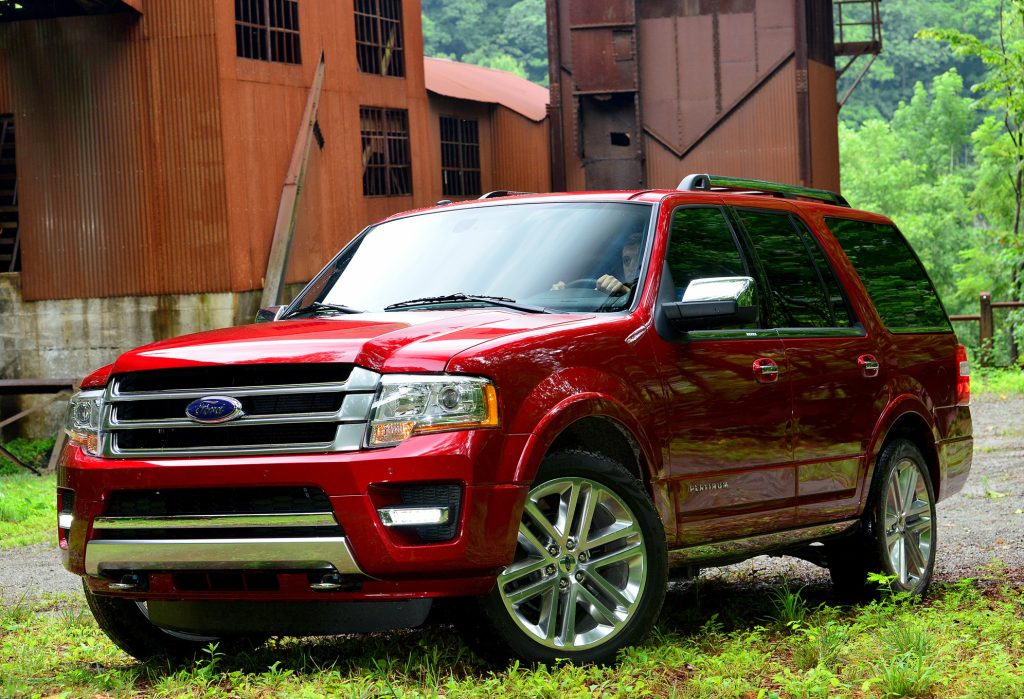
As one of the last years of the third generation, the 2017 Expedition benefited from years of refinement and improvements in quality. The EcoBoost engine by this point had proven itself, and Ford had continued to enhance safety and interior technology.
For buyers today, a well-kept 2017 model provides a nearly modern feel at a fraction of the price of a new SUV, while still delivering reliability for the long haul.
7. 2018 Ford Expedition
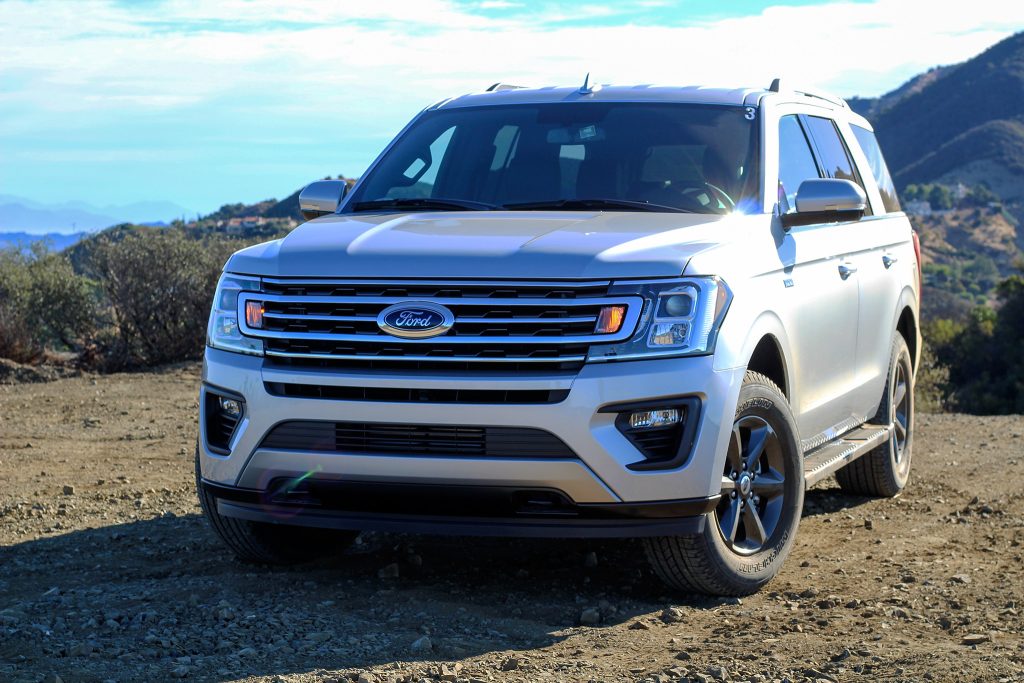
The 2018 model introduced the fourth generation of the Expedition and brought a complete redesign. Despite being newer, it has already built a reputation for reliability, with its aluminum body construction reducing weight while maintaining durability.
Owners appreciate the improved fuel economy, advanced driver-assist features, and robust towing capabilities. Early reports suggest these vehicles are holding up exceptionally well and will likely be remembered as one of the toughest long-term SUVs Ford has produced.
The 2018 Ford Expedition has been redesigned and now uses the same aluminum-intensive architecture as the current generation Ford F-150. As a result, the new Expedition is around 300 pounds lighter than its predecessor. Additionally, it also features more multimedia and safety technologies than the model it replaces.
The 2018 Ford Expedition is a full-size SUV that slots above the three-row, car-based Explorer. Rear-wheel drive is standard and four-wheel drive is optional. In addition to the standard Expedition, a long wheelbase variant called the Expedition Max replaces the EL model.
An updated EcoBoost 3.5-liter twin-turbo V-6 with more power and torque will power the 2018 Expedition and the six-speed automatic has been replaced by a new 10-speed unit that first saw duty in the F-150 Raptor. Expect the 2018 Expedition to be able to tow more payload and have a larger cargo capacity than the SUV it replaces.
8. 2019 Ford Expedition
The 2019 carried forward the strong redesign from 2018, and many drivers have already reported high-mileage examples that show little decline in performance.
With its powerful EcoBoost engine and spacious interior, it remains one of the most versatile SUVs for both families and work purposes. This model year also offered Platinum trims with luxury-level amenities, proving that long-lasting reliability can also come with premium comfort.
When the Ford Expedition underwent its redesign for 2018, it marked a major step forward in terms of capability, sophistication, and overall flexibility for a large SUV.
Simply put, it pushed past the competition and set a new benchmark. Fast forward two years, and with none of its rivals making any significant updates, the Expedition continues to dominate the full-size SUV segment.
The Expedition is offered in both the standard wheelbase and the extended Max version. The Max stretches more than 9 inches longer, which translates to additional rear-seat legroom and greater cargo capacity.
Under the hood, every model is powered by a 3.5-liter twin-turbocharged EcoBoost V6 engine that produces 375 horsepower, or 400 hp when equipped with the Platinum trim. Power is sent through a 10-speed automatic transmission. Rear-wheel drive is standard, while four-wheel drive is available across all trims.
While the Expedition’s power and spaciousness are highly attractive, some buyers may find that a smaller three-row SUV could better meet their needs.
Models such as the redesigned Ford Explorer, the Kia Telluride, or the dependable Honda Pilot provide plenty of adult-friendly seating while being easier to maneuver in tight city streets and parking lots. However, for those who truly require the expansive interior room and strong towing capacity of a full-size SUV, the Ford Expedition remains the top choice in its class.
9. 2020 Ford Expedition
Rounding out the list is the 2020 Expedition, which continues the fourth-generation improvements while solidifying itself as a dependable long-term choice. Many owners have praised its ability to withstand heavy towing demands, daily commuting, and family road trips with ease.
Early mileage reports suggest that the 2020 models are on track to achieve the same long-lasting reputation as their predecessors, cementing them as smart buys on the used market.
One of the original full-size SUVs to emerge during the first SUV boom, the Ford Expedition has continued to hold its ground as a strong contender in the segment.
The 2018 redesign introduced a new platform that incorporated extensive use of aluminum, reducing weight while improving fuel efficiency. Staying true to its roots, the Expedition remains closely tied to the F-150 full-size pickup truck and the upscale Lincoln Navigator. For those needing extra space, a long-wheelbase version called the Expedition Max is also available.
For the 2020 model year, Ford added several updates. The King Ranch trim joined the lineup in both standard and long-wheelbase configurations, while new exterior paint options such as Burgundy Velvet Metallic, Desert Gold, Iconic Silver, Rapid Red Metallic, and Star White Metallic replaced outgoing colors like Ingot Silver, Ruby Red Metallic, Silver Spruce, Stone Gray, and White Platinum.
The Platinum trims received refinements including leather-wrapped door cards and instrument panels along with aluminum sill plates. Additionally, the XLT trim gained a Livery package that introduced features like a hands-free power liftgate, second-row power-operated captain’s chairs, integrated navigation, and a 110V/150W power outlet.
Performance-wise, the Expedition remains a class leader. It won a 2019 comparison test against rivals like the Dodge Durango, Chevrolet Tahoe (previous generation), Nissan Armada, and Toyota Sequoia. Its stable handling and composed body control make it surprisingly easy to drive for its size.
Power comes from a robust twin-turbo V6 paired with a responsive 10-speed automatic transmission, delivering 375 hp and 470 lb-ft of torque. However, reviewers noted that the transmission can occasionally shift roughly, and the steering may feel artificially heavy.
Still, convenience improvements, such as additional USB ports, enhance the overall experience. In earlier testing, the Expedition’s third row was praised for being easy to access and comfortable enough for adults, setting it apart from many competitors.
Fuel economy is respectable for its class, with EPA ratings of 17/23 mpg city/highway for rear-wheel-drive models and 16/21 mpg for four-wheel-drive versions. Safety is another highlight, with the 2020 Expedition earning a five-star overall rating from the NHTSA.
Standard across all trims is Ford’s CoPilot360 safety suite, which includes features like automatic high beams, lane keeping assist, forward collision warning, pedestrian detection, automatic emergency braking, blind-spot monitoring, and rear cross-traffic alert. For those wanting more, the available Ford CoPilot360 Assist package adds adaptive cruise control.
Utility is where the Expedition truly shines. The standard-wheelbase model offers 19.3 cubic feet of cargo space behind the third row (20.9 with the third row fully upright). Folding the third row expands capacity to 57.5 cubic feet, or 63.6 cubic feet with the second row pushed forward.
With both rear rows down, maximum cargo space reaches 104.6 cubic feet. The Expedition Max takes things further, providing 34.3 cubic feet of space behind the third row (36.0 with it upright), 73.3 cubic feet with the third row folded (79.6 with the second row forward), and a cavernous 121.5 cubic feet when both rows are stowed.
Interior space is generous across the board, with up to 40.9 inches of legroom in the third row, 41.5 to 42.6 inches in the second row depending on seat positioning, and a roomy 43.9 inches up front for tall occupants. Equipped with the Heavy-Duty Trailer Towing package, the Expedition can tow up to 9,300 pounds in standard-wheelbase form (9,200 with 4WD) and up to 9,000 pounds for the long-wheelbase Max.
Technology features are strong across the lineup. All models include Ford’s SYNC3 infotainment system with an 8.0-inch touchscreen, Apple CarPlay and Android Auto compatibility, Bluetooth, and multiple USB ports.
Navigation is optional on the XLT but standard from the Limited trim upward. The base XLT is equipped with a six-speaker audio system, while higher trims benefit from a 12-speaker B&O sound system.
Trim offerings cater to a wide range of buyers. The XLT serves as the entry point with features like a leather-wrapped steering wheel, keyless entry and start, rear parking sensors, cloth upholstery, a power driver’s seat, rearview camera, and 18-inch alloy wheels.
Moving up, the Limited trim adds luxury touches such as a hands-free power liftgate, fog lights, three-zone climate control, leather seating, heated and ventilated front seats, power-folding third row, front parking sensors, heated steering wheel, wireless charging, ambient lighting, and 20-inch wheels.
The King Ranch, one of the luxury-oriented trims, introduces LED exterior lighting, a panoramic sunroof, automatic parking, 22-inch wheels, two-tone leather upholstery, a surround-view camera system, and heated second-row seating.
At the top of the range, the Platinum trim includes massaging front seats, power-folding second-row seating, and premium design cues like a chrome-accented grille and silver mirror caps.
The Ford Expedition has long proven itself as a family-friendly SUV with truck-like durability, and these standout years are perfect examples of why the model continues to be trusted by American drivers.
From the early 2000s workhorses with V8 power to the more modern EcoBoost-equipped versions, the Expedition has consistently shown its ability to deliver longevity, comfort, and capability.
For those seeking a used SUV that will “run forever” with proper care, these nine model years represent some of the best bets in Ford’s lineup.
