
For most American drivers, transmission reliability is one of the biggest factors in whether a car feels like a smart long-term investment. Nobody wants to deal with costly flushes or early failures, especially when those services can run into four figures if ignored too long.
While all vehicles benefit from fluid checks and routine care, some stand out because their gearboxes are engineered to withstand years of use with minimal servicing. Here’s a list of 10 unique vehicles across different categories that are known for transmissions that rarely need flushing.
2007–2014 Toyota FJ Cruiser
The retro-inspired Toyota FJ Cruiser may have been discontinued a decade ago, but its rugged 5-speed automatic transmission remains one of the toughest in Toyota’s arsenal.
Many of these off-roaders are still running around the US with original transmissions that haven’t needed a flush, even after years of trail duty. Its gearbox was designed with durability in mind, making the FJ a cult favorite among adventurers who want low-maintenance reliability.
In the realm of serious off-road trucks, few could match the dominance of Toyota’s FJ series, which thrived between 1960 and 1983. This compact yet tough utility vehicle was celebrated not only for its ability to tackle nearly any obstacle off the beaten path but also for its legendary reliability and durability.
As long as the essentials, fuel in the tank, oil in the engine, and coolant in the radiator, were in place, practically nothing short of an enraged elephant could prevent the FJ from reaching almost any destination across the globe.
The FJ Cruiser carries that proud heritage forward, with Toyota noting that the 2007 model is “the most distinctive and capable 4×4 in the Toyota lineup.” Considering this comes from the same automaker that produces the formidable Land Cruiser and 4Runner, both renowned off-road performers, it’s a bold declaration.
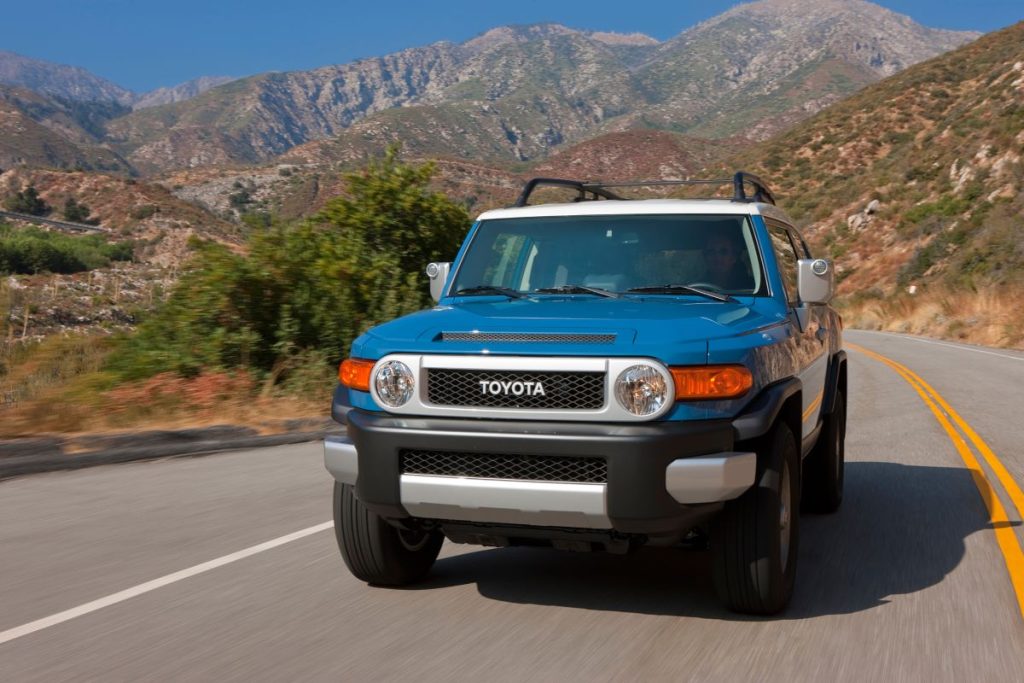
Inspired by the iconic FJ40 of past decades, the 2007 Toyota FJ Cruiser borrows several of its classic design traits, such as compact proportions and steep approach and departure angles. However, unlike those rugged workhorses of old, the modern version packs considerably more power beneath the hood while also incorporating the features today’s drivers expect.
Though its styling leans heavily on retro inspiration, the FJ’s mechanical underpinnings are anything but old-fashioned. Buyers can select from multiple driveline configurations, starting with a two-wheel-drive “Pre-Runner” setup and extending to two four-wheel-drive versions.
Powering every model is a robust DOHC 4.0-liter V6, the same engine found in several of Toyota’s other trucks, paired with either a manual or automatic transmission.
The four-wheel-drive variants include low-range gearing, a locking center differential, and a traction-control system enhanced with a brake-based electronic differential-locking function. For those seeking maximum traction, a mechanically locking rear differential is also available as an option.
2011–2017 Hyundai Sonata (6-Speed Models)
While Hyundai had some growing pains with its CVTs, the naturally aspirated Sonatas equipped with the six-speed automatic turned out to be surprisingly durable.
Many owners report surpassing 200,000 miles without ever needing a flush, provided the fluid is occasionally checked. For shoppers looking for a budget-friendly used sedan, this generation of Sonata is often overlooked but delivers strong transmission reliability.
For 2017, the Hyundai Sonata carries over without any major changes, aside from a minor reshuffling of certain standard and optional features.
This lack of updates isn’t an issue, as the Sonata continues to deliver where it counts. Its cabin remains spacious and inviting, offering ample room in the rear seats to comfortably accommodate children, their friends, or even adult passengers.
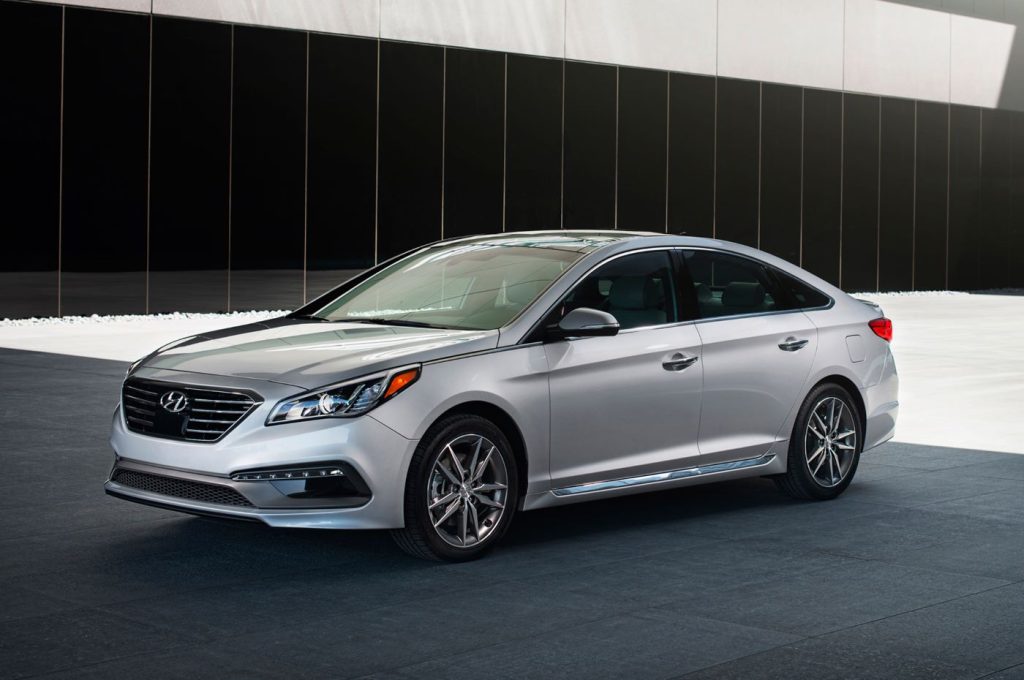
On the road, the Sonata maintains a confident demeanor, combining a smooth ride with precise handling that avoids the overly soft, floaty sensation often found in larger sedans during highway cruising.
Value is another area where the Sonata shines. Even the entry-level trim comes well-equipped, ensuring you don’t feel shortchanged, while the range-topping Limited 2.0T provides a level of refinement and amenities that rival luxury cars.
Technology is also a strong suit for the Sonata, with an array of modern features to enhance both safety and convenience. Available driver-assistance systems such as blind-spot monitoring and automatic emergency braking add peace of mind, while large, sharp touchscreen displays handle navigation and entertainment duties with ease.
Also Read: Top 10 Pickups That Rarely Need Engine Swaps
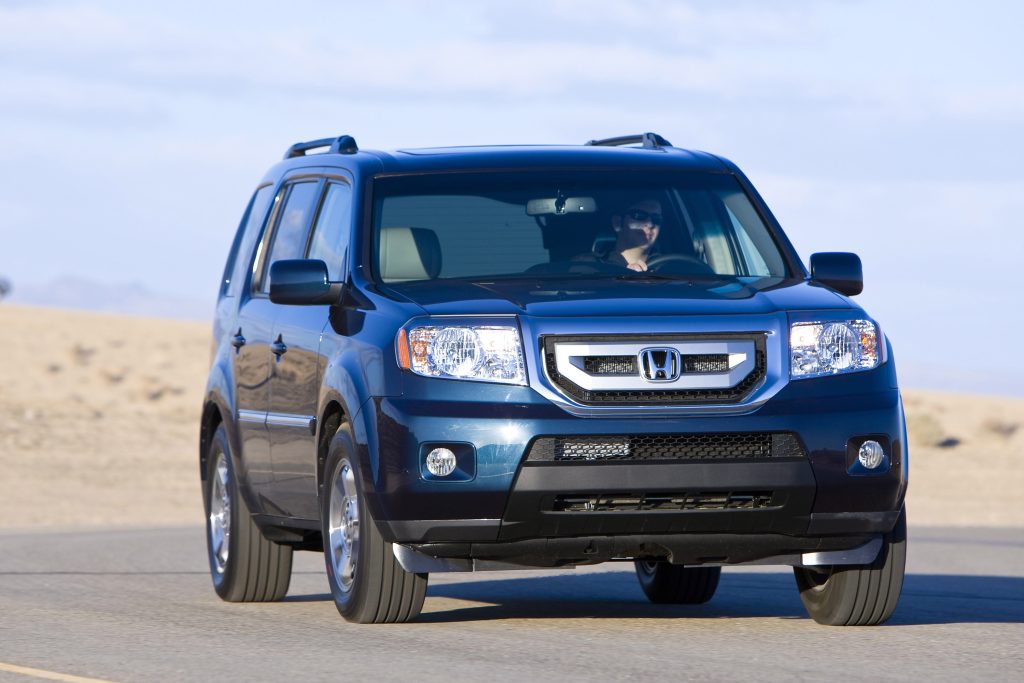
2009–2015 Honda Pilot
The second-generation Honda Pilot used a five-speed automatic transmission that has proven to be one of Honda’s most dependable units.
Unlike earlier V-6 Honda gearboxes that earned a reputation for issues, this model was revised and beefed up to last. Many Pilots from this era still operate on their original transmissions with little more than fluid inspections, making them a hidden gem for families needing long-lasting SUVs.
2004–2012 Nissan Titan (5-Speed Automatic)
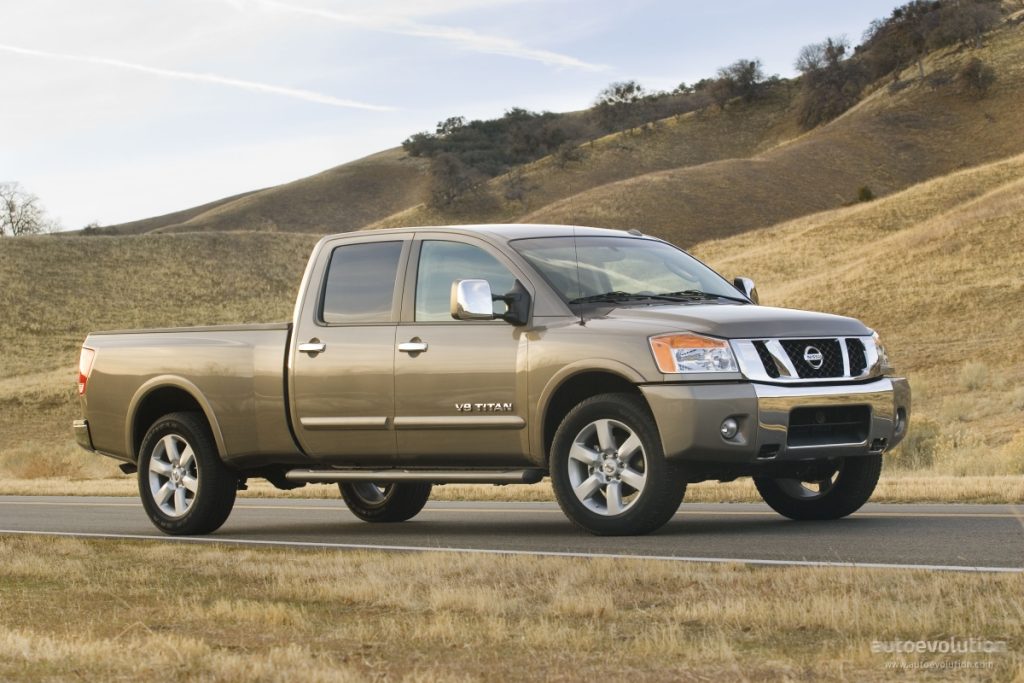
While Nissan’s more recent CVTs often make headlines for the wrong reasons, the early Nissan Titan full-size truck came with a rock-solid five-speed automatic. It was simple, overbuilt, and perfectly matched for towing.
Owners often find these trucks go their entire life without needing a transmission flush, and failures are rare even when the truck has been used for heavy hauling.
2005–2013 Chevrolet Corvette (6-Speed Manual)
Sports cars don’t always scream “low maintenance,” but the C6 Corvette’s Tremec six-speed manual gearbox is about as bulletproof as they come. Unlike automatics, manual transmissions rarely need a flush, and this one is known for taking abuse without complaint.
Enthusiasts often rack up high mileage with nothing more than occasional fluid changes, proving that performance and reliability can coexist.
After years of anticipation, the debut of the mid-engine Corvette brought immense pressure for Chevrolet to deliver a modern icon. As the C8-generation enters its second model year, it’s clear that Chevy has not only met expectations but exceeded them.
Available as both a coupe and a convertible, the Corvette’s two-seat cabin offers surprising comfort and space for full-size adults. Beyond raw performance, Chevrolet’s engineers ensured the ride remains refined enough for daily driving and long road trips, while the Z51 package unlocks track-ready capabilities.
For 2021, Chevrolet introduced a few welcome updates. Wireless Apple CarPlay and Android Auto are now standard, and the digital gauge display gains new customization options.

A Buckle-to-Drive safety feature has been added, preventing the automatic transmission from shifting out of park until the driver is buckled up. Another notable change is that the magnetorheological dampers, previously bundled with the pricey Z51 package, can now be ordered as a standalone option.
Both coupe and convertible versions are offered, but since the coupe’s removable roof panel already allows for open-air driving, it’s the more practical choice.
The recommended pick is the 2LT trim at $68,295, which adds a wealth of desirable features such as a head-up display, wireless smartphone charging, heated and ventilated seats, a heated steering wheel, a premium 14-speaker Bose audio system, and blind-spot monitoring. The Z51 performance package remains a must-have, as it equips the Corvette with its most performance-oriented hardware.
The C8’s engine has been relocated behind the passenger compartment, marking a dramatic shift for the Corvette, but it remains a naturally aspirated 6.2-liter V-8 producing 490 horsepower and 470 lb-ft of torque. With the Z51 package’s dual-mode performance exhaust, output climbs to 495 horsepower. The Z51 option also adds summer tires, beefier brakes, and an electronic limited-slip rear differential.
An eight-speed dual-clutch automatic, the first ever for a Corvette, is the only transmission available, operated through a push-button selector on the center console or large paddle shifters behind the steering wheel. Unfortunately, a manual transmission is not offered.
Performance is nothing short of thrilling. In testing, a Z51-equipped Corvette with optional FE4 magnetorheological dampers sprinted from zero to 60 mph in just 2.8 seconds and cleared the quarter-mile in 11.2 seconds at 122 mph.
It also stopped from 70 mph in 149 feet and achieved 1.03 g’s on the skidpad. Even in base form, the Corvette delivers exceptional handling and road manners, offering huge thrills whether on winding roads or the racetrack.
Also Read: 8 Most Popular Pickup Trucks in the U.S. Ranked by Real Owners
2016–2020 Kia Sorento (6-Speed Automatic)
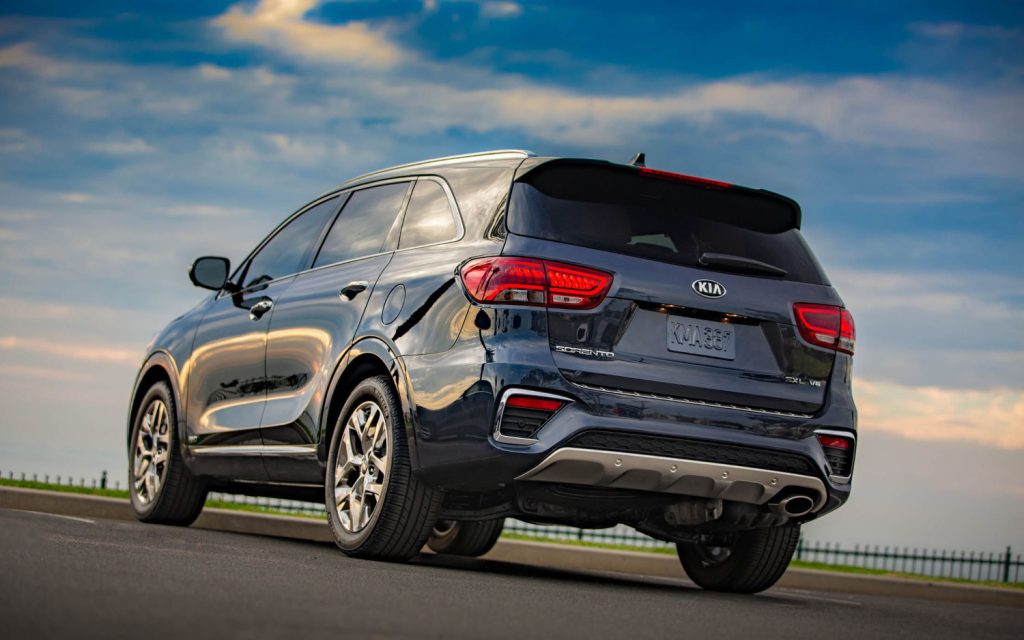
Before Kia switched many models over to dual-clutch systems and CVTs, the Sorento offered a conventional six-speed automatic paired to its V-6 engine.
This setup has earned a reputation for being nearly maintenance-free. Many Sorento owners in the US report going well over 150,000 miles without a transmission flush, showing that Kia’s simpler gearbox designs were every bit as dependable as their Japanese rivals.
The 2016 Kia Sorento finds itself in an interesting position, straddling the line between compact and midsize SUVs. Previously, it leaned closer to compact crossovers like the Toyota RAV4, offering similar size and feel.
With its 2016 redesign, however, the Sorento shifts upward, positioning itself as a smaller, more affordable alternative to larger three-row crossovers such as the Toyota Highlander, while still offering flexibility with five- and seven-passenger seating.
Though slightly larger than its predecessor, the real gains come in refinement rather than space. The cabin now features higher-quality materials and generous features that rival more expensive competitors, while the exterior styling is more upscale and mature.
Mechanically, a stiffer structure, improved suspension, and upgraded steering contribute to a smoother, more composed ride. A new turbocharged four-cylinder engine also joins the lineup, filling the gap between the efficient base four-cylinder and the stronger, thirstier V6, though it’s only available in two-row models.
Performance-wise, the base 2.4-liter four-cylinder engine (185 hp, 178 lb-ft) powers the L and LX trims, paired with a six-speed automatic and standard front-wheel drive, with all-wheel drive optional. Fuel economy comes in at 24 mpg combined with FWD. Towing is limited to 2,000 pounds.
The mid-tier option, a 2.0-liter turbocharged four-cylinder (240 hp, 260 lb-ft), is offered on EX and SX Limited trims. Despite its healthy output, acceleration is modest, with a 0–60 mph time of 8.7 seconds in Edmunds testing. Fuel economy is rated at 23 mpg combined with FWD. Towing capacity rises to 3,500 pounds.
At the top sits the 3.3-liter V6 (290 hp, 252 lb-ft), standard on the SX and optional on EX and SX Limited. With AWD, it reached 60 mph in 7.6 seconds in testing.
Fuel economy is rated at 21 mpg combined with FWD, while towing capacity climbs to 5,000 pounds when properly equipped. Interestingly, real-world testing showed little difference in efficiency between the turbo four and the V6, suggesting the turbo’s fuel-saving advantage may be smaller than expected.
Overall, the 2016 Sorento impresses with its refined interior, solid feature list, and improved ride quality. It’s a strong, value-packed alternative to two-row midsize crossovers like the Ford Edge, Hyundai Santa Fe Sport, and Jeep Grand Cherokee, as well as larger three-row competitors like the Toyota Highlander and Hyundai Santa Fe.
While it still plays the middle child role, this time around, the Sorento makes being in the middle look pretty appealing.
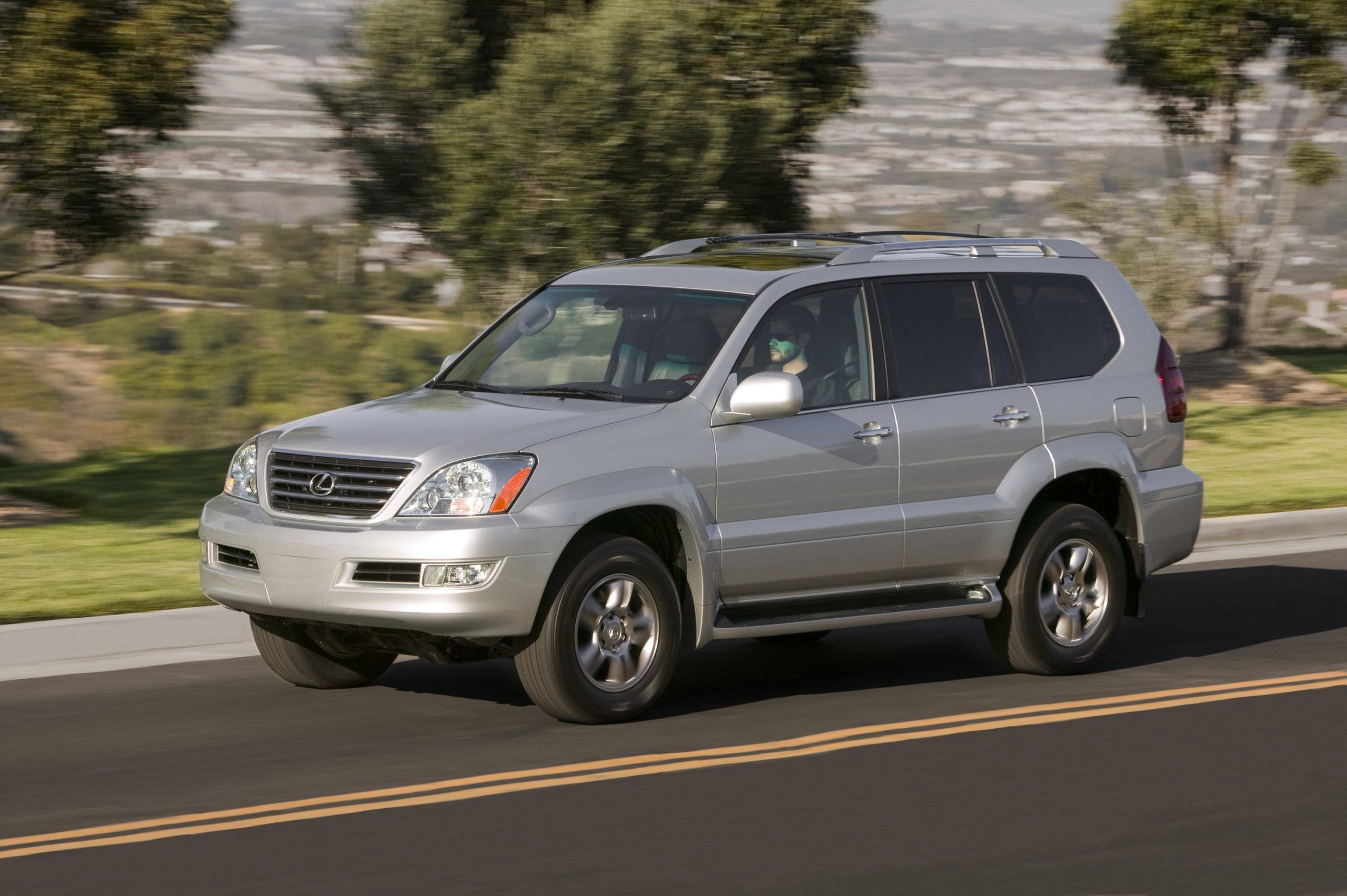
2003–2009 Lexus GX 470
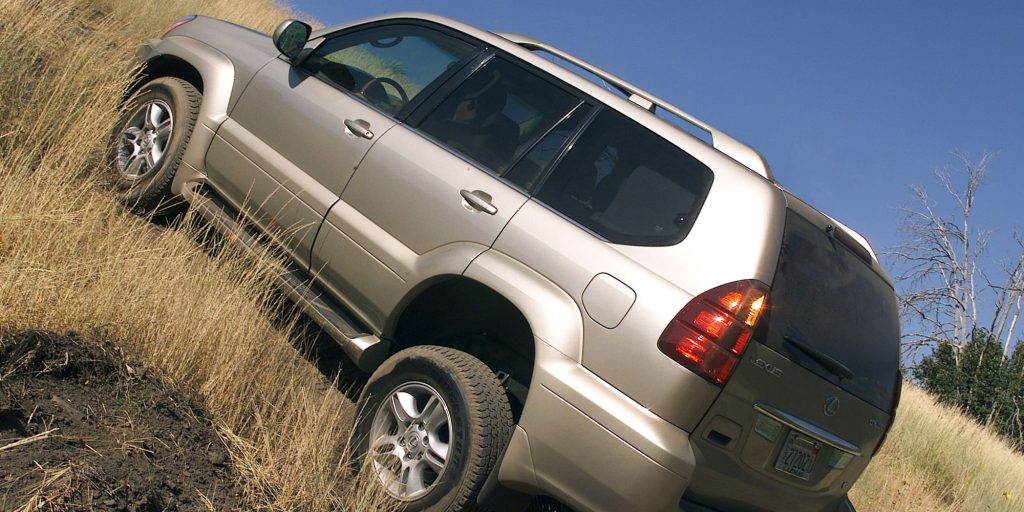
The Lexus GX 470, with its 5-speed automatic, is still beloved among off-road enthusiasts who want Toyota Land Cruiser-level durability with more luxury.
Its transmission is massively over-engineered and rarely requires more than routine checks. GX 470s are known for racking up 300,000+ miles with their original transmissions intact, making them a legend among used SUV buyers.
After years of eager anticipation, the arrival of the mid-engine Corvette brought significant pressure for Chevrolet to create a modern icon. As the C8-generation moves into its second model year, it’s evident that Chevy has not only met expectations but surpassed them.
Available in both coupe and convertible forms, the Corvette features a spacious two-seat cabin that provides impressive comfort for full-size adults. Beyond sheer performance, Chevrolet’s engineers tuned the suspension for both refinement and versatility, making the Corvette suitable for daily use as well as long-distance trips.
Opting for the Z51 package transforms it into a track-ready machine. Though cargo space is limited, it remains practical, golf clubs fit neatly in the rear, while the front trunk (frunk) offers room for a carry-on suitcase.
For 2021, Chevrolet introduced several updates that enhance both convenience and customization. Wireless Apple CarPlay and Android Auto now come standard, while the digital gauge cluster offers new personalization options.
A new Buckle-to-Drive safety system ensures the automatic transmission cannot be shifted out of park until the driver is buckled up. One of the more exciting changes is that the magnetorheological dampers, once tied exclusively to the pricey Z51 package, are now available as a standalone option.
Cosmetic upgrades include a Full Length Dual Racing Stripe package with color choices of blue, orange, red, or yellow, as well as a striking gray-and-yellow interior scheme. Pricing has risen slightly, with all trims increasing by $1000.
Both body styles deliver thrilling performance, but the coupe stands out as the smarter choice since its removable roof panel already offers an open-air experience.
Among the trims, the 2LT is the recommended pick at $68,295, as it enhances the Corvette with premium features like a head-up display, wireless phone charging, heated and ventilated seats, a heated steering wheel, a 14-speaker Bose audio system, and blind-spot monitoring. To unlock the Corvette’s full performance potential, the Z51 package remains essential, adding the most track-focused hardware.
The C8 marks a radical departure for the Corvette by placing its naturally aspirated 6.2-liter V-8 behind the passenger compartment.
This powerplant delivers 490 horsepower and 470 lb-ft of torque, with output increasing to 495 horsepower when equipped with the Z51 package’s dual-mode performance exhaust. The Z51 setup also includes summer tires, stronger brakes, and an electronic limited-slip rear differential.
An eight-speed dual-clutch automatic, the first ever in Corvette history, comes standard, operated via push-button controls on the center console or oversized paddle shifters mounted to the steering wheel. A manual transmission is no longer offered.
On the road and track, the Corvette’s performance is extraordinary. During testing, a Z51-equipped model with the optional FE4 magnetorheological dampers accelerated from zero to 60 mph in just 2.8 seconds and completed the quarter-mile in 11.2 seconds at 122 mph.
It also recorded a 149-foot stop from 70 mph and generated 1.03 g’s of grip on the skidpad. Even in its base configuration, the Corvette provides razor-sharp handling and exhilarating driving dynamics, cementing its reputation as one of the most exciting sports cars on the market today.
2006–2012 Ford Fusion (with Aisin 6-Speed)
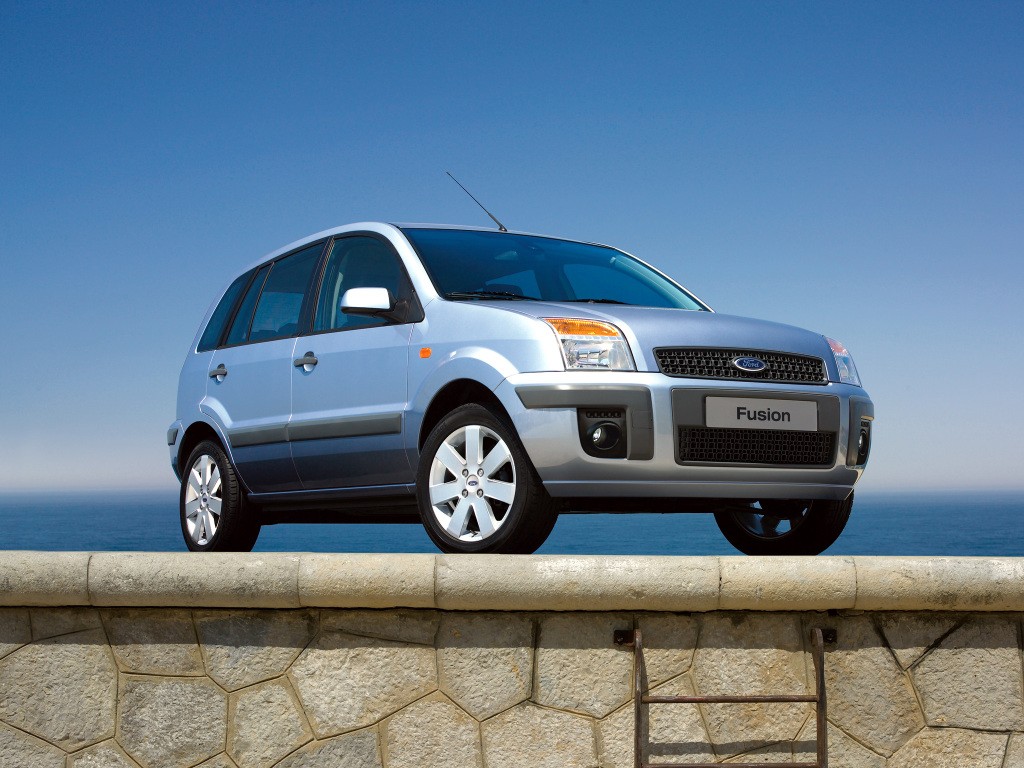
Ford’s first-generation Fusion was available with a six-speed automatic transmission supplied by Aisin, a company known for producing some of the toughest gearboxes in the world.
Compared to later Ford transmissions that struggled with reliability, these early Fusion models are dependable and rarely demand flushes. It’s a smart buy for drivers looking for a no-nonsense used sedan.
Ford’s reentry into the competitive family sedan segment came with the 2006 Fusion, a car designed to remind customers that the brand could once again build a serious midsize contender.
Its bold design, featuring oversized headlights and a prominent three-bar grille, echoed Ford’s new styling direction and carried over to later models. The Fusion was positioned as the successor to the Taurus, which once held the title of America’s best-selling car before fading into rental fleet duty as rivals from Honda, Nissan, and Toyota took the lead.
Built on a lengthened and widened version of the acclaimed Mazda 6 platform, the Fusion retained the nimble handling traits of its sibling with a four-wheel independent suspension and rack-and-pinion steering, but offered more interior room for families.
Inside, Ford aimed to elevate the cabin with touches like satin-finished bezels, soft-touch materials, and on higher trims, leather seating with contrasting stitching. Even base models came well-equipped with conveniences such as power windows, power locks, keyless entry, and steering wheel-mounted cruise control.
Under the hood, buyers had a choice between a 2.3-liter four-cylinder engine producing 160 horsepower or a 3.0-liter V6 with 221 horsepower.
The four-cylinder could be paired with either a standard five-speed manual or an optional five-speed automatic, while the V6 came exclusively with a six-speed automatic and dual exhausts. Both engines featured four-valve-per-cylinder heads and long 150,000-mile tune-up intervals, appealing to cost-conscious families.
Safety was another priority. Ford reinforced the Fusion’s platform, particularly around the B-pillars, which were engineered to redirect side-impact forces away from occupants.
ombined with its refined driving dynamics, practical space, and competitive features, the 2006 Fusion signaled Ford’s determination to win back midsize sedan buyers who had long gravitated toward Japanese competitors.
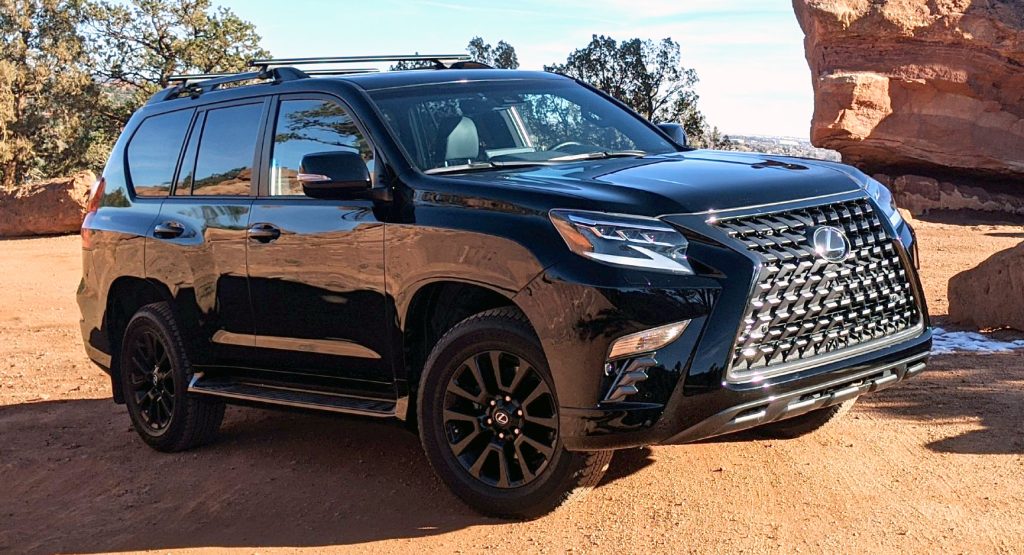
2010–2017 Lexus GX 460
Successor to the GX 470, the GX 460 continued the tradition of using stout automatic transmissions designed for both daily luxury and rough off-road travel.
Like its predecessor, its gearbox almost never needs flushing, and failures are virtually unheard of. Owners who maintain basic fluid levels can confidently drive these SUVs for decades, making them popular among overlanding fans.
The 2017 Lexus GX 460 stands out as a traditional midsize luxury SUV that blends rugged off-road capability with upscale amenities. With three rows of seating, a body-on-frame design, full-time four-wheel drive, and standard V8 power, it appeals to buyers who want a vehicle that can handle rough terrain while still offering comfort for family trips.
In its Luxury trim, the GX becomes particularly appealing, with features like an adaptive suspension, leather upholstery, heated and ventilated front seats, and built-in navigation.
That said, the GX 460 isn’t without flaws. Its truck-based construction makes it less refined on pavement compared to crossover rivals, and its 301-horsepower V8 struggles with the SUV’s hefty weight, resulting in sluggish acceleration.
Fuel economy is also a weak point, trailing well behind more modern alternatives. While capable, it lacks some of the latest advanced driver-assistance features that have become standard in competing models.
Safety remains a strong focus, however. The GX 460 comes with antilock brakes, traction and stability control, a rearview camera, front knee airbags, front and rear side airbags, and curtain airbags for all three rows. Lexus Enform Safety Connect is also standard, providing emergency communications like automatic collision notification, a stolen vehicle locator, and roadside assistance.
Higher trims or option packages add more advanced aids such as blind-spot monitoring, rear cross-traffic alert, lane departure warning, and forward collision preparation. In Edmunds testing, the GX stopped from 60 mph in 127 feet, slightly longer than average for its class.
Behind the wheel, the GX 460 delivers a secure if somewhat dated driving experience. Its steering and brakes feel slower to respond, a compromise for dual on- and off-road tuning. The adaptive suspension helps soften the ride, but crossovers such as the Acura MDX or BMW X5 are more comfortable and agile on pavement.
Where the GX truly shines is off-road. Features like full-time 4WD and Crawl Control, which automatically manages throttle and braking at set low speeds, make navigating difficult terrain surprisingly effortless.
In the end, the GX 460 fills a niche. It’s one of the few luxury SUVs that still prioritizes ruggedness and trail capability.
However, shoppers prioritizing fuel economy, speed, and modern safety tech may find greater satisfaction in luxury crossovers such as the Acura MDX, BMW X5, Mercedes-Benz GLE, or even Lexus’ own RX 350. The GX remains a solid choice for drivers who need genuine off-road ability wrapped in a luxury package.
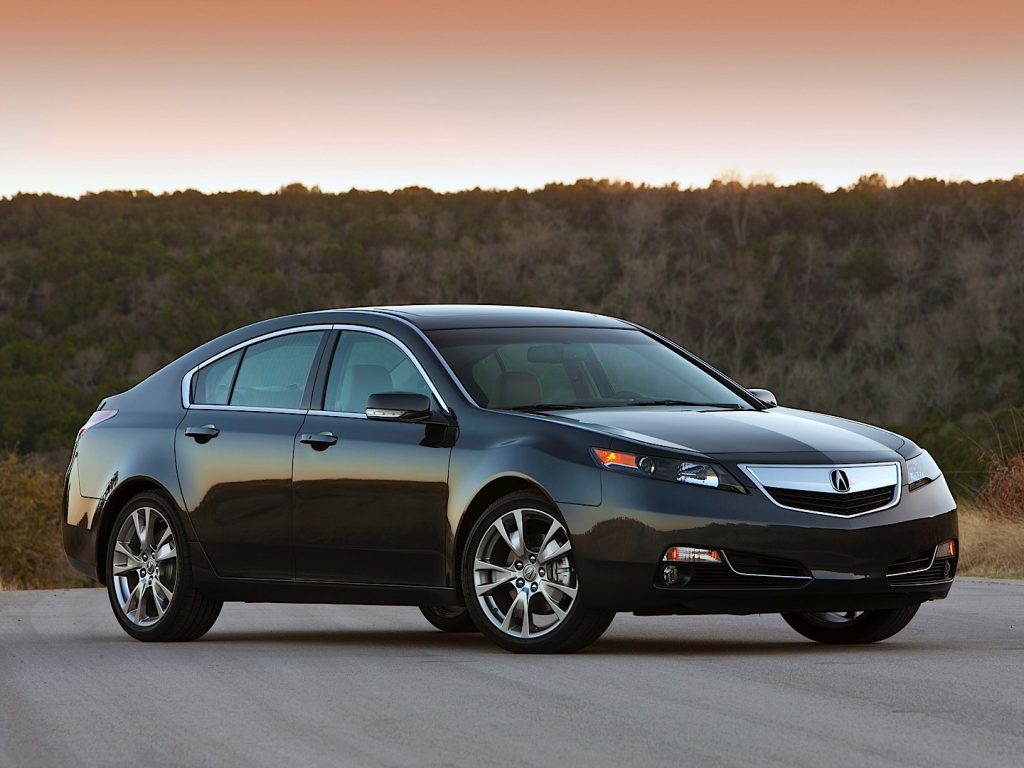
2009–2014 Acura TL (SH-AWD Models)
The Acura TL SH-AWD came with a six-speed manual or a specially designed five-speed automatic that proved to be highly reliable compared to Honda’s earlier V-6 transmissions.
Even with its sporty performance edge, the TL’s transmission rarely requires a flush. Many of these cars are still prized by enthusiasts for their durability and fun factor, blending performance with longevity.
Transmission flushes may be a part of car ownership, but some vehicles are engineered well enough that they rarely, if ever, require one. From rugged SUVs like the Toyota FJ Cruiser and Lexus GX to surprising standouts like the Hyundai Sonata and Ford Fusion, these vehicles prove that careful design can lead to years of trouble-free driving.
For US drivers searching for a dependable used car or truck, these models offer peace of mind and an escape from one of the most dreaded maintenance costs.
