
When it comes to buying a car, reliability often comes with a price tag. Many buyers assume that in order to get a dependable vehicle that won’t break down every other month, they have to spend big on luxury brands or newer models.
But that’s not always the case. In fact, some of the most reliable cars on the road are surprisingly affordable, both to purchase and to maintain.
These vehicles have built strong reputations for lasting hundreds of thousands of miles with proper care. They’re known for lower repair costs, widespread availability of parts, and engineering that prioritizes durability over flash.
For American drivers who want peace of mind without draining their wallets, these 12 cars prove that reliability doesn’t have to be expensive.
1. Toyota Corolla
The Toyota Corolla has long been the benchmark for affordable dependability. It may not turn heads with flashy styling, but its reputation is unmatched.
Used Corollas regularly sell at higher-than-expected prices because buyers know they can easily reach 200,000–300,000 miles with little more than routine maintenance.
Parts are widely available and inexpensive, and mechanics are familiar with its simple, tried-and-true design. For anyone seeking a budget-friendly daily driver, the Corolla is hard to beat.
The Toyota Corolla is so ubiquitous that it feels as though everyone has either owned one or knows someone who has.
Spanning more than 12 generations since the early 1970s, the compact sedan has long served as a benchmark for affordable, reliable, and user-friendly transportation. Flashiness has never been its goal, and that remains a defining characteristic that appeals to millions of drivers worldwide.
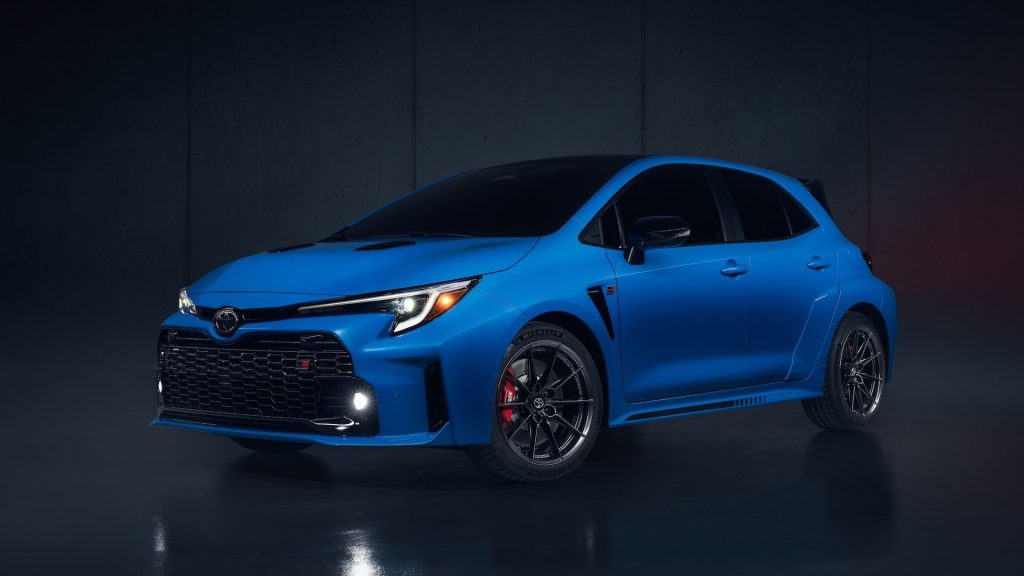
In terms of cost, the Corolla continues to stand out for its affordability. For instance, in North Dakota, monthly driving estimates come in at around $111 for the Corolla LE, compared to an average of $165 per month for a midsize car. This efficiency adds to its value proposition, keeping ownership costs manageable for a wide range of buyers.
As for what lies ahead, the 2025 Corolla arrives with minimal changes, though a redesign is certainly on the horizon. Likely updates include refreshed exterior styling, a reimagined interior, and the addition of new technology to stay competitive in the compact car segment.
For now, buyers might be interested in the new-for-2025 FX Special Edition. Based on the SE trim, this edition adds a rear spoiler, lowering springs, 18-inch black-painted alloy wheels, and blacked-out exterior accents to give the Corolla a sportier edge while retaining its practical DNA.
2. Honda Civic
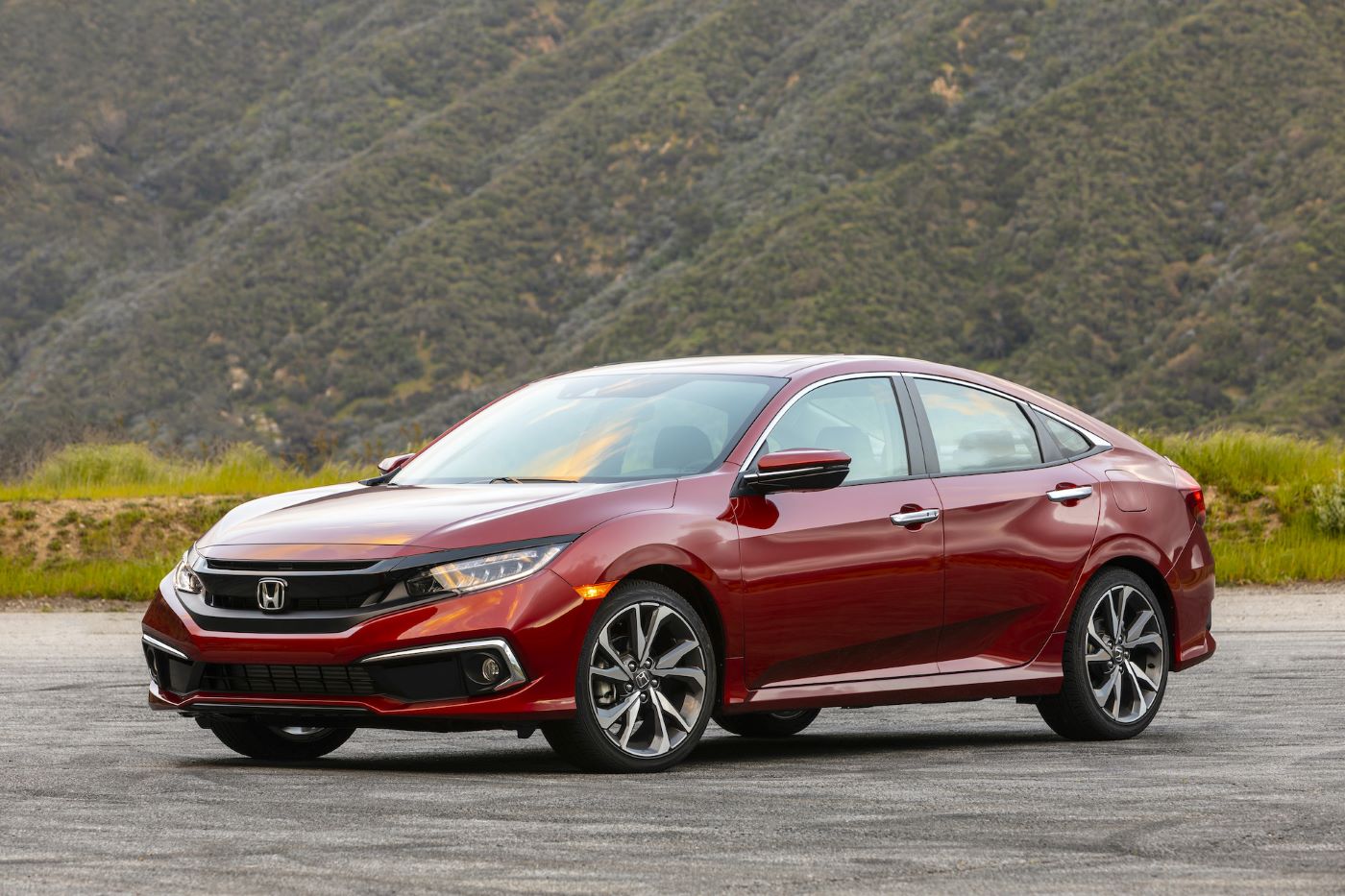
The Honda Civic has been a staple of American roads for decades, known for being both fun and reliable. Older Civics are especially popular among budget-minded buyers and young drivers, thanks to their mix of affordability, fuel efficiency, and longevity.
The Honda Civic and Civic Hybrid continue to stand out as affordable, smart-looking, agile, and genuinely enjoyable cars to drive. Buyers can choose between two powertrains: a 150-hp four-cylinder engine or a 200-hp hybrid setup, both of which use fuel efficiently. Models with electric assistance are not only more powerful but also noticeably quicker.
The Civic is available in both sedan and hatchback body styles, each offering roomy interiors, ample storage solutions, and generous cargo space.
Standard equipment includes many sought-after driver-assistance features, though the base infotainment system is smaller than what some competitors offer. Enthusiasts will appreciate that manual-transmission Civics still exist, albeit only in the performance-focused Civic Si and Type R variants.
For 2026, the Civic sedan and hatchback continue largely unchanged. Pricing begins at $25,790 for the LX Sedan and rises to $34,690 for the range-topping Sport Touring Hybrid Hatchback.
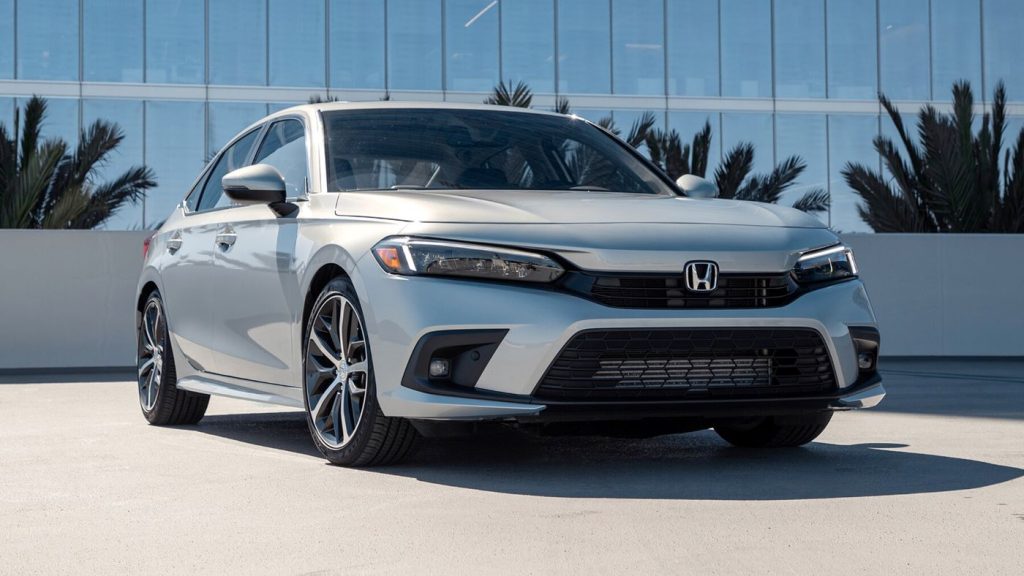
Other trims include the Sport Sedan ($27,790), Sport Hatchback ($28,990), Sport Hybrid Sedan ($30,490), Sport Hybrid Hatchback ($31,690), and Sport Touring Hybrid Sedan ($33,490).
Between them, the Sport Hybrid Hatchback is recommended as the best balance of performance, efficiency, and practicality, thanks to its heated front seats, dual-zone automatic climate control, and comprehensive suite of driver aids. That said, the Sport Touring Hybrid trims add tempting upgrades such as a larger infotainment display and wireless smartphone connectivity.
Under the hood, the nonhybrid Civic uses a 2.0-liter four-cylinder with 150 horsepower paired with a continuously variable automatic transmission (CVT) driving the front wheels.
While not especially quick, this version feels lively enough in city traffic, helped by the Civic’s agile handling and well-tuned ride. The Civic Hybrid, meanwhile, employs a 2.0-liter four-cylinder with two electric motors, producing a combined 200 horsepower.
Similar in design to the hybrid systems in the Accord and CR-V, it also drives the front wheels through a CVT. In testing, the hybrid proved to be smooth, responsive, and more engaging than expected, rivaling even the Civic Si in driving enjoyment while delivering superior fuel efficiency.
Whether it’s a base sedan or a sportier coupe, Civics are easy to maintain and cheap to repair. Even high-mileage examples hold their value because the Civic name is nearly synonymous with reliability.
Also Read: Top 12 Sports Cars That Rarely Break a Sweat
3. Mazda3
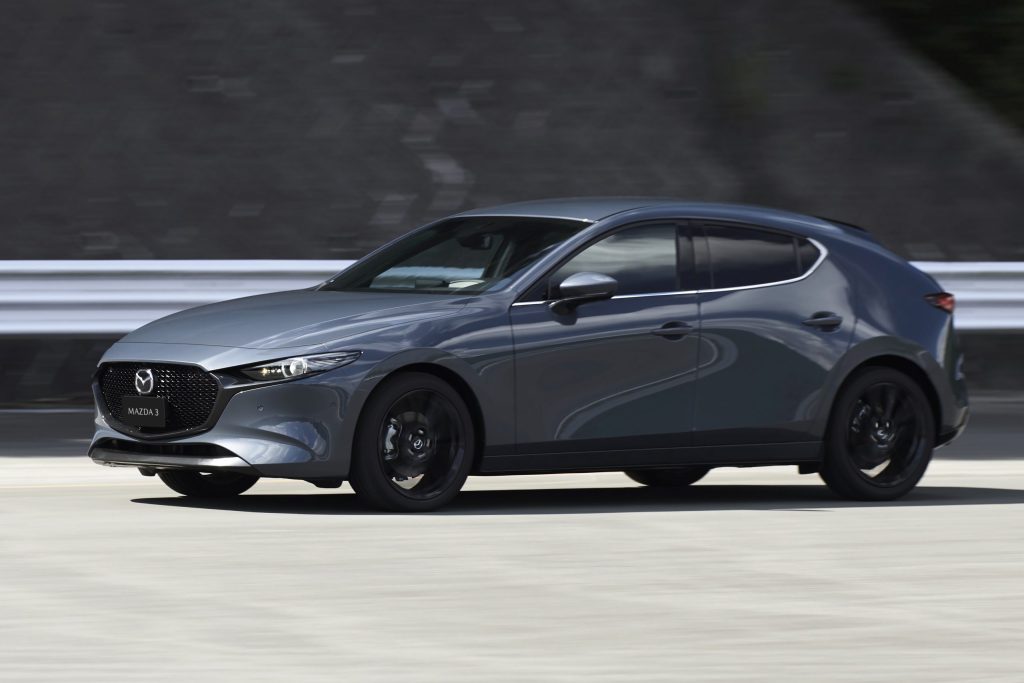
The Mazda3 adds an element of style and driving enjoyment to the affordable reliability category. While competitors focus solely on durability, the Mazda3 manages to be engaging behind the wheel without sacrificing dependability.
Owners consistently report few major problems, and maintenance costs remain low. Whether as a sedan or hatchback, the Mazda3 proves that reliability doesn’t mean boring, making it a favorite among younger drivers who want a fun yet trustworthy ride.
4. Hyundai Elantra
Once considered a bargain-bin alternative, the Hyundai Elantra has evolved into one of the most dependable compact sedans on the market. Hyundai’s long warranty programs initially boosted consumer confidence, but the Elantra has proven itself to be durable well beyond warranty coverage.
Newer models are more stylish and tech-focused, but even older generations hold up well, making the Elantra one of the best values for drivers who want reliable transportation without spending a fortune.
The 2025 Hyundai Elantra remains a strong choice in the small sedan segment, slotting below the midsize Sonata but offering surprising interior space. Despite its compact classification, the Elantra’s cabin feels generous, with enough rear-seat legroom to comfortably accommodate adults.
Beyond practicality, it distinguishes itself with sharp, eye-catching styling, a long list of standard and available features, strong overall value for money, and Hyundai’s excellent warranty coverage.
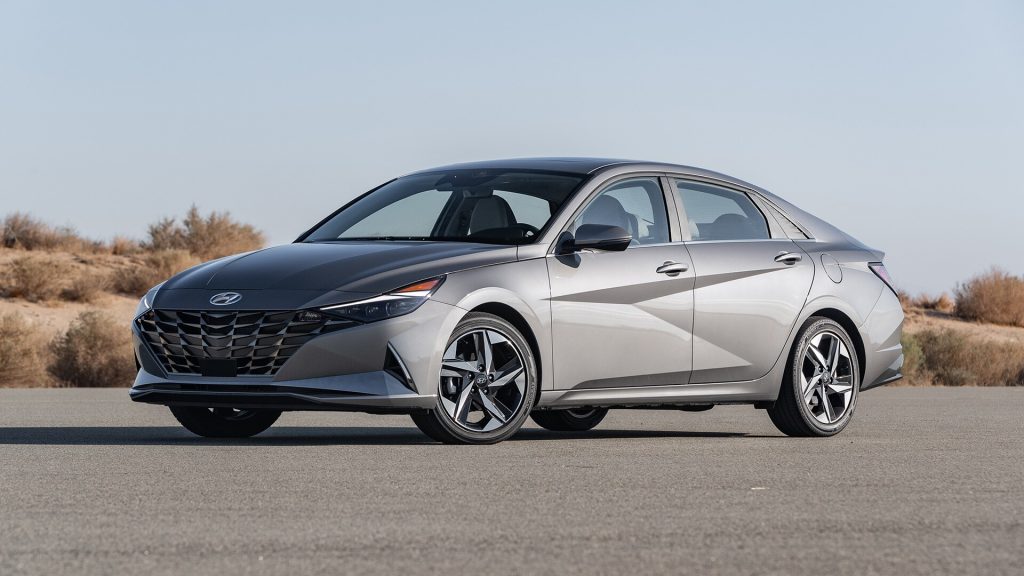
The lineup is impressively diverse, spanning from the fuel-efficient Elantra Hybrid to the performance-focused Elantra N sport sedan, ensuring there’s a version to fit a wide range of needs.
For daily driving, the Elantra’s standard 2.0-liter four-cylinder engine proves economical, with EPA estimates of up to 36 mpg combined. That makes it appealing for commuters who prioritize fuel savings. However, in real-world testing, this engine’s power delivery and acceleration can feel sluggish, so shoppers seeking more punch will want to consider the Elantra N Line.
Equipped with a turbocharged engine, the N Line delivers significantly stronger performance while still maintaining solid efficiency, with EPA estimates of up to 31 mpg combined. Together, these choices make the 2025 Elantra one of the more well-rounded offerings in the compact sedan category.
5. Toyota Camry
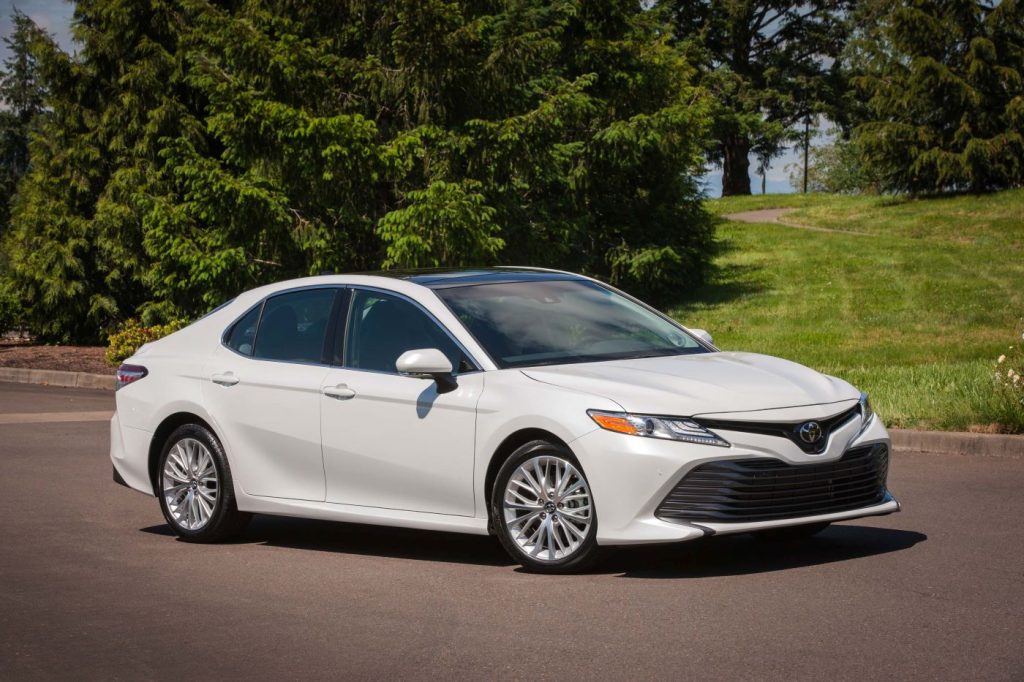
The Toyota Camry is the ultimate example of reliability at scale. For years, it has been America’s best-selling sedan, and its reputation for durability is nearly unshakable.
Many Camrys easily surpass 300,000 miles with proper care, and repair costs are usually lower than average for the segment. While not the cheapest car upfront, used Camrys are widely available at reasonable prices, and their long lifespan means buyers get more for their money in the long run.
6. Kia Soul
The Kia Soul may have quirky styling, but it has earned respect as one of the most dependable affordable cars in recent years. Its boxy design provides excellent practicality, while its reputation for low running costs appeals to budget-conscious buyers.
Kia’s improvements in engineering and build quality over the past decade have helped the Soul stand out as a reliable and fun-to-own option that doesn’t require deep pockets.
Often the target of lighthearted social media jokes, the 2025 Kia Soul continues to prove its worth by blending a playful personality with everyday practicality.
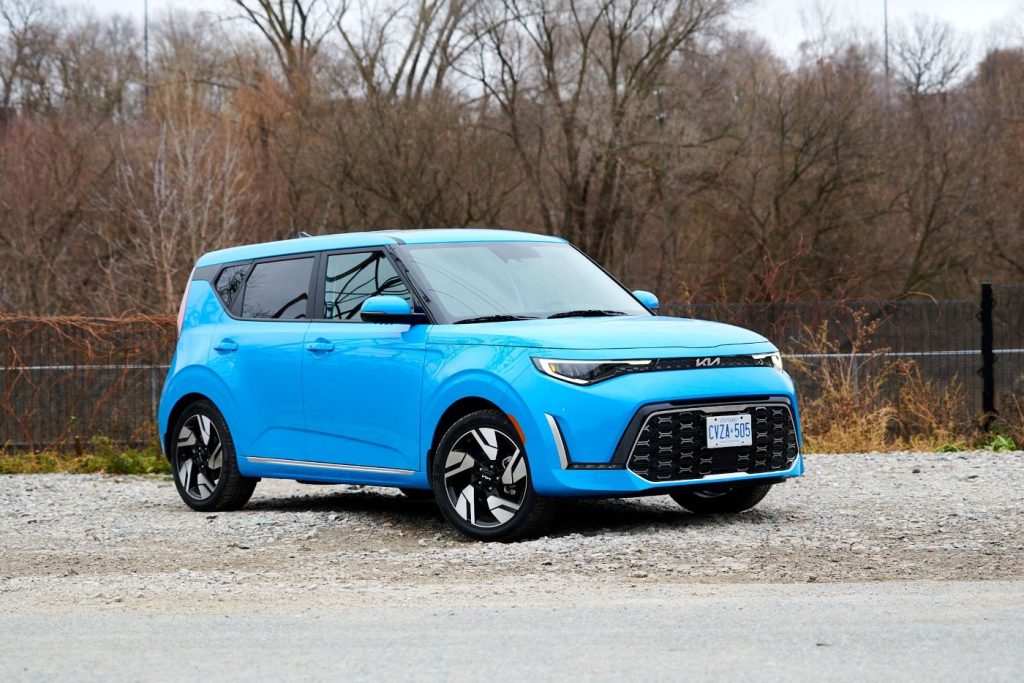
Its boxy, upright design isn’t just about style, it maximizes interior space, creating a surprisingly roomy cabin within a compact footprint that’s easy to maneuver and park in crowded urban settings. Inside, the Soul comfortably accommodates four adults while still leaving space for cargo, making it a versatile small vehicle for city living.
Under the hood, every Soul is powered by a 147-hp four-cylinder engine paired with a continuously variable automatic transmission and front-wheel drive. While all-wheel drive isn’t offered, the Soul remains an affordable option compared with AWD-equipped rivals like the Chevrolet Trailblazer and Kia Seltos.
For those concerned about winter driving, a quality set of snow tires can easily bridge the gap. Adding to its appeal, Kia equips the Soul with a healthy list of standard features, including driver-assistance technologies, while offering a wide array of upgrades and styling options that allow buyers to personalize their vehicle to suit their tastes.
7. Honda Fit
Though discontinued in the U.S. after 2020, the Honda Fit remains a smart used-car buy. Its small size makes it perfect for city driving, while its “Magic Seat” interior flexibility adds practicality well beyond its footprint.
More importantly, the Fit is one of Honda’s most reliable models, known for racking up high mileage without expensive issues. Affordable to buy and maintain, it’s a hidden gem for those who want reliability in a compact package.
The 2020 Honda Fit might as well be one of those magical clown cars, thanks to its seemingly impossible ability to hold far more cargo than its small footprint suggests.
Honda’s subcompact hatchback not only surprises with storage space but also offers more passenger room than most would expect in this class. The Fit’s versatile, multi-way folding back seat is the key to its phenomenal practicality, giving it a flexibility few rivals can match. While this generation isn’t as fun to drive as its predecessors, it makes up for that with excellent fuel efficiency and a smooth ride.
On the downside, the engine can feel buzzy and some of the interior materials reveal the car’s bargain pricing, but even so, the 2020 Fit remains one of the most practical and versatile small cars on the market.
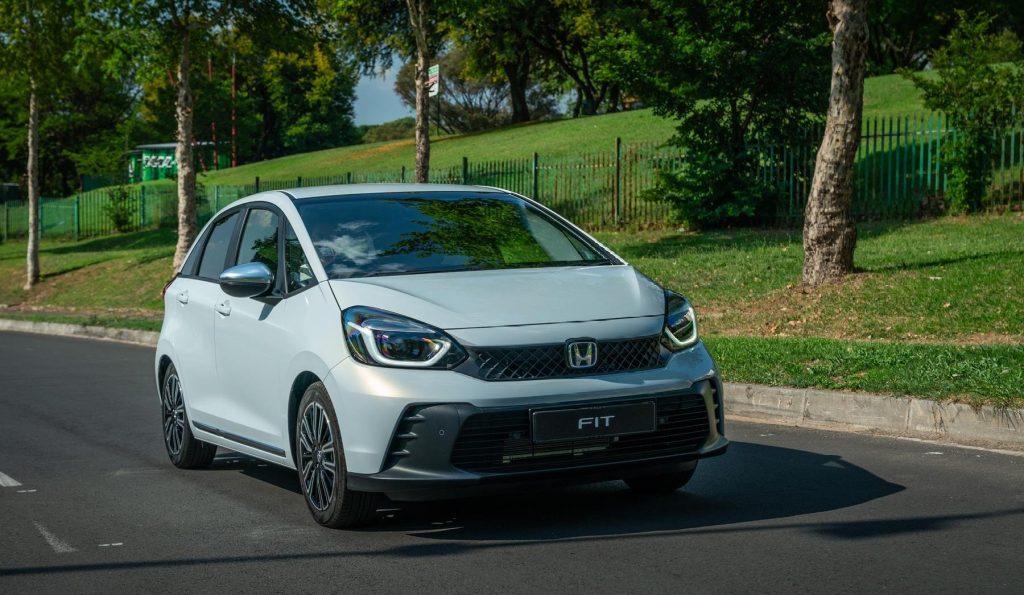
For 2020, Honda made no significant changes to the Fit lineup. Although an all-new model was introduced at the 2019 Tokyo auto show, Honda has confirmed that version won’t be sold in the U.S., and the Fit will be discontinued in the American market altogether.
At the time, the Fit ranked #5 among subcompact cars, behind the Toyota Yaris, Hyundai Accent, Kia Rio, and Nissan Versa, but ahead of the Chevrolet Sonic.
Pricing for the 2020 Honda Fit started at $17,185 and topped out at $21,615 across four trims: LX, Sport, EX, and EX-L. Most buyers seeking value would be wise to consider the Sport trim, which offers more features than the base LX, including a 7.0-inch touchscreen with Apple CarPlay and Android Auto, plus some exterior enhancements.
While a six-speed manual transmission was standard—and added driving engagement, the optional continuously variable automatic transmission (CVT) was a smart upgrade. Not only did it improve fuel economy, but it also unlocked access to the Honda Sensing suite of driver-assistance features, including adaptive cruise control, automated emergency braking, and lane-keeping assist.
Also Read: 7 Oversights That Make a Ford Fusion Break Down Early
8. Ford Fusion (2010s models)
While Ford has shifted away from sedans in the U.S., the Ford Fusion deserves recognition for being one of the most dependable domestic cars of its time. Particularly the later models, built from 2013 to 2020, earned solid reliability ratings and proved to be durable daily drivers.
Available with fuel-efficient four-cylinders, hybrids, or even sporty turbocharged options, the Fusion was versatile yet affordable. On the used market, they remain inexpensive while offering surprising reliability.
The current-generation Ford Fusion has been around for nearly a decade, first debuting in 2013, and the 2020 model might be the last one. Ford has already announced plans to phase out passenger cars in favor of trucks and SUVs, which means sedans like the Fusion are on their way out.
Still, that doesn’t make the 2020 Fusion a lame-duck model without merit. On the contrary, it remains an appealing midsize sedan that provides plenty of modern safety and technology features at a reasonable price.
For 2020, the Fusion lineup did lose one of its engine options, as the turbocharged V6 Sport model was discontinued. However, the other available powertrains remain worthwhile choices, including a turbocharged 1.5-liter engine and a stronger turbocharged 2.0-liter.
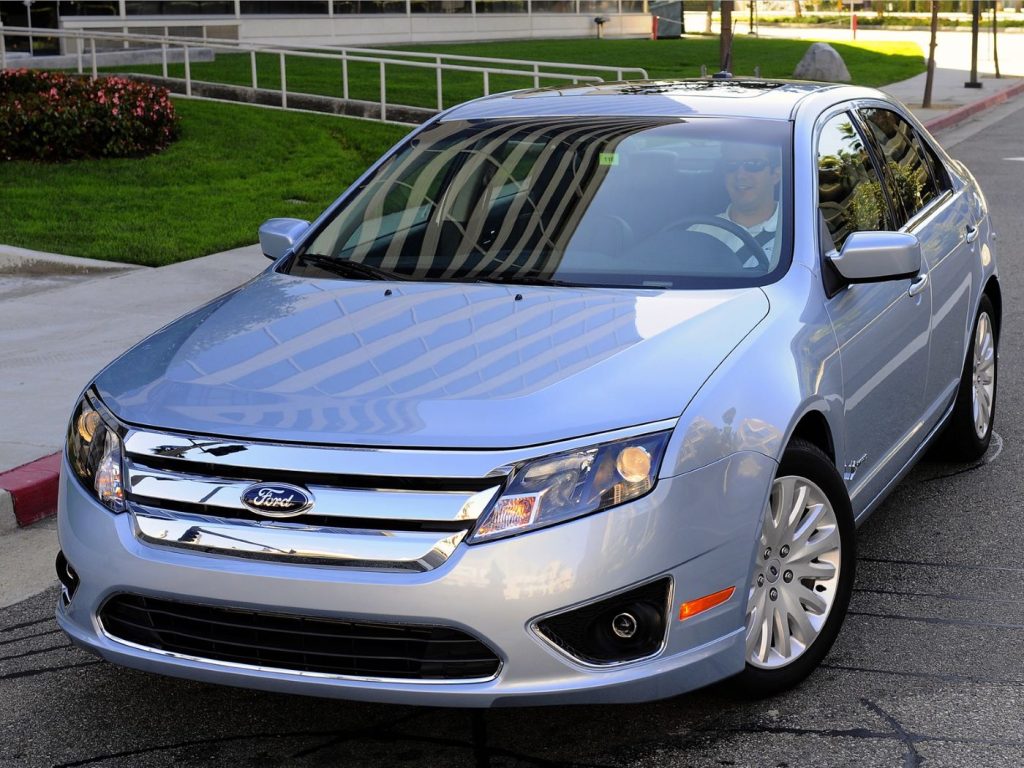
All-wheel drive is also still available, adding versatility that many competitors don’t offer. Standard safety features help keep the Fusion competitive, with blind-spot monitoring, lane keeping assist, and forward collision mitigation included.
Out on the road, the Fusion continues to impress with a quiet and roomy interior, a comfortable yet composed balance between ride quality and handling, and a generously sized trunk that adds practicality.
Despite its strengths, the Fusion does face stiff competition from rivals that bring more polish or value. The Honda Accord and Mazda 6 stand out for being more refined and more engaging to drive, while the Hyundai Sonata and Kia Optima (now known as the K5) deliver strong feature sets at slightly lower prices.
Even so, the 2020 Ford Fusion deserves consideration if you’re shopping for a midsize sedan. Though its design is aging and its end is near, it remains a solid choice thanks to its comfort, technology, and overall usability.
9. Toyota Prius
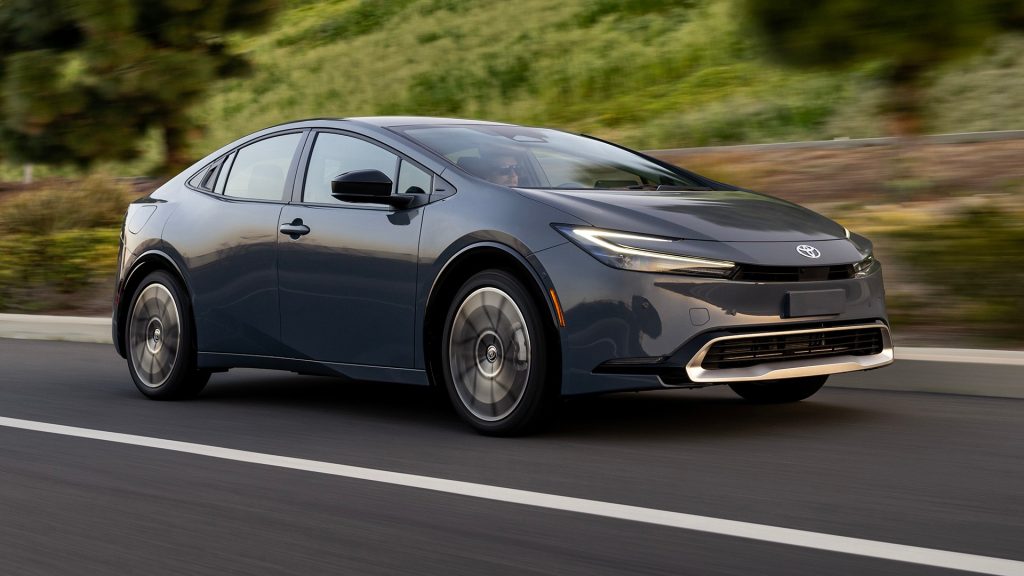
The Toyota Prius may be known as the poster child for hybrids, but it’s also one of the most reliable cars on the road. Many Americans are hesitant about hybrid longevity, yet countless Prius models have surpassed 200,000 miles without major issues.
Battery replacement costs have dropped over time, making ownership more affordable than ever. For buyers looking for fuel savings and long-term dependability, the Prius is proof that reliability and efficiency don’t have to cost a fortune.
10. Nissan Altima (with 2.5L engine)
The Nissan Altima has had its ups and downs, but models equipped with the naturally aspirated 2.5-liter four-cylinder are known to be dependable and relatively inexpensive to own.
Avoiding the higher-maintenance V6 options, buyers can find used Altimas that are reliable, fuel-efficient, and cheap to repair. While it may not match the Toyota Camry in bulletproof reputation, the Altima offers good value for drivers who want affordable dependability without stepping into luxury prices.
All 2025 Nissan Altima models are powered by a 2.5-liter four-cylinder engine that produces 188 horsepower and 180 pound-feet of torque, or 182 horsepower and 178 pound-feet when paired with all-wheel drive.
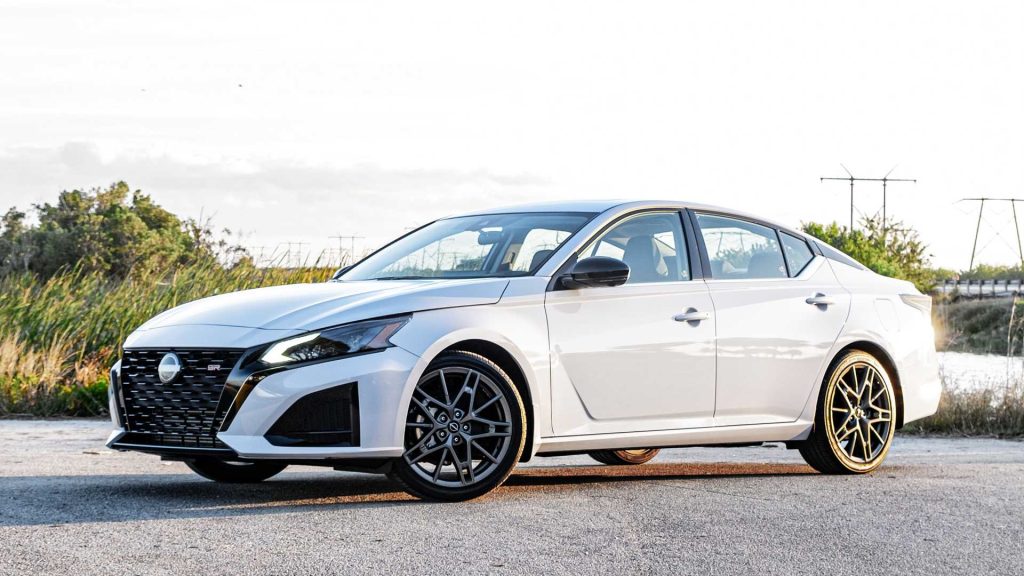
Power is delivered through a continuously variable automatic transmission (CVT), which, while efficient, takes away much of the fun from using the paddle shifters available on certain trims. When pushed hard, the four-cylinder can also get a bit noisy, though this isn’t the kind of car meant to be driven at its limits.
Dynamically, the Altima performs well enough, earning solid marks across the board. Steering is precise for its class, braking feels prompt and linear, and the ride remains comfortable even on the smaller 16- and 17-inch wheels. It manages to stay composed over rough pavement and road imperfections, giving the Altima a balanced and agreeable character for everyday driving.
11. Chevrolet Malibu (2010s models)
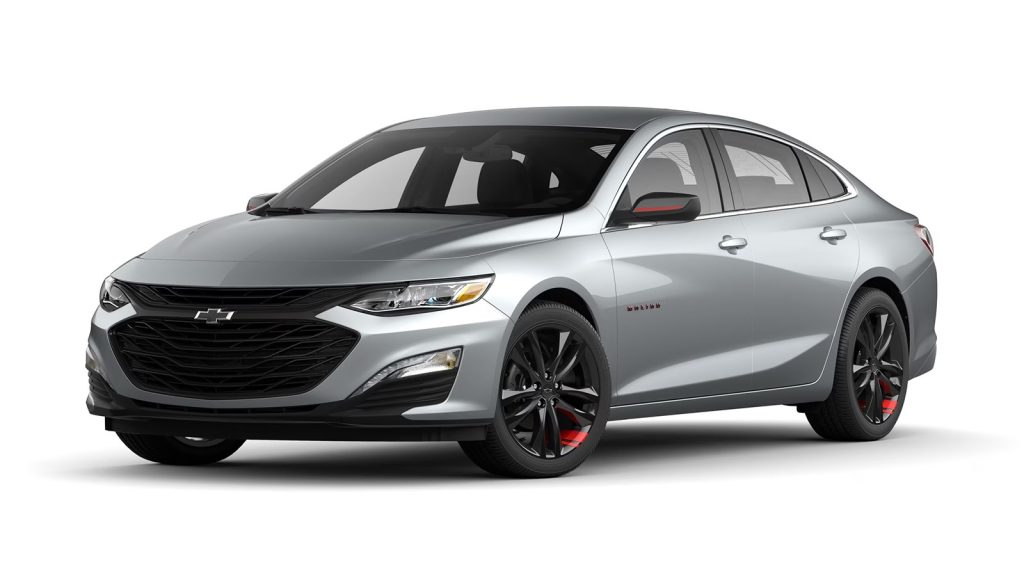
The Chevrolet Malibu doesn’t always get the attention of its Japanese rivals, but it has quietly proven to be a solid, affordable option for reliable transportation.
Later generations, especially those from 2016 onward, offer decent reliability ratings and low-cost ownership compared to more expensive sedans. For used buyers, Malibus often sell for less than competitors while still providing long-lasting service, making them an underrated budget-friendly choice.
12. Subaru Impreza
The Subaru Impreza rounds out this list as a reliable, affordable compact car with the added benefit of all-wheel drive. For drivers in snowy or rainy climates, that’s a huge plus. While some older Subarus had head gasket issues, newer generations have proven to be durable and trustworthy.
Routine maintenance is relatively inexpensive, and the Impreza’s ability to handle harsh weather makes it a dependable companion for American drivers on a budget.
Though compact in size, the Subaru Impreza makes a strong case for itself with impressive practicality, if not outright personality. Now offered exclusively as a hatchback, the Impreza combines standard all-wheel drive with a budget-friendly price, making it a reliable choice for buyers in four-season climates.
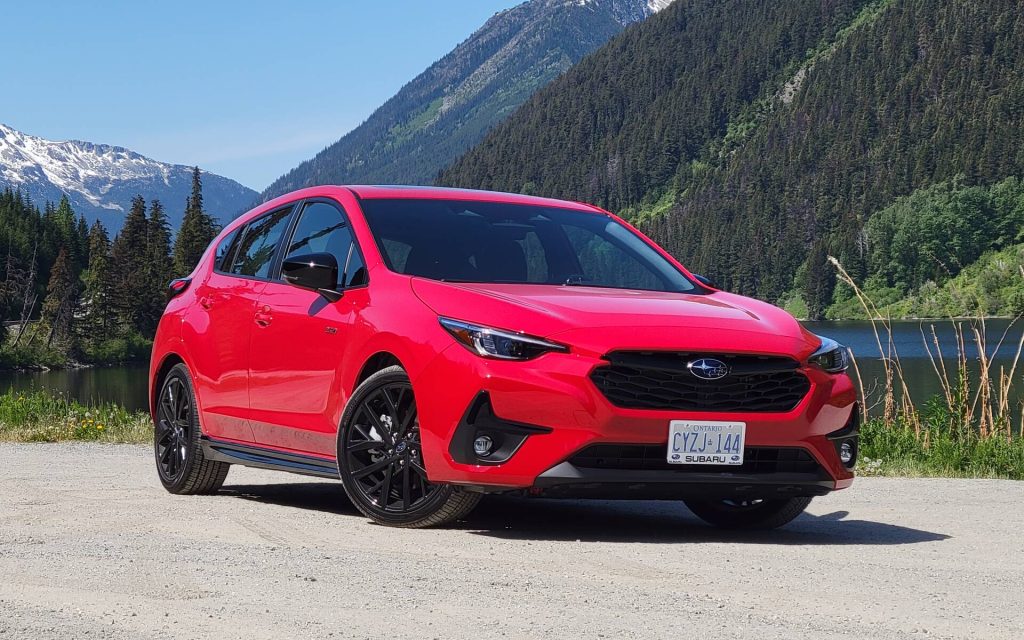
The hatchback body style enhances utility with extra cargo versatility, while the all-wheel-drive system provides the confidence to get home safely no matter the weather conditions.
Cars are no longer the central focus in dealership showrooms, and Subaru’s lineup reflects that shift. With the long-running Subaru Legacy discontinued for 2026, some speculate that the Impreza might also be nearing its end.
A key reason for this is the rising popularity of the Subaru Crosstrek, which is built on the Impreza’s platform but offers several advantages. The Crosstrek rides higher, boasting 8.7 inches of ground clearance, which not only makes it easier to get in and out but also enhances its SUV-like appeal.
For 2026, the Crosstrek also introduces a new hybrid powertrain aimed at improving fuel economy. However, buyers should note that the Crosstrek commands a higher price than the Impreza, making the latter the more affordable option in Subaru’s lineup.
What unites these 12 cars is their ability to deliver worry-free ownership without luxury-level costs. They:
- Offer Proven Longevity: Cars like the Corolla, Camry, and Prius are practically synonymous with durability.
- Keep Maintenance Costs Low: Models like the Civic, Fit, and Elantra are easy to service, with affordable parts.
- Provide Strong Value: Even domestics like the Ford Fusion and Chevy Malibu hold up better than expected, making them budget-friendly finds.
- Showcase Practicality: The Impreza’s AWD, Fit’s flexible interior, and Soul’s boxy design add everyday usability to reliability.
For many Americans, reliability is the top priority when buying a car, but it doesn’t have to come with a hefty price tag. Vehicles like the Toyota Corolla, Honda Civic, and Hyundai Elantra demonstrate that dependable transportation can also be affordable.
Even overlooked models such as the Chevrolet Malibu and Ford Fusion prove that buyers don’t need to chase luxury badges to find peace of mind.
If you’re in the market for a budget-friendly car that will go the distance without constant repair bills, these 12 vehicles prove reliability isn’t always expensive, it’s just about knowing where to look.
