
When it comes to SUVs, many buyers assume that durability comes only from well-known names like the Toyota 4Runner or Honda CR-V. While those models certainly deserve their reputations, the SUV market has seen plenty of underappreciated or overlooked vehicles that age better than expected.
Some of these models fly under the radar because they don’t have the flashiest branding, while others come from automakers not always associated with long-term reliability.
Yet, as many American drivers have learned through ownership, some SUVs prove surprisingly resilient. With proper care, they handle high mileage, rough weather, and daily abuse with far fewer issues than critics might predict. Here are 12 SUVs that hold together better than expected, defying assumptions and rewarding owners who took a chance on them.
1. Kia Sorento (2011–2015)
Kia wasn’t always known for reliability, but the second-generation Sorento helped change that perception. With improved engines, a sturdy frame, and better build quality than its predecessor, the Sorento from this era often lasts well beyond 200,000 miles. Many owners have been pleasantly surprised by how little major work these SUVs require.
The redesigned 2011 Kia Sorento arrives with a carlike unibody construction, delivering the smooth ride and refined driving manners that many American buyers now expect from crossovers.
Starting at about $20,000, it enters the same competitive space as compact SUV leaders like the Honda CR-V and Toyota RAV4, but Kia has given it some distinct advantages to stand out.
One of the Sorento’s biggest assets is its size. Longer than both the CR-V and RAV4, it offers an available third-row seat that can accommodate adults on short trips, something the RAV4’s cramped third row can’t claim, and a feature not offered at all on the CR-V.
Kia also provides a choice between a four-cylinder and a V6 engine, mirroring Toyota’s approach, while Honda sticks with a single four-cylinder option.
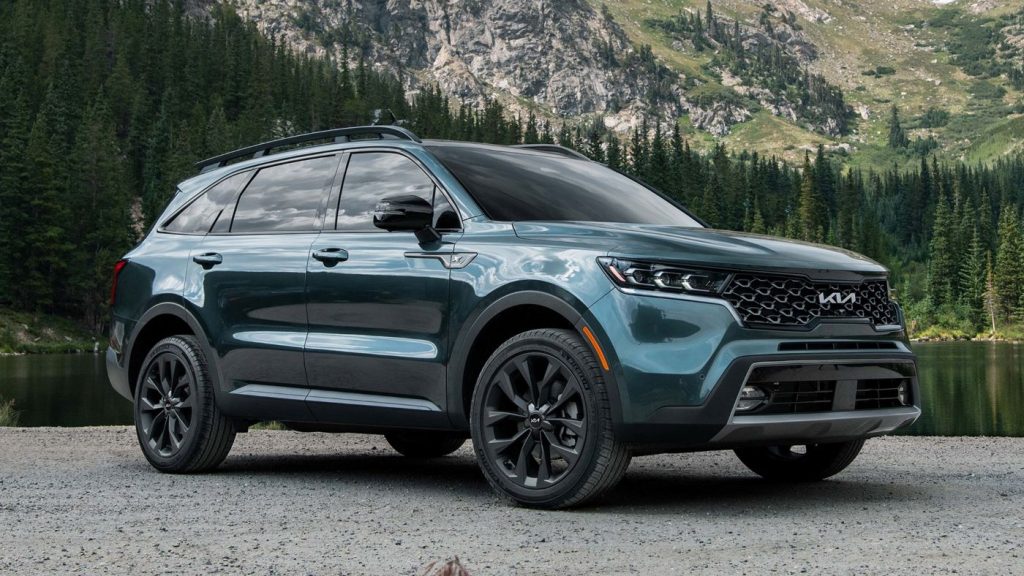
The base 2.4-liter four-cylinder, producing 175 horsepower, proves capable enough for daily use, especially around town. However, with the Sorento’s curb weight exceeding 3,600 pounds, the engine can feel strained when pushed and doesn’t match the fuel economy of the most efficient competitors.
Another drawback is the second-row seat, which lacks the sliding adjustment offered in some rival models, limiting rear passenger flexibility. Even with those caveats, the 2011 Sorento is an impressive package. Previous Kia models often earned consideration primarily for their affordability, but this SUV is competitive on merit.
Every Sorento trim begins with a 2.4-liter four-cylinder engine rated at 175 horsepower and 169 lb-ft of torque. The base version pairs this with a six-speed manual transmission, while higher trims feature a six-speed automatic.
Front-wheel drive is standard, with LX and EX models offering the option of all-wheel drive. The AWD system also includes a locking center differential, providing added traction in slippery conditions or during light off-road use.
Also Read: Top 10 Cars That Survive Teen Drivers and Keep Going
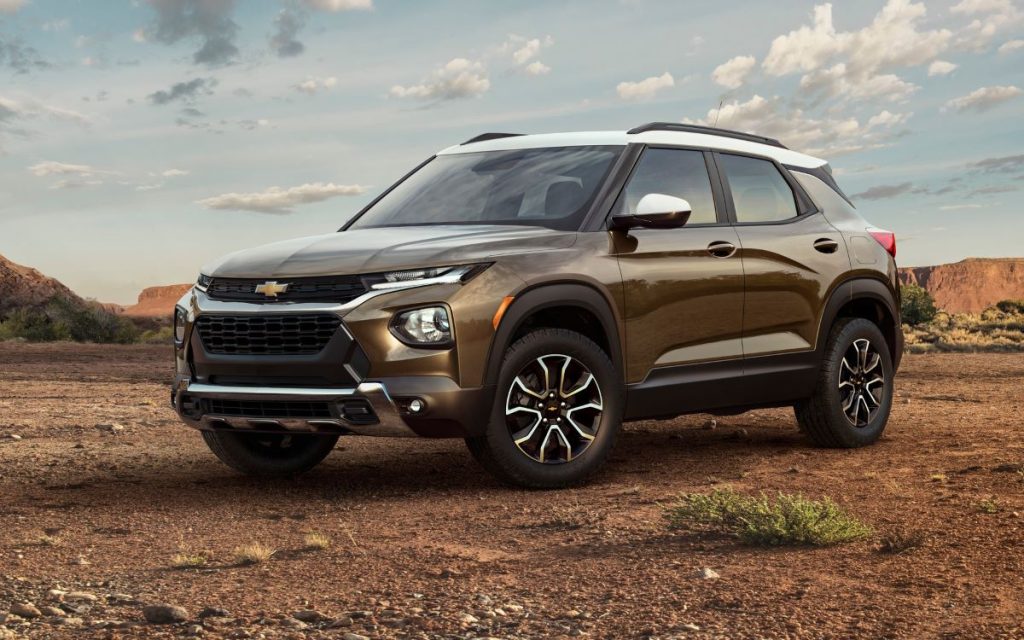
2. Chevrolet Trailblazer (2002–2009)
Though often overshadowed by larger Chevys, the mid-2000s Trailblazer is tougher than it’s given credit for. Equipped with the inline-six engine, it’s known to push high mileage with relatively few issues. While its interior hasn’t aged as gracefully, the drivetrain has proven far more durable than expected.
The Chevrolet TrailBlazer stands as one of the last traditional midsize SUVs still holding onto its truck-based roots at a time when buyers were increasingly shifting toward more carlike crossovers.
This body-on-frame design gives the TrailBlazer genuine strengths in off-road performance and towing capacity, but it also limits its appeal for shoppers who prioritize sharp handling, interior flexibility, or modern refinement.
Last fully redesigned in 2002, the TrailBlazer is showing its age. While its ride quality and overall performance remain respectable, the interior design feels outdated, and the handling, never a strong suit, lacks the composure of newer rivals.
Seating capacity is another drawback, as most competitors offered optional third-row seating by 2008, while the TrailBlazer remained a strict five-passenger SUV.
That said, the 2008 Chevrolet TrailBlazer can still be a sensible pick for buyers who need an SUV primarily for towing or regular off-road driving. The high-performance TrailBlazer SS adds another dimension with its V8 power and unique character, catering to enthusiasts who want speed in a utility vehicle.
For most shoppers, though, alternatives like the Ford Explorer and Toyota 4Runner deliver more refined cabins, more confident handling, and the flexibility of three-row seating, making them better-rounded choices in the midsize SUV segment.
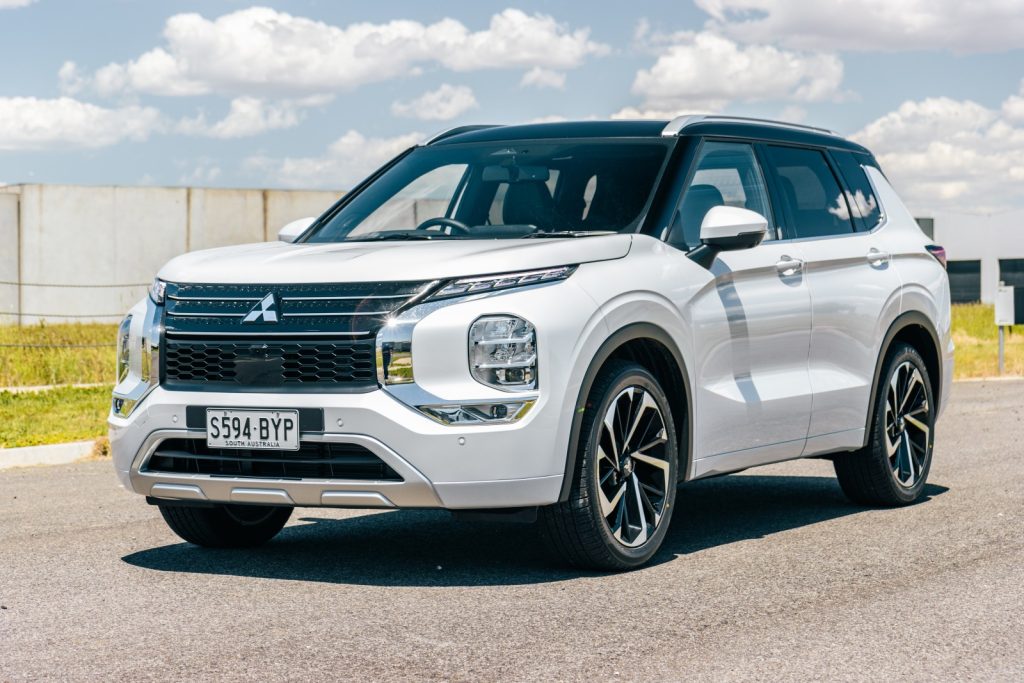
3. Mitsubishi Outlander (2014–2019)
Mitsubishi doesn’t have the strongest reputation in the US, but the Outlander quietly delivers solid long-term dependability. Its straightforward four-cylinder engines and simple AWD system keep maintenance costs down. Owners often report clocking over 150,000 miles with minimal drama.
The 2019 Mitsubishi Outlander stands out as one of the most affordable SUVs on the market with standard three-row seating, giving budget-minded families an appealing entry point.
It also offers a respectable list of features and even an available V6 engine, which at first glance makes it seem like a solid value. However, a closer look reveals some shortcomings that keep it from measuring up to the strongest rivals in its class.
On the road, the Outlander is not particularly engaging to drive. The base four-cylinder engine feels underpowered and can get noisy under acceleration, while the optional V6 delivers more strength but comes at the cost of disappointing fuel economy, and it’s reserved for the highest trim level.
As for the third-row seat, it’s a nice feature to have at this price, but it’s cramped to the point of being useful only for small children or occasional use.
For shoppers who need seven-passenger seating on a strict budget, the Outlander still makes a case for itself.
But in today’s crowded crossover SUV market, nearly every rival offers a more refined driving experience, better interiors, or greater overall practicality. That makes the 2019 Mitsubishi Outlander a tough sell unless price is the absolute top priority.
4. Dodge Durango (2011–2018)
With its muscular styling, the Durango might look like a performance-focused SUV, but its longevity is surprisingly strong.
Both the Pentastar V6 and the HEMI V8 have proven resilient when maintained properly. Many families who bought a Durango for space and towing power have found that it stays tight and dependable after years of use.
Dodge has always taken a different approach from most mainstream automakers. Where others focus on bland four-cylinder family sedans, Dodge builds cars with attitude, from the Charger muscle sedan to the big, brawny Durango SUV.
And while many brands rush to redesign their crossover lineups every few years, Dodge continues to refine the same formula, keeping the Durango competitive despite this generation’s debut back in 2011.
A major update in 2014 introduced an excellent eight-speed automatic transmission and an upgraded interior anchored by Chrysler’s intuitive 8.4-inch touchscreen.
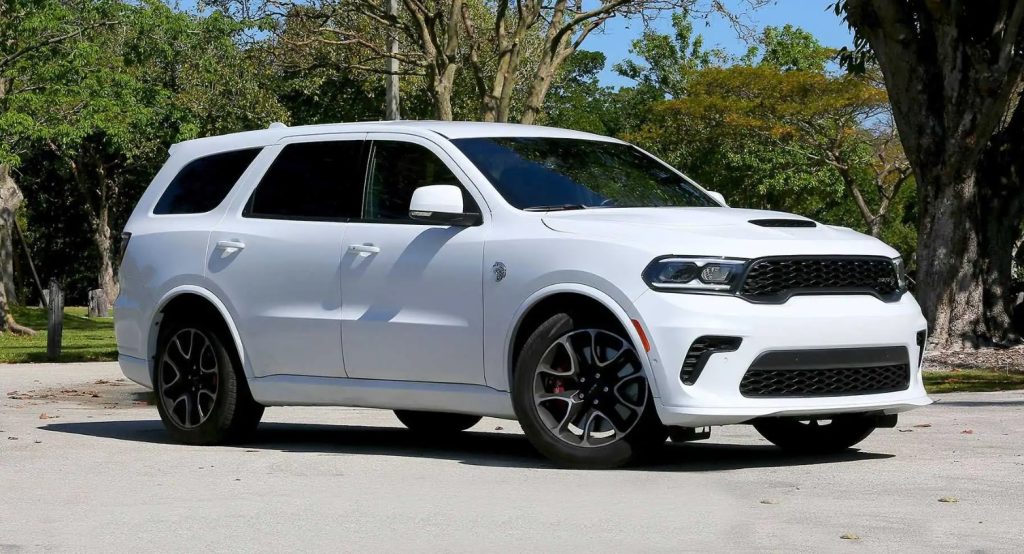
For 2018, Dodge adds even more excitement with the introduction of the SRT model, a high-performance version that delivers 475 horsepower, rockets from zero to 60 mph in just 4.4 seconds, and can tow up to 8,600 pounds. No other mainstream three-row SUV offers anything that comes close to this blend of muscle and utility.
Beyond the SRT, the Durango’s fundamentals remain its strongest draw. It’s one of the few midsize crossovers with a truly adult-friendly third row, and its available V8 engines give it best-in-class towing capacity.
That said, its heft is both a blessing and a curse: the Durango feels planted and powerful on the highway, but its considerable weight drags down fuel efficiency and makes the base V6 feel overworked in certain situations. Opting for a V8 solves that issue, though at the cost of significantly higher fuel bills.
If you can match a powertrain to your needs, the 2018 Dodge Durango is still one of the most versatile and capable three-row SUVs on the market.
Whether you’re looking for maximum towing muscle, usable family space, or a performance edge that no rival can match, Dodge’s aging but proven Durango remains a standout choice.
Also Read: 10 Most Desirable Cars That Enthusiasts Keep Forever
5. Hyundai Santa Fe (2013–2018)
Hyundai’s quality improvements over the last decade show clearly in the Santa Fe. This SUV has held up remarkably well, with its V6 models earning particular praise for smooth, durable engines.
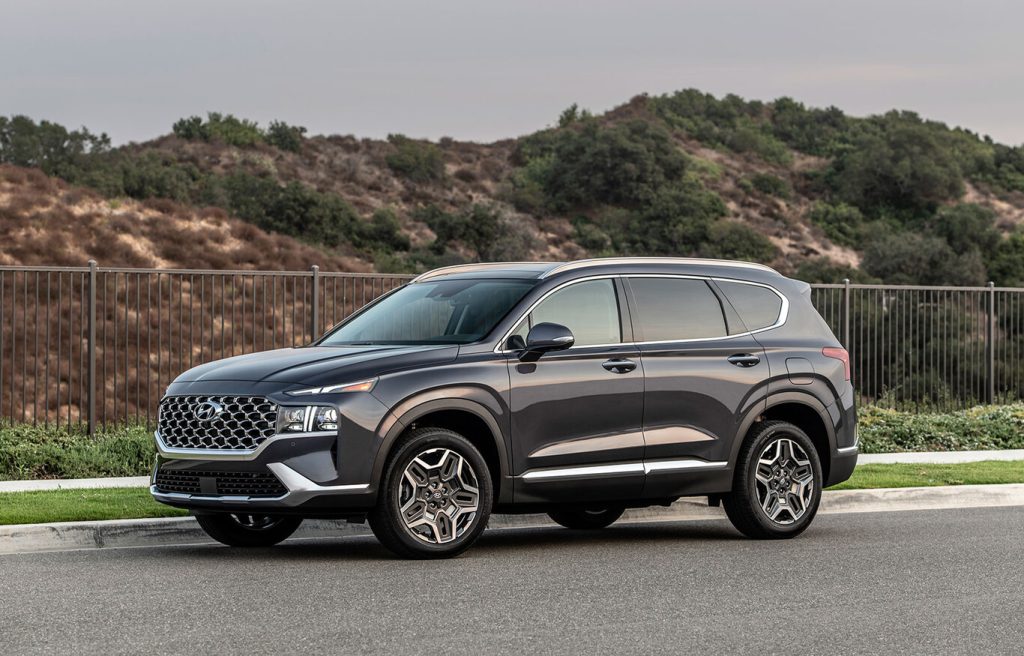
The Santa Fe combines comfort and longevity, often surprising owners who didn’t expect Hyundai to compete with Honda or Toyota in this department.
6. Suzuki Grand Vitara (2006–2013)
Suzuki may have exited the US market, but the Grand Vitara remains a hidden gem. With its body-on-frame construction and available four-wheel drive, this small SUV was built tougher than most of its rivals.
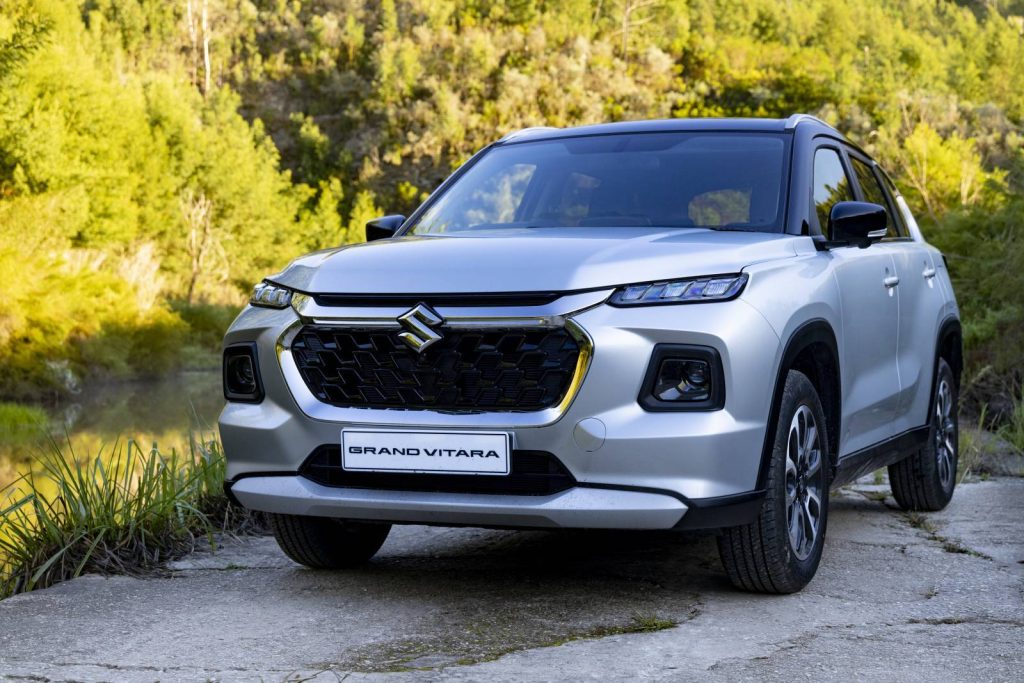
Many of the remaining Grand Vitaras are still running strong, showing that Suzuki left behind some surprisingly durable vehicles.
7. GMC Envoy (2002–2009)
Sharing much of its DNA with the Chevrolet Trailblazer, the GMC Envoy also exceeds expectations. Its inline-six engine is one of GM’s most reliable designs of the era, and the SUV’s frame and suspension are more robust than critics credited at the time. It’s not glamorous, but it holds together in ways few anticipated.
GMC’s first-generation Envoy was little more than a dressed-up Jimmy, and despite a strong V6 and plenty of available options, it never stood out in a crowded midsize SUV field.
For 2002, however, GMC ditches the Jimmy name entirely and reintroduces the Envoy as its sole midsize sport-utility. This time, it arrives with the engineering, refinement, and features to seriously challenge rivals like the fully redesigned 2002 Ford Explorer.
The new Envoy benefits from a longer and wider body that gives it a more substantial presence and much-needed interior space. Its ride and handling are also vastly improved thanks to an all-new hydroformed frame that delivers stiffness typically found only in high-end sedans.
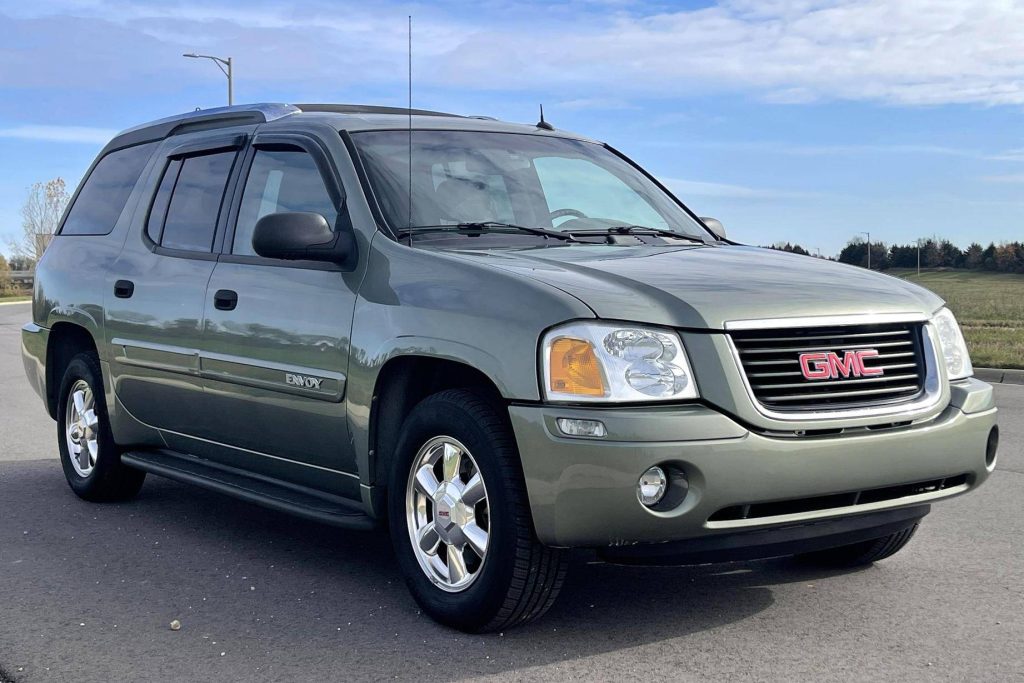
The suspension has been reworked as well, with dual A-arms and coilover shocks in the front and a five-link coil spring setup in the rear. Buyers can also opt for an electronically controlled rear air suspension, which provides automatic load leveling and a more cushioned ride.
Power comes from GM’s all-new 4.2-liter inline six-cylinder engine. With 270 horsepower and 275 lb-ft of torque, it produces more power than many of its rivals’ V8s, giving the Envoy a commanding edge in its class.
Better still, the engine delivers peak torque at just 1,600 rpm, ensuring smooth, consistent power delivery whether merging onto the highway or pulling a trailer.
Inside, the cabin feels far more spacious and refined than the outgoing model, comfortably accommodating five adults with ease.
While GMC has plans to launch an extended-wheelbase version with third-row seating in the near future, for now, the Envoy’s two-row layout leaves it trailing competitors like the Explorer and Dodge Durango in outright passenger capacity.
With its powerful new engine, sturdier frame, and significantly improved comfort, the 2002 GMC Envoy marks a dramatic leap forward. No longer just a rebadged Jimmy, it finally stands as a serious player in the midsize SUV segment.
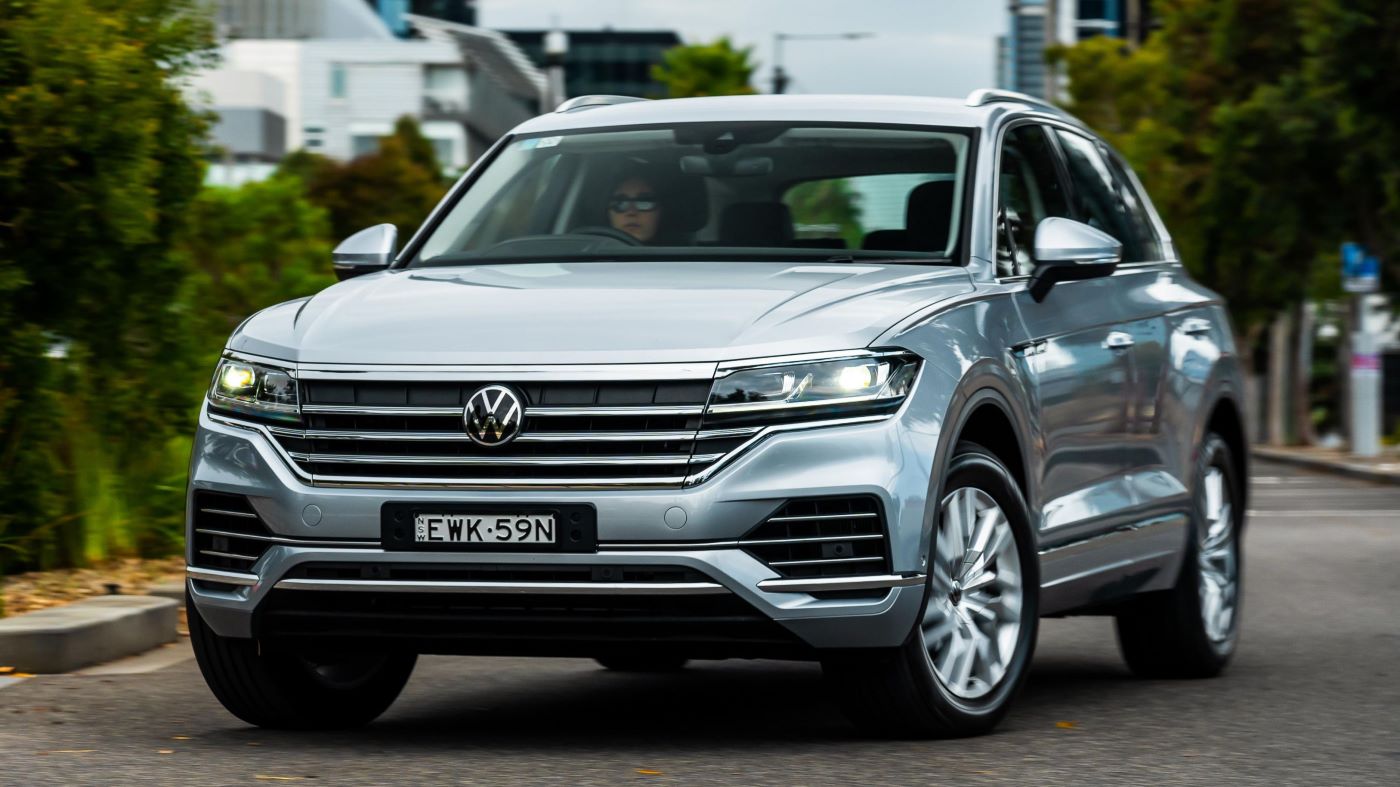
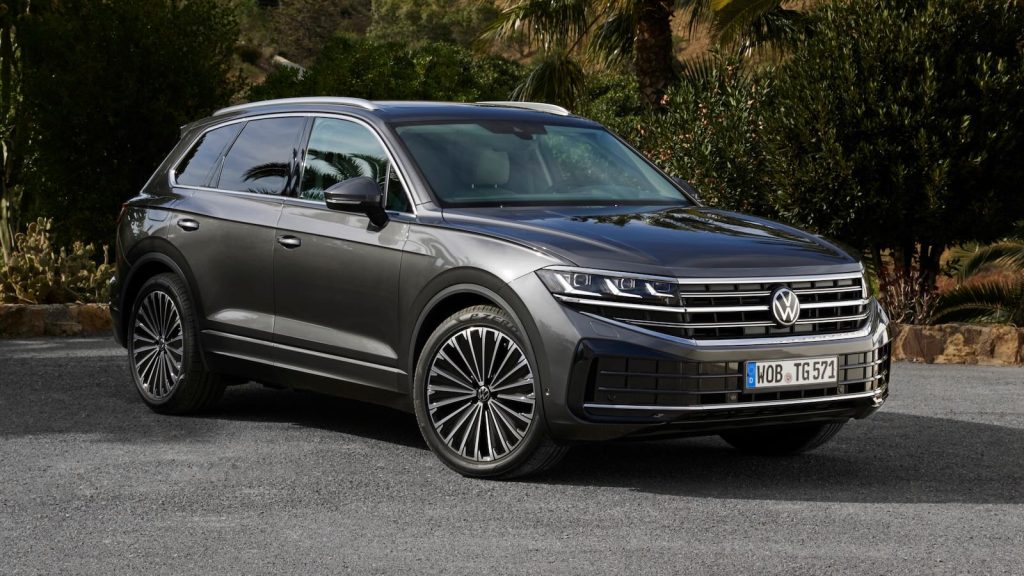
8. Volkswagen Touareg (2004–2010)
German luxury SUVs often come with reputations for costly maintenance, but the first-generation VW Touareg with the V6 engine has proven more resilient than expected. Owners who stick to regular servicing find that these SUVs can rack up impressive mileage, offering a mix of comfort and durability.
9. Jeep Liberty (2008–2012)
The Jeep Liberty often gets overlooked, but the final-generation models are more reliable than people think. With the 3.7-liter V6 and rugged suspension, the Liberty handles both city driving and light off-road use well. Many examples have surpassed 200,000 miles, surprising owners who assumed it wouldn’t last.
One could argue that Chrysler’s new V6, as seen in the Jeep Wrangler, could have helped the Liberty’s case, but the SUV’s shortcomings go far beyond its powertrain. Calling the interior “not up to par” would be too generous, it suggests the Liberty is competing on the same playing field as its rivals, when in reality, it’s not even in the same league.
Hard, cheap plastics dominate the cabin, the design is uninspired, the seats are flat and unsupportive, and the steering wheel doesn’t telescope, making it difficult to find an ideal driving position. With the Grand Cherokee setting a new benchmark for Jeep interiors, the Liberty feels outdated and in desperate need of a redesign.
That said, the Liberty’s saving grace is its rugged character and genuine four-wheel-drive capability. Properly equipped, it can venture farther off the beaten path than most buyers will ever dare to explore.
In fact, it offers significantly more off-road ability than crossovers like the GMC Terrain or Honda CR-V, making it appealing to drivers who prioritize trail-ready toughness over suburban comfort.
Still, if off-road prowess is your top priority, better options exist. The Nissan Xterra and Toyota FJ Cruiser both deliver superior capability on rough terrain while also offering more refined on-road manners and higher-quality interiors. Even within Jeep’s own lineup, the Wrangler remains the more obvious and authentic choice for serious off-roaders.
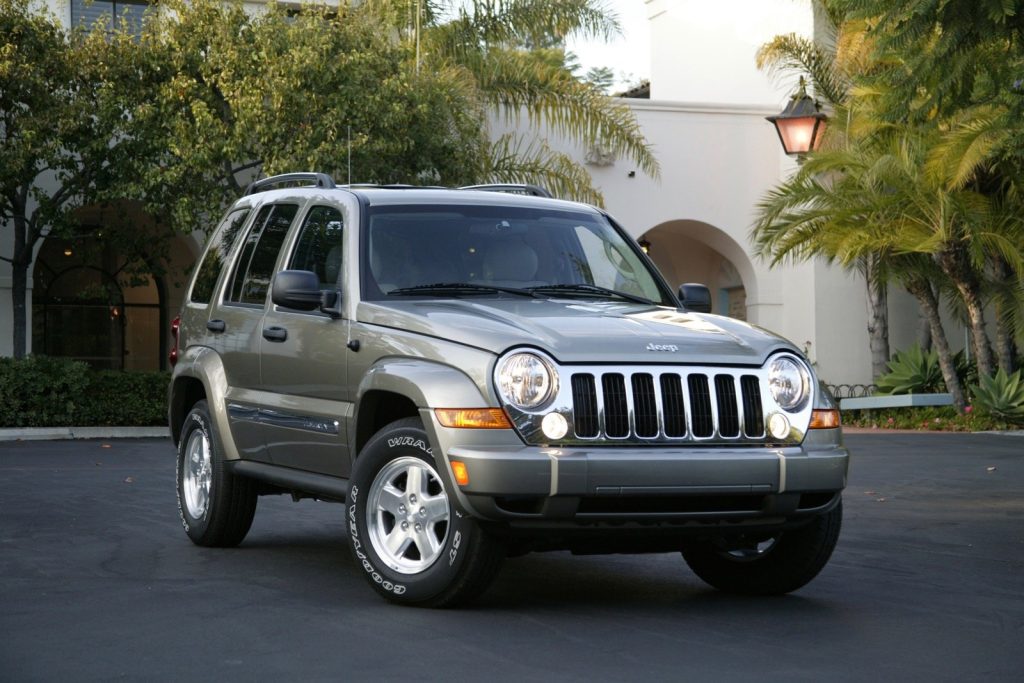
In the end, while the 2012 Jeep Liberty earns respect for its durability and rugged nature, it’s hard to recommend in the highly competitive compact SUV market.
Until Jeep gives it a thorough redesign, shoppers are better served by alternatives like the Subaru Forester or all-wheel-drive versions of the Toyota RAV4, Honda CR-V, or GMC Terrain, which balance everyday comfort with light off-road versatility.
The 2012 Jeep Liberty is powered by a 3.7-liter V6 that produces 210 horsepower and 235 lb-ft of torque. A four-speed automatic transmission is the only option, paired with standard rear-wheel drive.
Buyers can upgrade to either the part-time Command-Trac or full-time Selec-Trac four-wheel-drive systems. When properly equipped, the Liberty can tow up to 5,000 pounds, which is impressive for its class but not enough to overcome its dated design and mediocre efficiency.
10. Ford Edge (2011–2014)
As a midsize crossover, the Ford Edge was designed more for comfort than toughness. Yet, models equipped with the 3.5-liter V6 have turned out to be impressively long-lived. Many owners report that these Edges keep going strong with only routine maintenance, defying the stereotype that Ford crossovers don’t age well.
The Ford Edge hasn’t exactly lived up to its name in recent years, often overshadowed by Ford’s more exciting redesigns. However, the 2011 model receives a significant refresh that breathes new life into this midsize crossover SUV, making it far more compelling than before.
From the outside, the Edge retains its athletic proportions but now carries a bolder presence thanks to a larger chrome grille flanked by stylish LED running lights.
Buyers seeking a sportier appearance will find the Edge Sport especially appealing, with blackout trim replacing chrome accents and massive 22-inch wheels included as standard equipment. While some may find the grille a touch excessive, the overall design ranks among the most attractive in the segment.
Performance also sees meaningful improvements. The familiar 3.5-liter V6 engine has been retuned to produce 285 horsepower, a 20-hp increase over the previous year, while managing slightly better fuel efficiency.
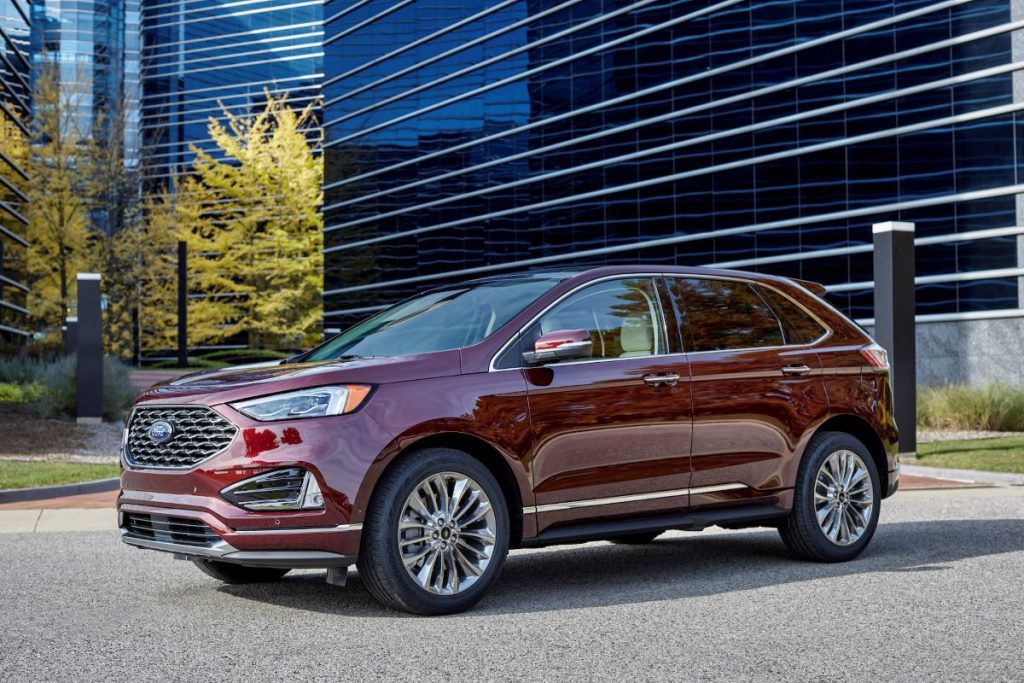
The Edge Sport distinguishes itself further with a 3.7-liter V6 that generates 305 horsepower and 280 pound-feet of torque, delivering an extra dose of performance. In addition, all 2011 Edge models benefit from upgraded braking hardware that shortens stopping distances by 20 percent and provides a more confident pedal feel.
Inside, the Edge makes perhaps its biggest leap forward. The cabin now feels more premium thanks to higher-quality materials and modern styling.
The introduction of Ford’s new MyTouch interface, paired with the existing Sync system, gives the Edge one of the most advanced tech setups in its class. Operated through a sleek touchscreen and enhanced voice commands, the system offers a smartphone-like experience for controlling navigation, entertainment, and connectivity features.
Altogether, the 2011 Ford Edge emerges as a strong contender in the midsize five-passenger crossover segment, combining bold looks, improved performance, and cutting-edge technology. Still, drivers focused on sharper handling may find the 2011 Nissan Murano more engaging, while those seeking greater family practicality might prefer the Toyota Venza.
11. Saturn Vue (2008–2010)
Saturn as a brand didn’t survive, but the last-generation Saturn Vue has quietly built a reputation for reliability. Models with the 3.6-liter V6 and GM underpinnings often outlast expectations, making this discontinued SUV a surprising bargain in the used market.
The 2008 Saturn Vue bears little resemblance to the SUV it replaces, marking a complete transformation for the nameplate.
The previous Vue managed to stand out in the compact SUV crowd with some unusual traits, like its dent-resistant body panels that could shrug off shopping cart bumps and careless door swings.
It also offered advanced transmission options for its time, including a five-speed automatic and a continuously variable transmission, while a later Honda-sourced V6 injected surprising straight-line speed. For enthusiasts, the Red Line version featured a track-tuned suspension, larger wheels, and sporty styling cues.
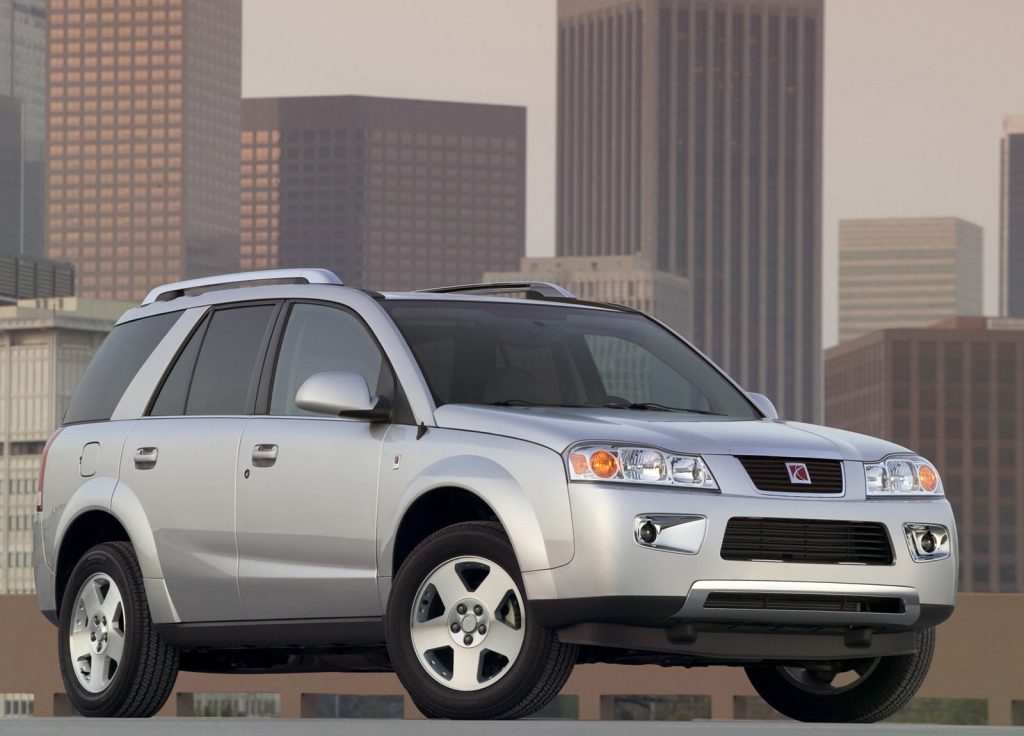
Yet for every clever feature, there were just as many drawbacks. The original Vue’s interior looked and felt as though it had been designed by a toy company, with cheap plastics and poor fit and finish undermining its appeal.
Handling was another sore spot, with vague and lifeless steering that kept it from being competitive. A 2006 refresh addressed some of these shortcomings, but by then rivals had already leapt ahead with more polished and thoroughly redesigned offerings.
With the 2008 model, Saturn has essentially started from scratch by turning to its European Opel division for inspiration. The new Vue, which is closely related to the Opel Antara, trades the blocky, plastic-bodied design of the past for more refined sheet metal and a sleeker, modern profile.
Although its dimensions haven’t changed dramatically, the wheelbase remains the same while overall width and height grow slightly, the shift to traditional steel construction alone makes the Vue feel like a much more conventional and upscale SUV.
Importantly, the improvements run deeper than just styling. The cabin has been completely overhauled with a design that feels welcoming and modern, while driving dynamics have been sharpened significantly.
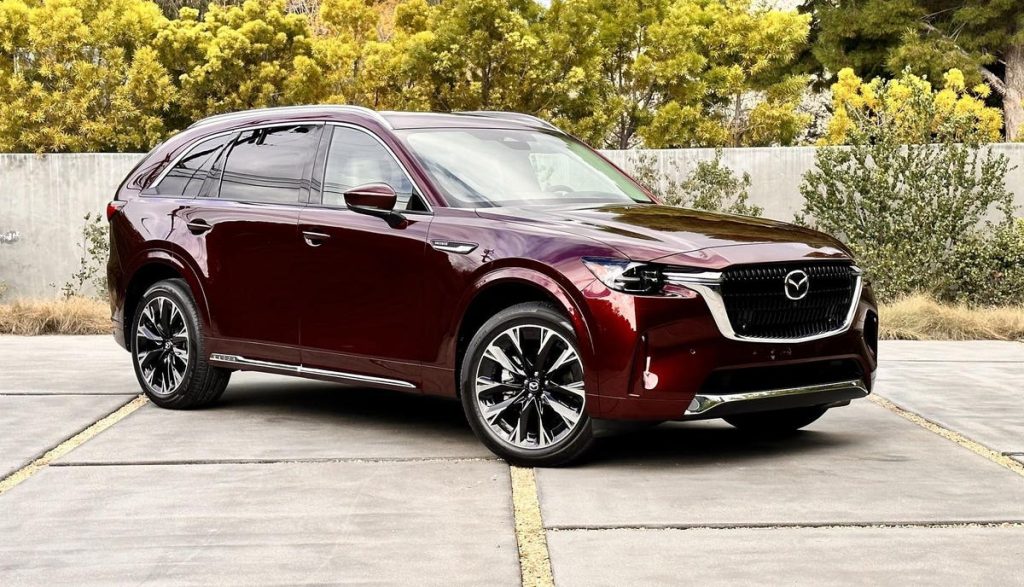
12. Mazda CX-9 (2010–2015)
Mazda is best known for sporty cars, but the CX-9 has proven to be a durable family hauler. Its V6 engine and well-built chassis have aged well, with many models still driving smoothly after more than a decade. Owners often mention being impressed by how solid the CX-9 feels compared to rivals.
Not every SUV that stands the test of time wears a Toyota or Honda badge. From overlooked American models like the GMC Envoy and Dodge Durango to surprising imports like the Mitsubishi Outlander and Suzuki Grand Vitara, these SUVs hold together better than most people expect.
For buyers in the US who want a dependable vehicle without following the usual crowd, these twelve SUVs prove that reliability can come from unexpected places.
