Electric cars have quickly become a big part of today’s transport world. They promise clean energy, quiet drives, and low running costs. But one question remains in many people’s minds can an electric car last as long as a petrol car?
For years, car buyers have trusted petrol and diesel vehicles because they could run for hundreds of thousands of miles if maintained well. Mechanics know how to repair them, and drivers are familiar with their limits. Electric cars, however, are still seen as “new.”
The worry is simple: batteries don’t last forever. People often compare them to phone or laptop batteries, which lose charge over time. Many wonder if the same problem will happen with cars, making them less reliable after a few years.
But reality is proving these doubts wrong. Around the world, many electric cars have already crossed 200,000 miles a distance that shows serious strength. Some of these cars are used as taxis, shuttles, or daily commuters, and they continue to perform without major issues.
Tesla was one of the first brands to prove that electric cars could last. Its Model S has gone beyond 200k miles with only a small battery loss. Other brands like Hyundai, Kia, and Nissan have also shown impressive results.
What makes this even more encouraging is that many of these cars are still running on their original batteries. Instead of failing early, the batteries often keep more than 80–90% of their original capacity, which is more than enough for daily driving.
This long life is partly because electric cars have fewer moving parts. There are no oil changes, exhaust systems, or complex gearboxes. With less to break down, they age more slowly than traditional cars, needing only basic maintenance.
Crossing 200,000 miles is not just a number it is proof that electric cars are reliable companions for the long road. They show that switching to clean energy does not mean giving up strength or endurance. In fact, EVs can last longer than many expect.
The future looks bright for electric vehicles. As more cars pass this milestone, trust in EVs will grow stronger. Soon, seeing electric cars with half a million miles on the clock may become a normal story.
Also read:12 Cars That Constantly Drive Owners Crazy
1) Tesla Model S
The Tesla Model S is often seen as the car that changed the way people think about electric vehicles. It proved that an EV could be stylish, fast, and practical. More importantly, it showed real durability by crossing 200,000 miles.
One of the most famous examples is the Tesloop shuttle service in California. The company used a Tesla Model S to carry passengers between Los Angeles, Las Vegas, and other nearby cities. This single car drove thousands of miles every month.
In just a few years, the Tesloop Model S reached more than 200,000 miles. What surprised experts was the battery condition. Even after this heavy use, the battery had lost only about 6% of its original capacity, which is very low.
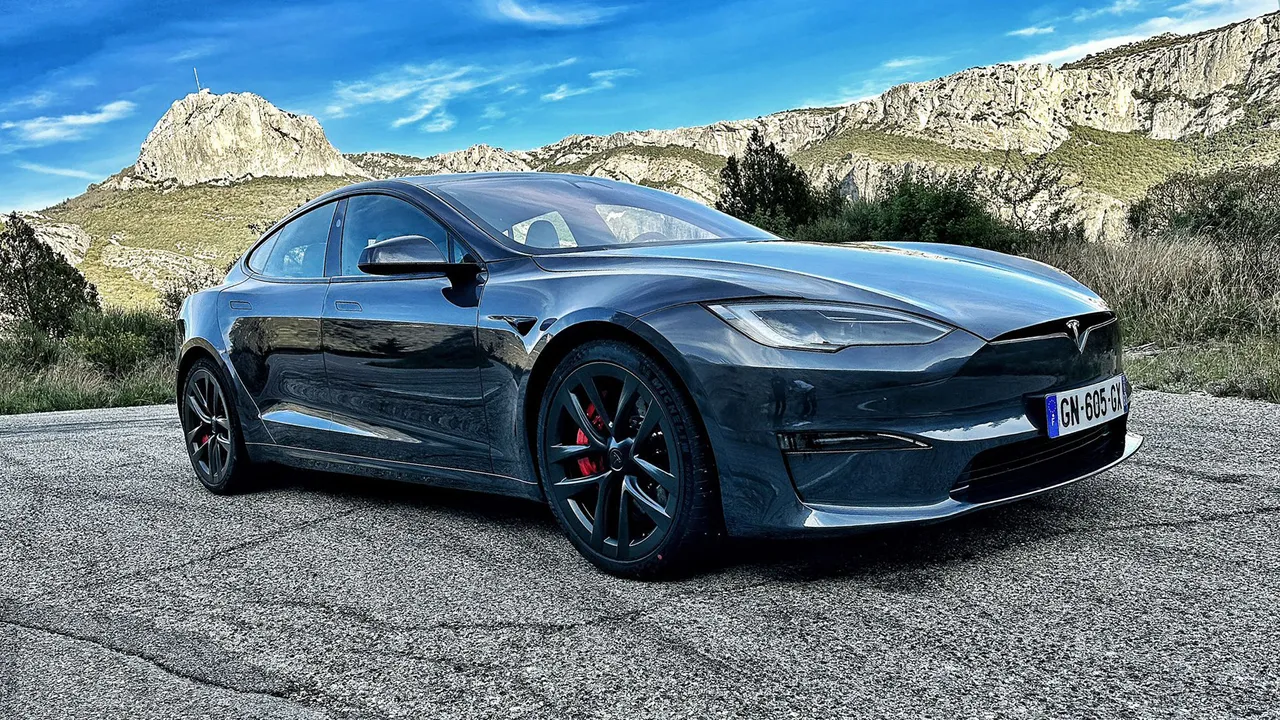
This result gave confidence to EV owners worldwide. Many people were worried that an electric car’s battery would fade quickly, similar to a phone or laptop battery. But Tesla proved that a properly managed EV battery could last for hundreds of thousands of miles.
Apart from the battery, the electric motor and drivetrain of the Model S also proved very strong. Unlike petrol engines, there are fewer moving parts, meaning less wear and tear. With proper maintenance, these systems can last far longer than expected.
Today, many Tesla Model S owners proudly report passing the 200,000-mile mark on their personal cars as well. Some are even approaching 300,000 miles. This makes the Model S one of the best examples of EV durability on the market.
The success of the Tesla Model S at high mileage proves that electric cars can go the distance. With strong batteries, reliable motors, and low maintenance needs, it is clear that EVs are built not only for speed but also for longevity.
2) Tesla Model X
Just like the Model S, the Model X shares Tesla’s advanced battery technology and strong electric drivetrain. These features help it cover long distances without major issues. Several ride-hailing drivers and commercial users have already tested this SUV beyond 200,000 miles.
The large size of the Model X makes it heavier than the Model S, leading some people to doubt its long-term durability. However, real-world cases prove that Tesla’s battery management system works well, even under the extra weight and daily city driving.
Apart from the battery, the dual-motor setup of the Model X also shows great endurance. Electric motors are far simpler than petrol engines, with fewer parts to wear out. Many high-mileage owners report little to no issues with the motors.
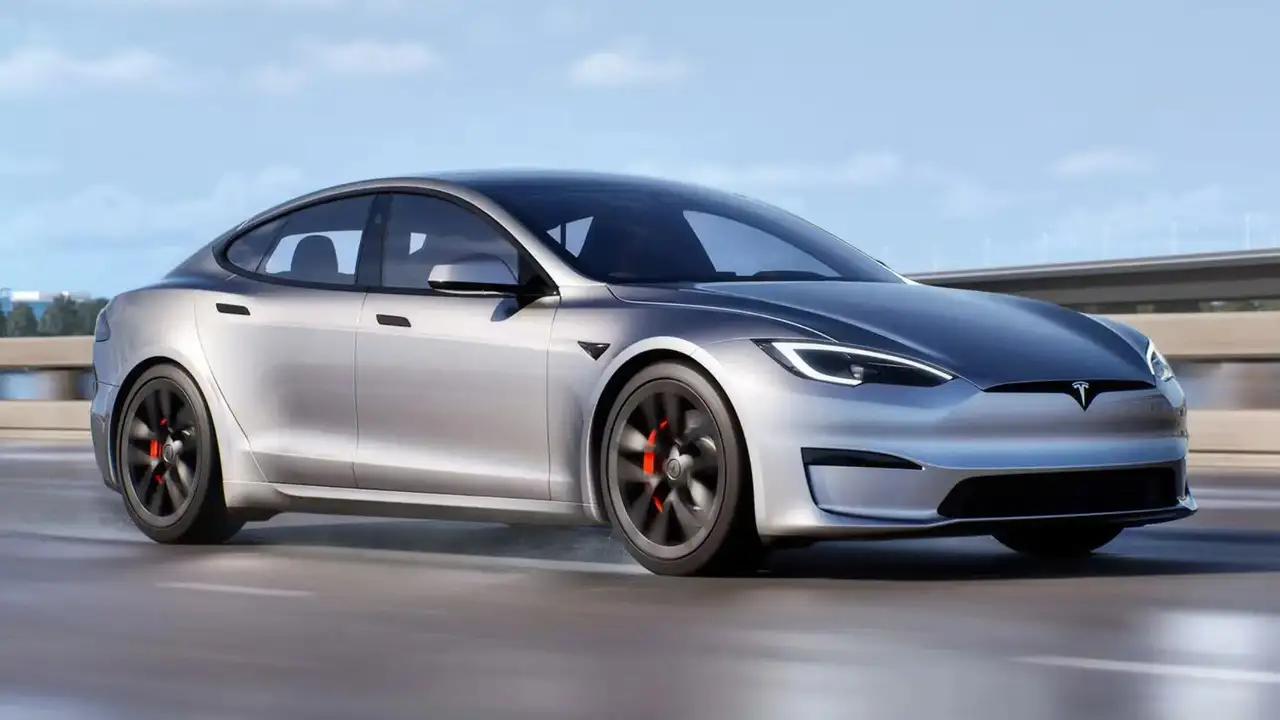
Another reason the Model 3 performs so well at high mileage is its minimalist design. The car has fewer mechanical parts compared to traditional vehicles. This reduces the risk of breakdowns and allows drivers to focus on simple maintenance like tires and brakes.
One famous story comes from a Model 3 owner in Canada who used his car for daily commuting and long trips. By the time he crossed 200,000 miles, his battery had only lost around 10%, showing the strength of Tesla’s battery chemistry.
The car’s durability is also supported by Tesla’s continuous software updates. These updates improve efficiency, navigation, and driving features, which makes even a high-mileage Model 3 feel fresh and up-to-date. This adds to its long-term value compared to older petrol cars.
Also read: 12 Classic Cars That Are Still Daily Driven Regularly
3) Tesla Model Y
The Tesla Model Y has quickly become one of the best-selling electric vehicles worldwide. Launched in 2020, it offers the practicality of an SUV with the affordability of the Model 3. Despite being newer, many Model Y cars have already crossed 200,000 miles.
The dual-motor all-wheel-drive versions of the Model Y are especially strong. The electric motors have very few moving parts, resulting in minimal wear over time. Owners report reliable performance, smooth acceleration, and no major issues with the drivetrain even after years of use.
Like other Tesla vehicles, the Model Y benefits from over-the-air software updates. High-mileage owners have mentioned that updates keep their cars feeling modern. Improved efficiency and new features are added without replacing hardware, which extends the usefulness of the vehicle for years.
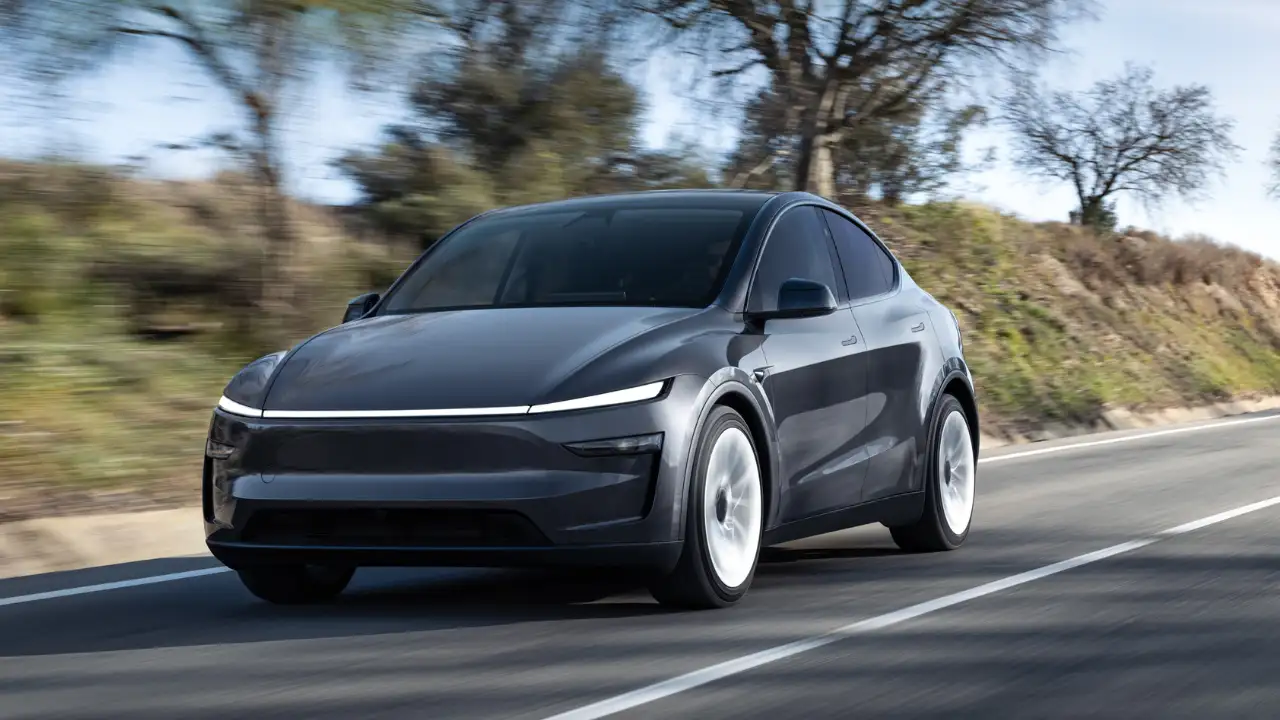
The Model Y’s combination of range, space, and durability makes it especially popular with families. Knowing that the SUV can handle more than 200,000 miles gives buyers confidence that their investment will last a long time, while also saving fuel and maintenance costs.
The Tesla Model Y is proving to be just as reliable as the Model 3 and Model S. With many examples already passing 200,000 miles, it shows that modern electric SUVs are ready to match or outlast petrol-powered family cars.
4) Hyundai Ioniq 5
The Hyundai Ioniq 5 has quickly gained attention as one of the most advanced electric cars of its time. With futuristic design, ultra-fast charging, and long range, it became a hit worldwide. But beyond style, it has also proven incredible durability past 200,000 miles.
Even more surprising, the original battery lasted about 360,000 miles before needing replacement. By that time, it still held around 87% of its original capacity, which is far better than what many expected. This proved Hyundai’s battery technology is highly reliable.
The reason for this strong performance lies in Hyundai’s advanced battery management system. It carefully monitors charging, temperature, and energy use to prevent early wear. Even though the owner often used fast charging, the battery remained healthy for hundreds of thousands of miles.
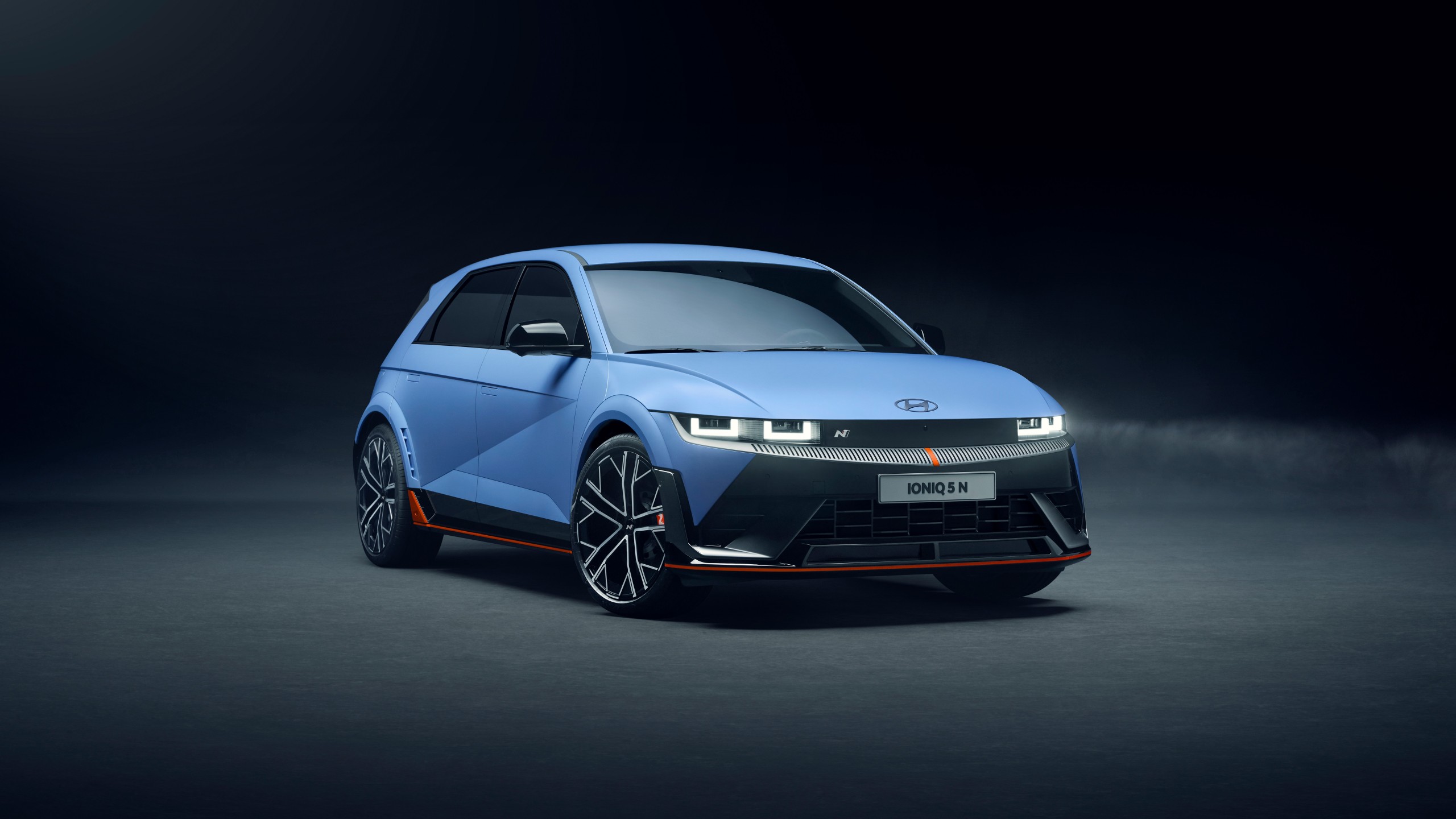
Apart from the battery, the electric motor and drivetrain of the Ioniq 5 also performed impressively. Electric motors have very few moving parts, so they can last far longer than traditional engines. High-mileage owners report smooth driving even after years of heavy use.
Maintenance costs for high-mileage Ioniq 5s are mostly related to normal items like tires, brakes, and suspension. These are expected in any vehicle with such long use. The core electric systems, however, showed little to no need for repair.
The durability of the Ioniq 5 has made it popular not only with families but also with fleet operators and taxi services. Knowing that the car can comfortably pass 200,000 miles and even approach 400,000 miles makes it a safe long-term investment.
5) Hyundai Kona Electric
The Hyundai Kona Electric may look like a compact city SUV, but it has proven to be much more than that. With excellent efficiency, long range, and affordable pricing, it has become one of the most trusted electric cars for long-distance driving.
Across Europe and Asia, the Kona Electric has been widely adopted as a taxi and ride-hailing vehicle. Many of these cars have already crossed 200,000 miles. Real-world fleet reports show strong performance, reliable batteries, and low maintenance costs even at high mileage.
One example comes from a taxi driver in Germany who crossed over 200,000 miles in just a few years. Despite daily use and frequent fast charging, the battery still retained about 90% of its original capacity, showing Hyundai’s strong battery design.
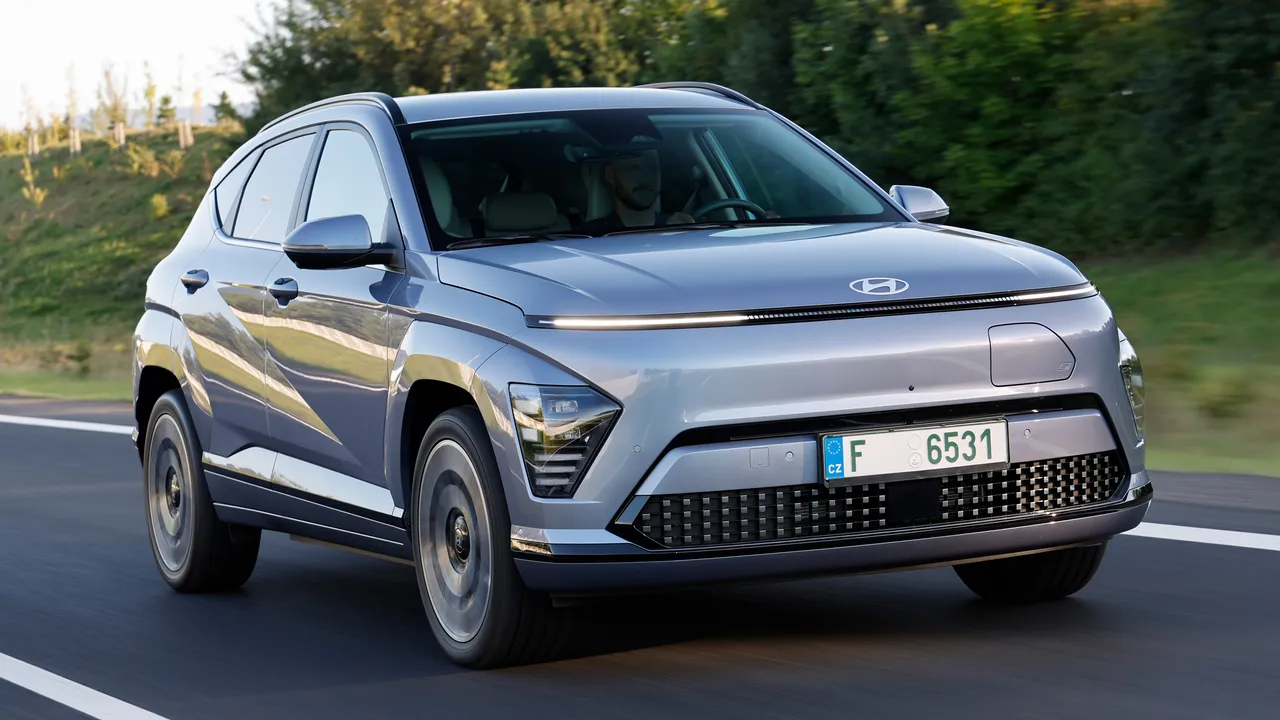
The Kona Electric’s efficiency also helps it reach high mileage more easily. With a relatively small battery, it still delivers excellent range. This means lower charging costs, fewer stops, and less stress on the battery compared to larger, heavier electric SUVs.
Owners of high-mileage Konas often report that the main maintenance costs come from regular wear-and-tear items like tires, brakes, and suspension parts. The electric drivetrain and battery remain dependable, making the car cheaper to run compared to petrol or diesel alternatives.
The Hyundai Kona Electric is not just a city car but a true long-distance performer. With many examples already passing 200,000 miles in demanding taxi fleets, it shows that affordable EVs can deliver both efficiency and long-lasting reliability.
6) Nissan Leaf (Second Generation)
The Nissan Leaf is one of the world’s first mass-market electric cars. Since its launch in 2010, it has helped thousands of people switch from petrol to electric. The second-generation Leaf, introduced in 2017, has shown that EVs can also last beyond 200,000 miles.
Several taxi operators in Europe and Asia have already reported their second-generation Leafs crossing 200,000 miles. These cars were used for daily city driving and highway travel, proving that the Leaf could handle heavy-duty use in professional fleets without failing early.
The simplicity of the Leaf’s design is another reason for its longevity. With no complex engine or gearbox, the car requires less maintenance. Most costs for high-mileage Leafs come from normal parts such as brakes, tires, and suspension rather than the electric system.
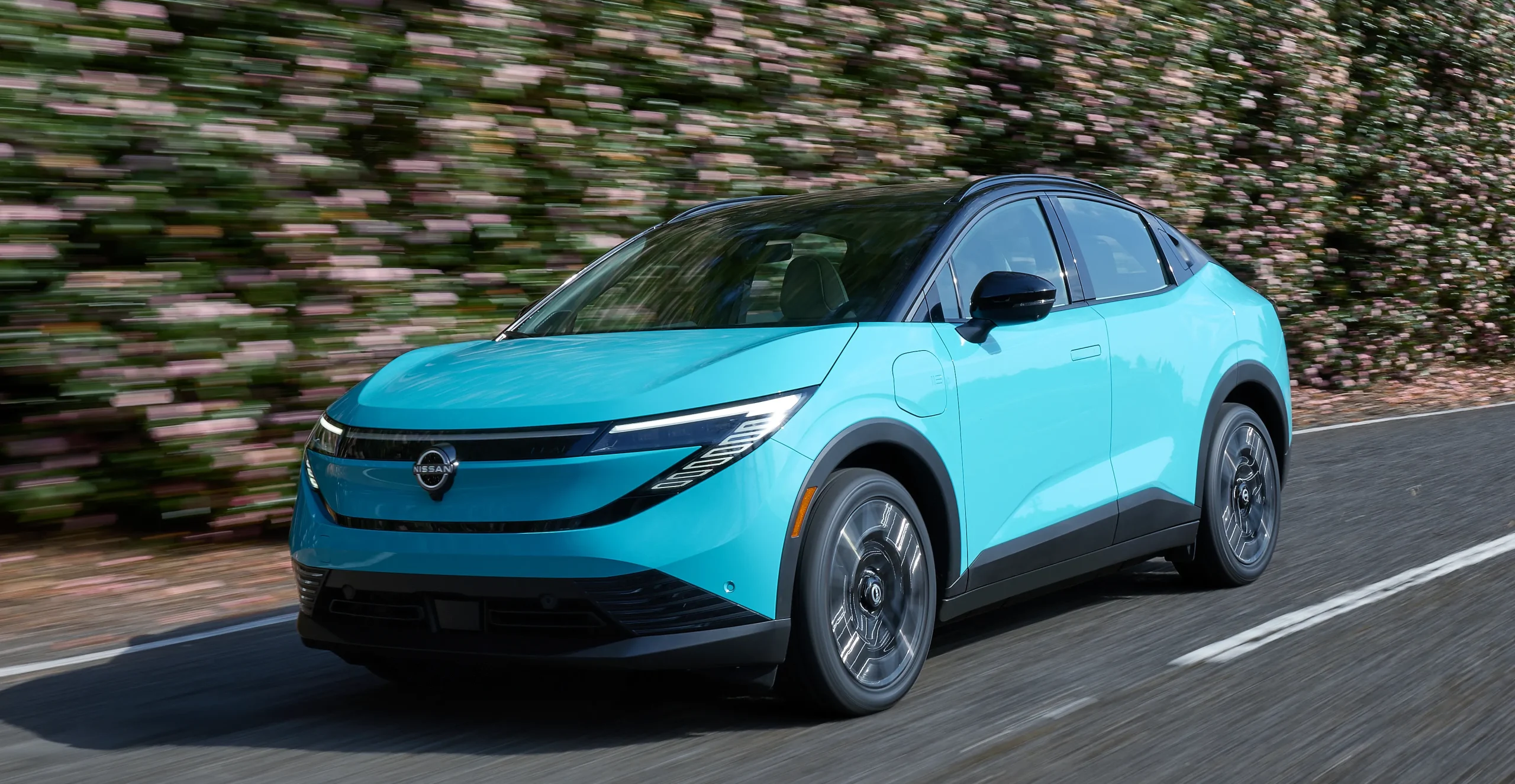
One inspiring story comes from a taxi driver in Spain whose Nissan Leaf crossed 200,000 miles in only a few years. Despite constant charging and daily passenger use, the car remained dependable, proving that the Leaf was a strong alternative to fuel-based taxis.
The second-generation Nissan Leaf has gone beyond its early reputation and demonstrated real staying power. With many examples crossing 200,000 miles, it shows that even budget-friendly EVs can be tough, reliable, and capable of serving both families and fleets.
7) Chevrolet Bolt EV
The Chevrolet Bolt EV is one of the most affordable long-range electric cars on the market. First launched in 2016, it gave drivers over 200 miles of range at a lower price than many rivals. Over the years, it has also proven long-term durability.
High-mileage Bolt owners often report that their batteries retain about 85–90% of their original capacity, even after passing 200,000 miles. This means that range loss is small, and the car remains practical for everyday use, even years after purchase.
Part of the reason for this durability lies in GM’s liquid-cooled battery system. By carefully regulating battery temperature, it prevents overheating and helps maintain long-term capacity. This makes the Bolt more reliable than some older EVs that lacked proper battery cooling.
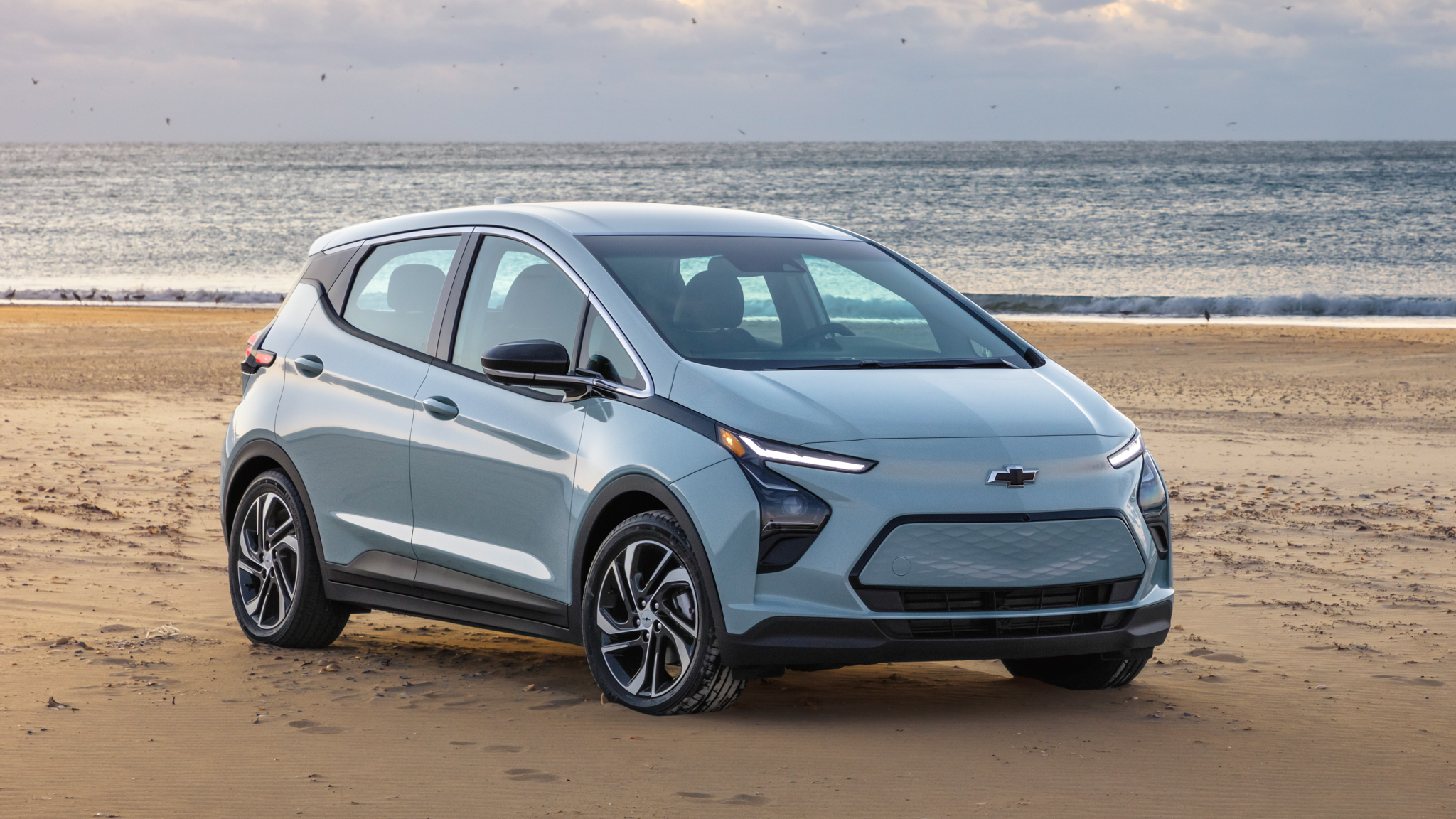
One example comes from a ride-hailing driver in California who put more than 200,000 miles on his Bolt EV in just a few years. Even after constant city driving and frequent charging, the car remained strong and efficient, with minimal battery degradation.
Although the Bolt faced a recall in recent years due to battery fire risks, many owners continued using their cars without issues once fixes were applied. The fact that so many Bolts have crossed 200,000 miles proves their durability despite these challenges.
The Chevrolet Bolt EV stands as proof that affordable electric cars can last just as long as premium models. With many examples passing 200,000 miles, it shows that EV reliability is not only for luxury cars but also for everyday drivers.
8) BMW i3
The BMW i3 is one of the most distinctive electric cars ever made. With its futuristic design, lightweight carbon-fiber body, and compact size, it was designed mainly for city use. Yet, many i3s have surprised their owners by passing 200,000 miles with reliability.
When the i3 launched in 2013, some people doubted it could last as long as bigger EVs like Tesla. Its smaller battery and unique design seemed risky for long-term use. However, real-world examples now prove that the i3 can handle high mileage.
Across Europe and the United States, several BMW i3 owners have reported crossing 200,000 miles. Many of these cars are used for daily commuting and short trips, but their durability over years of constant driving has been remarkable and encouraging for EV fans.
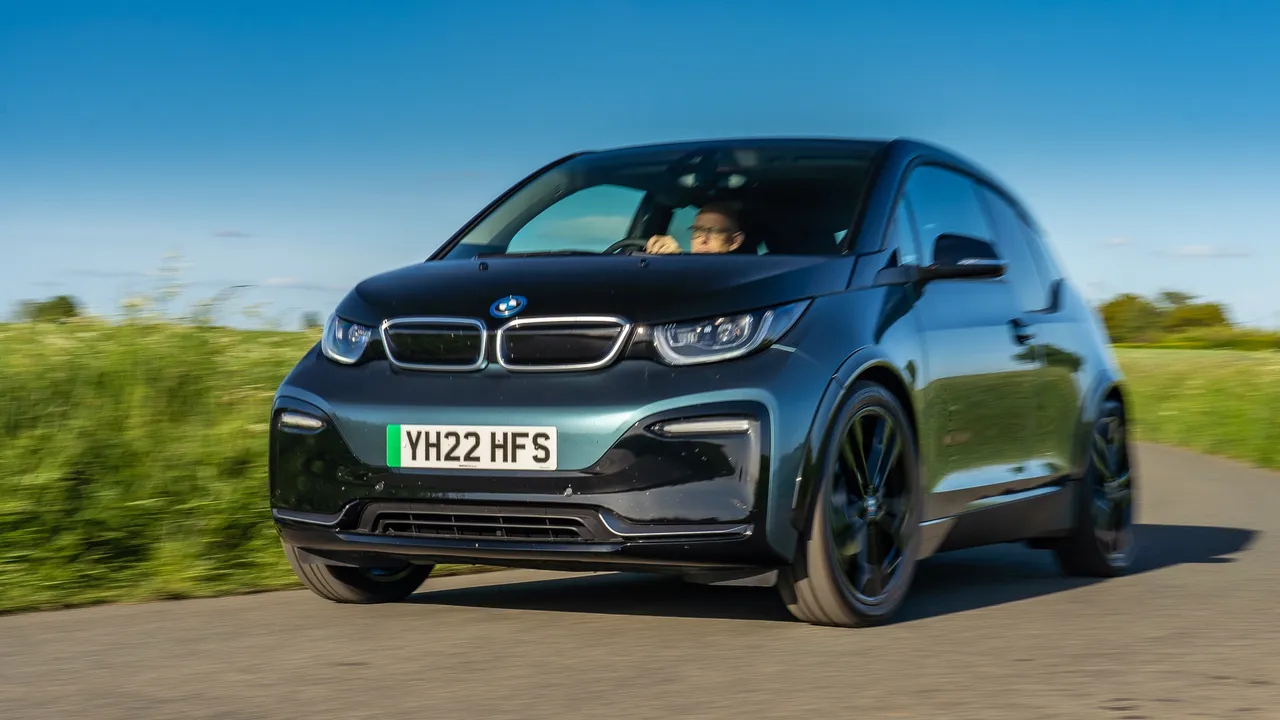
One of the reasons the i3 lasts so long is its efficient battery system. While its battery packs are smaller than those in Teslas, the i3 uses advanced liquid cooling, which protects against overheating and helps maintain strong performance over hundreds of thousands of miles.
Owners of high-mileage i3s often report that their cars retain about 80–85% of original capacity after 200,000 miles. This means the driving range decreases slightly, but the car still works well for commuting, especially in cities where charging is more accessible.
The BMW i3 has proven itself as a strong, reliable EV despite its unusual design. With many examples crossing 200,000 miles, it shows that even compact, early-generation electric cars can deliver impressive durability and remain useful far beyond expectations.
9) Kia EV6
The Kia EV6 is one of the newest electric cars to earn a reputation for long-distance durability. Launched in 2021, it quickly became popular for its sleek design, fast charging, and strong range. Some early models have already crossed 200,000 miles.
Another reason for the EV6’s durability is Kia’s advanced liquid-cooled battery system, which keeps the pack at a healthy temperature. This helps reduce long-term degradation and ensures the EV6 can handle both city traffic and long highway drives without losing efficiency.
Drivers with over 200,000 miles on their EV6 report that the car still performs smoothly with little loss of power. Maintenance is minimal, usually limited to normal wear items like brakes, tires, and suspension, while the electric motor remains trouble-free.
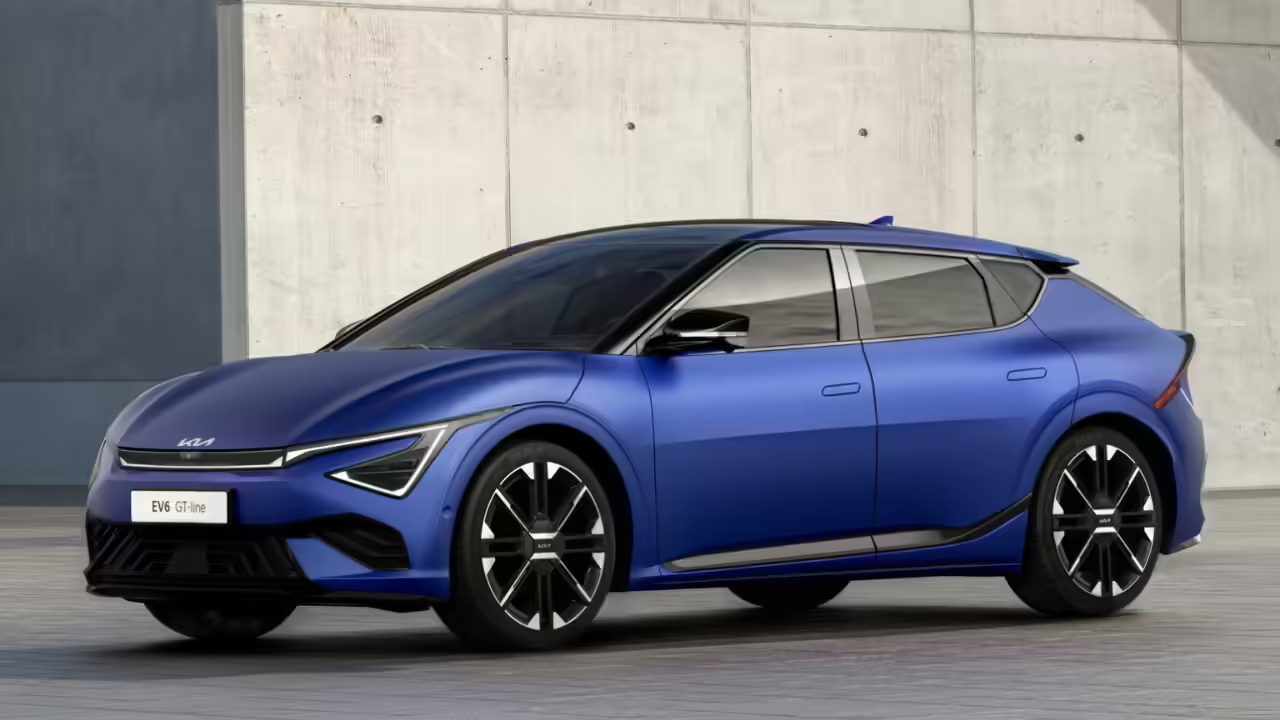
Taxi drivers in Europe, especially in countries like the UK and Norway, have put their EV6s through tough daily use. Despite rapid charging, heavy driving, and rough conditions, the EV6 continues to prove it can withstand the same or greater demands as petrol cars.
The Kia EV6 is not just a stylish, fast-charging electric car but also a proven long-distance runner. With multiple owners now reporting more than 200,000 miles, the EV6 shows that Kia’s EVs can compete with the toughest and most durable models.
10) Jaguar I-PACE
The Jaguar I-PACE is Jaguar’s first fully electric SUV, launched in 2018. Known for its sleek design and luxury interior, it quickly attracted attention. While many wondered if it could last long-term, several owners have now proven it can pass 200,000 miles.
High-mileage I-PACE drivers include commuters and taxi services across Europe. Some of these cars have covered over 200,000 miles within just a few years, showing that even a luxury performance EV can remain durable when driven daily under demanding conditions.
Drivers who have logged 200,000 miles in their I-PACE often note that maintenance costs are lower than expected. Most repairs involve routine wear parts like brakes, suspension, and tires, while the electric motors and drivetrain continue to perform reliably with little issue.
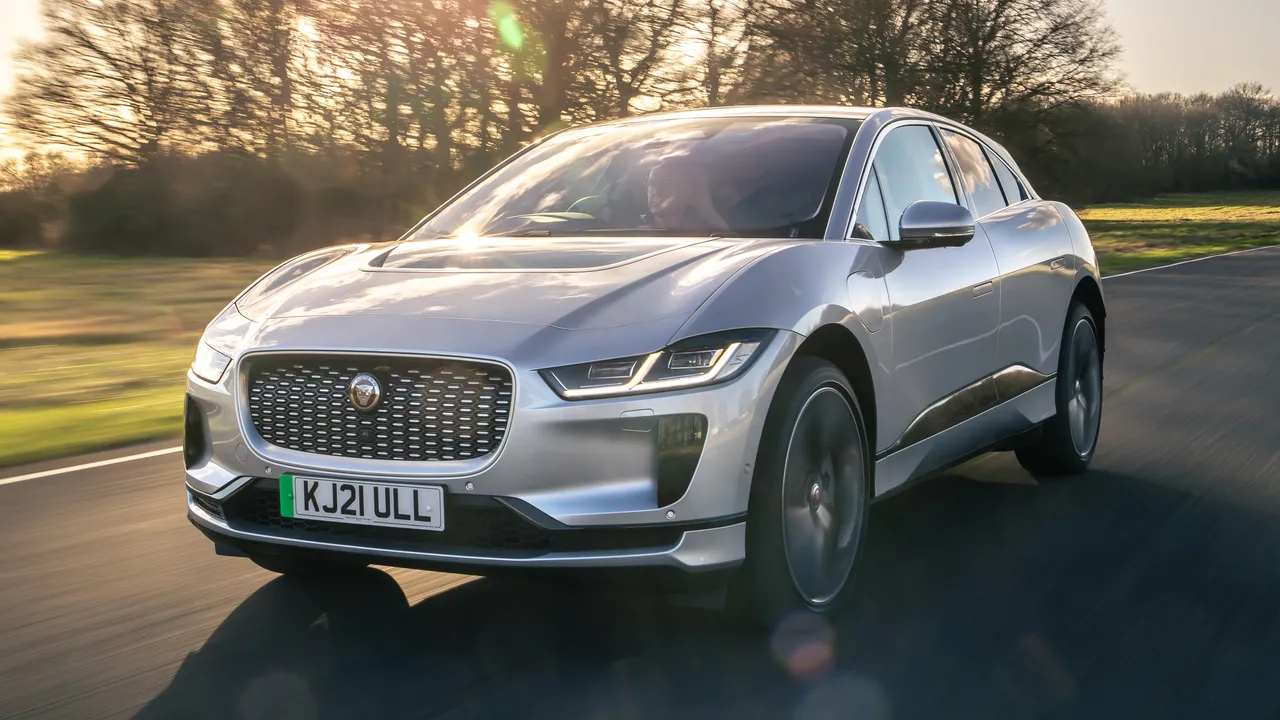
One impressive example comes from a chauffeur company in the UK that uses the I-PACE for professional driving. Their vehicles, which quickly accumulate mileage, have demonstrated consistent performance and reliability even beyond 200,000 miles, making them dependable choices for commercial electric transport.
The I-PACE also provides comfort and advanced features, which remain appealing even after years of driving. Owners say the cabin continues to feel premium, and the quiet, smooth ride is a bonus that makes high-mileage driving less tiring compared to petrol cars.
11) Volkswagen ID.4
The Volkswagen ID.4 is VW’s first mass-market electric SUV, launched in 2020. It was designed to offer practicality, comfort, and good range at an affordable price. In just a few years, some ID.4s have already crossed 200,000 miles with impressive durability.
Drivers of ID.4s that have crossed 200,000 miles often report only modest battery degradation. Many owners say they still retain around 85–90% of their original range, which means the car remains highly practical for daily commuting, long trips, and rideshare driving.
Maintenance for high-mileage ID.4s is minimal compared to petrol or diesel cars. Most costs come from replacing wear items such as tires, brakes, and suspension. The electric drivetrain and motor have remained dependable, showing that the ID.4 can truly handle the distance.
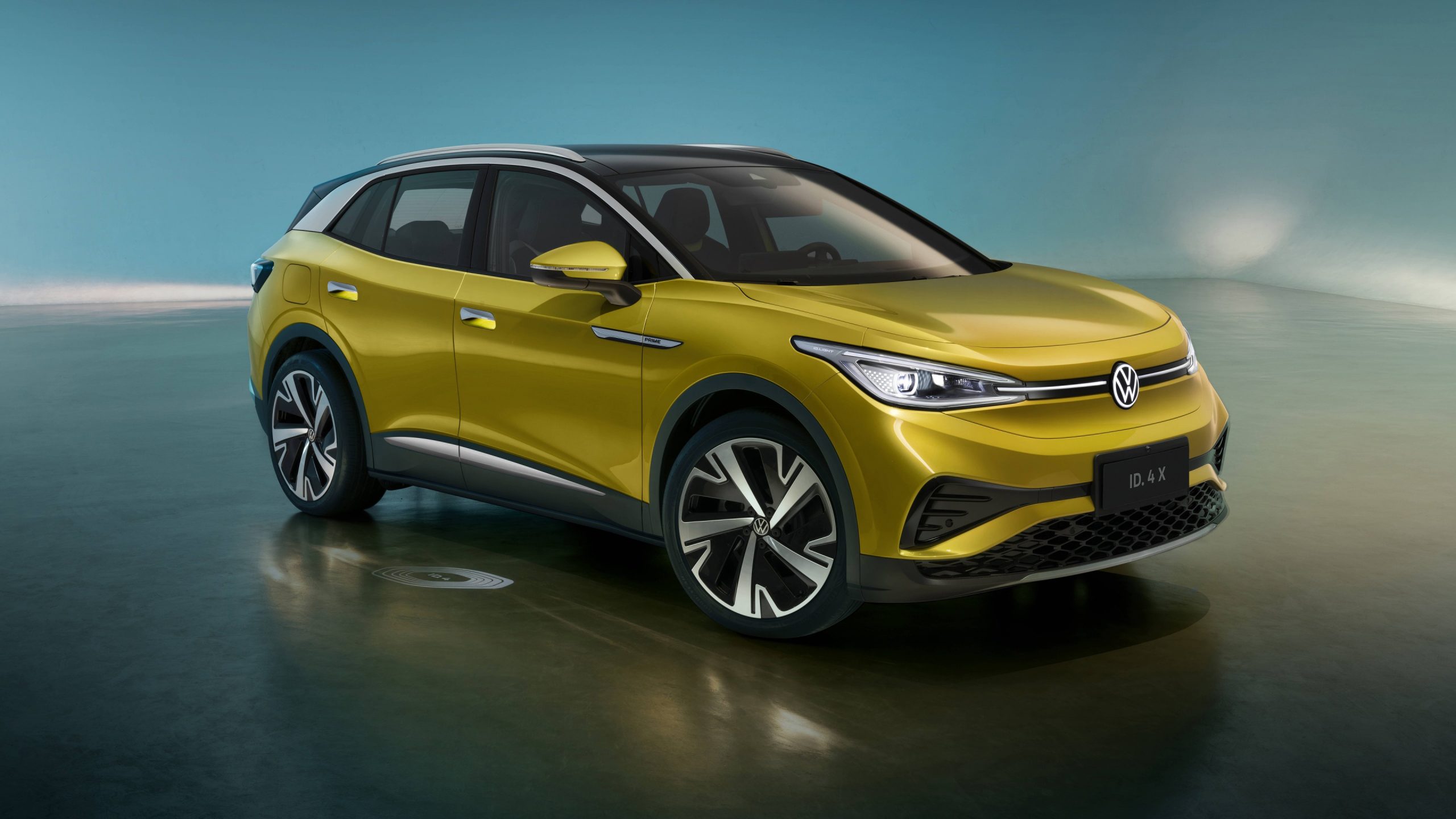
One story comes from a taxi fleet in Germany, where ID.4s regularly cross 200,000 miles with no major issues. Even with constant fast charging and long highway routes, the cars continue to perform well, proving Volkswagen’s engineering focus on endurance and reliability.
Owners also praise the ID.4’s comfort and practicality, which do not fade with mileage. Even after 200,000 miles, the cabin feels spacious, the technology remains useful, and the smooth electric driving experience continues to make long journeys more enjoyable than petrol cars.
The ID.4 is backed by Volkswagen’s global support network and long battery warranty. However, many owners surpass warranty limits without major concerns, showing that the car is capable of lasting well beyond expectations and proving itself as a trustworthy long-term EV option.