
When people think about Ford vehicles, many things come to mind. Some remember the powerful trucks that haul heavy loads across difficult roads.
Others think about the family cars that have served them faithfully for years. But there is one thing that does not always get enough attention, and that is how long some of these vehicles can actually last when you take care of them properly.
You see, in many parts of the world, we buy cars not just for today or tomorrow, but for many years to come. We want something that will start every morning, something that will not break down when you need it most, and something that mechanics can fix without charging you an arm and a leg.
Ford has built many vehicles that fit this description perfectly. Some of them have proven themselves on highways, in cities, on farms, and even in the harshest conditions you can imagine.
Right here, we will show you fifteen Ford models that have surprised their owners with how long they last. These are not just vehicles that look good in showrooms. They are cars and trucks that have stood the test of time, accumulated hundreds of thousands of miles, and still keep running.
Whether you are looking to buy a used Ford or you simply want to know which models are worth keeping for the long term, this list will give you valuable information that you can use right away.
1. Ford F-150 (2015-2020 Models)
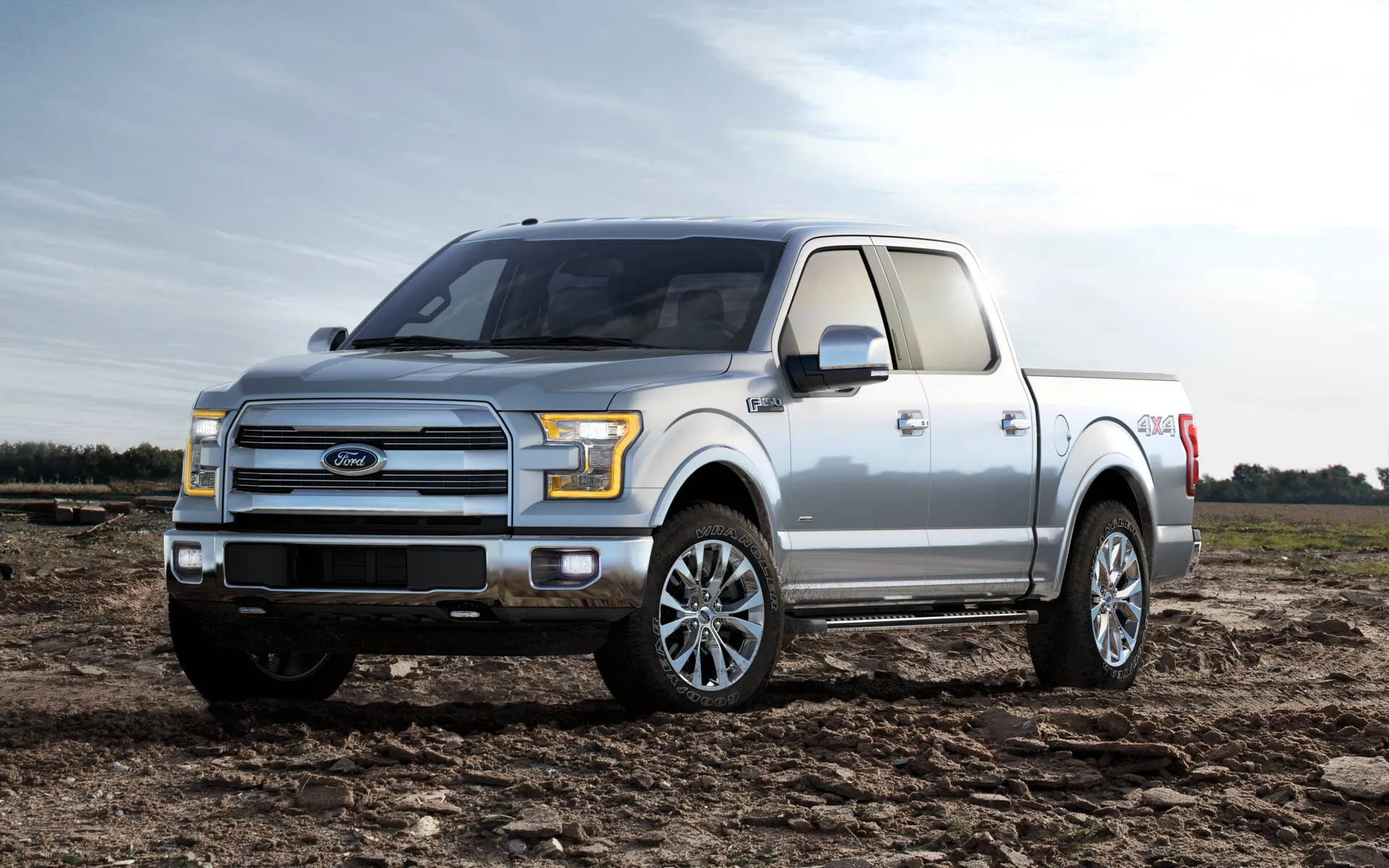
The Ford F-150 from these years comes with something special that many truck buyers appreciate. The aluminum body panels make the truck lighter without sacrificing strength, and this design choice has actually helped these trucks last longer than people expected.
When you reduce weight, you also reduce the stress on the engine, transmission, and suspension components. Many owners of these F-150 models have reported driving well past 200,000 miles without major engine or transmission problems.
The 3.5-liter EcoBoost V6 engine, in particular, has shown impressive durability when maintained according to the schedule. Oil changes every 5,000 miles, and regular fluid checks make a huge difference.
What makes this truck even more practical for long-term ownership is the availability of parts. Because Ford sells so many F-150s, you can find replacement parts almost anywhere, and the prices remain reasonable compared to some other brands. Mechanics know these trucks inside and out, which means repairs do not take forever, and labor costs stay manageable.
The frame construction also deserves mention here. Ford used high-strength steel for the frame, which resists rust better than older designs. In areas where salt covers the roads during winter, this feature alone can add years to the truck’s life.
Owners who wash the undercarriage regularly and apply rust protection have kept these trucks looking and running like new, even after a decade of use.
2. Ford Crown Victoria (2003-2011)
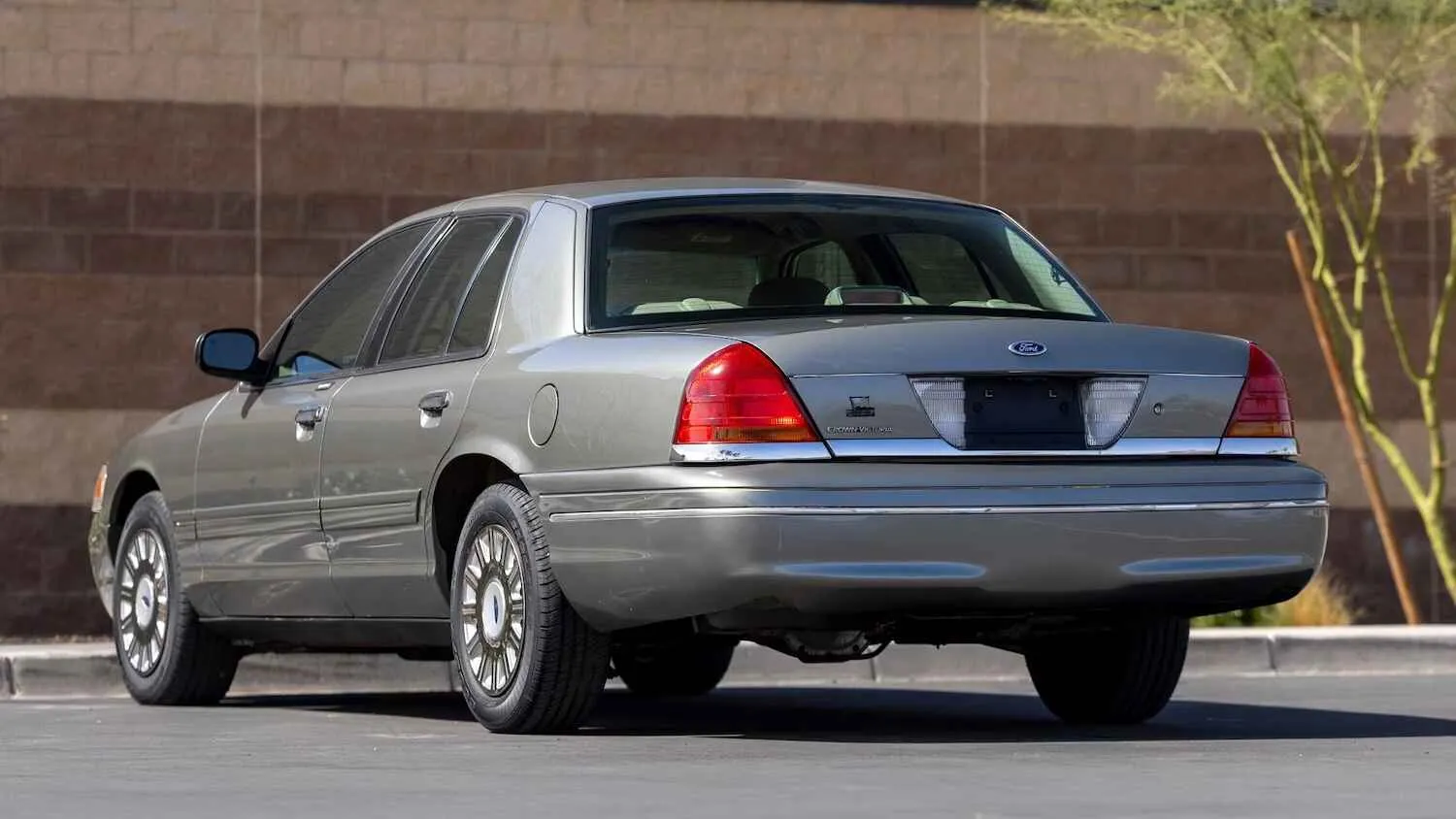
This car earned its reputation on the streets as a police vehicle, and that tells you something important right there. Police departments do not choose cars that break down easily because they need vehicles that can handle anything.
The Crown Victoria proved itself in the toughest conditions imaginable, and the civilian versions share the same tough construction.
Under the hood sits a 4.6-liter V8 engine that seems almost indestructible when you follow basic maintenance. This engine design had been refined over many years, so by the time these models came out, Ford had solved most of the problems.
The body-on-frame construction also means you can fix one part without affecting the rest of the car, which is different from modern unibody designs.
Many taxi companies used Crown Victorias because they could easily reach 300,000 miles or more with routine maintenance. The rear-wheel-drive layout makes repairs simpler, and the spacious engine bay gives mechanics plenty of room to work. You do not need special tools or complicated procedures to replace most components.
The ride quality remains comfortable even after many years because the suspension uses simple, durable components that are easy to replace.
When a shock absorber wears out, you can change it in less than an hour. When brake pads need replacement, the job takes minimal time. This simplicity translates to lower ownership costs and longer vehicle life.
Also Read: 8 Ford Bronco Years That Have Outperformed Their Rivals
3. Ford Ranger (1998-2011)
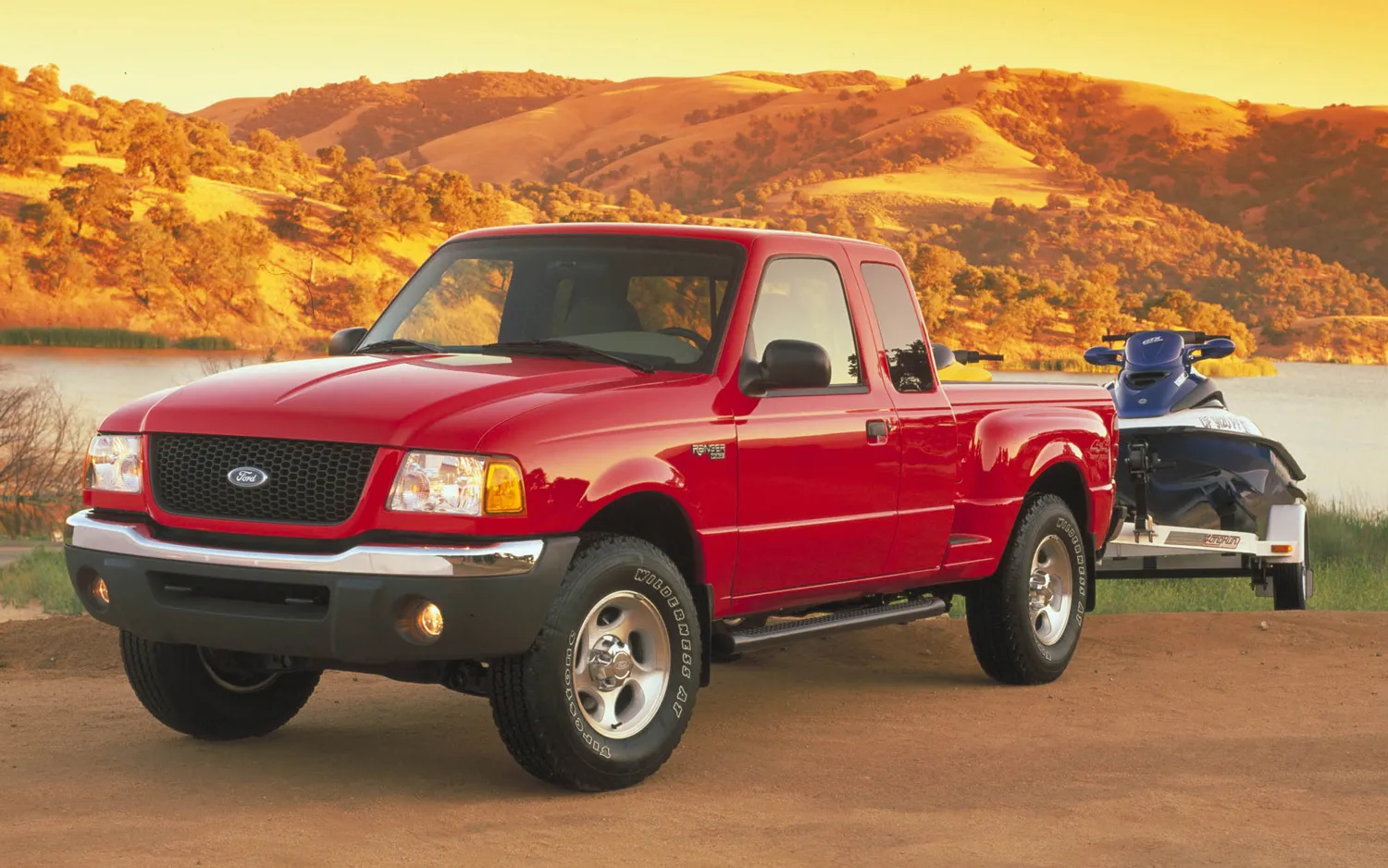
Here is a compact truck that refuses to die. The Ranger from these years came with several engine options, but the 4.0-liter V6 stands out as particularly long-lasting. This engine may not win any awards for fuel efficiency, but it will keep running long after more sophisticated engines have given up.
The manual transmission option in these Rangers adds another layer of durability. Without the complications of automatic transmission electronics, these trucks simply have fewer things that can go wrong. Clutches can be replaced relatively cheaply, and the rest of the drivetrain components are built to handle abuse.
Rust can be an issue with these trucks, especially around the wheel wells and the cab corners, but owners who address rust early and apply protective coatings have kept their Rangers on the road for twenty years or more.
The mechanical simplicity means that even a home mechanic with basic tools can perform most repairs without needing to visit a dealership.
Another advantage of the Ranger is its size. Being smaller than full-size trucks, it puts less strain on all its components. The engine does not have to work as hard, the brakes do not have to stop as much weight, and the suspension does not carry as much load.
This contributes to longer component life across the board. Many owners report that their Rangers still run strong at 250,000 miles with only regular maintenance.
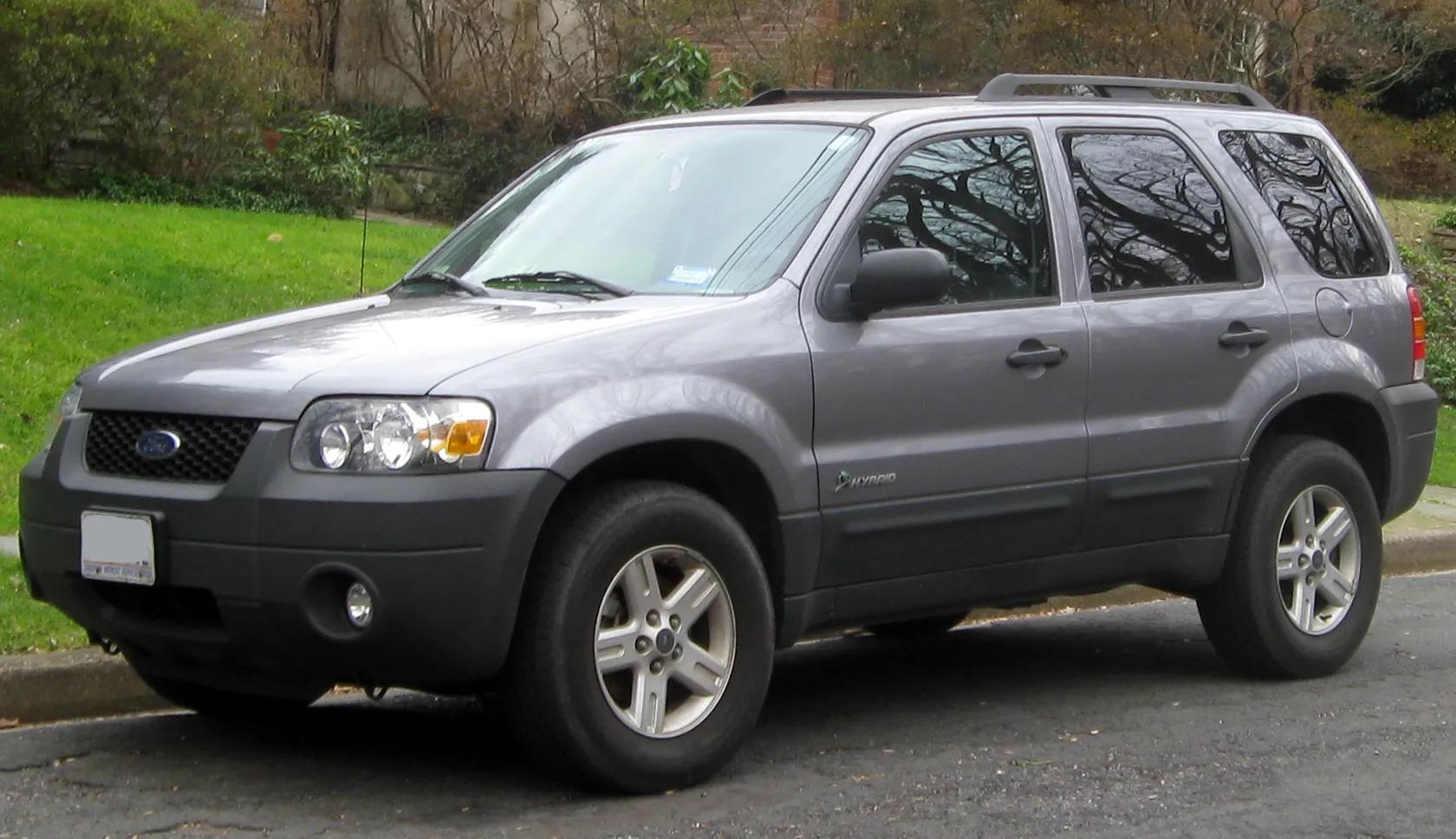
4. Ford Escape Hybrid (2005-2012)
Hybrid vehicles sometimes get a bad reputation for expensive battery replacements, but the first-generation Escape Hybrid has proven surprisingly durable. The combination of a gasoline engine and electric motor actually reduces wear on both systems because neither one works at full capacity all the time.
The regenerative braking system means your brake pads last much longer than in regular vehicles. Some owners report going 100,000 miles before needing their first brake pad replacement, which is almost unheard of in conventional vehicles. This alone saves money and reduces the frequency of maintenance visits.
Battery replacement costs have dropped dramatically since these vehicles were new, and many Escape Hybrids have reached 200,000 miles on their original battery packs.
When the battery does eventually need replacement, aftermarket options cost a fraction of what they did ten years ago. The hybrid system also means less strain on the gasoline engine, which often results in longer engine life.
The continuously variable transmission used in these models initially worried some buyers, but these units have proven more reliable than expected.
Regular transmission fluid changes every 30,000 miles seem to be the key to keeping them running smoothly. The rest of the vehicle uses standard Ford components that are easy to find and replace, making long-term ownership practical and affordable.
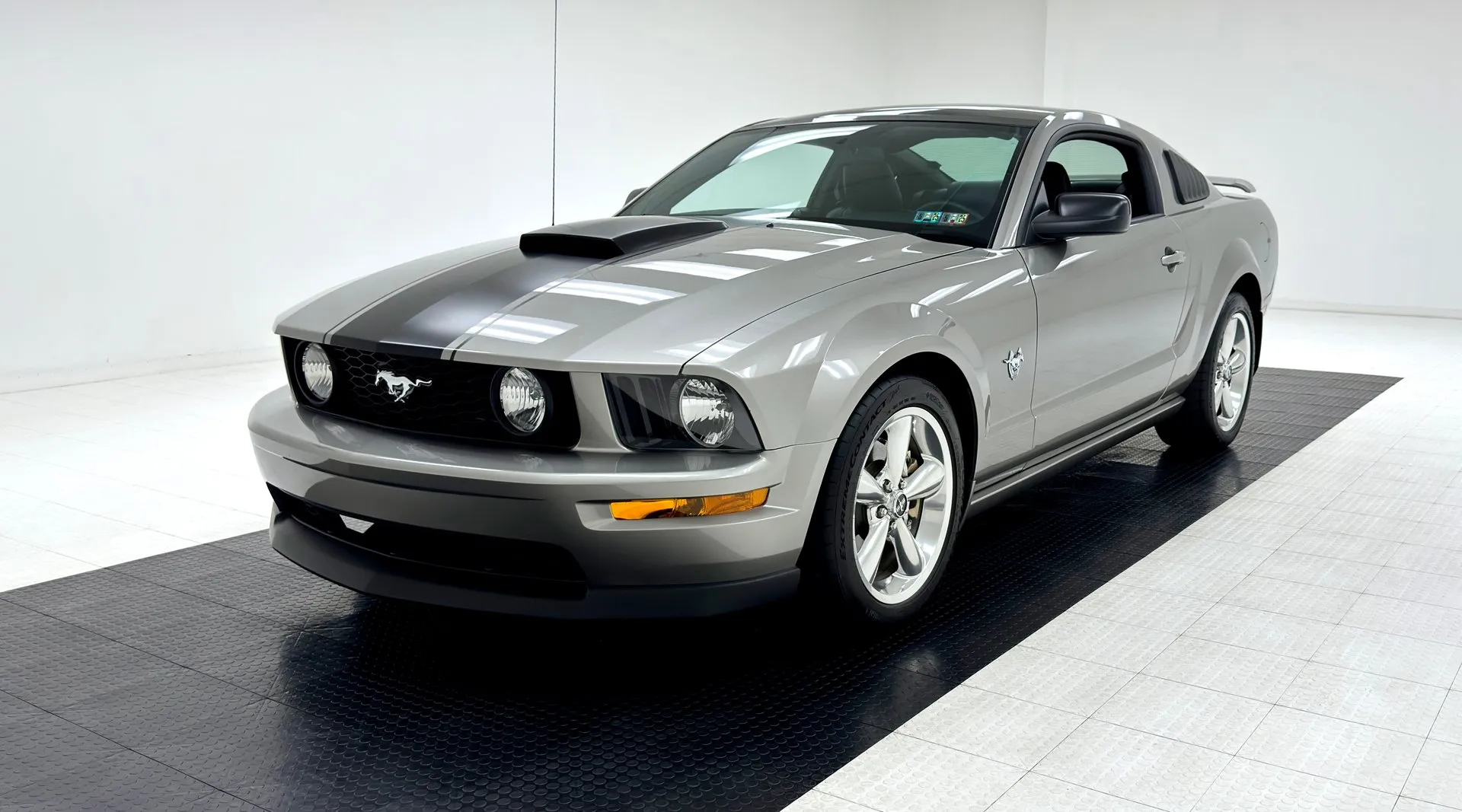
5. Ford Mustang GT (2005-2010)
Sports cars and longevity do not always go together, but the Mustang GT from these years breaks that pattern. The 4.6-liter V8 engine in these models is based on the same proven design used in the Crown Victoria, which means it has been tested and refined for years before it went into the Mustang.
Many people assume that sports cars get driven hard and wear out quickly, but a surprising number of Mustang GT owners use their cars as daily drivers and treat them well. These cars respond well to regular maintenance, and when you change the oil on time and do not abuse the engine when it is cold, they will run for many years.
The solid rear axle design is old-fashioned compared to independent rear suspension, but it has advantages for durability. Fewer moving parts mean fewer things that can wear out or break.
The transmission options, both manual and automatic, have proven reliable in these models. The manual transmission is particularly tough and can handle increased power from modifications without problems.
One thing that helps these Mustangs last is the strong enthusiast community. Owners share information about common problems and solutions, so you can often diagnose and fix issues before they become serious.
Parts availability is excellent, and because so many aftermarket companies support the Mustang, you can often find better quality replacement parts than the originals at competitive prices.
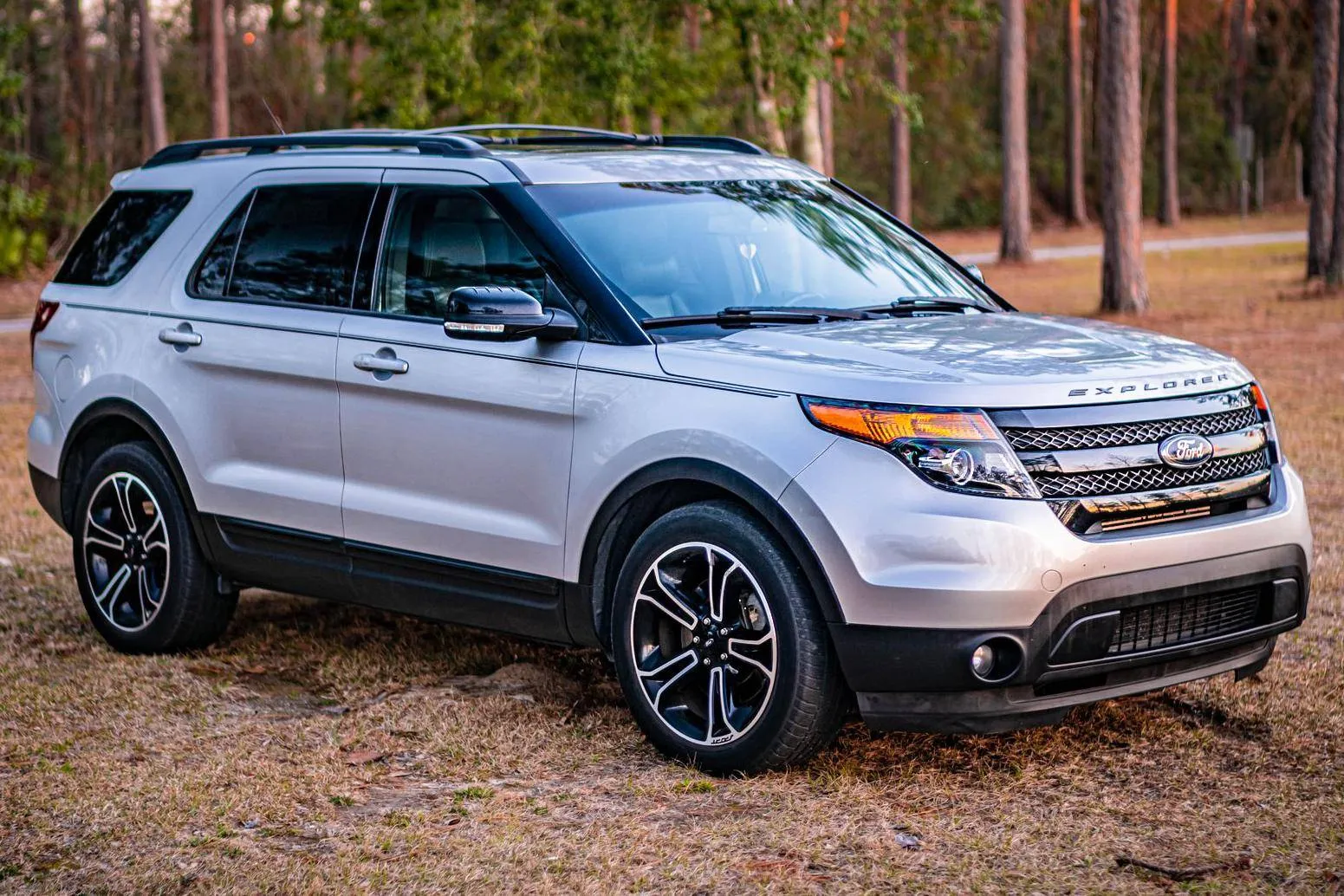
6. Ford Explorer (2011-2019)
The Explorer went through a major redesign in 2011, switching from body-on-frame construction to a unibody design. Many people worried this would make it less durable, but these models have actually held up very well. The 3.5-liter V6 engine provides plenty of power while maintaining good reliability when properly maintained.
These Explorers benefit from improved rust protection compared to earlier models. Ford learned from past mistakes and applied better coatings to vulnerable areas. Owners who live in harsh climates report that these Explorers resist rust better than the previous generation, which directly contributes to longer vehicle life.
The six-speed automatic transmission used in these models has proven dependable. Regular fluid changes every 60,000 miles help prevent the most common transmission problems. The all-wheel-drive system, when equipped, uses a simple design that requires minimal maintenance beyond regular differential fluid changes.
Interior quality also affects how long people keep their vehicles, and these Explorers have interiors that hold up well as time goes on. The seats resist wear, the dashboard does not crack easily, and the electronics generally continue working for many years.
When a vehicle still looks and feels good inside after 150,000 miles, owners are more likely to keep it and maintain it properly, which helps the mechanical components last even longer.
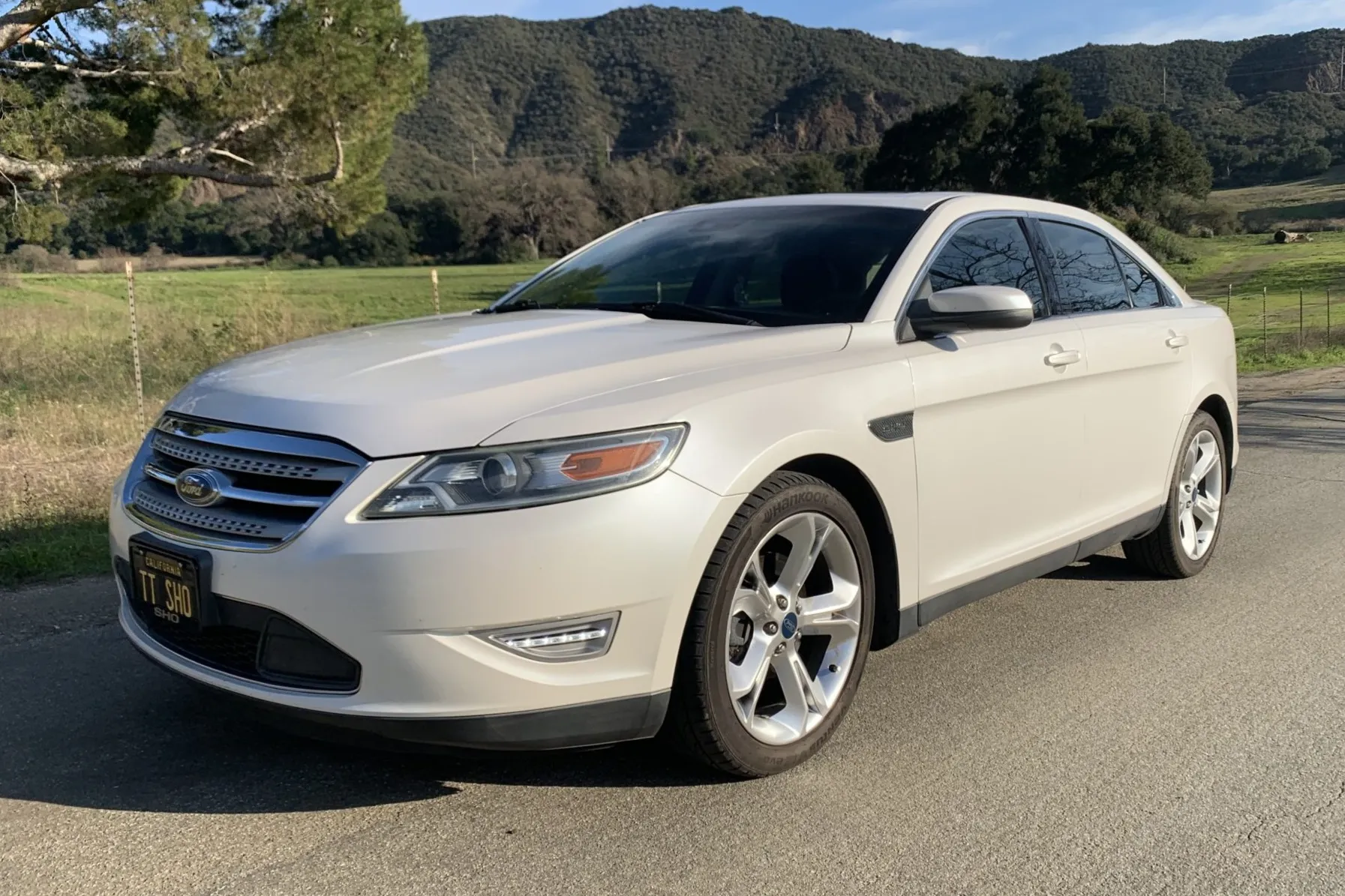
7. Ford Taurus SHO (2010-2019)
The Taurus SHO might seem like an odd choice for a longevity list because it has a twin-turbocharged engine and all-wheel drive, which usually means more things can go wrong.
However, these cars have surprised many people with their durability. The 3.5-liter EcoBoost V6 produces impressive power, but when driven responsibly, it lasts surprisingly well.
The key to keeping a Taurus SHO running for the long term is using quality synthetic oil and changing it every 5,000 miles or less. The turbochargers put extra stress on the oil, so fresh oil is critical. Owners who follow this practice report turbos lasting well past 150,000 miles without needing replacement or rebuilding.
The all-wheel-drive system distributes power to all four wheels, which actually reduces stress on any single component. The transmission does not have to handle all the torque by itself, and the tires wear more evenly. This balance contributes to a longer life for multiple expensive components.
Another factor working in favor of the SHO is that people who buy these cars tend to be enthusiasts who take care of their vehicles. They follow maintenance schedules, address problems early, and do not ignore warning lights.
This attentive ownership style makes a huge difference in how long any car lasts. Many SHO owners report that their cars still feel tight and solid at 200,000 miles, with no rattles or squeaks that plague some other vehicles at high mileage.
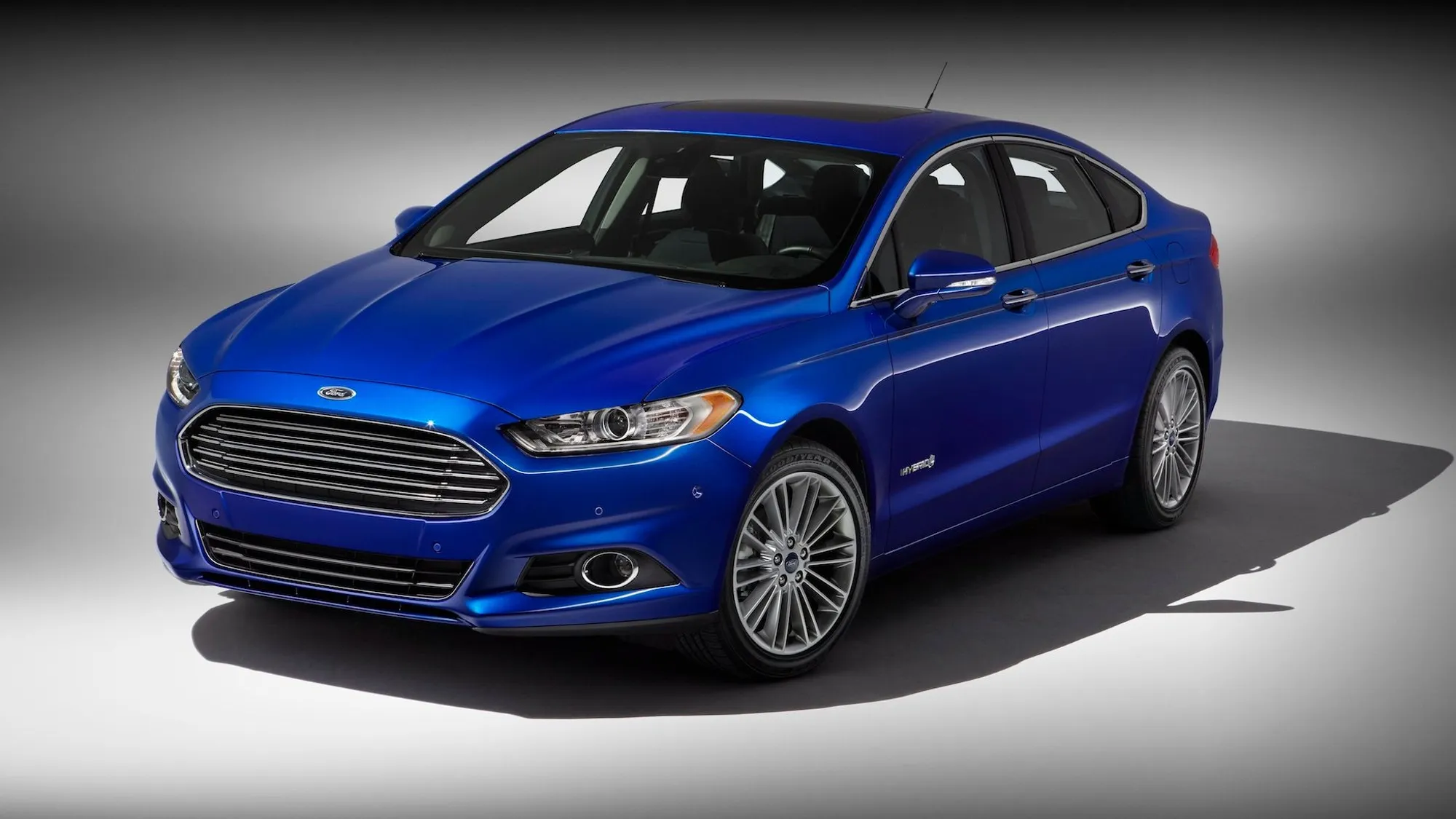
8. Ford Fusion (2013-2020)
The mid-size sedan market is competitive, and the Fusion from these years had to be good to survive. What many people do not know is that these Fusions have proven to be some of the most durable sedans Ford has ever built. The 2.5-liter four-cylinder engine, in particular, is nearly bulletproof when maintained properly.
These engines use a timing chain instead of a timing belt, which eliminates one of the most expensive maintenance items that some cars require. The chain typically lasts the life of the engine when the oil is changed regularly. The six-speed automatic transmission used with this engine is a proven design that Ford refined over many years.
Build quality improved greatly in these model years. Panel gaps are tight, paint quality is good, and the undercoating protects against rust effectively. Owners in snowy areas report that these Fusions hold up well to winter salt, which is a crucial factor in long-term durability for many buyers.
The electronic systems in these Fusions are generally reliable, which is important because electrical problems can make people give up on otherwise good cars. The infotainment system, climate control, and other electronics continue working properly for years.
When something does go wrong, the parts are reasonably priced, and many repairs can be done by independent mechanics rather than requiring dealer-only service.
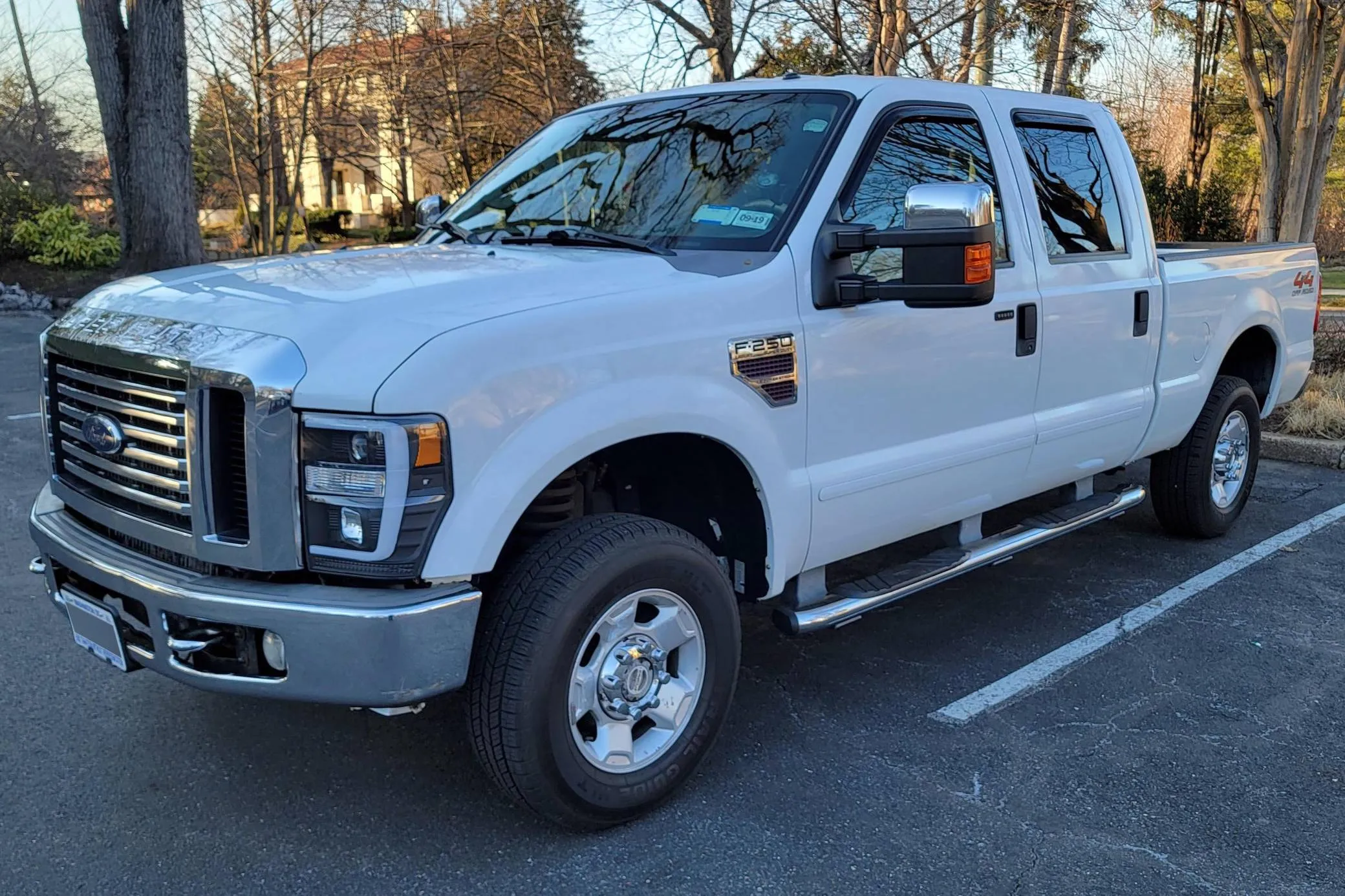
9. Ford F-250 Super Duty (2008-2010)
These heavy-duty trucks came with an option that changed everything for diesel truck longevity. The 6.4-liter Power Stroke diesel engine had some problems, but Ford addressed many issues with updates and modifications.
More importantly, these trucks could also be ordered with a 6.8-liter V10 gasoline engine that has proven to be incredibly durable.
The V10 does not get the same attention as diesel engines, but it offers serious advantages for long-term ownership. No diesel particulate filter to clog, no expensive injection system repairs, and gasoline costs less than diesel in many areas. These V10 engines regularly exceed 300,000 miles with basic maintenance.
The frame and suspension on these Super Duty trucks are built to handle extreme loads, which means they barely notice the weight of normal daily driving. This over-engineering translates directly to longer life for these components. The leaf spring rear suspension is simple, durable, and easy to repair when needed.
Cab construction in these years is solid, with good rust protection and quality welds. Door hinges stay tight, and the body holds up well even after years of hard use.
Many commercial users choose these trucks because they know they can depend on them for a decade or more. When a work truck can last that long while earning money every day, you know it is built right.
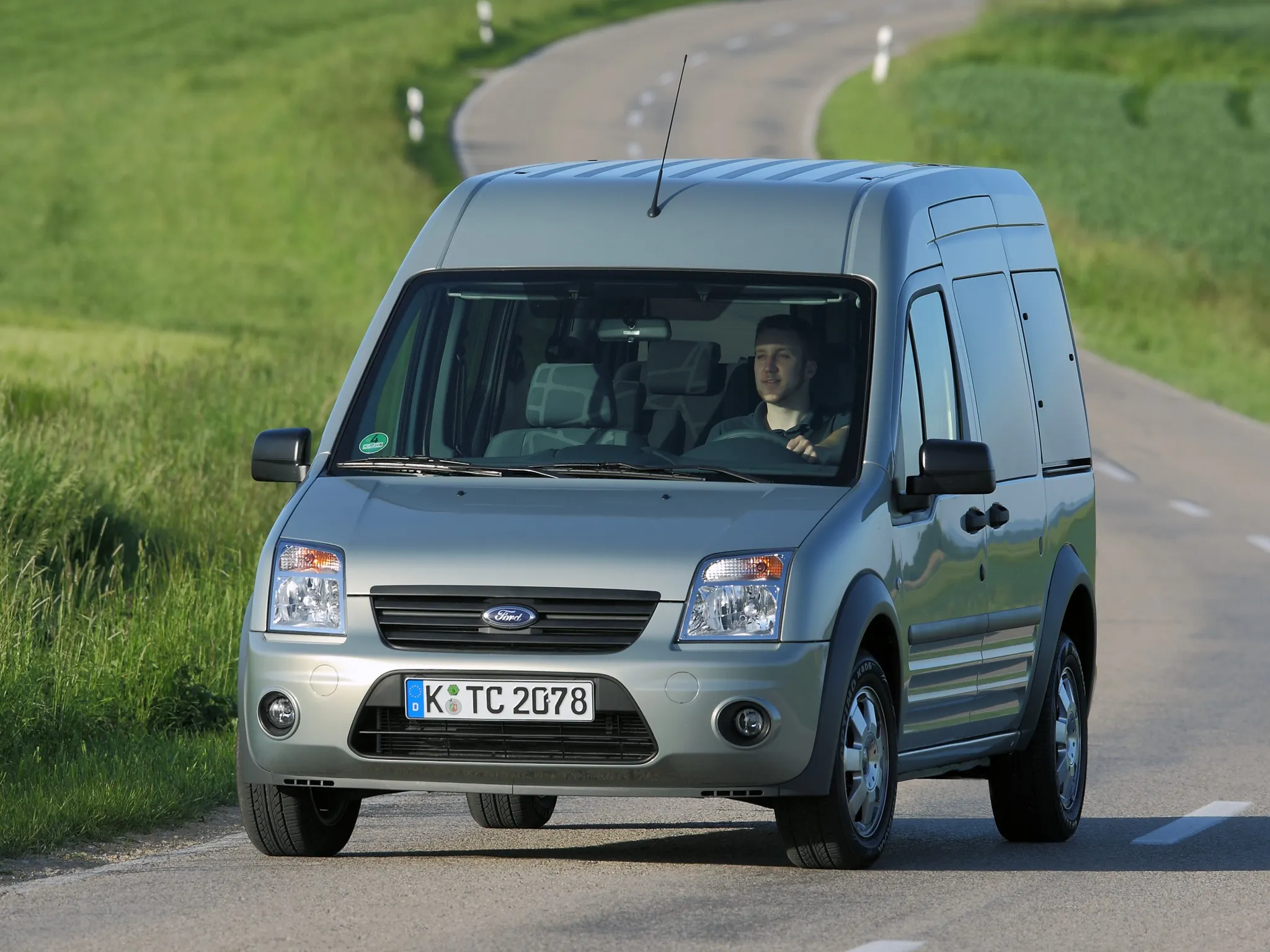
10. Ford Transit Connect (2010-2013)
This small commercial van has developed a cult following among people who need a reliable work vehicle. Based on a European design that had already proven itself for years, the Transit Connect brought that durability to other markets. The 2.0-liter four-cylinder engine is simple and reliable, without turbochargers or other complications.
The sliding side doors use a straightforward mechanism that holds up well to repeated use. Commercial vehicle doors take a beating, and these have proven they can handle it. The cargo area is easy to clean and resists rust, which is important for vehicles that often carry wet or dirty materials.
Fuel efficiency is better than larger vans, which means less money spent on gas over the vehicle’s lifetime. When you combine that with lower purchase price and cheaper insurance, the Transit Connect makes economic sense for small business owners.
This practical approach to transportation often results in better maintenance because owners see their vehicles as tools that need to be kept in good working order.
The compact size also makes these vans easier to park and maneuver in tight spaces, which reduces the risk of body damage. Fewer accidents mean the vehicle stays in better condition longer.
Many delivery services and tradespeople have racked up 200,000 miles on their Transit Connects without major problems, which speaks volumes about their durability.
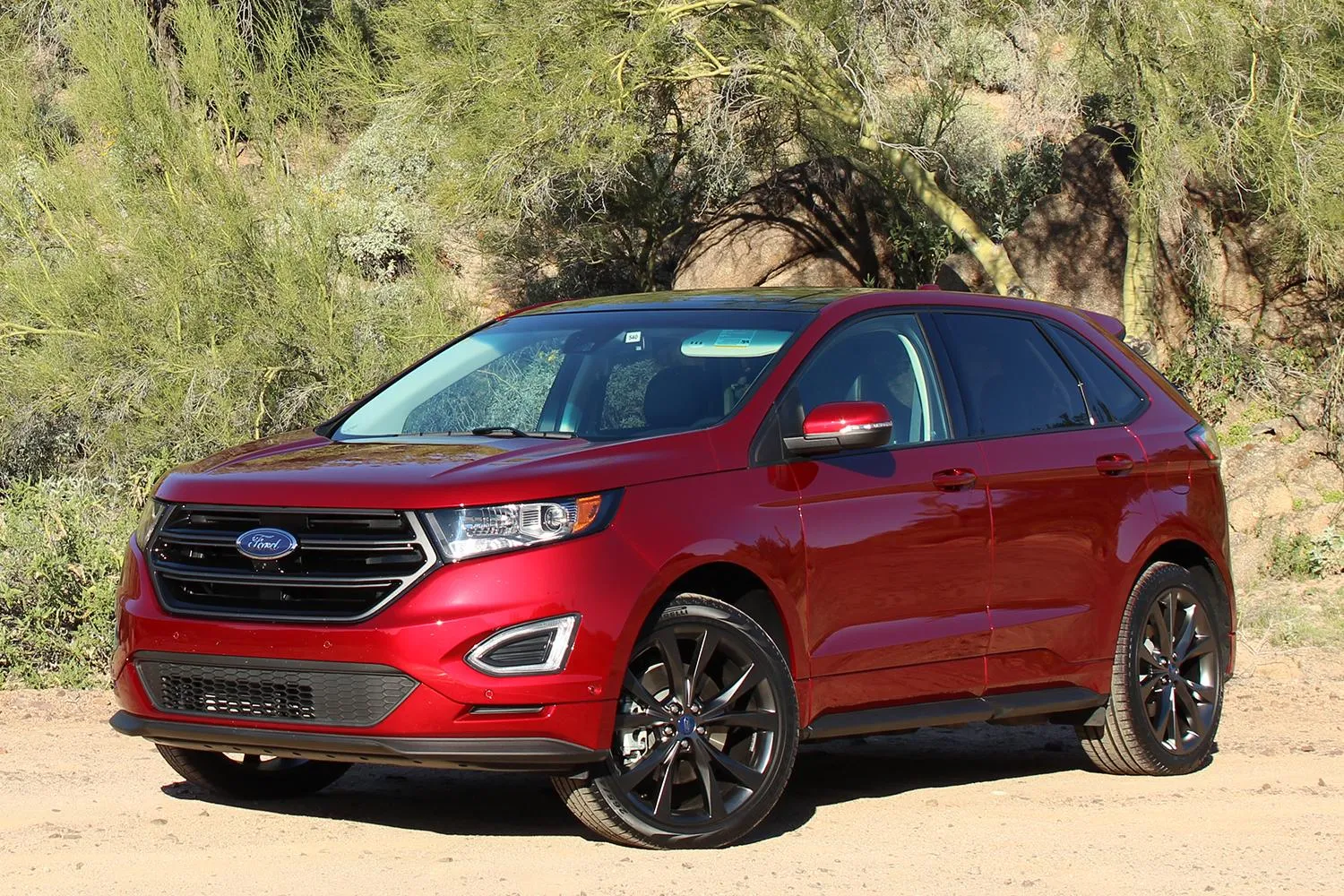
11. Ford Edge Sport (2015-2018)
The Edge Sport models came with a 2.7-liter EcoBoost V6 engine that delivers strong performance while maintaining good reliability. These engines use twin turbochargers, which sounds complicated, but Ford had refined the design by this time, and the results show in the longevity of these vehicles.
The all-wheel-drive system in the Edge Sport is sophisticated but durable. It uses electronic controls to send power where it is needed most, but the mechanical components are tough. Regular fluid changes in the transfer case and rear differential keep everything running smoothly for years.
Suspension components in the Edge Sport are tuned for better handling than regular Edge models, but they do not sacrifice durability.
The bushings and joints last well, and when they do need replacement, the parts are reasonably priced. Many owners report that their Edge Sports still handle like new at 100,000 miles, with no clunks or loose feeling in the steering.
Interior materials in the Sport trim are higher quality than base models, which means they resist wear better. The leather seats hold up well, and the dashboard materials do not crack or fade quickly.
When the inside of a vehicle still looks good after many years, it encourages the owner to keep maintaining it properly, which extends the mechanical life as well.
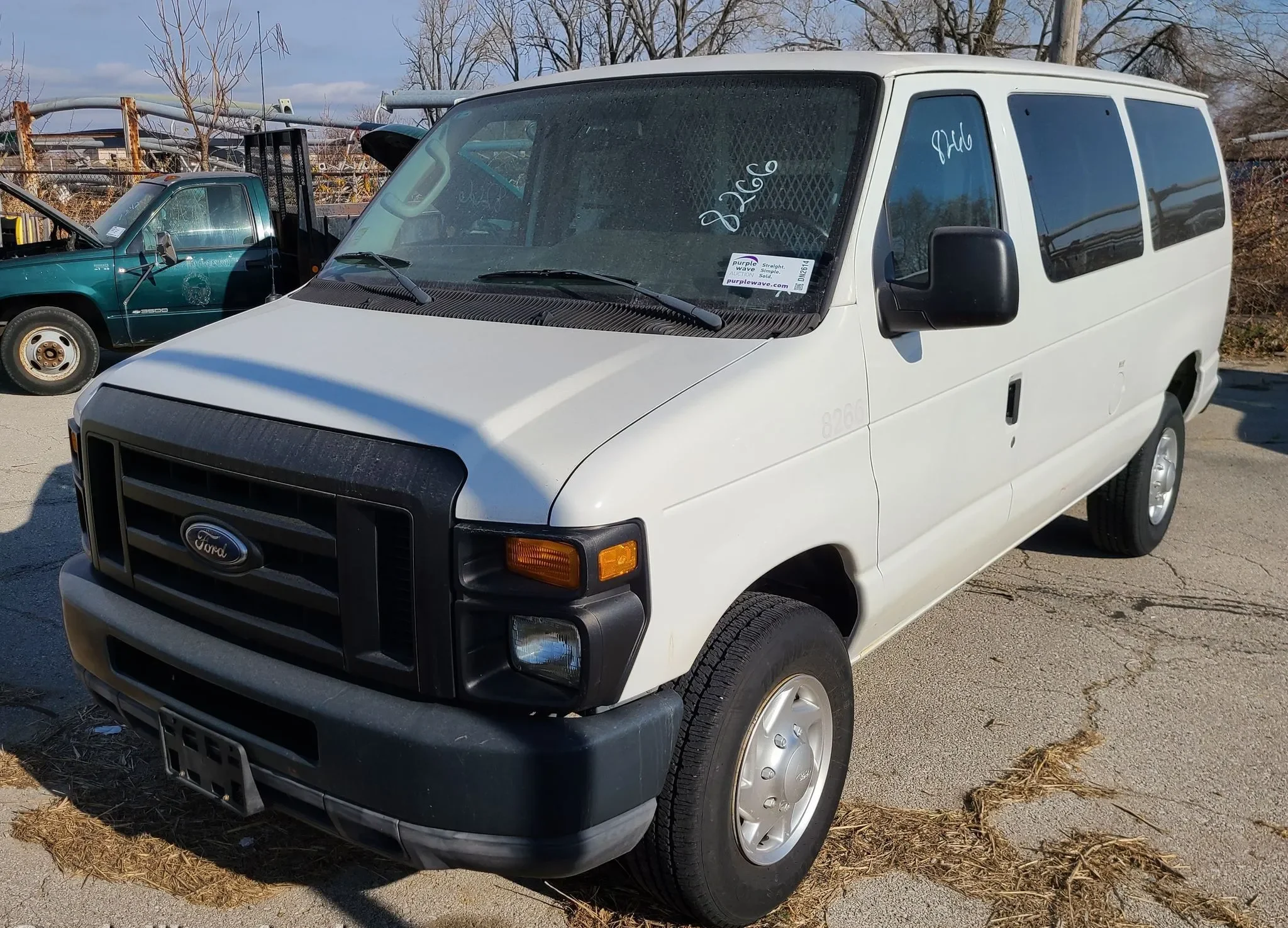
12. Ford Econoline E-350 (2008-2014)
These full-size vans are workhorses that refuse to quit. The 5.4-liter V8 engine option has powered countless commercial vehicles to 300,000 miles and beyond. This engine design had been around for years, so by these model years, all the bugs were worked out.
The body-on-frame construction means you can replace the body panels or even the entire cargo box without affecting the mechanical components.
This modularity allows these vans to be repaired and kept running far longer than many modern vehicles. The frame is heavy and strong, with good rust protection that helps it last in any climate.
Transmission choices include both manual and automatic, with the automatic being particularly durable when the fluid is changed every 50,000 miles.
The rear-wheel-drive layout is simple and proven, with a solid rear axle that can take abuse. Many conversion van companies and shuttle services depend on Econoline vans because they know these vehicles will not let them down.
Parts availability is excellent, and because these vans were so popular, many salvage yards have them. This means you can often find good used parts at low prices, which keeps repair costs manageable.
Independent mechanics can work on these vans without special tools or dealer-only diagnostic equipment, which is another advantage for long-term ownership.
Also Read: 9 Ford Expedition Years That Run Forever
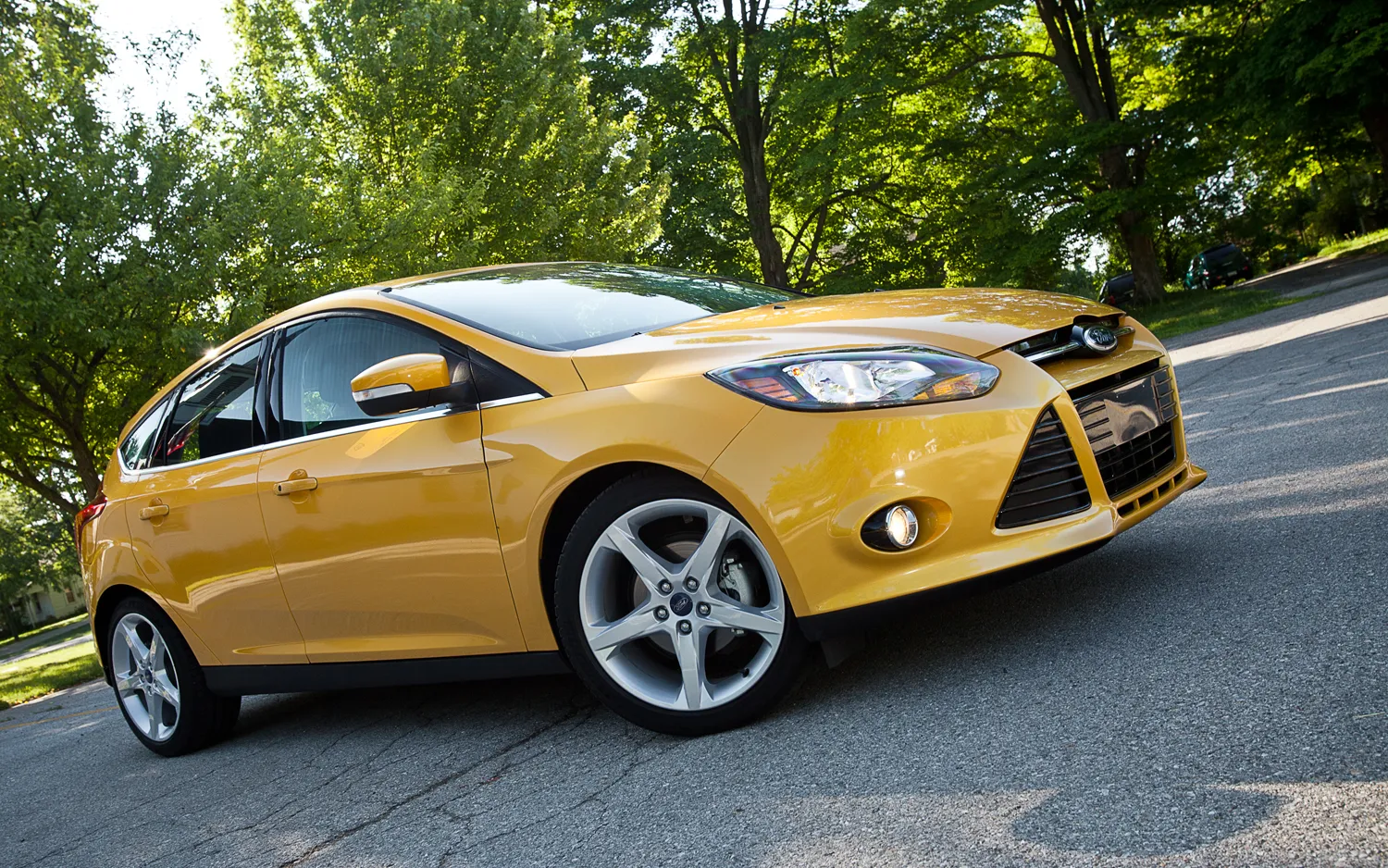
13. Ford Focus (2012-2018 with Manual Transmission)
The Focus from these years gets a bad reputation because of the problematic dual-clutch automatic transmission, but the manual transmission versions are actually quite durable and reliable. The 2.0-liter four-cylinder engine is simple, efficient, and long-lasting when maintained properly.
These cars handle well and are fun to drive, which encourages owners to take care of them. When people enjoy driving their cars, they are more likely to keep up with maintenance and address problems early. The suspension is tuned for good handling without sacrificing ride quality, and the components last well.
Fuel economy is excellent, which means lower operating costs over the vehicle’s lifetime. When a car costs less to operate, owners can afford to maintain it properly, which directly contributes to longevity. The simple engine design means fewer expensive repairs, and when something does need fixing, the parts are affordable.
Body construction is solid, with good paint quality and rust protection. These Focus models resist corrosion better than the previous generation, which helps them last longer in harsh climates.
Many owners report that their manual transmission Focus models are still running strong at 150,000 miles with no major issues, proving that these are underrated cars that deserve more recognition.
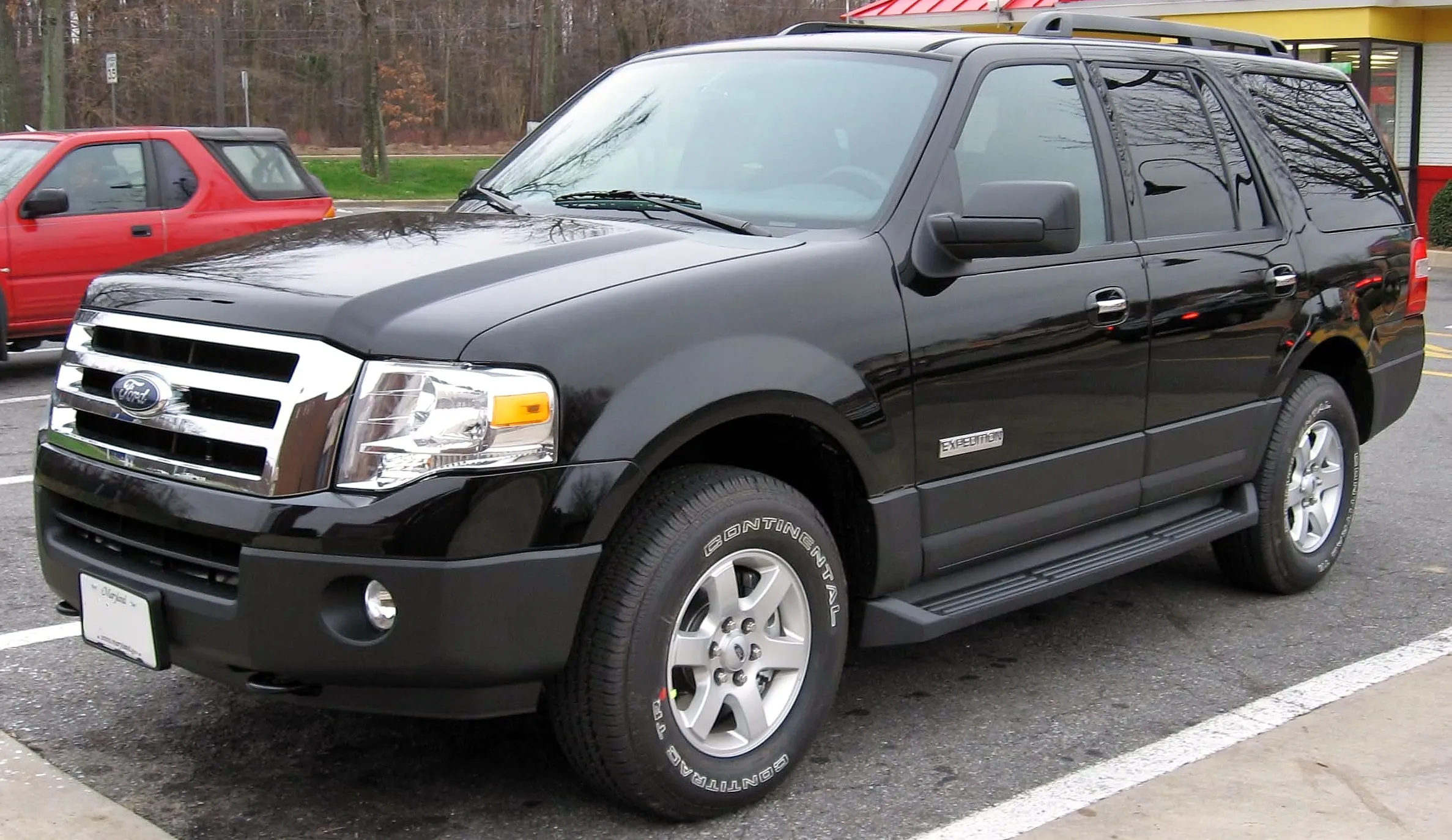
14. Ford Expedition (2007-2014)
These full-size SUVs share many components with the F-150, which means they benefit from all the durability testing and refinement that goes into Ford’s best-selling truck. The 5.4-liter V8 engine is proven and reliable, with many examples exceeding 200,000 miles without major problems.
The independent rear suspension provides a better ride than solid axles, but it is still durable enough for long-term use. Replacement parts are available at reasonable prices, and the job is not too difficult for a competent mechanic. The frame is strong and well-protected against rust, which is critical for a vehicle this size.
Towing capacity is excellent, and these Expeditions can handle heavy loads without straining the engine or transmission.
When a vehicle is built to handle more than you typically ask of it, it lasts longer because it never operates at its maximum capacity. This engineering margin contributes very well to the longevity of these SUVs.
Interior space is generous, and the seats are comfortable even after many miles. The dashboard materials hold up well, and the electronics are generally reliable.
Many families have used their Expeditions for ten years or more, accumulating high mileage while hauling kids, gear, and everything else that comes with an active lifestyle.
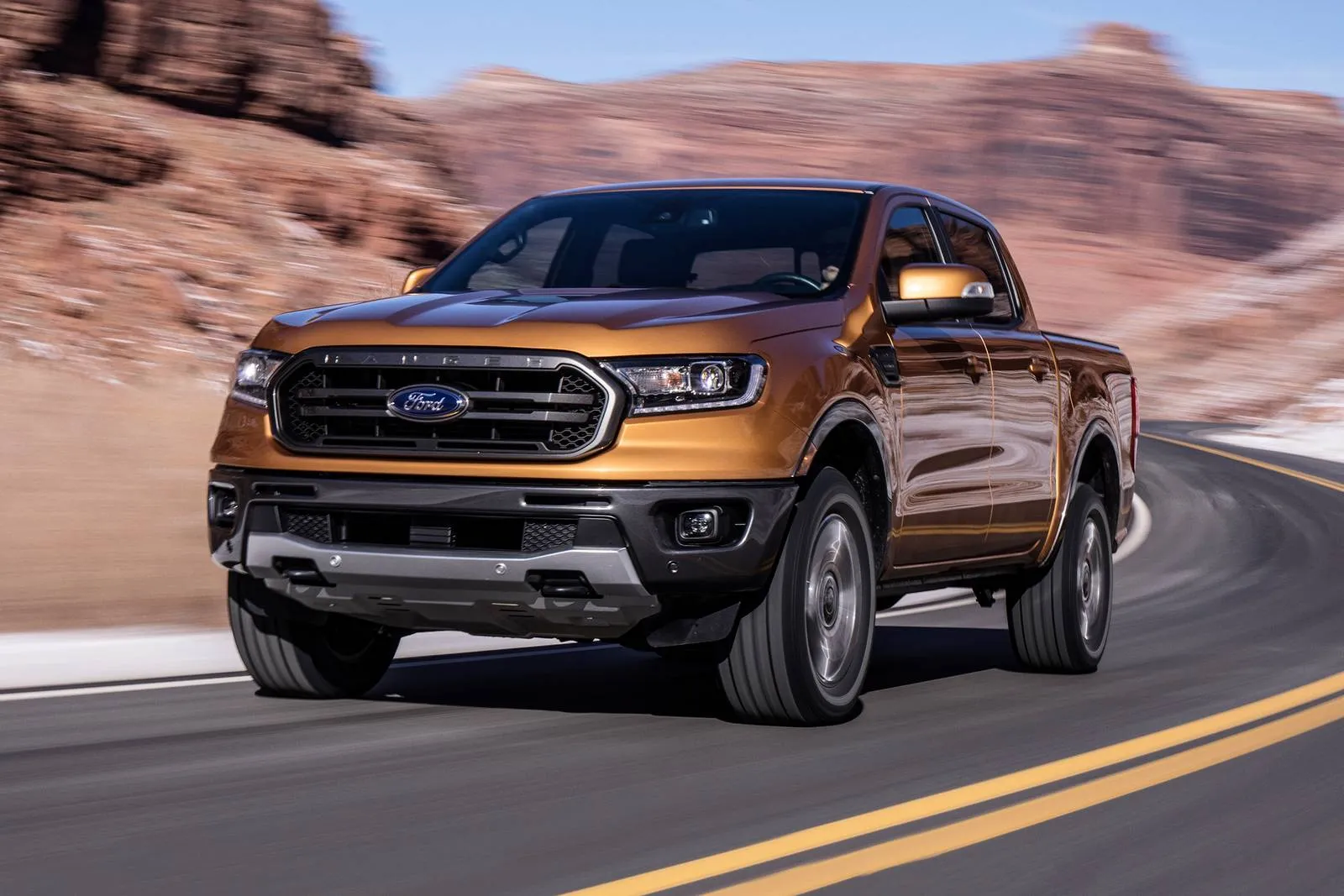
15. Ford Ranger (2019-2024)
The return of the Ranger brought a modern truck with proven durability. The 2.3-liter EcoBoost engine is the same basic design used in the Mustang, where it has proven reliable. The ten-speed automatic transmission is sophisticated but has shown good durability in testing and real-world use.
Frame construction uses high-strength steel with excellent rust protection. Ford learned from years of experience building trucks, and that knowledge shows in how well these Rangers resist corrosion. The suspension is tuned for both on-road comfort and off-road capability, with durable components that can handle rough treatment.
Payload and towing capacity are impressive for a mid-size truck, which means the Ranger can handle serious work without being stressed. When a truck is not working at its maximum capacity, all the components last longer. The engine does not have to strain, the transmission moves smoothly, and the brakes do not work as hard.
Technology features are modern without being overly complicated. The infotainment system is user-friendly, and the safety features work reliably. Many new truck buyers have chosen the Ranger and have been impressed with how well it holds up to daily use.
Although these are newer models without the long-term track record of older vehicles, early indications suggest these Rangers will be on the road for many years to come.
