
Many people admire old cars but often think they are too expensive or unreliable. Yet, some classic models have shown over the years that they can still run smoothly without draining your pocket.
These cars are not only affordable but also dependable enough to handle daily driving. While some older vehicles may struggle with maintenance issues, there are a few that have continued to prove that simple designs and strong builds can stand the test of time.
Owning a classic car gives you a different kind of joy compared to modern rides. It connects you with a history of design, engineering, and culture that shaped the automobile industry.
At the same time, you do not always need to spend a fortune before getting one that still performs well. Many drivers in America and beyond have found out that certain affordable classics can still keep them moving without fear of frequent breakdowns.
These cars often have available spare parts, simple engines that do not need high technology to repair, and a reputation for lasting longer than many of their modern rivals. For collectors and everyday drivers alike, some classic cars have remained trustworthy partners on the road.
Whether you want a car that reminds you of old times or one that can handle daily trips without giving too much stress, there are options that balance affordability with durability.
We will look at nine classic vehicles that have built a reputation for being dependable while also being friendly to your pocket. Each one comes with a unique background, a simple design, and a record of serving people for many years.
These cars prove that you do not always need modern luxury to get reliability, and they continue to be attractive for those who want lasting value at a fair price.
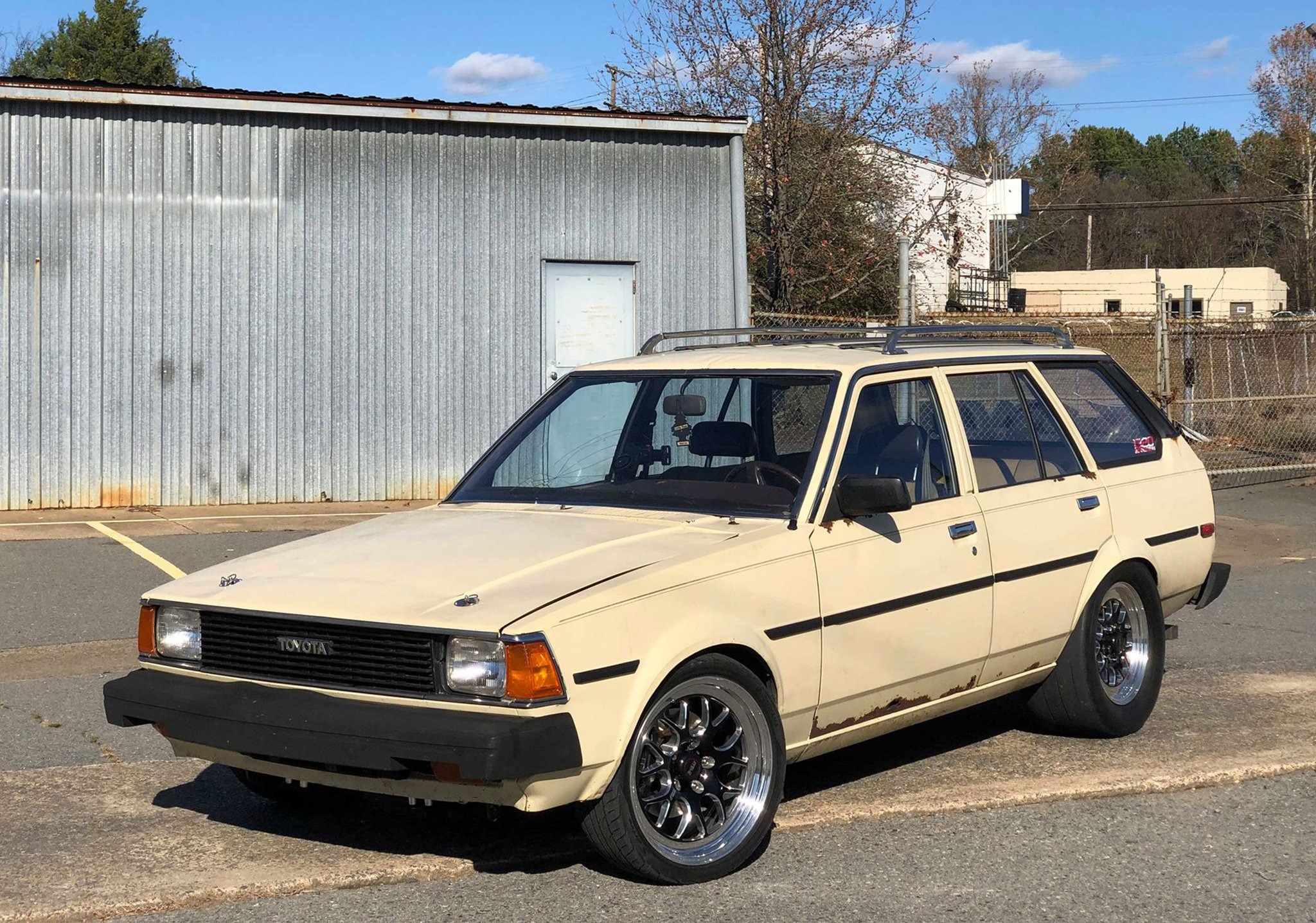
1. Toyota Corolla (1970s-1980s models)
When people talk about affordable classics that hardly fail, the Toyota Corolla from the 1970s and 1980s usually comes up first. These cars may not look flashy when compared to muscle cars of the same period, but they are respected because of how reliable they have been through the decades.
Toyota built these models with a focus on durability and practicality rather than style. That decision has paid off, as many of them are still running on the roads today.
The Corolla became popular in America because it was simple to maintain, fuel-efficient, and very easy to drive. At a time when gas prices were rising, many drivers wanted a car that could save them money without giving too much trouble.
The Corolla answered that need perfectly. Its small four-cylinder engines were not very powerful, but they were strong enough for daily driving and lasted longer than expected.
Owners often say the car can keep moving as long as you are willing to change the oil and keep up with basic servicing. Another reason the Corolla from this period continues to be trusted is that spare parts are widely available. Mechanics also find them easy to work on because the design is straightforward.
You do not need complicated computer systems to diagnose problems, and most of the issues can be handled with basic tools. This makes the car a good choice for people who want to own a classic without worrying about huge repair bills.
For collectors, the Corolla may not carry the same prestige as American muscle cars, but it has something different to offer. It is proof that simple engineering can deliver long-lasting value.
Many young drivers also like it because it is affordable to buy and cheap to keep on the road. If you are looking for a dependable classic that will not leave you stranded, the Corolla from the late 70s and 80s remains one of the strongest choices.
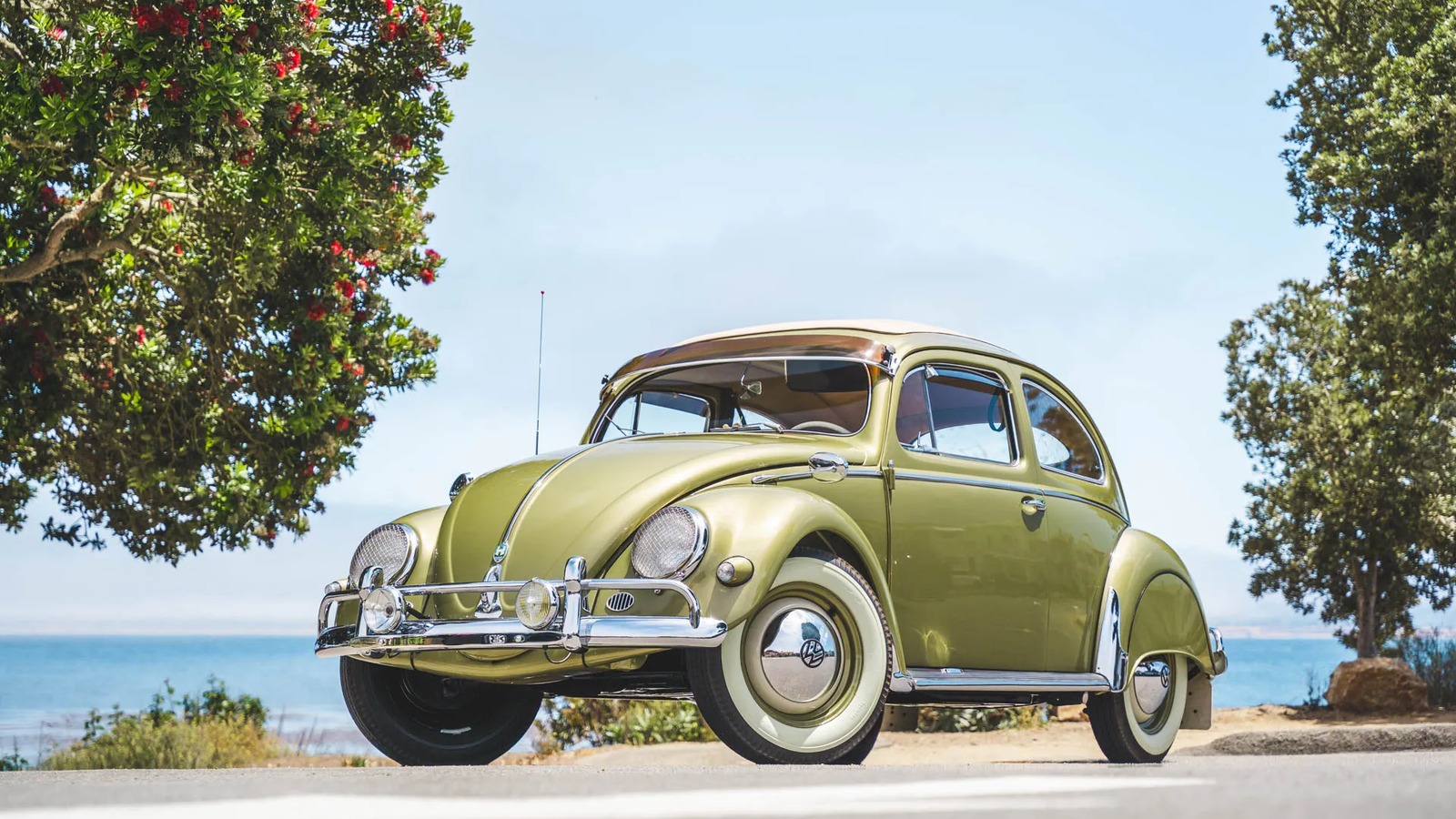
2. Volkswagen Beetle (1960s-1970s models)
Few cars in history are as easy to recognize as the Volkswagen Beetle. Its rounded body and compact size made it one of the most loved cars across different generations.
For those searching for an affordable classic that will not disappoint on the road, the Beetle from the 1960s and 1970s still stands as a solid option. The design was not complicated, and that simplicity is what gave it such a long life.
The Beetle became very popular in the United States during the 1960s. It offered something different from the big American cars that filled the streets at that time. While others were large and heavy, the Beetle was small, fuel-efficient, and easy to handle.
Students, young families, and even older drivers appreciated its reliability. It did not need advanced technology to impress people; it just needed to start each morning and get drivers where they were going without too much expense.
One of the strongest points of the Beetle is its air-cooled engine. Unlike water-cooled engines that use radiators and pumps, the Beetle’s setup removed those extra parts. That meant fewer things to go wrong and easier maintenance for the owner.
The engine sat at the back, and even though it was not very powerful, it was durable. Many owners from that era proudly shared how their Beetels ran for hundreds of thousands of miles with only simple servicing.
The affordability of parts has also kept the Beetle alive. Because millions of them were built, replacement parts are easy to find. Classic car workshops also enjoy working on them because the mechanical design is straightforward.
Even those who are just learning car repair can practice on a Beetle without feeling overwhelmed. This accessibility is one of the main reasons it has not disappeared from the roads. For collectors, the Beetle offers more than just nostalgia. It carries a cultural identity from the 1960s and 1970s, a period when it represented freedom and practicality.
Today, if you are searching for a classic that you can depend on without spending too much, the Beetle continues to be a wise pick. It may not have the raw speed of muscle cars, but its dependability is hard to ignore.
Also Read: 9 Underrated American Cars That Will Be Classics Soon
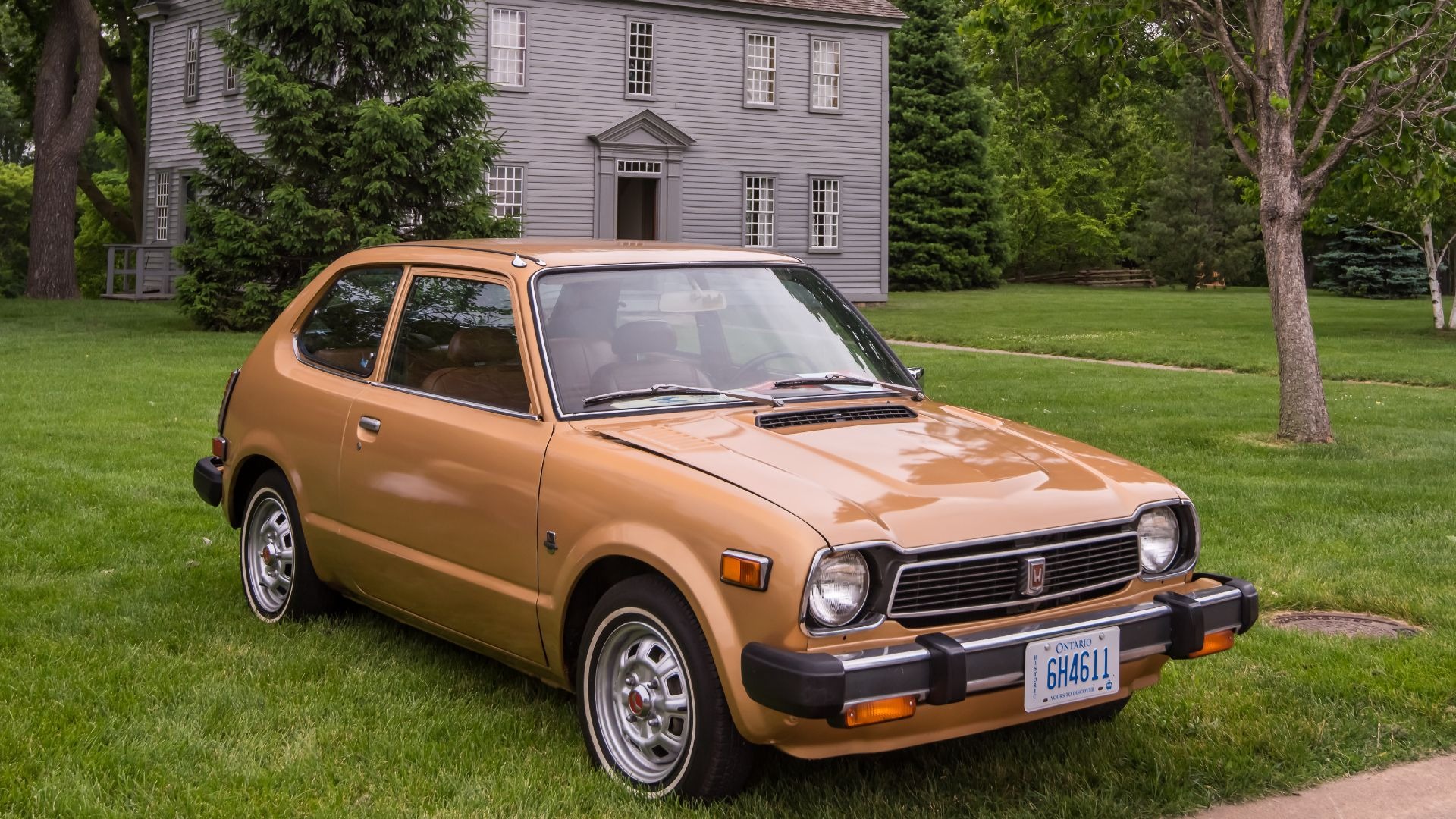
3. Honda Civic (1970s-1980s models)
The Honda Civic of the 1970s and 1980s is another affordable classic that has earned its place on this list. When it was first introduced to the United States, the Civic quickly became a favorite for drivers who wanted something dependable, compact, and cheap to maintain.
It was designed at a time when people were beginning to care more about fuel economy, and Honda responded with a car that could deliver good mileage without sacrificing reliability.
The early Civic models were very small compared to other cars on American roads, but their size worked as an advantage. They were easy to park in busy cities and simple to maneuver in traffic.
The four-cylinder engines were not built for speed, but they provided enough strength for daily commuting. What made the Civic stand out most was its ability to keep going for years when owners followed basic maintenance routines. Many people still drive these early models today, proof that Honda got the formula right from the beginning.
Another strength of the Civic from this era was its simplicity. Mechanics could work on it without facing unnecessary complications. The car did not rely on advanced electronics, and most of its issues could be solved with basic tools.
That meant owners did not have to worry about expensive repair bills. Honda also produced spare parts in large numbers, so finding replacements has never been a major problem.
These Civics also became popular among young drivers and students. The cars were affordable to purchase, cheap to run, and reliable enough to handle daily needs. Even as a classic today, the Civic still appeals to people who want a car that will not leave them stranded.
Its reputation for dependability is so strong that it influenced how later Honda models were built, shaping the company’s identity as a manufacturer of long-lasting vehicles. For collectors, the early Civic is not about power or luxury but about practicality and reliability. It offers a reminder of how a simple design can remain useful for decades.
If you want a classic that proves you do not need heavy styling or high horsepower to get value, the Civic from the 1970s and 1980s is one of the best choices.
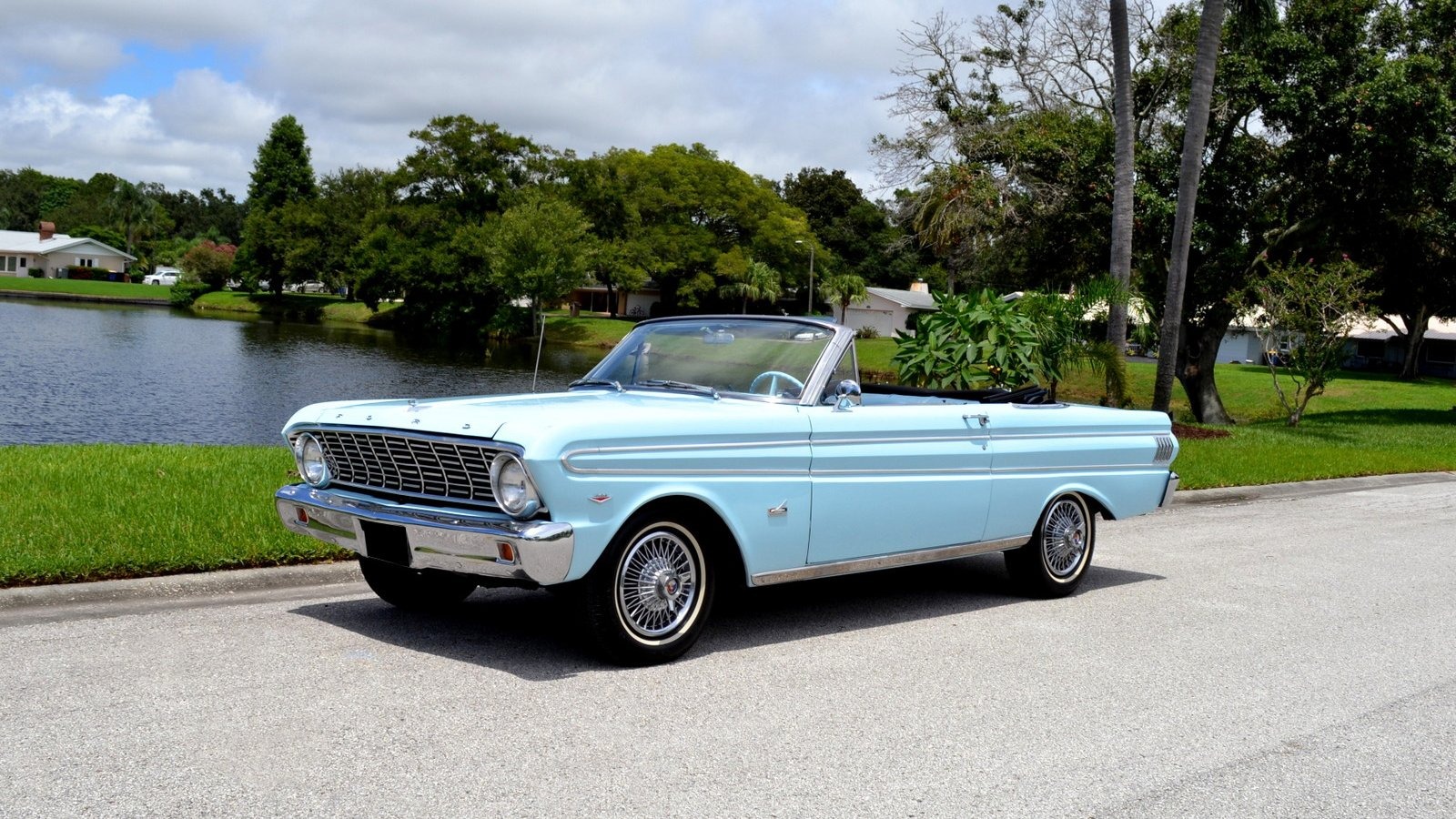
4. Ford Falcon (1960s-1970s models)
The Ford Falcon from the 1960s and 1970s is one of those cars that proved a simple design could stand the test of time. It was never created to be flashy or luxurious, yet it won the hearts of families, young drivers, and businesses.
Ford wanted to offer something smaller and more affordable than its full-sized cars, and the Falcon turned out to be exactly what many people needed during that period.
The Falcon carried a very straightforward design. It had a modest body style without unnecessary decoration, and its engine options were easy to maintain. Many buyers went for the six-cylinder versions because they were cheap to run and reliable.
The V8 versions offered more power, but the real strength of the Falcon was never about speed. It was about giving drivers a vehicle that could carry them to work, school, or on road trips without breaking down.
One of the things that made the Falcon attractive was its affordability. During a time when families were looking for practical solutions, the Falcon came in as a car that almost anyone could purchase without financial strain.
Its running costs were also friendly, and mechanics found it easy to repair. There were no unnecessary electronics to worry about, and most of the problems could be fixed quickly. The durability of the Falcon also stands out. Many of the cars built in that era are still around today, kept by collectors or enthusiasts who appreciate their simplicity.
The parts are not difficult to find, especially in the US, where Ford produced large numbers of these cars. This accessibility makes it easier for anyone interested in owning a classic to keep a Falcon in good shape.
Another point that added to the Falcon’s success was its versatility. It came in different body styles, including sedan, wagon, and even convertible. This meant buyers had options depending on their needs, but all versions shared the same dependable foundation.
For businesses, the wagon versions were particularly useful, while families liked the sedans. The Falcon may not carry the glamour of muscle cars from the same period, but it has a charm rooted in reliability.
For people who want an affordable classic that will not disappoint them, the Ford Falcon from the 1960s and 1970s remains a wise pick. It shows that cars built with a clear focus on practicality can remain useful even many decades.
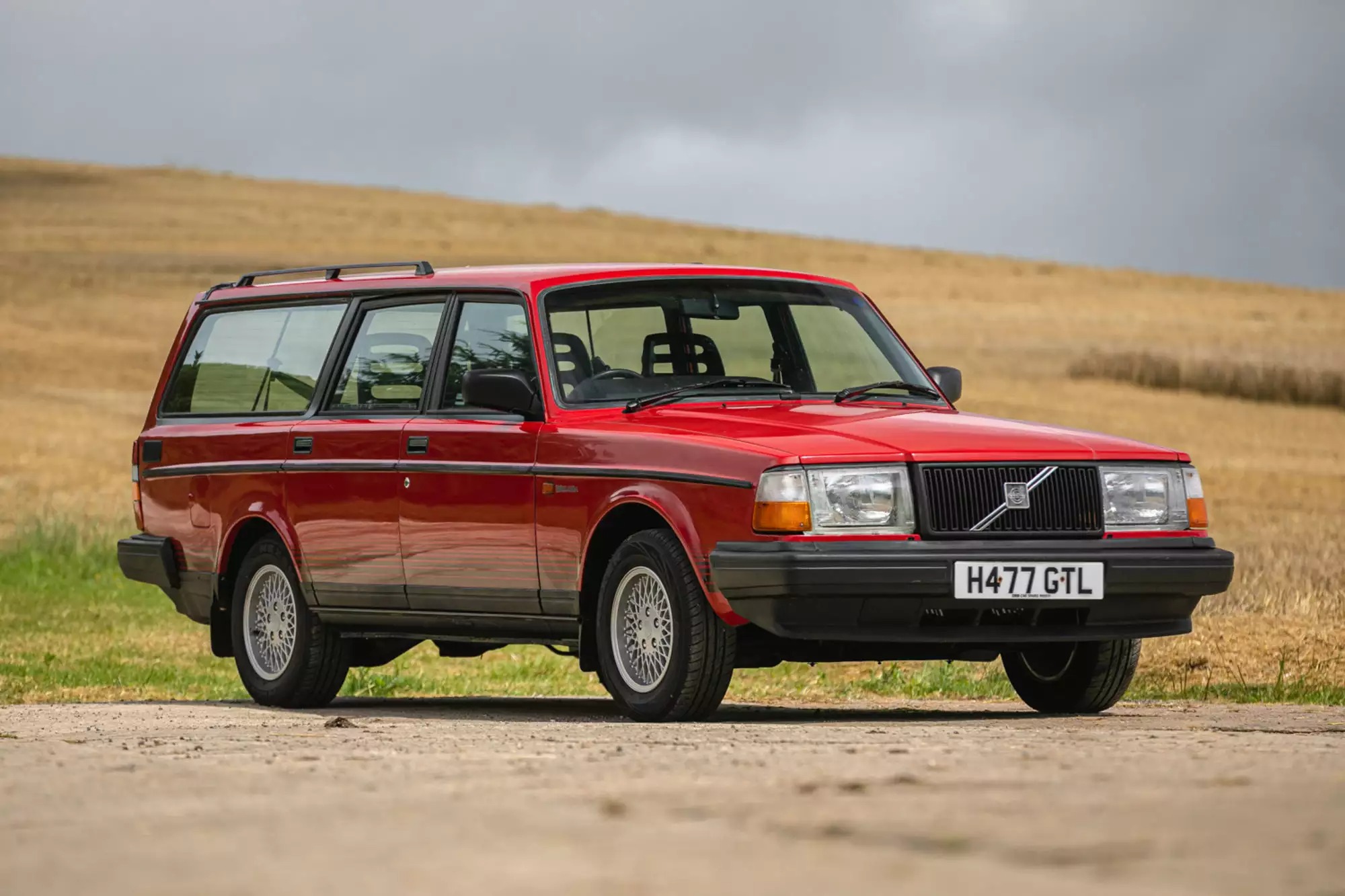
5. Volvo 240
The Volvo 240 has earned its place among dependable classics because of its strong build and reputation for safety. Produced from the mid-1970s until the early 1990s, the 240 became well known for lasting durability and straightforward engineering. Many of these cars are still running today, with owners reporting high mileage and minimal breakdowns.
One major strength of the Volvo 240 is its rugged construction. The frame, suspension, and drivetrain were designed to handle years of use without major failure. Owners often note that these cars can continue driving even with high mileage as long as regular servicing is performed.
Oil changes, timing belt replacements, and brake maintenance are usually enough to keep a Volvo 240 dependable. Another point of appeal is the availability of parts. While some specific items may require ordering, many replacement parts remain affordable and accessible.
This allows owners to maintain their vehicles without excessive expense. The simplicity of the design also means that many small repairs can be done without advanced equipment, making it easier for owners to keep their cars running.
The boxy design of the 240 has become iconic, and while it may not look modern, it has a unique charm that many classic car lovers appreciate. The interior is also built to last, with durable seats, clear controls, and strong materials that hold up well. Comfort and visibility are good, making the 240 practical for everyday driving even today.
The Volvo 240 stands as an example of how reliability and safety can combine in a classic car. It may not be the fastest or most stylish vehicle on the list, but it continues to prove itself as a machine that can be trusted for daily driving. For someone who wants an affordable classic that can still be used regularly, the Volvo 240 is an excellent option.
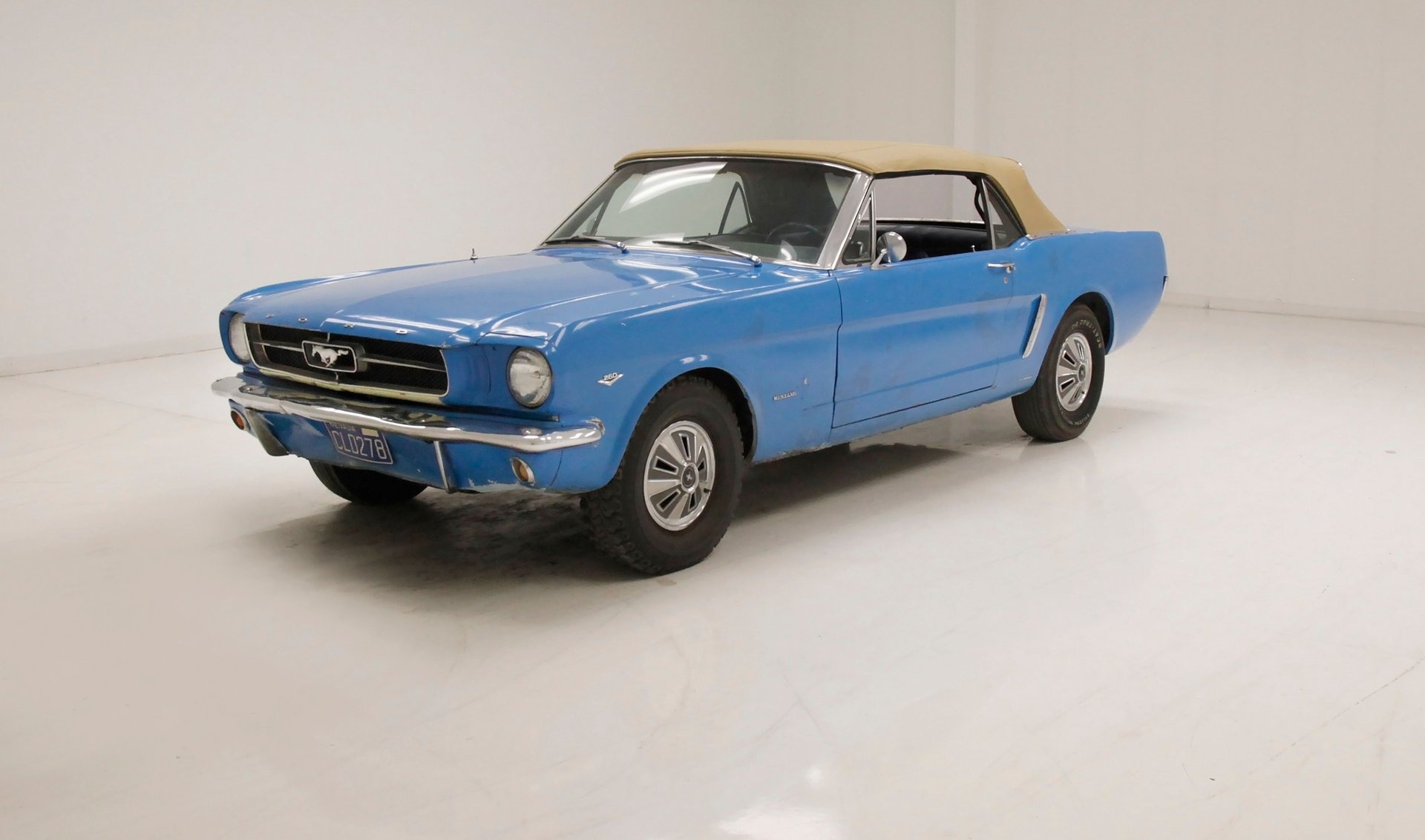
6. Ford Mustang (Classic Models)
The Ford Mustang is one of the most recognised cars in American history, and it remains a classic that car lovers respect for its balance of style, power, and reliability. While many people remember the Mustang for its sporty look and exciting performance, older models have also proven to be dependable cars that can run for decades when properly maintained.
That quality makes it a good choice for those who want an affordable classic that will not easily fail them. Under the hood, the Mustang came with different engines depending on the model year, ranging from simple inline-sixes to powerful V8s.
Even the base engines, when maintained with regular oil changes and tune-ups, could keep performing for many years. The availability of parts is another advantage that keeps the Mustang on the road. Since it is one of the most produced American cars, spare parts are easy to find and relatively affordable, which reduces the cost of repairs.
The suspension and chassis of the Mustang were built to handle daily driving and even spirited use. Farmers, commuters, and collectors alike have appreciated how the car could serve as both a fun ride and a practical vehicle. Owners who stick to routine maintenance usually get long-lasting service, with some Mustangs still running strongly after 200,000 miles.
Inside the cabin, the Mustang combined simple but durable materials. Classic vinyl seats, strong dashboards, and mechanical controls have aged well compared to other cars of the same era. Even when used regularly, many of these interiors still look presentable after decades.
Another reason the Mustang holds its value is its strong resale demand. Many buyers are willing to pay good money for older Mustangs, whether for restoration projects or everyday use. This means that anyone who owns one and keeps it in good condition will not only enjoy reliable transportation but also a vehicle that retains value.
The Ford Mustang stands as proof that performance and dependability can come together in a classic package. With its simple mechanics, available parts, and lasting build, it remains one of the most affordable classics that can still serve daily needs without leaving the owner stranded.
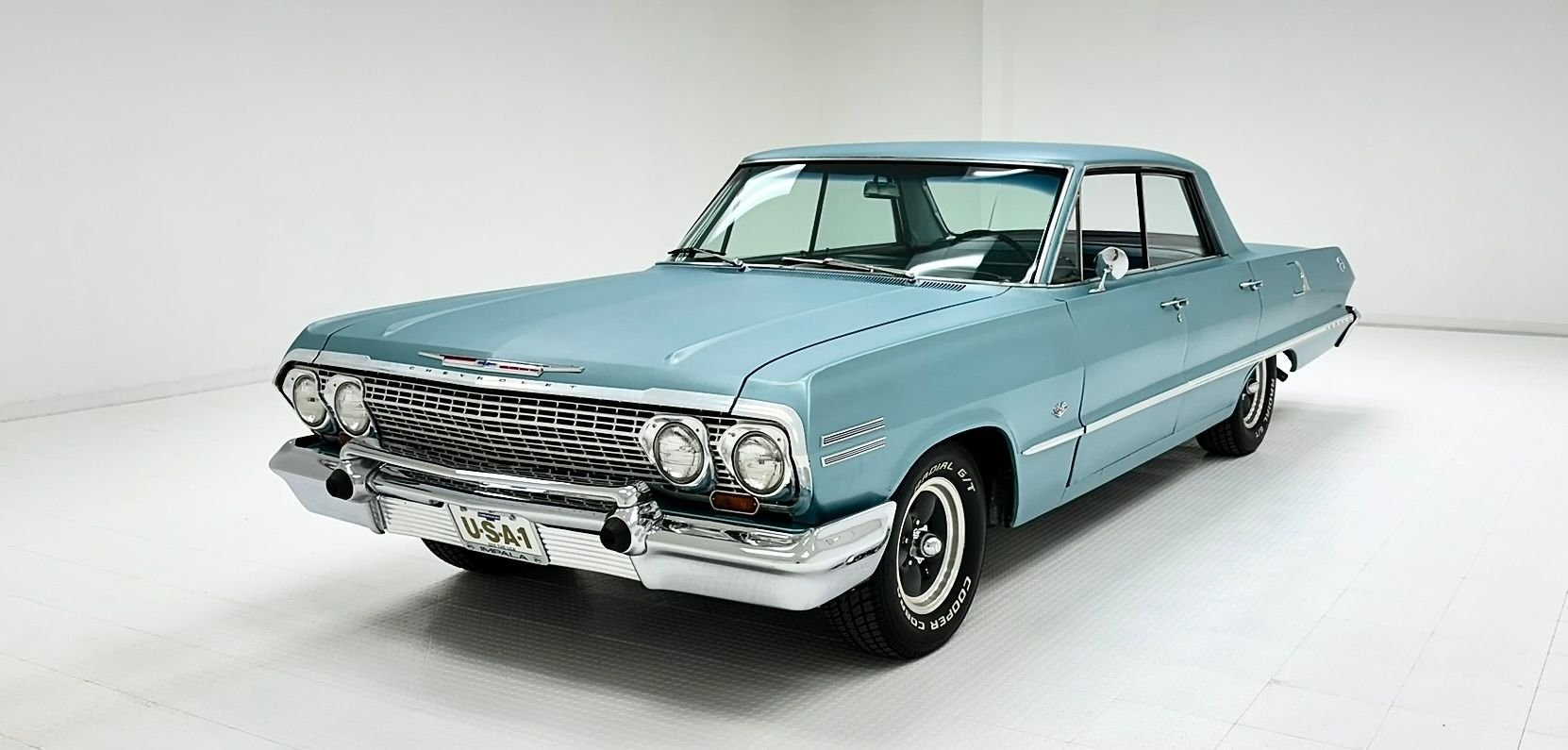
7. Chevrolet Impala (Older Generations)
The Chevrolet Impala is another American classic that continues to prove its dependability even decades after its introduction. Known for its size, comfort, and simple engineering, the older Impala models have remained reliable cars that can be maintained easily and affordably. For many drivers, this car represents not just style but also long-lasting service that makes it a trusted option among affordable classics.
The Impala came with a range of engines, from fuel-efficient inline six-cylinder options to stronger V8s. These engines were built with durability in mind and were not difficult to repair. With regular servicing such as oil changes, carburetor cleaning, and brake checks, owners could keep their Impalas running smoothly for many years. It is common to find classic Impalas still in use today, proving that Chevrolet designed them to last.
One of the strongest qualities of the Impala is its roomy design. Both the interior and trunk space are large, which made the car popular for families and long road trips. The seating materials and dashboard components were made with strength, and many owners report that these features have stood the test of time. Unlike some classic cars that wear out quickly inside, the Impala’s interior has been known to remain functional and comfortable.
On the road, the Impala offered a smooth and stable ride thanks to its suspension setup. It was never a sports car, but its balance between comfort and performance made it practical for everyday use. Many collectors and drivers today still appreciate this blend, which explains why the Impala continues to attract interest in the classic car market.
Another advantage is the wide availability of parts. Because Chevrolet produced large numbers of these vehicles, replacement parts remain accessible. This makes repairs straightforward and ensures that keeping an Impala in good condition is not a burden for the owner.
The Chevrolet Impala remains a dependable classic for those who want a stylish car with lasting power. Its durable engine, wide availability of parts, and practical design ensure that it remains one of the affordable classics that will not leave the driver stranded.
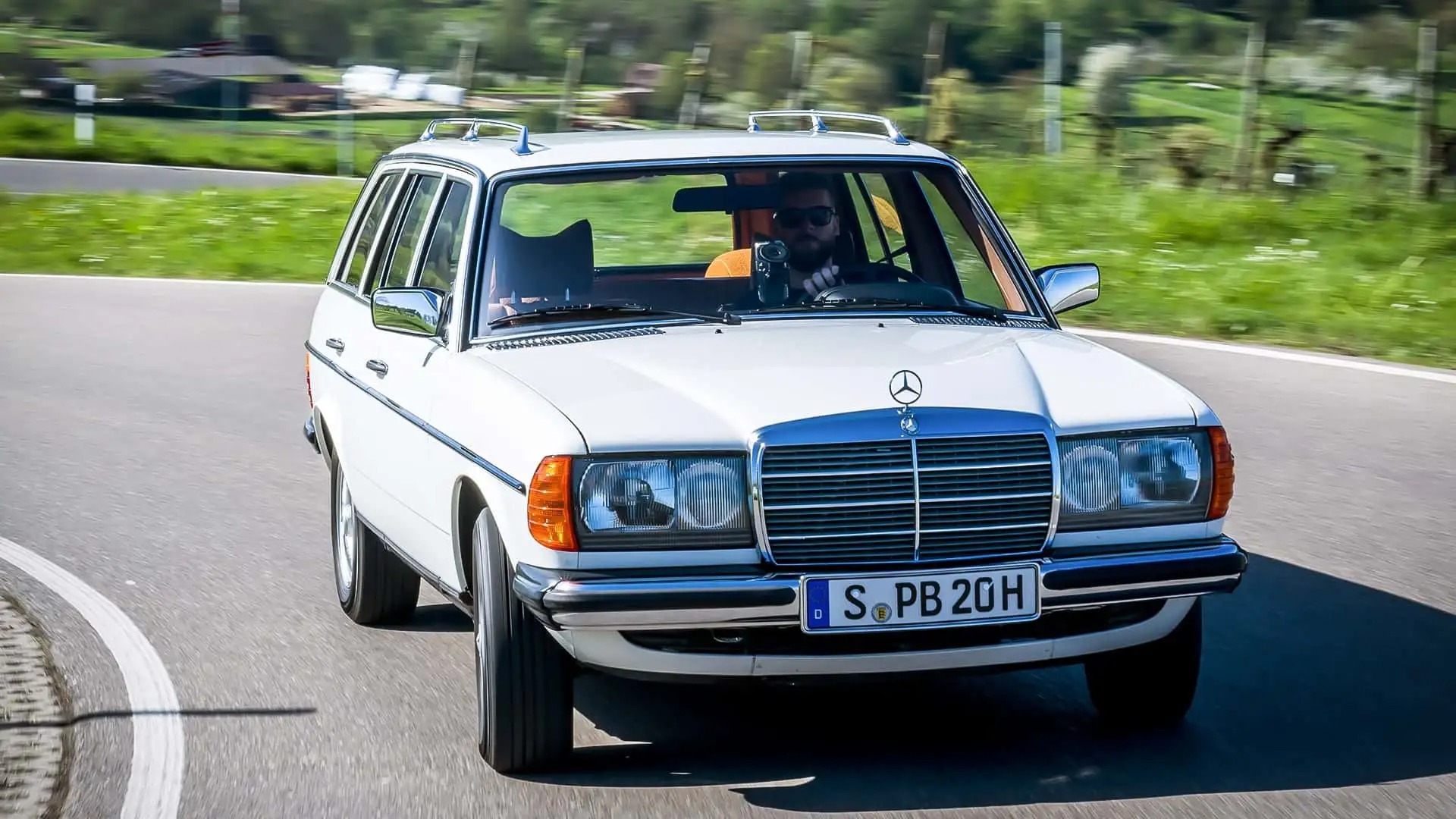
8. Mercedes-Benz W123
The Mercedes-Benz W123, produced from the late 1970s into the 1980s, is often remembered as one of the strongest vehicles the company ever made. It was not the fastest or most stylish car of its time, but it carried a reputation for toughness and reliability that still stands today.
Many people who drove this model found that it could handle years of heavy use without losing its value. One of the strongest qualities of the W123 was its engine. Mercedes offered both petrol and diesel options, with the diesel versions gaining a reputation for lasting hundreds of thousands of miles with proper care.
Taxi operators around the world preferred the W123 because it could run for decades with only routine maintenance. Stories of these cars reaching extremely high mileage are common, and many are still in service in some regions.
Comfort was another area where the W123 impressed buyers. The interior was spacious, with strong seats and simple controls that made it user-friendly. Even though the design was not flashy, it had a sense of quality that reminded owners they were driving a Mercedes. The ride was smooth, which made long trips less tiring.
Maintenance was straightforward compared to many luxury cars of its time. Mechanics often praised the W123 for its durability and ease of service. Replacement parts were widely available, and the car’s design avoided unnecessary complications. This meant owners could keep their vehicles in good condition without spending excessive amounts.
The W123 was also known for its solid build. The body panels, doors, and the structure felt strong and reliable. It gave owners a sense of safety, especially during long-distance travel.
Mercedes built the W123 with the intention of creating a vehicle that would outlast many of its competitors, and it succeeded. Even today, you can find W123 models still being used daily. Their longevity has made them one of the most respected classic cars.
The model shows how strong engineering and focus on durability can create vehicles that remain useful long after production has ended. For many drivers, the W123 represents a time when cars were built to last.
Also Read: 9 Most Reliable Cars That Rarely See Cooling Failures
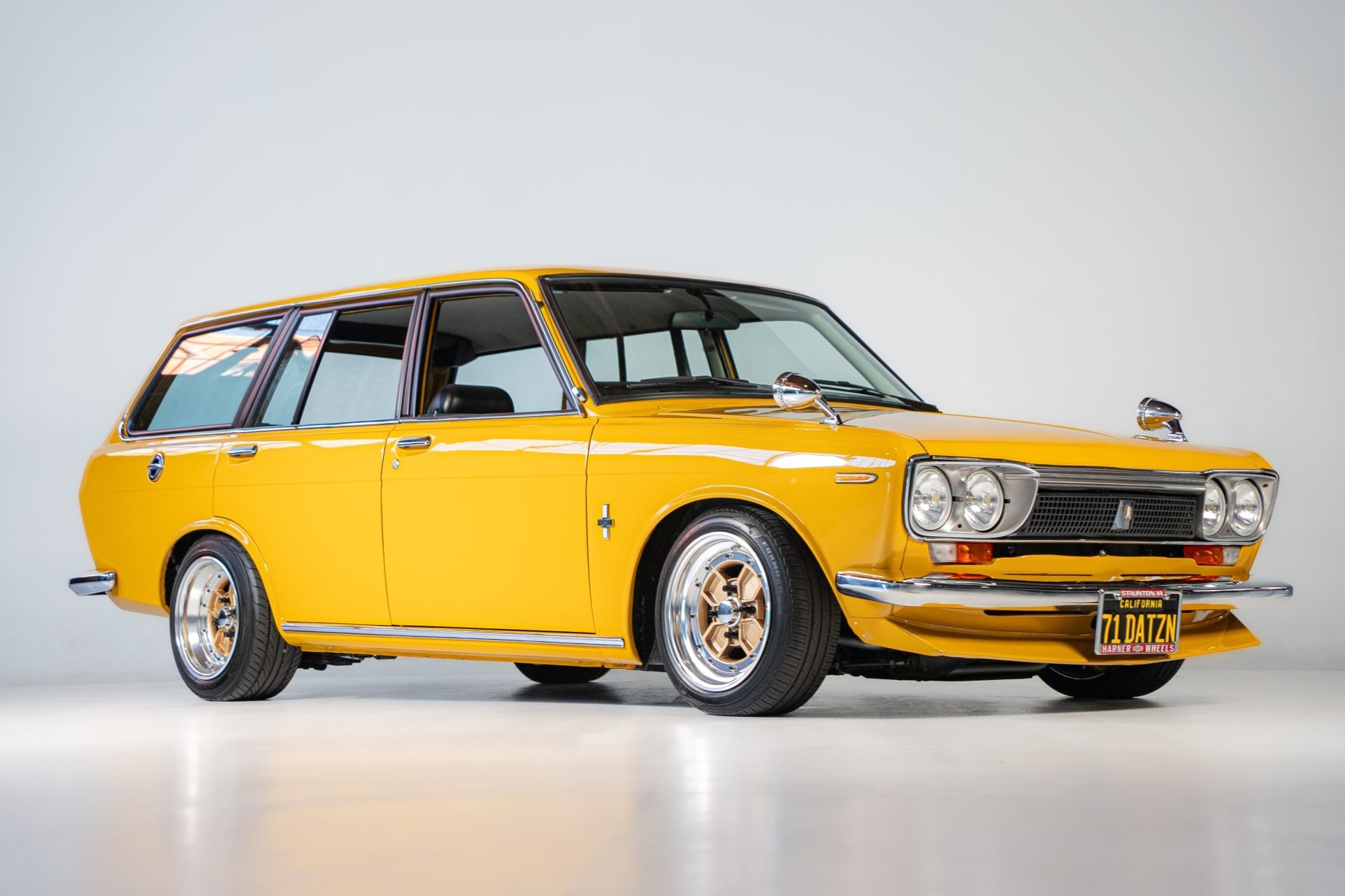
9. Datsun 510
The Datsun 510, produced in the late 1960s and early 1970s, is often remembered as the car that proved affordable vehicles could still be reliable and enjoyable. While many people considered it a budget option, those who owned one quickly discovered its hidden strength. The 510 became known as a durable and easy-to-maintain vehicle that stayed dependable for years.
One major reason the 510 gained attention was its engine. Datsun equipped it with a four-cylinder engine that was simple yet efficient. It provided enough power for daily use while being economical with fuel.
Mechanics admired the engine because it was easy to repair and rarely gave serious problems. This practical design helped the 510 win trust among people who wanted a car that would not leave them stranded.
The suspension system also added to the car’s appeal. It offered a stable ride that balanced comfort and control. Drivers enjoyed how the 510 handled both city roads and longer trips. The suspension made the car dependable for different driving conditions, something that many vehicles in its price range struggled to achieve.
The 510’s affordability played an important role in its success. Buyers could own a reliable car without spending heavily, and the low maintenance costs made ownership even more attractive.
Spare parts were easy to find, and repairs did not require complicated processes. This combination of low purchase price and low running costs made the 510 a practical choice for families and young drivers.
The design of the 510 was simple but pleasing. It did not have flashy styling, yet its clean lines and balanced proportions gave it a timeless look. Owners appreciated that the car looked neat while staying functional.
Many of these cars are still preserved by collectors today, showing that their value has endured for decades. The Datsun 510 proved that simplicity and thoughtful design can produce a car that outlasts expectations.
Its reputation for durability, low cost of ownership, and consistent performance made it one of the classic vehicles people still respect today. For many, it remains a symbol of how affordable cars can be built to last.
