
Heat is one of the greatest enemies of car engines. When temperatures climb too high, even the strongest vehicles can fail if they are not built to manage pressure, heat, and strain.
For drivers who live in very hot regions or who push their vehicles hard on highways, the risk of overheating is always present. This is why some engines are highly respected, because they continue to perform without giving up, even when tested in very demanding conditions.
Automakers across the United States and other parts of the globe have spent decades designing powertrains that can hold steady even when placed under heavy use. The best of them are not only durable but also efficient at keeping their internal temperatures in control.
These engines combine strong engineering, excellent cooling systems, and a design that reduces stress even when working under pressure. Drivers who have owned vehicles with these engines often talk about how they can drive long distances, carry heavy loads, or endure desert-like heat without the temperature gauge rising dangerously.
The reason is simple: engines that are designed with proper airflow, strong cooling components, and balanced mechanical structures are always more reliable. They continue to move people and goods across states, highways, and tough terrains without failing.
The engines that make this list are not only trusted by everyday drivers but also respected by mechanics and professionals who understand their construction. They prove that when engineering is done right, a car can keep running for hundreds of thousands of miles without suffering heat damage.
Let us now look at ten engines that have built a name for themselves by refusing to overheat, even when pushed to their limits in extreme conditions.
1. Toyota 2UZ-FE V8
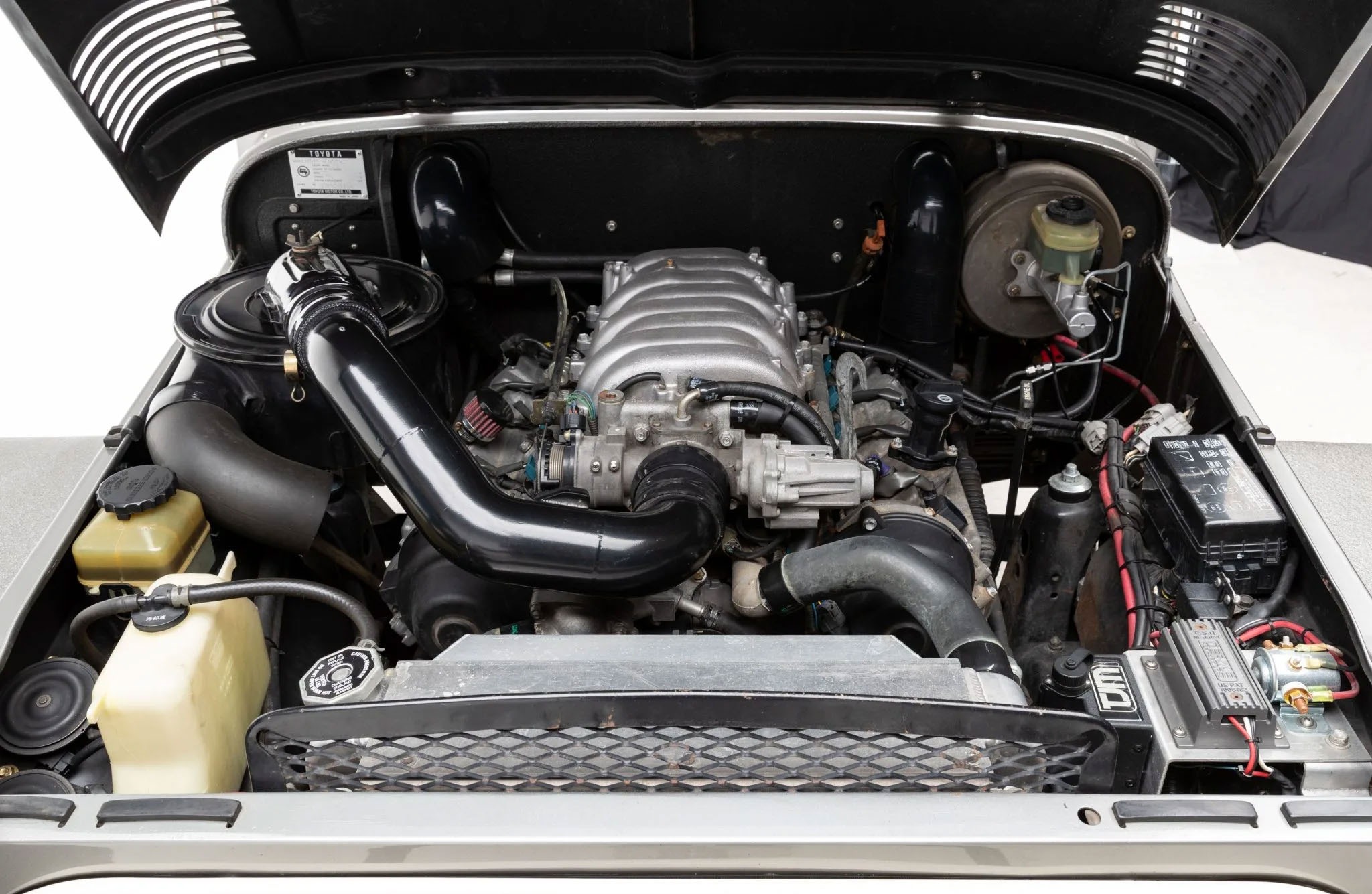
The Toyota 2UZ-FE V8 is an engine that has been tested in some of the toughest conditions. Many drivers know it as the power unit found in the Toyota Land Cruiser and some Toyota Tundra trucks.
It is built for heavy-duty work, and this makes it one of the most reliable V8 engines ever made by Toyota. One of the main reasons why this engine resists overheating is its iron block.
Unlike aluminum blocks that can be lighter but less forgiving in extreme heat, the 2UZ-FE was designed with durability in mind. The strength of the block allows it to handle high compression and heavy loads without cracking under temperature stress.
Its cooling system is also very effective. The engine uses wide water passages and a well-designed radiator setup that ensures coolant flows smoothly across the block.
Drivers who have taken this engine through deserts or mountainous terrain often confirm that the temperature gauge remains steady even when the vehicle is fully loaded.
Another factor that makes this engine dependable is its simplicity. Toyota avoided adding unnecessary complexity that could fail under high heat. The design is straightforward, which allows it to manage stress with fewer points of weakness.
Mechanics also find it easier to maintain, which means owners can keep it running well with regular servicing. Owners of vehicles with this engine report going hundreds of thousands of miles without major overheating incidents.
Many Land Cruisers with the 2UZ-FE have been used in regions with very high temperatures, yet they continue to perform as if new. This shows that the engine was not only made for comfortable driving but also built for heavy work in places where heat is a constant challenge.
The Toyota 2UZ-FE stands out as one of the few V8 engines that combine strength, reliability, and heat resistance. Its design proves that when an engine is built for endurance, it can survive extreme conditions without breaking down.
2. Honda K24 Inline-4
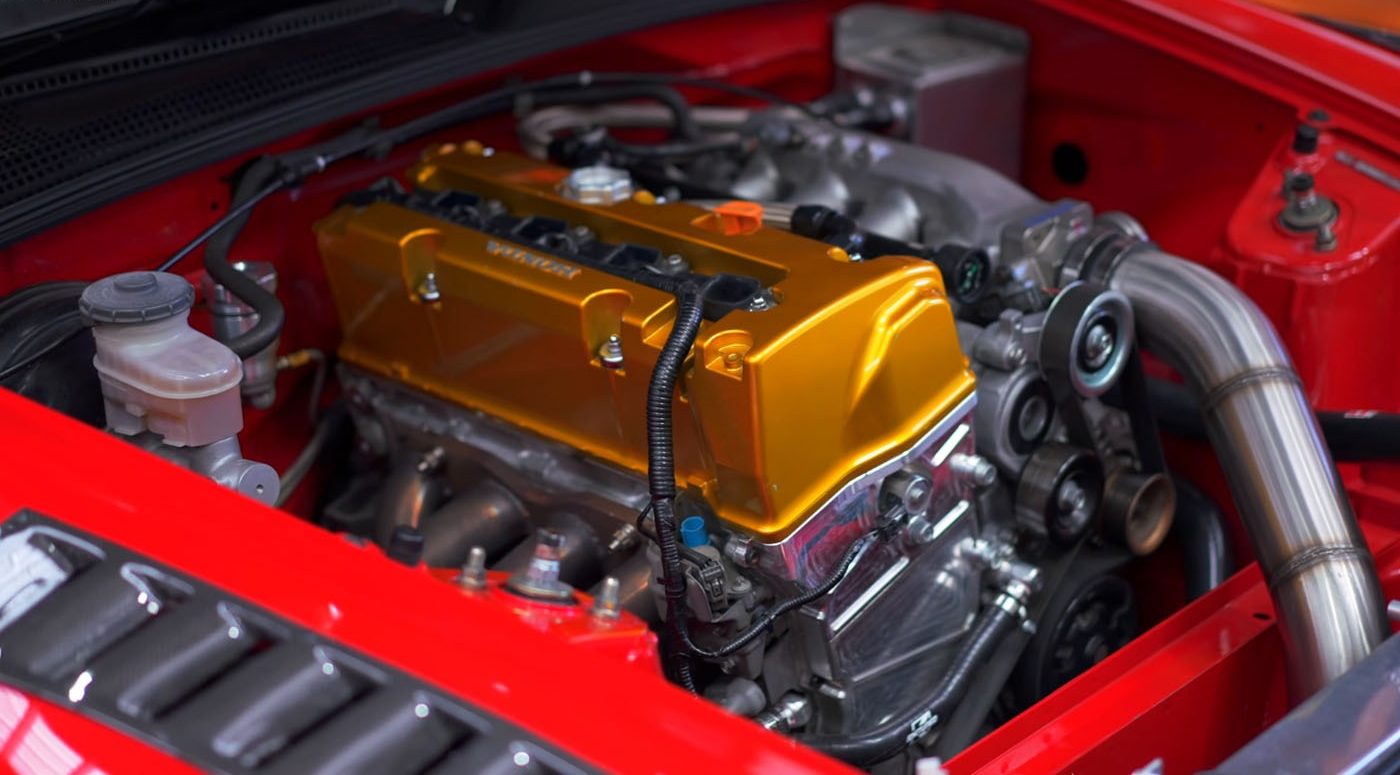
The Honda K24 Inline-4 has earned respect for being one of the most dependable engines in Honda’s history. Found in cars like the Honda Accord, CR-V, and Element, this engine continues to deliver strong performance while staying cool under pressure.
What makes the K24 so special is its strong aluminum block paired with an efficient cooling system. Honda designed the block with solid internal walls, which makes it capable of handling both daily driving and hard use.
Even though aluminum tends to heat up faster than iron, Honda solved this by pairing the block with excellent coolant flow and a well-balanced cylinder head. This engine also has a chain-driven timing system that reduces mechanical stress.
By using timing chains instead of belts, Honda eliminated one of the weak points that could fail in hot environments. Drivers who own K24-powered vehicles often say they can push the car for long trips in hot weather without worrying about overheating.
Another reason the K24 resists heat problems is its efficiency. The engine is tuned to produce power without unnecessary strain. It does not run hotter than it needs to, which gives it an edge in extreme climates.
Even when driven hard, the design ensures that the combustion process is balanced, reducing the chances of thermal stress. Many mechanics also point out that the K24 is forgiving to owners who may not service their cars on time.
While regular oil changes and coolant flushes are recommended, the engine is built in such a way that it can survive small lapses in maintenance better than many other engines. This adds to its reputation for dependability.
The Honda K24 Inline-4 has become a favorite not only for daily drivers but also for performance enthusiasts. It shows that when an engine is built with both strength and balance in mind, it can survive heat and pressure without letting the driver down.
Also Read: 10 Naturally Aspirated Engines That Last Longer Than Turbos
3. Cummins 6BT 5.9L Diesel
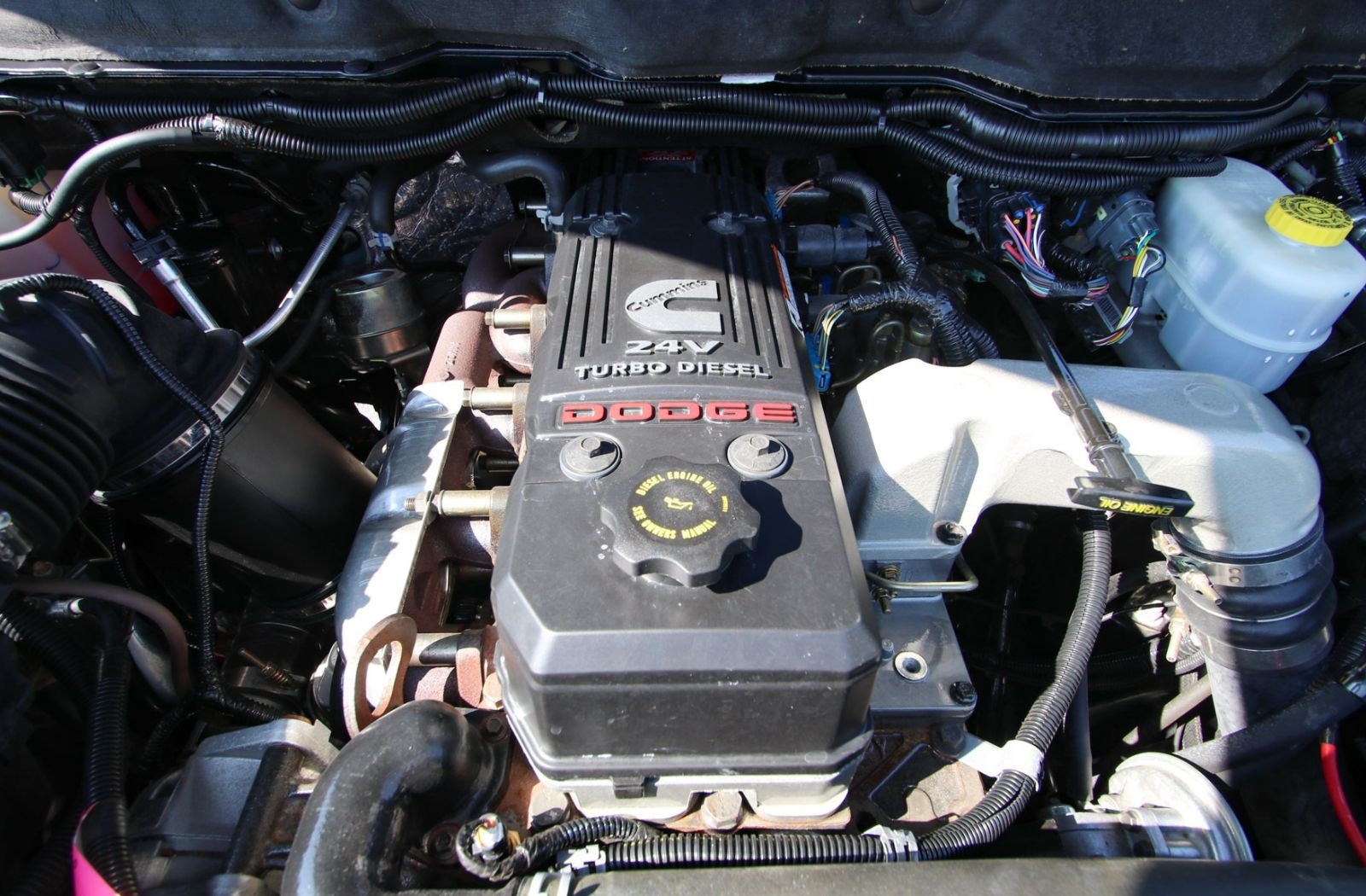
The Cummins 6BT 5.9L Diesel engine is widely regarded as one of the strongest diesel engines ever produced. Found in many Dodge Ram trucks and used in commercial applications, this engine has proven itself to be almost unbreakable under stress.
One reason the 6BT resists overheating is its simple design. It uses a mechanical fuel injection system that avoids unnecessary complexity. This simplicity reduces the number of parts that can fail when temperatures rise.
With fewer components under stress, the engine remains steady even when pushed hard. The engine block is made from cast iron, giving it the strength to handle both high temperatures and high compression.
Diesel engines naturally produce more heat due to higher compression ratios, but the 6BT manages this well with a cooling system that is designed for constant heavy use. Many trucks powered by the 6BT are used for towing heavy loads or driving long distances across states.
Drivers who have owned these trucks for decades report that overheating is seldom an issue, even when the truck is carrying its maximum load. Another reason this engine lasts so long under pressure is its durability against wear.
The 6BT has strong pistons, a solid crankshaft, and a heavy-duty cooling design that makes it nearly impossible to kill through heat damage. With proper maintenance, these engines are known to run for more than half a million miles.
The Cummins 6BT Diesel is proof that strength and simplicity can make an engine last forever. It continues to be one of the most respected engines in American trucking history, and its ability to resist overheating is a major reason why.
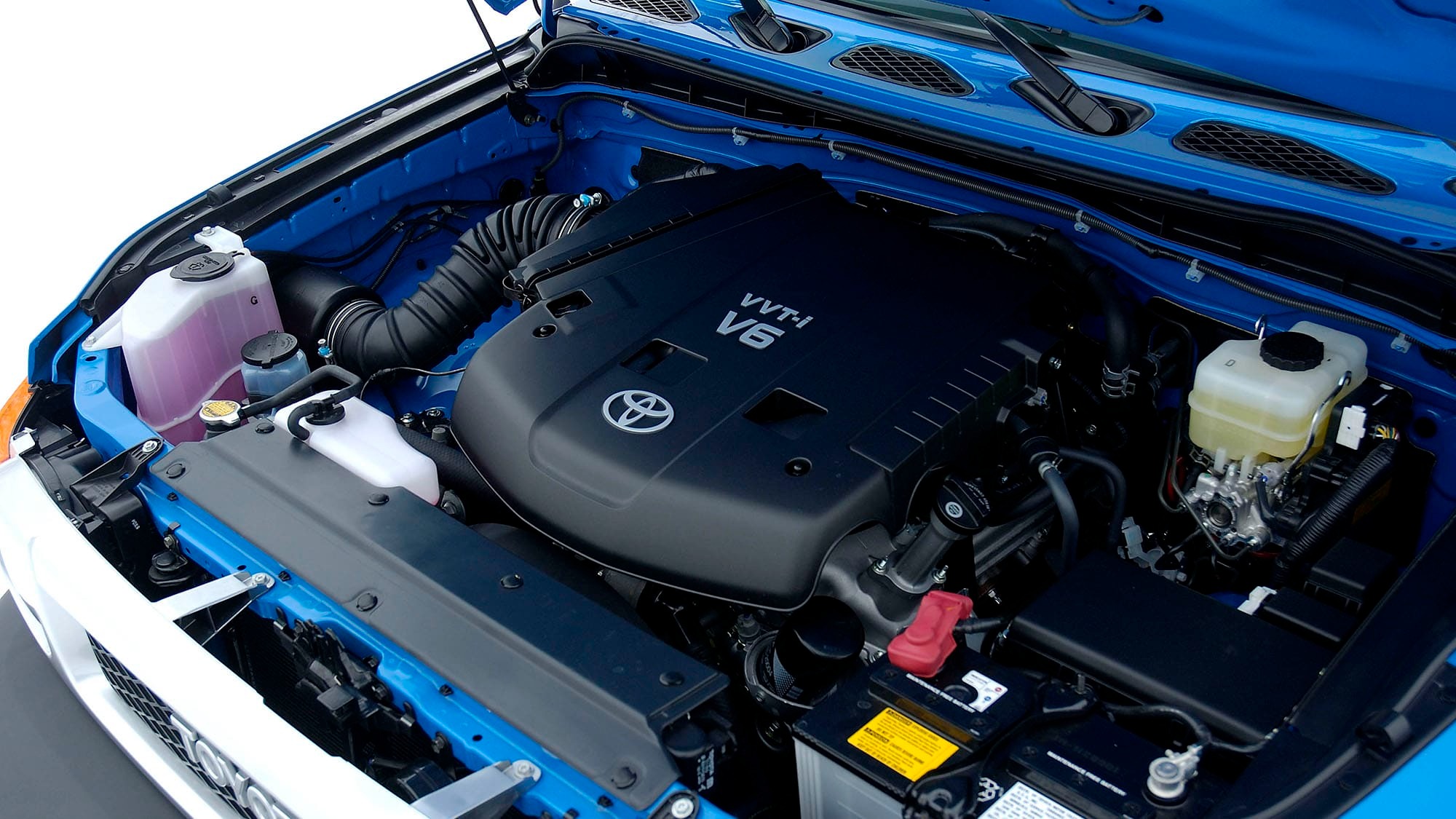
4. Toyota 1GR-FE V6
The Toyota 1GR-FE V6 is another engine that has proven its toughness in high heat and rough driving conditions.
Found in vehicles such as the Toyota Tacoma, 4Runner, and FJ Cruiser, this power unit has built a reputation for being one of the most trusted V6 engines Toyota has ever designed.
One of the most important reasons this engine is reliable under extreme conditions is the strength of its construction. The 1GR-FE was built with an aluminum block reinforced with cast iron liners.
This design makes it lighter than older cast-iron engines but still strong enough to handle the stress of high temperatures. By combining lightweight material with durability, Toyota made sure that the 1GR-FE could handle pressure without overheating.
The cooling system is also carefully engineered. Toyota designed wide coolant passages that allow fluid to move smoothly across the engine. With a reliable water pump and a well-sized radiator, the engine rarely suffers heat spikes even when climbing steep hills or towing loads in hot weather.
Drivers often report that even during long road trips through deserts or heavy traffic in very hot cities, the 1GR-FE stays calm and does not allow the temperature gauge to rise dangerously.
Another strength of this engine is its timing chain setup. Unlike engines that rely on rubber timing belts, the 1GR-FE uses a durable chain that is not easily damaged by heat.
This adds to the engine’s long life since timing belt failures are often a cause of overheating in less durable engines. Owners also appreciate how balanced the power delivery of the 1GR-FE is.
It provides enough horsepower and torque for tough work, but it does not strain itself unnecessarily. This efficiency helps keep operating temperatures in control. Mechanics often highlight that the 1GR-FE is easier to maintain than some other V6 engines, and regular servicing keeps it strong for many years.
There are many examples of Toyota Tacomas and 4Runners with this engine crossing 300,000 to 400,000 miles without suffering major overheating issues. In areas with extreme heat, the 1GR-FE is trusted because it was designed with long-term reliability in mind.
It shows how Toyota carefully balances strength and efficiency in its engineering. The 1GR-FE V6 remains one of the best choices for drivers who need a reliable mid-size SUV or pickup that will not let them down when temperatures rise.
It has been proven that with the right design, a V6 engine can be just as dependable as larger powertrains in harsh conditions.
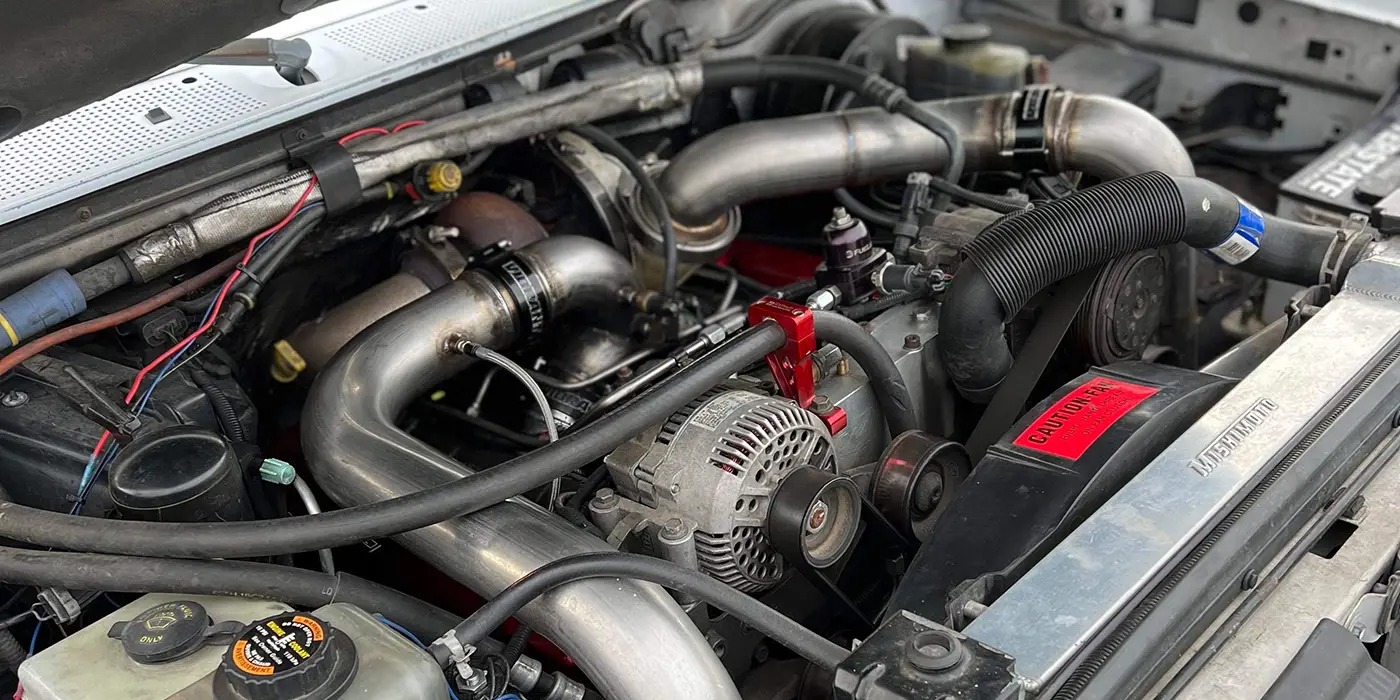
5. Ford 7.3L Power Stroke Diesel
The Ford 7.3L Power Stroke Diesel engine is one of those motors that earned respect because of how well it stands up to extreme working conditions. Produced during the 1990s and early 2000s, this engine powered heavy-duty Ford trucks such as the F-250 and F-350.
It was designed with toughness as the first priority, and even after many years, it is still considered one of Ford’s strongest diesel engines. One of the main reasons this engine resists overheating is its strong cast-iron block and heads.
Diesel engines naturally run hotter than gasoline ones because of the high compression needed for ignition. The 7.3L Power Stroke was built to handle these pressures with ease.
Its heavy-duty construction makes it stable even when running under heavy loads for long hours. This is why many truck owners still use it for towing, hauling, and farm work in hot climates without worrying about overheating.
Another design feature that helps is the direct injection fuel system. This system provides more efficient combustion by injecting fuel directly into the cylinders at high pressure. Efficient combustion means less wasted heat and better temperature control.
With the right cooling system support, the engine keeps its temperature in check even while pulling trailers or driving through deserts. The oil cooling setup also contributes to its durability.
The 7.3L Power Stroke uses a large oil cooler that prevents oil from getting too hot. Since oil plays a major role in keeping temperatures balanced, this design gives the engine a stronger defense against overheating.
Truck owners often mention that as long as they keep the oil and coolant fresh, this motor keeps working like new. Another big advantage is its low-revving nature.
Unlike smaller engines that need to spin faster to make power, the 7.3L Power Stroke delivers plenty of torque at low speeds. This reduces stress on the engine and helps it maintain steady operating temperatures.
Drivers often report that even during long uphill climbs while towing, the temperature gauge stays in the safe zone. Many of these engines have passed 500,000 miles and are still running, which shows how dependable they are.
Even in very hot US states such as Arizona, Texas, and Nevada, owners praise the 7.3L for its ability to handle heat without breaking down. Some people even call it one of the best diesel engines ever made for consumer trucks.
This engine continues to be remembered as one of Ford’s greatest achievements. Its combination of strength, cooling efficiency, and long-lasting design explains why it is still popular today, even though it has been out of production for many years.
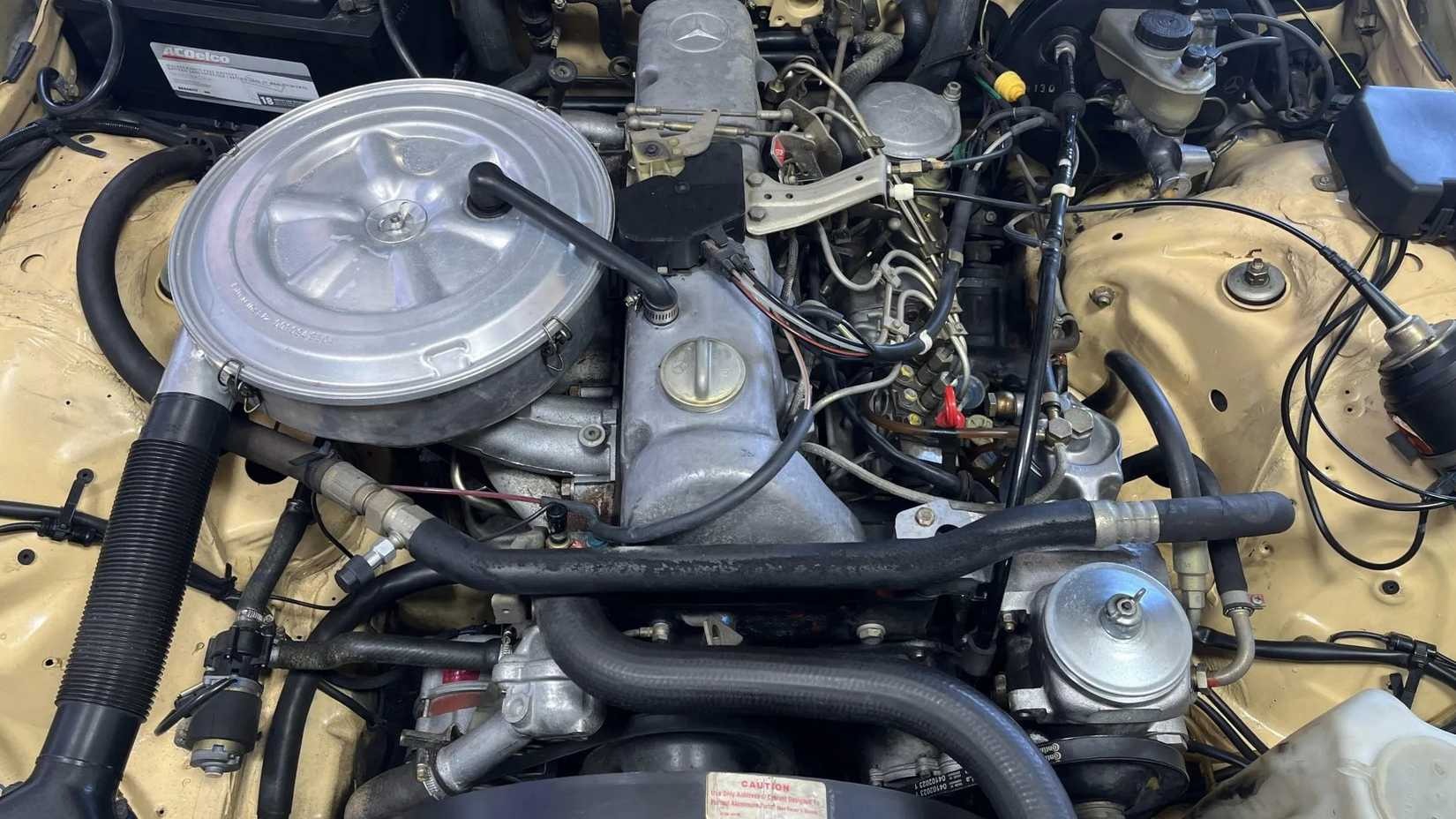
6. Mercedes-Benz OM617 Diesel Engine
The Mercedes OM617 is a diesel engine that earned a reputation for its toughness. Produced in the late 1970s and 1980s, this engine powered the Mercedes 300D and other models that were exported around the globe.
Many of these vehicles are still in use today, particularly in regions where extreme heat is common. One of the features that makes the OM617 resist overheating is its robust cast iron block and head.
Diesel engines naturally generate high temperatures because of the combustion process, yet this engine was built to handle that pressure. The iron design allows it to absorb and distribute heat without cracking or warping.
In addition, the engine is relatively low-stressed, meaning it was not tuned for high output but for reliability. That lower stress ensures less heat build-up during daily use.
The cooling system in the OM617 is simple but very effective. It uses a strong water pump, thick radiator channels, and a thermostat that keeps the temperature stable even under heavy load. Many drivers in hot African and Middle Eastern countries have shared experiences of this engine running reliably during long journeys under the scorching sun.
Another factor that protects this engine from overheating is its slow operating speed. Compared to modern high-revving engines, the OM617 runs at a relaxed pace, which produces less heat. It also uses mechanical fuel injection, a system that avoids the extra complexity of electronics that can sometimes fail in hot conditions.
With regular oil changes and cooling system checks, the OM617 can keep running for decades. Its reputation as one of the strongest diesel engines ever built shows why it is trusted in regions where other engines often struggle with heat.
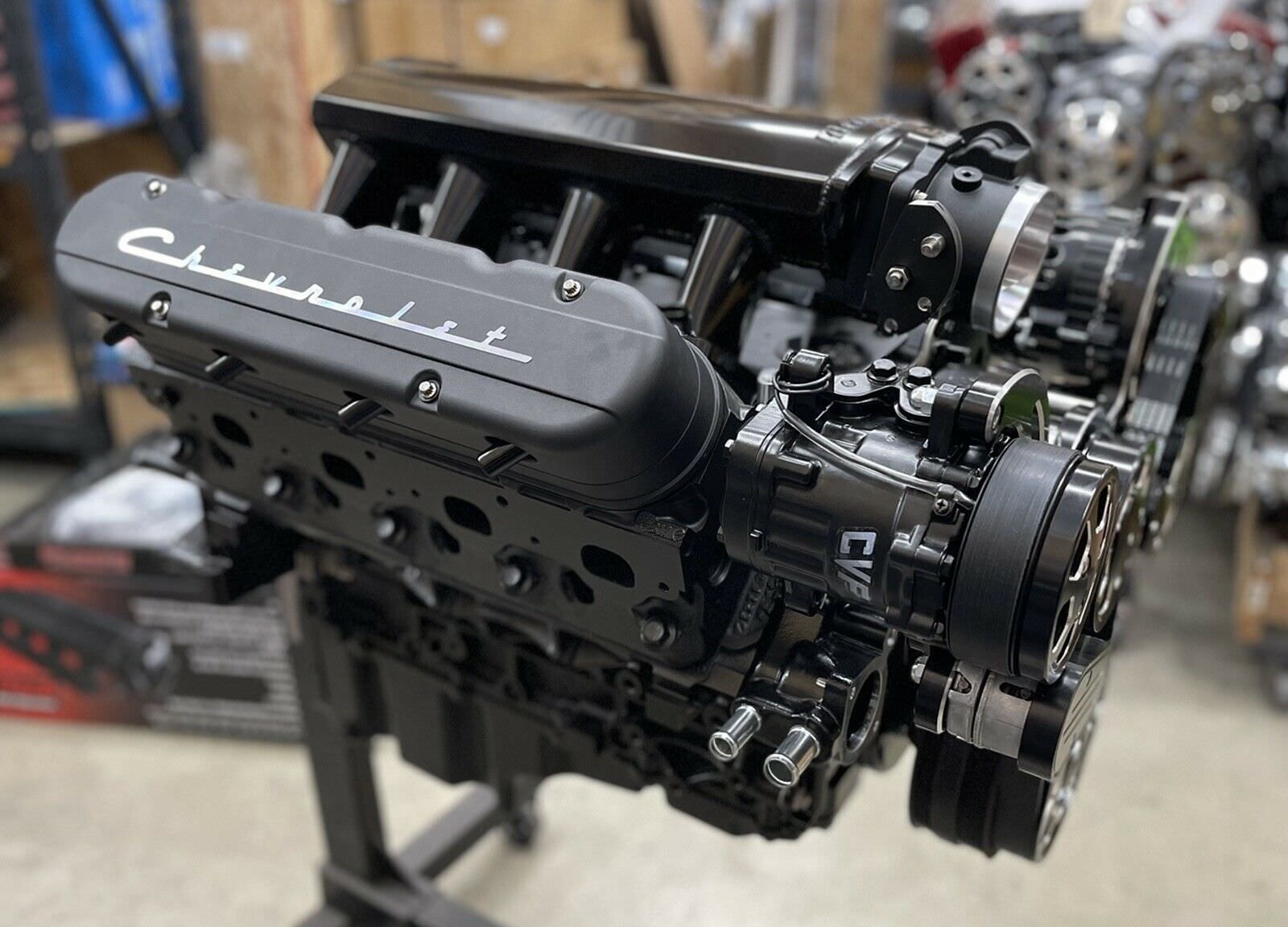
7. Chevrolet LS V8 Series
The Chevrolet LS V8 series is one of the most respected modern American engines, and one major reason is how well it manages heat even when pushed to the limit.
Since its introduction in the late 1990s, the LS family has been widely used in pickup trucks, performance cars, and even swapped into custom builds. People appreciate it not only for its power but also for its ability to stay reliable under extreme use.
One reason the LS series avoids overheating is the efficiency of its cooling design. These engines come with aluminum cylinder heads and, in many versions, an aluminum block.
Aluminum dissipates heat faster than iron, which helps the engine remain cooler even when under heavy strain. This quality gives LS engines an edge in performance and towing situations where heat is usually a problem.
The LS cooling system is also designed with precision. The water passages in the heads and block are engineered to allow coolant to flow evenly, which reduces hot spots that could cause overheating.
The thermostats and water pumps used in these engines are strong enough to keep temperatures stable, even when towing trailers through hot climates or when drivers put high demands on the engine.
Another factor that protects the LS V8 is its relatively compact design. It is smaller and lighter compared to many older V8s, which helps reduce the thermal load. Despite its smaller size, it produces impressive horsepower and torque, making it a favorite in trucks and SUVs.
This balance of power and efficiency allows it to handle heat better than many engines of similar capacity. Maintenance also plays a role in why LS engines have such a reputation for staying cool.
With proper oil changes, coolant flushes, and radiator care, these engines can easily handle extreme heat without serious issues. Many truck owners in states with high temperatures report that their LS-powered trucks continue running smoothly, even while towing boats, trailers, or work equipment.
Durability is another advantage. The LS engines were designed with strong internal parts, including forged crankshafts in some versions, which allows them to operate under pressure without generating excess heat that could damage weaker components.
When combined with a well-functioning cooling system, the engine rarely suffers from overheating. Another reason the LS family is trusted is that it has been used across a wide range of vehicles.
From heavy-duty Silverado pickups to sports cars like the Corvette, the same basic engine design has been tested under different conditions. This broad use has proven its ability to handle stress without temperature problems.
Many enthusiasts also modify LS engines with turbochargers, superchargers, or performance upgrades, and even in these high-power setups, the engines remain stable if cooling systems are upgraded properly.
That shows just how much confidence drivers have in the LS design. The Chevrolet LS V8 series has earned a strong place in American pickup truck culture. Its ability to resist overheating, combined with power, lightweight design, and adaptability, makes it one of the engines that truck owners trust the most when faced with extreme conditions.
8. Toyota 1HZ Diesel
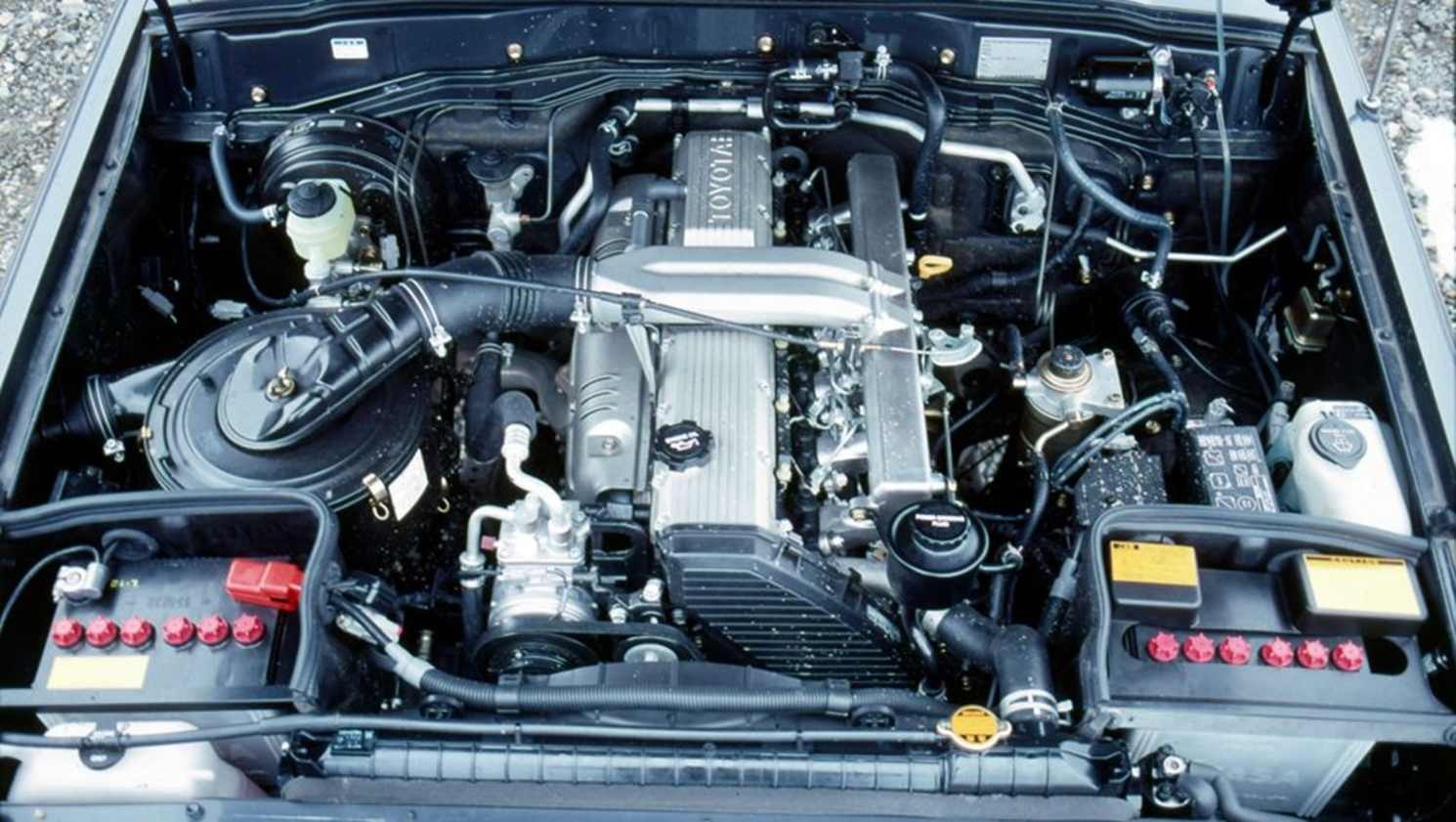
The Toyota 1HZ diesel engine is famous for its ability to endure extreme conditions without overheating. Introduced in the early 1990s, it was used in Land Cruiser models, which are well-known for their ruggedness and ability to traverse difficult terrains.
Many Toyota 1HZ engines are still running strong today, often surpassing 500,000 miles with minimal issues, and their ability to handle heat is one of the main reasons for this longevity. One of the 1HZ’s strongest features is its simple and robust design. It is a naturally aspirated six-cylinder diesel engine, which means there are no turbochargers to add extra heat or strain.
The mechanical fuel injection system is straightforward and reliable, helping the engine avoid overheating even during long journeys across deserts or mountainous regions. Its simple layout reduces the chance of failure in high-temperature situations.
The 1HZ has a strong cast iron block and cylinder head, which allows it to withstand high pressures without deforming. Its heavy-duty construction keeps the engine stable under extreme loads and prevents heat from concentrating in weak points.
This means drivers can use the engine for extended off-road trips or towing without worrying about engine damage from high temperatures. Cooling is another area where the 1HZ shines.
The engine has a well-designed water jacket and an effective radiator system that keeps coolant circulating evenly. This prevents hot spots from forming and ensures the engine operates at a safe temperature even in hot climates.
Owners report that as long as the radiator is clean and coolant levels are maintained, the 1HZ rarely shows signs of overheating, even during long hauls in extreme heat. The 1HZ also benefits from its low-revving nature. Unlike high-revving engines, it produces most of its torque at low speeds, which reduces the amount of heat generated during operation.
This characteristic makes it ideal for off-road driving, towing, and other heavy-duty tasks, as the engine maintains a steady temperature without straining itself. Another factor that contributes to the 1HZ’s heat resistance is its high-quality lubrication system.
The engine oil circulates efficiently, carrying heat away from critical components while also reducing friction. This helps the engine avoid excess heat buildup and contributes to its long-term reliability.
Many vehicles equipped with the 1HZ have reached hundreds of thousands of miles without major repairs, demonstrating its ability to handle heat over extended periods. The reputation of the Toyota 1HZ engine extends across the United States and beyond.
It is especially popular in regions where extreme temperatures are common, such as deserts and areas with high-altitude conditions. Drivers who use these engines for work, overlanding, or adventure trips know that they can rely on the 1HZ to perform consistently, no matter how harsh the environment.
Its combination of simplicity, mechanical reliability, and strong cooling capabilities makes the Toyota 1HZ a standout engine for anyone who needs power and endurance in high-temperature situations. Its legendary durability proves why it is one of the engines that refuses to overheat under extreme conditions.
9. Ford 300 Inline-Six Engine
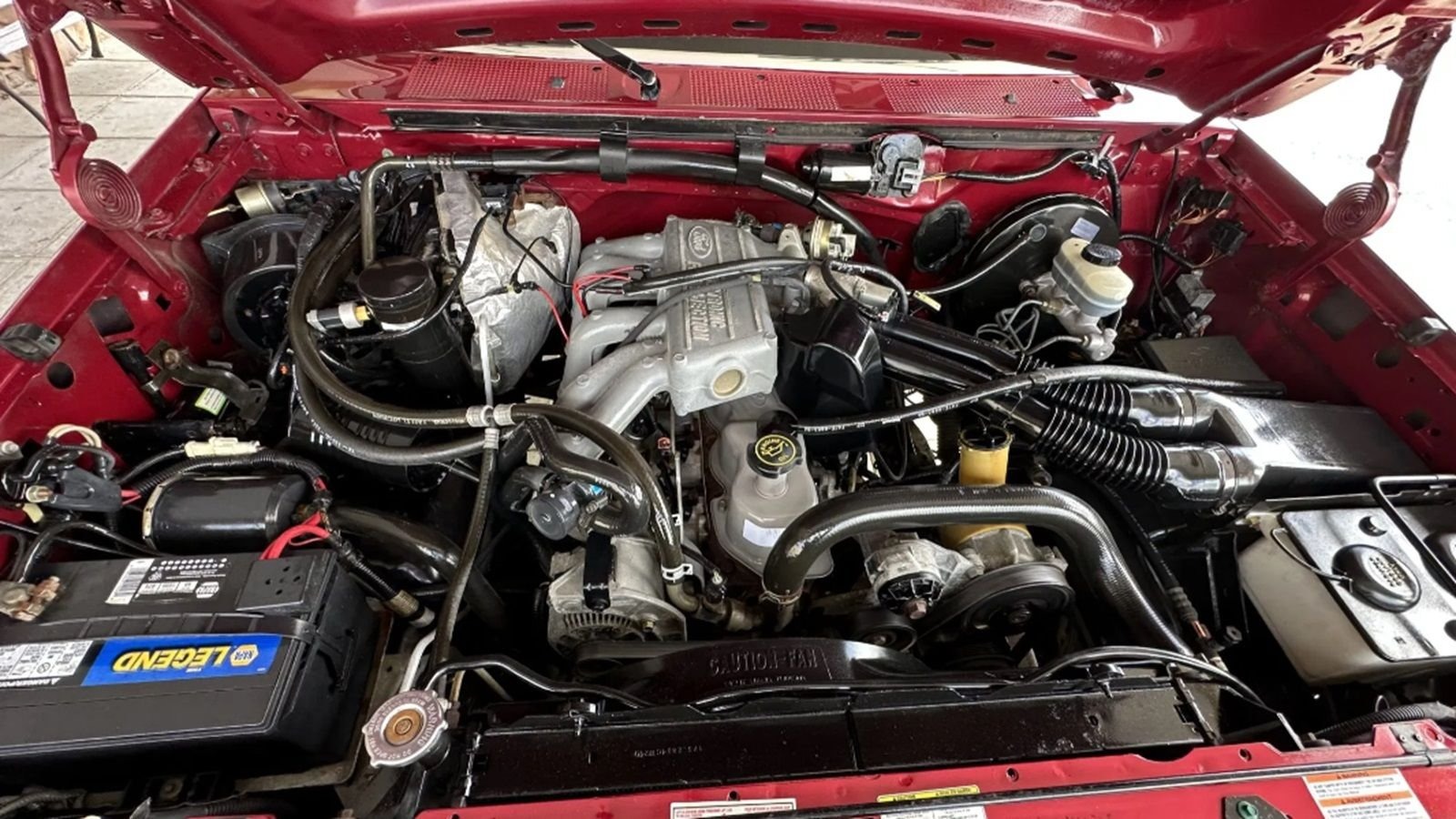
The Ford 300 cubic-inch inline-six is a legend among truck owners. Produced for decades, this engine powered work trucks, vans, and even industrial machines. People who depended on their vehicles for tough jobs quickly discovered that the Ford 300 could run without overheating even in the most demanding conditions.
A big reason for this is its simple and strong design. The long cast iron block provides excellent heat resistance, while the water jackets are large enough to allow coolant to circulate freely. This reduces hot spots that could cause damage. The engine also runs at moderate speeds, which means it does not push itself to unsafe temperature levels.
Its torque delivery is another advantage. The Ford 300 was designed to produce strong pulling power at low engine speeds, instead of chasing high horsepower. This approach reduces internal strain and heat.
Truck owners pulling trailers or carrying heavy loads found that the engine stayed cool and dependable. The reliability of this engine also comes from how easy it is to maintain.
With few moving parts and a straightforward cooling system, mechanics can quickly fix issues before they grow. Many stories exist of Ford 300 engines lasting beyond 400,000 miles without major problems. Such durability shows how well it handles heat stress.
Farmers, truck drivers, and industrial operators often preferred this engine because it could keep going in extreme heat without failure. Even today, the Ford 300 is remembered as one of the most durable American engines ever produced, proving its ability to resist overheating under pressure.
Also Read: 10 Motorsports Engines That Proved Reliable in Daily Cars
10. Nissan TD42 Diesel Engine
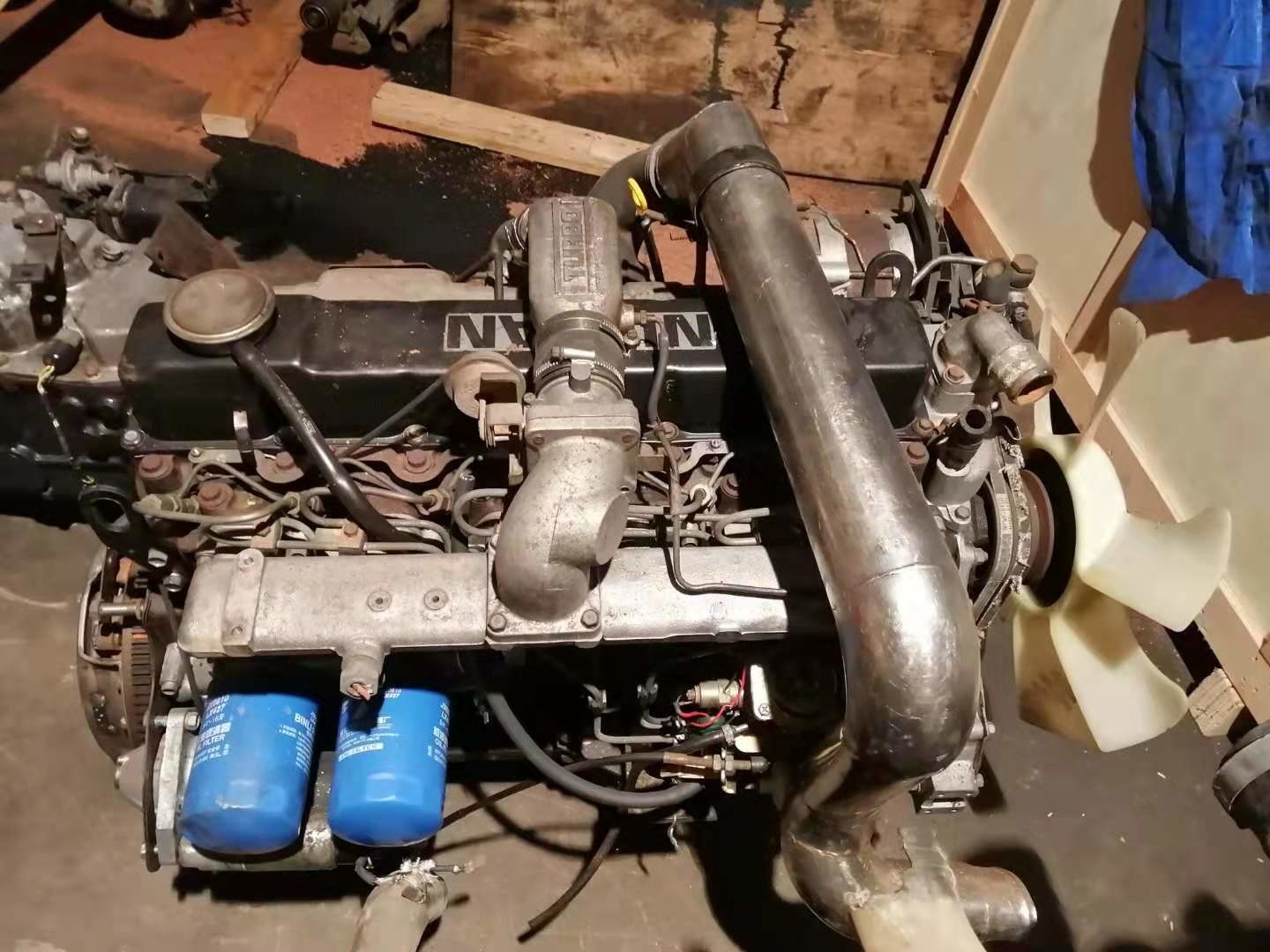
The Nissan TD42 is another diesel engine respected for its durability. Found in the Nissan Patrol, this 4.2-liter inline-six is famous among people who need a vehicle that can handle tough environments.
This engine uses a cast-iron block and head, which makes it very resistant to heat damage. The naturally aspirated design reduces stress, allowing it to maintain safe temperatures even during heavy use. In areas like Australia and the Middle East, where temperatures can be extreme, the TD42 is often praised for never overheating.
Its cooling system is very effective. With a big radiator, powerful water pump, and large coolant passages, the TD42 keeps temperatures under control during long journeys. The slow-revving nature of the engine also means it produces less heat compared to faster engines.
Another strength is its simple mechanical fuel injection system. Without electronic controls that can fail under heat, the TD42 continues to run steadily. Maintenance is easy, and many of these engines last for decades when cared for properly.
Owners who use their vehicles for off-road travel, towing, or desert crossings often choose the TD42 because of its reputation. It is seen as an engine that can keep running even when other engines struggle in the heat.
