
When it comes to SUVs, few brands command as much attention as Jeep. From rugged Wranglers to refined Grand Cherokees, the lineup has always promised adventure, durability, and off-road strength. But not every Jeep has managed to balance hype with reality.
That’s where this list, “12 Jeeps That Actually Live Up to the Hype,” comes in. It’s a closer look at models that earned their place in the spotlight, whether through reliability, iconic design, or genuine trail capability. Take, for instance, the 2012 Jeep Liberty.
It carries unmistakable Jeep DNA and excels in durability and towing, yet its outdated powertrain and lack of road refinement limit its appeal.
Still, it remains a worthy entry because it reflects Jeep’s commitment to ruggedness, even if compromises came with it. From mainstream favorites to niche players, these Jeeps reveal how the brand has both succeeded and struggled in living up to its legendary image.
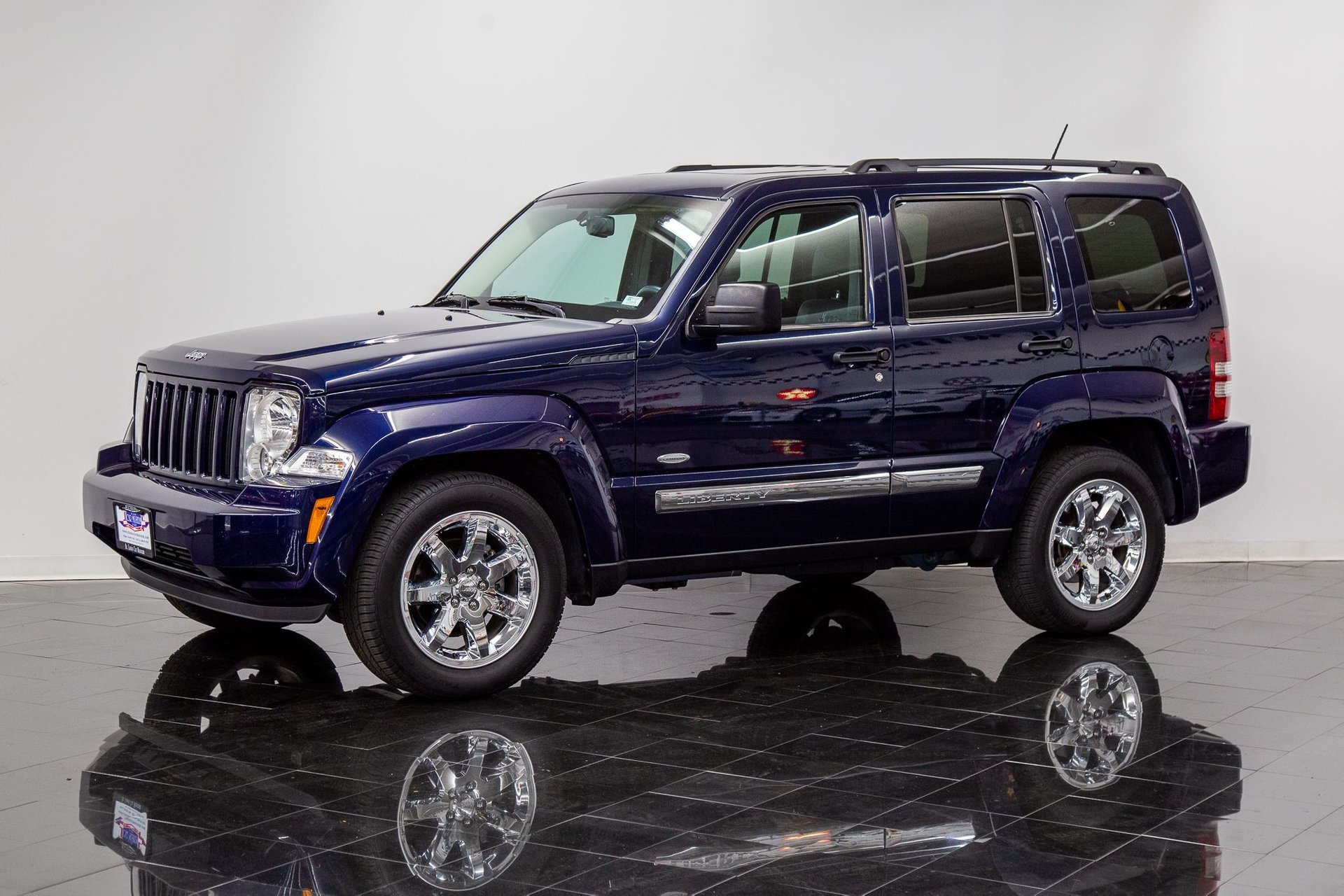
1. 2012 Jeep Liberty: A Rugged SUV with Limited Appeal
The 2012 Jeep Liberty occupies a unique spot in Jeep’s lineup. It carries the brand’s signature styling and respectable off-road strength but falls short in refinement, comfort, and efficiency.
With a J.D. Power reliability score of 77/100, an annual maintenance cost of $674, and just two recalls, it ranks 12th among Jeep’s most reliable models. Despite these positives, its pavement performance keeps it from being a strong contender in its class.
The Liberty was intended as a compact, family-friendly SUV, yet it struggles against its rivals. Power comes from a 3.7-liter V6 engine delivering 210 horsepower and 235 lb-ft of torque, paired with a dated four-speed automatic transmission.
Acceleration is sluggish, with a 0–60 mph time of 10.2 seconds, while fuel efficiency is unimpressive at 16–18 mpg combined depending on drivetrain. On the plus side, the Liberty can tow up to 5,000 pounds, which adds to its rugged utility.
Inside, the cabin leaves much to be desired. Hard plastics dominate, seats are flat, and the tilt-only steering wheel makes it difficult for some drivers to find a good position.
Noise from the road and wind is noticeable, and while the climate and audio controls are easy to use, the optional touchscreen feels undersized and finicky. Cargo capacity stands at 31.5 cubic feet behind the rear seats and expands to 64 cubic feet with them folded, but competitors provide better use of space.
On pavement, the Liberty shows its age. Its suspension tuning results in excessive body roll and a ride that feels unrefined. The V6 engine is noisy and lacks punch, which diminishes confidence on highways. In contrast, the Liberty excels once it leaves paved roads.
With the choice of Command-Trac part-time or Selec-Trac full-time four-wheel-drive systems, it handles rugged trails with ease and offers more off-road capability than many compact SUV competitors. Even so, Jeep’s Wrangler, or alternatives like the Nissan Xterra and Toyota FJ Cruiser, provide superior off-road performance combined with stronger road manners.
Standard safety features include antilock disc brakes, stability control, active front head restraints, and side curtain airbags. Rear parking sensors are optional, though front-seat side airbags are unavailable.
In braking tests, the Liberty required 134 feet to stop from 60 mph, longer than average for its class. Crash safety ratings were mixed: the IIHS awarded “Good” ratings in frontal-offset and roof strength tests, but a “Marginal” rating in side-impact testing raises concerns.
The Liberty’s durability and trail capability are its greatest strengths. Few compact SUVs can match its rugged nature when properly equipped, and its recall record suggests a solid build. Its towing capacity also outperforms many competitors.
However, these positives are offset by significant drawbacks. Outdated powertrain technology, weak fuel efficiency, uninspiring interior quality, and limited road comfort make it a less appealing option compared to alternatives.
Rivals such as the Subaru Forester, Toyota RAV4, and GMC Terrain deliver stronger fuel economy, better safety scores, and more comfortable daily driving while still offering capable all-wheel-drive systems.
The 2012 Jeep Liberty is a reliable, trail-ready SUV that appeals to adventurous drivers seeking rugged performance. Yet, for buyers focused on comfort, efficiency, and refinement, more balanced choices exist. The Liberty remains best suited for those prioritizing off-road adventures over everyday driving comfort.
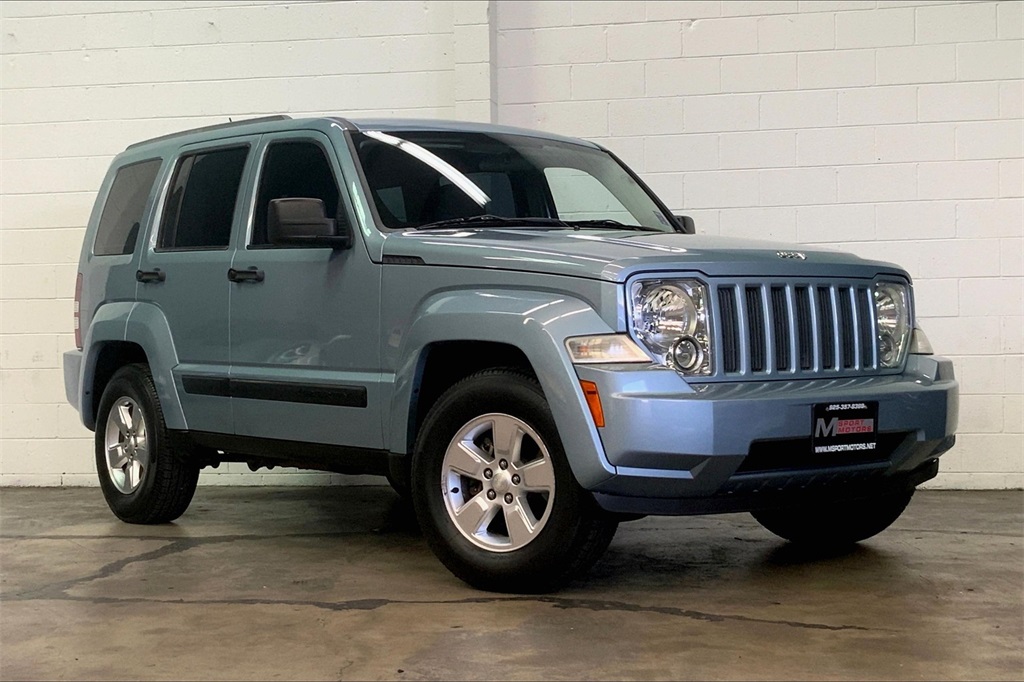
2. 2007 Jeep Commander: Roomier but Compromised
The 2007 Jeep Commander was Jeep’s attempt to create a larger, family-friendly SUV while maintaining the brand’s rugged DNA. With a J.D. Power reliability score of 78/100, an annual maintenance cost of $639, and six recalls, it edges out the Liberty in reliability but falls short in practicality.
While the Commander offered a third-row seat and available V8 engines, limited space and inconsistent dependability kept it from becoming a lasting success.
Mechanically similar to the Jeep Grand Cherokee, the Commander shared the same wheelbase but was taller and slightly longer. This increase in height allowed for “stadium-style” seating and a fold-flat third row, making it the only Jeep at the time able to seat seven passengers.
Conceptually, it combined Jeep’s off-road strengths with family utility. In reality, the execution left gaps compared to midsize SUV rivals like the Ford Explorer and Toyota 4Runner.
While the Commander did deliver on its off-road promise, its bulky design, limited interior space, and poor fuel economy proved limiting. Even though it appealed to Jeep loyalists, it struggled to compete in a market increasingly favoring comfort and versatility.
The base Sport trim featured a 3.7-liter V6 producing 210 horsepower and 235 lb-ft of torque. A 4.7-liter V8 with 235 hp and 305 lb-ft was available in the Limited, while the Overland trim offered a robust 5.7-liter Hemi V8, delivering 330 hp and 375 lb-ft of torque. All engines are paired with a five-speed automatic transmission.
Fuel economy was predictably underwhelming, with the 4.7-liter V8 rated at 15 mpg city/19 mpg highway. However, the Commander excelled in towing capability, pulling up to 7,200 pounds when properly equipped. Multiple drivetrain options added flexibility, ranging from the basic Quadra Trac to the more advanced Quadra Drive II system on higher trims, providing genuine off-road prowess.
The Commander came equipped with stability control, antilock disc brakes, and side curtain airbags. Power-adjustable pedals were standard on higher trims. In NHTSA testing, it performed well, scoring five stars for front passenger protection in frontal impacts. This helped reinforce Jeep’s reputation for building tough vehicles, even if its crash protection wasn’t class-leading.
Despite its boxy exterior, the Commander provided a surprisingly quiet and comfortable ride on pavement. The suspension absorbed bumps effectively, and steering response was solid. However, body roll over uneven surfaces revealed its higher center of gravity. Acceleration felt strong with either V8 engine, though fuel efficiency suffered as a result.
Off-road, the Commander lived up to its Jeep heritage. With its ground clearance, wheel travel, and available low-range gearing, it handled rugged trails with confidence. For families who wanted adventure capability paired with additional seating, this SUV had undeniable appeal.
Inside, the Commander offered straightforward controls and comfortable front seats. Second-row passengers benefited from raised stadium-style seating, but space remained only average. The third row was cramped and suitable mainly for children.
Cargo space was another weak point: just 7.5 cubic feet behind the third row, and a maximum of 68.9 cubic feet with seats folded, falling short of competitors that often exceeded 80 cubic feet. The high cargo floor, a result of accommodating fold-flat seating and off-road hardware, further reduced practicality.
The 2007 Jeep Commander blended rugged performance with family-friendly seating, standing out as the only seven-passenger Jeep of its time. With powerful engine choices, capable four-wheel-drive systems, and respectable reliability, it held some appeal for adventurous households.
Yet, cramped third-row space, limited cargo capacity, poor fuel economy, and six recalls made it less competitive in the midsize SUV segment. While it remains a niche choice for Jeep loyalists, buyers seeking versatility and refinement often find stronger options elsewhere.
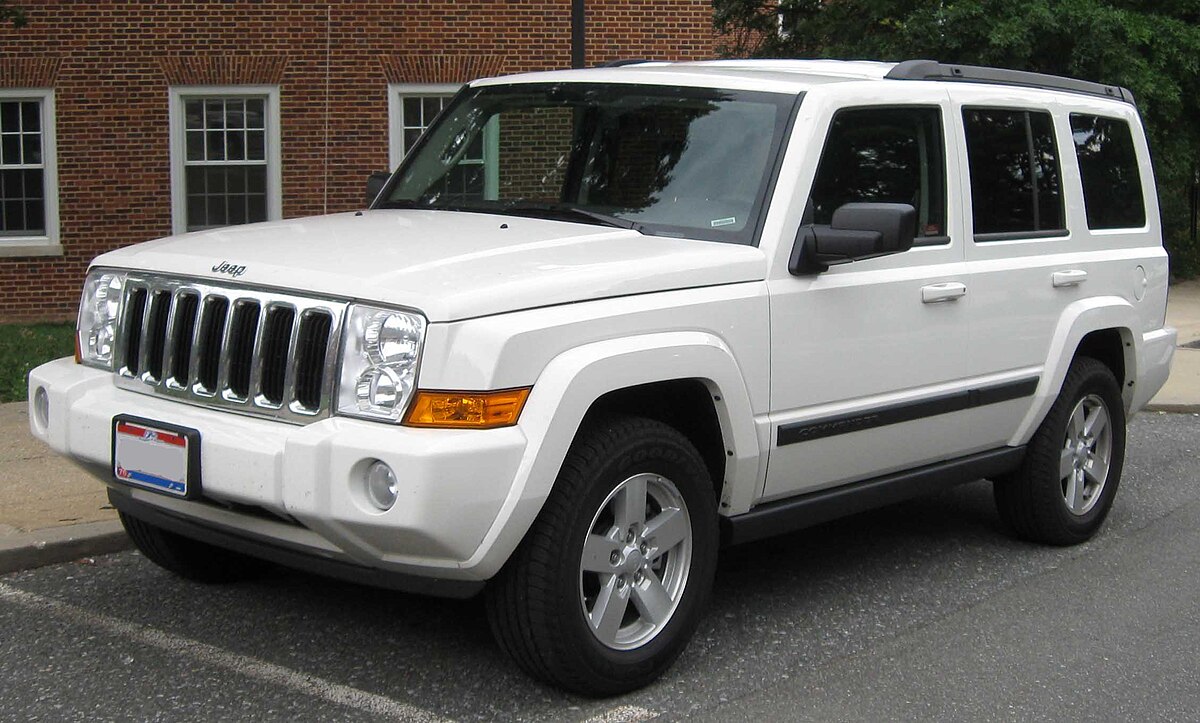
3. 2015 Jeep Wrangler: Legendary Off-Roader with Everyday Trade-Offs
The 2015 Jeep Wrangler continues a tradition that dates back to World War II. Unlike the short-lived Liberty and Commander, the Wrangler is an icon that blends history, rugged style, and unmatched trail capability.
For this model year, it earned a J.D. Power reliability score of 78/100, with an annual maintenance cost of $694 and only three recalls. While those recalls involved critical systems like airbags and seatbelts, its reliability rating marked a noticeable improvement over older Wranglers.
Minimal updates defined the 2015 Wrangler. Jeep introduced new trim packages, shuffled features, and made an eight-speaker stereo standard, with an upgraded Alpine nine-speaker system available. Buyers also received a standard Torx tool kit for removing the roof and doors, enhancing the Wrangler’s famous customization potential.
As always, the Wrangler remained unapologetically old-school. Solid front and rear axles, manual crank windows, and a removable roof and doors gave it a unique character. These quirks, combined with its go-anywhere capability, made it a beloved choice for enthusiasts but a challenging one for buyers prioritizing comfort and refinement.
Under the hood, every 2015 Wrangler carried a 3.6-liter V6 producing 285 horsepower and 260 lb-ft of torque. A six-speed manual transmission with hill start assist was standard, while a five-speed automatic with hill descent control was optional. Four-wheel drive with high- and low-range gearing came standard, with the Rubicon model adding specialized low gearing and an upgraded transfer case.
Acceleration was strong for a rugged SUV. In testing, a two-door manual model reached 60 mph in 6.9 seconds, while the heavier four-door Unlimited with automatic transmission took 8.8 seconds. Towing capacity was limited at 2,000 pounds for the two-door and 3,500 pounds for the Unlimited. Fuel economy averaged 18 mpg combined, modest even for an off-roader, though acceptable given its capability.
Standard safety features included antilock disc brakes, traction and stability control, front airbags, and hill start assist. Optional front side airbags were available but not standard. In IIHS testing, the two-door Wrangler earned a “Good” rating in moderate-overlap frontal impacts, but only “Marginal” in small-overlap tests and “Poor” in side-impact protection when side airbags were absent.
Whiplash protection was also rated “Marginal.” Results for the Unlimited were similar, with some slight improvements. Braking distances about 140 feet from 60 mph were longer than average.
On pavement, the Wrangler felt compromised. Road noise, vague steering, body roll, and limited grip reminded drivers of its utilitarian roots. Yet, off-road, it transformed into one of the most capable vehicles available.
Even the base Sport trim excelled with customization potential, while the Rubicon came trail-ready with locking differentials, specialized gearing, and upgraded tires. The Wrangler Unlimited provided greater practicality, though it sacrificed some nimbleness compared to the two-door model.
The cabin struck a balance between function and nostalgia. The upright dashboard, simple controls, and durable design suited its purpose. Luxury features were limited, but touches like optional navigation or bright-metal interior accents were available.
Space was tight in the two-door, especially for rear passengers, while the four-door Unlimited added easier access and more legroom. Cargo capacity ranged from 12.8 cubic feet in the two-door to 31.5 cubic feet in the Unlimited, expanding to 70.6 cubic feet with seats folded.
The soft top was notoriously cumbersome to operate and offered limited security, while the optional hardtop added versatility but required effort to remove.
The 2015 Jeep Wrangler stayed true to its heritage, offering legendary off-road ability and a unique, customizable design. However, its weak fuel efficiency, limited comfort, and unimpressive safety scores made it best suited for buyers who valued adventure over refinement. For those seeking rugged capability and classic Jeep character, few vehicles delivered the same experience.
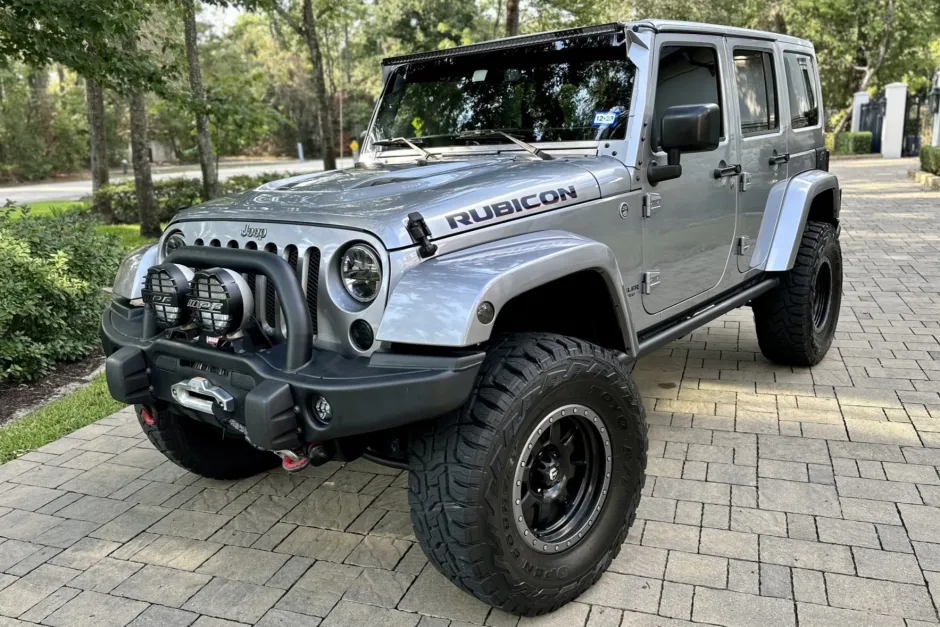
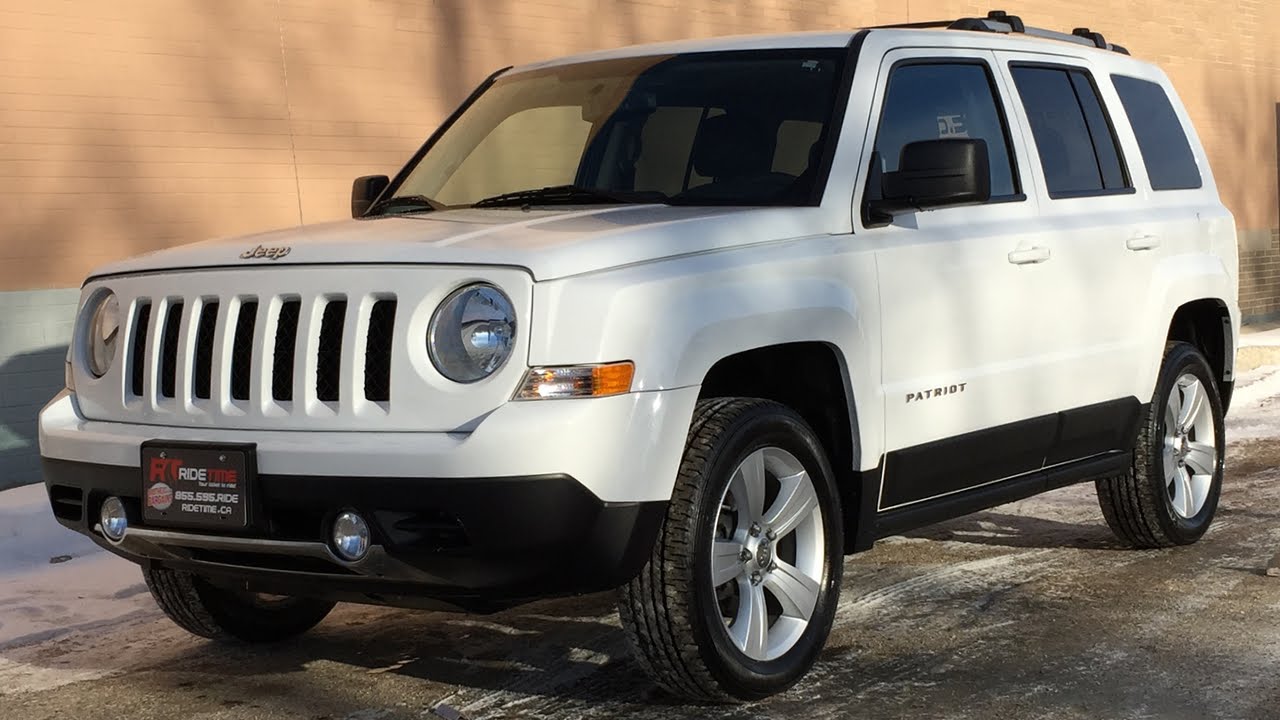
4. 2011 Jeep Patriot: Affordable but Outclassed
The 2011 Jeep Patriot aimed to deliver traditional Jeep styling at an affordable price, with an emphasis on family practicality and light off-road ability. With a J.D. Power reliability score of 79/100, an annual maintenance cost of $596, and four recalls, it sits among Jeep’s more dependable models of its era.
Ranked second to the Compass in J.D. Power’s Best Small SUV of 2011, the Patriot was a budget-friendly choice, though ultimately overshadowed by more capable competitors.
For 2011, Jeep refreshed the Patriot with updated exterior styling, improved steering and suspension, and slightly better interior materials. Standard features included cruise control, while new options ranged from 17-inch alloy wheels to a voice-control system for audio functions. These updates added polish, but the Patriot still struggled with its identity.
The SUV sat between two worlds, too soft to compete with true off-roaders yet too crude compared to polished compact crossovers. Its Dodge Caliber-based platform gave it modest road manners, while its optional off-road package provided real capability. However, the Patriot was ultimately caught between Jeep ruggedness and suburban usability, leaving it unable to fully satisfy either camp.
Two four-cylinder engines were available. The 2.0-liter unit made 158 horsepower and 141 lb-ft of torque, while the 2.4-liter engine delivered 172 hp and 165 lb-ft. Both came with a five-speed manual transmission, while a continuously variable automatic (CVT) was optional.
Front-wheel drive was standard, but buyers could opt for two distinct 4WD systems. Freedom Drive I provided light-duty capability, ideal for snow or gravel, while Freedom Drive II added low-range gearing, skid plates, and extra ride height, giving the Patriot true trail potential.
Despite its rugged touches, performance was lackluster. A 2.4-liter 4×4 with CVT took 10.3 seconds to reach 60 mph, leaving it among the slowest in its class. Fuel economy was respectable with front-wheel-drive models, reaching 25 mpg combined with the 2.0-liter and manual. However, 4WD versions dropped to 21 mpg combined, and Off-Road package models fared even worse at 20 mpg combined.
Standard safety features included stability control with rollover mitigation, traction control, active front head restraints, and side curtain airbags. Four-wheel antilock disc brakes came standard on 4WD and Latitude X trims, while others received less effective rear drums. Optional front-seat side airbags improved protection.
In testing, the Patriot’s braking distance of 143 feet from 60 mph was poor. Crash ratings were mixed: it scored well in frontal-offset and side-impact tests when equipped with side airbags, but only “Marginal” without them.
Behind the wheel, the Patriot offered sluggish acceleration, especially with the CVT, which often kept the engine droning loudly at high revs. Handling was unimpressive, though the 2011 updates to the suspension and steering improved stability slightly.
Equipped with the Off-Road package, the Patriot earned respect for trail capability beyond most compact SUVs, but its unibody construction and standard road tires limited durability on demanding terrain.
Interior upgrades brought softer-touch surfaces to armrests and doors, but most plastics remained cheap, and the fit and finish still felt below par. Controls were clear and front seats comfortable, but the cabin had an economy-car feel.
Cargo space measured 54 cubic feet with the rear seats folded, comparable to smaller crossovers but far less than class leaders like the Subaru Forester. Practical features included a fold-flat front passenger seat, removable, easy-clean cargo floor, and clever options such as Boston Acoustics liftgate speakers and a dual-purpose flashlight in the cargo area.
The 2011 Jeep Patriot delivered low running costs, a respectable reliability score, and authentic Jeep styling at an affordable price. When equipped with the Freedom Drive II package, it outshone most compact SUVs in off-road situations.
However, its weak engines, crude interior, poor braking, and limited cargo space made it a tough sell against more refined rivals like the Honda CR-V, Toyota RAV4, or Subaru Forester. Best suited for buyers seeking inexpensive 4WD capability, the Patriot otherwise struggled to stand out.
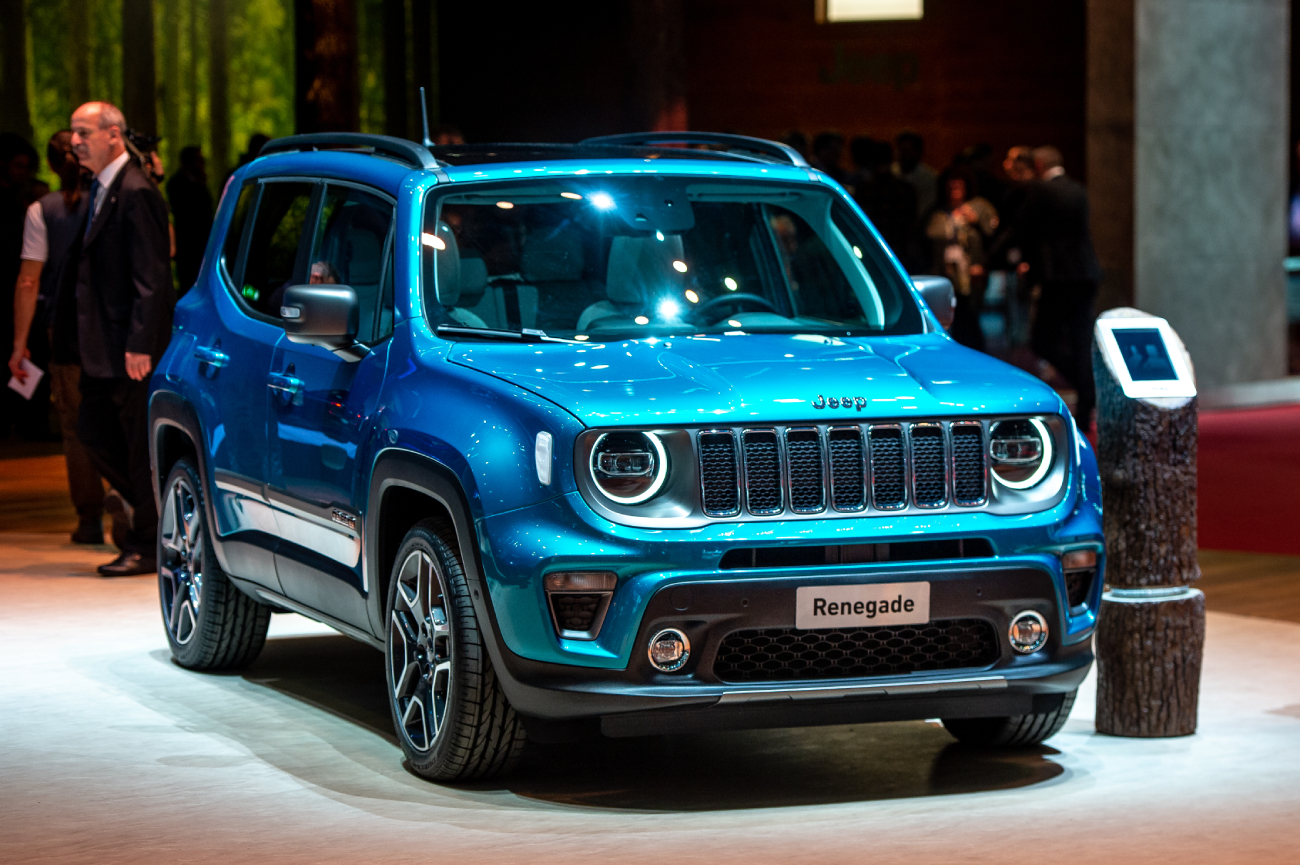
5. 2020 Jeep Renegade: Style, Personality, and Mixed Practicality
The 2020 Jeep Renegade stands out in the crowded subcompact SUV segment with quirky styling, above-average off-road capability, and surprisingly low maintenance costs. With an annual upkeep estimate of just $498, a J.D. Power reliability score of 80/100, and only two recalls, it’s also one of Jeep’s most affordable models to own.
For buyers who value personality and rugged character in a small package, the Renegade makes an interesting case, though compromises in cargo space, comfort, and value should be noted.
Launched in 2014, the Renegade was designed as Jeep’s smallest SUV, borrowing styling cues from the Wrangler. The squared-off body, tall stance, and optional four-wheel drive highlight its adventurous intentions. While rivals like the Honda HR-V and Subaru Crosstrek prioritize practicality and refinement, the Renegade appeals to those who want Jeep’s rugged identity in a compact, city-friendly footprint.
Under the hood, the 2020 Renegade offers a 1.3-liter turbocharged engine producing 177 horsepower and 210 lb-ft of torque. In testing, the Renegade Limited with 4WD accelerated from 0–60 mph in 9.3 seconds, which is slower than many competitors but adequate for daily driving.
Handling is stable and nimble in corners, making it easy to maneuver in urban settings. Braking performance is less impressive, requiring 135 feet to stop from 60 mph, longer than the class average.
On the highway, noise levels rise, with noticeable wind and tire sounds, though city driving is composed. Jeep’s optional Trailhawk trim enhances off-road performance with low-range gearing, skid plates, and standard 4WD, giving the Renegade an edge few rivals can match in rugged terrain.
Ride quality tends to be firm, especially on higher trims equipped with large 19-inch wheels. Smaller wheels improve comfort by absorbing bumps more effectively. The seats provide moderate support, but some drivers may find them stiff and the headrest angled too far forward.
Heated seats and steering wheel, when equipped, work quickly and add a touch of convenience. While cabin noise at idle is low, highway trips can feel less refined compared to class leaders.
Inside, the Renegade feels airy with generous headroom in both rows, aided by its tall roofline. The optional panoramic sunroof enhances the sense of space, though rear legroom is limited. Visibility is mixed: thick windshield pillars obstruct forward views, but large side and rear windows help compensate.
Technology is a highlight, especially on mid- to high-level trims with Jeep’s Uconnect system. The 8.4-inch touchscreen is intuitive, offers Apple CarPlay and Android Auto, and stands out among small SUVs. Physical buttons and knobs are logically placed and easy to use.
Cargo capacity is one of the Renegade’s weakest points. With just 18.5 cubic feet behind the rear seats, it trails most competitors, though folding the 60/40-split seats improves utility. Clever touches include a removable LED flashlight in the cargo area and child-seat anchor points.
The tested 1.3-liter turbo with 4WD returned 24 mpg on a mixed 115-mile route, falling short of the EPA’s 26 mpg combined estimate. Many competitors either match or exceed their ratings, making the Renegade less efficient than expected.
At a starting price higher than many rivals, the Renegade can feel expensive, particularly when loaded with options. A Limited High Altitude trim can exceed $36,000, which is steep for a subcompact SUV. Warranty coverage includes three years/36,000 miles bumper-to-bumper and five years/60,000 miles for the powertrain, average for the class.
The 2020 Jeep Renegade blends distinct styling, respectable technology, and off-road credibility in a small footprint. Its low maintenance costs and good reliability rating make it appealing, but compromises in comfort, storage, and value may push some buyers toward more refined alternatives like the Subaru Crosstrek or Honda HR-V.
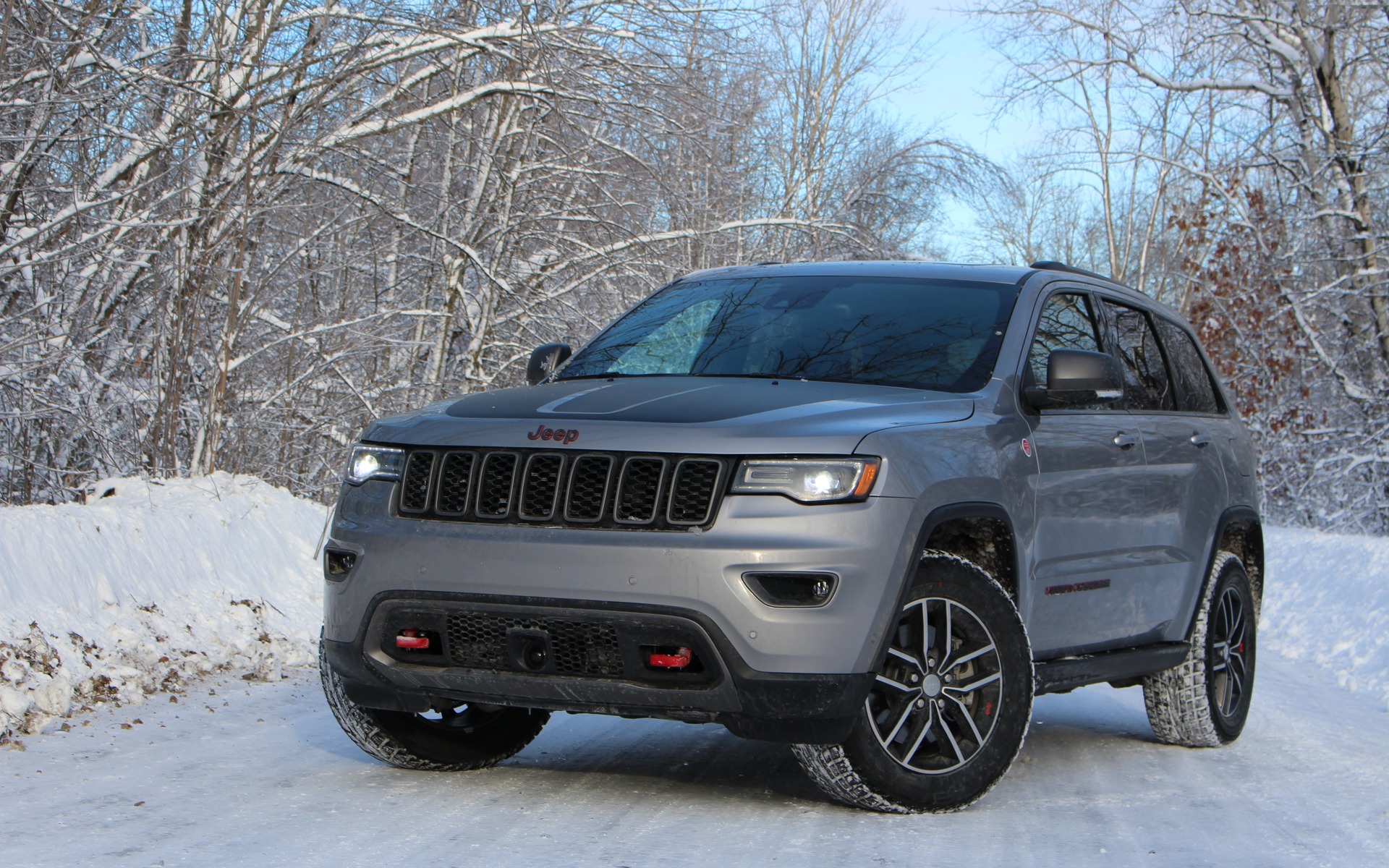
6. 2017 Jeep Grand Cherokee: Luxury Meets Rugged Capability
The 2017 Jeep Grand Cherokee is one of Jeep’s most refined and versatile SUVs. With a J.D. Power reliability score of 80/100, an annual maintenance cost of $666, and six recalls, it balances premium features with genuine off-road ability. Buyers seeking both adventure and sophistication will find the Grand Cherokee appealing, though some compromises in handling and storage remain.
The 2017 lineup introduced the Trailhawk trim, designed with additional off-road equipment, while the top-tier Summit trim gained updated styling and more luxury-focused details. New available features included a self-parking system and lane departure warning. A rearview camera and rear parking sensors also became standard, improving safety and convenience.
The Grand Cherokee stands out for its variety of engines. The 3.6-liter V6 provides adequate power and fuel efficiency for most drivers. The 3.0-liter EcoDiesel V6 delivers strong torque at 420 lb-ft, improving towing and fuel economy. For buyers wanting more excitement, the 5.7-liter V8 offers 360 horsepower and robust performance.
In testing, the EcoDiesel managed a 0–60 mph time of 7.7 seconds, quicker than the gas V6 but behind the V8. Stopping distance measured 121 feet from 60 mph, about average for the class.
Handling is less impressive, with light steering and noticeable body roll through corners. Still, off-road performance remains a highlight. With Quadra-Drive II four-wheel drive and height-adjustable air suspension, the Grand Cherokee handles steep trails and rough terrain with confidence.
Cabin insulation is excellent, keeping road and wind noise to a minimum. The seats are wide and supportive, with available heating, ventilation, and reclining functions for rear passengers.
While the air suspension handles large bumps well, it struggles with smaller imperfections, which makes city driving less smooth than expected. Interior space is generous, particularly in the second row, where passengers enjoy abundant leg- and headroom.
Jeep has continuously refined the Grand Cherokee’s cabin, and by 2017, it offered one of the most premium interiors in its class. High-quality materials and the Uconnect infotainment system contribute to a modern driving experience.
The touchscreen is user-friendly, though some climate adjustments require multiple steps. Wide-opening doors help with entry and exit, and the air suspension can lower the SUV when parked to assist passengers.
Cargo capacity is 36.3 cubic feet behind the rear seats, with a full-size spare tire included. Folding the rear seats expands versatility, though some competitors provide greater maximum storage. Small-item storage is more limited, as the front bins and door pockets are narrow.
Few midsize SUVs can match the Grand Cherokee’s towing capability. Depending on the setup, it can tow up to 7,400 pounds with rear-wheel drive or 7,200 pounds with four-wheel drive. Even the V6-powered models handle 6,200 pounds, giving the Grand Cherokee a clear edge for buyers who need hauling power.
The Uconnect infotainment system is one of the most intuitive in the segment, though some users reported glitches, such as unresponsive knobs or radio interruptions. Apple CarPlay and Android Auto were not yet available in 2017, but Bluetooth and USB connectivity worked quickly and reliably.
Optional safety features included blind-spot monitoring and forward collision mitigation, though both could be overly sensitive. Standard equipment featured a rearview camera, parking sensors, and electronic stability control.
The 2017 Jeep Grand Cherokee blends refinement, off-road ability, and strong towing capacity in a way few midsize SUVs can match. Its range of engines, upscale cabin, and versatility make it an appealing choice for drivers who want capability without sacrificing comfort. Handling and cargo space leave room for improvement, but the Grand Cherokee remains a standout option in its class.
Also Read: 10 Cars That Rarely Leave You Waiting for Tow Trucks
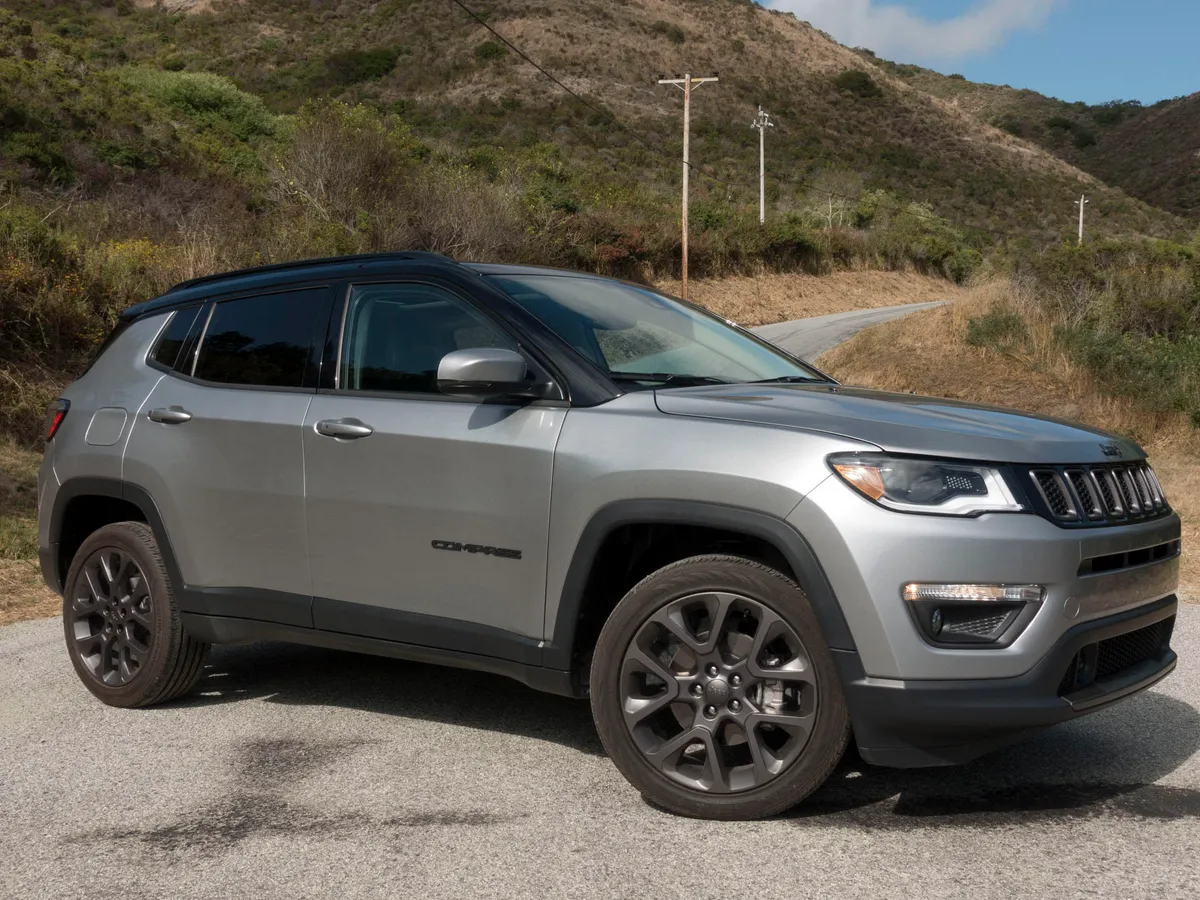
7. 2020 Jeep Compass: Small SUV With Real Off-Road Spirit
The 2020 Jeep Compass stands out in the crowded subcompact SUV market by blending everyday practicality with genuine off-road capability. With a J.D. Power reliability score of 82/100, an annual maintenance cost of $526, and just one recall related to windshield wipers, it ranks among Jeep’s more dependable options.
Now in its second generation and still available in 2024, the Compass remains an appealing choice for shoppers seeking a versatile, budget-friendly crossover. Its standout trim is the Trailhawk, which transforms the Compass from a city-friendly crossover into a legitimate trail machine.
Features such as standard all-wheel drive, a lifted suspension, underbody skid plates, beefy tires, a lockable center differential, and hill descent control put the Compass in rare company for its class.
On the road, performance is mixed. Powered by a single 2.4-liter four-cylinder engine, the Compass struggles with acceleration. The Trailhawk trim recorded a 0–60 mph time of 10.1 seconds, slower than most rivals, and its all-terrain tires lengthened the 60–0 mph braking distance to 140 feet. Handling is also less refined than competitors.
Off-road, however, the Compass shines. Its first-gear hold feature, advanced traction control, and specialized drive modes allow it to conquer dirt, gravel, and rocky trails with surprising confidence. While not as rugged as a Wrangler, it’s one of the few small SUVs in its price range that can credibly leave the pavement.
Ride comfort in the Compass sits slightly above average for the class. The Trailhawk’s off-road tires add road noise, but non-Trailhawk trims are quieter. Seats are firm with moderate lateral support, and optional heated seats and steering wheel add welcome comfort in colder climates. Climate control is straightforward, combining physical buttons with touchscreen access, making adjustments quick and simple.
The cabin design emphasizes usability, with intuitive controls and an easy-to-read drive mode dial in the Trailhawk. Wide-opening doors aid entry and exit, and once inside, passengers benefit from ample head- and legroom in both rows. Visibility forward is good, though thick rear roof pillars create blind spots.
Cargo space is slightly below average for the segment, but the layout is functional. Small-item storage is better executed, with a useful glovebox, armrest bin, and additional cubbies for personal items.
Families may find the rear-seat child seat anchors inconvenient since they are buried in the cushions, making installation trickier. For those who tow, all-wheel-drive models can handle up to 2,000 pounds, which is strong for the class.
The Uconnect system remains a strength, offering an available 8.4-inch touchscreen with sharp graphics and simple menus. Apple CarPlay and Android Auto come standard across all trims, ensuring seamless smartphone integration.
Voice commands are moderately effective, allowing for tasks like sending prewritten texts and adjusting climate settings. Optional driver assistance features are available, though their effectiveness varies.
Despite its rugged stance, the Compass Trailhawk performed better than expected on efficiency tests. On a mixed driving loop, it achieved 27.7 mpg, exceeding the EPA combined estimate of 25 mpg. Still, competitors often offer stronger mileage, especially for urban commuters.
The 2020 Compass represents a compelling mix of affordability and versatility. While acceleration and cargo space lag behind rivals, its Trailhawk trim brings off-road prowess unmatched by most small SUVs.
Combined with manageable maintenance costs and a strong reliability rating, the Compass is a smart choice for buyers who want a small crossover that isn’t afraid of dirt trails.
8. 2018 Jeep Cherokee: Daily Comfort Meets Trail Capability
The 2018 Jeep Cherokee blends everyday usability with genuine off-road strength, making it a rare small crossover that feels equally at home on the road and the trail. With a J.D. Power reliability score of 84/100, annual maintenance costs of around $520, and six recalls, it is one of Jeep’s better-rated models in terms of dependability.
Positioned between the compact Compass and the larger Grand Cherokee, the Cherokee strikes a middle ground in size and character. Its Trailhawk trim, in particular, delivers authentic off-road performance that surpasses nearly every competitor in its class. At the same time, the Cherokee offers a supple ride, available V6 power, and user-friendly technology, ensuring that it can serve as a comfortable daily driver.
Standard models come with a four-cylinder engine that feels underpowered, but the optional 3.2-liter V6 transforms the Cherokee into a more confident performer. In Trailhawk guise, the Cherokee reached 60 mph in about 8 seconds, a respectable figure for a vehicle designed to tackle rough terrain.
Braking is solid with a responsive pedal, though the Trailhawk’s off-road tires stretched the 60–0 mph stopping distance to 131 feet. Steering is predictable and well-weighted, providing both on-road confidence and excellent control on rocky trails. Handling is balanced despite its taller stance, while the nine-speed automatic transmission shifts smoothly and provides easy throttle control at low speeds.
When it comes to off-road driving, the Cherokee Trailhawk has few equals in the crossover world. With generous ground clearance, low-range gearing, knobby tires, and a locking rear differential, it’s capable of traversing trails that most rivals could never manage.
Surprisingly, the Cherokee Trailhawk maintains a comfortable ride even with its off-road focus. The suspension, tuned for flexibility, manages to absorb bumps while keeping the cabin composed. The optional V6 runs quietly in most conditions, and tire noise from the Trailhawk’s larger rubber is less intrusive than expected.
Front seats are supportive and easy to adjust, while rear passengers enjoy a fair amount of space and comfort on longer trips. Heated seat options add to its versatility as a daily commuter.
Inside, the Cherokee emphasizes simplicity and ergonomics. The Uconnect infotainment system with an available 8.4-inch screen is intuitive, featuring clear graphics and straightforward navigation. Climate and audio controls use large knobs, ensuring that functions are accessible without digging into menus.
Getting in and out is simple thanks to wide-opening doors, and visibility is good in most directions, with only modest blind spots at the rear. Cabin materials are solid, though some trims show average finishes that don’t quite match higher-end rivals.
Cargo space is adequate but not class-leading. A full-size spare under the floor reduces maximum capacity, though the rear seats fold flat for extra room when needed. Small-item storage is thoughtfully placed, including bins and cubbies that make the cabin practical for daily use.
The Cherokee continues Jeep’s strong reputation for easy-to-use tech. Bluetooth pairing is seamless, graphics are crisp, and controls require little learning. While some interior trim may feel average, the layout and infotainment system stand out as class strengths.
The 2018 Jeep Cherokee delivers a combination rarely seen in the crossover segment: genuine off-road strength paired with daily comfort. Its V6 engine, Trailhawk trim, and Uconnect system make it an appealing option for buyers who want more than just a suburban runabout.
While cargo space and the base four-cylinder engine hold it back, the Cherokee remains a smart choice for those who want weekday comfort and weekend adventure in the same package.
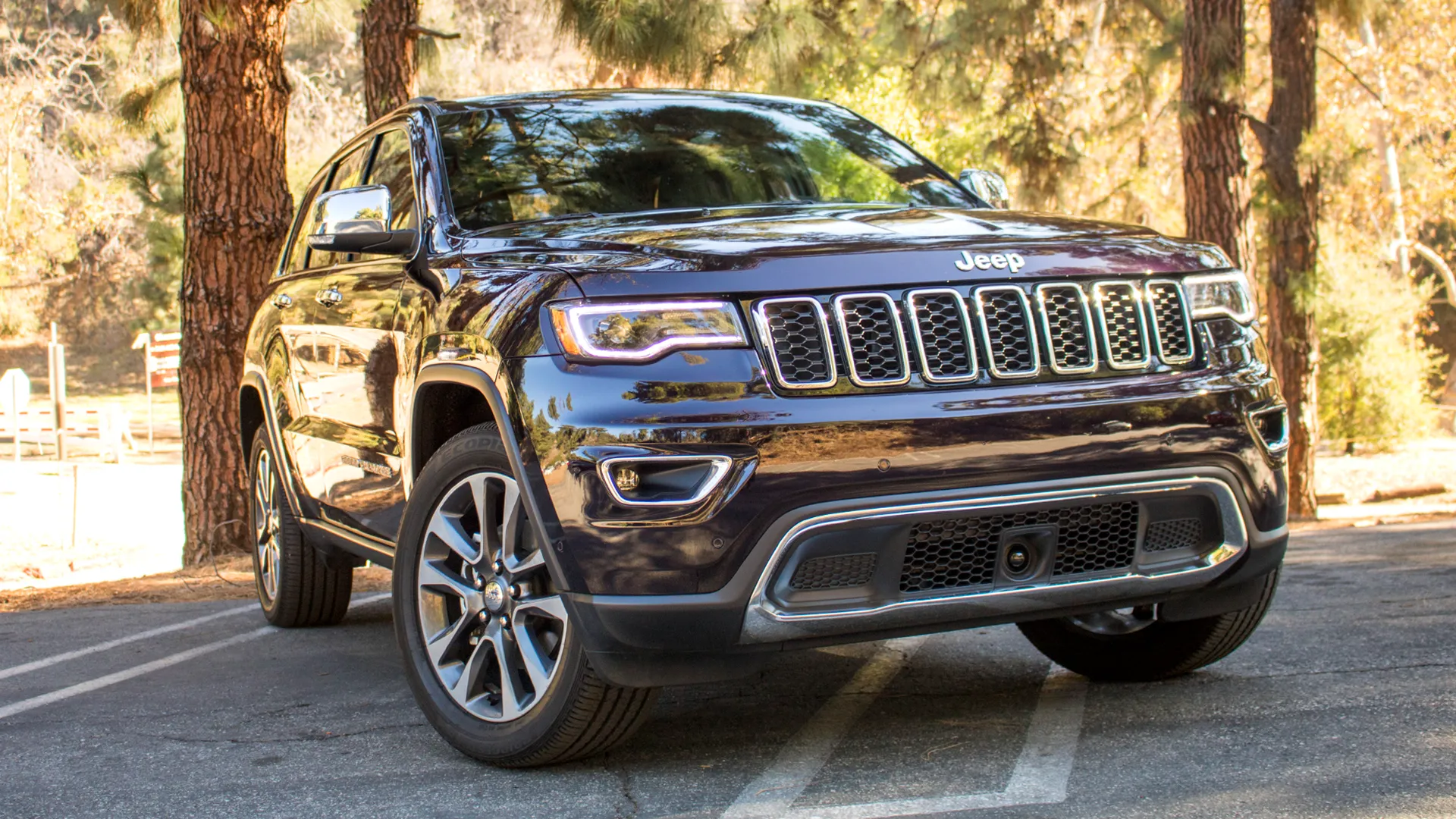
9. 2021 Jeep Grand Cherokee: Versatile Midsize SUV With Wide Appeal
The 2021 Jeep Grand Cherokee caps off a decade-long generation that began in 2011, bringing refinement and variety before the all-new model arrived in 2022. With a J.D. Power reliability score of 84/100, an annual maintenance cost of $666, and 12 recalls, it holds steady in Jeep’s lineup as a capable midsize SUV offering trims for nearly every need.
Between 2017 and 2021, Jeep refined the Grand Cherokee with updates to safety systems, infotainment features, and trim availability. The diesel engine option was dropped, leaving a wide range of gasoline choices, from the practical V6 to the mighty 707-horsepower supercharged V8 in the Trackhawk.
Buyers could pick from basic commuter trims, luxury-focused models, or trail-ready editions such as the Trailhawk, making the Grand Cherokee one of the most versatile SUVs on the market at the time.
The standard 3.6-liter V6 delivers modest performance, reaching 60 mph in 8.0 seconds. While adequate, it lags behind some newer rivals in responsiveness. Braking performance is stronger, with a 124-foot stop from 60 mph, an impressive figure for a vehicle of its size. For drivers seeking more excitement or towing strength, the available 5.7-liter V8 or high-output Trackhawk engine dramatically improves capability.
Handling is where the Grand Cherokee shows its age. Despite balanced suspension tuning, its weight and light steering give it a heavy, disconnected feel on curvy roads. For off-road use, however, Jeep offers several systems that help the SUV shine: adjustable four-wheel-drive modes, skid plates, and the optional Trailhawk package with enhanced ground clearance and traction tools.
Inside the cabin, the Grand Cherokee is quiet, with the V6 staying muted under most driving conditions. Optional heated and ventilated seats add appeal, though testers noted that cooling effectiveness was underwhelming.
Models with the available air suspension ride softly on the highway but tend to transmit smaller road imperfections, occasionally breaking cabin composure. The standard suspension is often regarded as the more consistent choice for comfort.
Seats are supportive, and climate controls are simple to operate. The driving position is commanding, with excellent adjustability for drivers of different sizes.
The cabin provides good space for passengers, with generous headroom and legroom across both rows. Visibility is mostly strong, though thick windshield pillars slightly reduce sightlines through turns.
The Uconnect infotainment system remains easy to use thanks to large knobs and straightforward menus, even if the design feels dated compared to newer rivals. Apple CarPlay and Android Auto are included, and buyers could opt for a 19-speaker Harman Kardon audio system, which delivers strong output but leans heavily toward bass. Voice controls are reliable for navigation and climate tasks.
Driver aids such as adaptive cruise control and blind-spot monitoring are available, but sometimes prove too sensitive, reducing their effectiveness.
With 36.3 cubic feet of cargo space behind the second row, the Grand Cherokee falls short of class leaders, but the trade-off is a full-size spare tire that benefits off-roaders and frequent travelers. A properly equipped V8 model can tow up to 7,200 pounds, a standout figure in the midsize SUV class.
Small-item storage is less impressive, with narrow door pockets and a compact center console. Child seat installation is straightforward thanks to clearly marked anchors and ample room.
The 2021 Grand Cherokee offers a wide range of trims, strong towing capacity, and authentic off-road ability, ensuring broad appeal. Yet, its aging design shows in areas like interior storage, fuel economy, and handling refinement.
Shoppers who prioritize luxury or cutting-edge features may find rivals more attractive, but for those seeking a midsize SUV with a proven reputation, robust trim lineup, and true trail competence, the Grand Cherokee remains a compelling pick.
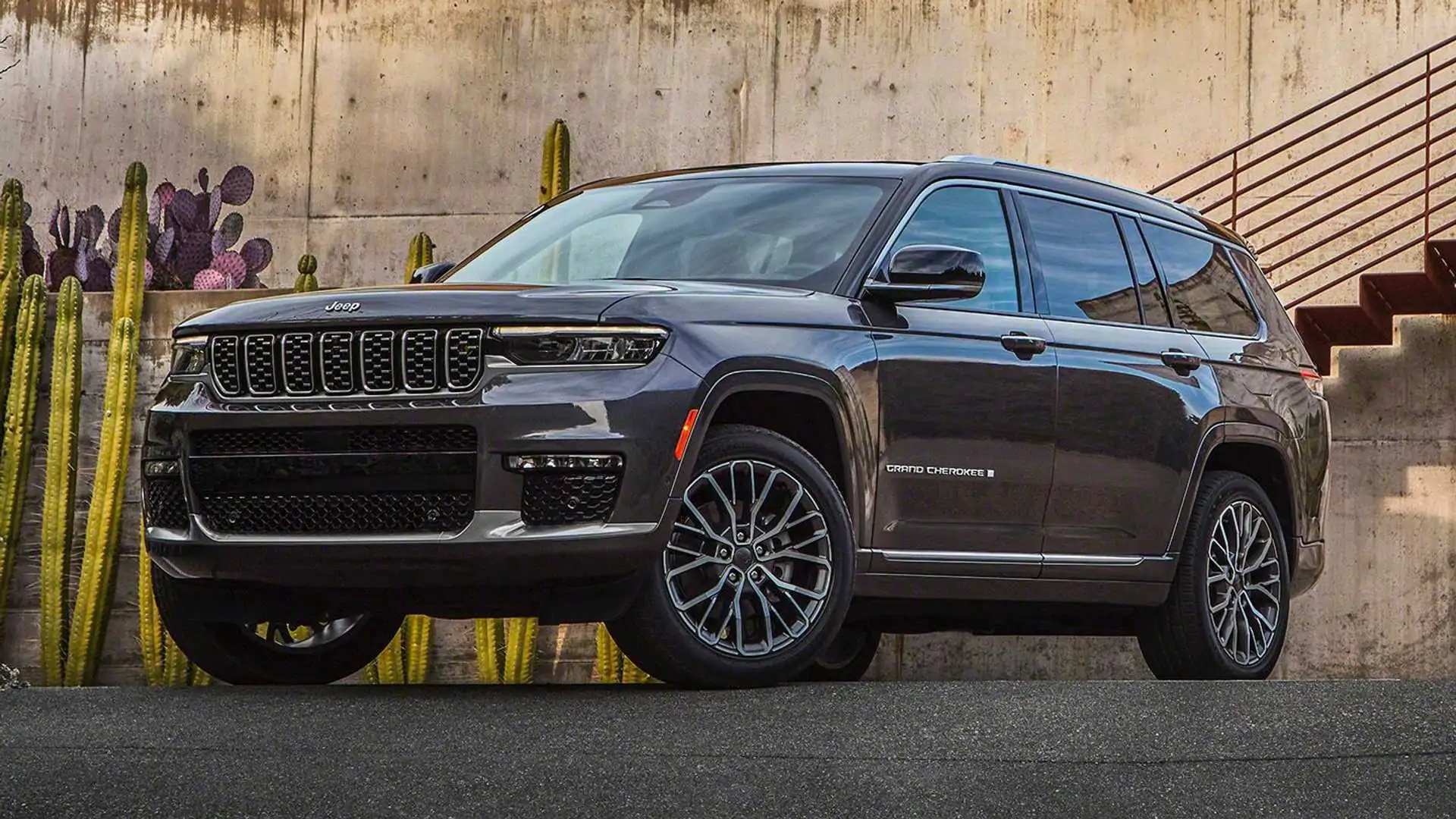
10. 2021 Jeep Gladiator: A Unique Blend of Pickup and SUV
The 2021 Jeep Gladiator stands out in the midsize pickup segment by combining Jeep’s off-road DNA with the utility of a truck. With a J.D. Power reliability score of 85/100, an annual maintenance cost of $634, and five recalls, it balances ruggedness with dependability, though some mechanical issues, such as fuel pump and clutch fault,s have required manufacturer attention.
The Gladiator has historic roots dating back to the 1960s but returned in modern form for the 2020 model year. For 2021, Jeep expanded its appeal with the addition of a 3.0-liter EcoDiesel V6, producing 260 horsepower and 442 lb-ft of torque. This engine delivers more pulling strength and extended range, a strong option for overlanders and frequent road trippers.
Think of the Gladiator as a four-door Wrangler Unlimited with a five-foot bed: it doesn’t match the Wrangler’s rock-crawling agility or the maximum workhorse ability of dedicated pickups, but it offers a balance that few vehicles can. Buyers gain removable doors, a fold-down windshield, and open-air capability, all in a truck body.
Equipped with the standard 3.6-liter V6, the Gladiator posts a 0–60 mph time of 8.5 seconds. While slightly slower than some midsize competitors, it delivers smooth power for daily driving and confidence on highways. The automatic transmission shifts quickly and predictably, enhancing usability.
Off-road, the Gladiator Rubicon is the star, with generous ground clearance, rock-crawling hardware, and locking differentials. Its longer wheelbase reduces maneuverability compared to a Wrangler, but capability remains among the best in class.
On pavement, the same solid-axle suspension and oversized tires that make it trail-ready introduce compromises: steering lacks precision, and crosswinds can unsettle it.
The Gladiator’s ride reflects its rugged design. Bumps and uneven asphalt produce noticeable movement, and wind noise is higher than in typical pickups. Still, supportive seats and a strong climate control system improve livability. Rear passengers benefit from dedicated air vents, making the truck more suitable for longer journeys.
Inside, the Gladiator keeps Jeep’s straightforward approach. Controls are logically arranged, and visibility is excellent, helping drivers place the vehicle in tight off-road conditions.
Rear seating space is impressive compared to rival crew-cab pickups, giving families more flexibility. Access is slightly more challenging on taller trims like the Rubicon, but wide doors and sturdy grab handles ease entry.
Technology is a highlight. The Uconnect infotainment system is responsive, with sharp graphics and an intuitive mix of buttons and touchscreen menus. Apple CarPlay and Android Auto are standard, while an optional Alpine stereo delivers crisp sound. Advanced driver aids such as adaptive cruise control and forward-facing cameras further enhance convenience on and off the trail.
One of the Gladiator’s strengths is practicality. With a thoughtfully designed 5-foot bed, power-locking tailgate, and low bedsides for easy loading, it handles gear well. Tow ratings are impressive for the class, with properly equipped models able to haul heavy trailers.
The interior offers flexibility too, with folding rear seats for cargo and child-seat compatibility. Storage space for personal items, however, is limited, with small bins and minimal indoor pockets.
With the V6 and automatic transmission, the Gladiator returns an EPA-estimated 19 mpg combined, in line with other midsize trucks powered by six-cylinder engines. The diesel engine improves efficiency significantly, making it the better choice for long-distance drivers.
The 2021 Gladiator is not the cheapest midsize pickup, especially once options are added, and its warranty coverage is average. But what it delivers is unique: true Jeep personality, open-air versatility, serious off-road chops, and solid towing strength. For buyers wanting both a trail rig and a functional truck, the Gladiator carves out a niche unmatched by rivals.
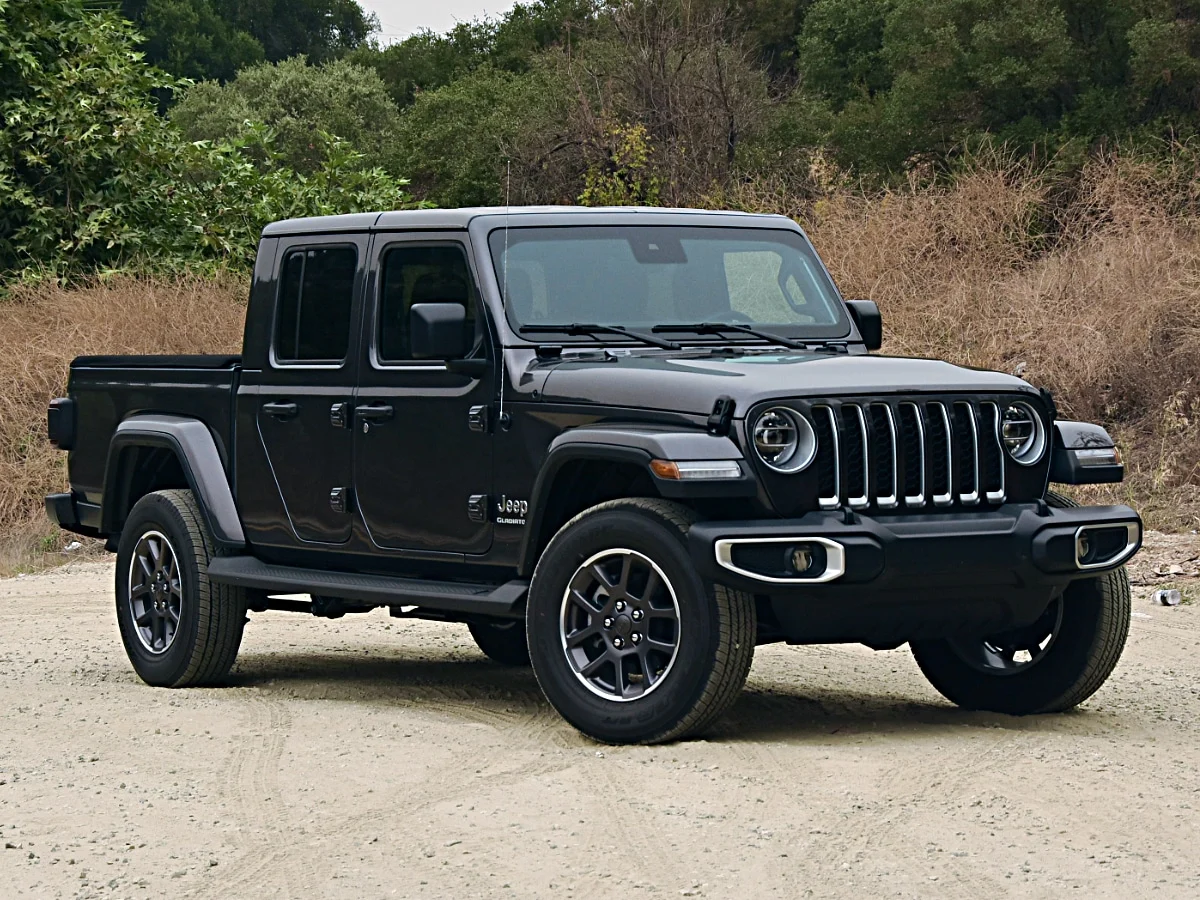
11. 2022 Jeep Wrangler: Iconic Off-Roader with Modern Upgrades
The 2022 Jeep Wrangler is one of the most recognizable SUVs in the world, a model that blends history, rugged capability, and increasing modernity. With a J.D. Power reliability score of 86/100, it ranks as the most dependable Wrangler currently available, despite carrying 11 recalls and a relatively high annual maintenance cost of $694.
The recalls range from electrical issues to mechanical faults, underscoring how the Wrangler’s heavy off-road usage often translates into more service needs. Still, its high reliability score signals improved durability and customer satisfaction compared to earlier years.
Few vehicles embody adventure like the Wrangler. Whether it’s cruising a coastal highway with the roof removed or crawling across rocky terrain, this SUV maintains its reputation as Jeep’s core off-road icon. The 2022 model expands that heritage with five available engines, offering a wide range of personalities from efficient hybrids to high-output V8s.
At one end, the Wrangler 4xe plug-in hybrid delivers 375 horsepower and up to 22 miles of all-electric range. On the opposite end, the Rubicon 392 brings brute force with its 470-horsepower 6.4-liter V8, capable of sprinting from 0–60 mph in 4.7 seconds while retaining full trail-conquering ability.
Between those extremes are the familiar V6 and turbocharged four-cylinder options, giving buyers flexibility based on priorities like torque, fuel savings, or affordability.
The Wrangler excels where few rivals dare to go: off-road. Locking differentials, tall ground clearance, and trims like the Rubicon make it a master of dirt, rocks, and mud. The trade-off comes in daily usability. Its body-on-frame design and solid axles compromise steering precision, and the long brake pedal travel feels out of place in routine driving.
In testing, the 3.6-liter V6 proved capable, pushing the four-door Sahara to 60 mph in 7.6 seconds. The eight-speed automatic transmission complements the power delivery well, always keeping the Wrangler in the right gear.
Passenger comfort is not the Wrangler’s strongest trait, though improvements over older versions are noticeable. The ride remains stiff, especially on rough pavement, and wind noise is evident at highway speeds due to the upright shape and removable roof panels.
The hardtop configuration is significantly quieter than the soft top. Supportive front seats and effective climate control, including rear vents, make long trips manageable, even if second-row comfort is less refined.
Inside, the Wrangler balances rugged functionality with surprising touches of refinement. The upright seating position, excellent visibility, and straightforward controls give it a no-nonsense charm. Square windows and thin roof pillars reduce blind spots, and recent design updates made the soft top easier to remove. Entry can be a challenge due to the tall stance, but sturdy grab handles help.
Technology is another highlight. The Uconnect infotainment system remains one of the best in the industry, with sharp graphics, intuitive menus, and smooth responsiveness. Standard Apple CarPlay and Android Auto integrate smartphones seamlessly, and multiple USB and USB-C ports are available.
Advanced safety tech, however, is sparse compared to newer rivals. While blind-spot monitoring is optional, more sophisticated aids like lane-keeping assist or automatic emergency braking are absent.
The Wrangler offers decent utility but is limited by its narrow body. Cargo capacity lags behind competitors, though the fold-flat rear seats and six tie-down points add flexibility.
Small-item storage is less impressive, with shallow nets for door pockets and a modest glove box. Towing capacity reaches 3,500 pounds, respectable for an SUV of this size. Rear-facing child seats can fit in the Unlimited model, though front-seat adjustment may be required.
Efficiency varies widely by engine. The standard V6 with four-wheel drive averages 20 mpg combined, slightly better than the Toyota 4Runner. The optional turbocharged four-cylinder improves that figure to 22 mpg combined, approaching crossover levels of efficiency. The 4xe plug-in hybrid provides the best mileage potential when charged regularly, while the Rubicon 392 prioritizes performance over economy.
The 2022 Wrangler is not inexpensive, and its warranty coverage is typical rather than generous. But Jeep has invested in improved materials, intuitive switchgear, and a cabin that feels more premium than past generations.
Buyers who prioritize comfort, space, or luxury features may prefer rivals like the Ford Bronco or Land Rover Defender. Yet for those who want the quintessential Jeep experience with modern tech and unmatched off-road credentials, the 2022 Wrangler remains unmatched.
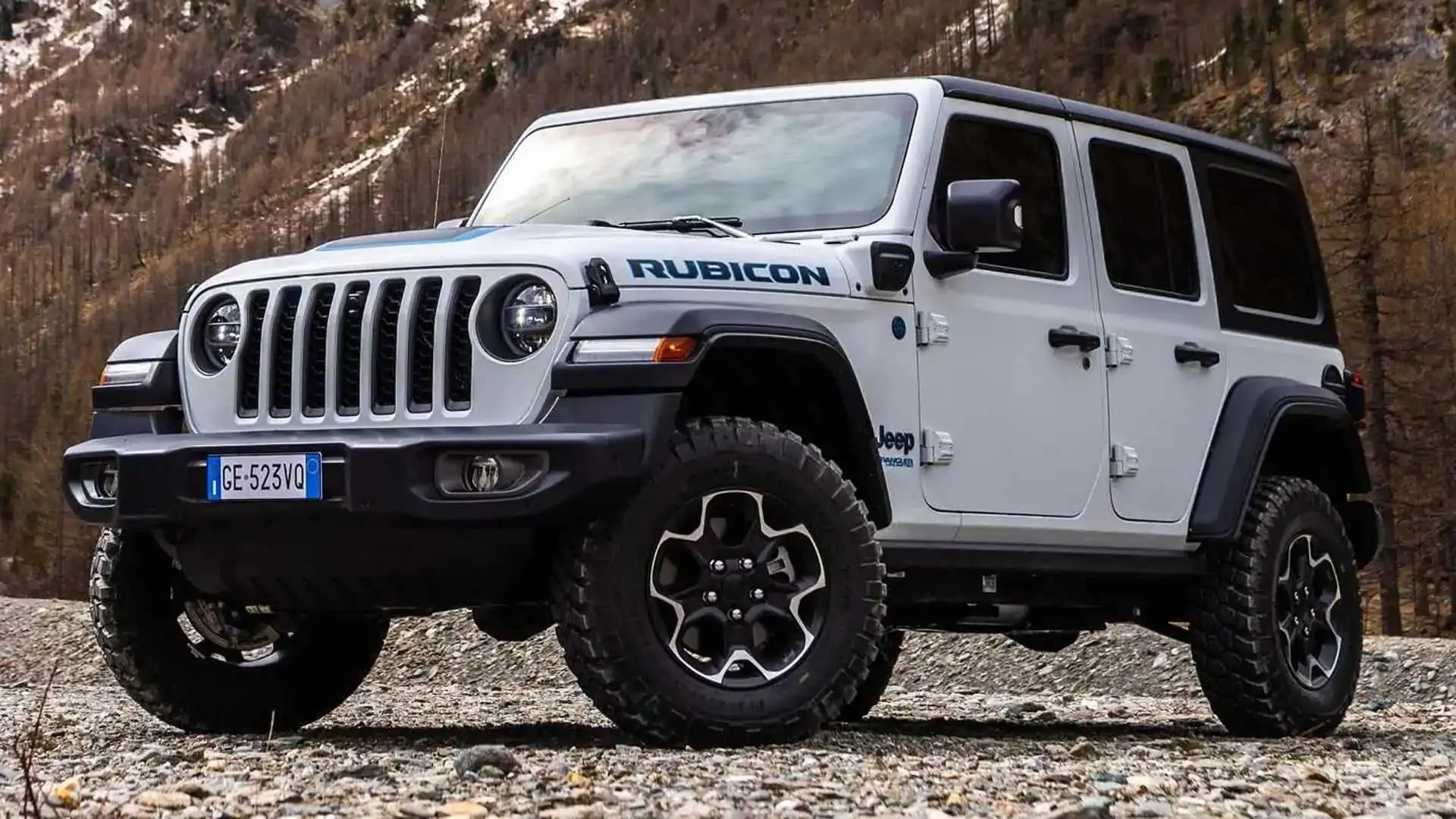
12. 2023 Jeep Gladiator: Rugged Pickup with Reliability Gains
The 2023 Jeep Gladiator carries forward its unique identity as a truck-SUV hybrid while gaining recognition as Jeep’s most dependable offering. With a J.D. Power reliability score of 87/100, it leads the brand’s lineup in perceived durability and customer satisfaction.
Annual maintenance costs are estimated at $634, and the model year is linked to four recalls, fewer than the 2021 Gladiator’s five. Issues involve the clutch plate, fuel pump, and airbags, so buyers should verify recall work before purchase.
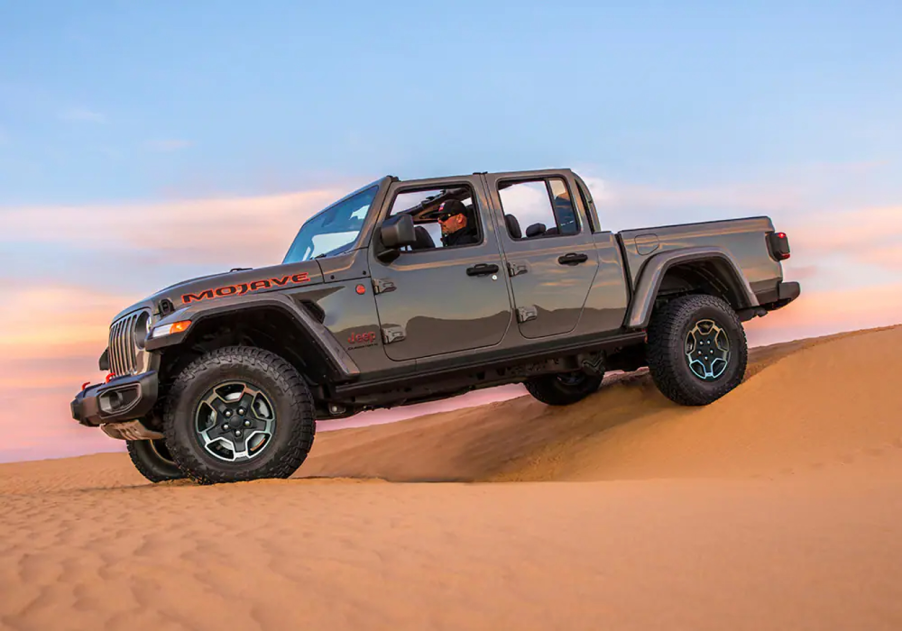
Now in its fourth year of production, the Gladiator continues to blur the line between pickup and SUV. Essentially a Wrangler with a truck bed, it appeals to buyers who want open-air adventure with added hauling capacity. Jeep offers trims designed for different uses, from the daily-driver Sport to the dune-bashing Mojave and the rock-crawling Rubicon.
For 2023, Jeep introduced a Freedom special edition, built on the Sport trim. It adds LED lighting, body-color fender flares, rock rails, black wheels, and a steel bumper designed to handle a winch. These cosmetic and functional updates give the Gladiator a distinctive look, while smaller feature adjustments across other trims keep the lineup fresh.
The Gladiator competes with midsize trucks like the Toyota Tacoma and Chevrolet Colorado, but what sets it apart is its capability right out of the box. Its strengths lie in off-road performance and adventure versatility, though refinement and ride quality take a back seat.
Powered primarily by a 3.6-liter V6 paired to either a six-speed manual or eight-speed automatic, the Gladiator delivers sufficient strength for everyday driving. In testing, a Rubicon model reached 0–60 mph in 8.5 seconds, slower than most midsize trucks but adequate in real-world use. The automatic transmission is responsive, keeping power delivery smooth.
Off-road, the Gladiator excels. With generous ground clearance, low-range gearing, and heavy-duty axles, the Rubicon trim can conquer almost any obstacle. The Mojave trim is tuned specifically for high-speed desert driving, broadening the truck’s capabilities. The long wheelbase slightly limits maneuverability compared to the Wrangler, but it remains a formidable trail machine.
On-road handling is less refined. Large tires, solid axles, and the truck’s upright design contribute to vague steering and a tendency to wander in crosswinds. Competing trucks feel more composed during highway travel.
The Gladiator’s rugged suspension compromises ride quality, producing noticeable jiggle on uneven roads. Wind and road noise are also more pronounced than in rivals. Still, the seats provide good support, and climate control, with vents for rear passengers, ensures cabin comfort on long trips.
Inside, the Gladiator reflects Jeep’s utilitarian design philosophy. Controls are clearly laid out, visibility is excellent, and the upright seating position works well. Rear-seat space surpasses many crew-cab pickups, though climbing into taller trims can be a challenge. Wide-opening doors and grab handles ease the process.
Technology is a highlight. The infotainment system is responsive, combining physical buttons with touchscreen functions. Optional premium audio delivers solid sound quality, and driver-assist features such as adaptive cruise control and forward-facing cameras add convenience.
The Gladiator stands out in towing and payload capacity for its class, with a tow rating of up to 7,650 pounds in certain trims. The bed is user-friendly, featuring low sides and a power-locking tailgate. Rear seats fold to accommodate gear or child seats, though small-item storage remains limited with undersized bins and net-style door pockets.
With its V6 engine, the Gladiator averages 19 mpg combined, competitive for midsize four-wheel-drive trucks. Jeep does not offer a smaller four-cylinder option, but the balance of capability and efficiency keeps it in line with rivals.
Pricing positions the Gladiator above most midsize trucks, and the cost of the automatic transmission adds to the premium. Warranty coverage is average. What the Gladiator offers instead is character: convertible freedom, authentic Jeep heritage, and unmatched off-road prowess in a pickup format.
For buyers seeking adventure without sacrificing truck functionality, the 2023 Gladiator remains one of the most distinctive choices available.
Looking across Jeep’s diverse lineup, one thing is clear: hype doesn’t always equal substance, but when it does, the result is unforgettable. Models like the Wrangler and Grand Cherokee show how Jeep thrives when it leans into its strengths, combining off-road prowess with features drivers actually use every day.
Others, like the Liberty and Commander, prove that even flawed Jeeps can still offer unique value for the right buyer. Together, these 12 Jeeps That Actually Live Up to the Hype illustrate the brand’s evolution, constantly balancing rugged identity with changing consumer demands.
While competitors often outshine Jeep in refinement, efficiency, or space, few can match its sense of adventure and trail-tested credibility. Whether you’re shopping for an affordable commuter with 4WD, a luxury SUV that still tackles trails, or a legend that embodies freedom on four wheels, Jeep continues to deliver vehicles that spark excitement well beyond marketing promises.
Also Read: 5 Cars Great for Uber Drivers and 5 That Are Too Costly
