
In the US, where long commutes, cross-country road trips, and decades of ownership are common, the ability of a car to last isn’t just a bragging point, it’s a financial necessity.
Some cars are engineered with durability in mind, consistently racking up 200,000 to 300,000 miles with regular maintenance.
Others, despite appealing designs or strong performance on paper, fall short of expectations, often plagued by costly mechanical issues before they even reach 120,000 miles.
For buyers looking to make a smart investment, separating proven long-haulers from short-lived disappointments is critical.
Cars That Will Last 300,000 Miles
When it comes to buying a car, reliability and longevity are often just as important as style or performance. Some vehicles are engineered so well that, with proper care, they can easily surpass the 300,000-mile mark and keep going strong.
These long-lasting machines stand out not only for their durability but also for the peace of mind they provide to owners who want a vehicle they can depend on for the long haul.
In this article, we’ll take a closer look at the cars that have proven they can go the distance, literally, making them smart choices for anyone who values endurance above all else.
Toyota Land Cruiser
Few vehicles embody the term “built to last” like the Toyota Land Cruiser. Known globally for its ability to handle harsh climates, rugged terrain, and years of abuse, the Land Cruiser regularly posts 300,000 miles without breaking a sweat.
American owners often report hitting these numbers with only routine maintenance, oil changes, brakes, and the occasional suspension refresh.
Its bulletproof V8 engines and overbuilt drivetrains make it a staple in countries where reliability isn’t optional. In the US, it remains a top choice for families who want a vehicle that lasts generations.
The 2018 Toyota Land Cruiser strikes a unique balance between luxury SUV and rugged off-road warrior. As one of Toyota’s longest-running nameplates, this three-row SUV has evolved far from its early days as a no-frills utility vehicle.
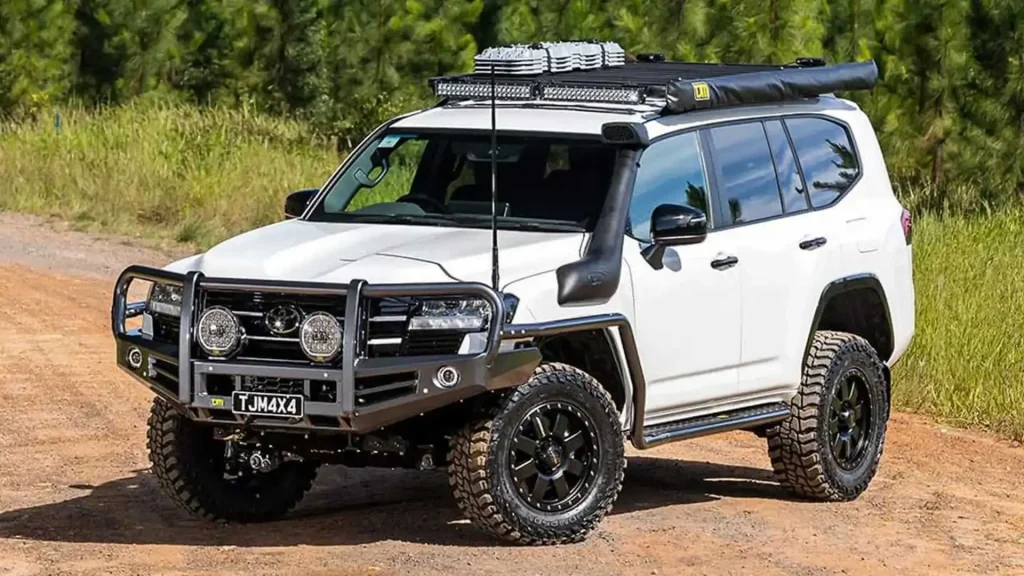
Still, don’t mistake its modern amenities for softness. Backed by a powerful V-8 engine, standard four-wheel drive, and a full suite of trail-ready hardware, the Land Cruiser remains one of the most capable SUVs on the market, able to tackle terrain that leaves many rivals struggling.
For 2018, Toyota’s iconic large SUV carries on without any major changes. That’s just fine for devoted Land Cruiser enthusiasts, who appreciate its understated design and unmatched go-anywhere capability in this eight-passenger machine.
Every Land Cruiser comes with a single powertrain: a 5.7-liter aluminum V-8 producing 381 horsepower and 401 pound-feet of torque, paired with an eight-speed automatic transmission that drives all four wheels.
Despite weighing nearly 6,000 pounds, this hefty SUV manages a 0–60 mph sprint in under 7 seconds.
Behind the wheel, the Land Cruiser feels like a throwback to an earlier SUV era. The steering is vague and requires focus, the body leans noticeably during cornering, and the brake pedal feels softer than expected.
Yet once the pavement ends, the Land Cruiser comes into its own. Outfitted with underbody skid plates, a two-speed transfer case, a Torsen limited-slip differential, hill descent control, and automatically disconnecting anti-roll bars, this Toyota transforms into a virtually unstoppable force when the trail gets rough.
Honda Accord
The Honda Accord has been one of the most popular sedans in the United States for decades, and part of that success comes down to its remarkable longevity.
With a simple yet durable four-cylinder engine, the Accord often crosses the 250,000-mile mark with ease. Many examples surpass 300,000 miles when owners keep up with timing belt changes and fluid maintenance.
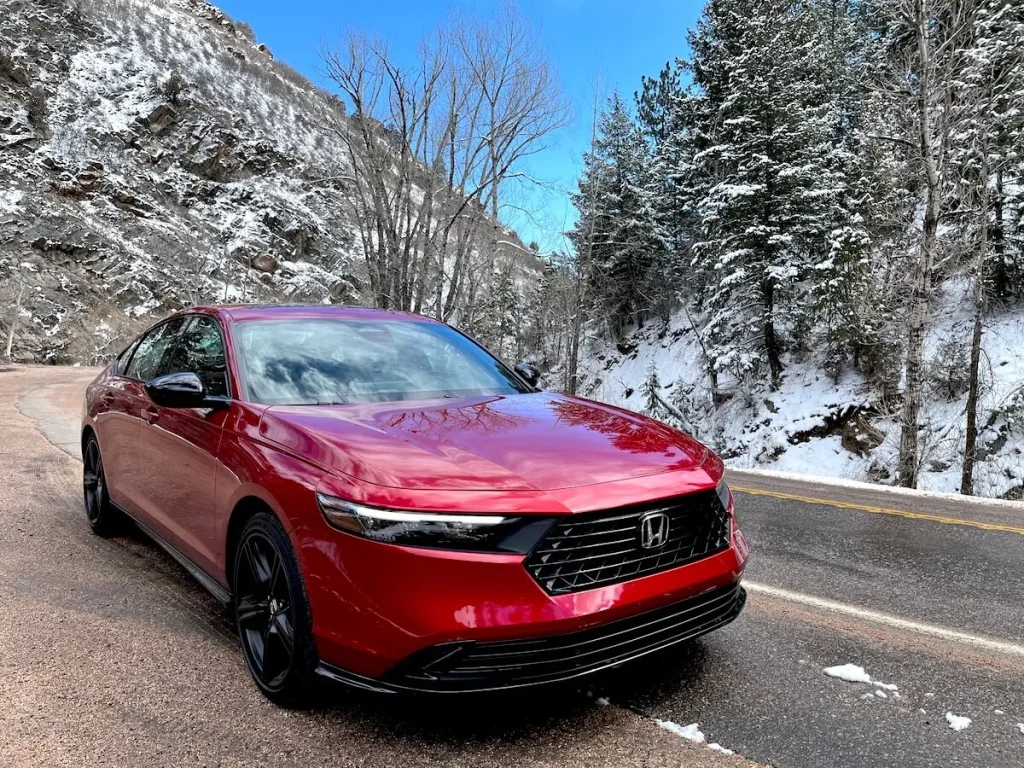
Because parts are widely available and repairs are straightforward, long-term ownership costs remain low, making the Accord a practical choice for Americans seeking maximum miles per dollar.
Toyota Sequoia
The Toyota Sequoia, essentially a larger sibling to the Land Cruiser, shares much of the same durability DNA. Powered by robust V8 engines and designed to carry families and tow heavy loads, the Sequoia is famous for staying on the road long after rivals have been retired.
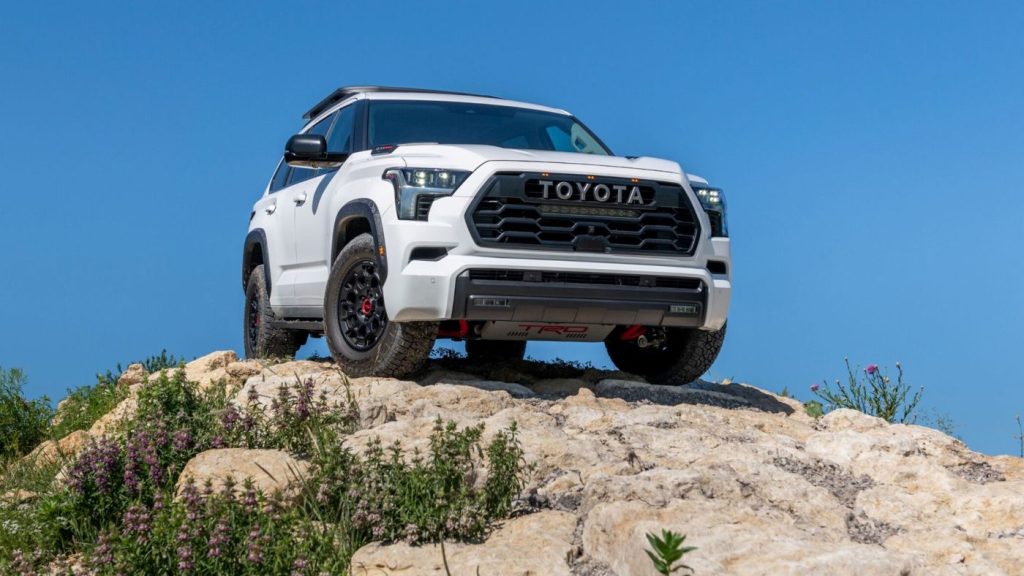
Owners in snowy states particularly value its toughness, as it resists rust better than many competitors and shrugs off high-mileage stress. With routine care, it’s not unusual for a Sequoia to run well past 300,000 miles without any major issues.
Subaru Outback
In America’s snow belt, the Subaru Outback has carved out a loyal following thanks to its standard all-wheel drive, practicality, and long-term reliability.
While some older models suffered head gasket issues, Subaru corrected these problems, and modern Outbacks are among the longest-lasting wagons available.
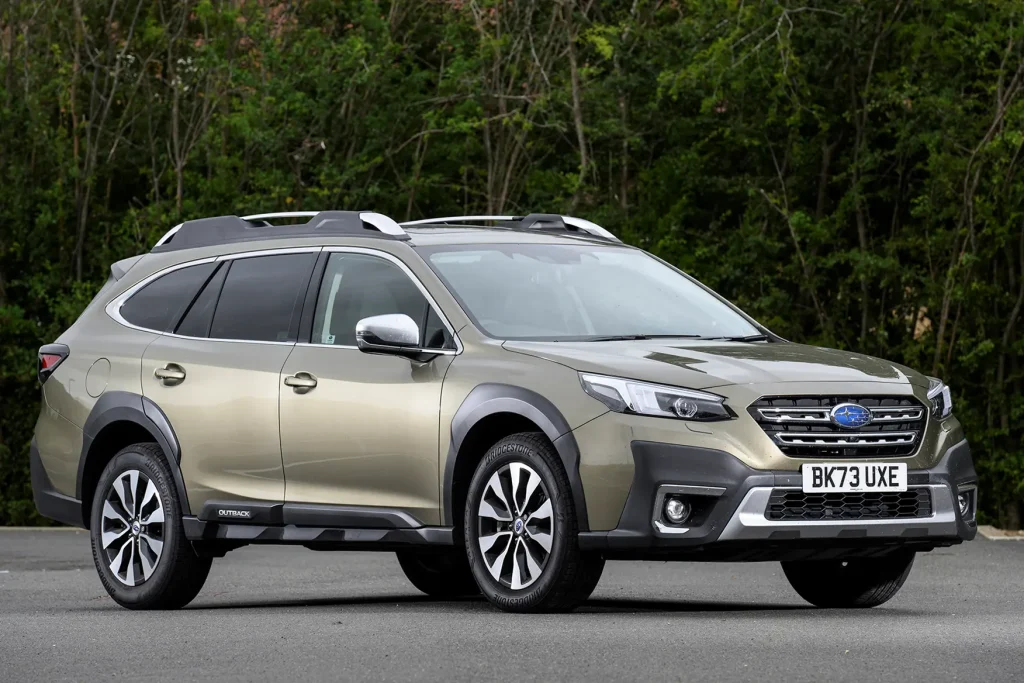
Many owners report surpassing 250,000 miles with proper care, and those who stay diligent with maintenance often reach or exceed 300,000. For families in northern states who need both utility and durability, the Outback remains a dependable choice.
Lexus LS
Luxury cars aren’t usually associated with extreme longevity, but the Lexus LS proves an exception. Known for its quiet ride and top-tier build quality, the LS often lasts far longer than its European rivals.
The naturally aspirated V8 engines in older LS models are virtually indestructible when maintained, and Toyota’s commitment to overengineering ensures that components outlast expectations.
It’s not uncommon to find LS sedans with 300,000 miles still gliding smoothly, showing that comfort and longevity don’t have to be mutually exclusive.
The all-new fifth-generation 2018 Lexus LS 500 is a car that rewards close inspection. Its textures, design details, and layered craftsmanship reveal themselves the deeper you look, shifting focus away from rivals like the Mercedes-Benz S-class and BMW 7-series.
True to tradition, Lexus continues its strategy of undercutting its German competitors on price, the new LS starts at $14,900 less than the most affordable S-class and $8,100 less than the entry-level 7-series. Like before, the flagship sedan is offered in both gas-only and hybrid versions.
When the LS debuted in 1989, it shook the luxury world by delivering refinement at a fraction of the cost of its competitors. Three decades later, that formula still holds.
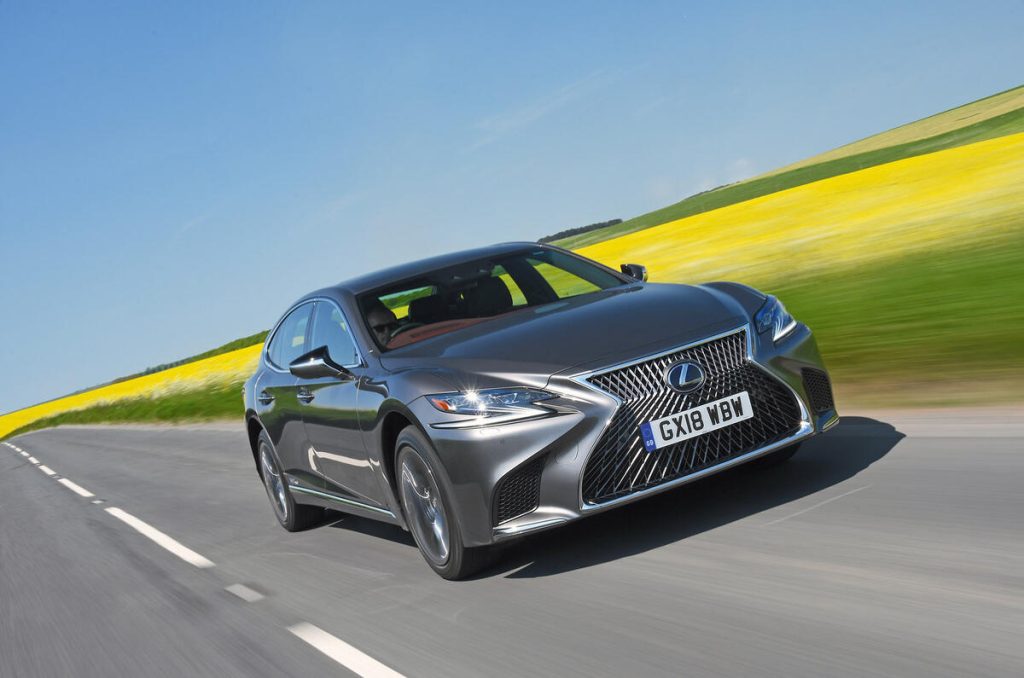
For 2018, Lexus has reimagined its flagship with more size, power, and style than ever. At the front, the bold spindle grille and sharply cut headlights align with Lexus’s current design language, but the profile introduces a sleeker, more daring silhouette.
Gone is the conventional, upright three-box form. Instead, rakish rear glass and a dramatically sweeping D-pillar give the sedan a more coupe-like character. Built on a 123.0-inch wheelbase and stretching to 206.1 inches in length, the LS is now the longest version of itself to date.
Under the hood, the LS 500 introduces a new twin-turbocharged, direct-injected V-6 engine rated at 416 horsepower and 442 pound-feet of torque. It’s paired with a 10-speed automatic transmission and can be had with either rear- or all-wheel drive. The F Sport variant carries the same mechanical specifications as the base model.
The hybrid, the LS 500h, uses a naturally aspirated 3.5-liter V-6 running on the Atkinson cycle, teamed with two electric motors, for a combined output of 354 horsepower and 257 pound-feet of torque.
While effective, the hybrid system delivers a raspier, less refined sound compared with the turbo V-6. Its standout feature is the unique Multi Stage Hybrid transmission, which blends a four-speed planetary gearbox with a CVT, programmed to emulate a 10-speed automatic.
Across all trims, the LS delivers a smooth, composed ride, though the driving experience remains quiet and detached. The F Sport’s chassis and steering are tuned for a slightly heavier, more connected feel, yet even it falls short of being eager when roads start to twist.
Cars That Won’t See 120,000 Miles
Not every car is built to go the distance. While some models have a reputation for racking up hundreds of thousands of miles, others struggle to make it past the 120,000-mile mark without running into costly repairs or major reliability issues.
From weak engines to fragile transmissions and frequent mechanical headaches, these vehicles often become more of a burden than a bargain as the miles pile on.
In this article, we’ll highlight the cars that are notorious for cutting their lifespan short, helping you avoid a purchase that might not stand the test of time.
Chrysler 200
The Chrysler 200 was marketed as a stylish midsize sedan, but beneath the surface, it struggled with durability. Transmission issues plagued many models, leading to expensive repairs before reaching 100,000 miles.
Electrical gremlins and cheap interior components added to owner frustration, causing many vehicles to be traded in or scrapped early. While it looked competitive on dealer lots, the Chrysler 200 failed to deliver the long-term value American buyers expect.
The 2017 Chrysler 200 LX FWD comes in as the entry-level trim of Chrysler’s midsize sedan lineup, offering practicality, comfort, and efficiency in a sleek package.
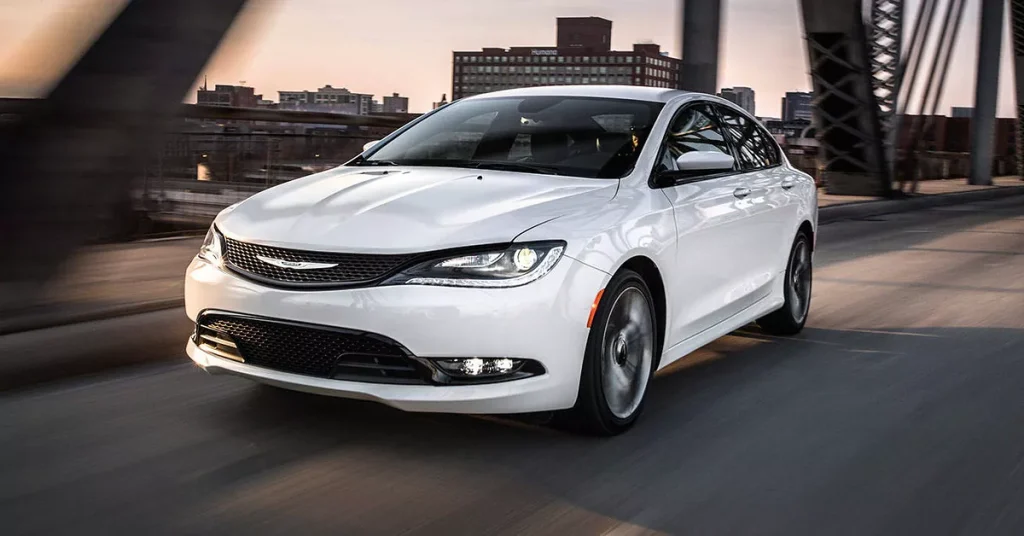
With a starting price of $23,210, this model provides front-wheel drive as standard and a well-rounded mix of features for everyday use.
Under the hood, the 200 LX is powered by a 2.4-liter inline-four engine (engine code: ED6), running on regular unleaded fuel.
This engine produces 184 horsepower at 6,250 rpm and 173 lb-ft of torque at 4,600 rpm, delivered through a nine-speed automatic transmission with overdrive.
Classified as a midsize car by the EPA, the Chrysler 200 LX measures 192.3 inches in length, 73.6 inches in width, and 58.7 inches in height, riding on a 108-inch wheelbase. Track width is 62.1 inches in the front and 62 inches in the rear.
The sedan provides 5.8 inches of ground clearance, while its trunk features a liftover height of 28.6 inches for easier loading.
Mini Cooper
The Mini Cooper has undeniable charm, offering quirky styling and agile handling, but reliability has been a recurring weakness, especially in early 2000s models.
Owners frequently report problems with engines, cooling systems, and transmissions, often before hitting 120,000 miles.
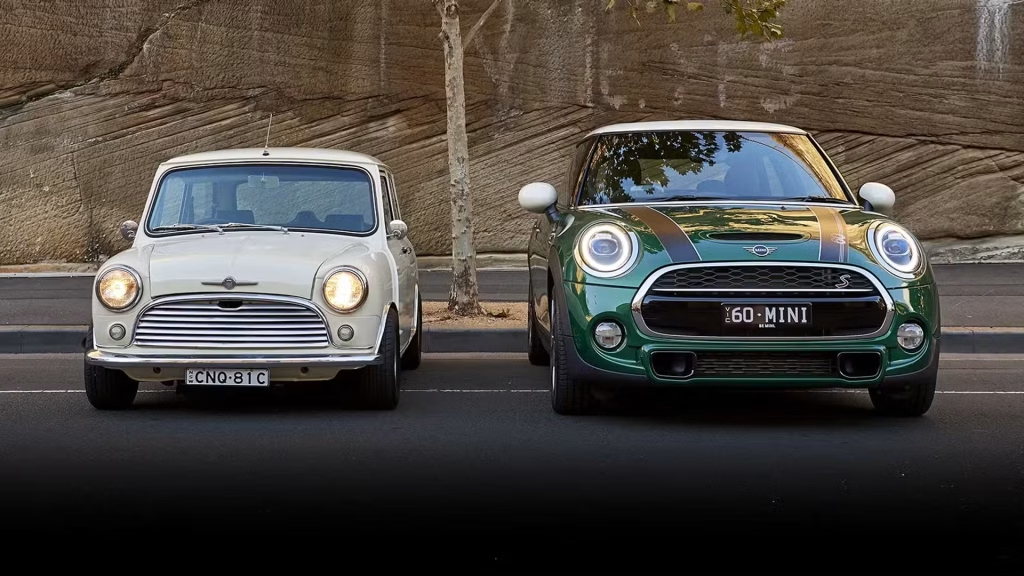
Repair costs are high due to limited parts availability and labor-intensive designs, turning ownership into a money pit. While Minis may bring joy on winding roads, they rarely bring satisfaction when it comes to long-term durability.
Dodge Journey
The Dodge Journey became popular for its low price and family-friendly size, but it quickly earned a reputation as one of the least durable SUVs on the market.
Engines and transmissions often fail prematurely, with many Journeys struggling to make it past 100,000 miles without significant repairs.
Interior quality is poor, and electrical problems are common, further dragging down owner satisfaction. For buyers hoping for a dependable long-haul family SUV, the Journey is one of the least recommended choices.
The Dodge Journey is often described as the SUV that time forgot. First introduced in 2009, it has seen very few changes over the years.
On one hand, its longevity highlights the strength of the original design concept, but on the other, it leaves the Journey lagging behind more modern rivals in many key areas.
As in previous years, the 2018 Dodge Journey offers three rows of seating and a low starting price, making it one of the most affordable crossovers in its class.
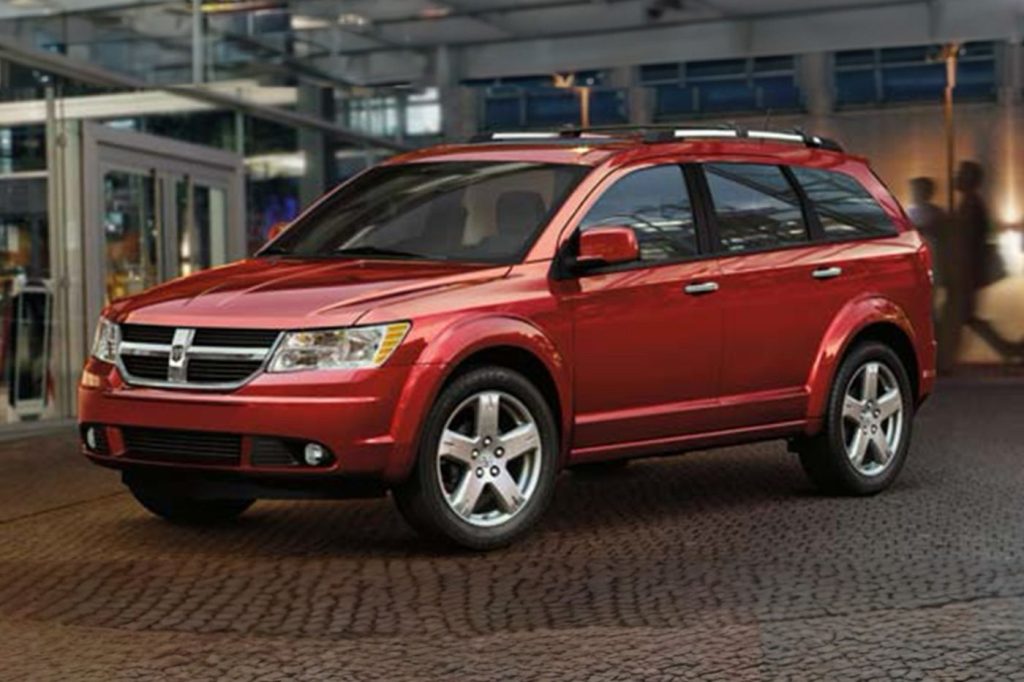
However, it comes up short in several areas that matter to today’s buyers. Even when fully optioned, the Journey lacks many advanced safety features that are now standard or widely available in competitors.
The base engine is a 2.4-liter four-cylinder paired with a dated four-speed automatic transmission, and this combination delivers both lackluster performance and below-average fuel economy.
A stronger 3.6-liter V6 is available, but even with the upgrade, the Journey struggles to match the performance and refinement of other three-row SUVs.
Not everything is negative, though. The Journey provides a comfortable ride and seating that should keep passengers happy on long trips.
The optional 8.4-inch Uconnect infotainment system is easy to use and remains one of the model’s better features, though it lacks newer smartphone integration like Android Auto and Apple CarPlay.
The Dodge Journey will get you where you need to go at a price that undercuts much of the competition.
Still, rivals such as the Kia Sorento, GMC Acadia, or the Volkswagen Tiguan offer more up-to-date technology, stronger performance, and greater long-term appeal.
The 2018 Dodge Journey is affordable and comes standard with three rows of seating. Beyond that, however, there’s not much to recommend.
The Journey feels less refined and responsive compared to its rivals. The base four-cylinder engine is underpowered, making the V6 upgrade essential, though even that leaves acceleration below average.
Comfort is one of the Journey’s stronger suits. While some competitors offer more rear legroom, the adjustable seating provides flexibility, making it a capable family road-trip vehicle.
Though classified as a midsize SUV, the Journey’s interior dimensions align more closely with compact SUVs like the Ford Escape or Chevrolet Equinox. Passenger and cargo space trails behind the Honda CR-V, but the cabin still feels family-friendly.
Storage is a mixed bag. While the tiny glovebox disappoints, Dodge makes up for it with hidden compartments beneath the cargo floor, passenger seat, and rear seating area.
Cargo capacity with the seats folded is average, though the high load floor can make lifting heavier items a challenge.
Volkswagen Jetta
The Volkswagen Jetta has gone through many iterations, but models from the early to mid-2000s developed a reputation for premature failures. Turbocharged engines, complex electrical systems, and transmission problems often left owners facing steep repair bills well before 120,000 miles.
While the Jetta’s European driving dynamics attracted many American buyers, the reality of ownership often included frequent trips to the mechanic and declining resale value. Unless meticulously maintained, these models rarely achieve the high-mileage benchmarks of their Japanese rivals.
The Volkswagen Jetta, essentially the sedan counterpart to the Golf, has long been one of our favorites. True to its German roots, the Jetta manages to connect drivers to the road with remarkable precision, capturing every undulation and imperfection without sacrificing ride comfort.
The fourth-generation Jetta, introduced in 1999, rolled out with a fresh new design. For the 2000 model year, changes are relatively minor, focusing mostly on equipment updates.
The entry-level GL trim comes with a 2.0-liter four-cylinder engine producing 115 horsepower and 122 lb-ft of torque at 2,600 rpm, giving it respectable off-the-line acceleration. Standard features include side airbags, ABS, heated remote mirrors, and a cassette stereo.
Moving up to the GLS model, buyers get more creature comforts like cruise control, power windows and mirrors, and a center armrest. The GLS also opens the door to optional powertrains, including a V6 engine or the new-for-2000 1.8T turbocharged four-cylinder.
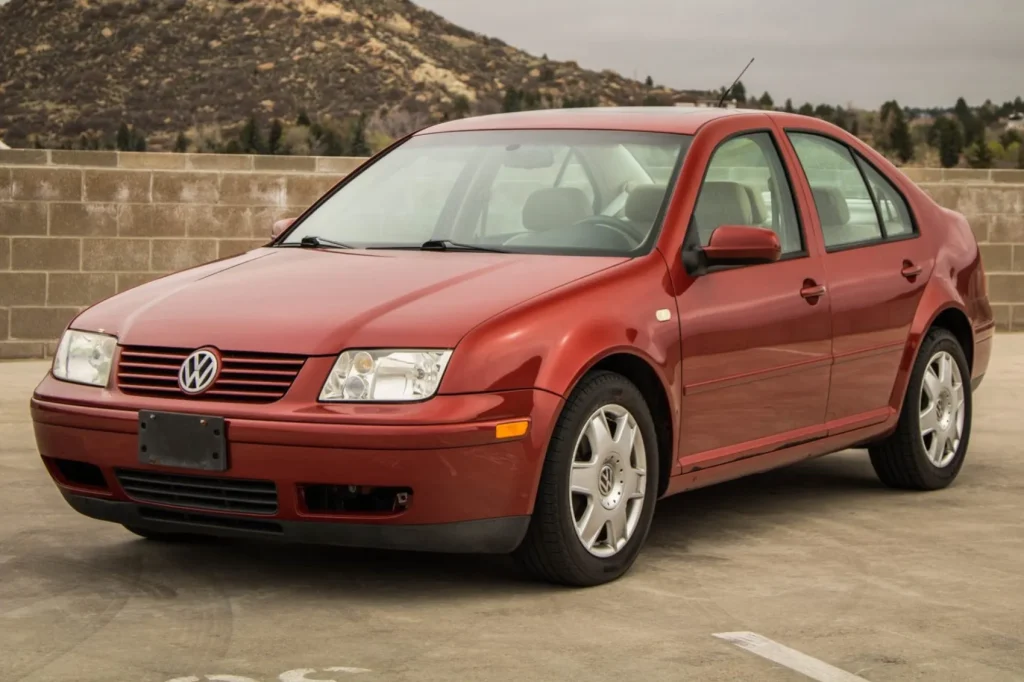
The latter generates 150 horsepower, delivers lively performance across the rev range, and is priced below the V6, making it a standout choice. Additionally, buyers can opt for Volkswagen’s TDI turbo-diesel engine, available on both GL and GLS trims. When paired with a manual transmission, the TDI achieves an impressive 49 mpg.
For 2000, Volkswagen added thoughtful updates, including a brake-wear indicator, a sliding sun visor extension, and an optional dealer-installed dashboard CD player.
Features like the cold-weather package, eight-speaker stereo, and 16-inch alloy wheels, once exclusive to the GLX, are now available on the GLS trim as well.
On the outside, the Jetta’s styling remains sleek and curvaceous, with prominent bumpers and wheel arches accommodating standard 15-inch wheels. Built using laser-welding techniques and high-tech bonding agents, the Jetta boasts impressive structural rigidity, translating to sharper handling and better overall control.
True to its reputation as a driver’s car, the Jetta features a revised MacPherson strut front suspension with more positive caster and an optimized strut layout for improved stability.
At the rear, an enhanced torsion-beam axle works with larger stabilizer bars, while four-wheel disc brakes with ABS come standard across the lineup.
While rising popularity has nudged prices upward, the Jetta remains competitive. The GLX undercuts many German and Japanese V6-powered sedans by thousands, and the introduction of the 1.8T engine effectively lets buyers spec out a budget-friendly stand-in for an entry-level Audi A4.
Against rivals like the Dodge Stratus, Ford Contour, and Honda Accord, Volkswagen’s bread-and-butter sedan holds its own with style, driving enjoyment, and a versatile lineup of trims and powertrains.
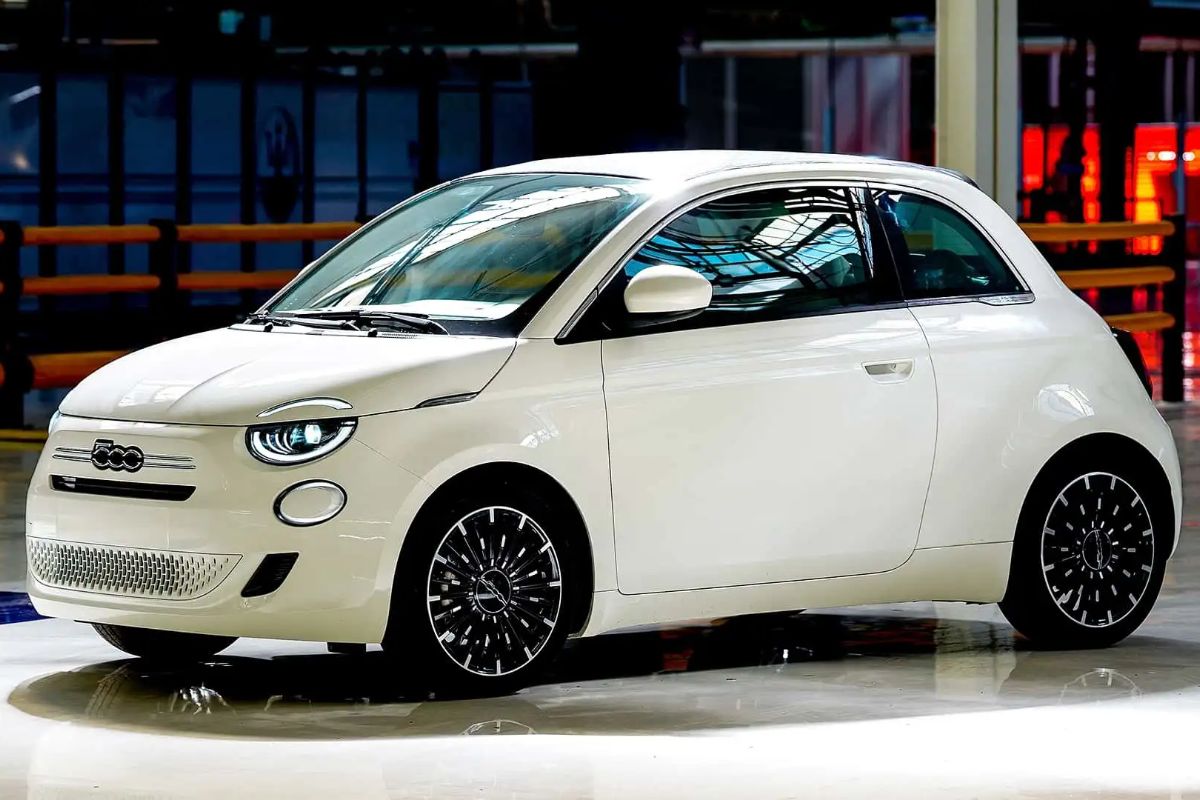
Fiat 500
When Fiat reentered the US market with the 500, it initially drew attention for its retro charm and city-friendly size. However, the novelty wore off quickly as owners discovered reliability issues.
Weak engines, fragile transmissions, and persistent electrical faults made the 500 one of the least dependable subcompacts on American roads. Many examples struggle to reach 100,000 miles without significant investment, making it a poor choice for buyers who value long-term dependability.
Subcompact cars aren’t usually known for being exciting. They often trade away interior quality, brisk performance, and driving fun in favor of affordability.
But something must have been lost in translation from English to Italian, because the 2018 Fiat 500 manages to deliver what most competitors don’t. This pint-size hatchback isn’t just practical, it’s fun to drive and brings a distinct dose of European charm to a segment that’s typically short on personality.
The 500 has been on the market since 2012 with few major changes, yet many of the qualities that made it appealing at launch remain true today. Its playful styling continues to turn heads, and the interior design still feels a step above most rivals in this class.
For 2018, Fiat swapped out the old naturally aspirated base engine for a turbocharged unit, giving the car noticeably quicker acceleration compared with last year’s model.
Not everything about the lineup hits the mark, though. The sporty Abarth trim doesn’t quite live up to its performance image, especially since buyers could step into a faster and more premium Mini Hardtop for a similar price.
That said, the base Pop and the more upscale Lounge trims make better use of the 500’s strengths, balancing affordability with charm.
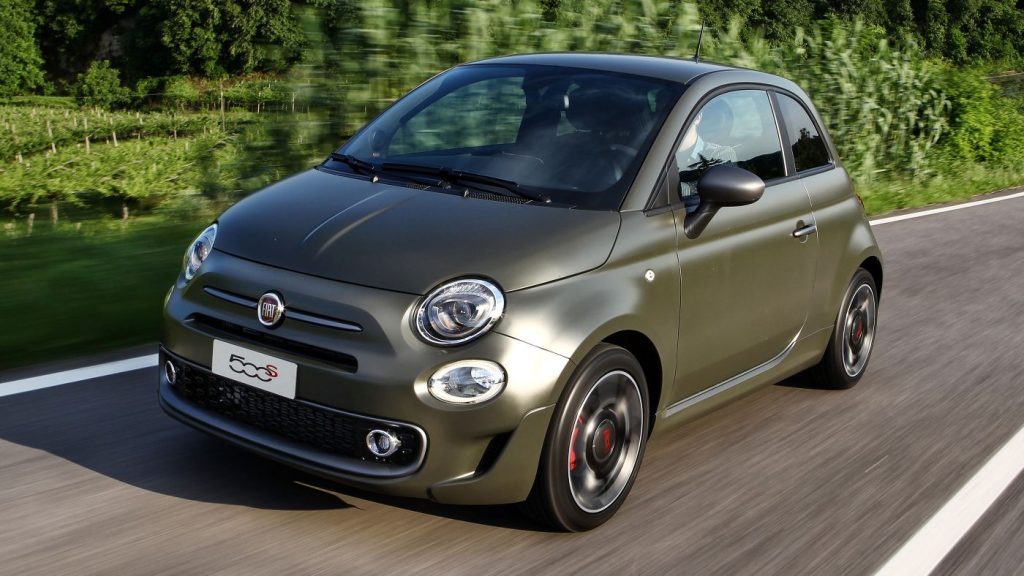
Of course, the Fiat 500 isn’t without compromises. The cabin is tight, realistically comfortable for only two adults, and its small footprint limits practicality.
But if your priorities are style, fun, and a unique personality at a budget-friendly price, the 2018 Fiat 500 stands out as a compelling choice among subcompact cars.
In America, where cars often serve as daily commuters, weekend road trip machines, and long-term family haulers, reliability is more than just a selling point, it’s peace of mind.
Vehicles like the Toyota Land Cruiser, Honda Accord, and Lexus LS prove that engineering excellence and consistent maintenance can push cars past 300,000 miles, rewarding their owners with unmatched value.
On the other hand, models like the Chrysler 200 and Dodge Journey remind us that short-term savings at the dealership can lead to long-term financial pain.
For US drivers planning to keep their cars for a decade or more, the key is to choose proven platforms with strong reputations for longevity, because in the end, a car’s true worth is measured by how long it lasts on the road.
