
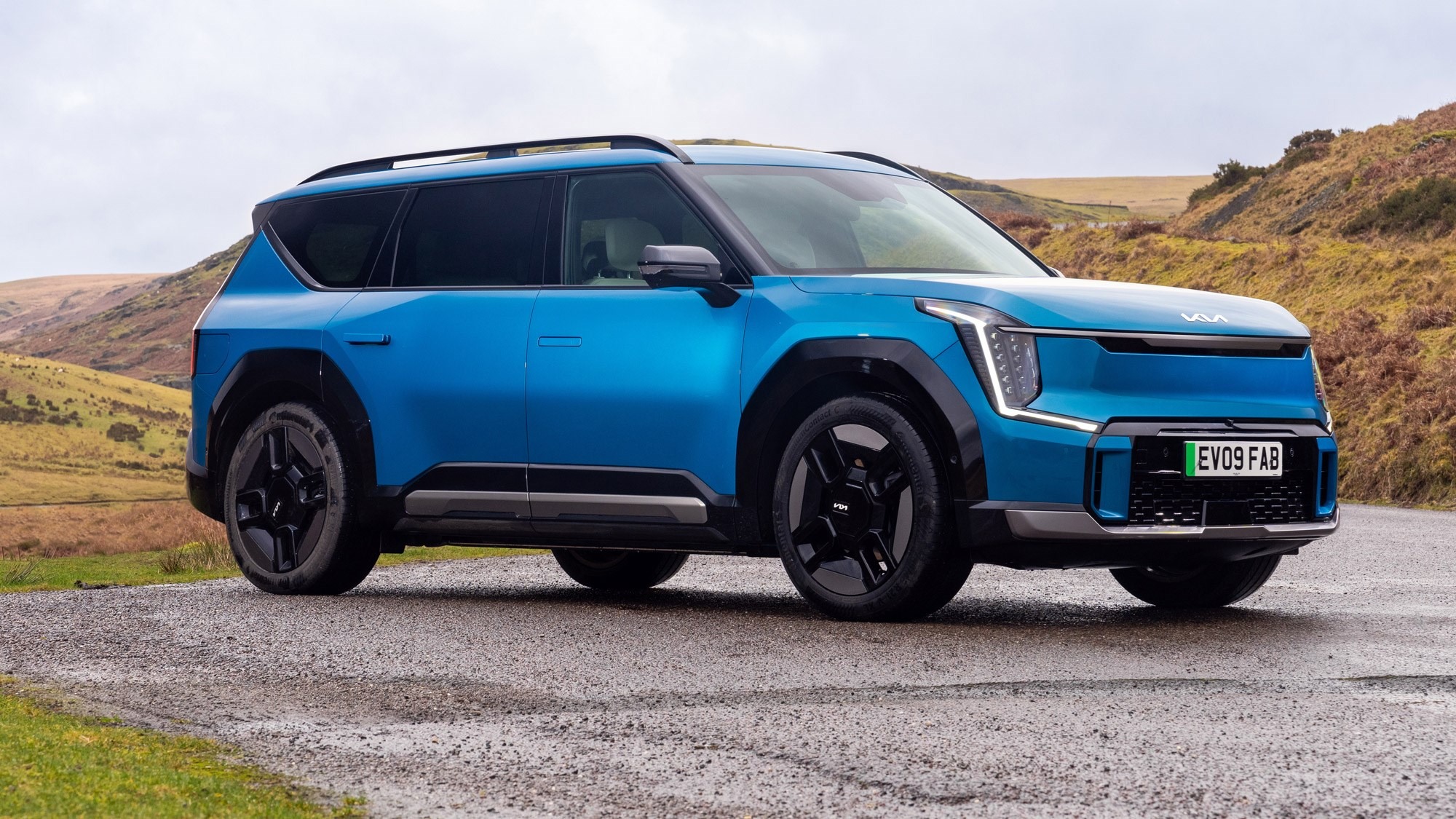
Vehicles are often judged by ratings and reliability rankings created by experts and industry analysts. These lists are meant to guide buyers toward cars that are expected to last long with minimal issues.
However, there are always exceptions. Some vehicles manage to perform far better than their rankings suggest, earning loyalty from owners who have experienced their strengths firsthand.
They may not top charts or receive constant praise from experts, yet they continue to prove their durability on highways, streets, and long-distance routes.
What makes these cars stand out is not always obvious. Many of them were criticized for their design, technology, or reputation during the first years of production.
Critics often pointed out potential problems with electronics, engines, or transmission systems. Despite these warnings, actual owners found ways to maintain and operate them in a manner that extended their life.
This shows that reliability is sometimes influenced more by care, maintenance, and driving habits than by initial scores or professional predictions.
These vehicles often come with practical designs, strong mechanical systems, and features that support long-term use.
Owners who invest in proper servicing and maintenance can find that a car performs consistently even after many years on the road. Some vehicles from this category have reached over a hundred thousand miles without failure, surprising both owners and skeptics alike.
The following list highlights ten vehicles that defied reliability rankings. Each vehicle has a unique story and a combination of features that allow it to perform beyond expectations.
They are proof that reliability is sometimes more about persistence, proper care, and mechanical simplicity than what surveys and charts may suggest.
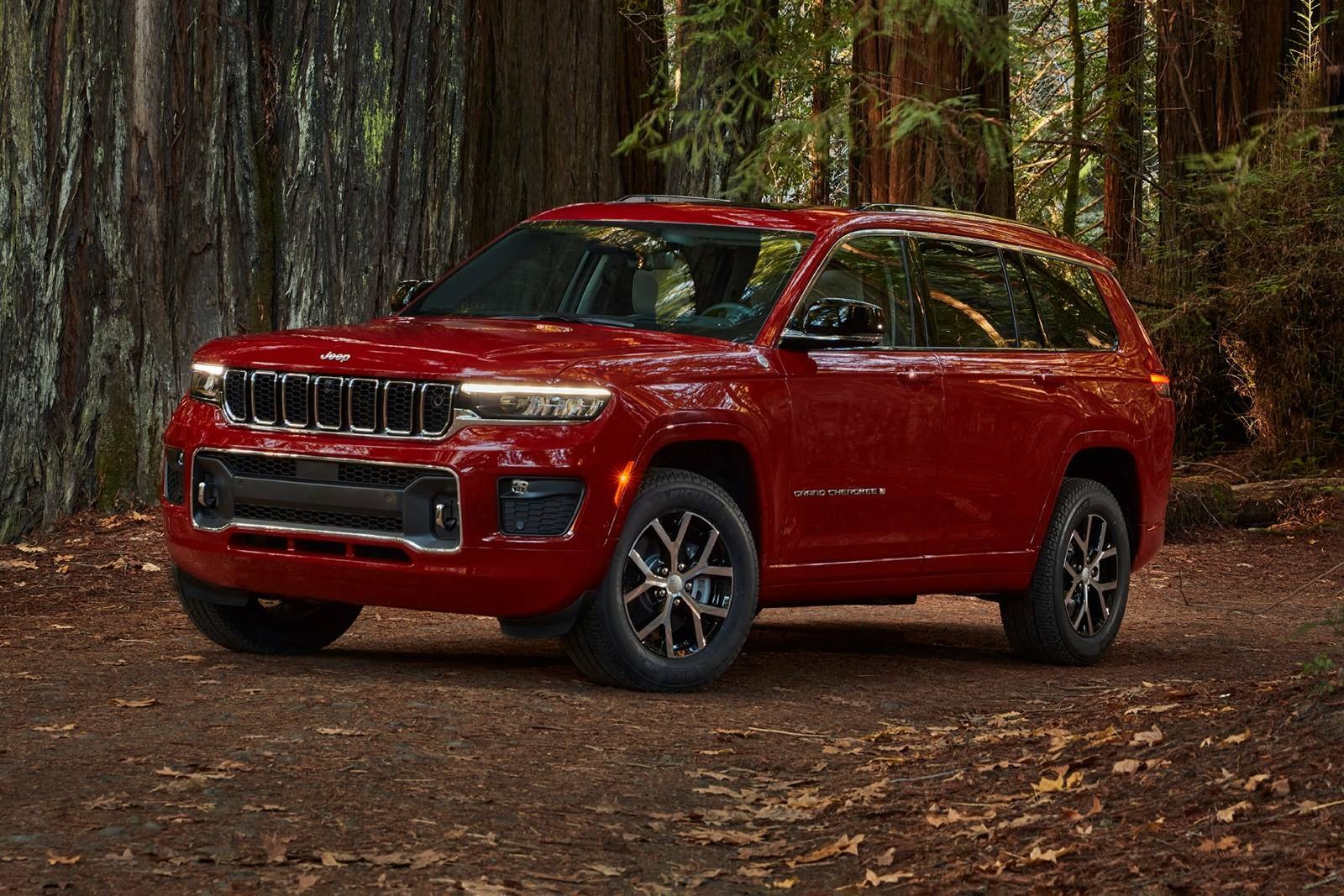
1. Jeep Grand Cherokee
The Jeep Grand Cherokee has been criticized in reliability rankings for occasional mechanical problems, yet many owners report strong performance and long-term durability.
Introduced in the early 1990s, the Grand Cherokee quickly became popular for its off-road ability, spacious interior, and versatility.
Critics often noted potential issues with the transmission and electronics, but drivers who performed consistent maintenance found that the SUV could last far beyond typical expectations.
The Grand Cherokee’s engines are known for delivering reliable power even under heavy use. V6 and V8 options provide strength for towing, off-road adventures, and city commuting.
Diesel variants offer endurance and torque that support extended driving, making it possible for older models to remain functional with proper care. Many owners have experienced vehicles surpassing 200,000 miles while still operating efficiently.
Construction quality contributes to the Grand Cherokee’s longevity. Its body and frame are designed to endure off-road stress, which reduces the likelihood of damage from everyday driving.
The suspension system absorbs shocks from rough ground and highways alike, allowing the vehicle to maintain comfort and stability with time.
Regular inspections of brakes, suspension, and drivetrain are sufficient to keep the SUV running for years. Interior features combine comfort and usability. Spacious seating accommodates passengers and cargo, while controls are straightforward and accessible.
Owners appreciate the balance of luxury and practicality, which has encouraged them to maintain vehicles rather than replace them quickly.
Strong aftermarket support also extends the life of the Grand Cherokee. Replacement parts are widely available, and experienced mechanics are familiar with the design, making repairs manageable.
Even models criticized in early reliability rankings have demonstrated remarkable endurance, showing that proper care and consistent maintenance can allow a vehicle to surpass expectations and continue performing for decades.
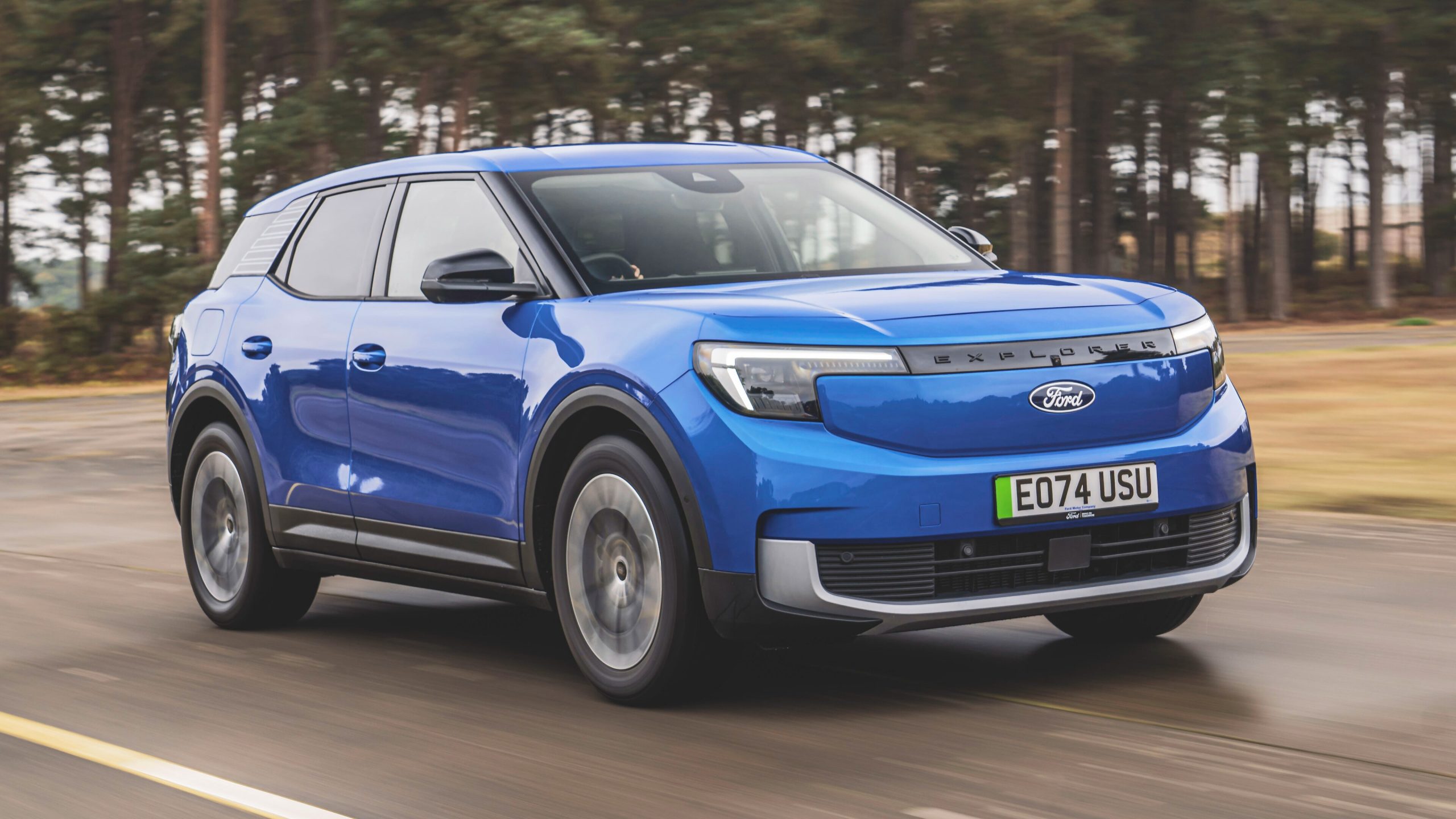
2. Ford Explorer
The Ford Explorer was introduced as a mid-size SUV with family-friendly features and versatile performance.
While early reliability surveys noted potential problems with the transmission and suspension, many owners found that consistent care allowed their vehicles to continue functioning well over years of use.
It remains one of the SUVs that defy the limitations set by reliability rankings. Engine options, including V6 and V8 configurations, provided power for daily commuting, highway driving, and off-road excursions.
These engines are durable when serviced properly, and owners often report fewer failures than surveys suggest.
The Explorer’s mechanical design emphasizes simplicity, which allows for straightforward repairs and maintenance. Those who invest in regular oil changes, fluid checks, and minor adjustments find that these vehicles continue performing beyond expectations.
Construction and suspension quality support the Explorer’s durability. The body is reinforced to handle urban driving and rougher roads, while the suspension absorbs bumps and irregular surfaces.
This design reduces wear on critical components and allows the SUV to remain roadworthy even after heavy use. Many vehicles from the early 2000s still operate effectively with proper attention.
Interior design was created for comfort and convenience. Spacious seating, intuitive controls, and practical storage space made it appealing for families.
Even with technological limitations compared to modern SUVs, these vehicles offered reliable functionality. Drivers often reported that interiors held up well with proper cleaning and care, further extending the usable life of the vehicle.
Parts availability and mechanics’ experience enhance the Explorer’s longevity. Replacement components are accessible, and many workshops have expertise with the model, allowing repairs to be completed efficiently.
While rankings may not always favor the Explorer, experience from drivers proves that it is capable of surpassing expectations and remaining dependable for years.
Also Read: 10 Most Durable Vehicles That Rarely Fail Safety Inspections
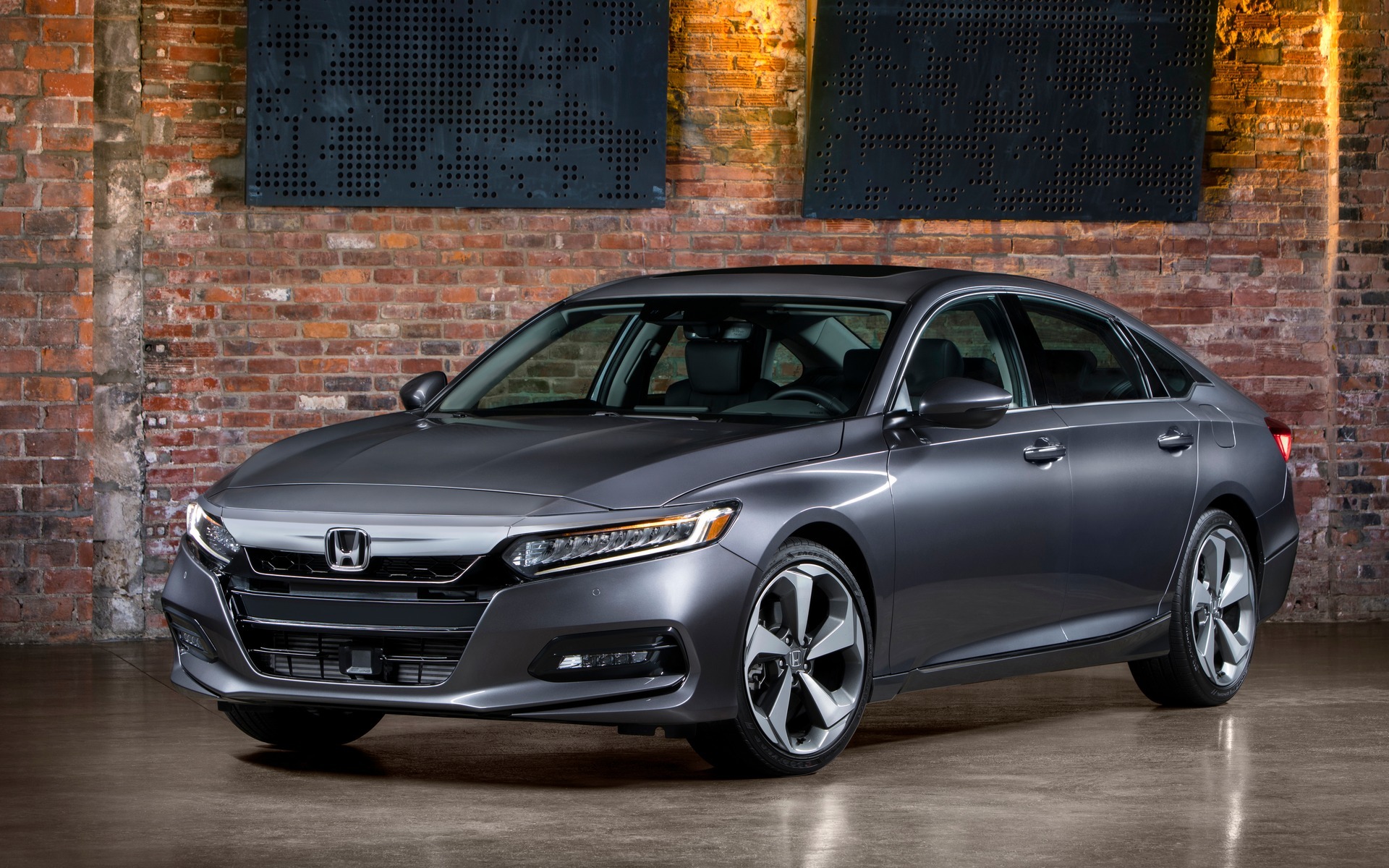
3. Honda Accord
The Honda Accord has been a trusted name in the automotive industry for decades. While some reliability rankings highlighted potential issues with electronics and early-generation transmissions, the Accord has consistently shown resilience and strong performance for many owners.
Vehicles from different decades have proven to endure high mileage with minimal problems. Accord engines are known for longevity and smooth operation.
Inline-four and V6 engines provide fuel efficiency and power suitable for commuting, highway travel, and light hauling.
Owners who follow routine maintenance schedules, including oil changes and timing belt replacements, have found that their Accords often exceed 200,000 miles without serious mechanical issues.
The car’s construction is designed for stability and endurance. Chassis and suspension systems handle daily wear, providing comfort and road control even in older models.
Brakes and drivetrain components are robust, and with regular checks, the vehicle can continue to perform reliably for years.
Owners who maintain the exterior and interior also report minimal rust or deterioration, which helps preserve value and usability. Interior comfort and practicality contribute to the Accord’s longevity. Controls are user-friendly, seating is supportive, and cabin space is sufficient for daily tasks.
Drivers appreciate the simplicity and intuitive design, which requires minimal effort to operate. Even vehicles from the 1990s remain comfortable and functional when cared for. The Honda Accord benefits from an extensive network of replacement parts and knowledgeable mechanics.
Availability of components ensures repairs are manageable, and expertise with the model allows older vehicles to continue performing.
Despite mixed ratings in some reliability studies, the Accord demonstrates that attentive ownership and regular maintenance can allow a vehicle to perform well beyond what rankings predict.
4. Toyota Camry
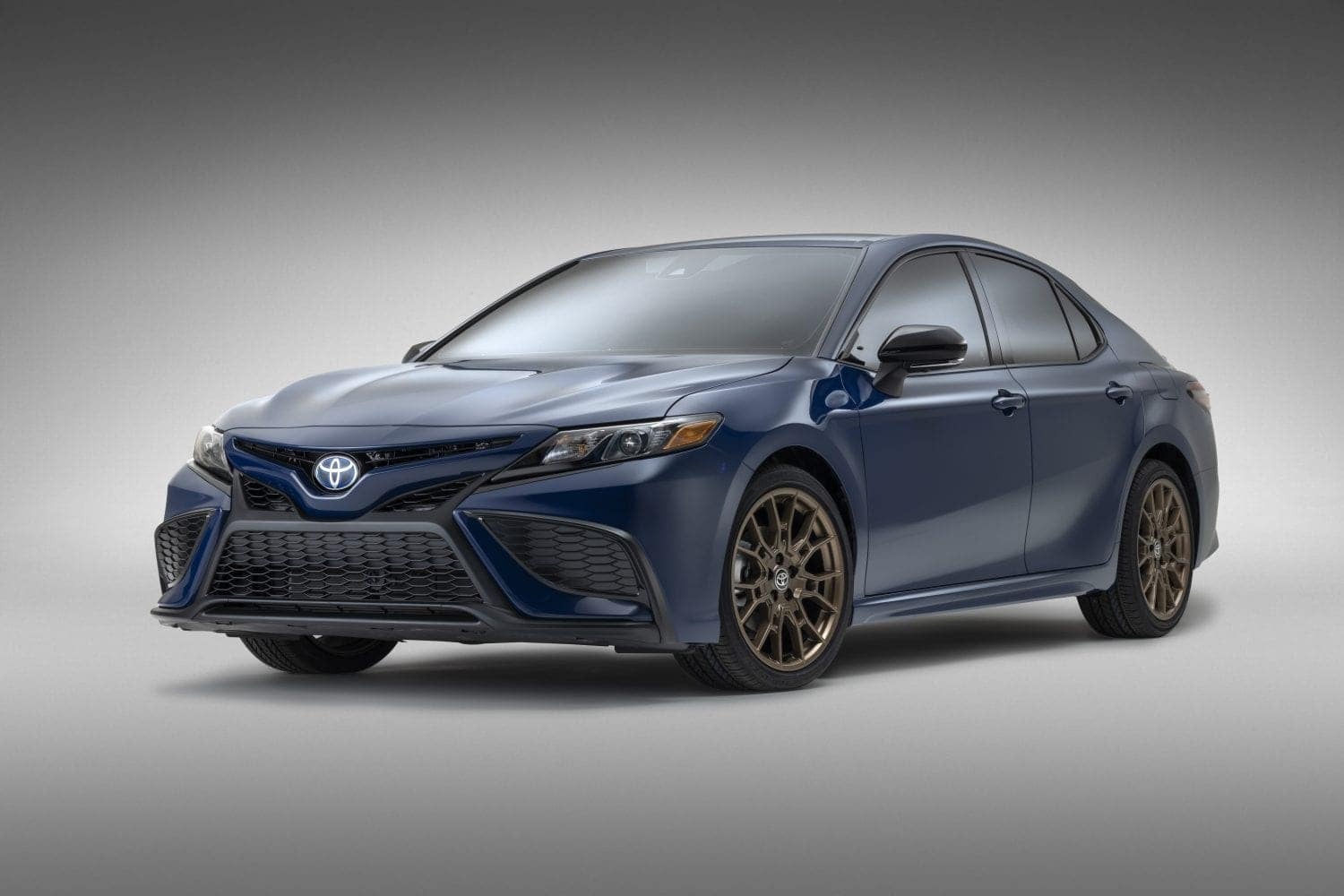
The Toyota Camry is often praised for reliability, yet certain generations received critical ratings due to engine and transmission concerns.
Despite these evaluations, many Camry owners report enduring performance and minimal issues over extended periods. The vehicle’s combination of strong engineering and practical design allows it to outperform expectations.
Engine options, including four-cylinder and V6 variants, offer consistent power and efficiency. Engines designed for longevity remain operational with proper care, including routine maintenance and timely replacement of fluids and belts.
Many Camrys continue to exceed 200,000 miles, illustrating that perceived flaws in reliability rankings do not necessarily reflect real-world performance.
Construction and suspension contribute to durability. The chassis is engineered to handle daily wear, while the suspension maintains comfort and stability over long distances.
Braking systems and drivetrain components are robust, allowing older vehicles to maintain their functionality for years. Owners who maintain these systems often experience minimal problems even after decades of use. Interior features balance comfort and usability.
Controls are intuitive, seats provide support for long drives, and cabin space accommodates passengers and cargo efficiently.
While lacking the advanced technology of newer models, older Camrys offer functional interiors that are easy to maintain and clean. This practicality encourages owners to preserve and continue using their vehicles.
Parts accessibility enhances the Camry’s longevity. Mechanics are familiar with common issues, and replacement components are widely available. Repairs are manageable, which encourages long-term ownership.
Many vehicles that initially scored low in reliability rankings continue to operate effectively, proving that consistent maintenance and attentive ownership are more important than survey results.
5. Subaru Outback
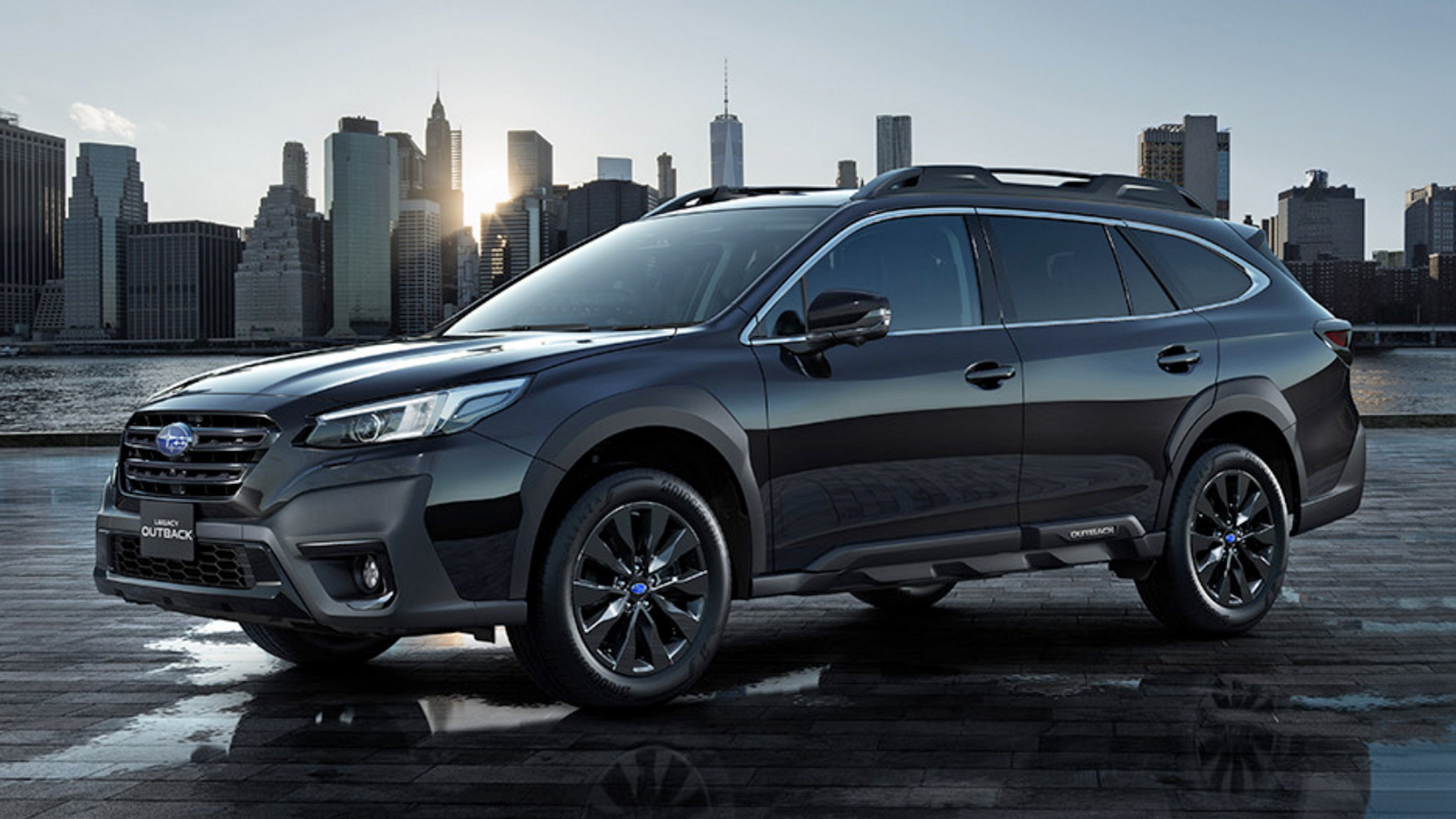
The Subaru Outback has gained recognition for its all-wheel-drive system and versatile design.
Certain models faced criticisms in reliability studies, particularly regarding engines and electronics, yet many owners have experienced long-lasting performance and dependability. Proper care and consistent maintenance allow these vehicles to defy expectations.
Engine choices, mostly flat-four and six-cylinder variants, provide durability and efficiency. Regular servicing ensures these engines continue operating reliably even after extensive mileage.
Owners who monitor oil levels, replace belts, and check the cooling system report that Outbacks often surpass predictions made by reliability rankings.
Chassis and suspension design contribute to vehicle endurance. The all-wheel-drive system provides stability in different weather and environmental conditions, while the suspension absorbs irregularities in roads. This combination reduces strain on components and supports long-term functionality.
Vehicles maintained with routine inspection and service continue to perform efficiently over decades. Interior design focuses on practicality and comfort.
Cabin space accommodates passengers and cargo, controls are accessible, and seating remains supportive during extended drives.
Even older models offer a functional driving experience without excessive problem, which encourages owners to continue using them. Parts availability and mechanics’ familiarity improve longevity.
Replacement components are accessible, and service knowledge allows repairs to be completed efficiently.
The Outback continues to show that, despite criticisms in certain rankings, attentive care and consistent maintenance can allow a vehicle to perform reliably for many years.
6. Chevrolet Silverado
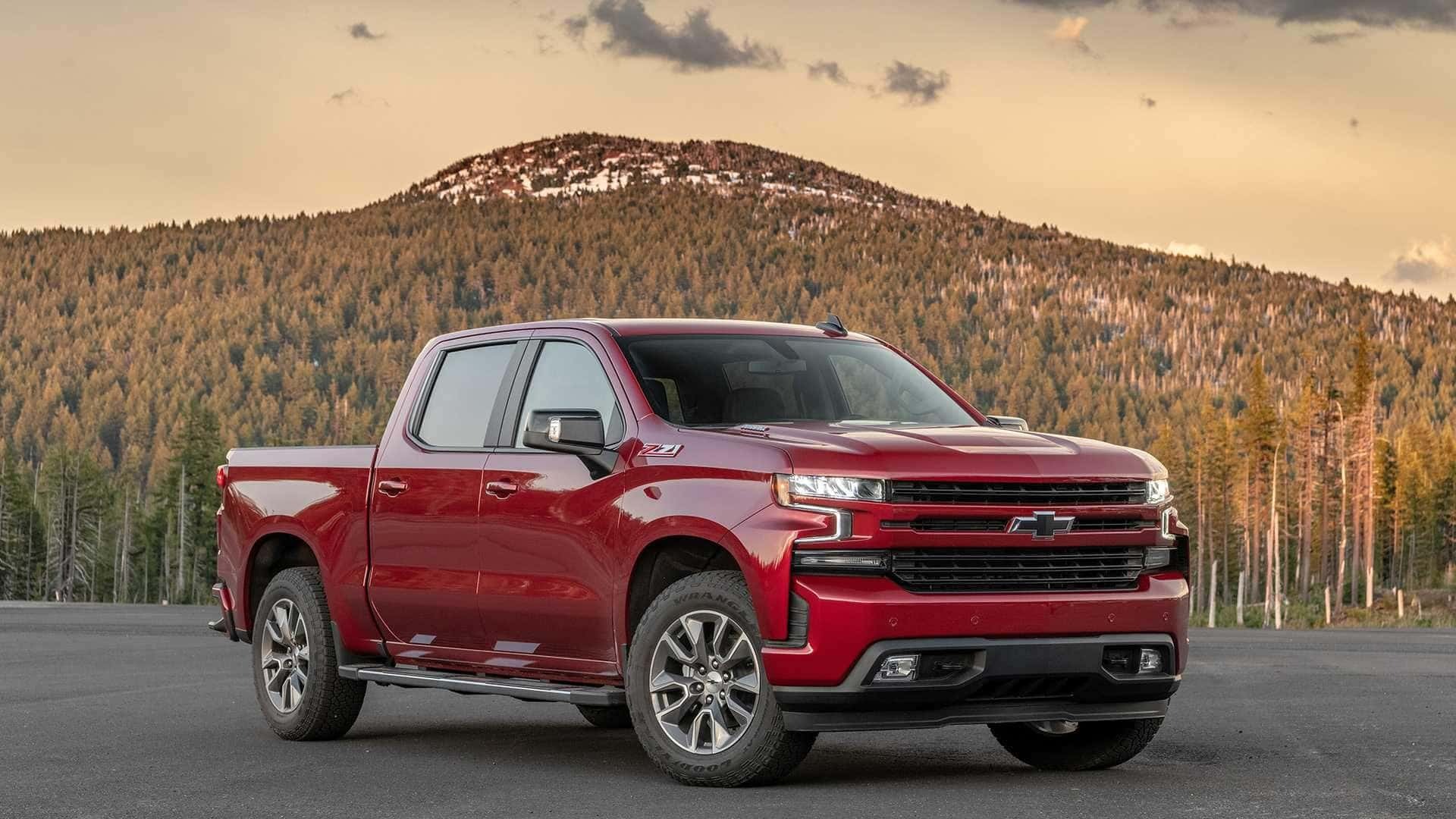
The Chevrolet Silverado has long been a favorite among truck owners, although certain models faced criticism in reliability rankings due to potential transmission and electrical issues. Despite these concerns, many owners report strong performance and extended durability when trucks are properly maintained.
The Silverado’s combination of power, construction, and practicality allows it to continue performing well over the years. Engine options, including V6 and V8 variants, provide ample power for hauling, towing, and daily commuting.
Even when used for heavy work, the engines can remain reliable with regular maintenance such as oil changes, filter replacements, and monitoring fluid levels. Owners who adhere to service schedules often find that Silverado trucks continue to perform well even after surpassing 200,000 miles.
The truck’s construction emphasizes durability. The chassis and body are built to withstand heavy loads and rough roads, while the suspension system maintains stability and comfort even under strain.
Brakes and drivetrain components are designed for extended service life, reducing the likelihood of serious failures when routine checks are performed.
Many older Silverado trucks remain roadworthy because owners invest in maintaining the mechanical systems properly.
Interior comfort also contributes to long-term usability. Seats are supportive, controls are accessible, and cabin layouts are straightforward, making the trucks suitable for both work and daily use.
While lacking the advanced technology found in modern vehicles, the Silverado provides a practical and functional environment that encourages long-term ownership.
Parts availability and mechanics’ familiarity further enhance the truck’s lifespan. Replacement components are accessible, and service networks are experienced with common Silverado repairs.
Even models that initially received low reliability scores can continue performing effectively when attention is paid to proper maintenance. This shows that the Silverado can defy rankings and remain a dependable choice for truck owners.
7. Volkswagen Passat
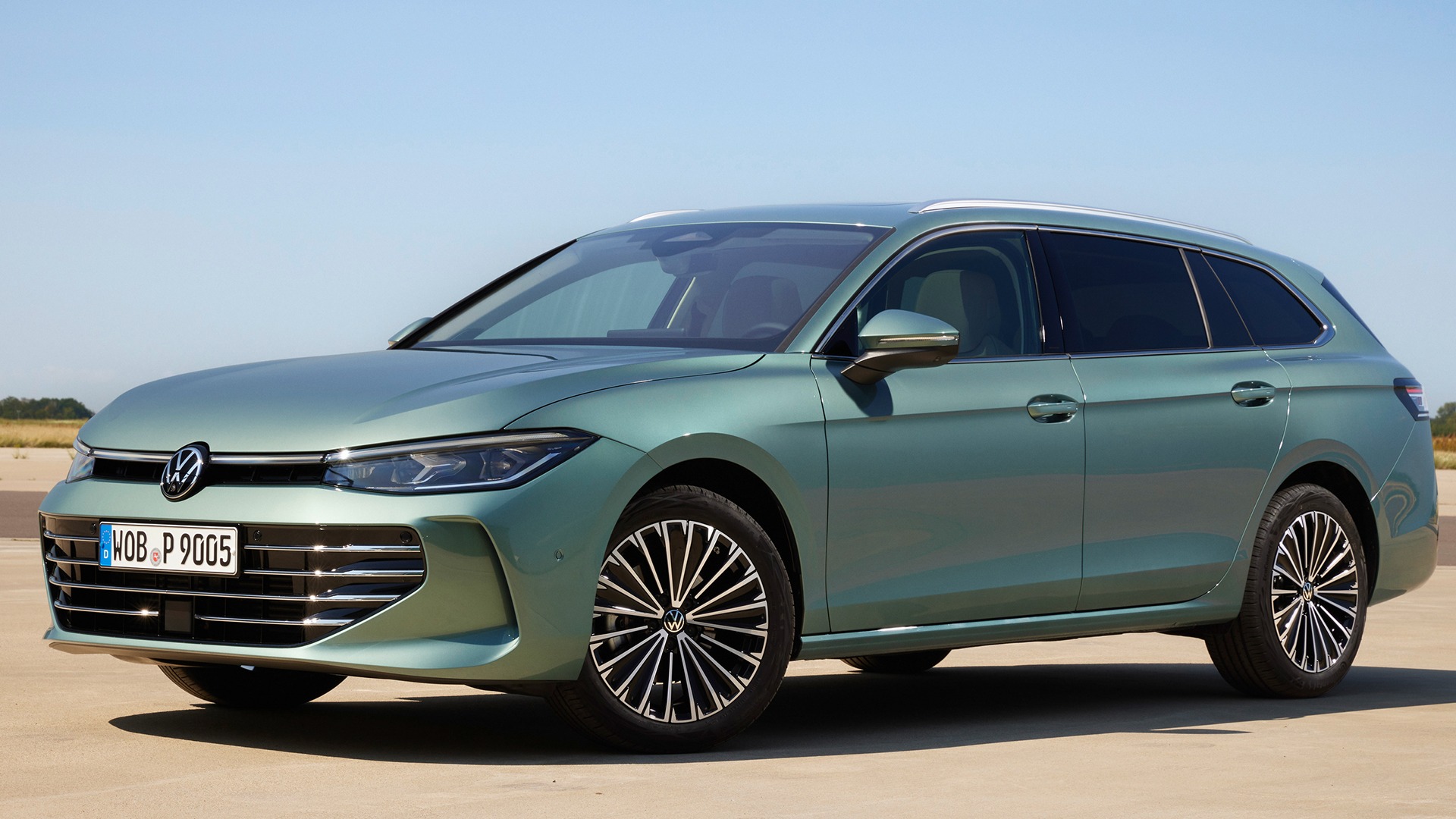
The Volkswagen Passat faced criticism in certain reliability studies for engine and electronics concerns, yet many owners report that the vehicle remains dependable over long periods.
Introduced as a mid-size sedan with practical features, the Passat combines comfort, fuel efficiency, and strong mechanical components that allow it to defy expectations from ratings.
Engine options, including four-cylinder and V6 units, offer reliable performance when maintained properly. Regular oil changes, belt replacements, and inspections of cooling and transmission systems help these engines continue functioning efficiently even after many years of service.
Owners have reported Passats surpassing 200,000 miles with minimal major repairs, showing that real-world performance can exceed predictions.
Construction quality supports durability. The chassis and suspension are designed to absorb road irregularities, reducing stress on mechanical parts.
Brake systems and drivetrain components remain functional for extended periods when routinely maintained. Drivers who follow service schedules and care for their vehicles experience minimal problems, even in older models.
Interior design balances comfort and practicality. The cabin provides ample seating space, intuitive controls, and cargo room that suits families or commuters.
While lacking the advanced technology of newer vehicles, the Passat offers a reliable and functional environment that makes it easier to maintain the car as time goes on.
Owners who maintain interiors and keep electronics functional often enjoy vehicles that operate smoothly for decades.
Parts availability and expertise in repair work further support the Passat’s endurance. Replacement components are widely accessible, and mechanics familiar with Volkswagen designs can handle repairs efficiently.
Despite criticism in reliability rankings, many Passat owners experience consistent performance that exceeds expectations, demonstrating the importance of proper maintenance and attentive care.
8. Ford F-150
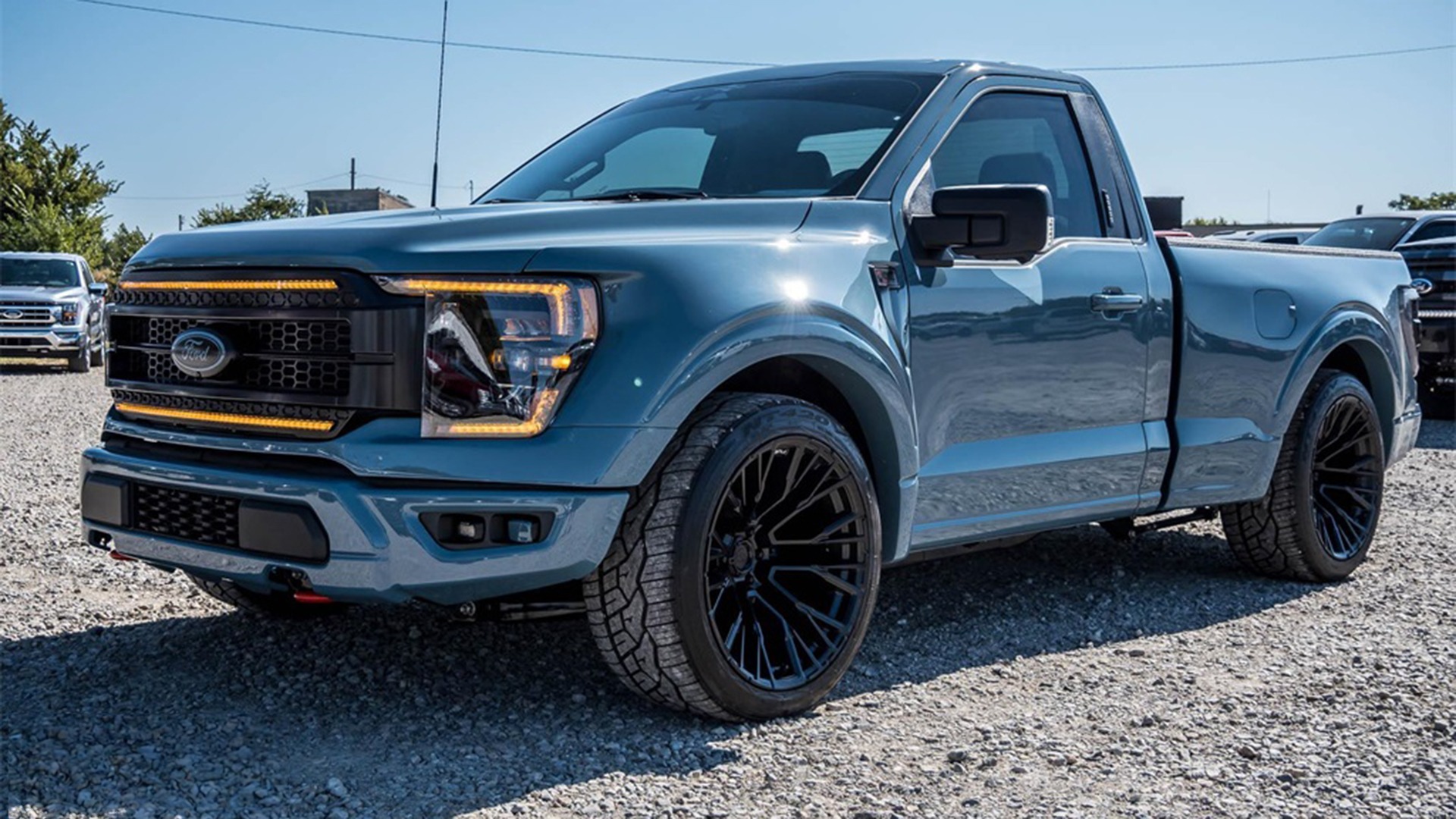
The Ford F-150 is one of the most recognizable trucks on the road, though some models received critical evaluations for potential engine and transmission problems.
Owners who maintain their trucks carefully often find that they continue performing reliably for decades, defying expectations set by rankings.
The F-150’s combination of strong mechanical systems and practical design allows it to remain dependable even under heavy use. Engine options range from fuel-efficient V6 units to powerful V8 configurations.
These engines can handle towing, hauling, and long-distance driving when maintained with routine oil changes, fluid checks, and replacement of belts and filters.
Many trucks continue to operate efficiently beyond 200,000 miles, which surprises those who rely solely on rankings for evaluation.
Durable construction supports longevity. The F-150 chassis and body are engineered to withstand heavy loads and road stress. The suspension system maintains comfort and stability, even when the truck is used for work or off-road purposes.
Owners who perform routine maintenance on brakes, drivetrain, and suspension components often find that the vehicle continues operating reliably over long periods.
Interior design emphasizes practicality and usability. Seats are supportive, controls are straightforward, and cabin layouts are simple and functional.
Drivers appreciate the truck’s reliability and comfort, which encourages long-term ownership. Even older models remain useful for both work and personal use when attention is paid to upkeep.
Parts availability and mechanics’ experience strengthen the F-150’s endurance. Replacement components are widely available, and service providers are familiar with common repairs.
This allows trucks to remain roadworthy even decades after production. Despite criticisms in reliability rankings, the F-150 demonstrates that careful maintenance and consistent attention to mechanical systems can produce a vehicle that surpasses expectations in real-world use.
9. Toyota Tacoma
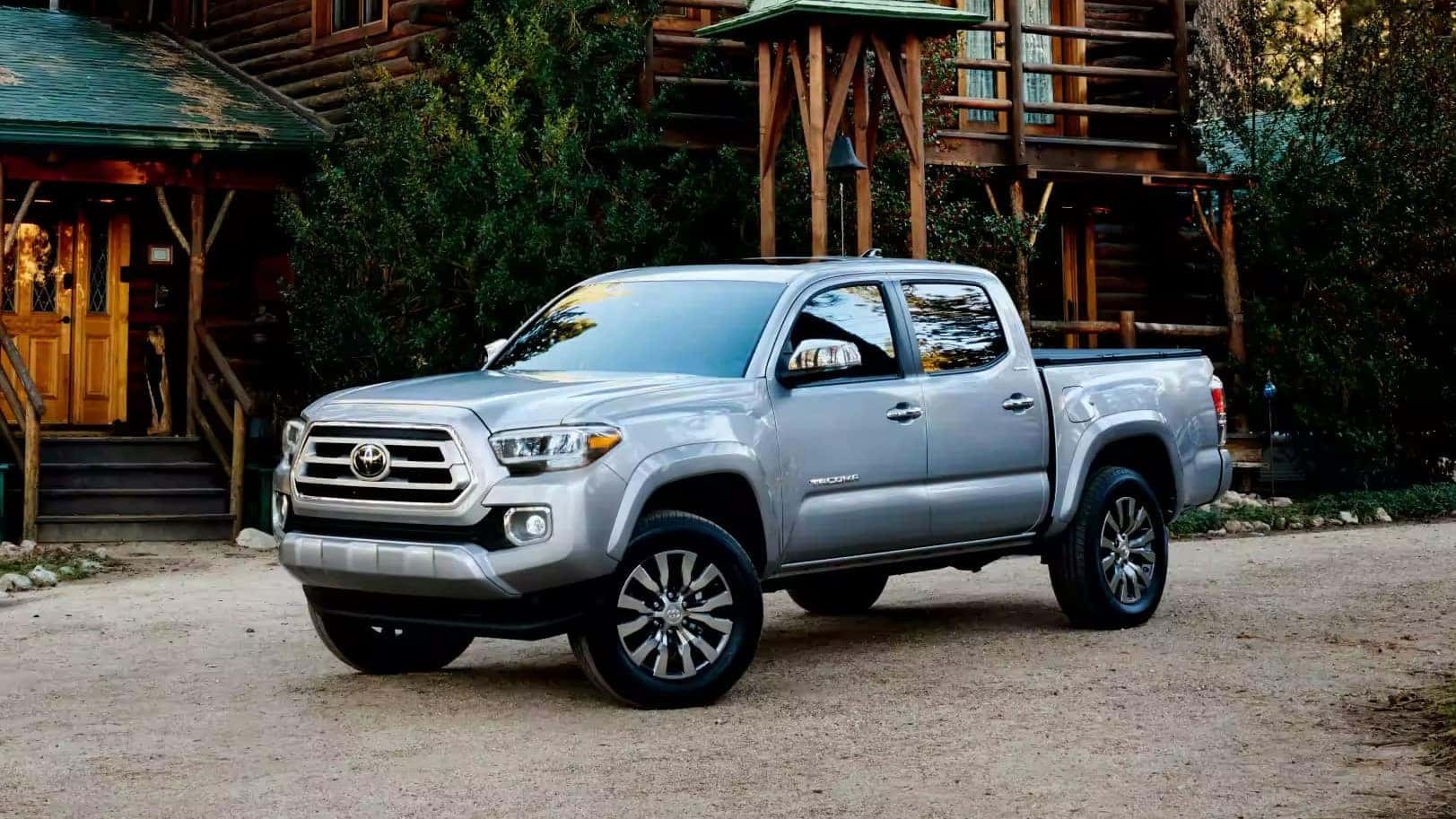
The Toyota Tacoma has earned a reputation for durability, yet certain rankings highlighted concerns about transmission and electronics in some model years. Despite this, many Tacoma owners have experienced long-term reliability that exceeds expectations.
With proper care, these vehicles continue to perform consistently and remain active on highways and off-road trails alike.
Engine options include four-cylinder and V6 variants that balance fuel efficiency with performance. These engines are robust when maintained properly, allowing vehicles to exceed 200,000 miles without failure.
Routine servicing, including oil changes, filter replacements, and timing belt inspections, contributes to longevity. Owners often report minimal problems compared to what rankings suggest. The Tacoma’s construction emphasizes durability. The chassis and body are designed to handle both city streets and rugged ground.
Suspension systems absorb shocks and reduce stress on mechanical components, while brakes and drivetrain parts remain functional as time goes on.
Trucks that are cared for consistently demonstrate a level of performance that defies earlier critical evaluations. Interior comfort and practicality enhance the vehicle’s long-term usability.
The cabin provides functional controls, supportive seating, and sufficient space for cargo and passengers. While lacking advanced features of modern vehicles, the Tacoma offers a reliable environment that encourages continued use.
Owners who maintain interiors and address minor issues promptly can extend the vehicle’s lifespan.
Parts availability and mechanics’ familiarity with the model further extend the Tacoma’s durability. Replacement components are accessible, and experienced service providers make repairs manageable.
Despite certain low reliability scores, the Toyota Tacoma has repeatedly proven to be a dependable truck capable of exceeding expectations when cared for properly.
Also Read: 10 Vehicles That Survived Global Conflicts
10. Nissan Frontier
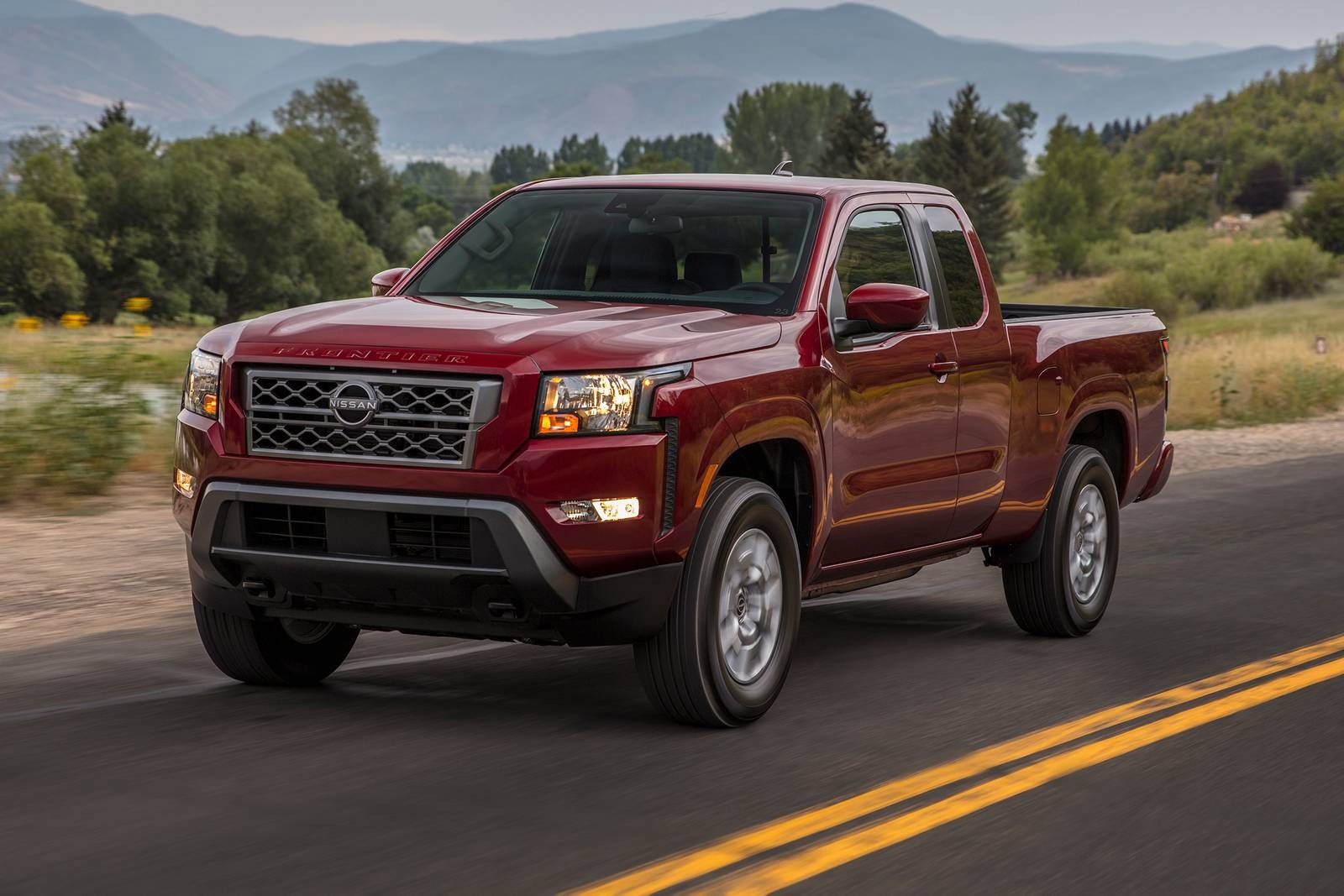
The Nissan Frontier, while occasionally criticized in reliability studies for engine or transmission issues, demonstrates remarkable resilience when maintained attentively. Many owners have reported long-lasting performance and minimal problems, defying the predictions of rankings and surveys.
This truck’s combination of mechanical strength and practical design allows it to remain a reliable option decades after its release. Engine options include four-cylinder and V6 units that provide sufficient power for commuting, towing, and light off-road use.
Proper maintenance, including oil changes, coolant inspections, and periodic belt replacements, ensures that these engines remain operational for extended periods. Many Frontier trucks exceed 200,000 miles while still performing efficiently.
Construction quality contributes to durability. The chassis and body are designed to withstand regular driving stress and occasional heavy loads. Suspension and drivetrain components are robust, allowing the truck to maintain comfort and functionality even after years of use.
Drivers who conduct routine checks and servicing often find the vehicle continues performing reliably beyond expectations. Interior design focuses on practicality. Cabin controls are intuitive, seating is supportive, and cargo space is adequate for daily needs and outdoor activities.
Despite lacking the advanced technology found in newer vehicles, older Frontiers provide a functional and comfortable environment that encourages continued use.
Parts availability and service expertise further strengthen the Frontier’s longevity. Replacement parts are accessible, and mechanics familiar with the model can handle common repairs efficiently.
Despite low rankings in some reliability surveys, the Nissan Frontier continues to prove that proper care and consistent attention allow a vehicle to surpass expectations, offering dependable performance for years.
These ten vehicles show that reliability rankings are not always the final measure of a vehicle’s endurance and performance.
Owners who maintain their vehicles properly, perform routine inspections, and address minor repairs promptly often find that their cars and trucks surpass expectations and remain dependable for decades.
These vehicles remind us that longevity and performance are influenced by both mechanical design and the care provided by their owners.
