
Electric vehicles have grown in popularity because they combine sustainability, performance, and advanced technology. Many buyers worry about battery health, fearing that lithium-ion batteries might degrade quickly and reduce range. However, some electric vehicles are proving that with proper design, engineering, and care, battery longevity can be surprisingly strong.
These EVs offer drivers confidence that their vehicles will remain functional and efficient for years without dramatic loss of performance. Battery health is influenced by several factors, including charging habits, climate, driving patterns, and the quality of battery management systems.
Automakers who invest in advanced thermal management, balanced cell chemistry, and intelligent software updates tend to produce vehicles that maintain strong battery health even after extensive use. Drivers who follow recommended charging practices, such as avoiding extreme states of charge and using moderate charging speeds, can extend the life of their batteries.
The growing availability of electric vehicles has led to a better understanding of how some models perform in real-life conditions. Certain EVs have been observed maintaining over ninety percent battery capacity after more than one hundred thousand miles.
Their reliability has encouraged both individual owners and fleet operators to adopt electric vehicles for daily commuting, commercial transport, and long-distance travel. We will talk about eight electric vehicles that demonstrate impressive battery longevity.
By examining construction, battery management, charging practices, and owner experiences, we will see why these vehicles continue to operate efficiently and reliably. Drivers and prospective buyers can learn from these examples, gaining insight into which EVs offer confidence in long-term battery performance.
These models demonstrate that, with careful engineering and practical use, electric vehicles can maintain their efficiency and range for many years, challenging common perceptions about battery degradation and reliability.
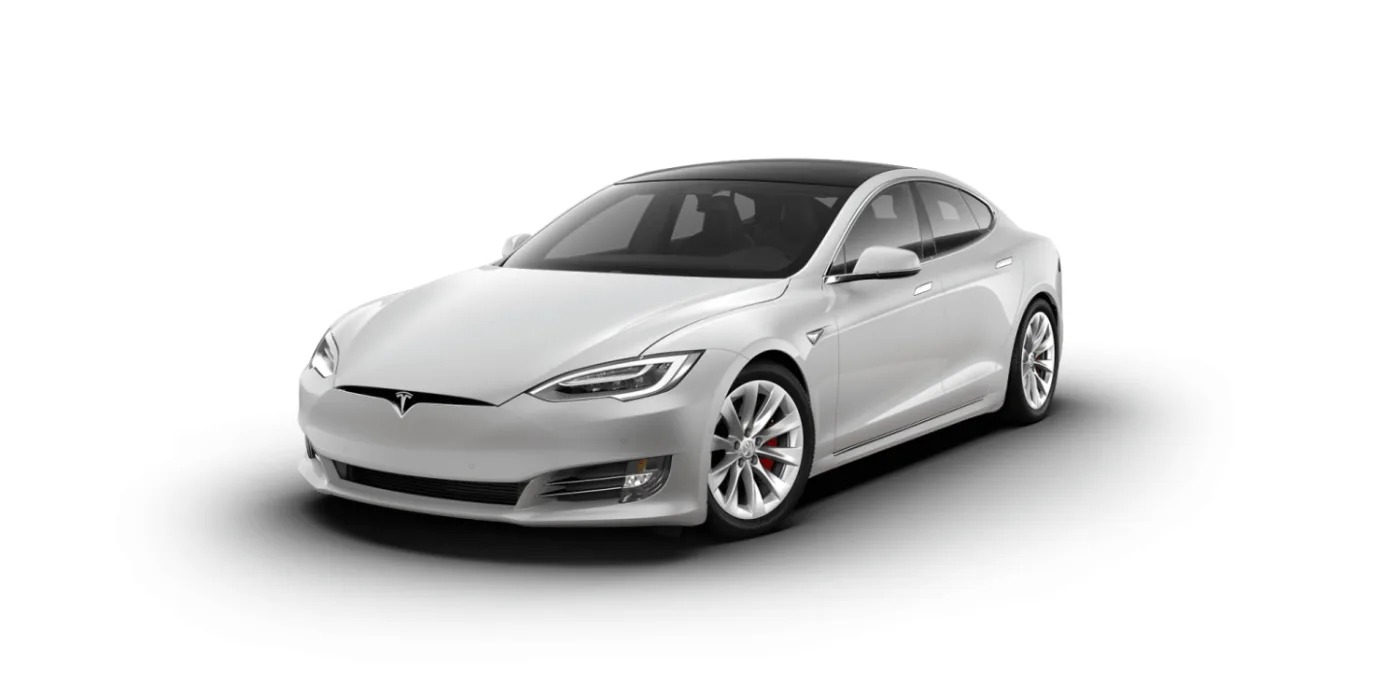
1. Tesla Model S
The Tesla Model S has consistently set standards for electric vehicle performance, range, and long-term battery reliability. Its battery management system is engineered to monitor individual cells closely and balance charging across the pack, preventing early deterioration and maintaining capacity over years of use.
Many owners report that their Model S continues to deliver strong performance and predictable range even after surpassing one hundred thousand miles. Tesla’s frequent software updates further support battery longevity by optimizing energy consumption, regenerative braking efficiency, and charging patterns, all of which contribute to consistent performance with time.
Central to the Model S’s endurance is its high-quality lithium-ion battery pack combined with advanced thermal management. The system actively regulates battery temperatures to keep cells within safe operating ranges, minimizing stress and reducing the risk of overheating, a major contributor to early battery degradation.
Owners who follow recommended charging habits, including avoiding regular full charges and preventing the battery from dropping to near zero, generally achieve longer battery life. These habits, paired with Tesla’s engineering design, create a durable and reliable electric vehicle capable of handling extensive use without rapid loss of capacity.
The vehicle also benefits from regenerative braking, which converts kinetic energy from slowing down into stored battery energy. This system reduces wear on mechanical brakes while providing additional efficiency and maintaining consistent battery operation.
By limiting excessive strain on the battery, regenerative braking helps sustain long-term capacity and performance. Routine maintenance of the cooling system, battery software updates, and careful monitoring further ensure that the Model S remains dependable over years of use.
Drivers frequently note that even older Model S vehicles provide predictable range, smooth acceleration, and reliable operation. The combination of meticulous engineering, robust battery chemistry, effective thermal management, and ongoing software support demonstrates how an electric vehicle can maintain health and efficiency for extended periods.
The Model S sets a benchmark for EV longevity, providing confidence for owners who depend on their vehicle daily and seek a reliable option for long-term electric mobility.
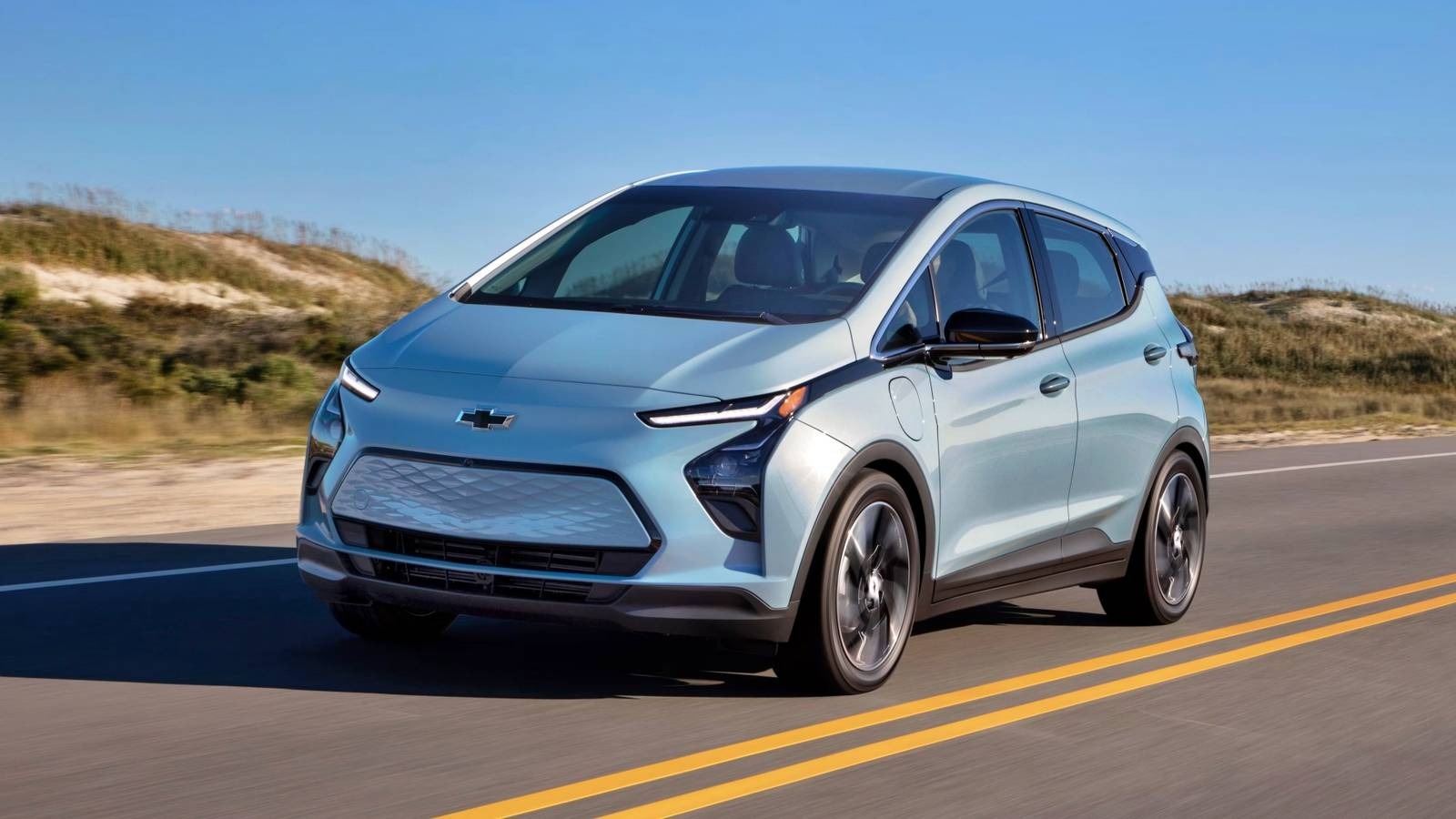
2. Chevrolet Bolt EV
The Chevrolet Bolt EV has established itself as an electric vehicle that excels in battery longevity, making it a reliable option for drivers seeking long-term performance. Its compact design is paired with an efficient battery management system that allows the vehicle to maintain substantial capacity even after extended use.
Many Bolt owners report that their vehicles continue to deliver consistent performance and range for several years, demonstrating the impact of quality engineering, intelligent battery chemistry, and practical ownership habits on long-term reliability.
At the heart of the Bolt’s endurance is its lithium-ion battery pack, which works in tandem with a sophisticated thermal management system. This system carefully regulates the battery temperature during both charging and driving, preventing overheating and minimizing wear on individual cells.
The battery management software constantly monitors cell performance, ensuring energy is balanced across the pack and overcharging is avoided. Drivers who follow recommended charging practices, such as limiting frequent fast charging and maintaining moderate charge levels, often see the best long-term results.
These combined measures help preserve battery health and maintain a stable driving range over many thousands of miles. The construction of the Bolt EV also supports durability and longevity.
The battery pack is securely mounted within the chassis to optimize weight distribution and protect cells from vibrations and road stress. This placement helps reduce mechanical strain, contributing to sustained performance.
Owners who adhere to manufacturer guidance for charging routines, storage, and temperature management often report that their vehicles retain a high percentage of original battery capacity, with some Bolts maintaining over ninety percent of their initial capacity even after exceeding one hundred thousand miles.
In addition, the Bolt EV uses regenerative braking, which recaptures energy during deceleration and reduces strain on the battery while enhancing efficiency. Vehicle electronics and cabin systems are designed to optimize energy consumption, ensuring that the battery is used efficiently and consistently.
Regular software updates and routine monitoring allow owners to maintain peak performance, making the Chevrolet Bolt EV a practical and dependable choice for long-term electric vehicle ownership.
Its combination of engineering, intelligent battery management, and responsible ownership ensures reliable operation for years, offering confidence to drivers who rely on their vehicles daily.
Also Read: 5 EVs With Excellent Battery Life and 5 With Costly Battery Replacements
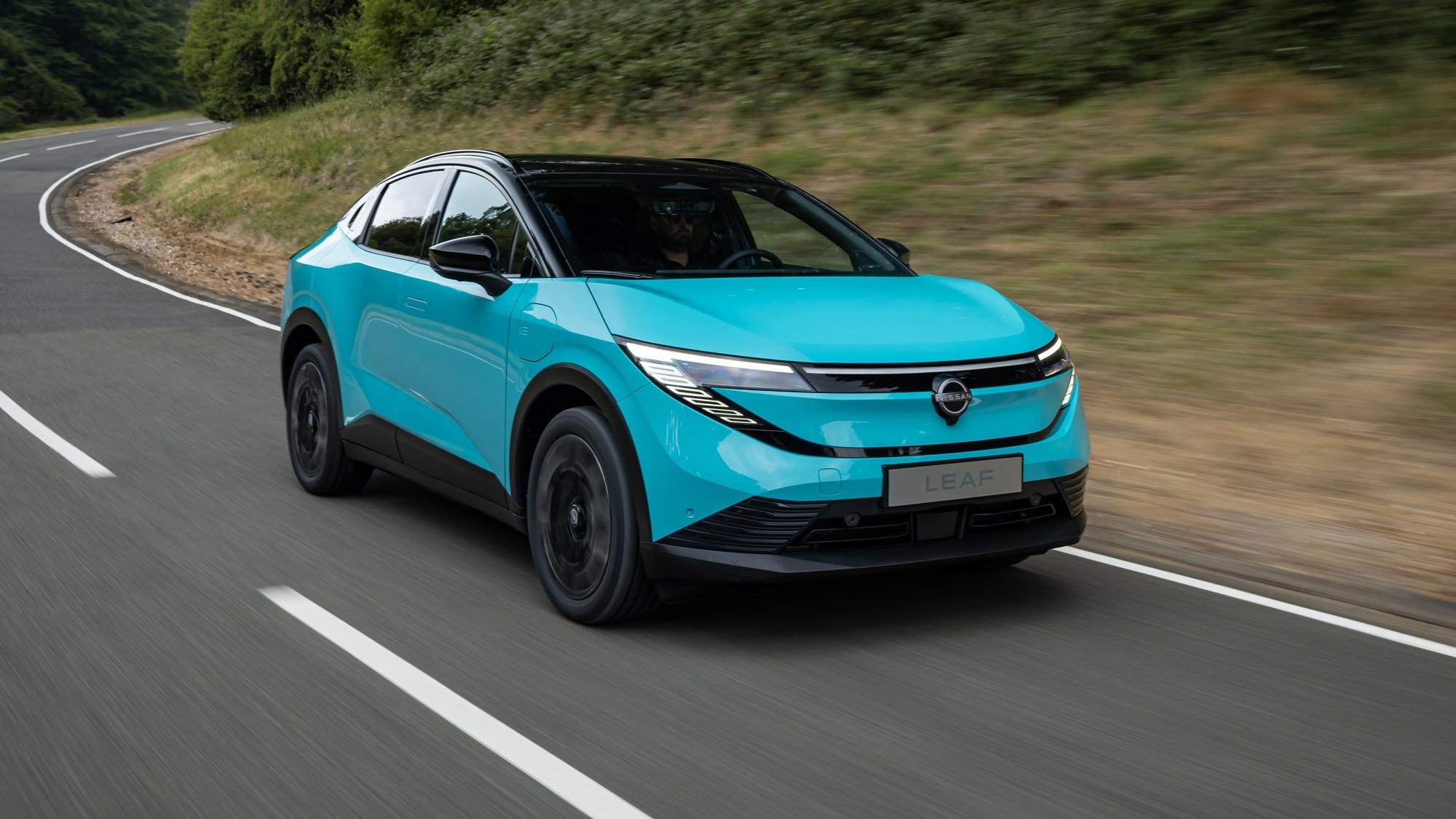
3. Nissan Leaf
The Nissan Leaf has earned a place as one of the first widely accessible electric vehicles and has developed a reputation for dependable battery performance.
While early models faced issues with battery degradation, especially in regions with hotter climates, newer versions have incorporated improved thermal management systems and advanced lithium-ion chemistry, allowing the vehicle to maintain battery health more effectively.
Many owners report that even after years of daily commuting and long-distance travel, their Leaf continues to provide practical and consistent range, demonstrating the impact of thoughtful design and careful engineering on electric vehicle longevity.
Central to the Leaf’s durability is its battery management system, which includes both cooling and monitoring functions. By keeping the battery temperature stable and preventing overcharging, the system reduces chemical stress on the cells, helping to slow the natural aging process.
The vehicle’s software actively balances energy use across cells to prevent individual cells from deteriorating prematurely. Drivers who follow manufacturer recommendations, including avoiding excessive fast charging and maintaining moderate charge levels, generally achieve longer battery life and retain greater capacity with time.
These measures combine to make the Leaf a practical option for owners seeking a reliable electric vehicle for everyday use. The vehicle’s physical construction also contributes to battery longevity. Battery packs are securely mounted within the chassis to protect against shocks, vibrations, and other stresses from the road.
Components are designed to minimize strain on the battery system, while regenerative braking recaptures energy during deceleration, reducing wear on both the mechanical and electrical systems. Routine attention to cooling system maintenance, cabin electronics, and charging equipment helps preserve efficiency and performance over many years.
Nissan has also provided software updates and health monitoring tools that allow drivers to track battery condition and optimize charging habits, further supporting long-term reliability. The Nissan Leaf demonstrates that an affordable electric vehicle can maintain strong battery health when engineering, software, and owner practices work together.
Its combination of durable construction, efficient battery management, and proactive maintenance makes it an example of an EV that remains practical, efficient, and reliable for years, providing drivers with confidence that their vehicle will continue performing dependably even after extensive use.
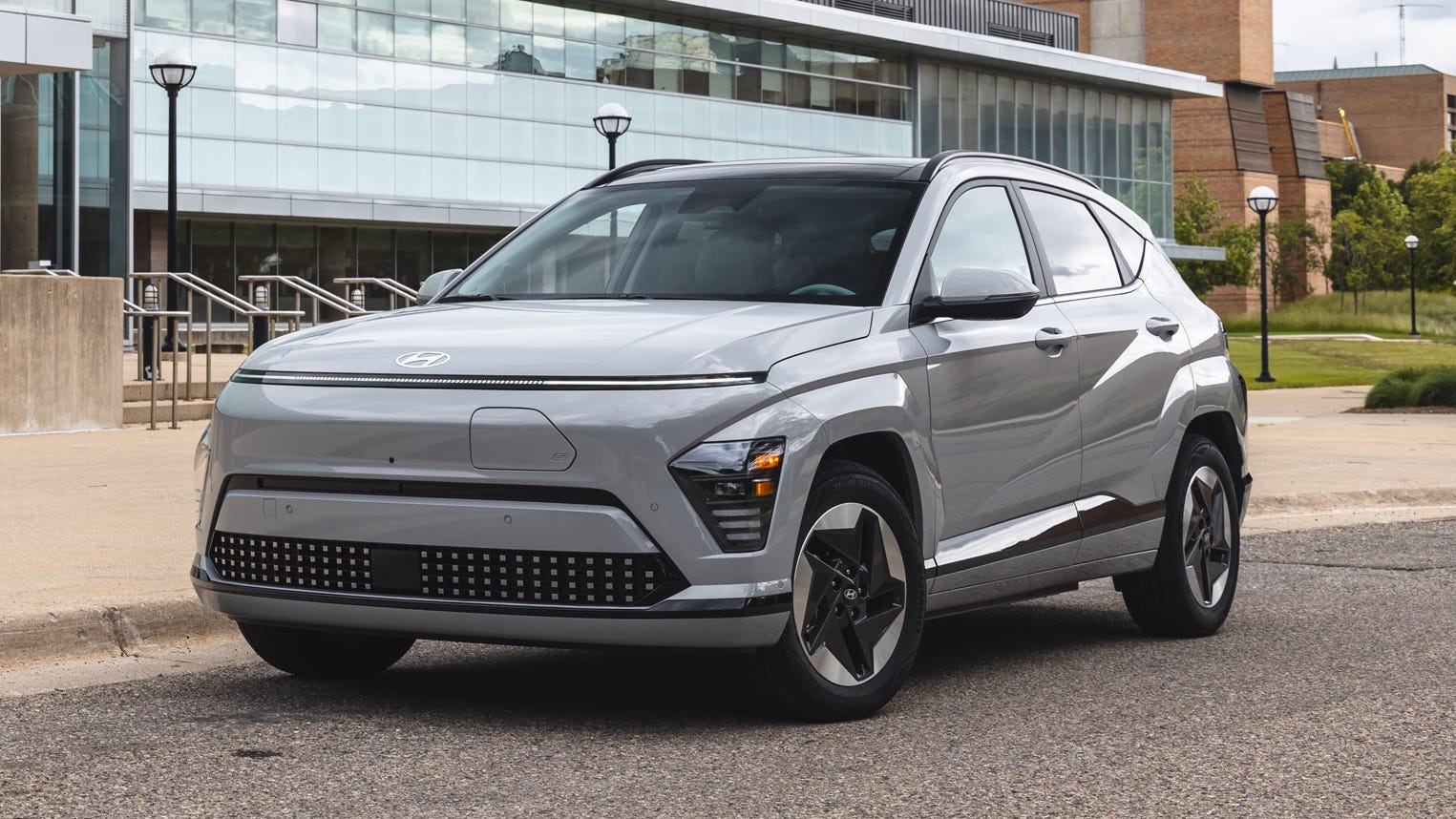
4. Hyundai Kona Electric
The Hyundai Kona Electric has gained attention for its ability to maintain strong battery performance over extended periods, making it a dependable choice for drivers who rely on their vehicles for daily commuting and longer trips.
Its design as a compact SUV integrates a sophisticated thermal management system that carefully regulates battery temperature during both charging and driving. This attention to temperature control helps prevent degradation and ensures that the battery retains capacity even after years of use.
Many Kona Electric owners report that their vehicles continue to perform reliably with minimal reduction in range, demonstrating the value of well-engineered battery systems and thoughtful vehicle design. At the core of the Kona Electric’s endurance are its lithium-ion polymer cells, which combine high energy density with resilience against rapid wear.
The vehicle’s battery management software constantly monitors the health of each cell, balancing energy across the pack and preventing conditions that can accelerate deterioration, such as overcharging or deep discharging.
Drivers who adhere to recommended charging practices, including avoiding prolonged full charges or letting the battery deplete too much, tend to achieve the best long-term results. This combination of high-quality cells and careful energy management allows the Kona Electric to maintain stable performance over tens of thousands of miles.
The structural and mechanical design of the Kona Electric also contributes to its lasting reliability. The battery pack is mounted low in the chassis, providing stability while shielding it from stress caused by road vibrations or impacts. Suspension and weight distribution are engineered to reduce mechanical strain on the battery system.
Regenerative braking further enhances efficiency by capturing energy during deceleration and returning it to the battery, which decreases wear on both mechanical and electrical components. Routine maintenance of the cooling system and timely software updates ensure that the vehicle continues to perform at a high level even with frequent use.
The Hyundai Kona Electric demonstrates that careful engineering, efficient battery management, and responsible ownership practices can result in long-term reliability.
Its combination of range, performance, and durability offers drivers confidence that the vehicle will continue to operate effectively over many years, making it an ideal option for those seeking an electric SUV that maintains its battery health and efficiency consistently.
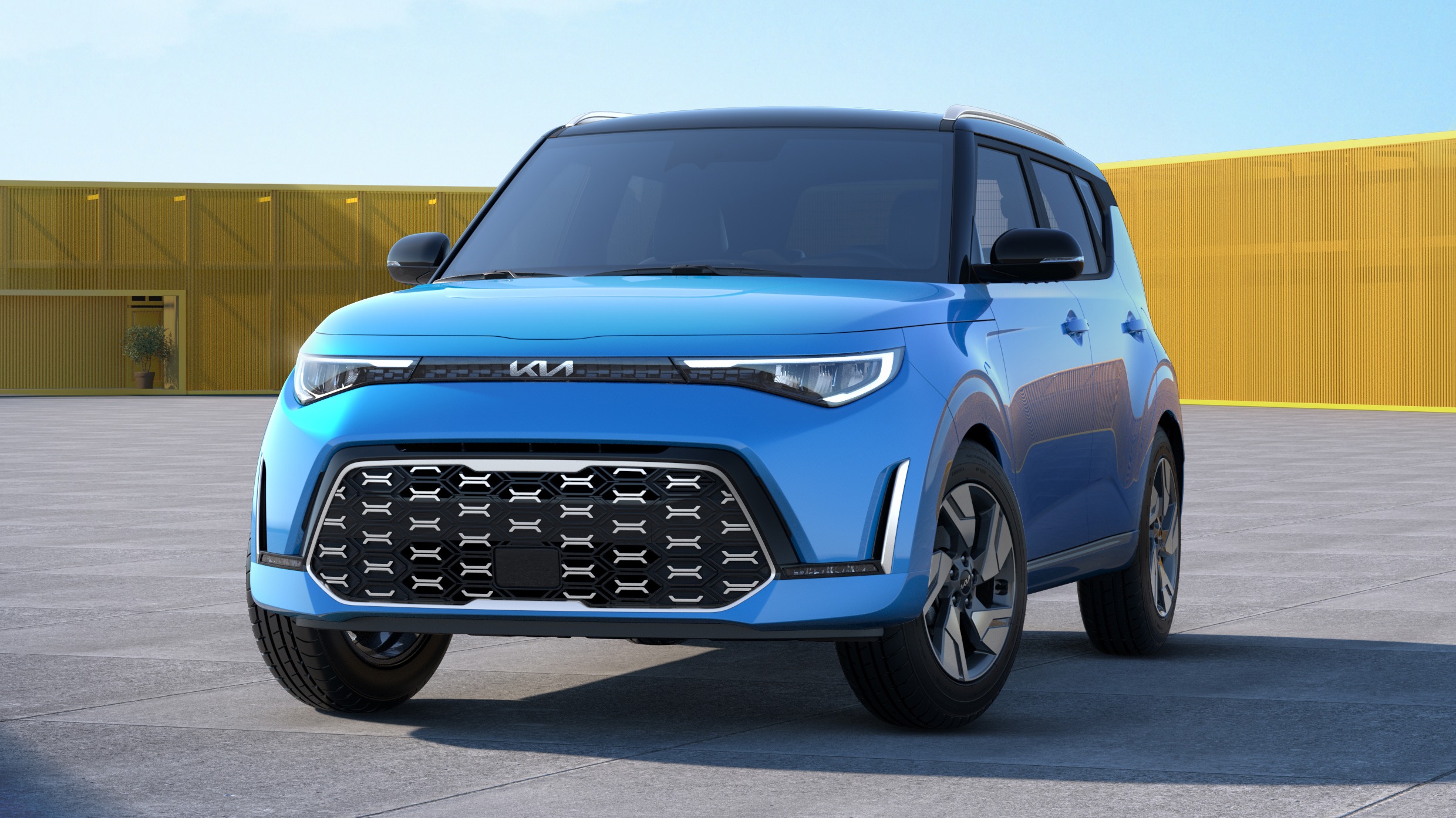
5. Kia Soul EV
The Kia Soul EV has gained recognition for maintaining battery health well beyond what many drivers expect from a compact electric vehicle. Its battery system and management design are built to prevent premature degradation, allowing owners to enjoy a stable range and reliable performance over many years.
Many drivers report that even after tens of thousands of miles, the Soul EV continues to operate efficiently, highlighting the impact of solid engineering, thoughtful design, and intelligent software on long-term battery durability.
At the core of the Soul EV’s longevity is its lithium-ion battery pack, paired with an effective thermal management system. This system continuously monitors and adjusts battery temperature during both charging and driving, ensuring that cells do not overheat or experience chemical stress that can reduce lifespan.
The vehicle also relies on advanced battery management software to balance energy usage across cells, prevent overcharging, and avoid deep discharges. Drivers who adhere to manufacturer recommendations, including limiting frequent fast charging sessions, typically achieve the best long-term performance and maintain higher battery capacity with time.
The structural design of the Soul EV supports durability and reliability. The battery pack is securely mounted within the vehicle’s chassis, protecting against shocks, vibrations, and stresses caused by road conditions. Mechanical components are also engineered to reduce strain, helping preserve battery health and supporting consistent operation.
Regenerative braking is another feature that improves longevity by capturing energy during deceleration and feeding it back into the battery, reducing wear on mechanical systems and enhancing efficiency. Routine attention to software updates, system checks, and general maintenance further contributes to the Soul EV’s lasting performance.
Drivers report that these efforts, combined with responsible charging habits, help the vehicle maintain a stable and predictable range even after extensive use. The Kia Soul EV demonstrates that a compact electric vehicle can offer dependable long-term reliability when engineered thoughtfully and maintained carefully.
Its combination of durable construction, efficient battery management, and practical user guidance ensures that owners can continue to rely on it for years. This makes the Soul EV an excellent choice for urban commuting, moderate travel, and drivers who value both efficiency and durability in an electric vehicle.
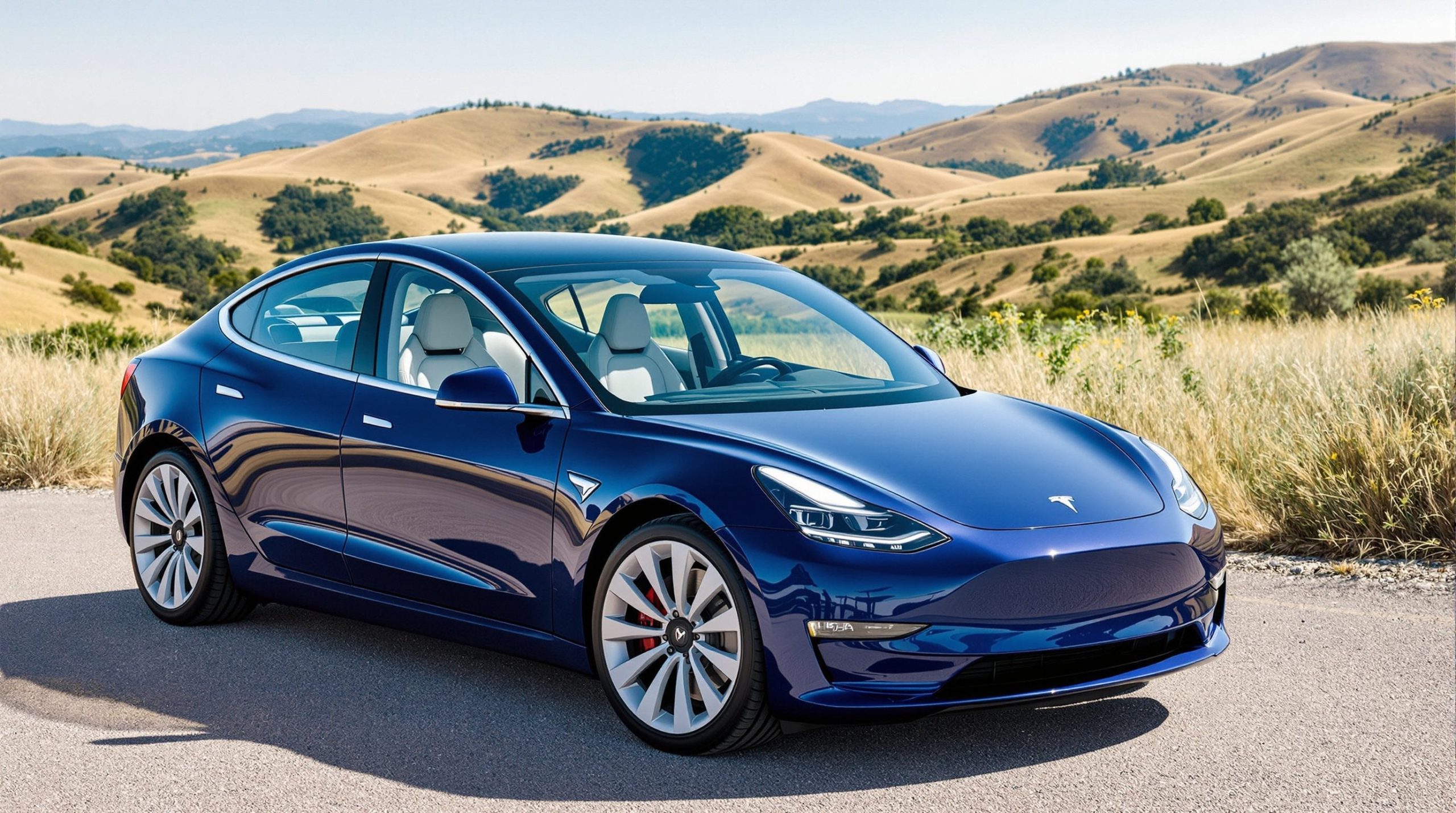
6. Tesla Model 3
The Tesla Model 3 has quickly become one of the most recognized and widely used electric vehicles all over the world, and its reputation for maintaining battery health with time is a major factor in its popularity.
Many owners report that even after driving over one hundred thousand miles, their Model 3 retains strong battery capacity and continues to deliver predictable range and reliable performance. This durability demonstrates how thoughtful design, efficient battery management, and user practices can combine to extend the usable life of an electric vehicle.
At the heart of the Model 3’s endurance is its battery pack, which uses high-quality lithium-ion cells designed for long-term performance. The vehicle also employs an advanced thermal management system that regulates battery temperature under different driving and environmental conditions.
Maintaining the battery within optimal temperature ranges prevents excessive stress and reduces the risk of degradation. Tesla’s sophisticated battery management software monitors each cell individually, balancing energy distribution and preventing harmful conditions such as overcharging or deep discharging.
Drivers who follow recommended charging practices, including avoiding frequent full charges or running the battery too low, generally achieve the best long-term results. Regenerative braking is another feature that helps preserve battery health.
By converting kinetic energy into stored electrical energy during deceleration, the Model 3 reduces wear on mechanical parts and lessens strain on the battery. This process increases efficiency and supports the vehicle’s long-term reliability.
Regular software updates from Tesla continue to optimize battery performance, ensuring that efficiency, range, and health remain strong even as the vehicle ages. Construction quality and design considerations further contribute to the Model 3’s longevity. The battery pack is integrated into the chassis to protect from shocks, vibrations, and road stress.
Routine monitoring of the thermal system, battery condition, and charging equipment helps maintain consistent performance. Many owners note that even after years of daily use, the Model 3 provides a reliable driving experience with stable range and dependable operation.
The Tesla Model 3 demonstrates that careful engineering, intelligent software, and responsible ownership can allow electric vehicles to maintain battery health over many years. Its combination of efficiency, durability, and long-term reliability makes it a dependable choice for drivers who want an EV that continues performing at a high level well beyond typical expectations.

7. BMW i3
The BMW i3 is a compact electric vehicle created specifically for urban driving, combining efficiency, practicality, and durability. Its battery system benefits from an active thermal management system paired with advanced monitoring software, which together help preserve long-term health and performance.
Many owners have reported that even after years of regular use, the i3 retains strong battery capacity and continues to deliver consistent driving range. This consistent performance highlights the value of thoughtful engineering and careful design in maintaining electric vehicle reliability.
At the heart of the i3’s durability is its lithium-ion battery pack, which is supported by an effective cooling and thermal management system. This system keeps the battery within safe operating temperatures regardless of external weather conditions or driving patterns. The i3 also includes sophisticated battery management software that continuously monitors individual cell performance.
It balances energy across the cells and prevents conditions such as overcharging or deep discharging, both of which can reduce battery life. Drivers who follow recommended charging practices, such as moderate charging speeds and avoiding extreme charge levels, are often able to extend the usable life of their vehicle’s battery.
Regenerative braking is another feature that contributes to the i3’s battery longevity. By capturing energy during braking and feeding it back into the battery, the vehicle reduces strain on both its electrical and mechanical components. This process not only improves efficiency but also helps maintain battery health, making the i3 a reliable choice for daily urban commutes.
Construction quality further supports the i3’s long-term durability. The battery pack is securely mounted within the chassis, protecting it from vibrations, shocks, and other stresses caused by everyday driving. Regular software updates and system diagnostics allow the vehicle to maintain predictable performance and range with time.
Owners appreciate the combination of low maintenance needs, reliable operation, and a comfortable driving experience, which makes the i3 a practical solution for city transport.
BMW’s attention to engineering, design, and user guidance ensures that the i3 maintains battery health over extended periods. Its balance of efficiency, reliability, and convenience gives drivers confidence that their vehicle will remain functional, dependable, and enjoyable for many years.
Also Read: 9 EVs Already Proving Reliability Beyond 100K Miles
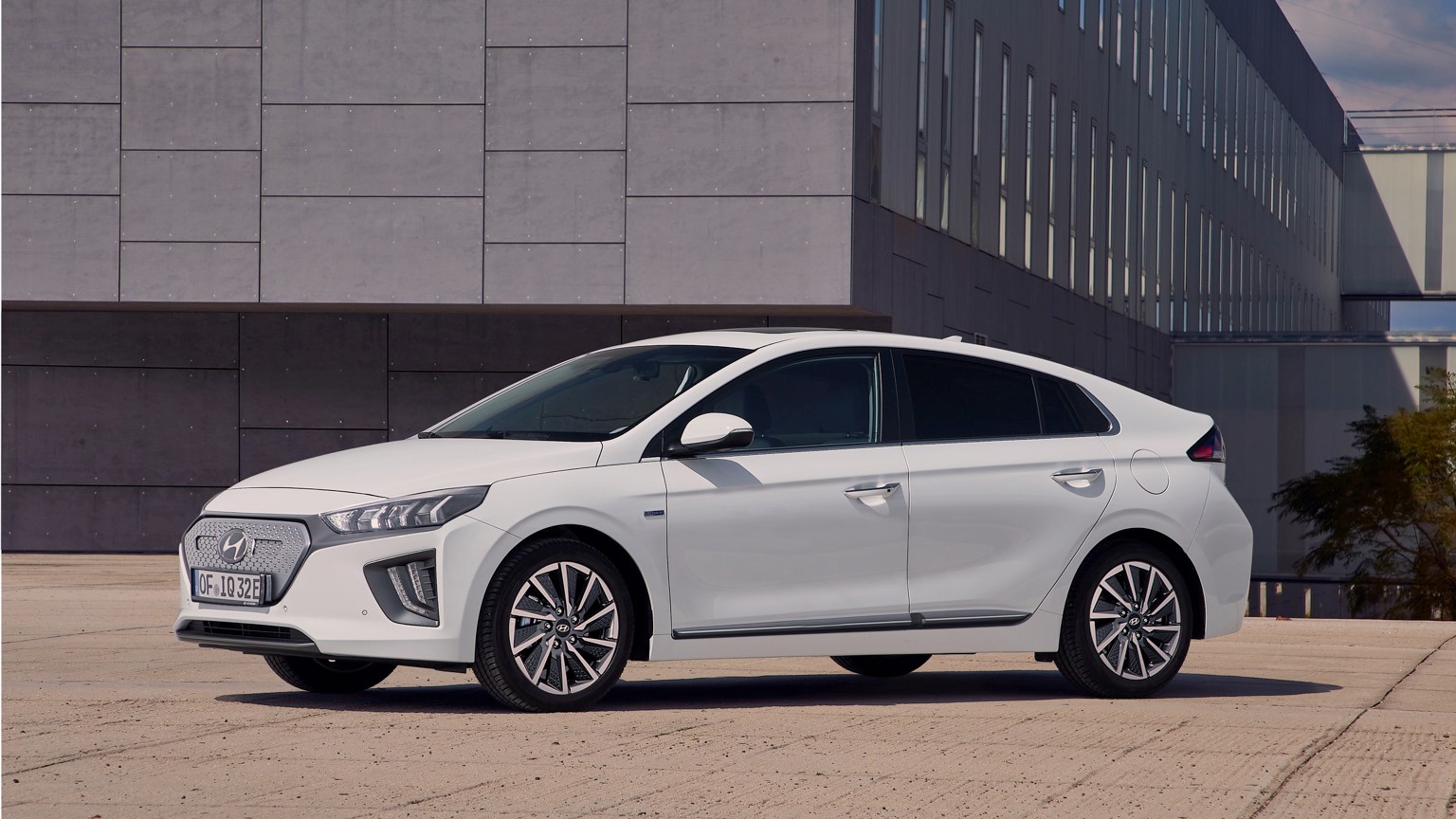
8. Hyundai Ioniq Electric
The Hyundai Ioniq Electric has earned praise for its ability to maintain battery health over extended periods, a result of careful engineering and effective thermal management.
Many owners have reported that even after years of use and high mileage, their Ioniq vehicles continue to deliver strong battery capacity, making the car a reliable option for daily commuting, city driving, and moderate long-distance trips.
Its battery system is designed with longevity in mind, minimizing wear and tear on the cells to extend the usable life of the vehicle while ensuring consistent performance with time. At the core of the Ioniq Electric’s durability is its lithium-ion battery pack paired with a sophisticated thermal management system.
This system regulates temperature, ensuring the battery operates within optimal ranges under different environmental and driving conditions. The vehicle also employs advanced battery management software that constantly monitors the health of individual cells.
This software balances energy distribution, prevents overcharging, and avoids deep discharges, which are common causes of early battery degradation. Drivers who adhere to recommended charging practices, such as using moderate charging speeds and avoiding prolonged periods at full or near-zero charge, often experience the longest-lasting battery performance.
The physical design of the Ioniq Electric further enhances its longevity. The battery pack is securely mounted within the chassis, protecting it from vibrations, road shocks, and other stresses that can affect performance. The car also incorporates regenerative braking technology, which captures energy during deceleration and converts it back into electrical power for the battery.
This process not only improves efficiency but also reduces the strain on the battery and other mechanical components, contributing to the vehicle’s long-term reliability. Routine software updates, consistent monitoring, and regular maintenance complement these engineering features, allowing the Ioniq Electric to maintain a predictable range and smooth operation over years of use.
Owners consistently report confidence in the vehicle’s dependability, noting that it remains efficient and functional even with frequent daily driving. The Hyundai Ioniq Electric serves as a clear example that thoughtful design, intelligent software management, and proper owner care can keep an electric vehicle battery healthy, proving that long-term reliability is achievable for modern EVs.
Electric vehicles are increasingly reliable, with some models demonstrating impressive battery health over many years. Vehicles such as the Tesla Model S, Chevrolet Bolt, Nissan Leaf, Hyundai Kona Electric, Kia Soul EV, Tesla Model 3, BMW i3, and Hyundai Ioniq Electric show that strong engineering, thermal management, and careful software monitoring support long-term efficiency.
Owners who follow recommended charging habits, avoid extreme charge levels, and maintain the cooling system see sustained battery performance even after high mileage. Regenerative braking, advanced battery chemistry, and cell balancing help prevent degradation while ensuring consistent range.
These vehicles provide drivers with confidence that their EVs will continue performing reliably for years, making electric transportation both practical and durable. These eight electric vehicles illustrate that thoughtful design, attention to battery health, and responsible ownership combine to maintain strong battery longevity.
They show that EVs can keep delivering reliable performance long after initial purchase, challenging the perception that batteries degrade rapidly and providing peace of mind for drivers seeking dependable electric transportation.
