
In America, where cars are essential for commuting, family life, and long highway trips, reliability is more than a nice feature, it’s a survival trait. The difference between a vehicle that asks for nothing more than routine oil changes and one that constantly drains your wallet can add up to tens of thousands of dollars over its lifespan.
For many, the dream is a car that simply works year after year, while the nightmare is a model that seems engineered to live at the mechanic’s shop. To help buyers navigate, here’s a breakdown of five cars that almost never let their owners down and five that seem destined to cause headaches.
Toyota Corolla
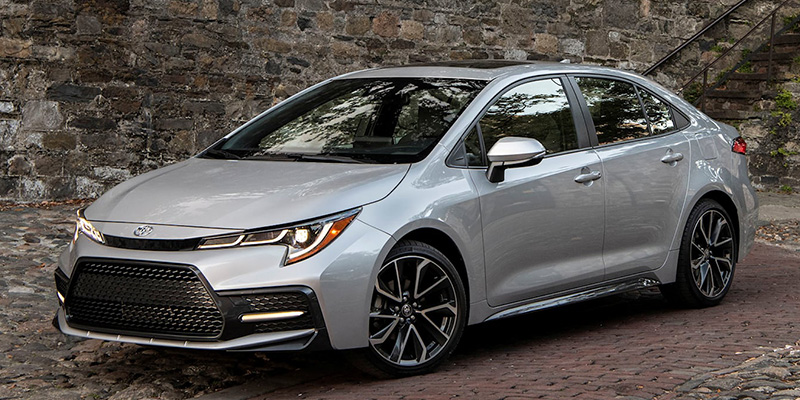
Few names inspire more confidence than the Toyota Corolla. For decades, this unassuming sedan has earned a reputation as the car that never quits. Its engines are deliberately under-stressed, its transmissions are among the most durable in the business, and its build quality emphasizes longevity over flash.
In the US, Corollas regularly cross the 250,000-mile mark with little more than scheduled maintenance, making it the go-to commuter car for anyone who values peace of mind.
Except for the sportier SE and XSE trims, the Corolla sedan is powered by a 139-hp 1.8-liter four-cylinder engine that drives the front wheels through a continuously variable automatic transmission (CVT).
The more spirited SE and XSE models feature a 169-hp 2.0-liter four-cylinder, which can be paired with either a CVT or an optional six-speed manual.
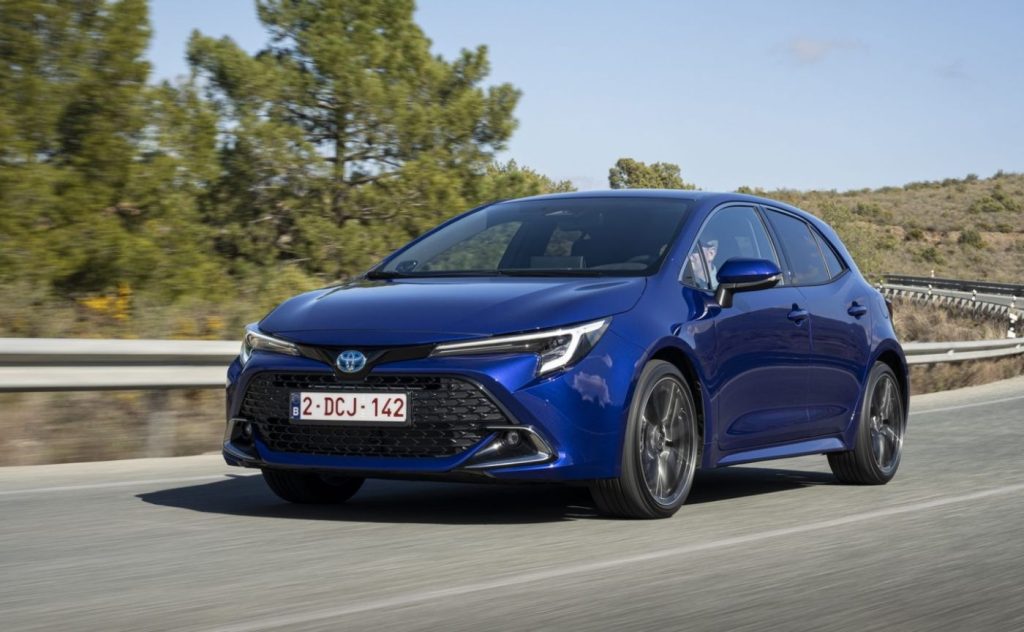
While all Corolla hatchbacks come equipped with the larger engine, only the sedan offers a hybrid powertrain. Our evaluations of the 2019 Corolla SE hatchback and the 2020 Corolla XSE sedan showed that even the more powerful engine struggles to deliver brisk acceleration.
Both vehicles proved composed in city driving and stable on highways, yet hard acceleration brought about coarse engine noise that undercut their overall refinement.
The Corolla sedan and hatchback both offer a comfortable ride, effectively isolating occupants from all but the harshest bumps. Their controlled body movements also contribute to improved agility compared with previous generations.
The SE and XSE trims take things further with a stiffer, sport-tuned suspension, and the XSE rides on larger 18-inch wheels, while all other models use 15- or 16-inch rims.
Even so, when stacked against more athletic and engaging competitors like the Mazda 3 and Volkswagen Golf, the Corolla’s progressive steering feels competent but not exceptional.
In our 70-mph-to-zero braking test, neither body style delivered standout stopping distances, ranging from 174 to 183 feet, but both featured reliable and easy-to-modulate brake pedals.
Honda Accord
The Honda Accord has long been a symbol of balanced practicality, comfortable enough for families, efficient enough for commuters, and dependable enough for nearly anyone.
Its naturally aspirated engines are some of the most reliable powertrains ever built, and even high-mileage examples tend to avoid catastrophic breakdowns. For Americans who log endless highway miles, the Accord is a proven road warrior that rarely leaves its drivers stranded.
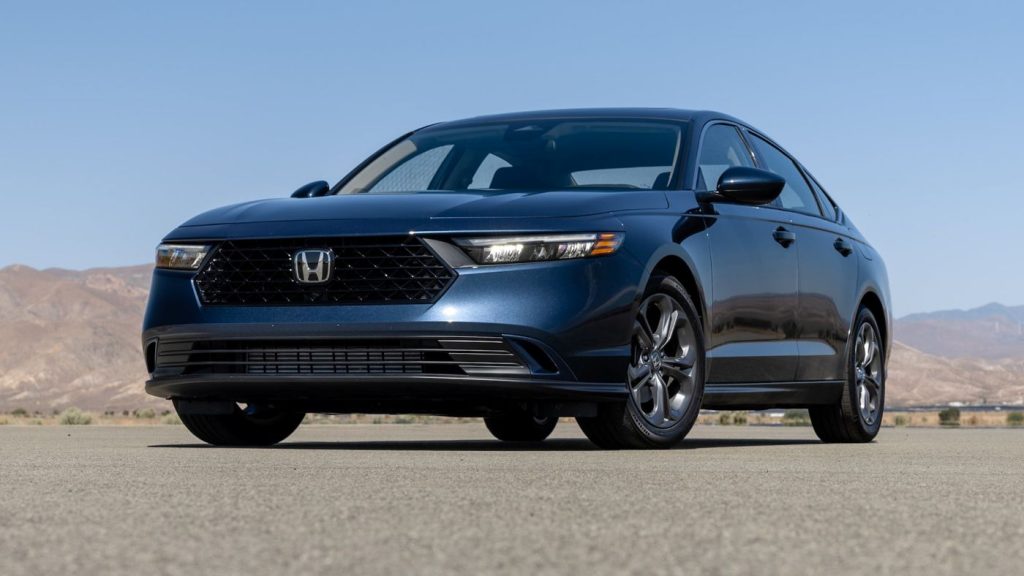
For decades, the Honda Accord has set the standard for midsize family sedans. Whether you value safety, fuel efficiency, performance, or a reputation for reliability, the Accord has consistently delivered.
The 2021 Accord continues this tradition with a few updates, including a refreshed exterior and the addition of wireless Android Auto and Apple CarPlay, allowing you to integrate your phone’s apps with the touchscreen without needing a USB cable.
The Accord has been our top pick for a midsize sedan in recent years, but a new rival has narrowly surpassed the Honda. The Kia K5 matches or exceeds the Accord in many areas, often at a lower price and with a more striking design.
It’s a close competition, with other contenders like the Mazda 6 and Hyundai Sonata also performing strongly. Ultimately, the choice may come down to personal preference and which dealer offers the best deal.
The current 10th-generation Honda Accord has been popular with Edmunds editors since its debut in 2018. To evaluate it further, we added an Accord EX-L with the 1.5-liter engine to our long-term test fleet and drove over 13,000 miles in a year.
Also Read: 8 Most Popular Pickup Trucks in the U.S. Ranked by Real Owners
Lexus RX
Luxury cars often come with a trade-off: high repair costs and constant upkeep. The Lexus RX flips that script. Borrowing heavily from Toyota’s reliable engineering, the RX combines plush interiors and advanced features with an almost unmatched record for long-term dependability.
Owners often report a decade of use without major issues, making it the “silent king” of luxury SUVs, quiet in both ride and repair demands.
For decades, the Lexus RX has been a benchmark for luxury midsize SUVs. Known for its refined ride, strong reliability, and comfortable interior, the RX continues to appeal to buyers seeking a premium driving experience without going full-size.
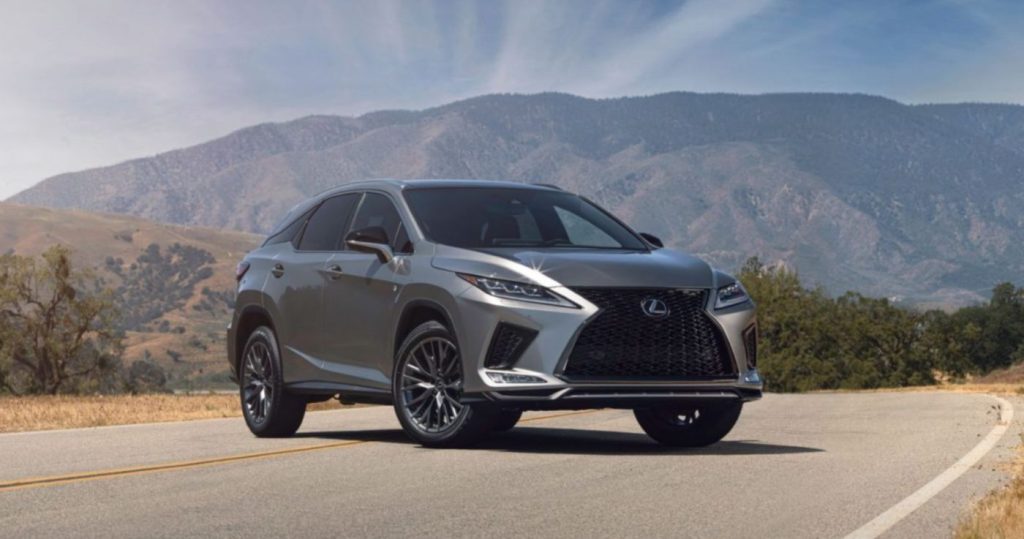
The latest models bring a few updates, including enhanced infotainment features, smartphone integration with wireless Apple CarPlay and Android Auto, and additional driver-assistance technologies, making it easier than ever to stay connected and safe on the road.
Whether you’re drawn to its smooth performance, upscale cabin, or reputation for long-term dependability, the Lexus RX remains a compelling choice in the competitive luxury SUV segment.
Toyota Prius
When hybrids first hit the market, skeptics predicted battery failures and sky-high repair bills. The Toyota Prius proved them all wrong.
With a hybrid system that rarely fails and a gas engine that’s as reliable as any Corolla, the Prius became the poster child for durability in modern engineering. Rideshare drivers across US cities have proven its strength, routinely pushing Priuses beyond 300,000 miles.
The Toyota Prius is arguably the most recognizable and influential hybrid on the market. Over the years, it has evolved, steadily improving both fuel efficiency and overall capability.
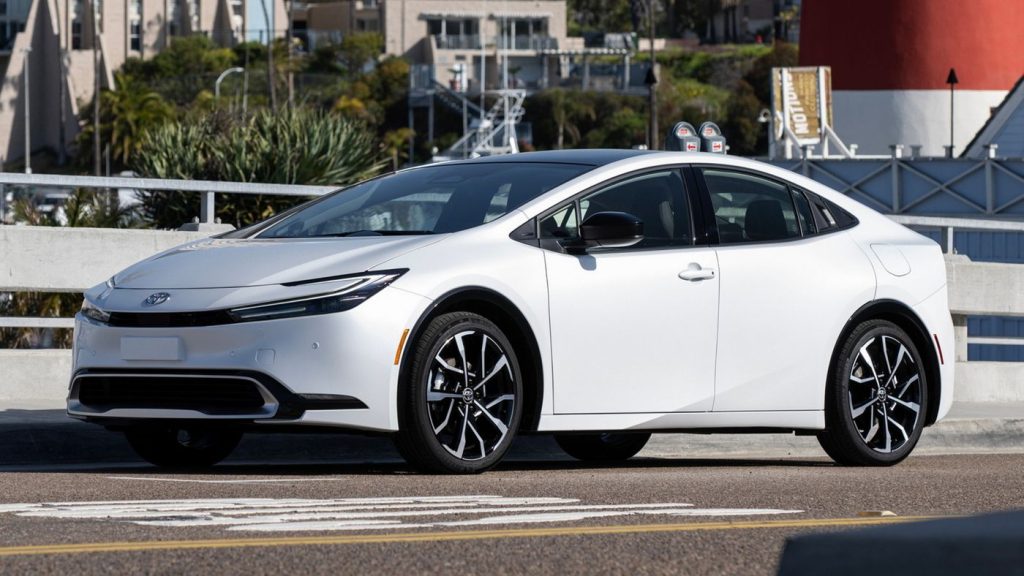
The current generation was introduced for the 2016 model year, with several updates added in 2019. The 2021 Prius offers an impressive EPA-estimated 56 mpg combined city/highway, making it one of the most fuel-efficient hybrids available.
For added confidence in winter conditions, you can even opt for an all-wheel-drive version, which provides extra traction on icy or snowy roads.
Honda Civic
The Honda Civic has become the “forever friend” of American drivers. Affordable to buy, cheap to run, and remarkably resistant to breakdowns, the Civic is a car you can count on for decades.
While newer turbocharged engines require a bit more vigilance, most Civics continue to serve as dependable companions for students, families, and even performance enthusiasts who value a car that simply won’t quit.
Once considered basic transportation, the Honda Civic has evolved into a desirable, fun-to-drive compact car. Available as either a sedan or a practical hatchback, the Civic offers a choice of two engines: a 158-hp 2.0-liter four-cylinder or a turbocharged 1.5-liter that produces up to 180 hp.
Honda equips even its smallest model with plenty of standard driver-assistance features, including adaptive cruise control and lane-keeping assist. However, infotainment features are not standard on the base LX model, which comes with a small touchscreen that primarily handles radio functions.
There’s no easy way to put it: the Civic coupe has been discontinued after the 2020 model year. The sedan and hatchback remain, and Honda plans an all-new Civic for the 2022 model year, expected to debut in spring 2021.
Our favorite trim is the Sport hatchback. It comes standard with a manual transmission, offers more space than the sedan, and features a slightly more powerful 180-hp turbocharged engine.
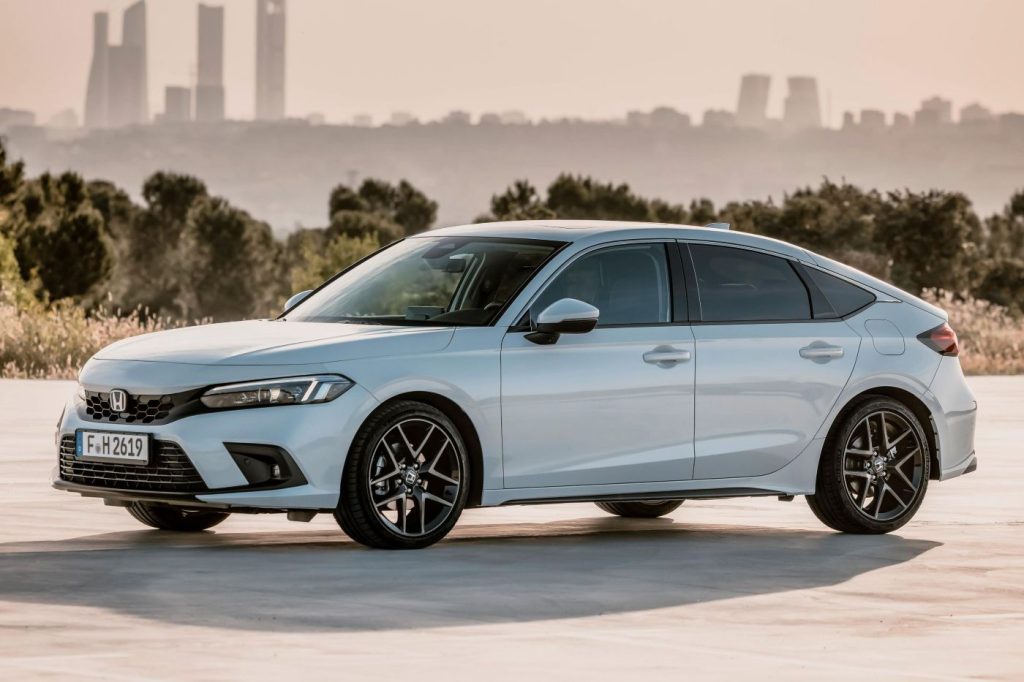
Choosing the Sport over the LX also adds Apple CarPlay and Android Auto, a 7.0-inch touchscreen, an eight-speaker stereo, leather-wrapped steering wheel and shift knob, push-button start, fog lamps, and a rear-seat fold-down armrest.
The Civic’s four-cylinder engines are lively, with the turbocharged 1.5-liter earning our preference. It provides strong acceleration, easily propelling our Civic Touring test car from stoplights.
While the six-speed manual offers light, crisp action, the optional continuously variable automatic transmission (CVT) is smooth and among the best in its class.
Striking a balance between comfort and engagement, the Civic’s ride is smooth without being soft, and its responsive steering and athletic dynamics make it enjoyable to drive.
Sport trims feature quicker steering for an even more engaging experience. Brakes are firm and provide good pedal feel, though they lack the stopping power of some competitors.
Also Red: 5 Cars With Long-Lasting Suspension and 5 With Weak Suspension
Cars That Constantly Break Down
When buying a car, reliability isn’t just a bonus, it’s essential. Some vehicles, however, seem to come with a permanent warranty for headaches.
From frequent engine issues to recurring electrical problems, these are the cars that leave owners frustrated, stranded, and reaching for the repair manual far more often than they should.
In this article, we take a closer look at the cars that constantly break down, explore why they fail, and highlight the models you might want to avoid if you value peace of mind on the road.
Dodge Journey
The Dodge Journey was marketed as a budget-friendly family SUV, but reality told a different story. Its underpowered engines, unreliable transmissions, and constant electrical issues made it a nightmare for many US families.
Owners often discovered that “affordable” up front turned into costly over time, with repair bills piling up faster than the mileage.
Dodge has long been celebrated as an iconic American automaker, famous for its classic muscle cars, powerful SUVs, and impressive engines. For families seeking an affordable seven-seat SUV, the Dodge Journey offers a practical and budget-friendly option.
At first glance, the Journey’s design stands out: rugged, squared-off headlights give the SUV a sporty, confident look that aligns with Dodge’s signature styling.
Under the hood, the Journey comes standard with a single engine: a 173-hp 2.4-liter four-cylinder producing 166 lb-ft of torque, enough to handle city driving with ease.
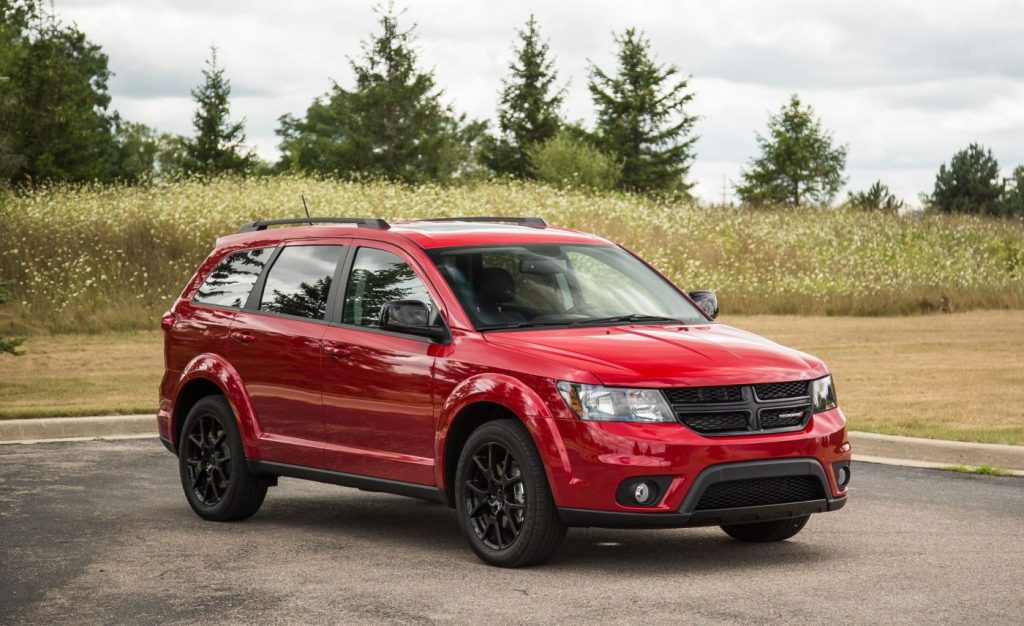
A four-speed automatic transmission keeps shifts smooth, while front-wheel drive balances economy with all-weather practicality.
Buyers can choose between two trim levels: the CVP and the Crossroad, offering a mix of affordability and added luxury.
The Crossroad trim adds more upscale features, including navigation, a six-speaker sound system with subwoofer, heated front seats and steering wheel, remote start, and a universal garage door opener.
With three rows of seating, the Journey comfortably accommodates seven passengers. Additional amenities, like rear park assist and a sunroof on the Crossroad model, make every drive safer and more enjoyable for the whole family.
Chrysler Sebring
The Chrysler Sebring was supposed to be the all-American affordable convertible, but instead, it became a cautionary tale. Weak engines, head gasket problems, and a host of electrical gremlins turned carefree summer cruising into repeated mechanic visits.
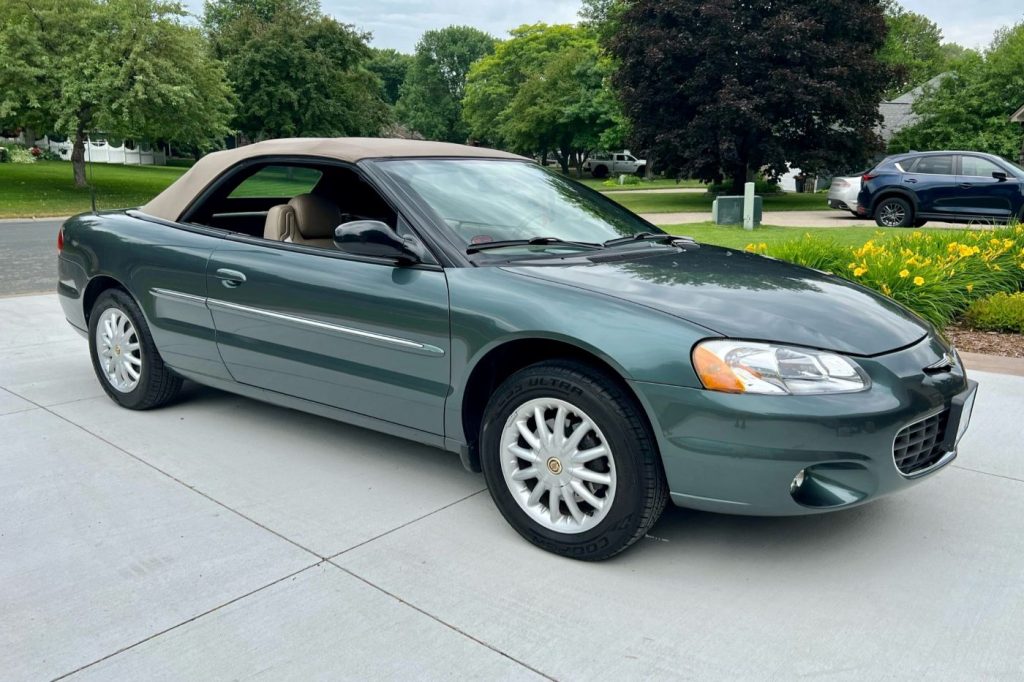
Many Sebrings failed long before hitting six figures on the odometer, cementing their spot on the “do not buy” list.
Dodge Neon
The Neon promised fun styling and affordability for young buyers, but its mechanical flaws quickly overshadowed any charm.
Head gasket failures, failing transmissions, and weak build quality meant these cars often died before reaching even 120,000 miles. What looked like a good deal in the showroom often became an expensive mistake in the real world.
Once a staple of affordable compact cars, the Dodge Neon earned a reputation for being practical, economical, and easy to drive. Available as both a sedan and hatchback in its heyday, the Neon offered buyers reliable transportation with a no-frills approach.
Its small size made it ideal for city driving, while its fuel-efficient four-cylinder engine helped keep running costs low. Over the years, the Neon became known as a budget-friendly option for first-time car buyers or anyone seeking a dependable daily driver.
Every car enthusiast has felt the urge to take the slowest car possible and turn it into a speed demon.
For some, it starts as a joke and ends with a 1,000-hp minivan; for Malcolm T. Ward, it began with a seemingly ordinary 1998 Dodge Neon, transformed into a 200-mph Texas Mile record-breaking machine.
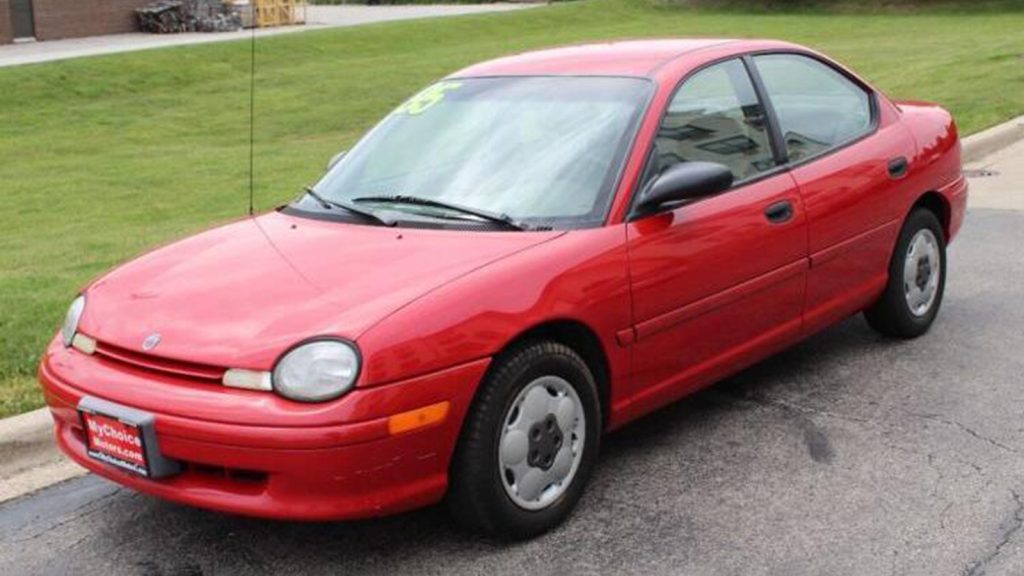
Ward’s journey started in 2012 with a white Neon coupe, equipped with the 2.4-liter turbo engine from a Neon SRT-4.
According to The Texas Mile Facebook page, he hit 169 mph with just a few bolt-on modifications. That initial thrill sparked a deeper obsession to make the Neon as fast as possible.
With improved aerodynamics and a built engine, Ward pushed the white Neon to the low 190-mph range, until October 2020, when a blown head gasket ended that chapter.
He then purchased a blue Neon from his stepson, who was selling it due to divorce proceedings, and transplanted everything from the white Neon into the blue car, including an even stronger engine.
With technical support from High PSI Performance of Texas, Ward fueled the Neon with C85 race fuel and boosted it to 700 hp for the latest Texas Mile event.
While Ward doesn’t reveal many specifics about the Neon’s build, turbo size, camshafts, and engine internals remain a mystery—the results speak for themselves.
Onboard footage shows a massive turbocharger that only hits full boost high in the rev range, losing boost with each gear shift. But once it spools up, the Neon launches like a freight train, reaching an astonishing 200.9 mph over a standing mile.
Pontiac Aztek
The Pontiac Aztek is often remembered for its unusual looks, but its reliability record was just as bad as its styling.
Frequent head gasket failures, coolant leaks, and electrical problems made it one of the most problematic GM vehicles of its era. Even fans who loved its practicality were often forced to give up when the repair costs became overwhelming.
No modern car has faced as much criticism as the Pontiac Aztek. At its launch, it was widely regarded as one of the ugliest cars in the world.
Yet over time, it has developed a cult following, in part thanks to a starring role on a popular TV show. Today, automotive enthusiasts are starting to reevaluate the Aztek, particularly for its unique and bold design.
That’s exactly what YouTube artist The Sketch Monkey specializes in, and this latest project is especially timely, as the Aztek approaches its 20th anniversary.
The Pontiac high-rider debuted in 2001 and was produced for just five years. While mint-condition originals now sell for a premium,
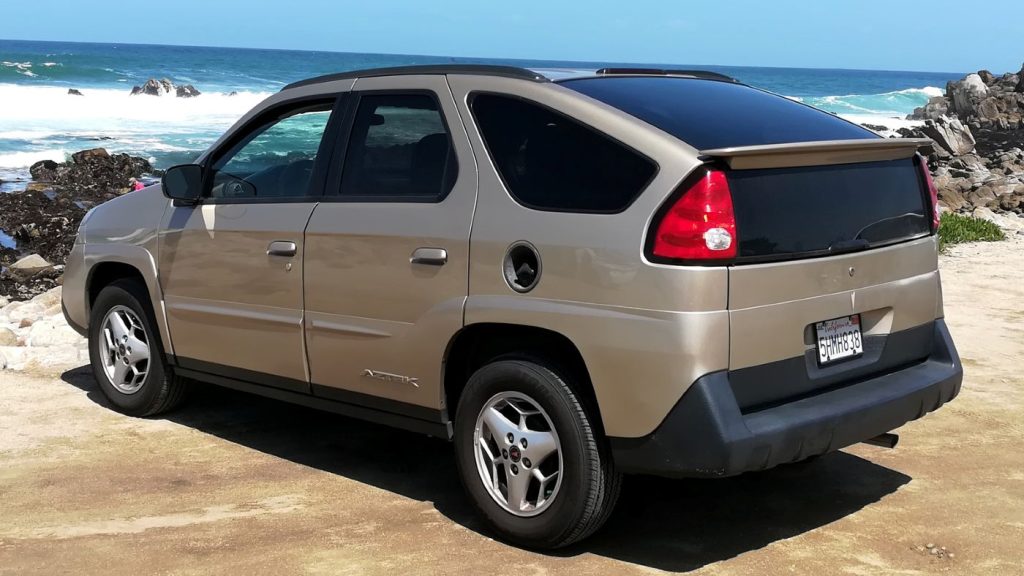
The Sketch Monkey’s transformation only requires a few photos and advanced Photoshop skills. The artist describes this redesign as “the most challenging” he’s ever undertaken.
The back of the car alone took three days in the sketch lab, with the front having been completed as an earlier project. Just because the sped-up video makes it look easy doesn’t mean it was.
The redesign begins with the lights, often the first detail that dates a car. The old units are replaced with sleek LEDs. The rear bumper gets a diffuser element with dual exhaust openings, reflecting 2021’s sporty design trends.
Larger wheels and tires give the Aztek a more off-road-ready stance, while the sides are streamlined for a cleaner appearance. For context, much of the 2001 model’s criticized look comes from unpainted black plastic panels.
The front is largely preserved, maintaining the Aztek’s trademark split headlights, now considered a stylish, modern feature.
The result is a bold, contemporary reinterpretation of a car that once divided opinion, proving that even the most maligned vehicles can find new life with a fresh design vision.
Chevrolet Cruze
Chevrolet’s first attempt to take on the Civic and Corolla was the Cruze, but early models struggled badly with reliability.
Water pump failures, overheating issues, and fragile transmissions left many owners with more service appointments than road trips. While later versions improved, the first-generation Cruze stands as an example of missed opportunities in the compact segment.
For US drivers, the divide between cars that rarely break and those that constantly fail is massive. Vehicles like the Toyota Corolla, Honda Civic, and Lexus RX prove that smart engineering pays dividends in the form of decades of trouble-free ownership.
Standing out in the crowded compact-car segment is no easy task, but the Chevrolet Cruze manages to make its mark.
That said, its powertrains don’t impress: the entry-level engine feels underpowered, while the optional diesel offers excellent fuel economy but lackluster acceleration, a less-than-ideal combination in an era of low gas prices.
The 2019 Cruze features a more aggressive front grille, revised front and rear bumpers, updated taillamps, a new interior color, new wheel designs, and refreshed infotainment software.
The RS package now includes black-painted window surrounds, emblems, and wheels for a sportier look.
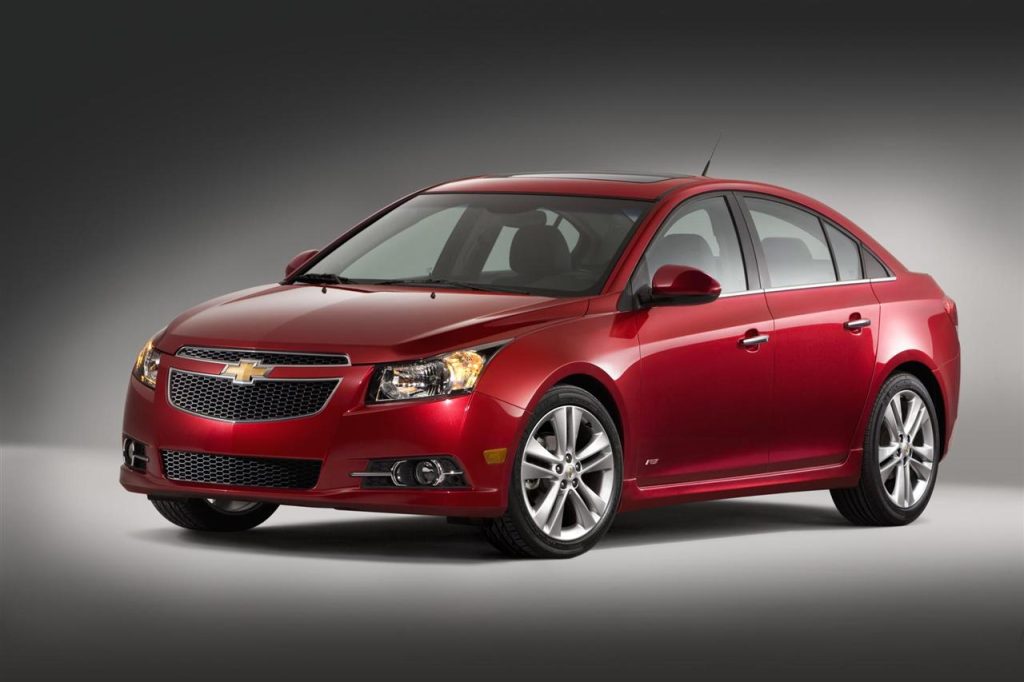
Our pick is the Cruze LT, which balances features and value. While the standard six-speed manual transmission detracts from the driving experience, the six-speed automatic is well worth the extra cost.
For added practicality, the hatchback version is a smart choice. Standard features on the LT hatchback include cruise control, aluminum wheels, and a six-speaker stereo with SiriusXM satellite radio.
If budget allows, the Convenience package adds keyless entry, push-button and remote start, heated front seats, and an eight-way power-adjustable driver’s seat.
The Cruze’s base powertrain is a 153-hp turbocharged four-cylinder paired with a six-speed manual transmission. Normally we favor manuals, but here it falls short, thanks to an overly light clutch pedal and long, imprecise shifter throws.
The optional six-speed automatic, however, delivers lively acceleration. The available diesel is a turbocharged four-cylinder matched to a nine-speed automatic; it’s louder and rougher than the gas engine but quiet enough at highway speeds to pass for a gasoline-powered car.
On the road, the Cruze feels larger and more stable than its dimensions suggest. Its steering is pleasantly weighted, and the car tracks straight and responds well to inputs.
The soft suspension smooths bumps and potholes for a comfortable ride, though it can feel imprecise when driven aggressively through corners.
On the other hand, models like the Dodge Journey, Chrysler Sebring, and Pontiac Aztek demonstrate that poor quality control and bad design can drain wallets long before a car’s time should be up.
When shopping, especially in the used car market, a little research can save thousands in future repairs.
Choosing a vehicle from the “untouchables” list means years of peace of mind. Picking from the “frequent failures” list, however, may mean you’ll get to know your mechanic on a first-name basis.
