
SUVs have become increasingly popular for their versatility, cargo space, and comfort. However, one factor that often surprises buyers is the cost of parts and maintenance.
While some SUVs are relatively inexpensive to service, others can carry repair bills that quickly add up, making ownership a major financial consideration.
Understanding which models have affordable parts and which demand high costs is crucial for buyers who want long-term satisfaction.
Affordable SUVs often benefit from widespread availability of components, simpler engineering, and a reputation for reliability.
These vehicles allow owners to perform regular maintenance and repairs without excessive expense, keeping ownership costs predictable.
Conversely, SUVs with sky-high repair bills typically incorporate advanced technology, complex drivetrains, or luxury features that make parts rare and repairs specialized. Ownership of these models can become a significant investment beyond the initial purchase price.
This article examines both ends of the spectrum. First, we will highlight five SUVs that stand out for their accessible, affordable parts and manageable maintenance.
Then, we will examine five SUVs known for costly repairs, showing which factors contribute to their high upkeep.
Understanding these differences helps prospective buyers make informed decisions, balancing performance, comfort, and practicality against potential long-term expenses.
Also Read: 5 Hybrids That Are Cheaper To Maintain vs 5 That Cost A Fortune
5 SUVs With Affordable Parts
For many SUV owners, maintenance costs can make a significant difference in overall satisfaction. While some vehicles demand expensive components and frequent repairs, certain SUVs are known for keeping ownership affordable.
These models are often built with reliability in mind, use widely available parts, and have a service-friendly design that reduces labor costs.
SUVs with affordable parts are particularly appealing for buyers who prioritize long-term ownership without being surprised by high repair bills.
Engines and transmissions tend to be straightforward, electronics are less complex, and replacement components are readily available through dealerships or third-party suppliers.
This accessibility ensures that routine maintenance like brake replacement, suspension repairs, or engine servicing does not become prohibitively expensive.
Highlighting these SUVs is important because it shows that affordability in maintenance does not necessarily mean compromising on comfort, performance, or versatility.
Buyers can enjoy practical features, strong reliability, and capable drivetrains while keeping costs manageable. The following five SUVs exemplify this balance, proving that long-term ownership can remain practical without constant high expenses.
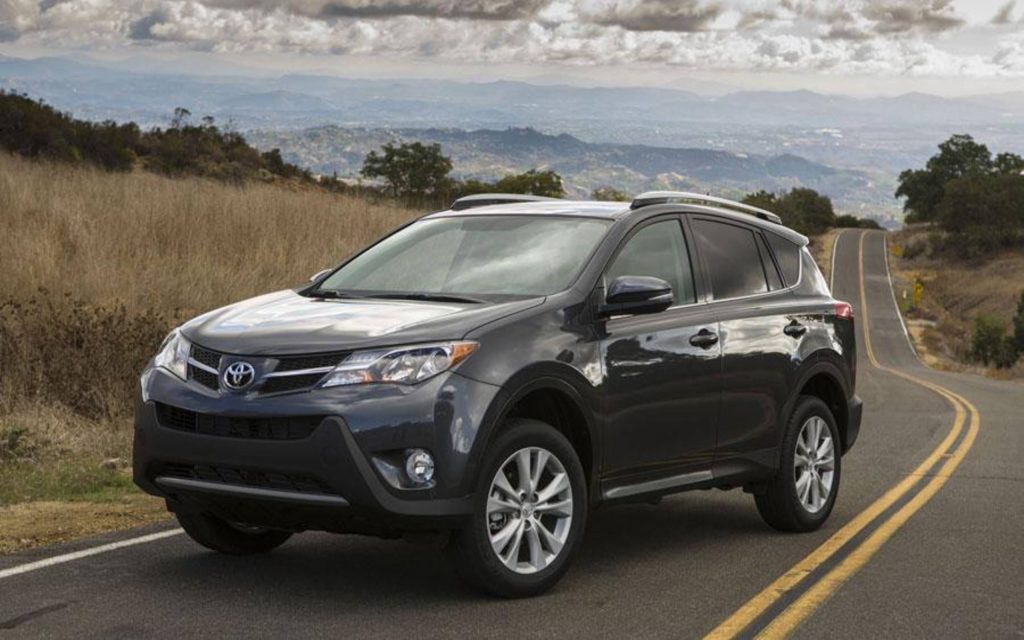
1. Toyota RAV4 (2013–2018)
The Toyota RAV4 has long been a benchmark for affordable ownership in the compact SUV segment.
Produced between 2013 and 2018, this generation combined reliability, practicality, and cost-effective maintenance, making it a favorite among drivers seeking a durable SUV without high repair bills.
One of the main reasons the RAV4 is inexpensive to maintain is its straightforward engineering.
The 2.5-liter four-cylinder engine and accompanying automatic transmission have proven durable, with widespread availability of parts and a large network of service centers.
Components like brakes, suspension bushings, and filters are both affordable and easy to replace, contributing to lower labor costs.
Electronics in the RAV4 are also relatively simple compared to more luxurious competitors, reducing the likelihood of complex failures that require expensive diagnostics.
Routine maintenance, such as oil changes, fluid flushes, and brake service, can be performed without specialty tools or dealership intervention, further lowering overall ownership expenses.
The RAV4 is included because it exemplifies how reliability and affordability can coexist in a compact SUV. Owners benefit from durable mechanical components, accessible replacement parts, and a long history of consistent performance.
This combination ensures that buyers can enjoy the RAV4’s comfort, practicality, and versatility without being burdened by unexpected or high-cost repairs, demonstrating that affordable maintenance is possible even in modern SUVs.
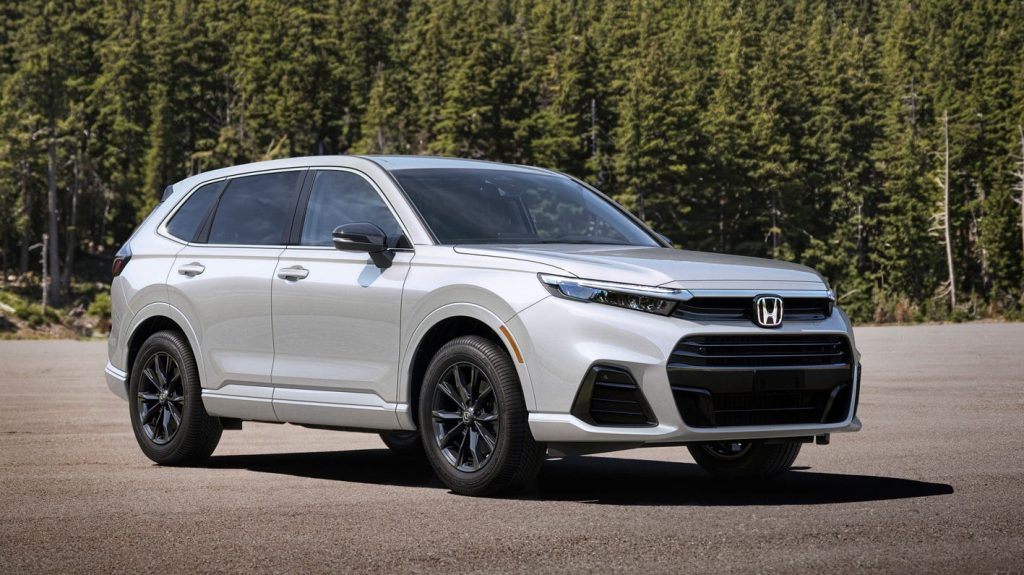
2. Honda CR-V (2015–2020)
The Honda CR-V is widely recognized for reliability and cost-effective ownership, making it one of the most affordable SUVs in terms of parts and maintenance.
Produced from 2015 to 2020, this generation retained Honda’s reputation for simplicity and durability while offering modern features and practicality.
A key factor in the CR-V’s low maintenance cost is its widely available engine and transmission components.
The 2.4-liter four-cylinder engine and CVT (Continuously Variable Transmission) are straightforward to service, and replacement parts such as brake pads, filters, and suspension components are inexpensive due to Honda’s extensive parts network.
Regular servicing does not require specialized tools or dealer-only procedures, keeping labor costs down.
Electronics in the CR-V are minimal compared to luxury competitors, reducing the likelihood of complex failures that can escalate repair expenses.
Items like infotainment systems, sensors, and climate controls are durable and simple to repair if issues arise. Additionally, Honda’s reputation for reliability means fewer unexpected breakdowns, further limiting costly interventions.
The CR-V is highlighted because it demonstrates that affordability in parts and maintenance does not require sacrificing comfort or utility.
Owners benefit from a practical, capable SUV that can endure daily driving demands, long commutes, and family use without burdening them with high costs.
Its combination of reliability, available parts, and low labor requirements ensures that the CR-V remains a smart choice for those seeking manageable long-term ownership.
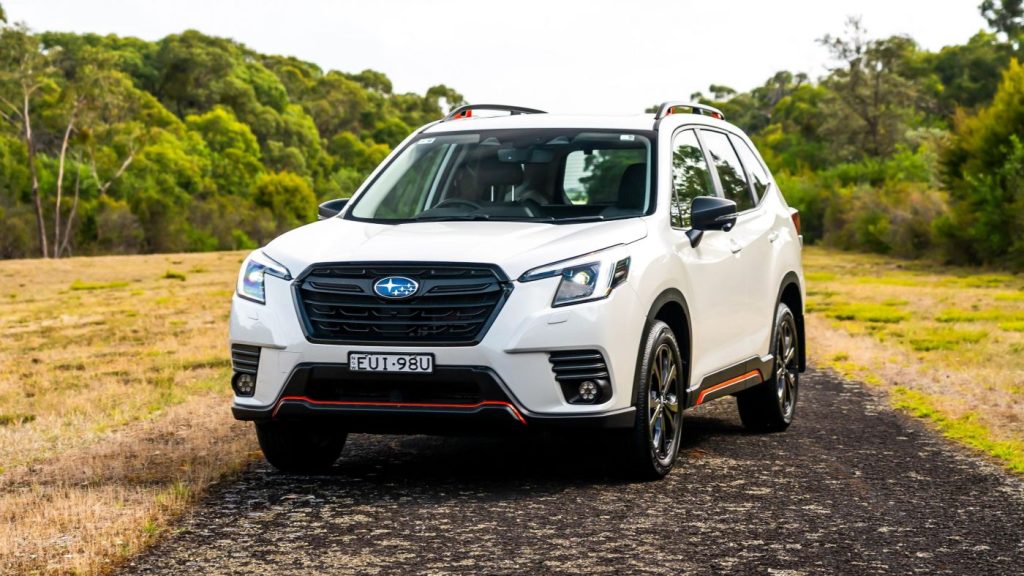
3. Subaru Forester (2014–2018)
The Subaru Forester is another SUV known for its durable mechanics and affordable parts, particularly in the 2014–2018 generation.
Combining all-wheel drive capability with practicality, the Forester appeals to buyers who want versatility without expensive maintenance.
One of the strengths of the Forester is its reliable naturally aspirated engines, including the 2.5-liter four-cylinder. These engines have a track record of longevity and are relatively easy to service.
Replacement parts like oil filters, spark plugs, and timing components are inexpensive and widely available, keeping repair costs manageable. Subarus also have simple suspension layouts, which reduces the labor needed for routine repairs or component replacement.
The Forester’s all-wheel-drive system, a core selling point, has proven robust over time. Components like differentials, driveshafts, and axles are durable and easily sourced, further contributing to lower ownership expenses.
Electronics, while modern, are not overly complex, so problems can typically be resolved without expensive dealer interventions.
This model is included because it balances practicality, capability, and affordability. Owners can expect reliable performance across a range of conditions, from city streets to light off-road use, without the financial strain that accompanies high-maintenance luxury SUVs.
By keeping parts accessible and maintenance predictable, the Forester demonstrates that a capable, modern SUV can remain cost-effective over many years of ownership.
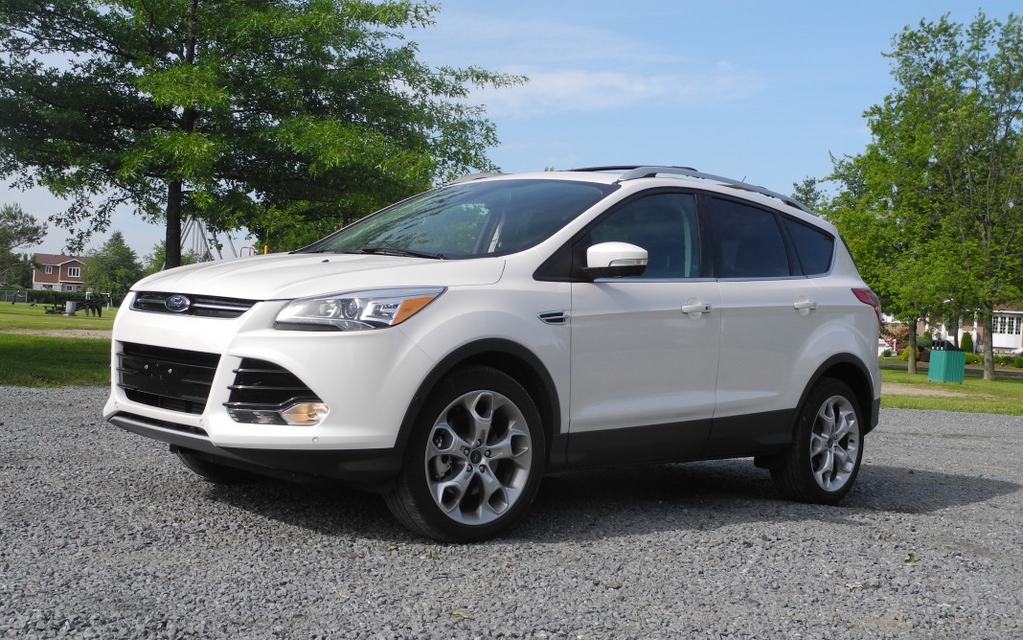
4. Ford Escape (2013–2019)
The Ford Escape has long been a compact SUV that combines utility with low-cost maintenance. The 2013–2019 generation reinforced this reputation, offering a balance of comfort, reliability, and accessible repair parts.
The Escape’s engines, particularly the naturally aspirated 2.5-liter four-cylinder, are straightforward and durable. Replacement parts such as brakes, suspension bushings, and filters are widely available and affordable.
Even the optional EcoBoost engines, while more complex, generally benefit from Ford’s extensive parts network, making repairs less costly than European competitors.
Electronics are designed for simplicity, with fewer high-tech features that often fail in more expensive SUVs. Systems like infotainment, climate control, and basic driver assistance are reliable and inexpensive to service if issues arise.
Routine maintenance, including oil changes, transmission servicing, and brake replacements, is straightforward and requires minimal specialized equipment.
The Escape is highlighted because it illustrates how mainstream SUVs can offer convenience, versatility, and reliability without generating high repair bills.
Owners benefit from predictable maintenance and widely available components, which makes long-term ownership financially manageable.
Its combination of practicality and affordability ensures that the Escape remains a favorite among buyers seeking a durable, low-maintenance compact SUV.
5. Jeep Cherokee (KL, 2014–2018)
The Jeep Cherokee KL, produced from 2014 to 2018, is known for its capable off-road performance while maintaining relatively affordable parts and maintenance, especially compared to more expensive luxury SUVs.
The Cherokee’s 2.4-liter four-cylinder engine and 3.2-liter V6 are straightforward designs that allow for easy servicing and lower-cost parts.
Routine items such as brakes, suspension components, and filters are inexpensive and widely available. Labor costs are also moderate due to the simple layout of the engine bay and accessible components.
Electronics in the Cherokee are more advanced than older models but remain manageable, avoiding the highly complex systems seen in luxury SUVs that drive repair bills up. The vehicle’s all-wheel-drive system and transfer cases are robust, reducing the likelihood of costly drivetrain failures.
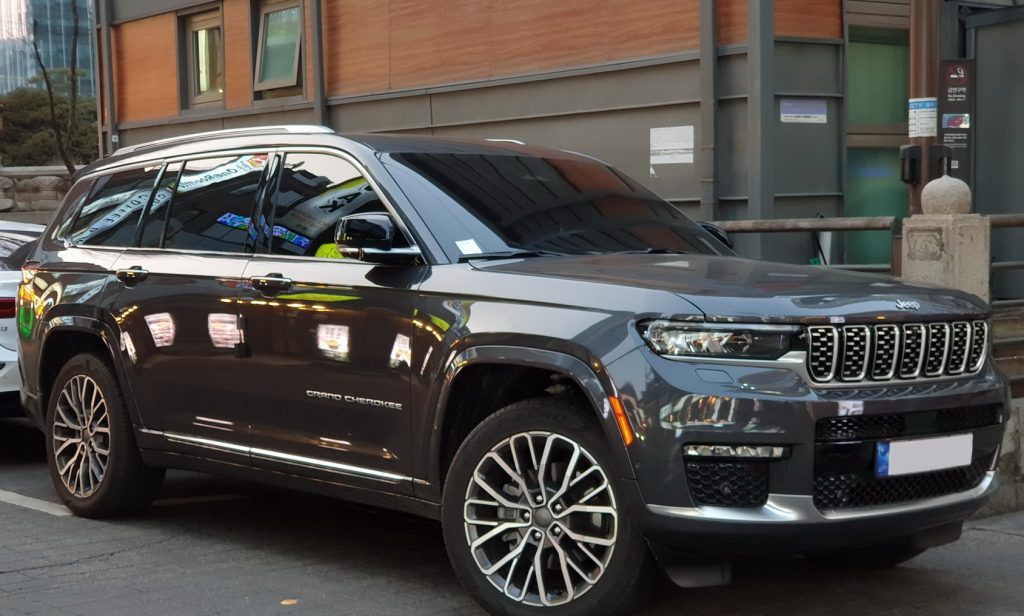
This SUV is included because it demonstrates that a modern, capable vehicle can offer a balance of performance and affordability.
Owners can enjoy daily driving, family trips, and light off-roading without being burdened by excessive repair costs. Its combination of durability, widely available parts, and moderate labor requirements makes the Cherokee a practical option for long-term ownership.
5 SUVs With Sky-High Repair Bills
While some SUVs are affordable to maintain, others carry repair costs that can quickly overwhelm owners.
High-maintenance SUVs often combine complex engines, advanced electronics, and sophisticated drivetrains, creating vehicles that demand specialized parts and labor.
Owning one of these models can turn routine maintenance into expensive visits to the dealership or specialty shops, making the total cost of ownership far higher than the initial purchase price.
Luxury SUVs frequently fall into this category. Features like air suspension, advanced infotainment, adaptive driving systems, and high-performance engines increase complexity and, consequently, repair expenses.
Even minor components, if they fail, can trigger costly cascading issues due to integration with multiple systems. Replacement parts may be limited to authorized dealers, and labor-intensive repairs can take hours to diagnose and fix.
Understanding which SUVs come with sky-high repair bills is essential for buyers who want to avoid unexpected financial strain.
By examining five such models, this article highlights the factors that contribute to high maintenance costs and helps prospective owners anticipate potential challenges.
These vehicles may offer comfort, performance, and prestige, but their upkeep requires careful planning and a willingness to invest significantly over time.
1. Land Rover Range Rover (2014–2019)
The Land Rover Range Rover, particularly models produced between 2014 and 2019, is widely regarded as one of the most expensive SUVs to maintain.
While the Range Rover offers unmatched luxury, off-road capability, and advanced technology, these same features contribute to its notoriously high repair bills.
The Range Rover’s sophisticated air suspension, which provides a smooth ride and adjustable ride height, is prone to compressor and strut failures. Replacing these components can cost several thousand dollars, often catching owners by surprise.
The engines, including the supercharged V6 and V8 options, are highly engineered but sensitive, with oil leaks, coolant system issues, and turbocharger problems appearing more frequently than in simpler designs.
Electronics are another significant factor. Infotainment systems, touchscreens, and various driver-assistance modules are deeply integrated into the vehicle, meaning even minor malfunctions require specialized diagnostics and repairs that can be very costly.
Additionally, Land Rover parts are often limited to authorized dealerships, further increasing labor and parts expenses.
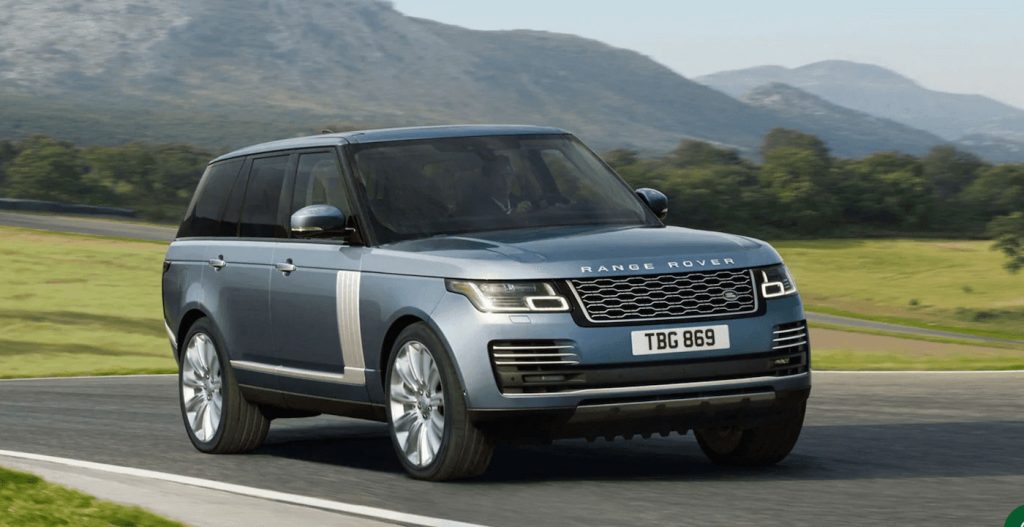
This SUV is included because it highlights the extreme end of ownership costs. While the Range Rover delivers comfort, prestige, and off-road capability, its combination of complex systems, sensitive mechanical components, and dealer-dependent repairs makes it a high-investment vehicle.
Owners must be prepared for frequent and expensive maintenance if they choose to own one, underscoring that luxury and performance often come with financial consequences.
2. Mercedes-Benz GLE (2016–2019)
The Mercedes-Benz GLE, produced between 2016 and 2019, is a luxury midsize SUV that impresses with style, performance, and technology but carries exceptionally high maintenance costs. Owners often face expensive repairs due to its complex engineering and high-tech systems.
The GLE’s engines, particularly the turbocharged V6 and V8 options, are high-performance units that require specialized attention. Components like turbochargers, fuel pumps, and cooling systems can fail prematurely, often leading to multi-thousand-dollar repairs.
Even routine maintenance, such as brake or suspension servicing, tends to be more expensive than in mainstream SUVs due to both parts pricing and labor-intensive designs.
Electronics are another major contributor to repair costs. Features like air suspension, adaptive cruise control, infotainment, and advanced driver-assistance systems are integrated and sophisticated, making troubleshooting and replacement time-consuming and costly.
Minor sensor failures can cascade into more expensive problems because multiple systems rely on each other to function properly.
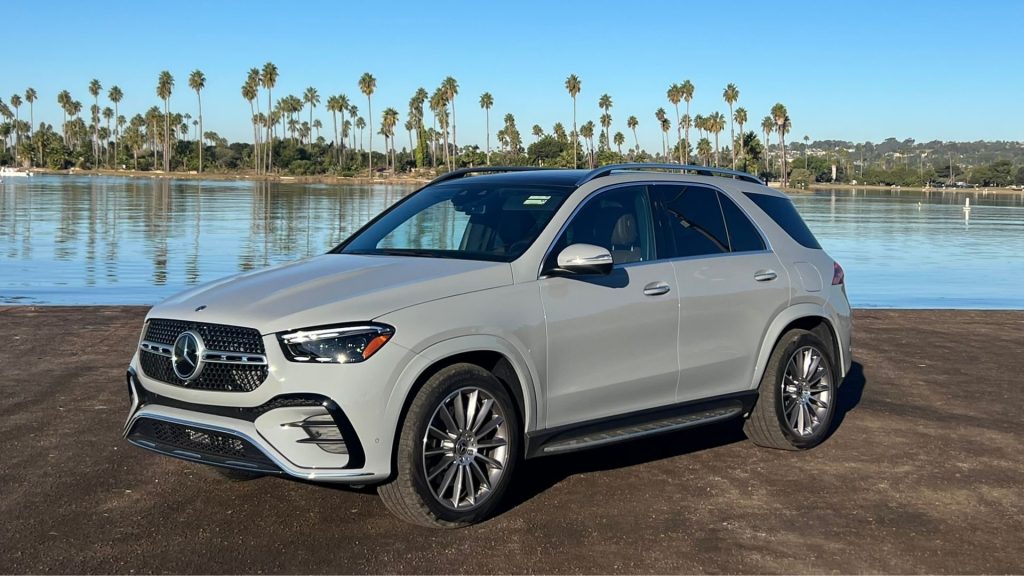
The GLE is included because it represents the challenge of maintaining a modern luxury SUV. While it delivers a smooth ride, premium interiors, and strong performance, its complex engineering and reliance on specialized parts make ownership financially demanding.
Prospective buyers must anticipate significant maintenance expenses beyond the purchase price, demonstrating that advanced technology and performance in luxury SUVs often come at a steep cost.
3. BMW X7 (G07, 2019–Present)
The BMW X7, launched in 2019, is a flagship luxury SUV that offers size, comfort, and advanced technology but comes with very high repair bills.
Its engineering and feature-rich interior make maintenance and parts replacement expensive compared to more mainstream SUVs.
The X7’s turbocharged inline-six and V8 engines provide impressive performance but are prone to issues like high-pressure fuel pump failures, oil leaks, and cooling system problems.
Turbochargers and related components can require costly repairs, particularly if neglected. Transmissions, while smooth, also demand careful servicing to avoid significant problems, adding to the overall expense.
Air suspension, adaptive steering, and electronic stability systems contribute to the vehicle’s exceptional ride quality, but failures in these systems are common and extremely expensive to fix.
Even minor electronic malfunctions, such as infotainment or climate control issues, may require dealer intervention and specialized diagnostic tools. Replacement parts are generally only available through BMW, further raising labor and parts costs.
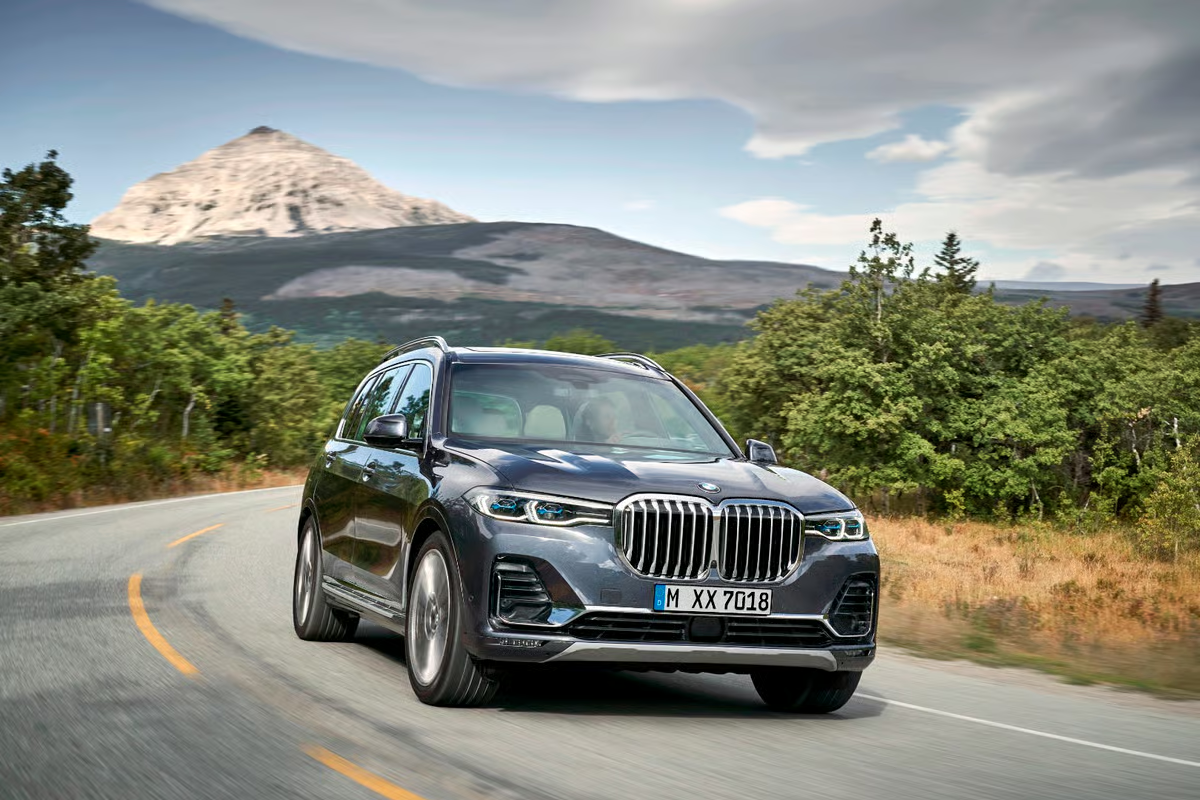
This SUV is highlighted because it demonstrates that flagship luxury vehicles, while offering unmatched comfort and technology, often come with financial trade-offs.
Owners benefit from state-of-the-art features and a refined driving experience, but they must also prepare for frequent and costly maintenance.
The X7 exemplifies how high-end luxury, technology, and performance in modern SUVs can significantly increase long-term ownership expenses.
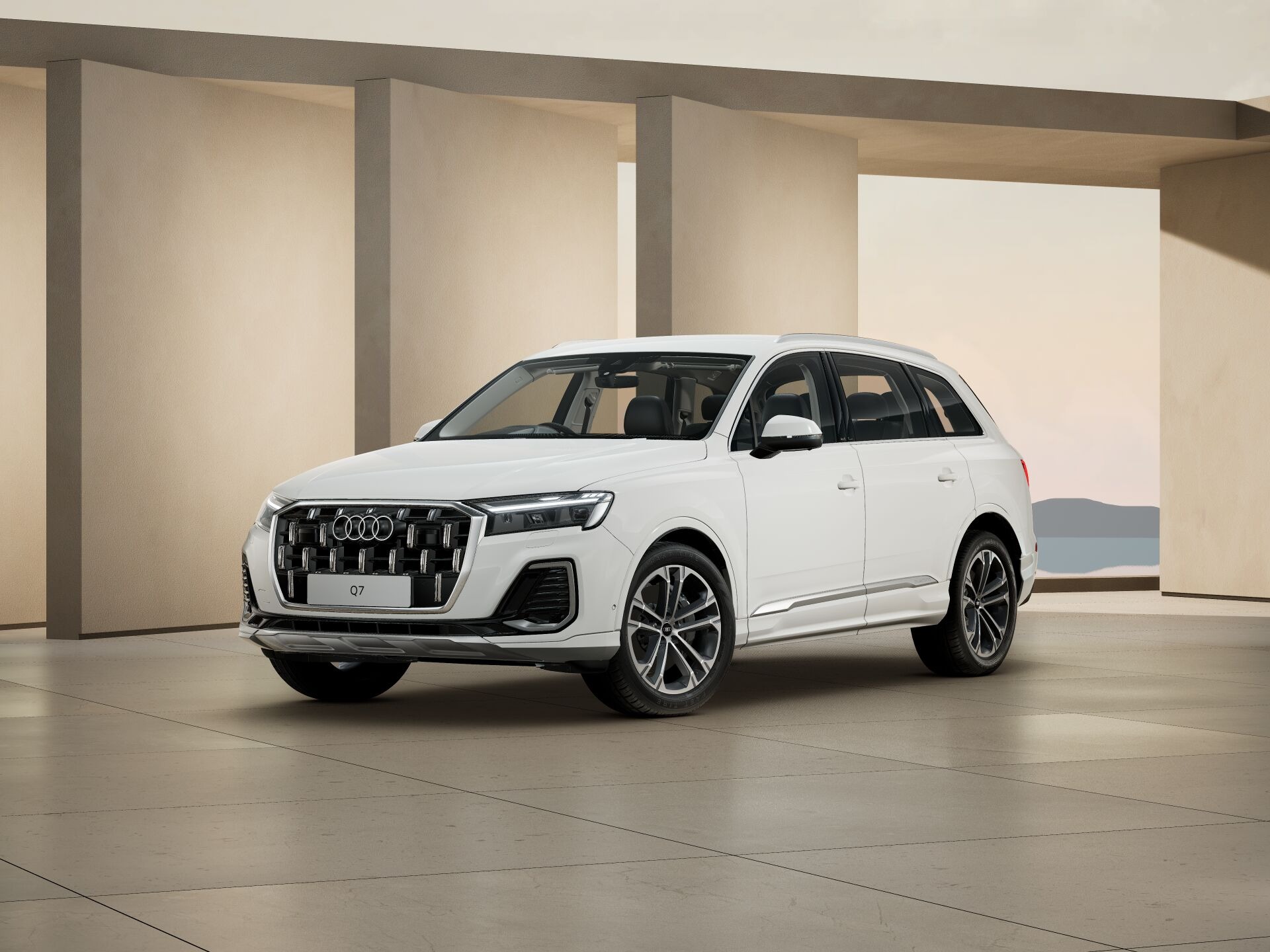
4. Audi Q7 (2016–2019)
The Audi Q7, particularly models from 2016 to 2019, combines luxury, performance, and advanced features, yet it is notorious for its high repair and maintenance costs.
While the Q7 offers a premium driving experience, the complexity of its mechanical and electronic systems contributes to expensive ownership.
The Q7’s turbocharged engines, including the 2.0-liter four-cylinder and 3.0-liter V6, are capable but sensitive.
Common issues include oil consumption, turbocharger wear, and timing chain tensioner failures. Transmissions can also experience costly problems, particularly in higher-mileage vehicles, adding to maintenance expenses.
The Q7’s sophisticated air suspension and adaptive damping systems enhance ride comfort but are prone to failure. Replacing air struts or compressors can cost thousands of dollars.
Additionally, the SUV’s infotainment and electronic systems are highly integrated, meaning even minor sensor or module malfunctions may require extensive diagnostics and specialized repair procedures. OEM parts are generally expensive and often require dealer installation.
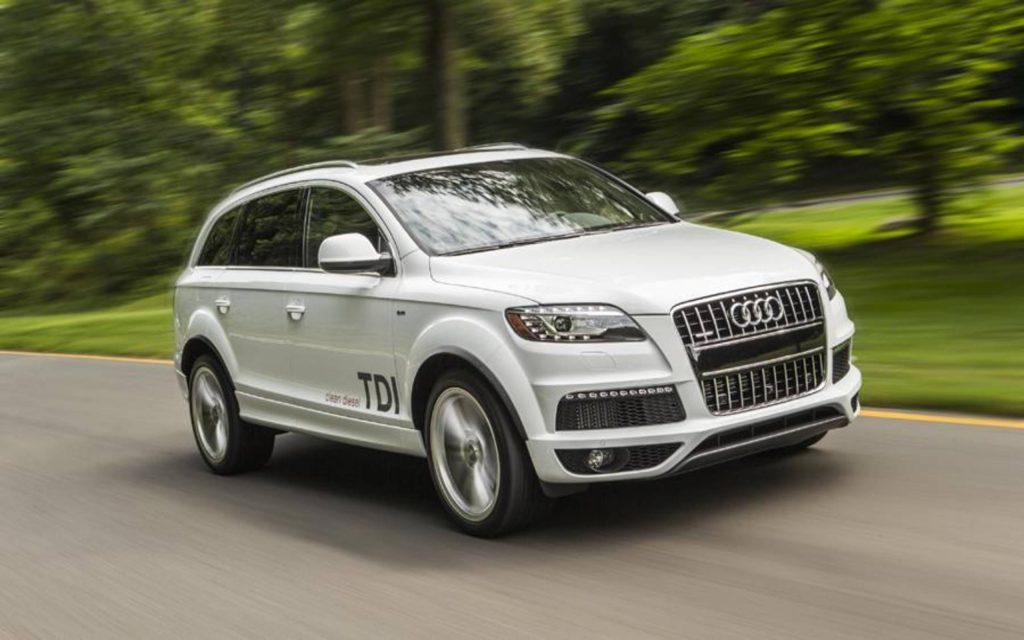
This SUV is included because it highlights the cost of combining technology, performance, and luxury. While owners enjoy precise handling, comfortable interiors, and advanced features, maintenance and repairs can become a significant financial burden.
Prospective buyers must weigh the benefits of performance and sophistication against the potential for frequent and costly service, illustrating that high-end SUVs often demand substantial ongoing investment.
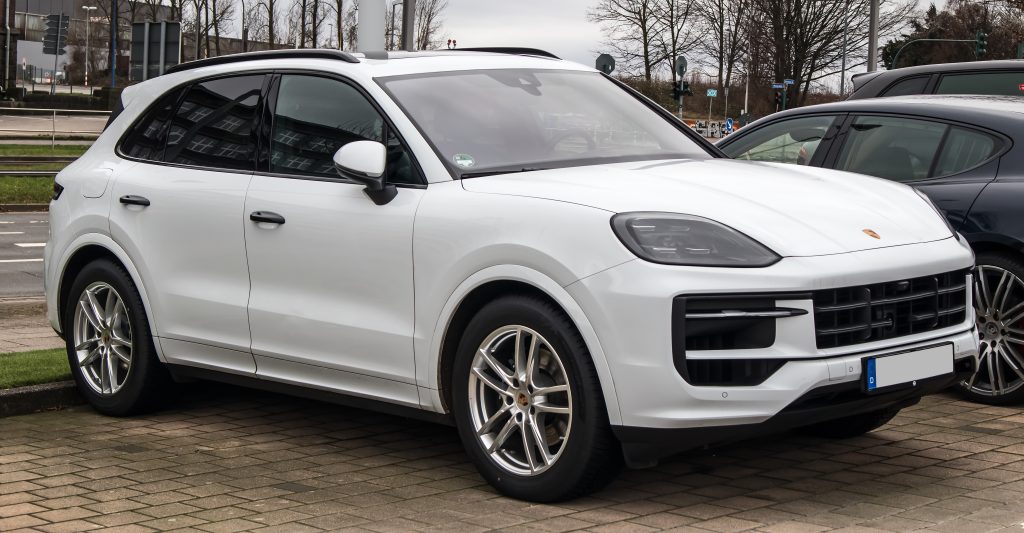
5. Porsche Cayenne (2015–2019)
The Porsche Cayenne, produced between 2015 and 2019, is a high-performance luxury SUV that delivers sports-car-like handling and refined comfort, but it comes with very high repair costs.
Its advanced engineering and premium features make maintenance expensive and frequent compared to mainstream SUVs.
The Cayenne’s engines, including turbocharged V6 and V8 options, are high-strain units that require specialized care. Common issues include turbocharger failure, cooling system problems, and complex fuel system repairs.
Replacement parts are expensive and typically only available through Porsche or authorized service centers. Even routine maintenance, such as brake replacement, suspension work, or transmission servicing, involves high labor costs due to the SUV’s intricate design.
Air suspension and active chassis systems, which provide superior ride quality and handling, are also prone to failure. Repairing these components can run into thousands of dollars per incident.
Electronics, including infotainment, driver assistance, and integrated climate systems, add another layer of complexity, often requiring diagnostic tools exclusive to Porsche dealerships.
This SUV is included because it exemplifies the trade-off between high performance, luxury, and maintenance costs. Owners benefit from exceptional driving dynamics, comfort, and status, but the financial commitment for repairs and parts is substantial.
The Cayenne demonstrates that in luxury high-performance SUVs, technological sophistication and prestige come with a steep price, making long-term ownership a major investment.
Owning an SUV is often associated with versatility, comfort, and utility, but long-term satisfaction depends heavily on maintenance and repair costs.
While some SUVs feature widely available, inexpensive parts and predictable servicing, others carry repair bills that can quickly escalate, creating a significant financial burden.
Understanding these differences is crucial for prospective buyers seeking reliability and affordability alongside performance and features.
SUVs with affordable parts, such as the Toyota RAV4 (2013–2018), Honda CR-V (2015–2020), Subaru Forester (2014–2018), Ford Escape (2013–2019), and Jeep Cherokee (KL, 2014–2018), offer owners the ability to maintain their vehicles without excessive expenses.
These models benefit from straightforward engine and transmission designs, robust mechanical components, and relatively simple electronics.
Replacement parts are widely available, labor costs are moderate, and routine maintenance items like brakes, suspension, and filters are inexpensive to replace.
These SUVs demonstrate that affordability does not require compromising comfort, versatility, or everyday usability, making them ideal choices for cost-conscious drivers seeking practical long-term ownership.
Conversely, high-end or performance-oriented SUVs, including the Land Rover Range Rover (2014–2019), Mercedes-Benz GLE (2016–2019), BMW X7 (2019–present), Audi Q7 (2016–2019), and Porsche Cayenne (2015–2019), often carry sky-high repair bills.
Advanced engines, turbocharging, complex electronics, air suspension, and integrated infotainment systems increase the likelihood of failures and make repairs expensive.
Replacement parts are frequently limited to dealers, and labor-intensive repairs drive up costs further. While these vehicles deliver comfort, performance, and prestige, owners must be prepared for frequent and costly maintenance.
This comparison highlights a key consideration for SUV buyers: balancing features and luxury with long-term affordability.
Choosing models with reliable, accessible parts ensures practical ownership, while high-maintenance SUVs require careful financial planning to enjoy their benefits without unexpected expenses.
Also Read: 5 SUVs That Rarely Lose Power vs 5 That Constantly Do
