
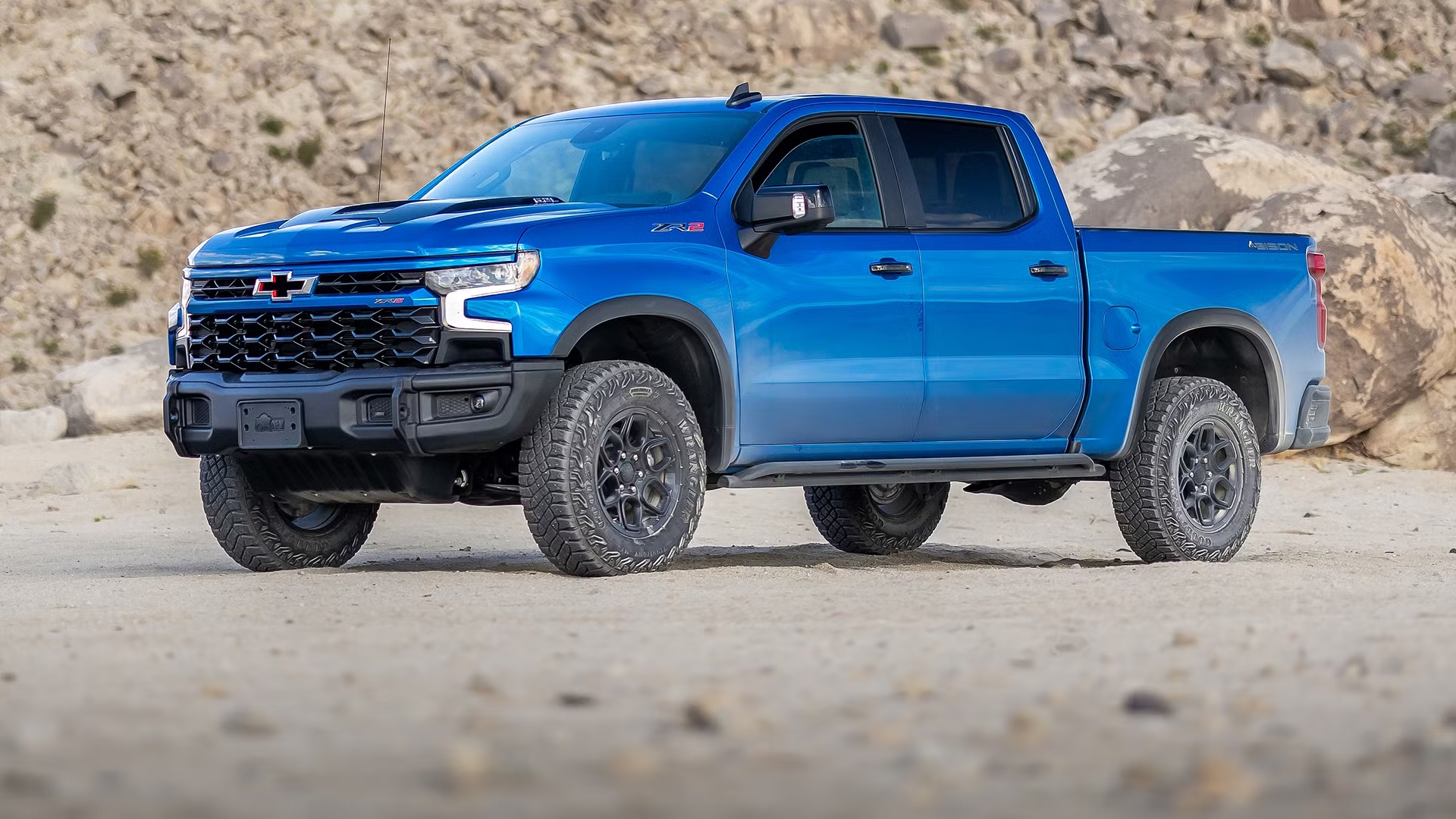
Rust on a truck’s frame is more than a cosmetic problem. It can weaken structural integrity, shorten vehicle life, and lead to safety concerns.
For truck buyers and owners, understanding which models are more resistant to rust and which ones are prone to frame corrosion can make a big difference in long-term satisfaction and ownership costs.
Some trucks have earned a reputation for durability in their underbody construction, with coatings, better steel treatment, or superior drainage designs that reduce the chance of rot.
Others, unfortunately, are known for frames that rust too quickly, leaving owners frustrated with repairs or premature failures.
This comparison of five trucks that rarely suffer from rusty frames versus five that often do provides a balanced perspective for enthusiasts, buyers, and long-time truck users.
By highlighting the strengths of certain models alongside the weaknesses of others, the aim is to guide readers toward informed decisions about purchases, restorations, or preventative maintenance.
Each section will present why the chosen trucks belong on their respective lists, backed by real-world durability reports and common owner experiences.
Whether someone is shopping for a used truck or simply curious about how different models hold up, this analysis offers valuable insight.
Also Read: 10 Engines That Keep Running With Zero Drama
5 Trucks That Rarely Have Rusty Frames
Not every truck struggles with rust issues, and some manufacturers have gone the extra mile in protecting their frames against long-term corrosion.
These trucks are often sought after in the used market because buyers know the frame will likely remain solid even after years of heavy work or exposure to harsh climates.
They tend to feature stronger steel treatments, effective coatings, and designs that keep water, salt, and debris from accumulating in problem areas.
For truck enthusiasts who plan to keep their vehicles for decades, frame reliability is just as important as engine longevity or transmission strength.
The five trucks in this section represent models that are widely recognized for having sturdy frames that resist rust better than most.
These trucks hold up well in regions where winter road salt is common, and many are still seen on the road with clean undercarriages after years of service.
By focusing on their durability, owners can feel more confident about investing in one of these models, whether new or used.
Each of the following examples highlights specific reasons they stand out, covering design, maintenance ease, and long-term dependability in conditions that usually destroy frames quickly.
1. Toyota Tacoma
The Toyota Tacoma has long been considered one of the most dependable midsize trucks available, and one major reason is its strong frame durability.
Unlike some rivals that struggle with premature corrosion, the Tacoma benefits from Toyota’s engineering focus on long-lasting construction. Many owners report that even after 15 to 20 years, the truck’s frame holds up remarkably well if basic maintenance is followed.
Toyota uses a combination of protective coatings and high-quality steel to resist the spread of rust, and its underbody design drains water effectively, preventing the salt and debris buildup that often leads to frame rot.
This truck’s reputation for rust resistance makes it especially appealing to buyers in northern states and Canada, where winter conditions are brutal on vehicles.
While some older Tacomas did experience recalls related to frame concerns, Toyota addressed the issue aggressively by reinforcing production quality and offering frame replacements. That transparency and improvement boosted confidence in the model’s long-term durability.
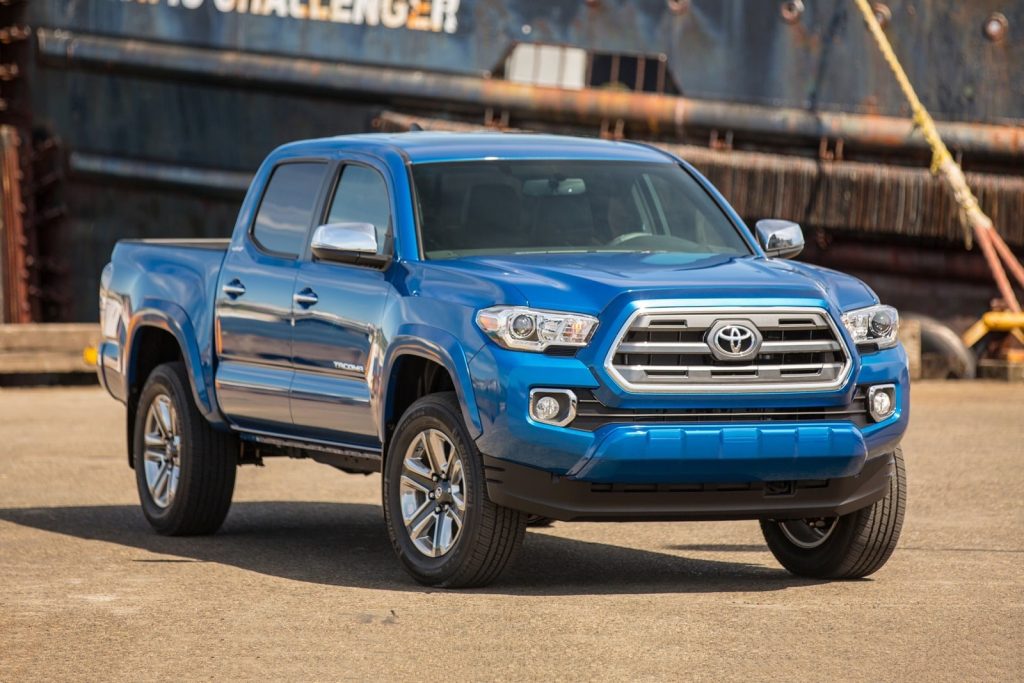
People shopping for a used Tacoma often prioritize clean frames because they know it can be a reliable investment with decades of potential life left.
The combination of rust resistance, strong aftermarket support, and Toyota’s proven reliability keeps the Tacoma a top recommendation for those who want a truck that withstands tough environments without frame worries.
2. Toyota Tundra
The Toyota Tundra is widely regarded as one of the toughest full-size pickups on the market, and its frame construction plays a major role in that reputation.
Unlike some domestic rivals, the Tundra is engineered with a thick, well-protected frame that resists corrosion even in areas where road salt and moisture are a constant threat.
Toyota applied advanced anti-corrosion coatings and paid close attention to frame drainage design, which helps prevent rust from taking hold in hidden areas.
As a result, many Tundras with more than a decade of service remain structurally sound, making them attractive in the used market.
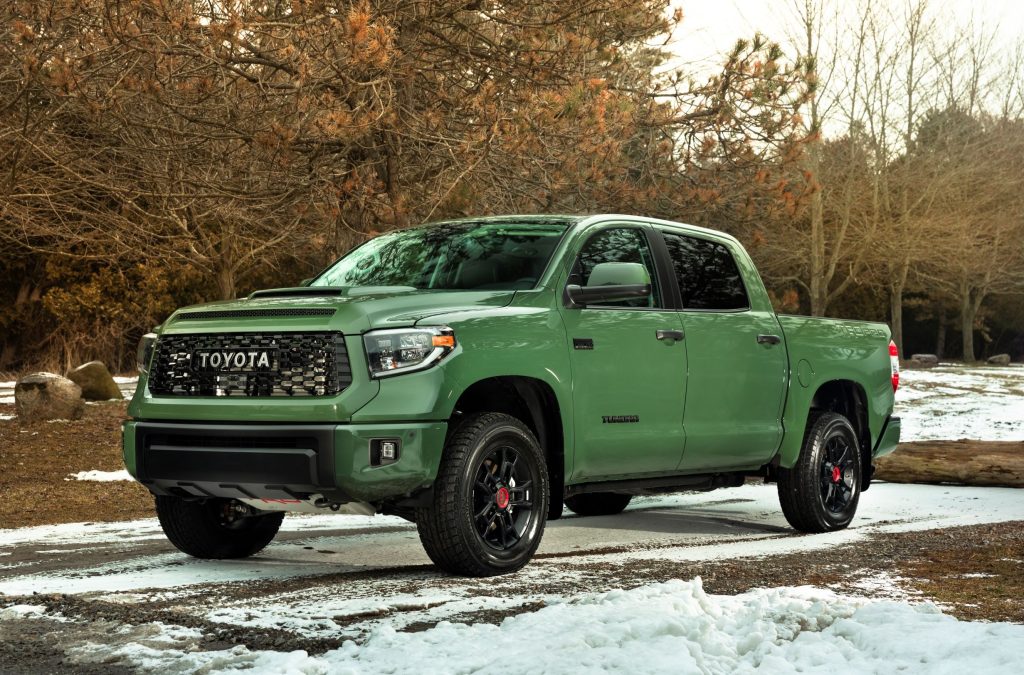
Owners often remark on how well the underbody holds up compared to similar trucks in its class. Even models used for towing boats or hauling heavy loads in damp conditions show less frame deterioration than competitors of the same age.
Toyota’s quality control measures and durability testing have proven effective at limiting long-term rust issues.
This resilience is one reason the Tundra is popular among drivers who plan to keep their truck well past 200,000 miles.
For buyers seeking a dependable workhorse that won’t require costly frame repairs down the road, the Tundra represents a safe choice. Its ability to remain solid even in rust-prone regions makes it one of the standout trucks in this category.
3. Honda Ridgeline
While the Honda Ridgeline is often discussed for its unique unibody design rather than a traditional body-on-frame structure, it deserves recognition for avoiding many of the frame rust problems that plague other trucks.
Because the Ridgeline is built differently, with a unibody chassis that integrates frame and body together, there are fewer hollow sections where water and salt can collect. This results in less corrosion over time, giving it an advantage in harsh winter climates.
Many Ridgelines over ten years old still display clean underbodies, even in areas like the Midwest and Northeast where rust is a common concern. Honda also employs advanced anti-corrosion coatings on exposed surfaces, which further delays rust formation.
Owners who regularly wash the undercarriage during winter often report minimal frame or subframe deterioration compared to traditional trucks.
The Ridgeline’s design also contributes to better drainage, so moisture doesn’t linger in the way it does with boxed ladder frames. This makes it a strong contender for those who want truck utility without dealing with the frustration of extensive rust.
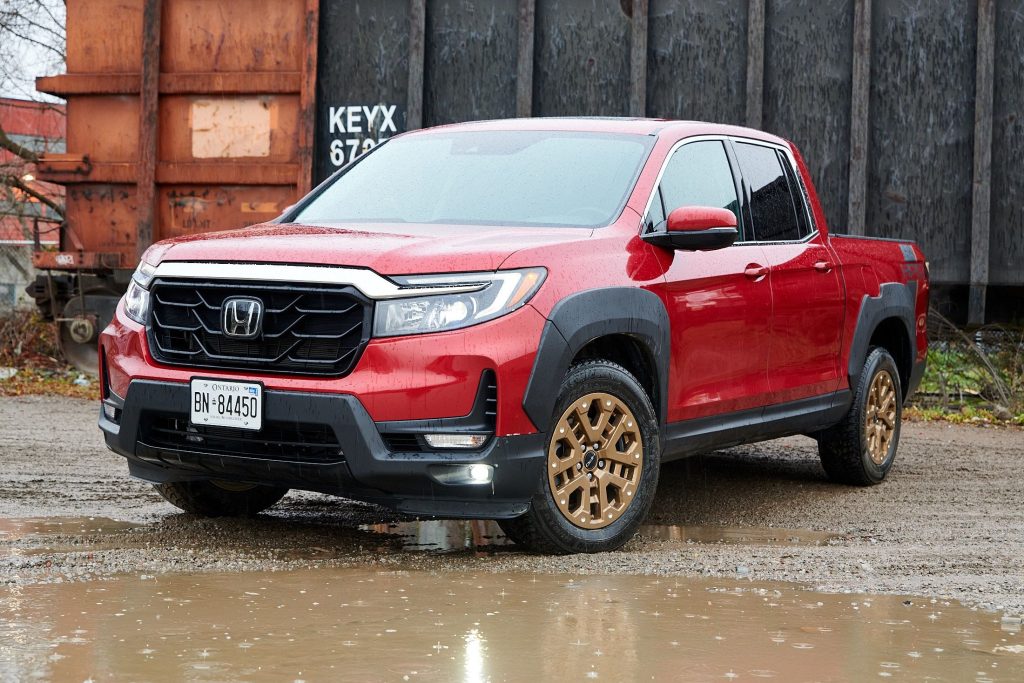
While purists may not consider it a “true” truck due to its unibody structure, the Ridgeline’s long-lasting resistance to frame rust is a practical advantage that makes it worth highlighting on this list.
4. Ford Super Duty
Ford’s Super Duty lineup, including the F-250 and F-350, is built for heavy-duty work, and part of that toughness comes from frame durability. These trucks are engineered with thicker, high-strength steel frames that are coated extensively to resist rust.
Ford knows these trucks are often used in extreme environments construction sites, farms, and regions with harsh winters, so the underbody must withstand both stress and exposure.
Owners consistently report that Super Duty models hold up better than many competitors when it comes to long-term frame condition.
While surface rust can appear over time, especially in northern climates, the structural integrity generally remains intact, even after many years of heavy use. This is because Ford designs the frames to avoid water traps where corrosion could accelerate.
Another factor that helps the Super Duty resist rust is its overall size and ground clearance. These trucks sit higher off the ground, allowing better airflow underneath and making it harder for moisture and salt to accumulate.
Regular cleaning extends this advantage further, but even neglected trucks often remain structurally strong after a decade or more.
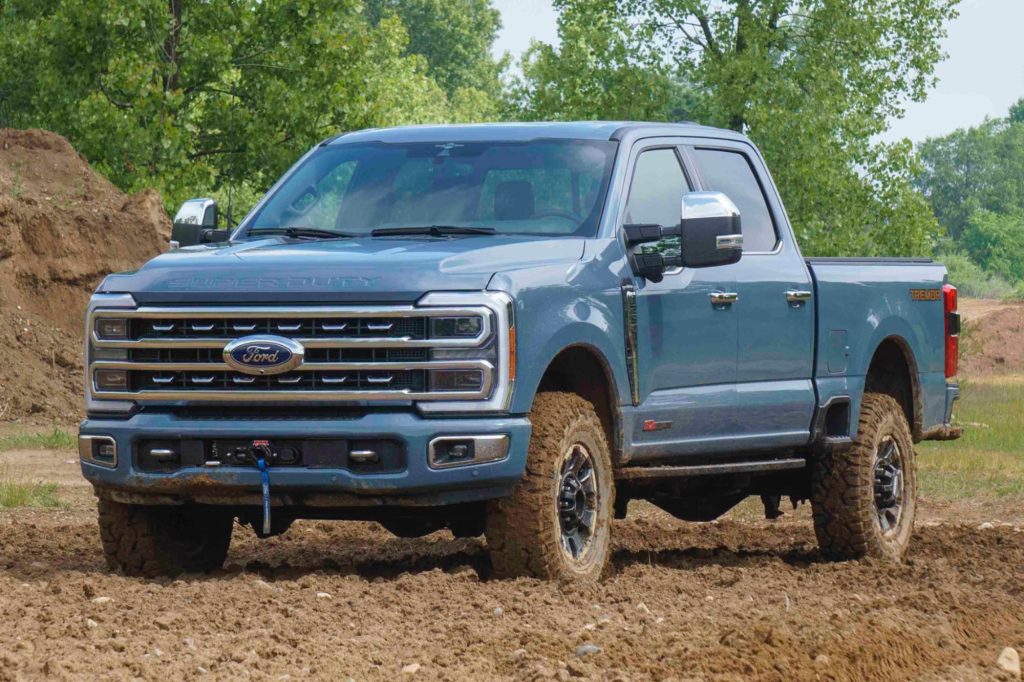
Because of this resilience, used Super Duty trucks with high mileage still command good resale value. Buyers know the frames can be trusted, making them excellent choices for those who need long-lasting strength without the risk of hidden rot.
5. Nissan Titan
The Nissan Titan may not have the same market presence as the Ford, Chevrolet, or Ram full-size trucks, but it has developed a loyal following due in part to its strong resistance to frame rust.
Nissan focused heavily on corrosion protection, applying durable coatings and designing the frame to limit moisture buildup.
This careful engineering has helped the Titan earn a reputation for staying structurally sound in regions where other trucks of similar age often show advanced rust damage.
Owners of Titans from the mid-2000s and early 2010s frequently report that their frames remain solid even after years of winter driving in snowy, salt-heavy environments.
While surface rust can develop, it rarely progresses into the kind of severe structural weakening that has plagued some competitors. This makes the Titan an underrated choice for buyers who prioritize frame reliability.
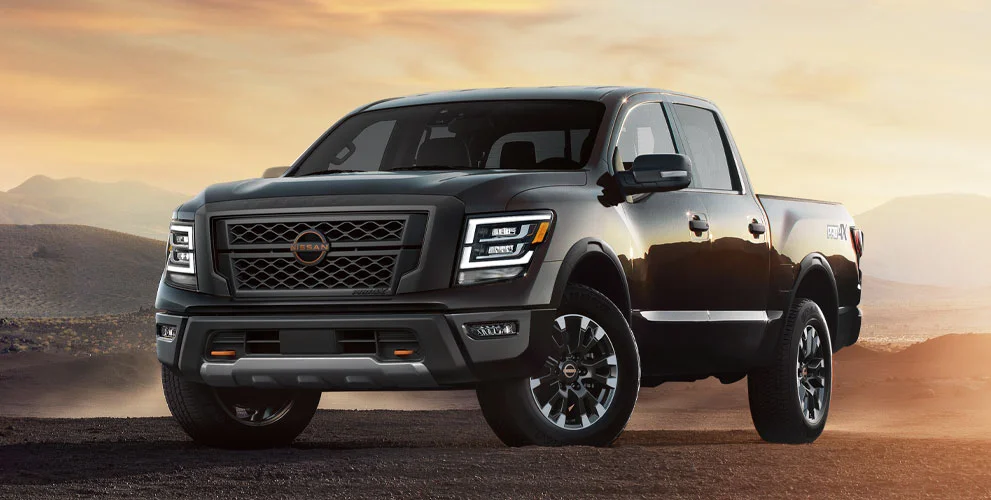
Another advantage is Nissan’s commitment to durability testing. The Titan was subjected to rigorous trials to ensure it could handle both rugged work use and daily driving without frame deterioration becoming a long-term problem.
Because of this, many Titans are still on the road with clean frames, offering dependable service to second or third owners.
Though it doesn’t always get the same recognition as Toyota or Ford, the Nissan Titan deserves a place on this list because of its proven ability to resist rust and provide lasting durability.
5 Trucks That Do Have Rusty Frames
Not all trucks stand the test of time when it comes to frame durability. For every model that holds up well under harsh conditions, there are others that gain a reputation for developing frame rust earlier than expected.
In many cases, these problems stem from design flaws, poor drainage, or inadequate protective coatings on the steel. Trucks that develop rust-prone frames often frustrate owners because the issue can appear even when other mechanical parts of the vehicle remain strong.
Structural weakness caused by corrosion can turn an otherwise reliable truck into a costly liability.
The following five trucks have been repeatedly mentioned by owners, mechanics, and used-vehicle buyers as models where frame rust is a common and sometimes severe problem.
These issues don’t necessarily mean the trucks lack other strengths many of them perform well in towing, hauling, or overall reliability but their frame corrosion risks set them apart as vehicles that require extra caution.
By including them here, the intention is not to dismiss their usefulness, but rather to highlight a major factor buyers must consider before making a purchase. Knowing these risks allows owners to take preventative steps or make better decisions in the used market.
1. Toyota Tacoma (1995–2010)
The Toyota Tacoma has a well-earned reputation for reliability, but the early generations particularly between 1995 and 2010 are notorious for severe frame rust problems.
Many of these trucks were built with frames supplied by Dana Corporation, which failed to apply sufficient anti-corrosion coatings.
As a result, owners discovered frames deteriorating far sooner than expected, sometimes to the point where the trucks were unsafe to drive.
The issue became so widespread that Toyota issued multiple recalls and even offered full frame replacements for affected vehicles. While this action showed Toyota’s commitment to supporting its customers, it also confirmed how serious the rust problem was.
Trucks in snowy states or coastal areas were hit hardest, where road salt and humidity accelerated the corrosion process. Even relatively low-mileage Tacomas could show extensive frame rot if they had been exposed to these conditions.
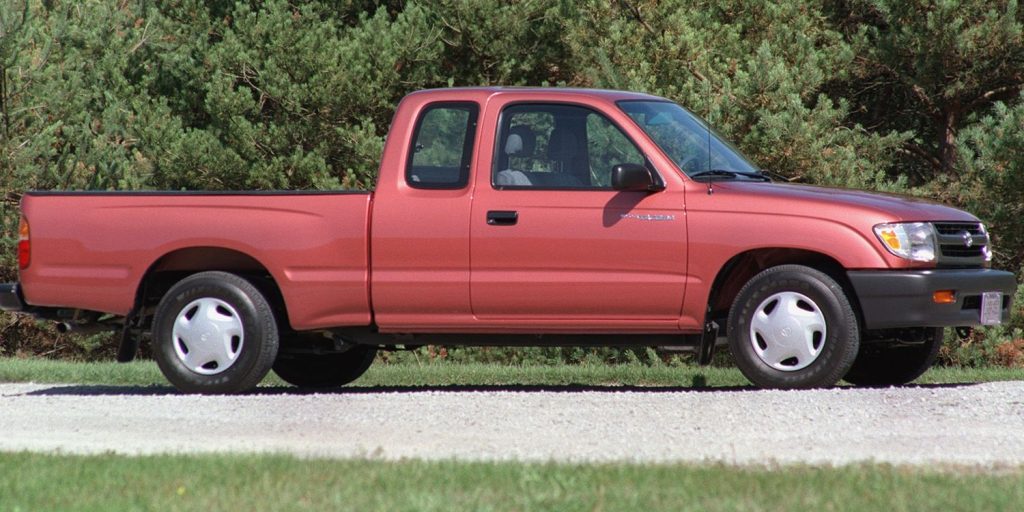
Today, buyers looking at used Tacomas from this era must be extremely cautious. A mechanically sound truck with a compromised frame can quickly turn into a money pit, as frame repairs are often impractical or more expensive than the truck’s value.
Despite the Tacoma’s overall reliability, this frame issue remains one of the biggest blemishes on its record. Anyone considering one of these trucks should thoroughly inspect the undercarriage or verify that Toyota performed the frame replacement.
2. Toyota Tundra (2000–2008)
The early Toyota Tundra models, especially those from 2000 through 2008, developed a notorious reputation for frame rust. Similar to the Tacoma of the same era, these trucks were built with frames that lacked adequate corrosion protection.
Owners in northern states and coastal regions often found that their trucks developed severe rust problems within a decade, even when the rest of the vehicle remained reliable.
The issue became so widespread that Toyota launched recalls covering hundreds of thousands of trucks. In many cases, dealers inspected the frames and either treated them with rustproofing compounds or replaced the entire frame if corrosion had advanced too far.
While this program helped extend the life of some trucks, many others on the used market slipped through without treatment, leaving buyers at risk of purchasing vehicles with compromised structural integrity.
Rust was particularly aggressive in boxed frame sections, where salt and water collected and had little chance to escape. This design flaw made the corrosion worse because it often went unnoticed until the frame was already dangerously weakened.
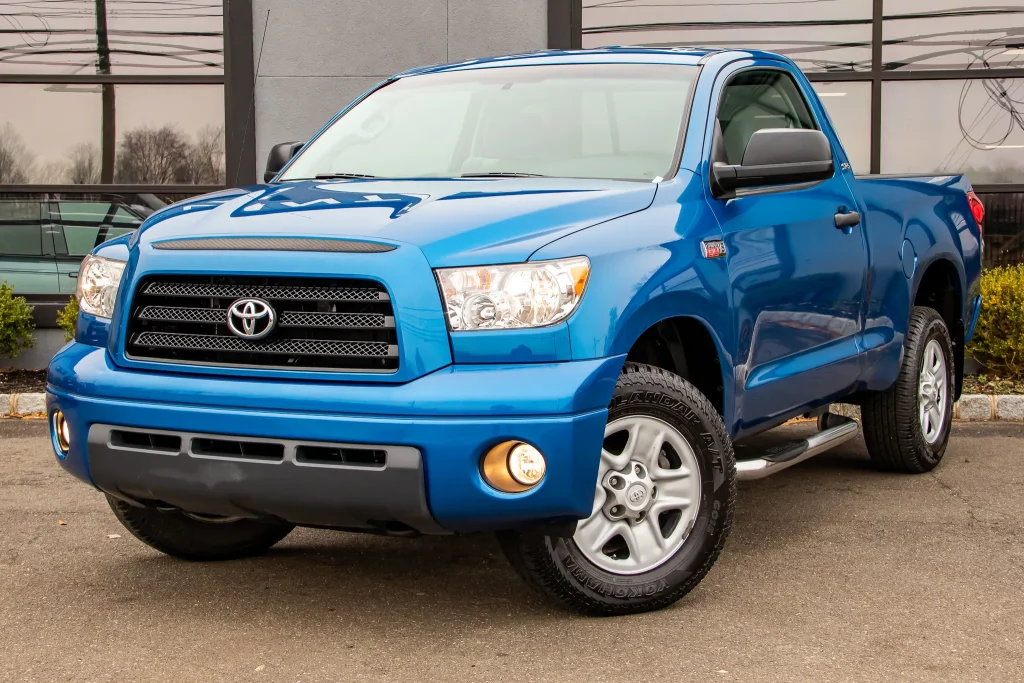
Even today, early Tundras with otherwise strong drivetrains can be poor investments if the frames have not been replaced or properly treated.
This situation highlights how even a brand known for durability can stumble when manufacturing decisions fail to account for long-term corrosion risks. Buyers considering these trucks must thoroughly inspect the underbody before committing.
3. Nissan Frontier (1998–2010)
The Nissan Frontier, especially models built between 1998 and 2010, has long been associated with premature frame rust issues. Owners in cold-weather states often discovered significant corrosion developing within ten years of ownership.
The problem was most severe in the frame rails and cross members, where salt, dirt, and moisture could collect without proper drainage.
While the Frontier was otherwise a dependable midsize truck with solid drivetrains and strong off-road capabilities, its frame weakness became a point of frustration.
Many owners reported vehicles that still ran well mechanically but were ultimately scrapped because the frame was too far gone to repair safely.
Unlike Toyota, which issued large-scale recalls for similar problems, Nissan did not provide widespread frame replacement programs, leaving many drivers to bear the repair costs themselves.
Part of the issue was the relatively thin frame construction compared to competitors. Without heavy-duty coatings or consistent undercoating treatments from the factory, these frames were vulnerable in any environment where road salt was used. Even in southern states, some trucks showed early corrosion, particularly in humid coastal areas.
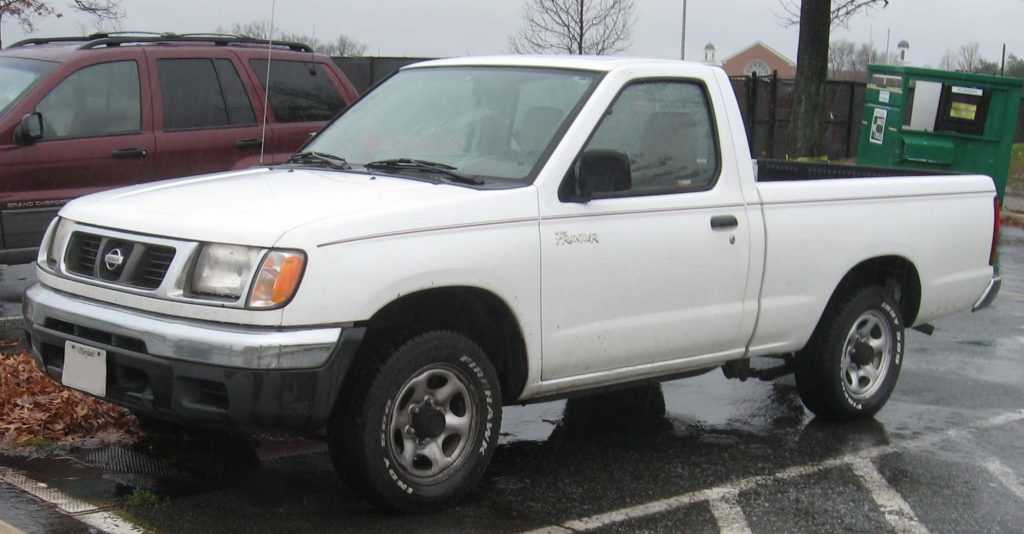
For used-truck buyers, the Frontier from this era is one to approach with caution. While affordable upfront, it can quickly become a liability if frame rust is advanced.
Inspections are essential, as this otherwise practical truck is let down by one of the most critical structural flaws a vehicle can face.
4. Chevrolet Silverado 1500 (1999–2007)
The Chevrolet Silverado 1500 built between 1999 and 2007 has earned mixed reviews regarding frame durability. While the drivetrain and body styling of these trucks were appreciated, the frames often suffered from significant rust in northern regions.
GM used boxed frame sections in this generation, which unfortunately became traps for salt and moisture. Once corrosion began, it spread quickly, often compromising the integrity of the frame rails and cross members.
This issue was particularly frustrating for owners because the rest of the truck often remained in good condition.
Engines like the 5.3-liter V8 were capable of high mileage, but trucks were retired early due to unsafe frames. Unlike Toyota, GM did not offer large-scale recalls for frame rust, leaving owners to either attempt costly repairs or give up on their vehicles.
Surface rust usually appeared first around suspension mounts and weld points. From there, corrosion advanced into more critical areas, sometimes resulting in holes or severe flaking metal.
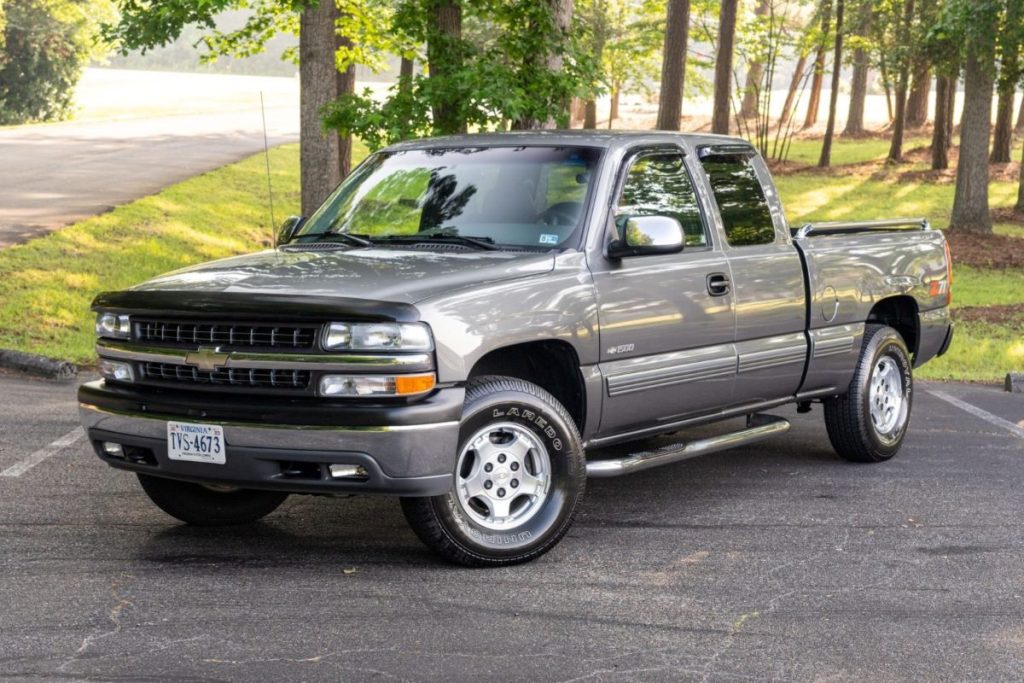
These problems became most noticeable in states like Michigan, Ohio, and New York, where heavy salting in winter accelerated the process.
For buyers today, this generation of Silverado can still be attractive for its strong engines and affordable pricing. However, frame condition must be carefully inspected.
Trucks that have lived in rust-prone climates without protective treatments should be avoided, as frame repairs can easily exceed the truck’s market value.
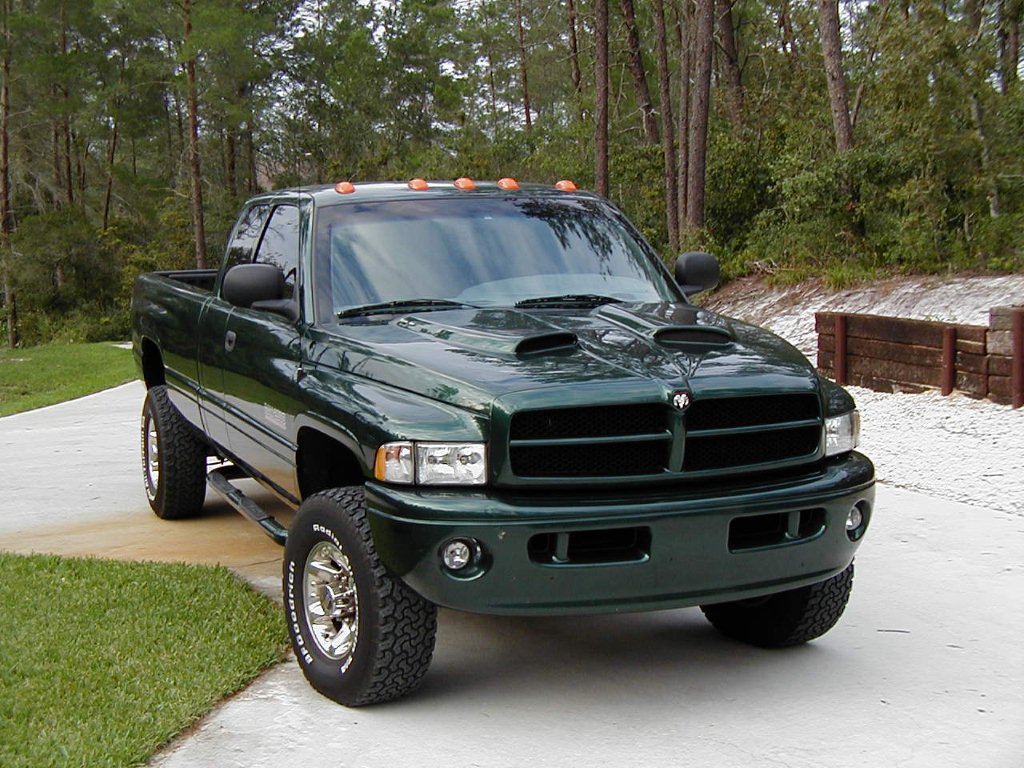
5. Dodge Ram 1500 (1994–2001)
The second-generation Dodge Ram 1500, produced from 1994 through 2001, is another truck frequently criticized for frame rust. While its bold styling and powerful V8 engines won many fans, the underbody often struggled to hold up against time and environmental exposure.
The boxed sections of the frame lacked proper drainage and coating, which allowed moisture and salt to build up and trigger corrosion.
Owners in northern climates frequently reported frames deteriorating after only a decade of use, even with moderate mileage. Rust tended to spread quickly around suspension mounts and cross members, eventually leading to structural failures.
This left many otherwise functional trucks parked permanently, as repairing or replacing a heavily rusted frame was rarely economical.
Unlike later generations, which benefited from improved coatings and stronger designs, the second-generation Ram suffered from inconsistent rust prevention. In some cases, trucks that were regularly washed and undercoated fared better, but many did not receive that care, resulting in widespread issues.
Despite its strong performance credentials, the Ram 1500 of this era developed a reputation as a truck that looked impressive on the outside but could hide serious problems underneath.
Today, these trucks are often sold cheaply on the used market, but potential buyers must be prepared for thorough inspections and the possibility that frame rust has already rendered the vehicle unsafe.
Frame durability is one of the most important factors in how long a truck will remain safe and reliable.
Some models, such as the Toyota Tacoma, Toyota Tundra, Honda Ridgeline, Ford Super Duty, and Nissan Titan, stand out because their frames hold up against years of harsh weather and heavy use.
These trucks benefit from better coatings, stronger steel, and thoughtful designs that prevent salt and water from settling in critical areas. For buyers, these models provide peace of mind that their investment will remain structurally sound even after high mileage.
On the other side, several trucks have struggled with frame rust problems that became well known among owners. The early Toyota Tacoma and Tundra, Nissan Frontier, Chevrolet Silverado 1500, and Dodge Ram 1500 all developed reputations for premature corrosion.
In many cases, the rust appeared even while the rest of the truck remained mechanically strong. Design flaws, poor drainage, and inconsistent factory protection left these models vulnerable, especially in regions where salt is used heavily in winter.
Knowing which trucks resist rust and which ones are prone to it helps buyers make better decisions. Careful inspection, maintenance, and awareness of a model’s history are key to avoiding costly frame issues.
Also Read: 5 SUVs That Drive Quietly for Years vs 5 That Get Noisy Fast
