
Cooling systems are a critical component of any vehicle, responsible for regulating engine temperature and preventing overheating.
A well-functioning cooling system ensures that the engine operates efficiently, protects internal components, and extends the overall lifespan of the vehicle.
While some cars are engineered with robust radiators, thermostats, water pumps, and hoses, others may be prone to failures that lead to frequent overheating, leaks, or expensive repairs.
Cars with reliable cooling systems allow owners to drive with confidence, even under demanding conditions such as heavy traffic, hot climates, or long-distance travel.
They maintain consistent engine temperatures and reduce the risk of breakdowns, making them highly desirable for long-term ownership.
Conversely, vehicles prone to cooling system problems often require constant attention and maintenance. Leaking hoses, faulty water pumps, or weak radiators can lead to overheating, engine damage, and higher repair costs.
These issues are especially frustrating in cars that appear mechanically sound otherwise, highlighting the importance of engineering and material quality in the cooling system.
This article examines two groups of vehicles: those that rarely experience cooling problems and those that consistently face such issues. By comparing these models, buyers can make informed decisions, choosing vehicles that combine reliability, durability, and peace of mind.
Also Read: 5 Cars With Overhyped MPG and 5 That Deliver on the Promise
5 Cars That Rarely Have Cooling Problems
Some vehicles are renowned for their dependable cooling systems, which allow engines to maintain proper operating temperatures for hundreds of thousands of miles.
These cars typically use high-quality radiators, thermostats, water pumps, and hoses, reducing the risk of overheating and preventing costly repairs.
Reliability in the cooling system is especially important in climates with extreme heat or for owners who frequently drive in heavy traffic or tow trailers.
A durable cooling system protects the engine, maintains efficiency, and preserves the longevity of critical components such as the head gasket, pistons, and cylinder walls.
Vehicles with well-engineered cooling systems also tend to perform more consistently under stress, providing a smoother and safer driving experience.
The cars in this section are included because they demonstrate how thoughtful design and quality materials contribute to long-term reliability.
They rarely suffer from leaks, overheating, or premature component failure, making them excellent choices for drivers seeking low-maintenance, dependable vehicles.
Whether for daily commuting, long-distance travel, or high-demand conditions, these cars have proven that a strong cooling system is a crucial factor in overall vehicle durability. Here are five models that stand out for their ability to avoid cooling problems over time.
1. Toyota Camry
The Toyota Camry has long been recognized for its reliability, and its cooling system is no exception.
Owners frequently report that the Camry maintains stable engine temperatures even after hundreds of thousands of miles, which reduces the risk of overheating and prevents expensive repairs.
One reason for this durability is Toyota’s use of high-quality radiators, hoses, and thermostats. The components are designed to handle prolonged heat exposure without cracking or leaking, ensuring the coolant circulates efficiently through the engine.
The water pump and cooling fan are also built for longevity, minimizing the risk of mechanical failure that can lead to overheating.
Additionally, the Camry’s engine management system helps regulate temperature precisely. Sensors monitor coolant levels and engine heat, activating fans and adjusting flow as needed to maintain optimal conditions.
This electronic integration reduces stress on individual components and helps prevent failures caused by inconsistent cooling.
Interior coolant lines and seals are engineered to resist pressure changes, which further contributes to the system’s dependability.
Routine maintenance, such as flushing the radiator and replacing hoses, is generally sufficient to keep the system functioning optimally for years.
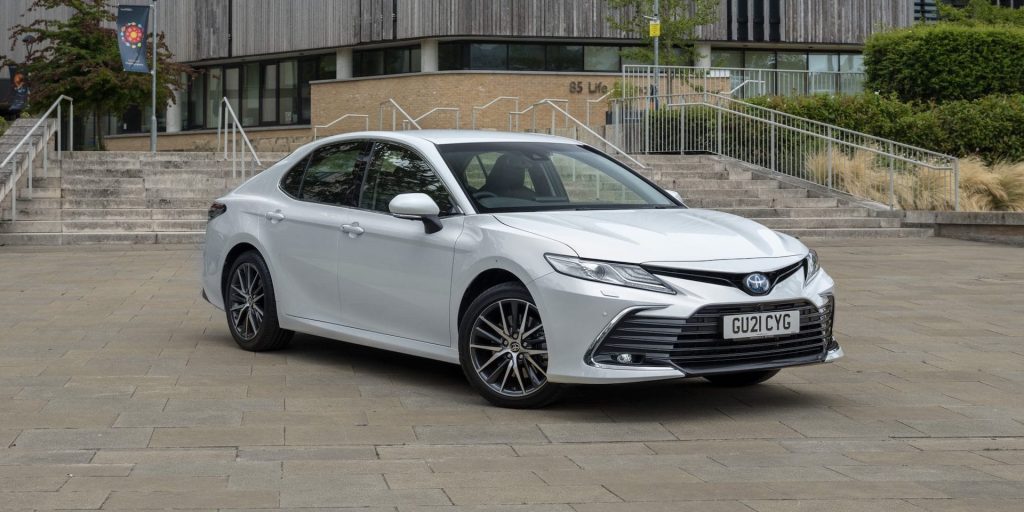
The Camry is included here because it exemplifies how thoughtful engineering and high-quality materials create a cooling system that rarely fails.
Drivers can rely on this model for daily commuting, long-distance travel, or heavy traffic conditions without worrying about engine overheating, making it one of the most dependable vehicles in its class.
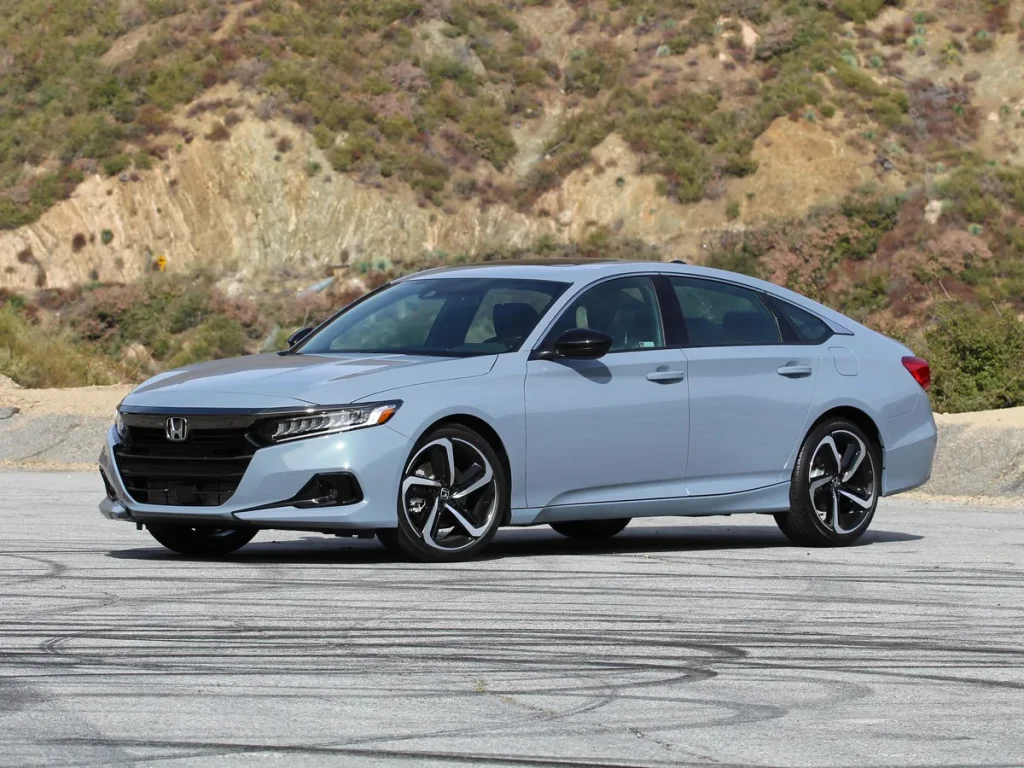
2. Honda Accord
The Honda Accord is another vehicle known for robust cooling system performance. Across multiple generations, the Accord has consistently demonstrated the ability to maintain stable engine temperatures under a variety of driving conditions, contributing to its reputation for long-term reliability.
Key to this performance is Honda’s use of durable components, including radiators made from high-grade aluminum, reliable water pumps, and strong thermostats.
Hoses are reinforced to withstand high pressure and heat, reducing the likelihood of leaks or ruptures. The cooling fan and shroud system are also designed to provide consistent airflow even during stop-and-go traffic or hot weather conditions.
Electronic monitoring plays a significant role. Temperature sensors communicate with the engine control unit, ensuring that the radiator fans engage precisely when needed and coolant circulation is optimized. This prevents engine stress and reduces the risk of overheating, even in older models that have accumulated high mileage.
Routine maintenance, such as coolant replacement and periodic inspection of hoses and belts, keeps the system functioning reliably.
The Accord’s cooling system also benefits from thoughtful integration with the engine’s overall design, which balances heat generation and dissipation effectively.
The Accord is included because it shows that consistent engineering and quality components can result in a cooling system that stands the test of time. Owners can drive confidently, knowing the vehicle is unlikely to suffer from overheating or related issues.
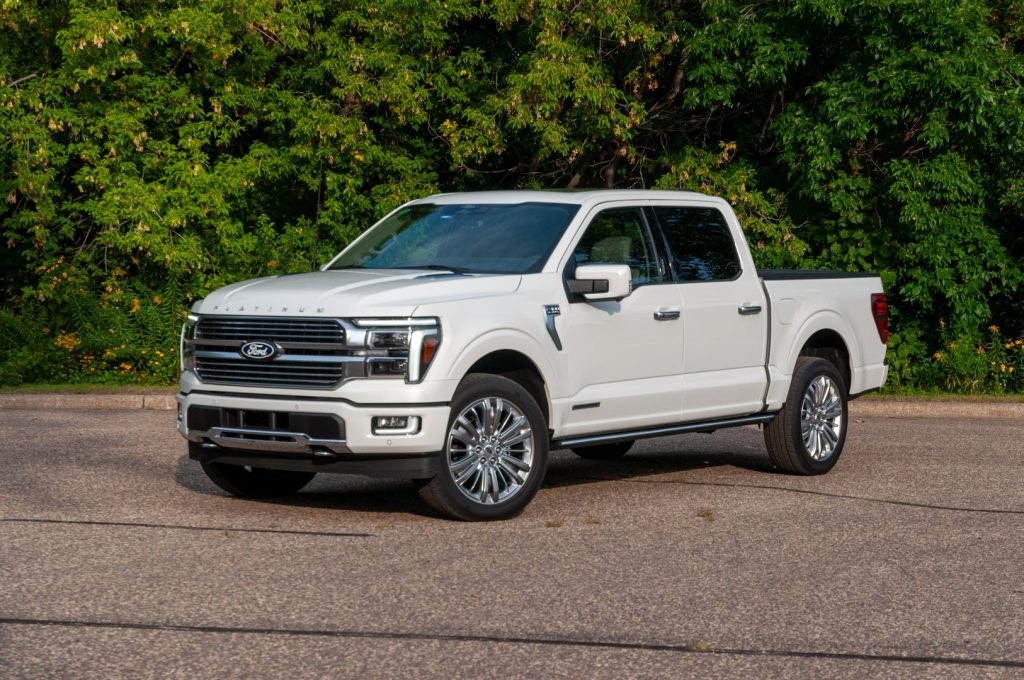
5. Ford F-150
The Ford F-150, especially models from the mid-2000s onward, is widely recognized for its robust cooling system, which contributes to its reputation as a durable, long-lasting pickup.
Whether used for daily commuting, towing, or heavy-duty work, the F-150 maintains consistent engine temperatures, reducing the risk of overheating and preventing costly repairs.
High-quality components play a major role in its reliability. The F-150 features aluminum radiators, reinforced hoses, and thermostats engineered to withstand high pressure and prolonged heat exposure.
The water pump and fan assembly are built for durability, ensuring proper coolant circulation even under heavy loads or hot weather conditions. Seals and gaskets resist leaks and pressure fluctuations, which minimizes maintenance concerns and extends system longevity.
Electronic monitoring enhances cooling system performance. Temperature sensors provide accurate feedback to the engine control unit, allowing precise fan operation and coolant flow regulation.
This prevents overheating and keeps the engine operating efficiently, even when towing trailers, carrying heavy loads, or driving in stop-and-go traffic.
Routine maintenance, such as flushing the radiator and inspecting hoses and belts, is generally sufficient to maintain optimal performance.
Components are designed to be durable and accessible, making repairs straightforward if needed.
The Ford F-150 is included here because it demonstrates that a full-size pickup can combine strength, performance, and reliability in its cooling system.
Owners can drive with confidence, knowing the vehicle is unlikely to experience overheating issues, making it a dependable choice for long-term use and demanding conditions.
5 Cars That Constantly Have Cooling Problems
While some vehicles boast dependable cooling systems, others consistently struggle to maintain proper engine temperatures.
Cars prone to cooling issues often experience overheating, leaks, or component failures, which can lead to costly repairs and reduced reliability.
For owners, these problems are more than minor inconveniences they can compromise performance, increase maintenance expenses, and even shorten the engine’s lifespan.
Common factors that contribute to frequent cooling system problems include low-quality radiators, weak hoses, faulty water pumps, and thermostats that fail prematurely.
Poorly designed coolant flow paths or inadequate ventilation can also exacerbate heat buildup. Even with routine maintenance, some vehicles continue to face cooling challenges due to underlying engineering weaknesses or substandard components.
This section highlights five cars that are notorious for persistent cooling problems. These models often require repeated attention, with frequent repairs and part replacements needed to maintain basic engine operation.
Understanding which vehicles are prone to these issues can help buyers avoid unexpected costs and reliability headaches.
By examining the cars that struggle to maintain proper engine temperatures, prospective owners can see the contrast between dependable cooling systems and those that fail under normal conditions. The following examples illustrate vehicles where cooling system reliability is a consistent concern.
1. Jeep Cherokee (XJ, 1997–2001)
The Jeep Cherokee XJ, particularly models from 1997 to 2001, is known for its rugged off-road capabilities but also for persistent cooling system issues.
Many owners report frequent overheating, radiator leaks, and water pump failures, making it a vehicle that requires constant attention to maintain proper engine temperatures.
One common problem is the radiator design. Older Cherokee models often suffer from corrosion and cracking, which leads to coolant loss and overheating. The aluminum radiators used in some trims are prone to developing leaks over time, especially in areas with harsh climates or salted roads.
The water pump is another weak point. Many owners experience early failure, resulting in inadequate coolant circulation and increased engine stress.
Thermostats can also stick or fail, preventing proper coolant flow and further contributing to overheating issues. Hoses and clamps may degrade faster than expected, creating additional leaks and maintenance challenges.
The cooling system’s vulnerability is compounded by heavy-duty use, such as towing or off-road driving, which puts extra strain on all components. Even with diligent maintenance, the XJ often requires repeated repairs to keep the engine at a safe operating temperature.
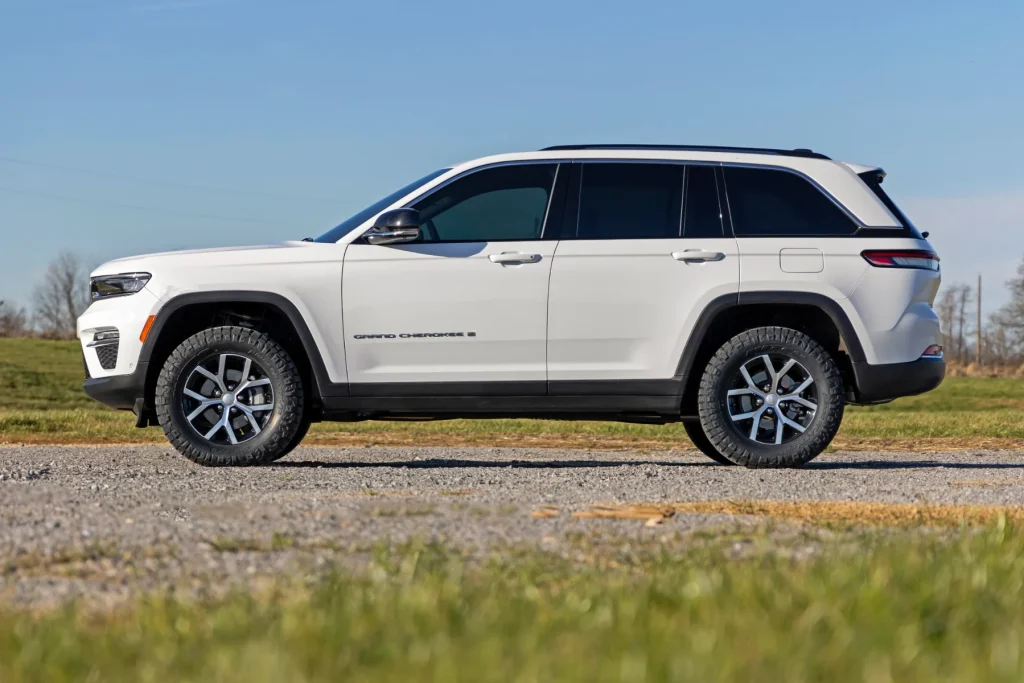
The Jeep Cherokee is included because it demonstrates how a rugged, capable SUV can still struggle with basic reliability.
Persistent cooling problems make it a challenging vehicle for long-term ownership, highlighting the importance of design quality and component durability in preventing overheating issues.
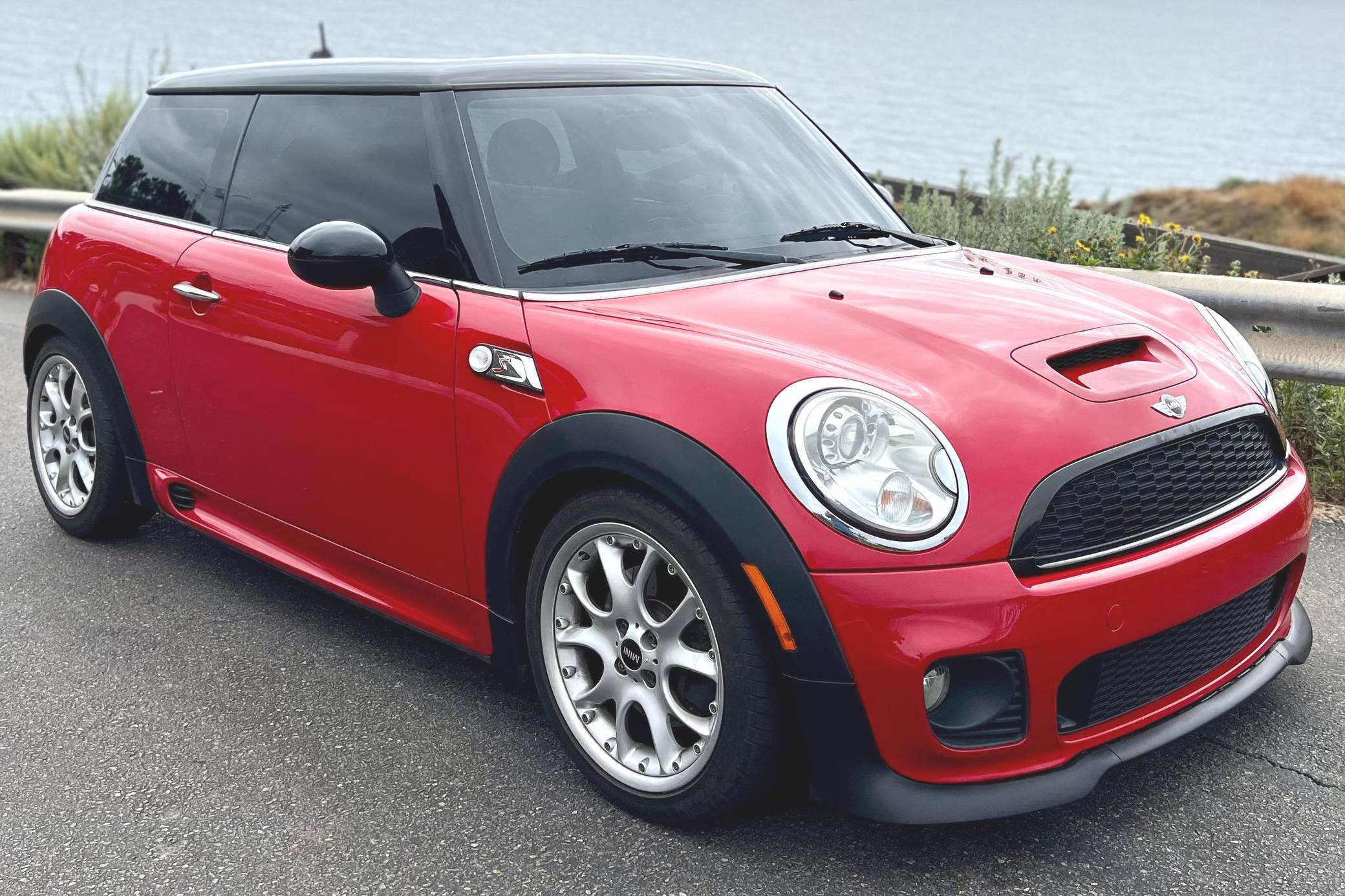
2. Mini Cooper (First Generation, 2002–2006)
The first-generation Mini Cooper, produced between 2002 and 2006, is admired for its unique styling and fun driving experience, but it is notorious for cooling system failures. Many owners report overheating, radiator leaks, and thermostat problems, which make this vehicle a high-maintenance option over time.
A primary concern is the small, tightly packaged radiator. While compact, it is prone to cracking and leaking, particularly in older vehicles or those exposed to temperature extremes. The cooling system’s hoses are often short and stressed, increasing the likelihood of splits or leaks.
The water pump and thermostat are also frequent failure points. Water pumps may wear prematurely, leading to poor coolant circulation and engine overheating. Thermostats can stick closed, preventing proper coolant flow and causing temperature spikes that risk engine damage.
Electrical components, such as the fan relay, can fail as well, reducing airflow through the radiator and worsening overheating problems. Even with regular maintenance, these systems require frequent attention to prevent engine damage.
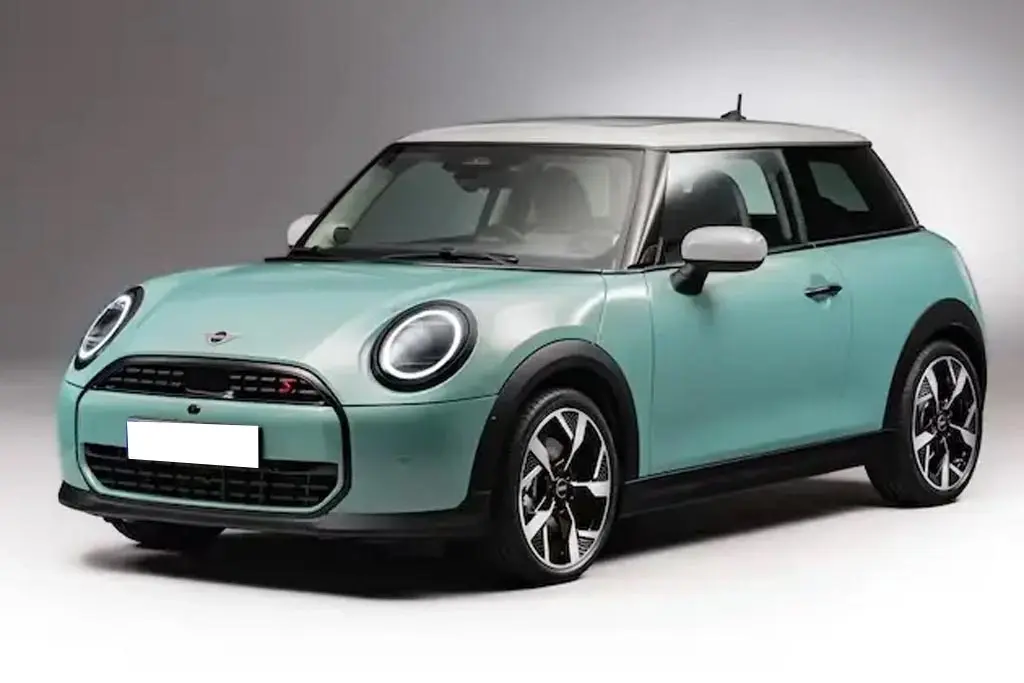
The Mini Cooper is included in this list because it highlights how a small, stylish car can struggle with critical reliability issues.
Despite its charm and driving appeal, persistent cooling problems make ownership more costly and time-consuming, emphasizing the importance of evaluating cooling system durability before purchase.
3. Ford Focus (Second Generation, 2008–2011)
The second-generation Ford Focus, produced between 2008 and 2011, is a compact car praised for affordability and fuel efficiency, but it frequently experiences cooling system issues.
Owners report recurring radiator leaks, thermostat failures, and overheating problems that can lead to engine damage if not addressed promptly.
A common issue is the radiator itself. Many models feature radiators prone to corrosion and cracking, often caused by heat stress and long-term exposure to coolant.
Leaks can develop unexpectedly, leaving drivers with a sudden loss of coolant and elevated engine temperatures.
Hoses and clamps, particularly those near the engine, are also prone to deterioration, contributing to coolant leaks and inefficient circulation.
The water pump is another weak point. Premature wear can reduce coolant flow, resulting in overheating and additional strain on the engine.
Thermostats may fail to open or close correctly, preventing the proper regulation of engine temperature. Fan assemblies can also malfunction, further impairing heat dissipation, especially during stop-and-go driving or in hot climates.
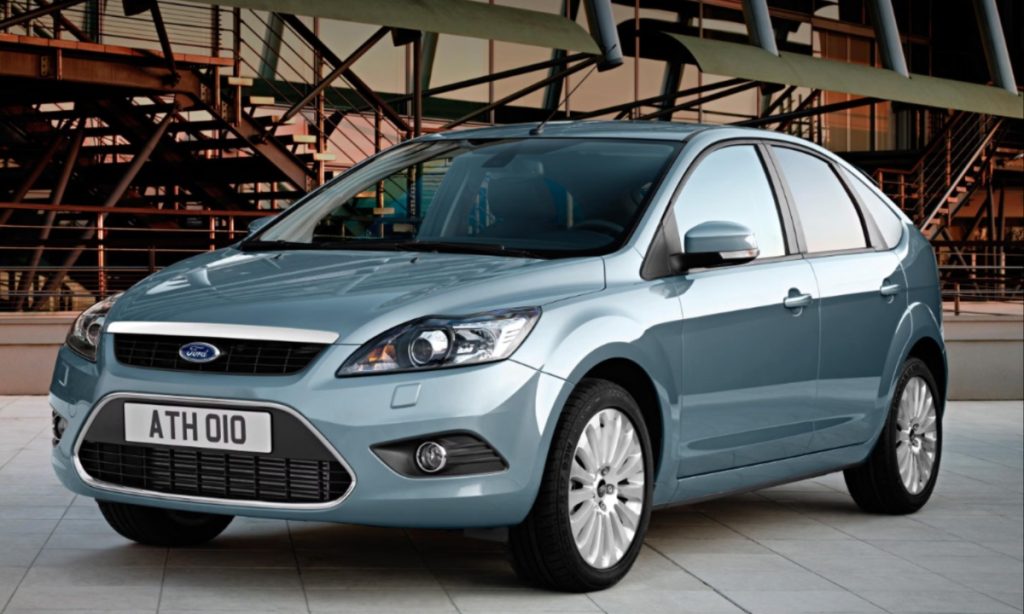
Even with regular maintenance, the second-generation Focus often requires repeated attention to its cooling system. Owners may need to replace radiators, hoses, or thermostats multiple times over the vehicle’s life.
The Focus is included here because it illustrates how a modestly priced, popular car can struggle with a critical system.
Persistent cooling problems make it less reliable than its peers, requiring careful maintenance and frequent vigilance to avoid overheating and engine damage.
4. Dodge Neon (2000–2005)
The Dodge Neon, particularly models from 2000 to 2005, is a compact car that frequently faces cooling system challenges. Owners report overheating, leaking radiators, and failing water pumps, which often result in costly repairs and reduced reliability.
A major contributor to these issues is the radiator. Many Neons feature radiators prone to cracking and corrosion, especially in areas with extreme temperatures or frequent road salt exposure.
Leaks can appear suddenly, leading to coolant loss and elevated engine temperatures that threaten engine health.
Water pumps are another common problem. Premature failures reduce coolant circulation, increasing the risk of overheating and potentially causing engine damage.
Thermostats may stick or fail, preventing proper regulation of engine temperature and further complicating cooling system reliability.
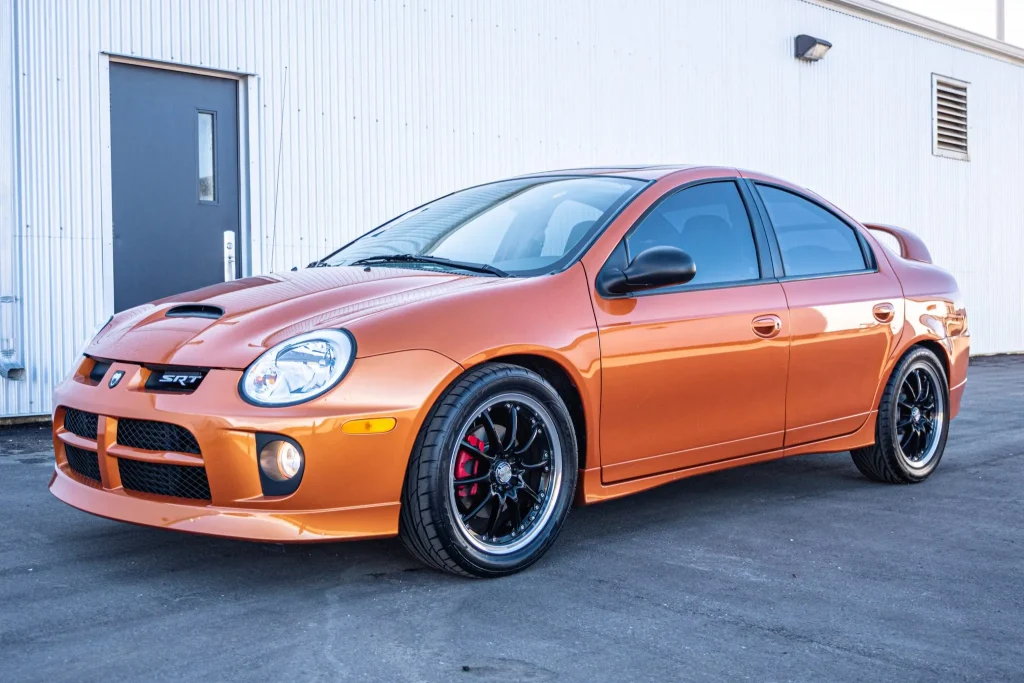
Hoses and clamps are also prone to wear, contributing to leaks and decreased system efficiency. Cooling fans and relays can fail, particularly in vehicles exposed to stop-and-go traffic, further impairing heat dissipation.
The Dodge Neon is included because it demonstrates how even inexpensive, compact vehicles can struggle with critical reliability components.
Persistent cooling problems make ownership more demanding and expensive, highlighting the importance of evaluating cooling system durability before purchasing a vehicle, even when it appears budget-friendly.
5. Chevrolet Cobalt (2005–2010)
The Chevrolet Cobalt, produced from 2005 to 2010, is a compact car that frequently suffers from cooling system failures.
Many owners report recurring overheating, radiator leaks, and water pump or thermostat issues, making the vehicle prone to engine stress and higher maintenance costs over time.
The radiator is a common source of problems. Many Cobalt models experience corrosion or cracking, which leads to coolant leaks and increased engine temperatures.
Hoses and clamps can also degrade prematurely, contributing to coolant loss and inefficient circulation. These failures often occur even with routine maintenance, highlighting underlying design vulnerabilities.
Water pumps are another weak point. Premature wear or failure can prevent adequate coolant flow, increasing the risk of overheating. Thermostats may stick closed or open inconsistently, preventing the proper regulation of engine temperature.
Electrical components, including cooling fans and relays, can also malfunction, reducing airflow through the radiator and worsening heat buildup, particularly during stop-and-go driving or hot weather conditions.
Even minor leaks or component failures can escalate quickly, requiring repeated repairs to maintain safe engine temperatures.
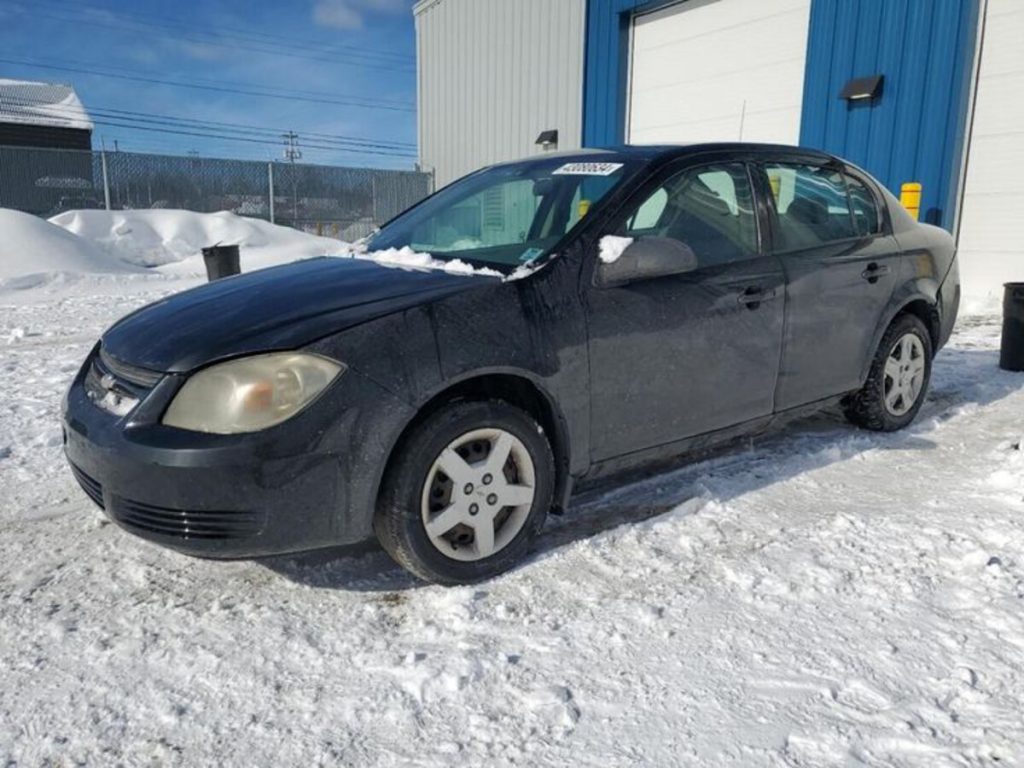
The Cobalt’s cooling system challenges make long-term reliability difficult, especially compared with vehicles engineered with more durable components.
The Chevrolet Cobalt is included here because it illustrates how a compact, affordable car can struggle with critical system reliability.
Persistent cooling problems increase repair frequency and costs, emphasizing the importance of evaluating a car’s cooling system durability before purchase.
Cooling system reliability plays a vital role in vehicle durability and long-term performance. Cars with dependable cooling systems maintain stable engine temperatures, preventing overheating, reducing wear, and protecting critical components such as the head gasket, pistons, and cylinder walls.
Vehicles that rarely experience cooling problems provide peace of mind for owners, requiring minimal maintenance beyond routine inspections and coolant replacement.
Models like the Toyota Camry, Honda Accord, Lexus RX, Subaru Outback, and Ford F-150 demonstrate how high-quality radiators, thermostats, water pumps, and hoses contribute to a robust system.
Electronic monitoring and thoughtful design ensure proper coolant flow, consistent temperature regulation, and long-term reliability, even under heavy use, towing, or hot climates.
Conversely, vehicles such as the Jeep Cherokee XJ, Mini Cooper (first generation), Ford Focus (second generation), Dodge Neon, and Chevrolet Cobalt consistently struggle with cooling system issues.
Radiator leaks, thermostat failures, water pump wear, and compromised hoses lead to overheating, costly repairs, and diminished engine life. Persistent problems make ownership more demanding and increase maintenance expenses.
This comparison highlights the importance of considering cooling system reliability when evaluating vehicles.
Choosing models with proven durability ensures safer operation, fewer breakdowns, and longer-lasting performance, while avoiding cars prone to overheating reduces stress, repair costs, and potential engine damage.
Also Read: 5 Trucks That Keep Strong Frames vs 5 Known For Frame Rot
