
Not all vehicles that look inexpensive are unreliable, and not all flashy-looking cars promise durability. Some modest, unassuming cars may appear cheap, but behind their simple design lie engines, transmissions, and chassis components built to withstand high mileage.
These models often outlast their more stylish competitors, proving that looks are not the only measure of value.
On the flip side, some cars that look affordable on the outside may also fail prematurely. They may suffer from weak materials, poorly engineered drivetrains, or substandard interiors that wear quickly. While they might offer an attractive initial price, long-term ownership reveals issues that affect reliability and ownership satisfaction.
This comparison highlights two categories: cars that appear modest but offer impressive longevity, and those that fail to live up to even modest expectations.
By examining these examples, prospective buyers can make informed decisions based not only on aesthetics but also on which vehicles are more likely to deliver dependable, long-lasting service.
The following sections explore these groups, beginning with cars that look inexpensive yet continue performing reliably well past their expected lifespan.
Also Read: 5 Cars With Overhyped MPG and 5 That Deliver on the Promise
5 Cars That Look Cheap But Last Long
Some cars fly under the radar because of their plain styling or modest design features, but they are built to endure.
These vehicles may lack flashy curves, premium trim, or attention-grabbing features, yet their reliability, strong engines, and durable components allow them to remain functional for hundreds of thousands of miles.
Factors that contribute to long life include simple mechanical designs, robust transmissions, and durable materials for interiors and suspension components.
Unlike some higher-end or heavily styled vehicles, these cars often avoid overly complex systems that can fail as they age.
Owners frequently report that even with basic maintenance, these vehicles continue to run smoothly, resist major repairs, and maintain drivability over extended periods.
The cars featured in this section are chosen because they provide high long-term value despite their modest appearance. They demonstrate that a plain exterior does not equate to poor engineering or low durability.
For budget-conscious buyers or those prioritizing reliability over looks, these vehicles are standout examples of how long-lasting design can outweigh flashy aesthetics. Here are five cars that look inexpensive but continue to deliver exceptional durability.
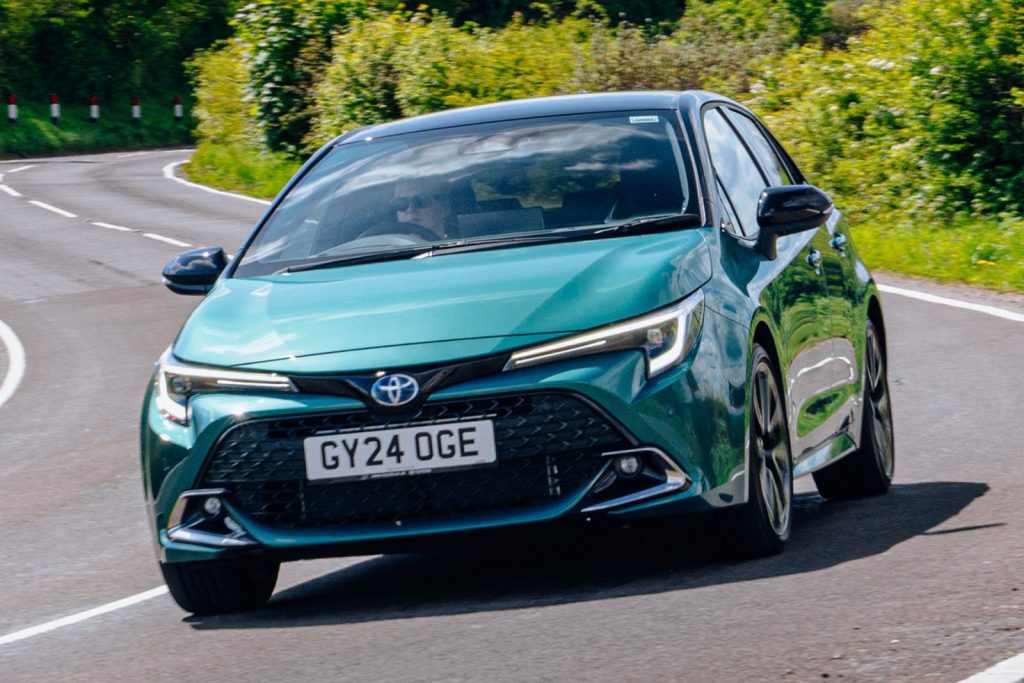
1. Toyota Corolla
The Toyota Corolla has been a symbol of reliability for decades, and it proves that a modest appearance does not preclude long-term durability.
While the design is often simple and conservative, the Corolla’s engineering prioritizes longevity over flash. Many owners report vehicles exceeding 300,000 miles with minimal major repairs, making it a benchmark for dependable transportation.
A key reason for the Corolla’s endurance is its straightforward powertrain. The engines are designed for reliability rather than peak performance, which reduces stress on internal components and minimizes wear.
Paired with transmissions that are generally trouble-free, the car maintains smooth operation for hundreds of thousands of miles. Maintenance is simple and parts are widely available, which contributes to its longevity.
Beyond the engine and transmission, the Corolla’s suspension, brakes, and chassis are engineered for consistent performance.
Even older models provide a composed ride with minimal rattles or creaks, highlighting how attention to fundamental durability can outweigh flashy design.
Interior materials, while not luxurious, resist tearing and wear, allowing the cabin to remain functional over extended periods.
The Corolla earns its place here because it demonstrates that a plain-looking vehicle can outperform more stylish alternatives in long-term reliability.
It is a prime example of how thoughtful engineering and quality control can make an affordable, unassuming car last far longer than its outward appearance might suggest.
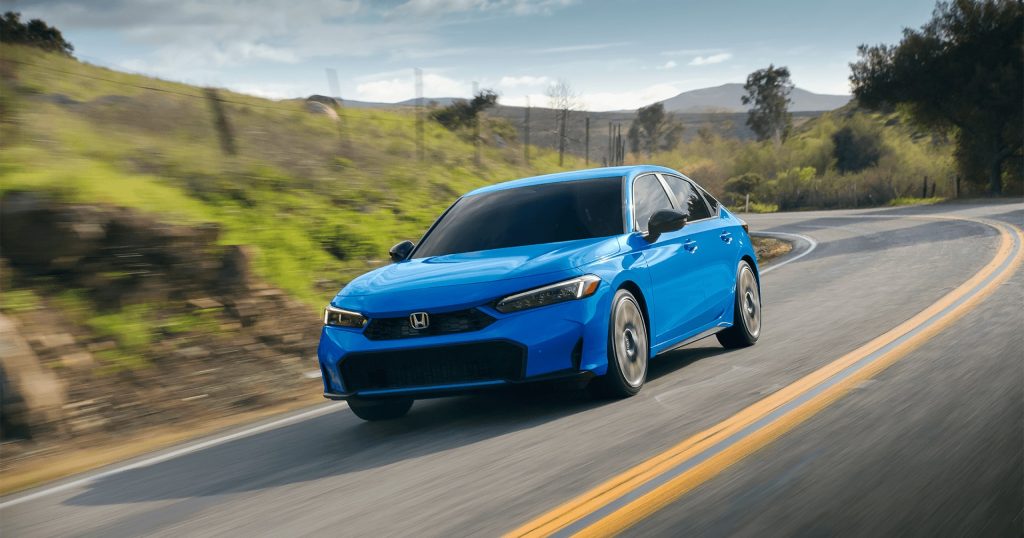
2. Honda Civic
The Honda Civic has long been regarded as one of the most reliable compact cars, and it continues to prove that a modest exterior does not indicate weak engineering.
Civics are often praised for their ability to exceed 200,000 miles with minimal issues, and many older models remain drivable well beyond this point.
One reason for the Civic’s durability is its simple yet robust engine design. Both older and newer generations feature engines that are easy to maintain and resistant to premature wear.
Timing components, fuel systems, and cooling setups are engineered to minimize stress on key parts, helping the car retain performance and efficiency over time.
The Civic’s suspension and chassis design also contribute to longevity. Components such as control arms, bushings, and shocks are built to handle daily driving without rapidly deteriorating, which preserves ride quality.
Interiors, while basic, are constructed with durable materials that resist tearing or excessive wear, allowing the cabin to remain functional even after many miles.
This car is included because it proves that affordability and simplicity can coexist with long-term reliability.
For buyers seeking a vehicle that is practical, easy to maintain, and capable of lasting decades, the Honda Civic is a prime example of how modest appearance can conceal exceptional durability.
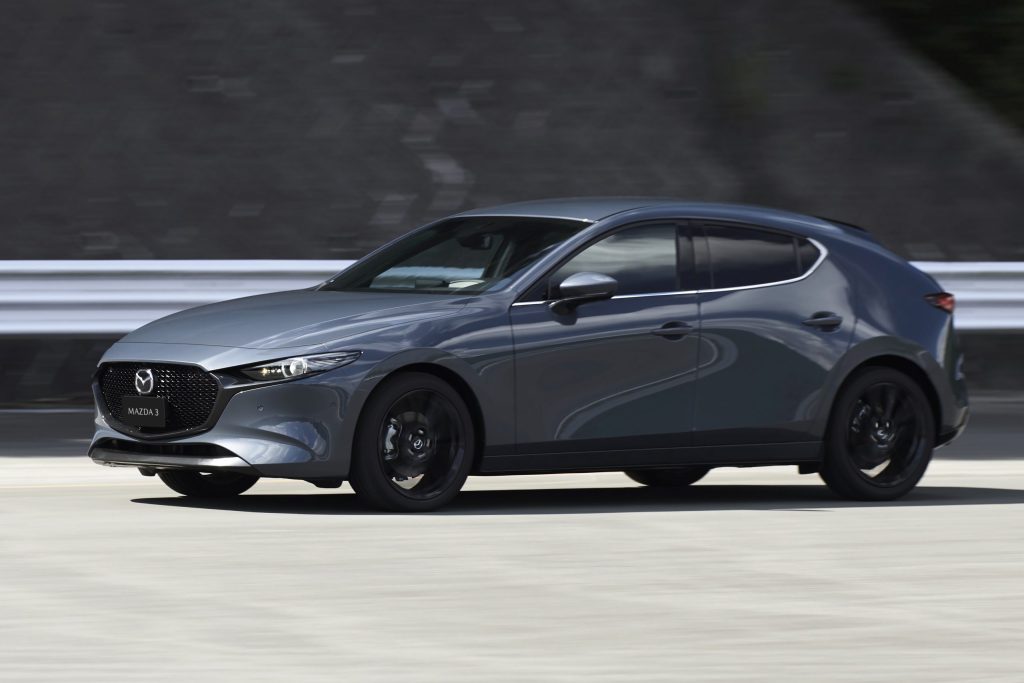
3. Mazda3
The Mazda3 is a compact car that may appear modest at first glance, yet it is recognized for long-term durability. Many owners report that, with regular maintenance, Mazda3 models surpass 200,000 miles while continuing to operate smoothly.
Despite a design that emphasizes practicality over luxury, the car delivers reliable performance that rivals more expensive alternatives.
A key factor in the Mazda3’s longevity is its engine design. The naturally aspirated four-cylinder engines are simple, robust, and efficient, reducing the likelihood of major mechanical issues.
Components such as the timing chain or belt, depending on the generation, are engineered for longevity, and repairs tend to be straightforward and affordable. Transmission and drivetrain components are also known for their durability when properly maintained.
The suspension and chassis design further contribute to the car’s long-term reliability. Struts, control arms, and bushings are built to withstand daily driving stresses without significant degradation, which helps maintain ride comfort and handling even after high mileage. Interior materials, though not premium, resist wear and tear, maintaining usability over time.
The Mazda3 is included here because it shows that practicality and longevity can coexist with a simple exterior.
It demonstrates that vehicles do not need a luxurious appearance to be dependable, making it an excellent choice for buyers seeking an affordable car that will last for many years without major issues.
4. Subaru Impreza
The Subaru Impreza has earned a reputation for durability, particularly among models equipped with the company’s all-wheel-drive system.
While its exterior may not be flashy, it is engineered to endure long-term use, with many examples surpassing 200,000 miles while remaining functional and reliable.
One major contributor to its longevity is the horizontally opposed “boxer” engine. Its design provides natural balance and reduces vibration, helping the engine operate smoothly over extended periods.
With regular oil changes and maintenance, these engines maintain performance and efficiency well into high mileage. The all-wheel-drive system is also robust, designed to handle varying road conditions without rapid wear.
The Impreza’s chassis and suspension further enhance its long-term usability. Components such as struts, control arms, and bushings are engineered to resist early deterioration, which keeps ride quality consistent even after years of driving.
Interior materials, while practical rather than luxurious, are durable and capable of withstanding prolonged use without excessive wear.
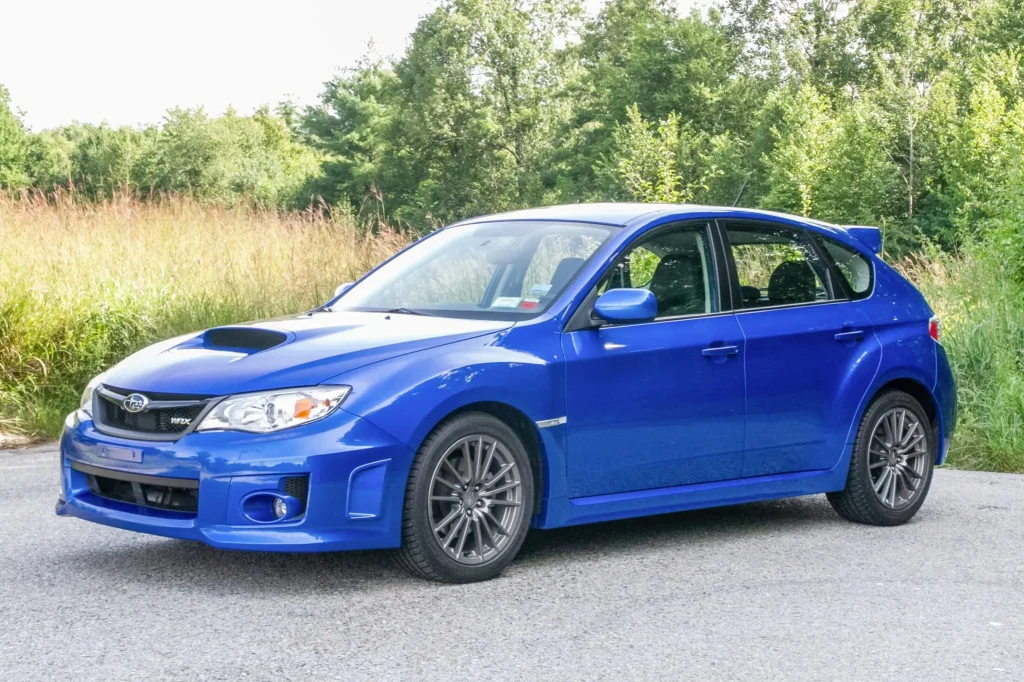
This car is included because it exemplifies how understated styling can hide an exceptionally durable platform.
For buyers who value reliability and long-term dependability over flashy looks, the Subaru Impreza remains a standout option, demonstrating that longevity and modest appearance can go hand in hand.
5. Ford Focus
The Ford Focus, especially models from the mid-2000s to early 2010s, may appear modest and economical, but it is well-known for long-term durability when properly maintained.
Despite its unassuming exterior, the Focus often surpasses 200,000 miles without major mechanical failures, making it a strong choice for budget-conscious buyers seeking reliability over style.
A major reason for its longevity is the engine design. The naturally aspirated four-cylinder engines used in most Focus models are simple, easy to maintain, and built to withstand daily driving stresses.
With routine oil changes and minor upkeep, these engines continue to perform efficiently, maintaining smooth operation even at high mileage. The transmission, whether manual or automatic, is generally robust, with straightforward repairs when needed.
Suspension and chassis components are also designed for durability. Struts, shocks, and control arms hold up well over time, providing a reasonably smooth ride and maintaining handling consistency.
Interior materials, while basic, are functional and resilient. Seats retain shape longer than in some competitors, and plastics are less prone to cracking, contributing to a cabin that remains usable after years of service.
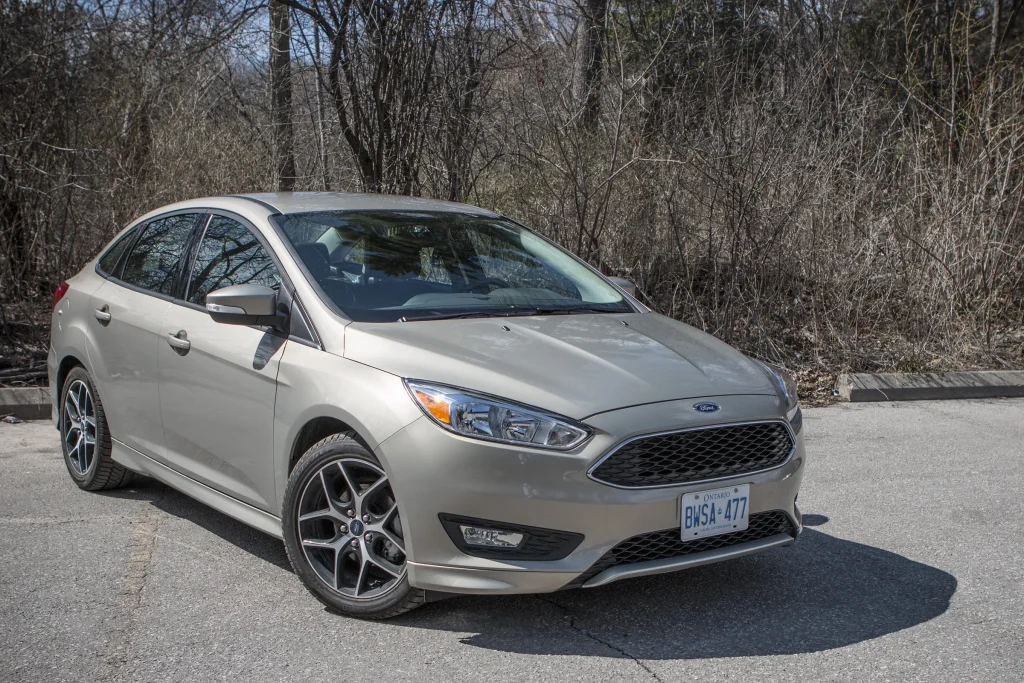
The Ford Focus earns its place in this list because it demonstrates that a car does not need a flashy exterior to deliver exceptional reliability.
Its combination of simple engineering, durable materials, and ease of maintenance allows it to last far longer than its modest looks suggest, making it a practical and dependable choice for long-term ownership.
5 Cars That Look Cheap But Don’t Last
While some modest-looking cars surprise owners with impressive longevity, others fail to live up to even basic durability expectations.
Cars that appear inexpensive may attract buyers with low initial cost, but over time, design flaws, weak materials, or unreliable components can result in frequent repairs and declining performance. These vehicles may look practical or affordable, but their longevity is often disappointing.
Many factors contribute to premature deterioration. Engines may experience early wear, transmissions can develop issues, and suspension components often fail sooner than expected.
Interiors may sag, plastics may crack, and other materials show wear more quickly than in vehicles engineered for durability. Even routine maintenance cannot always prevent the accelerated decline that some models exhibit.
This section highlights five cars that look cheap but fail to deliver long-term reliability. While they may still operate in the short term, their components often wear faster than expected, creating higher maintenance costs and reduced ownership satisfaction.
By examining these models, buyers can understand that affordability on the surface does not guarantee durability, and that careful selection is crucial to avoid costly surprises.
The following examples illustrate vehicles where appearances may be misleading, and longevity is a weak point.
1. Fiat Punto
The Fiat Punto, particularly models produced in the 2000s, is a small, inexpensive car that often struggles with long-term durability.
While its compact design and low purchase price make it appealing to budget-conscious buyers, owners frequently report issues with engine reliability, electrical systems, and suspension components, making it difficult for the car to reach high mileage without significant repairs.
One major factor is the engine. Many Punto models feature small, turbocharged or naturally aspirated engines that are prone to overheating or premature wear when maintenance lapses.
Components such as timing belts, water pumps, and sensors can fail earlier than expected, resulting in costly repairs. Transmission reliability is another concern, as some models develop issues with gear shifting or clutch wear, particularly in manual variants.
Suspension and chassis components are also less robust than in competitors. Worn struts, bushings, and control arms can lead to a harsh ride and degraded handling over time.
Interior materials are lightweight and inexpensive, prone to cracking, sagging, or breaking, further contributing to a sense that the car ages prematurely.
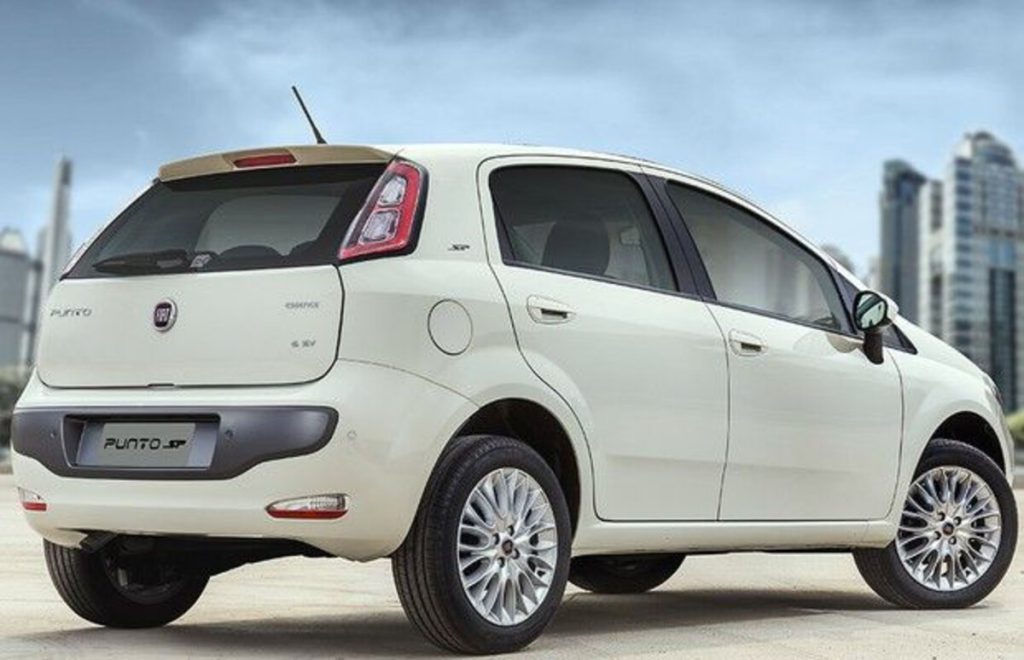
The Punto is included in this list because it demonstrates that low initial cost does not guarantee longevity.
While functional in the short term, this small car often fails to provide reliable, long-term service, illustrating the importance of carefully evaluating durability alongside price when considering inexpensive vehicles.
2. Chevrolet Aveo
The Chevrolet Aveo is an entry-level compact car that, despite its low price and modest appearance, often struggles with long-term reliability.
Owners frequently report engine problems, transmission failures, and interior wear that appear well before the vehicle reaches high mileage, making it a less dependable choice for long-term ownership.
The Aveo’s engines are small and economical, but they can be prone to overheating, oil leaks, and timing chain or belt issues if maintenance is delayed.
Transmissions, especially automatic units, are known to develop shifting problems, which can be expensive to repair. These mechanical weaknesses often emerge sooner than in comparable vehicles with stronger engineering.
Suspension components are lightweight and designed primarily for cost efficiency rather than durability. Struts, shocks, and bushings often wear prematurely, contributing to a harsher ride and less stability over time.
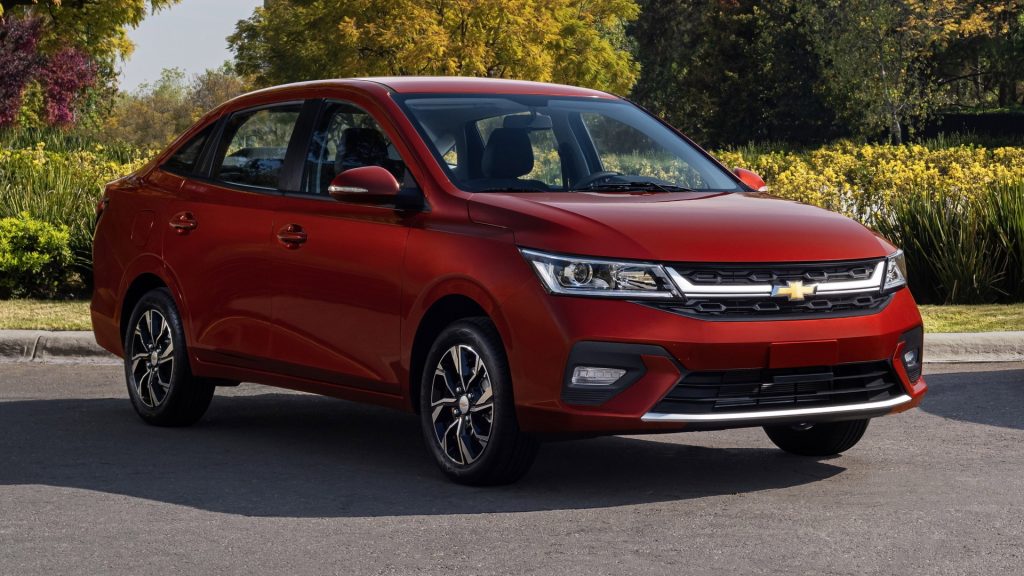
The interior is another weak point; plastics crack, seats flatten, and trim pieces loosen or rattle, creating a cabin that feels aged well before the vehicle’s years would suggest.
The Aveo is included because it highlights how an inexpensive, unassuming car can still be unreliable.
Despite a low purchase price and modest exterior, its short-lived components and materials make it a vehicle that often fails to stand up to extended use, emphasizing the importance of long-term durability when evaluating budget cars.
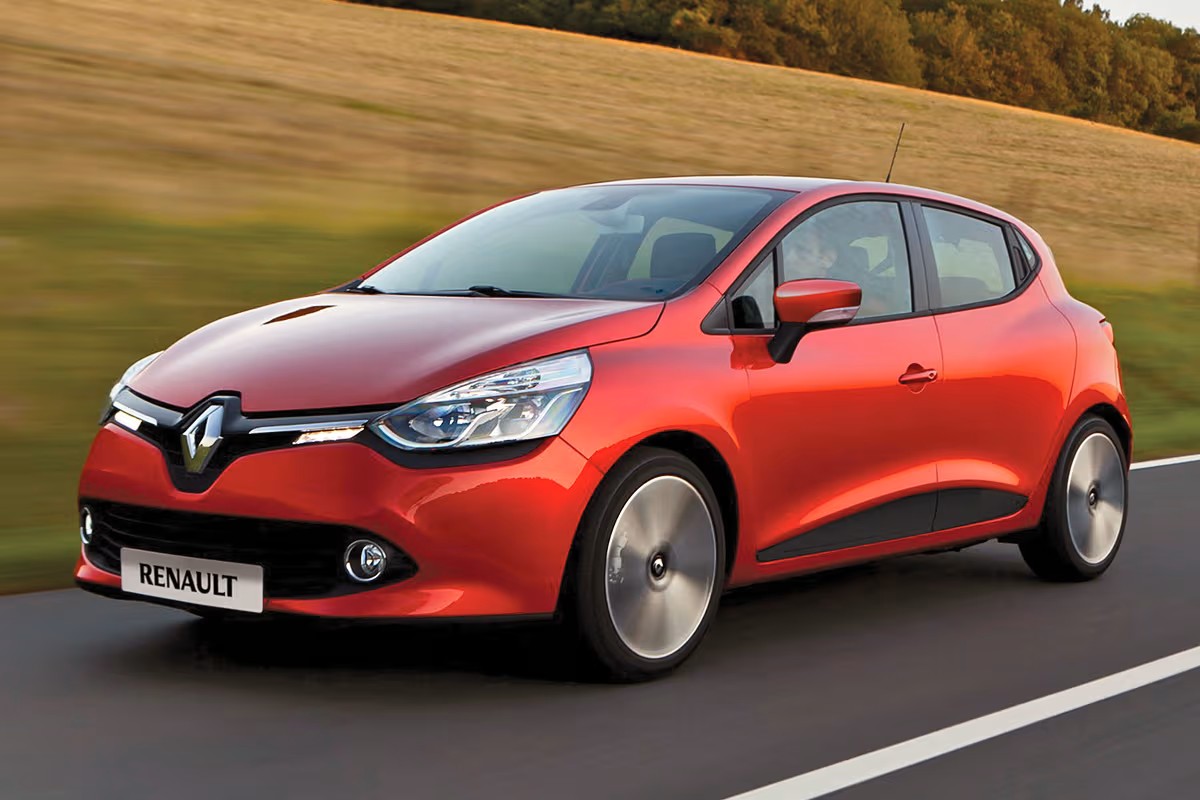
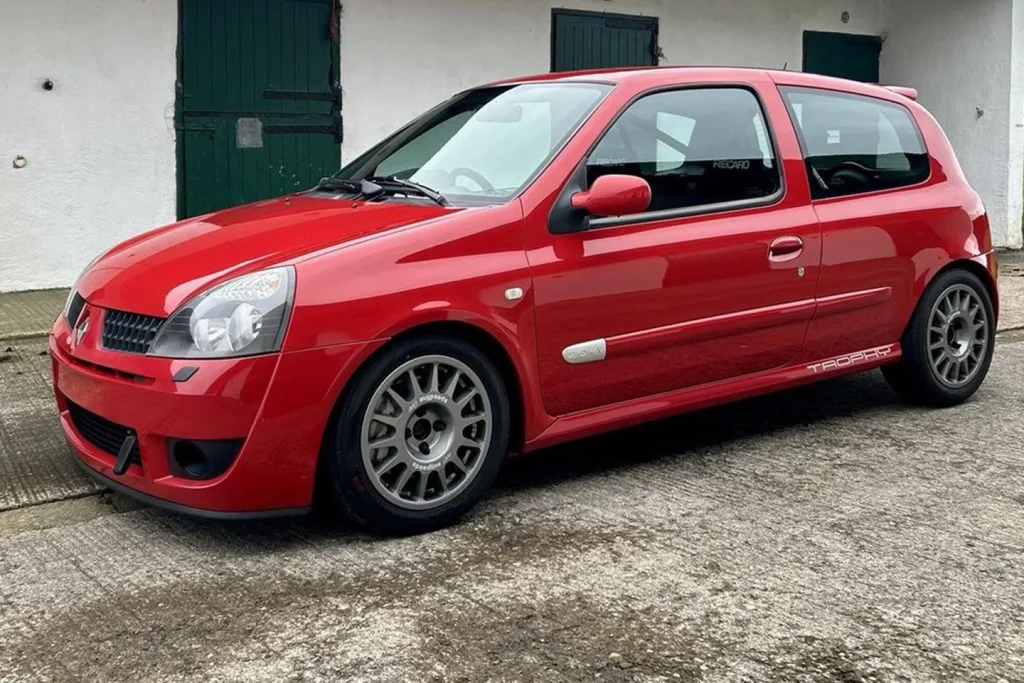
3. Renault Clio
The Renault Clio, especially models from the mid-2000s, is a small and affordable hatchback that often disappoints in terms of long-term reliability.
While its exterior is compact and approachable, many owners report recurring mechanical problems and interior deterioration that prevent it from reaching high mileage without significant maintenance.
One key issue is the engine. Some Clio engines are prone to overheating, oil leaks, and premature wear of timing chains or belts. Sensors and electrical components can also fail early, causing intermittent issues or triggering warning lights that require attention.
These challenges can result in frequent visits to the repair shop and increased maintenance costs over time.
The transmission is another weak point, particularly manual gearboxes, which may develop clutch or gear synchro problems earlier than expected. Suspension components, including struts and bushings, also wear faster than in comparable vehicles, leading to a harsher ride and reduced stability.
Inside, the Clio’s cabin materials are lightweight and prone to cracking or sagging. Seats lose support over time, and interior plastics often rattle, creating an aged feel well before the car’s mileage would suggest.
The Renault Clio is included here because it illustrates that low purchase price and modest design do not guarantee durability. While it may be functional for short-term use, its mechanical and material weaknesses make it a less reliable choice for drivers seeking a car that will stand the test of time.
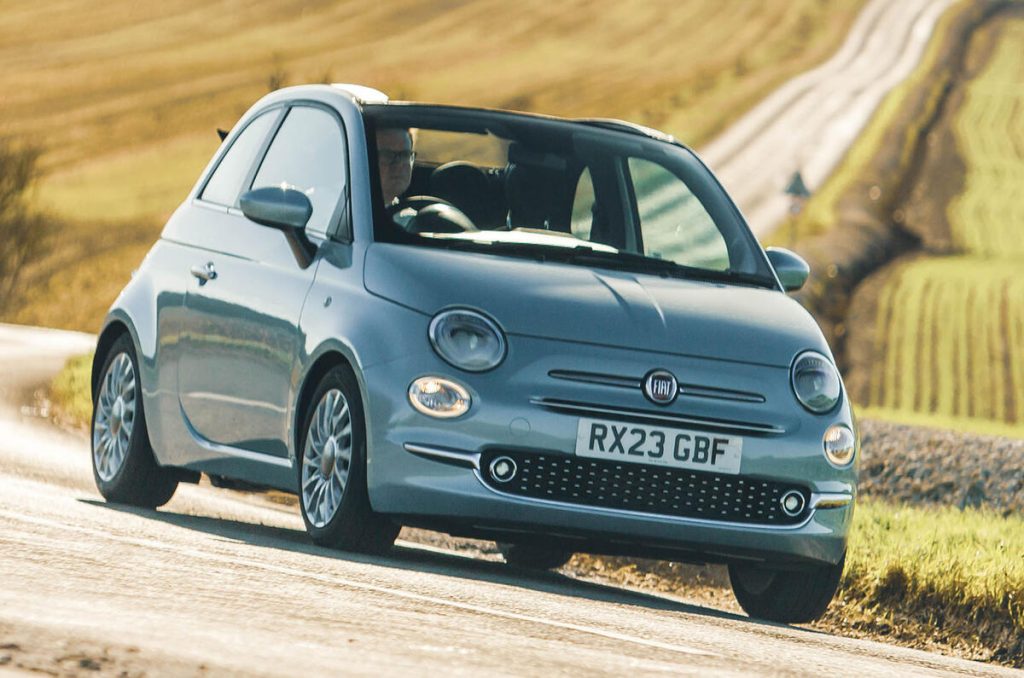
4. Fiat 500 (First Generation, 2007–2015)
The first-generation Fiat 500, produced from 2007 to 2015, is an iconic city car with charm and compact styling, but it often struggles with longevity.
Despite its appealing looks and affordable price, many owners encounter mechanical, electrical, and interior issues that compromise its reliability over time.
The engine, while small and fuel-efficient, can be prone to overheating, oil leaks, and premature wear of timing components if maintenance is neglected.
Transmission units, particularly automatic or dual-clutch systems, are susceptible to early failures, resulting in costly repairs. These issues are magnified when combined with city driving, which places additional stress on the drivetrain.
Suspension components are lightweight and designed primarily for economy rather than durability. Struts, bushings, and mounts tend to wear quickly, producing a harsher ride and reducing handling stability as mileage climbs.
Interior materials, although visually appealing, are thin and prone to cracking or sagging. Seats lose support, and trim pieces can loosen or rattle, further diminishing the driving experience.
The Fiat 500 is included in this list because it demonstrates that style and low cost do not always equate to long-term reliability.
While it functions well in the short term, many examples struggle to maintain performance, comfort, and integrity as mileage increases, making it a less practical choice for long-term ownership.
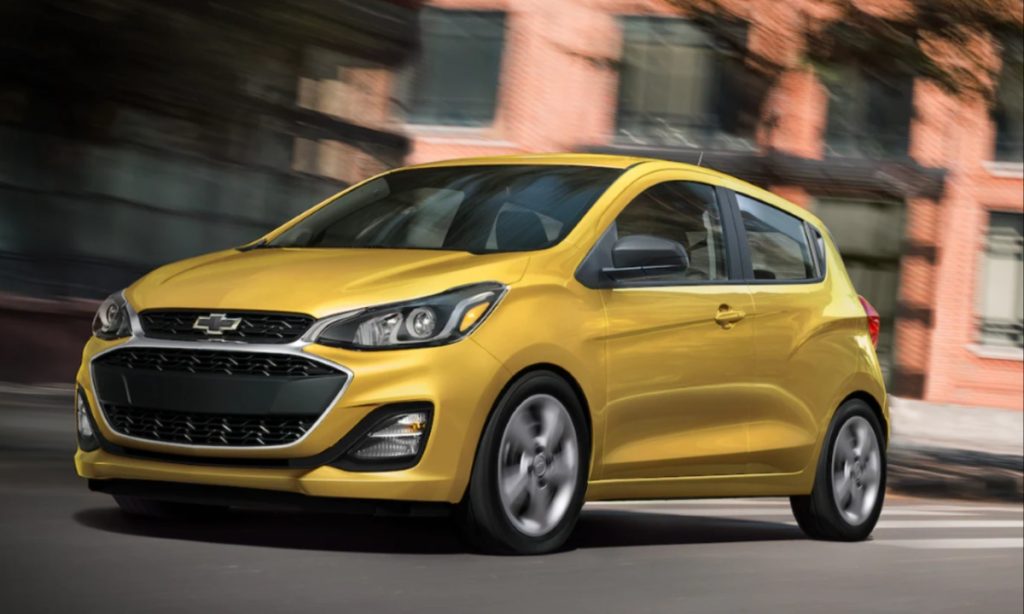
5. Chevrolet Spark
The Chevrolet Spark is a subcompact car that, despite its low price and simple design, often fails to maintain reliability over the long term.
While it attracts buyers seeking an affordable city car, owners frequently report mechanical, transmission, and interior issues that emerge well before the vehicle reaches high mileage.
One key concern is the engine. While small and fuel-efficient, Spark engines are prone to overheating, oil leaks, and premature wear of critical components such as timing chains or belts. Electrical systems can also be temperamental, causing recurring maintenance problems that increase overall ownership costs.
The transmission, particularly automatic units, can be a source of frustration. Early failures or rough shifting are common in high-mileage vehicles, and repairs can be costly relative to the vehicle’s value.
Suspension components such as struts, shocks, and bushings are also lightweight and tend to wear quickly, leading to a harsher ride and less composed handling over time.
Interior durability is another weak point. Seat cushions compress, plastics crack, and trim pieces often loosen, giving the cabin a worn feel long before the vehicle reaches high mileage. Road noise can become noticeable, further reducing perceived comfort.
The Chevrolet Spark is included here because it highlights how an inexpensive, modest-looking car can still fail prematurely.
Despite its low cost and practical design, it often requires significant maintenance to remain functional, emphasizing that longevity cannot always be judged by appearance alone.
Appearance alone is not a reliable indicator of a car’s longevity. Some vehicles that look modest and inexpensive can endure high mileage with minimal issues, while others fail despite their unassuming looks. Understanding which models combine durability with practicality is essential for long-term satisfaction.
Cars like the Toyota Corolla, Honda Civic, Mazda3, Subaru Impreza, and Ford Focus demonstrate that simplicity, robust engineering, and durable materials can result in vehicles that last far beyond expectations.
These models retain engine reliability, transmission integrity, suspension performance, and interior quality, providing owners with dependable, low-maintenance transportation for years. Their modest exterior design does not prevent them from excelling in long-term durability.
Conversely, cars such as the Fiat Punto, Chevrolet Aveo, Renault Clio, Fiat 500, and Chevrolet Spark often struggle to maintain reliability.
Engines, transmissions, suspension components, and interior materials wear prematurely, resulting in higher maintenance costs and reduced comfort. Despite their low cost or practical appearance, these vehicles often fail to provide lasting value.
The comparison illustrates that buyers should look beyond price and styling. Evaluating engineering quality, materials, and proven durability ensures that a car not only meets immediate needs but also remains dependable over time.
Choosing wisely can mean the difference between a vehicle that surprises with longevity and one that disappoints despite modest looks.
Also Read: 5 EVs That Rarely Lose Range vs 5 That Constantly Do
