
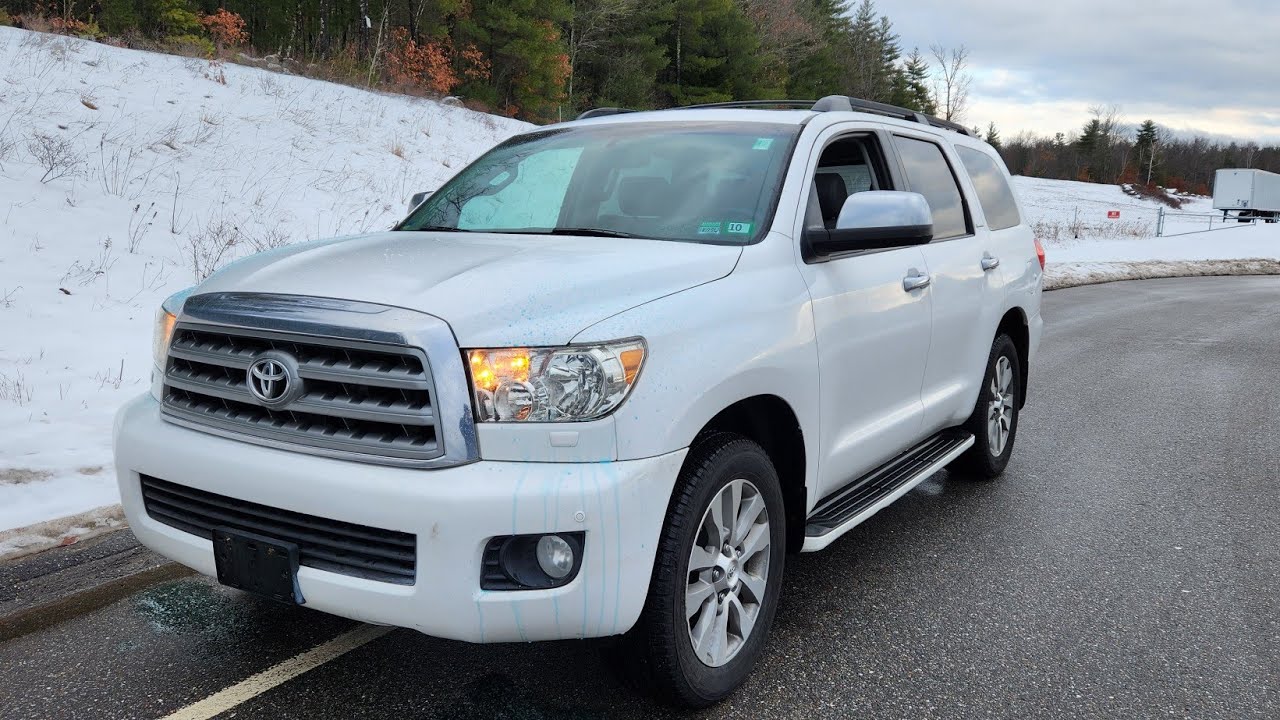
SUVs have long been valued for their durability, practicality, and ability to handle more than just the daily commute. While many vehicles fade with age or struggle once miles start piling on, certain SUVs seem to resist time itself.
Owners routinely report these models staying strong past 200,000 miles, with some even passing 300,000 while still performing reliably. These SUVs are not just transportation; they become trusted companions, often lasting through multiple owners and decades of service.
Part of their reputation comes from engineering that favors strength over trend. Automakers who produced these models often prioritized proven drivetrains, body-on-frame construction, or long-tested engines that could withstand heavy use.
Instead of focusing only on luxury or the latest technology, these SUVs were designed to endure tough driving conditions, from city traffic to rugged terrain.
Their reliability makes them not only excellent used buys but also prized vehicles for drivers who want something dependable without constantly worrying about repairs.
Another factor is owner loyalty. Many of these SUVs build a following because they rarely break down and have relatively affordable maintenance compared to more modern, complex vehicles.
It is not unusual to find families passing these SUVs down through generations, a testament to their strength. The used market reflects this as well, with values often holding higher than expected for older models that carry a reputation for longevity.
This list highlights twelve SUVs that consistently prove themselves by outlasting expectations. From Japanese models with bulletproof engines to American workhorses that continue to run even after years of demanding use, each one has earned its reputation through real-world performance.
For buyers seeking a vehicle that offers unmatched staying power, these twelve SUVs remain some of the best long-term investments available.
Also Read: 10 Affordable Classics That Are Future Goldmines
1. Toyota Land Cruiser (100 and 200 Series)
The Toyota Land Cruiser has long been associated with durability, and the 100 and 200 Series models from the 2000s and 2010s continue that tradition.
Known for their body-on-frame construction and powerful V8 engines, these SUVs are designed to withstand both city driving and harsh conditions across the globe.
Owners consistently report high mileage reliability, with many examples surpassing 300,000 miles while still retaining solid performance.
Part of the appeal comes from the Land Cruiser’s conservative approach to engineering. Toyota avoided overly complex systems, instead using proven drivetrains that emphasize strength and endurance.
This makes the vehicle less prone to failures that can plague more modern, tech-heavy SUVs. Regular maintenance is usually straightforward, and the quality of materials used inside ensures the cabin holds up just as well as the mechanicals.
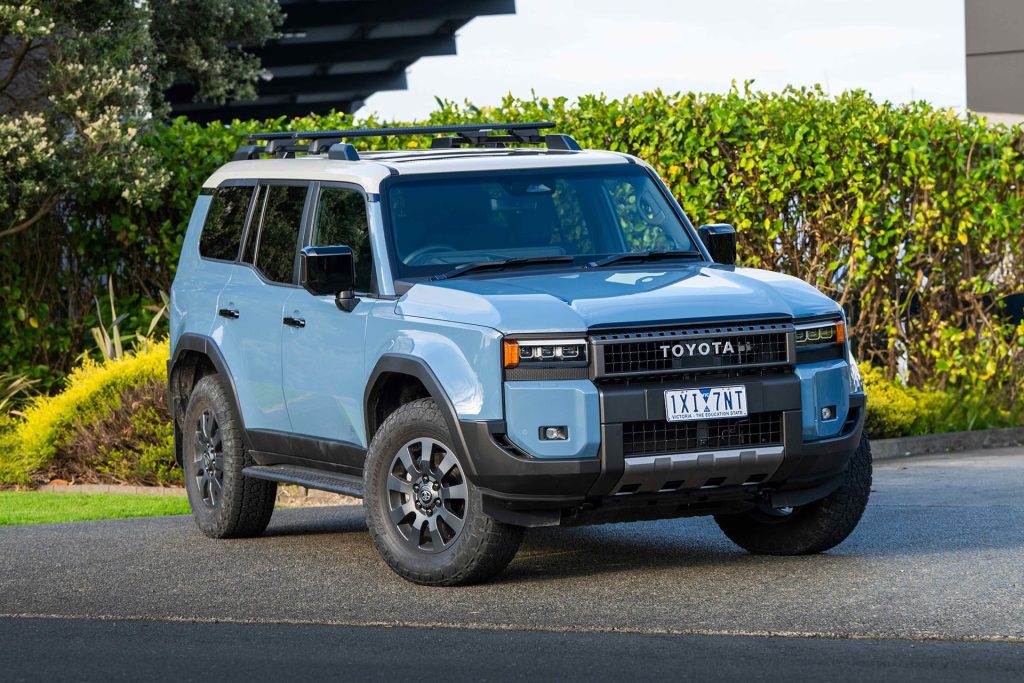
The Land Cruiser also benefits from a global support network. Because it has been sold and used extensively in different regions, parts availability and expertise remain strong, which helps owners keep them running for decades. Collectors and adventurers alike are drawn to its reputation for surviving conditions that leave many competitors behind.
While fuel economy is not its strength, the Land Cruiser’s unmatched reliability makes it one of the longest-lasting SUVs ever built. Whether used for daily family duties or long-distance expeditions, it continues to prove its worth as a truly enduring vehicle.
2. Honda Pilot (First and Second Generation)
The Honda Pilot may not have the same rugged heritage as some body-on-frame SUVs, but its reliability record has earned it a strong reputation.
First introduced in 2003, the Pilot offered three-row seating, a V6 engine, and car-like handling. Its design struck a balance between family practicality and long-term dependability, which has kept early models running well past 200,000 miles.
One of the key factors in its longevity is Honda’s proven V6 engine. Known for strong reliability, this powertrain performs consistently with proper maintenance.
Transmission issues affected a small number of early models, but once resolved, the Pilot became a strong candidate for long-term ownership. Owners often note that routine service and timely fluid changes are enough to keep these vehicles performing at their best.
The Pilot’s unibody construction makes it lighter and easier to handle than many traditional SUVs, which reduces wear on components.
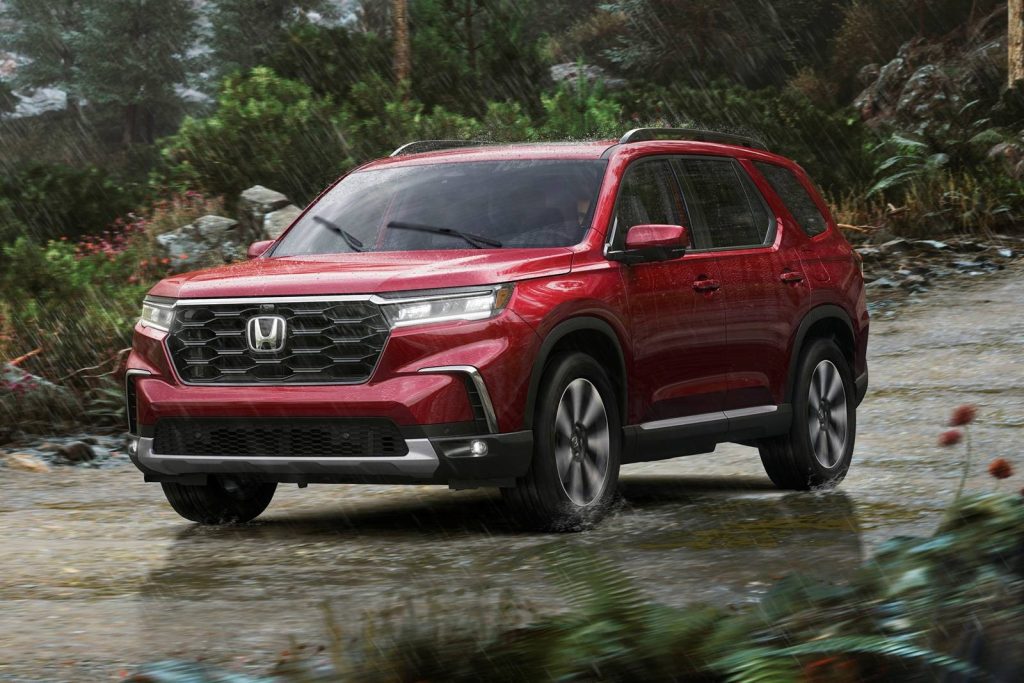
Its simple yet functional design ensures fewer electronic systems to fail, a factor that helps keep repair costs under control. The interior, while not flashy, uses durable materials that hold up against years of use from families and commuters.
As a result, the Pilot has become a favorite among used buyers who want a dependable SUV without luxury price tags. Its ability to deliver consistent performance across high mileage makes it one of Honda’s most trusted long-term vehicles.
3. Ford Expedition (Second and Third Generation)
The Ford Expedition has built a solid reputation as one of the most reliable full-size American SUVs. With the second generation introduced in 2003 and the third in 2007, Ford focused on improving durability and performance.
Many examples from this era continue to serve families, fleets, and adventurers with minimal issues even after surpassing 200,000 miles.
One reason for its longevity is the proven Triton V8 engines. While not the most fuel-efficient, they are known for being dependable workhorses when maintained properly.
The Expedition’s body-on-frame construction also provides strength for towing and hauling, which adds to its lasting appeal for buyers needing more than just passenger space.
The third generation in particular offered significant refinements, including an improved suspension system that enhanced comfort without compromising toughness.
Interiors were also designed with durability in mind, using sturdy materials suited to heavy family use. Many of these SUVs remain on the road with original interiors that still look respectable despite age.
Maintenance is relatively straightforward, and parts are widely available thanks to Ford’s large dealer network. This accessibility makes it easier and more affordable for owners to keep them in service long after newer SUVs might be retired.
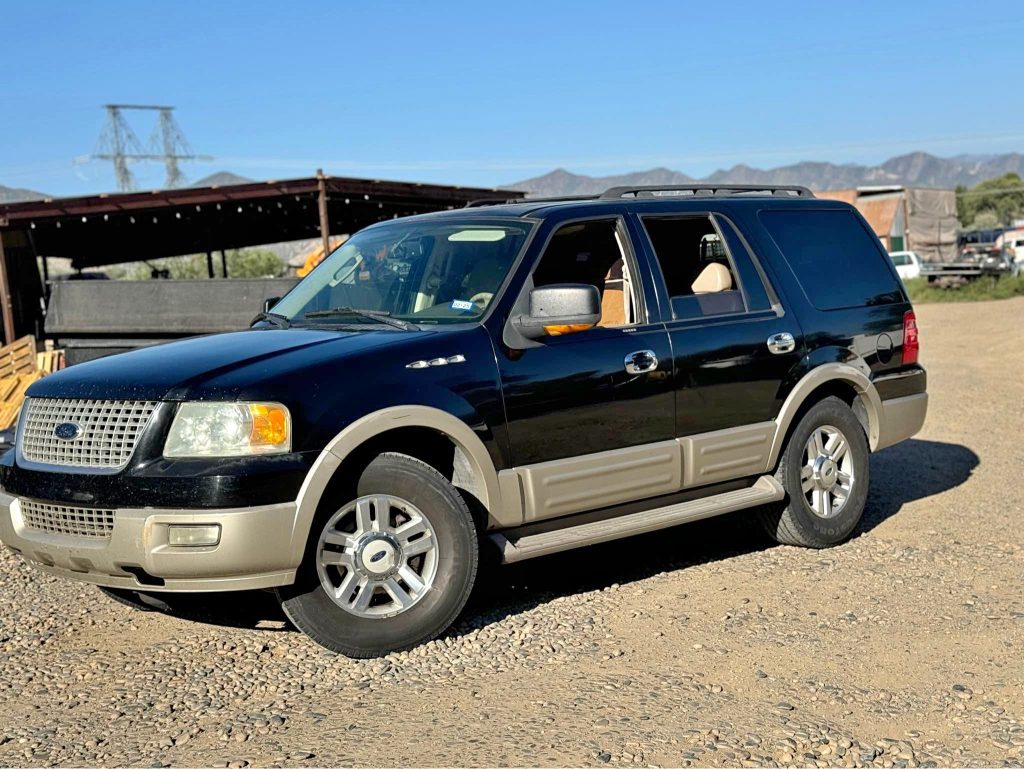
With its mix of size, capability, and strength, the Ford Expedition continues to be a dependable choice for buyers who want a large SUV that can withstand the test of time.
4. Toyota 4Runner (Fourth and Fifth Generation)
The Toyota 4Runner has consistently earned praise for its ruggedness, and both the fourth-generation (2003–2009) and fifth-generation (2010–present) models have demonstrated exceptional staying power.
Built on a body-on-frame platform, the 4Runner delivers durability that few midsize SUVs can match. Owners often report surpassing 250,000 miles with only routine maintenance.
Its 4.0-liter V6 engine is one of the most reliable powertrains Toyota has produced. Known for handling both city driving and off-road challenges, it rarely suffers from major mechanical issues when serviced properly.
The availability of four-wheel drive systems also adds versatility, making it a favorite among outdoor enthusiasts who need a vehicle that can handle trails as well as highways.
Interior quality contributes to the vehicle’s longevity. While the design may not be luxurious, Toyota focused on durable materials that hold up well under years of daily use. The layout remains practical, with simple controls that avoid over-complication and minimize potential electronic failures.
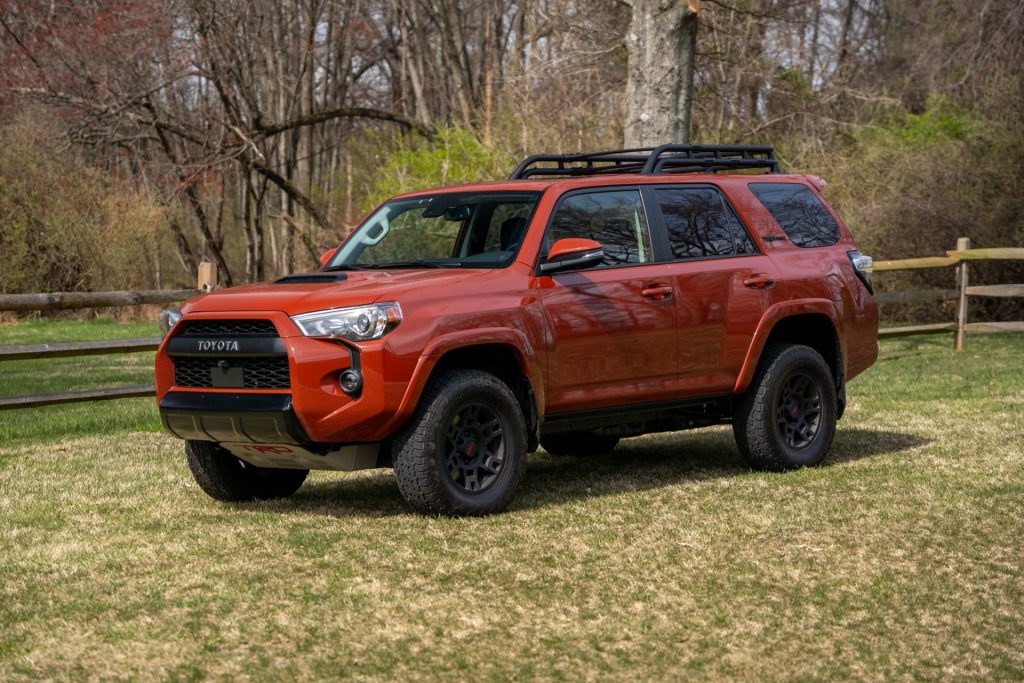
The 4Runner’s reputation has created strong demand in the used market, often driving prices higher than expected for older models. Buyers know they are purchasing a vehicle that is not only reliable but also capable of handling demanding conditions.
For those seeking an SUV that blends longevity with versatility, the Toyota 4Runner stands as one of the most dependable choices available.
5. Chevrolet Tahoe (2000s Models)
The Chevrolet Tahoe has become a fixture on American roads, particularly among families and fleets that rely on consistent performance.
Models from the early to mid-2000s are especially known for their ability to last well past 200,000 miles when maintained correctly. Its large size, sturdy build, and reliable engines contribute to its reputation as a long-lasting SUV.
One of the Tahoe’s strongest assets is its Vortec V8 engines. These engines deliver solid power for towing and daily driving while also being relatively easy to maintain. With proper care, they are capable of racking up impressive mileage.
The Tahoe’s body-on-frame design further supports its durability, allowing it to handle heavy loads and tough conditions with ease.
Inside, the Tahoe offers practicality over flash. The interior materials are not overly refined, but they are robust enough to withstand family use, work environments, and years of wear. The cabin also provides ample space, making it a dependable choice for long trips or hauling gear.
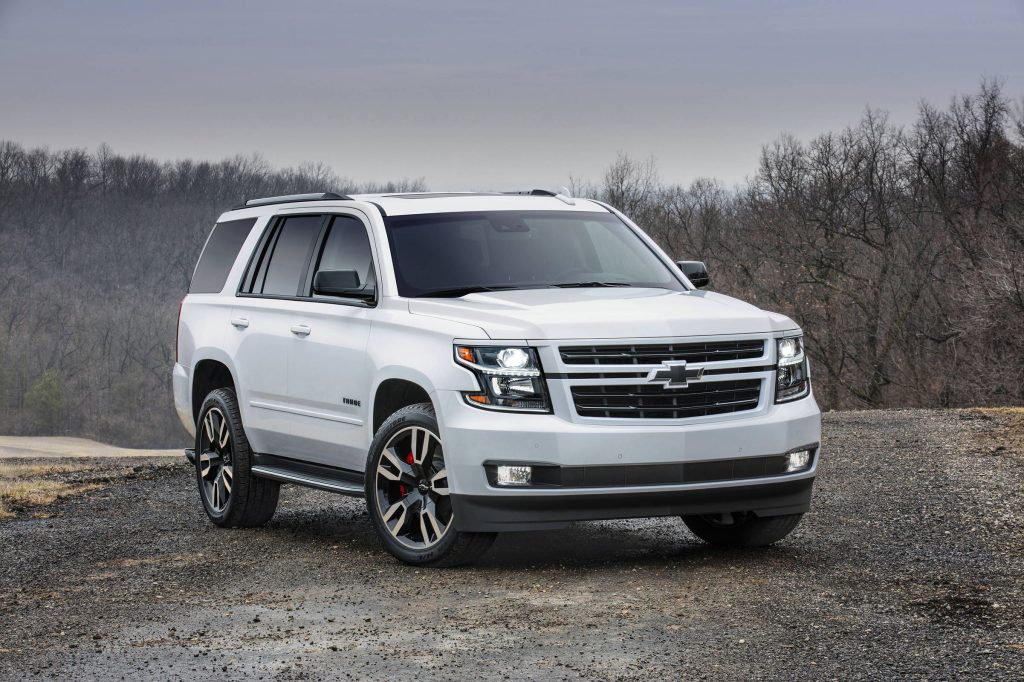
Fleet use has proven the Tahoe’s endurance. Many government and law enforcement vehicles built on this platform remain in service for years, even with demanding daily use. That kind of track record builds confidence among used buyers.
With its combination of strength, practicality, and wide availability of parts, the Chevrolet Tahoe continues to be one of the most enduring full-size SUVs from its era.
6. Nissan Xterra (First and Second Generation)
The Nissan Xterra, produced from 2000 to 2015, is remembered as a tough and reliable midsize SUV.
Designed with adventure in mind, it became a favorite among drivers who wanted a no-nonsense vehicle that could withstand years of use without major issues. Both the first and second generations are known for durability and longevity.
The Xterra’s engines, particularly the 4.0-liter V6 in the second generation, deliver dependable performance.
While not the most refined, these engines are straightforward and capable of lasting hundreds of thousands of miles with regular care. Many owners highlight their ability to withstand off-road abuse and long highway drives alike.
A key part of the Xterra’s longevity is its simple construction. With fewer luxury features and complex electronics compared to rivals, there is less to go wrong. The rugged body-on-frame platform also gives it an edge in durability, making it suitable for tough terrain and heavy use.
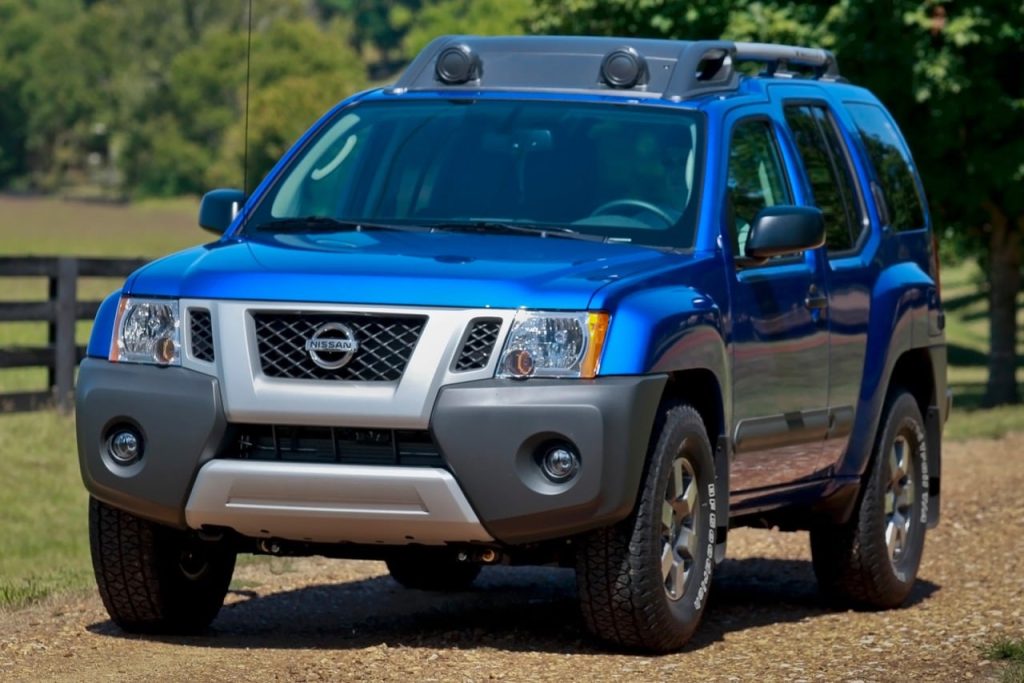
Interior quality focuses more on function than luxury, but the durable materials stand up well to years of activity. Many used Xterras remain in good condition even after being driven hard, a reflection of the practical design philosophy.
As time passes, the Xterra is gaining recognition as a dependable used SUV with character. Its straightforward design, proven mechanicals, and toughness make it a model that continues to exceed expectations.
7. Lexus GX 470
The Lexus GX 470, produced from 2003 to 2009, combines Toyota’s proven engineering with Lexus luxury touches. Built on the same platform as the Toyota Land Cruiser Prado, it features a body-on-frame design that emphasizes strength and reliability.
Many GX 470s are still running strong with well over 250,000 miles, which speaks volumes about their durability.
The heart of the GX 470 is its 4.7-liter V8 engine, known for being one of the most dependable powerplants of its era.
Smooth and strong, it provides ample power for towing and highway driving. With regular oil changes and maintenance, the engine and transmission have no trouble racking up high mileage.
While the GX 470 carries Lexus branding, it is far more rugged than many expect. It features a capable four-wheel-drive system and can handle off-road conditions just as well as daily commutes. Owners appreciate this dual nature, as it blends comfort with long-lasting performance.

Interior quality is another highlight. Lexus built the GX with durable materials that resist wear, and even older examples often have cabins that look surprisingly fresh. Electronics are straightforward compared to modern SUVs, which reduces long-term repair concerns.
As a result, the GX 470 has become a popular choice in the used market. Buyers know they are getting Toyota-level toughness with Lexus refinement, a combination that ensures this SUV continues to outlast expectations.
8. Jeep Grand Cherokee (WJ and WK Models)
The Jeep Grand Cherokee has been a key player in the midsize SUV market for decades, and the WJ (1999–2004) and WK (2005–2010) models are particularly known for their staying power. With the right maintenance, many of these SUVs exceed 200,000 miles while still performing reliably.
Engines such as the 4.0-liter inline-six and 5.7-liter HEMI V8 are central to this reputation. The 4.0-liter, in particular, has become legendary for its toughness, often running strong even with high mileage.
Paired with durable transmissions, these powertrains make the Grand Cherokee a long-lasting choice for buyers who value proven mechanicals.
The Grand Cherokee’s body structure is sturdy, capable of handling both daily driving and off-road use. Four-wheel-drive systems add versatility, and many owners use these SUVs in demanding conditions without compromising longevity.
Interior durability is another strength. While the cabin may not match luxury rivals, the materials hold up well over time, especially in higher trims. Simplicity in design also helps reduce electronic issues that can plague newer models.
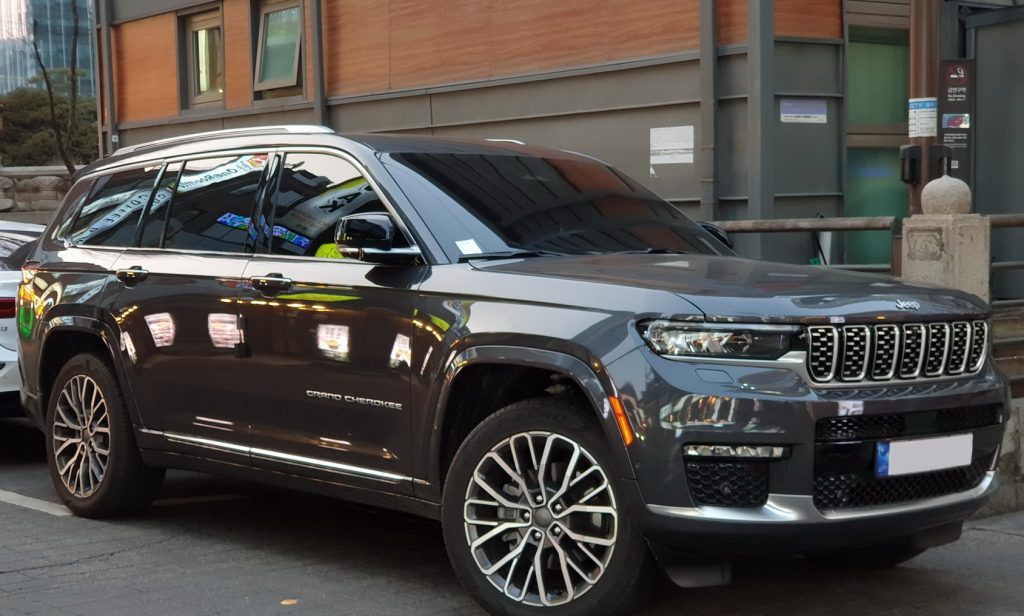
Because of its balance of comfort, performance, and toughness, the WJ and WK Grand Cherokees remain popular in the used market. Their ability to continue running strong after years of use makes them stand out as dependable choices.
9. Subaru Forester (Second and Third Generation)
The Subaru Forester, particularly the second-generation (2003–2008) and third-generation (2009–2013) models, has earned a reputation for being dependable long-term companions.
Compact yet versatile, the Forester blends car-like handling with SUV practicality, making it a favorite among drivers who want both efficiency and longevity.
A key reason for its durability is Subaru’s boxer engine paired with symmetrical all-wheel drive. This setup delivers balanced performance and handles a variety of driving conditions.
With regular maintenance, many Foresters cross the 200,000-mile mark without major issues. Head gasket concerns affected some earlier models, but once addressed, the vehicles remain reliable for years.
The unibody design makes the Forester lighter and easier to drive than traditional SUVs, reducing strain on components.
Its simple engineering means fewer costly repairs compared to more complex modern vehicles. Many owners report that basic maintenance is enough to keep these SUVs running for decades.
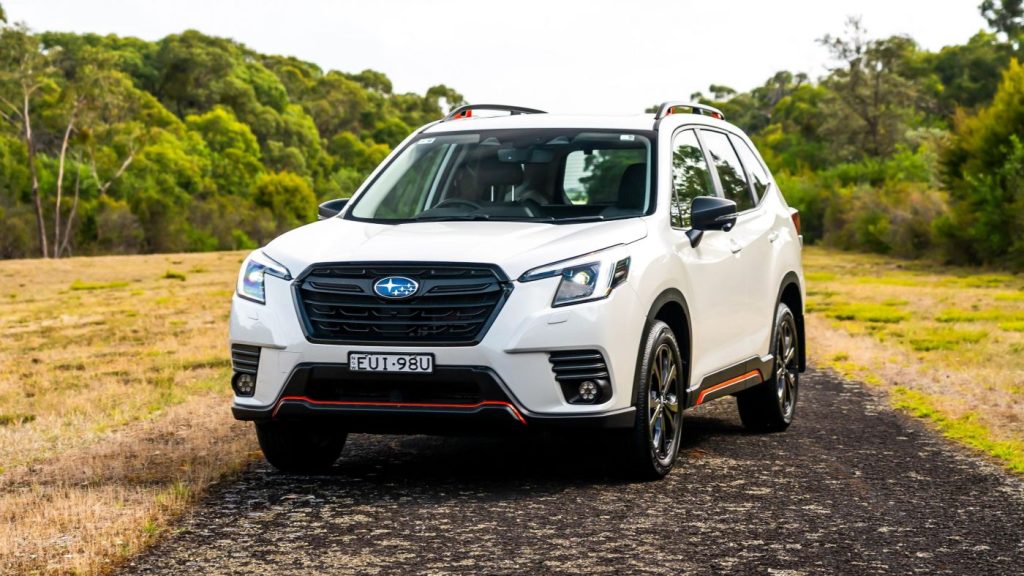
Interior practicality also adds to its longevity. The cabin is straightforward, with durable materials that withstand daily use. The Forester’s roomy layout makes it suitable for families, while its strong build ensures it can handle outdoor adventures without trouble.
Because of this balance, the Forester continues to command strong demand in the used market. It remains one of the most dependable compact SUVs, valued for both practicality and endurance.
10. Ford Explorer (Third and Fourth Generation)
The Ford Explorer, particularly the third-generation (2002–2005) and fourth-generation (2006–2010) models, has built a reputation for longevity.
As one of America’s most popular SUVs during this period, it offered a combination of size, comfort, and reliability that allowed many examples to exceed 200,000 miles.
The Explorer’s V6 and V8 engines were designed with durability in mind. While some early models experienced transmission issues, these problems were largely addressed in later revisions.
With regular maintenance, both engines can continue performing well even under heavy use. The rear-wheel-drive and four-wheel-drive options provide flexibility for drivers who need either everyday practicality or capability for tougher terrain.
The body-on-frame construction of earlier models added strength, while the unibody design in later generations balanced rigidity with lighter weight. Suspension and braking systems were engineered to endure typical family use, towing, and long-distance driving.
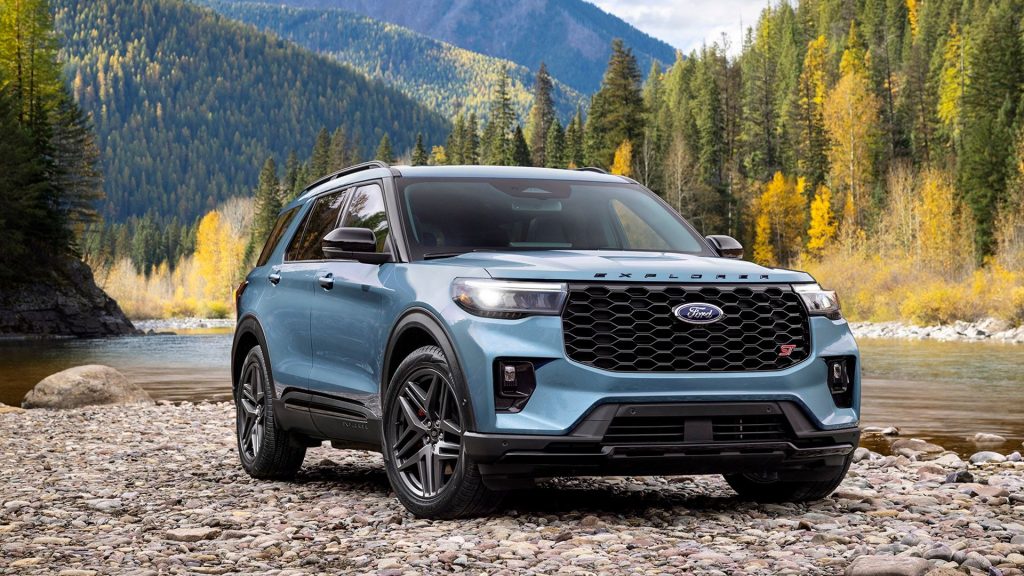
Inside, the Explorer’s cabin was functional and built to handle wear. Materials were not overly luxurious but offered durability that kept interiors in good condition after years of service. Electronics were straightforward, minimizing potential long-term issues.
The Explorer remains a popular choice in the used SUV market due to its combination of performance, size, and reliability. Its proven ability to stay on the road for many miles makes it one of the more enduring American SUVs.
11. Toyota Sequoia (First Generation)
The Toyota Sequoia, launched in 2001, has become known as one of the most reliable full-size SUVs from Japan.
The first-generation models, produced through 2007, are particularly praised for their mechanical longevity and low maintenance requirements. Many Sequoias have surpassed 250,000 miles while retaining strong performance and dependability.
A key factor in the Sequoia’s durability is the 4.7-liter V8 engine. This powertrain, paired with a robust automatic transmission, is known for reliability and the ability to handle towing, long-distance driving, and family use without major issues.
The body-on-frame design adds structural strength, making the Sequoia suitable for both city roads and off-road conditions.
The interior focuses on practicality. Seats and surfaces are made with durable materials that resist wear over time.
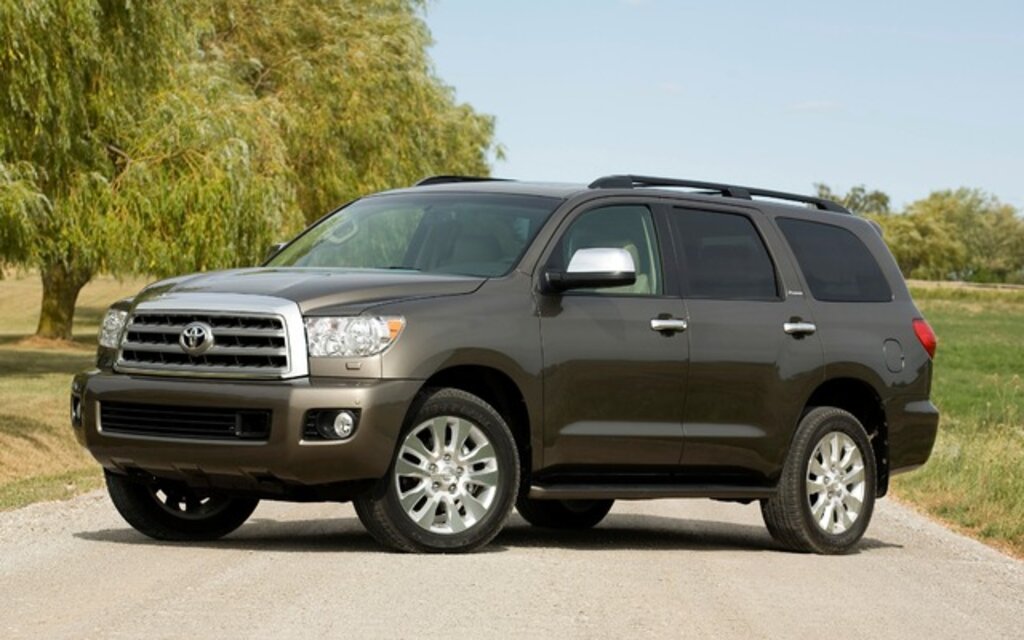
Electronics are minimal compared to modern SUVs, which reduces maintenance headaches for owners. Storage space and seating for up to eight passengers make it ideal for families who demand reliability over decades.
Due to its long-lasting performance and Toyota’s reputation for dependability, the Sequoia is highly sought in the used market. Buyers value the SUV’s combination of size, power, and mechanical toughness, which ensures it remains a trusted option for years.
12. Honda CR-V (Second and Third Generation)
The Honda CR-V, particularly the second-generation (2002–2006) and third-generation (2007–2011) models, has earned a reputation for longevity and low ownership costs. Compact yet capable, it offers reliability, efficiency, and versatility, making it a favorite among families and commuters alike.
Its four-cylinder engines, paired with a reliable automatic or manual transmission, are known to last well past 200,000 miles when maintained. Regular oil changes and scheduled maintenance are typically enough to keep these vehicles running smoothly for many years.
The CR-V’s unibody design and front-wheel-drive layout reduce stress on mechanical components, contributing to long-term reliability.
Many owners report minimal issues even with high mileage, and parts availability remains strong, helping to keep maintenance straightforward and affordable.
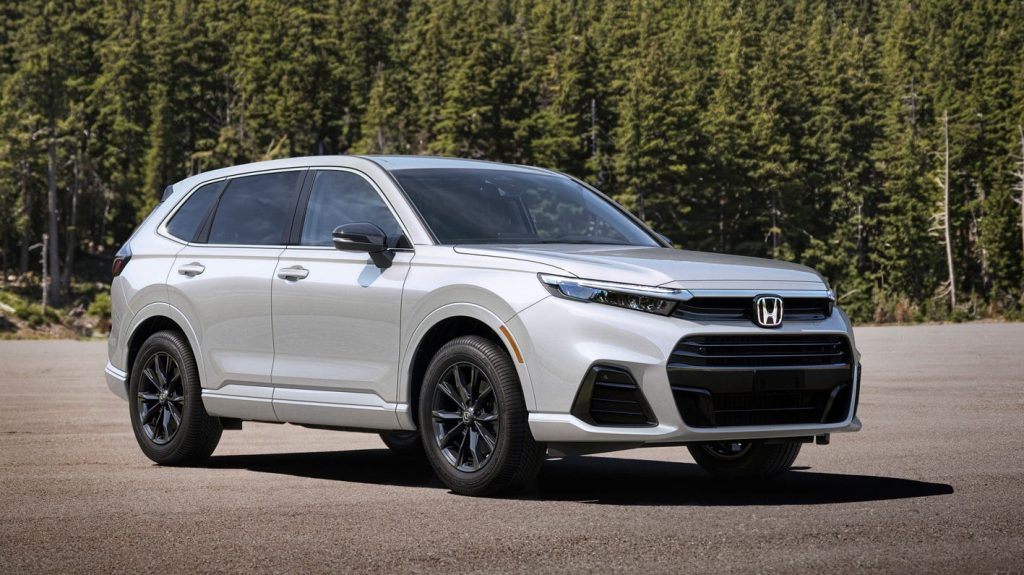
Inside, the cabin is practical and durable. Seats and controls are built to withstand years of daily use, while cargo space and passenger comfort make it a versatile choice for families. Its combination of economy, reliability, and usability has made it one of Honda’s most enduring models.
For buyers seeking a compact SUV that consistently outlasts expectations, the CR-V remains an excellent option. Its track record proves it can provide dependable transportation for years, if not decades.
These twelve SUVs demonstrate that longevity is more than just a claim it is a measurable characteristic supported by engineering, maintenance, and real-world performance.
Each of these vehicles has earned a reputation for reliability, whether through rugged construction, proven engines, or straightforward design.
Also Read: 12 Cars From the ’80s Still Seen on Highways
