
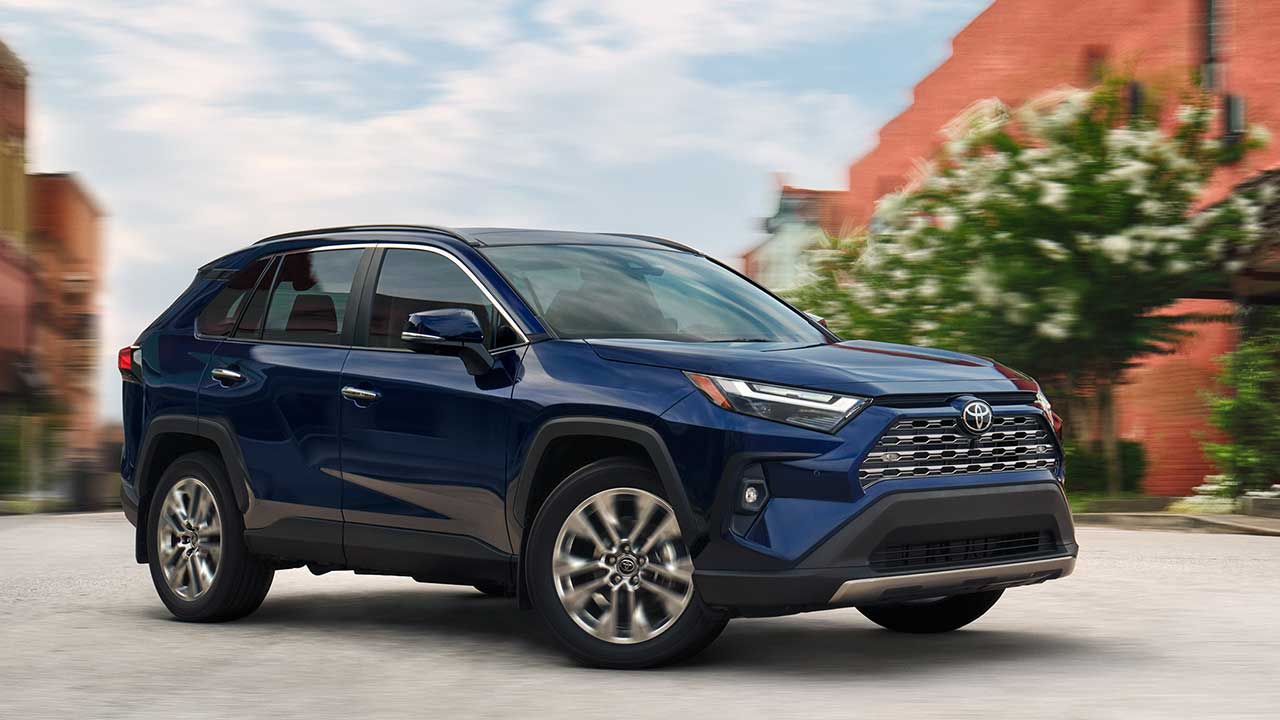
All-wheel-drive (AWD) systems are among the most discussed features when it comes to buying a reliable car. They promise traction, stability, and confidence in conditions where two-wheel-drive setups often fall short.
Yet, not every AWD system is built to the same standard. Some brands engineer drivetrains that stand the test of time, managing snow, rain, gravel, and uneven terrain with ease.
Others have developed systems that look good on paper but disappoint drivers with frequent breakdowns, costly repairs, or weak long-term durability.
Understanding which vehicles consistently deliver strong AWD performance and which ones often fail is crucial for both daily drivers and enthusiasts alike.
This comparison highlights five cars recognized for their trusted AWD engineering and five that have frustrated owners due to flaws or premature failures.
The trusted side includes vehicles known for well-balanced torque distribution, strong mechanical components, and low repair frequency.
On the opposite side, the failing group shows how some AWD designs fall short, whether from poor durability, weak electronic controls, or excessive maintenance costs.
By examining both sides, readers will get a clear sense of which models earn long-term confidence and which ones are best avoided when AWD reliability matters most.
Also Read: 5 Cars That Hold Their MPG After 250k vs 5 That Don’t
5 Cars With Trusted AWD Systems
Cars with consistently strong AWD systems earn their reputation by performing reliably year after year, often across different driving environments. These vehicles show that a well-designed AWD system is more than just a selling feature.
It becomes part of the car’s character, shaping how confidently drivers handle wet highways, icy streets, and gravel roads. Reliability in this category isn’t just about traction; it also comes down to mechanical strength, engineering precision, and a track record of avoiding costly breakdowns.
The five cars selected here represent manufacturers that treat AWD as a cornerstone of their design philosophy rather than an afterthought.
These vehicles stand out for distributing power effectively between the wheels, keeping maintenance simple, and holding up well even after years of use.
Their reputations are backed by customer satisfaction, service records, and professional assessments. Drivers who choose these cars not only enjoy safer handling in tough weather but also avoid the headaches of constant repairs.
By focusing on these trusted examples, we see how certain automakers consistently set a higher standard for AWD reliability. Each car on this list is chosen for its proven ability to keep working when conditions are at their worst, without compromising long-term dependability.
1. Subaru Outback
The Subaru Outback is a classic example of how an AWD system can become central to a vehicle’s reputation. Subaru has built its brand around symmetrical all-wheel drive, and the Outback demonstrates this commitment better than most.
Unlike part-time systems that activate only when slip is detected, Subaru’s setup is full-time, with torque evenly distributed between the front and rear axles. This balance means that the Outback delivers predictable traction in everything from heavy snow to loose dirt trails.
One reason the Outback’s AWD system earns such strong trust is its mechanical simplicity. Instead of relying heavily on electronic clutches or overly complex transfer cases, Subaru emphasizes durability and consistent performance.
Owners often find that the AWD components require little beyond routine maintenance, and many models continue to function flawlessly past 200,000 miles. This reputation has made the Outback a go-to choice in regions where winter driving is non-negotiable.
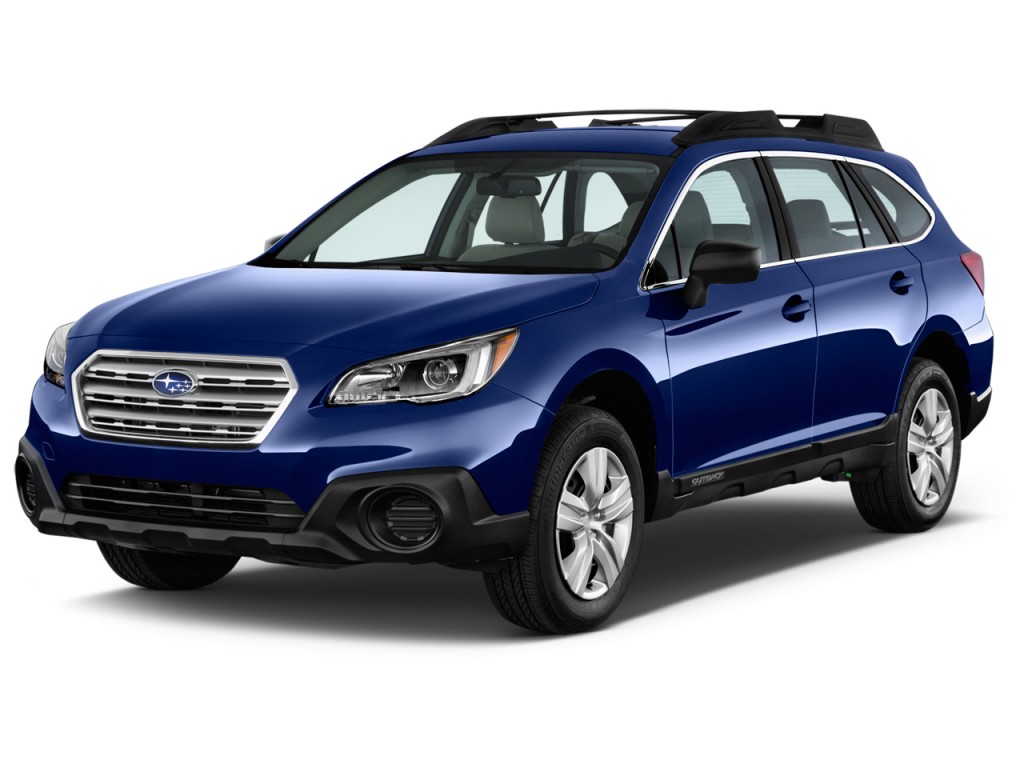
Drivers also value the system’s integration with Subaru’s boxer engine, which lowers the car’s center of gravity. This makes handling feel stable and secure, especially in bad weather.
While the Outback may not be the flashiest car on the road, its AWD system is among the most dependable, giving families and outdoor enthusiasts the confidence that traction won’t be compromised when conditions turn challenging.
2. Audi Quattro A4
Audi’s Quattro system is one of the most respected AWD technologies in the automotive market, and the A4 remains a standout example of its execution. Unlike systems that simply shift power after slippage is detected, Quattro operates with a proactive approach.
Using a center differential, the system distributes power between the front and rear axles in real time, ensuring that torque is already positioned where it’s needed before traction loss occurs.
This design has made the A4 a favorite among drivers who value precision and stability. Whether handling tight curves on wet pavement or maintaining control in icy conditions, the Quattro system inspires confidence.
The A4’s balance between performance and safety is a key reason it is frequently praised by both owners and automotive reviewers.
Durability is another strong factor. Quattro systems are engineered with robust components that can endure years of heavy use without frequent mechanical failures.
While maintenance costs are slightly higher than those of simpler systems, the long-term reliability more than justifies the investment. Owners often report that with proper servicing, the AWD system holds up exceptionally well even after 150,000 miles or more.
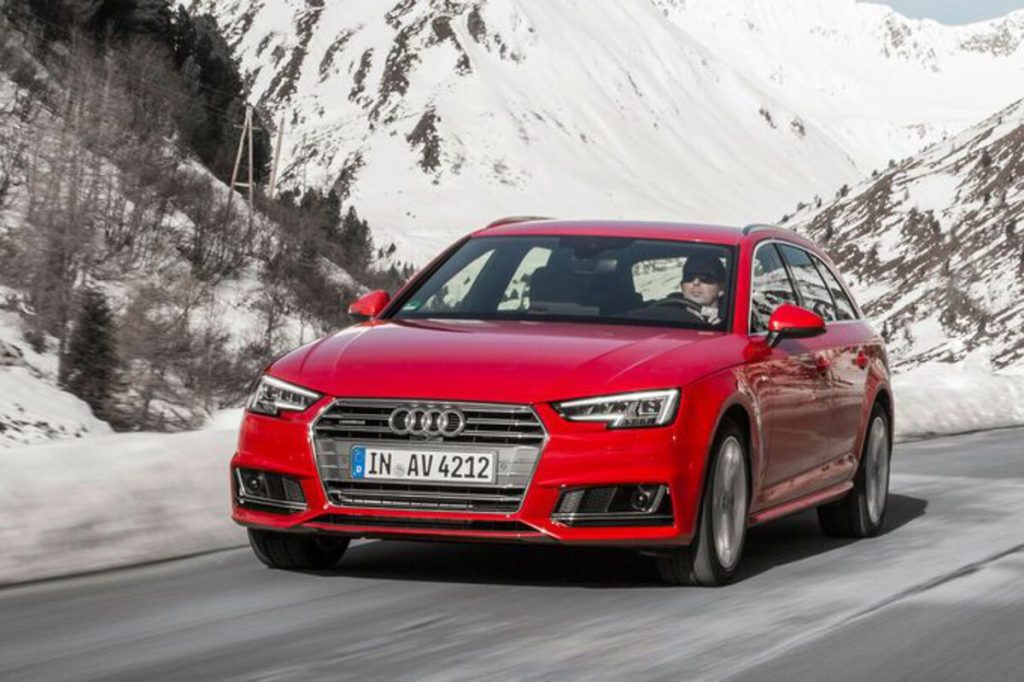
The A4 represents how thoughtful engineering transforms AWD into more than just a traction tool. It becomes a defining part of the driving experience, offering unmatched control and trustworthiness in everyday commuting as well as spirited driving conditions.
3. Toyota RAV4
Toyota has built its reputation on reliability, and the RAV4’s AWD system is no exception. While compact crossovers often use basic AWD setups, Toyota designed the RAV4’s system with efficiency and durability in mind.
The electronic on-demand AWD intelligently shifts torque between the front and rear wheels, providing traction when needed without sacrificing fuel economy during normal driving.
What sets the RAV4 apart is its balance between practicality and resilience. Owners in snowy regions consistently report strong performance in winter, while those who live in rain-heavy climates appreciate the added stability.
Unlike some competitors whose AWD systems wear prematurely or overheat under stress, the RAV4’s system is engineered for longevity, with few documented failures even as the mileage climbs.
The simplicity of its design also makes it less costly to maintain. Toyota avoids overly complex mechanisms that could increase failure points. For drivers, this means peace of mind that their AWD will perform consistently without creating frequent trips to the mechanic.
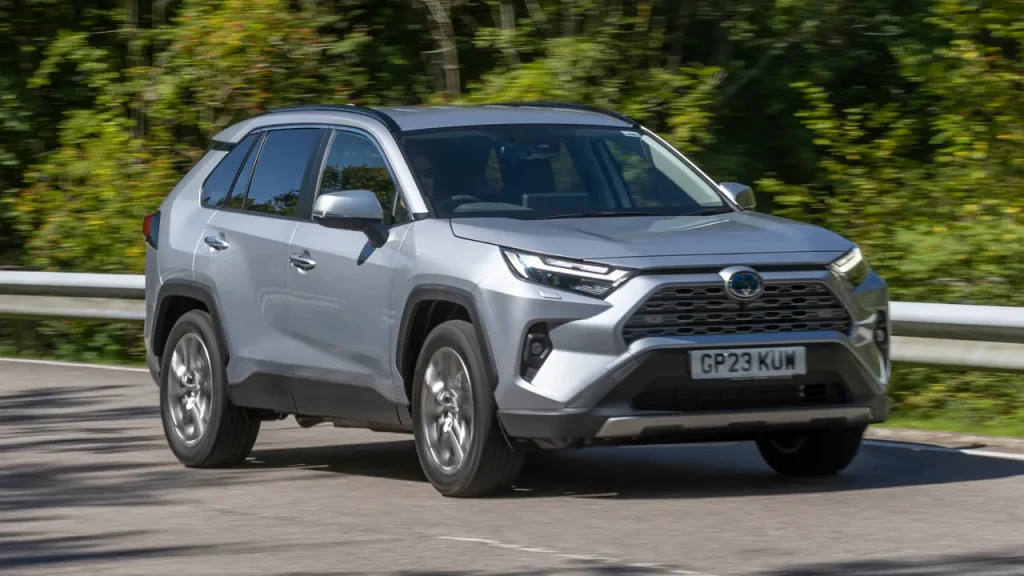
The RAV4 has become one of the most popular compact SUVs worldwide, and its AWD dependability plays a large role in that success.
Families, commuters, and outdoor enthusiasts trust it to handle unpredictable road conditions. This widespread confidence reflects Toyota’s emphasis on reliability, making the RAV4’s AWD one of the most dependable options in its class.
4. Honda CR-V
The Honda CR-V’s AWD system may not be the most performance-focused on the market, but it is unquestionably one of the most trusted. Designed with everyday usability in mind, Honda’s Real Time AWD engages seamlessly when conditions demand it.
The system operates primarily in front-wheel drive for efficiency, but when traction is lost, it quickly sends torque to the rear wheels. This quick response provides reassurance for drivers in wet, icy, or loose terrain conditions.
Where the CR-V shines is its durability. Owners routinely report that the AWD system functions smoothly for well over a decade with little need for repairs.
Unlike some systems that are prone to sensor or clutch failures, Honda’s design is straightforward and robust. This simplicity translates into fewer maintenance headaches and reduced costs over the vehicle’s lifespan.
The CR-V’s AWD is also well integrated with the SUV’s suspension and steering. Together, these elements create a stable, balanced ride that families can depend on during road trips or daily commutes.
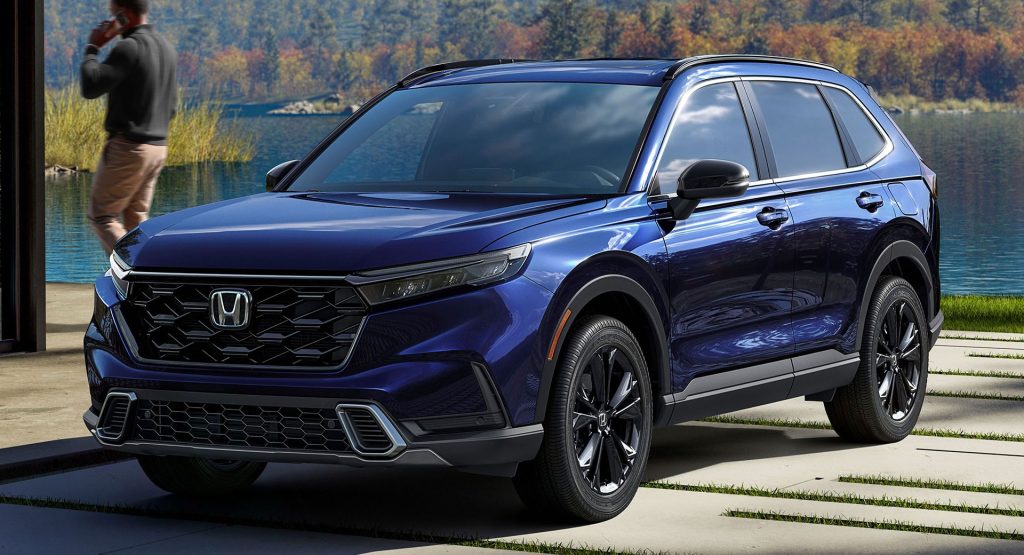
Even though it isn’t designed for off-road extremes, the system’s reliability in harsh weather makes it a top choice for regions with frequent snow and rain.
Honda’s reputation for building dependable vehicles is well represented in the CR-V’s AWD system.
It’s not flashy, but it delivers exactly what drivers need: consistent performance, long-term reliability, and confidence that their vehicle will keep them moving safely no matter what the forecast looks like.
5. Volvo XC90
The Volvo XC90 is known for its safety, but its AWD system is equally deserving of recognition.
Volvo designed the XC90’s drivetrain with a focus on stability and resilience, ensuring that the vehicle maintains control even under demanding conditions.
The AWD system uses advanced electronic controls to distribute torque where it’s needed most, keeping traction reliable on wet, icy, or gravel-covered roads.
Unlike some premium SUVs that struggle with complex AWD designs prone to failure, the XC90 has a solid record for reliability.
Owners frequently report that the AWD system continues to operate smoothly past 150,000 miles, provided that routine maintenance is followed.
Volvo’s engineering ensures that mechanical stress is minimized, reducing the likelihood of costly component failures.
Another strength is how well the system integrates with Volvo’s safety features. Technologies like traction control and stability assist work hand in hand with AWD, creating a driving experience where confidence is always present.
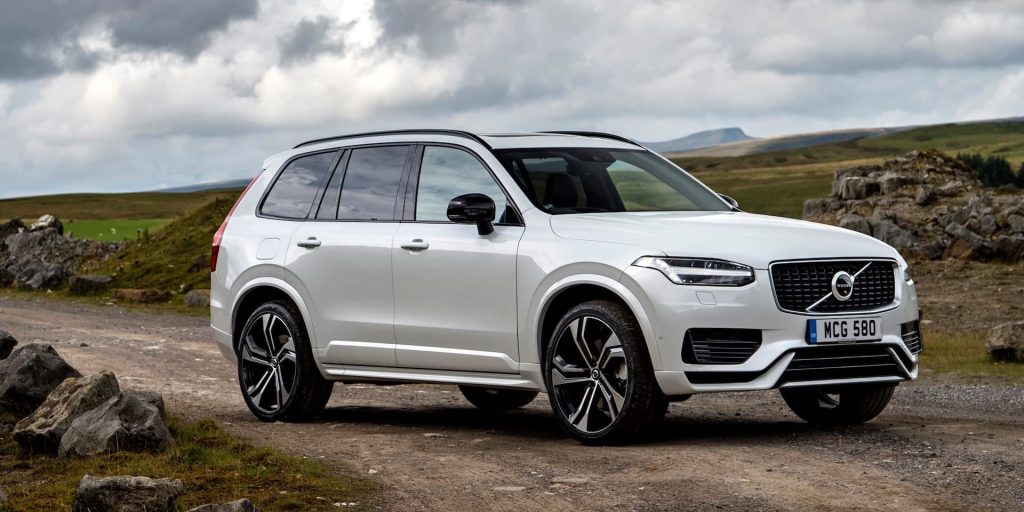
Families especially appreciate this, knowing that the XC90 provides both protection and dependable performance.
Though Volvo vehicles carry slightly higher maintenance costs overall, the AWD system itself rarely accounts for major repairs.
Instead, it serves as one of the XC90’s standout strengths, proving that AWD reliability can coexist with advanced technology. This makes the XC90 one of the most trusted premium SUVs when it comes to AWD performance and long-term durability.
5 Cars With Systems That Fail
Not every all-wheel-drive system delivers on its promises. While many vehicles are marketed with AWD as a selling point, some systems fail to meet expectations when it matters most. Poor design choices, fragile components, or overreliance on complex electronics often leave owners frustrated.
These vehicles may perform well when new, but as mileage increases, recurring problems appear. Repair bills climb quickly, and reliability suffers, leaving drivers questioning whether the AWD system was worth the investment at all.
The following five cars stand out as examples where AWD systems have developed a reputation for problems rather than strength.
From drivetrain failures to costly part replacements, these vehicles illustrate how AWD can sometimes be more of a liability than an advantage.
Owners frequently report issues such as worn transfer cases, malfunctioning electronic clutches, or systems that simply stop functioning altogether. In certain cases, AWD breakdowns are so common that repair shops have come to expect them.
By examining these vehicles, drivers can better understand which cars may not be worth considering if AWD durability is a priority.
These examples serve as cautionary tales, showing how even respected manufacturers can misstep when designing complex drivetrain systems.
1. Dodge Journey
The Dodge Journey is often criticized for its unreliable AWD system, which has proven to be one of its weakest points. Unlike robust setups found in competing crossovers, the Journey’s AWD relies heavily on an electronically controlled clutch pack that tends to wear prematurely.
Owners frequently report that the system either fails to engage properly or disengages unexpectedly, leaving the vehicle in front-wheel-drive mode even when conditions demand traction from all four wheels.
Problems are not limited to electronic controls. The transfer case in the Journey’s AWD setup has a reputation for early wear, especially under moderate stress like driving in snow or light off-road conditions.
Repairs are costly, often requiring replacement of major components rather than minor adjustments. For many owners, the expense of keeping the AWD system functional outweighs its benefits.
Another concern is that the AWD in the Journey does not provide the same stability and confidence as competitors. Drivers often describe it as sluggish to react, which means the vehicle can feel unstable on slippery roads. This undermines the purpose of having AWD in the first place.
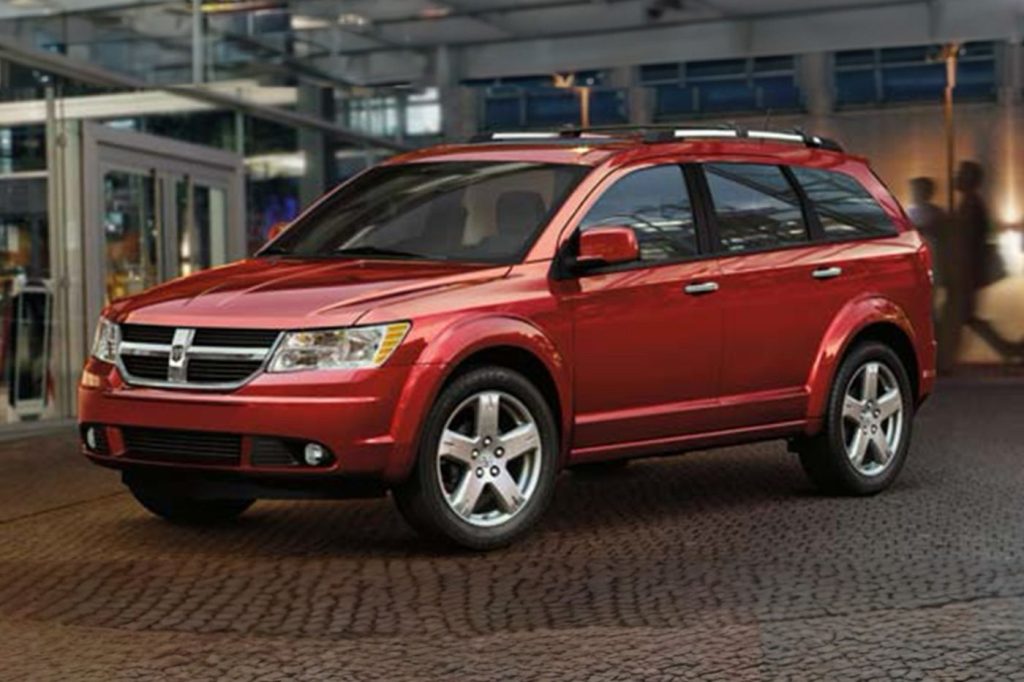
Because of these issues, the Dodge Journey has earned a reputation as one of the least reliable AWD-equipped crossovers. For families who depend on traction in unpredictable conditions, the system often ends up being more of a disappointment than a safety net.
2. Nissan Murano
The Nissan Murano, while stylish and comfortable, has been plagued by AWD reliability concerns that hurt its long-term reputation. Owners often encounter issues with the transfer case, which can develop leaks or fail prematurely.
When this occurs, the AWD system struggles to send power effectively to the rear wheels, creating an unsafe driving experience in conditions where traction is critical.
A significant problem arises from the Murano’s continuously variable transmission (CVT), which is closely integrated with the AWD system. The CVT has long been a weak spot in Nissan vehicles, and when it begins to fail, it often impacts how the AWD system performs.
Drivers have reported grinding noises, jerking sensations, and complete AWD disengagement, especially at higher mileages. Repairs are extremely costly, as they frequently require replacement of both transmission and AWD components.
Another drawback is the inconsistency of the system’s engagement. While competitors offer smooth and predictable power distribution, the Murano’s AWD can feel hesitant, reacting too slowly when road conditions shift. This creates unease for drivers, particularly in snowy or rainy environments.
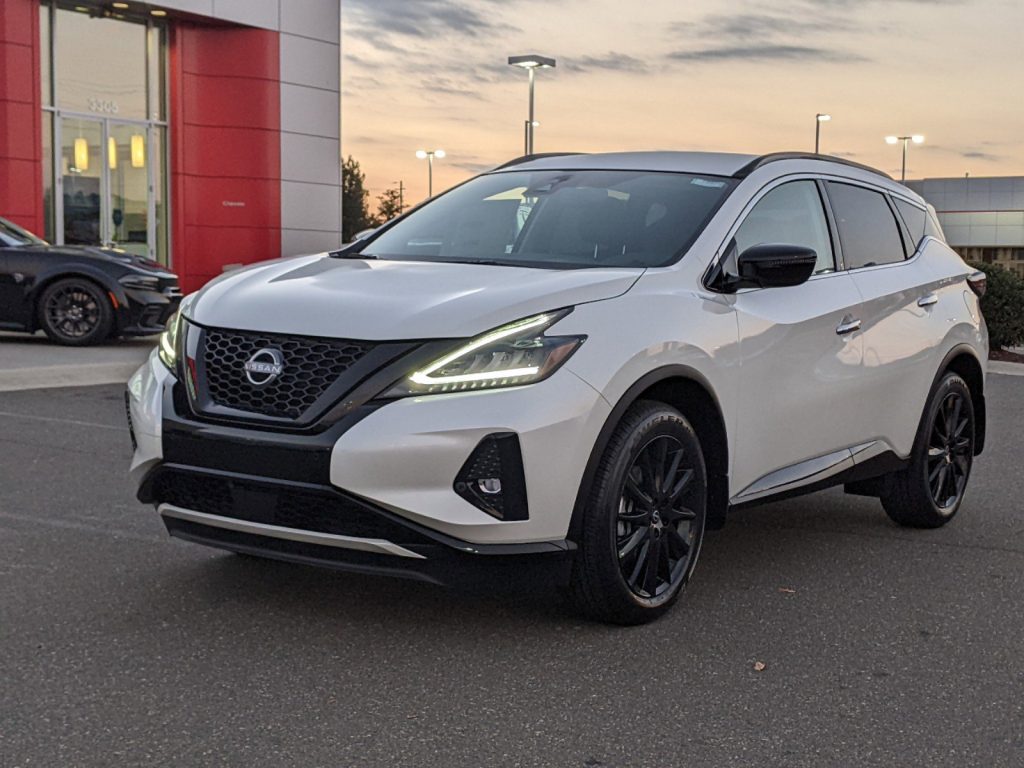
Despite Nissan’s reputation for producing dependable sedans and compact cars, the Murano’s AWD system stands as a cautionary example.
Many owners have expressed regret about choosing the AWD option, given the high cost of keeping it functional. For drivers who prioritize reliability, the Murano often ends up being a disappointing choice.
3. Chevrolet Equinox
The Chevrolet Equinox is one of the most common compact SUVs on the market, but its AWD system has left many owners dissatisfied.
General Motors designed the system with an electronically controlled clutch to shift torque between the front and rear wheels, but this setup has shown vulnerabilities over time.
A frequent complaint involves the rear differential, which often develops leaks or mechanical failures as the vehicle ages.
One of the most frustrating issues is the unpredictability of engagement. Drivers report that the Equinox sometimes struggles to transfer power quickly when traction loss occurs, making it unreliable on slick roads.
For a vehicle marketed as family-friendly and versatile, this undermines confidence in its ability to handle challenging conditions.
The cost of repairs adds another layer of frustration. Problems with the AWD system often require significant labor, as technicians must disassemble large portions of the drivetrain to reach failing components.
This makes even relatively minor issues costly for owners. Combined with other reliability concerns surrounding the Equinox, such as transmission troubles, the AWD problems compound into an ownership experience that many find disappointing.
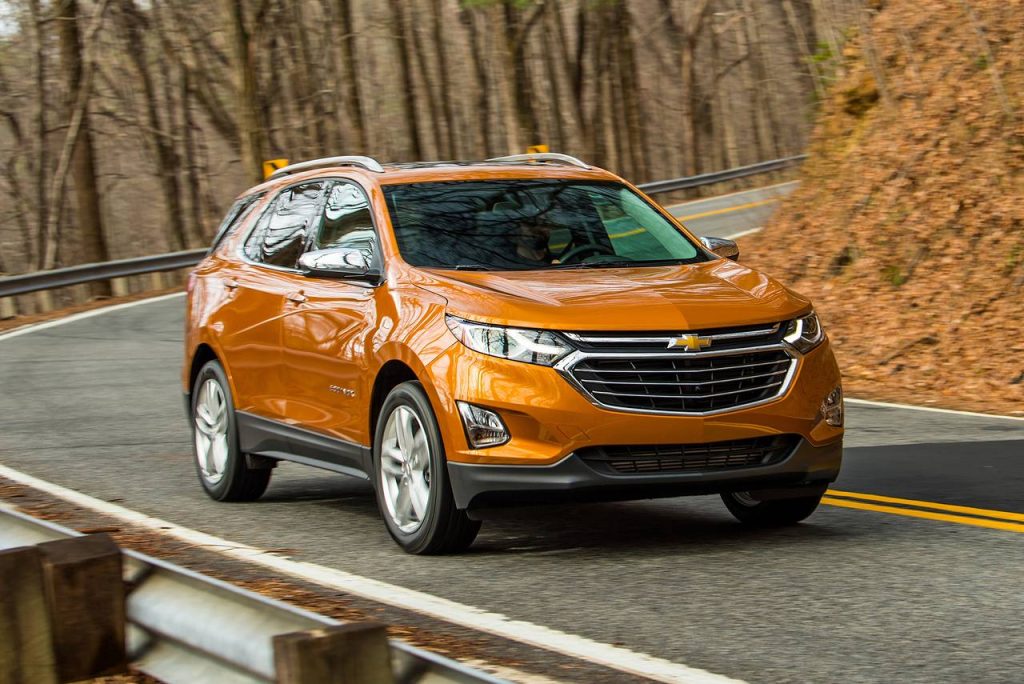
While the Equinox continues to sell well based on its size and affordability, its AWD system is not a strong point.
Drivers looking for a dependable all-weather SUV often find that competitors like Toyota or Honda deliver far better long-term performance. For many, the Equinox’s AWD setup becomes more of a liability than an asset once the miles start to add up.
4. Ford Edge
The Ford Edge offers a roomy interior and a smooth ride, but its AWD system has been a frequent source of owner complaints. Ford designed the Edge’s system to provide stability in slippery conditions, yet many drivers have found that it falls short in terms of reliability.
The most common issue involves the Power Transfer Unit (PTU), a critical component that routes power from the transmission to the rear wheels.
PTU failures are alarmingly common on the Edge, often occurring at relatively low mileage. Symptoms include burning smells, fluid leaks, and grinding noises.
Once the PTU fails, the AWD system effectively stops working, leaving the vehicle as front-wheel drive. Unfortunately, replacing the PTU is both expensive and labor-intensive, making it one of the most dreaded repairs for Edge owners.
In addition to PTU problems, the Edge’s AWD system sometimes struggles with delayed engagement.
Drivers in snowy climates report that the system does not react quickly enough to prevent wheel slippage, creating safety concerns. While the Edge is marketed as a versatile crossover, its AWD design undermines that promise.
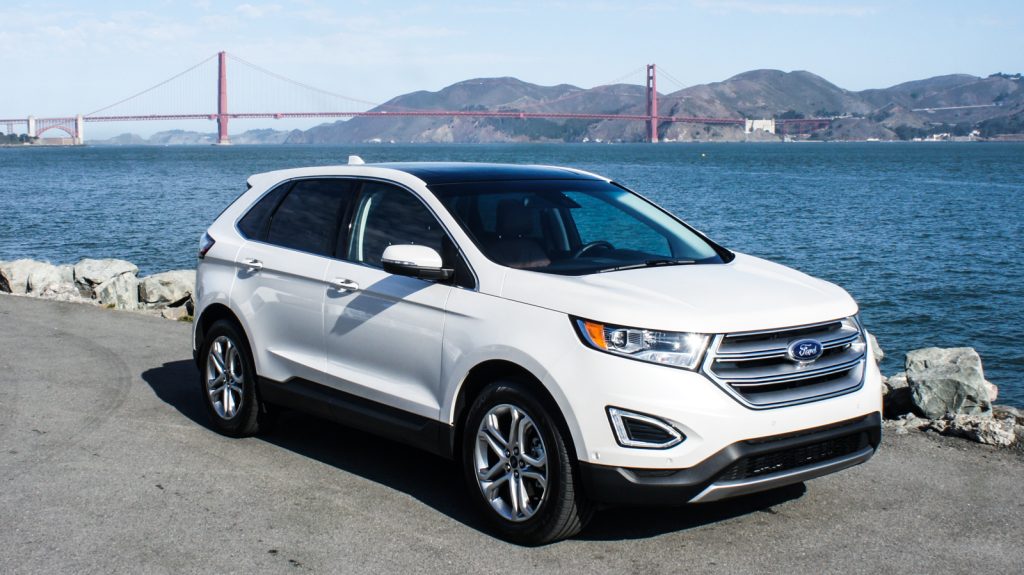
For families seeking a dependable all-weather vehicle, the Ford Edge often becomes a disappointment. While the SUV offers comfort and style, its AWD system is among the least reliable in its class.
The frequency of PTU-related breakdowns has damaged the Edge’s reputation, making it a risky choice for those who truly need dependable traction.
5. Jeep Compass
Jeep is often associated with rugged, dependable off-road vehicles, but the Compass has repeatedly fallen short when it comes to AWD reliability.
Unlike the brand’s stronger models such as the Wrangler or Grand Cherokee, the Compass uses a lighter-duty AWD system that has proven prone to problems.
Owners frequently report failures in the rear differential and electronically controlled clutch packs, both of which are essential to maintaining traction.
The system is also known for overheating under moderate stress. Drivers who attempt even mild off-road use sometimes find that the AWD disengages to protect itself, leaving the vehicle without the traction that Jeep’s reputation is built upon.
This not only frustrates owners but also creates a sense of distrust in the system’s abilities.
Repair costs further damage the Compass’s reputation. Rear differential failures, in particular, require expensive replacements, and repeated issues often occur within the first 100,000 miles.
Many owners find themselves paying more in repair bills than they would expect for a small SUV.
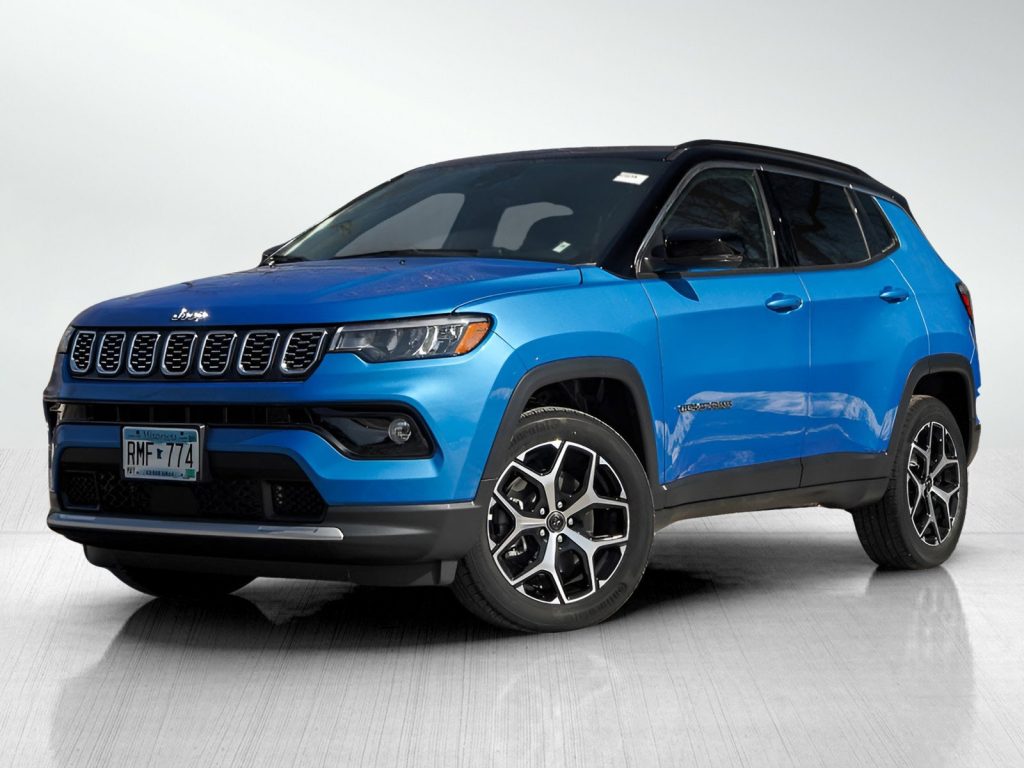
For a brand that markets itself on off-road confidence, the Compass’s AWD system is a glaring weak point. Instead of delivering the dependable traction Jeep enthusiasts expect, it often leaves drivers stranded with costly repairs.
For anyone seeking a reliable AWD system, the Compass serves as a clear warning that not all Jeep models live up to the brand’s rugged reputation.
AWD systems can either be a vehicle’s greatest strength or its weakest link. Some cars, such as the Subaru Outback, Audi A4, Toyota RAV4, Honda CR-V, and Volvo XC90, show how strong engineering creates trusted systems that remain dependable for years.
These vehicles distribute power effectively, handle harsh weather with confidence, and rarely suffer from major drivetrain failures, making them reliable choices for drivers who prioritize traction and durability.
On the other hand, models like the Dodge Journey, Nissan Murano, Chevrolet Equinox, Ford Edge, and Jeep Compass demonstrate how poorly executed AWD designs can cause more frustration than reassurance.
From fragile transfer cases to overheating components and expensive repairs, these vehicles show the risks of systems that fail under pressure.
The contrast highlights why AWD should never be judged by marketing alone. Proven reliability separates dependable systems from those that become costly liabilities.
Also Read: 5 SUVs That Keep Their Value Forever vs 5 That Depreciate Overnight
