
Classic cars hold a unique appeal because they combine heritage, design, and mechanical charm that newer models rarely capture. Yet, not every classic requires a six-figure investment.
There are still affordable options available today that have strong potential to become valuable assets in the years ahead.
For collectors, enthusiasts, or even casual buyers, identifying cars that are still within reach but poised for appreciation is a smart way to enjoy both ownership and investment potential.
The current collector market has shifted in interesting ways. While rare European sports cars and vintage muscle machines continue to dominate auctions, a new wave of more accessible classics is gaining recognition.
These vehicles often come from the 1970s through the early 2000s, combining nostalgic appeal with modern enough features to remain practical for occasional driving.
They may not yet carry the price tags of icons like a 1969 Camaro or a Ferrari 308, but their values are steadily rising as enthusiasts realize their importance.
Several factors push a car toward becoming a future goldmine. Limited production numbers, unique styling, strong performance for their era, or loyal fan bases all contribute to increasing desirability.
Some cars benefit from cultural influence, appearing in movies or being tied to motorsport history. Others simply represent the last of an era, whether it’s naturally aspirated engines, analog driving experiences, or manual gearboxes disappearing from modern lineups.
This article highlights ten affordable classics that remain accessible in 2025 but are expected to gain significant value as time moves forward.
Dealers, collectors, and enthusiasts are already eyeing these models, and their growing popularity hints that prices will only rise.
Each entry will explain what makes the car special, why it’s still relatively affordable today, and why it could turn into a future goldmine.
Also Read: 10 Cars That Hold Up Well In The City vs 10 That Break Down In Traffic
1. Mazda MX-5 Miata (NA)
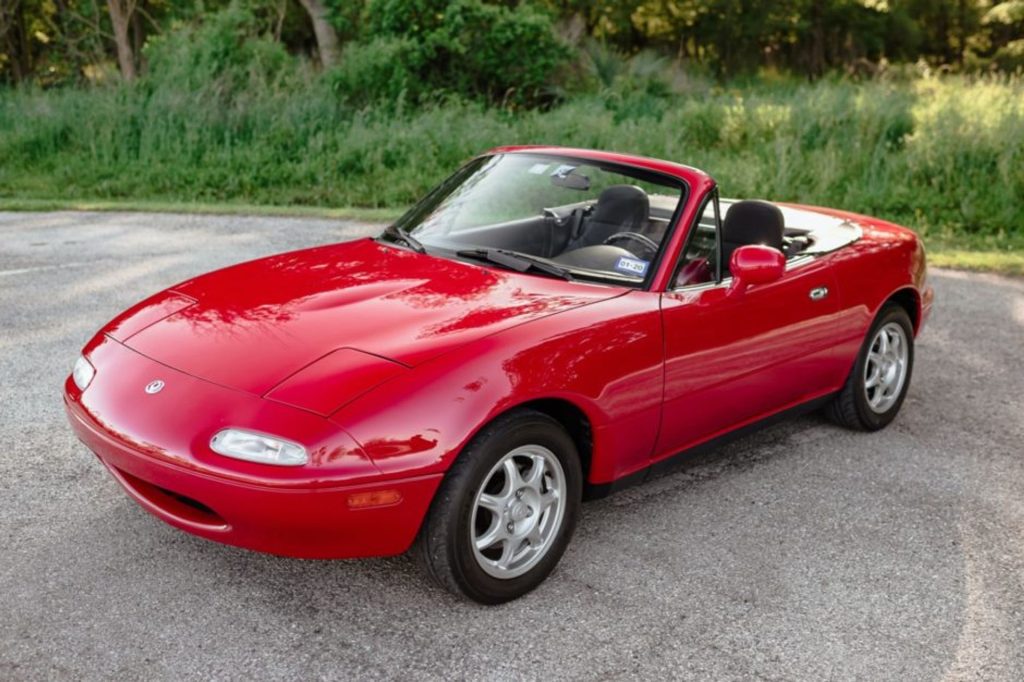
The first-generation Mazda MX-5 Miata, known as the NA, remains one of the most affordable ways into classic car ownership and continues to grow in collectability.
Introduced in 1989, the Miata captured the essence of lightweight roadsters from earlier decades, while offering modern reliability.
Dealers and enthusiasts recognize that this model is still reasonably priced, but values have been rising steadily as its status as a cultural icon strengthens.
One of the key reasons the NA Miata is a future goldmine is its driving experience. Weighing just over 2,000 pounds, it delivers nimble handling and a direct connection between driver and machine.
The 1.6-liter and later 1.8-liter engines may not deliver huge horsepower, but the car’s balance and agility make it an absolute joy on twisty roads. Collectors prize cars that embody pure driving fun, and the NA Miata fits that description perfectly.
Another reason for its growing value is the design. Pop-up headlights, compact proportions, and a simple interior make it instantly recognizable.
These styling cues are timeless, and as pop-up headlights disappear from modern cars, models that feature them are becoming increasingly desirable.
The NA Miata also benefits from strong aftermarket support. Owners can easily maintain, upgrade, and personalize their cars, which keeps interest alive.
Clean, original examples are becoming harder to find as many have been modified for racing or autocross, so unmolested cars already command a premium.
Affordability is another major factor. While other sports cars from the same era have already climbed beyond reach, the NA Miata remains relatively inexpensive.
However, values have begun to climb as enthusiasts realize they can own a piece of automotive history without spending a fortune.
This combination of affordability, driving enjoyment, and cultural impact positions the NA Miata as one of the most promising affordable classics that will likely appreciate further in the coming years.
2. BMW E30 3 Series
The BMW E30 3 Series, produced from the early 1980s through the early 1990s, has become one of the most desirable affordable classics, and its values continue to climb steadily.
While certain versions, like the E30 M3, have already skyrocketed into six-figure territory, standard models such as the 325i and 318i remain within reach. Dealers and collectors see them as smart investments that blend driving pleasure with strong heritage.
One of the standout features of the E30 is its engineering. With rear-wheel drive, precise steering, and well-balanced suspension, the E30 provides a rewarding driving experience that modern cars often struggle to replicate.
Enthusiasts praise its analog feel, making it one of the best representations of BMW’s “ultimate driving machine” philosophy.
Styling also plays a huge role in its desirability. The boxy yet elegant design, classic BMW kidney grilles, and well-proportioned body give the E30 a timeless look. This aesthetic appeals to both longtime BMW fans and younger enthusiasts discovering the model for the first time.
Another factor in its growing collectability is motorsport history. The E30 platform was widely used in racing and rallying, giving it strong credibility among performance-minded collectors. Even non-M versions carry that motorsport DNA, making them attractive investments.
Affordability is shrinking, but clean examples can still be found at prices that are far lower than other European classics of the same era.
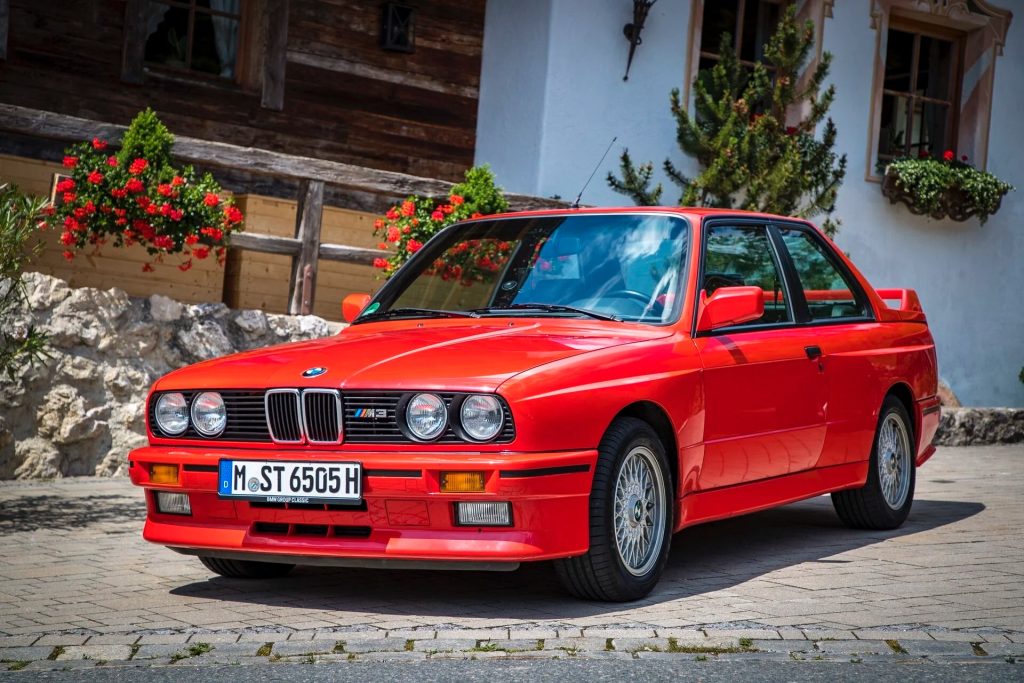
Original, rust-free cars with manual transmissions are especially valuable, and their prices are expected to rise further as supply continues to dwindle.
The E30’s blend of performance, styling, and cultural importance ensures its place as a future goldmine.
Collectors recognize that while the M3 has already skyrocketed beyond reach, standard E30 models are following the same path, making now one of the last chances to secure one at a reasonable price.
3. Toyota MR2 (AW11 and SW20)
The Toyota MR2, particularly the first two generations (AW11 and SW20), stands out as an affordable classic with strong potential for appreciation.
Produced during the 1980s and 1990s, the MR2 gained attention for its unique mid-engine layout, which provided sports car dynamics at a fraction of the price of European exotics. Dealers and collectors know these models are still undervalued, but interest is rising quickly.
One of the biggest draws of the MR2 is its engineering. The mid-engine setup gave it exceptional handling balance, which made it a thrilling car to drive. The AW11, launched in the mid-1980s, delivered a lightweight, sharp-driving experience with its 1.6-liter engine.
The second generation SW20 brought more power and refinement, offering turbocharged versions that could rival far more expensive sports cars of the era.
Styling adds to its appeal. The MR2’s wedge-shaped design with pop-up headlights on the AW11 and the sleek curves of the SW20 capture the spirit of 1980s and 1990s sports car culture.
Both generations have become increasingly rare in unmodified condition, and originality is one of the factors collectors value most.
Affordability remains one of its biggest advantages. While prices for clean examples are climbing, the MR2 is still less expensive than many of its period rivals, making it an accessible entry into classic car ownership.
Enthusiasts who want a unique driving experience without spending heavily are quickly turning to the MR2, which drives demand higher at auctions.
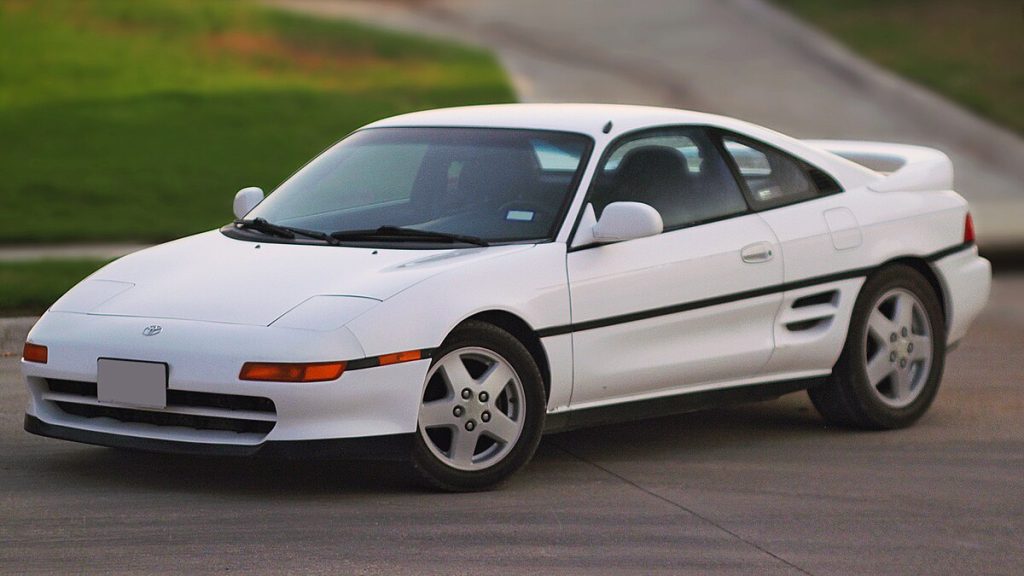
Another element boosting its collectability is rarity. Many MR2s have been heavily modified or neglected, leaving fewer well-preserved cars on the market. This shrinking supply is already pushing values upward, and experts expect the trend to continue.
With its combination of mid-engine uniqueness, strong styling, and affordable pricing, the Toyota MR2 is a car that has all the ingredients to become a future goldmine in the classic car market.
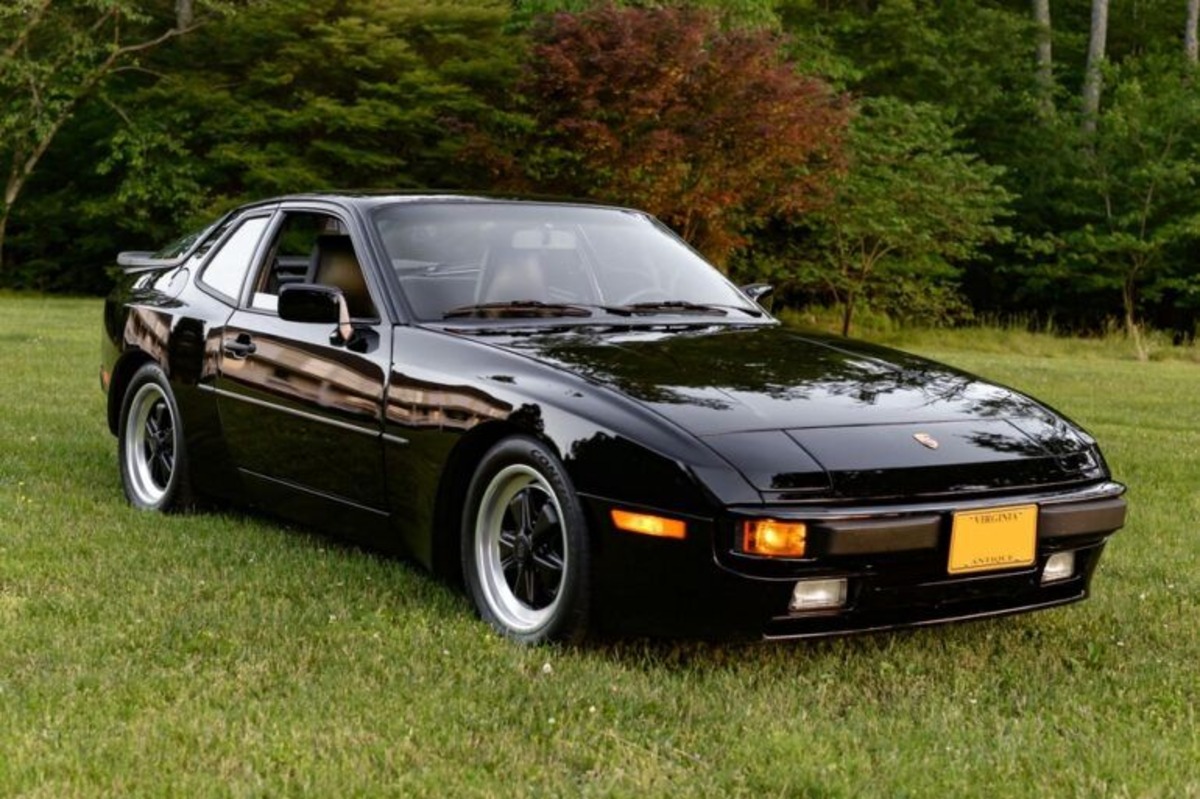
4. Porsche 944
The Porsche 944 has long been considered one of the most undervalued cars to carry the Porsche badge, but that is beginning to change.
Produced through the 1980s and early 1990s, the 944 was designed to be more accessible than the 911 while still offering genuine Porsche engineering.
Dealers and collectors increasingly recognize its strong potential for appreciation, especially as affordable examples become harder to find.
Performance is one of its major strengths. With near-perfect weight distribution thanks to a transaxle layout, the 944 delivers exceptional handling.
The naturally aspirated versions provide smooth power, while the Turbo models add serious performance that rivals more expensive sports cars from the same period.
Enthusiasts appreciate the balanced driving experience, which makes it rewarding both on twisty roads and on track days.
Styling also contributes to its appeal. The 944’s clean, aerodynamic lines reflect 1980s design in a way that still feels modern today. Its wide stance and flared wheel arches give it a muscular presence without being over the top.
Collectors value the fact that it represents an era when Porsche was experimenting beyond the 911, adding to its historical significance.
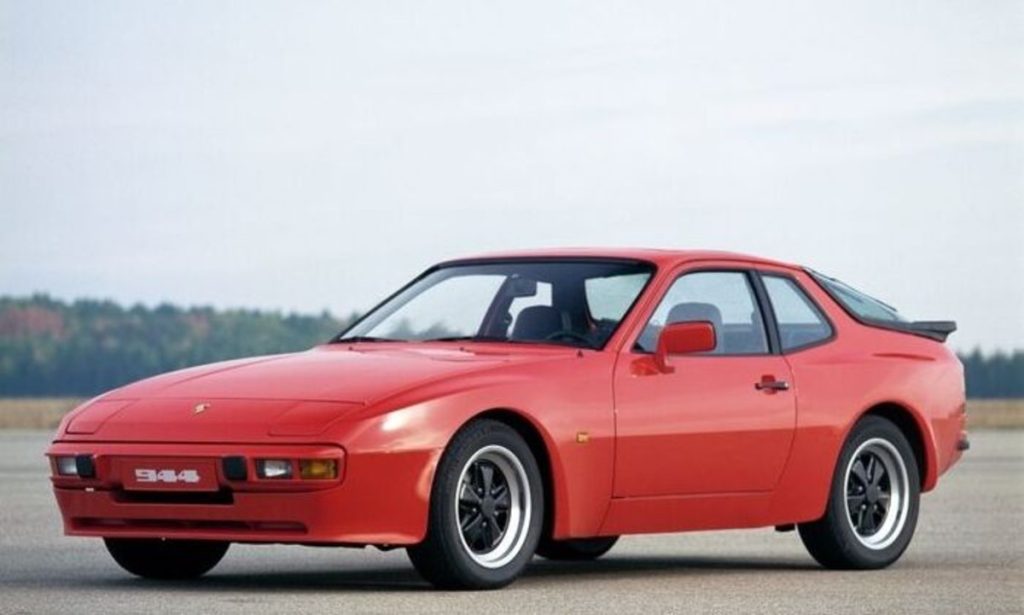
Affordability has been one of the 944’s biggest advantages, though prices are climbing quickly. For years it was dismissed as the “budget Porsche,” but as enthusiasts grow nostalgic for analog sports cars, demand has risen sharply. Well-kept, original examples, especially the Turbo, are becoming highly sought after.
With strong engineering, timeless design, and growing recognition, the Porsche 944 is moving from hidden gem to recognized classic. Dealers know its window of affordability is closing, making it one of the smartest future investments in the classic market.
5. Ford Mustang Fox Body
The Fox Body Ford Mustang, built from 1979 to 1993, has undergone a dramatic shift in reputation.
Once seen as an inexpensive used car, it is now becoming a serious collector’s item. Dealers and enthusiasts alike have noticed that prices for clean examples are rising, making this generation a future goldmine for classic car buyers.
One of the main attractions is performance heritage. The 5.0-liter V8 models in particular became icons of American car culture, offering accessible muscle at a time when many performance cars were losing their edge. The Fox Body gained popularity among tuners and racers, which cemented its place in automotive history.
Styling also plays a role in its resurgence. Its angular lines and hatchback or notchback options give it a distinctly 1980s look that has become increasingly nostalgic. For collectors, cars that embody their era so clearly often hold strong long-term value.
Another factor is cultural relevance. The Fox Body Mustang became a fixture in street racing scenes and featured heavily in American car culture of the 1980s and early 1990s. This pop culture presence ensures that younger enthusiasts, who grew up seeing these cars, now want to own them.
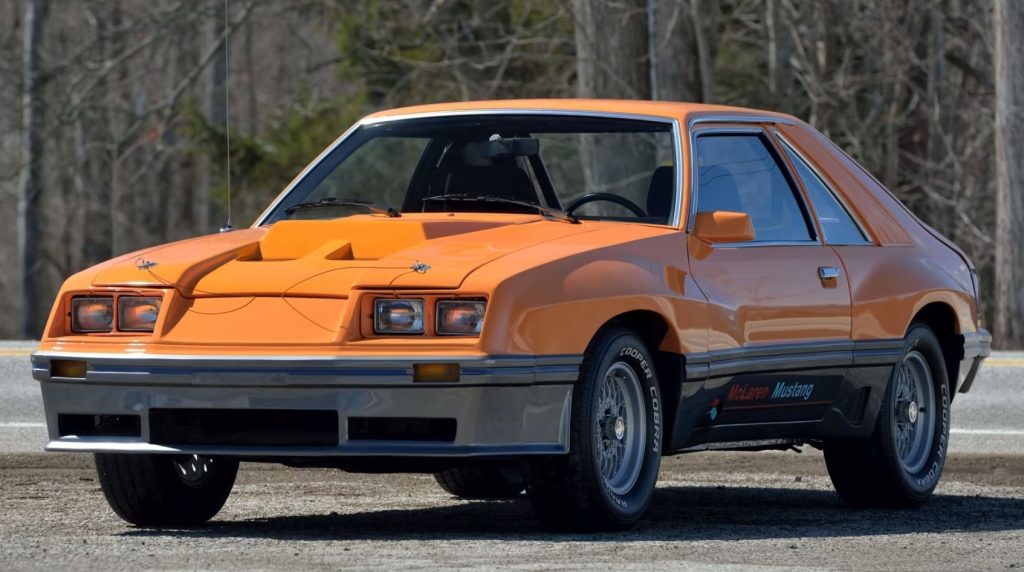
Affordability remains a draw, though prices are rising. While rare versions like the Mustang SVO and Saleen models already command a premium, even standard 5.0-liter cars are gaining value quickly. Clean, unmodified examples are especially desirable since many were modified heavily during their lifetimes.
The Fox Body Mustang’s combination of performance, style, and cultural significance ensures it will continue appreciating. Dealers and collectors are increasingly chasing these cars at auctions, knowing their values will only grow in the years ahead.
6. Nissan 300ZX (Z32)
The Nissan 300ZX, particularly the Z32 generation produced from 1989 to 2000, has emerged as one of the most desirable Japanese classics.
With its futuristic styling, strong performance, and connection to the golden era of Japanese sports cars, the 300ZX has been climbing in value steadily.
Dealers know these cars are no longer cheap, but they remain relatively affordable compared to other 1990s icons, giving them strong investment potential.
One of the most appealing aspects of the Z32 is its performance. Offered with both naturally aspirated and twin-turbocharged V6 engines, the 300ZX delivered impressive power and handling for its era. The twin-turbo models in particular could rival much more expensive European sports cars, making them a favorite among enthusiasts.
Styling plays a huge role in its desirability. The 300ZX featured sleek, low-slung lines and a wide stance that looked far ahead of its time in the early 1990s. Its design has aged gracefully, and many consider it one of the best-looking Japanese cars ever made.
Technology also adds to its appeal. The Z32 offered advanced features for the era, including electronic climate control, digital displays, and four-wheel steering on certain models. These innovations make it stand out among classics from the same period.
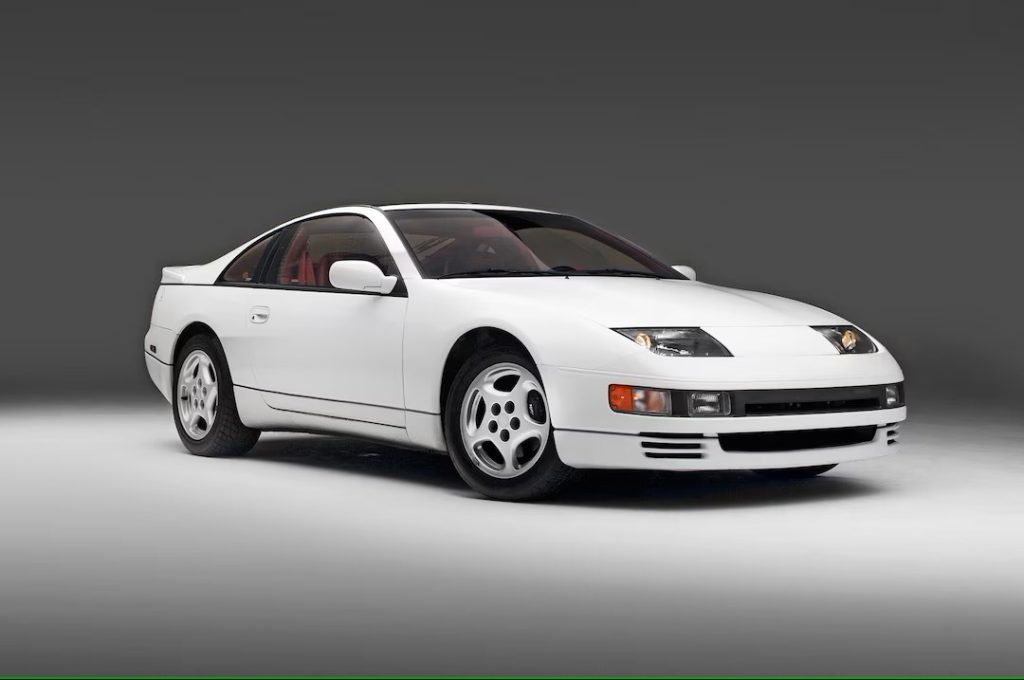
Affordability, while shrinking, still sets the 300ZX apart. Prices for clean, unmodified twin-turbo models have been climbing, but non-turbo versions remain accessible. Collectors recognize that as supply decreases, even base models will rise significantly in value.
With its combination of performance, design, and cultural importance, the Nissan 300ZX is one of the most promising Japanese classics to invest in today. Dealers and collectors know that acquiring one now could mean strong returns in the near future.
7. Toyota Supra MK3
The third-generation Toyota Supra, produced from 1986 to 1993, has gained recognition as a future classic with strong potential for appreciation.
While the later MK4 Supra tends to get most of the attention, the MK3 offers a more affordable entry point into the Supra lineage, making it an increasingly popular choice for dealers and collectors.
Performance is one of its strongest selling points. The MK3 Supra introduced turbocharged power with the 7M-GTE inline-six, which offered serious performance for the late 1980s.
It also delivered rear-wheel-drive handling that appealed to driving enthusiasts, setting the stage for the legendary reputation of the MK4.
Many enthusiasts appreciate the MK3 as the car that built the foundation for Toyota’s performance dominance in the 1990s.
Styling also adds to its charm. With its angular lines, pop-up headlights, and bold proportions, the MK3 represents classic 1980s and early 1990s design. Its appearance makes it stand out at shows and auctions, and collectors value its role as an authentic representation of the era.
Another factor boosting its collectability is its relative rarity in good condition. Many MK3 Supras were modified heavily or suffered from wear and neglect, so original, well-kept examples are becoming difficult to find. Dealers know that originality always adds to long-term value, which increases demand for preserved models.
Affordability compared to the MK4 makes it an excellent investment for those seeking Japanese classics.
While MK4 Supras have already skyrocketed in price, the MK3 remains within reach but is climbing steadily. Collectors who enter the market now are likely to see substantial appreciation in the coming years.
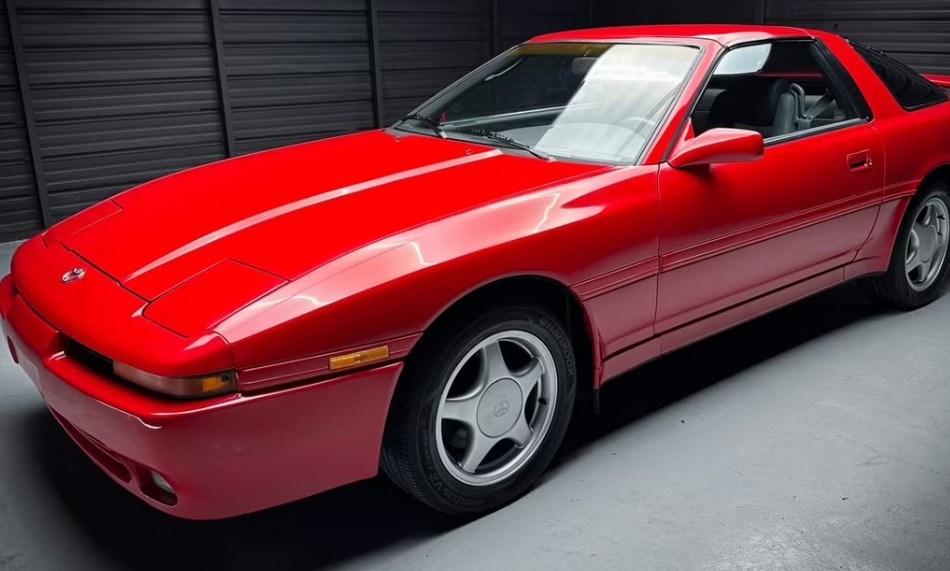
The MK3 Supra may not have the legendary status of its successor, but it is finally receiving the recognition it deserves. Dealers and collectors are pursuing these cars more aggressively, knowing that their time as undervalued classics is quickly running out.
8. Mercedes-Benz 190E (W201)
The Mercedes-Benz 190E, produced between 1982 and 1993, is gaining serious traction among collectors and dealers as a rising star in the classic market.
Known internally as the W201, the 190E was designed as Mercedes’ compact executive sedan, but its engineering excellence and motorsport pedigree have made it far more than just an entry-level luxury car.
One of its strongest appeals lies in its build quality. The 190E was engineered during an era when Mercedes prioritized durability and overengineering.
Solid materials, precise construction, and long-lasting mechanical components give it a reputation for reliability that still holds today. Many examples remain on the road, further proving their resilience.
Performance is another key factor. The standard models provided smooth, refined driving experiences, but the higher-performance variants, such as the 190E 2.3-16 and the legendary 190E 2.5-16 Evolution, brought motorsport technology to the road.
These cars were developed with input from Cosworth and competed successfully in touring car racing, adding significant historical weight to the model.
Even the regular versions benefit from well-tuned suspension and balanced handling, making them enjoyable classics to drive.
Styling also adds to its appeal. With clean, boxy lines, a purposeful stance, and subtle detailing, the 190E represents 1980s German design at its best.
Its timeless look has aged gracefully, appealing to both older collectors and younger enthusiasts seeking authentic classics from that era.
Affordability still makes it an excellent entry point into Mercedes-Benz ownership, though values are climbing quickly, especially for rare Cosworth-tuned models.
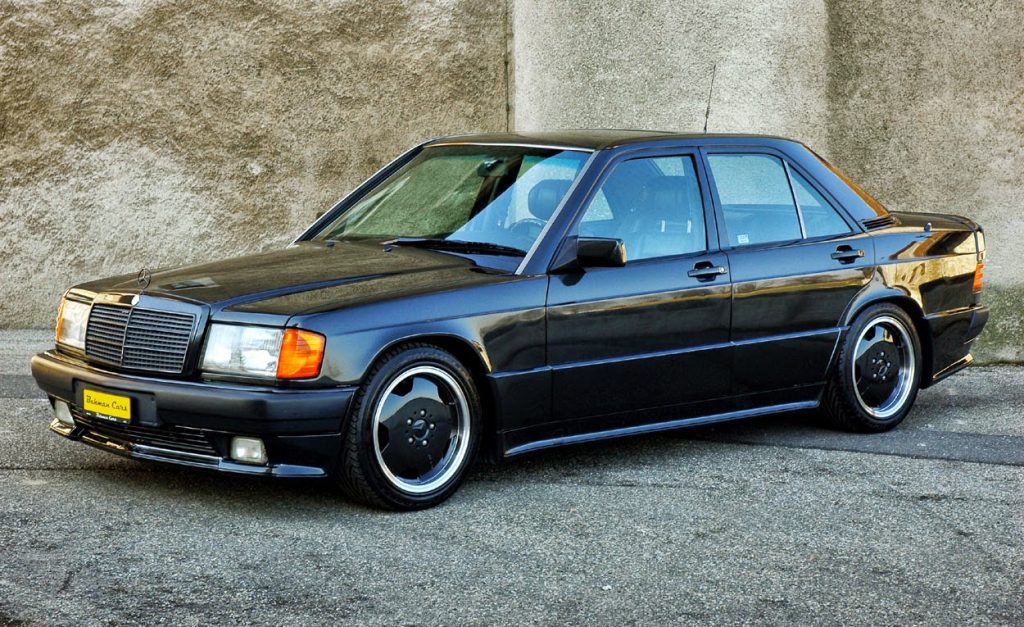
Even standard six-cylinder variants are appreciating as demand spreads across the lineup. Dealers recognize that the 190E offers the prestige of a Mercedes badge combined with increasing collector recognition, making it a strong future investment.
With its balance of heritage, engineering excellence, and cultural importance, the Mercedes-Benz 190E is firmly positioned as a future goldmine.
Collectors and dealers know its time as a bargain is coming to an end, and those who secure one now are likely to see significant returns.
9. Acura Integra GS-R
The Acura Integra GS-R from the 1990s represents a turning point in Honda’s performance history and has become a standout classic among Japanese sports compacts. Collectors and dealers alike see its value rising as demand for 1990s performance cars grows rapidly.
Performance is a major factor in its appeal. The GS-R introduced the VTEC system to the Integra lineup, giving it a unique blend of high-revving excitement and daily usability.
Its 1.7-liter engine produced impressive power for its size, and enthusiasts appreciated the engaging manual transmission that brought the most out of the car.
Styling contributes to its growing popularity. With its clean lines, balanced proportions, and subtle sporty accents, the GS-R maintains a timeless look.
Many younger enthusiasts who grew up seeing these cars in magazines and video games now want to own them, which fuels demand.
Another strength is its reputation for reliability. Unlike many performance cars of the 1990s, the Integra GS-R combined excitement with Honda’s durability. This makes it appealing not only to collectors but also to drivers who want a classic they can still enjoy regularly.
Rarity plays an important role in its rising value. Many GS-Rs were driven hard or modified extensively, which makes original, unmodified examples especially desirable.
Dealers understand that these well-preserved versions will become increasingly difficult to source, driving up auction competition.
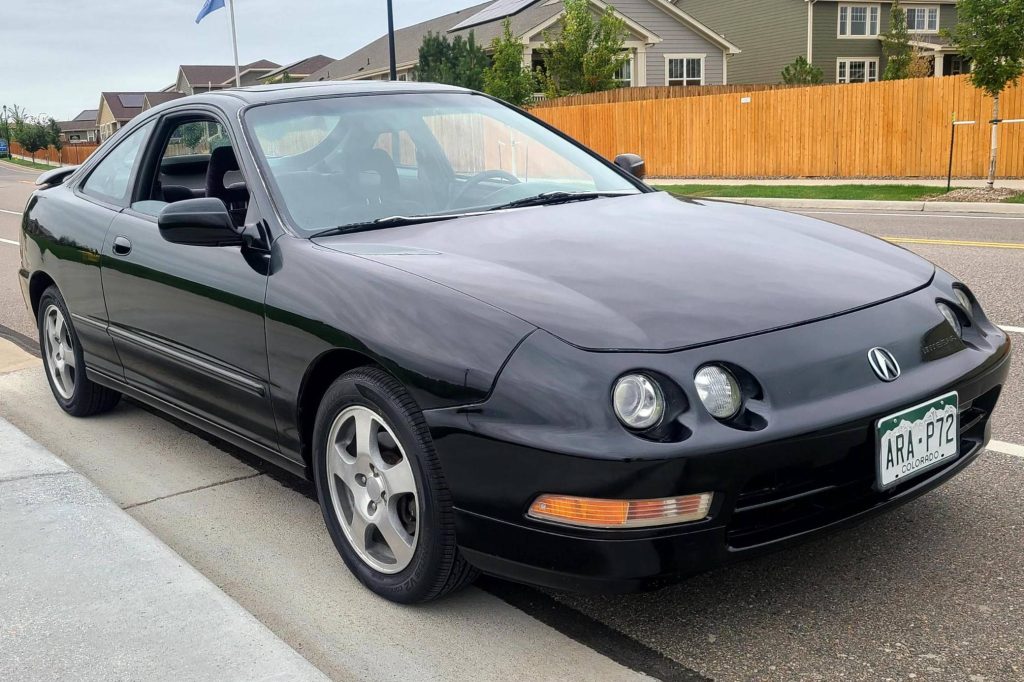
Affordability, compared to more expensive Japanese icons like the Supra and NSX, also adds to its appeal. While prices are climbing, the GS-R still represents an accessible entry point into the world of collectible performance cars. Its cultural relevance, reliability, and strong performance credentials all suggest that values will continue to rise.
The Acura Integra GS-R has earned its place as a sought-after modern classic. Dealers and collectors are keeping a close watch on this model, knowing that its potential as a future goldmine is only just beginning.
10. Mazda RX-7 FD
The third-generation Mazda RX-7, also known as the FD, is one of the most desirable Japanese sports cars ever built.
Produced from 1992 to 2002 in various markets, it combined breathtaking styling, advanced engineering, and a reputation for delivering an unmatched driving experience.
Dealers and collectors increasingly view the RX-7 FD as a high-potential investment, with prices climbing steadily over the past decade.
Performance is at the core of its appeal. Powered by a twin-turbocharged rotary engine, the RX-7 offered a power delivery unlike anything else on the market at the time.
Its lightweight chassis and near-perfect balance made it one of the best-handling cars of the 1990s. Enthusiasts often compare it favorably to far more expensive European sports cars, a fact that cements its reputation as a driver’s car.
Design also plays a major role in its lasting appeal. With smooth, flowing lines, pop-up headlights, and a low, aggressive stance, the RX-7 FD is widely considered one of the most beautiful cars of its era. Its styling has aged remarkably well, and it remains a standout at car shows and auctions alike.
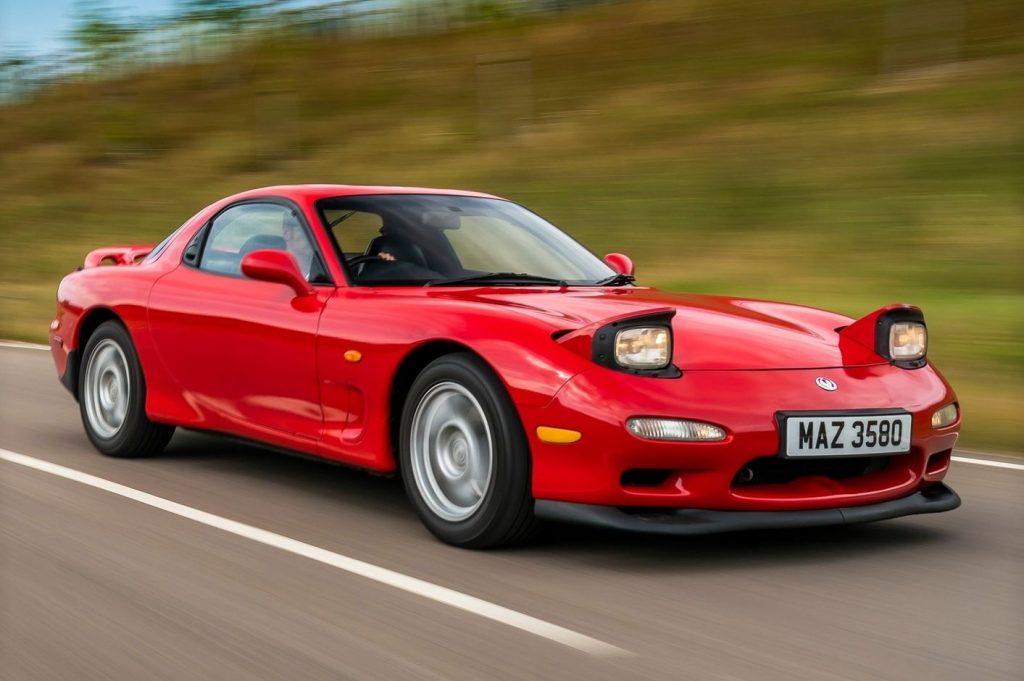
Cultural relevance further boosts its status. The RX-7 became a star in motorsport, video games, and popular films, cementing its place in car culture. This connection ensures that demand extends across generations of enthusiasts.
While ownership requires commitment due to the rotary engine’s maintenance needs, collectors view this as part of its unique charm rather than a drawback.
Original, well-kept examples are becoming increasingly rare, especially unmodified cars, which makes them highly prized.
With its combination of performance, design, and cultural significance, the Mazda RX-7 FD is already on the rise. Dealers see it as one of the safest bets in the Japanese classic market, and its reputation ensures that demand will only strengthen in the years ahead.
Also Read: 10 Chevy Models That Still Run Strong Today
