
Power steering is an essential system in modern SUVs, providing ease of control, precision, and safety during driving. However, not all SUVs maintain consistent performance in this system over time.
Some models rarely experience power steering failures, allowing owners to enjoy smooth handling for hundreds of thousands of miles.
Others are prone to recurring issues, leaving drivers with sudden stiffness, fluid leaks, or complete loss of assist, which can be both inconvenient and hazardous.
The reliability of a power steering system depends on several factors, including the quality of the pump, steering rack, fluid, and related components.
Some manufacturers prioritize durable, well-tested systems that tolerate heavy use and varying road conditions. In contrast, other SUVs have designs that are more sensitive to wear, heat, or maintenance lapses, which can accelerate failure.
This article examines two categories: five SUVs that rarely lose power steering and five that are prone to consistent failures. Each vehicle will be analyzed in terms of system design, maintenance considerations, and real-world reliability reports.
By understanding which SUVs maintain dependable power steering and which require frequent attention, buyers can make informed choices, ensuring safer and more reliable handling.
The goal is to highlight models that combine driving comfort with mechanical durability, offering insights for both enthusiasts and long-term SUV owners.
Also Read: 10 Most Reliable Kias That Still Run Strong After 15 Years
5 SUVs That Rarely Lose Power Steering
Some SUVs are engineered to maintain reliable power steering for hundreds of thousands of miles, providing consistent handling and confidence for the driver.
These vehicles feature robust steering components, well-designed hydraulic or electric power-assist systems, and durable fluid delivery mechanisms. The result is minimal service interruptions and fewer costly repairs over the vehicle’s lifespan.
Reliability in power steering systems is influenced by multiple factors. High-quality materials for pumps, hoses, and steering racks reduce wear and leaks.
Effective cooling and fluid management prevent overheating or fluid breakdown, while well-calibrated electric assist systems distribute load efficiently, reducing stress on components.
Proper design also accommodates regular use under varying road conditions, from urban streets to off-road terrain, ensuring consistent assist without sudden failures.
This section focuses on five SUVs that stand out for maintaining dependable power steering. Each example highlights the engineering decisions that contribute to system durability, practical maintenance requirements, and real-world owner experiences that reinforce reliability claims.
Understanding which SUVs deliver consistent power steering allows buyers to select models that combine smooth handling with long-term durability, minimizing surprises and maintenance costs.
Highlighting these reliable systems also demonstrates how manufacturers can create steering assemblies capable of lasting performance, even under high-mileage conditions, while preserving driver confidence and safety.
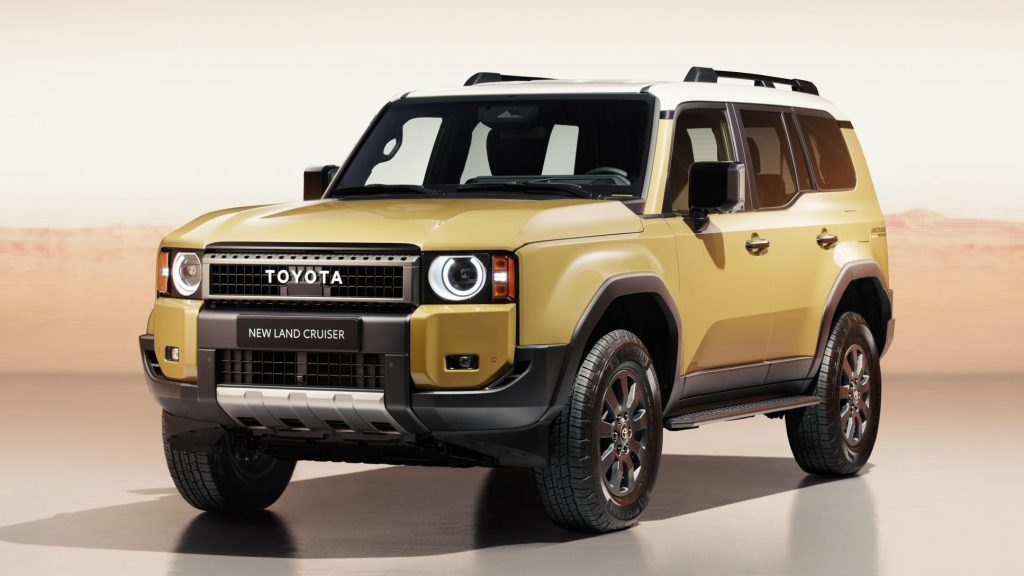
1. Toyota Land Cruiser
The Toyota Land Cruiser is widely recognized for its exceptional durability, and its power steering system is no exception.
Equipped with a hydraulic-assisted steering rack, this SUV is designed to handle heavy loads, off-road conditions, and prolonged high-mileage use without failures.
Toyota engineers prioritize high-quality materials for the pump, hoses, and rack, which resist wear, leaks, and pressure loss.
Another key factor in the Land Cruiser’s steering reliability is its robust fluid management system. The hydraulic fluid circulates consistently under all conditions, and the cooling design prevents overheating even during long drives or off-road excursions.
Owners report minimal issues with stiffness or unusual noises, even after hundreds of thousands of miles, highlighting the system’s endurance.
Routine maintenance, such as fluid checks and hose inspections, is straightforward and rarely demands major intervention. Additionally, replacement parts are widely available, allowing minor repairs to be performed without excessive cost or downtime.
The steering system’s design balances responsive handling with mechanical longevity, making it both effective and durable.
For drivers seeking confidence behind the wheel, the Land Cruiser delivers a combination of smooth, predictable steering and exceptional long-term reliability.
Its power steering system is a standout example of engineering that withstands heavy use and extreme conditions, ensuring consistent performance for decades.
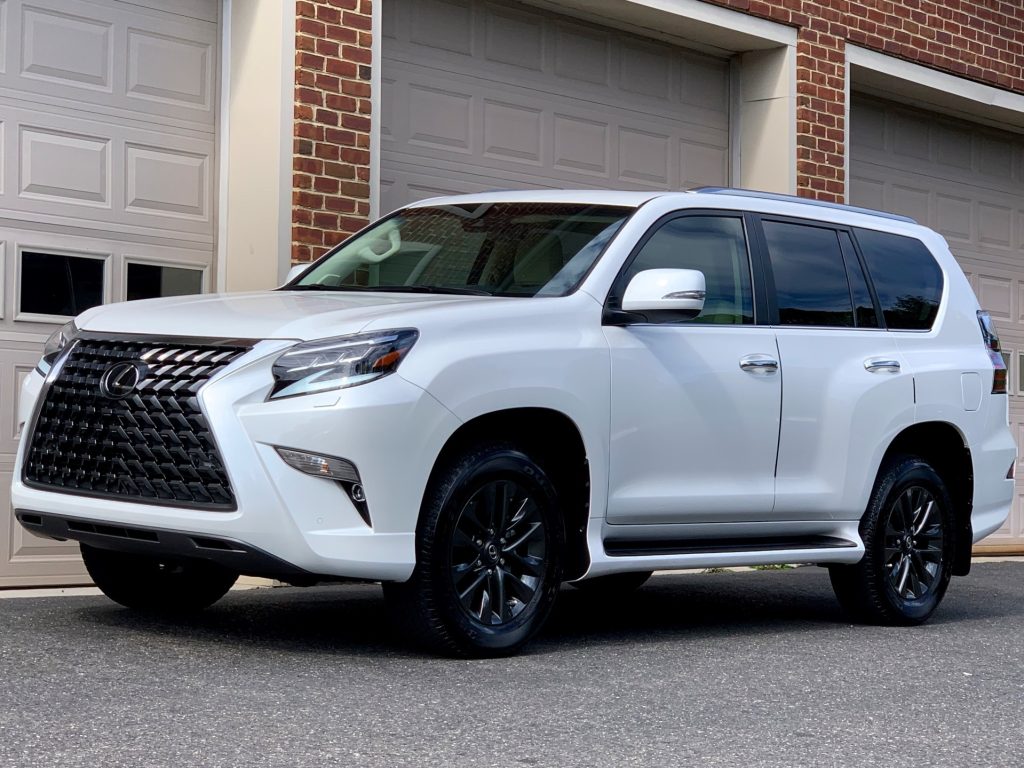
2. Lexus GX 460
The Lexus GX 460, built on a truck-based platform similar to the Land Cruiser Prado, features a highly reliable hydraulic power steering system.
The pump, hoses, and steering rack are engineered to resist pressure fluctuations and fluid leaks, making the system highly durable even under challenging off-road or towing conditions.
High-quality materials, including reinforced hoses and precision-machined rack components, contribute to longevity. The fluid circulation system ensures consistent pressure and cooling, preventing the common overheating issues seen in lesser designs.
Lexus also implements tight quality controls in assembly, reducing manufacturing inconsistencies that could lead to early failures.
Owners frequently report that the GX 460 maintains smooth, responsive steering for hundreds of thousands of miles.
Routine maintenance is simple: periodic fluid replacement and inspection of steering components are usually sufficient to preserve system performance. Minor wear rarely affects handling, and replacement parts are widely available, minimizing downtime.
The combination of engineering precision, high-quality components, and practical maintenance makes the GX 460 a model of reliability in the SUV segment.
Its steering system allows drivers to navigate urban streets and rugged terrain confidently, with little risk of assist loss or system failure.
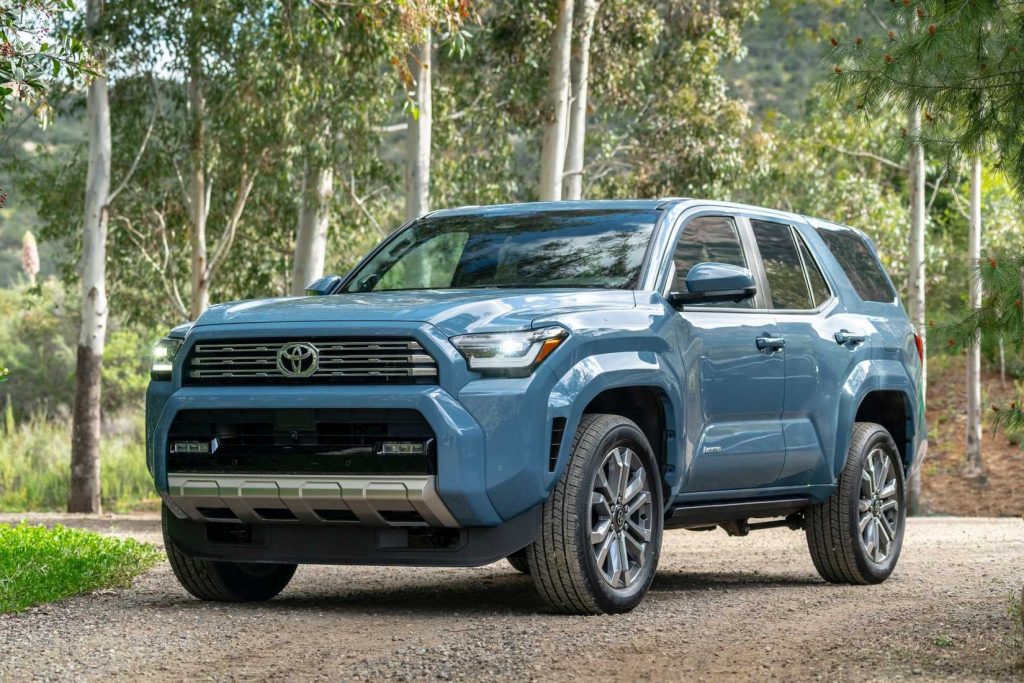
3. Toyota 4Runner
The Toyota 4Runner features a dependable hydraulic power steering system that has proven durable over multiple generations. The pump, rack, and associated hoses are designed to withstand extensive off-road use, heavy loads, and high-mileage driving without losing assist.
The steering system benefits from effective fluid management, which maintains consistent pressure and temperature under varying conditions.
Cooling pathways and robust materials prevent overheating and fluid breakdown. Owners consistently report that the 4Runner’s steering remains responsive even after 200,000 miles, with minimal leaks or component failures.
Routine maintenance is uncomplicated, typically limited to fluid changes and inspections. Replacement parts are widely available and cost-effective, allowing minor repairs without major downtime.
The system’s hydraulic design balances smooth assist with durability, ensuring predictable handling in both on-road and off-road scenarios.
Drivers seeking long-term reliability in an SUV will find the 4Runner’s power steering system exceptionally dependable.
Its combination of robust components, effective fluid management, and straightforward maintenance ensures consistent performance and confidence behind the wheel.
4. Honda Pilot
The Honda Pilot utilizes a hydraulic-assisted power steering system that is recognized for reliability and low maintenance requirements. Components such as the pump, rack, and hoses are engineered to withstand repeated use and high-mileage operation without failure.
Effective fluid management prevents overheating and maintains consistent assist, even under heavy loads or extended city driving.
Owners report minimal issues with stiffness, leaks, or unusual noises over years of use. Routine maintenance, including fluid checks and periodic hose inspection, is straightforward and helps preserve longevity.
The system’s design allows for smooth, predictable steering, while high-quality materials prevent premature wear on critical components. Replacement parts are accessible and relatively inexpensive, further supporting long-term reliability.
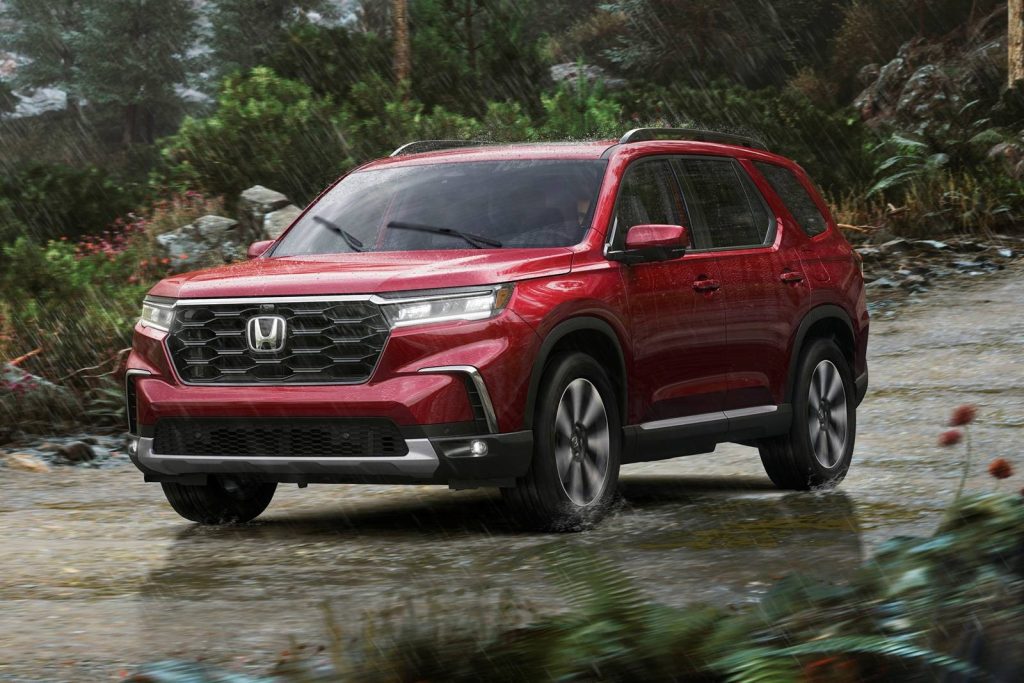
For families and drivers seeking confidence in daily driving and occasional off-road use, the Honda Pilot’s steering system provides dependable performance.
Its balance of durability, ease of maintenance, and consistent power assist makes it one of the most reliable SUVs in this category.
5. Ford Expedition
The Ford Expedition features a hydraulic power steering system designed to handle heavy loads, towing, and large vehicle dynamics. High-quality materials in the pump, hoses, and steering rack ensure minimal wear and reduce the likelihood of leaks or failures over time.
The fluid circulation system is robust, maintaining proper pressure and temperature even under extended highway driving or off-road conditions.
Owners frequently report hundreds of thousands of miles without loss of assist or major repairs. Routine maintenance, including fluid changes and hose inspections, is simple and keeps the system functioning optimally.
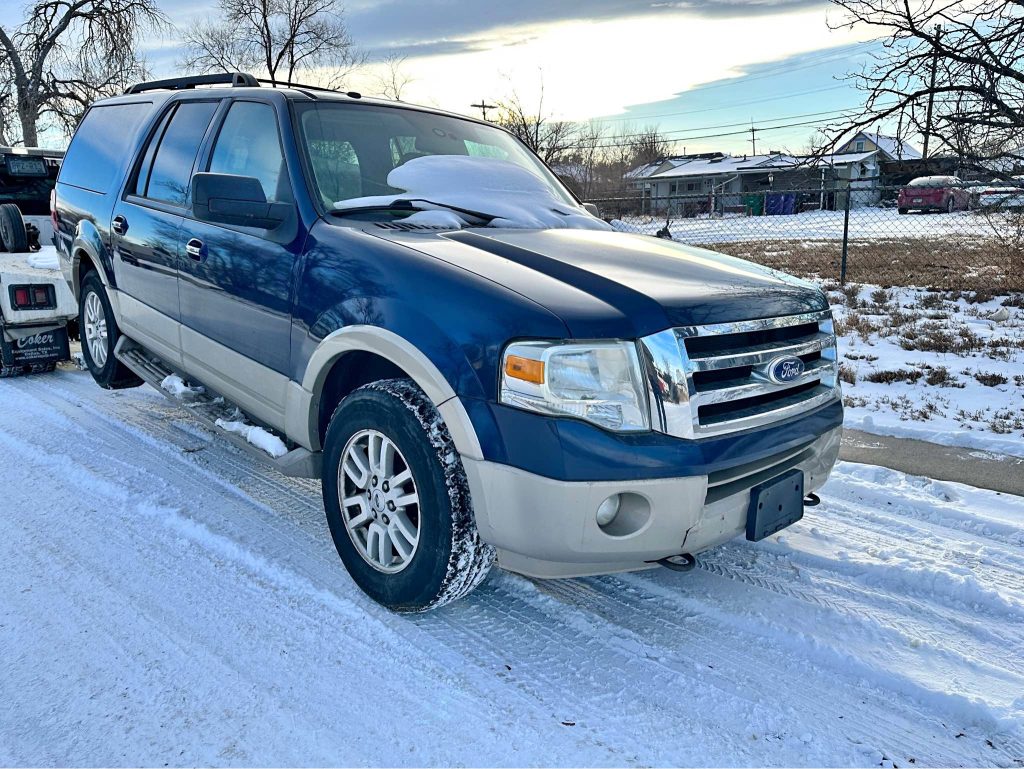
The steering system balances smooth handling with reliability, allowing drivers to maneuver a large SUV with ease while ensuring consistent long-term performance. Parts availability and ease of service contribute to its low-maintenance reputation.
For drivers needing a full-size SUV with dependable steering, the Expedition offers consistent performance, durability, and confidence under all driving conditions, making it a standout in reliability.
5 SUVs That Constantly Lose Power Steering
Not all SUVs maintain reliable power steering over time. Some models are prone to recurring failures, leaving drivers with stiff or unresponsive steering that can affect handling and safety.
Frequent assist loss can stem from poor-quality pumps, worn hoses, weak steering racks, or inefficient fluid circulation. These issues often result in costly repairs, unexpected downtime, and reduced confidence behind the wheel.
SUVs that consistently experience power steering problems often share common design weaknesses. Components may be undersized or made from materials that wear quickly under heavy loads or high-mileage use.
Cooling and fluid management may be insufficient, allowing overheating or fluid degradation, which accelerates wear on pumps and racks.
Complex systems with tight packaging can make even minor repairs expensive and difficult, further complicating long-term maintenance.
This section examines five SUVs known for persistent power steering issues. Each example highlights the causes of failure, typical maintenance challenges, and real-world owner experiences that illustrate the problem.
Understanding these vehicles allows prospective buyers to anticipate potential reliability concerns and make informed decisions.
Identifying models with recurring power steering problems also emphasizes the importance of component quality, proper system design, and maintenance accessibility in sustaining reliable steering performance over the life of an SUV.
1. Jeep Grand Cherokee
The Jeep Grand Cherokee has a long history of power steering issues, particularly in models produced from the mid-2000s onward. Owners frequently report stiffness in the steering wheel, intermittent assist loss, and hydraulic fluid leaks.
These problems are often linked to the power steering pump, hoses, and steering rack, which can degrade over time, especially when subjected to heavy-duty use, towing, or off-road driving.
The design of the hydraulic system in the Grand Cherokee can amplify these issues. Fluid circulation sometimes becomes inconsistent under prolonged operation, and overheating can degrade the hydraulic fluid, increasing friction within the pump and rack.
This accelerated wear often leads to a loss of assist, particularly at low speeds, making parking and tight maneuvers difficult.
Owner reports suggest that even with regular maintenance, such as fluid replacement and hose inspections, power steering failures frequently occur before 150,000 miles.
The cost and labor involved in replacing the pump or steering rack are higher than average due to the compact packaging of components under the hood.
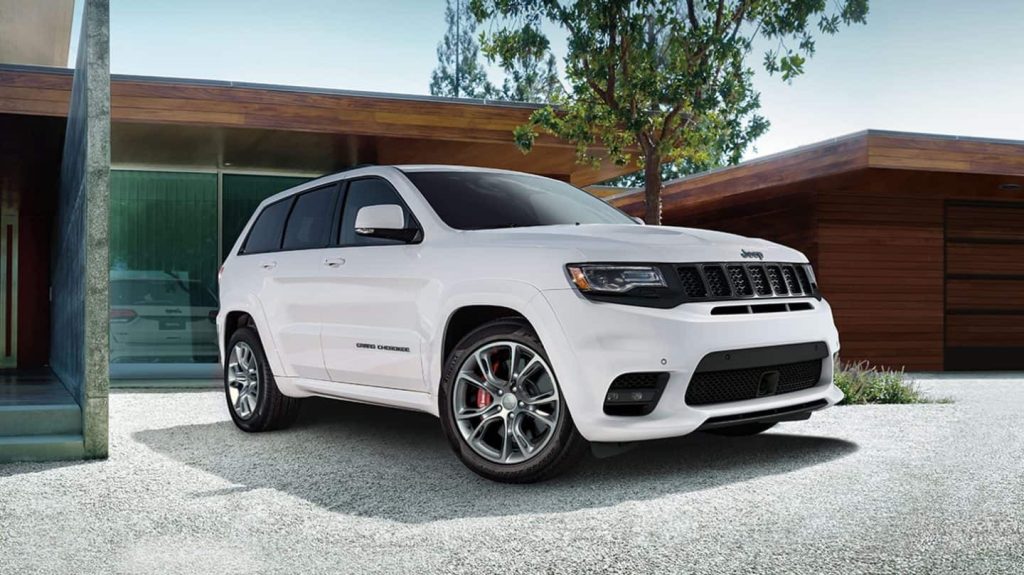
In addition, leaks from seals or hoses are a recurring problem that can compound wear on other components. While the Grand Cherokee remains a capable SUV for off-road use and towing, these steering issues highlight a significant reliability concern.
Buyers and long-term owners should consider these recurring problems when planning maintenance and budgeting for repairs, as consistent assist loss can affect both safety and driving confidence.
2. Dodge Durango
The Dodge Durango has been reported to experience frequent power steering failures across multiple model years, particularly in older models with hydraulic systems.
Common issues include pump malfunction, worn steering racks, and hose leaks, all of which can lead to partial or complete assist loss. Owners often report stiffness or delayed steering response during low-speed maneuvers.
Several design elements contribute to these problems. The hydraulic pump and rack in some Durango models are prone to overheating during prolonged city driving, towing, or heavy-duty use.
Overheating degrades the fluid, increasing internal wear on the pump and rack. Additionally, the steering hoses and seals may deteriorate faster than in comparable SUVs, resulting in leaks that further compromise system performance.
Real-world reports indicate that these failures often occur before 120,000–150,000 miles, even with regular maintenance. Replacing the pump or rack may be required multiple times during the SUV’s lifespan, and the labor involved can be time-consuming due to the tight engine bay layout.
The Durango’s recurring steering problems affect both reliability and driver confidence. Owners who use their SUVs for towing, off-road driving, or frequent city commutes may experience more frequent assist loss.
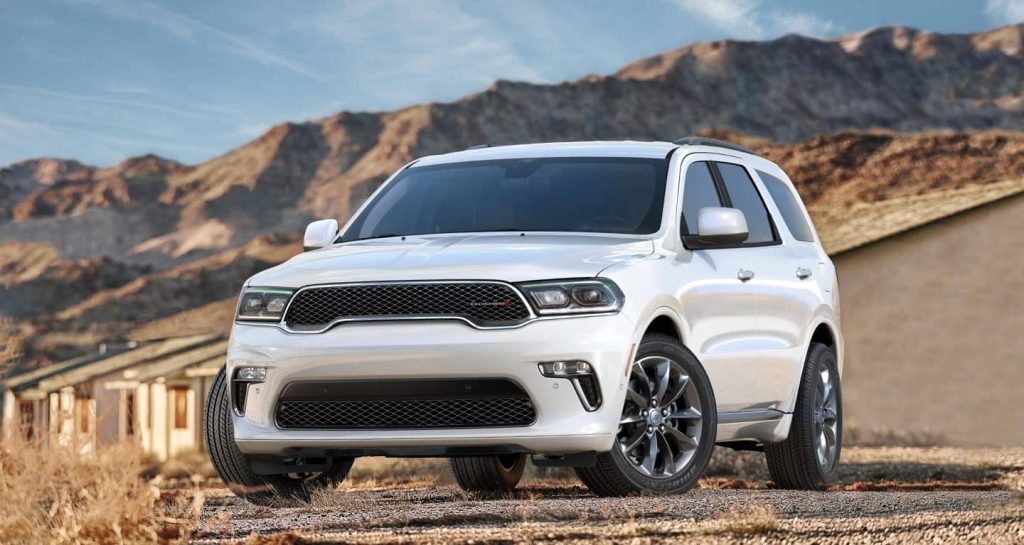
These issues demonstrate the importance of material quality, fluid management, and component durability in maintaining consistent power steering performance over the long term.
For prospective buyers, understanding these tendencies is critical to planning maintenance and avoiding unexpected steering failures.
3. Chevrolet Tahoe
The Chevrolet Tahoe is another SUV that has a documented history of power steering issues in specific model years.
The hydraulic steering system can experience pump failures, fluid leaks, or internal wear in the steering rack, which frequently leads to intermittent or complete loss of power assist. Many owners report a stiff steering wheel at low speeds or unusual noises emanating from the pump.
Component wear is often accelerated by towing, heavy loads, or extended off-road use. Hydraulic fluid can overheat and degrade over time, leading to increased friction inside the pump and steering rack. Worn hoses and seals are common, and even minor leaks can amplify internal wear, ultimately resulting in steering failure.
Routine maintenance, including fluid replacement and hose inspection, can mitigate some problems, but many owners experience failures before 150,000 miles.
Repairs often require significant labor due to the compact engine bay layout and integration of steering components with suspension and drivetrain systems. Replacement pumps or racks are relatively expensive and may need specialized tools for installation.
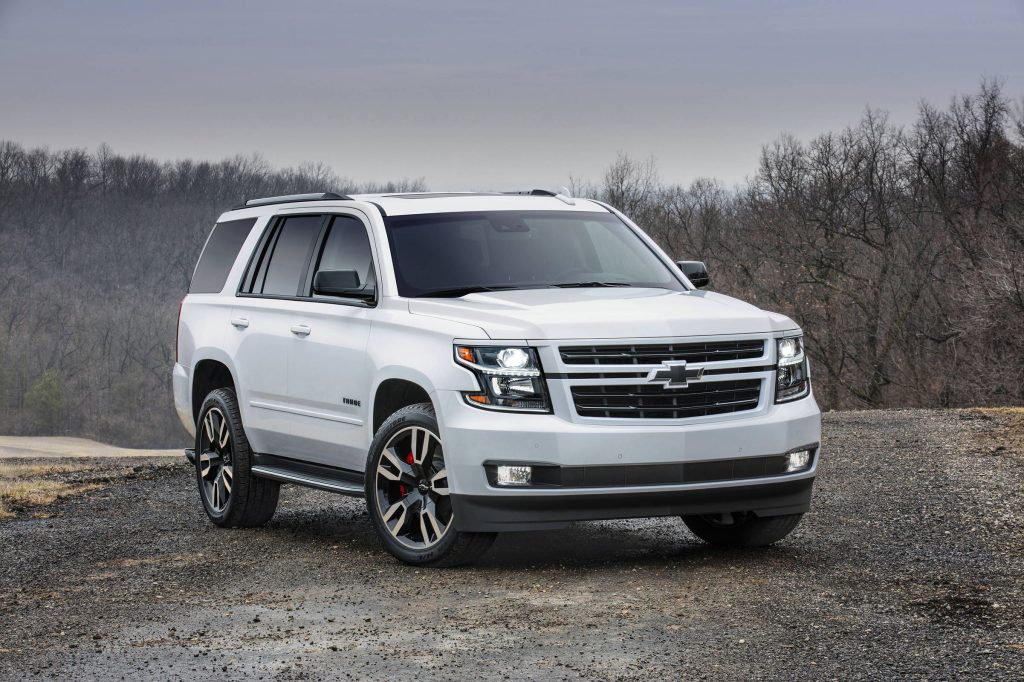
The Tahoe’s recurring power steering issues can affect daily driving comfort, especially during parking maneuvers or low-speed turns.
While the SUV remains capable for towing and long trips, prospective buyers should weigh these reliability concerns when considering a purchase.
The pattern of repeated failures highlights the importance of robust component design, effective fluid management, and proper maintenance for ensuring consistent steering performance over time.
4. Nissan Pathfinder
The Nissan Pathfinder has experienced consistent power steering failures, particularly in models produced before 2015. Owners frequently report pump malfunctions, fluid leaks, and worn steering racks that result in a loss of assist, making steering heavier and less responsive.
The steering system in many Pathfinders is sensitive to high temperatures and fluid degradation. Prolonged city driving, towing, or off-road excursions can accelerate wear on the pump, hoses, and rack.
Leaks from seals further reduce system efficiency and increase stress on other components. Even with routine maintenance, many vehicles require pump or rack replacement before 130,000–150,000 miles.
The design of the Pathfinder’s steering system complicates repairs, as components are tightly packed within the engine bay, often requiring specialized tools and increased labor time.
Owners report repeated issues even after replacing the pump or hoses, indicating systemic design weaknesses and the susceptibility of materials to wear under normal use.
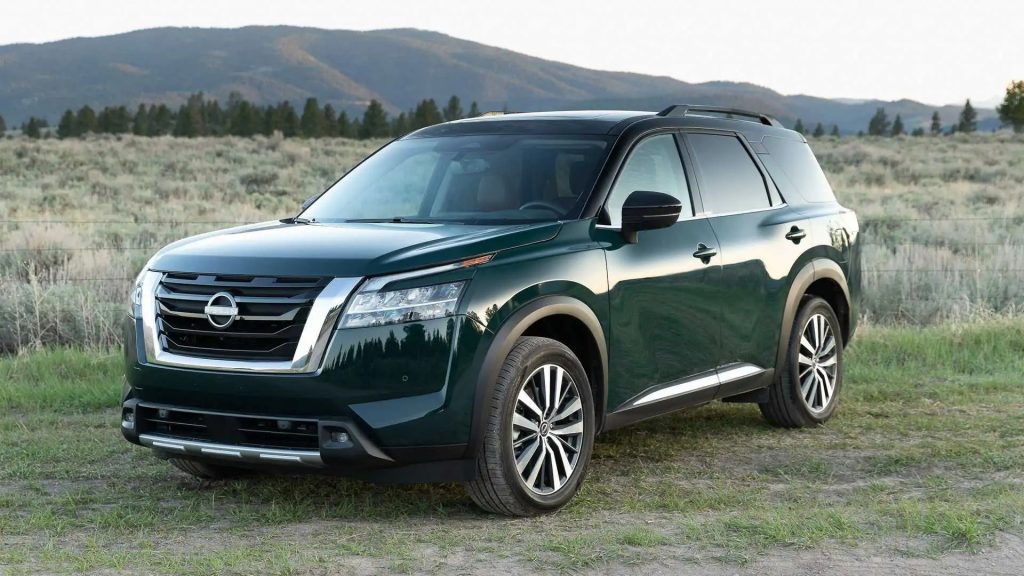
These recurring power steering failures impact driver confidence, particularly in low-speed or emergency maneuvers.
The Pathfinder demonstrates how insufficient component durability, fluid management challenges, and design limitations can contribute to persistent steering issues. Buyers seeking a reliable SUV should consider these tendencies, as steering failures may affect both safety and convenience.
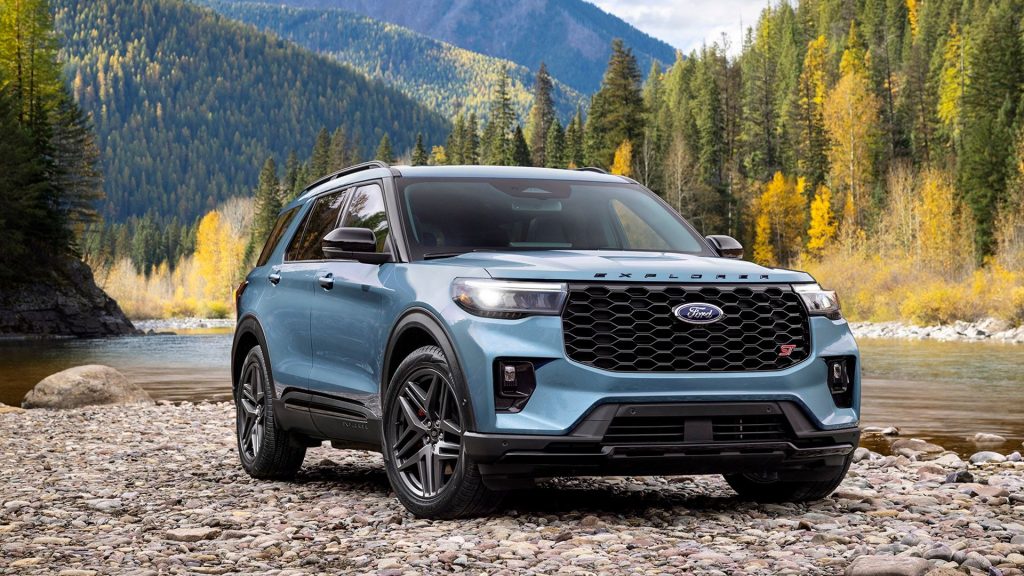
5. Ford Explorer
The Ford Explorer has a well-documented history of power steering concerns, especially in models equipped with hydraulic systems.
Common problems include pump failure, worn racks, and fluid leaks, all of which can cause intermittent or complete loss of steering assist. Owners frequently report stiffness at low speeds or delayed steering response during maneuvers.
Several factors contribute to these recurring issues. The pump and rack are exposed to stress from towing, off-road use, and urban driving, leading to accelerated wear.
Hydraulic fluid can overheat, reducing lubrication efficiency and increasing friction within the system. Hoses and seals may deteriorate prematurely, exacerbating leaks and component failure.
Even with proper maintenance, including fluid replacement and hose inspection, many Explorers experience power steering failures before 150,000 miles.
Repairs are labor-intensive due to tight engine bay packaging, and replacement parts are often costly. Repeated pump or rack replacements are common, reflecting design limitations and material vulnerabilities.
The Explorer’s steering problems highlight the importance of robust engineering, effective fluid management, and high-quality materials. For prospective buyers, these recurring failures can impact reliability, safety, and overall driving confidence.
Understanding these tendencies allows owners to anticipate maintenance needs, budget for repairs, and make informed decisions regarding long-term SUV ownership.
Power steering reliability is a critical factor in SUV ownership, affecting handling, safety, and long-term maintenance costs. Among the SUVs analyzed, a clear distinction emerges between models that rarely lose power steering and those prone to recurring failures.
The Toyota Land Cruiser, Lexus GX 460, Toyota 4Runner, Honda Pilot, and Ford Expedition exemplify SUVs with highly reliable power steering systems.
These models feature robust hydraulic or electric-assist designs, high-quality pumps, reinforced hoses, and durable steering racks.
Cooling and fluid circulation are optimized to prevent overheating, while system components are engineered to withstand heavy loads, off-road conditions, and high-mileage use.
Owners frequently report hundreds of thousands of miles with smooth, consistent steering and minimal issues, often requiring only routine maintenance such as fluid replacement and hose inspections.
The availability of replacement parts and straightforward repair procedures further enhances the reliability of these systems.
These SUVs demonstrate how careful engineering, durable materials, and practical maintenance requirements combine to produce long-lasting, dependable steering performance.
In contrast, the Jeep Grand Cherokee, Dodge Durango, Chevrolet Tahoe, Nissan Pathfinder, and Ford Explorer highlight SUVs prone to recurring power steering problems.
Common issues include pump failures, worn racks, leaking hoses, and degraded hydraulic fluid, often leading to stiffness or complete assist loss. Many of these failures occur before 150,000 miles, despite routine maintenance.
Overheating, high-stress conditions from towing or off-road use, and tightly packed component layouts contribute to accelerated wear. Repairs are often labor-intensive and costly, and repeated failures are not uncommon.
These SUVs underscore the importance of component quality, fluid management, and system design in maintaining long-term steering reliability.
A comparison of these ten SUVs reveals a clear pattern: vehicles designed with durable materials, efficient fluid management, and well-engineered hydraulic or electric systems maintain consistent power steering over time.
Conversely, SUVs with weaker materials, under-engineered pumps, or poor fluid circulation are more likely to experience recurring failures, impacting both safety and owner confidence.
For buyers, understanding these reliability patterns is essential. Selecting a model with proven steering durability reduces long-term repair costs, enhances driving confidence, and ensures consistent handling under all conditions.
Prioritizing component quality, maintenance accessibility, and system design allows SUV owners to make informed decisions and avoid vehicles prone to chronic power steering issues.
Also Read: 5 Subaru Outback Years Worth Owning vs 5 That Constantly Fail
