
Hybrid vehicles have grown steadily in popularity because they combine the efficiency of electric power with the reliability of traditional internal combustion engines. However, not all hybrid engines are created equal when it comes to longevity.
While some can quietly surpass 300,000 miles with proper care, others may struggle to reach 150,000 miles without major repairs. Understanding which hybrid engines consistently last can save owners thousands of dollars in repairs and provide peace of mind for long-term ownership.
Longevity depends on several factors, including the quality of battery components, cooling systems, and overall engineering of the powertrain.
Some manufacturers have perfected the balance between durability and efficiency, producing hybrids that are reliable well past the 300k mark.
Others, despite good initial performance and fuel economy, face recurring mechanical or electronic failures that shorten their lifespan.
This article compares two categories: five hybrid engines that reliably exceed 300,000 miles and five that tend to fail earlier.
Each entry includes an explanation of the engine’s design features, maintenance considerations, and reasons why it either succeeds or struggles with longevity.
By the end, readers will gain a clear picture of which hybrids are smart long-term investments and which ones carry higher risks for frequent repairs.
Also Read: 10 Most Reliable Kias That Still Run Strong After 15 Years
5 Hybrid Engines That Survive 300k Miles
Hybrid engines that consistently reach 300,000 miles share several traits: robust engineering, proven battery management systems, and components designed for long-term reliability.
Unlike conventional engines that rely solely on mechanical parts, hybrids must balance the demands of both electric motors and internal combustion engines.
When this balance is achieved, the vehicle can maintain strong fuel efficiency and mechanical health even under high mileage.
These engines are not just built to last they are also easier to maintain for owners who perform regular service.
Many of the models featured here benefit from widespread availability of replacement parts, simplified hybrid systems, and manufacturer-tested solutions for common issues such as battery degradation or coolant pump failures.
Choosing a hybrid from this group increases the likelihood of a stress-free ownership experience, where the powertrain can easily reach 300,000 miles without catastrophic failures.
The following five hybrid engines have earned their reputation based on extensive real-world data, longevity records, and owner reports.
Each description will detail the engineering behind the engine, why it succeeds where others fail, and practical considerations for maintenance.
Highlighting these reliable hybrids can guide buyers toward models that are not only fuel-efficient but also capable of enduring the rigors of long-term use.
1. Toyota Prius Hybrid Engine
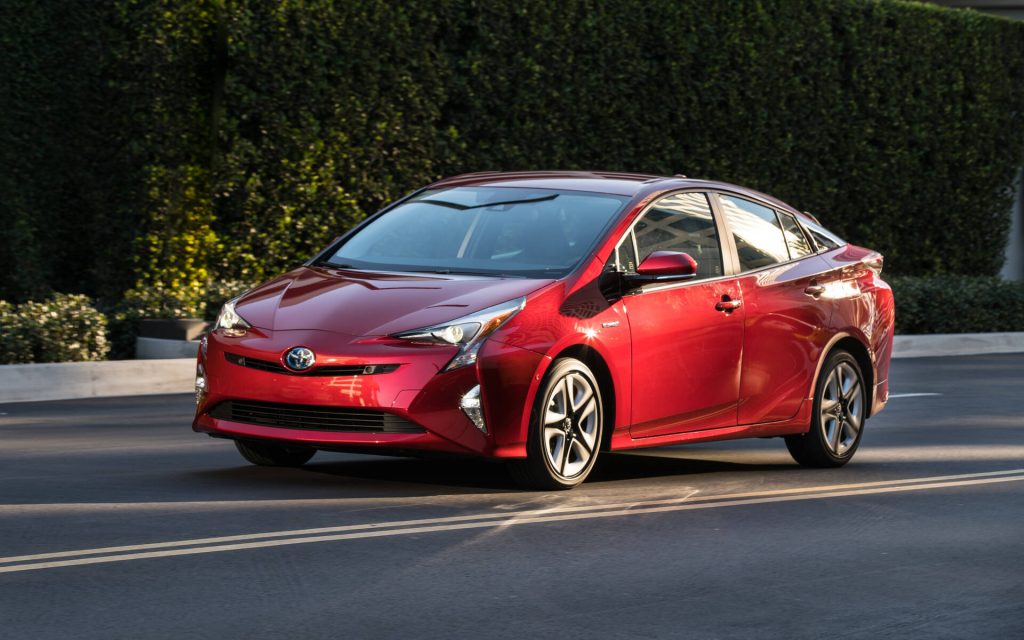
The Toyota Prius has long been regarded as a benchmark for hybrid reliability, and its engine is a major reason why.
The combination of a 1.8-liter inline-four gasoline engine and Toyota’s proven hybrid synergy drive (HSD) allows the Prius to operate efficiently while maintaining mechanical durability.
Unlike some hybrids that rely heavily on complex electronics, the Prius balances simplicity and performance, which reduces the likelihood of early engine failures.
One of the main factors contributing to its longevity is the battery management system. Toyota’s nickel-metal hydride (NiMH) battery packs, especially in older models, are known for long service lives and slow degradation.
These packs are also easier to replace or refurbish when necessary, which extends the overall lifespan of the hybrid system.
The engine itself uses low-friction components, durable timing chains, and a well-designed cooling system, all of which reduce wear over hundreds of thousands of miles.
Routine maintenance, including regular oil changes, air filter replacements, and coolant checks, plays a significant role in ensuring the engine reaches high mileage.
Owners report that even with minimal issues, the engine continues to deliver consistent fuel economy and smooth operation beyond 300,000 miles.
Its design also minimizes stress on the internal combustion engine by sharing work with the electric motor, allowing each system to operate within safer limits.
For buyers seeking a hybrid that truly lasts, the Toyota Prius stands out as a reliable option with a track record few can match.
2. Lexus RX 400h Hybrid Engine
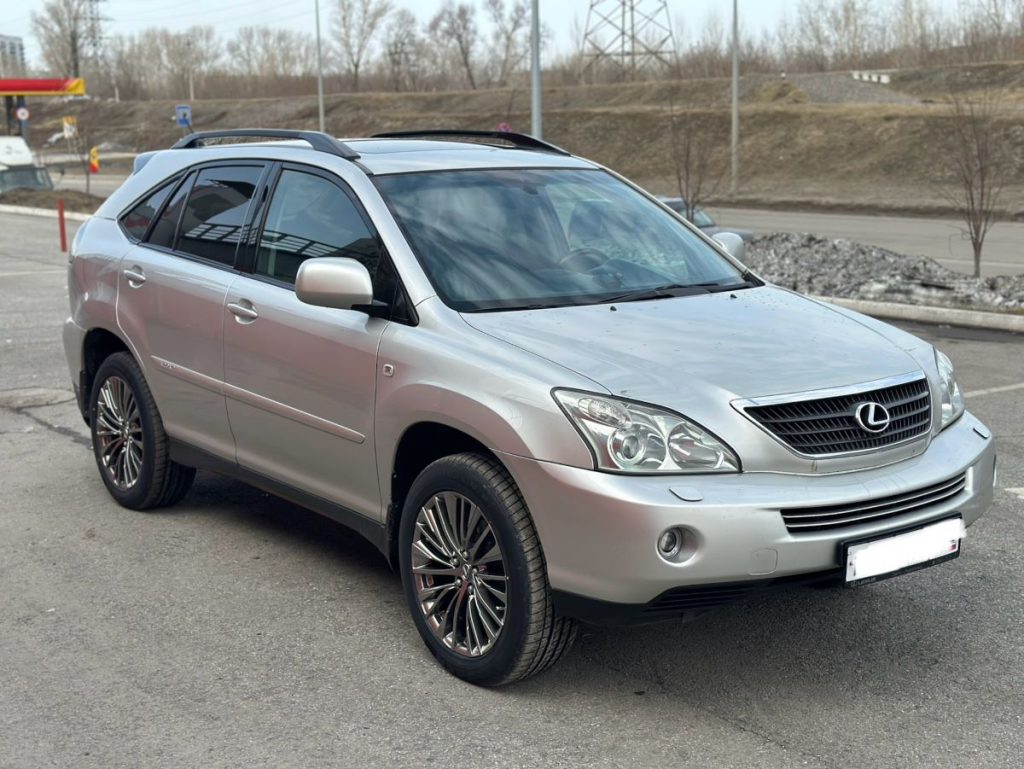
The Lexus RX 400h combines luxury with proven hybrid reliability, making its engine a standout in high-mileage performance. It pairs a 3.3-liter V6 gasoline engine with an electric motor system that shares power delivery efficiently.
This dual setup reduces strain on the internal combustion engine, allowing both components to operate within safe performance limits, which is key to achieving 300,000 miles or more.
One of the strengths of the RX 400h is its engineering focus on durability. The V6 engine uses reinforced internal components, low-friction pistons, and a robust timing chain system that resists wear.
Meanwhile, the hybrid battery pack, a nickel-metal hydride design similar to Toyota’s Prius, has proven longevity in real-world conditions.
Owners report minimal degradation even after high mileage, and replacement or refurbishment options are widely available, making long-term maintenance practical and cost-effective.
Another factor contributing to the engine’s longevity is its cooling and thermal management system. Lexus engineers designed the hybrid system to avoid overheating during extended drives or heavy loads.
The result is a hybrid engine that maintains consistent performance while reducing wear on critical components such as the pistons, cylinder walls, and transmission.
Routine maintenance, including oil changes, brake inspections, and battery checks, ensures the RX 400h continues to perform reliably over time.
Its smooth operation, combined with strong fuel efficiency and long-term durability, makes this hybrid a preferred choice for buyers who want a luxurious vehicle without sacrificing longevity.
3. Honda Accord Hybrid Engine
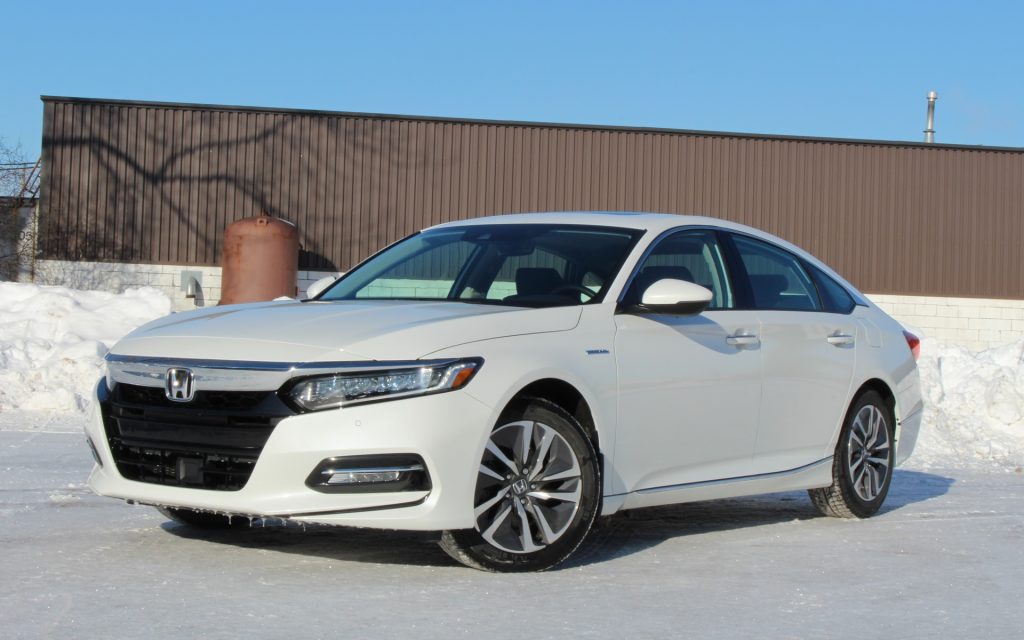
The Honda Accord Hybrid is known for combining reliability, efficiency, and ease of maintenance, making its hybrid engine a strong contender for surpassing 300,000 miles.
It uses a 2.0-liter Atkinson-cycle four-cylinder engine paired with Honda’s two-motor hybrid system, which efficiently balances power between the gasoline engine and electric motor. This division of labor reduces stress on the engine, extending its lifespan.
One key reason the Accord Hybrid lasts is its proven engine design. Honda emphasizes durability, with a low-friction valvetrain, reinforced pistons, and a reliable timing chain.
The hybrid battery, lithium-ion in newer models and nickel-metal hydride in older ones, has a solid track record of slow degradation.
Replacement parts for both the engine and battery are widely available and reasonably priced, allowing owners to maintain the vehicle effectively even after high mileage.
The Accord Hybrid also benefits from an intelligent thermal management system. Proper cooling ensures the engine and battery maintain optimal temperatures, reducing wear and preventing early failures.
Owners report consistent performance, smooth acceleration, and stable fuel economy well past 250,000 miles.
Regular maintenance, including oil changes, brake servicing, and battery monitoring, ensures the hybrid powertrain continues functioning efficiently.
Its combination of engineering reliability and manageable upkeep makes the Honda Accord Hybrid a practical choice for those seeking a long-lasting hybrid capable of exceeding 300,000 miles without major issues.
4. Ford Fusion Hybrid Engine
The Ford Fusion Hybrid pairs a 2.0-liter four-cylinder gasoline engine with an electric motor, creating a hybrid system that emphasizes both efficiency and durability.
Unlike some hybrids with complex or untested systems, the Fusion’s design is straightforward, allowing the gasoline engine to handle part of the load while the electric motor reduces strain during city driving.
Durability is enhanced by the engine’s low-friction components and reinforced internal parts, including the timing chain and pistons.
The hybrid battery, a lithium-ion pack in recent models, has proven longevity in real-world use, with many owners surpassing 250,000 miles with minimal degradation.
Cooling and thermal management systems maintain stable operating temperatures for both the engine and battery, preventing overheating that could shorten lifespan.
Routine maintenance, such as oil changes, transmission fluid inspections, and hybrid system checks, ensures the Fusion Hybrid continues running smoothly over hundreds of thousands of miles
. Its engine design also supports long-term fuel efficiency, reducing the risk of costly repairs caused by overworked components.
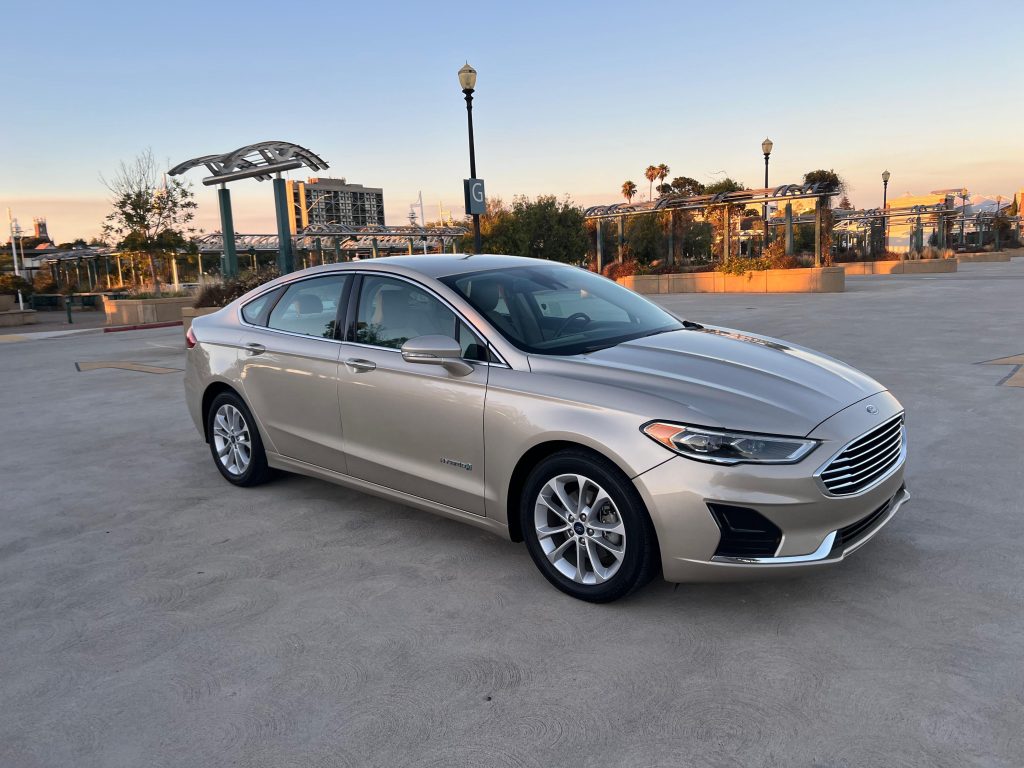
Owners report that the Fusion Hybrid provides reliable performance even under heavy mileage conditions.
The combination of accessible maintenance, strong engine construction, and hybrid system efficiency makes it one of the few hybrids capable of lasting 300,000 miles or more without major issues.
5. Toyota Camry Hybrid Engine
The Toyota Camry Hybrid shares much of its engine architecture with the Prius, including the 2.5-liter four-cylinder gasoline engine and Toyota’s hybrid synergy drive.
This setup has been refined over years to ensure both performance and longevity, making it one of the most durable hybrids on the market.
The engine’s internal components, such as pistons, timing chain, and valves, are built for endurance.
The hybrid battery, typically a nickel-metal hydride unit, has a history of slow degradation, and replacement or refurbishment is straightforward when needed.
By splitting work between the gasoline engine and electric motor, the Camry Hybrid reduces stress on each system, allowing the vehicle to maintain performance and fuel efficiency even after high mileage.
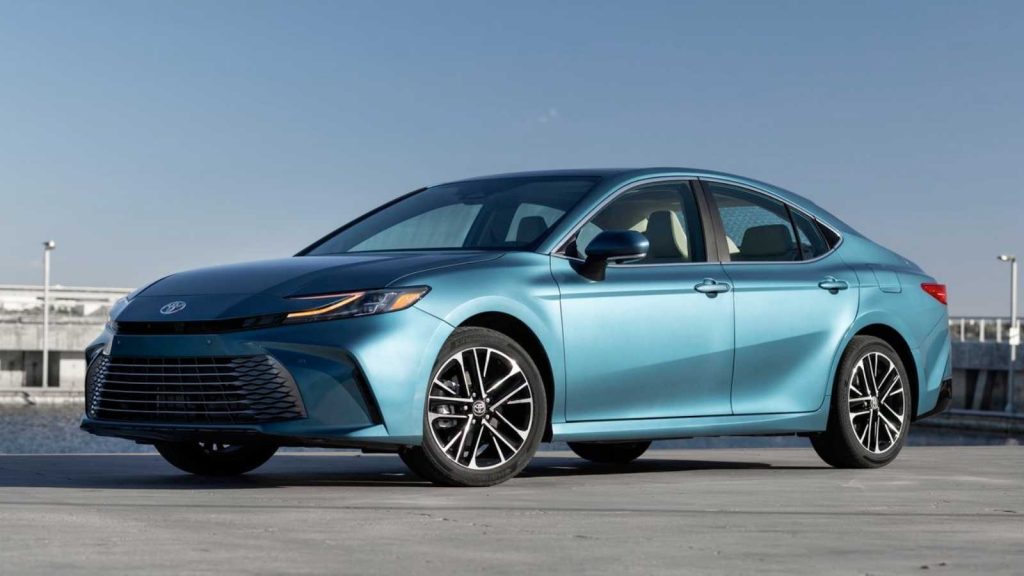
Effective cooling and thermal management prevent overheating, a common cause of hybrid failures. Regular maintenance, including oil changes, coolant checks, and battery monitoring, ensures consistent operation over long periods.
Owners frequently report Camry Hybrids surpassing 300,000 miles with few issues, highlighting the reliability of both the gasoline engine and hybrid system.
For buyers seeking a hybrid with long-term durability, predictable maintenance, and strong performance, the Toyota Camry Hybrid offers a proven solution capable of reaching and exceeding 300,000 miles with proper care.
5 Hybrid Engines That Don’t Survive 300k Miles
While many hybrid engines are engineered for longevity, others struggle to reach high mileage due to design limitations, complex electronics, or suboptimal cooling and battery systems.
These hybrids often face recurring mechanical or electrical issues that reduce their lifespan, even when owners follow recommended maintenance schedules. Understanding which engines tend to fail early can help buyers avoid expensive repairs and frustrating ownership experiences.
Several factors contribute to shorter hybrid engine lifespans. Complex powertrain designs may place excessive stress on internal combustion components, while certain battery chemistries can degrade faster under normal use.
Some engines also rely on tightly packed electronic controls that are difficult to repair or replace, compounding reliability issues. Additionally, cooling systems in some hybrids are insufficient to handle long-term strain, leading to overheating and premature wear.
This section focuses on five hybrid engines known for falling short of the 300,000-mile mark. Each entry details the engine’s design challenges, common failure points, and why these hybrids are more prone to early issues.
By highlighting these models, potential buyers can make informed decisions, understanding the trade-offs between fuel efficiency, performance, and long-term reliability.
Identifying engines with shorter lifespans is as important as recognizing durable ones when considering a hybrid vehicle for extended ownership.
1. Chevrolet Volt (First Generation) Hybrid Engine
The first-generation Chevrolet Volt uses a 1.4-liter gasoline engine combined with an electric motor, creating a plug-in hybrid system. While innovative for its time, the Volt’s engine design has proven less durable than some other hybrids.
Its smaller gasoline engine often runs at higher RPMs to supplement electric power, which increases wear on pistons, valves, and the timing chain over time.
Battery degradation is another concern. The Volt’s lithium-ion battery pack is highly sensitive to temperature fluctuations, and early models lacked sophisticated thermal management.
Owners frequently report significant battery capacity loss before 150,000 miles, which can strain the engine as it compensates for reduced electric power. Battery replacement can be costly, adding to the overall expense of ownership.
Maintenance accessibility also impacts longevity. The tightly packed hybrid system and electronic controls make repairs more complicated compared with more conventional hybrid designs.
Even routine maintenance requires careful attention to hybrid-specific systems, and failure to address small issues promptly can accelerate engine and battery wear.
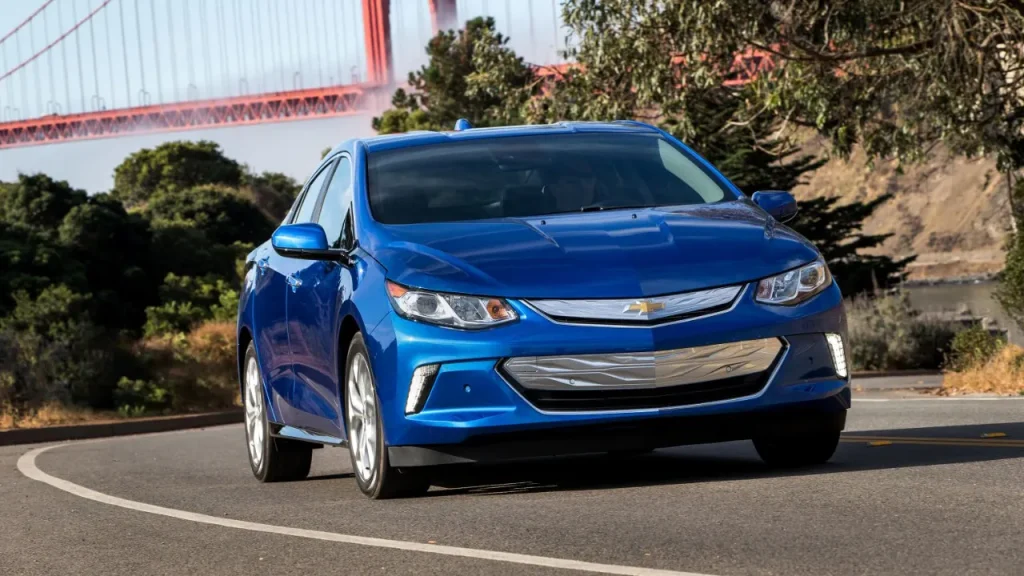
In practice, Volt owners often find that the vehicle struggles to reach 200,000 miles without major repairs.
While fuel efficiency remains strong initially, the combination of engine stress, battery degradation, and complex hybrid components reduces overall lifespan, making the first-generation Volt less suitable for buyers seeking a long-lasting hybrid capable of surpassing 300,000 miles.
2. BMW ActiveHybrid 3 Engine
The BMW ActiveHybrid 3 combines a 3.0-liter inline-six engine with an electric motor, delivering strong performance but facing significant durability challenges.
The inline-six is heavily loaded due to hybrid integration, which increases stress on engine components such as pistons, bearings, and the valvetrain.
The battery system is another weak point. BMW used lithium-ion packs that, despite compact design, are prone to degradation over time, especially if the vehicle experiences frequent high-load driving.
When battery capacity declines, the gasoline engine compensates, accelerating wear and reducing lifespan. Cooling systems are sophisticated but complex, requiring precise maintenance; failure or neglect often results in overheating and component damage.
Maintenance costs are higher than average, with hybrid-specific repairs and software updates needed periodically.
Access to parts can also be limited or expensive, making long-term ownership more challenging. Owners have reported electronic malfunctions related to hybrid controls that can further strain the engine.
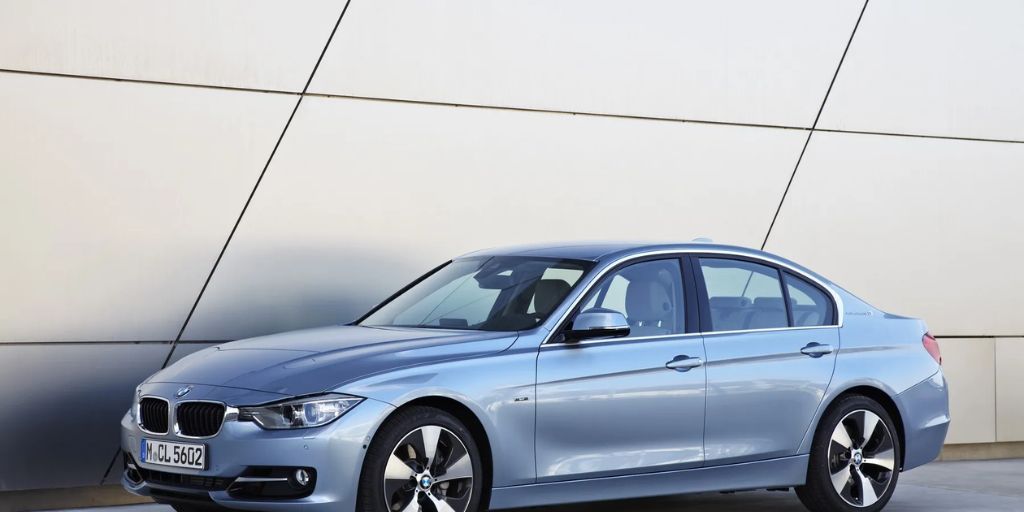
These factors contribute to a hybrid that rarely exceeds 200,000 miles without major intervention.
While performance and luxury features are impressive, the ActiveHybrid 3’s design choices prioritize speed and efficiency over longevity, making it unsuitable for those seeking a hybrid capable of surpassing 300,000 miles reliably.
3. Ford C-Max Hybrid Engine
The Ford C-Max Hybrid features a 2.0-liter four-cylinder engine paired with an electric motor, similar to the Fusion Hybrid. However, in practice, the C-Max often experiences issues that reduce long-term reliability.
One common problem is the hybrid battery, which can degrade more quickly than Ford projected, particularly in regions with extreme temperatures.
When battery capacity drops, the gasoline engine is forced to handle more load, leading to accelerated wear on pistons, timing chains, and other internal components. The CVT transmission, combined with hybrid control electronics, adds further strain, and failures in this system can be costly to repair.
Cooling is another area of concern. The C-Max’s thermal management system is less robust compared with other hybrids, increasing the risk of overheating during long trips or heavy city use. Over time, this contributes to premature engine and hybrid component failure.
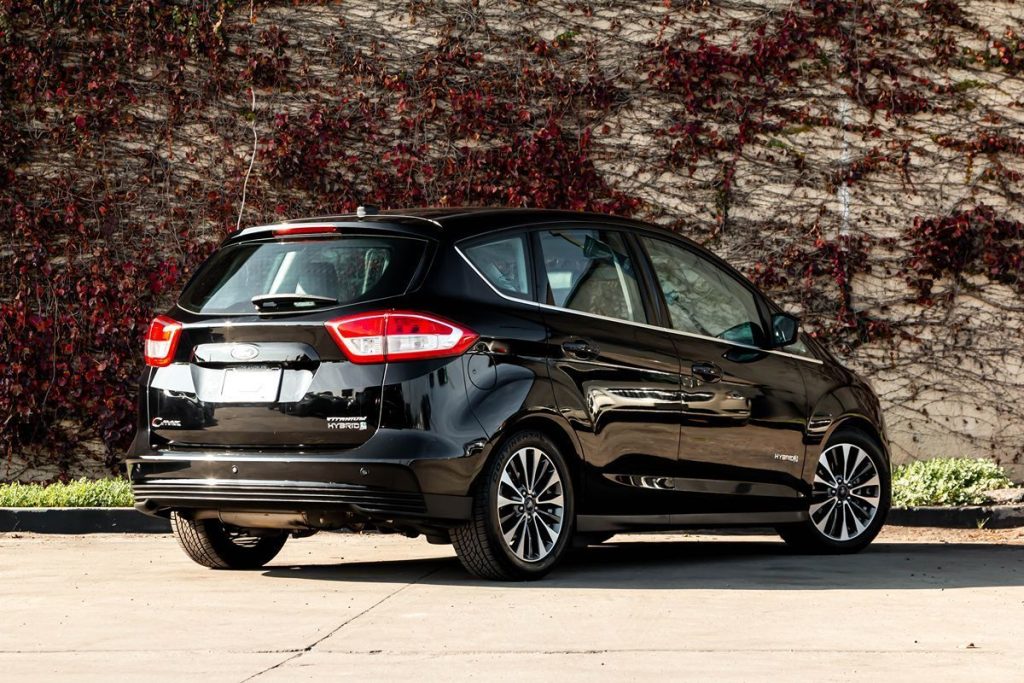
While initial fuel efficiency is impressive, owners report increased maintenance costs and recurring issues that prevent the C-Max from reaching 300,000 miles reliably.
Replacement of batteries, engine repairs, and transmission concerns are common before 200,000 miles, making this hybrid less suitable for buyers seeking a durable, long-lasting vehicle.
4. Honda Insight (Second Generation) Engine
The second-generation Honda Insight uses a 1.3-liter four-cylinder gasoline engine paired with an electric motor.
While efficient and lightweight, this hybrid engine is prone to long-term reliability issues. Its small displacement engine is often overworked when the battery is depleted, leading to higher wear rates on pistons, valves, and the timing chain.
Battery degradation is another challenge. The lithium-ion battery packs in later models experience faster capacity loss than Honda’s larger hybrids, reducing electric assistance and forcing the engine to compensate. This accelerates mechanical stress and decreases overall lifespan.
Maintenance accessibility is limited, particularly for hybrid-specific components. While regular oil changes and fluid checks are straightforward, battery replacement or inverter repairs are expensive and technically complex.
Cooling systems are adequate but less effective under heavy loads, which contributes to occasional overheating and internal wear.
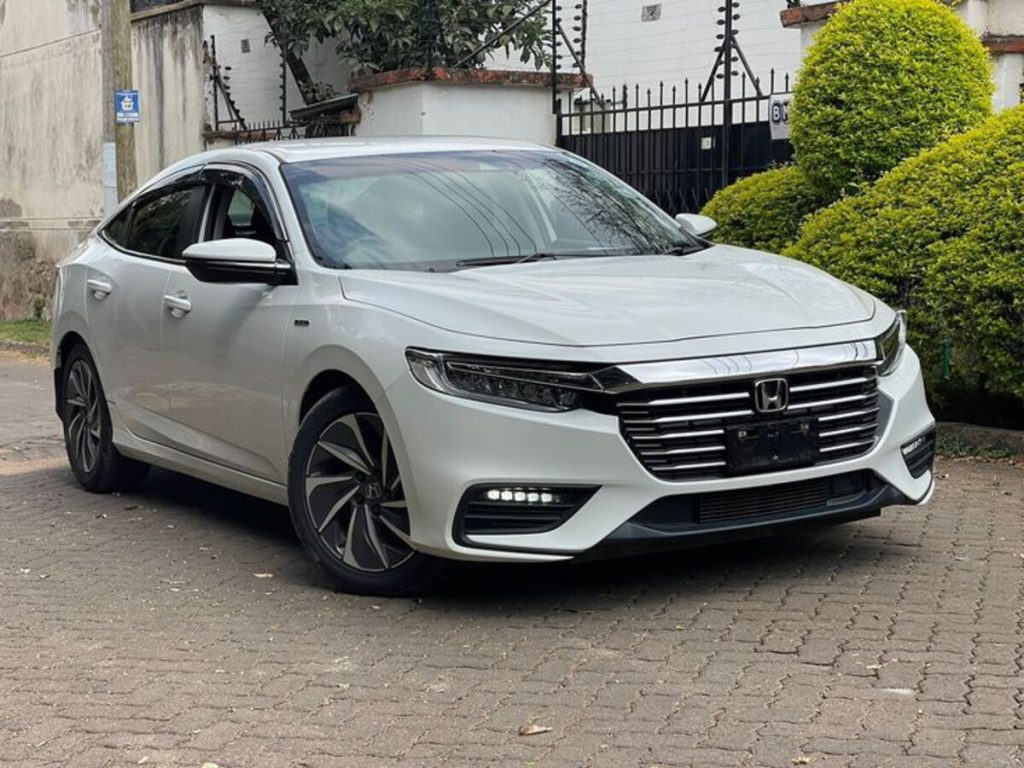
Owners have reported that the Insight rarely reaches 200,000 miles without encountering significant battery or engine issues.
Despite its efficiency and compact design, the combination of engine strain, battery limitations, and hybrid system complexity reduces its suitability for buyers seeking a hybrid capable of exceeding 300,000 miles reliably.
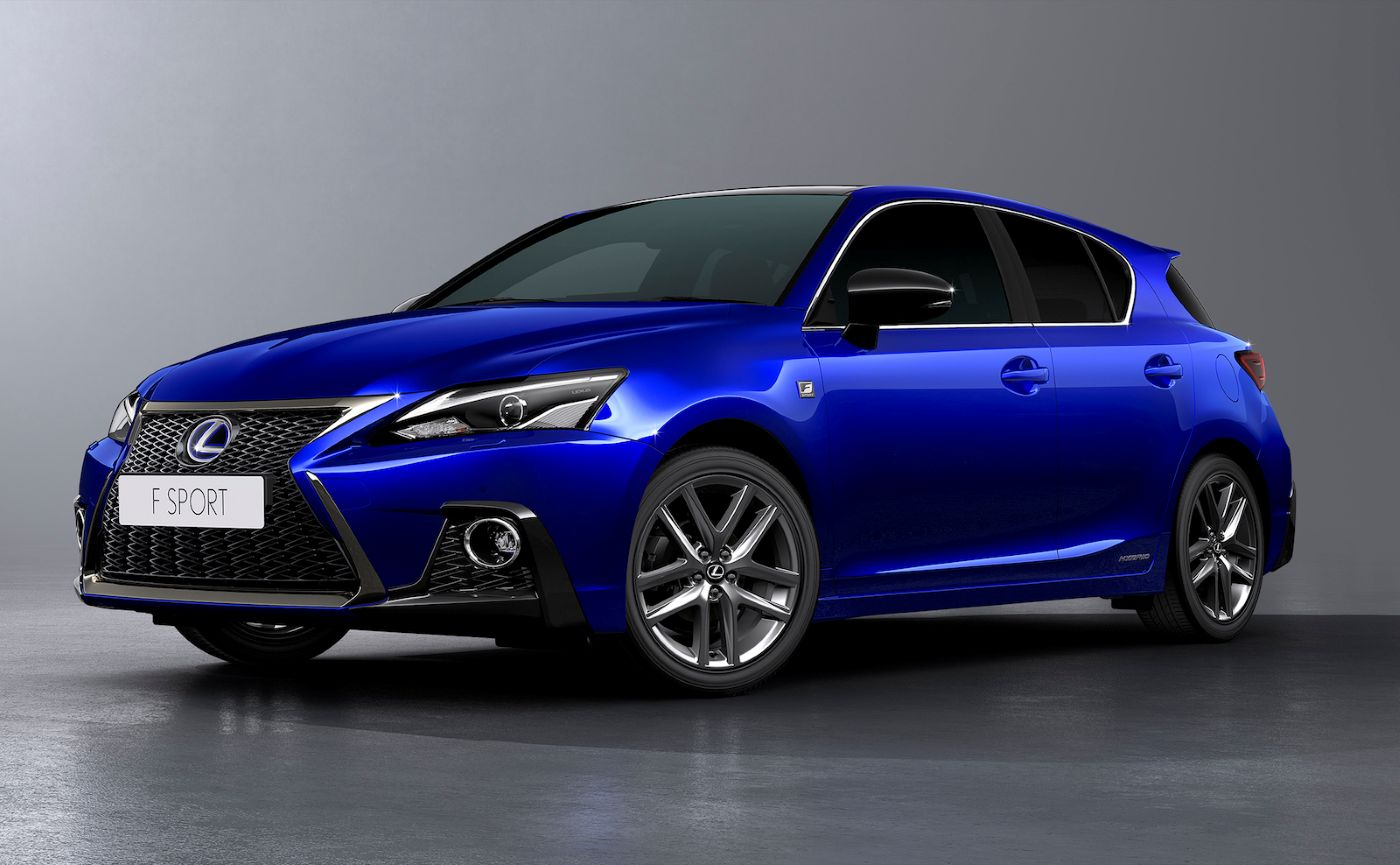
5. Lexus CT 200h Engine
The Lexus CT 200h combines a 1.8-liter four-cylinder engine with a hybrid electric motor. While it benefits from Toyota’s hybrid technology, the smaller engine size and compact design limit long-term durability.
The gasoline engine is prone to higher RPM operation, especially in urban driving, which increases stress on the valvetrain and pistons over time.
Battery longevity is also a concern. The nickel-metal hydride battery pack in the CT 200h has a smaller capacity than larger Toyota or Lexus hybrids, and prolonged heavy usage accelerates degradation. As the battery loses capacity, the engine compensates, leading to faster wear.
Cooling systems are adequate for moderate use but can be less effective under extreme conditions, potentially causing overheating and additional mechanical strain. Additionally, hybrid-specific electronics are tightly integrated and can be expensive to repair or replace after failures occur.
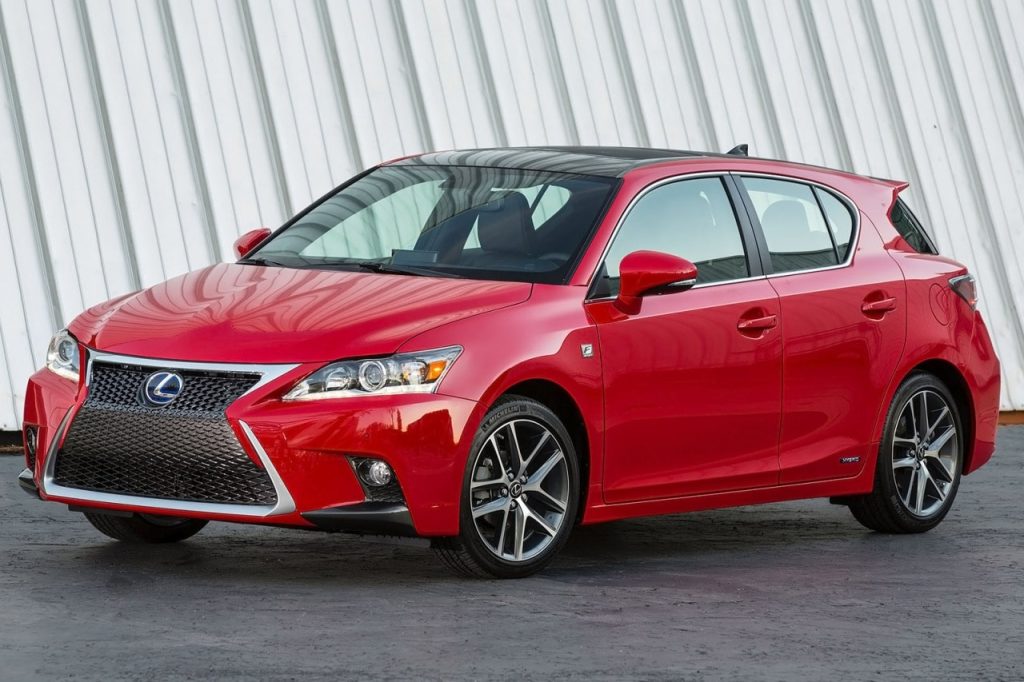
Real-world reports indicate that the CT 200h often struggles to surpass 200,000 miles without significant maintenance, particularly in the battery and engine systems.
While fuel efficiency remains solid initially, long-term reliability is compromised by engine stress, smaller battery capacity, and limited cooling, making it a hybrid less suitable for owners seeking 300,000 miles or more.
Hybrid vehicles offer a mix of fuel efficiency and reduced emissions, but longevity varies widely depending on engineering, battery systems, and maintenance requirements. Among the hybrids that consistently surpass 300,000 miles, certain patterns emerge.
Models like the Toyota Prius, Camry Hybrid, Lexus RX 400h, Honda Accord Hybrid, and Ford Fusion Hybrid all benefit from robust engine design, effective thermal management, and durable battery systems.
Their gasoline engines share work with electric motors, reducing mechanical stress and extending lifespan.
Additionally, these vehicles have widely available replacement parts and simpler hybrid systems, making maintenance straightforward and helping owners maintain high mileage with minimal unexpected repairs.
Conversely, hybrids that struggle to reach 300,000 miles, such as the Chevrolet Volt (first generation), BMW ActiveHybrid 3, Ford C-Max Hybrid, Honda Insight (second generation), and Lexus CT 200h, reveal common weaknesses.
Smaller or highly stressed engines, compact battery packs, or complex electronics often accelerate wear on internal components.
Battery degradation is more pronounced, forcing engines to work harder, while limited cooling systems and difficult access to hybrid components further reduce reliability.
Real-world reports indicate these models frequently encounter major repairs before reaching 200,000 miles, highlighting the difference between engineering for longevity versus prioritizing efficiency or performance.
The comparison demonstrates that hybrid reliability is closely tied to design philosophy. Engines built for durability, with manageable battery systems and proper cooling, can achieve 300,000 miles or more without major failures.
Hybrids with compact or highly stressed components are more likely to face early issues, despite good fuel efficiency.
For buyers seeking long-term ownership, selecting models with proven reliability, accessible maintenance, and balanced hybrid systems is critical.
Understanding these distinctions helps consumers make informed decisions, ensuring their hybrid investment delivers both efficiency and durability over the long term.
Also Read: 5 Cars With Overhyped MPG and 5 That Deliver on the Promise
