

Maintaining fuel efficiency is a key concern for car owners, especially as vehicles age beyond the 200,000-mile mark.
While some cars continue to deliver the same miles-per-gallon performance they had when new, others experience a noticeable decline over time.
Factors such as engine design, transmission type, and routine maintenance play a significant role in how well a car preserves its efficiency.
Understanding which vehicles are resilient in terms of fuel economy can save owners money at the pump and reduce the stress of unexpected performance issues.
This guide compares two groups: cars that consistently retain their MPG after extensive use and those that tend to lose efficiency as mileage climbs. The first group highlights models known for durable engines, efficient fuel systems, and long-lasting drivetrains.
The second focuses on vehicles that, due to design choices or common wear patterns, often show a drop in fuel economy after heavy usage.
By examining both sides, prospective buyers and current owners can make informed decisions about which cars offer reliable efficiency over the long term, and which ones may require more attention to maintain optimal MPG.
Also Read: 10 Most Reliable Kias That Still Run Strong After 15 Years
5 Cars That Rarely Lose MPG After 200k
Some vehicles are engineered to maintain their fuel efficiency even after extensive use, making them standout choices for owners who plan to keep their cars long term.
Cars that rarely lose MPG after 200,000 miles typically feature robust engines, high-quality fuel systems, and transmissions that resist wear.
Proper maintenance can further enhance this longevity, but the inherent design and build quality of these vehicles play the biggest role in sustaining efficiency.
These cars often combine a balance of engine durability, lightweight construction, and precision fuel management, which allows them to continue operating efficiently even as other components age.
For long-distance drivers, commuters, and anyone concerned about the rising cost of fuel, choosing a vehicle from this category can make a noticeable difference over time.
The following five models are widely recognized for retaining their MPG well into high mileage. Each entry explains why these vehicles perform consistently, highlighting engineering choices, reliability records, and real-world owner experiences.
By reviewing these cars, readers gain insight into which models are most likely to keep fuel consumption steady, reducing both operating costs and the worry of efficiency loss as the odometer climbs.
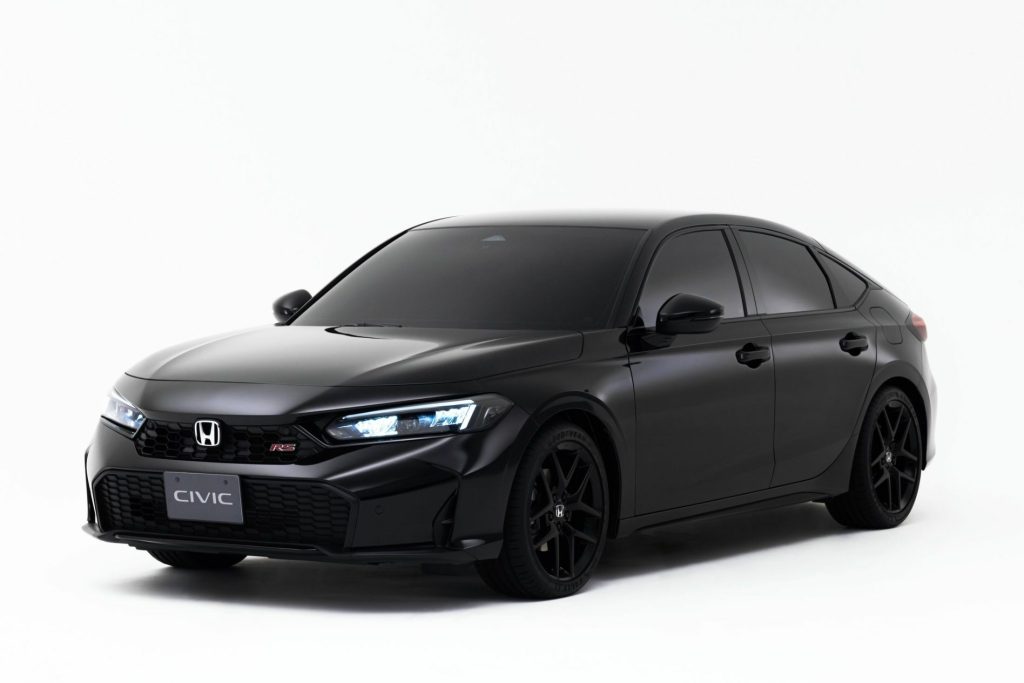
1. Honda Civic
The Honda Civic has long been celebrated for its reliability and fuel efficiency. Even beyond 200,000 miles, many owners report minimal loss in MPG, which is largely due to the Civic’s straightforward engine design and efficient fuel system.
The naturally aspirated engines, especially in models from the mid-2000s to 2015, are engineered for longevity and maintain proper combustion over time with basic maintenance such as timely oil changes, air filter replacements, and fuel system care.
Another factor contributing to the Civic’s sustained efficiency is its lightweight chassis. Less mass means the engine does not need to work as hard, which directly supports long-term fuel economy.
Furthermore, Honda’s focus on high-quality transmissions, including smooth-shifting automatics and manual gearboxes, ensures that power delivery remains efficient even after extended use.
Real-world owner reports consistently show that Civics maintain highway MPG close to original ratings even after several hundred thousand miles.
Components like fuel injectors and throttle bodies are durable and easy to service, helping prevent the common efficiency declines seen in other compact cars.
The Civic’s reputation for fuel longevity makes it a practical choice for anyone seeking a car that keeps running efficiently without expensive upgrades or frequent repairs.
Its combination of a reliable engine, efficient design, and straightforward maintenance requirements creates a vehicle that continues to deliver steady MPG well into high mileage.
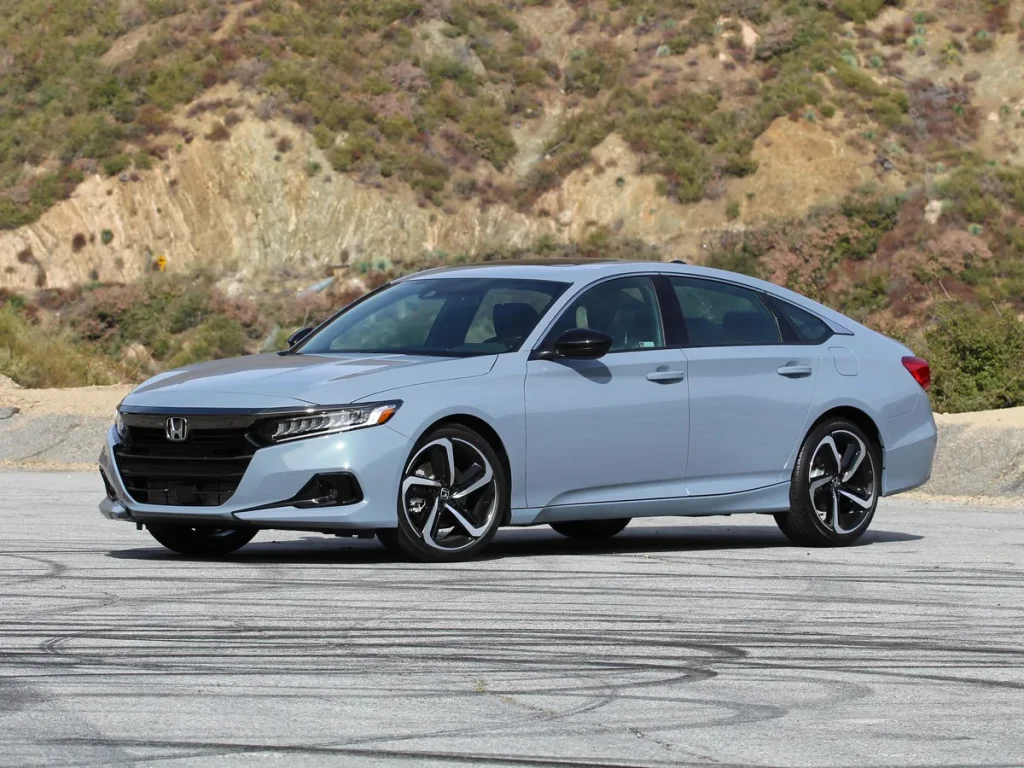
2. Honda Accord
The Honda Accord pairs comfort and performance with long-term fuel efficiency. Its engines, particularly the four-cylinder variants, are designed to resist wear and maintain proper combustion even after hundreds of thousands of miles.
Owners frequently report that highway and city MPG remain near factory ratings with consistent maintenance.
The Accord benefits from precise fuel injection systems and robust transmissions, both of which are engineered to handle high mileage without causing efficiency losses.
Regular maintenance, including timely timing belt or chain inspections, ensures that engines continue operating at optimal levels. Accords with CVT or traditional automatic transmissions maintain smooth power delivery that does not compromise fuel economy over time.
The chassis design and moderate curb weight further help reduce strain on the engine, allowing it to use fuel efficiently.
Older models, such as those from 2008–2017, are known for reliable oxygen sensors, which maintain accurate fuel-air mixture readings crucial for long-term MPG.
Additionally, the Accord’s widespread popularity means parts are readily available and repairs are generally affordable, encouraging owners to perform preventative maintenance.
The combination of engine durability, transmission reliability, and accessible maintenance contributes to a fuel-efficient vehicle that stays efficient even after extensive usage.
3. Toyota Corolla
The Toyota Corolla is widely recognized for its ability to maintain fuel efficiency throughout its life. Its small yet durable engines, particularly the 1.8L four-cylinder found in many models from 2005 onward, are resistant to common wear issues that degrade MPG.
Corolla engines are engineered with robust cooling systems and reliable fuel injection, helping maintain consistent combustion even at high mileage.
Another reason for sustained efficiency is the Corolla’s lightweight design. Reduced vehicle mass allows engines to work less strenuously, preserving fuel economy on both city and highway driving.
Toyota’s careful attention to transmission durability, whether automatic or manual, ensures smooth shifts that do not compromise efficiency as components age.
Owner experiences consistently show minimal drops in fuel economy beyond 200,000 miles, provided maintenance such as air filter replacement, spark plug servicing, and occasional fuel system cleaning is performed.
Corollas are also less prone to issues like oil consumption or injector clogging that can reduce MPG in other small cars.

For long-term owners, the Corolla offers peace of mind. Its combination of engine reliability, simple yet efficient design, and durable transmission systems allows it to remain fuel-efficient without costly interventions.
As a result, it is a practical choice for those looking for a car that continues to deliver MPG performance for the long haul.
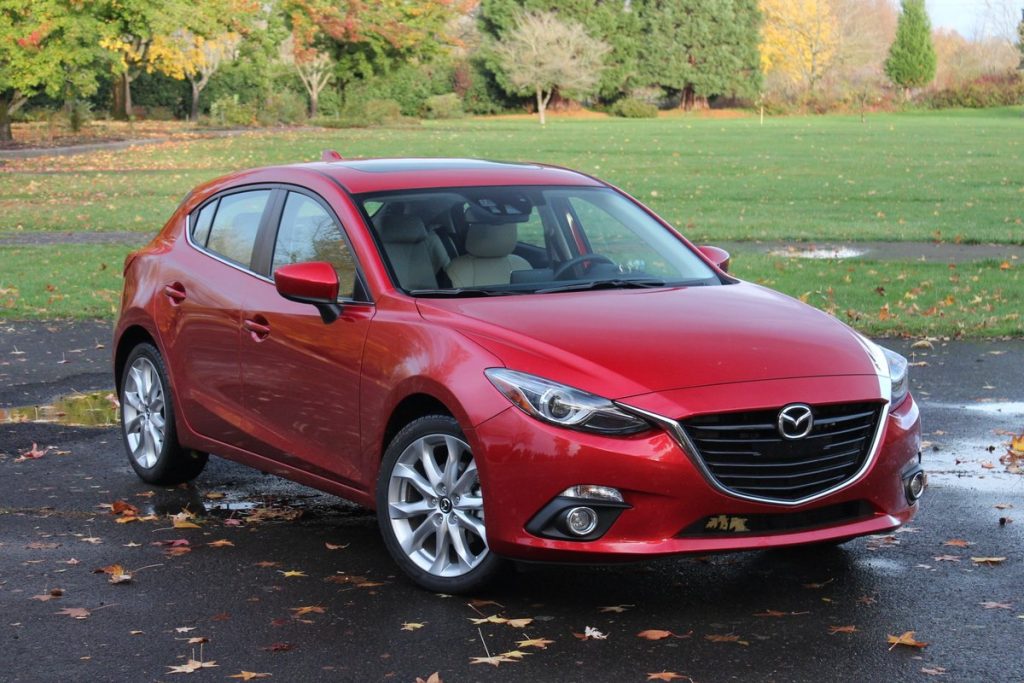
4. Mazda3
The Mazda3 is known for combining sporty performance with long-term fuel efficiency. Its SkyActiv engines, introduced in the 2012 models, are designed for high compression and efficient combustion, which helps maintain MPG even after extended use.
Owners often report minimal drops in fuel economy with proper maintenance, including regular oil changes and fuel system care.
Mazda’s attention to transmission design also supports long-term efficiency. The smooth operation of both automatic and manual gearboxes reduces unnecessary fuel consumption, while lightweight construction ensures engines operate under less stress.
Regular maintenance of sensors, spark plugs, and timing components keeps fuel delivery accurate and prevents efficiency decline.
Real-world reports highlight Mazda3 vehicles maintaining highway MPG close to original ratings well past 200,000 miles.
The combination of precise engineering, durable fuel systems, and manageable curb weight allows the Mazda3 to continue delivering excellent fuel economy for long-term owners.
For those seeking a compact car with both driving enjoyment and long-term fuel efficiency, the Mazda3 provides a compelling option.
Its proven reliability and engineering choices ensure that fuel consumption remains steady, even with high mileage and extended daily use.
5. Lexus ES 350
The Lexus ES 350 is a midsize luxury sedan known for smooth performance and consistent fuel efficiency. Its V6 engine is engineered for longevity and efficiency, maintaining stable MPG readings beyond 200,000 miles with routine maintenance.
Toyota’s luxury division applies precision engineering to reduce friction, optimize fuel injection, and ensure reliable transmission performance, all of which contribute to sustained fuel economy.
Owners report that with regular oil changes, air filter servicing, and occasional fuel system maintenance, the ES 350’s fuel efficiency remains close to factory ratings.
The combination of a balanced curb weight, aerodynamic design, and refined engine management systems helps reduce unnecessary fuel consumption.
The ES 350 also benefits from reliable automatic transmissions that maintain smooth power delivery, preserving efficiency over extended use. Durable engine components, including oxygen sensors, timing chains, and injectors, further support long-term MPG stability.

For high-mileage owners seeking a comfortable luxury vehicle that does not compromise fuel economy, the ES 350 offers a dependable option.
Its thoughtful engineering and proven reliability allow it to maintain efficiency well past the 200,000-mile mark, making it a practical choice for those looking for both luxury and fuel savings.
5 Cars That Do Lose MPG After 200k
Some vehicles experience a noticeable decline in fuel efficiency as they accumulate high mileage. Even with proper maintenance, engines, transmissions, and fuel systems in certain cars tend to wear in ways that reduce MPG over time.
This can be due to factors like aging components, higher oil consumption, clogged injectors, or less efficient combustion as engines age.
Cars that lose MPG after 200,000 miles often require more frequent maintenance or component replacements to maintain efficiency.
Drivers may notice higher fuel costs, reduced performance, and occasional drivability issues as fuel economy drops. Understanding which vehicles are prone to this decline is essential for long-term ownership planning.
The following five cars have a track record of experiencing reduced fuel efficiency after high mileage. Each entry explains the causes behind the loss, whether it’s design-related, due to engine wear patterns, or because certain systems degrade faster than in other models.
By highlighting these vehicles, owners and prospective buyers can be aware of potential fuel economy challenges and make informed decisions to minimize long-term costs.
1. Ford Focus
The Ford Focus, particularly models from 2012–2018, is prone to fuel efficiency decline after high mileage.
Many owners report that highway and city MPG drop significantly beyond 200,000 miles. This often stems from issues such as carbon buildup on intake valves in the direct-injection engines, which interferes with proper combustion.
Transmission wear can also contribute. Automatic Focus models sometimes develop torque converter or clutch problems, leading to less efficient power delivery and increased fuel consumption.
Aging sensors, such as oxygen sensors or mass airflow meters, may provide inaccurate readings over time, causing the engine to run richer than necessary.
Other contributing factors include high oil consumption in certain Focus engines and injector deposits that reduce fuel atomization. Even with regular maintenance, the combination of design limitations and wear patterns can make it difficult to maintain original MPG ratings.

Owners who drive high-mileage Focus vehicles often notice that fuel economy drops by several miles per gallon, making long-term ownership more costly than anticipated.
Awareness of these tendencies allows drivers to schedule preventative maintenance, but it remains a model that requires more attention to retain efficiency over the long term.
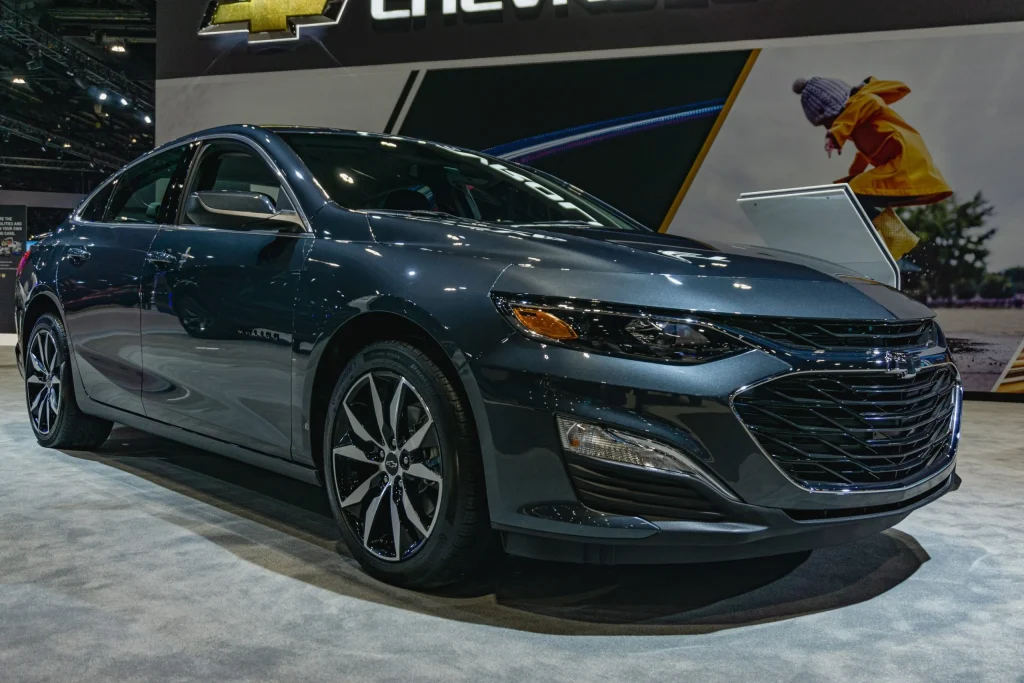
2. Chevrolet Malibu
The Chevrolet Malibu, especially the 2008–2015 generation, tends to lose fuel efficiency with high mileage. A key factor is engine wear, particularly in the four-cylinder engines with early direct-injection designs.
Over time, carbon buildup and oil consumption reduce combustion efficiency, which directly affects MPG.
Transmission performance also contributes. Malfunctioning shift solenoids, slipping clutches, or worn torque converters in automatic models can force the engine to work harder, consuming more fuel.
Aging oxygen sensors and fuel injectors can exacerbate the issue, creating a feedback loop of inefficient fuel delivery.
Additionally, suspension and drivetrain wear can subtly increase rolling resistance, further lowering efficiency. Even moderate neglect of maintenance, such as delayed spark plug or filter replacements, magnifies these problems.
Real-world owners report MPG losses of 10–15% after reaching 200,000 miles. While the Malibu offers comfort and a smooth ride, its long-term fuel economy performance is less predictable compared with more durable sedans, making it a vehicle that requires careful monitoring to minimize fuel efficiency decline.
3. Nissan Altima
The Nissan Altima, particularly the 2.5L four-cylinder engines from 2013–2018, has a reputation for reduced fuel efficiency after high mileage. Engine wear, including cylinder and valve issues, can interfere with combustion efficiency, causing noticeable MPG loss over time.
CVT-equipped models are especially susceptible. The continuously variable transmission can develop belt or pulley wear, reducing efficiency as the transmission struggles to maintain optimal ratios. Aging sensors and fuel injectors may further contribute to a richer fuel mixture, increasing consumption.
Other common factors include oil leaks and minor engine deposits that gradually reduce performance. Even with regular maintenance, the combination of transmission wear and engine aging can make it difficult for Altimas to maintain original MPG ratings.
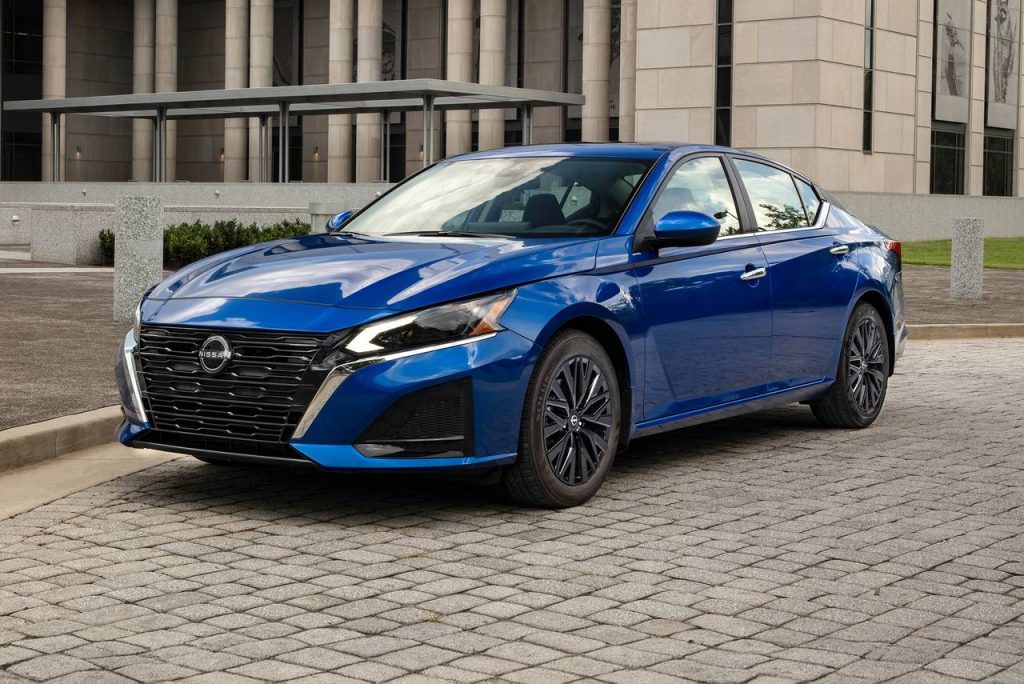
Owners often report that the Altima’s MPG declines by several miles per gallon after reaching 200,000 miles.
Awareness of these tendencies helps drivers anticipate higher fuel costs and consider proactive maintenance strategies, but it remains a model where long-term efficiency is less reliable than in some competitors.
4. Volkswagen Jetta
The Volkswagen Jetta, particularly TSI turbocharged models from 2012–2018, can experience a decline in fuel efficiency as mileage climbs. Carbon buildup on intake valves, a known issue in direct-injection turbo engines, interferes with fuel combustion and lowers MPG.
Turbocharger wear is another factor. Reduced efficiency in the turbo can cause the engine to operate under higher load, consuming more fuel. Aging fuel injectors, sensors, and ignition components can also reduce combustion efficiency over time.
VW transmissions, including DSG dual-clutch systems, may develop slipping or delayed engagement, which further increases fuel consumption.
Even routine maintenance cannot always prevent the gradual loss of efficiency, particularly if the vehicle has been driven aggressively or neglected early care.
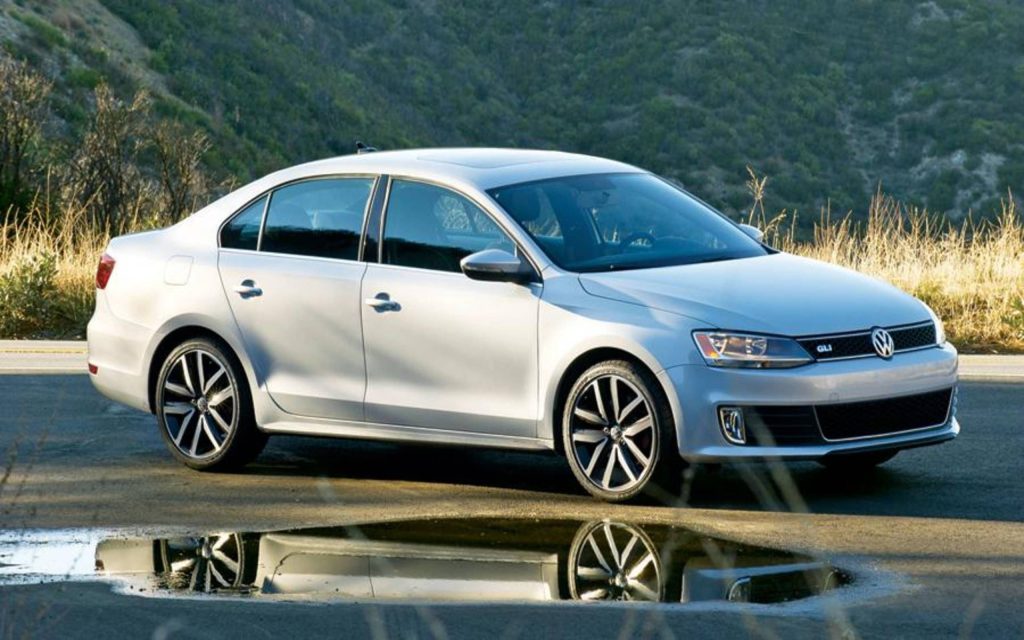
Owners report MPG reductions of 2–5 miles per gallon on average after high mileage, making the Jetta less predictable for long-term fuel economy. While enjoyable to drive, it requires more diligent maintenance to preserve efficiency compared with non-turbo compact sedans.
5. Ford Fusion
The Ford Fusion, especially 2010–2016 models with four-cylinder engines, is known to lose MPG after extensive use. Engine wear, including timing chain and injector deposits, reduces combustion efficiency, while higher oil consumption in older engines contributes to inefficiency.
Automatic transmission wear, particularly in dual-clutch and traditional automatic versions, can lead to inefficient power delivery and increased fuel usage. Sensors, including mass airflow and oxygen sensors, may degrade over time, creating a richer-than-needed fuel mixture.
Other minor factors include aging drivetrain components and heavier chassis wear, which slightly increases rolling resistance. Combined, these issues result in a noticeable MPG drop after 200,000 miles.
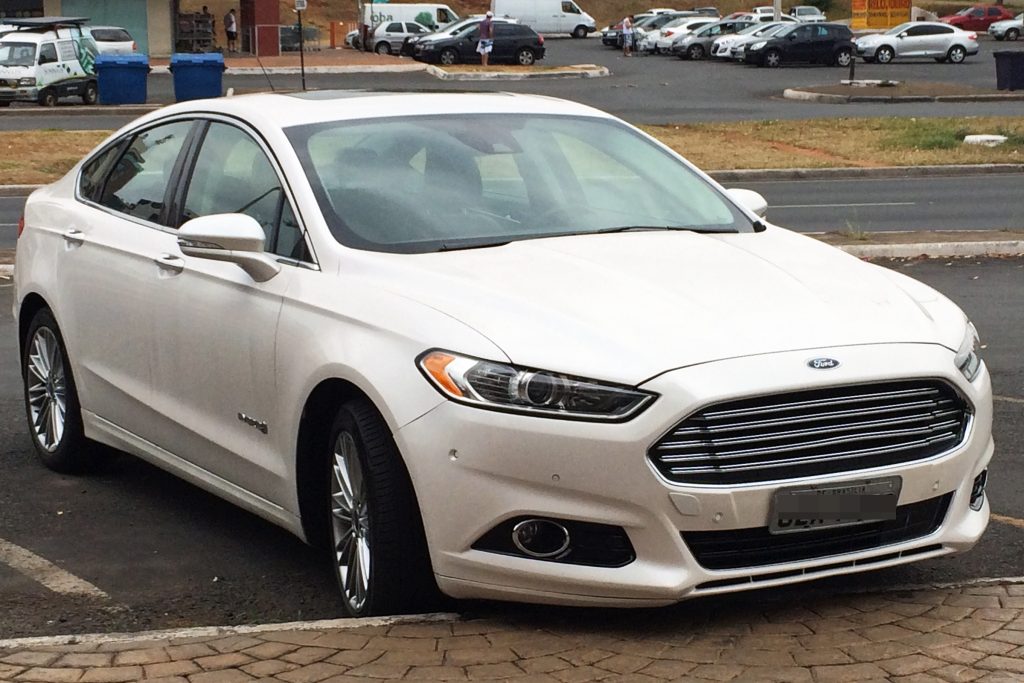
Real-world owners report fuel efficiency reductions ranging from 10% to 15%, emphasizing the importance of proactive maintenance.
While the Fusion offers comfort and smooth handling, drivers should expect higher fuel costs over time compared with more durable models.
Fuel efficiency is one of the most important considerations for long-term vehicle ownership, especially as cars reach the 200,000-mile mark or beyond.
While some vehicles maintain their original MPG ratings with minimal decline, others experience a notable drop in fuel economy due to design limitations, engine wear, or transmission issues.
Understanding these differences can help drivers make informed decisions, manage fuel costs, and plan maintenance more effectively.
Cars that retain their MPG after high mileage share several characteristics. First, engine design plays a critical role.
Models like the Honda Civic, Honda Accord, and Toyota Corolla feature naturally aspirated engines or early-generation fuel systems that resist carbon buildup and maintain proper combustion over extended periods.
These engines generally consume oil at a predictable rate and have robust cooling and lubrication systems, which contribute to sustained fuel efficiency.
Similarly, transmissions in these vehicles, whether automatic or manual, are engineered for longevity, providing smooth power delivery without excessive energy loss.
Lightweight construction and well-balanced chassis design also reduce engine strain, ensuring fuel consumption remains efficient even with high mileage.
Durable fuel system components, such as injectors, oxygen sensors, and throttle bodies, are another factor in long-term MPG retention.
Vehicles like the Mazda3 and Lexus ES 350 feature precise fuel management and reliable sensor systems, which prevent the engine from running too rich or too lean as components age.
Regular maintenance, such as timely oil changes, air filter replacements, and occasional fuel system cleaning, further supports these vehicles’ ability to maintain efficiency over hundreds of thousands of miles.
In contrast, vehicles that lose MPG after high mileage often face cumulative issues that interfere with combustion and power delivery.
Engines with direct injection, turbocharging, or high compression can develop carbon buildup, reduce combustion efficiency, and increase fuel consumption.
For example, models like the Ford Focus, Volkswagen Jetta, and Nissan Altima frequently report MPG drops due to valve deposits, turbocharger wear, or injector degradation.
Transmission issues, including slipping clutches or worn CVT components, compound the problem by forcing the engine to work harder and consume more fuel. Aging sensors, oxygen monitors, and fuel injectors can also cause a richer fuel mixture, further decreasing efficiency.
The rate of MPG decline in these vehicles varies depending on maintenance, driving habits, and environmental conditions.
Even with consistent upkeep, the combination of design limitations and high mileage can result in fuel efficiency losses ranging from a few miles per gallon to significant reductions in city and highway driving.
Drivers of these models should expect higher fuel costs and plan for additional preventative maintenance if they aim to preserve as much efficiency as possible.
Overall, the difference between vehicles that retain fuel efficiency and those that do not highlights the importance of design, engineering, and component durability.
Cars with reliable engines, efficient transmissions, lightweight construction, and robust fuel systems consistently outperform their less durable counterparts in long-term MPG retention.
This information is valuable for prospective buyers seeking vehicles that provide low operating costs over time, as well as for current owners planning maintenance strategies to maximize fuel efficiency.
For drivers prioritizing sustained MPG, investing in vehicles known for efficiency longevity can result in significant fuel savings and reduced maintenance stress.
Conversely, owners of cars prone to efficiency decline should monitor engine performance, maintain key components, and adjust expectations regarding fuel costs.
By understanding the factors that influence long-term fuel economy, drivers can make informed choices that benefit both their wallets and overall vehicle reliability.
In the context of high-mileage ownership, fuel efficiency becomes a measurable indicator of engineering durability.
Choosing a vehicle that retains MPG over time is not only practical but also demonstrates the importance of mechanical design and maintenance in extending the life and performance of a car.
Ultimately, the contrast between vehicles that maintain MPG and those that lose it underscores the value of informed vehicle selection and proactive care, ensuring that drivers enjoy consistent performance and fuel economy even as their cars age.
Also Read: 5 Subaru Outback Years Worth Owning vs 5 That Constantly Fail
