
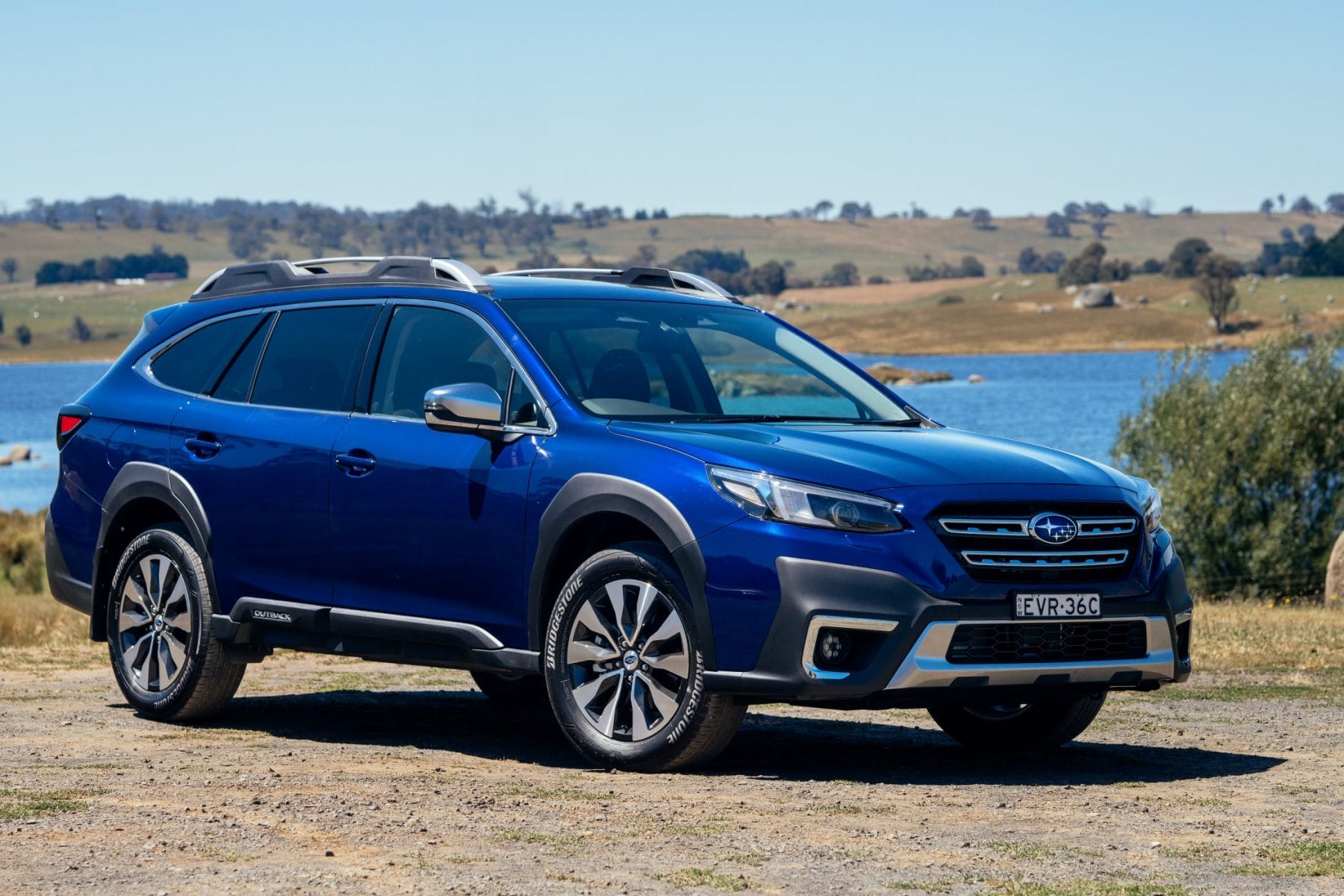
Winter can be brutal on vehicles, especially in the northern parts of the United States where snow, road salt, and freezing rain are a way of life. Drivers in states like Michigan, Minnesota, New York, and Vermont know the toll that repeated freeze-thaw cycles and salted roads can take on their cars.
Rust becomes the enemy, and a vehicle that looks showroom-fresh in the fall can start showing corrosion by spring if it isn’t well protected. That’s why winter durability is such a crucial factor for car buyers in colder climates.
Some vehicles have earned a reputation for shrugging off icy mornings and snowy commutes with ease, maintaining their structural integrity and reliability for years.
Others, however, quickly fall victim to rust, especially when exposed to salted highways or slushy conditions. Below, we’ll look at five cars that hold up well in harsh winters and five that are notorious for rusting almost immediately.
Cars That Survive Harsh Winters
Winter driving can be brutal. Freezing temperatures, icy roads, heavy snow, and salt-covered highways put vehicles to the ultimate test, and not every car is built to handle the punishment.
While some models struggle to start on frigid mornings or quickly show signs of rust, others prove to be reliable companions that push through the worst conditions year after year.
In this article, we’ll take a closer look at cars that have earned a reputation for surviving harsh winters, whether through strong all-wheel-drive systems, rugged durability, or simple dependability when you need it most.
1. Subaru Outback
The Subaru Outback has long been a winter warrior in states with heavy snowfall. Thanks to its standard all-wheel drive, generous ground clearance, and durable underbody protection, it’s well-suited for icy driveways and snow-packed roads.
Subaru also uses rust-resistant coatings and designs its vehicles with harsh climates in mind, making the Outback a reliable choice for those who don’t want to worry about corrosion after a few winters. In fact, many Outbacks from the early 2000s are still on the road in snowy states, a testament to their durability.
The Subaru Outback has long been the automotive equivalent of a mid-weight trail-hiker boot, casual, comfortable, and always ready to take on a bit of adventure when the situation calls for it.
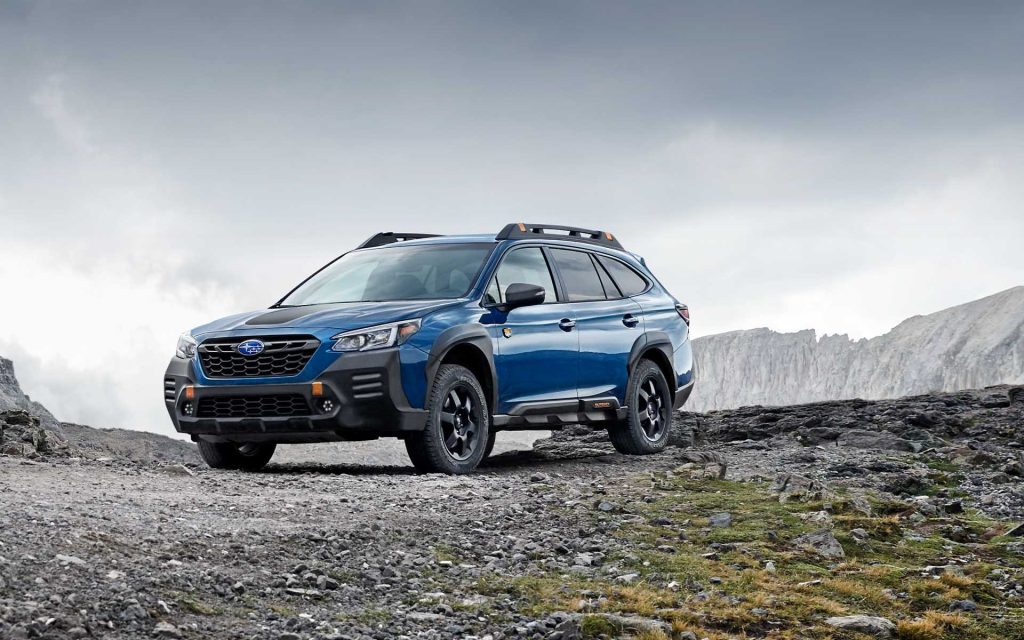
Like many crossovers, it can handle moderately challenging terrain, but the Outback stands apart thanks to its true station wagon roots. This wagon-first identity gives it a laid-back, approachable personality that has defined the model for more than 30 years.
That same wagon design provides car-like handling and a smoother ride compared to bulkier SUVs, while also offering generous cargo capacity and seating for up to five passengers.
Power comes from a 182-horsepower four-cylinder engine paired with a continuously variable transmission (CVT) and Subaru’s hallmark all-wheel-drive system.
For drivers seeking more punch, a 260-horsepower turbocharged four-cylinder is available. Inside, the cabin is thoughtfully arranged with intuitive controls, quality materials, and upholstery that feels a step above the average. In higher trims, the Outback even pushes into near-luxury territory.
2. Toyota 4Runner
The Toyota 4Runner is another SUV that can survive years of winter punishment without flinching. Built on a body-on-frame platform with a reputation for toughness, the 4Runner not only handles deep snow but also resists rust better than many rivals.
Toyota improved rustproofing over the years, and 4Runners from the mid-2000s onward hold up especially well. With proper care, owners in northern climates often report little to no rust even after a decade of use.
The previous-generation 4Runner stuck around far longer than most SUVs, yet it earned a loyal following thanks to its rugged off-road abilities and classic truck-like character.
Still, its thirsty engine, dated interior, clumsy on-road manners, and cramped third row made its age hard to ignore. Outdated tech didn’t help its case either.
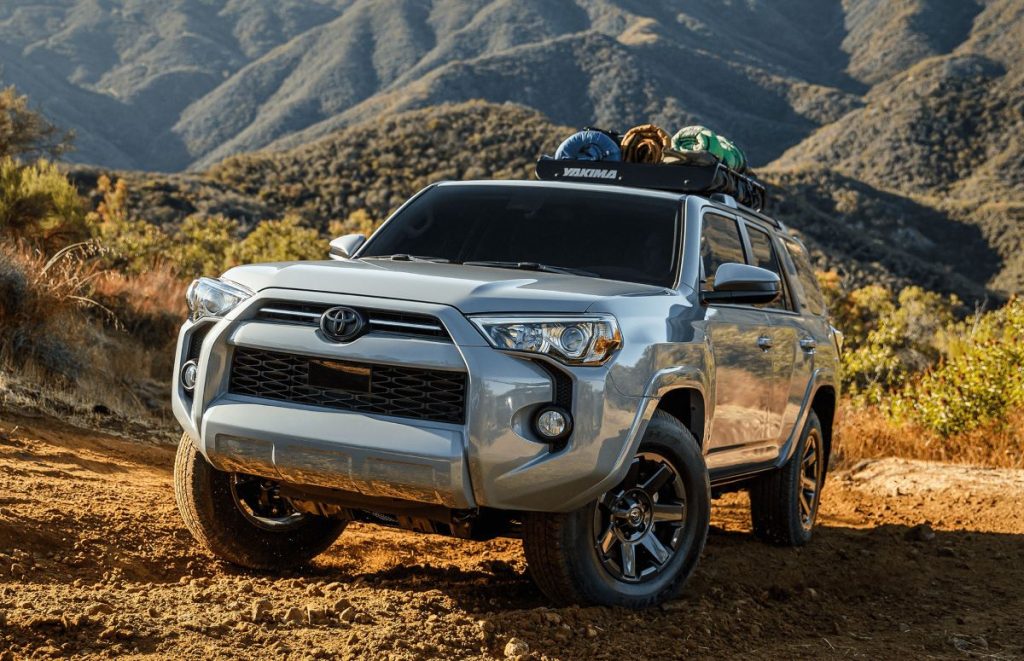
That’s why the arrival of the all-new 2025 4Runner feels like such a big deal. While we haven’t driven it yet, early impressions suggest a huge step forward.
The redesigned cabin borrows much from the latest Tacoma, with cleaner lines, sturdier details, and a more functional truck-like layout. It’s a welcome refresh for one of Toyota’s most iconic nameplates, and we’re eager to see how it performs in our full testing.
The outgoing 4.0-liter V6, paired with a five-speed automatic, produced 270 horsepower and 278 lb-ft of torque but was sluggish and outdated. For 2025, Toyota introduces two fresh powertrain options, both paired with a new eight-speed automatic.
The base setup is a 2.4-liter turbocharged inline-four producing 278 horsepower and 317 lb-ft of torque. Like the Tacoma, a hybrid version is also expected, promising more power and improved efficiency.
3. Honda CR-V
Compact SUVs often take a beating in northern climates, but the Honda CR-V has shown impressive resilience. The CR-V’s unibody construction, solid engineering, and thoughtful rust protection help it stay structurally sound through years of salted-road driving.
While some early models (particularly from the late 1990s) had minor rust issues, newer CR-Vs have proven to be very winter-friendly. Combined with reliable all-wheel drive and fuel efficiency, the CR-V is a smart winter commuter.
Honda took its time before introducing a turbocharged engine to the CR-V, and the result shows. The 1.5-liter unit delivers 190 horsepower and is paired with one of the best continuously variable transmissions (CVTs) on the market, a compliment Honda doesn’t earn lightly.
While towing capacity is on the low end at 1,500 pounds, the CR-V makes up for it with everyday comfort and drivability.
Anyone hoping for lightning-fast acceleration may be let down, but most drivers will value its refined ride, precise steering, and confident braking. The CR-V’s compliant suspension smooths out both short commutes and long trips, while its responsive brake pedal provides consistent stopping power when needed.
For those considering electrification, the CR-V Hybrid pairs a 2.0-liter four-cylinder with two electric motors for a combined 212 horsepower. The hybrid system operates seamlessly, with smooth power delivery and minimal intrusion.
Honda also addressed the typical drone at wide-open throttle by adding extra sound insulation and equipping the audio system with active noise cancellation, making the cabin a quieter, more pleasant place to be.
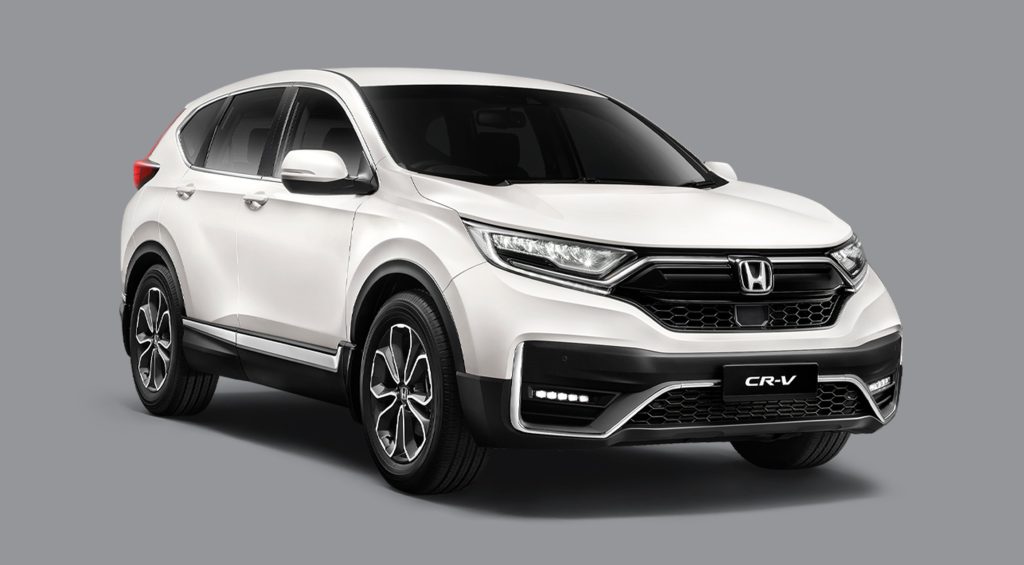
The 2019 Honda CR-V remains one of the strongest players in the compact SUV segment. It combines smart packaging, excellent road manners, and impressive fuel economy with a dose of modern style.
Throw in a spacious interior, user-friendly technology, and two efficient four-cylinder engines, including a lively turbo option, and it’s easy to see why the CR-V continues to be a fan favorite.
The 2019 Honda CR-V lineup ranges from $25,570 for the base LX to $33,970 for the fully-loaded Touring. The sweet spot is the EX trim, which balances value and features.
It comes standard with heated front seats, a 7.0-inch touchscreen with Apple CarPlay and Android Auto, and Honda Sensing driver-assistance tech. For most buyers, front-wheel drive will be enough, but all-wheel drive can be added for $1,300, making it a smart choice for those in snowy climates.
Honda’s first-ever turbocharged CR-V engine is the highlight here. Paired with one of the best continuously variable transmissions (CVTs) available, the turbo-four delivers brisk response and smooth power delivery.
The base non-turbo engine is less energetic but still refined. Where the CR-V falters is towing, rated at just 1,500 pounds, it lags behind rivals.
That said, most families will be more impressed by how composed and comfortable it feels on daily commutes.
Its ride is compliant, the steering confident, and the brakes provide consistent stopping power. While it won’t win any drag races, the CR-V nails the qualities most crossover buyers actually care about.
4. Jeep Grand Cherokee
For drivers who need both winter toughness and comfort, the Jeep Grand Cherokee is a dependable choice. Its available Quadra-Trac four-wheel-drive systems, advanced traction management, and rugged suspension make it ideal for snowy mountain passes or icy highways.
Rust resistance has also improved with modern Grand Cherokees, especially compared to older Jeeps. With proper maintenance, this SUV will serve reliably in regions where winter seems to last half the year.
The Jeep Grand Cherokee has evolved into a full lineup of its own within the brand’s growing portfolio. Alongside the standard two-row model, buyers can choose the plug-in-hybrid Grand Cherokee 4xe or the larger three-row Grand Cherokee L, each reviewed separately.
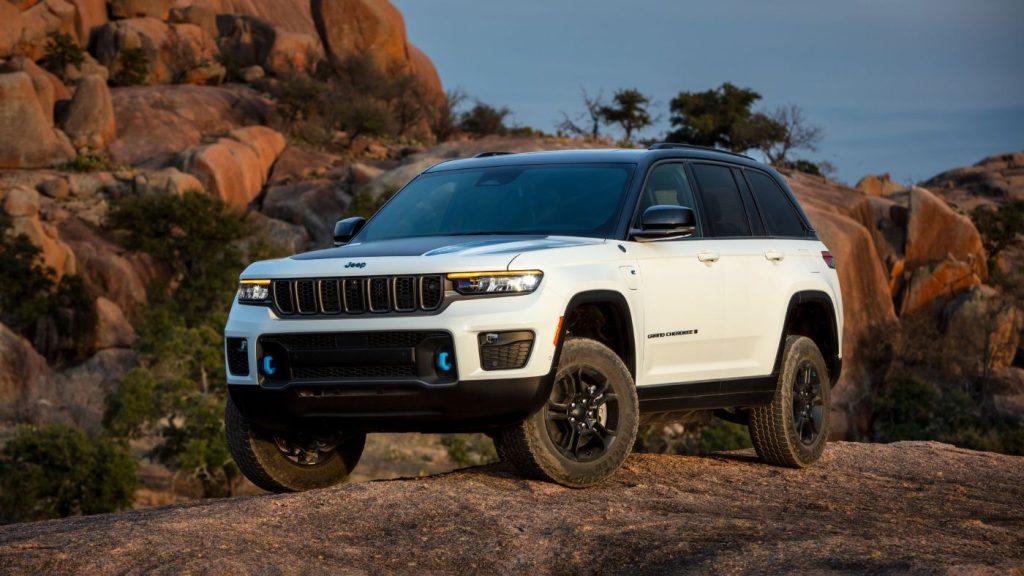
With nine available trims, ranging from the entry-level Laredo to the luxurious Summit Reserve, the lineup offers something to fit nearly every budget and preference.
Under the hood, the nonhybrid two-row model comes standard with a capable V6 engine, paired with either rear-wheel drive or one of several all-wheel-drive systems, depending on trim.
True to Jeep’s heritage, the Grand Cherokee retains impressive off-road capability, but it’s just as comfortable on paved roads. Inside, the cabin feels spacious, modern, and well-equipped, making it a versatile SUV for both rugged adventures and everyday driving.
5. Volvo XC90
Volvo has long engineered cars with Scandinavian winters in mind, and the XC90 is no exception. From heated wipers to robust undercoating, the XC90 is well-prepared for snow and salt.
Unlike some luxury SUVs, it doesn’t crumble under the pressure of winter driving. Owners in states like Maine and Wisconsin often keep XC90s on the road well past 150,000 miles without significant corrosion issues. Its blend of luxury, safety, and cold-weather durability make it a standout in harsh climates.
Rumors of the Volvo XC90’s retirement turned out to be premature. Once expected to bow out in favor of the all-electric EX90, the midsize three-row hybrid has earned an extended lease on life as EV demand cools.
To keep it competitive, Volvo rolled out a mid-2025 refresh that brings sharper styling, updated tech, and modest improvements to efficiency, though a few shortcomings remain.

Among the most noticeable changes are redesigned headlights and a new grille featuring more angular, intricate strakes.
Inside, the dashboard gets a modern update with a larger 11.2-inch infotainment touchscreen that now sits proudly on the dash, replacing the more subtle 9-inch integrated display.
The system also upgrades to Volvo’s latest Google-based software, offering crisper graphics, quicker response times, and a more intuitive interface.
Under the hood, Volvo has tweaked its mild-hybrid engines to boost efficiency, though only the entry-level B5 model shows a measurable improvement in fuel economy.
Still, with refreshed looks, a smarter cabin, and enhanced tech, the XC90 is better positioned to hold its ground against large SUV rivals, at least until its electric successor fully takes over.
Cars That Rust Immediately
Few things are more frustrating for car owners than watching their vehicle’s shine fade into patches of rust far sooner than expected. While all cars are vulnerable to corrosion over time, some models seem almost destined to develop rust the moment they face road salt, humidity, or even a bit of neglect.
For buyers in regions with harsh winters or coastal climates, knowing which cars are notorious for premature rusting can save thousands in repairs and headaches down the road. In this article, we’ll take a closer look at the cars that rust almost immediately, why they’re prone to it, and what you can do to protect your investment.
1. Dodge Caravan/ Chrysler Town & Country
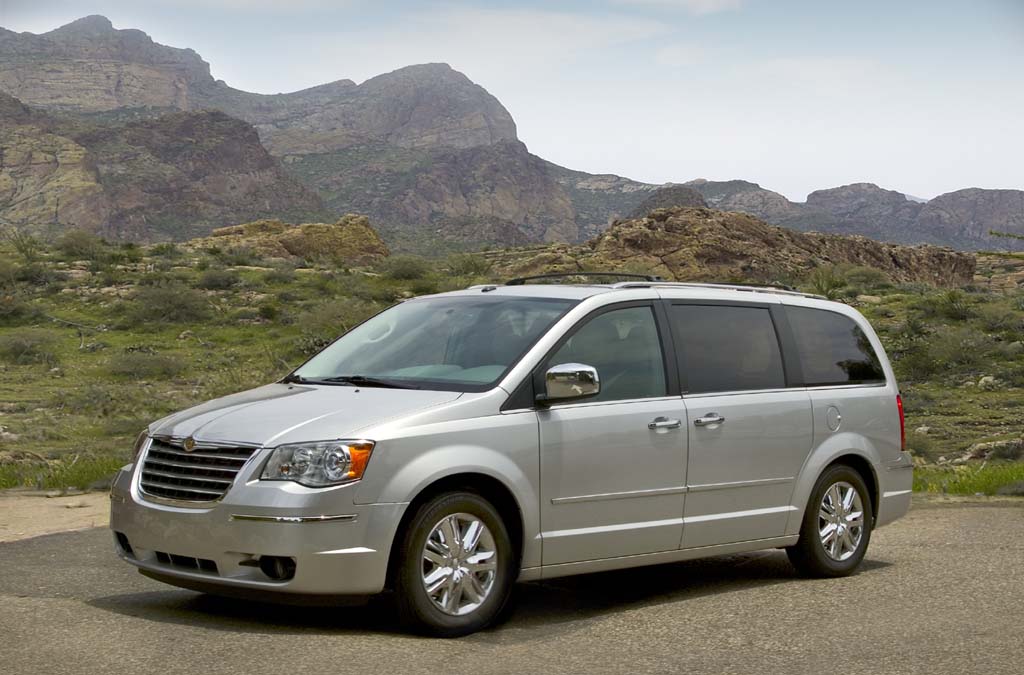
Minivans are family favorites, but the Dodge Caravan and Chrysler Town & Country have long been plagued with rust problems.
Wheel wells, sliding door tracks, and underbodies often show corrosion within just a few winters in the snow belt. For families in northern states, this has been a frustrating reality, mechanically reliable vans undermined by poor rust protection.
The fifth generation of the Dodge Grand Caravan debuted at the 2007 North American International Auto Show, launching as a 2008 model.
Unlike its predecessors, which had been offered in both short- and long-wheelbase versions, this generation was built exclusively in the long-wheelbase format. In select international markets, Dodge even offered it with a European-sourced diesel engine.
One of the most noticeable exterior updates was the new headlight design, which was taller and more prominent than before.
Rather than following the SUV-inspired styling trends of some competitors, Dodge leaned into a more traditional MPV profile, with squared-off bodywork complemented by rounded wheel arches.
Inside, the Grand Caravan featured three rows of seating with impressive versatility. The second row could be folded flat into the floor, while the third row was removable, allowing the minivan to quickly transform into a light commercial vehicle when needed.
For added family appeal, buyers could opt for ceiling-mounted DVD players in the second and third rows, each capable of running different programs with individual headphones.
Mechanically, the fifth-generation Grand Caravan dropped the all-wheel-drive option found in its predecessor, offering only front-wheel drive.
The base 3.3-liter V6 was paired with a 4-speed automatic transmission, while the other four available engines were matched to a more modern 6-speed automatic.
Chrysler unveiled the fifth-generation Town & Country at the 2007 Detroit Auto Show, marking a major shift in its minivan lineup.
The most notable change was the elimination of the short-wheelbase version, a decision that simplified production and cut costs at a time when the global financial crisis was beginning to take hold.
Available in LX, Touring, and Limited trims, the new Town & Country presented a more upscale image than previous iterations.
The front fascia featured a wide, horizontally slatted grille, while a secondary lower grille in the bumper housed foglamps within neatly integrated air intakes. Sliding rear doors remained standard for easy access, paired with traditional front-hinged doors, and the rear design followed minivan conventions with a vertical liftgate.
Inside, Chrysler leaned into premium touches, offering higher-quality materials and an optional state-of-the-art sound system to keep passengers, especially children, entertained.
Depending on configuration, the minivan could seat up to eight, with second- and third-row seats that folded flat into the floor to create a cavernous cargo area.
The dashboard borrowed SUV-inspired design cues, featuring a color infotainment screen at the top of the center stack, while the driver was greeted by crisp white instrument dials.
Power came from a lineup of V6 engines ranging from 176 to 253 horsepower, all paired with an automatic transmission. The combination of flexible interior design, upscale amenities, and practical powertrains helped the fifth-generation Town & Country stand out in a segment where versatility was king.
2. Ford Escape (Early Models)
While newer Ford Escapes have improved, earlier models from the early 2000s developed a reputation for rusting quickly, especially around the rear wheel arches and liftgate.
Owners in snowy regions often noticed bubbling paint and visible corrosion within just a few years. This problem was significant enough that many used Escapes on the market in rust-prone states show severe wear, making them less desirable for long-term winter use.
Ford launched the third-generation Escape in 2011 at the Los Angeles Auto Show, later giving it a significant update in 2016. Unlike the first two generations, which were co-developed with Mazda, this iteration had no connection to the Japanese automaker.
Instead, it was essentially a rebadged version of the European Ford Kuga, built on the C1 platform that was also shared with the Ford Focus, as well as some Volvo and Mazda products.
The 2016 facelift brought a bold new look, starting with a redesigned front fascia. The model adopted a chrome hexagonal grille with three horizontal slats, while the lower bumper featured new fog light housings positioned above the daytime running lights.
At the rear, Ford refreshed the Escape with a redesigned tailgate and updated taillights.
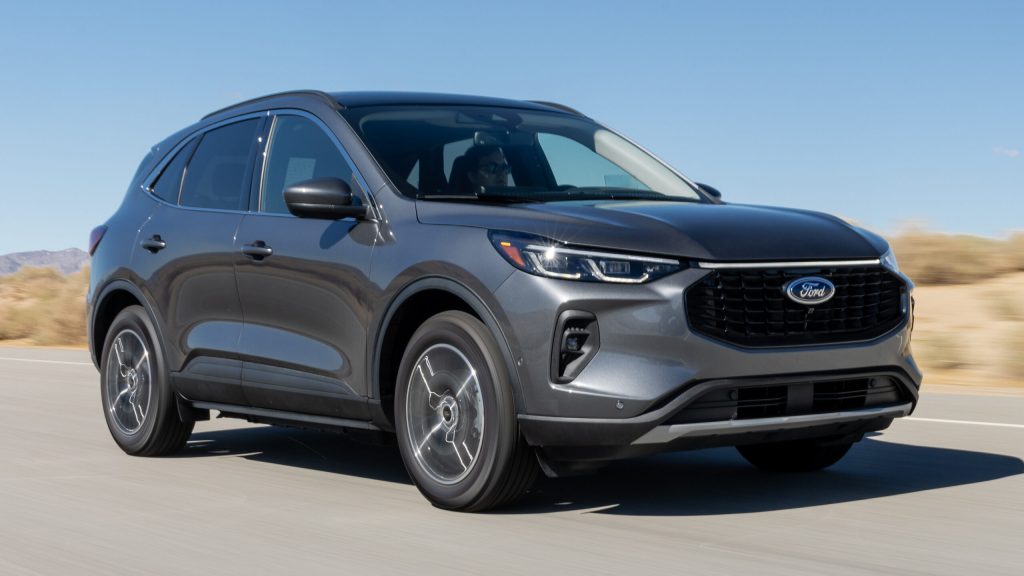
Inside, the changes were more subtle. The dashboard layout remained largely the same, but the updated model gained a new steering wheel and, more importantly, debuted Ford’s then-revolutionary Sync 3 infotainment system.
This setup allowed drivers to connect with their vehicle via a smartphone app, enabling features such as remote start, vehicle status updates, and even locating the SUV in a crowded parking lot.
Under the hood, the Escape offered more choice than ever. Two new turbocharged engines were introduced, one producing 179 horsepower and another delivering 245 horsepower, alongside the entry-level 2.5-liter inline-four, which powered the most affordable trim.
3. Chevrolet Cruze
The Chevy Cruze may have been marketed as a durable compact sedan, but northern drivers quickly found it susceptible to corrosion.
Wheel wells, rocker panels, and undercarriages were especially prone to rust, particularly on first-generation models. Road salt accelerated the problem, leading to premature wear and diminished resale value in states with harsh winters.
Chevrolet gave the 2019 Cruze a fresh design in hopes of drawing more attention in the ever-competitive compact car segment.

It offers many of the features buyers expect, including Apple CarPlay and Android Auto integration through a responsive 7-inch touchscreen, Bluetooth connectivity, solid crash-test ratings, and handling that’s more enjoyable than many rivals.
Buyers can also choose between sedan and hatchback body styles, with the rare option of a fuel-efficient diesel engine, something few competitors in this class provide.
Despite these strengths, the Cruze has struggled to outshine top rivals like the Honda Civic, Kia Forte, and Mazda3. Its biggest weakness comes from underwhelming engine options.
The base four-cylinder feels short on power, while the available diesel, though more rewarding to drive, carries a higher cost that undercuts much of its potential fuel-savings advantage. Still, for buyers prioritizing tech features, comfort, and versatility, the 2019 Cruze remains a well-rounded contender worth considering.
4. Mazda 3 (Early Generations)
Mazda earned praise for sporty handling with the Mazda 3, but rust resistance was never its strong suit. Early models, particularly from the mid-2000s, were notorious for rusting in the wheel wells, rocker panels, and even door sills.
In states like Ohio and Pennsylvania, it wasn’t unusual to see relatively new Mazda 3s with visible rust patches, even while rivals like the Honda Civic held up far better.
The 2025 Mazda3 continues to stand out as one of the most engaging cars in the compact segment, whether you opt for the sleek sedan or the versatile hatchback.
Its precise, responsive steering and taut suspension give it the character of a true sports sedan, something you won’t find in most rivals. Even with its athletic handling, the ride remains comfortable enough for daily driving on a variety of road surfaces.

Under the hood, the standard 2.5-liter four-cylinder produces 191 horsepower, which is more than adequate for everyday use.
For those seeking extra punch, the available turbocharged engine delivers up to 250 horsepower and an impressive 320 lb-ft of torque. Buyers can also add all-wheel drive, a rare option in this class, for added confidence when the roads get slick.
Fuel efficiency is where the Mazda3 falls a bit short compared to some competitors. The sedan with the base engine earns an estimated 27 mpg in the city and 37 mpg on the highway, while the hatchback version comes in slightly lower at 27/35 mpg city/highway.
5. Nissan Altima
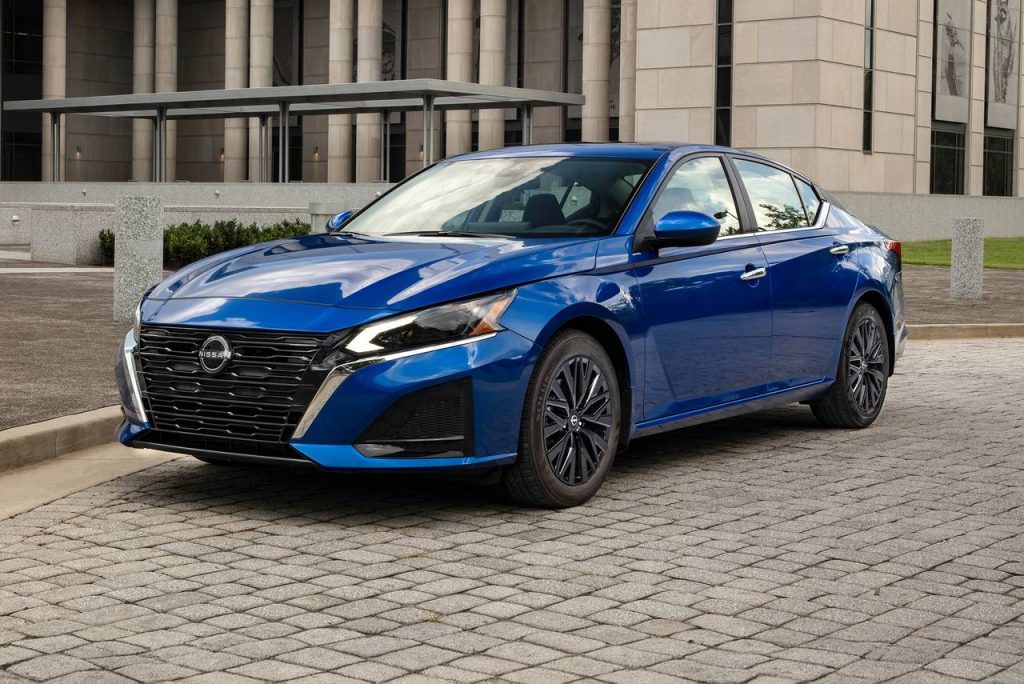
The Nissan Altima, particularly older models, developed a reputation for poor corrosion resistance. Rust was commonly found around the floor pans, rear subframes, and rocker panels.
In fact, rust-related recalls have affected certain Altimas in salt-belt states due to severe underbody corrosion that could impact structural integrity. For buyers in snowy regions, this makes the Altima a less-than-ideal choice for long-term winter use.
For American drivers who face long, icy winters, choosing the right vehicle can make the difference between a reliable companion and a rusty headache.
Cars like the Subaru Outback, Toyota 4Runner, and Volvo XC90 demonstrate that with proper engineering and rust protection, vehicles can thrive in the snow belt for years. On the other hand, models such as the Dodge Caravan, Mazda 3, and Nissan Altima reveal just how quickly rust can turn a promising car into a money pit.
The lesson here is clear: if you live in a state where road salt is as common as snow, it’s worth investing in a vehicle with proven winter durability.
Regular maintenance, undercoating, and washing away salt can extend the life of any car, but starting with a model known for resilience will pay off in the long run.
