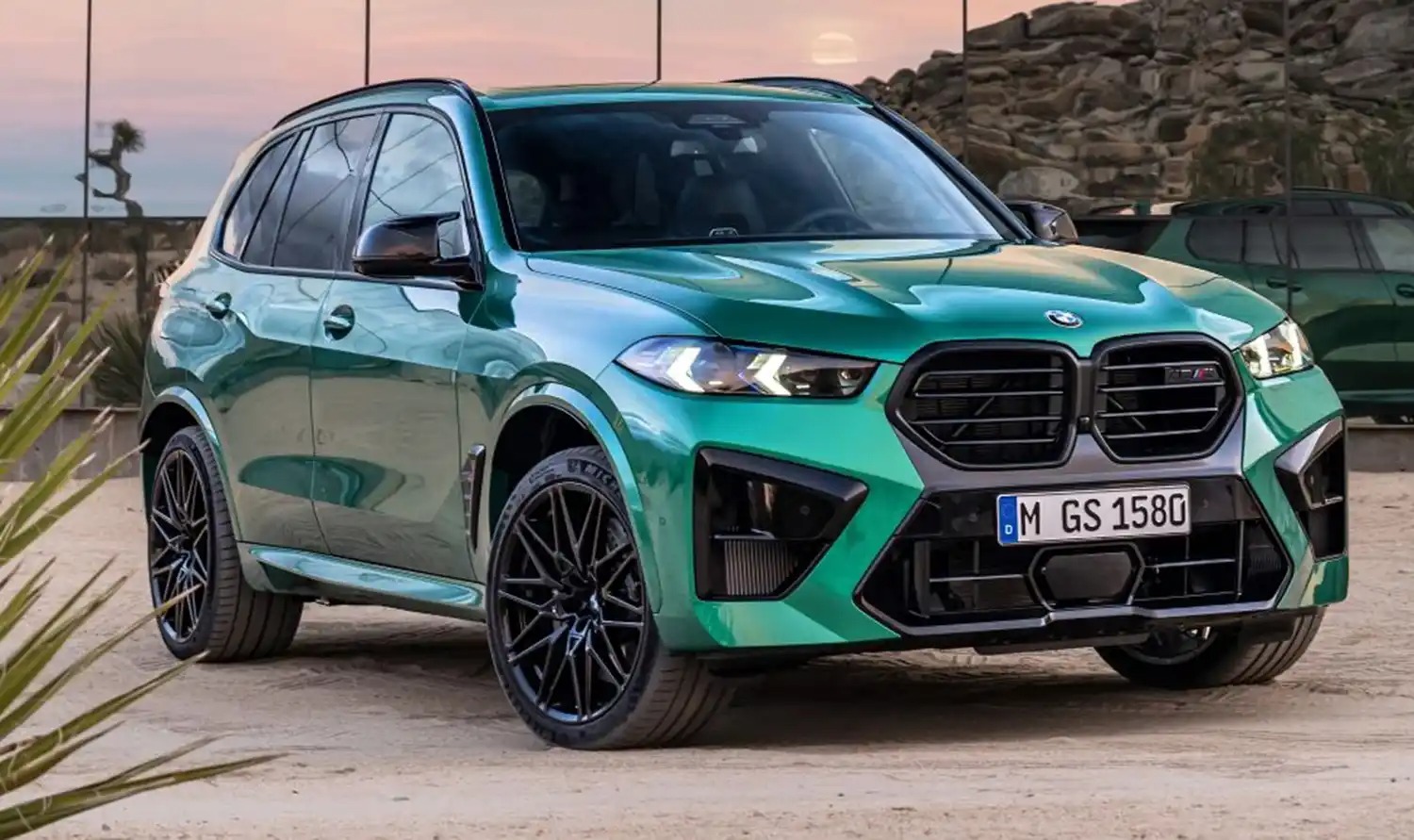
When people think about sports cars, the first things that come to mind are speed, style, and power. These cars are built to turn heads and deliver excitement on the road. But many drivers also connect sports cars with very high maintenance costs.
Owning a sports car is often seen as a luxury. The engines are powerful, the designs are advanced, and the parts can be expensive. For this reason, many people believe that sports cars always require costly repairs, which scares away potential buyers.
However, the truth is different. Not every sports car is difficult to maintain. Some models are designed with durability and simplicity in mind. These cars give drivers the thrill of sporty performance while staying affordable when it comes to repairs and maintenance.
This balance makes them very popular among car lovers. Drivers can enjoy speed and comfort without constantly worrying about repair bills. They can take their car on long drives, feel the excitement on highways, and still avoid frequent visits to repair shops.
Another reason these cars stand out is the availability of parts. For many reliable sports cars, spare parts are easy to find and not overly expensive. This makes the repair process faster and keeps the cost of ownership much lower.
Sports cars that rarely need expensive repairs prove that performance and affordability can exist together. They break the myth that every sports car must be a money drain. Instead, they show that careful engineering can make driving fun and budget-friendly.
Also read: 10 Sports Cars That Rarely See Engine Failure
1) Mazda MX-5 Miata
The Mazda MX-5 Miata is one of the most loved sports cars in the world. Since its first launch in 1989, it has gained a reputation for being lightweight, fun to drive, and surprisingly reliable compared to many other sports cars.
What makes the Miata special is its simple design. Mazda created this car with a clear idea: to give drivers a pure, joyful driving experience without unnecessary complexity. This focus has made the Miata both affordable and dependable for decades.
The car is well-known for its lightweight body. Unlike many heavy sports cars, the Miata uses a simple yet strong structure. This makes it easy to handle on twisty roads, while also helping reduce strain on the engine and brakes.
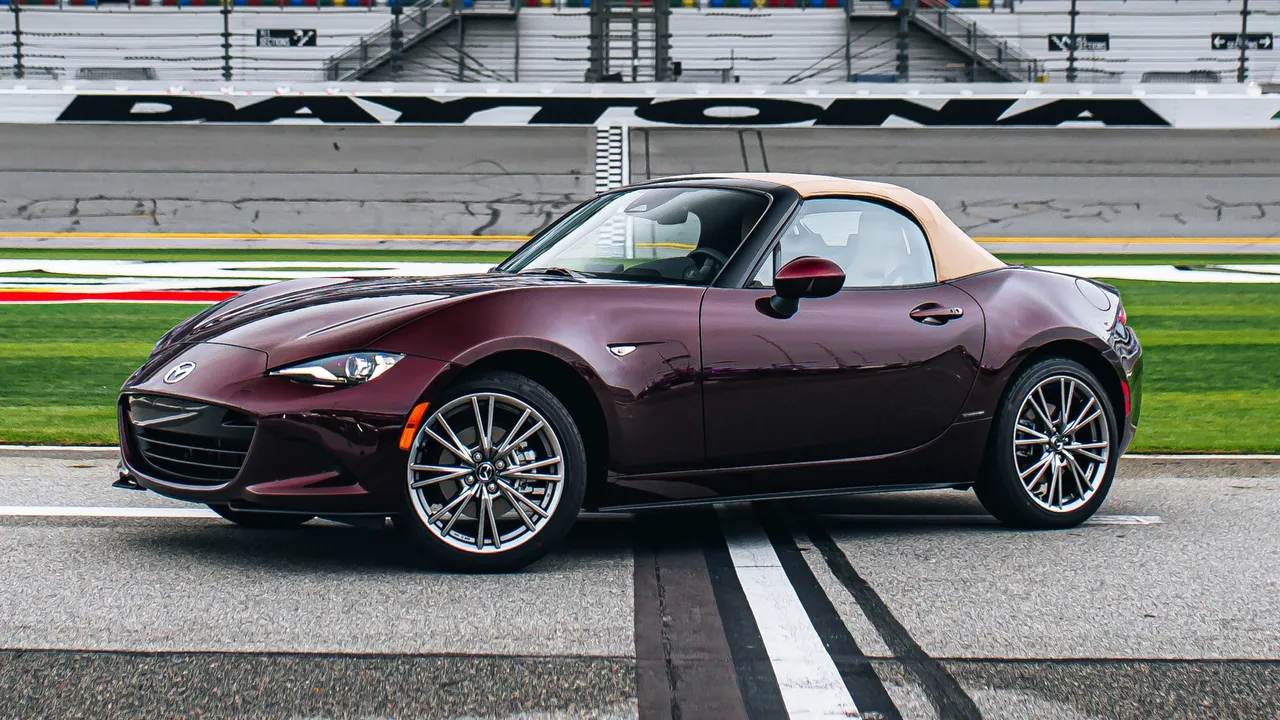
The Miata is not only about reliability; it also offers comfort and style. The small two-seat cabin is cozy but well designed. Modern versions come with advanced features like touchscreen displays, safety systems, and convertible tops, blending classic fun with modern convenience.
Drivers also admire the Miata for its excellent fuel economy. Sports cars often consume large amounts of fuel, but the Miata is different. Its lightweight build and efficient engine help it deliver good mileage, making it an affordable choice for daily driving.
Through all its generations, the MX-5 Miata has stayed true to its roots. It remains a symbol of affordable fun, easy maintenance, and driving joy. For anyone looking for a sports car without expensive repair bills, the Miata is a perfect choice.
2) Toyota 86 / Subaru BRZ
The Toyota 86 and Subaru BRZ are twin sports cars created through a partnership between Toyota and Subaru. They were first launched in 2012 and quickly became popular for offering affordable performance, lightweight handling, and dependable reliability compared to many other sports cars.
One of the biggest reasons these cars are admired is their focus on balance rather than raw power. With a four-cylinder boxer engine placed low in the car, they deliver excellent stability and control, making driving both exciting and safe.
The design of the 86 and BRZ is intentionally simple. Unlike many high-performance cars filled with complicated systems, these models keep things straightforward. This makes them easier to service and reduces the chance of facing frequent costly mechanical problems over time.
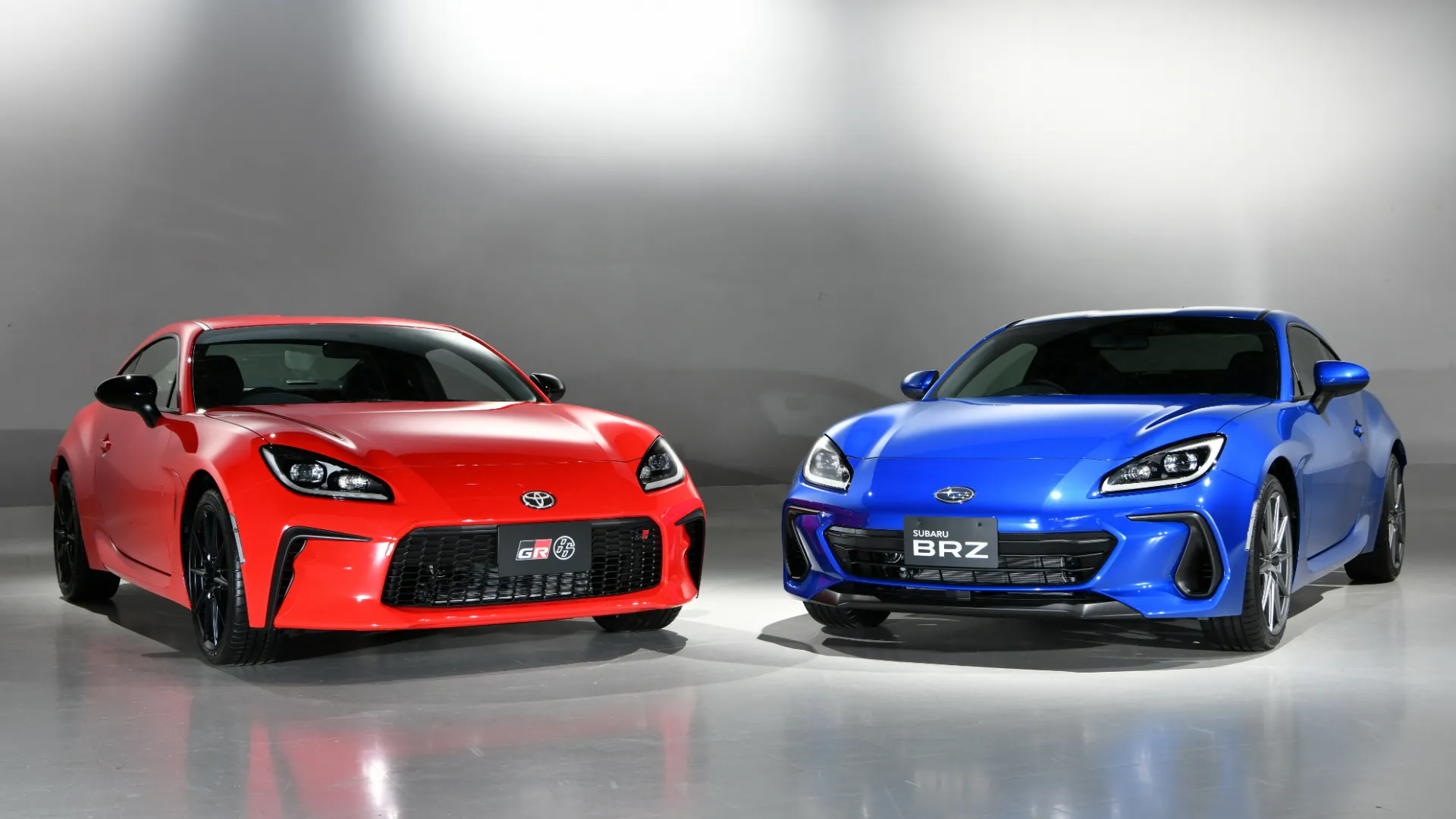
When it comes to repairs, both cars benefit from Toyota and Subaru’s reputation for reliability. Replacement parts are easy to find, and most mechanics are familiar with the engines. This helps drivers avoid expensive trips to specialized repair shops.
Another advantage is the long-lasting engine. While not the most powerful, the 2.0-liter boxer engine is known for being durable when maintained properly. Many owners report their cars running smoothly for years without serious issues, which is rare for affordable sports cars.
Inside the cabin, the Toyota 86 and Subaru BRZ are designed with drivers in mind. The seating is comfortable and supportive, while the controls are easy to reach. Later models also include modern features like touchscreens and advanced safety technology, adding convenience.
3) Ford Mustang
The Ford Mustang is one of the most famous sports cars in the world. Since its debut in the 1960s, it has been loved by drivers for its bold design, powerful performance, and surprisingly affordable maintenance compared to many competitors.
Among the Mustang lineup, the EcoBoost and V6 models are especially dependable. These versions deliver plenty of performance without the extreme maintenance costs often linked to high-powered V8 models. They strike a smart balance between excitement and long-term reliability.
The EcoBoost Mustang comes with a turbocharged four-cylinder engine. While smaller than traditional Mustang engines, it offers strong performance and great fuel economy. This combination makes it not only fun to drive but also much cheaper to keep running daily.
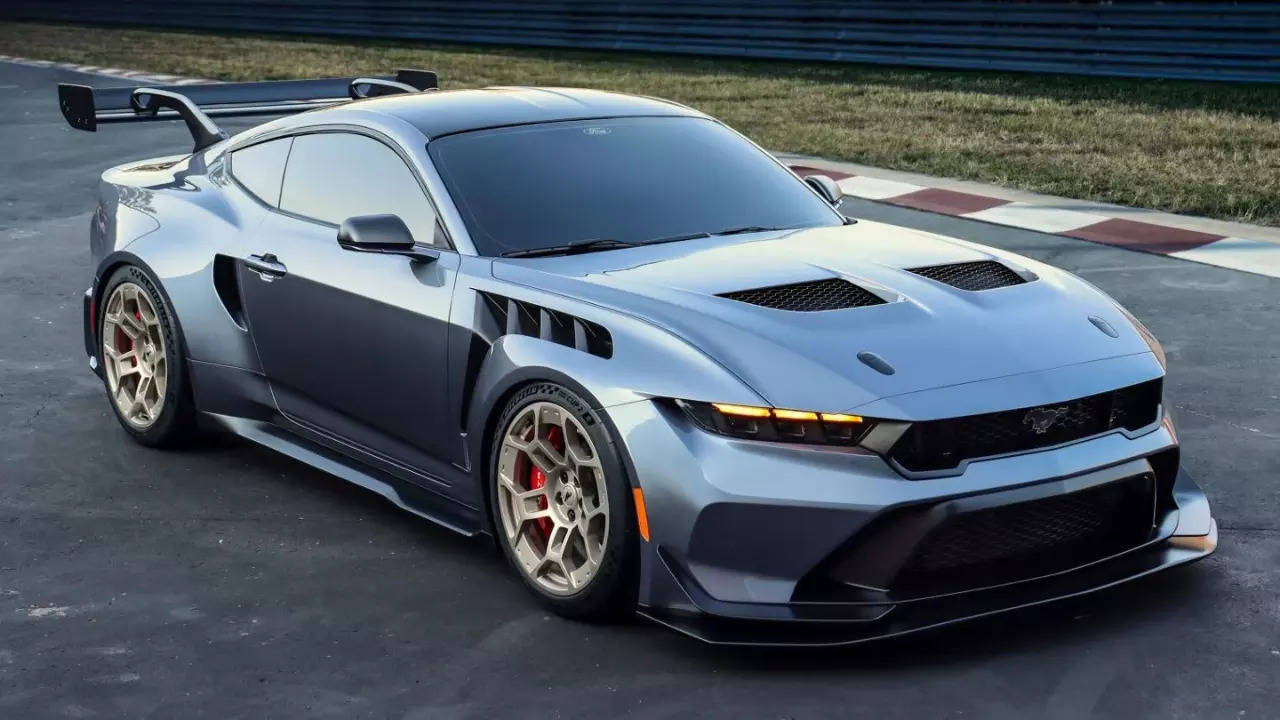
Both versions share the Mustang’s legendary style. The aggressive exterior, comfortable interiors, and modern technology features make them appealing for all types of drivers. At the same time, their straightforward engineering keeps maintenance simple and avoids unnecessary complications during servicing.
Parts availability is another major advantage. Because the Mustang has been produced for decades and remains a best-seller, replacement parts are easy to find. This wide supply keeps repair costs much lower than rare or imported sports cars from other countries.
Drivers also appreciate the Mustang’s versatility. It is sporty enough to enjoy on open roads yet practical enough for daily use. The EcoBoost and V6 models offer this balance without putting heavy stress on wallets when service or repairs are needed.
4) Honda S2000
The Honda S2000 is one of the most celebrated sports cars ever made. Produced between 1999 and 2009, it combined Honda’s reputation for reliability with high-revving excitement. Even years later, it remains a favorite among enthusiasts for its thrilling yet dependable driving experience.
At the heart of the S2000 is its famous four-cylinder engine. Known for revving up to 9,000 RPM, it delivers incredible performance for its size. Despite this high output, the engine is remarkably durable, proving Honda’s skill at building long-lasting, reliable machines.
One reason the S2000 stands out is its engineering simplicity. Unlike many complicated sports cars filled with fragile parts, the S2000 was designed with practicality in mind. This makes it easier to maintain, while reducing the chances of costly mechanical breakdowns.
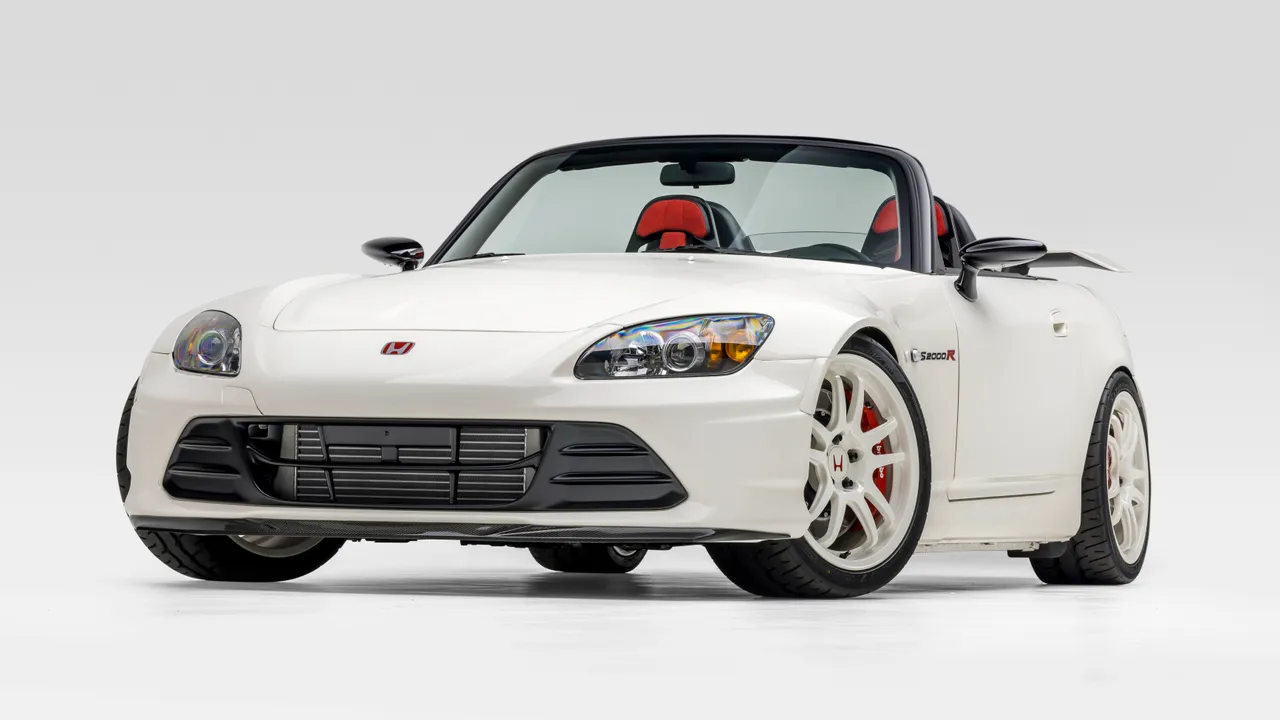
Maintenance costs for the S2000 are generally lower than many European sports cars. Replacement parts are available, and Honda’s global presence makes servicing easier. Mechanics familiar with Honda engines can work on the S2000 without the need for expensive specialized knowledge.
Inside, the car has a simple but driver-focused interior. It includes supportive seats, digital gauges, and minimal distractions. While it does not have luxury features, this simplicity reduces potential problems and helps keep the car running reliably for many years.
Fuel economy is also better than expected for a sports car. Thanks to its efficient engine and lightweight design, the S2000 offers good mileage compared to larger, heavier competitors. This further adds to its reputation as a practical yet thrilling choice.
5) Nissan 370Z
The Nissan 370Z is one of the most respected sports cars from Japan. First introduced in 2009, it carried forward the legacy of the famous Z-car line. Known for its strong engine and reliability, the 370Z became a dependable performance car.
At the center of the 370Z is its powerful 3.7-liter V6 engine. Producing impressive horsepower, it provides thrilling acceleration and speed. More importantly, this engine is durable and built to last, allowing owners to enjoy excitement without constant expensive repairs.
Unlike many complex sports cars, the 370Z uses a straightforward design. The mechanics are solid and easy to maintain, which means fewer breakdowns. This simplicity helps keep repair costs lower compared to high-end European rivals with complicated systems.
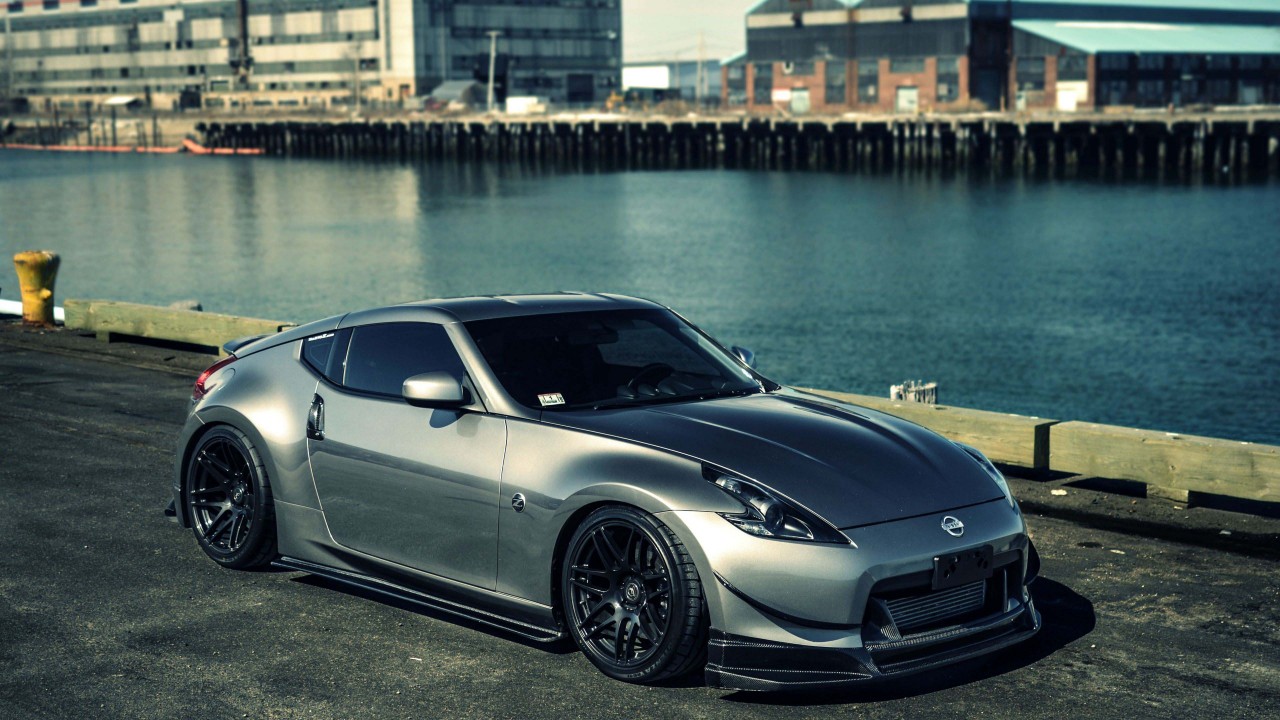
Handling is another strength of the 370Z. With rear-wheel drive and a balanced chassis, it offers sharp control on winding roads and highways. Despite its strong performance, the suspension and brakes are known to hold up well under regular driving conditions.
Owners often highlight the affordability of maintenance. Replacement parts are widely available due to Nissan’s global presence, and many mechanics are familiar with the car. This accessibility makes owning a 370Z far easier and cheaper than many luxury sports cars.
Inside, the 370Z provides a comfortable but driver-focused cabin. The seats are supportive, and the controls are simple to use. While it lacks some modern luxury features, this simplicity helps reduce potential issues and ensures long-term dependability.
Also read: 5 Family Cars That Rarely Need Work vs 5 That Break Constantly
6) Chevrolet Camaro
The Chevrolet Camaro is an American classic, famous for its muscle car looks and performance. First launched in the 1960s, it has always been a rival to the Ford Mustang. Among its versions, the V6 models stand out for reliability and affordability.
The V6 Camaro provides strong performance without the extreme costs linked to high-powered V8 engines. Its six-cylinder engine is durable, smooth, and long-lasting, giving drivers plenty of excitement while keeping repairs manageable. This makes it one of the most dependable choices.
One major benefit of the V6 Camaro is the availability of parts. Since the Camaro has been around for decades and remains popular, replacement parts are easy to find. This keeps maintenance costs far lower than rare or imported sports cars.
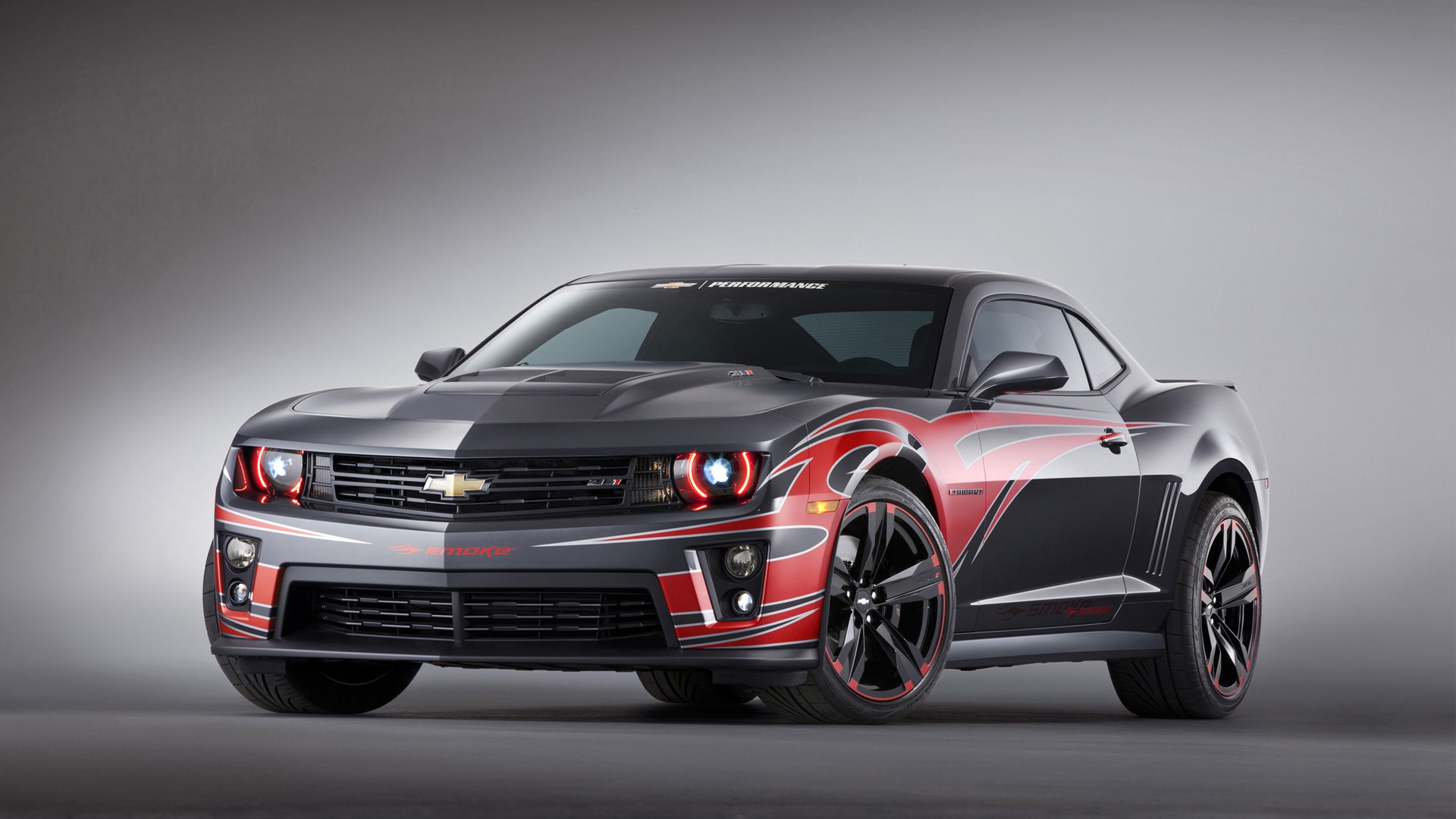
Drivers also enjoy the Camaro’s handling and comfort. While larger than smaller sports cars, the Camaro V6 still offers balanced control on highways and city roads. Its suspension and braking systems are designed to last, further lowering the need for constant repairs.
Inside, the Camaro provides a stylish and comfortable cabin. Supportive seats, modern technology, and safety features add to the driving experience. Unlike luxury sports cars that often suffer from fragile electronics, the Camaro’s interior systems are generally reliable and simple to maintain.
Fuel economy is another advantage compared to V8 versions. The V6 Camaro offers better mileage while still delivering satisfying performance. This balance makes it a more practical sports car for daily use, reducing both fuel costs and engine strain.
7) Lexus RC
The Lexus RC is a sporty coupe that combines luxury with dependability. Introduced in 2014, it quickly gained attention for its sharp design, comfortable interior, and strong performance. Unlike many luxury sports cars, the RC is also known for being very reliable.
Part of Lexus’s success comes from Toyota’s engineering. Since Lexus is Toyota’s luxury division, the RC benefits from the same focus on durability and practicality. This gives drivers the excitement of a sporty car without the usual fear of frequent expensive repairs.
The RC comes with different engine options, from efficient four-cylinders to powerful V6 and V8 models. Among these, the V6 versions are especially admired for balancing performance and reliability. They deliver smooth power while remaining easier and cheaper to maintain.
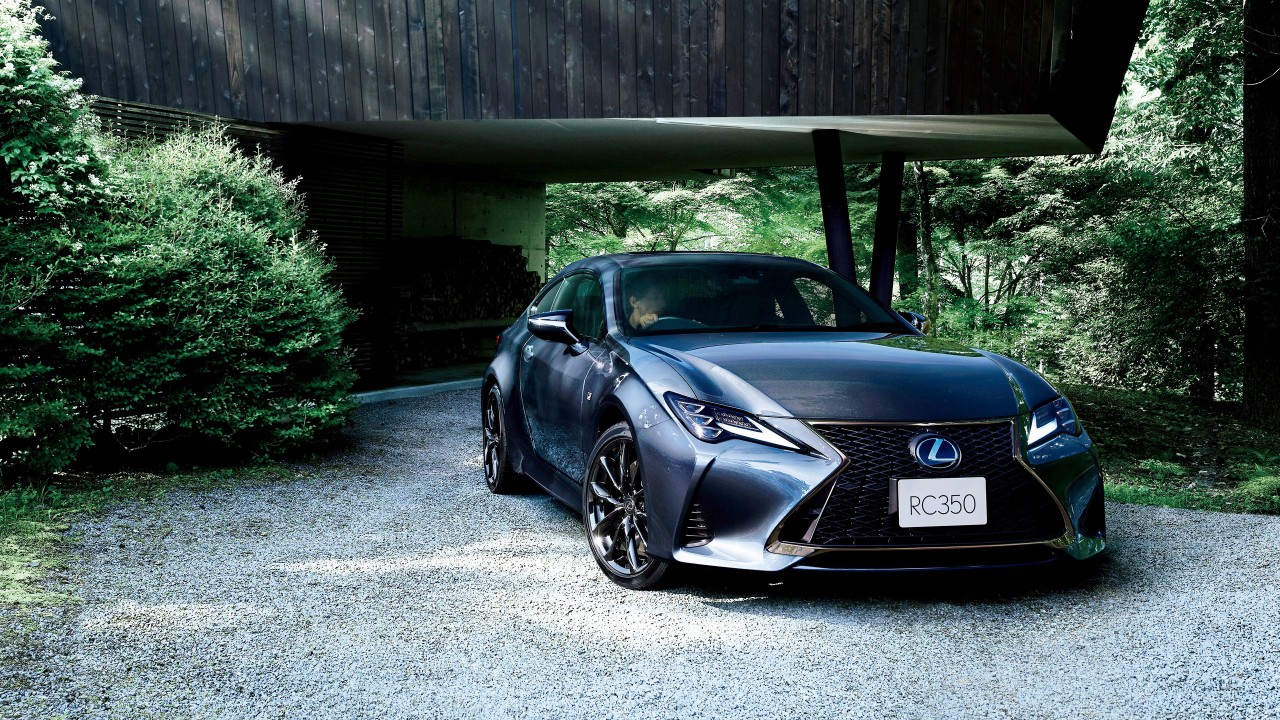
Inside, the Lexus RC offers a comfortable and high-quality cabin. Materials are durable, and the technology systems are well-tested. While some luxury cars struggle with fragile electronics, the RC’s features are designed to last, keeping maintenance costs surprisingly low for its category.
Another advantage is the availability of parts and service. Since Lexus and Toyota share many components, finding replacements is not difficult. Most Toyota-trained mechanics can also work on Lexus cars, making repairs faster and often cheaper than many other luxury brands.
Fuel economy depends on the engine, but the RC generally delivers decent mileage for a sporty coupe. The V6 models in particular strike a good balance, offering strong performance without consuming fuel at the same rate as larger competitors.
8) Porsche Cayman
The Porsche Cayman is often praised as one of the best-handling sports cars ever made. First introduced in 2005, it offered Porsche performance in a smaller package. Interestingly, older Cayman models are also more reliable than many luxury sports cars in their class.
Unlike the larger Porsche 911, the Cayman was designed with a simpler layout and mid-engine balance. This design not only improves handling but also helps reduce wear on certain parts, making it less likely to face frequent mechanical breakdowns.
Older Cayman models, particularly from the mid-2000s, are known for strong engines. When maintained properly, these engines can last for many years. They provide excellent performance and driving joy while avoiding the extreme repair costs usually linked with exotic sports cars.
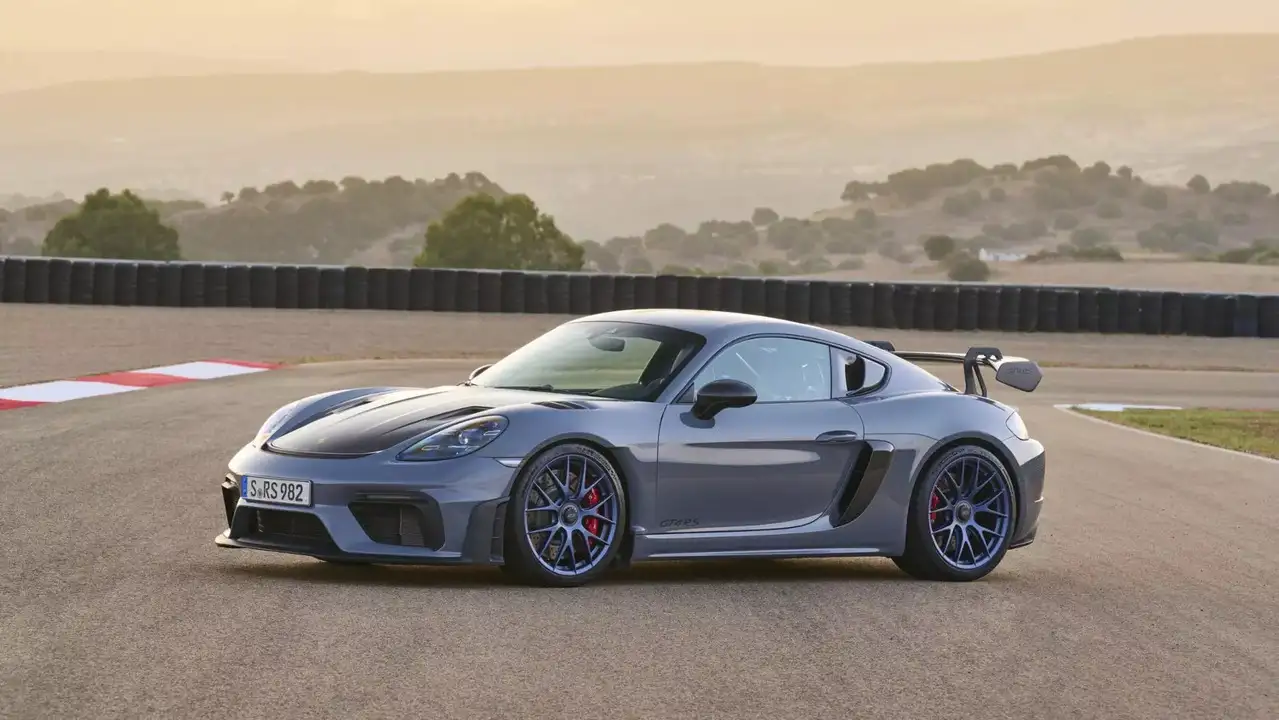
Inside, the Cayman delivers a driver-focused interior. While not overly luxurious, it is well-built with high-quality materials. The electronics in older models are straightforward, which lowers the risk of expensive failures often seen in complicated modern sports cars.
Drivers also value the Cayman for its fuel efficiency. Compared to larger Porsches or high-performance cars, the Cayman’s smaller engines consume less fuel while still providing excellent acceleration. This makes it practical for longer trips without burning through fuel budgets.
Another reason older Caymans are attractive is their strong resale value. Because of Porsche’s reputation and the car’s dependability, well-kept models remain in demand. Buyers trust them as affordable ways to experience Porsche quality without constant mechanical worries.
9) Hyundai Genesis Coupe
The Hyundai Genesis Coupe was introduced in 2008 as Hyundai’s attempt to build a sporty two-door car. It quickly gained attention for its stylish design, strong engines, and affordable price. Unlike many sports cars, it also earned a reputation for dependability and low repair costs.
One of the Genesis Coupe’s biggest strengths is its engine choice. Buyers could select from a turbocharged four-cylinder or a naturally aspirated V6. Both engines provide strong performance while remaining relatively simple to maintain, making the car a smart option for budget-conscious enthusiasts.
The V6 version, in particular, is known for durability. It produces impressive horsepower yet holds up well over time. Unlike some high-performance engines that require expensive upkeep, the Genesis Coupe’s motor is built to last with basic, regular maintenance and care.
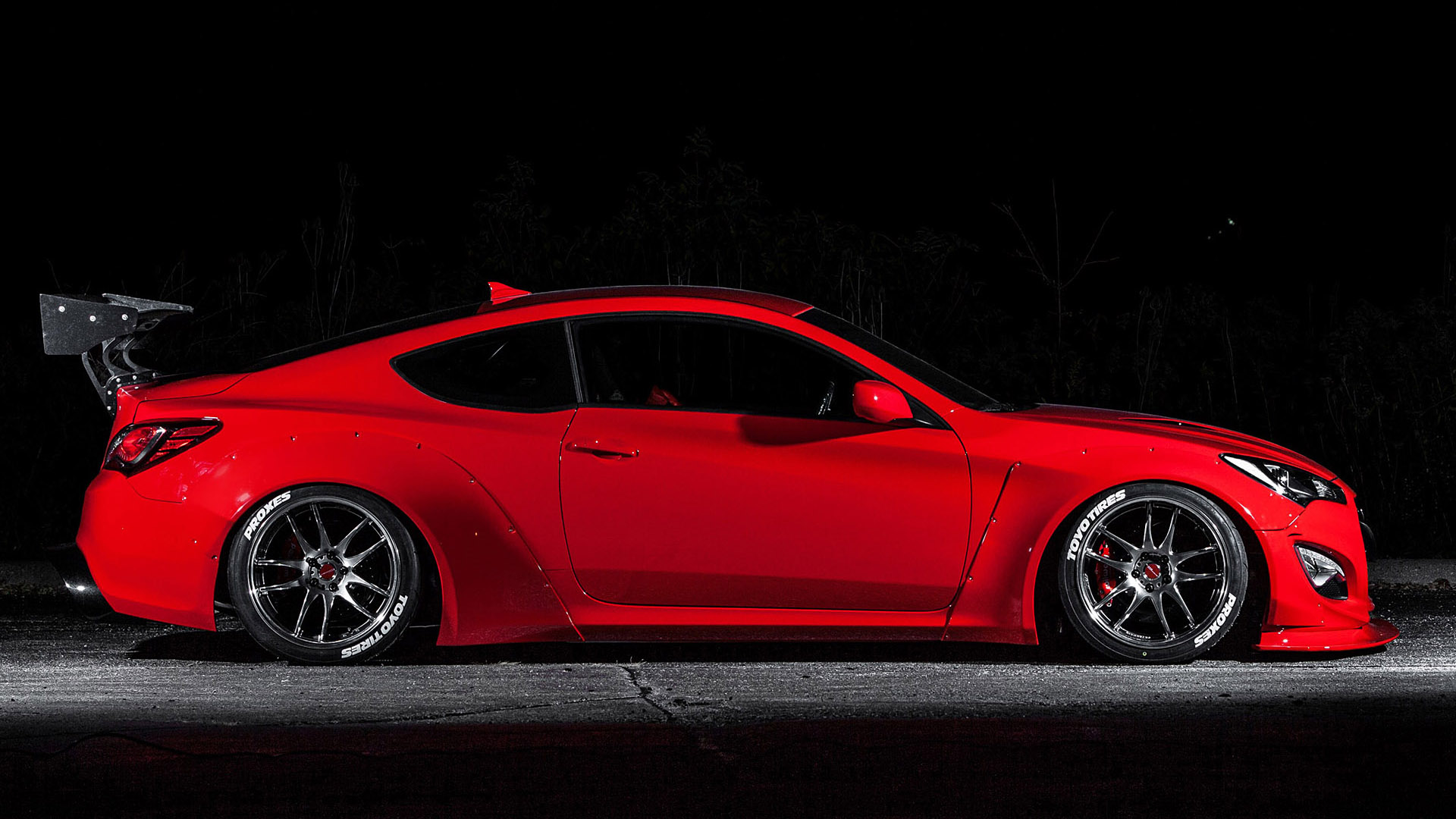
Hyundai designed the Genesis Coupe with a straightforward mechanical layout. This simplicity helps keep repairs easier and more affordable compared to complex European sports cars. Many mechanics are familiar with Hyundai parts, and replacements are widely available, reducing ownership expenses.
Handling is another highlight of the Genesis Coupe. With rear-wheel drive and a balanced suspension, it provides sharp control and a fun driving experience. Despite this performance focus, the components are sturdy enough to withstand regular driving without frequent costly breakdowns.
Inside the cabin, the Genesis Coupe offers a mix of comfort and sportiness. The seats are supportive, and the dashboard is easy to use. While it may not match luxury brands in premium features, its simpler interior avoids common reliability issues.
10) Acura NSX
The NSX was powered by a mid-mounted V6 engine with Honda’s VTEC technology. This engine delivered thrilling performance and high-revving excitement, yet it was incredibly durable. Unlike many supercars, owners found the NSX could handle daily driving without frequent breakdowns.
One of the car’s biggest achievements was its ease of maintenance. While Ferraris and Lamborghinis of that era required expensive specialist care, the NSX could often be serviced by Honda-trained mechanics. Parts were more affordable, making it a much more practical supercar.
The aluminum body was another innovation. It made the NSX lighter and stronger, improving performance while also reducing wear on mechanical parts. This thoughtful engineering helped keep repair needs lower and allowed the car to remain dependable for many years.
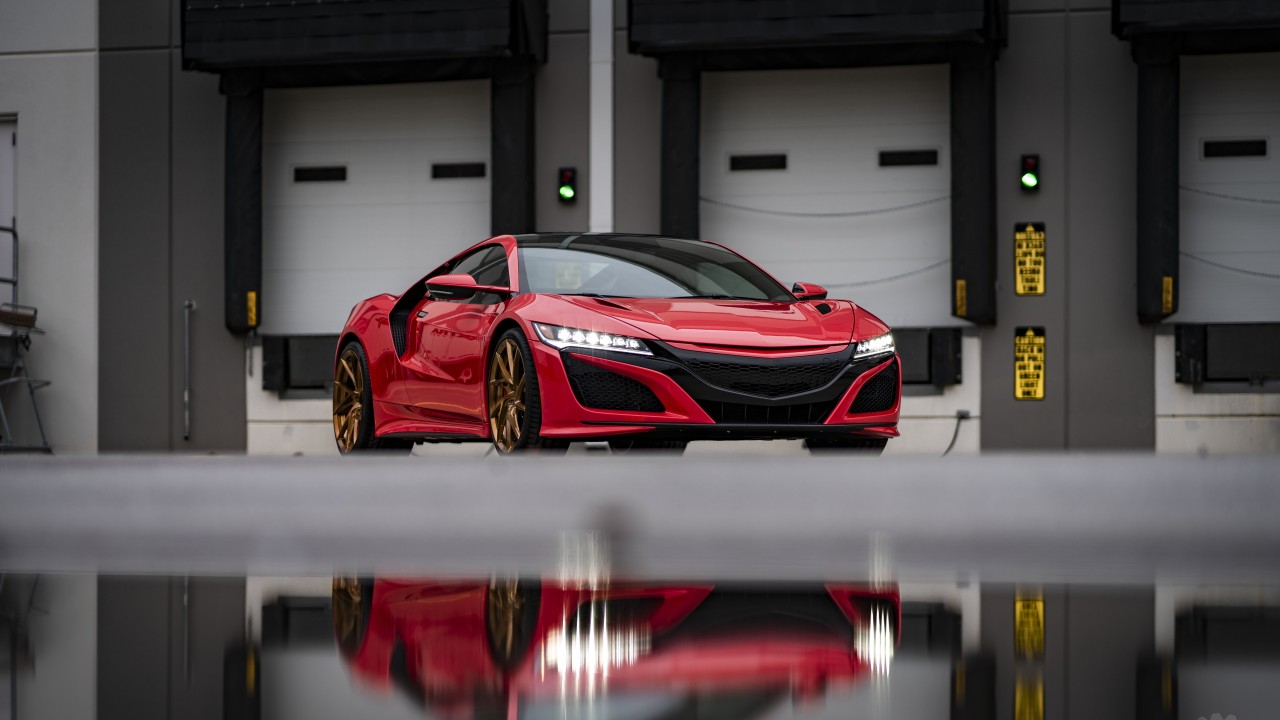
Inside, the NSX focused on comfort and usability. The cabin offered good visibility, supportive seats, and simple controls. Unlike many exotic cars with cramped interiors, the NSX was designed to be driven regularly, which also reduced stress on mechanical and electronic systems.
Fuel efficiency was another pleasant surprise. For a supercar, the NSX offered decent mileage thanks to its efficient V6. This not only saved money at the pump but also reduced wear, adding to the car’s long-lasting reputation for dependability.
Today, the first-generation NSX is a sought-after classic. Collectors and enthusiasts value it for blending reliability with performance. Many examples remain in excellent condition, proving that Acura and Honda created a car that could last for decades without constant expensive repairs.
11)Dodge Challenger
While most people associate the Challenger with powerful V8 engines, the V6 version offers plenty of excitement too. Its six-cylinder engine is smoother, easier to maintain, and more affordable. This makes it a smart choice for drivers seeking performance without heavy repair bills.
The V6 engine is designed for long-term durability. With regular oil changes and simple care, it can run smoothly for many years. Unlike turbocharged or supercharged motors, it has fewer complicated parts, which lowers the chances of expensive breakdowns.
Another big advantage of the Challenger V6 is the availability of parts. Because the Challenger is popular across America and beyond, replacement parts are widely available. This makes repairs quicker and cheaper compared to imported sports cars that often require rare components.
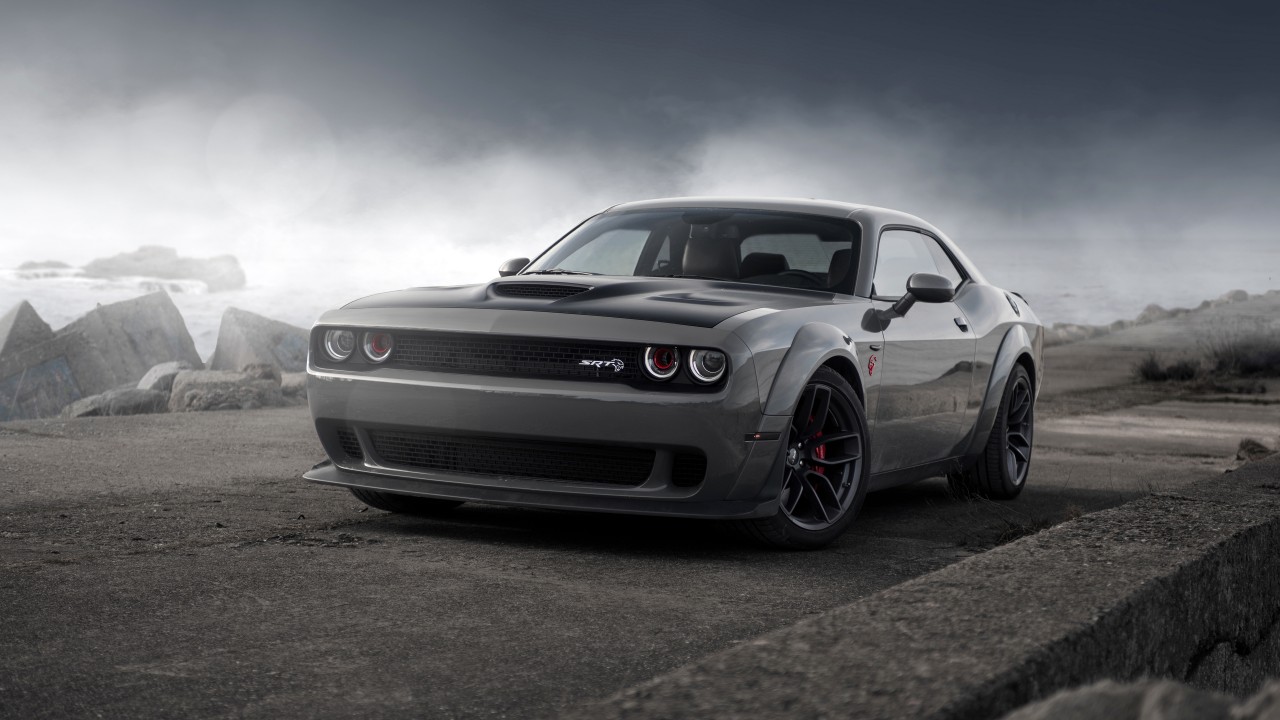
Inside, the Challenger offers a spacious and comfortable cabin. Features like modern infotainment, safety technology, and supportive seating add to its appeal. These systems are well-built and generally reliable, avoiding the frequent electronic issues found in some luxury sports coupes.
Fuel economy is another benefit compared to V8 versions. The V6 delivers better mileage while still offering satisfying acceleration and highway power. This makes it more practical for everyday use, reducing both fuel expenses and long-term stress on the engine.
The Challenger V6 is also popular on the used market. Many older models are still running strong, proving their durability. Buyers often choose them for the classic muscle car look combined with affordable ownership costs and dependable long-term performance.
12)BMW Z4
The BMW Z4 is a stylish roadster that combines open-top fun with dependable engineering. While many European sports cars are linked with high repair costs, the non-turbo Z4 models stand out as more reliable, offering a balance of performance and affordability.
The Z4 was introduced in the early 2000s as a replacement for the BMW Z3. It quickly became popular for its sleek design and enjoyable driving experience. The non-turbo versions, powered by naturally aspirated engines, are especially admired for their durability.
Naturally aspirated engines are generally simpler and more reliable than turbocharged ones. In the Z4, they provide smooth power delivery without the added stress that turbos can create. This design lowers the risk of expensive repairs and makes maintenance easier.
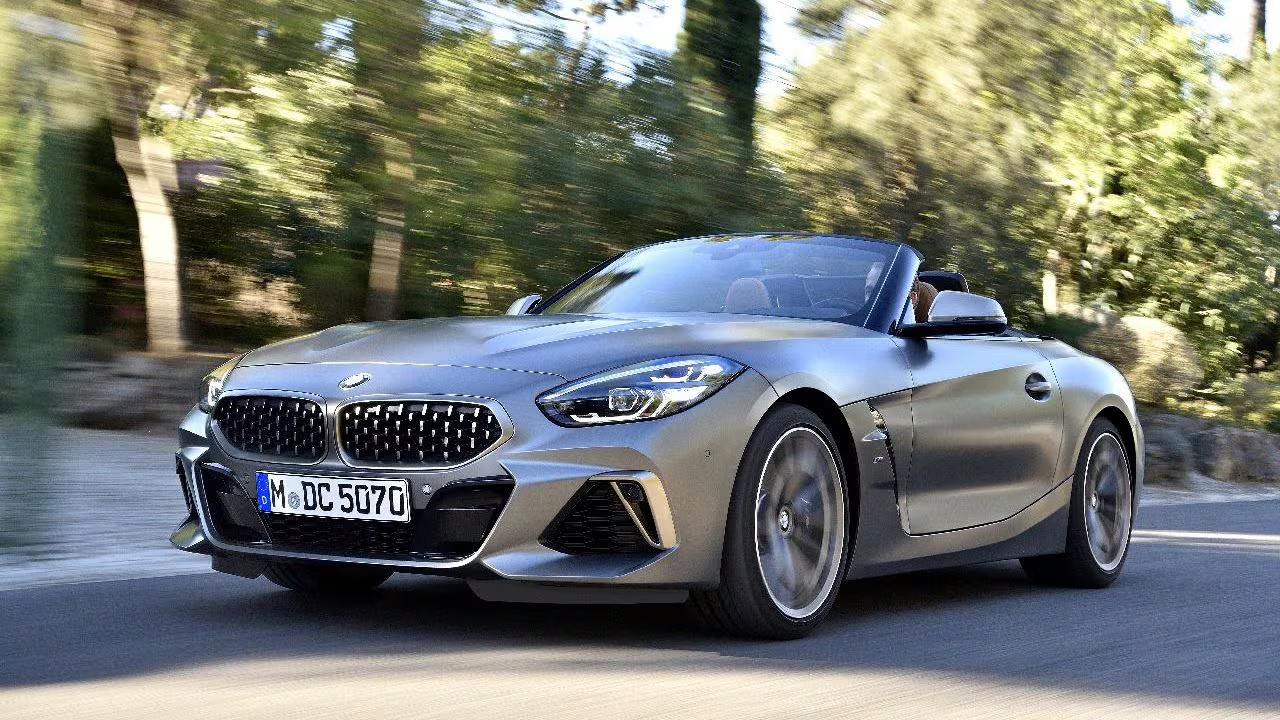
Inside, the Z4 offers a mix of comfort and sportiness. The cabin is well designed, with quality materials and supportive seats. While not overloaded with fragile electronics, the interior still provides modern conveniences, lowering the chance of issues that raise repair bills.
Another strength of the Z4 is parts availability. BMW has a wide global network, and replacement parts for non-turbo models are easier to find and often cheaper compared to high-performance M versions. This accessibility makes ownership far less stressful for drivers.
Fuel economy is another positive point. The non-turbo Z4 delivers decent mileage, especially compared to larger sports cars with big engines. This efficiency not only saves money at the pump but also helps extend the engine’s lifespan with less strain.
Also read: 5 Cars That Rarely Need Door Repairs vs 5 That Constantly Break