
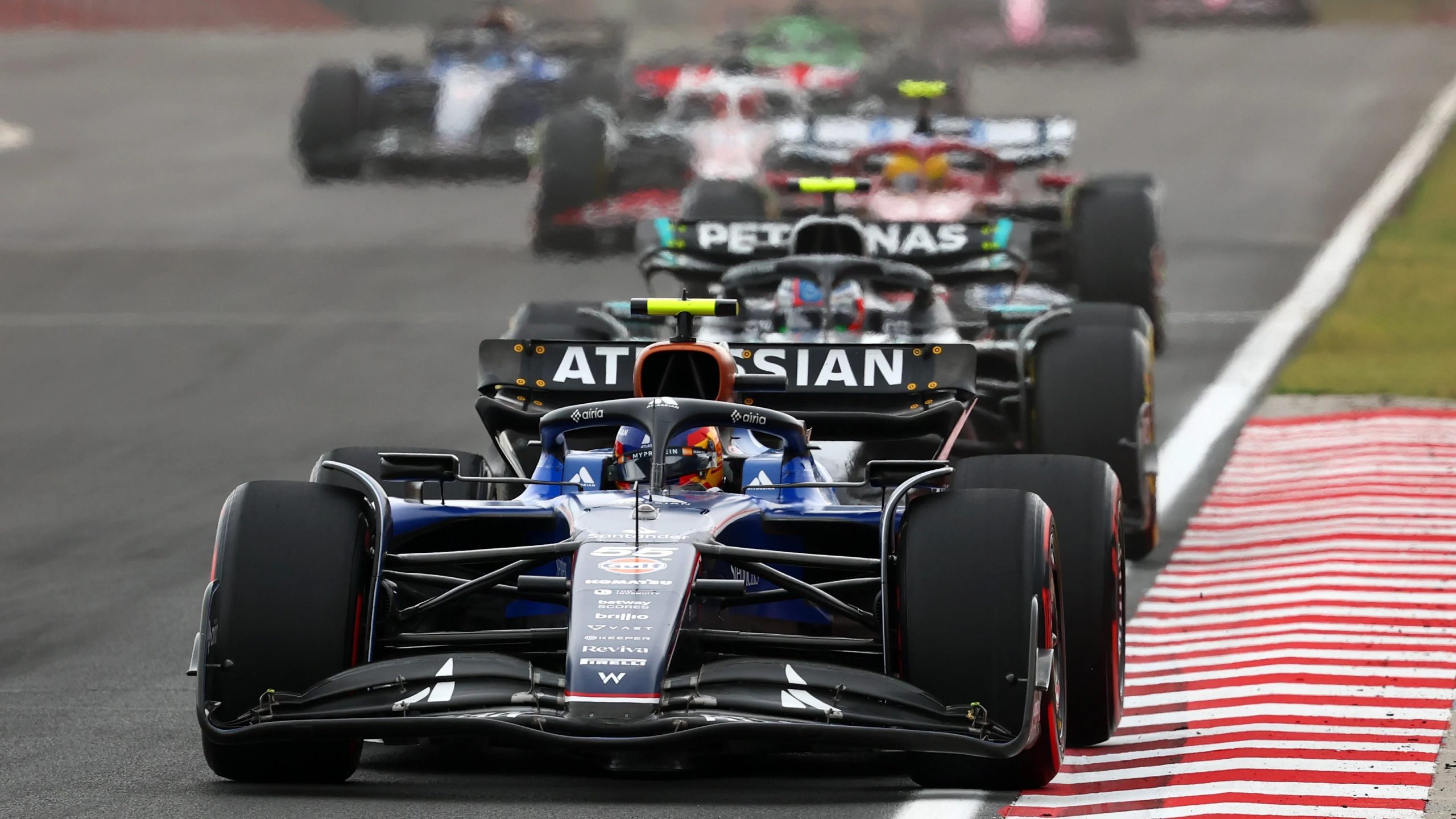
Racing has always pushed machines to their absolute limits. When cars are driven on race tracks, they experience conditions that ordinary daily drivers will never see. Engines are forced to deliver maximum power for long periods without rest, and drivers push them through aggressive acceleration, tight corners, and harsh braking.
In such an environment, weak engines give up quickly, but those built with toughness and precision stand the test of time.
Some engines have earned legendary status because they can survive under extreme stress. Whether in Formula 1, endurance racing, rallying, or drag strips, certain engines have proven that they are more than just mechanical components.
They are built with special engineering that makes them reliable, even when exposed to the hottest temperatures and the highest revs. The ability of an engine to continue running smoothly in such a demanding setting makes it respected not only by professional drivers but also by car enthusiasts across the globe.
When we look at engines that last in racing, we see a mix of smart design, durable materials, and constant testing. These engines are not only fast but also resilient, meaning they can keep working without failing. They combine performance with endurance, which is the reason they remain popular in both competitive racing and high-performance street cars.
In this post, we will look at nine engines that have shown their worth in hard racing conditions. Each of these engines has a story of toughness, whether through championships won or through years of reliability on the track. By breaking them down one after the other, we get to understand why they remain some of the toughest engines ever built.
1. Chevrolet Small Block V8
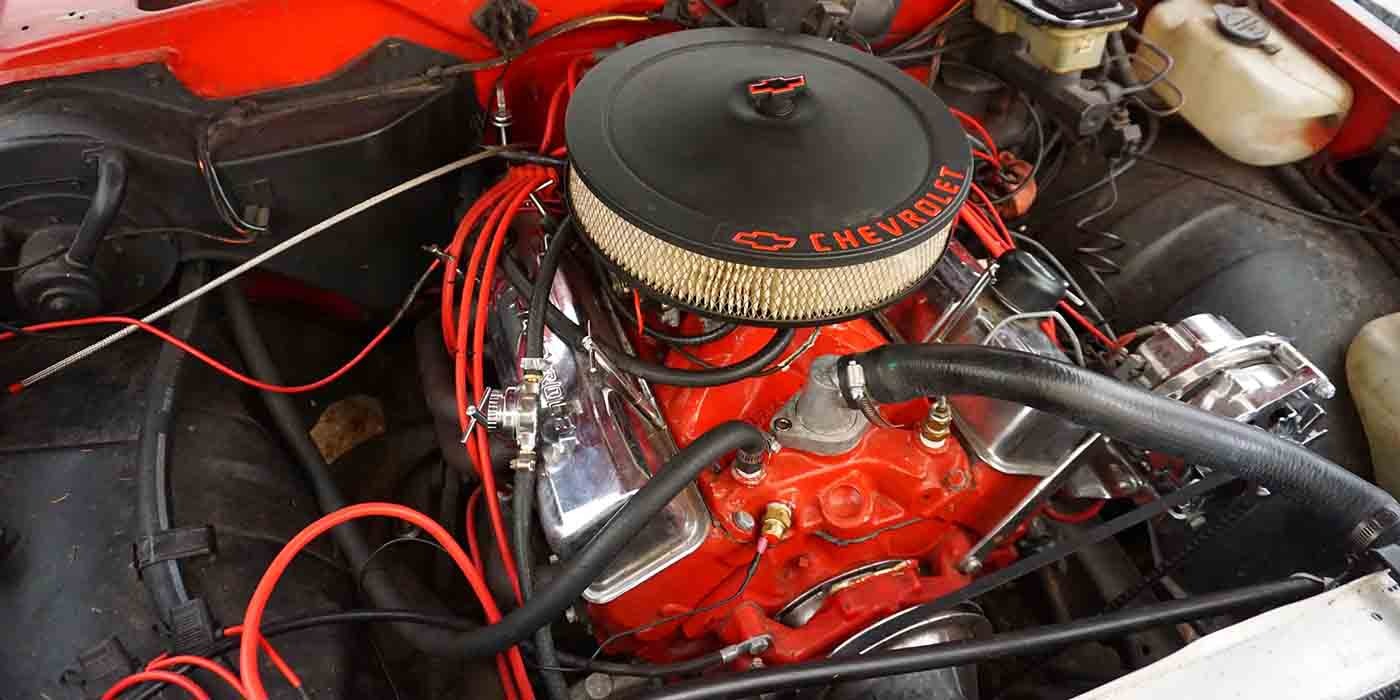
The Chevrolet Small Block V8 is one of the most respected engines in racing history. Since it was first introduced in the 1950s, it has become a favorite across drag racing, NASCAR, and even street performance cars. Its reputation comes from its balance of power, durability, and flexibility in different racing setups.
One reason this engine has lasted so long is its simple yet effective design. The pushrod V8 layout makes it easy to maintain and repair, even under racing stress. Mechanics appreciate that they can work on it without needing overly complicated tools, which is important when quick fixes are required during competitions.
Another factor is its strong construction. Chevrolet used durable materials that allow the engine to handle high revs and increased horsepower without breaking down easily. Over the years, racers have pushed this engine far beyond its original factory ratings, and it continues to respond with strength.
The Small Block V8 is also popular because of its adaptability. Racers can tune it for different uses, from drag racing to endurance tracks. Its aftermarket support is massive, meaning parts are widely available, and modifications can be made easily. This availability keeps it alive in racing circles, even after decades of use.
Its role in NASCAR cannot be overlooked. The Small Block V8 became the heart of many winning race cars, proving that it can sustain long periods of maximum output without giving way. Even today, many amateur racers and enthusiasts still trust it because of its proven history.
This engine has survived racing for generations, and its story shows that toughness is not just about raw power. It is about building something that can be pushed repeatedly without giving up. The Chevrolet Small Block V8 has earned its place as one of the toughest engines to survive hard racing conditions.
2. Ford Cosworth DFV
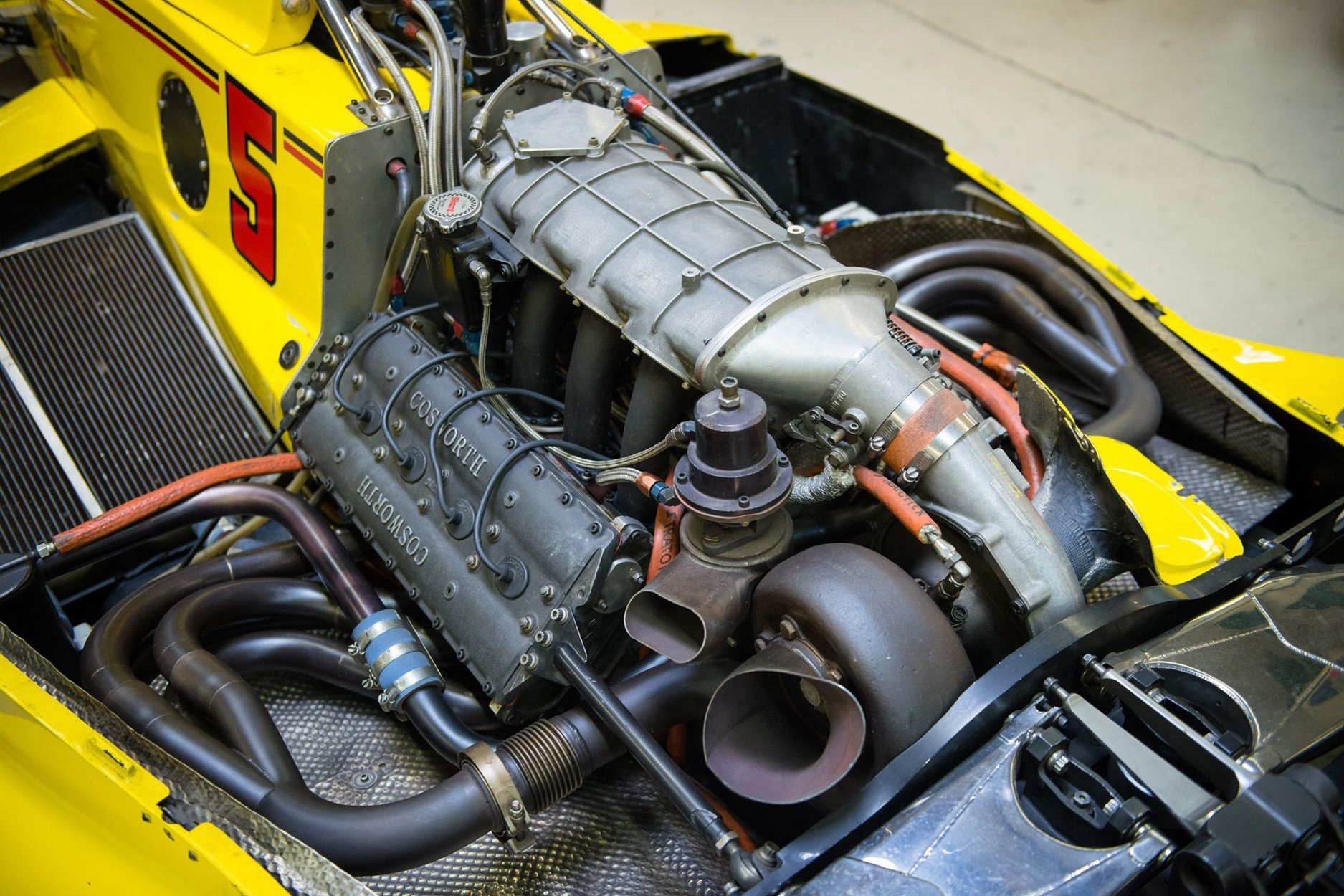
The Ford Cosworth DFV is one of the most legendary racing engines ever built. It made its debut in Formula 1 during the late 1960s and quickly became a game-changer. For many years, this 3.0-liter V8 dominated F1, powering cars to multiple championships and victories.
One of the reasons it became so successful was its clever engineering. Cosworth built it to be both powerful and reliable, delivering over 400 horsepower at a time when that output was groundbreaking. More importantly, it was compact and light, which gave race cars better balance and handling on the track.
Durability was another strength of the DFV. While many engines struggled to last through long races, this one could complete entire Grand Prix events without major issues. Teams discovered that they could push it hard lap after lap, and it would still deliver consistent power.
Another factor that helped its survival in racing was accessibility. Unlike some racing engines that were exclusive to a few top teams, the Cosworth DFV was available to many constructors. This made it the backbone of Formula 1 for years, as smaller teams could also compete effectively using the same engine as bigger rivals.
Its track record speaks volumes. Between the late 1960s and early 1980s, the DFV was responsible for hundreds of race wins and many championship titles. It became so trusted that it was used beyond Formula 1, appearing in endurance races and other motorsport categories.
What makes this engine special is that it was not just fast but also dependable. Racing conditions that destroyed other engines seemed to only make the DFV stronger.
Even decades after its peak, it remains a symbol of racing endurance. For many, it stands as proof that engineering excellence can produce an engine that survives the hardest racing demands.
Also Read: 9 Most Robust Engines That Rarely Blow Head Gaskets
3. Porsche Flat-Six
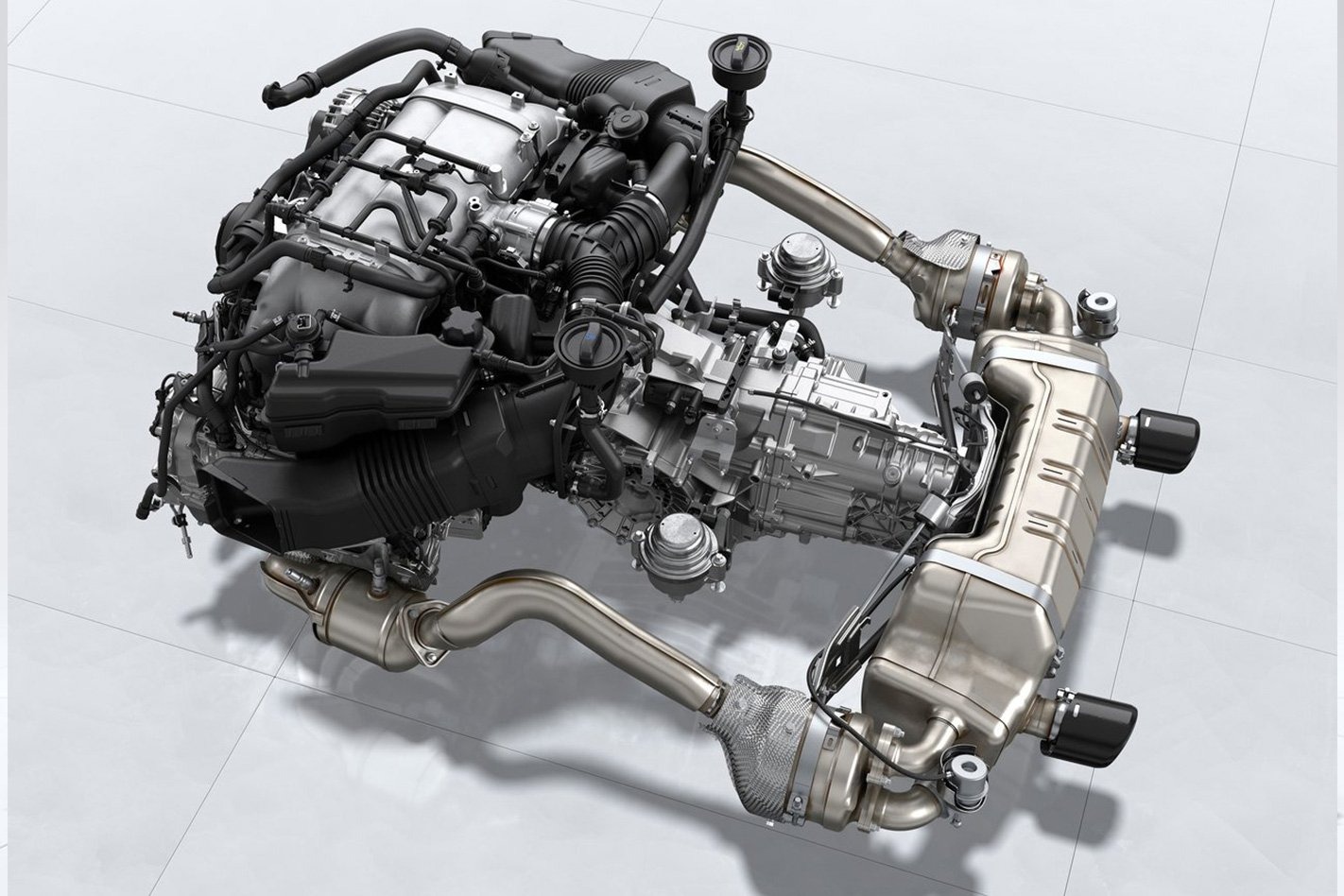
The Porsche Flat-Six engine has been the soul of the brand’s racing success for many years. Found in iconic models like the Porsche 911, this engine has proven its worth in endurance races, rally events, and sports car championships. Its unique design and engineering make it one of the most reliable engines under extreme racing stress.
The flat or “boxer” layout of the engine gives it a low center of gravity, which improves handling. This setup also allows for better cooling, as the cylinders are spread apart in a horizontal design. In racing, where heat often destroys engines, this cooling advantage makes the Flat-Six last longer than many competitors.
Durability is another strong point. Porsche engineers designed the Flat-Six to handle long hours of continuous racing, such as the 24 Hours of Le Mans. In these events, cars run at near maximum speed for a full day, and the Flat-Six has consistently survived.
Its sound is also unforgettable. The distinct roar of the Flat-Six not only excites racing followers but also signals the presence of a machine that is built to last. Each new generation of this engine has brought improvements in power, efficiency, and strength, but the core toughness has remained the same.
Another reason it remains respected in racing is its versatility. It has powered rally cars, endurance race cars, and high-performance street versions of the Porsche 911. No matter the setting, it continues to deliver reliable performance without failing under stress.
The Porsche Flat-Six has become a symbol of endurance in motorsport. Few engines can claim such a long and successful history across different racing platforms. Its ability to survive intense heat, constant revs, and long-distance racing has earned it a permanent place among engines that thrive under tough conditions.
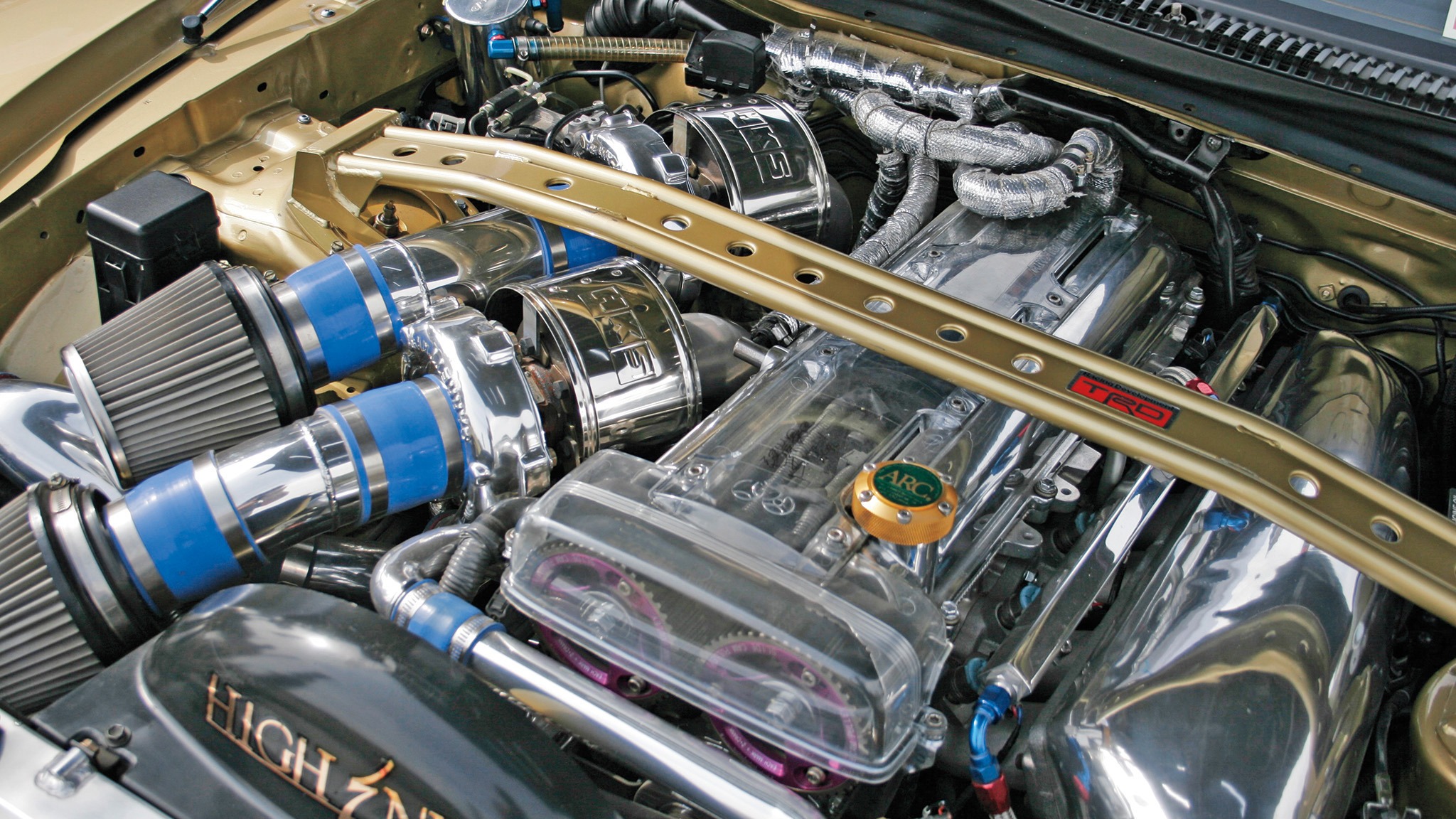
4. Toyota 2JZ-GTE
Among engines built for strength and reliability, the Toyota 2JZ-GTE has earned a reputation that extends across racing and performance tuning. It is a 3.0-litre inline six-cylinder twin-turbo powerplant that first appeared in the Toyota Supra during the 1990s.
Engineers designed it with a cast-iron block, strong internal components, and a balanced structure that made it capable of handling extreme horsepower levels without losing stability. Racing teams and private drivers trust this engine because it responds well to modifications.
When fitted with upgraded turbochargers, intercoolers, and fuel systems, the 2JZ-GTE can deliver power levels that far exceed its stock numbers, yet it remains dependable under stress. This ability to handle high boost and heavy track use without frequent breakdowns is one reason why the engine continues to be admired.
Many tuners consider it one of the strongest production engines of its time. Durability is not just about raw strength but also about long-term maintenance. Owners who race with the 2JZ-GTE emphasise regular oil changes, consistent cooling system checks, and proper fueling to keep it running at peak performance.
Even with these high demands, the engine proves reliable because its core design was made to withstand repeated strain. It has been tested on drag strips, race circuits, and endurance events, with many engines surviving years of heavy use.Another factor that supports its reputation is parts availability.
Since the 2JZ-GTE became a favourite in the performance community, aftermarket companies continue to produce pistons, rods, gaskets, and tuning kits for it. This makes it easier for owners to rebuild or refresh the engine after seasons of racing. The design also allows mechanics to work on it without difficulty, which adds to its practicality.
The Toyota 2JZ-GTE stands as an engine that can handle both street performance and demanding racing conditions. Its balance of strength, reliability, and tuning potential explains why it remains a choice for many enthusiasts who want power without worrying about frequent mechanical failures.
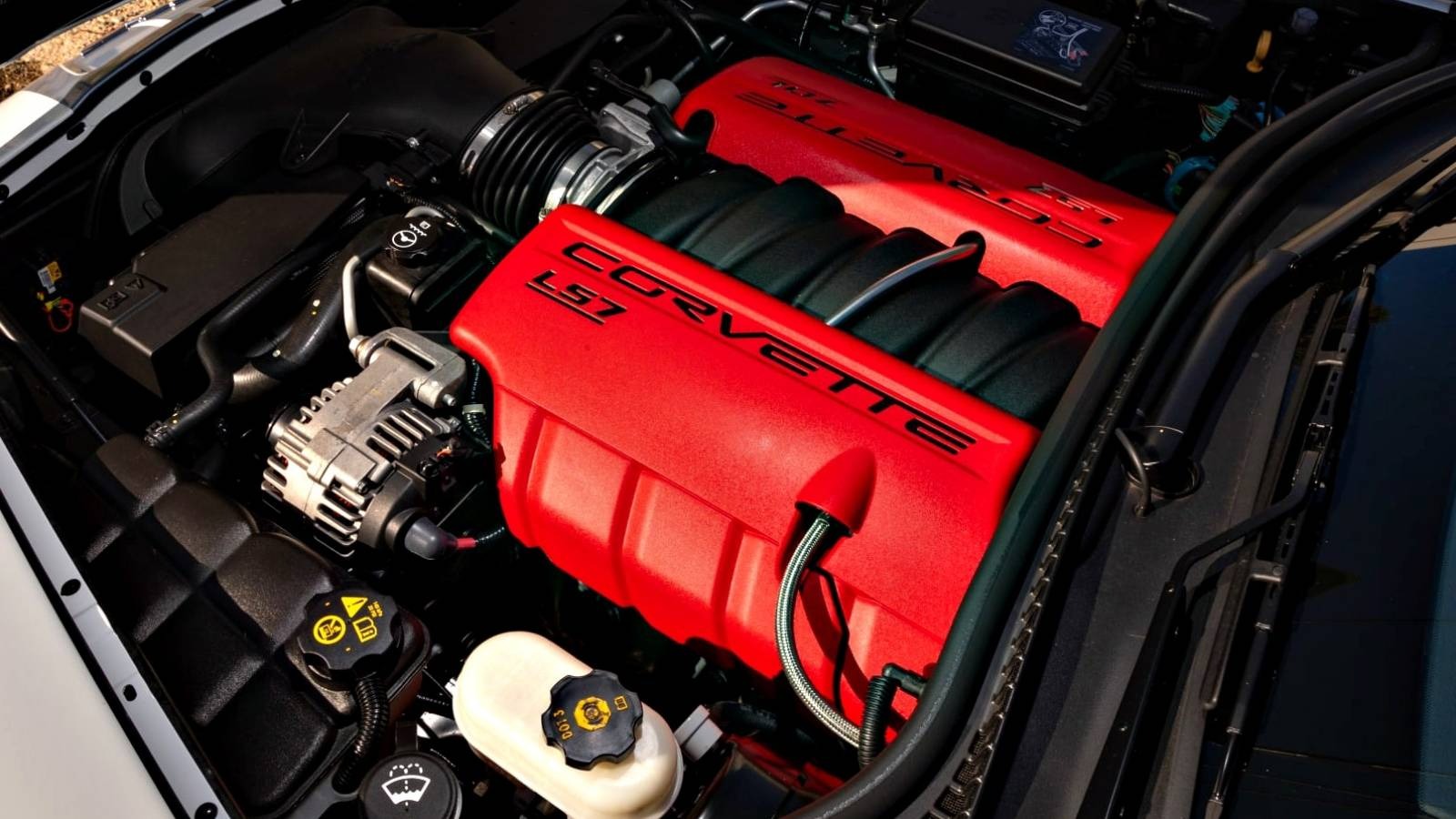
5. Chevrolet LS7
The Chevrolet LS7 is one engine that many racers consider a dependable partner on the track. Built by General Motors as part of the LS family, this 7.0-litre V8 was fitted in performance cars like the Corvette Z06, and it quickly gained respect for its raw power and strong build.
With its lightweight aluminium block, forged steel crankshaft, and titanium connecting rods, the LS7 was designed to take punishment from racing without failing under stress. When drivers push it in demanding conditions, the LS7 shows its capacity to remain stable.
It produces high horsepower in stock form, but tuners often increase its output with superchargers, upgraded cams, and better intake systems. Even with these changes, the engine maintains balance and continues to deliver smooth acceleration.
The size of the engine also helps it generate massive torque, which is valuable in drag racing, track performance, and other heavy-duty driving conditions.
Another quality that keeps the LS7 respected is its cooling and lubrication system. Chevrolet engineers fitted it with a dry-sump oiling system that ensures steady lubrication even when the car corners hard or runs at high speeds for long periods. This feature reduces the risk of oil starvation, which is one of the main issues that racing engines face.
It means the LS7 can last longer in tough events compared to many rivals that rely on wet-sump setups. Maintenance is part of why this engine continues to thrive.
Owners know that frequent oil checks, valve inspections, and using quality fuel keep it running strong. Even when it requires rebuilding after heavy racing seasons, aftermarket support is widely available.
Performance companies produce heads, pistons, and exhaust systems for it, making upgrades and repairs easier for racers who want to keep pushing limits.
The Chevrolet LS7 combines engineering strength with practical design. It has proven itself in American racing circles as an engine that survives high stress while still delivering performance that excites. For many drivers, it is not just an engine but a reliable base that can be built upon for long-term racing success.
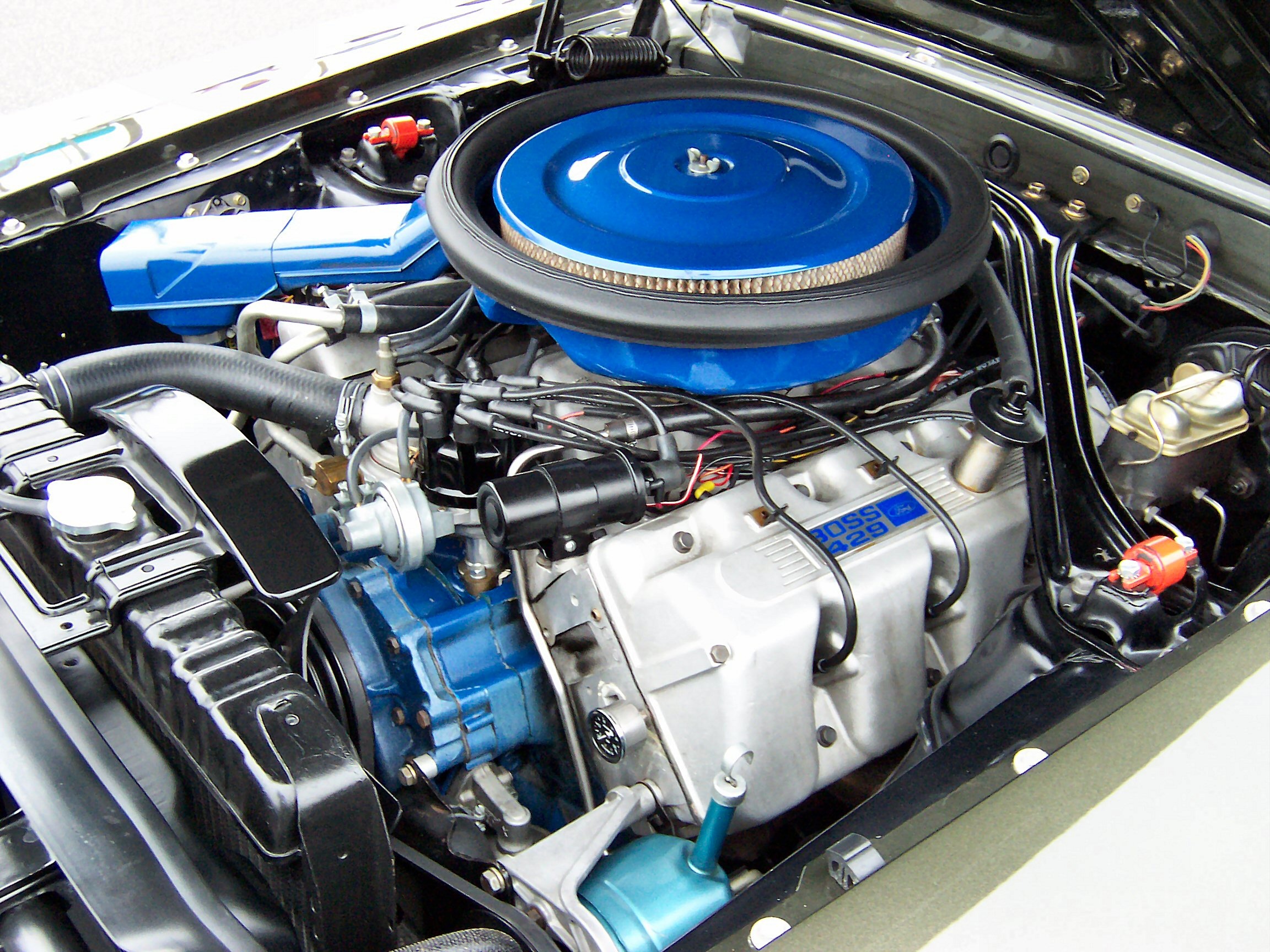
6. Ford 7.0L Boss 429 V8
The Ford 7.0L Boss 429 V8 holds a respected place in racing history. Introduced during the late 1960s to meet NASCAR homologation rules, this massive engine was originally designed to compete with rival manufacturers on America’s fastest tracks.
Ford engineers built it with power, endurance, and strength in mind, giving it qualities that continue to impress decades later.
One of the standout features of the Boss 429 is its hemispherical cylinder head design. This allowed better airflow into the combustion chamber, improving efficiency and performance under heavy racing loads.
The large bore and short stroke also created an engine that loved to rev high while maintaining stable operation, a combination that worked well for long racing sessions.
Durability was always part of its DNA. Ford crafted the block with thick cylinder walls and reinforced areas to withstand intense pressure. The crankshaft and connecting rods were equally strong, ensuring that the engine could run at high speeds without wearing out quickly.
These design choices gave the Boss 429 a strong foundation that still makes it dependable when restored or modified today. In racing conditions, this engine proved itself as more than just powerful. It maintained consistent performance across long races, a quality that racers valued since reliability could decide who crossed the finish line.
Even with modifications for drag racing or street performance, the Boss 429 showed it could handle extra horsepower without breaking apart.
Another reason it remains admired is its rarity and lasting influence. Only a limited number of these engines were produced, making them collector’s items today. Despite this, many are still running strong, supported by aftermarket suppliers and dedicated restorers who keep them alive.
The Boss 429 is remembered not only for its size and strength but also for how well it survived the punishing world of competitive motorsport. It continues to show that careful engineering combined with raw power can produce an engine that lasts far longer than expected, even when subjected to the hardest racing conditions.
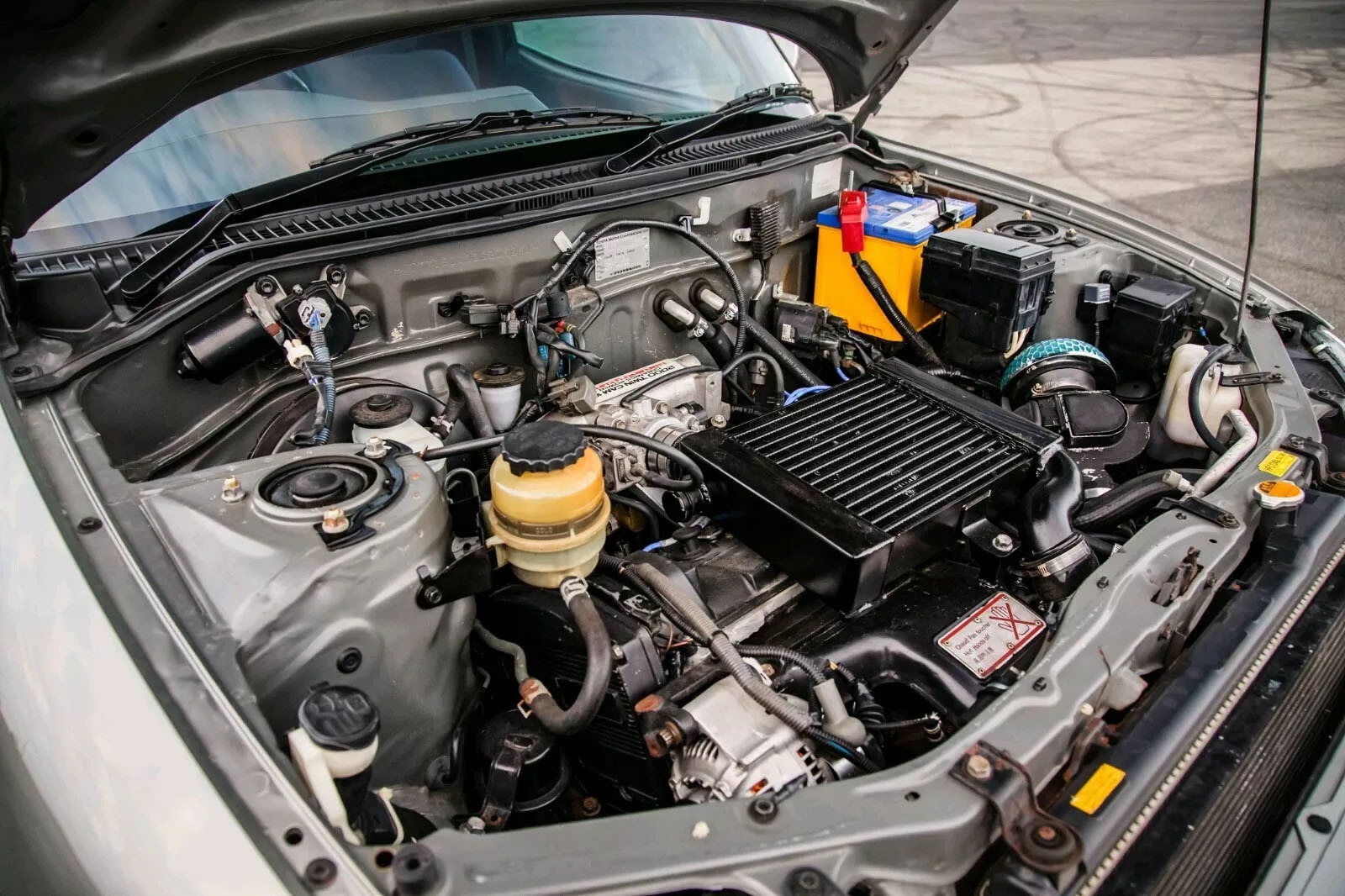
7. Toyota 3S-GTE Inline-Four
The Toyota 3S-GTE Inline-Four became one of the most respected engines from Japan during the 1980s and 1990s. It powered cars like the Toyota Celica GT-Four and MR2 Turbo, both of which earned recognition on rally stages and race tracks around the world.
What made the 3S-GTE special was its ability to combine turbocharged power with the strength needed to survive harsh racing conditions. At its core, the 3S-GTE was a 2.0-liter four-cylinder engine equipped with a turbocharger and an intercooler. Toyota engineers designed it with forged internals, which gave it resilience under high boost and heavy use.
The iron block construction added durability, ensuring that it could handle the stress of repeated racing without suffering major failures. For rally racing, where engines face dirt, dust, sharp turns, and high revs, this strength became a valuable asset. Another reason for its long-standing reputation was the balance between power and reliability.
Even when modified for more horsepower, the 3S-GTE continued to perform without easily breaking down. This made it a favorite for tuners and racers who wanted both speed and dependability.
The engine also handled heat management well, thanks to the turbo system design and cooling setup, which kept temperatures stable during intense driving.
The 3S-GTE proved itself in global rally championships, where cars equipped with it claimed multiple victories. These competitions tested engines under some of the toughest conditions in motorsport, and yet the Toyota powerplant delivered consistent results. That kind of performance cemented its place in racing history.
Even today, decades after its introduction, many 3S-GTE engines are still in active use. Owners maintain them for racing, street performance, and even restoration projects. Replacement parts and support from the aftermarket community have made it easier to keep them running.
The engine’s ability to resist wear while providing reliable turbocharged performance shows why it remains respected. The Toyota 3S-GTE stands as proof that a well-built four-cylinder engine can compete with larger power units and still survive long stretches of punishing competition. It continues to be remembered as one of Toyota’s most durable racing creations.
8. Ford Windsor V8
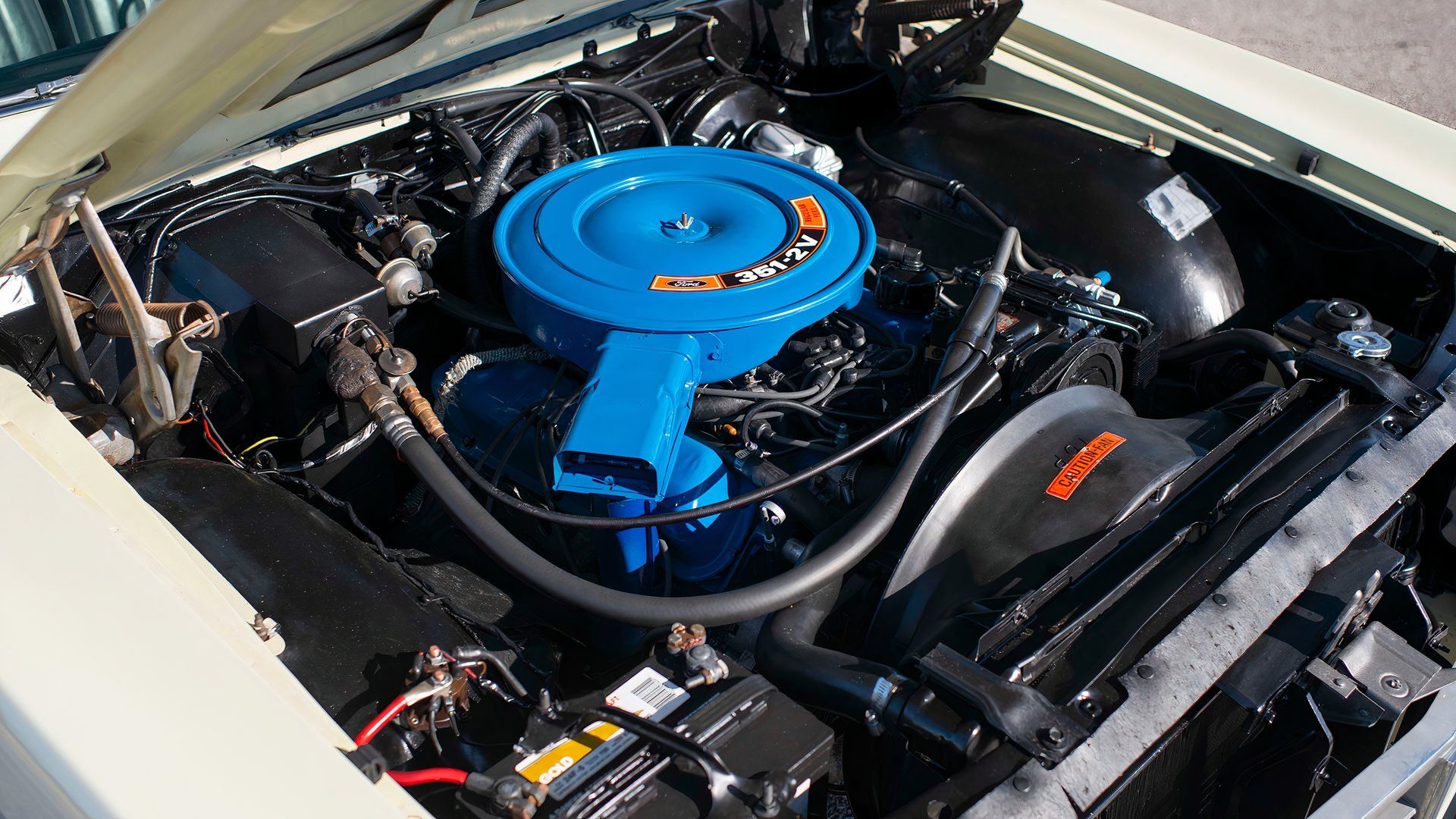
The Ford Windsor V8 is one of the classic American engines that proved itself both on the street and in racing environments.
Produced from the early 1960s, it became a foundation for muscle cars, drag racing machines, and endurance racers. Its design showed that a simple yet strong V8 could survive years of demanding use, including the stress that comes with racing conditions.
This engine came in different displacements, ranging from 221 cubic inches to 351 cubic inches. The 289 and 302 versions gained massive respect for their performance and reliability, especially when fitted into cars like the Ford Mustang. The Windsor V8 used a cast-iron block and heads, giving it the toughness needed to handle repeated high-rpm driving.
The pushrod design was also simple to service, which made it attractive for racers who needed quick repairs or upgrades at the track. Durability became one of its greatest strengths. Even when heavily modified with bigger carburetors, racing cams, or forced induction, the Windsor continued to deliver power without failing easily.
Its ability to handle high horsepower levels without cracking blocks or bending internals gave racers confidence. Drag racers and road course drivers alike trusted it for consistent output across long seasons. The Windsor also had the advantage of being widely available and affordable.
Spare parts were easy to find, and aftermarket companies developed endless upgrades to push their performance even further. For grassroots racers, this made the Windsor an engine of choice because it combined strength, accessibility, and adaptability.
On racing circuits, the Windsor made history in Trans-Am racing during the 1960s, where Ford Mustangs powered by it challenged rivals and earned championships. It also proved itself in endurance racing, where reliability mattered more than raw horsepower.
Even after production slowed, the Windsor stayed popular in custom builds, hot rods, and racing communities across the United States.
Today, decades after its launch, the Windsor V8 is still being rebuilt and raced. Its name continues to stand for toughness and dependable power. It is one of those engines that showed how American engineering could balance performance and resilience in demanding racing conditions.
Also Read: 9 Four-Cylinder Engines That Outperform Expectations
9. Ferrari F140 V12
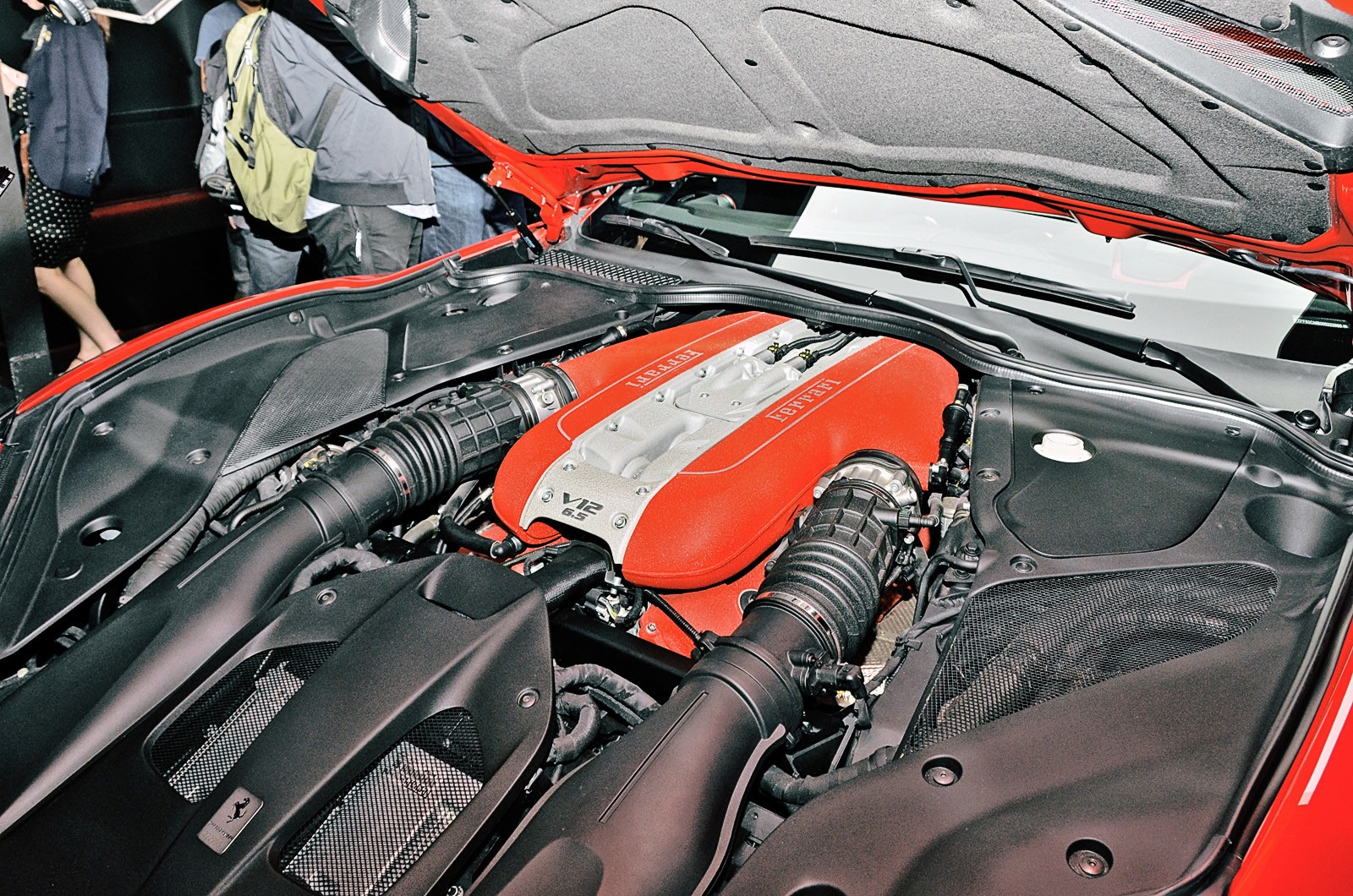
The Ferrari F140 V12 is one of the most respected high-performance engines produced in modern times. First introduced in the early 2000s, it powered models such as the Ferrari Enzo, the 599 GTB Fiorano, the F12 Berlinetta, and later the LaFerrari hybrid.
It showed that a naturally aspirated V12 could combine extreme performance with the strength required to survive the stress of high-speed racing environments. Built with advanced materials, the F140 used an aluminum block and heads, giving it reduced weight without compromising strength.
Its design also featured a 65-degree angle between cylinder banks, which helped it maintain smooth power delivery. With displacements ranging from 6.0 liters to 6.5 liters, the engine produced between 651 and 789 horsepower in its standard forms, while hybrid assistance in the LaFerrari raised output above 900 horsepower.
Even with such intense power figures, the F140 proved itself capable of lasting under heavy track use. Durability was one of its strongest points, considering the extreme conditions Ferrari designed it for.
Whether on a Formula 1-inspired test circuit or during long-distance endurance events, the F140 handled prolonged high rpm driving without frequent failures.
Its forged internals, advanced lubrication system, and precision engineering ensured that it could endure abuse that would damage less advanced engines.
Racing technology played a large role in its survival. Many of the features in the F140 came directly from Ferrari’s Formula 1 experience, including variable intake systems and advanced fuel injection.
These additions not only boosted performance but also reduced strain on engine components by ensuring efficiency at both low and high speeds.
Servicing and upkeep were important factors as well. Owners and racing teams who followed strict maintenance schedules found that the F140 remained dependable even after repeated use on demanding tracks.
This gave Ferrari drivers confidence to push their cars to the limit without fear of mechanical breakdown. The Ferrari F140 V12 continues to be remembered as one of the finest naturally aspirated racing engines. Even though newer hybrid systems have taken over, it remains a symbol of pure mechanical power and reliability under extreme pressure.
It is an engine that roared with intensity yet survived where others struggled. Racing engines are pushed far beyond what most road cars will ever experience. The heat, the speed, and the pressure can easily destroy weak designs.
Yet the engines described above show that with the right materials, careful engineering, and steady maintenance, machines can survive extreme use and still deliver reliable performance. From Japanese inline-sixes to American V8s and Italian V12s, each one has proven that strength and endurance can live alongside raw speed.
Drivers and engineers continue to respect these engines not only for their power but also for the way they hold up during the hardest races. They remain reminders that true durability comes from design choices, cooling systems, and constant care.
For many of these engines, their reputation was not built on short bursts of speed alone but on the ability to repeat that performance again and again without giving up.
Anyone who studies racing history will see that the engines that lasted were the ones that balanced power with resilience. This is why even after many years, they are still spoken of with respect. They are more than mechanical parts; they are symbols of what engineering can achieve when performance and strength are made to work together.
