
Some engines have earned reputations for outliving the vehicles they power. While most cars deteriorate due to rust, wear, or outdated technology, certain power units continue to operate efficiently long after their original chassis has been retired. These engines are built with strong materials, simple mechanics, and engineering that prioritizes longevity.
They can often endure hundreds of thousands of miles, and in many cases, enthusiasts transplant these units into newer vehicles or custom builds because of their unmatched reliability. Long-lasting engines combine durability, serviceability, and consistency.
They are usually easy to maintain, use fewer complicated systems, and rely on designs that have been proven over decades. Many of these power units were ahead of their time in terms of engineering, and they continue to attract attention from mechanics and collectors.
From diesel workhorses to high-performance gasoline engines, these power units demonstrate that strong engineering can defy the lifespan of the vehicles they originally powered. In this post, we will focus on ten engines and power units that are widely recognized for their durability.
Each section discusses why the engine continues to be valued, how it withstands long-term use, and the factors contributing to its longevity. These engines show that even if a car has been scrapped, the heart of the vehicle can continue to deliver performance, efficiency, and dependability.
1. Toyota 22R/22RE
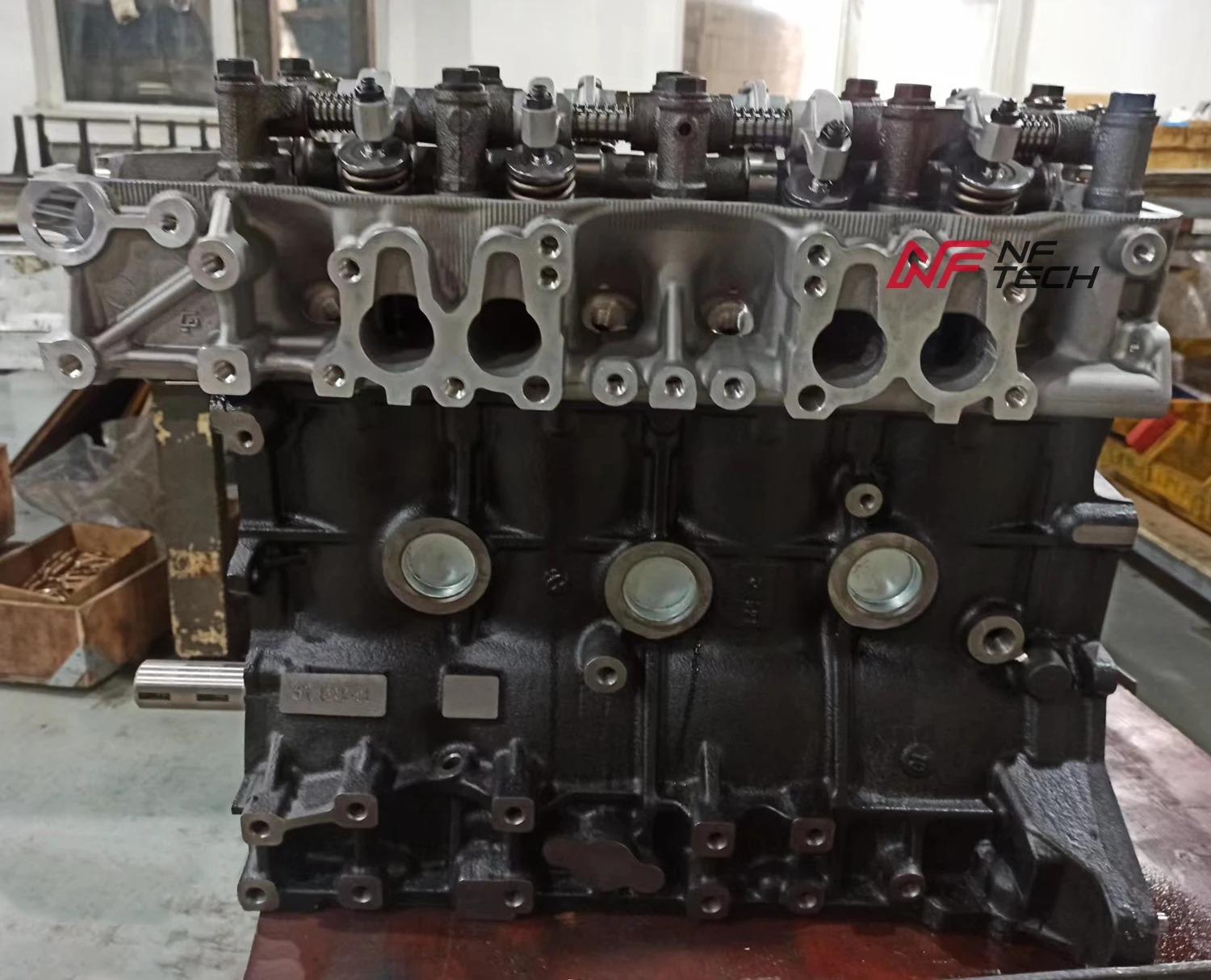
The Toyota 22R and 22RE engines, produced from the late 1970s to the mid-1990s, are famous for outlasting the trucks and pickups they powered.
These four-cylinder engines earned a reputation for durability and simplicity, making them ideal for both work and everyday driving. The 22R series is widely recognized for exceeding 300,000 miles with basic maintenance.
One reason for the 22R/22RE’s longevity is its simple design. The engines use a pushrod configuration with a sturdy block and head that can withstand heavy use. The carbureted 22R and the fuel-injected 22RE are both relatively easy to maintain, with accessible components and straightforward timing mechanisms.
Owners often perform oil changes, adjust valves, and replace worn belts to keep the engine running smoothly for decades. The engines were engineered to tolerate various driving conditions, including heavy loads, off-road areas, and high-mileage commuting. Cooling and lubrication systems were robust, reducing the risk of overheating or mechanical failure.
This resilience allows the engine to continue performing well long after the chassis and body of the vehicle begin to deteriorate. Parts availability also contributes to longevity. Replacement gaskets, timing components, and other serviceable parts are widely accessible, making maintenance affordable.
Mechanics familiar with these engines can perform repairs efficiently, and aftermarket upgrades can enhance performance while maintaining reliability. The Toyota 22R/22RE illustrates that careful engineering and simplicity can produce engines that outlive the vehicles they power.
Many owners transplant these engines into newer trucks, off-road vehicles, or custom projects, ensuring that the power unit continues to serve reliably for decades beyond the life of the original pickup.
2. Cummins 6BT 5.9L Diesel
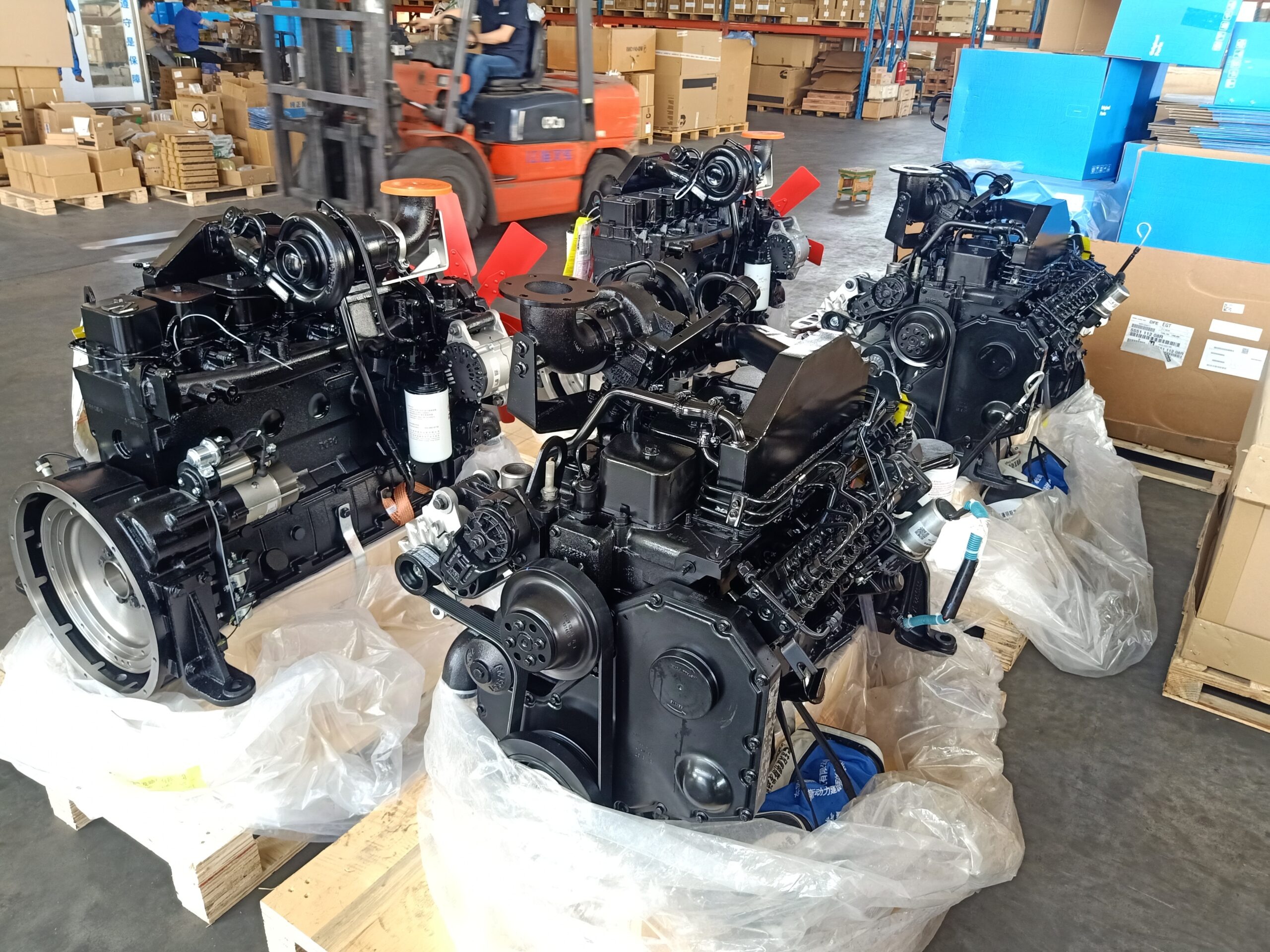
The Cummins 6BT 5.9L diesel engine is legendary for its ability to endure far beyond the life of the vehicles it powers. Introduced in the late 1980s, this inline-six turbocharged engine was used in Dodge trucks, industrial equipment, and marine applications. Its reputation comes from extreme durability, simple engineering, and high torque output.
The 6BT is built with strong cast-iron components, a durable block, and robust cylinder heads. Its design minimizes stress points, allowing it to operate at high mileage without failure.
Diesel engines, in general, are more resilient than gasoline engines due to slower combustion speeds and lower operating temperatures, and the 6BT leverages these advantages for long-term reliability.
Maintenance is straightforward, focusing on regular oil changes, fuel system upkeep, and coolant monitoring. Owners frequently report engines surpassing 500,000 miles with minimal issues, and it is not uncommon for them to reach 700,000 miles or more with proper care. The simplicity of the mechanical fuel pump and valve train reduces the risk of costly failures.
The 6BT’s adaptability also enhances longevity. The engine has been used in custom vehicles, generators, and even boats, proving that it can survive beyond the lifespan of any particular truck model. Replacement parts are abundant due to the engine’s widespread use, and many mechanics are experienced with maintaining these diesels.
The Cummins 6BT 5.9L diesel demonstrates that a strong block, reliable design, and attention to maintenance can produce an engine capable of outlasting the vehicles it originally powered. Its combination of reliability, torque, and serviceability makes it one of the most enduring power units ever built.
Also Read: 10 Motorsports Engines That Proved Reliable in Daily Cars
3. Honda B Series Engines
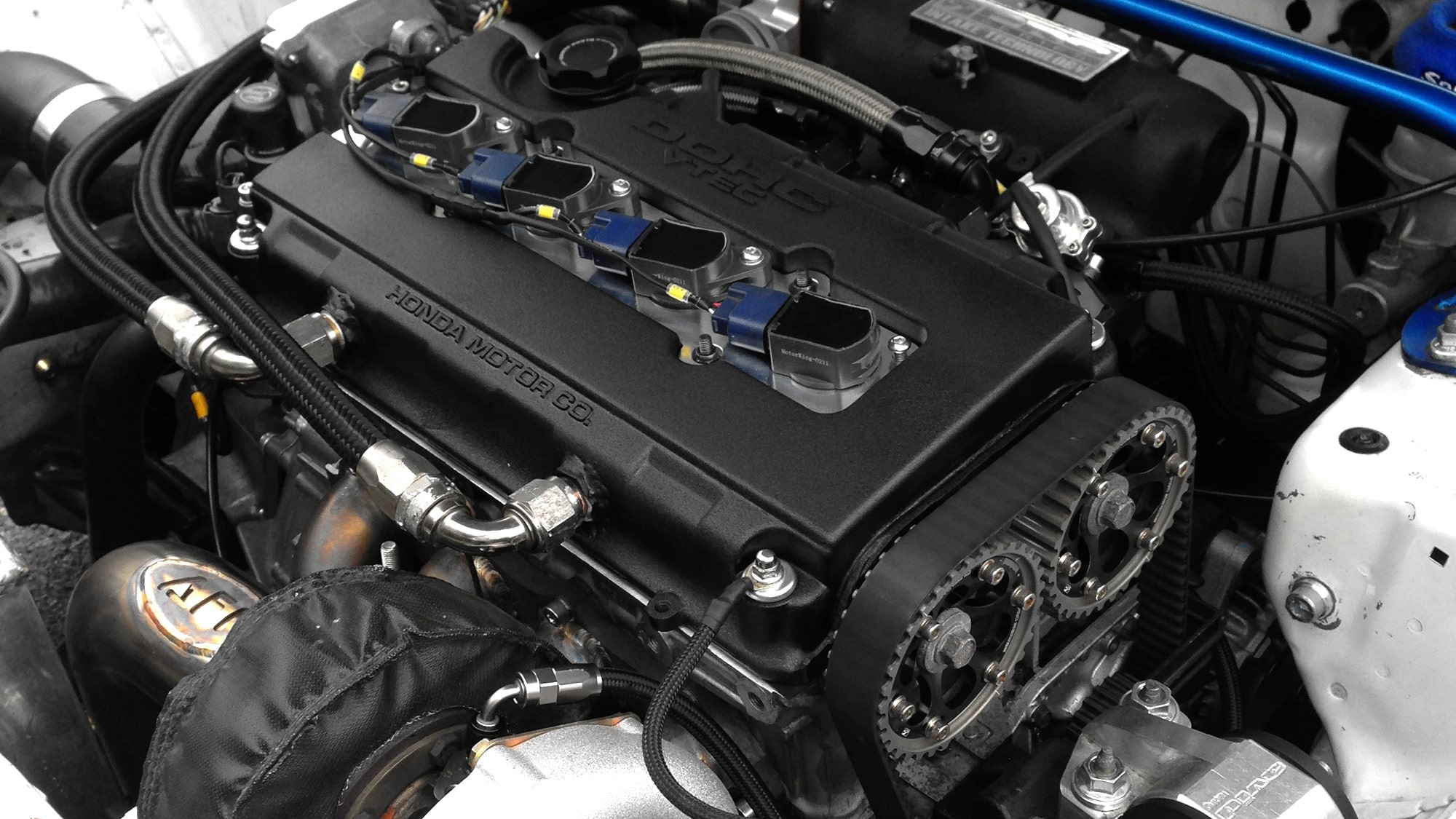
Honda B Series engines, produced in the late 1980s through the early 2000s, are renowned for their longevity, performance, and reliability.
Used in vehicles such as the Civic Si and Integra, these inline-four engines combine efficiency, high-revving performance, and long service life. Enthusiasts frequently report engines exceeding 300,000 miles while still performing well.
The B Series features a durable aluminum block, forged components in some variants, and a robust valvetrain. Maintenance requires attention to oil changes, timing belt replacement, and valve adjustments, but the simplicity of the engine allows for long-term operation. Its design balances performance and longevity, making it suitable for daily driving as well as spirited use.
The engines are capable of high-rev operation without visible wear, a testament to their precise engineering. Many B Series engines remain operational decades after production, often exceeding the lifespan of the original car. Their ability to maintain efficiency and reliability even under high mileage contributes to their enduring popularity.
Parts availability and aftermarket support have helped the B Series continue to thrive. Owners can replace components easily, and mechanics are familiar with the design, ensuring ongoing maintenance is practical. High-performance variants also allow enthusiasts to upgrade without compromising reliability.
Honda B Series engines demonstrate that precise engineering, strong materials, and straightforward design can produce power units that continue to function long after their original vehicles have retired. Many are transplanted into newer projects, proving the engines’ durability and enduring value.
4. Toyota 1HZ Diesel
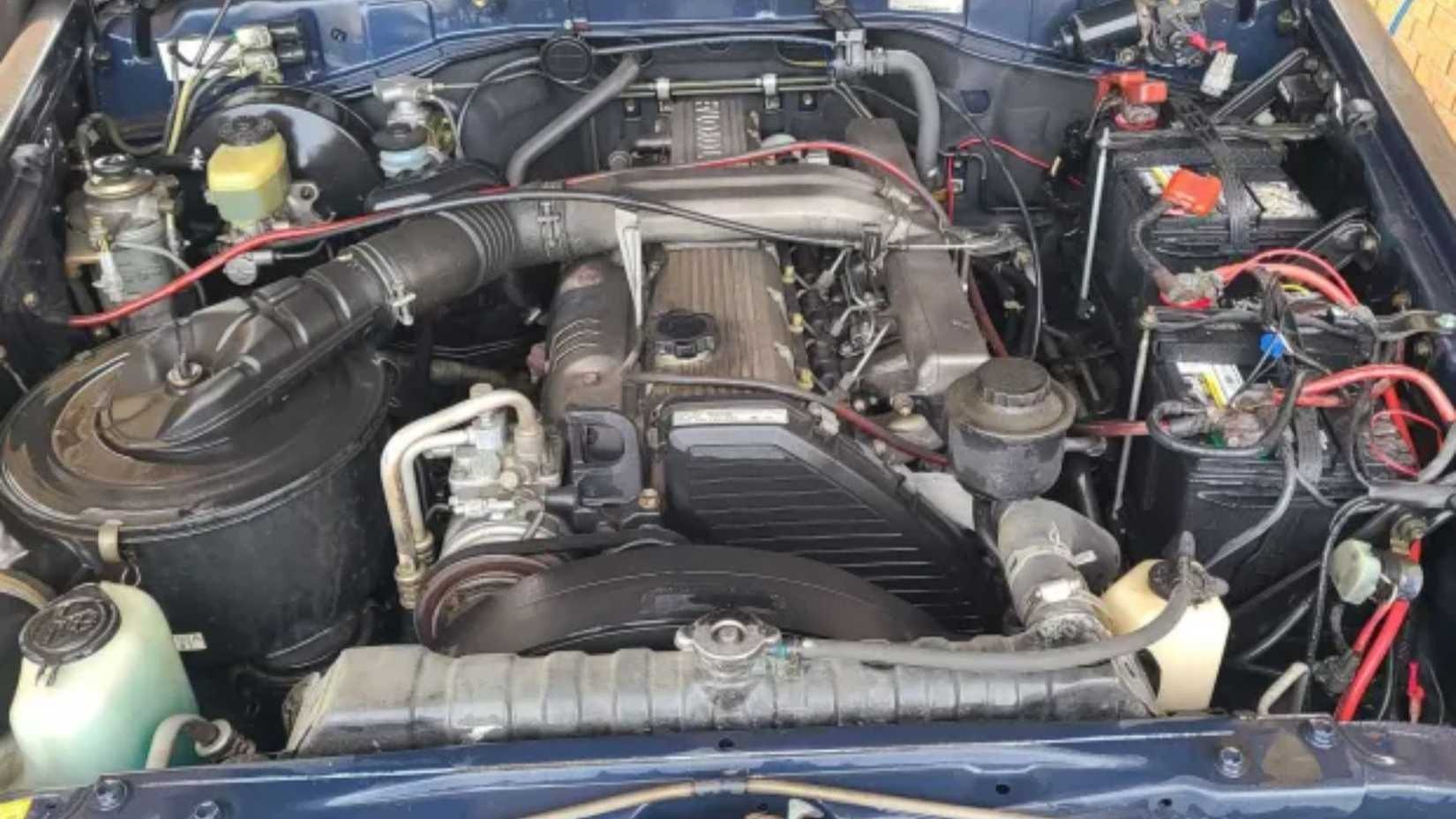
The Toyota 1HZ diesel engine, used primarily in Land Cruiser models, is celebrated for its ruggedness and ability to operate under extreme conditions. Produced from the 1990s onwards, this naturally aspirated inline-six engine is simple, reliable, and extremely long-lasting. Many 1HZ units continue to perform well past 400,000 miles.
Durability is built into every aspect of the 1HZ. It features a cast-iron block, strong cylinder heads, and simple mechanical systems.
The engine is naturally aspirated, reducing stress from forced induction components, which contributes to longevity. Its design allows for heavy-duty use in off-road environments, making it suitable for daily driving as well as challenging area.
Maintenance is simple and requires minimal intervention. Regular oil changes, fuel system checks, and valve adjustments are sufficient to keep the engine running. Diesel longevity, combined with low-stress operation and a robust block, ensures that the 1HZ remains functional long after the vehicle body shows signs of wear.
Parts and serviceability are also strengths. Components are widely available, and mechanics experienced with Toyota diesel engines can maintain them effectively. Many Land Cruisers have their engines outlast the vehicle’s body, demonstrating that the 1HZ can continue operating even when the original car is no longer viable.
The Toyota 1HZ proves that rugged design, simplicity, and attention to reliability can produce power units that survive decades of use. Its ability to operate under extreme conditions ensures it remains one of the most respected long-lasting diesel engines in automotive history.
5. Ford 300 Inline-Six
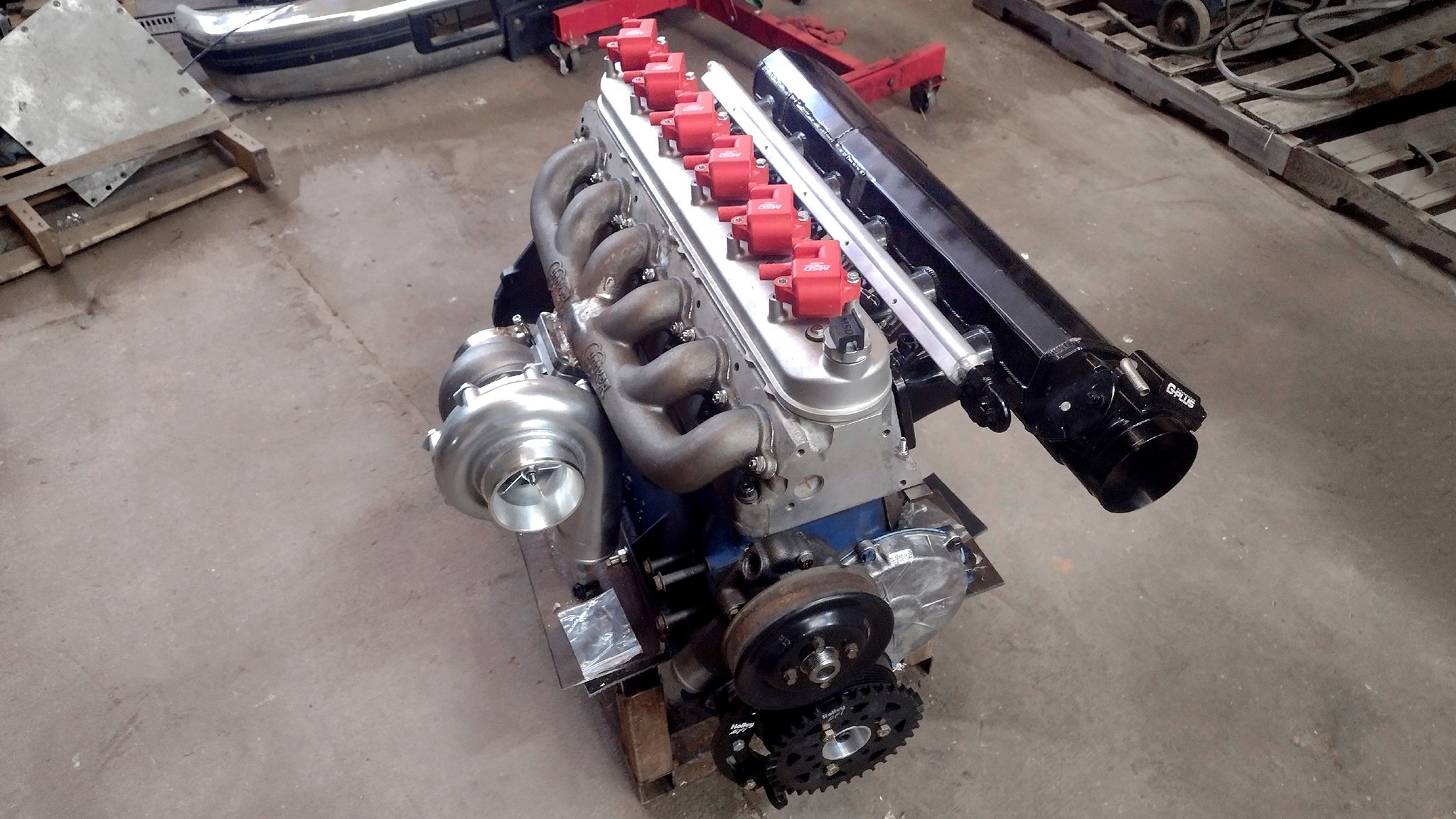
The Ford 300 inline-six engine, produced from the 1960s through the 1980s, is one of the most enduring engines ever built. Used in trucks, vans, and utility vehicles, it is known for reliability, torque, and the ability to outlive the vehicles it powers. Many Ford 300 engines continue operating decades after their original installation.
The 300 inline-six is built with a cast-iron block, durable cylinder heads, and a simple valvetrain. Its low-revving nature reduces mechanical stress, and components are designed to endure heavy-duty use. These engines are tolerant of high mileage and rough operating conditions, making them ideal for trucks and industrial applications.
Maintenance is straightforward, focusing on oil changes, timing chain adjustments, and fuel system upkeep. Parts are widely available, and the engine’s simplicity allows mechanics to perform repairs efficiently. This ensures that the engine can continue running even when the vehicle body or frame deteriorates.
The engine’s adaptability also contributes to its reputation. It has been used in industrial equipment, boats, and even retrofits into newer vehicles. This flexibility proves that the Ford 300 inline-six can remain functional long after the original vehicle has reached the end of its life.
The Ford 300 inline-six demonstrates that a strong block, reliable design, and simplicity can create engines that last far longer than their cars. Its combination of torque, durability, and ease of maintenance ensures it remains a sought-after power unit for long-term use.
6. Mercedes-Benz OM617 Diesel
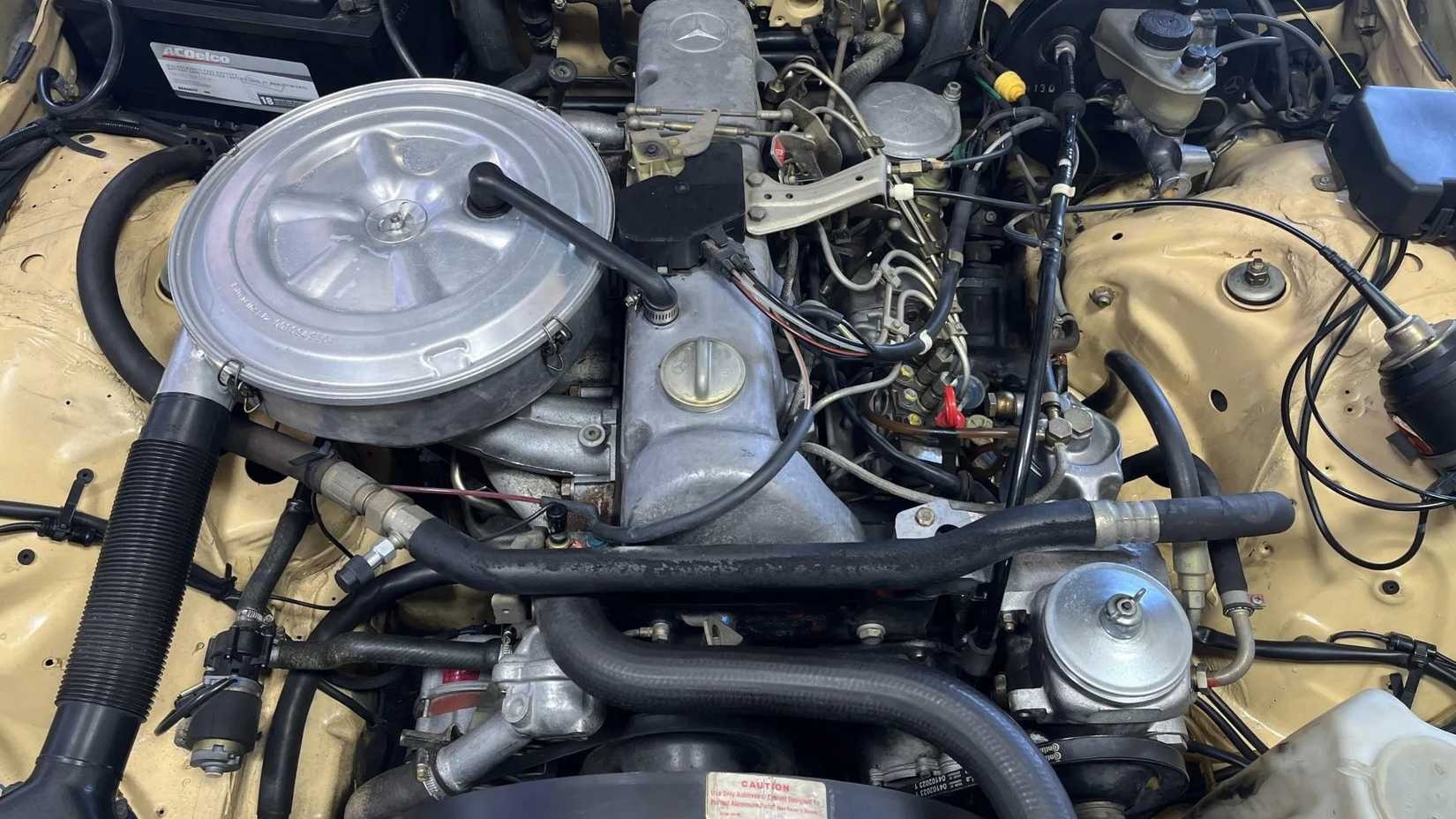
The Mercedes-Benz OM617 diesel engine, produced from 1974 to 1989, is famous for its exceptional longevity and reliability. This five-cylinder turbocharged diesel was used in vehicles such as the 300D and W123 series. Many OM617 engines have surpassed 500,000 miles, and some continue running well past 1,000,000 miles with proper maintenance.
The engine’s design focuses on simplicity and durability. It features a robust cast-iron block, strong cylinder heads, and a mechanically controlled fuel injection system. The simplicity of its design reduces potential failure points and allows mechanics to maintain the engine easily. The turbocharged variant adds power without compromising reliability when serviced correctly.
Maintenance is straightforward, emphasizing regular oil changes, fuel filter replacement, and valve adjustments. The engine can tolerate long intervals between maintenance if high-quality fluids are used. Many owners have reported decades of trouble-free service, demonstrating that the OM617 can outlast the vehicles it powers.
The engine’s resilience extends to extreme conditions. It can operate under heavy loads, rough land, and prolonged idling without major issues. This durability makes it ideal for both urban driving and long-distance travel. Its mechanical simplicity ensures that even older engines can be rebuilt or overhauled without difficulty, further extending their lifespan.
Parts availability contributes to the engine’s enduring reputation. Replacement components are still produced, and mechanics familiar with classic Mercedes diesels can maintain them efficiently. The OM617 continues to be transplanted into other vehicles, including trucks and custom builds, because of its legendary reliability.
The Mercedes-Benz OM617 diesel shows that careful engineering, strong materials, and simple mechanics can create a power unit that consistently outperforms the longevity of its chassis. Its ability to maintain performance for decades has earned it admiration among enthusiasts and daily drivers alike.
7. Nissan RB26DETT
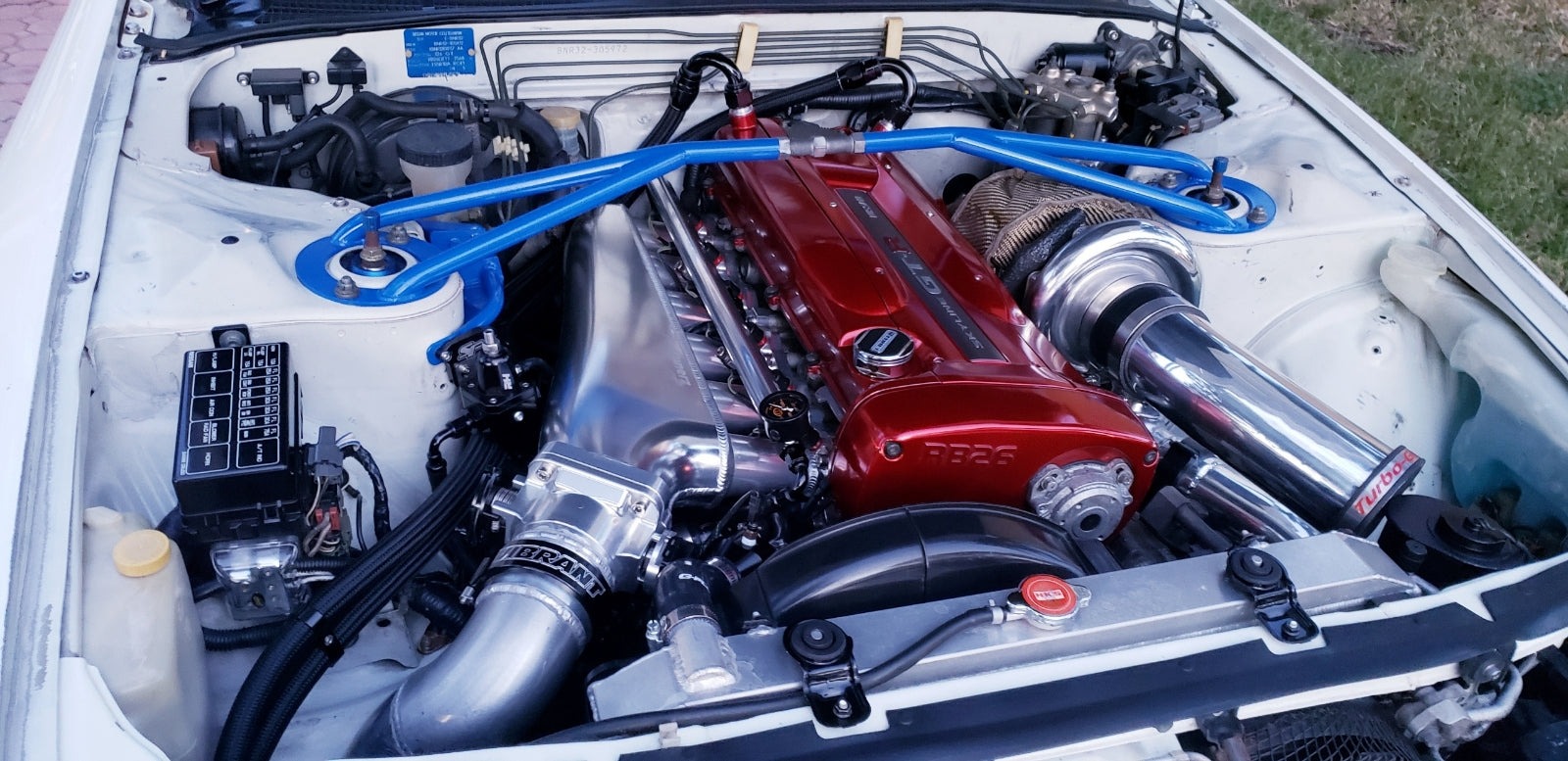
The Nissan RB26DETT, found in the Skyline GT-R models of the late 1980s and 1990s, is a high-performance engine renowned for longevity and resilience. Despite being a twin-turbo inline-six designed for racing, it frequently outlives the cars it originally powered. Many RB26DETT engines have reached 300,000 miles with minor repairs, highlighting its durability under heavy use.
The engine’s construction emphasizes strength and precision. It features a robust iron block, high-quality forged internals, and advanced cooling systems. These elements allow the RB26DETT to withstand high boost pressures, high RPMs, and aggressive driving without visible wear. Proper maintenance ensures it remains reliable for years.
Routine maintenance is crucial, including oil changes, timing belt replacement, and careful monitoring of the cooling and fuel systems. While it is performance-oriented, the engine’s design reduces failure points common in high-output engines.
The RB26DETT is also capable of surviving moderate modifications, which has contributed to its reputation in tuning and racing communities. Parts availability enhances longevity. Many aftermarket components exist for rebuilding or upgrading the engine, and mechanics familiar with Japanese performance engines can service it effectively.
Transplanting RB26DETT engines into newer vehicles or custom builds has become common because the engine’s durability is so well established. The RB26DETT demonstrates that even high-performance engines can maintain long-term reliability when designed and maintained properly.
Its combination of strength, engineering precision, and adaptability allows it to continue functioning well beyond the lifespan of the original Skyline GT-R.
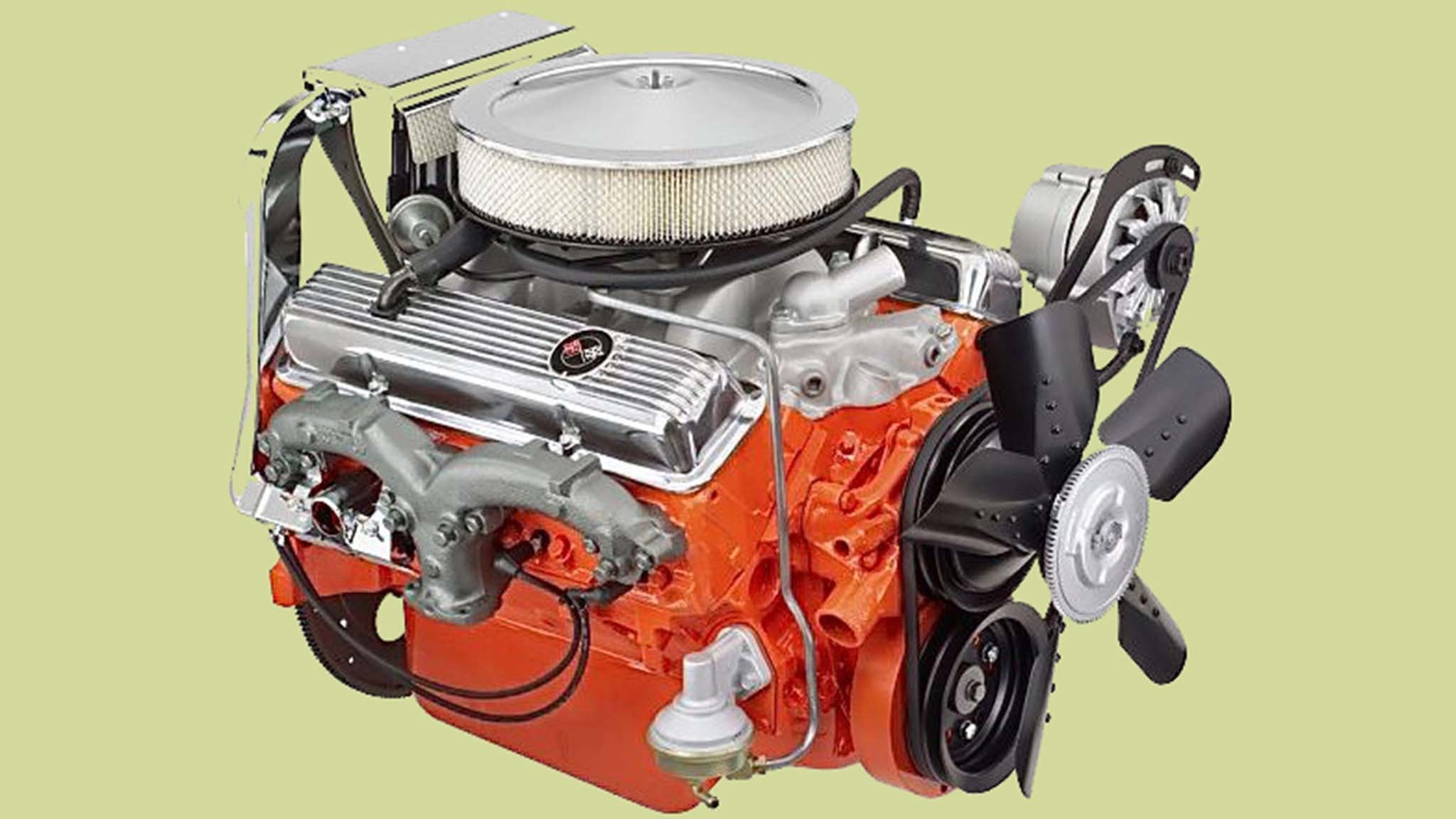
8. Chevrolet Small Block V8
The Chevrolet small block V8, introduced in the 1950s and produced for decades, is among the most legendary engines in automotive history. Its simplicity, durability, and power delivery make it ideal for trucks, sports cars, and classic vehicles. Many small block V8s have remained operational long after the original vehicles were retired.
The engine’s design emphasizes simplicity and reliability. It features a cast-iron block, solid valvetrain, and straightforward cooling and lubrication systems. These characteristics allow the small block V8 to tolerate high mileage, heavy loads, and daily driving without frequent failures.
Its simple construction also makes it easier to repair and rebuild compared to more complicated modern engines. Maintenance focuses on basic care, including regular oil changes, spark plug replacement, and valve adjustments. The availability of replacement parts and aftermarket upgrades ensures that these engines can continue operating efficiently for decades.
Some small block V8s have exceeded 400,000 miles while maintaining strong performance. Durability and adaptability contribute to its reputation. The small block V8 has been used in muscle cars, trucks, boats, and custom projects.
Its ability to continue operating under various conditions makes it one of the most versatile engines ever built. Mechanics around the world are familiar with its design, allowing owners to maintain and repair it efficiently.
The Chevrolet small block V8 shows that straightforward engineering, strong materials, and simple mechanics can produce engines that outlast the vehicles they power. Its reliability and enduring presence in automotive projects highlight why it remains a favorite among enthusiasts and collectors alike.
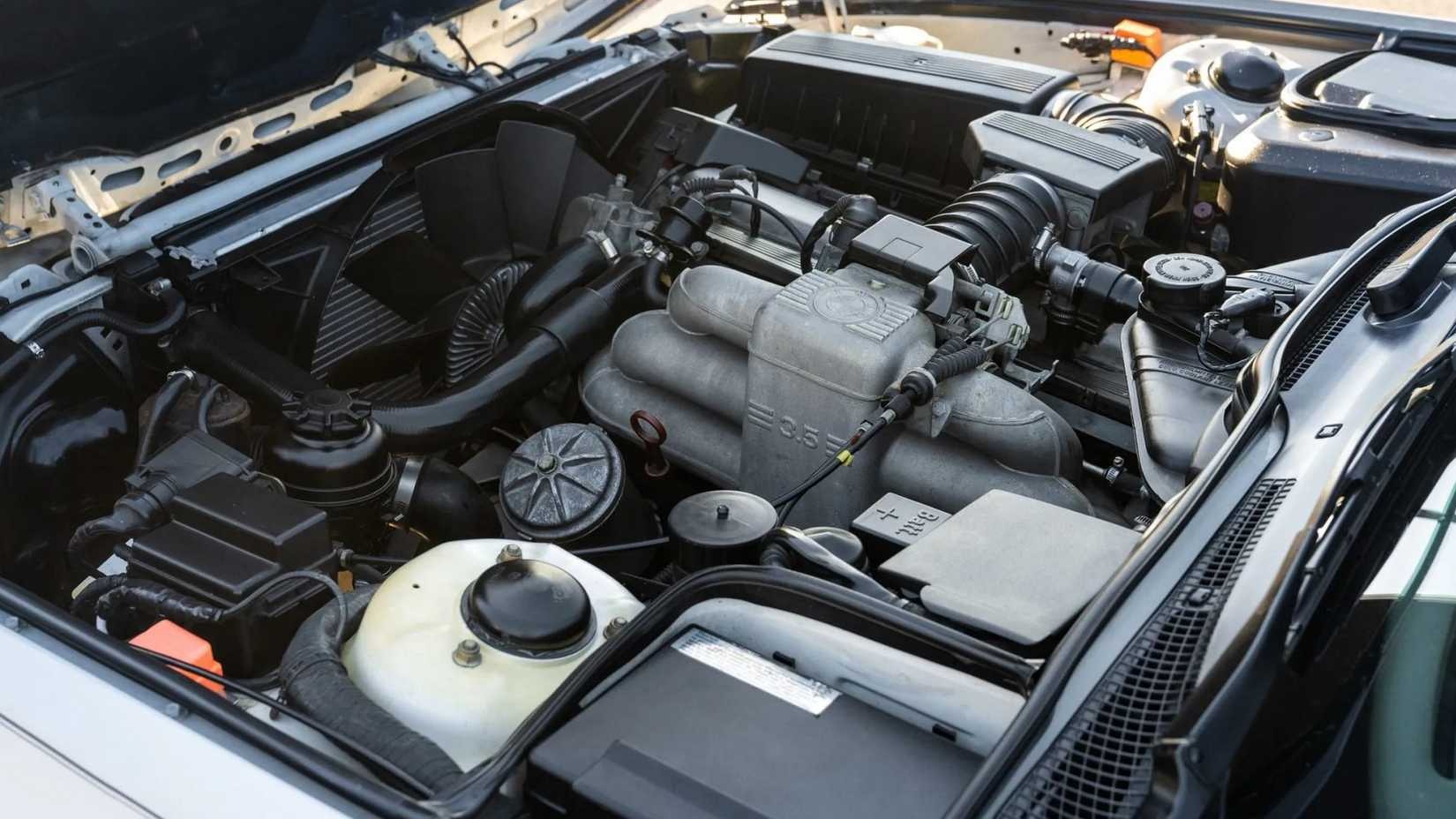
9. BMW M30 Inline-Six
The BMW M30 engine, produced from the late 1960s through the 1990s, stands as one of the most respected inline-six engines in automotive history. Found in models such as the BMW 5 Series, 7 Series, and various coupes, the M30 is recognized for its exceptional reliability and durability.
Many engines from this series have surpassed 300,000 miles while maintaining smooth operation and responsive performance, a testament to BMW’s engineering at the time. The M30’s ability to outlive the vehicles it was installed in has earned it a loyal following among enthusiasts, collectors, and mechanics alike.
The design of the M30 emphasizes robust construction and longevity. Its cast-iron block provides exceptional strength, while the durable cylinder heads and simple valvetrain reduce mechanical stress during long-term use. Routine maintenance plays a crucial role in preserving the engine’s reliability.
Regular oil changes, timing chain inspections, and careful attention to the cooling system allow the M30 to continue operating efficiently for decades. Its design makes it forgiving even under high-mileage conditions, ensuring that drivers can rely on it without frequent major repairs.
Performance and reliability are balanced effectively in the M30. While the engine delivers smooth power and can handle spirited driving, it is not prone to sudden catastrophic failures when maintained properly. Its straightforward design allows mechanics to perform repairs, rebuilds, or upgrades with relative ease, extending the engine’s life well beyond the lifespan of the original vehicle.
This simplicity contributes to its reputation as a dependable power unit that can be enjoyed for years. Parts availability and widespread familiarity among mechanics further support the M30’s longevity. Replacement components are easy to find, and knowledge of the engine’s operation is common, which simplifies maintenance and repair.
Many owners have transplanted M30 engines into newer cars, classic restorations, and custom projects because of their proven endurance. The BMW M30 demonstrates that careful engineering, high-quality materials, and thoughtful design can produce engines capable of remaining efficient and reliable long after the vehicles they power have retired.
Its combination of smooth operation, maintainability, and lasting performance ensures that the M30 continues to be celebrated by enthusiasts even decades after production ended.
Also Read: 10 Turbo Engines That Surprisingly Last Past 200K
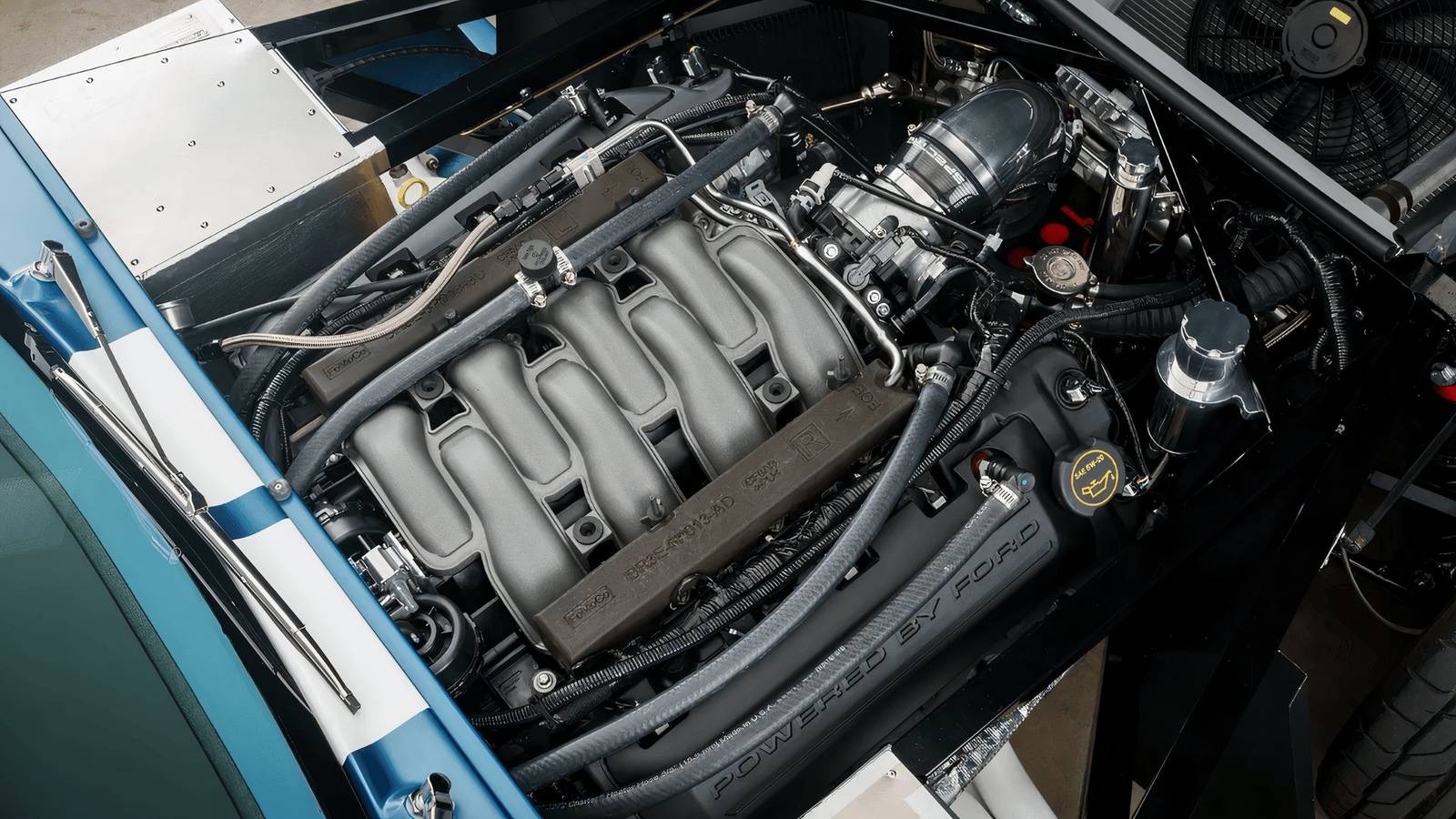
10. Ford Modular V8
The Ford Modular V8 series, first introduced in the early 1990s, has consistently demonstrated remarkable longevity and reliability. These engines can be found in popular vehicles such as the Mustang, F-150, Lincoln Town Car, and several Ford SUVs, and they have proven capable of surpassing 250,000 miles when owners maintain them properly.
The series includes overhead cam V8 engines with modern materials and engineering improvements that balance performance with long-term durability. This combination of modern technology and robust design allows these engines to deliver strong power outputs while remaining dependable over extended use.
Modular V8 engines are constructed with durable aluminum or cast-iron blocks, solid cylinder heads, and precise valvetrain components. These features help the engines withstand long-term wear and tear, even under demanding driving conditions.
Many owners report that their engines continue to operate smoothly decades after the vehicle’s original production, outlasting the bodies they were installed in. The careful engineering reduces stress on critical components, allowing these engines to remain functional despite high mileage or heavy loads.
Routine maintenance plays a central role in the longevity of the Modular V8. Regular oil changes, cooling system inspections, and timing component replacements are essential to prevent issues such as valve wear, timing chain stretch, or head gasket failures.
Even though these engines are more technologically advanced than older power units, their design emphasizes serviceability and reliability, making long-term care manageable for both professional mechanics and knowledgeable enthusiasts.
Another factor that contributes to the enduring reputation of the Ford Modular V8 is the wide availability of replacement parts and aftermarket upgrades. Mechanics are familiar with the engines, and parts are easy to source, allowing owners to perform rebuilds or upgrades without difficulty.
These engines are frequently used in custom vehicle projects or engine swaps because of their adaptability, strength, and performance potential. The Ford Modular V8 clearly demonstrates that modern engineering can produce engines capable of surviving far beyond the vehicles they power.
Its combination of durability, maintainability, and dependable performance has earned it a lasting place among the most respected contemporary power units in automotive history. Engines that outlast the vehicles they power demonstrate the value of strong engineering, durable materials, and careful maintenance.
From the Toyota 22R to the Ford Modular V8, these power units continue to perform reliably long after the original cars have been retired. Their ability to withstand high mileage, heavy loads, and challenging conditions proves that a well-built engine can exceed expectations and redefine longevity.
Maintenance, simplicity, and serviceability are important factors that allow these engines to survive decades of use. Many have been transplanted into new vehicles or custom builds, showing that their value extends beyond their initial applications. Whether diesel or gasoline, naturally aspirated or turbocharged, each engine discussed highlights a balance between performance and durability.
These power units serve as a reminder that careful design, robust materials, and routine care can produce machinery that remains dependable for generations. They are celebrated not only for their endurance but also for the trust they inspire in drivers worldwide.
