Driving in the city puts cars through a different kind of stress than open highways ever could. Constant stop-and-go traffic, crowded streets, and endless red lights can expose weaknesses in even the most popular vehicles.
Some cars are built to handle this daily grind, staying reliable, efficient, and easy to maintain, no matter how tough the commute gets. Others, unfortunately, aren’t as dependable and often leave their drivers frustrated when the pressure of city driving proves too much.
Knowing which cars can truly handle the urban environment can save you time, money, and unnecessary breakdowns. That’s why we’ve put together this list of 10 cars that hold up well in the city and 10 that break down in traffic, giving you a clearer picture before you decide on your next ride.
10 Cars That Hold Up Well In The City
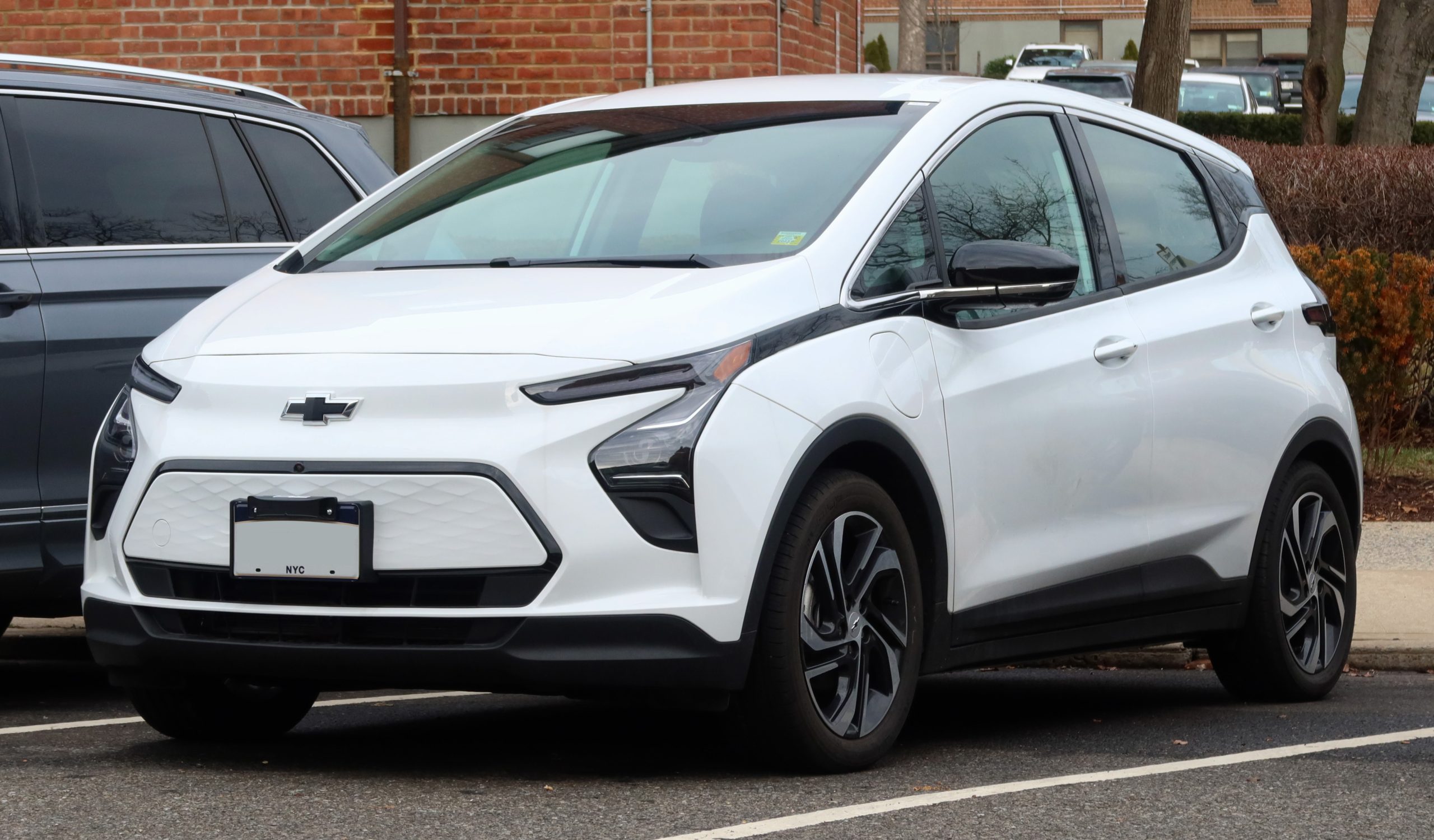
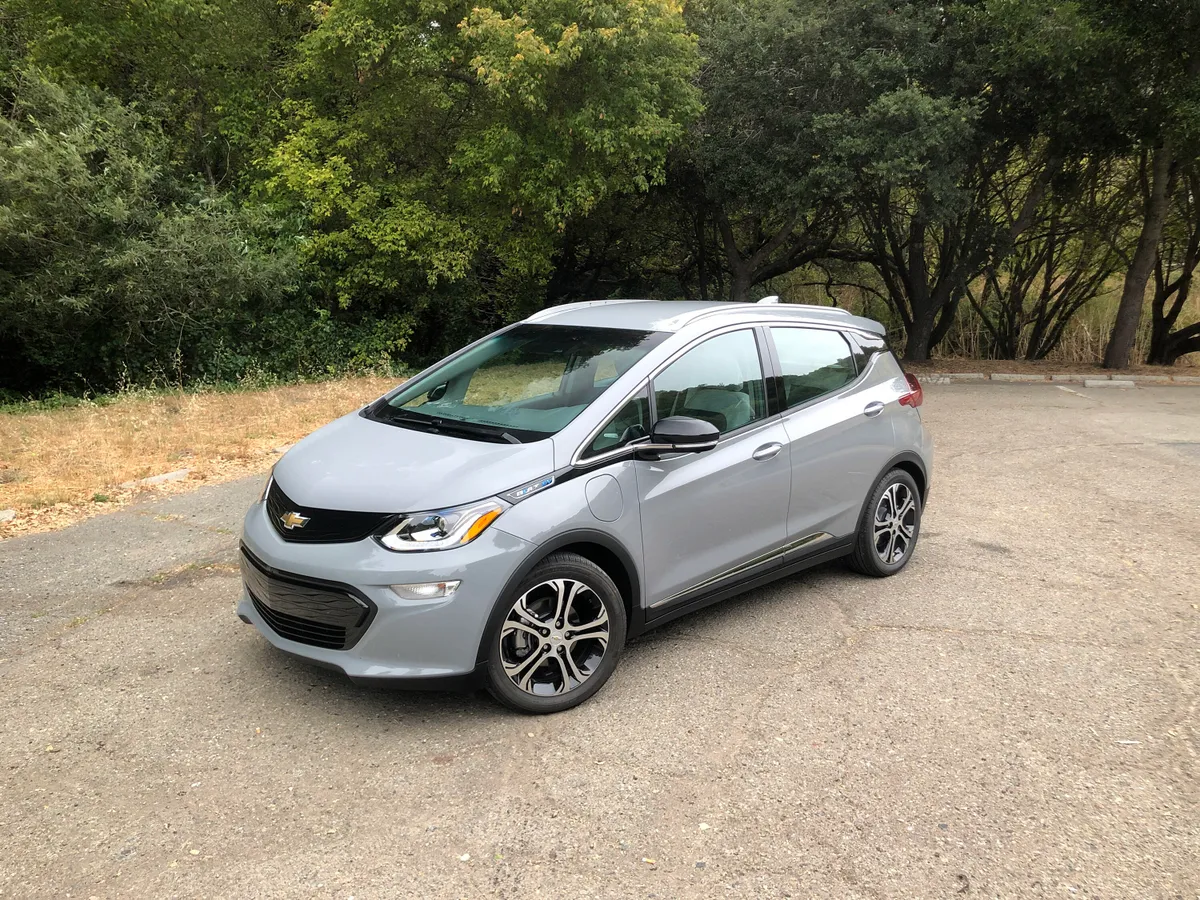
1. Chevrolet Bolt: An Affordable, Practical, and Efficient Urban EV
The Chevrolet Bolt EV, introduced in 2017, quickly earned a reputation as one of the most practical and budget-friendly electric vehicles on the market. Compact yet spacious, zippy yet efficient, the Bolt offered drivers an affordable way to transition to all-electric driving without sacrificing usability.
With an EPA-estimated 259 miles of range and a starting price lower than most EVs in its class, it became an appealing choice for urban commuters and families alike. Although General Motors discontinued both the Bolt EV and its larger sibling, the Bolt EUV, at the end of 2023, the vehicle remains a significant milestone in the mainstream adoption of electric cars.
The Bolt delivers impressive performance for its price bracket, accelerating from 0 to 60 mph in 6.9 seconds. It offers responsive steering and strong regenerative braking, including a convenient paddle on the steering wheel to maximize energy recovery.
Drivers can choose between traditional braking and single-pedal driving, with the latter extending range while reducing effort. On highways, the Bolt tracks smoothly and confidently, while its nimble handling shines on city streets.
Comfort levels improved significantly in later model years, thanks to redesigned front seats with better cushioning. While the ride can feel busy on rough roads due to stiff suspension, the cabin remains quiet, with minimal wind noise.
Climate controls are intuitive, responsive, and supplemented by physical buttons. Higher trims, such as the 2LT, offer heated seats and a heated steering wheel, enhancing cold-weather comfort.
The Bolt’s interior punches above its weight for a compact hatchback. Its high roofline and wide-opening doors create a roomy feel, with generous head- and legroom for passengers. Controls are logically arranged, including a simple volume knob and a reimagined button-based gear selector.
A configurable digital instrument cluster provides useful EV metrics, while available visibility aids like a 360-degree camera and large side windows improve safety in tight spaces. Though the cabin feels narrow, space efficiency is excellent.
Technology is another strong point. A large touchscreen comes standard, with wireless Apple CarPlay and Android Auto. The system is quick to respond, and charging ports, including USB-C, are well placed for front and rear passengers.
Standard safety tech includes lane-keeping assistance and forward collision mitigation, while higher trims add blind-spot monitoring and adaptive cruise control. Though effective, the adaptive cruise can sometimes brake too abruptly.
Despite its compact footprint, the Bolt offers versatile storage solutions. Interior cubbies, including a wireless phone charging slot, are practical, and the under-console space accommodates larger items.
Cargo capacity measures 16.6 cubic feet behind the rear seats, expandable with a removable floor panel for bulkier loads. The Bolt also works well for families, with easy-to-access child seat anchors and wide-opening rear doors.
Efficiency is where the Bolt truly excels. The EPA rates it at 259 miles per charge, but real-world testing shows it can achieve up to 278 miles. This outpaces many competitors, such as the Nissan Leaf and Mini SE.
Charging flexibility is provided through an upgraded dual-level charge cord and 11-kW onboard charger, though fast-charging capability is limited to 55 kW, making longer road trips less convenient compared to faster-charging rivals.
As one of the most affordable EVs on the market, especially with the return of the $7,500 federal tax credit, the Bolt delivers exceptional value. It combines respectable features, solid warranty coverage (8 years/100,000 miles for the battery), and low running costs, making it a smart entry point into EV ownership.
The Chevrolet Bolt stood out as a practical, efficient, and affordable electric hatchback. While no longer in production, it remains an influential model that brought EV ownership within reach for many drivers.
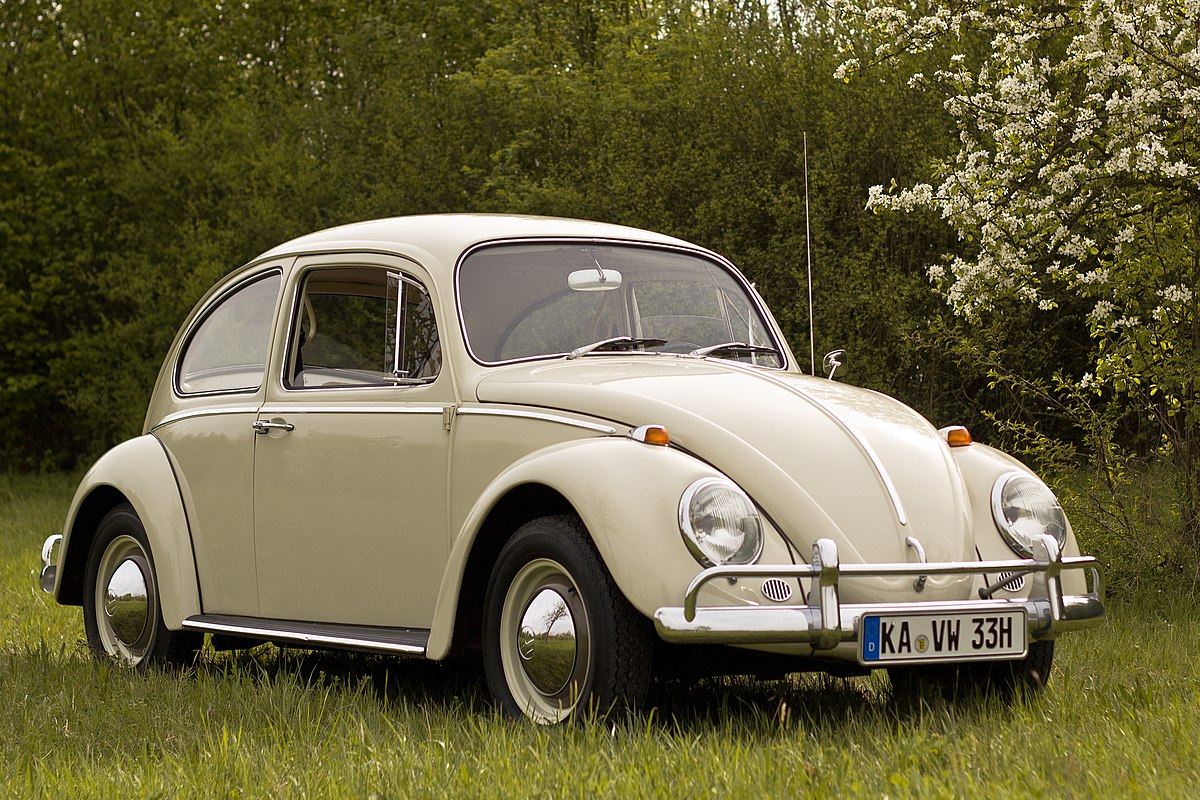
2. Volkswagen Beetle: An Iconic Small Car with Timeless Charm
The Volkswagen Beetle is one of the most recognizable cars in automotive history. Originally conceived as the “People’s Car,” it was built to be affordable, efficient, and versatile for everyday use. Over time, its distinct design and practicality earned it global popularity.
The final generation measured 168.8 inches long, 71.9 inches wide, and 58.6 inches high, offering roomy front seating, though with a cramped back seat. Volkswagen ended Beetle production in 2019, closing the chapter on a vehicle that blended nostalgia with modern touches.
On the road, the Beetle provides adequate acceleration for city and highway driving. It’s not as sporty as VW’s GTI but retains a fun-to-drive personality. Braking response can feel delayed, requiring more effort than expected. Comfort is a highlight, with supportive seats and a suspension that absorbs bumps well. Road and wind noise are minimal, ensuring a pleasant ride.
Inside, the Beetle feels bright and airy thanks to large windows and a high roofline. Front passengers, even tall adults, enjoy good space, while the rear is best suited for children. The interior design leans on nostalgia, with hard, body-colored plastics that may divide opinions. Cargo space is average, though the hatchback design makes it flexible enough to carry larger items. Small storage for personal belongings is limited.
Technology in the Beetle is user-friendly, though not advanced compared to newer rivals. The infotainment system is easy to navigate, with sharp graphics. Apple CarPlay and Android Auto are available on most trims, while standard safety features include a rearview camera, blind-spot monitoring, and rear cross-traffic alert.
The Volkswagen Beetle leaves behind a legacy as a stylish, practical, and fun small car that connected generations of drivers.
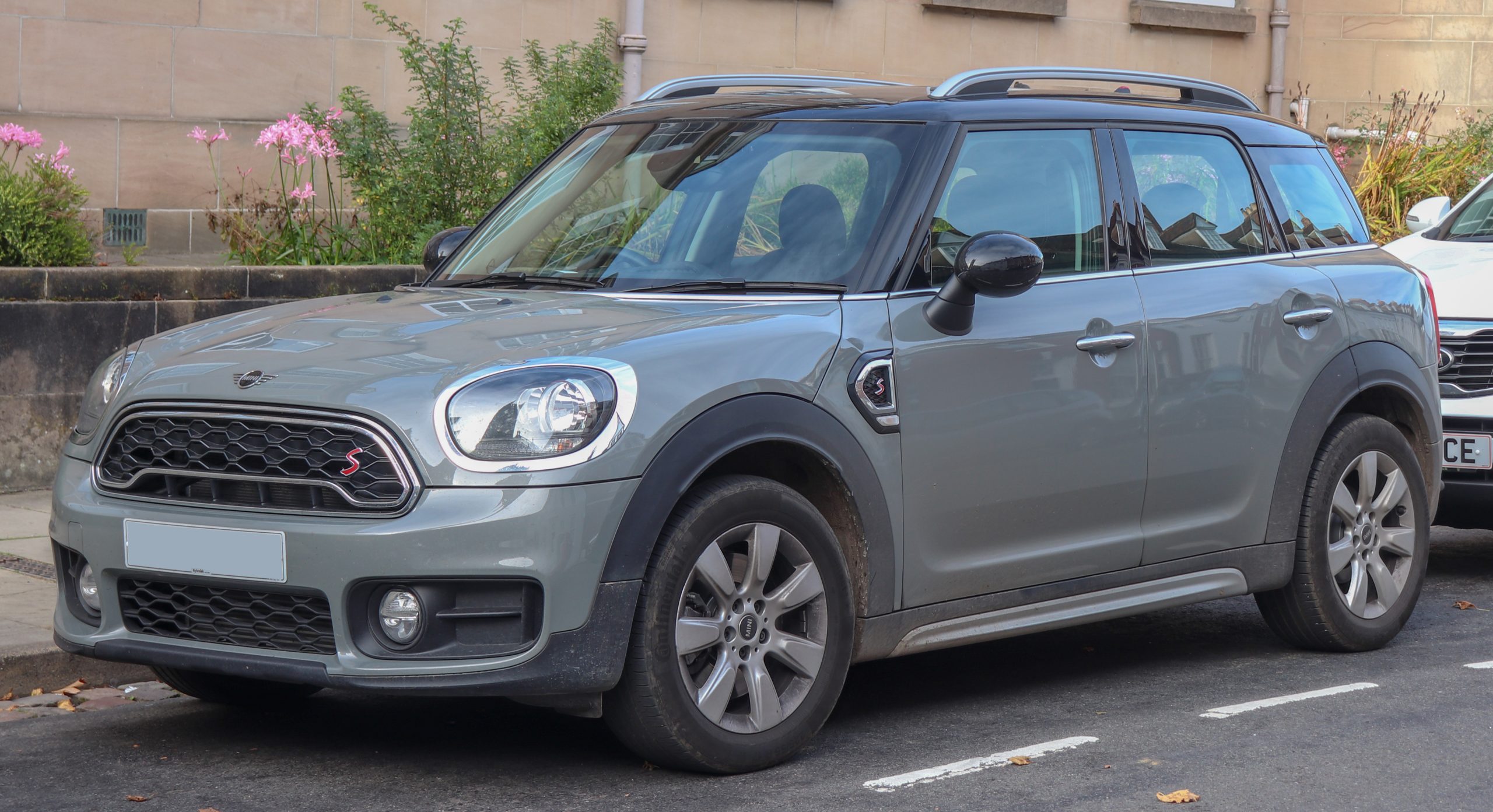
3. MINI Cooper: A Small Car with Style, Comfort, and Personality
The MINI Cooper has long been recognized as a compact hatchback that brings charm and personality to the road. True to its name, the 2019 MINI Cooper remains one of the smallest cars available, measuring 151.1 inches in length, 68 inches in width, and 55.7 inches in height.
Its compact proportions make it well-suited for city driving since it is easy to park, light on fuel, and simple to maneuver through tight spaces. While refreshed for modern needs, the MINI still delivers the signature small-car character that has made it a standout for decades.
In the Cooper S trim, performance is respectable but less exciting than in earlier versions. It reaches 60 mph in 6.4 seconds, which is quick enough for everyday use but not class-leading. Handling, once the highlight of the MINI, feels less engaging this time around.
Cornering grip is modest, and braking power is underwhelming compared to other sporty hatchbacks. At low speeds, the Cooper S feels smooth and quiet with adequate power. When pushed harder, however, its weaknesses in high-speed handling and braking become clear.
Comfort is better than expected for a sporty small car. The front seats are supportive, with firm cushioning, good back support, and side bolstering that holds passengers in place during turns. Ride quality leans toward firm, yet it avoids being punishing.
Larger bumps are noticeable, especially at the front, but the suspension keeps most road imperfections under control. The climate control system is highly effective and cools the compact cabin quickly, while wind and road noise are kept to a minimum.
The MINI Cooper’s interior design is stylish and distinctive. A large circular center display dominates the dashboard and creates a modern, playful look. While visually appealing, the heavy reliance on touchscreen controls makes routine adjustments, such as changing fan speed, less convenient than physical buttons.
Space inside is limited. Front passengers benefit from decent headroom and visibility, but the rear seats are suitable mostly for children or very short trips. Cargo capacity is minimal, and small-item storage is also lacking. Folding the rear seats provides more usable space, but the Cooper is most practical as a two-seater when storage is important.
Technology stands out in the MINI. The center display has sharp graphics and vibrant colors, making it easy to read at a glance. The infotainment system is straightforward, and smartphone integration through Apple CarPlay and Android Auto comes standard.
Wireless phone charging is available, and the optional Harman Kardon sound system delivers excellent audio quality. Safety features include blind-spot monitoring, lane-keeping assist, adaptive cruise control, and a surround-view camera system. Adjusting or turning off specific systems can be more complicated than necessary, since several steps are often required.
The MINI Cooper is not strong on storage. The trunk is small, and personal storage spaces in the cabin are limited. Car seat anchors are present in the back, but the narrow rear openings make installation difficult.
On the positive side, fuel economy is excellent. The Cooper S achieves an EPA-estimated 32 mpg combined, and real-world testing confirms this figure. This efficiency gives it an advantage over rivals such as the Subaru BRZ and Volkswagen GTI.
The MINI Cooper excels in build quality and interior finish. Premium materials give it a more upscale feel than many competitors. Pricing is higher than some small hatchbacks, but it offers personality, style, and refinement that justify the cost for buyers who want something distinctive.
The MINI Cooper remains a car that delivers a unique blend of design, comfort, and efficiency that appeals to city drivers who value character as much as practicality.
4. Fiat 500: A Tiny Icon with Big Character but Limited Practicality
The Fiat 500 may have been discontinued in the U.S., but its charm left a lasting impression. This small Italian hatchback earned attention for its retro styling, playful personality, and compact size that made it perfect for crowded city streets.
Measuring about 140 inches long, 64 inches wide, and 60 inches tall, the Fiat 500 was one of the tiniest cars available and among the most affordable in its class. Its city-friendly size made it effortless to park and maneuver, though practicality was sacrificed in the process.
Powered by a turbocharged 1.4-liter four-cylinder engine, the 500 feels eager in urban settings and delivers a lively exhaust note. However, acceleration is weak compared to rivals, and the car is one of the slowest in the segment.
Even the sportier Abarth model, with 160 horsepower, struggled to keep pace with competitors like the Mini Cooper S. While the Fiat is nimble and maneuverable, it lacks true sportiness, with modest handling and braking performance.
The 500 is better suited for short trips than long drives. Seat and steering adjustments are limited, which makes finding a comfortable driving position difficult for some.
The front seats provide enough space for most adults, but rear seating is cramped and better left for children or bags. Interior noise from the engine and exhaust is noticeable, and the cabin lacks elbow padding. Ride quality is fair, absorbing bumps reasonably well for a car of its size.
The retro-inspired interior design is stylish but sacrifices usability. Space is extremely limited, leaving the Fiat trailing behind larger subcompact rivals in practicality. The hatchback version provides 9.5 cubic feet of cargo space, while the cabriolet shrinks that figure to just 5.4 cubic feet, making it difficult to carry even small luggage. Storage inside the cabin is also minimal, with shallow door pockets and small cupholders.
As one of the most affordable small cars, the Fiat 500 appealed to buyers who valued its style and charm over practicality. However, competitors such as the Kia Rio, Honda Fit, and Mini Cooper offered more features, space, and value for the money. The gasoline-powered 500 struggled with fuel efficiency as well, making the electric Fiat 500e a more appealing option for city drivers.
The Fiat 500 stands out as a characterful, city-friendly hatchback that excelled in charm but lagged behind in space, performance, and amenities.
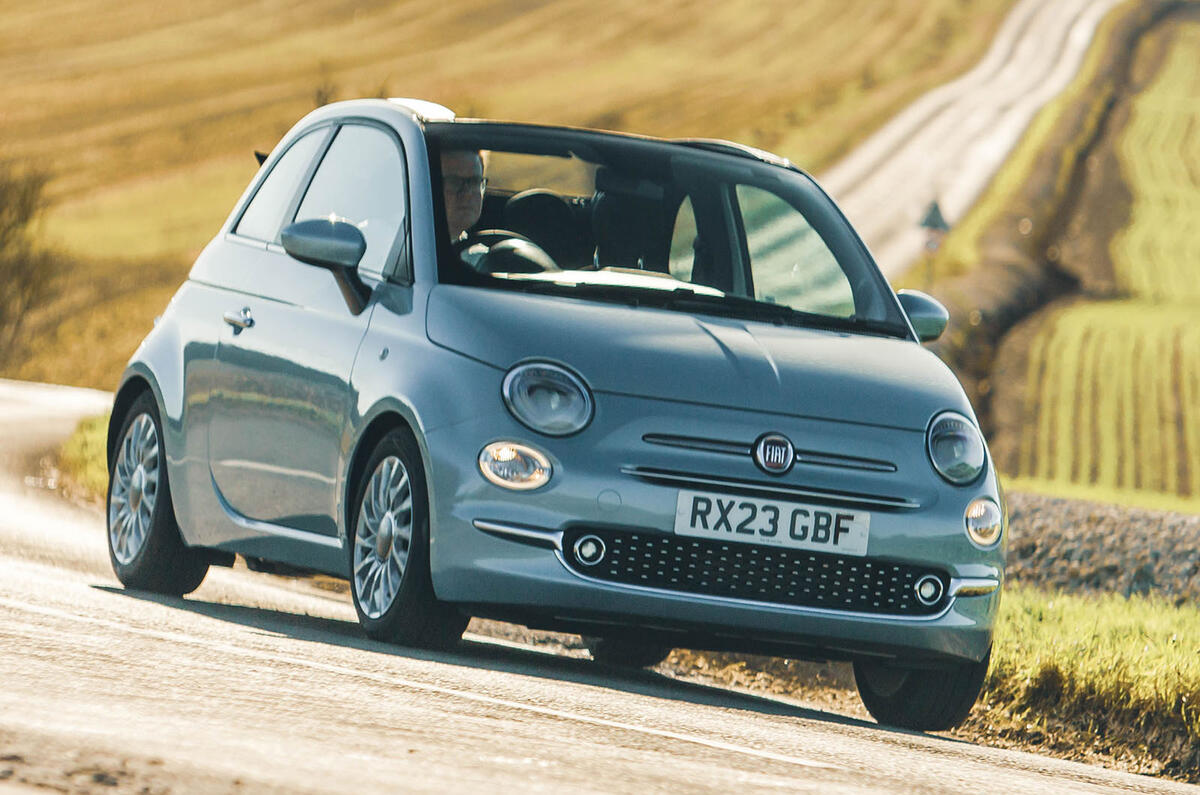
5. Toyota Corolla Hatchback: A Practical, Comfortable, and City-Friendly Compact
The Toyota Corolla Hatchback combines the brand’s well-known reliability with compact dimensions that make it a smart choice for city driving. At 172 inches long, 70.5 inches wide, and 57.1 inches tall, it is the longest entry among small hatchbacks but still shorter and easier to maneuver than a mid-size sedan such as the Camry.
With four doors, seating for five, and a more practical cargo area than the sedan version, the Corolla Hatchback offers a balanced mix of comfort, features, and efficiency.
Equipped with a four-cylinder engine, the Corolla Hatchback delivers decent power for daily driving but can feel underpowered when carrying passengers or merging quickly onto highways. Despite this, it handles city streets with ease and feels nimble on turns. Fuel economy is one of its strengths, offering up to an EPA-estimated 35 mpg with the automatic transmission, while the manual version returns slightly less.
Comfort is a highlight of this model, earning it high marks. The suspension balances smoothness and control, with the SE trim on 16-inch wheels providing the most comfortable ride. The XSE, with larger wheels, feels a bit firmer. The cabin stays quiet on highways, and the front seats are supportive even on long trips. Climate control works efficiently, providing quick heating and cooling.
Inside, the Corolla Hatchback offers good visibility thanks to its low hoodline and wide windows. The front seats are easy to access due to large door openings and a convenient seating height. Adjustability of the tilt-and-telescoping steering wheel allows drivers of many sizes to get comfortable.
Rear seating is adequate for most passengers, though taller riders may want more legroom. Cargo capacity is modest at 17.8 cubic feet, with a relatively high floor limiting space compared to rivals like the Honda Civic hatchback.
Technology features are strong for the price. Standard equipment includes adaptive cruise control, automated emergency braking, lane keeping assist, and auto high beams. The 8-inch touchscreen is sharp and easy to see, but it has limitations such as speed-related lockouts and no built-in navigation. Apple CarPlay and Android Auto help fill this gap, and the voice recognition system performs well once configured.
Small-item storage is somewhat limited, with shallow door pockets, a small center bin, and a shelf that struggles to hold larger smartphones. Still, cupholders are usable, and rear car seat anchors are easy to access, making it manageable for family use.
The Corolla Hatchback stands out for its build quality, fuel efficiency, and long list of standard safety features. While its warranty coverage is average, Toyota includes two years or 25,000 miles of free scheduled maintenance.
The Corolla Hatchback is not the most powerful or spacious in its class, but it offers an appealing mix of comfort, technology, and efficiency that makes it an excellent compact option for city drivers.
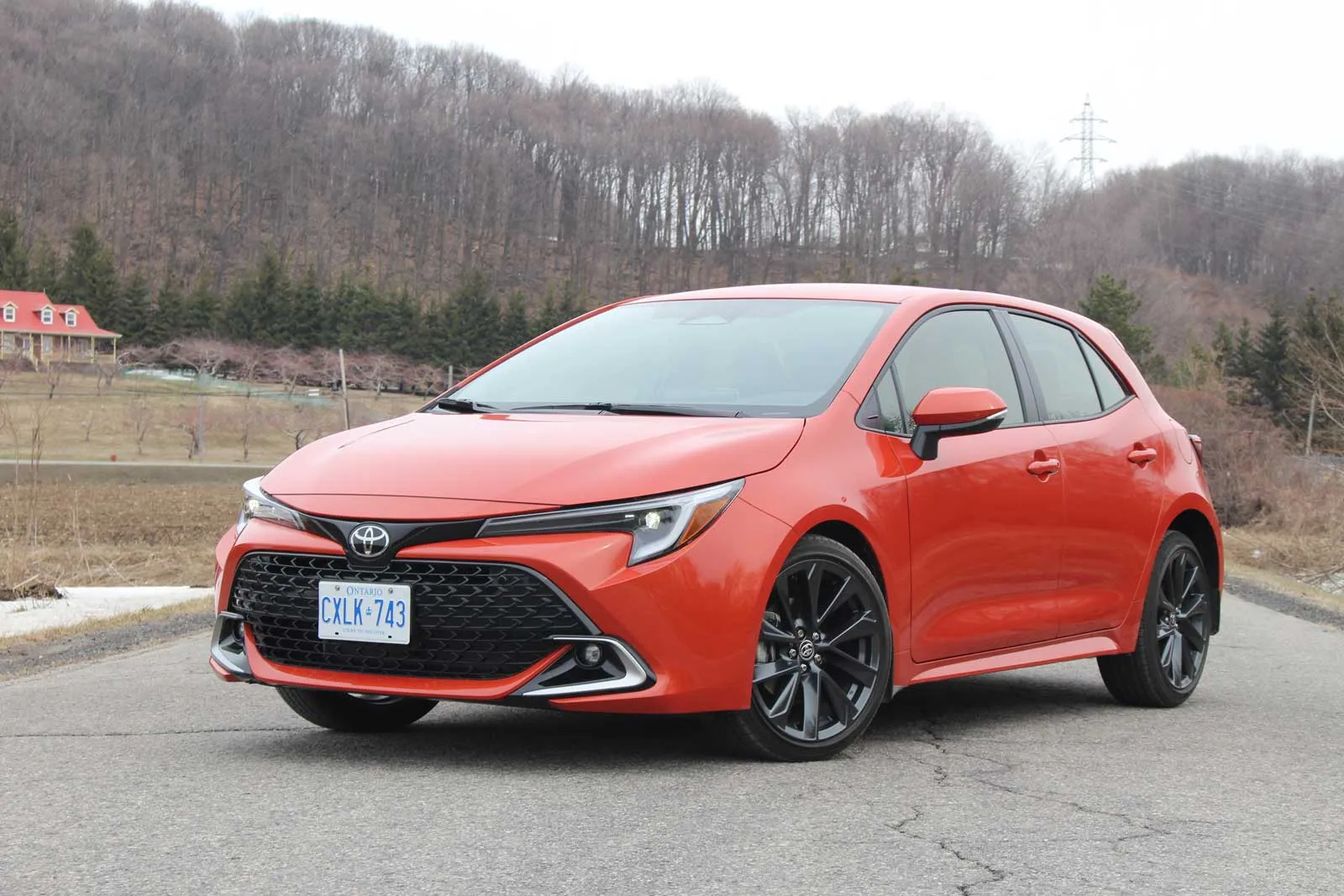
6. Volkswagen Golf: A Balanced Blend of Comfort, Space, and Agility
The Volkswagen Golf has long been a favorite in the compact hatchback segment, offering a mix of practicality, maneuverability, and comfort. Measuring 167.6 inches in length, 70.8 inches in width, and 58.2 inches in height, it is slightly smaller than the Toyota Corolla Hatchback yet spacious enough for daily use. Its dimensions make it ideal for urban driving, easy to park, and comfortable for both city commutes and highway travel.
The Golf’s handling is one of its strongest attributes, earning top marks for agility and responsiveness. Steering is light but naturally weighted, providing intuitive control without feeling twitchy. Body roll is minimal in sweeping turns, giving the car a composed and confident feel.
Acceleration, however, is modest. With 147 horsepower, the Golf is not the fastest in its class, but torque delivery and transmission tuning help offset the lower power. Braking remains a weaker area, with inconsistent pedal feedback making smooth stops tricky.
Despite its sporty handling, the Golf maintains impressive ride comfort. Its suspension absorbs bumps well, especially with the standard 16-inch wheels. Seats are height-adjustable, supportive on long drives, and comfortable for most body types, though lumbar support is limited.
Noise insulation is effective at highway speeds, muting road and wind noise, though engine sounds are noticeable at lower speeds. Climate control is basic, with no rear vents, but heated front seats are included and work well.
Inside, the Golf strikes a balance between functionality and comfort. The tall roofline allows for easy entry and generous headroom, while the driving position is excellent thanks to adjustable seating and steering.
Visibility is another strength, aided by slim pillars and large windows. Interior quality is generally good, with soft-touch materials on key surfaces, though some hard plastics and rattling panels detract from the premium feel.
Practicality is a standout feature. With 22.8 cubic feet of cargo space behind the rear seats and 53.7 cubic feet with them folded, the Golf outperforms most rivals in storage capacity.
The wide, flat cargo area, adjustable floor, and multiple storage compartments, including large door pockets and a spacious glovebox, add to its usability. Installing child seats is manageable, though the compact rear seat limits space for rear-facing setups.
The Golf’s infotainment system is modern and intuitive. The 8-inch touchscreen is sharp, responsive, and enhanced by thoughtful design touches like disappearing virtual buttons when not in use. Apple CarPlay and Android Auto are standard, though only one USB port is provided.
The audio system is average, with some rattling when the bass is high, but sufficient for most users. Safety features include blind-spot monitoring, rear cross-traffic alert, and forward collision warning with automatic braking. While helpful, the blind-spot system can react slowly, and some rivals offer a broader suite of driver aids.
The Golf continues to stand out for its spacious cargo capacity, balanced ride, and refined handling. While it falls short in raw acceleration and braking smoothness, it compensates with comfort, practicality, and ease of use. For city drivers who value maneuverability and those seeking a compact car with ample storage, the Volkswagen Golf remains a compelling and versatile option.
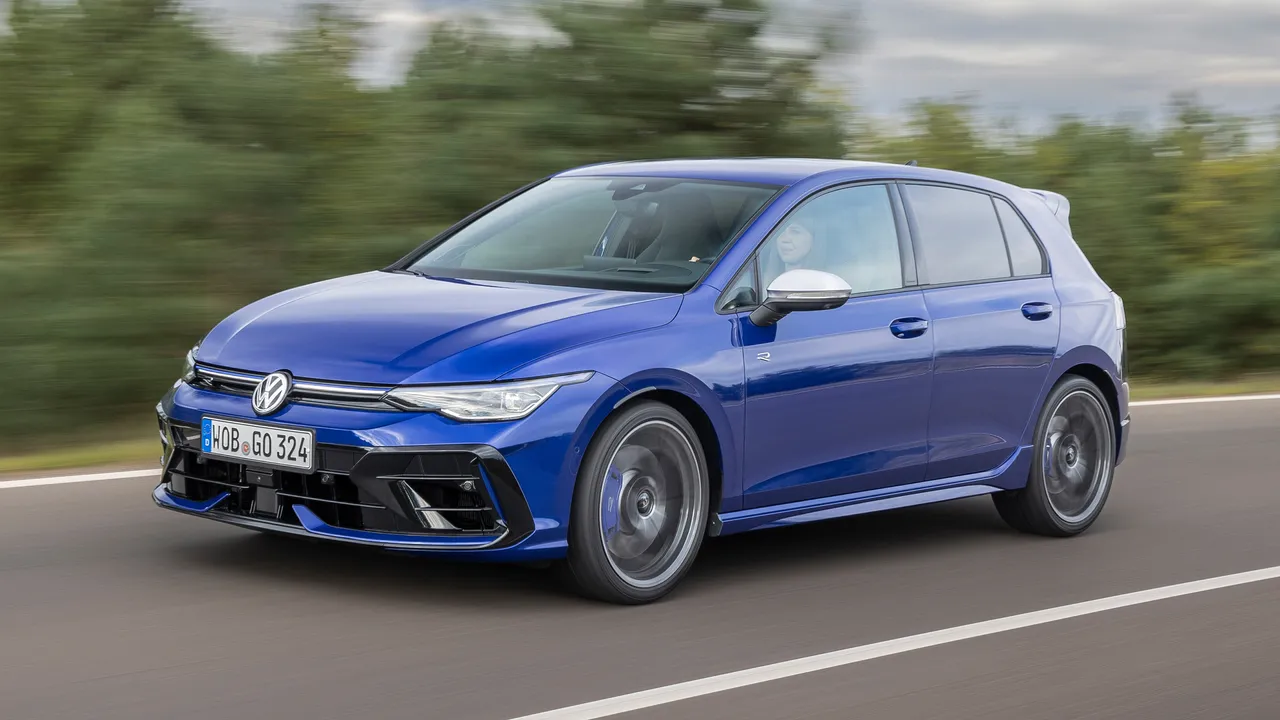
7. Ford Fiesta Hatchback: A Small Car with Big Driving Personality
The Ford Fiesta Hatchback stands out as one of the smallest and most agile vehicles in the subcompact class. Measuring 159.7 inches in length, 58.1 inches in height, and 71.6 inches in width with the mirrors folded, the Fiesta is easy to maneuver and park in tight city environments.
Its compact dimensions make it a strong candidate for urban driving, offering a balance of efficiency and sportiness that appeals to those seeking a practical yet enjoyable daily driver.
Despite modest power from its 1.6-liter four-cylinder engine, the Fiesta delivers a lively driving experience. Acceleration is average for its class, reaching 0–60 mph in 9.4 seconds, but the car’s quick and communicative steering adds genuine fun behind the wheel.
Handling is sharp and supported by a sport-tuned suspension, which makes cornering engaging even at lower speeds. The brakes are responsive and predictable, giving drivers confidence in both everyday traffic and emergency stops.
The Fiesta prioritizes sportiness over plush comfort. Seat padding is minimal, adjustability is limited, and the fabric upholstery feels basic compared to rivals. Ride quality can also feel choppy, particularly on rough pavement, partly due to the short wheelbase.
However, the Fiesta surprises with its quiet cabin. At highway speeds, engine and road noise remain well controlled, a rare strength in the subcompact segment.
Inside, the Fiesta balances functionality with small but thoughtful design elements. The Sync 3 infotainment system is easy to use, offering sharp graphics and a 6.5-inch touchscreen. Buttons and controls are well labeled, making the system straightforward even for first-time users.
Entry into the front seats is simple thanks to wide-opening doors and upright proportions, though rear passengers face tighter access and limited space. Front headroom is generous, but the narrow cabin reduces shoulder room, and rear passengers will find both head and legroom cramped. Visibility, on the other hand, is excellent, aided by slim roof pillars and large windows.
Storage space is a mixed bag. The hatchback provides better cargo capacity than the sedan version, yet competitors such as the Honda Fit still offer more versatile space. Rear seats fold, but not flat, which limits their practicality. On the plus side, small-item storage in the cabin is impressive, with multiple cupholders and accessible bins for front passengers.
Ford’s Sync system enhances the Fiesta’s value, offering intuitive voice recognition, turn-by-turn navigation, and emergency assistance. The available Sync 3 upgrade adds a modern touchscreen interface, further improving usability. For its price, the Fiesta delivers a solid package of technology, making it appealing to city drivers who want both affordability and modern convenience.
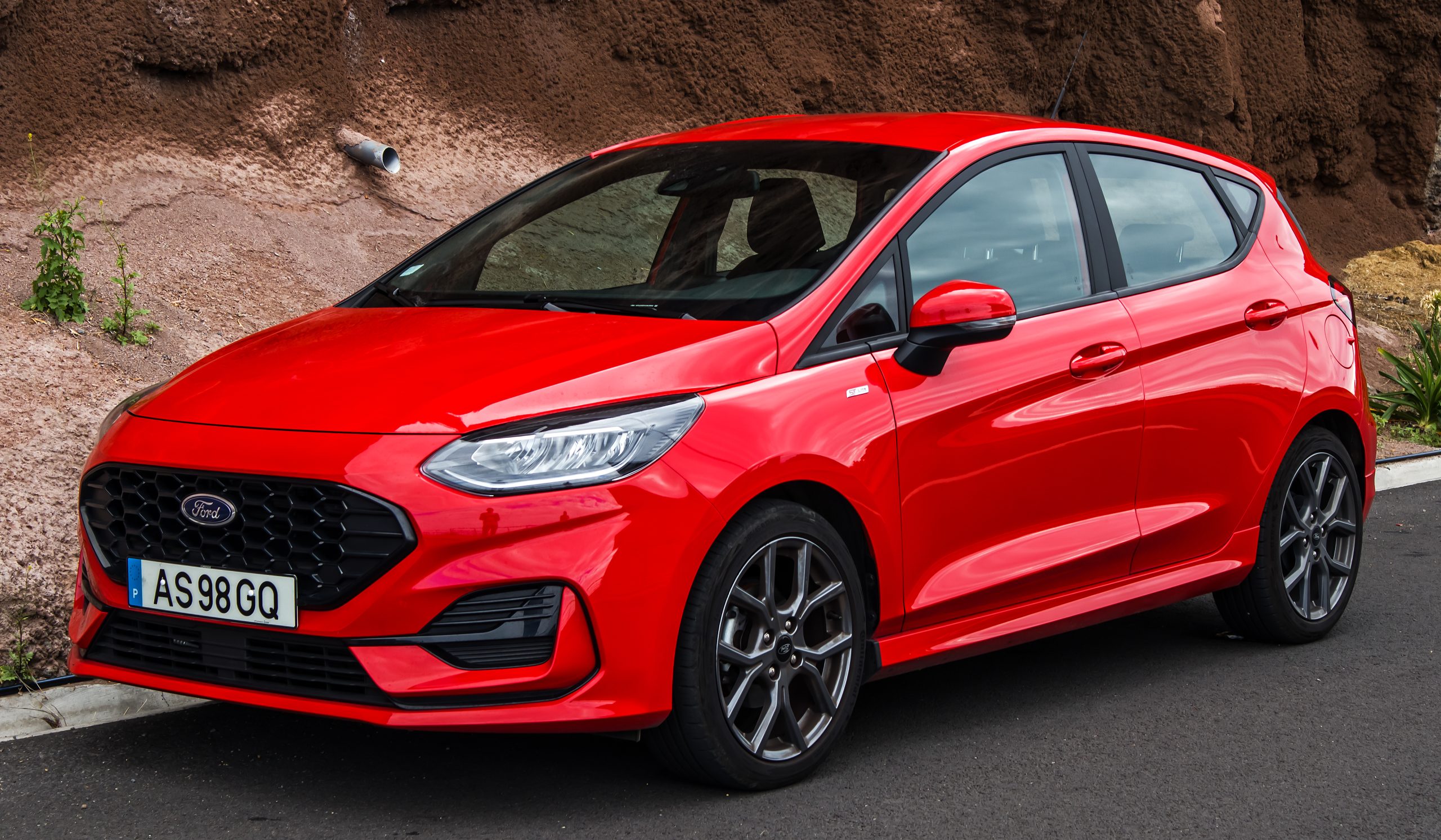
8. Honda Fit: A Cleverly Packaged and Versatile City Car
The Honda Fit stands out as one of the most practical and space-efficient cars in the subcompact class. Measuring 161.4 inches in length, 67 inches in width, and 60 inches in height, it is slightly larger than the Ford Fiesta but still compact enough to excel in tight city settings.
Its small footprint makes it easy to maneuver, while Honda’s clever design maximizes interior room, turning this hatchback into a top contender for drivers who need flexibility without sacrificing efficiency.
Powered by a 1.5-liter four-cylinder paired with a CVT automatic or an available manual transmission, the Fit delivers adequate performance for daily driving. It accelerates to 60 mph in 8.8 seconds, which is respectable in its class.
Steering is light and direct, handling is nimble, and stability at freeway speeds is impressive. While the CVT can feel a bit slow to react, drivability remains excellent with smooth controls and predictable braking. Parking is effortless thanks to short dimensions and a standard rearview camera.
The Fit provides comfort that surpasses expectations for its size. The seats are wide, moderately bolstered, and supportive for longer journeys. Ride quality is compliant, absorbing bumps without becoming too harsh, though road and wind noise are noticeable at higher speeds. At city pace, the cabin stays relatively quiet. Climate control is simple, effective, and easy to adjust with clear knob-based controls.
Interior packaging is where the Fit truly excels. Despite its compact body, it delivers generous passenger space, particularly in rear legroom that rivals much larger cars. Headroom in the back can feel limited for taller passengers, but the cabin maintains an airy and open feel.
Visibility is excellent, aided by a large windshield, slim roof pillars, and additional mirrors and camera features that address blind spots. The upright driving position and height-adjustable seat make it easy to get comfortable behind the wheel.
The Fit’s “Magic Seat” system allows for multiple cargo configurations, turning a small hatch into a surprisingly capable hauler. The seats fold flat for large items or flip up to accommodate tall objects, giving the Fit unmatched versatility in its class.
Technology includes Android Auto and Apple CarPlay on most trims, along with safety features such as forward collision warning, automatic emergency braking, lane keeping assist, and adaptive cruise control. Blind-spot monitoring is not offered, but Honda’s LaneWatch camera helps compensate.
The Honda Fit blends city-friendly dimensions with exceptional versatility and clever design. While not the quickest or quietest subcompact, its interior space, flexible cargo solutions, and dependable drivability make it one of the most practical small cars available today.
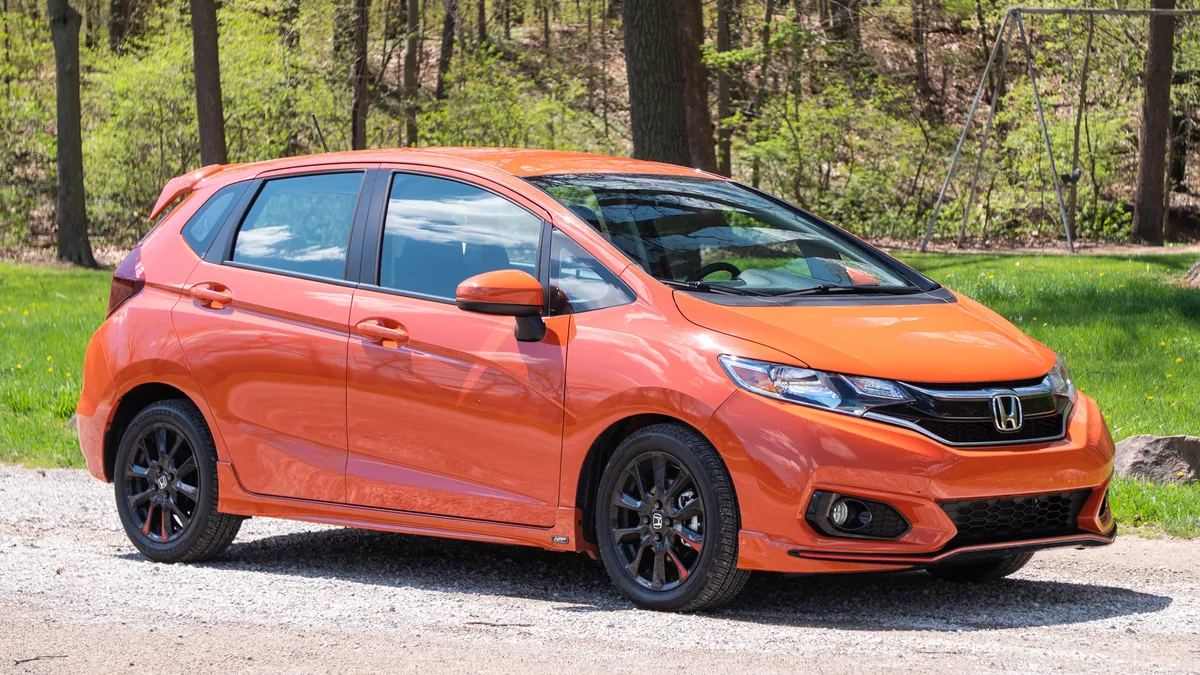
9. Hyundai Veloster: A Sporty Hatchback with Everyday Usability
The Hyundai Veloster is a unique three-door hatchback that blends sporty driving dynamics with city-friendly dimensions. Measuring 166.9 inches long, 70.9 inches wide, and 55.1 inches high, it’s not the smallest in its class but remains compact enough to maneuver easily in urban traffic and tight parking spaces.
Its unconventional styling makes it stand out, while its performance-focused engineering ensures it’s more than just a stylish city car.
The highlight of the Veloster lineup is the Veloster N, which delivers strong performance compared to other compact hatchbacks. Standard features include adaptive suspension dampers, N-specific tuning, and a limited-slip differential.
In testing, the manual version reached 60 mph in 6 seconds, while the dual-clutch automatic managed an even quicker 5.4 seconds. Strong brakes provide consistent stopping power, and handling is agile, with grip levels comparable to high-performance rivals like the Honda Civic Type R.
Despite its sporty edge, the Veloster maintains reasonable comfort for daily use. The stiff suspension becomes harsher in Sport or Sport+ mode, transmitting more bumps into the cabin, but standard driving mode strikes a balance between responsiveness and comfort. The sport seats are supportive and well-contoured, though road and tire noise are pronounced at highway speeds, which can affect long-distance comfort.
The interior benefits from Hyundai’s clever packaging. The driver’s long door can be inconvenient in tight spaces, but the dual passenger-side doors improve rear-seat accessibility. Cabin space is adequate for both front and rear passengers, with a low and sporty driving position that enhances the car’s character. Visibility is good forward, though thick rear pillars create blind spots.
On the technology front, the Veloster comes standard with an 8-inch touchscreen, Apple CarPlay, Android Auto, navigation, and an Infinity sound system. Safety features include blind-spot monitoring, lane-keeping assist, and rear cross-traffic alert, though adaptive cruise control is missing.
Cargo capacity is solid at 19.9 cubic feet, though the high trunk lip makes loading less convenient. Cabin storage is reasonable, with large front compartments and cupholders, though rear storage is limited. Fuel economy for the manual version averages 25 mpg combined, while the automatic achieves up to 30 mpg on real-world routes, balancing performance with efficiency.
The Veloster delivers strong value with competitive pricing, solid build quality, and Hyundai’s class-leading 10-year/100,000-mile powertrain warranty. Its mix of performance, practicality, and standout styling makes it a compelling choice for drivers seeking both fun and function in a compact package.
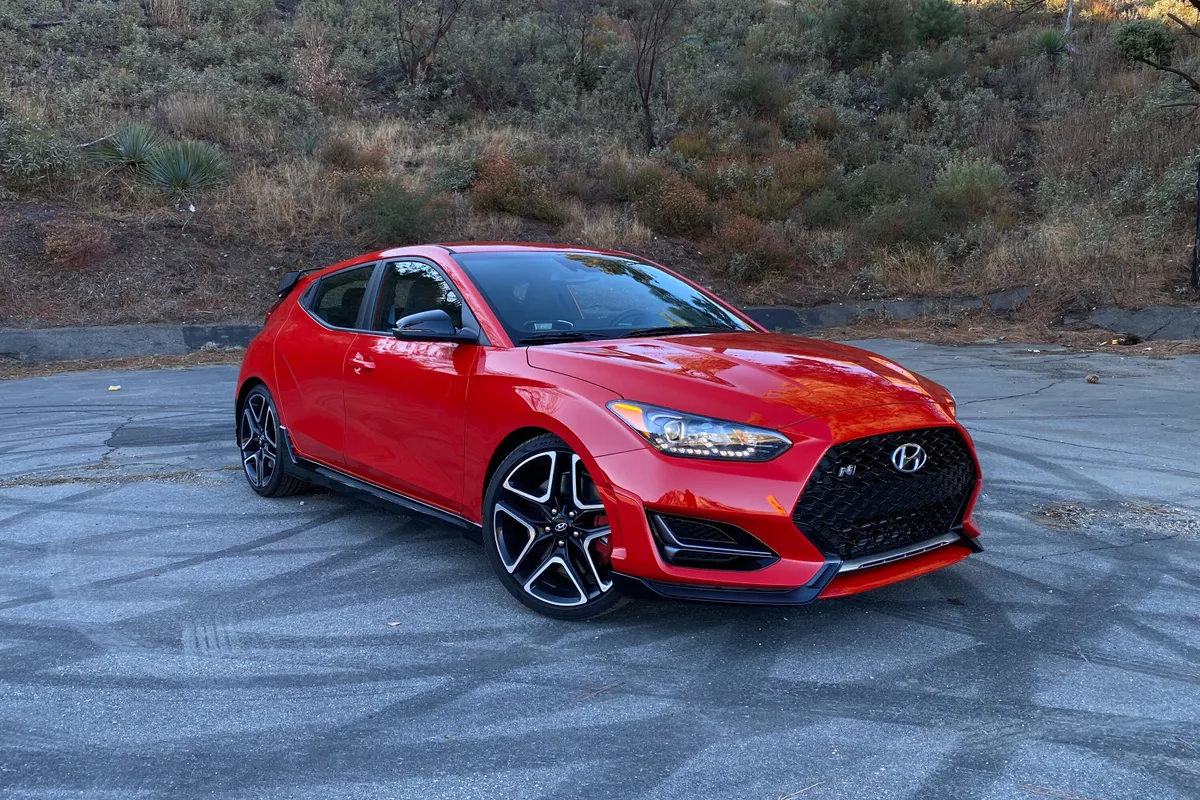
10. Chevrolet Spark: A Compact Urban Commuter
The Chevrolet Spark is one of the smallest vehicles available today, measuring 143.1 inches long, 62.8 inches wide, and 58.4 inches high. Its petite size places it just slightly larger than the FIAT 500 and the Smart Fortwo, making it an excellent candidate for city life. With effortless parking ability, excellent visibility, and maneuverability, the Spark takes much of the frustration out of urban driving.
The Spark is powered by a small four-cylinder engine that performs best in city conditions. Acceleration is sluggish compared to rivals, taking more than 11 seconds to reach 60 mph with the CVT automatic. While this makes highway merging and overtaking more challenging, its nimbleness around town is a redeeming quality.
The ride is surprisingly composed for a car of its size, and the Spark remains well-mannered when weaving through traffic or maneuvering into tight parking spaces.
Inside, the Spark prioritizes function over luxury, but it manages to deliver reasonable comfort for daily commuting. The upright seating position makes the cabin feel slightly more spacious than its dimensions suggest.
However, lateral seat support is minimal, and the rear seats are best suited for children or shorter passengers due to limited legroom. Noise levels are higher than in larger vehicles, yet this is common in the subcompact category.
The interior design of the Spark is simple yet practical. A tall roofline allows for easy entry and good visibility, a valuable trait in dense traffic. Storage, however, is limited. Cargo space behind the rear seats is tight, but folding the seats down creates enough room for grocery runs and smaller errands. Competing models may offer more utility, yet the Spark remains adequate for drivers with modest storage needs.
One of Spark’s strongest points is its in-car technology. Every model comes standard with a user-friendly infotainment system featuring Apple CarPlay and Android Auto.
The touchscreen has sharp graphics and intuitive menus, enhancing the driving experience despite the car’s budget-friendly positioning. Optional features include Wi-Fi connectivity through OnStar, further adding to its appeal for tech-savvy urban drivers.
While it may lack the power and spaciousness of larger subcompacts, the Chevrolet Spark stands out as an affordable, efficient, and well-equipped choice. For city dwellers seeking practicality, modern connectivity, and fuel savings in a compact package, the Spark offers an appealing solution.
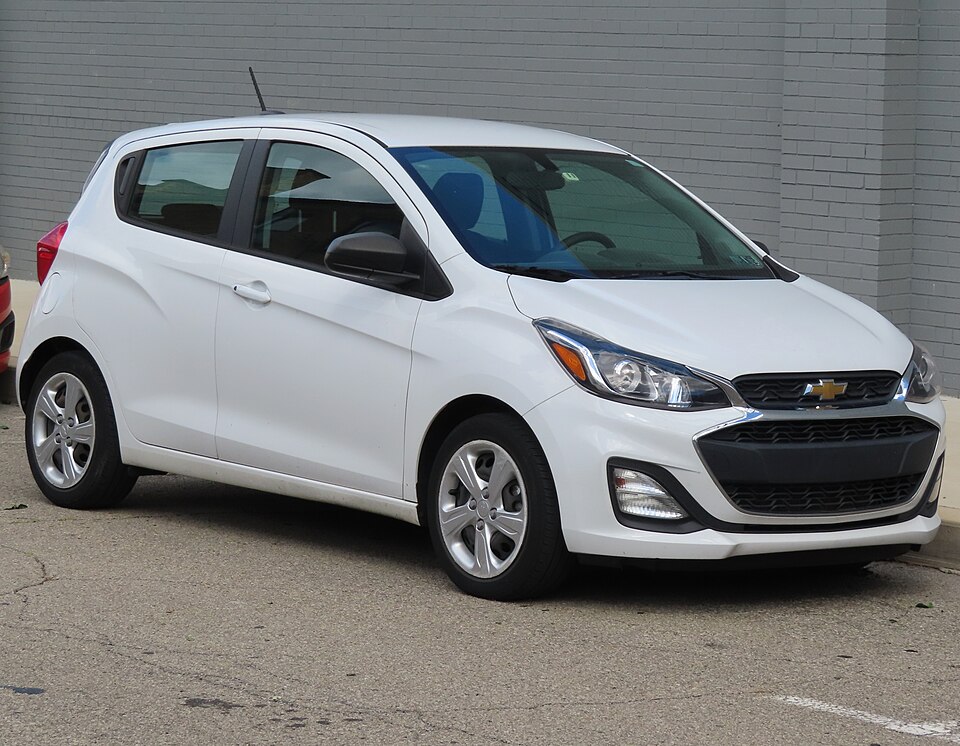
Also Read: 5 Vehicles With Bulletproof Transmissions and 5 With Gearboxes That Fail Early
10 That Break Down In Traffic
1. Jeep Wrangler: Off-Road Icon with Reliability Concerns
The Jeep Wrangler is a legendary off-roader with roots deeply tied to American automotive culture. Known for its rugged styling, open-air design, and unmatched trail capability, it continues to attract buyers who want adventure-ready performance.
Yet, while the Wrangler shines on dirt and rocky terrain, it falters when used as a daily driver due to rough ride quality, poor fuel efficiency, and an ongoing history of recalls and reliability issues.
RepairPal assigns the Wrangler a reliability score of 3.5 out of 5.0, ranking it near the bottom of compact SUVs. Owners can expect average yearly maintenance costs of about $694, with estimated expenses of $2,755 over five years of ownership.
The vehicle has been subject to 41 recalls in its history, some minor and others posing serious safety risks. Issues have ranged from faulty welds in the axles to clutch components overheating and creating a fire hazard.
Despite these concerns, Wrangler loyalty remains strong. In past surveys, 74 percent of owners said they would purchase the vehicle again, highlighting the brand’s emotional appeal. Many are willing to overlook the higher risks of repair and reliability problems in exchange for the Wrangler’s unique character and off-road strengths.
The Wrangler’s safety performance has also been questioned. In a side-impact crash test of the 2022 four-door model, the IIHS downgraded its score after the vehicle tipped onto its passenger side. Structural weaknesses have been cited as a concern, particularly with stability and crash risk.
The 2023 Wrangler has already faced four recalls. These include overheating battery packs in plug-in hybrid models, unexpected engine shutdowns, fuel tank puncture risks, and obstructed brake lights. Earlier models, such as the 2020 Wrangler, were plagued with as many as seven recalls, including axle separation risks and widespread clutch-related fire hazards affecting more than 30,000 vehicles.
On paved roads, the Wrangler shows its compromises. Ride quality is stiff and often described as punishing, while handling feels less refined than rivals. Fuel economy continues to disappoint, with older models averaging just 17 mpg and the latest models reaching only 21 mpg combined. City driving poses further challenges due to its wide stance, poor maneuverability, and lack of smooth acceleration.
Inside, the Wrangler blends rugged charm with modern convenience. It offers Jeep’s intuitive Uconnect infotainment system, user-friendly controls, and a design that embraces its adventurous roots. However, interior build quality has been inconsistent.
Consumer Reports notes dissatisfaction among owners regarding seats, climate control, and noise levels. Electrical faults, suspension issues, and occasional transmission problems further weaken the Wrangler’s reputation for dependability.
The Jeep Wrangler remains an icon for those who prioritize adventure over comfort. Its bold design, trail-conquering ability, and heritage make it appealing to enthusiasts. Yet, buyers should approach with caution.
High recall numbers, questionable safety ratings, and costly potential repairs place it behind competitors in reliability. For drivers who want a dependable city or highway vehicle, the Wrangler may not be the best fit. But for those chasing off-road capability above all else, it still delivers a unique and thrilling experience.
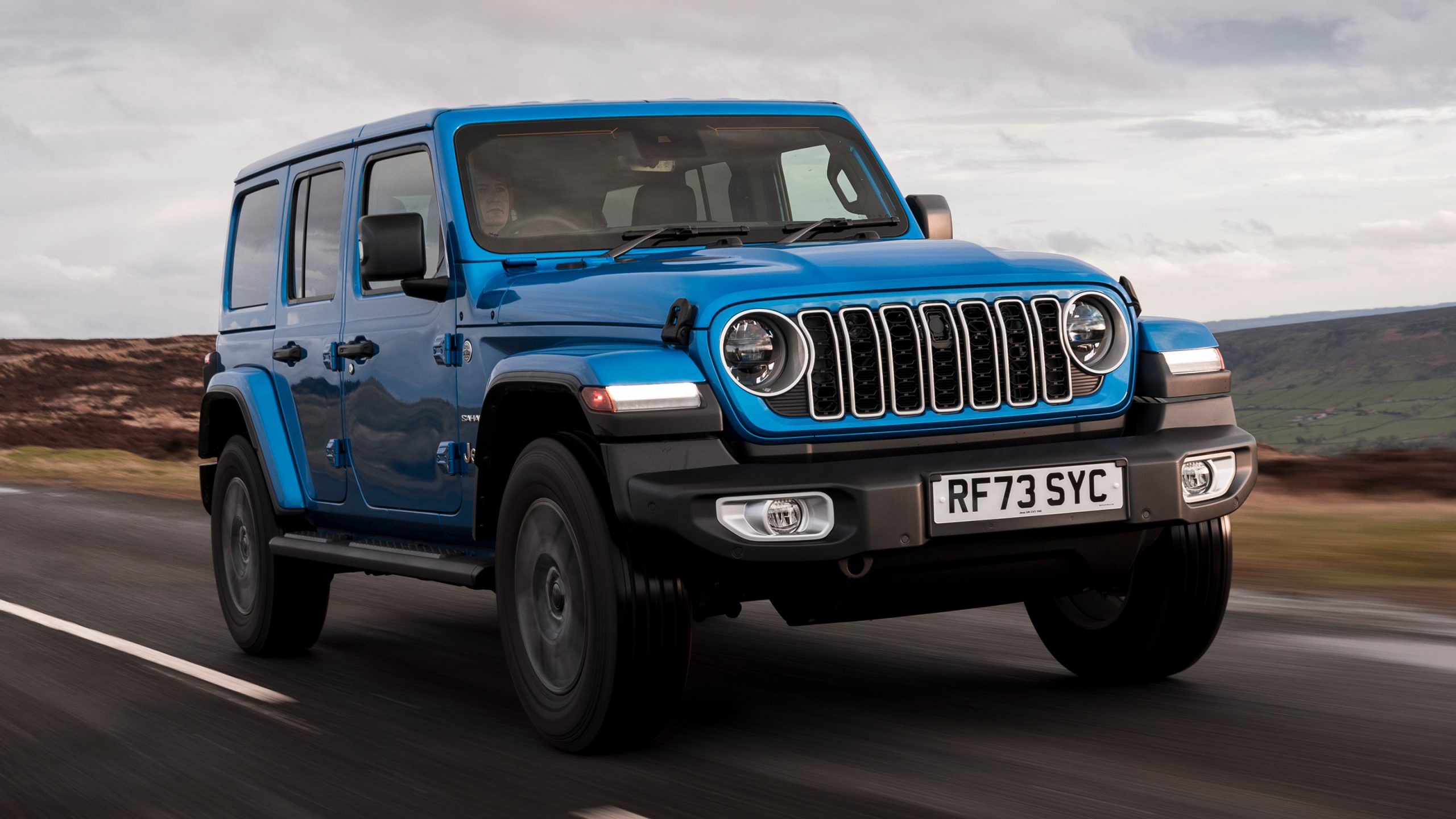
2. Dodge Charger: Muscle Car Power with Costly Reliability Concerns
The Dodge Charger is one of America’s most recognizable muscle cars, celebrated for its bold design, powerful engines, and presence on open highways. However, its size and heavy steering make it less practical for urban driving, where maneuverability and efficiency are key. Beyond drivability, the Charger has faced recurring reliability issues that potential buyers should be aware of, especially in certain model years.
One of the most severe issues tied to the Charger is premature engine failure, often requiring a full rebuild or replacement rather than simple repairs. This problem is more common in model years that experts recommend avoiding.
Powertrain troubles also extend to PCM/TCM malfunctions, causing rough or shuddering gear shifts in models from 2006–2013, as well as 2015 and 2017. While some cases can be resolved with software updates, others lead to expensive repairs.
Another widespread frustration is the sticky gear shift, which can become stuck in park due to design flaws. Although not catastrophic, it can be inconvenient and time-consuming to deal with.
The Charger’s suspension system has been prone to premature wear, particularly with tie rods, stabilizer pins, and ball joints. These failures shorten vehicle lifespan and drive up maintenance costs. On the braking side, the 2019 Charger faced notable complaints, including excessive vibrations, broken rotors, and ill-fitting pads, raising both performance and safety concerns.
Electrical system issues have repeatedly troubled the Charger. The 2008 model in particular suffered from ignition malfunctions, sometimes preventing the engine from starting.
The 2011 model year also stood out for widespread alternator failures, often preceded by a burning rubber smell before total electrical shutdown. Chrysler issued recalls for affected models, but alternator replacements can still cost several hundred dollars.
Seventh-generation Chargers (2011–2021) introduced an unusual issue: melting or warping door panels. Heat exposure caused panels to deform or detach, sometimes alarming owners who mistook it for break-ins. The problem has been linked to poor materials and installation, with demand for replacement parts overwhelming supply.
The Dodge Charger remains a head-turning icon of American muscle, delivering exhilarating performance on the open road. Yet, buyers must weigh that appeal against its long list of potential pitfalls, from costly engine failures to suspension and electrical flaws.
For enthusiasts willing to accept higher risks and maintenance costs, the Charger still delivers unmatched road presence. For those seeking long-term dependability, caution is advised when choosing specific model years.
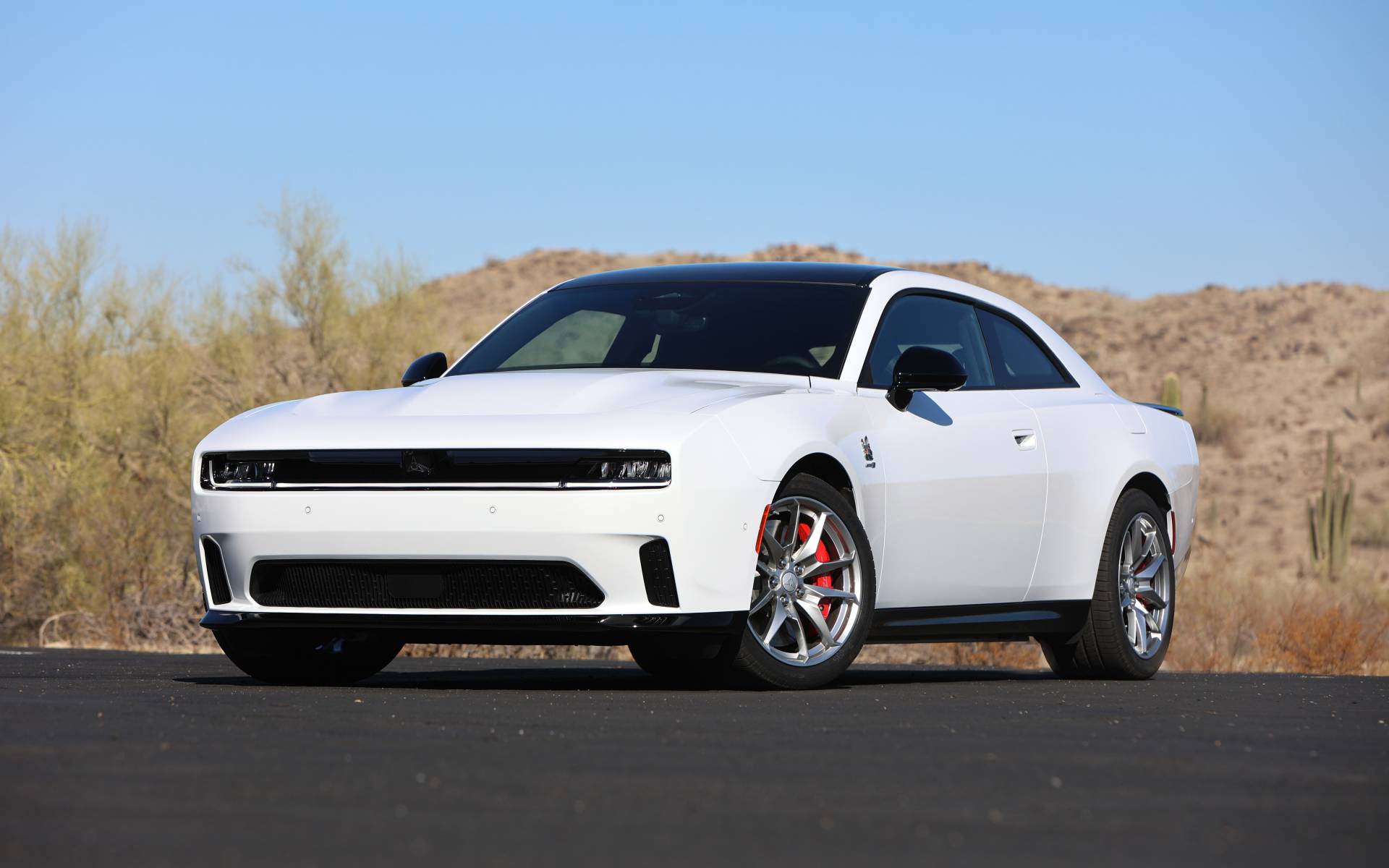
3. Ford F-350: Heavy-Duty Power, City Driving Struggles
The Ford F-350 is a true workhorse, built for towing and hauling with a payload capacity of up to 8,000 pounds. While unmatched in strength, its immense size and heavy-duty design make it highly impractical for daily commuting or city use.
Stretching more than 21 feet long and over 6.5 feet wide, the F-350 dominates road space, making tight corners, U-turns, and parking in standard spots a challenge. Its wide turning radius further complicates city driving, and despite large windows and mirrors, the truck suffers from blind spots that add to driver stress in close quarters.
The F-350’s suspension is engineered for heavy loads, not comfort. When unloaded, the ride feels bouncy and unsettled, which can be jarring on uneven city pavement. Braking is also more demanding compared to lighter vehicles, requiring longer stopping distances. In collisions, the truck’s rigid body design may transfer more crash energy to occupants, raising safety concerns in urban traffic.
Fuel economy is one of the F-350’s biggest drawbacks. Built for power rather than efficiency, it consumes far more fuel than half-ton pickups, especially in stop-and-go conditions. Short urban trips are also hard on their diesel engines, as emissions systems work best when fully warmed up. Frequent low-speed driving risks clogging these systems, leading to expensive maintenance.
The F-350 excels at jobs that require towing or hauling at maximum capacity. However, for drivers who rarely need such capabilities, it offers little benefit in city traffic. Its size, fuel costs, and maintenance demands make it unnecessary for everyday tasks, better suited to worksites and open roads than congested streets.
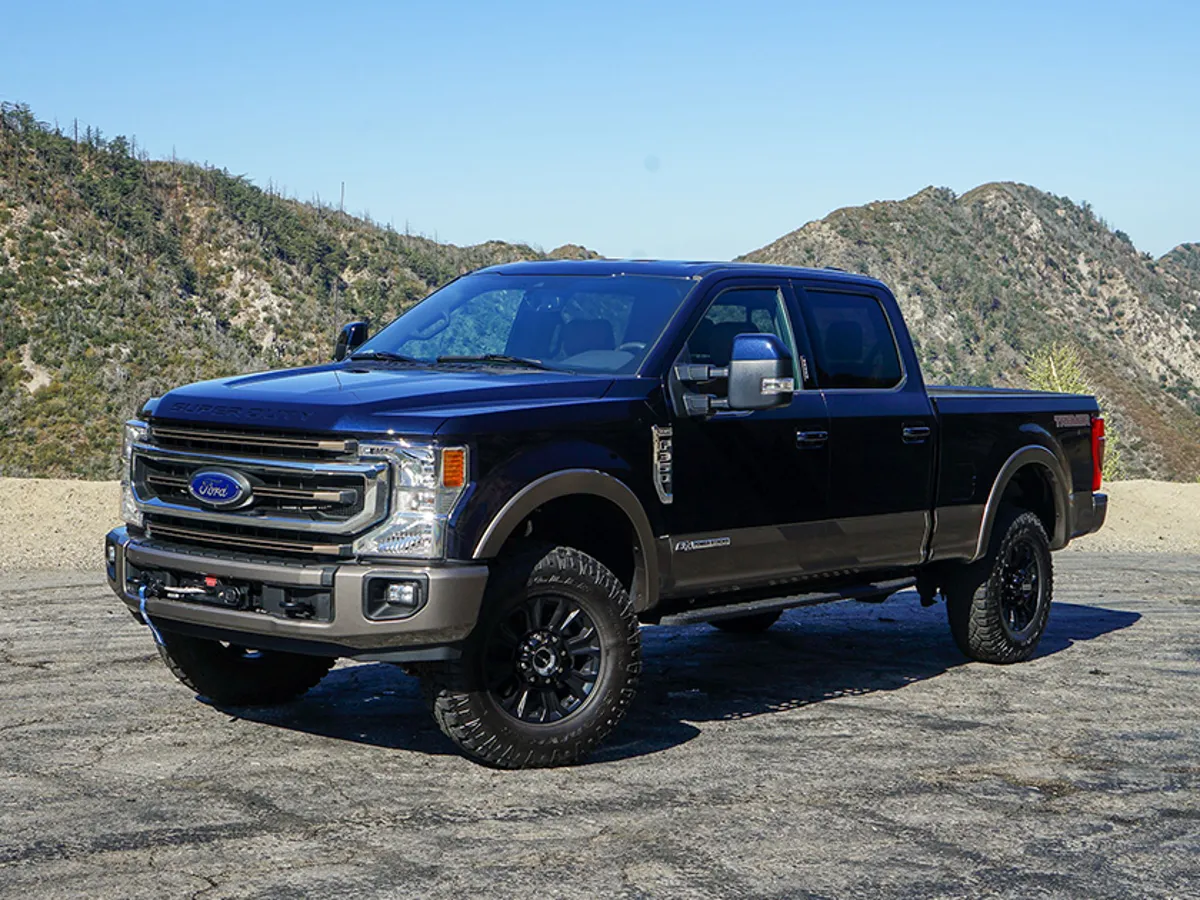
4. Ford Mustang: Iconic Muscle, but Challenging in the City
The Ford Mustang is one of America’s most iconic sports cars, celebrated for its power and aggressive styling. While it excels on open highways and winding country roads, it presents notable challenges as a city commuter.
The Mustang’s design prioritizes style and performance over practicality. Its long hood and small rear windows limit visibility, while the wide turning radius makes tight corners and parking more difficult in urban settings. These traits contribute to added stress when driving in dense traffic.
The Mustang’s powerful engines send torque to the rear wheels, which can lead to traction loss if the driver applies too much throttle. Quick accelerations from a standstill may cause the car to slide or spin, particularly for less experienced drivers. Older models with solid rear axles are even less forgiving, feeling unstable during sudden maneuvers compared to modern Mustangs with independent rear suspensions.
High-performance Mustangs require skill and restraint. Many accidents linked to the car occur when drivers underestimate its power, particularly in social settings like car meets. Sudden throttle inputs combined with limited experience often result in loss of control, fueling the Mustang’s reputation for spinning out.
Performance-focused design comes at the cost of comfort. Some GT models deliver harsh shifts and high RPMs in stop-and-go conditions, while manual transmission versions may have heavy clutches with tricky engagement points. These factors make daily commuting less smooth, especially in heavy traffic.
The Mustang thrives when driven as intended: cruising highways or enjoying spirited drives on open roads. In city environments, however, its visibility issues, firm ride, and powerful RWD setup make it less practical and more demanding compared to smaller, more manageable vehicles.
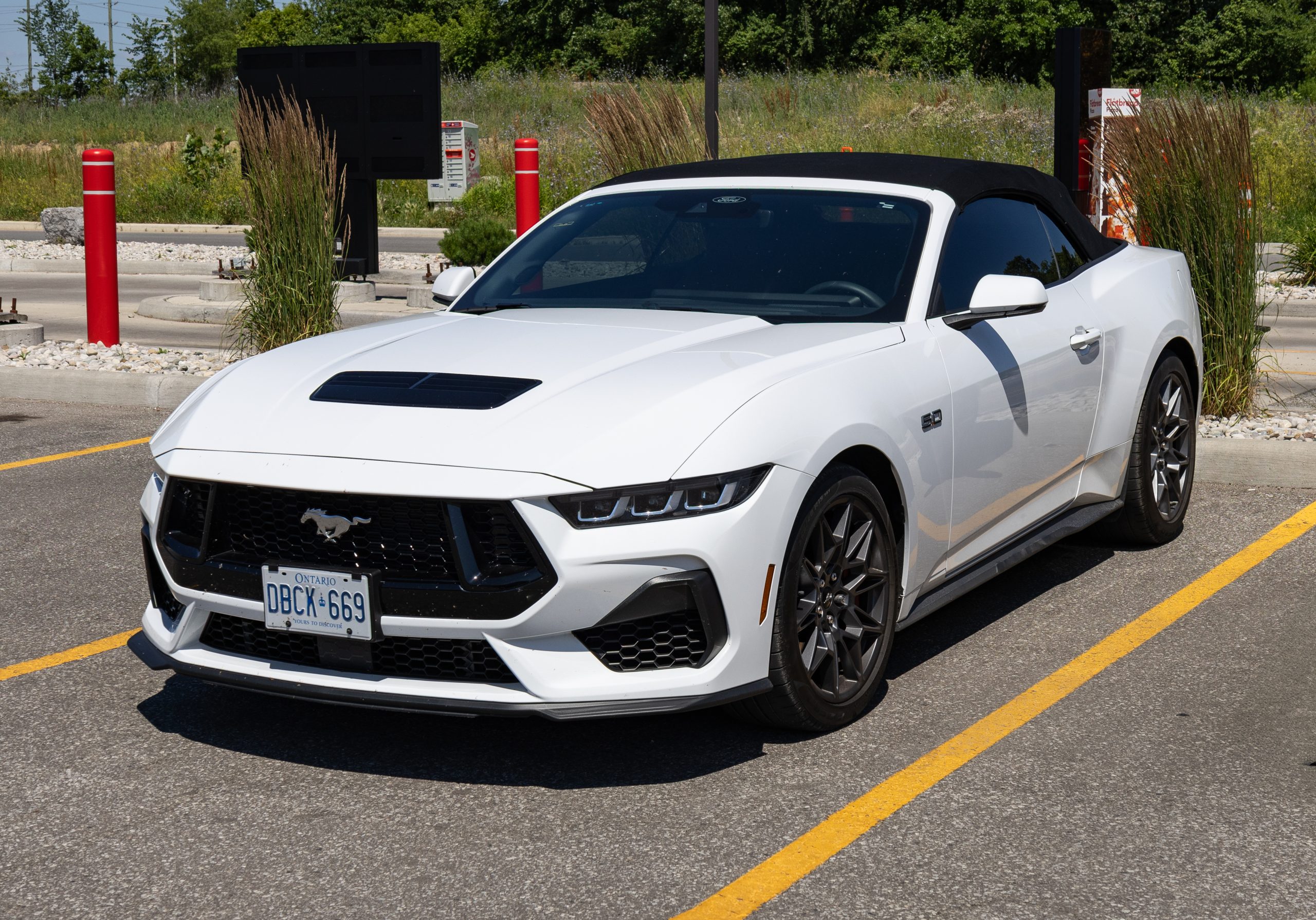
5. Chevrolet Suburban: A Heavyweight SUV with City Driving Challenges
The Chevrolet Suburban has long been a staple of American family life, offering generous space, powerful engines, and durability for suburban and long-haul use. Yet, its massive size and common mechanical issues make it poorly suited for city driving, where maneuverability, efficiency, and reliability are key.
Stretching over 18 feet in length and nearly 7 feet in width, the Suburban dominates the road. While this provides interior comfort and cargo capacity, it makes parallel parking, tight turns, and narrow lanes difficult. Stop-and-go traffic also puts additional strain on the SUV’s mechanical systems, increasing the risk of breakdowns.
Recent Suburban models, including the 2021 version, have faced engine lifter failures, which can cause the vehicle to stall suddenly and fail to restart. Other issues include overheating in congested conditions, often due to low coolant, radiator malfunctions, or faulty thermostats.
Stalling is also common, triggered by fuel pump failures, clogged filters, or ignition component wear. These problems can make the Suburban unpredictable in traffic.
Fuel delivery issues are a recurring problem. Failed pumps, clogged filters, and malfunctioning sensors can lead to poor performance, misfires, or complete engine shutdowns. Electrical malfunctions add another layer of risk. Faulty ignition switches, crankshaft position sensors, and body control modules have all been linked to sudden stalling, sometimes while leaving electrical accessories powered.
The Suburban’s transmission has been reported to suffer from rough shifting, hesitation, and delayed acceleration. In heavy traffic, this can be frustrating and potentially unsafe. Moreover, constant braking and accelerating accelerate wear on brakes, tires, and other components, raising maintenance costs.
Owners can reduce risks by adhering to routine maintenance, including regular oil changes, coolant checks, and timely replacement of filters and worn parts. Addressing dashboard warning lights immediately and paying attention to unusual noises can prevent small issues from escalating into costly repairs.
The Suburban remains a reliable option for families needing maximum space, towing ability, and durability in less crowded environments. However, its size, mechanical vulnerabilities, and high operating costs make it ill-suited for congested city driving. Those who rarely haul or tow may find smaller SUVs more practical and less stressful in urban settings.
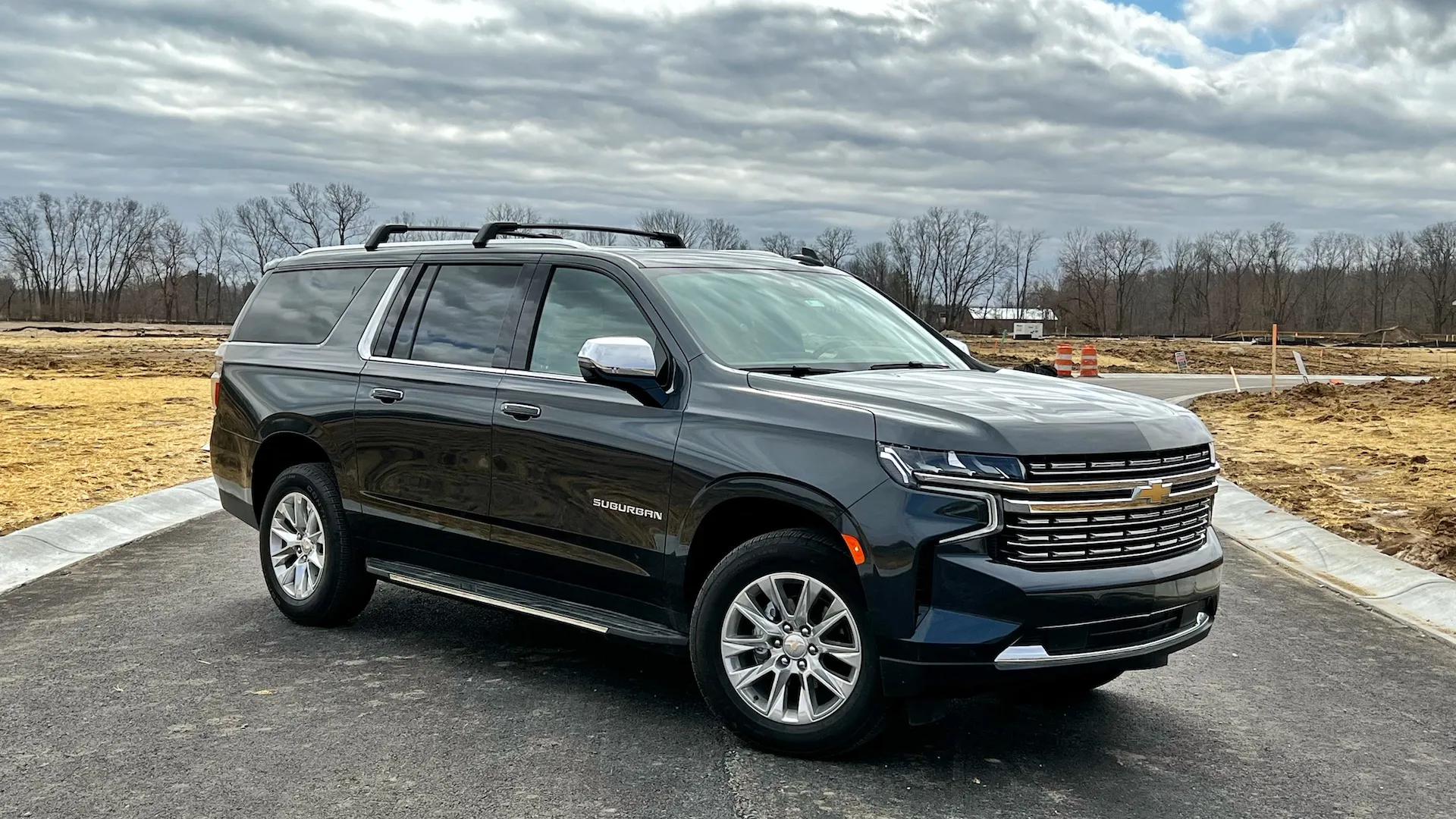
6. Dodge Challenger: A Muscle Car That Struggles in the City
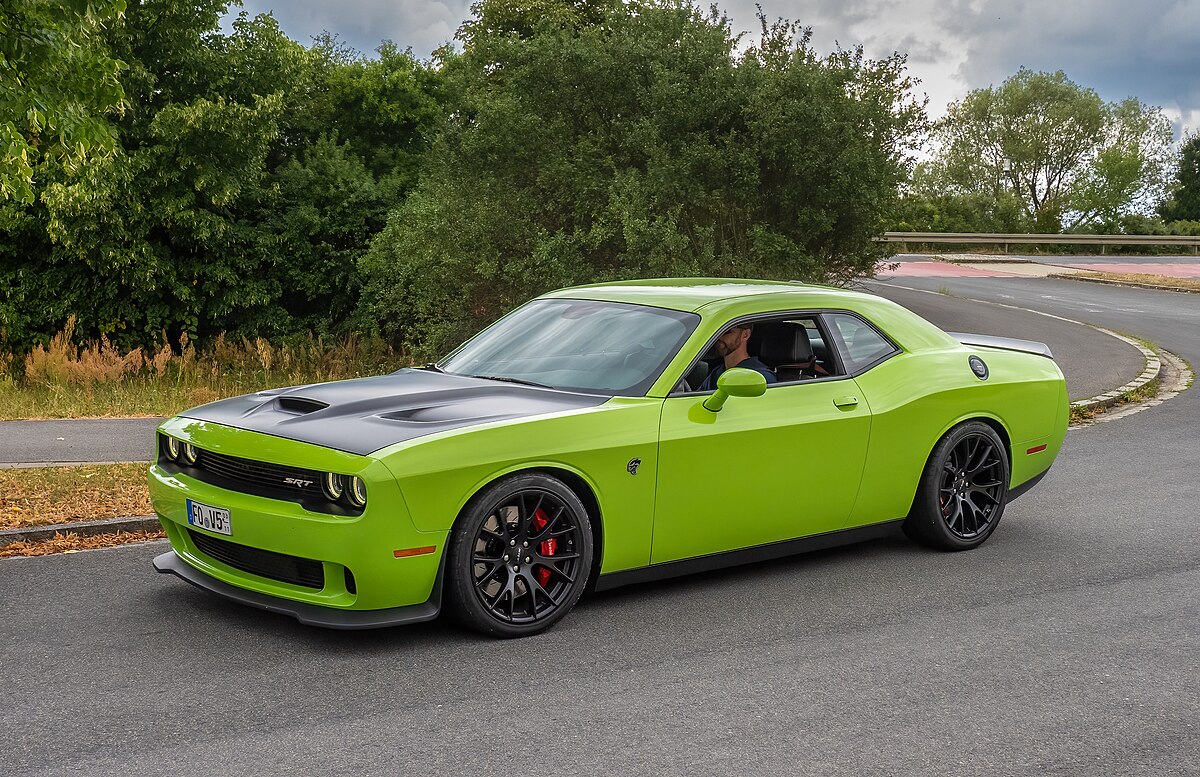
The Dodge Challenger is an icon of American muscle, delivering aggressive styling and big power. But its size, weight, and design make it a poor fit for urban driving. Its wide body creates headaches in narrow lanes, visibility is limited, fuel economy is dismal, and handling in traffic feels heavy and unrefined.
Beyond these daily driving inconveniences, certain Challenger model years have been plagued by stalling and breakdown issues linked to electrical, engine, fuel, and transmission problems.
One of the most common causes of breakdowns involves the Challenger’s electrical system. Faulty alternators have been known to fail without warning, sometimes preceded by a burning smell or squealing noises, leaving the car unable to restart. Some years were recalled due to widespread alternator issues.
Another recurring problem involves the Totally Integrated Power Module (TIPM), which governs nearly all vehicle electronics. A failed TIPM can cause the engine to stall, the starter to fail, or other random malfunctions. Wiring harness problems, including loose or corroded connections, can also disrupt ignition circuits and cause unexpected shutdowns.
Engine-related failures are another source of frustration. Owners have reported sudden stalling, often while slowing or turning, which results in a dangerous loss of steering and braking assistance. Faulty oxygen or mass airflow sensors can throw off the engine’s air-to-fuel balance, leading to stalls at low speeds or idle.
The crankshaft position sensor is another weak spot, capable of shutting down the engine entirely. A failing idle air control actuator may also prevent proper idle regulation, causing the car to die when coming to a stop.
Fuel system failures are equally common. Malfunctioning fuel pumps can cause catastrophic stalls by depriving the engine of fuel pressure, with some drivers reporting abrupt shutdowns while driving. Dirty or faulty injectors can further disrupt fuel delivery, particularly at low speeds, contributing to rough performance or stalling.
Transmission flaws add yet another layer of risk. Automatic Challengers with faulty torque converters or low fluid levels can lose power at low speeds, cutting the engine entirely. Manual transmission owners have reported gear hesitation, particularly when cold, making smooth operation in traffic difficult.
While the Dodge Challenger delivers thrilling performance on open roads, its bulk, poor visibility, and vulnerability to breakdowns make it one of the least practical cars for urban life. Drivers seeking a daily commuter may want to admire the Challenger’s muscle from afar rather than wrestle with it in city traffic.
7. Tesla Model X: High-Tech but Clumsy in the City
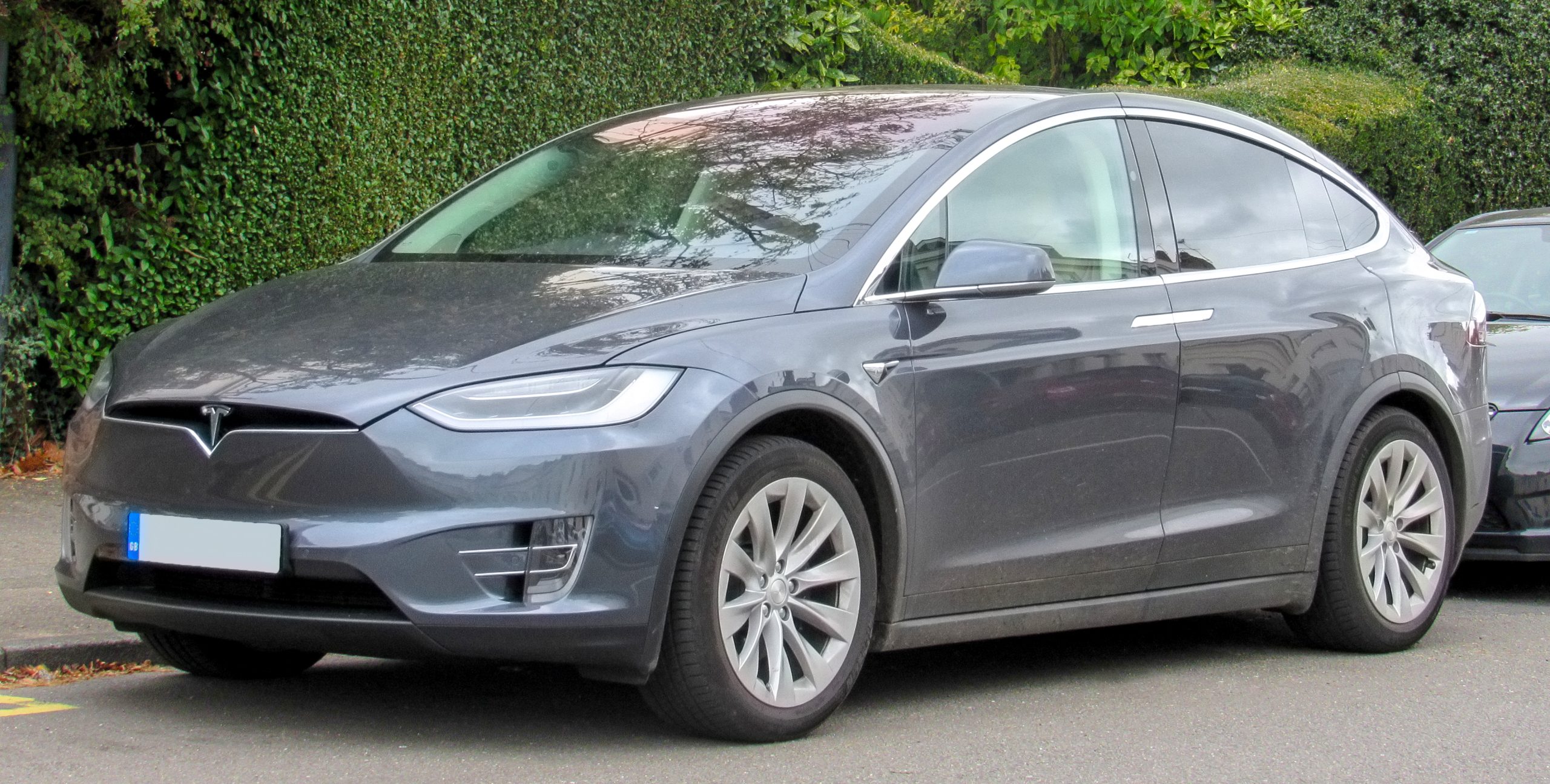
The Tesla Model X is a showcase of futuristic technology, with electric efficiency, striking design, and features like Falcon-wing doors that set it apart from other SUVs. Yet, when it comes to city driving, this large, heavy vehicle brings some real-world challenges.
Its size makes maneuvering through tight lanes and parking spaces difficult, and the unique doors, though dramatic, are impractical in cramped urban settings where clearance is limited. The bigger concern, however, is how its driver-assistance systems perform in dense traffic.
The Tesla Model X’s most talked-about features are its Autopilot and Full Self-Driving (FSD) systems, but they don’t always shine in stop-and-go traffic. Drivers report that braking can be abrupt or delayed, creating a jerky “rubber-banding” effect.
In complex urban environments, the system can misread signals, stop at green lights, or struggle with poorly marked lanes. Low-speed maneuvering is often uncomfortable, with Autopilot applying inconsistent throttle and braking inputs.
Investigations by the NHTSA have highlighted the risk of driver over-reliance. Because Tesla’s system does not always ensure active driver engagement, some motorists disengage from the task of driving, leading to avoidable crashes when the system encounters conditions it cannot handle. Weather, glare, or obstructed cameras can further degrade its performance, reinforcing the need for constant human supervision.
Beyond its software quirks, the Model X has design elements that complicate life in traffic. Nearly all functions are accessed via the central touchscreen, requiring drivers to look away from the road even for small adjustments.
Visibility is another weak point. Large pillars and a high seating position restrict the rear view, which can be a real problem in crowded city driving. The vehicle’s sheer bulk also makes it harder to weave through lanes or squeeze into tight parking spots.
Although regenerative braking allows for smooth one-pedal driving, the Model X’s heavy weight and constant acceleration cycles in traffic consume more energy than many drivers expect. While it is still more efficient than a gasoline SUV, it is less frugal in city use compared to smaller EVs.
The Tesla Model X can certainly manage traffic, and its technology makes long-distance cruising a breeze. But in city settings, the mix of bulky proportions, impractical doors, distracting controls, and inconsistent driver-assist behavior makes it less than ideal for daily commuting.
8. Hummer: Military Roots, Urban Struggles
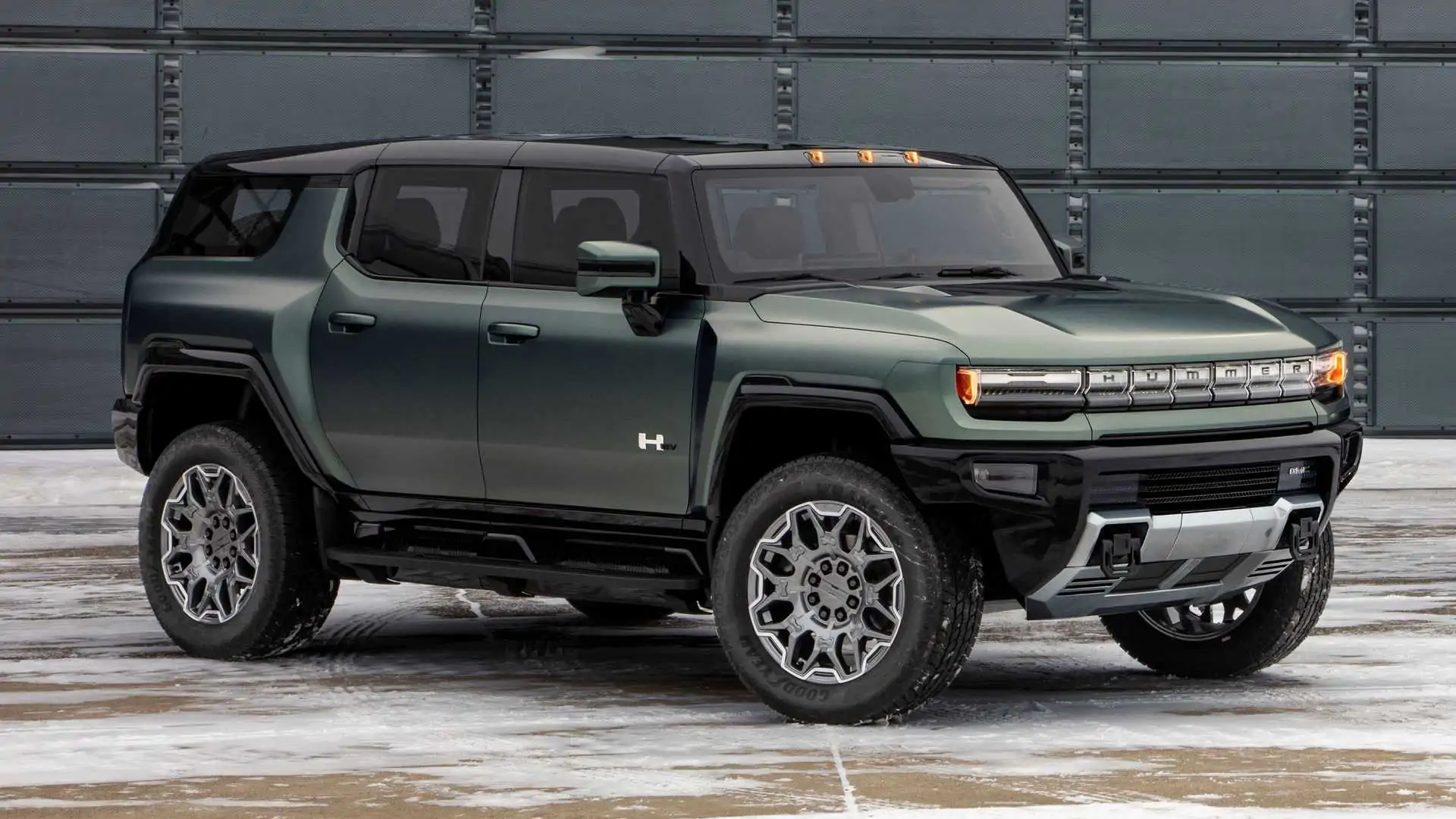
The Hummer, especially in its modern EV form, embodies toughness and excess, but those same qualities make it a poor fit for city driving. Its sheer size makes parking and maneuvering through narrow lanes exhausting, while its weight and inefficiency create headaches in stop-and-go traffic.
Beyond these physical drawbacks, owners have reported frequent reliability issues tied to the Hummer’s complex electronics and software systems.
One of the most alarming issues with the Hummer EV is the sudden loss of drive power. Drivers have reported the vehicle shutting down entirely, sometimes locking into a “safe mode” that prevents gear changes.
Others have encountered a barrage of error messages, such as “4WD unavailable” or “leveling system unavailable,” that render core functions unreliable. In some cases, only a full system reboot or battery disconnect has restored drivability.
Battery integrity has also been a concern. A recall for certain 2022–2023 models addressed seal failures that allowed water to enter the battery pack, raising the risk of shutdown. Problems with the smaller 12V battery have also surfaced, sometimes linked to vehicles sitting in storage for extended periods. These failures can cause critical systems to malfunction, compounding the risk of a breakdown in traffic.
The Hummer’s bulk and complexity introduce further vulnerabilities. Reports of suspension problems, including tie rod failures, have left some vehicles undrivable. Its sophisticated air suspension and advanced drivetrain bring impressive capability but also add more points of potential failure compared to simpler vehicles.
While the Hummer delivers presence and off-road performance, its size, inefficiency, and reliability concerns make it a frustrating choice for city dwellers. In heavy traffic, the combination of software glitches, battery risks, and mechanical failures can turn this urban tank into a liability.
9. Toyota Land Cruiser: Off-Road Icon, Urban Burden
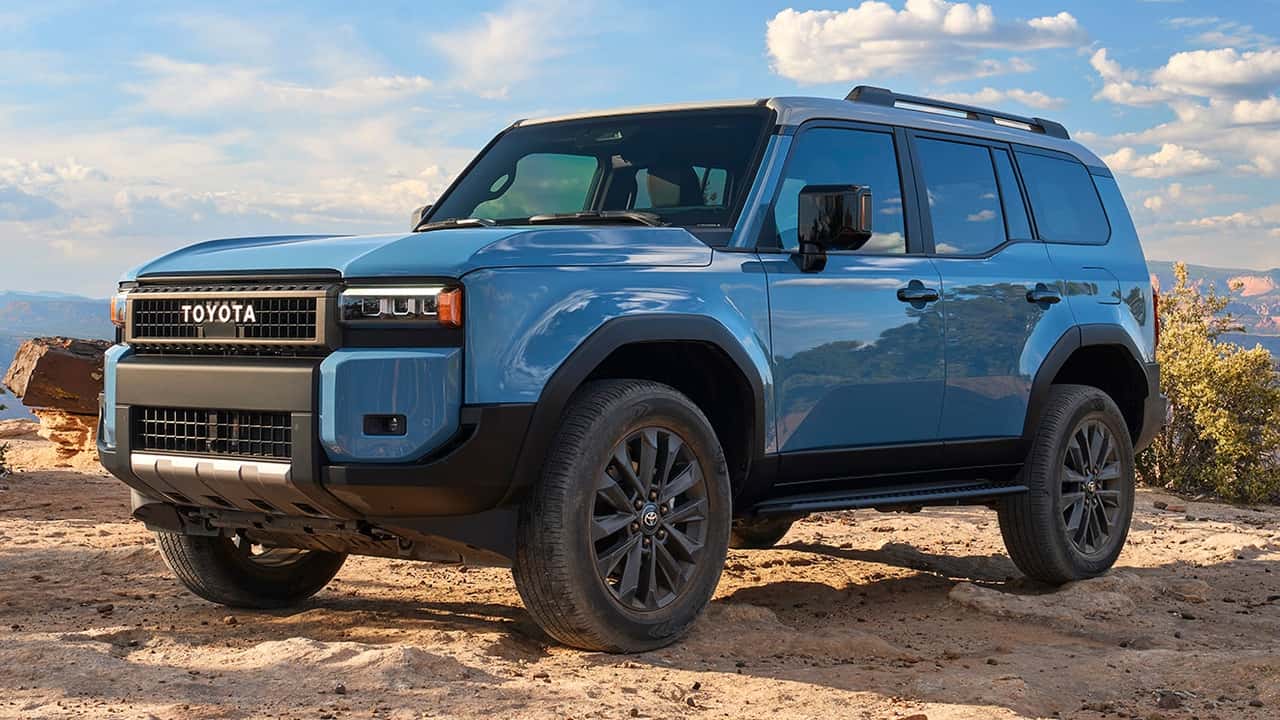
The Toyota Land Cruiser is celebrated worldwide for its legendary durability and off-road prowess, but those same traits make it a mismatch for dense urban traffic. Built on a heavy, body-on-frame platform, the Land Cruiser delivers rugged capability at the expense of maneuverability, fuel efficiency, and ride comfort.
City driving exposes the Land Cruiser’s size-related shortcomings. Its wide turning radius makes tight corners and narrow streets difficult to handle, while the vehicle’s substantial length and width complicate parking in compact spaces. Handling feels clumsy and top-heavy, with noticeable body lean during turns, which only adds to the challenge in crowded environments.
Fuel economy is another drawback. Older V8-powered Land Cruisers struggled to achieve even 13 miles per gallon in city driving, making stop-and-go conditions especially costly. While newer hybrid versions boast improved ratings of around 22 mpg in urban settings, their real-world efficiency remains limited by the Land Cruiser’s weight and constant acceleration and braking in traffic.
The Land Cruiser’s truck-based suspension prioritizes durability over refinement. On city streets, this translates to a bumpy, unsettled ride compared to lighter, crossover-style SUVs. Some newer hybrid models also feature start-stop systems that feel abrupt, creating a lurching sensation during frequent stops. Cabin noise and vibrations further diminish comfort in traffic-heavy commutes.
Operating such a large vehicle in congested areas can be stressful. Its extended braking distances demand greater caution, while its tall profile and thick pillars reduce driver visibility. At the same time, the Land Cruiser’s size can obstruct the view of smaller vehicles and pedestrians, increasing potential risks in tight urban settings.
The Land Cruiser thrives on rugged terrain, but in crowded cities, its size, inefficiency, and clumsy ride make it more of a burden than a benefit.
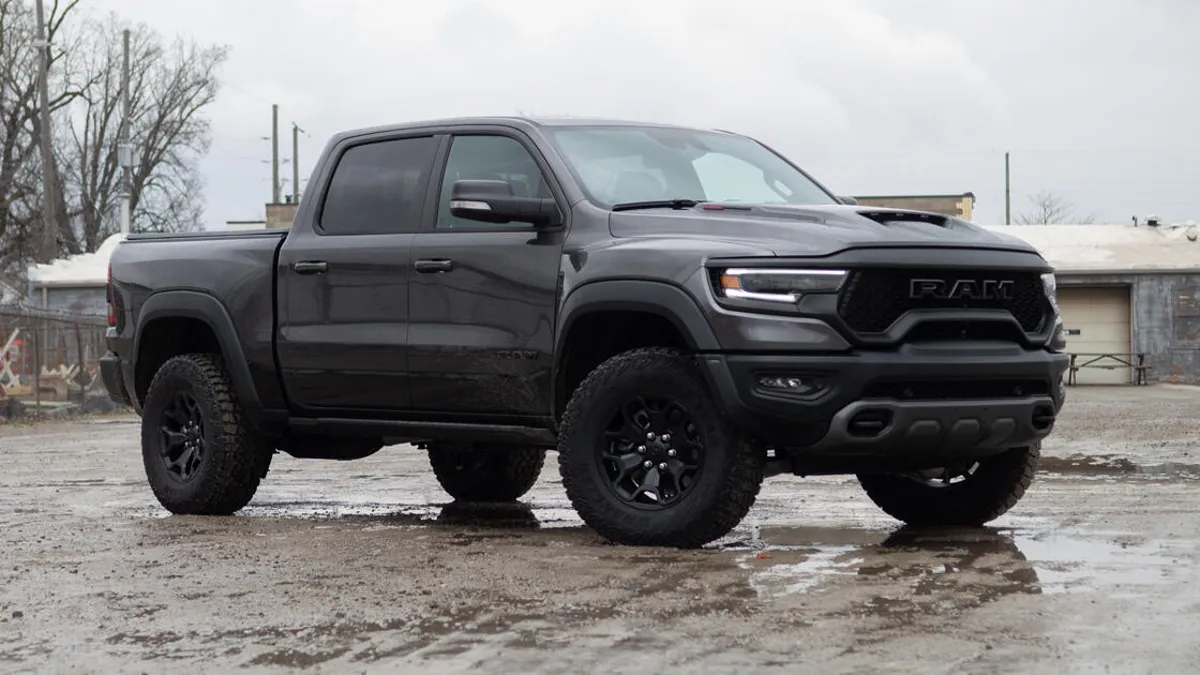
10. Ram 1500 TRX: Off-Road Monster, City Misfit
The Ram 1500 TRX is built for high-performance off-road driving and desert racing, not urban commutes. Its enormous size, aggressive powertrain, and poor fuel economy make it a difficult and impractical choice for heavy city traffic.
The TRX towers over most vehicles on the road, with dimensions that far exceed those of a standard pickup. Its wide stance and tall profile make staying within narrow lanes a challenge and leave little room to spare on congested streets.
Parking is especially difficult, as its bulk makes garages and tight spots nearly unusable. Forward visibility is also limited due to the high hood line, and the truck’s nose lift under acceleration makes it even harder to judge distances in traffic.
Under the hood, the TRX’s supercharged V8 delivers explosive power, but in city driving, this becomes a liability. The throttle response is overly aggressive, causing the truck to lurch forward in stop-and-go conditions.
Its steering feels disconnected, and the off-road-tuned suspension contributes to body roll, leaving the truck feeling unstable during sharp turns or quick maneuvers. Braking performance is less precise than in smaller, road-focused vehicles, which further reduces confidence in tight conditions.
City dwellers will also feel the financial strain of owning a TRX. With an abysmal 10 mpg rating in city conditions, frequent refueling is unavoidable. Its 33-gallon tank requires premium fuel, making every fill-up a costly affair.
The TRX’s loud exhaust note, while appealing on open roads, becomes intrusive in stop-and-go traffic. Inside the cabin, the ride can feel stiff and unsettled due to its firm suspension, reducing comfort during everyday commutes.
The Ram 1500 TRX shines in extreme off-road environments, but in city traffic, its size, handling, and fuel demands make it more of a burden than a benefit.
City life can quickly reveal whether a car is a dependable companion or a constant headache. The right vehicle should be able to handle crowded intersections, long waits at stoplights, and bumper-to-bumper commutes without wearing down too quickly.
On the flip side, some models just aren’t cut out for the challenge, racking up repair bills and downtime that no driver wants to deal with. By knowing which cars hold up well and which tend to struggle in heavy traffic, you can make a smarter choice that fits your lifestyle.
A dependable car doesn’t just save money, it reduces stress and keeps you moving when the city is at its busiest. Whether you’re buying new, upgrading, or simply curious about performance in urban settings, this comparison offers valuable insight for choosing a car that thrives instead of one that constantly breaks down.
Also Read: 5 Cars That Last With Minimal Maintenance vs 5 That Demand Constant Care