
In an era where planned obsolescence seems to dominate the automotive industry, there exists a special breed of vehicles that defy conventional wisdom about car longevity.
These mechanical marvels don’t just survive beyond the typical 10-year lifecycle they thrive, continuing to deliver reliable transportation well into their third, fourth, and sometimes fifth decades of service.
The magic number that separates ordinary cars from legends is 300,000 miles, a threshold that represents roughly 20 years of average driving for most Americans.
What makes certain vehicles capable of achieving such extraordinary longevity while others begin showing serious problems before reaching 100,000 miles? The answer lies in a perfect storm of engineering excellence, quality manufacturing, robust design philosophy, and often, a touch of automotive DNA that prioritizes durability over flashy features.
The economic impact of owning one of these durable vehicles extends far beyond the initial purchase price. While they may not always offer the latest technology or most stylish designs, their ability to provide transportation for 15-20 years or more represents extraordinary value.
Owners frequently report total cost of ownership figures that make these vehicles incredibly economical choices, especially when factoring in their strong resale values and low depreciation rates over time.
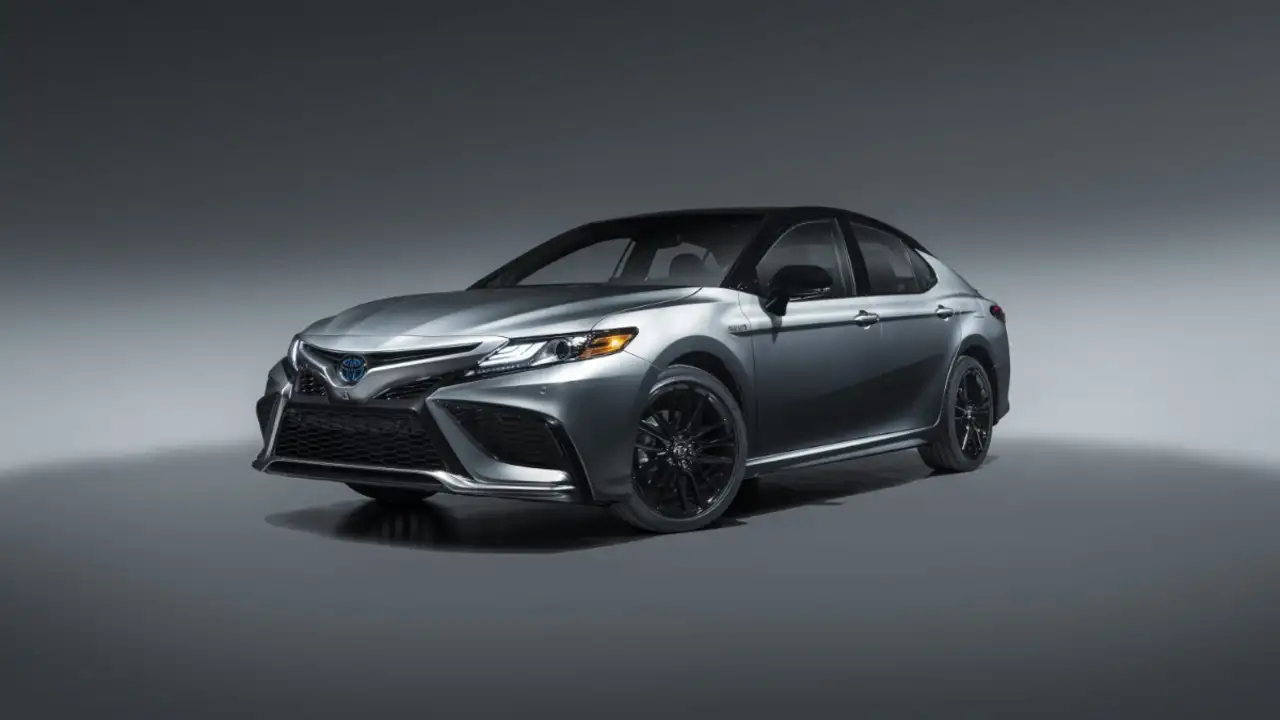
1. Toyota Camry
The Toyota Camry stands as perhaps the most iconic representation of automotive reliability in the American market. Since its introduction in 1982, this midsize sedan has consistently ranked among the best-selling vehicles in the United States, earning its reputation through decades of proven durability and exceptional longevity.
The Camry’s ability to exceed 300,000 miles isn’t just folklore it’s a well-documented phenomenon supported by countless owner testimonials and automotive reliability studies.
At the heart of the Camry’s legendary durability lies Toyota’s conservative engineering philosophy. Rather than pushing the boundaries of performance or implementing cutting-edge technology that might prove problematic over time, Toyota’s engineers have consistently prioritized proven, time-tested mechanical solutions.
The Camry’s four-cylinder and V6 engines, particularly those produced from the late 1990s through the 2010s, represent masterpieces of reliability engineering. These powerplants feature robust internal components, conservative tuning that reduces stress on critical parts, and excellent metallurgy that resists wear even under challenging conditions.
The transmission systems in Camrys have earned particular praise from mechanics and long-term owners. Toyota’s automatic transmissions, when properly maintained, routinely exceed 250,000 miles without major issues.
The manual transmissions, though less common in later model years, are virtually indestructible when operated correctly. This transmission reliability is crucial for achieving high mileage, as transmission failure often marks the economic end of life for many vehicles.
Beyond the drivetrain, the Camry’s chassis and suspension components demonstrate remarkable longevity. The MacPherson strut front suspension and independent rear suspension (on newer models) or solid rear axle (on older models) are designed with durability in mind.
While wear items like struts, bushings, and ball joints will eventually require replacement, the fundamental suspension geometry remains sound even after hundreds of thousands of miles. Maintenance requirements for achieving 300,000+ miles in a Camry are straightforward and affordable.
Regular oil changes using quality oil, timely replacement of filters and fluids, and adherence to Toyota’s maintenance schedule are typically sufficient to ensure extreme longevity. The availability of parts, both OEM and aftermarket, makes maintenance economical throughout the vehicle’s extended lifespan.
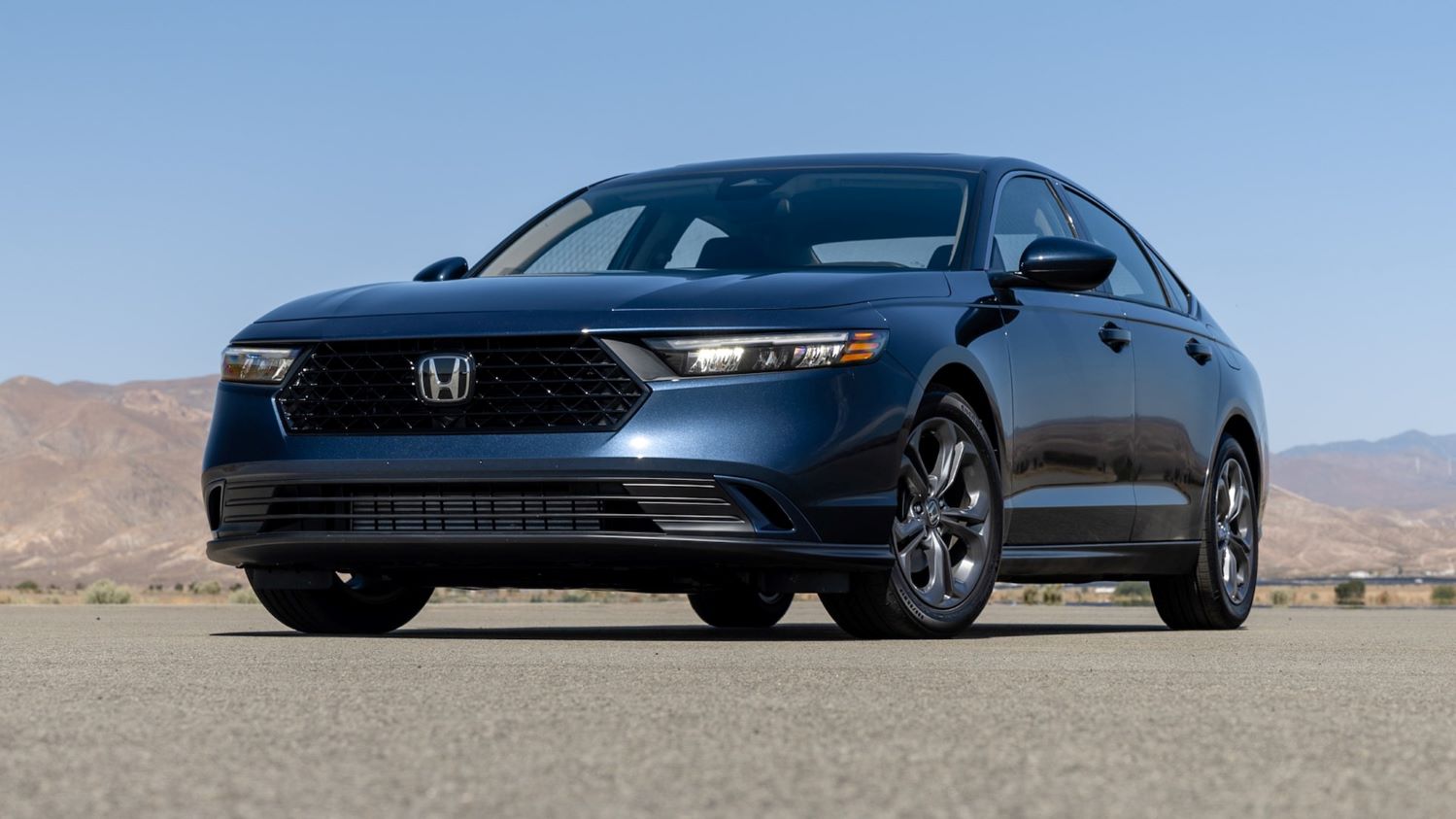
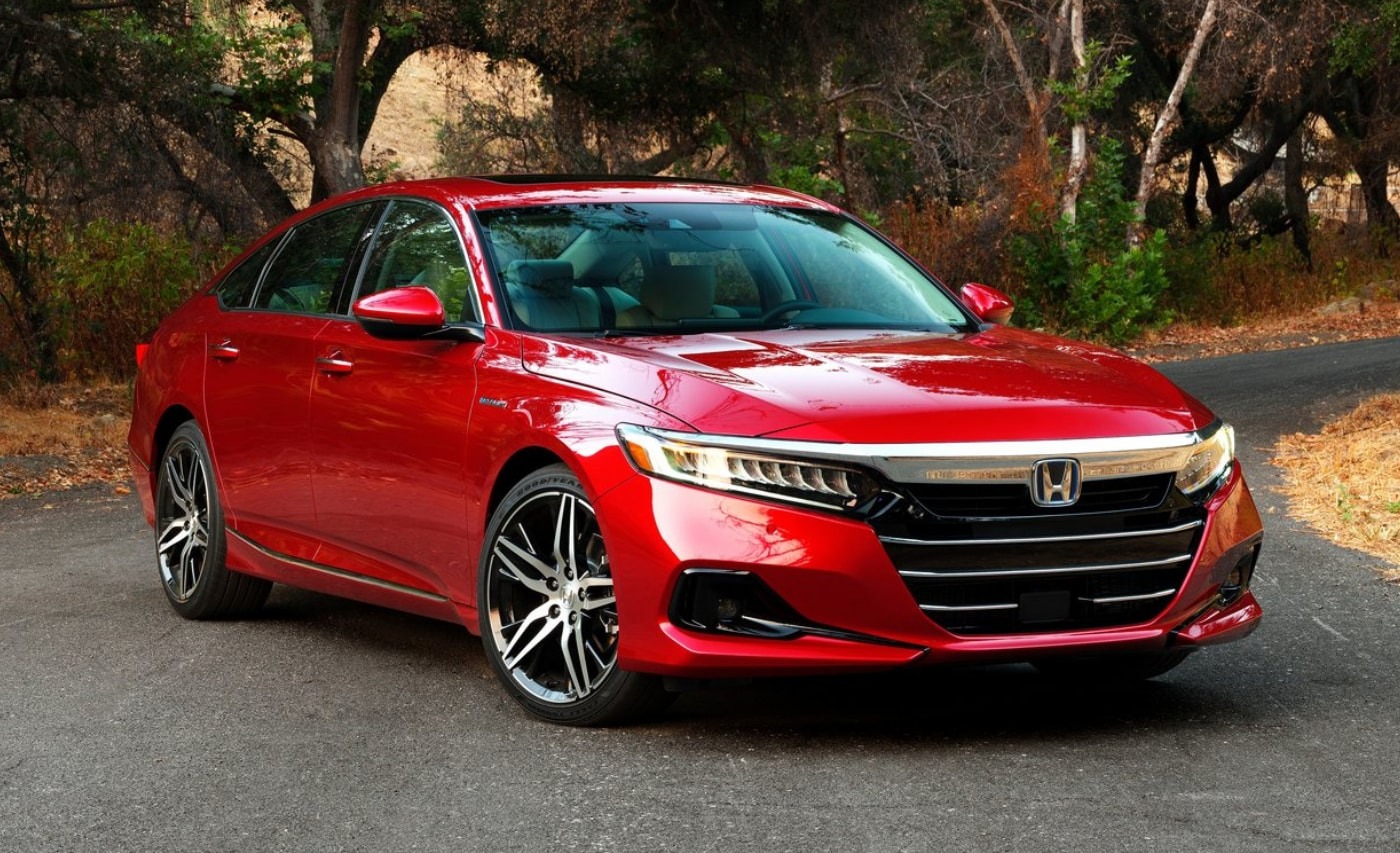
2. Honda Accord
The Honda Accord has earned its place among automotive legends through an unwavering commitment to reliability, quality construction, and thoughtful engineering that prioritizes longevity over short-term appeal.
For over four decades, the Accord has represented Honda’s philosophy of building vehicles that serve their owners faithfully for decades, with many examples easily surpassing the 300,000-mile milestone while continuing to provide dependable daily transportation.
Honda’s approach to engine design in the Accord exemplifies the company’s dedication to durability. The four-cylinder VTEC engines, particularly those produced from the 1990s through the 2010s, are engineering marvels that combine efficiency, performance, and extraordinary longevity.
These engines feature Honda’s innovative variable valve timing technology, which not only improves performance and fuel economy but also contributes to engine longevity by optimizing combustion across the entire RPM range.
The metallurgy and manufacturing tolerances in these engines are exceptional, with many examples running smoothly well beyond 400,000 miles with proper maintenance.
The Accord’s transmission systems have consistently demonstrated remarkable durability, though with some important caveats. Honda’s manual transmissions are virtually bulletproof, earning praise from mechanics worldwide for their smooth operation and extreme longevity.
The automatic transmissions, while generally reliable, require more careful attention to maintenance schedules, particularly fluid changes. When properly maintained, Honda’s automatic transmissions can easily exceed 300,000 miles, but neglect can lead to premature failure.
Honda’s extensive dealer network and the widespread availability of both OEM and aftermarket parts make long-term Accord ownership particularly attractive.
Maintenance and repair costs remain reasonable throughout the vehicle’s extended lifespan, and the technical knowledge required to service these vehicles is widely available among automotive technicians.
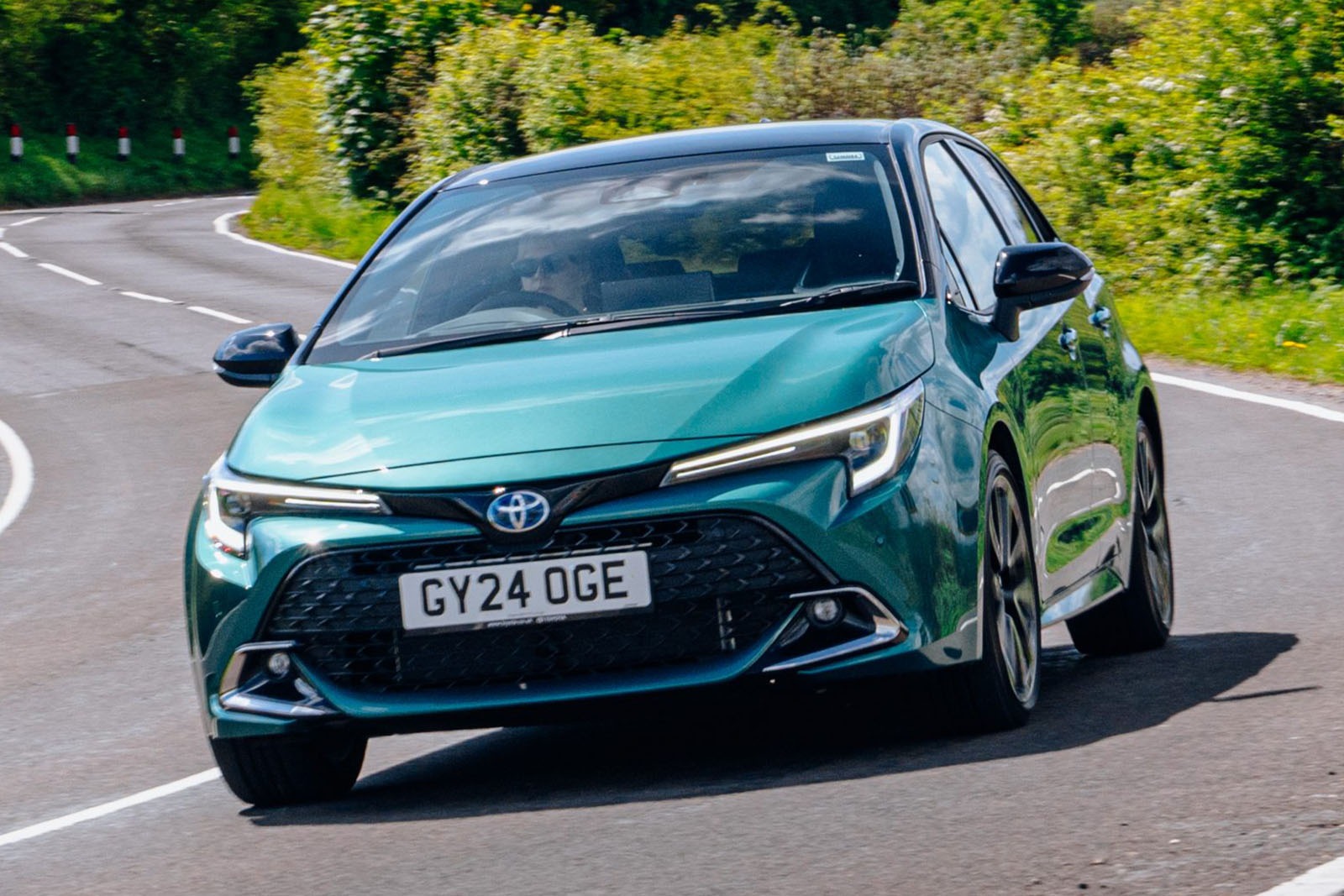
3. Toyota Corolla
The Toyota Corolla holds the distinction of being the world’s best-selling car model, a status achieved not through flashy marketing or cutting-edge technology, but through an unwavering commitment to reliability, affordability, and longevity that has made it a global icon of dependable transportation.
Since its introduction in 1966, the Corolla has consistently demonstrated an ability to provide faithful service well beyond what most drivers expect from an automobile, with countless examples easily exceeding 300,000 miles while continuing to serve as reliable daily transportation.
The engineering philosophy behind the Corolla emphasizes simplicity, durability, and ease of maintenance over complexity or performance. This approach has resulted in a vehicle that may not win many awards for acceleration or luxury, but consistently ranks at the top of reliability surveys and owner satisfaction studies.
The Corolla’s engines, particularly the naturally aspirated four-cylinder units used throughout most of the model’s history, are masterpieces of conservative engineering that prioritize longevity over peak performance numbers.
Toyota’s approach to engine design in the Corolla focuses on proven technologies and conservative tuning that reduces stress on internal components.
The result is powerplants that, while perhaps not the most exciting to drive, can easily accumulate hundreds of thousands of miles with nothing more than regular oil changes and basic maintenance.
Many Corolla owners report their vehicles reaching 400,000 or even 500,000 miles with original engines still running smoothly, a testament to the quality of Toyota’s engineering and manufacturing processes.
One of the Corolla’s greatest advantages for achieving extreme longevity is its exceptional parts availability and widespread service knowledge. As one of the world’s most popular vehicles, Corolla parts are available virtually everywhere, often at very reasonable prices.
The mechanical simplicity of most Corolla systems means that competent technicians can easily service these vehicles, keeping maintenance and repair costs manageable throughout their extended lifespans.
4. Honda Civic
The Honda Civic represents one of the automotive industry’s most successful attempts at creating a compact car that delivers exceptional longevity without sacrificing efficiency, practicality, or driving enjoyment.
Since its introduction in 1972, the Civic has evolved through multiple generations while maintaining Honda’s core commitment to building vehicles that serve their owners faithfully for decades.
The Civic’s ability to routinely exceed 300,000 miles has made it a favorite among budget-conscious drivers, students, and anyone who values long-term reliability over short-term luxury.
Honda’s engineering approach with the Civic emphasizes the creation of powertrains that balance performance, efficiency, and extreme durability.
The various four-cylinder engines used throughout the Civic’s history, from the early CVCC units through modern VTEC powerplants, share common characteristics that contribute to exceptional longevity.
These engines feature robust internal components, conservative tuning that reduces mechanical stress, and excellent metallurgy that resists wear even under demanding conditions. Many Civic engines continue to run smoothly well beyond 300,000 miles with nothing more than regular maintenance.
The VTEC technology introduced in later Civic models represents a particular triumph of engineering that enhances both performance and longevity.
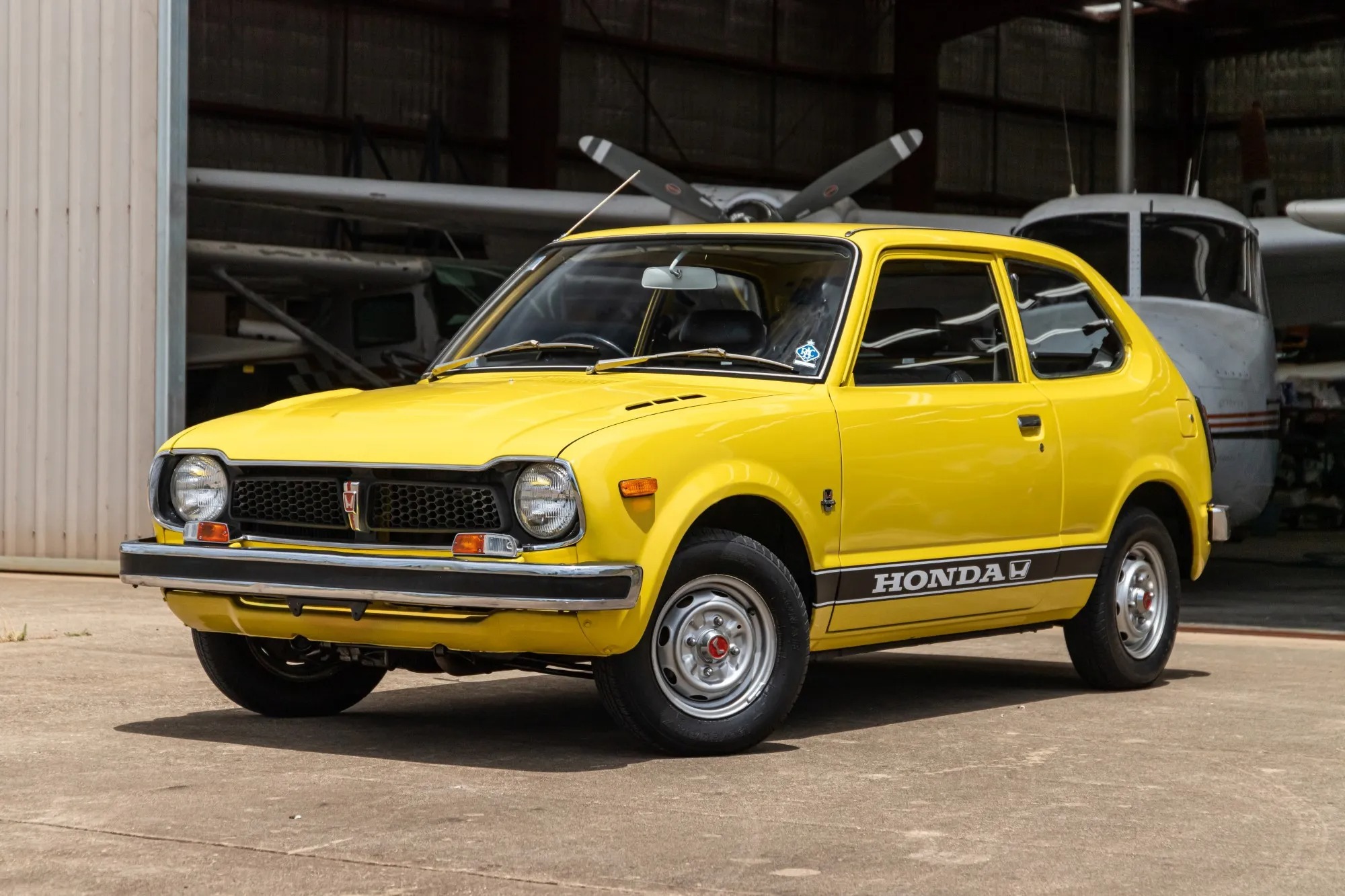
By optimizing valve timing and lift characteristics across different engine speeds, VTEC systems ensure that Civic engines operate efficiently throughout their RPM range while minimizing stress on critical components.
This technology contributes significantly to the exceptional longevity observed in VTEC-equipped Civics, with many examples accumulating extraordinary mileage while maintaining strong performance.
Honda’s transmission systems in the Civic have consistently demonstrated remarkable durability across multiple generations. The manual transmissions are particularly noteworthy for their precision, smooth operation, and virtual indestructibility when operated correctly.
Interior trim pieces, switches, and controls are built to withstand decades of use, while exterior components resist corrosion and deterioration better than many competitors.
Also Read: 10 Compact SUVs That Survive Harsh Winters Offering Durability
5. Toyota Prius
The Toyota Prius occupies a unique position in automotive history as the world’s first mass-produced hybrid vehicle, and perhaps more remarkably, as a hybrid that has consistently demonstrated the ability to achieve extraordinary longevity despite its complex dual-powertrain system.
Introduced in 1997, the Prius challenged conventional wisdom about hybrid reliability by proving that sophisticated electrified powertrains could be every bit as durable as traditional gasoline engines, with many examples easily surpassing 300,000 miles while maintaining their hybrid functionality and exceptional fuel economy.
The engineering achievement represented by the Prius’s longevity cannot be overstated. Combining a gasoline engine, electric motors, a sophisticated battery system, and complex control electronics into a reliable package that can survive decades of use required unprecedented attention to quality and durability.
Toyota’s approach to this challenge involved extensive testing, conservative engineering practices, and the use of proven technologies wherever possible.
The result is a hybrid system that has consistently demonstrated remarkable reliability across multiple generations and millions of vehicles. The heart of the Prius’s durability lies in its Atkinson-cycle gasoline engine, specifically designed for hybrid operation.
These engines operate under reduced mechanical stress compared to conventional engines due to the assistance provided by the electric motors, particularly during acceleration and high-load conditions.
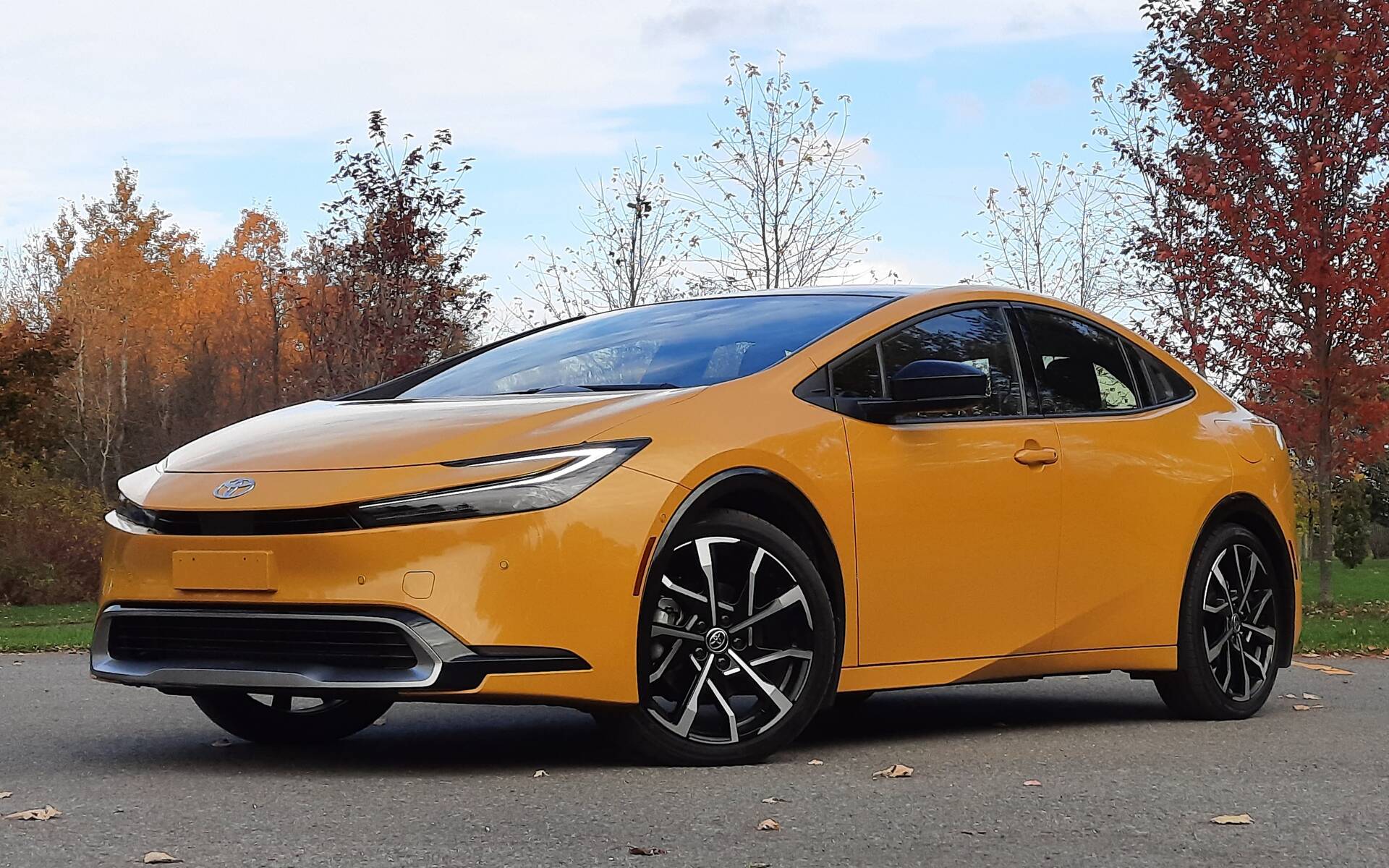
This reduced stress, combined with Toyota’s excellent metallurgy and manufacturing quality, results in gasoline engines that often remain virtually unused even after hundreds of thousands of miles. Many high-mileage Prius owners report that their engines show minimal wear even after extensive service.
The electric motor systems in the Prius have proven remarkably durable, with motor failures being extremely rare even in high-mileage examples. Toyota’s conservative approach to motor design, using proven technologies and high-quality components, has resulted in electric drive systems that maintain their performance characteristics throughout extremely long service lives.
The regenerative braking system not only improves efficiency but also reduces wear on conventional brake components, contributing to lower maintenance costs over the vehicle’s extended lifespan.
The Prius’s aerodynamic design and lightweight construction contribute to reduced mechanical stress throughout the vehicle, promoting longevity across all systems.
The advanced electronic systems that manage the hybrid powertrain have proven remarkably reliable, with most failures being relatively minor and easily repairable rather than catastrophic system failures.
6. Lexus ES
The Lexus ES represents the successful marriage of Toyota’s legendary reliability engineering with luxury car refinement and comfort, creating a vehicle that consistently demonstrates the ability to provide premium transportation well beyond 300,000 miles.
Since its introduction in 1989, the ES has served as Lexus’s entry-level luxury sedan, but its track record for longevity rivals or exceeds that of vehicles costing significantly more.
The ES proves that luxury and durability need not be mutually exclusive, offering owners the possibility of enjoying premium features and comfort for decades rather than years.
The foundation of the ES’s exceptional longevity lies in its relationship to Toyota’s proven mechanical systems, particularly those shared with the Camry.
However, Lexus engineers have taken these already-reliable components and enhanced them further through more stringent quality control, upgraded materials, and more conservative tuning.
The result is a luxury vehicle with the reliability characteristics of a Toyota but with refinement levels that make long-term ownership genuinely pleasurable rather than merely economical.
The engines used in various generations of the ES, from the early VZ-series V6 units through more modern powerplants, share Toyota’s commitment to durability through conservative engineering.
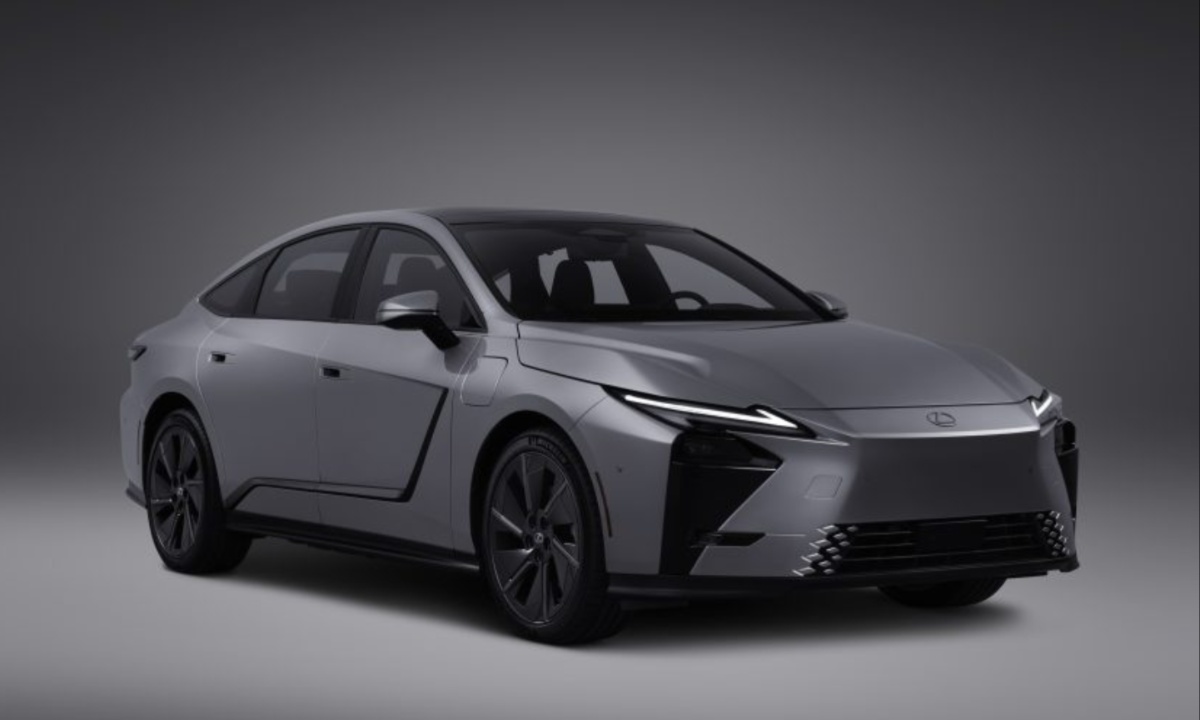
These engines feature robust internal components, excellent metallurgy, and tuning that prioritizes smooth operation and longevity over peak performance numbers.
The additional sound deadening and vibration isolation measures used in the ES also contribute to reduced mechanical stress, as these engines operate in a more controlled environment compared to their applications in non-luxury vehicles.
Lexus’s approach to transmission engineering in the ES emphasizes smooth operation and exceptional durability. The automatic transmissions used throughout the ES’s history are typically uprated versions of proven Toyota units, featuring enhanced materials, more precise manufacturing tolerances, and more sophisticated control systems.
These transmissions routinely exceed 250,000 miles without major issues when properly maintained, contributing significantly to the longevity of the vehicle.
The suspension and chassis systems in the ES are designed to provide luxury car ride quality while maintaining structural integrity throughout extremely long service lives.
The sophisticated suspension tuning that provides the ES’s characteristic smooth ride also contributes to reduced stress on chassis components, promoting longevity throughout the vehicle’s structure.
7. Toyota 4Runner
The Toyota 4Runner stands as one of the most capable and durable SUVs ever produced, representing Toyota’s commitment to building vehicles that can withstand decades of challenging use while maintaining their capability and reliability.
Since its introduction in 1984, the 4Runner has earned a legendary reputation among outdoor enthusiasts, families, and anyone who demands a vehicle capable of providing dependable transportation in virtually any environment.
The 4Runner’s ability to routinely exceed 300,000 miles, often while enduring conditions that would destroy lesser vehicles, has made it one of the most sought-after used vehicles in the automotive market.
The engineering philosophy behind the 4Runner emphasizes ruggedness, simplicity, and proven mechanical solutions over complexity or cutting-edge technology.
This approach has resulted in a vehicle that may not offer the latest infotainment systems or the most sophisticated ride quality, but consistently delivers exceptional reliability and capability throughout extremely long service lives.
The 4Runner’s body-on-frame construction, shared with Toyota’s pickup trucks, provides the structural strength necessary to withstand decades of challenging use while maintaining vehicle integrity.
At the heart of the 4Runner’s legendary durability lies Toyota’s commitment to using proven, robust powertrains. The various engines used throughout the 4Runner’s history, from the legendary 22R-E four-cylinder through modern V6 units, share common characteristics that promote exceptional longevity.
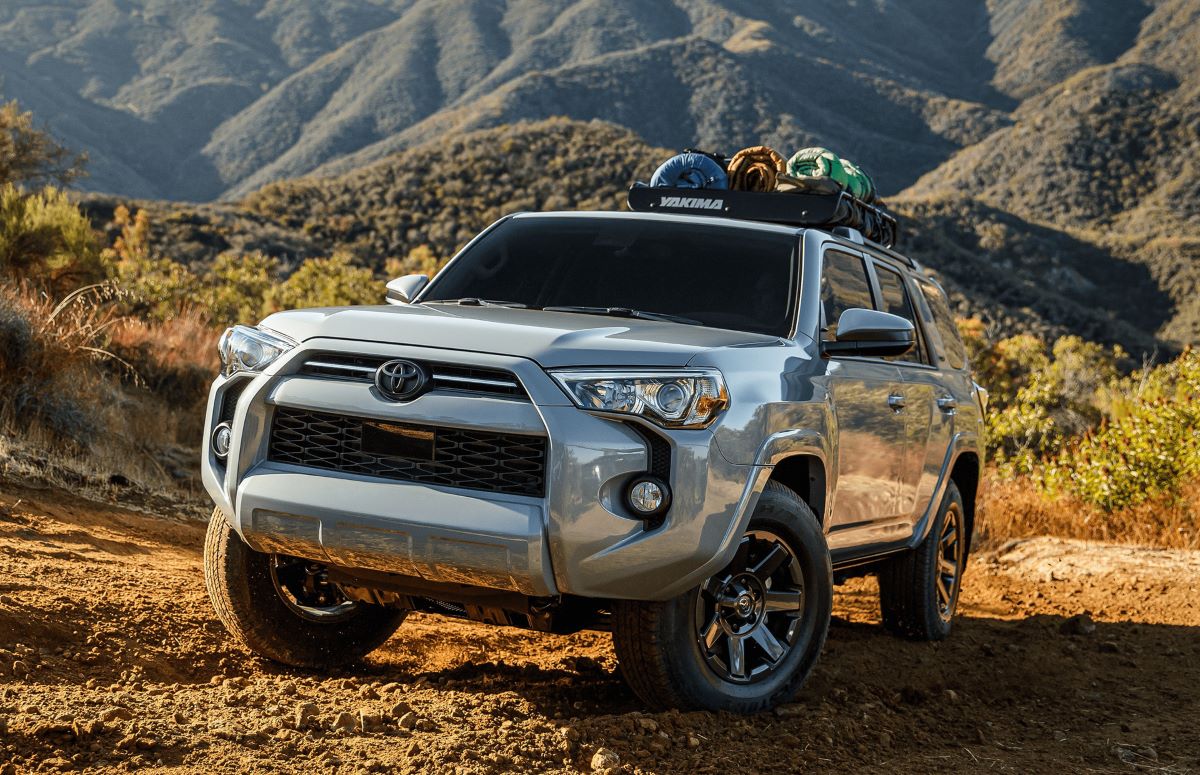
These engines feature conservative tuning, robust internal components, and excellent cooling systems that allow them to operate effectively even under demanding conditions. Many 4Runner engines continue to provide strong performance well beyond 400,000 miles with proper maintenance.
The 4Runner’s four-wheel-drive systems represent masterpieces of mechanical engineering that prioritize durability and capability over electronic sophistication.
The part-time four-wheel-drive systems used in most 4Runners are virtually indestructible when operated correctly, with many examples continuing to function perfectly after decades of use.
The solid front and rear axles used in earlier models, and the independent front suspension with solid rear axle configuration used in later models, provide exceptional durability while maintaining the vehicle’s impressive off-road capabilities.
The 4Runner’s exceptional resale value reflects the market’s recognition of its extraordinary longevity and capability. Even high-mileage examples command strong prices, as buyers understand that a well-maintained 4Runner with 200,000 or 300,000 miles likely has many years of reliable service remaining.
8. Honda CR-V
The Honda CR-V revolutionized the compact SUV segment when it was introduced in 1995, creating a new category of vehicle that combined car-like fuel economy and driving characteristics with SUV practicality and versatility.
More importantly for long-term owners, the CR-V established a reputation for exceptional reliability and longevity that has made it one of the most dependable vehicles available, with countless examples easily exceeding 300,000 miles while continuing to provide faithful family transportation.
Honda’s engineering approach with the CR-V emphasizes the creation of a vehicle that delivers SUV capability through intelligent design rather than brute force, resulting in reduced mechanical stress and enhanced longevity across all systems.
The unibody construction used throughout the CR-V’s history provides excellent structural integrity while being lighter and more efficient than traditional body-on-frame designs. This approach contributes to reduced wear on drivetrain components while maintaining the vehicle’s impressive durability characteristics.
The engines used in various generations of the CR-V represent Honda’s commitment to building powertrains that balance performance, efficiency, and exceptional durability.
The four-cylinder engines, whether naturally aspirated or turbocharged units in later models, feature Honda’s excellent metallurgy, conservative tuning, and robust internal components.
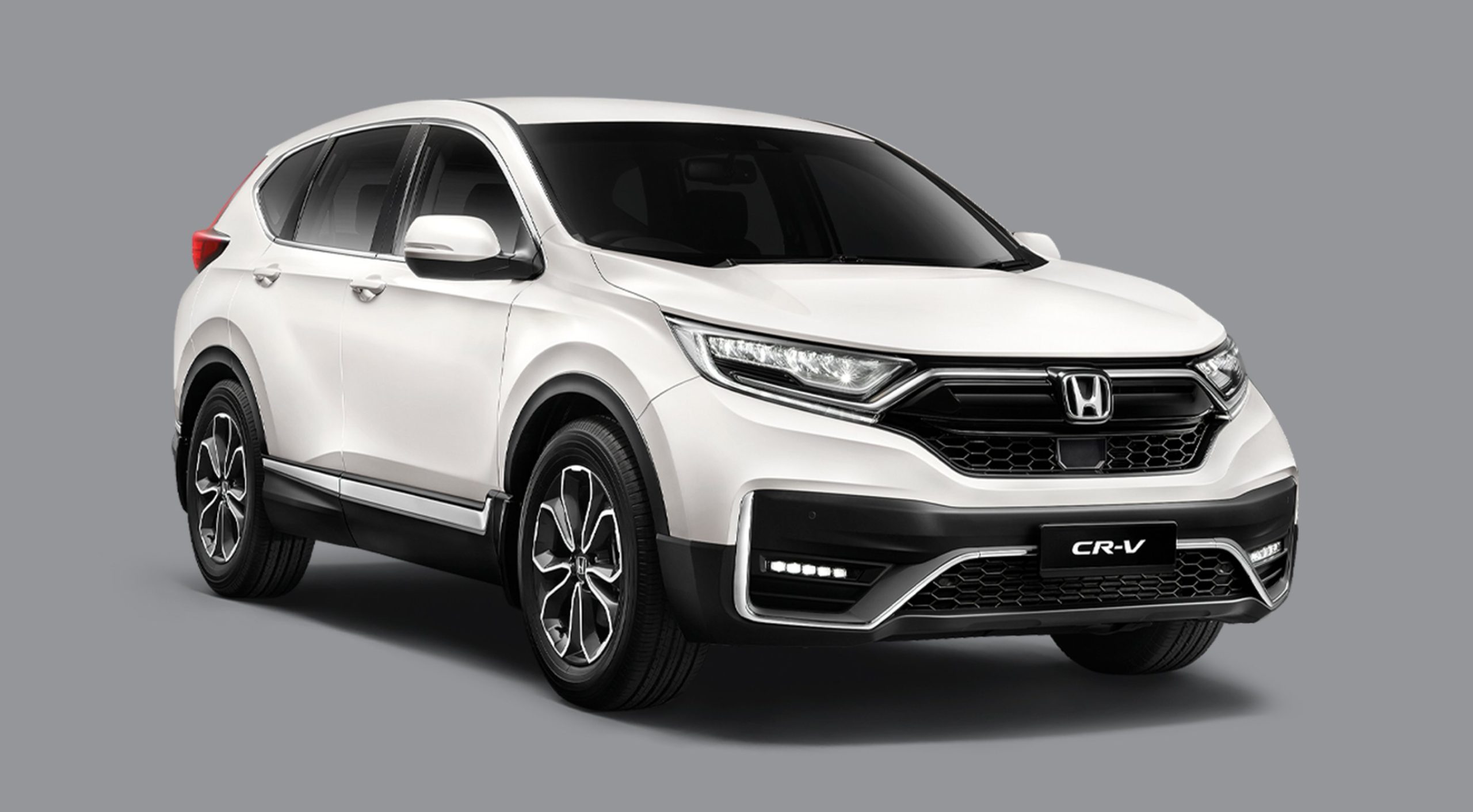
These engines routinely exceed 300,000 miles with proper maintenance, often showing minimal wear even after extensive service. The VTEC technology used in many CR-V engines contributes to longevity by optimizing valve timing and reducing mechanical stress throughout the engine’s operating range.
Honda’s all-wheel-drive systems used in the CR-V have proven remarkably durable while providing excellent traction in challenging conditions. The Real Time 4WD system automatically distributes power between front and rear wheels as needed, providing improved capability without the complexity or maintenance requirements of traditional four wheel drive systems.
These systems routinely operate without issues throughout the vehicle’s extended lifespan, contributing to the CR-V’s reputation for worry-free ownership.
Interior quality and design in the CR-V reflect Honda’s understanding that long-term family vehicles must maintain their comfort and functionality throughout extended service lives.
The use of durable materials and thoughtful ergonomics means that CR-V interiors age gracefully, with seats, controls, and storage solutions remaining effective even after decades of family use. This interior durability is crucial for vehicles intended to serve growing families over many years.
9. Toyota Tacoma
The Toyota Tacoma has earned legendary status as one of the most durable and capable pickup trucks ever produced, consistently demonstrating the ability to provide decades of reliable service in applications ranging from daily commuting to serious commercial use.
Since its introduction in 1995, the Tacoma has built upon Toyota’s reputation for truck reliability established by its predecessor, the Pickup (later known as the T100), while offering modern features and capabilities.
The Tacoma’s ability to routinely exceed 300,000 miles, often while enduring conditions that would destroy lesser vehicles, has made it one of the most sought-after used trucks in the market.
The engineering foundation of Tacoma’s exceptional durability lies in its body on frame construction, which provides the structural strength necessary to withstand decades of truck use while maintaining vehicle integrity.
This traditional truck architecture, combined with Toyota’s commitment to using proven mechanical solutions, results in a vehicle that prioritizes capability and longevity over refinement or fuel economy.
The robust frame construction can handle heavy loads, trailer towing, and off-road use throughout extremely long service lives without suffering structural damage.
Toyota’s approach to engine design in the Tacoma emphasizes proven technologies and conservative tuning that promote exceptional longevity. The various engines used throughout the Tacoma’s history, from the legendary 22R-E four-cylinder through modern V6 units, share characteristics that contribute to their remarkable durability.
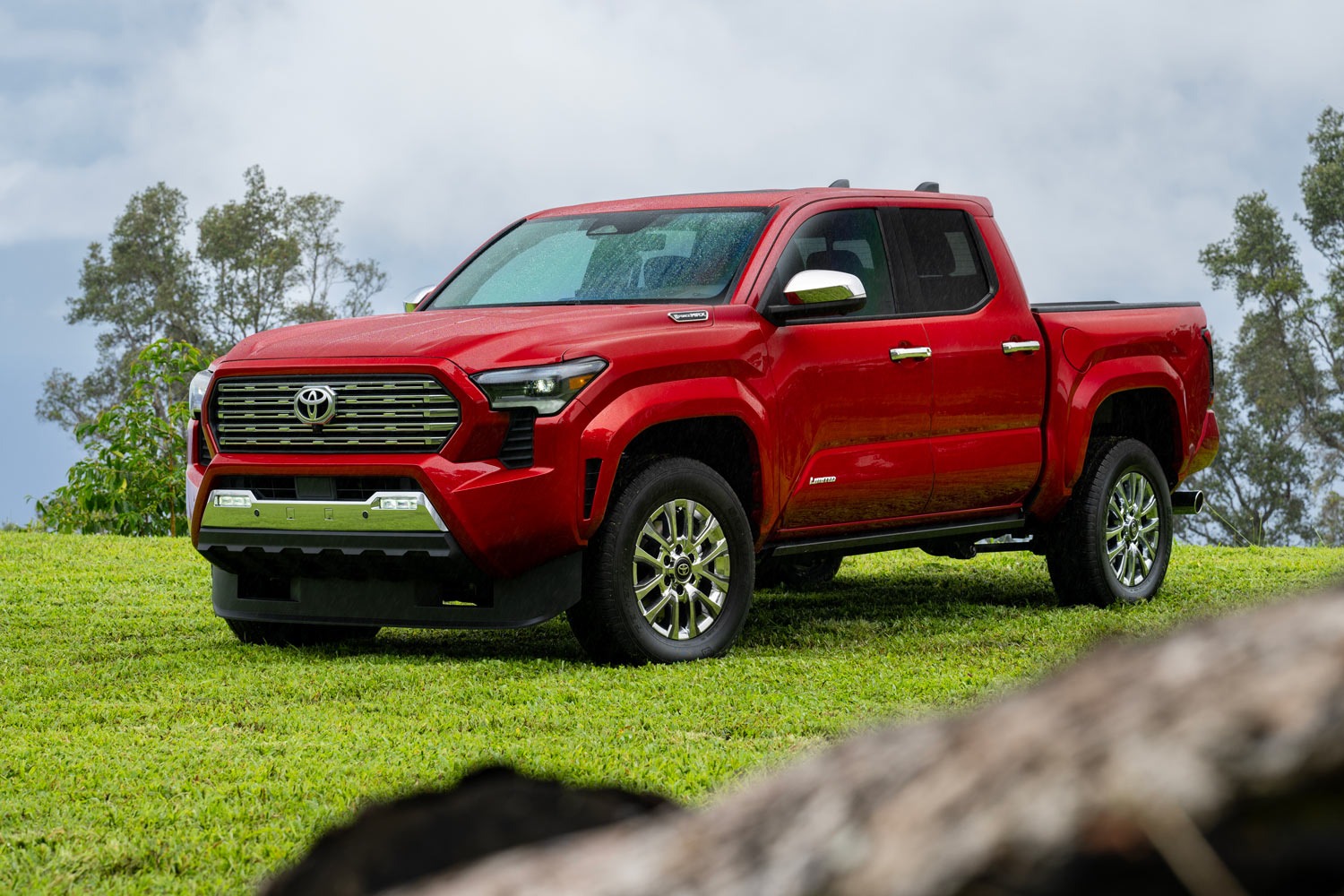
These engines feature robust internal components, excellent cooling systems, and tuning that prioritizes reliability over peak performance numbers.
Many Tacoma engines continue to provide strong performance well beyond 400,000 miles with proper maintenance, often requiring nothing more than routine service throughout their extended lives.
The four wheel drive systems used in Tacomas represent masterpieces of mechanical engineering that prioritize durability and capability. The part-time four wheel drive systems are virtually indestructible when operated correctly, with solid axles and robust transfer cases that can withstand decades of demanding use.
The sophisticated four-wheel-drive systems available in newer Tacomas add electronic controls while maintaining the fundamental mechanical strength that has made Toyota trucks legendary for durability.
The Tacoma’s suspension systems are designed to provide truck capability while maintaining durability throughout extremely long service lives. Whether equipped with leaf springs or coil springs, Tacoma suspensions are built to handle heavy loads, trailer towing, and off-road use without suffering premature wear or failure.
10. Subaru Outback
The Subaru Outback represents a unique approach to automotive design that combines the capability of an SUV with the efficiency and handling characteristics of a wagon, creating a versatile vehicle that has consistently demonstrated the ability to provide reliable transportation well beyond 300,000 miles.
Since its introduction in 1994, the Outback has earned a loyal following among drivers who value capability, safety, and longevity, particularly in regions where all-weather capability is essential for daily transportation.
The foundation of the Outback’s exceptional durability lies in Subaru’s commitment to using proven engineering solutions and robust construction throughout the vehicle.
The unibody construction provides excellent structural integrity while being lighter and more efficient than traditional body-on-frame designs. Subaru’s approach emphasizes creating vehicles that can withstand decades of use in challenging conditions while maintaining their fundamental capability and safety characteristics.
Subaru’s horizontally opposed (boxer) engines represent one of the most distinctive and durable engine designs in the automotive industry. These engines feature inherently balanced operation that reduces vibration and mechanical stress, contributing to exceptional longevity when properly maintained.
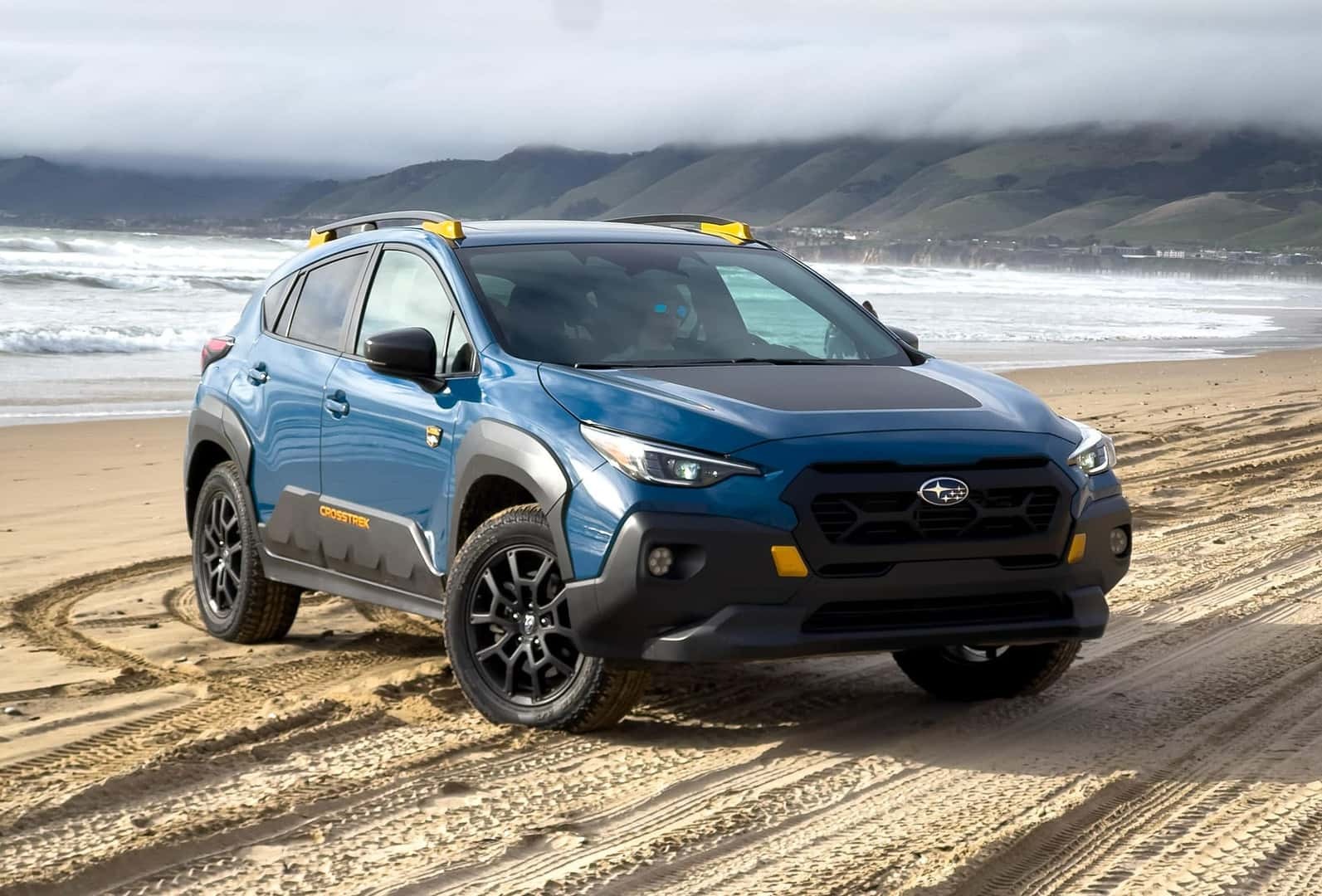
The boxer engine design also provides a lower center of gravity that enhances vehicle stability and handling while reducing stress on suspension components.
Many Outback engines routinely exceed 300,000 miles with proper maintenance, often showing minimal wear even after extensive service. The all-wheel-drive system that comes standard on all Outbacks has proven remarkably durable while providing excellent traction in challenging conditions.
Subaru’s symmetrical all-wheel-drive system distributes power to all four wheels continuously, providing improved capability and safety without the complexity of part-time systems.
This system routinely operates without issues throughout the vehicle’s extended lifespan, contributing to the Outback’s reputation for worry-free ownership in all weather conditions.
Safety has always been a priority in Outback design, with robust construction and advanced safety systems that maintain their effectiveness throughout the vehicle’s extended service life.
11. Toyota Highlander
The Toyota Highlander represents Toyota’s successful approach to creating a three-row SUV that combines family-friendly practicality with the legendary reliability that has made Toyota vehicles synonymous with longevity.
Since its introduction in 2000, the Highlander has consistently demonstrated the ability to provide dependable family transportation well beyond 300,000 miles, making it an exceptional choice for families who want to maximize their automotive investment while ensuring years of worry-free service.
The engineering philosophy behind the Highlander emphasizes creating a vehicle that can serve growing families throughout multiple lifecycle stages without sacrificing reliability or capability.
Toyota’s approach involves using proven mechanical systems, conservative engineering practices, and robust construction techniques that prioritize longevity over short-term performance advantages. This philosophy has resulted in a three-row SUV that maintains its functionality and reliability even after decades of family use.
The powertrains used throughout the Highlander’s history represent Toyota’s commitment to building engines and transmissions that can withstand the additional stress imposed by three-row SUV duty while maintaining exceptional reliability.
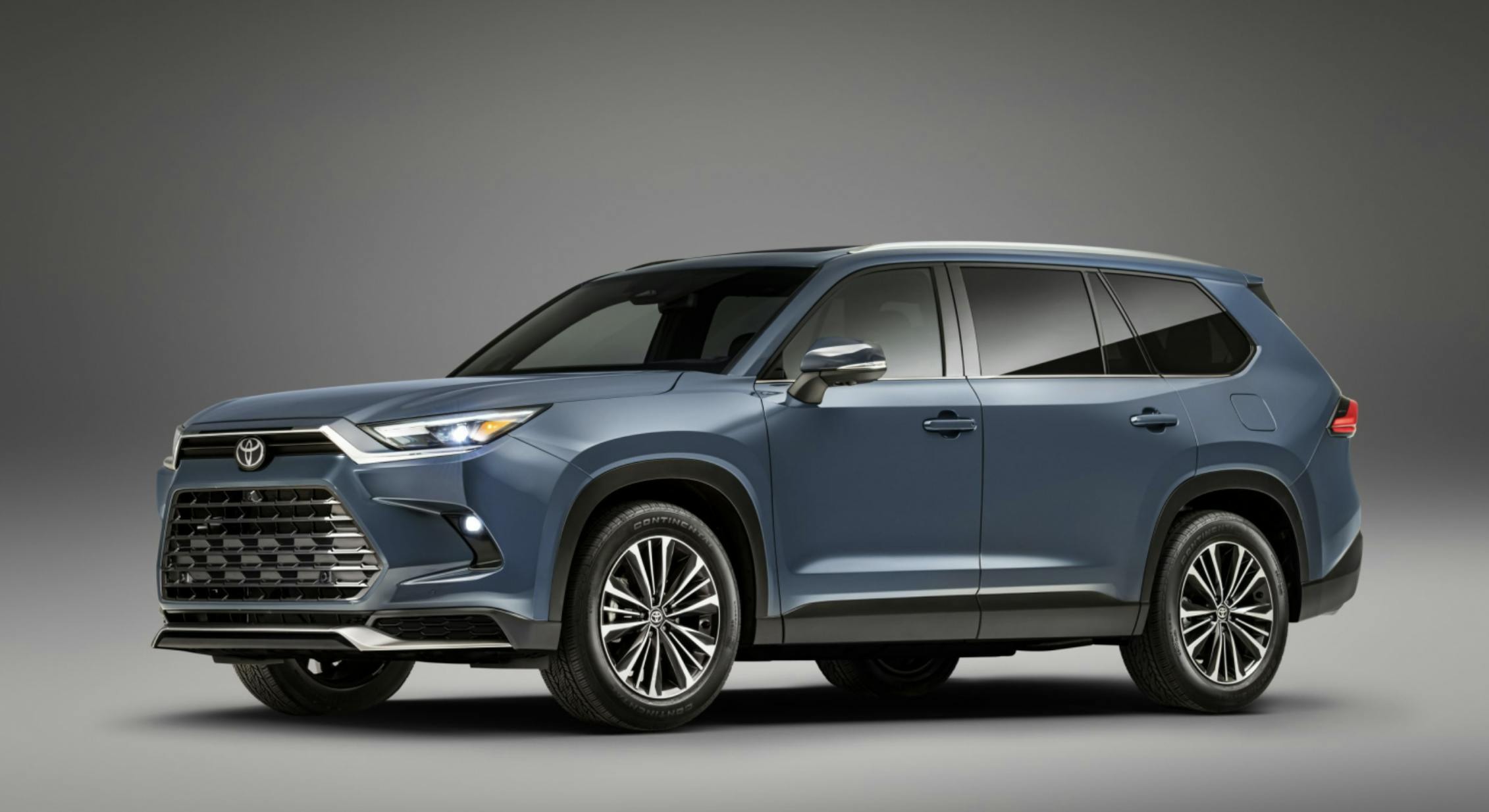
The various V6 engines used in Highlanders feature Toyota’s excellent metallurgy, conservative tuning, and robust cooling systems that allow them to operate effectively even when fully loaded or towing trailers.
These engines routinely exceed 300,000 miles with proper maintenance, often showing minimal wear even after extensive service in demanding family applications.
Toyota’s approach to transmission engineering in the Highlander emphasizes smooth operation and exceptional durability under the challenging conditions typical of family SUV use.
The automatic transmissions are specifically calibrated to handle the weight and duty cycle of three-row SUV applications while maintaining Toyota’s characteristic reliability.
These transmissions routinely exceed 250,000 miles without major issues when properly maintained, contributing significantly to the longevity of the vehicle.
The Highlander’s safety systems are designed to maintain their effectiveness throughout the vehicle’s extended service life, providing families with confidence that their vehicle will continue to protect them even after accumulating high mileage.
12. Ford F-150
The Ford F-150 occupies a unique position on this list as the sole American vehicle, representing Ford’s successful effort to create a pickup truck capable of providing decades of reliable service in applications ranging from light-duty personal use to demanding commercial applications.
As America’s best-selling truck for over four decades, the F-150 has evolved continuously while maintaining the fundamental characteristics that allow properly maintained examples to exceed 300,000 miles routinely.
The engineering evolution of the F-150 demonstrates Ford’s commitment to improving durability and reliability with each generation while maintaining the capability that has made it America’s favorite truck.
The body-on-frame construction provides the structural strength necessary for truck duty while allowing for easy repair and modification throughout the vehicle’s service life.
Ford’s approach to F-150 engineering emphasizes proven mechanical solutions and robust construction that can withstand decades of use in challenging applications. The engines used in F-150s throughout the model’s history represent some of the most durable powerplants Ford has ever produced.
The legendary 300 cubic inch inline-six engine, used from 1965 through 1996, achieved almost mythical status for reliability and longevity, with many examples exceeding 500,000 miles with proper maintenance.
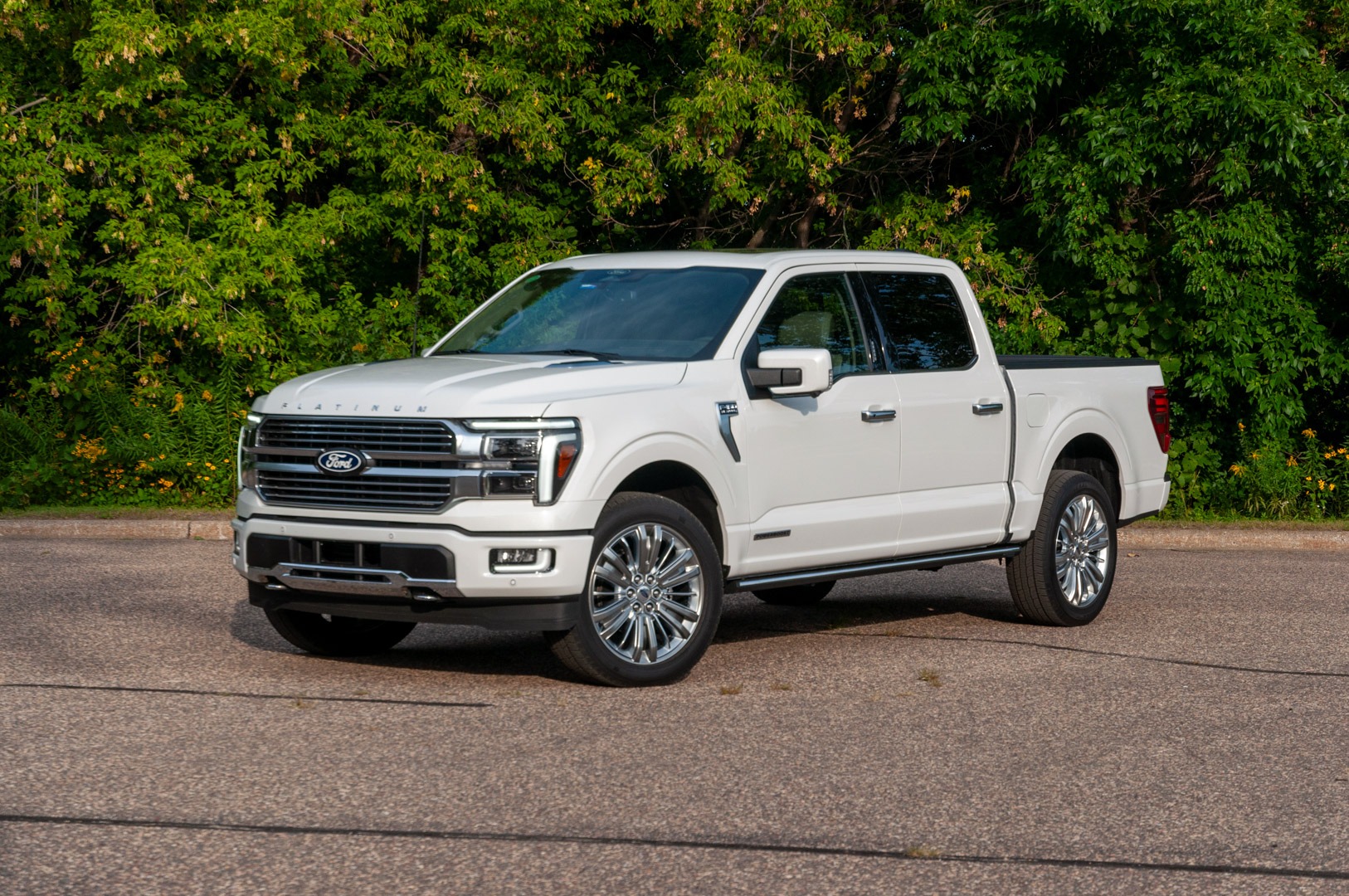
More recent engines, including various V6 and V8 options, continue this tradition of durability while offering improved performance and efficiency. The EcoBoost turbocharged engines, while more complex, have shown good reliability when properly maintained.
Ford’s approach to transmission engineering in the F-150 emphasizes creating systems capable of handling the demanding duty cycles typical of truck applications.
Both manual and automatic transmissions are designed to withstand heavy loads, trailer towing, and commercial use while maintaining reliability throughout extended service lives.
The automatic transmissions, in particular, have earned praise for their durability when properly maintained, routinely exceeding 250,000 miles in truck applications.
The F-150’s exceptional parts availability and widespread service knowledge make long-term ownership particularly attractive, with maintenance and repair costs remaining reasonable throughout the vehicle’s extended lifespan.
Also Read: 12 Vehicles That Stay Reliable Even With Multiple Owners
