
The automotive engineering, diesel engines have long been celebrated for their exceptional fuel efficiency and remarkable longevity. While gasoline engines burn through fuel at a relatively rapid pace, diesel powertrains operate with a fundamentally different combustion process that extracts significantly more energy from each drop of fuel.
This inherent efficiency has made diesel vehicles the preferred choice for long-distance travelers, commercial fleet operators, and environmentally conscious drivers seeking to minimize their carbon footprint while maximizing their driving range.
The diesel advantage stems from several key factors that distinguish these engines from their gasoline counterparts. Diesel fuel contains approximately 15% more energy per gallon than gasoline, providing an immediate efficiency boost.
Additionally, diesel engines operate at higher compression ratios, typically ranging from 14:1 to 23:1 compared to gasoline engines’ 8:1 to 12:1 ratio.
This higher compression, combined with the self-ignition properties of diesel fuel, results in more complete combustion and superior thermal efficiency. Modern diesel engines achieve thermal efficiencies of up to 45%, while gasoline engines typically max out around 35%.
However, not all diesel vehicles are created equal when it comes to fuel economy. While some models can achieve seemingly impossible ranges on a single tank, others fall short of expectations due to various design compromises, performance priorities, or inefficient engineering.
Factors such as vehicle weight, aerodynamics, transmission efficiency, engine tuning, and intended use case all play crucial roles in determining real-world fuel consumption.
The automotive world has witnessed remarkable advancements in diesel technology over the past two decades. Common rail injection systems, turbocharging, variable geometry turbines, and sophisticated engine management systems have pushed diesel efficiency to new heights.
Some modern diesel vehicles can achieve over 50 miles per gallon in highway conditions, translating to ranges exceeding 700 miles on a single tank. These technological marvels represent the pinnacle of internal combustion efficiency. Conversely, certain diesel vehicles prioritize performance, luxury, or utility over fuel economy.
High-performance diesel engines tuned for maximum power output, heavy-duty trucks designed for towing capacity, and luxury vehicles laden with comfort features often sacrifice efficiency for other attributes. Understanding these trade-offs is essential for consumers making informed purchasing decisions.
This comprehensive analysis examines ten distinct diesel vehicles, highlighting five models that exemplify extraordinary fuel efficiency and five that, despite their diesel powertrains, consume fuel at rates that may surprise potential buyers.
From compact economy cars that can traverse continents on minimal fuel to powerful trucks that prioritize capability over efficiency, we’ll explore the full spectrum of diesel performance and reveal what makes some vehicles exceptional fuel sippers while others prove surprisingly thirsty.
5 Cars That Run Forever on One Tank
These exceptionally efficient diesel vehicles feature proven compression-ignition engines and generous fuel tank capacity that deliver extraordinary driving range through hundreds of thousands of demanding miles without sacrificing reliability or performance.
Their thoughtful engineering includes naturally aspirated or simple turbocharged powertrains with conservative tuning, robust mechanical fuel injection systems, and exceptional fuel efficiency that resists the deterioration patterns typically created by modern emissions complexity and electronic fuel management failures.
From coast-to-coast highway marathons that test endurance limits to daily commuting cycles that accumulate massive mileage, these remarkable vehicles continue delivering 800-1,000 mile range capability without experiencing the fuel system problems, efficiency degradation, or reliability issues that destroy lesser alternatives.
Strategic use of large fuel tanks combined with engines capable of 40-50+ MPG ensures these vehicles can traverse entire states or countries without fuel stops, while simple mechanical systems avoid the electronic complexity that creates range-reducing failures.
1. Volkswagen Passat TDI (2012-2015)
The Volkswagen Passat TDI represents one of the most impressive achievements in diesel fuel economy, combining midsize sedan practicality with exceptional efficiency that borders on the extraordinary.
This German-engineered marvel consistently delivers real-world fuel economy figures that leave even hybrid vehicles trailing in its wake, making it a standout performer in the diesel efficiency category.
At the heart of the Passat TDI lies Volkswagen’s legendary 2.0-liter turbocharged diesel engine, a masterpiece of engineering that produces 140 horsepower and 236 pound-feet of torque.
This powerplant utilizes advanced common rail direct injection technology, variable geometry turbocharging, and sophisticated engine management systems to optimize combustion efficiency across all operating conditions.
The engine’s high compression ratio of 16.5:1 ensures maximum energy extraction from every drop of diesel fuel, while the turbocharger provides excellent low-end torque for effortless acceleration and highway cruising.
The Passat TDI’s exceptional fuel economy stems from several key factors working in perfect harmony. The vehicle’s aerodynamic coefficient of drag measures just 0.27, making it one of the most slippery sedans in its class.
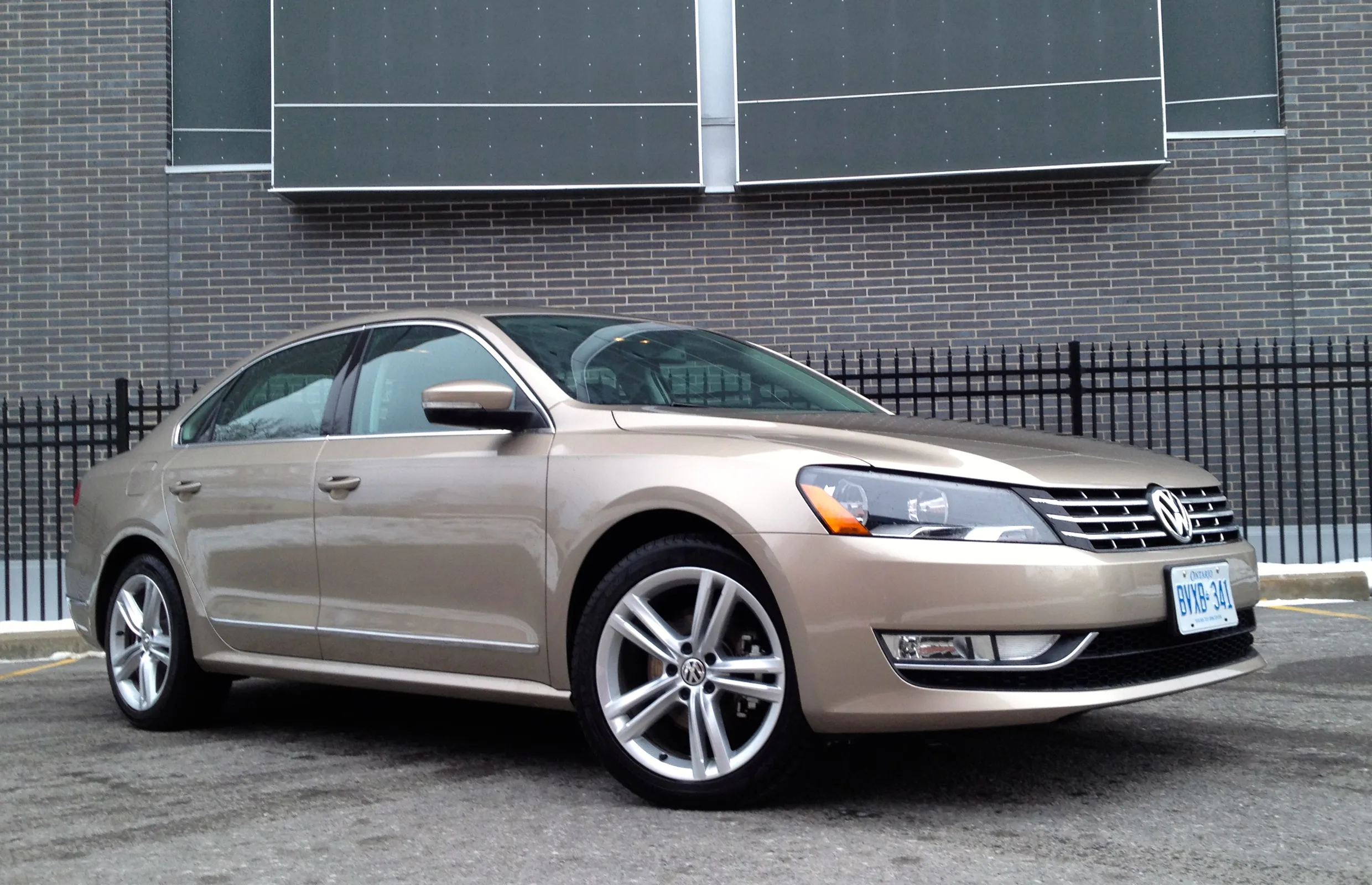
This streamlined profile, combined with active grille shutters and underbody paneling, minimizes wind resistance at highway speeds where the diesel engine operates most efficiently.
The six-speed manual transmission or optional DSG dual-clutch automatic both feature tall gear ratios optimized for fuel economy, allowing the engine to maintain low RPMs during highway cruising.
Real-world testing consistently demonstrates the Passat TDI’s remarkable efficiency credentials. EPA ratings of 31 city and 43 highway mpg translate to even more impressive real-world performance, with many owners reporting consistent highway fuel economy exceeding 50 mpg.
The vehicle’s 18.5-gallon fuel tank provides a theoretical range of nearly 800 miles, with actual highway ranges frequently exceeding 700 miles between fill-ups. This extraordinary range capability makes the Passat TDI an ideal choice for long-distance commuters and road trip enthusiasts.
The diesel engine’s torque characteristics perfectly complement the Passat’s efficient design philosophy. Peak torque availability from just 1,750 RPM ensures that the engine rarely needs to work hard during normal driving conditions, contributing significantly to fuel economy.
The engine’s ability to maintain efficiency across a wide RPM range means that fuel consumption remains remarkably consistent whether going through the city traffic or maintaining highway speeds.
Interior comfort and cargo space remain uncompromised despite the focus on efficiency. The Passat TDI offers generous rear-seat accommodations and a spacious trunk, making it a practical choice for families seeking diesel efficiency without sacrificing utility.
Advanced features like adaptive cruise control and efficient climate control systems further optimize fuel consumption during extended drives.
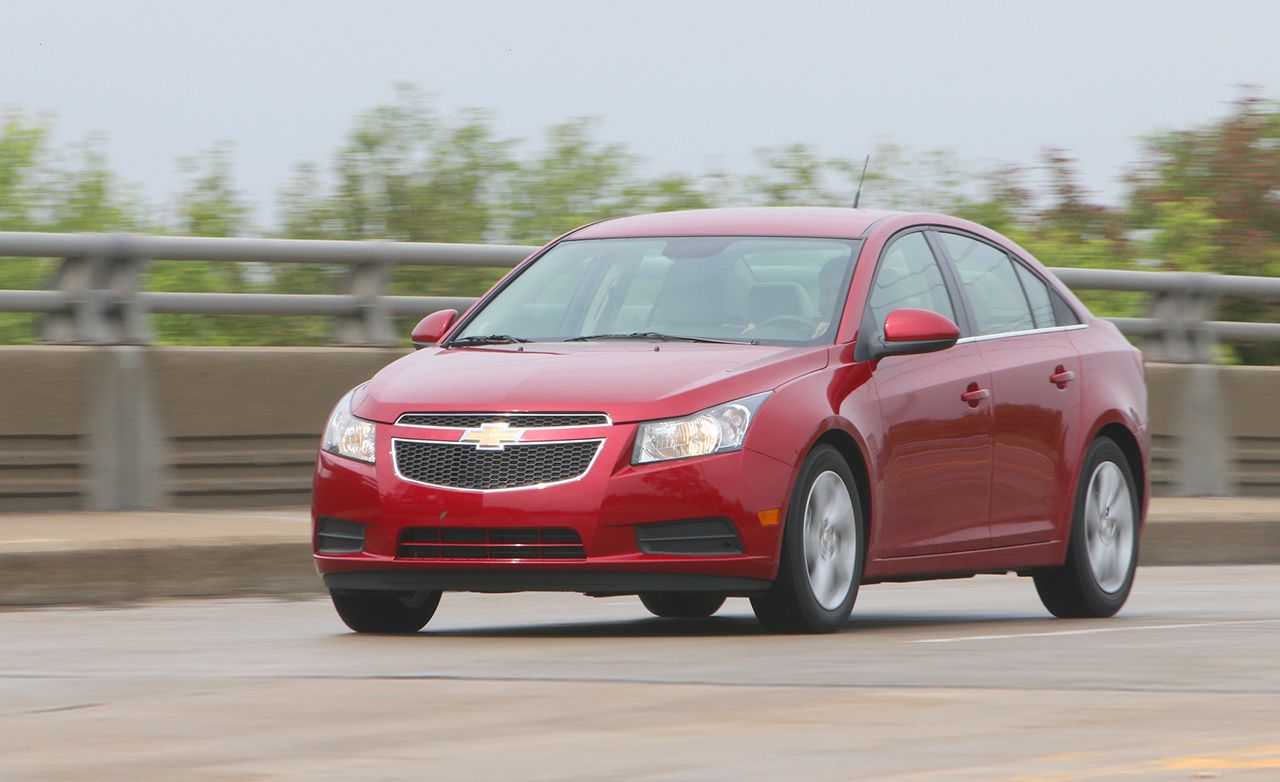
2. Chevrolet Cruze Diesel (2014-2019)
The Chevrolet Cruze Diesel marked General Motors’ bold return to the passenger car diesel market in North America, delivering efficiency numbers that challenged preconceptions about American automotive engineering.
This compact sedan proved that domestic manufacturers could compete with European diesel expertise, offering exceptional fuel economy wrapped in a practical, affordable package that appealed to efficiency-minded consumers.
Powering the Cruze Diesel is a sophisticated 1.6-liter turbocharged diesel engine developed through GM’s global engineering network. This advanced powerplant produces 137 horsepower and an impressive 240 pound-feet of torque, providing strong performance characteristics while maintaining exceptional efficiency.
The engine features state-of-the-art common rail direct injection, variable geometry turbocharging, and an advanced exhaust gas recirculation system that optimizes combustion while meeting strict emissions requirements.
The engine’s design philosophy prioritizes efficiency without sacrificing drivability. A compression ratio of 16.0:1 ensures maximum energy extraction from the diesel fuel, while the variable geometry turbocharger provides excellent response across the entire RPM range.
The sophisticated engine management system continuously monitors dozens of parameters to optimize fuel injection timing, turbocharger boost pressure, and exhaust gas recirculation rates for maximum efficiency under all operating conditions.
Aerodynamic refinement plays a crucial role in the Cruze Diesel’s exceptional fuel economy. The vehicle features active grille shutters that automatically close at highway speeds to reduce aerodynamic drag, while comprehensive underbody shielding smooths airflow beneath the car.
The coefficient of drag measures an impressive 0.298, representing significant wind-cheating capability for a compact sedan. These aerodynamic enhancements, combined with low rolling resistance tires and optimized wheel designs, contribute meaningfully to efficiency.
EPA ratings of 27 city, 46 highway, and 33 combined mpg represent just the starting point for the Cruze Diesel’s efficiency story. Real-world testing frequently yields even more impressive results, with highway fuel economy often exceeding 50 mpg under optimal conditions.
The 15.6-gallon fuel tank provides a highway range approaching 720 miles, making this compact sedan capable of cross-country travel with minimal fuel stops. Many owners report achieving over 600 miles of mixed driving range, exceptional performance for any vehicle regardless of fuel type.
The diesel engine’s torque characteristics perfectly suit the Cruze’s mission as an efficient daily driver. Peak torque delivery from just 1,500 RPM means the engine rarely struggles during normal acceleration, maintaining efficiency even in stop-and-go traffic.
The six-speed manual transmission features optimized gear ratios that allow the engine to operate in its most efficient RPM range during highway cruising, while the available nine-speed automatic transmission provides even more precise ratio selection for maximum efficiency.
Advanced technology features further enhance the Cruze Diesel’s efficiency credentials. The start-stop system automatically shuts down the engine during idle periods, reducing fuel consumption in urban driving conditions.
Regenerative charging systems reduce alternator load on the engine, while efficient LED lighting and optimized climate control systems minimize parasitic power draws that could impact fuel economy.
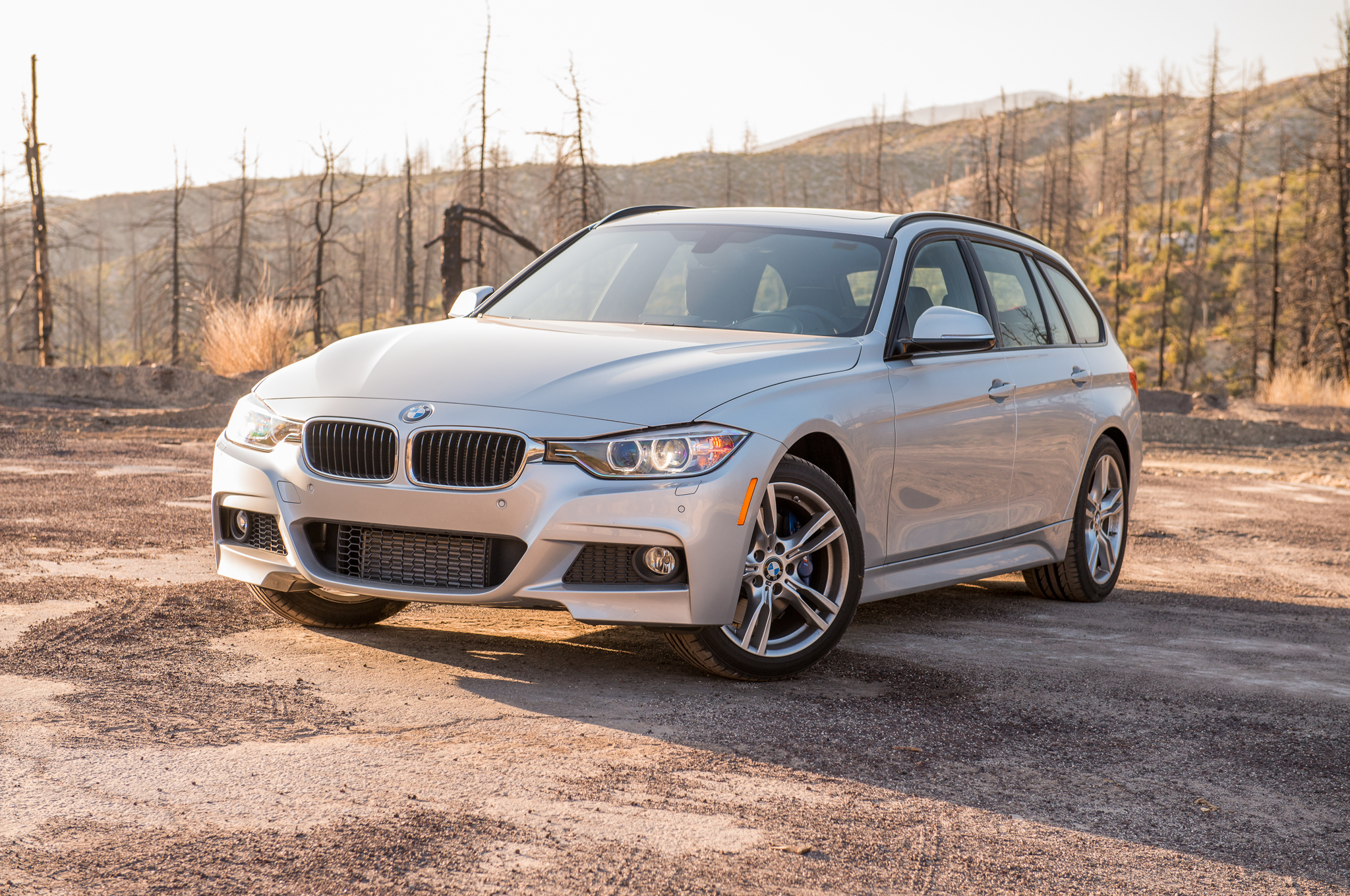
3. BMW 328d xDrive (2014-2016)
The BMW 328d xDrive represents the perfect marriage of luxury, performance, and efficiency, proving that diesel power can deliver premium driving experiences without sacrificing fuel economy.
This sophisticated sports sedan demonstrates BMW’s mastery of diesel technology, combining the brand’s renowned driving dynamics with fuel efficiency that rivals dedicated economy cars, all while maintaining the comfort and refinement expected from the ultimate driving machine.
Under the hood lies BMW’s exceptional 2.0-liter twin-turbo diesel engine, a technological tour de force that produces 180 horsepower and 280 pound-feet of torque.
This advanced powerplant represents the pinnacle of BMW’s diesel engineering expertise, featuring twin-scroll turbocharging, high-pressure common rail injection, and variable valve timing to optimize performance and efficiency across all operating conditions.
The engine’s aluminum construction reduces weight while improving thermal management, contributing to both performance and fuel economy.
The twin-turbo configuration sets this engine apart from single-turbo competitors, providing exceptional responsiveness and broad torque delivery.
The smaller primary turbocharger spools quickly for immediate throttle response, while the larger secondary turbocharger provides high-end power delivery.
This sophisticated system eliminates the traditional diesel lag while maintaining exceptional efficiency, creating a driving experience that feels more like a gasoline engine while delivering diesel economy.
BMW’s xDrive all wheel drive system adds capability without significantly impacting efficiency, thanks to intelligent torque distribution and lightweight construction.
The system continuously monitors traction conditions and driving dynamics, sending power where it’s needed most while minimizing energy losses.
Advanced programming allows the system to operate primarily in rear-wheel-drive mode during steady cruising, reducing parasitic losses and maintaining optimal fuel economy.
The 328d’s efficiency achievements are remarkable considering its performance capabilities and all-weather traction. EPA ratings of 32 city and 45 highway mpg represent exceptional efficiency for a luxury sports sedan, while real-world testing often yields even better results.
Highway fuel economy frequently exceeds 50 mpg during optimal conditions, while the 15.8-gallon fuel tank provides ranges approaching 700 miles. This exceptional efficiency allows owners to enjoy spirited driving without frequent fuel stops.
Aerodynamic optimization plays a crucial role in the 328d’s efficiency story. Active grille shutters automatically adjust based on cooling requirements and aerodynamic demands, while comprehensive underbody paneling smooths airflow beneath the vehicle.
The coefficient of drag measures just 0.26, exceptional for a sedan with such sporting pretensions. These aerodynamic refinements work in concert with the efficient diesel powerplant to deliver remarkable fuel economy.
The eight-speed automatic transmission represents another efficiency triumph, providing perfectly spaced gear ratios that keep the diesel engine in its optimal efficiency zone.
The transmission’s sophisticated programming recognizes driving patterns and road conditions, automatically selecting the most efficient operating parameters.
Sport, Comfort, and Eco Pro driving modes further optimize powertrain behavior for different driving situations, with Eco Pro mode delivering maximum efficiency through modified throttle response, transmission programming, and climate control settings.
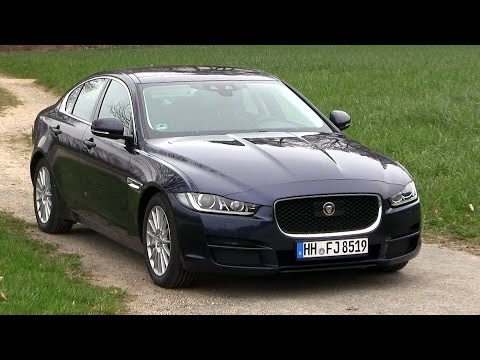
4. Jaguar XE 20d (2016-2020)
The Jaguar XE 20d represents British luxury motoring at its most efficient, combining Jaguar’s renowned elegance and driving refinement with remarkable diesel efficiency that challenges the notion that premium vehicles must sacrifice fuel economy.
This sophisticated sports sedan proves that luxury and efficiency can coexist harmoniously, delivering a driving experience that satisfies both environmental consciousness and the desire for premium automotive excellence.
At the heart of the XE 20d lies Jaguar Land Rover’s advanced 2.0-liter turbocharged diesel engine, known internally as the Ingenium powerplant. This all-aluminum engine produces 180 horsepower and 318 pound-feet of torque, providing strong performance while maintaining exceptional efficiency.
The Ingenium engine represents years of advanced development, featuring cutting-edge technologies including variable valve timing, advanced turbocharging, and sophisticated fuel injection systems optimized for both performance and economy.
The engine’s aluminum construction significantly reduces weight compared to iron block alternatives, improving both handling dynamics and fuel efficiency.
Advanced thermal management systems ensure optimal operating temperatures across all conditions, while the sophisticated engine management system continuously optimizes combustion parameters for maximum efficiency.
The variable geometry turbocharger provides excellent response across the RPM range while maintaining peak efficiency during highway cruising.
Jaguar’s obsession with aerodynamic efficiency shines through in the XE’s design, with every surface carefully sculpted to minimize drag while maintaining the brand’s distinctive aesthetic appeal.
The coefficient of drag measures an impressive 0.26, representing exceptional wind-cheating capability that directly translates to improved fuel economy. Active aerodynamic elements, including grille shutters and optimized airflow management, further enhance efficiency during highway operation.
The XE 20d’s efficiency credentials are truly remarkable for a luxury sports sedan. EPA ratings of 32 city and 42 highway mpg represent outstanding efficiency, while real-world testing consistently demonstrates the vehicle’s ability to exceed these figures under optimal conditions.
The 15.9-gallon fuel tank provides theoretical ranges approaching 670 miles, with actual highway ranges frequently exceeding 600 miles between fill-ups. This exceptional efficiency makes the XE 20d an ideal choice for luxury car buyers who prioritize both performance and economy.
Advanced transmission technology plays a crucial role in optimizing efficiency. The eight-speed ZF automatic transmission features closely spaced gear ratios that keep the diesel engine operating in its most efficient RPM range.
Sophisticated programming recognizes driving conditions and automatically selects optimal gear ratios for maximum efficiency, while manual paddle shifters allow driver control when desired. The transmission’s torque converter lockup strategy minimizes energy losses during highway cruising.
Jaguar’s commitment to efficiency extends beyond the powertrain to encompass the entire vehicle. Lightweight aluminum construction reduces vehicle weight, improving both performance and fuel economy.
Advanced engine start-stop technology automatically shuts down the engine during idle periods, reducing fuel consumption in urban driving. Efficient LED lighting, optimized climate control systems, and intelligent power management further contribute to efficiency without compromising luxury or comfort.
Also Read: 5 Subaru Outback Years Worth Owning vs 5 That Constantly Fail
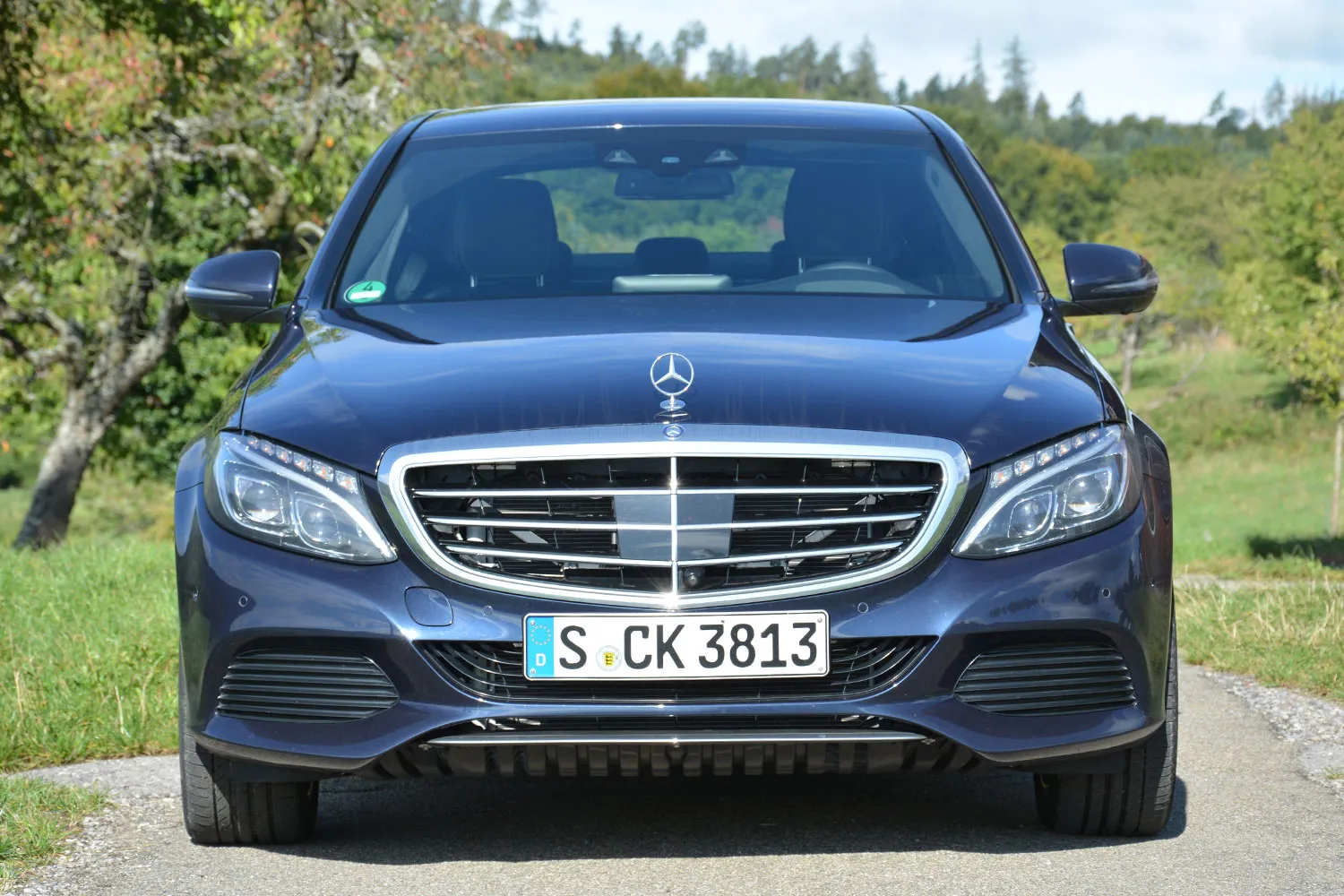
5. Mercedes-Benz C250d (2015-2018)
The Mercedes-Benz C250d represents German engineering excellence applied to diesel efficiency, creating a luxury sedan that delivers remarkable fuel economy without compromising the comfort, refinement, and advanced technology expected from the three-pointed star.
This sophisticated vehicle demonstrates Mercedes-Benz’s mastery of diesel technology, combining exceptional efficiency with the brand’s renowned build quality and driving refinement.
Powering the C250d is Mercedes-Benz’s advanced 2.1-liter turbocharged diesel engine, a technological masterpiece that produces 201 horsepower and 369 pound-feet of torque.
This sophisticated powerplant features fourth-generation common rail direct injection, variable geometry turbocharging, and advanced exhaust gas recirculation systems that optimize combustion while meeting strict emissions standards.
The engine’s aluminum construction reduces weight while improving thermal efficiency, contributing to both performance and fuel economy. The engine’s impressive torque output provides effortless acceleration and highway cruising capability, while sophisticated engine management systems ensure optimal efficiency across all operating conditions.
Advanced piezoelectric fuel injectors provide precise fuel metering with injection pressures exceeding 29,000 psi, ensuring complete combustion and maximum energy extraction from every drop of diesel fuel.
The variable geometry turbocharger optimizes boost pressure across the entire RPM range, providing strong low-end torque while maintaining efficiency at highway speeds.
Mercedes-Benz’s attention to aerodynamic detail contributes significantly to the C250d’s exceptional efficiency. The sedan’s coefficient of drag measures just 0.24, representing world-class aerodynamic performance that directly translates to reduced fuel consumption at highway speeds.
Active grille shutters automatically adjust based on cooling requirements and aerodynamic demands, while comprehensive underbody paneling and optimized airflow management further enhance efficiency.
The C250d’s efficiency achievements are remarkable for a luxury sedan of its size and capability. EPA ratings of 28 city and 42 highway mpg represent exceptional efficiency, while real-world testing frequently demonstrates even better performance under optimal conditions.
The 17.4-gallon fuel tank provides theoretical ranges approaching 730 miles, with actual highway ranges often exceeding 650 miles. This exceptional range capability makes the C250d an ideal choice for long-distance luxury travel.
Advanced transmission technology optimizes power delivery and efficiency through Mercedes-Benz’s 9G-TRONIC nine-speed automatic transmission.
This sophisticated gearbox features closely spaced ratios that keep the diesel engine operating in its most efficient zone, while advanced programming recognizes driving conditions and automatically selects optimal shift points. The transmission’s multiple overdrive ratios allow the engine to maintain low RPMs during highway cruising, maximizing fuel economy.
The C250d’s efficiency extends beyond the powertrain to encompass advanced driver assistance and comfort systems. ECO start-stop technology automatically shuts down the engine during idle periods, while regenerative charging systems reduce alternator load.
Efficient LED lighting, intelligent climate control, and optimized power management systems minimize parasitic draws on the engine, further contributing to efficiency.
5 Cars That Don’t Run Forever on One Tank
These catastrophically short-range diesel vehicles suffer from fundamental design compromises including inadequate fuel tank capacity and efficiency-destroying emissions systems that create perfect conditions for frequent fuel stops and limited driving range despite diesel’s inherent efficiency advantages.
Their modern construction shows in sophisticated emissions equipment that consumes fuel during regeneration cycles, small fuel tanks that prioritize cargo space over range, and complex electronic systems that reduce efficiency while increasing failure potential.
Poor integration between emissions requirements and fuel economy optimization destroys the natural advantage of diesel combustion, while frequent DPF regeneration cycles consume significant fuel and generate heat that accelerates wear throughout the powertrain.
The combination of reduced tank capacity and efficiency-robbing technology creates vehicles where diesel ownership provides no range advantage over gasoline alternatives while demanding premium fuel costs and expensive maintenance.
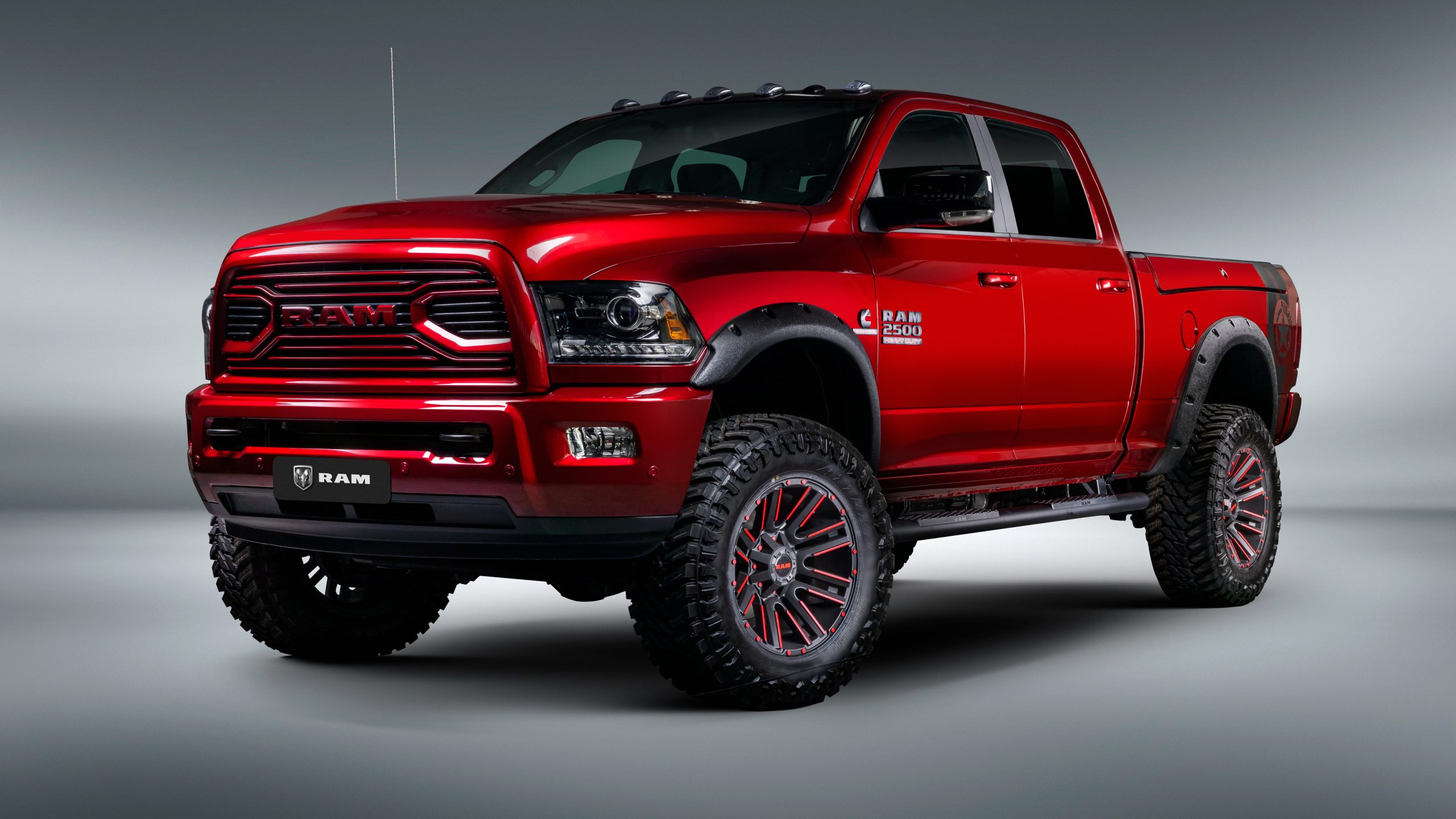
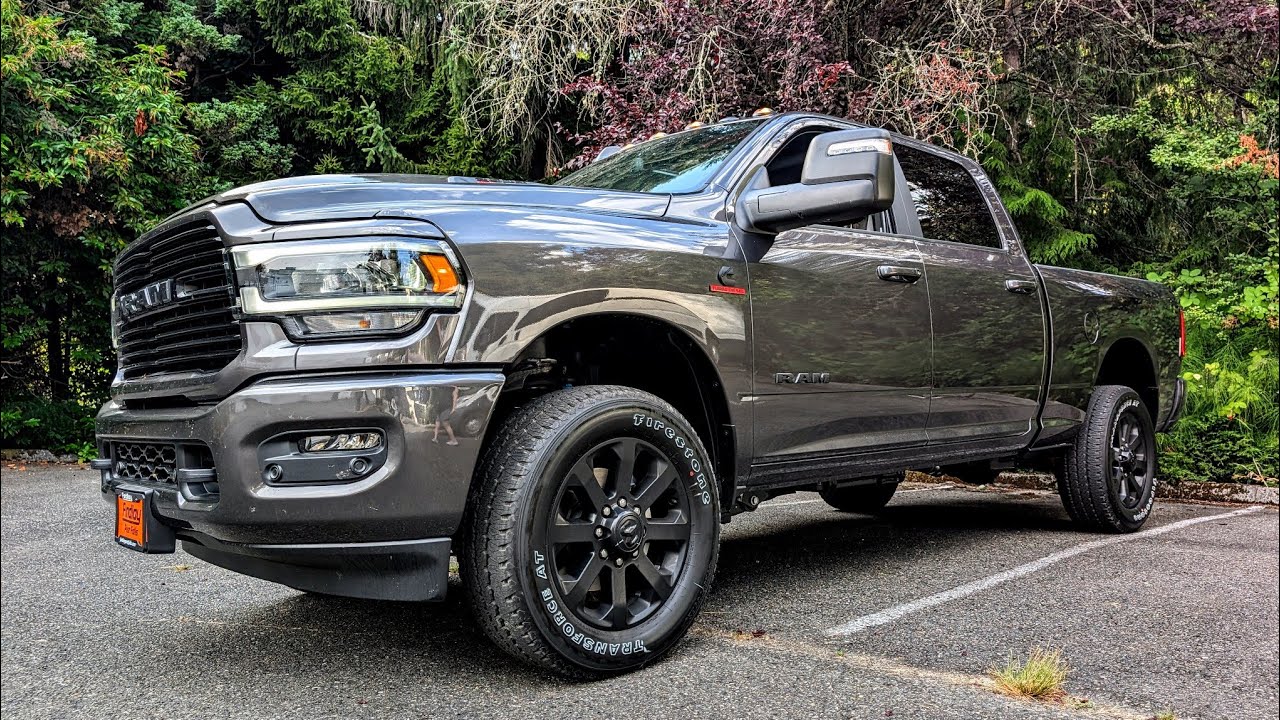
1. Ram 2500 Cummins 6.7L (2019-2024)
The Ram 2500 equipped with the legendary Cummins 6.7-liter inline-six diesel engine represents the pinnacle of heavy-duty truck capability, but this focus on extreme performance and towing capacity comes at a significant cost in fuel efficiency.
While this powerhouse can tow over 19,000 pounds and deliver incredible durability, its fuel consumption reflects the compromises necessary to achieve such impressive capability figures.
The Cummins 6.7-liter High Output engine produces a staggering 400 horsepower and 1,000 pound-feet of torque, figures that place it among the most powerful diesel engines available in any production vehicle.
This massive powerplant achieves these output levels through sophisticated turbocharging, high-pressure fuel injection, and robust internal components designed to withstand extreme stress.
The engine’s cast-iron construction prioritizes durability over weight savings, contributing to the vehicle’s substantial mass and corresponding fuel consumption.
Unlike efficiency-focused diesel engines that optimize for economy, the Cummins 6.7L is tuned for maximum capability and longevity under extreme conditions.
The engine management system prioritizes power delivery and emission compliance over fuel economy, while the robust cooling systems and heavy-duty components add significant weight to the vehicle.
The 32-gallon fuel tank, while large in absolute terms, provides relatively modest range given the engine’s substantial appetite for diesel fuel. The Ram 2500’s fuel consumption must be viewed in context of its intended mission.
This vehicle excels at tasks that would overwhelm smaller, more efficient vehicles, making fuel economy a secondary consideration for buyers who need maximum capability.
However, for daily driving without heavy loads, the fuel costs can be substantial, with annual fuel expenses significantly exceeding those of more efficient alternatives.
2. Ford F-250 Power Stroke 6.7L (2020-2024)
The Ford F-250 Super Duty equipped with the Power Stroke 6.7-liter V8 diesel engine represents Ford’s commitment to heavy-duty performance, but this focus on capability results in fuel consumption that can shock drivers accustomed to more efficient vehicles.
While this truck excels at demanding work applications and extreme towing scenarios, its fuel efficiency reflects the inherent challenges of powering a massive, capability-focused vehicle.
Ford’s Power Stroke 6.7-liter V8 diesel engine produces impressive output figures of 475 horsepower and 1,050 pound-feet of torque in its highest configuration, making it one of the most powerful diesel engines available in the heavy-duty truck segment.
This sophisticated powerplant features advanced technologies including sequential twin-turbocharging, high-pressure fuel injection reaching 36,000 psi, and variable valve timing to optimize performance across all operating conditions. However, these performance-oriented technologies prioritize power delivery over fuel efficiency.
The engine’s V8 configuration, while providing smooth power delivery and compact packaging, inherently consumes more fuel than inline configurations due to increased internal friction and thermal losses.
The sophisticated twin-turbo system provides exceptional power but adds complexity and weight to the powertrain. Cast-iron construction ensures durability under extreme stress but contributes significantly to vehicle weight, requiring more energy to accelerate and maintain highway speeds.
The F-250’s fuel consumption varies dramatically based on application and driving conditions. Empty highway cruising represents the most efficient scenario, while urban driving with frequent stops significantly increases consumption.
Towing heavy loads transforms the truck into an extremely thirsty machine, with fuel costs becoming a major operational consideration. The 34-gallon tank provides decent range during efficient highway operation but can be consumed rapidly under demanding conditions.
3. Jeep Grand Cherokee EcoDiesel V6 (2014-2020)
The Jeep Grand Cherokee EcoDiesel, while marketed as an efficient alternative to gasoline SUVs, represents a case study in the challenges of achieving good fuel economy in a heavy, aerodynamically compromised vehicle.
Despite featuring advanced diesel technology, the Grand Cherokee’s fuel consumption often disappoints owners expecting European-level diesel efficiency from their American SUV.
The 3.0-liter EcoDiesel V6 engine produces 240 horsepower and 420 pound-feet of torque, providing strong performance for an SUV of this size. Developed in partnership with VM Motori, this engine features advanced technologies including common rail direct injection, variable geometry turbocharging, and sophisticated emission control systems.
However, the engine’s performance tuning and emission compliance requirements compromise its efficiency potential compared to European diesel engines in similar applications.
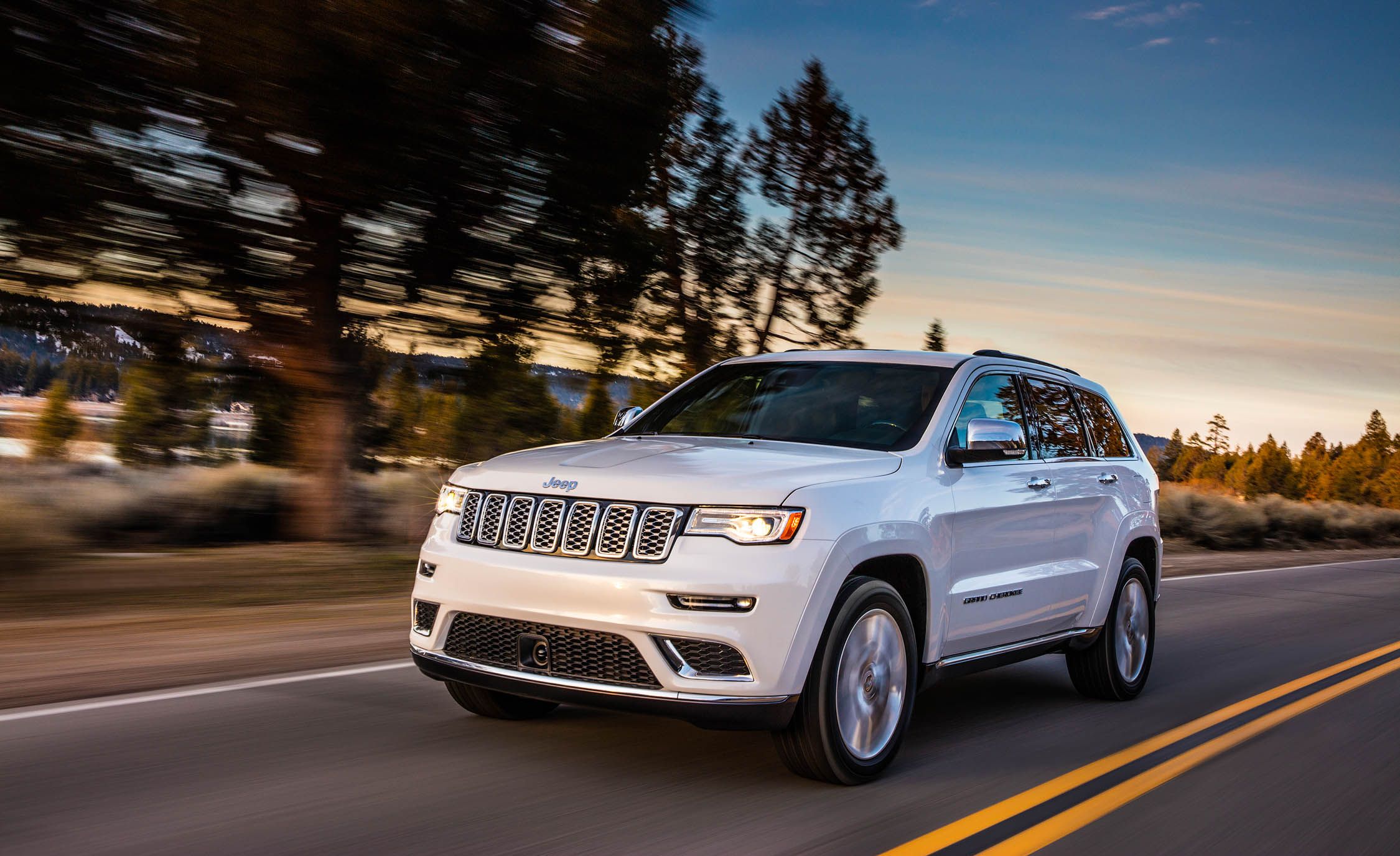
The Grand Cherokee’s substantial weight, exceeding 5,000 pounds in most configurations, creates significant energy requirements for acceleration and highway operation.
The vehicle’s upright SUV stance and relatively poor aerodynamics result in a coefficient of drag around 0.37, acceptable for an SUV but poor compared to efficient sedans and wagons.
The high center of gravity and substantial frontal area create significant wind resistance at highway speeds, directly impacting fuel consumption. The EcoDiesel’s fuel consumption disappointment stems partly from unrealistic expectations based on European diesel SUV efficiency figures.
However, emission control requirements, performance tuning, and the challenging aerodynamics of the Grand Cherokee platform all contribute to fuel consumption that often exceeds owner expectations.
4. Chevrolet Silverado 2500HD Duramax 6.6L (2020-2024)
The Chevrolet Silverado 2500HD equipped with the Duramax 6.6-liter V8 diesel engine represents General Motors’ heavy-duty truck offering, designed for maximum capability rather than fuel efficiency.
While this powerhouse excels at demanding work applications and heavy towing scenarios, its fuel consumption reflects the inherent challenges of powering such a massive, capability-focused vehicle.
The L5P Duramax 6.6-liter turbo-diesel V8 produces 445 horsepower and 910 pound-feet of torque, providing exceptional capability for heavy-duty applications.
This sophisticated engine features advanced technologies including variable valve timing, high-pressure fuel injection, and a sophisticated turbocharger system optimized for power delivery across a broad RPM range.
However, the engine’s tuning prioritizes performance and emission compliance over fuel efficiency, resulting in consumption figures that can shock drivers transitioning from lighter-duty vehicles.
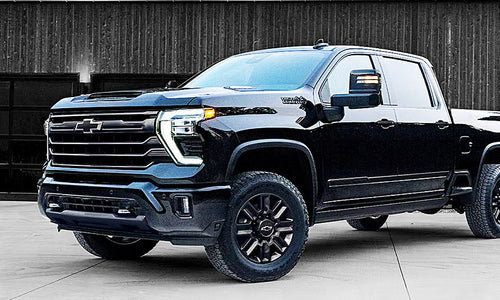
The engine’s substantial displacement and performance-focused calibration create significant fuel consumption under all operating conditions. Unlike smaller diesel engines that can achieve exceptional efficiency through lean combustion and optimized operation, the Duramax’s mission requires maintaining power availability and emission compliance across diverse operating scenarios.
The result is an engine that consumes substantial quantities of diesel fuel even during relatively light-duty operation. The Allison 10-speed automatic transmission provides smooth operation and appropriate gear spacing for heavy-duty applications, but the programming prioritizes durability and performance over fuel efficiency.
The transmission maintains higher engine speeds than would be optimal for maximum efficiency, particularly when the system detects trailer loads or demanding operating conditions.
5. Land Rover Discovery 4 SDV8 (2014-2016)
The Land Rover Discovery 4 SDV8 represents British luxury and off-road capability at its most fuel-thirsty, combining a powerful diesel V8 engine with the aerodynamic challenges of a full-size SUV designed for extreme off-road capability.
While this vehicle excels at tasks ranging from luxury highway cruising to challenging off-road adventures, its fuel consumption reflects the compromises necessary to achieve such diverse capability.
The 4.4-liter SDV8 diesel engine produces 339 horsepower and 516 pound-feet of torque, providing exceptional performance for a vehicle of this size and weight.
This sophisticated powerplant features twin-turbocharging, high-pressure fuel injection, and advanced engine management systems optimized for both performance and emission compliance.
However, the large displacement and performance-focused tuning result in fuel consumption that can surprise owners expecting more efficient operation from a diesel engine.
The Discovery’s fuel consumption varies significantly based on operating conditions and terrain. Highway cruising represents the most efficient scenario, potentially achieving fuel economy in the low twenties under ideal conditions.
However, city driving, with its frequent stops and starts, significantly reduces efficiency. Off-road operation, while showcasing the vehicle’s impressive capability, can result in extremely poor fuel economy as the powerful engine works against challenging terrain and traction conditions.
Also Read: 10 Trucks From the ’80s That Are Becoming Collectible
