
When it comes to conquering the desert, not all cars are built the same. Blistering heat, endless sand, and rugged terrain push vehicles to their limits. Some machines thrive in these harsh conditions, combining durability, power, and advanced engineering to keep going when others fail.
On the other hand, certain cars simply can’t handle the relentless desert environment, suffering from overheating engines, poor traction, or fragile suspensions. In this article, we break down 10 cars that survive desert driving versus 10 that can’t handle the heat.
Whether you’re an off-road enthusiast, a desert adventurer, or curious about which vehicles perform under extreme conditions, this list shows which cars dominate the dunes and which ones are better left on smooth roads. Get ready to see the ultimate desert survivors and those destined to overheat under the sun.
10 Cars That Survive Desert Driving
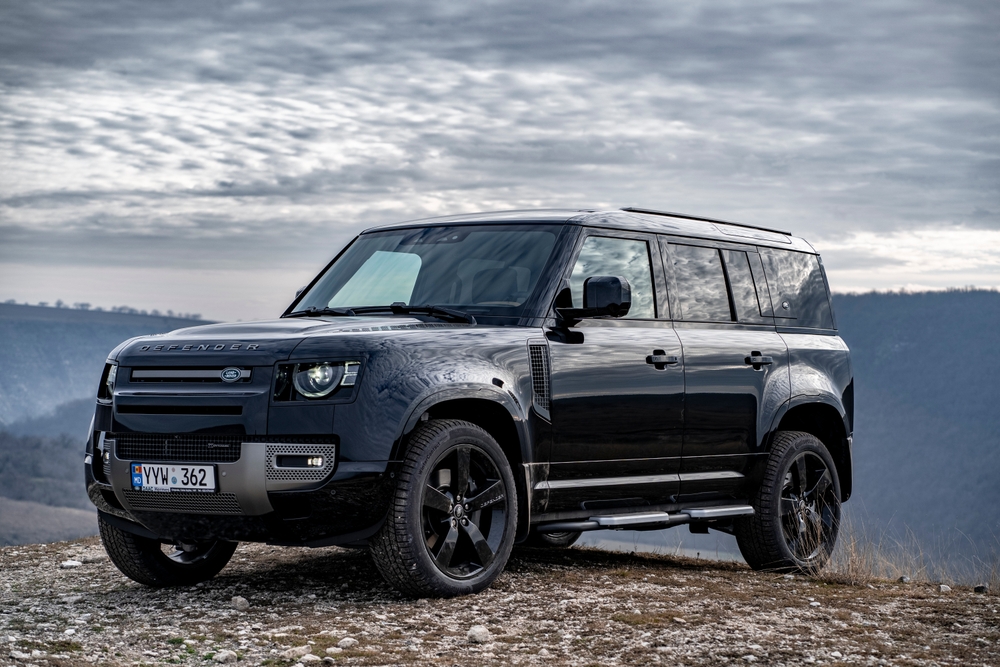
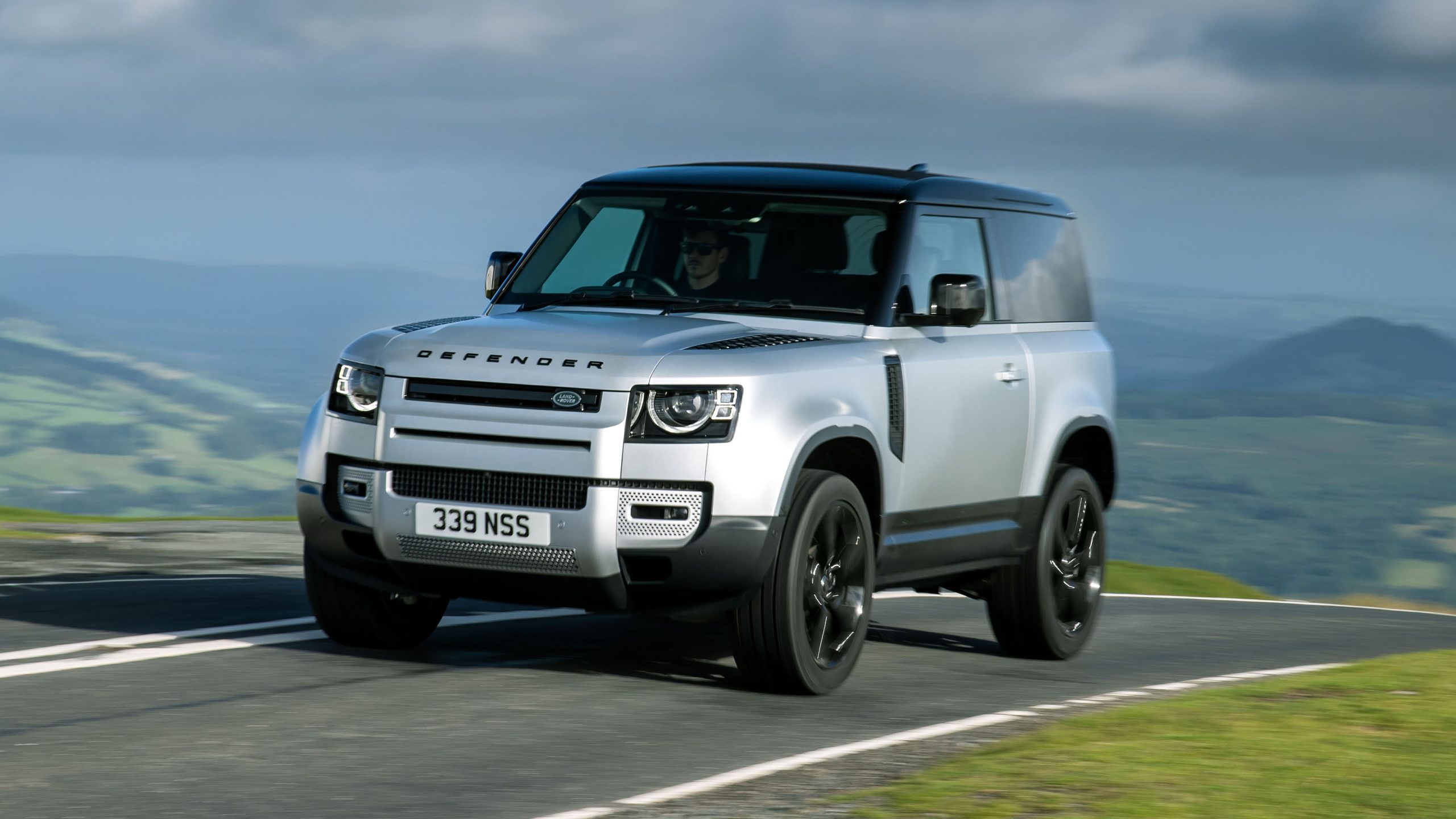
1. Land Rover Defender: Rugged Capability Meets Luxury Refinement
The 2025 Land Rover Defender stands apart from its Range Rover and Discovery siblings as the adventurous rebel of the lineup. Built on the advanced D7x aluminum unibody platform, the Defender boasts a structure three times more rigid than previous generations. This modern foundation, paired with independent suspension and a twin-speed transfer box, ensures a blend of off-road strength and refined road manners.
The Defender defies expectations by combining serious off-road prowess with smooth on-road handling. Its computer-aided traction controls, 12 inches of ground clearance, and advanced four-wheel drive make it a true trail-ready machine. The new Defender Octa, featuring a 626-hp V8 and specialized suspension, further enhances capability and asphalt control.
Acceleration is strong across trims: the Defender 110 hits 0-60 mph in 6.7 seconds, while the smaller 90 achieves 6.2 seconds with the inline six-cylinder. Despite weighing over 5,200 pounds, the SUV feels quick for its class. The transmission shifts seamlessly, and braking is smooth for everyday driving. Performance earns an 8/10 rating.
The Defender earns another 8/10 for comfort. Its cabin stays quiet, even on larger all-terrain wheels, and ride refinement is consistent with Land Rover’s luxury badge. Seats are highly adjustable, with available heating and ventilation, while the climate system is effective though occasionally fiddly. Ride firmness increases with the optional 20-inch wheels, but the standard 18-inch setup is more forgiving.
The interior emphasizes practicality and space, especially in the four-door 110 model. Passengers enjoy ample headroom, legroom, and shoulder room under the Defender’s tall roofline. Visibility is excellent thanks to large windows and mirrors, and the cabin remains impressively quiet for an off-road vehicle.
The two-door 90 sacrifices convenience, with tight rear access and significantly less cargo space. Interior usability suffers slightly from multifunctional climate dials that double as drive mode and seat control selectors, adding a learning curve. Comfort and usability earn an 8/10 rating.
Tech features are modern and useful, with a wide touchscreen, digital gauge cluster, and Apple CarPlay/Android Auto standard. The voice command system is inconsistent, though smartphone integration works well. A surround-view camera system and adaptive cruise control enhance both off-road and highway driving. With wireless charging, multiple USB ports, and responsive infotainment, technology earns 8/10.
Practicality varies depending on body style. The Defender 110 offers 34 cubic feet of cargo space and easier access, especially with air suspension that lowers for loading. The smaller 90 is far less practical, with less than half the cargo space and cumbersome seat-folding. A swing-out tailgate adds character but can be inconvenient in tight spaces. Storage earns 7.5/10.
With an optional tow package, the Defender can pull 8,200 pounds, though buyers must add a trailer brake controller for heavy loads.
EPA ratings fall between 16–20 mpg combined, which is competitive for rugged SUVs but still thirsty in real-world use. Value scores 7/10, as pricing begins in the mid-$50,000s and offers a strong blend of refinement and capability. However, issues like misaligned panels, interior rattles, and premature wear in test models raise concerns about build quality.
The 2025 Land Rover Defender successfully balances luxury refinement with true off-road grit. It outshines rivals like the Jeep Wrangler and Toyota 4Runner in comfort, while undercutting the Toyota Land Cruiser on price. For adventurers seeking a capable SUV that can handle city streets as well as rugged trails, the Defender remains one of the most compelling options in its class.
2. Isuzu Trooper: Rugged Reliability with Off-Road Capability
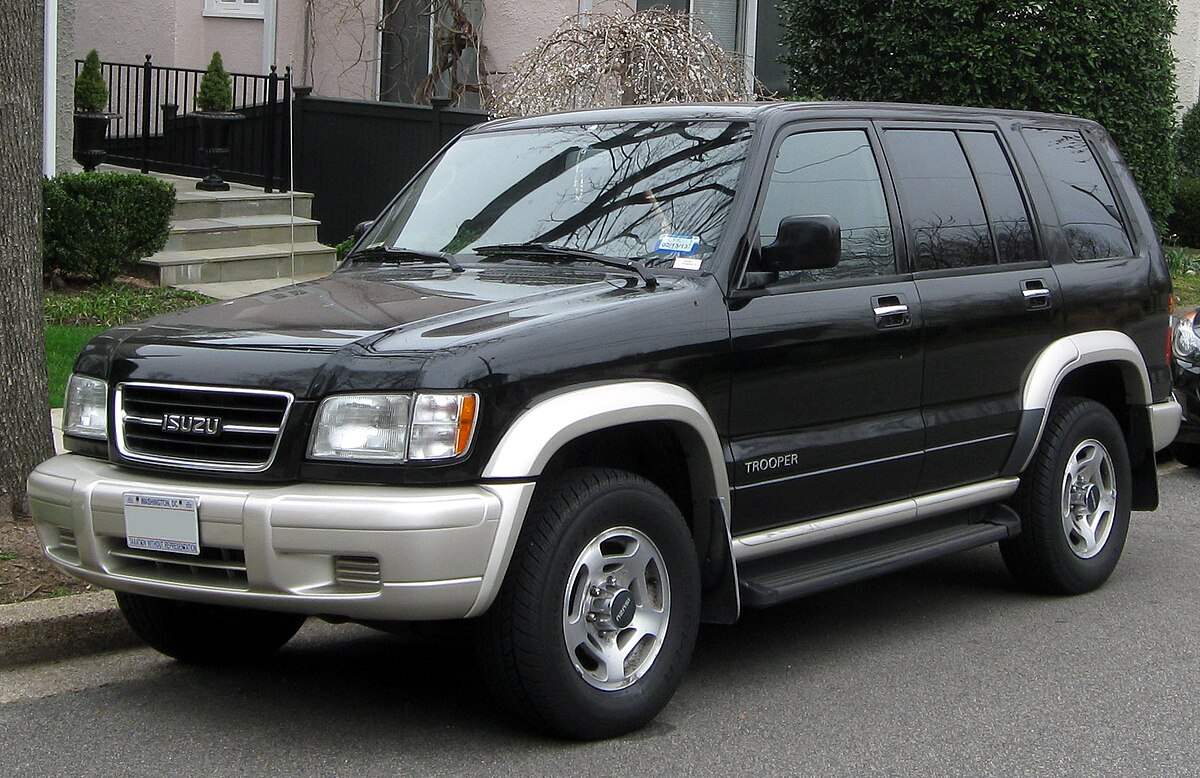
The Isuzu Trooper has long been recognized for its off-road prowess and durability. Its standout feature is the Torque-on-Demand four-wheel-drive system, which automatically sends power to the front wheels when the rears slip, providing a balance of on-road stability and off-road capability.
Powered by a 3.5-liter, 24-valve DOHC V6 producing 215 horsepower and 230 lb-ft of torque, the Trooper delivers reliable performance for a utility-focused SUV. Isuzu supports the Trooper with a 10-year/120,000-mile powertrain warranty and a 3-year/50,000-mile vehicle warranty, emphasizing its long-term reliability.
The first Trooper debuted over a decade ago as a two-door, boxy SUV with a four-cylinder engine and minimal interior amenities. It gained a following for its ruggedness rather than speed. Later, four-door models and a GM-sourced V6 were introduced, alongside incremental luxury upgrades.
By the early 1990s, the Trooper required a redesign to remain competitive. The 1998 update refined the SUV, balancing style, comfort, and utility. It offers 90 cubic feet of cargo space with the rear seats folded, 8.3 inches of ground clearance, and generous legroom for rear passengers.
The Trooper accommodates both off-road enthusiasts and everyday drivers. The four-wheel-drive system enhances traction on challenging terrain, while a two-wheel-drive version offers a lower cost of ownership for mostly city or highway use.
Despite its capability, drivers should exercise caution, as low-speed collisions can be expensive. Insurance Institute for Highway Safety tests revealed repair costs exceeding $11,000 across several 5-mph crashes, highlighting the Trooper’s vulnerability in minor accidents.
The Trooper is available in S, LS, and Limited trims. The LS adds features such as heated cloth power seats, 16-inch alloy wheels, automatic transmission, and a six-CD changer. The Limited trim enhances luxury with two-tone paint, 12-spoke alloy wheels, a power moonroof, and leather interior. However, it lacks some modern safety and convenience features like stability control, side airbags, and a folding third-row seat.
The Trooper has been appreciated for its personality, off-road ability, and size versatility, sitting comfortably between midsize and larger SUVs. Yet, by 2002, competitors like the Ford Explorer, GM SUVs, and Toyota Sequoia offered stronger engines, more comfortable interiors, and modern features, making the Trooper less compelling in the higher-priced SUV market.
The Isuzu Trooper remains a sturdy, capable SUV with excellent off-road systems and reliability, though it struggles to match newer competitors in comfort, features, and modern safety.
3. Mercedes Sprinter 4WD Van: The Ultimate Versatile Overlander
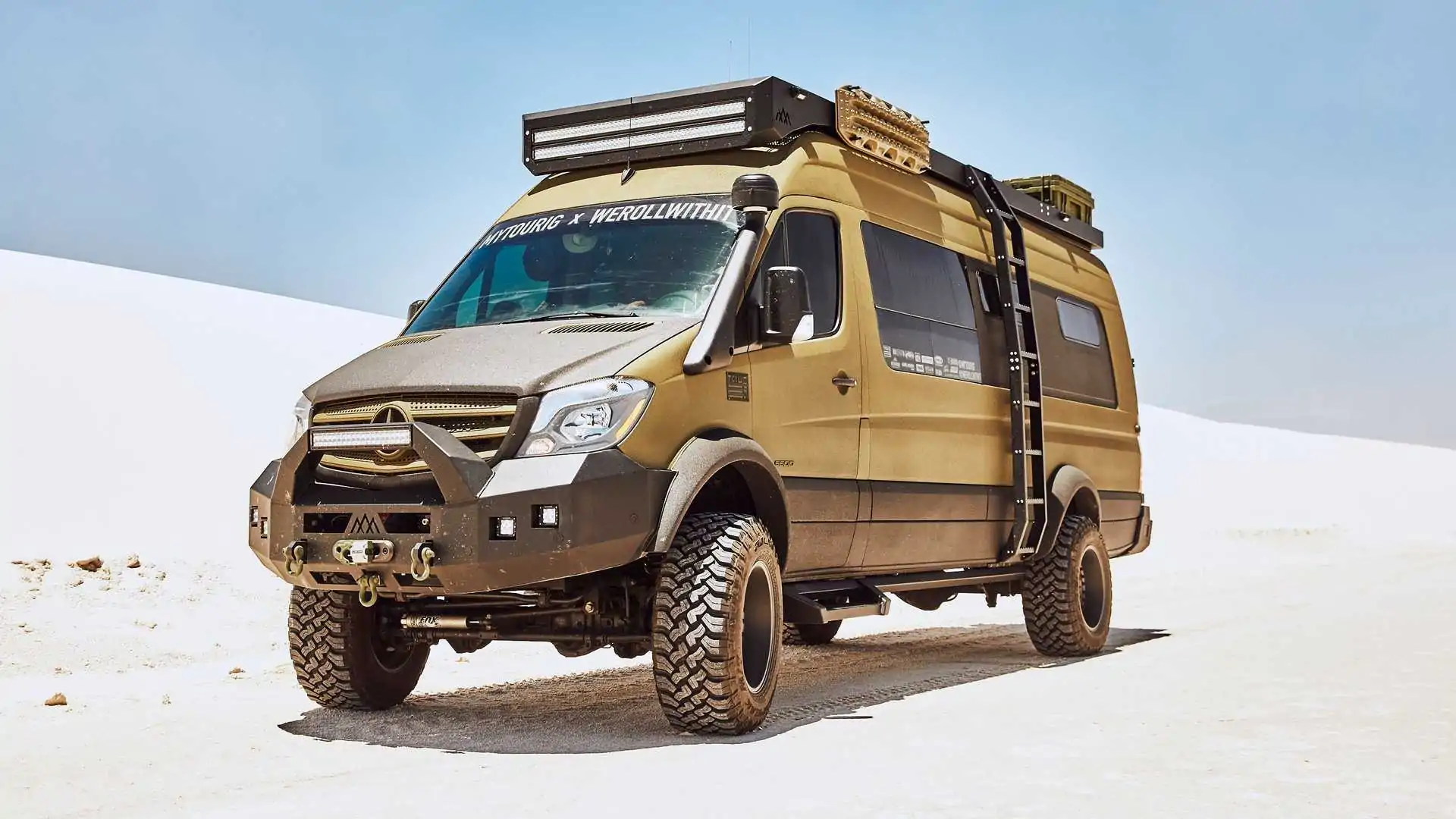
The Mercedes Sprinter 4WD Van has earned a reputation as a highly versatile vehicle, often described as “the ultimate overlander.” Its flexibility is unmatched in the passenger and cargo van segment, offering two wheelbases, three body lengths, three GVWR classes, up to 5,415 pounds of payload, 547 cubic feet of cargo volume, and a tongue weight of 750 pounds.
Factory configurations alone allow hundreds of combinations, and third-party upfitters further expand possibilities, transforming the Sprinter into work vans, food trucks, or overland-ready RVs.
We tested a 2500-series Sprinter with the base four-cylinder gasoline engine, which delivers 188 horsepower. Around town, the van is easy to handle thanks to a well-tuned automatic transmission and smooth power delivery, but the engine lacks authority under heavy loads or steep grades.
Upgrading to the turbo diesel V6 is recommended for better performance. Braking performance was modest, but steering and handling remain best-in-class, making the Sprinter capable even on winding roads. Performance earns a 7/10 rating.
The Sprinter is not as plush as typical Mercedes vehicles but ranks high among passenger vans for seat comfort and interior space. Ride quality is firm, though additional passengers and cargo help settle the suspension.
Wind noise over the tall windshield and side mirrors is noticeable, but engine and road noise are minimal. Climate control performs well even in high temperatures. Comfort is rated 7.5/10.
The Sprinter offers abundant passenger room, easy access to rear seats, and excellent visibility. Entering and exiting the van can be challenging due to its height, and the driving position may feel suboptimal for shorter drivers, with limited seat adjustability and tilt-only steering. Despite this, the cabin layout is user-friendly, and features like a rearview camera enhance practicality. Interior functionality earns 7.5/10.
Base Sprinters are light on tech, with a simple infotainment system lacking voice control and limited smartphone integration. Upgrading to Mercedes’ MBUX touchscreen systems (7-inch or 10.25-inch) adds features like wireless charging, navigation, and parking sensors. Optional driver aids include blind-spot monitoring, lane-keeping assist, and additional sensors. Technology scores 6/10 for the base setup.
The Sprinter excels in storage and utility. Massive cargo space behind the fourth row, underseat storage, D-ring tie-downs, and a low load floor make it highly practical. The van can carry 12 passengers with full gear, a GVWR up to 9,480 pounds, a payload of 3,441 pounds, and tow up to 5,000 pounds. Multiple cupholders and netted storage add convenience. Storage earns 8.5/10.
Our test van returned 17.1 mpg over mixed driving, a strong result for a heavy-duty vehicle. Diesel options are expected to perform better but cost more upfront. The Sprinter’s value is rated 7.5/10, reflecting its higher cost compared to competitors but offset by build quality, warranty coverage, and extensive upgrade potential, including premium infotainment and comfort packages.
The Mercedes Sprinter 4WD Van combines versatility, passenger comfort, and class-leading utility, making it ideal for overland adventures, commercial use, or large family transport. While base engines and tech are modest, upgrading unlocks its full potential as a capable, customizable vehicle.
4. Mercedes G-Class: Iconic Luxury with Extreme Off-Road Capability
The Mercedes G-Class is an iconic SUV that blends legendary off-road prowess with modern luxury. Top trims feature the 4.0L V8, delivering robust power suitable for both extreme terrain and everyday driving.
Its rigid frame, low center of gravity, and advanced engineering allow it to tackle 37-degree angles and steep inclines that would challenge most vehicles. Alongside its off-road performance, the G-Class incorporates modern technology and premium materials to maintain comfort and convenience.
Powered by either an inline-six or V8 engine, the G-Class provides quick acceleration for a vehicle of its size. Braking performance is strong, and it maintains composure even on challenging terrain.
While its boxy design contributes to body roll and limited grip in sharp turns, the G-Class remains highly capable off-road, delivering confident traction on sand, mud, and steep inclines. The SUV balances performance and capability effectively, earning a 7.5/10 rating.
The G-Class offers a comfortable yet firm ride, absorbing bumps and rough pavement while maintaining stability. Seats are cushioned and supportive, though slightly narrow, and adjustable side bolsters offer limited flexibility.
Wind noise can be noticeable at highway speeds due to the upright design, but road and engine noise are well controlled. Comfort and ride quality are strong for an off-road capable luxury SUV, rated 7.5/10.
The interior reflects the G-Class’s traditional boxy shape, which creates some ergonomic limitations. Seats are high, door openings are narrow, and passengers must navigate a tall step to enter.
Rear passenger space is tight, and optional features like rear-seat entertainment can further restrict room. Visibility is mixed: the elevated driving position provides a commanding view of the road, but thick front pillars and the rear-mounted spare tire limit sight lines. Interior usability earns 6.5/10.
The G-Class features the latest Mercedes infotainment system, including a touchscreen display with Apple CarPlay and Android Auto integration. Optional driver-assist technologies, such as surround-view cameras, parking sensors, and lane-keeping assist, enhance safety and convenience, although lane-keeping assist can feel overly assertive at times. The technology package earns 8/10.
Practicality is limited in the G-Class. Cargo space is constrained due to a high load floor and shallow depth, while the second-row seats do not fold flat, restricting the transport of larger items. Cabin storage is minimal, and installing child seats can be challenging due to the vehicle’s height. Storage scores 6/10.
Fuel economy is modest, with EPA estimates around 18 mpg combined, slightly better than previous V8 models. The G-Class remains a premium, status-oriented SUV, and its high cost is justified by its luxury, capability, and advanced materials. Value is rated 7/10.
The Mercedes G-Class successfully combines luxury, technology, and extreme off-road capability in a distinctive package. While interior space, practicality, and fuel efficiency are limited, its commanding presence, powerful performance, and advanced systems make it a compelling choice for those who value both prestige and adventure.

5. Volvo XC70: Luxury and Utility in One Package
The Volvo XC70 combines luxury, practicality, and all-weather capability, offering a compelling alternative to traditional crossover SUVs. Designed for those who want a premium vehicle that can handle snowy roads, weekend cabins, and light off-road adventures, the XC70 blends refined comfort with rugged utility.
Its raised suspension, all-wheel-drive capability, underbody skid plates, and durable lower body panels provide confidence in challenging conditions without sacrificing style or convenience.
The XC70 is available with multiple engines. The front-wheel-drive T5 Drive-E uses a turbocharged 2.0-liter four-cylinder producing 240 horsepower and 258 lb-ft of torque, paired with an eight-speed automatic transmission. This configuration delivers an impressive 26 mpg combined, thanks in part to a standard stop-start system that saves fuel during idle periods.
All-wheel-drive models feature a turbocharged 2.5-liter inline-5 engine generating 250 horsepower and 266 lb-ft of torque, mated to a six-speed automatic transmission. Fuel economy for the AWD variant is 22 mpg combined. While the inline-5 is not as powerful as Volvo’s previous 3.0-liter turbo engines, it provides adequate acceleration for most drivers while maintaining good efficiency.
The XC70’s ride prioritizes comfort, smoothing out bumps and potholes while maintaining a composed stance on highways and secondary roads. Steering is on the lighter side, and the vehicle corners less nimbly than some taller crossovers, but it remains balanced and predictable.
The XC70’s interior exudes elegance with a floating center stack, easy-to-read gauges, and intuitive controls. The Sensus infotainment system handles media, navigation, and vehicle settings efficiently, though the dashboard-mounted multipurpose knob is less convenient than center-console touchpads found in rival vehicles.
Front seats are supportive and comfortable, ideal for long trips, while rear seats provide adequate comfort, though taller passengers may desire more legroom. The XC70 features a 40/20/40-split-folding rear bench, an optional folding front passenger seat, and a flip-up load divider, providing exceptional flexibility for transporting passengers and cargo simultaneously.
Rear cargo space is generous, with 33 cubic feet behind the rear seats and up to 72 cubic feet when folded, making the XC70 competitive with many small luxury SUVs. Its lower roofline compared to crossover SUVs facilitates easier loading of bikes, kayaks, or rooftop storage accessories.
Volvo is known for safety, and the XC70 is no exception. Standard features include antilock brakes, hill descent control, stability and traction control, front side airbags, side curtain airbags, active head restraints, and City Safety, which can automatically brake to prevent low-speed collisions.
Optional features include blind-spot monitoring, lane departure warning, upgraded collision avoidance with pedestrian and cyclist detection, driver inattention monitoring, and integrated rear booster seats.
The XC70 strikes a balance between a luxury wagon and a rugged vehicle. Its all-wheel-drive system, raised suspension, and durable bodywork allow it to traverse dirt trails and snow-covered roads, while its cargo versatility, fold-flat seats, and roof-loading ease make it practical for family trips and outdoor adventures.
Compared with competitors like the Audi Allroad and Subaru Outback, the XC70 offers a slightly larger interior, a strong reputation for safety, and a blend of comfort and utility that appeals to those seeking a premium wagon experience.
The Volvo XC70 delivers a unique combination of luxury, practicality, and off-road capability. Its spacious interior, adaptable cargo solutions, refined ride, and advanced safety features make it an excellent choice for buyers who want a wagon that can handle both urban streets and weekend adventures without compromising comfort or style.
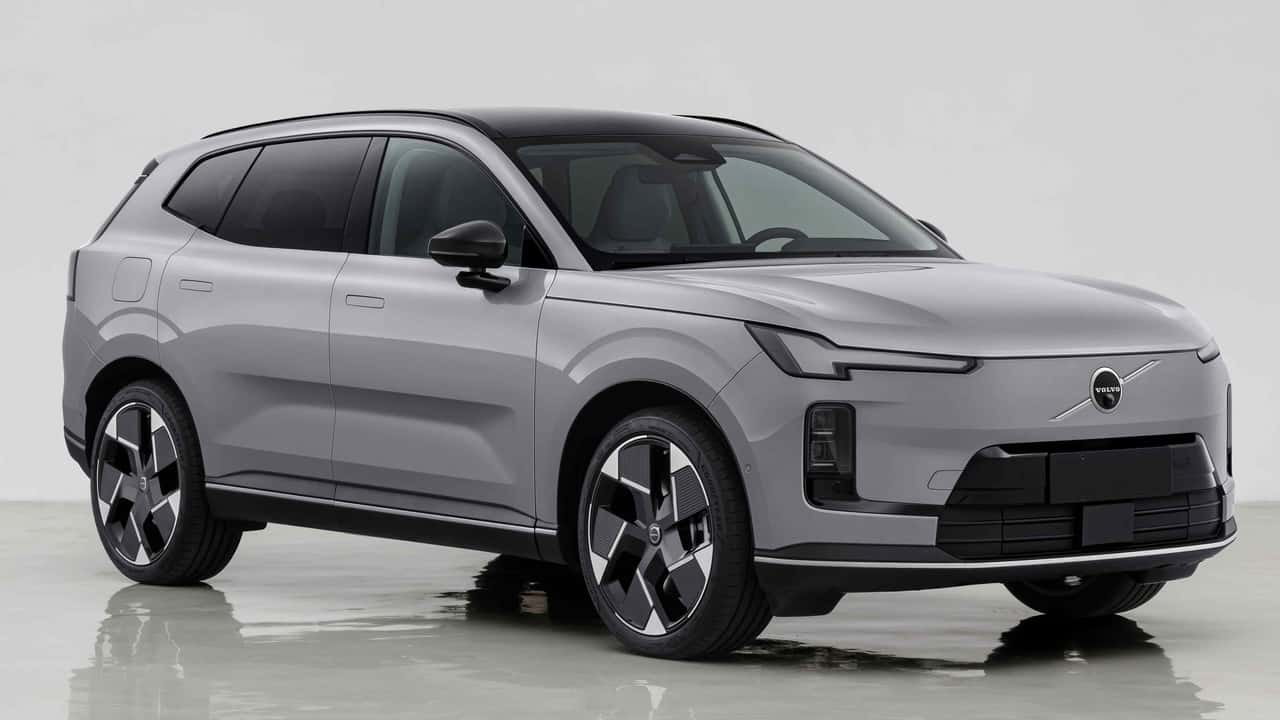
6. Toyota Land Cruiser: Legendary Desert Capability
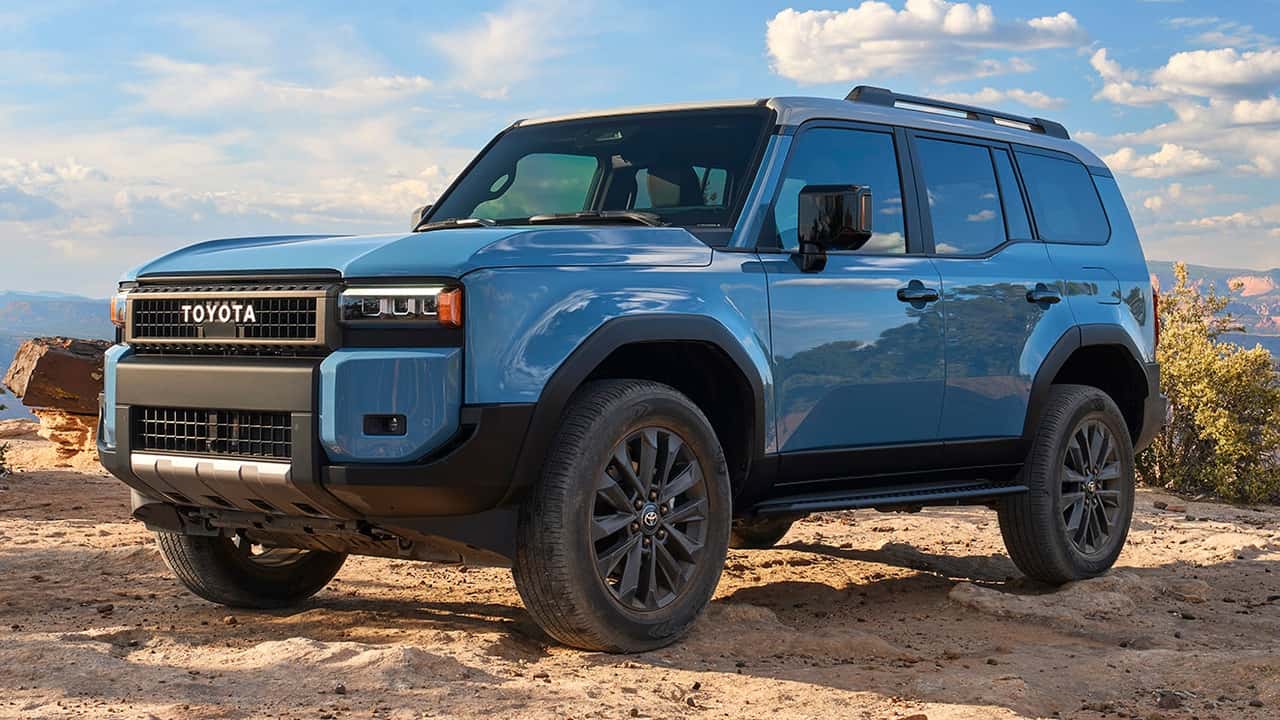
The Toyota Land Cruiser has earned a reputation as one of the most durable and reliable SUVs for desert and off-road driving. Known for its tank-like construction, the Land Cruiser excels in extreme heat and rugged terrain.
Its high-capacity cooling system ensures the engine remains stable even under prolonged exposure to scorching conditions. Combined with substantial ground clearance, full-time four-wheel drive, and locking differentials, the Land Cruiser can handle sand dunes, rocky trails, and shifting desert surfaces with ease.
Owners often report hundreds of thousands of miles with minimal issues, a testament to Toyota’s commitment to durability and engineering precision. The vehicle’s spacious interior, optional third-row seating, and practical cargo space make it suitable for families or groups exploring remote areas, while its reputation for reliability ensures minimal downtime in harsh conditions.
The Land Cruiser’s off-road capabilities are enhanced by a low-range four-wheel-drive system, locking center and rear differentials, and an optional disconnecting front stabilizer bar for improved front-wheel articulation.
Technology aids, including low-speed cruise control, off-road traction settings, and dash-mounted camera views, support drivers in challenging conditions. On paved roads, the Land Cruiser offers a smooth and responsive ride thanks to its hybrid powertrain, though acceleration to 60 mph in 8.2 seconds is slower than some competitors.
Steering is on the heavier side, and braking can produce a noticeable nosedive, yet the SUV remains composed over bumpy terrain. While less nimble than smaller off-roaders, it balances stability and comfort effectively, making it easier to drive both on and off the beaten path.
Inside, the Land Cruiser delivers a reasonably comfortable experience for an off-road-focused SUV. Front and second-row seats are supportive, with ample adjustment and thigh extension, though rear legroom is somewhat limited for taller passengers.
The cabin is well insulated from wind and road noise, and controls are intuitively placed. Family-friendly features include multiple LATCH anchors for child seats, plentiful USB ports, wireless Android Auto and Apple CarPlay integration, and a household-style plug. While the cargo area is adequate at 37.5 cubic feet, the high cargo floor and non-flat layout reduce practicality, requiring additional effort to load heavier items.
The Land Cruiser can tow up to 6,000 pounds, making it capable of hauling light campers or trailers. The hybrid powertrain improves fuel efficiency compared to traditional off-road SUVs, offering an EPA-estimated 23 mpg combined, though premium fuel is required.
Despite its capabilities, value can be a concern due to the high starting price, constrained backseat space, and unconventional cargo layout. Still, the vehicle’s legendary reliability, ease of repair in remote locations, and build quality justify its investment for those needing a capable desert-ready SUV.
Styling remains one of the Land Cruiser’s standout features. Its design pays homage to classic models while integrating modern touches, including the nostalgic round headlights inspired by the 1958 trim.
While on-road driving may feel tame compared to performance-focused vehicles, the Land Cruiser’s combination of rugged engineering, desert capability, and attention to detail ensures it excels where it matters most: off the pavement in challenging, hot environments. This blend of reliability, utility, and timeless design makes the Toyota Land Cruiser an enduring favorite among adventurers and desert dwellers worldwide.
7. Jeep Wrangler: The Ultimate Off-Road Icon
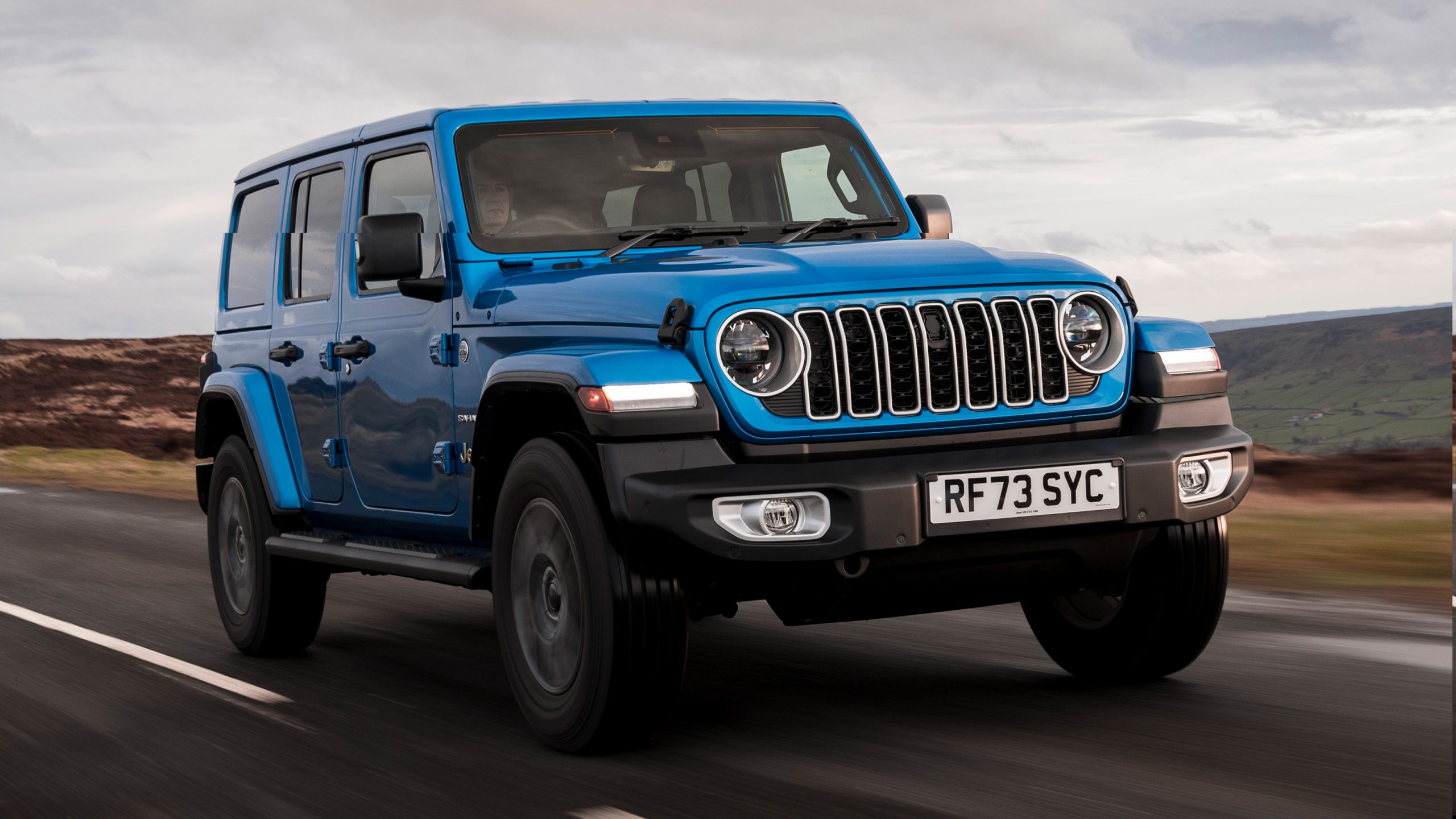
The Jeep Wrangler stands as one of the most recognized and capable off-road vehicles in the world. Designed to handle the harshest terrains, it excels in desert environments thanks to its rugged construction and highly adaptable chassis.
Solid axles, high approach and departure angles, and a short wheelbase give the Wrangler remarkable capability on sand dunes, rocky paths, and uneven trails. While the stock cooling system is not as heavy-duty as a Toyota Land Cruiser’s, it performs reliably, especially in models equipped with auxiliary coolers or aftermarket modifications.
Removable doors and roof panels provide better airflow and ventilation, an often-overlooked advantage in desert climates when paired with an effective air conditioning system.
The Wrangler’s off-road systems are designed for maximum traction and control. Full-time four-wheel-drive, crawl control, and multiple drive modes ensure confidence on loose or shifting sand. Locking differentials, available on higher trims, further enhance the ability to maintain grip in challenging conditions.
One of the Wrangler’s standout qualities is its adaptability. Owners frequently enhance their vehicles with snorkels, upgraded suspensions, larger tires, and improved air intakes to optimize desert performance.
With multiple body styles, engine options including plug-in hybrids, and extensive aftermarket support, the Wrangler can be tailored to a wide range of driving conditions, making it versatile for both casual adventurers and serious off-road enthusiasts.
Though the Wrangler’s primary focus is on off-road capability, it can handle routine driving tasks with some compromises. The suspension absorbs ruts, bumps, and potholes effectively, providing a firm yet manageable ride. Steering is less precise, often requiring constant attention at highway speeds, and acceleration with the V6 engine is moderate.
Emergency braking distances are longer than average, and the ride feels less refined compared to traditional SUVs designed for paved roads. Optional driver-assistance features, including blind-spot monitoring and adaptive cruise control, are available but mostly come as add-ons rather than standard equipment.
Inside, the Wrangler favors function over luxury. Front seats are firm, rear legroom is limited, and wind and tire noise are pronounced, making long drives less comfortable. Despite this, the cabin is thoughtfully designed with accessible controls and a commanding driving position.
The touchscreen is intuitive, and wireless Android Auto and Apple CarPlay integration comes standard, along with off-road apps for trail assistance.
Cargo capacity is decent due to the boxy shape, but small-item storage is limited, and interior layout may feel cramped compared to rivals. The Wrangler can tow up to 5,000 pounds when properly equipped and is flat-towable behind compatible RVs, adding versatility for adventure travel.
The Wrangler is offered across a broad spectrum of trims and prices, from the stripped-down Sport to the high-performance Rubicon 392, allowing buyers to select features based on budget and intended use. Interior materials are durable and tactile, though warranty coverage is average.
Fuel efficiency is modest, with four-cylinder models averaging 21 mpg combined and larger engines falling to about 17 mpg. The Wrangler’s true value lies not in comfort or economy but in its iconic design, off-road heritage, and adaptability.
Its decades-long reputation, enthusiastic community of owners, and extensive aftermarket options make it a one-of-a-kind vehicle for desert driving, adventure travel, and extreme off-road conditions.
8. Nissan Patrol: Desert Powerhouse
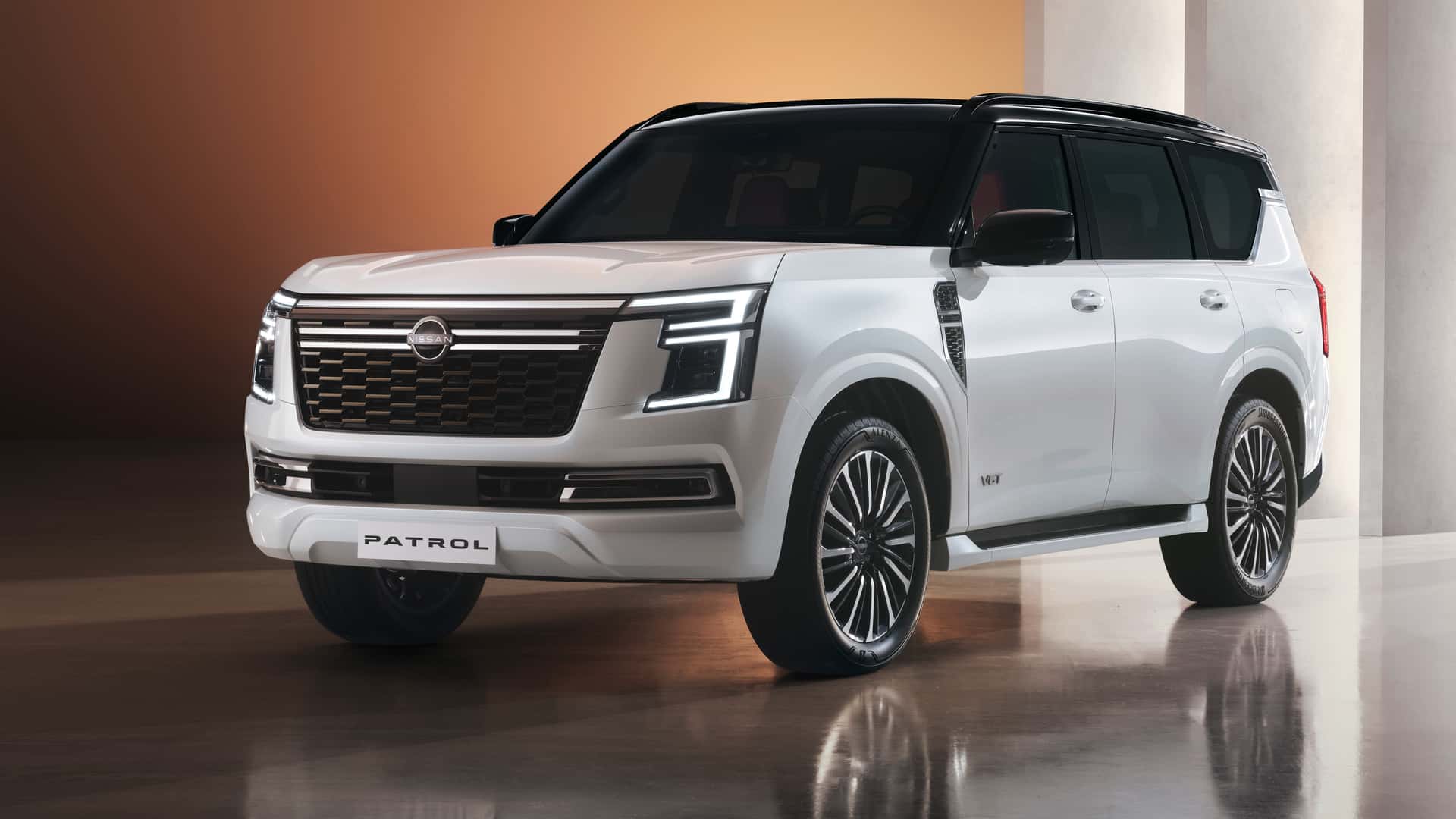
The Nissan Patrol is a highly capable SUV, especially popular in Middle Eastern countries for its exceptional performance in desert conditions. While not as globally recognized as the Toyota Land Cruiser, the Patrol has proven itself in extreme environments where temperatures often exceed 120°F.
Its robust V8 engine, with some models featuring powerful six-cylinder options, delivers the horsepower and torque required to climb sand dunes, maintain momentum on soft sand, and handle long-distance desert driving reliably. The engine’s strong cooling system ensures consistent performance even during prolonged exposure to high heat.
The Patrol pairs power with advanced engineering to handle challenging off-road conditions. Its sophisticated four-wheel-drive system, often equipped with a locking rear differential, provides excellent traction on loose or uneven terrain.
Multi-mode terrain settings allow drivers to adjust for sand, rocks, mud, or other surfaces, optimizing vehicle performance in varying desert landscapes. High ground clearance and a durable suspension system absorb shocks, keep the wheels in contact with the ground, and maintain stability at higher speeds, which is crucial for long desert trips.
Some models include Hydraulic Body Motion Control (HBMC), which actively levels the vehicle’s body for smoother handling and improved comfort on uneven surfaces.
The Patrol’s interior offers both luxury and practicality, ensuring passenger comfort even on rough terrain. A strong ladder frame chassis adds durability, making the vehicle reliable in extreme conditions. An integrated off-road monitor provides real-time information about angles and surroundings, helping drivers maintain control on difficult terrain.
Another advantage is the Patrol’s prevalence in desert regions, which ensures access to parts, maintenance, and knowledgeable service personnel.
With its powerful engines, advanced four-wheel-drive systems, terrain adaptability, robust suspension, and durable construction, the Nissan Patrol stands out as a dependable and high-performing vehicle for desert driving. Its combination of comfort, reliability, and capability makes it a top choice for tackling dunes, rocky tracks, and other demanding off-road environments.
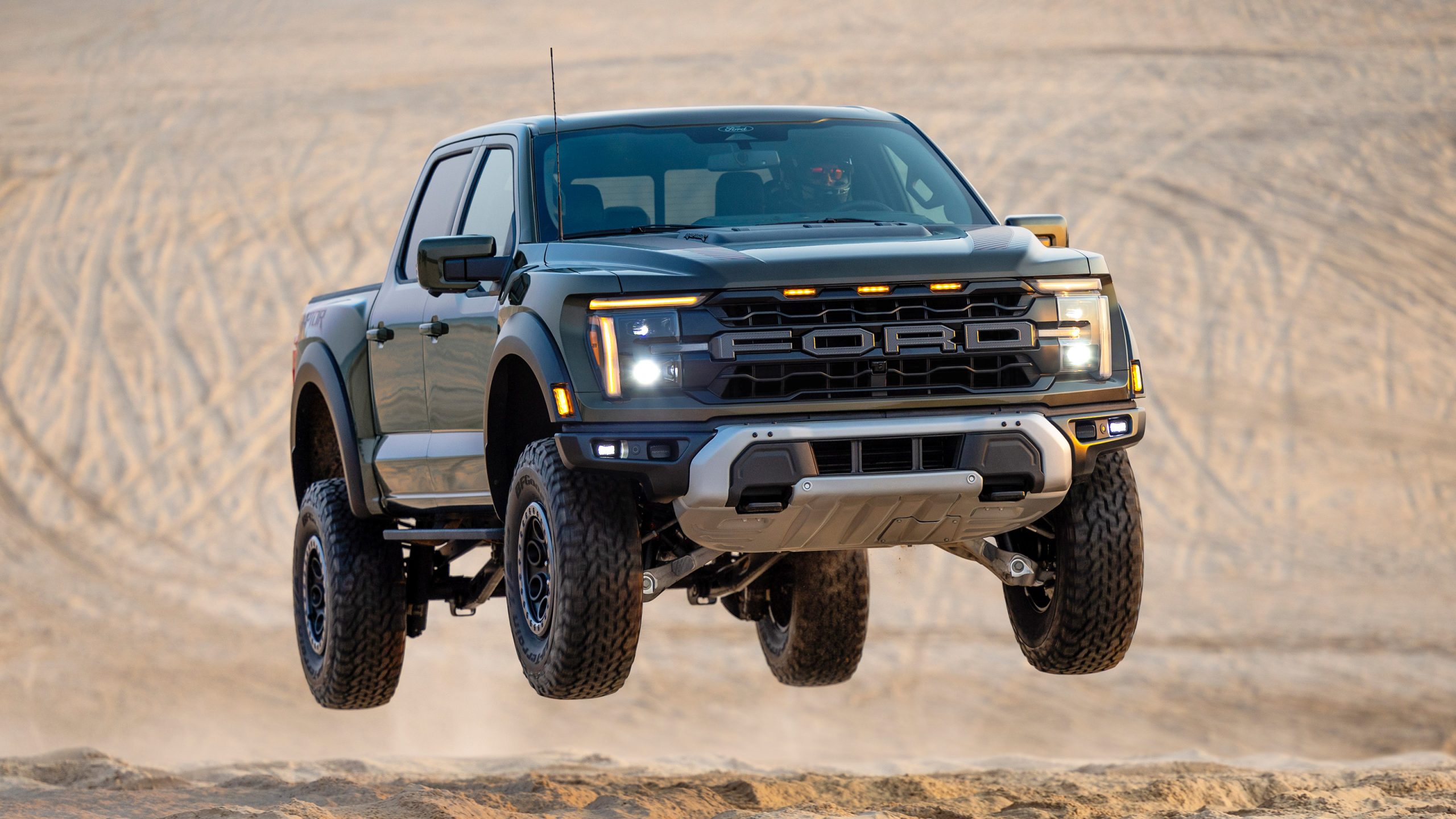
9. Ford F-150 Raptor: Desert-Ready Performance
The Ford F-150 Raptor is a high-performance off-road truck built for extreme conditions, particularly desert driving. With Baja-inspired engineering, long-travel suspension, and a twin-turbo V6 engine, the Raptor delivers exceptional performance over sand and rough terrain while minimizing the risk of overheating.
Its wide stance and aggressive tires provide stability and traction on soft surfaces, and skid plates protect essential components from impact and debris. The Raptor’s advanced cooling system, featuring additional intercoolers and optimized airflow, ensures consistent engine performance even in extreme heat.
The Raptor produces 450 horsepower, allowing strong acceleration and control in desert conditions. Testing shows a 0–60 mph time of 5.8 seconds, which is quick for a vehicle of its size, though larger tires can slightly reduce straight-line performance.
Steering is direct and responsive, providing stability on highways and maneuverability in open desert areas. Braking distances are longer than average due to the heavy off-road tires, but the truck’s performance in wide, open terrain remains impressive.
With features such as locking differentials, 37-inch tires, and long-travel suspension, the Raptor can tackle dunes, rugged trails, and soft sand with confidence.
The Raptor’s interior offers comfort uncommon in off-road-focused trucks. Front seats are supportive and adjustable, with heating and ventilation options, while rear passengers enjoy optional heated seats.
The rear coil-spring suspension, combined with large, bump-absorbing tires, enhances ride comfort, although tire noise is slightly higher. Interior controls are intuitive, with large knobs and switches that can be operated while wearing gloves. Crew cab models provide ample space, and exterior visibility is aided by large windows, a scalloped front door section, and a 360-degree surround-view camera system.
The Raptor includes advanced technology such as a 12-inch touchscreen, digital gauge cluster, wireless Android Auto and Apple CarPlay, and driver-assist features like adaptive cruise control and blind-spot monitoring.
Baja drive mode unlocks the forward-facing camera for off-road use without speed restrictions. Optional systems like Ford’s Pro Power Onboard generator allow drivers to power electrical equipment while remote, further enhancing its utility for desert excursions or camping.
While the Raptor sacrifices some towing capacity compared to standard F-150s, it can tow up to 8,200 pounds and handle a payload of 1,400 pounds. Storage inside the crew cab is plentiful, with multiple cubbies and convenient compartments, though the bed lacks the advanced folding tailgate features of some competitors.
Fuel economy is modest, with EPA estimates around 15 mpg combined for models with large tires, which is reasonable given the vehicle’s weight and off-road focus.
The F-150 Raptor is a well-built, capable off-road truck that combines extreme performance with comfort and technology. While expensive compared to standard pickups, it offers unique desert-focused engineering and features that justify its price for enthusiasts and adventure seekers.
Warranty coverage is typical for the segment, with a three-year/36,000-mile basic warranty and a five-year/60,000-mile powertrain warranty. The Raptor excels in wide-open spaces, offering power, control, and durability unmatched by most other trucks, making it a top choice for serious off-road and desert driving.
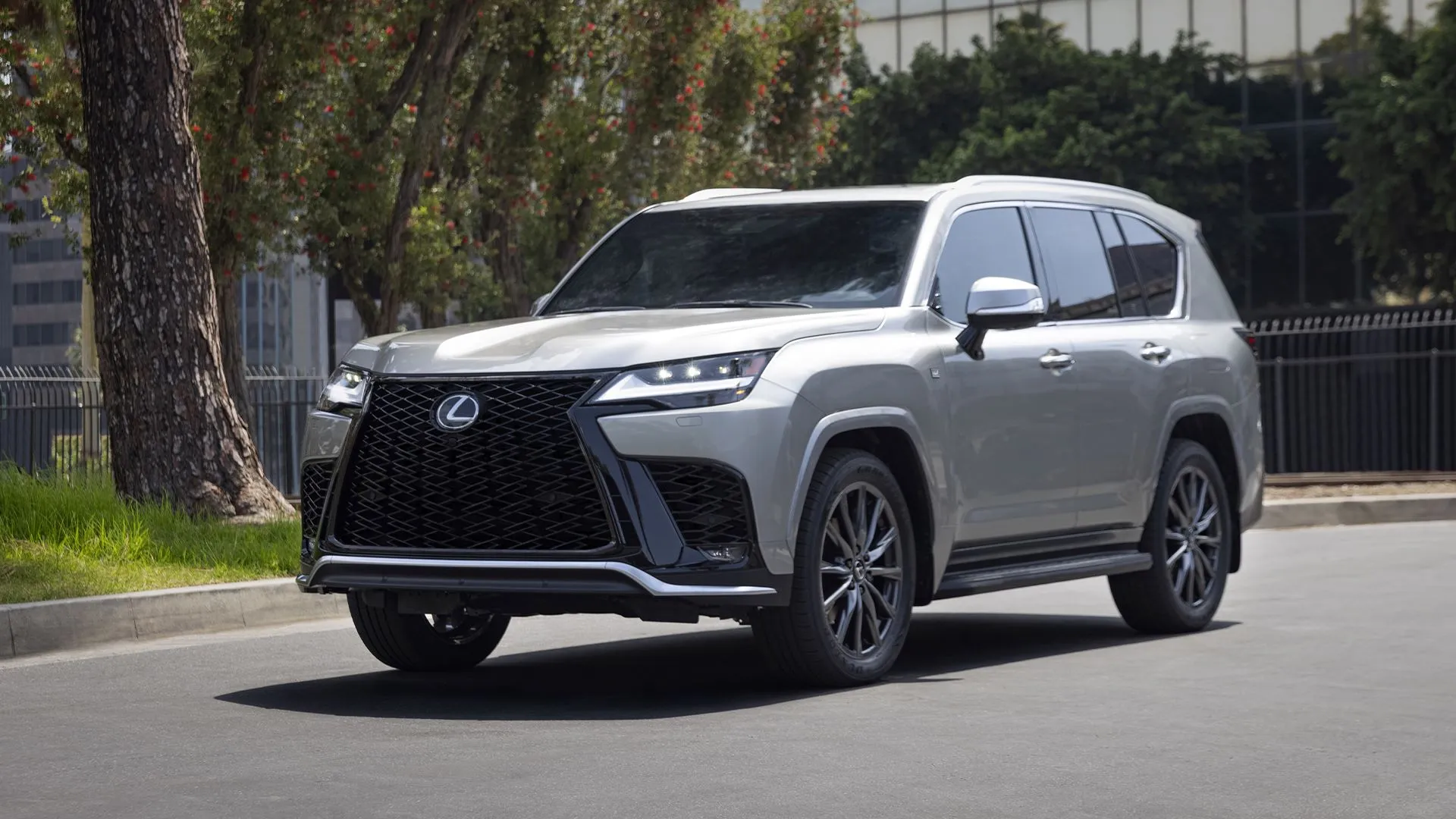
10. Lexus LX 600: Luxury Meets Off-Road Capability
The Lexus LX 600 is the premium cousin of the Toyota Land Cruiser, combining high-end luxury with serious off-road capability. Built on the same trusted platform as the Land Cruiser, the LX 600 benefits from a robust chassis and reliable engineering that excel in desert and extreme terrain conditions.
Power comes from a 3.5L twin-turbo V6 engine, delivering both strength and efficiency, while the adaptive variable suspension and crawl control enhance its ability to handle rough, uneven surfaces. Its multi-terrain monitor offers drivers crucial information about surroundings and angles, ensuring precise control over challenging landscapes.
Despite its luxury features, including noise insulation, climate-controlled seating, and high-quality leather, the LX 600 maintains durability and cooling systems designed for prolonged heat exposure. This combination of comfort and capability makes it ideal for those who want off-road performance without sacrificing refinement or convenience.
The LX 600 weighs approximately 6,000 pounds, and while its turbocharged V6 provides strong acceleration, the vehicle’s size affects driving dynamics. Steering feels heavy and somewhat disconnected, while braking can be inconsistent under light or hard pressure.
The SUV leans noticeably in turns and responds slowly to sudden directional changes, making spirited driving less enjoyable. However, the advanced suspension and chassis maintain composure over desert terrain, providing stability and control even under demanding conditions. Off-road aids such as crawl control and locking differentials ensure the LX can manage dunes, rocks, and sand efficiently.
Inside, the LX 600 excels in passenger comfort. The front seats are supportive and well-cushioned, while second-row executive-style seats offer exceptional reclining and legroom. The cabin is quiet, and the climate system quickly adjusts to extreme temperatures.
Despite its size, visibility is good, with expansive mirrors and tall glass panels. The interior features a mix of tactile controls and dual touchscreens for easy access to off-road functions and infotainment systems. Some high-end features, such as wireless charging and massaging seats, are limited to the second row in top trims, which may feel inconsistent for some buyers.
The LX 600 integrates modern technology effectively, including dual touchscreens, USB ports, smartphone integration, and off-road aids. Advanced driver-assistance features, such as adaptive cruise control and auto backup braking function but can be overly cautious in practice.
The SUV provides up to 46 cubic feet of cargo space behind the second row and can tow up to 8,000 pounds, though the lack of a trailer brake controller limits towing convenience. Small-item storage is abundant, and the design allows for easy access to car seat anchor points, although the height of the second row may challenge shorter passengers.
The LX 600 achieves an EPA-estimated 19 mpg combined (17 city/22 highway), with real-world testing showing slightly lower performance at 18.2 mpg. While fuel efficiency is reasonable for a large luxury SUV, it lags behind smaller off-road competitors. The vehicle is well built, with high-quality materials and a solid feel, but the starting price is steep relative to rivals, and options are limited.
Warranty coverage is standard for the segment, with four years/50,000 miles for basic coverage and six years/70,000 miles for the powertrain. Roadside assistance and a year of complimentary maintenance add value, though buyers should weigh the high cost against similar alternatives.
The Lexus LX 600 successfully blends luxury and off-road capability, making it a top choice for drivers seeking comfort and reliability in extreme desert conditions.
While its size and driving dynamics reduce agility, its robust engineering, adaptive suspension, and advanced off-road features make it capable in challenging environments. For those willing to pay a premium, the LX 600 offers a refined, powerful, and durable SUV that performs well both on and off-road.
Also Read: 10 Cars That Hold Up Well In The City vs 10 That Break Down In Traffic
10 Cars That Can’t Handle The Heat
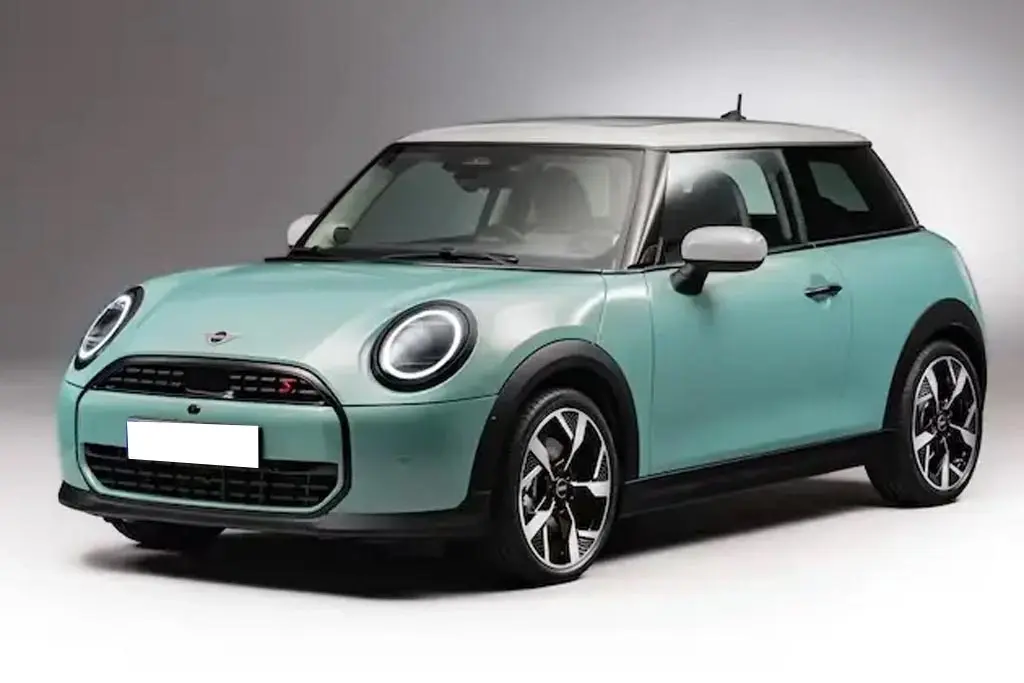
1. Mini Cooper: Stylish City Car, Desert Liability
The Mini Cooper is widely celebrated for its compact design, sporty handling, and nostalgic appeal, making it a favorite among urban drivers. However, these qualities that make it a joy in city streets become significant disadvantages in desert environments.
One of the most critical issues is its compact engine bay, which hampers efficient heat dissipation. In extreme temperatures, particularly when idling or maneuvering slowly across sand, the engine is prone to rapid overheating.
Older models equipped with turbocharged engines are even more susceptible, as turbos naturally generate more heat and place additional strain on the cooling system. Ground clearance is another glaring limitation: the Mini’s low-slung chassis increases the risk of becoming stuck in loose sand and allows sand and dust to infiltrate vital components such as the suspension and exhaust system.
Compounding these mechanical vulnerabilities is the absence of off-road driving aids; the car lacks four-wheel drive, traction control for sandy conditions, or crawl control to assist with steep or uneven surfaces. Additionally, cabin comfort is compromised under scorching temperatures.
Many small European vehicles, including the Mini Cooper, are not engineered to maintain a cool interior in environments exceeding 110°F. Even when running, the air conditioning may struggle to keep the cabin tolerable, creating an uncomfortable and potentially dangerous driving experience.
While the Mini Cooper thrives as a city car, offering precision handling, charm, and efficiency, it is ill-suited for the desert. Its limitations in cooling, clearance, and off-road capability make it more of a liability than a reliable companion for harsh, sandy landscapes. Drivers seeking a reliable desert vehicle would be better off considering rugged SUVs or trucks designed for heat management and off-road resilience.
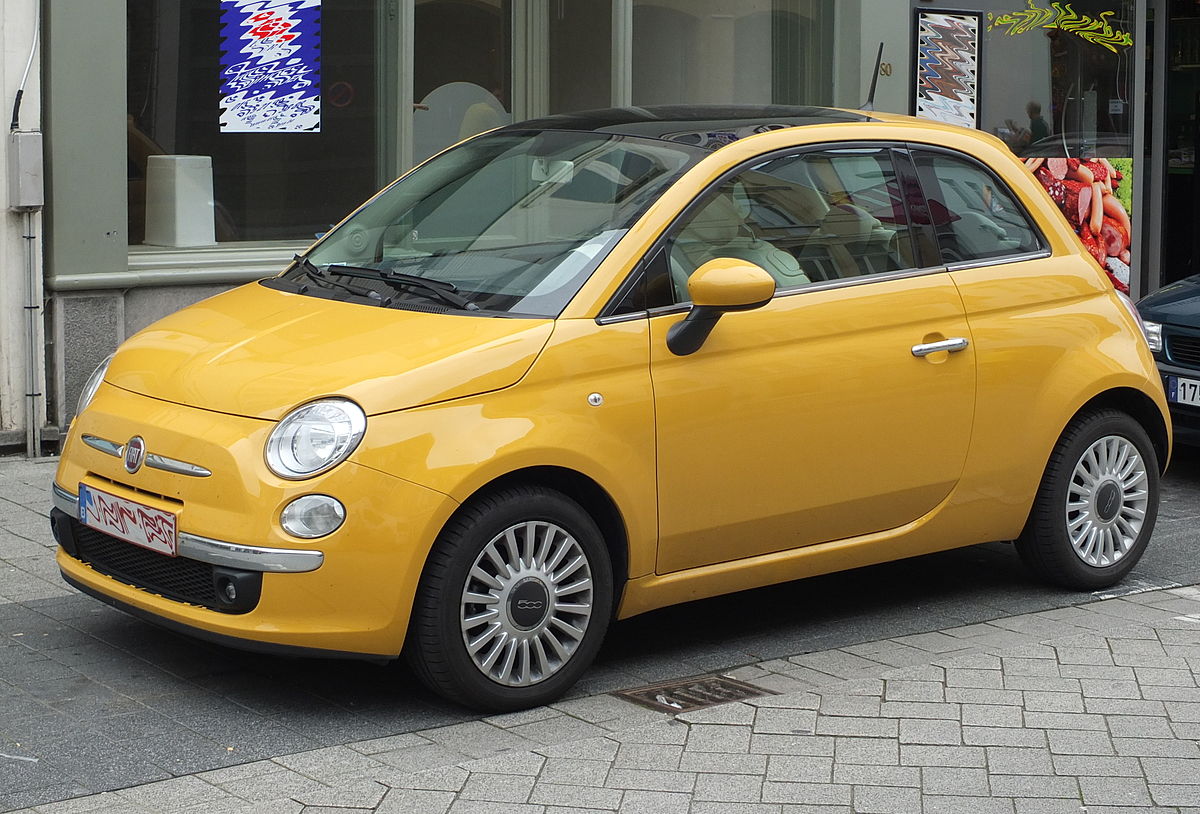
2. Fiat 500: Compact Design Meets Extreme Limitations
The Fiat 500 is another European subcompact designed for efficiency and urban mobility. Its small size allows for easy maneuvering and parking in congested city streets, but these advantages evaporate under the harsh demands of desert driving.
The car’s compact engine works harder in high temperatures due to its basic cooling system, making it prone to overheating. Prolonged exposure to extreme heat can cause the engine to strain, potentially reducing its lifespan or leading to failure during extended drives.
Dust and sand infiltration is a persistent challenge, as seals, gaskets, and filters are not optimized for environments laden with fine particulate matter. This exposure can quickly clog air filters, compromise engine performance, and accelerate wear on critical components, leading to reduced power output and increased maintenance requirements.
Ground clearance and suspension design further limit the Fiat 500’s capability in sandy or uneven terrain. Its low stance and minimal suspension travel make it vulnerable to getting stuck or scraping its underbody, even on relatively gentle desert surfaces.
The absence of off-road features such as traction control, four-wheel drive, or reinforced underbody protection means that the Fiat 500 cannot cope with loose sand or minor obstacles, making it dependent on well-maintained roads.
Essentially, while the Fiat 500 excels in urban settings due to its compact footprint and efficiency, it quickly becomes overwhelmed when faced with the challenges of desert driving.
Drivers seeking desert-ready vehicles should prioritize models with robust cooling systems, higher ground clearance, and specialized off-road components. The Fiat 500, for all its charm and convenience, is designed for city life, not the extremes of sun-scorched, sandy terrain.
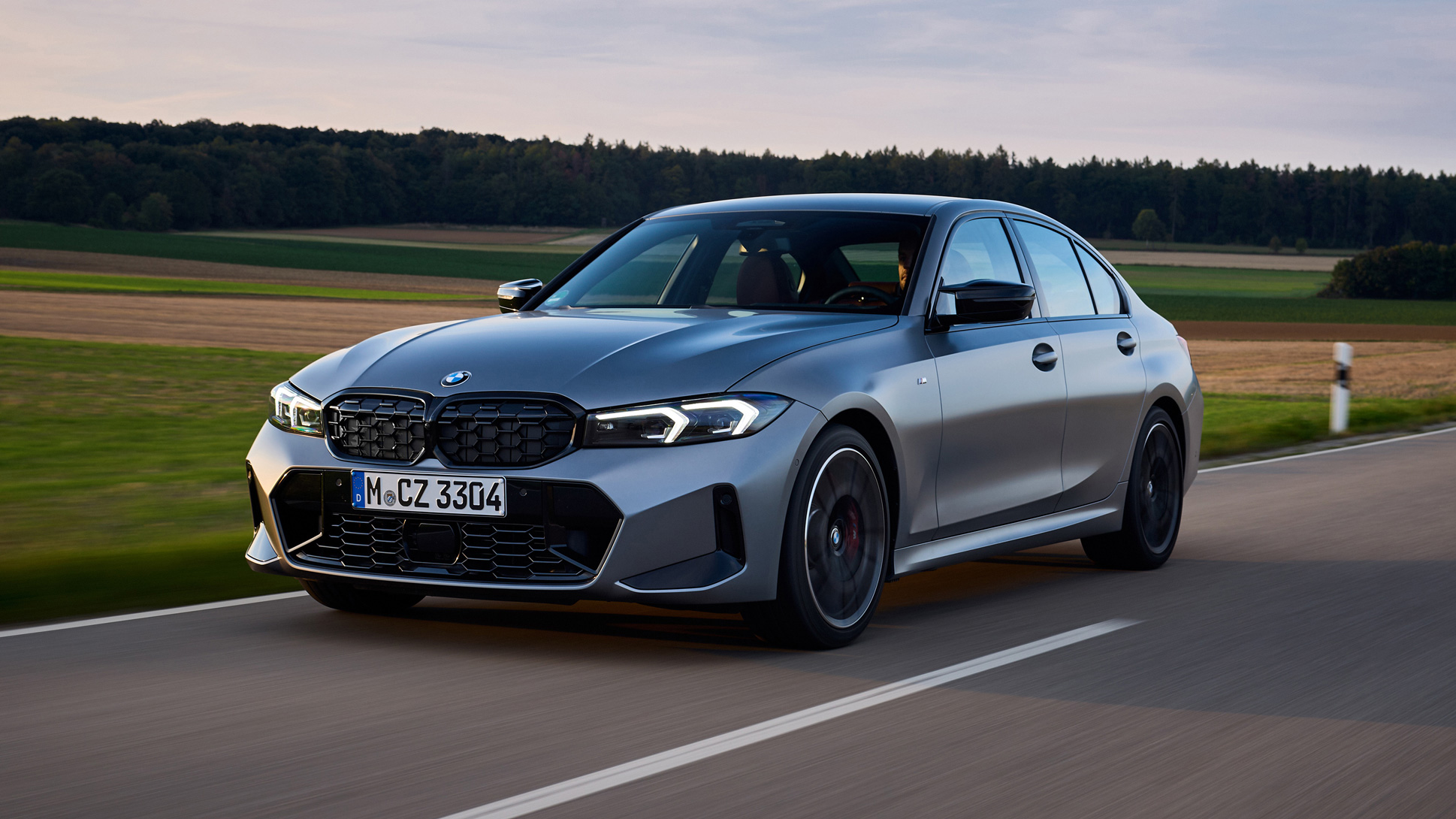
3. BMW 3 Series: Luxury Sedan with Heat Vulnerabilities
The BMW 3 Series has long been recognized for its blend of performance, luxury, and driving pleasure, yet older models from the early 2000s to mid-2010s demonstrate serious limitations in hot environments.
These vehicles feature complex cooling systems that rely on a combination of electric water pumps and plastic radiator components, which can fail under sustained high temperatures. Older engines are finely tuned for performance but lack the robustness required for extreme desert conditions, making them prone to overheating, blown head gaskets, and warped cylinder heads.
While these sedans offer superior handling and acceleration on paved roads, the desert exposes vulnerabilities that urban or moderate climate driving does not. Repairs for older 3 Series models are often costly and challenging, particularly in remote areas where parts may be scarce, compounding the risks of mechanical failure far from assistance.
Although newer models have addressed some thermal management issues through improved materials and system designs, the majority of older generations remain ill-suited for desert driving. Drivers attempting desert excursions in these sedans would face not only mechanical risks but also safety hazards due to potential breakdowns in isolated regions.
Beyond the engine, the 3 Series lacks significant ground clearance and off-road features, limiting its ability to navigate sand dunes or uneven desert terrain.
While luxurious and reliable on highways, the combination of intricate cooling requirements, sensitivity to heat, and limited off-road capabilities renders older BMW 3 Series sedans more suitable for city streets and highways than harsh desert landscapes. Drivers prioritizing adventure and reliability should look toward vehicles built for heat endurance and rugged conditions.
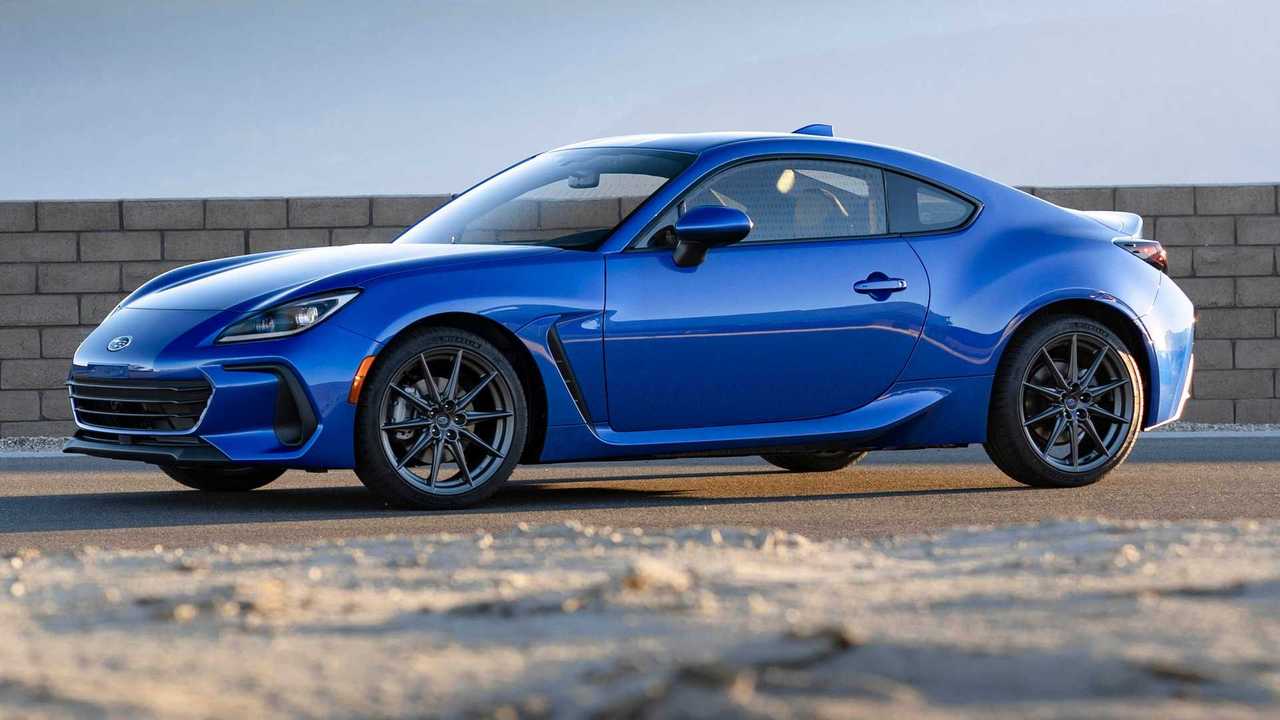
4. Subaru BRZ: Lightweight Sports Coupe, Desert Weakness
The Subaru BRZ is designed for driving enthusiasts seeking a lightweight, nimble sports coupe. It offers exceptional handling, responsive steering, and a sporty driving experience, but these attributes do not translate into desert capability.
The car’s rear-wheel-drive configuration and low ground clearance put it at a significant disadvantage on loose sand or uneven surfaces. Without additional traction aids, such as all-wheel drive or off-road tires, the BRZ is prone to spinning its wheels and becoming stuck in soft terrain.
Its tightly packed flat-four engine further complicates desert driving. While adequate for city streets or coastal drives, the cooling system struggles under sustained high heat, particularly when combined with spirited driving.
Long periods in extreme temperatures without supplemental cooling measures like oil or transmission coolers can lead to overheating and engine stress. The cabin, though comfortable for normal conditions, offers minimal insulation against desert heat.
Climate control systems designed for temperate or coastal regions may fail to maintain safe and comfortable conditions in scorching environments, leaving occupants uncomfortably exposed to the sun.
Suspension travel is limited, making the vehicle ill-suited to absorb the bumps, dunes, and uneven surfaces characteristic of desert landscapes. Essentially, the BRZ is a vehicle built for tracks and winding roads rather than sand-filled expanses. Its design prioritizes performance and lightness over durability, heat management, and off-road readiness.
For drivers seeking desert-capable vehicles, models with robust cooling, higher clearance, and four-wheel-drive systems are far more appropriate. The BRZ remains an exhilarating car on paved roads but becomes a liability in the extreme conditions of a desert.
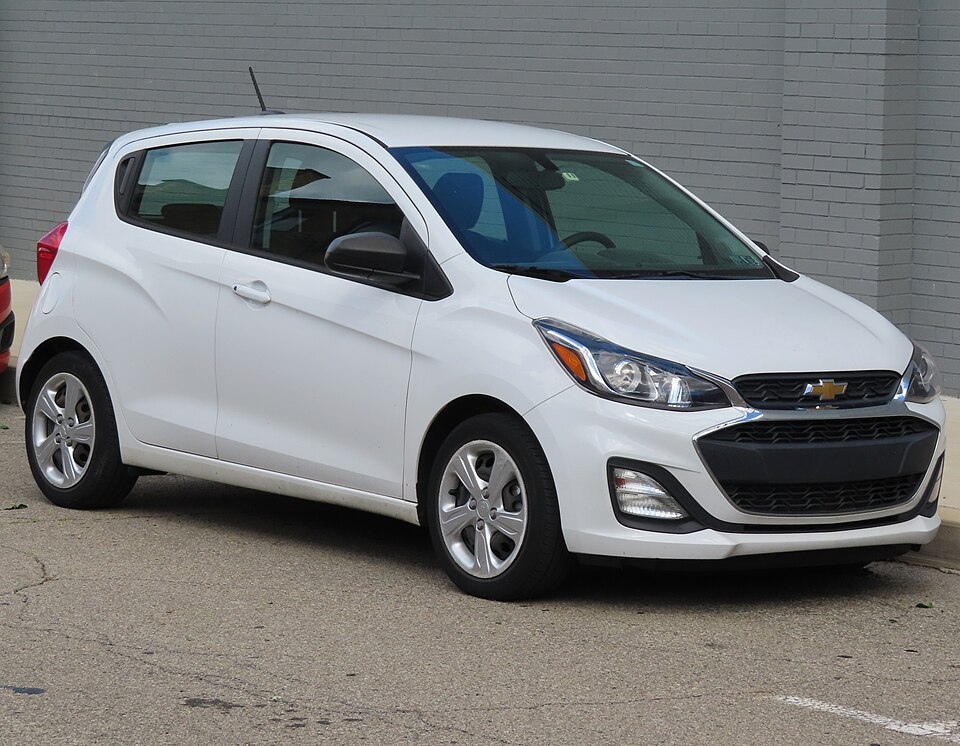
5. Chevrolet Spark: Economy-Oriented, Desert Incompatible
The Chevrolet Spark is a subcompact hatchback engineered for city efficiency and fuel economy rather than endurance or off-road capability. Its small 1.4-liter engine and minimal cooling infrastructure are quickly overwhelmed by high desert temperatures, increasing the risk of overheating and mechanical failure.
Lightweight construction and economy-focused components further exacerbate these vulnerabilities, as the car’s structure and suspension are not designed to endure rough terrain or sandy conditions. Low ride height, narrow tires, and basic suspension make it highly susceptible to bottoming out or becoming trapped in loose sand.
Once traction is lost, the vehicle struggles to recover without external assistance, a critical disadvantage in isolated desert regions where towing options may be limited. Like other subcompact city cars, the Spark’s climate control system and interior insulation are insufficient for extreme heat, resulting in uncomfortable and potentially unsafe cabin conditions.
While the Spark excels on city streets, offering maneuverability and efficiency, the desert presents multiple challenges beyond its design scope, from overheating to entrapment. Attempting desert excursions in this vehicle places the driver at risk of being stranded far from help.
Desert driving demands specialized vehicles that can manage heat, navigate loose terrain, and maintain reliability under extreme conditions.
Models such as the Toyota Land Cruiser, Jeep Wrangler, and Nissan Patrol are purpose-built for these environments, offering superior cooling systems, off-road capability, and rugged construction. In contrast, the Chevrolet Spark is best confined to urban settings, where its strengths shine, and its limitations do not pose serious risks.
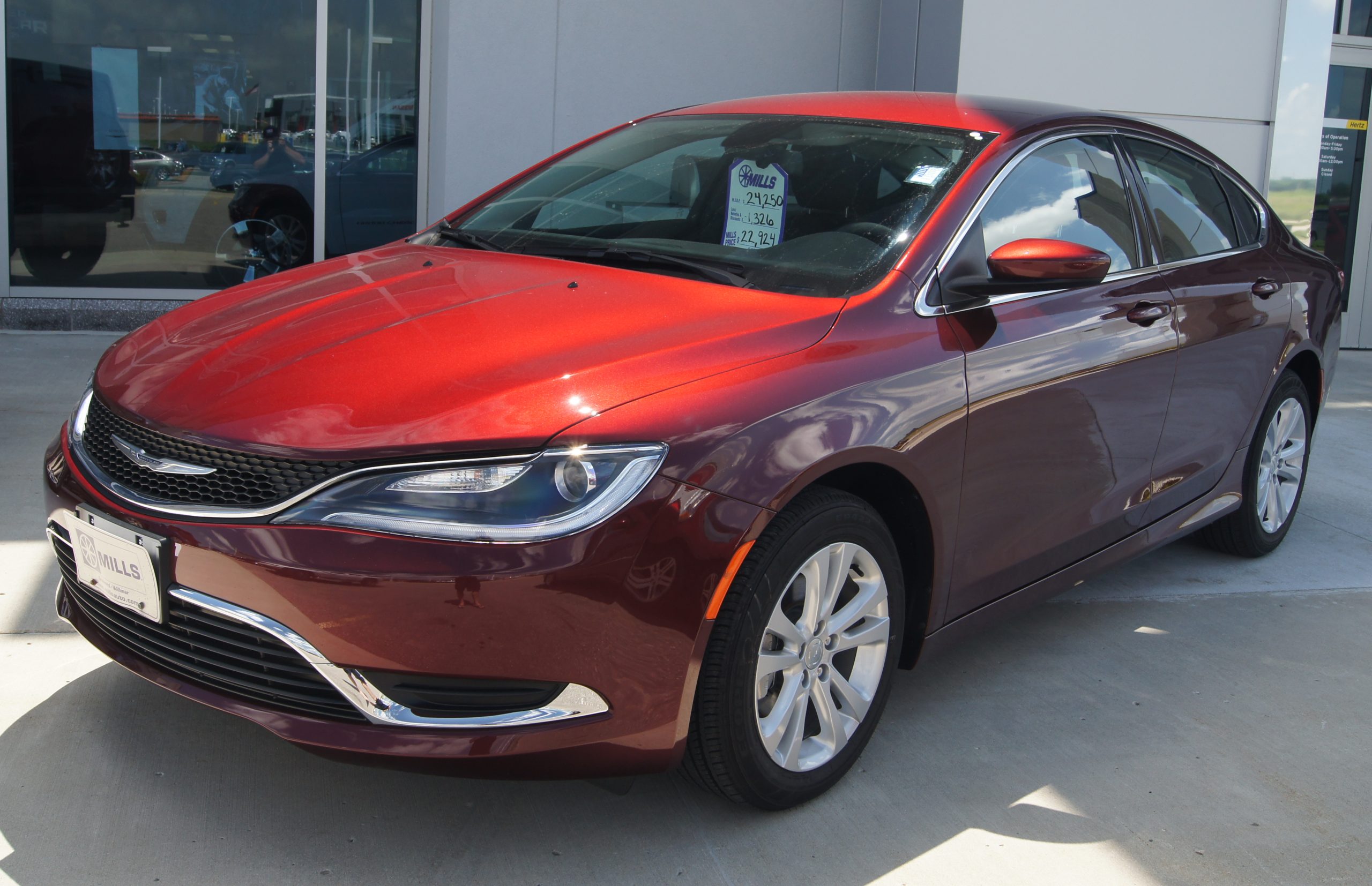
6. Chrysler 200: Stylish Design Undermined by Heat Vulnerability
The Chrysler 200 is praised for its sleek styling, affordability, and comfortable ride, making it an appealing option for everyday driving. However, it struggles in high-temperature environments, where its mechanical and interior limitations become apparent.
The vehicle’s engine cooling system often fails to maintain optimal operating temperatures during prolonged or demanding drives, which can lead to frequent overheating.
This is compounded by an underpowered air conditioning system, which struggles to cool the cabin effectively in extreme heat, leaving occupants uncomfortable and fatigued. Interior materials, including dashboards and upholstery, are also prone to heat-related damage, such as cracking and fading, which diminishes both the aesthetic appeal and long-term durability of the car.
Overheating in the Chrysler 200 can stem from a variety of mechanical issues. Low coolant levels are the most common culprit, preventing proper heat dissipation. A faulty thermostat or failing water pump can disrupt coolant circulation, while a clogged radiator or defective cooling fan further impedes the engine’s ability to shed heat.
Coolant leaks, air trapped in the cooling system, or a malfunctioning coolant temperature sensor can exacerbate the problem. More severe failures, such as a blown head gasket or cracked cylinder head, may allow combustion gases to enter the cooling system, causing dangerous overheating symptoms.
Addressing these issues requires systematic troubleshooting. Vehicle owners should regularly check coolant levels and inspect hoses, clamps, and the radiator for leaks or blockages.
Confirming the operation of the cooling fan and bleeding the system to remove trapped air can prevent hot spots. In cases of severe overheating, professional inspection is necessary to rule out head gasket or cylinder head damage.
While the Chrysler 200 delivers style and comfort in moderate climates, it is not suited for sustained high-heat environments. Drivers in hot regions risk frequent overheating and accelerated interior wear, making the car a less practical choice compared to models engineered for heat resilience.
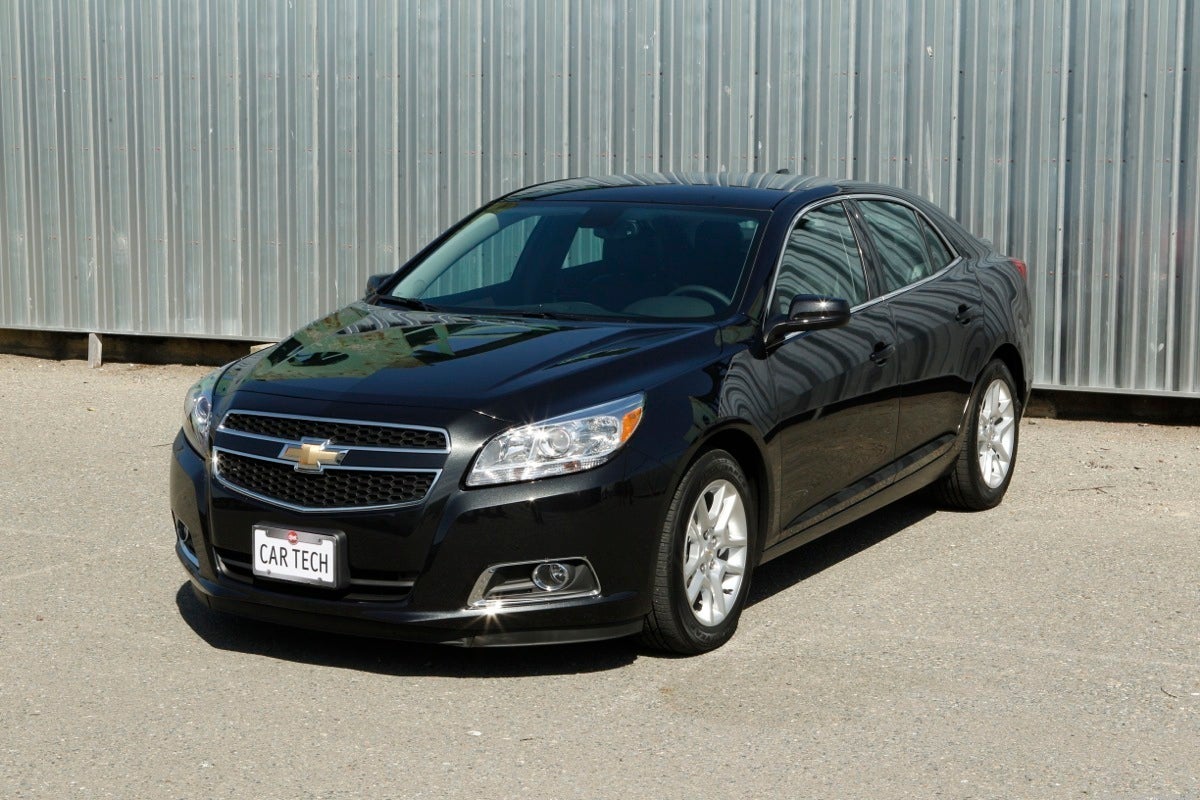
7. Chevrolet Malibu: Mid-Size Sedan Struggles Under Extreme Heat
The Chevrolet Malibu is a mid-sized sedan that performs adequately in temperate climates but struggles in scorching conditions. Its engine cooling system is not designed to handle prolonged exposure to high temperatures, making overheating a common issue during traffic congestion or extended driving in the sun.
The air conditioning system is similarly underpowered, often struggling to cool the cabin efficiently after the vehicle has been parked under intense sunlight. Over time, interior materials show signs of UV damage, with dashboards and upholstery fading or cracking, further reducing long-term durability.
Fuel efficiency can also decline as the engine works harder to maintain its operating temperature in hot conditions. While the Malibu offers good value in cooler regions, it falters in environments with sustained heat.
The Malibu’s design makes it particularly ill-suited for desert or off-road driving. As a front-wheel-drive sedan, it lacks the traction and stability required for sand, gravel, or uneven terrain. Its low ground clearance increases vulnerability to rocks and ruts, while standard all-season tires cannot provide adequate grip on sand or unpaved roads.
Incidents like vehicles getting stuck in salt flats highlight the risks of attempting off-road driving in a Malibu. Extreme desert heat also places additional strain on mechanical components.
The cooling system may fail to dissipate heat effectively, fluids such as engine oil, transmission fluid, and coolant can degrade faster, and the battery may lose charge capacity or fail entirely.
Certain model years exhibit mechanical and electrical vulnerabilities that are exacerbated in remote, hot environments. Engine power loss, transmission issues like delayed shifting, and electrical problems, including flickering dashboards and power steering failures, can leave drivers stranded.
In short, while the Malibu is a comfortable and reliable vehicle in mild climates, its mechanical limitations, low clearance, and lack of off-road capabilities make it a poor choice for desert or extreme heat conditions. Drivers seeking reliability in such environments should opt for vehicles specifically engineered for high temperatures and rugged terrain.
8. Nissan Altima: Comfortable but Vulnerable in Extreme Heat
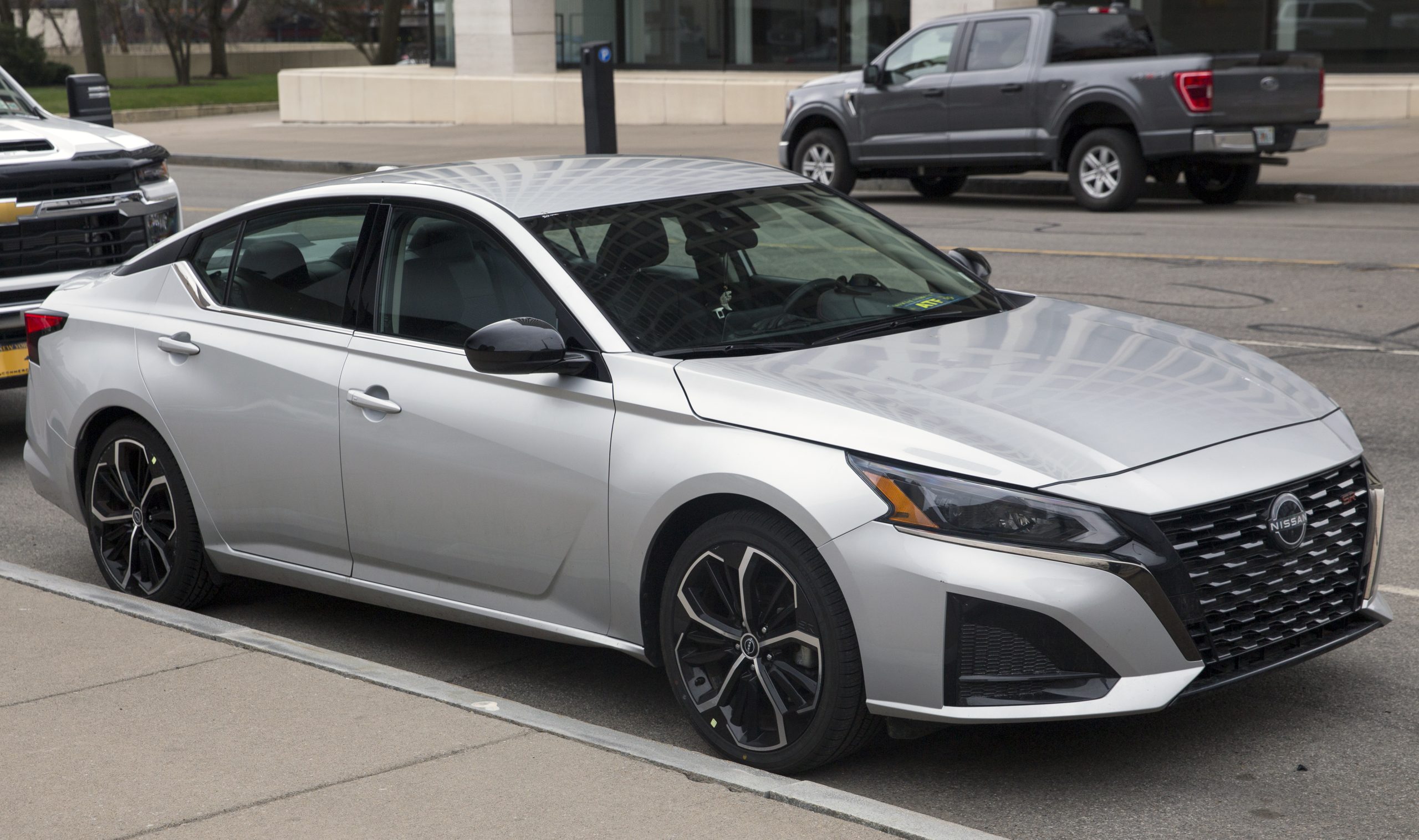
The Nissan Altima is known for its comfort, efficiency, and smooth highway performance, yet it struggles in hot climates and desert environments. Its air conditioning system is slow to cool the cabin, and prolonged exposure to high temperatures accelerates wear on interior materials, which lack adequate UV protection.
While reliable in temperate zones, the Altima’s components, engine, transmission, and cooling system are not built to endure sustained heat, making it a poor choice for desert driving or regions with intense sun.
One of the Altima’s most significant weaknesses is its continuously variable transmission (CVT). Under high stress, such as desert driving or prolonged heat, the CVT fluid can overheat, reducing lubrication and increasing internal wear.
This may trigger “limp mode,” drastically limiting engine power and speed to prevent catastrophic failure. Even without limp mode, overheating can cause shuddering, jerking, and loss of acceleration, leaving the driver vulnerable in remote areas. The engine is similarly at risk due to dust and sand infiltration.
Fine desert particles can clog air filters, reduce airflow, and cause the engine to work harder, increasing the likelihood of overheating. If sand enters the engine oil, it can create an abrasive mixture that wears down pistons and cylinder walls, while contaminated sensors like the MAF sensor can disrupt fuel delivery and reduce driveability.
The Altima’s cooling system faces additional challenges in extreme heat. Radiators, water pumps, and thermostats can fail under prolonged high temperatures, and coolant breakdown or evaporation is common, leading to rapid engine temperature spikes.
Finally, the car’s low ground clearance, standard tires, and suspension are unsuitable for off-road or sandy terrain. Struts and shocks are not designed for rough desert conditions, which can accelerate wear and reduce reliability.
In short, the Nissan Altima provides comfort and efficiency in cities and on highways, but its transmission, cooling system, and low clearance make it ill-equipped for desert or extreme-heat environments.
9. Ford Fiesta: Budget-Friendly but Poor in Extreme Heat
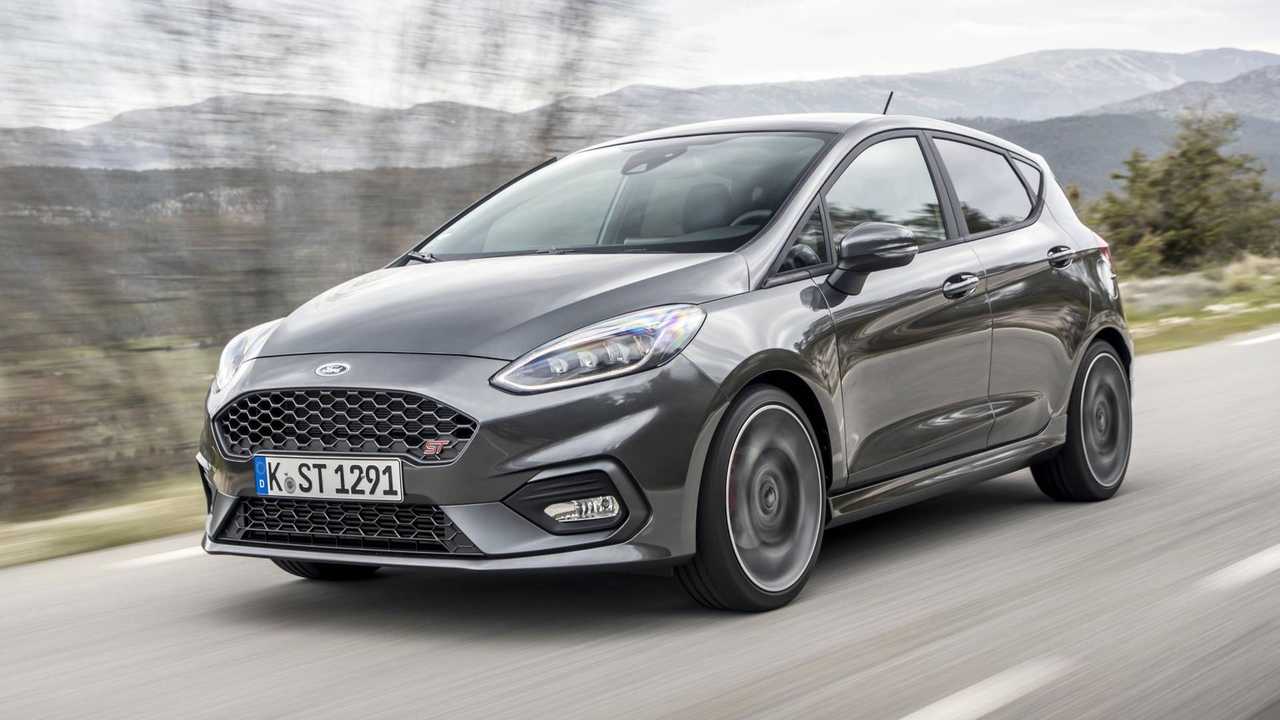
The Ford Fiesta is a compact, economical vehicle designed for city and suburban driving, but it is ill-suited for high-temperature or desert environments. Its air conditioning system struggles to quickly cool the cabin after exposure to intense sunlight, making the interior uncomfortable in hot climates.
The small engine is prone to overheating during extended drives, especially when idling or in heavy traffic. Interior components, such as the dashboard and seats, degrade faster under UV exposure, leading to cracking, fading, and premature aging. While the Fiesta is attractive for its low cost and fuel efficiency, it performs best in moderate climates rather than extreme heat conditions.
The Fiesta’s low ground clearance, typically around 122 mm (4.8 inches), makes it vulnerable to uneven terrain and loose sand. In desert conditions, the car can easily become “beached” on dunes or ridges, requiring towing for recovery.
Its standard road tires provide minimal traction on sand, causing the vehicle to dig in rather than float on the surface. The lightweight suspension is not built to endure repeated impacts from rough terrain, increasing the risk of damage or failure. The cooling system, already modest, can be overwhelmed by prolonged high temperatures, placing additional strain on the engine and battery.
The Fiesta also lacks the power and torque needed to handle soft sand or steep dunes, making it difficult to maintain forward momentum. Transmission issues, particularly in models with the PowerShift automatic, can worsen under the stress of harsh conditions. Taken together, the Fiesta’s limitations in engine cooling, traction, suspension, and power render it unsuitable for desert driving.
Vehicles designed for desert use require high ground clearance, four-wheel-drive systems, robust cooling, powerful engines, and specialized off-road tires. Examples include the Ford F-150 Raptor, Jeep Wrangler, and Toyota Land Cruiser. While the Fiesta is an efficient and budget-friendly urban car, it cannot withstand the extreme heat, rugged terrain, or mechanical stresses of desert environments.
10. Hyundai Sonata: Reliable but Vulnerable in Extreme Heat
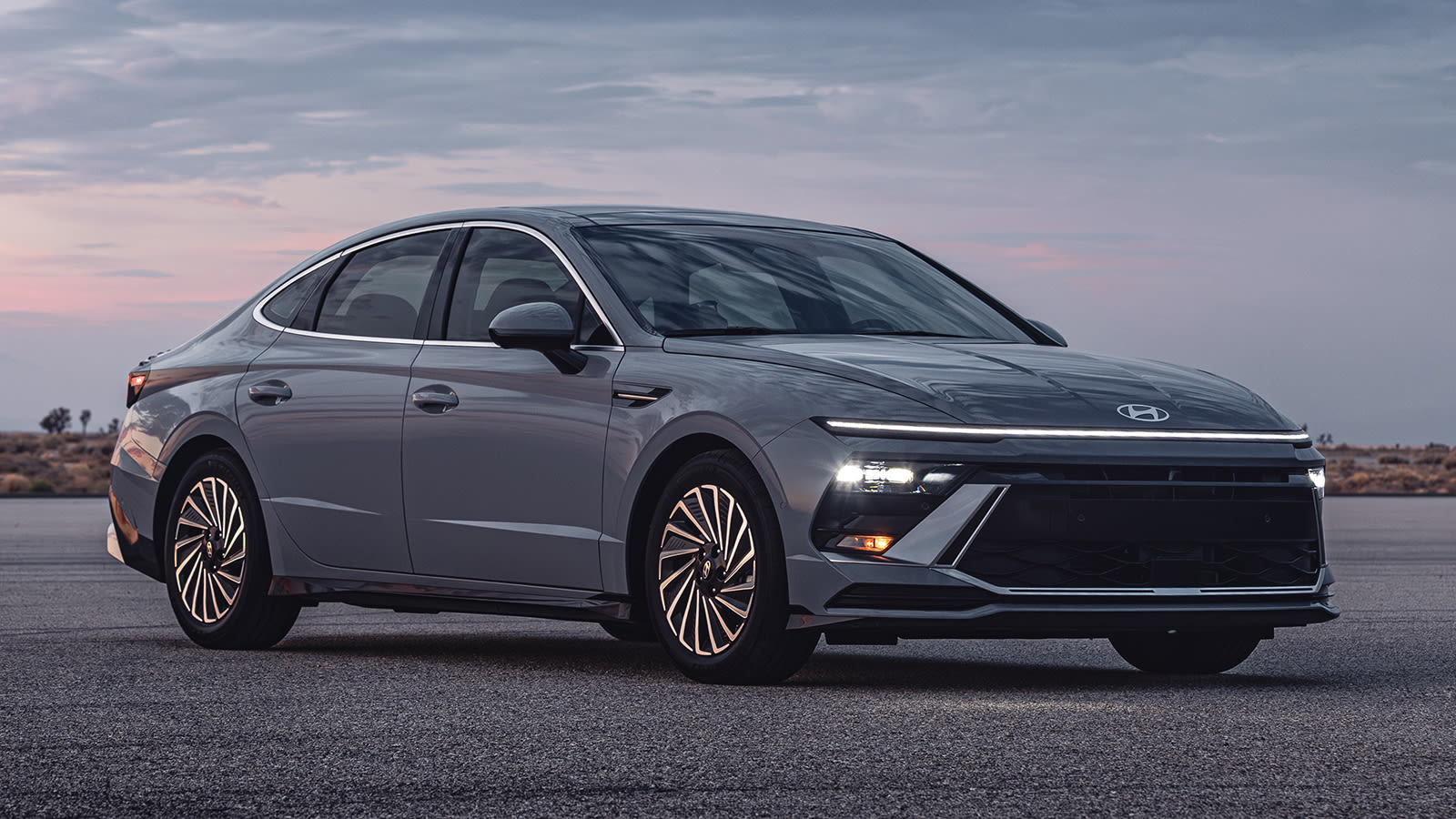
The Hyundai Sonata is recognized for its reliability, comfort, and efficiency in everyday driving, yet it struggles in extreme heat and desert conditions. The air conditioning system is slow to cool the cabin, while the engine cooling system is not designed for prolonged exposure to high temperatures, increasing the risk of overheating and potential engine damage.
Interior materials lack UV protection, leading to cracking, fading, and accelerated wear when exposed to intense sunlight. Although the Sonata performs well in moderate climates, its limitations become apparent in consistently hot environments, making it a less practical choice for desert regions.
The Sonata’s design makes it unsuitable for off-road or desert driving. Low ground clearance increases the risk of scraping the undercarriage on rocks or uneven terrain, potentially damaging the oil pan, exhaust, or suspension components.
Standard all-season tires do not provide sufficient traction on sand or gravel, and the soft suspension, optimized for comfort on paved roads, is not built to handle repeated impacts and vibrations from rough terrain.
Most models feature front-wheel drive, which is inadequate for soft sand or steep dunes, and even all-wheel-drive options lack the robustness required for serious off-road conditions.
Extreme heat further stresses the Sonata’s mechanical systems. Overheating is common in desert climates, particularly in older model years known for engine issues. Dust and sand can clog air filters or enter the engine, acting as abrasives that accelerate wear. High temperatures also degrade fluids and shorten battery life, while sand accumulation increases the risk of radiator or brake damage.
While the Sonata can manage well-maintained gravel or paved roads, its low clearance, standard tires, and limited cooling make it a poor choice for desert use.
Drivers seeking reliable performance in harsh desert environments require vehicles with heavy-duty cooling systems, high ground clearance, and off-road capabilities, such as the Jeep Wrangler, Toyota Land Cruiser, or Ford F-150 Raptor. The Sonata is best kept to urban or highway driving in temperate conditions.
Desert driving is the ultimate test of a vehicle’s strength, design, and reliability. Looking at the cars that thrive versus those that struggle under extreme heat, it’s clear that preparation and engineering make all the difference. The vehicles that survive combine rugged construction, efficient cooling systems, and strong traction to conquer the toughest terrains.
Meanwhile, the ones that falter serve as a warning: not every car is suited for sand and sun. Whether for off-road adventures or understanding automotive limits, this comparison highlights the stark difference between desert warriors and road-bound contenders. Ultimately, the right vehicle for extreme conditions is defined by resilience, durability, and engineering that stands up to the unforgiving desert.
Also Read: 10 Cars That Will Be Future Classics by 2030
